Famous Movie Scenes That the Actors Absolutely Hated Filming
Behind the glamour of Hollywood’s most iconic moments lies a truth that might surprise you. Those unforgettable scenes you’ve watched countless times?
Many of them were absolutely miserable to create. Actors have endured everything from physical torture to emotional breakdowns, all in service of bringing a director’s vision to life.
The magic you see on screen often comes at a cost that goes far beyond what audiences realize. Sometimes the suffering is physical — freezing water, dangerous stunts, or grueling conditions that push performers to their limits.
Other times it’s emotional, requiring actors to tap into places they’d rather not go or repeat traumatic scenes dozens of times. And occasionally, it’s simply the mundane torture of repetition, technical difficulties, or working with directors who demand perfection at any cost.
The Shining’s Endless Door Scene

Shelley Duvall’s terror in “The Shining” wasn’t acting. Stanley Kubrick forced her to repeat the baseball bat scene 127 times.
The emotional breakdown you see on screen was real. Kubrick’s method involved systematically wearing down his actors.
He berated Duvall between takes and encouraged the crew to ignore her. The result was authentic psychological distress that translated into one of horror cinema’s most chilling performances.
Titanic’s Freezing Water Torture
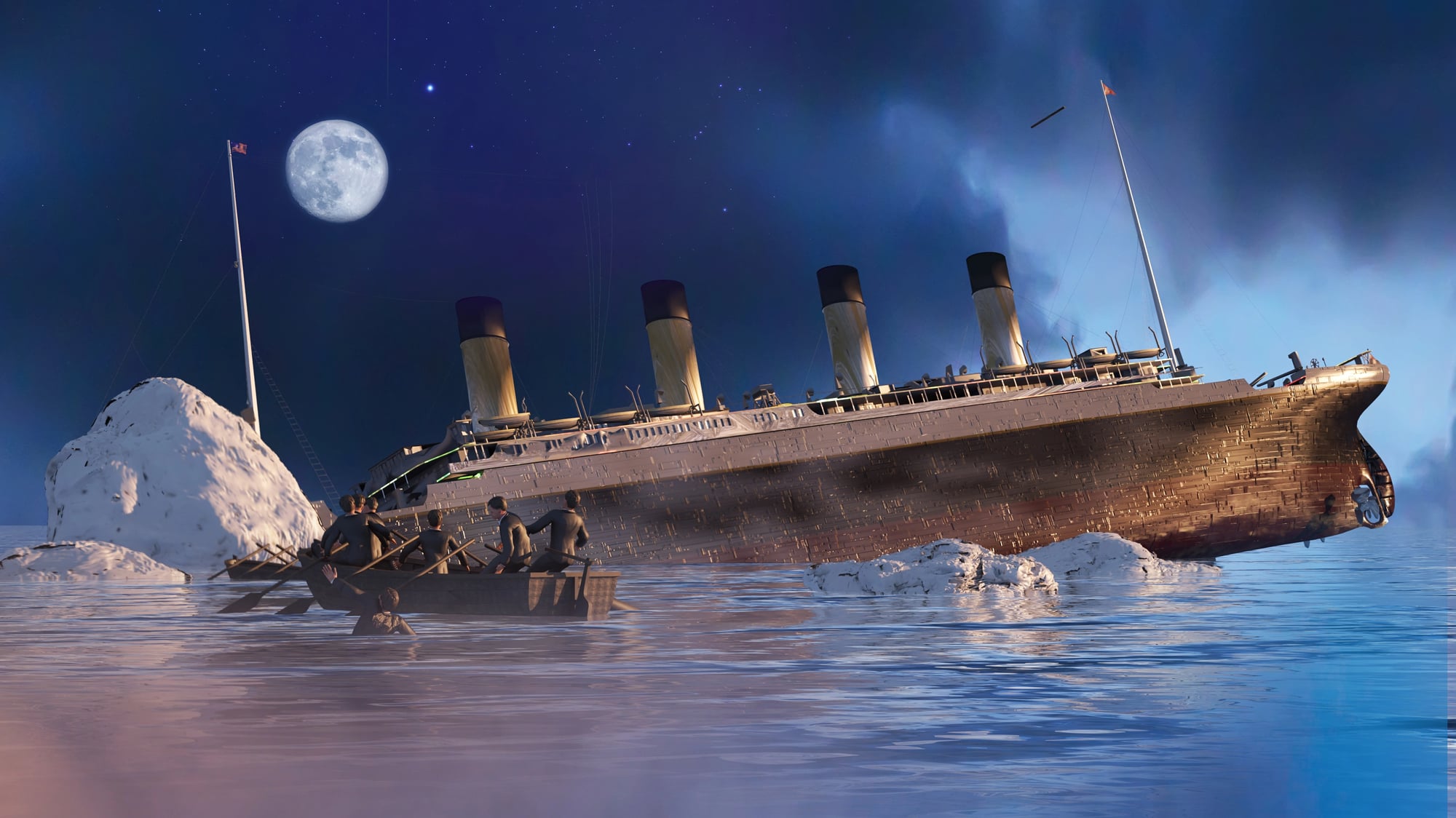
The water in “Titanic” was actually freezing. Kate Winslet developed pneumonia during filming.
Leonardo DiCaprio’s chattering teeth weren’t added in post-production — they were genuine reactions to the bone-chilling temperatures Cameron insisted on using. The actors spent hours submerged in what was essentially ice water.
Winslet later said she thought she might actually die during some of the water scenes. Cameron’s pursuit of realism nearly killed his stars, but it certainly added authenticity to their performances of people freezing to death in the North Atlantic.
The Revenant’s Raw Fish Breakfast
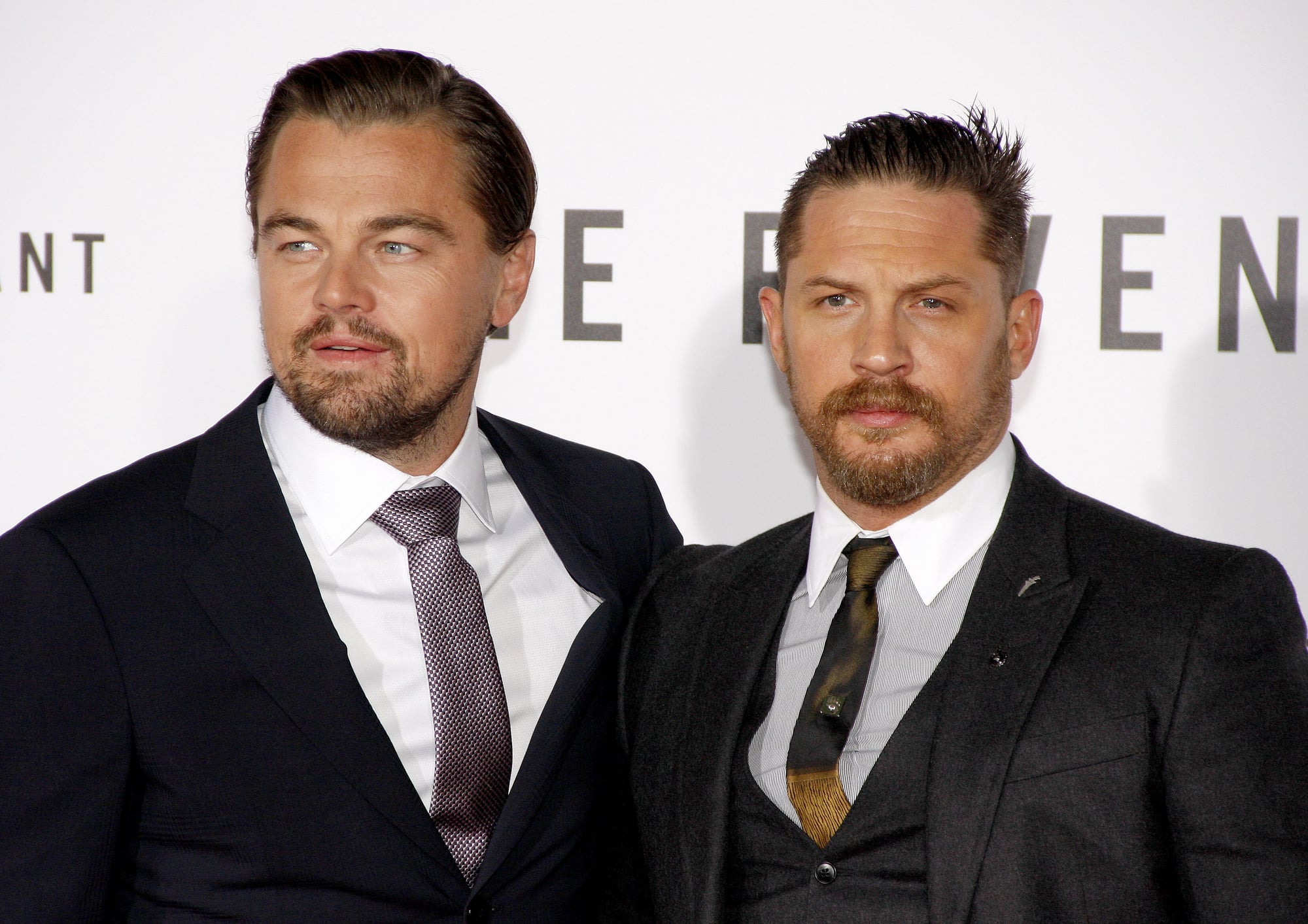
Leonardo DiCaprio ate a raw bison liver on camera (though reports of it being a fish were exaggerated). The scene required multiple takes.
DiCaprio, a vegetarian, struggled not to vomit between shots — a reaction that actually enhanced his character’s desperation and revulsion. The commitment was typical of the entire “Revenant” production, which became notorious for its brutal shooting conditions.
What you see on DiCaprio’s face isn’t method acting — it’s genuine disgust and the physical effort required not to be sick. And here’s the thing about that kind of visceral reaction: you can’t fake it, which is exactly why Alejandro González Iñárritu kept the cameras rolling.
The director understood that authentic suffering (within reason) creates moments that no amount of acting technique can replicate, though one has to wonder at what point artistic vision crosses into unnecessary cruelty. But then again, DiCaprio won his Oscar for this role, so perhaps he’d argue the liver was worth it.
Alien’s Chestburster Shock
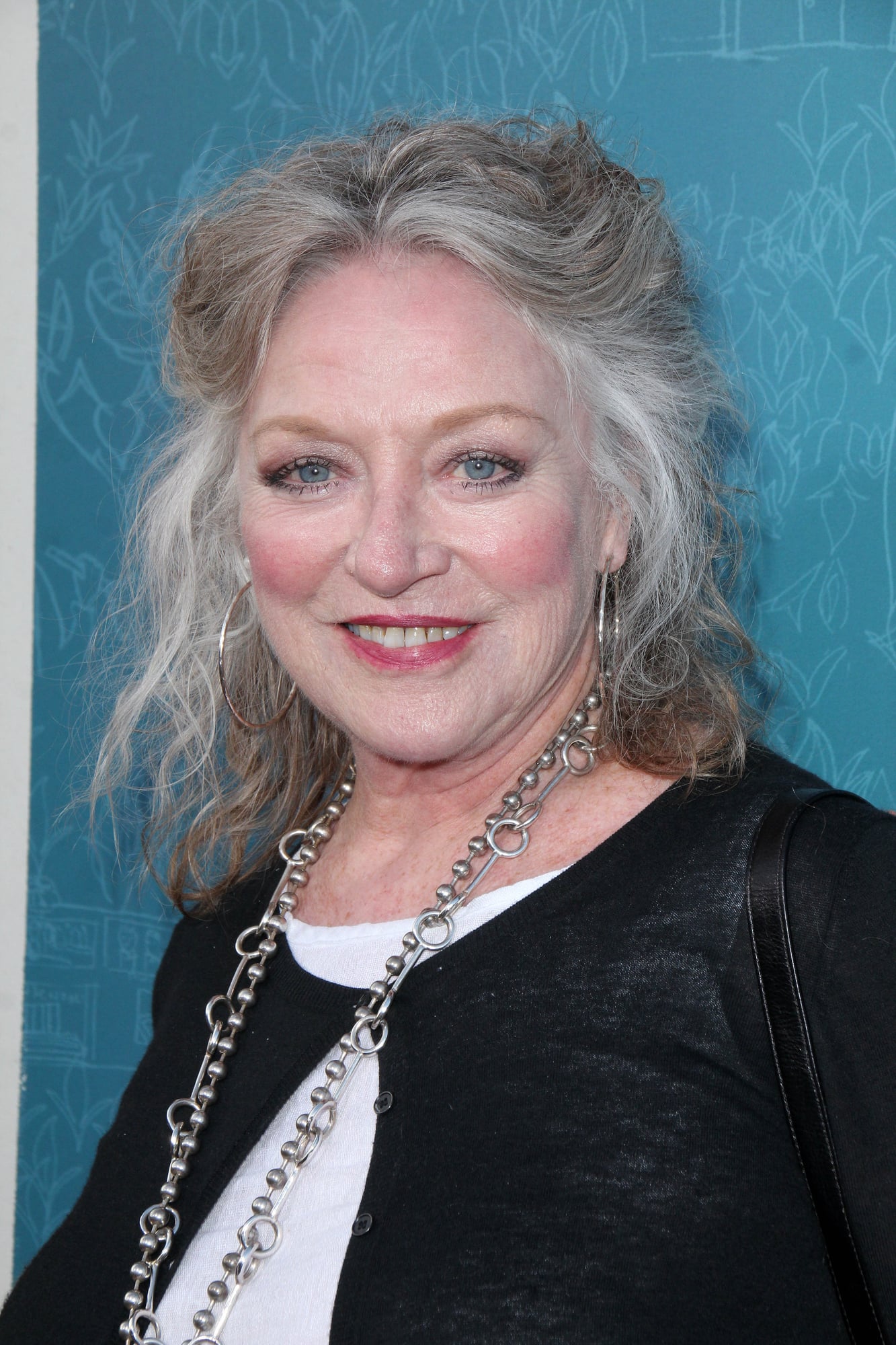
The famous chestburster scene worked because most of the cast didn’t know what was coming. Veronica Cartwright’s scream of horror was completely genuine.
She had no idea she was about to be sprayed with blood and witness a mechanical alien erupting from John Hurt’s chest. Ridley Scott deliberately kept the details secret from everyone except Hurt and a few crew members.
The shock and revulsion on the actors’ faces is real. Cartwright was so startled she fell backward and genuinely thought something had gone wrong.
That authentic terror became one of cinema’s most effective jump scares.
The Exorcist’s Refrigerated Hell
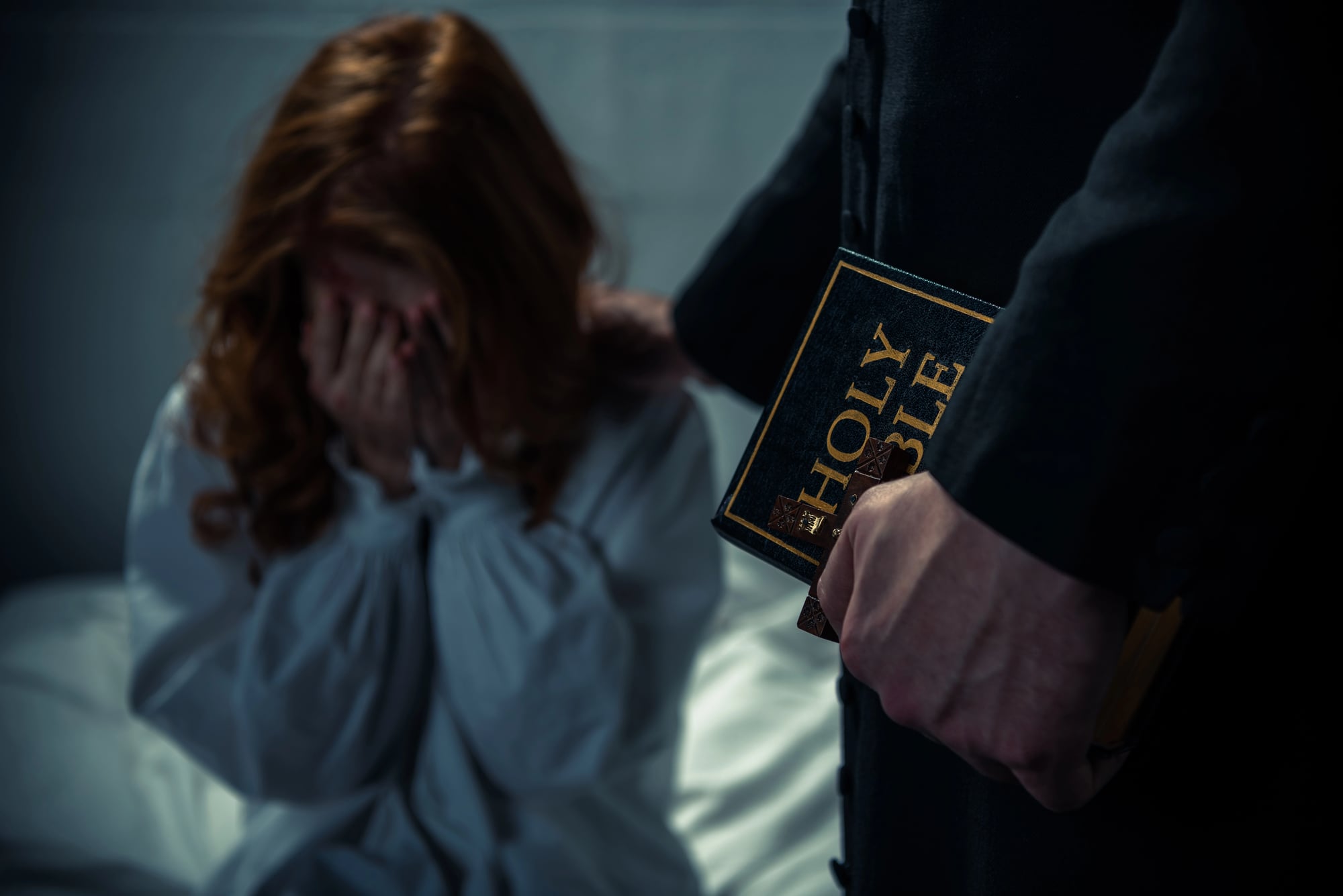
Horror films shouldn’t require actual suffering, but “The Exorcist” came close. William Friedkin refrigerated the bedroom set to below freezing temperatures.
You can see the actors’ breath in many scenes because they were genuinely shivering. Ellen Burstyn injured her back during the scene where she’s thrown away from her daughter’s bed.
Friedkin’s obsession with realism meant the cast endured genuinely uncomfortable and sometimes dangerous conditions. The cold wasn’t just atmospheric — it was punishing.
Actors couldn’t feel their fingers, their voices shook from the temperature, and the physical discomfort added to the psychological unease of the already disturbing material.
Kill Bill’s Buried Alive Panic
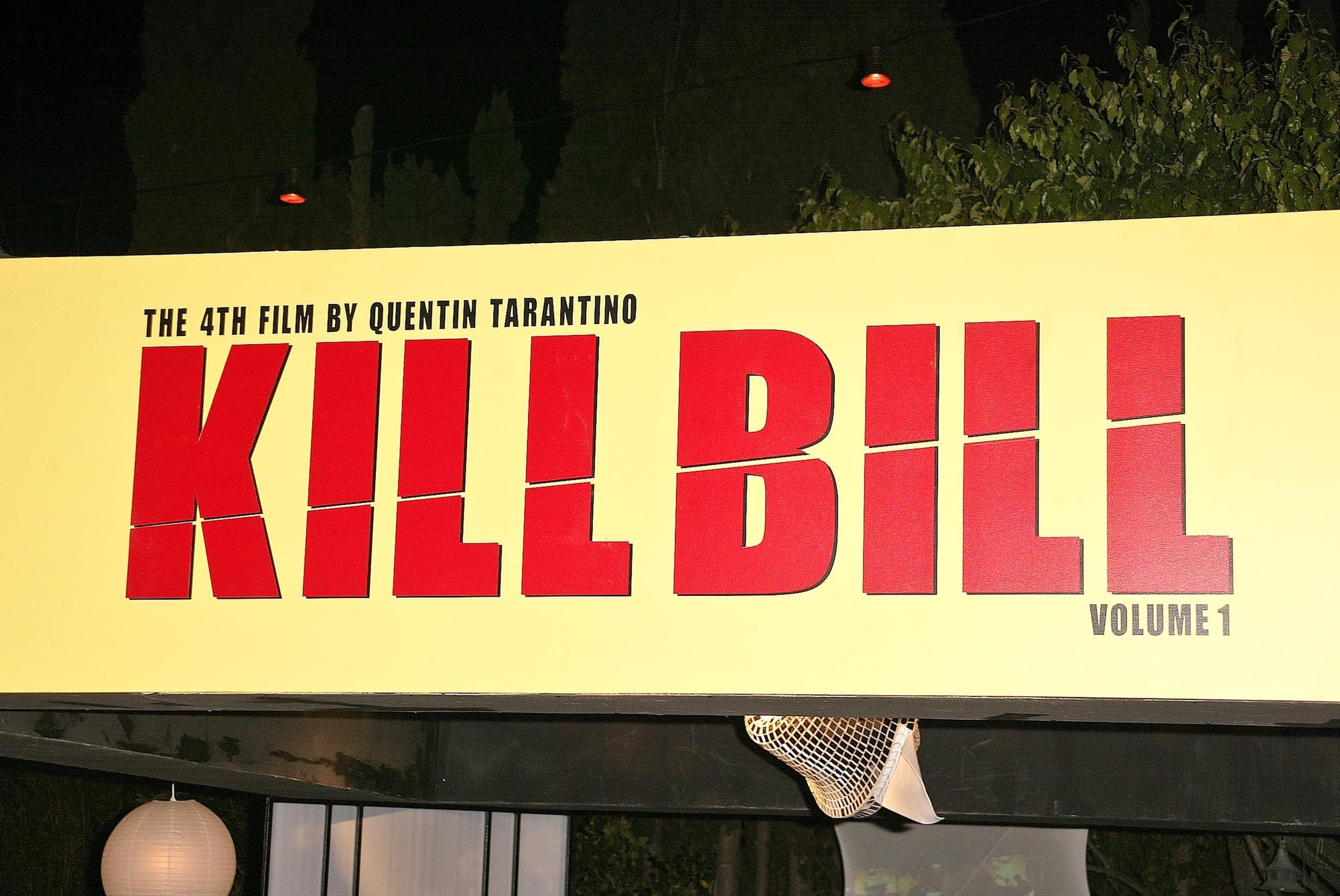
Uma Thurman’s claustrophobic panic in the buried alive sequence was frighteningly real. Tarantino constructed an actual coffin and buried it underground.
Thurman spent hours in the confined space, and her breathing became genuinely labored from anxiety and the limited air circulation. The actress later admitted she had several panic attacks during filming.
The dirt above the coffin was real, the space was genuinely confining, and the psychological pressure of being buried alive affected her more than she anticipated. What reads as brilliant physical acting was actually Thurman fighting genuine claustrophobia.
The Pianist’s Starvation Method
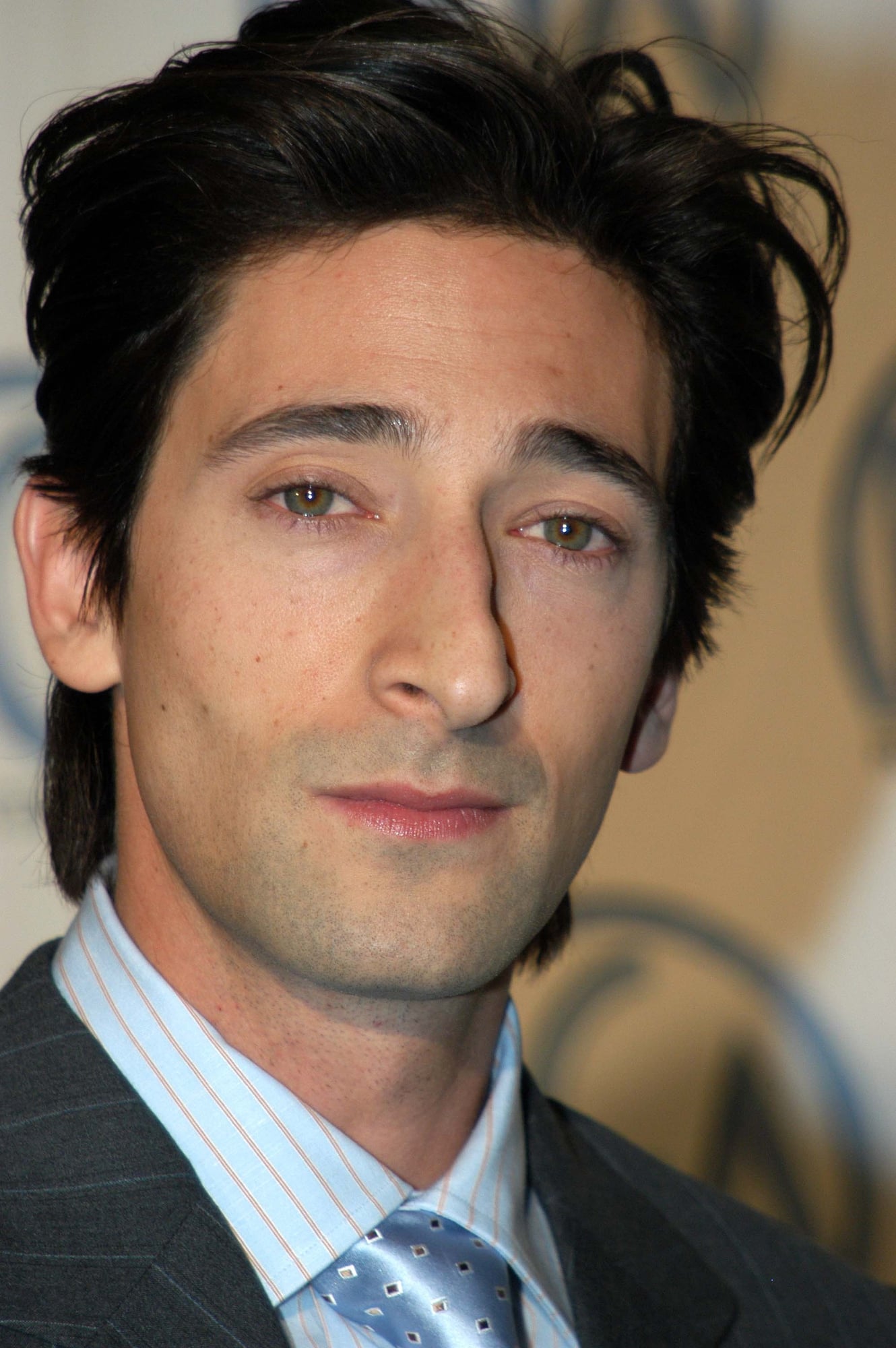
Adrien Brody lost 30 pounds for “The Pianist” and the weight loss was visible and painful. But the scene that tormented him most was eating the can of pickles — his first food in days of filming his character’s starvation.
Brody’s reaction to the taste was genuine relief and desperation, but it required multiple takes that meant repeatedly returning to that state of hunger. The physical transformation was one thing, but the emotional toll of embodying such trauma took months to recover from.
Brody gave up his apartment, sold his car, and disconnected from his normal life to maintain the character’s sense of loss and displacement. The pickle scene represents not just a moment of sustenance, but the culmination of weeks of genuine deprivation.
Black Swan’s Psychological Breakdown

Natalie Portman’s psychological unraveling in “Black Swan” came from genuine mental and physical exhaustion. She trained for months to achieve professional ballet level, often practicing until her feet bled.
The mirror scenes where she argues with her reflection required her to genuinely work herself into states of confusion and dissociation. Darren Aronofsky encouraged method acting that bordered on actual psychological stress.
Portman lost 20 pounds, dislocated a rib, and developed stress-related insomnia. The scenes where Nina hallucinates and loses her grip on reality drew from Portman’s own sleep-deprived, over-trained state.
The line between character and actress became genuinely blurred.
Jaws’ Indianapolis Speech
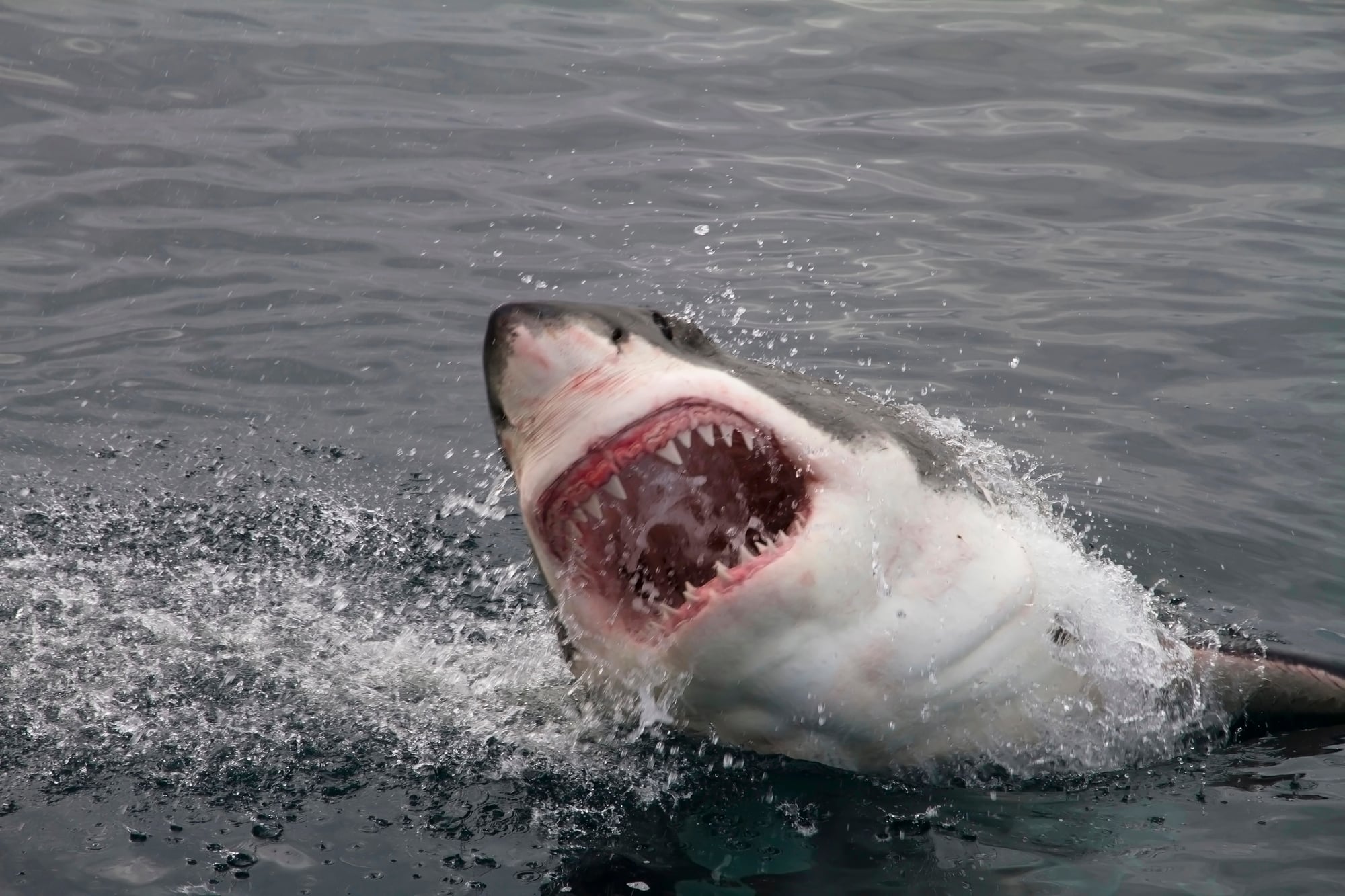
Robert Shaw’s delivery of Quint’s Indianapolis speech was brilliant, but filming it was torture. Shaw was drunk during many takes because he couldn’t handle the emotional weight of the monologue sober.
The speech describes real events — the USS Indianapolis shark attacks — and Shaw felt the responsibility of honoring those men’s suffering. The monologue required multiple attempts over several days.
Shaw alternated between being too drunk to deliver it coherently and too sober to access the emotional truth of the trauma he was describing. Spielberg had to carefully time the takes to catch Shaw at the precise level of intoxication where he could function but still feel the weight of the story he was telling.
Full Metal Jacket’s Verbal Assault
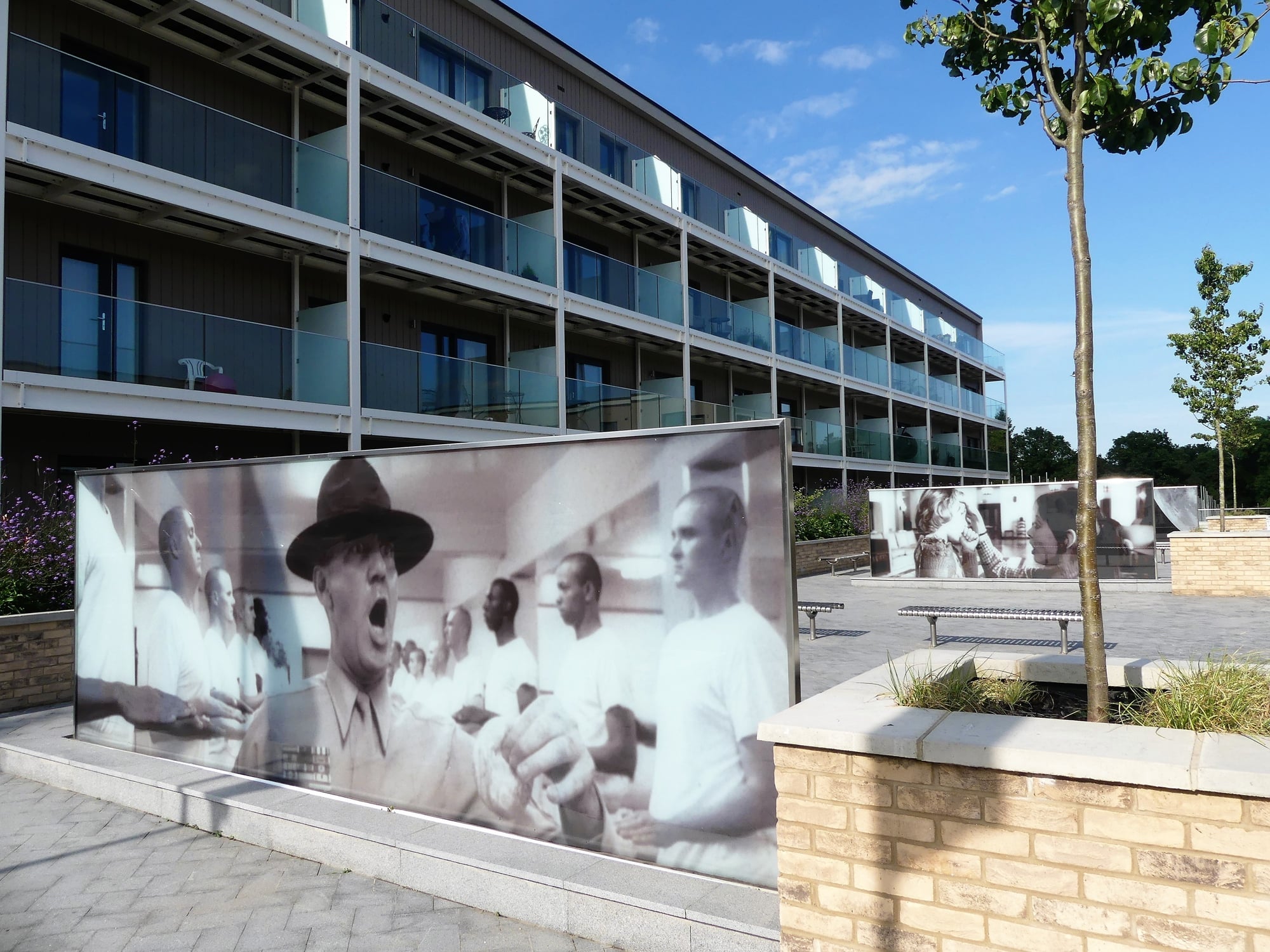
R. Lee Ermey’s drill instructor wasn’t just acting — he was genuinely berating the actors for hours. Vincent D’Onofrio, who played Private Pyle, endured months of psychological abuse that was designed to break him down mentally.
The infamous “jelly donut” scene required D’Onofrio to be repeatedly humiliated and screamed at by a man who had actually been a Marine drill instructor. Kubrick encouraged the verbal abuse to continue even between takes.
D’Onofrio gained 70 pounds for the role and had to maintain the character’s psychological vulnerability for the entire shoot. The mental breakdown you see on screen reflects genuine psychological pressure.
The actors weren’t just playing soldiers being broken down — they were actually being broken down.
Requiem For A Dream’s Descent Into Madness
The film’s final act required all four main actors to portray severe addiction and psychological breakdown. Ellen Burstyn’s scenes as an amphetamine-addicted mother were so emotionally devastating that she requested a body double for some of the more traumatic moments.
But Darren Aronofsky insisted on pushing the actors to their psychological limits. Burstyn later said the role gave her nightmares for months.
The rapid-fire editing, the extreme close-ups, and the repetitive nature of filming the same devastating scenes dozens of times created a genuinely disturbing psychological environment. The actors weren’t just playing people in crisis — they were experiencing real emotional distress from repeatedly accessing such dark mental spaces.
Django Unchained’s Dinner Table Explosion
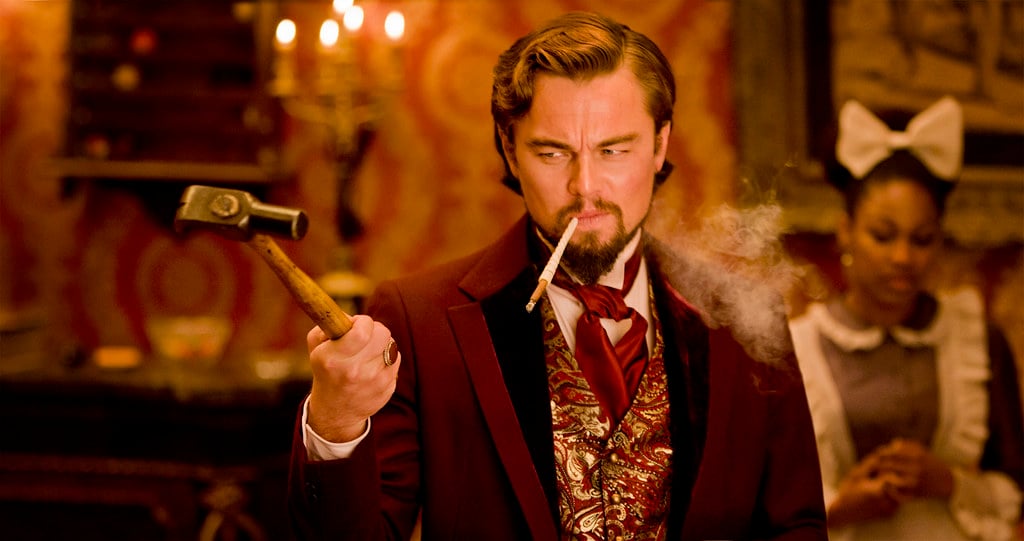
Leonardo DiCaprio actually cut his hand when he slammed it on the table and continued the scene. The blood was real.
But what made the scene genuinely difficult wasn’t the physical injury — it was the emotional toll of delivering Calvin Candie’s racist monologue with such conviction and enthusiasm. DiCaprio struggled with the character’s language and ideology.
Between takes, he would need time to mentally distance himself from the hateful words he was required to say. The dinner scene required multiple days of filming, meaning DiCaprio had to repeatedly access and portray a mindset that was fundamentally opposed to his own values.
The psychological effort of embodying such evil was more exhausting than any physical injury.
Blue Is The Warmest Color’s Controversial Intimacy

The seven-minute love scene required ten days of filming. Adèle Exarchopoulos and Léa Seydoux were emotionally and physically exhausted by the repetitive, technically complex nature of filming such intimate moments.
Director Abdellatif Kechiche demanded multiple angles and endless retakes. Both actresses later spoke about feeling objectified and uncomfortable during the extended filming process.
What should have been a tender, meaningful scene became a grueling technical exercise that left them feeling exposed and exploited. The emotional intimacy the scene required became impossible to maintain across ten days of mechanical repetition.
When The Magic Costs Too Much
These stories reveal something uncomfortable about our favorite films: sometimes the performances we admire most came from places of genuine suffering. The question becomes whether authentic emotion justifies putting actors through psychological or physical distress, or whether there are ethical lines that shouldn’t be crossed in pursuit of cinematic truth.
The best directors understand that collaboration, not torture, creates lasting art. But these tales persist because they remind us that behind every perfect moment on screen is a human being who chose to endure something difficult for the sake of the story.
That choice, whether wise or not, deserves recognition.
More from Go2Tutors!

- The Romanov Crown Jewels and Their Tragic Fate
- 13 Historical Mysteries That Science Still Can’t Solve
- Famous Hoaxes That Fooled the World for Years
- 15 Child Stars with Tragic Adult Lives
- 16 Famous Jewelry Pieces in History
Like Go2Tutors’s content? Follow us on MSN.