15 Strangest Coincidences in Historic Events
History is filled with twists, but sometimes reality edges into the unbelievable. Certain events line up so perfectly, so improbably, that they feel scripted—like the world itself had a mischievous hand in the timing.
Below are some of the strangest coincidences in history, where fate, chance, and sheer oddity collided.
The Titanic and Futility
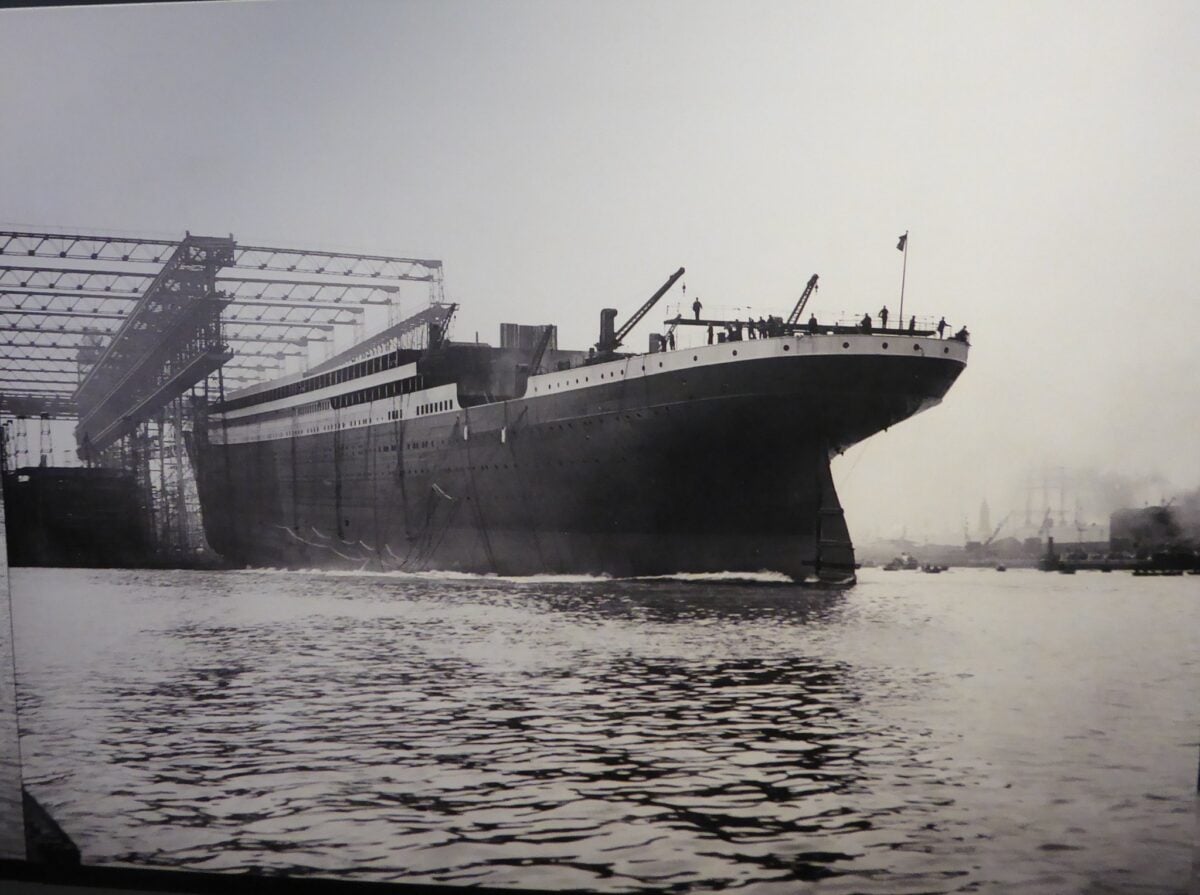
In 1898, a novella titled Futility told of an “unsinkable” ship named Titan that struck an iceberg in the North Atlantic. Fourteen years later, the Titanic sank under eerily similar circumstances.
A fictional warning that looked more like prophecy than imagination.
The Lincoln–Kennedy Parallels
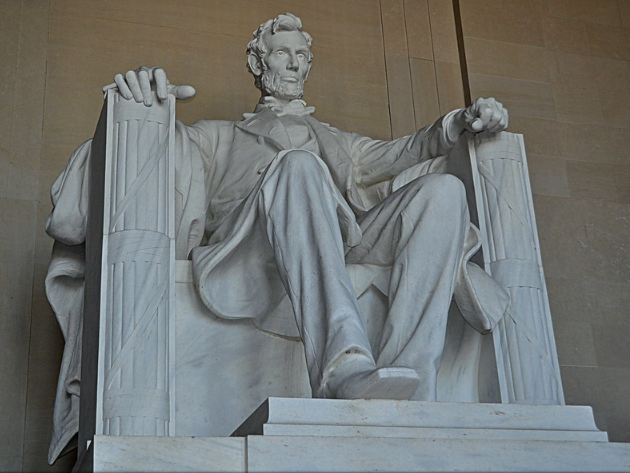
The list of similarities between Abraham Lincoln and John F. Kennedy’s lives (and deaths) is astonishing:
- Both were elected to Congress 100 years apart.
- Both became president 100 years apart.
- Both were assassinated on a Friday.
- Both were succeeded by a Johnson.
Coincidence or cosmic echo? People still argue.
Like Go2Tutors’s content? Follow us on MSN.
The Twin Deaths of Thomas Jefferson and John Adams
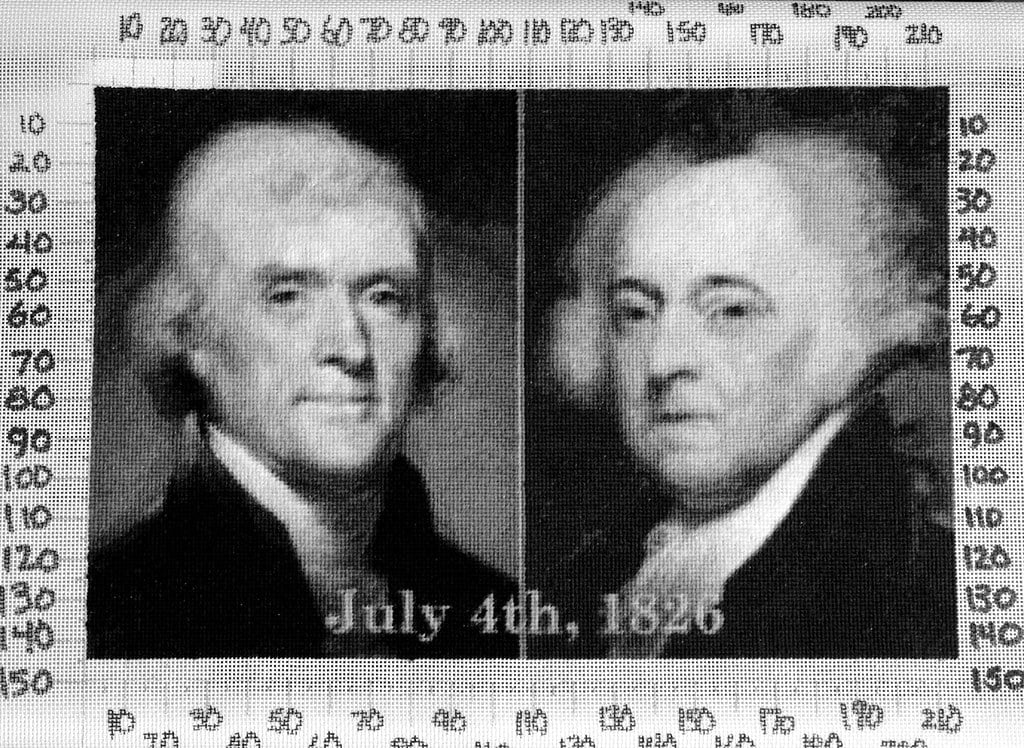
Two of America’s Founding Fathers, and fierce rivals turned friends, died on the very same day: July 4, 1826. It was exactly 50 years after the Declaration of Independence. Fireworks were going off across the country while the nation’s first voices faded.
The “Unsinkable” Violet Jessop

Violet Jessop worked as a stewardess and nurse aboard three sister ships: the Olympic, the Titanic, and the Britannic. She survived accidents on all three, including the Titanic disaster in 1912.
Luck? Iron will? Or just someone who really needed to pick different employers.
The Archduke’s Car Plate
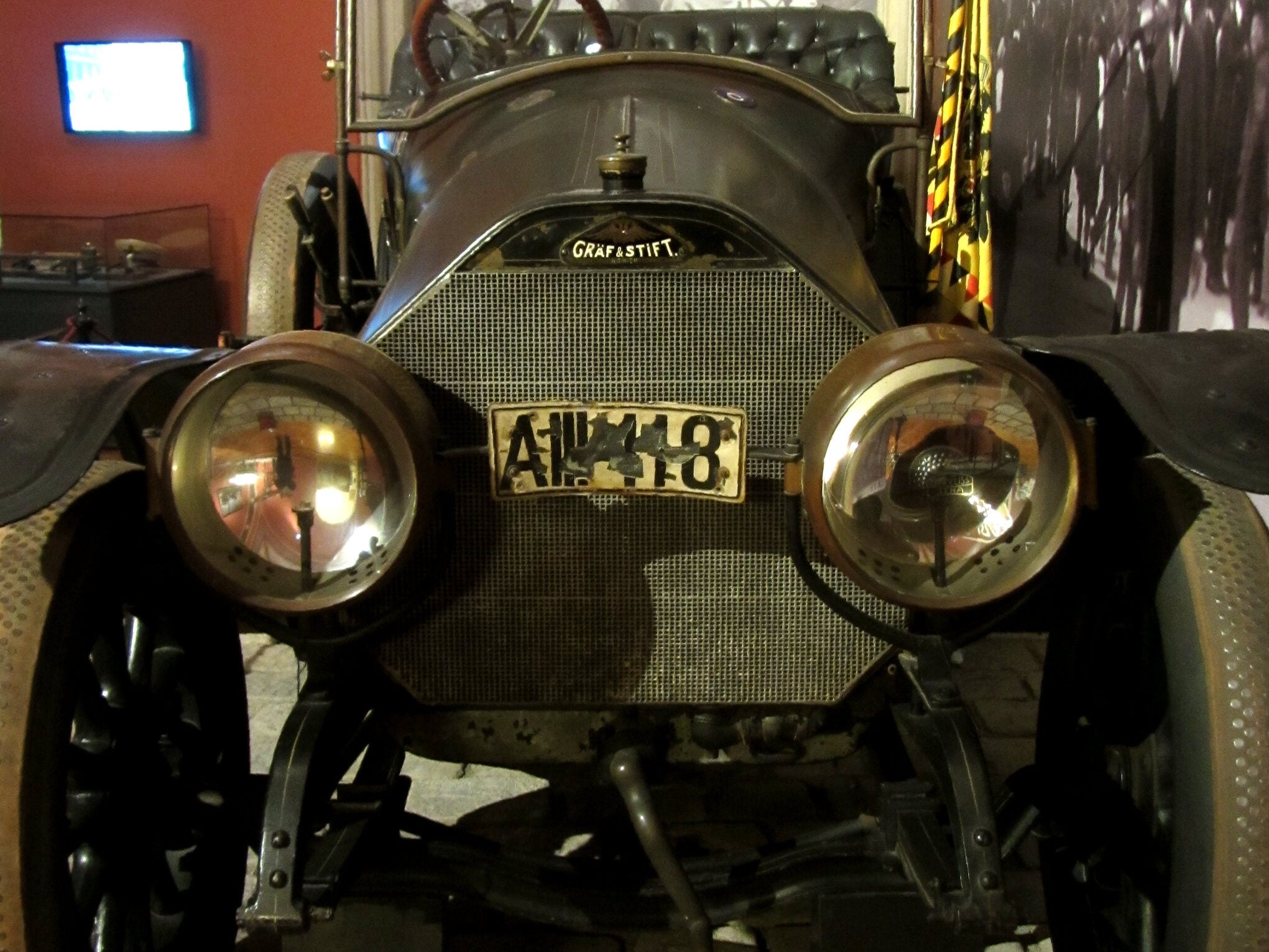
When Archduke Franz Ferdinand was assassinated in Sarajevo in 1914, the license plate of his car read “A III 118.” World War I ended with an armistice on 11/11/18.
Not great for anyone who’s spooked by numbers lining up a little too neatly.
Like Go2Tutors’s content? Follow us on MSN.
The Curse of Tippecanoe
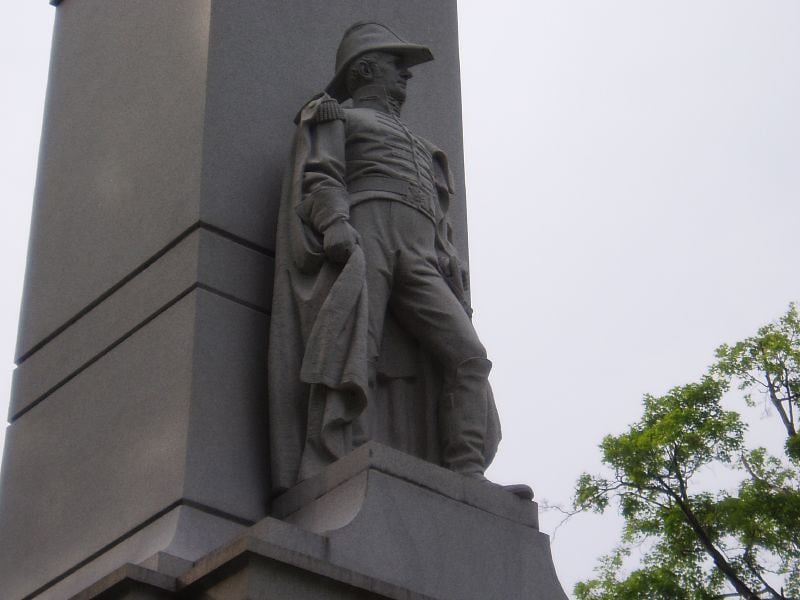
Presidents elected in years ending with zero—from William Henry Harrison in 1840 to John F. Kennedy in 1960—all died in office. Ronald Reagan, elected in 1980, narrowly escaped the curse after surviving an assassination attempt.
Superstition or chilling pattern? Hard to say.
The Hoover Dam and the Hardings

The first man to die during the construction of the Hoover Dam was J.G. Tierney in 1922. Fourteen years later, on the same date, his son became the last man to die working on the project.
A grim father-son bookend to one of America’s largest engineering feats.
Edgar Allan Poe’s Time-Travel Tale
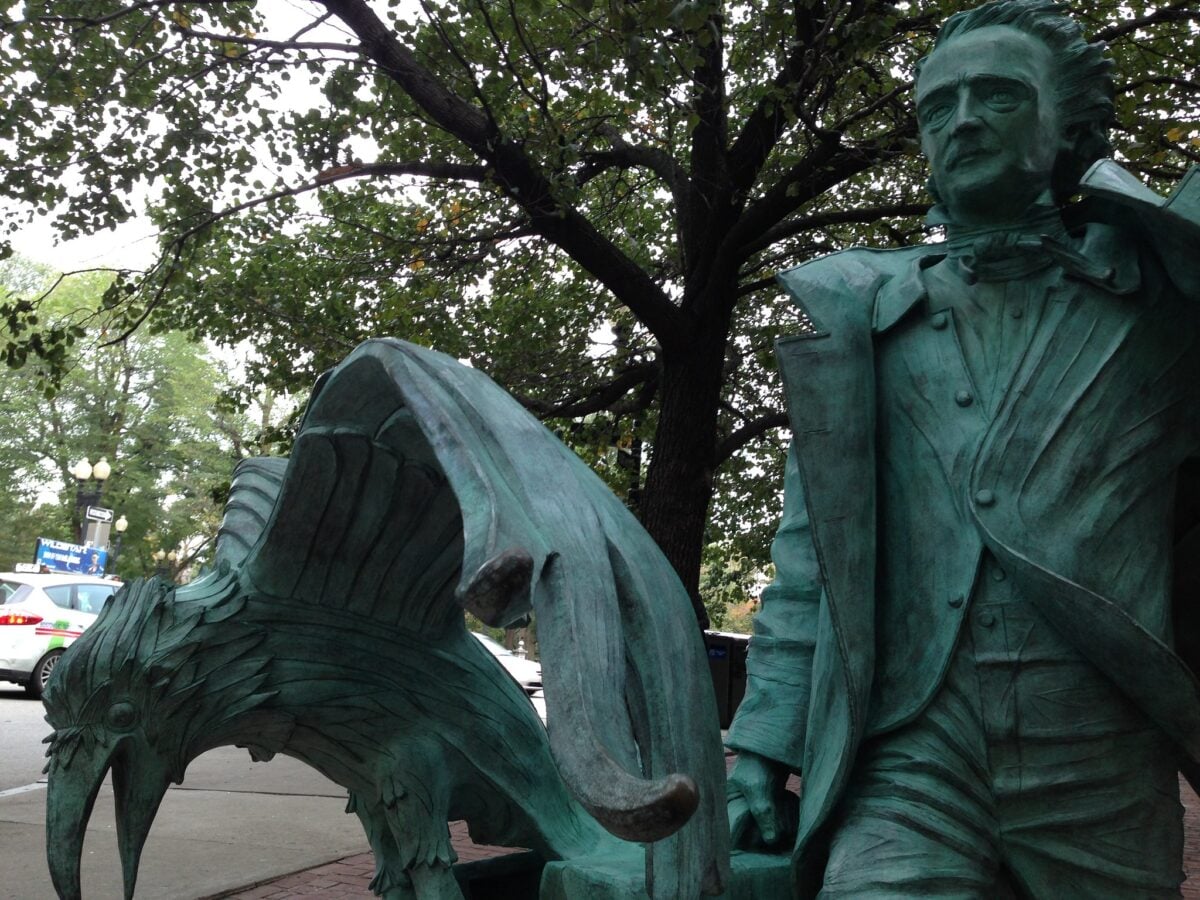
In his novel The Narrative of Arthur Gordon Pym of Nantucket (1838), Poe wrote of shipwrecked sailors stranded at sea, forced into cannibalism. The victim’s name? Richard Parker.
In 1884, a real shipwreck led survivors to eat the cabin boy—who was also named Richard Parker. Strange and unsettling.
Like Go2Tutors’s content? Follow us on MSN.
The Fall of the Berlin Wall and the Press Blunder
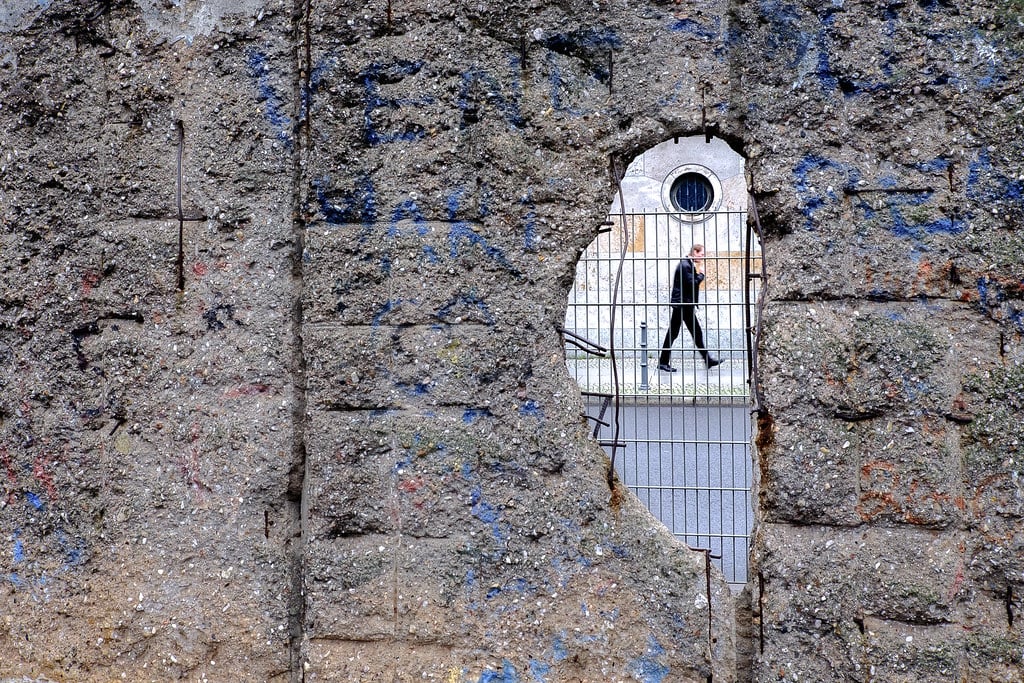
In 1989, East German official Günter Schabowski mistakenly announced at a press conference that new travel rules were effective “immediately.” They weren’t. Still, crowds rushed to the Berlin Wall, and overwhelmed guards opened the checkpoints.
One slip of the tongue brought down decades of division.
The Identical Twins’ Lives

In Ohio, two identical twins separated at birth lived remarkably parallel lives. Both were named James, both married women named Linda, divorced, and remarried women named Betty.
Each had a son—one named James Alan, the other James Allan. Small town oddities, multiplied.
The Meeting of Hitler and World War I Soldier
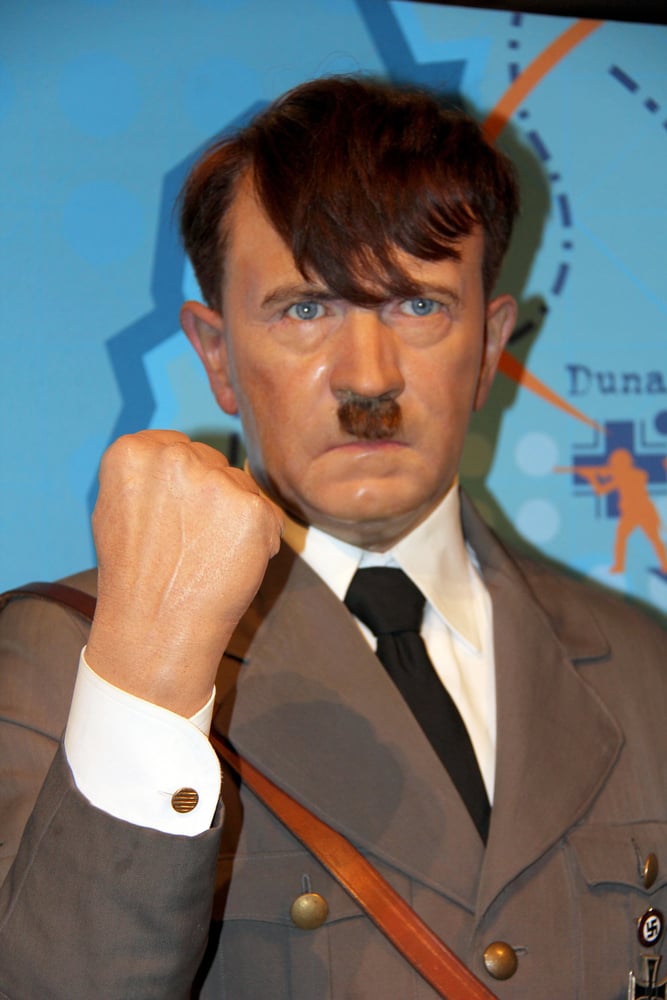
— Photo by Murdocksimages
During World War I, British soldier Henry Tandey supposedly spared a wounded German soldier’s life. That soldier? Adolf Hitler.
Years later, when Hitler rose to power, Tandey reportedly realized whom he had let go. One choice on a battlefield—history rewritten.
Like Go2Tutors’s content? Follow us on MSN.
The Book and the Bullet
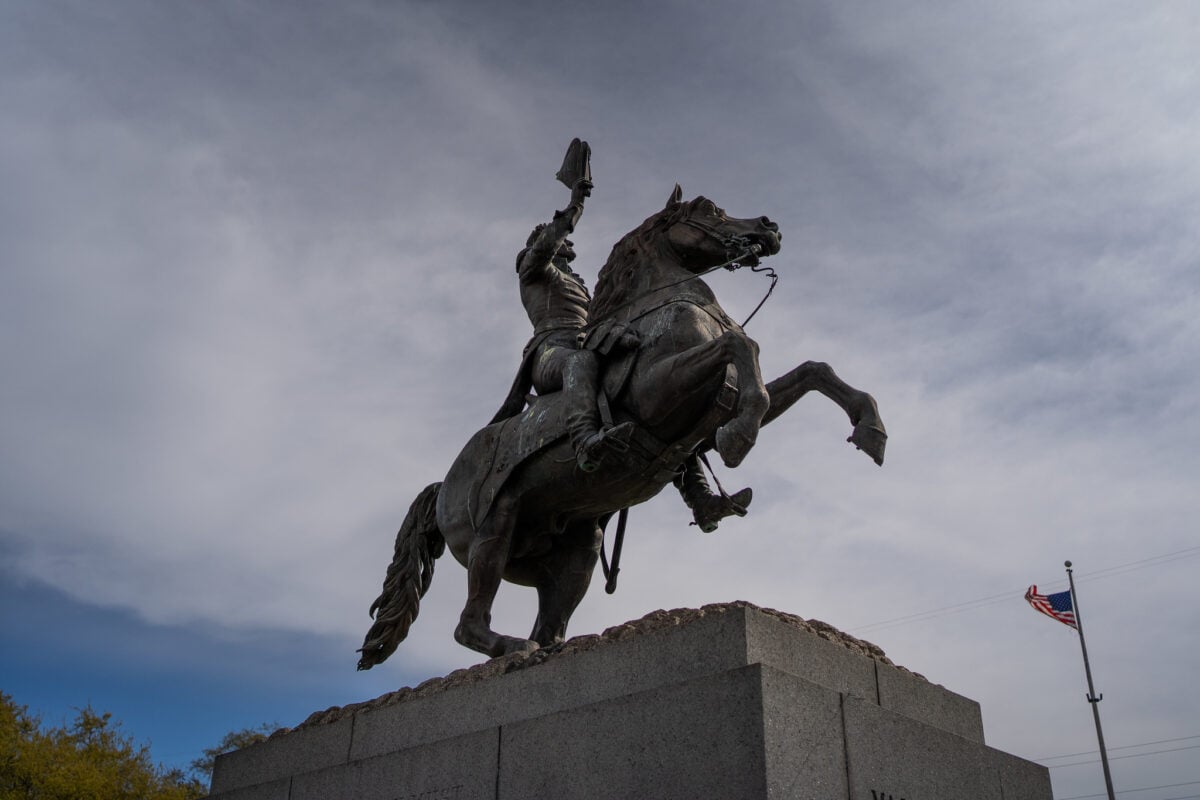
In 1835, an attempt was made on Andrew Jackson’s life. The gun misfired, so the attacker drew another.
That one misfired too. Jackson, furious, beat the man with his cane. The odds of two guns failing at the same time? Slim. The odds of it happening to a president? Practically zero.
The Civil War Neighbors
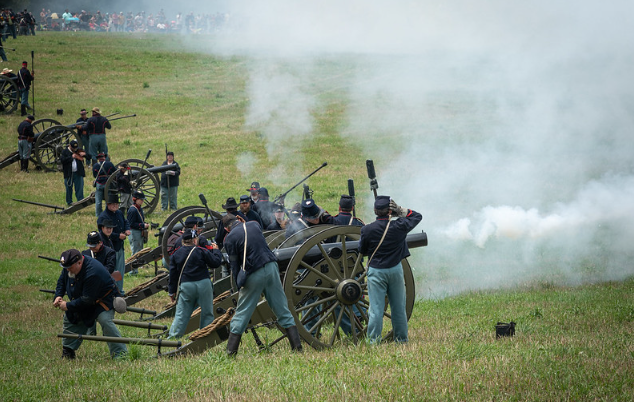
During the Battle of Gettysburg, Union General Winfield Scott Hancock fought against Confederate General Lewis Armistead. The two had once been close friends.
Armistead was mortally wounded in the fight and reportedly asked that Hancock be told he had done his duty. Fate brought them together—on opposite sides of the same field.
The King Who Was Saved by a Book

King Umberto I of Italy was eating in a restaurant when he noticed the owner looked identical to him. Stranger still, they shared the same birthday, the same name, and both had married women named Margherita.
The next day, the restaurant owner died in a mysterious accident. Hours later, so did Umberto.
Like Go2Tutors’s content? Follow us on MSN.
The Titanic’s Near Twin Disaster
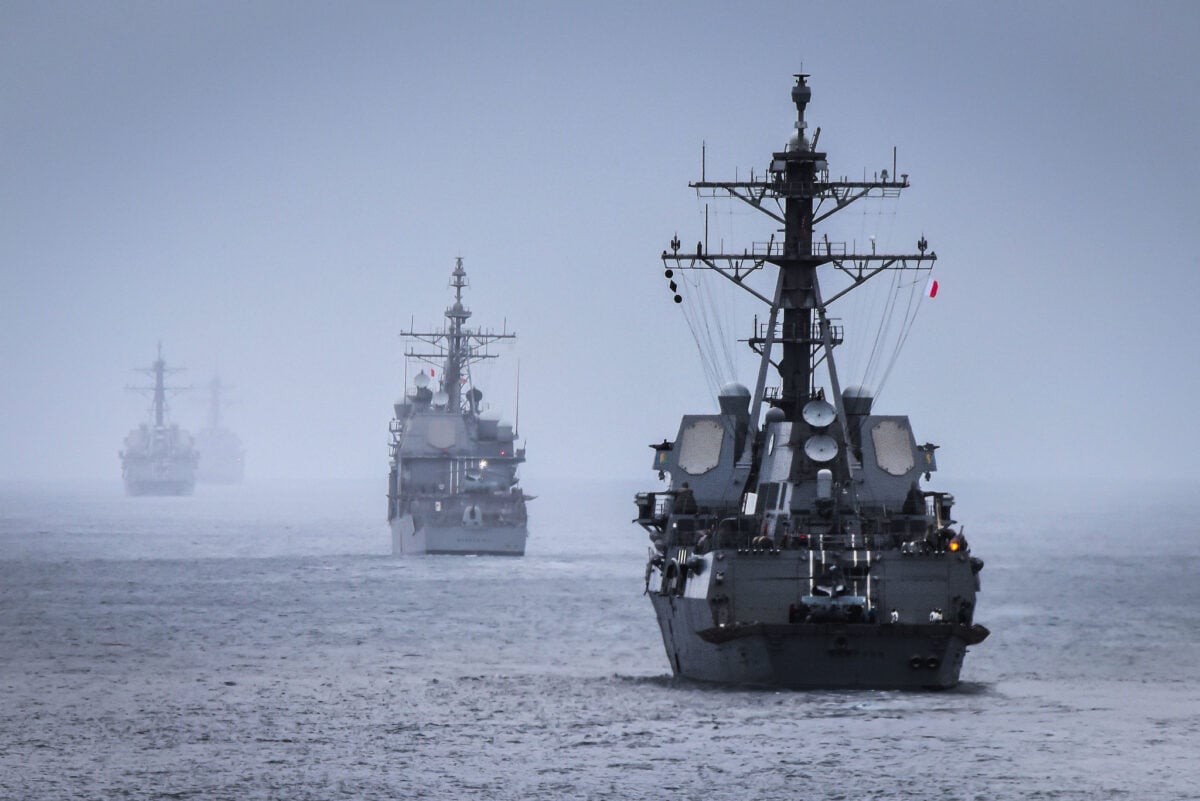
Here’s one more Titanic oddity: On the very day the Titanic sank, a ship called The Sampson was reportedly in the area but didn’t respond to distress signals because its crew was engaged in illegal sealing. Eleven years later, that ship itself sank—on April 14, 1923.
When History Rhymes

Coincidences don’t prove fate, but they do make history feel less like a straight line and more like an echo chamber. Some are chilling, others oddly poetic, yet all remind us that chance can sometimes tell the strangest stories of all.
More from Go2Tutors!

- 16 Historical Figures Who Were Nothing Like You Think
- 12 Things Sold in the 80s That Are Now Illegal
- 15 VHS Tapes That Could Be Worth Thousands
- 17 Historical “What Ifs” That Would Have Changed Everything
- 18 TV Shows That Vanished Without a Finale
Like Go2Tutors’s content? Follow us on MSN.