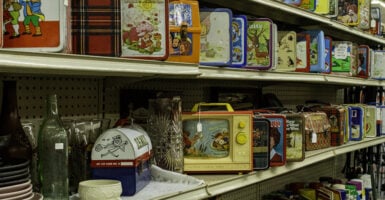
Lunchbox Items That Defined Social Status
Lunchtime spoke first, back when words like salary meant nothing. Status showed up in brown bags unwrapped under the open sky.
Some kids brought the same thing every day, others surprised even themselves. Food sat out where everyone saw – no hiding what came from home.
Meaning stuck to peanut butter just as much as it did to fancy labels. Silence around a sandwich often said more than talk ever could.
Lunchboxes whispered stories from kitchens far away. Not always loud, yet full of meaning – what mattered showed up between slices.
Full containers often meant someone took time. Empty-looking ones sometimes held cleverness instead.
A sandwich wrapped twice might speak more than a new bottle ever could. Silence carried these rules, though everyone knew them by heart.
Kids spotted fast what mattered, what vanished without notice, what brought trouble knocking. Eating midday did more than pause the hours – each bite came with measuring eyes nearby.
Something made specific lunchbox things matter more than flavor or health ever could. What mattered was the hidden social message inside each one.
Symbols, really – quiet signs of who had connections, who put in care, who fit right in. Slowly, without anyone announcing it, routines formed.
Those unspoken rhythms built quiet rankings, accepted like weather though they came from nowhere. A peek inside school bags shows which lunch foods stood out, yet it was never just about eating.
What kids brought reflected who they were seen as by others, though nobody said it aloud. These choices spoke without words, shaping friendships and quiet judgments alike.
Branded Snacks As Signals Of Belonging
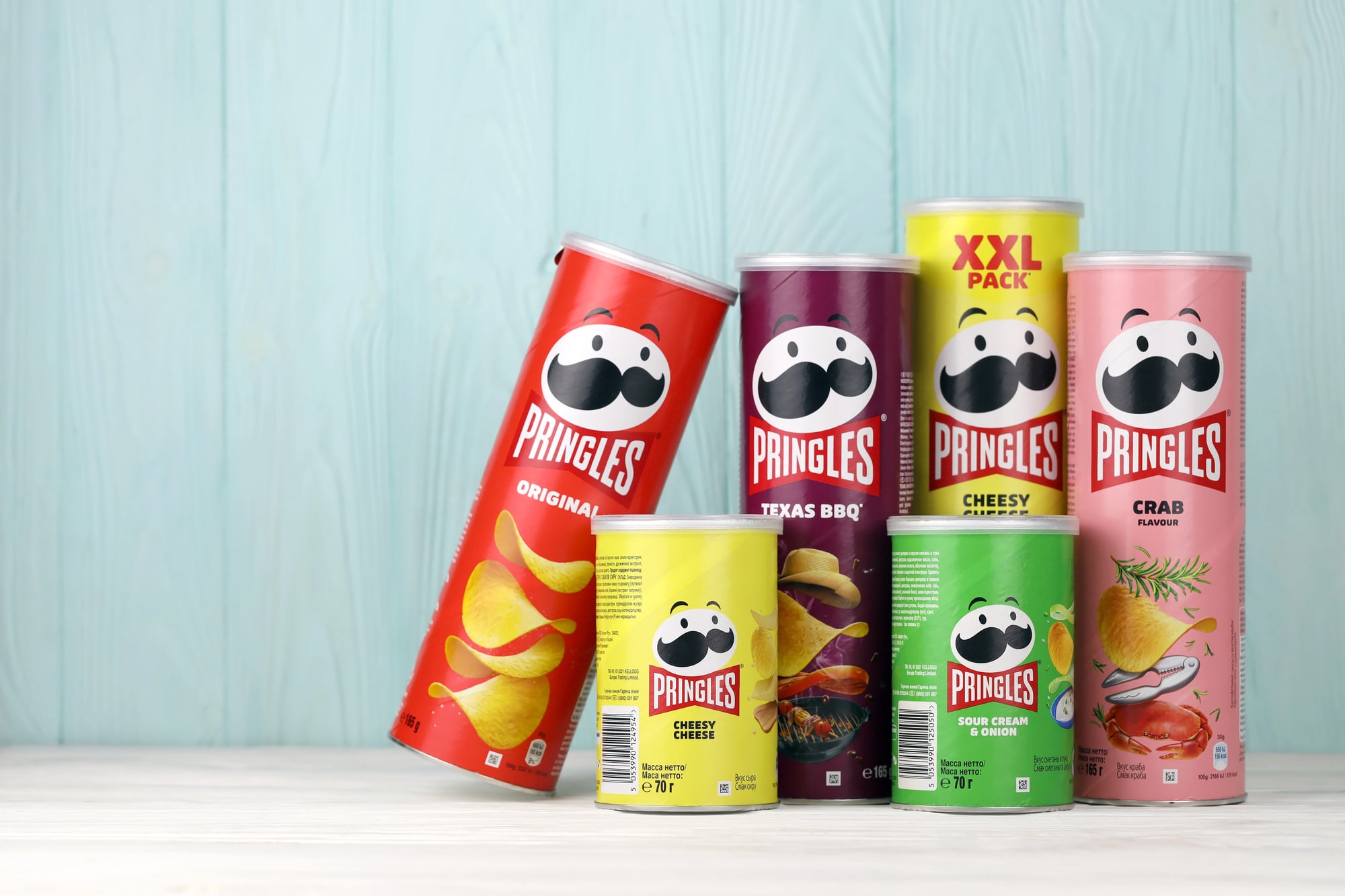
Branded snacks were among the most powerful indicators of social alignment. Their packaging was instantly recognizable, requiring no explanation or context.
When someone pulled one out of their lunchbox, it communicated familiarity with mainstream culture and access to what was considered normal or desirable. These snacks carried predictability, which was socially valuable.
Everyone knew what they tasted like. Everyone knew how much they were worth in a trade.
That shared understanding created safety. Bringing a branded snack reduced social risk, making it less likely that the lunch would draw negative attention.
In many schools, this quiet conformity was a form of protection. Over time, these items became shorthand for fitting in.
They suggested that someone’s household followed the same routines, shopped in the same places, and consumed the same media as everyone else. That sameness mattered more than the snack itself.
Individually Wrapped Items And The Illusion Of Abundance
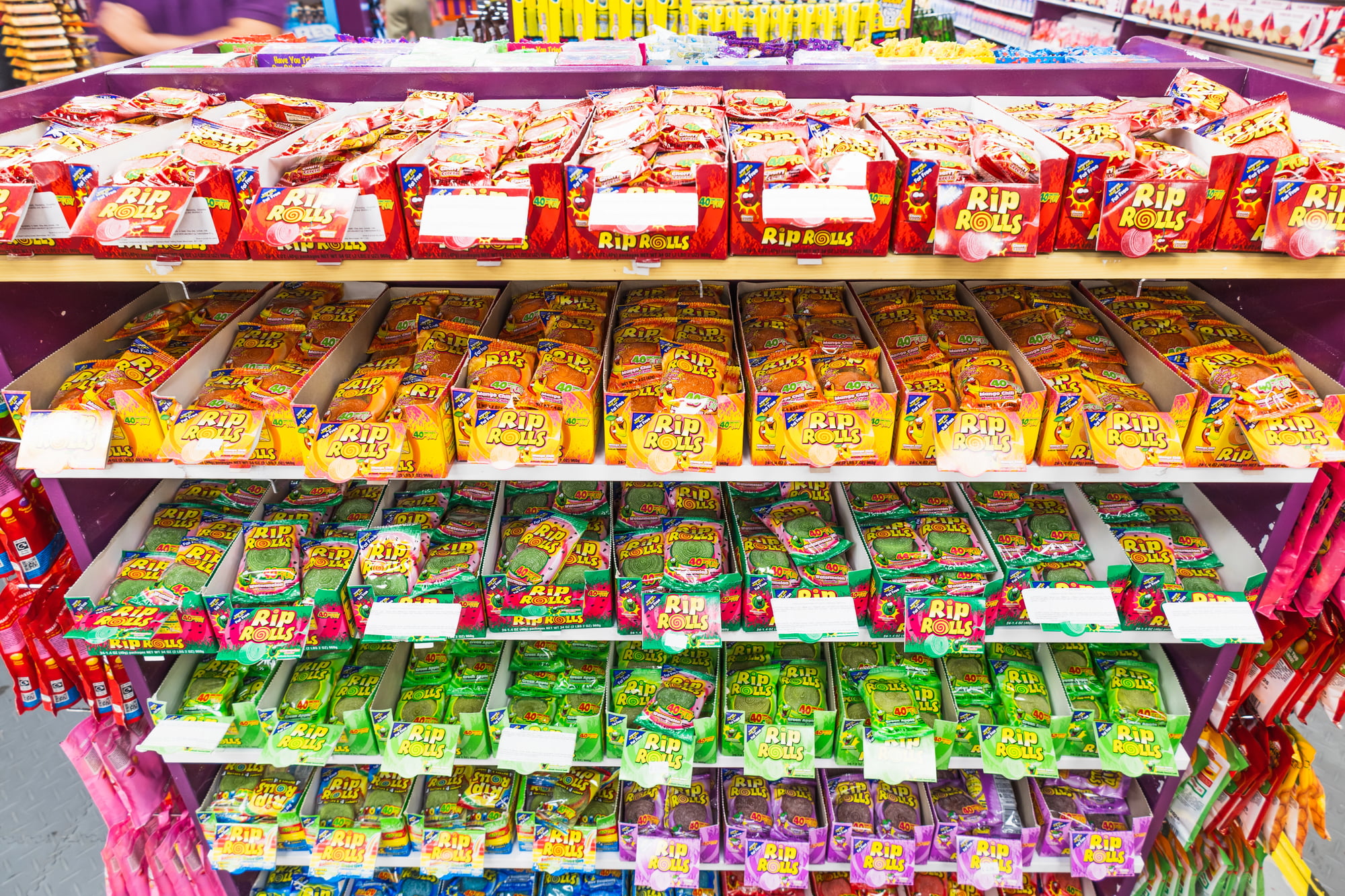
Individually wrapped items carried a different kind of message. They suggested intention and surplus.
The presence of a wrapper implied that this item was meant to exist on its own, not as part of a larger whole that had to be divided or stretched. These items also introduced clarity into social exchanges.
One item equaled one item. That simplicity made them ideal for trading and sharing, turning them into a kind of lunchtime currency.
Children who brought them regularly were often seen as reliable participants in informal exchange systems. What made these items powerful was not generosity alone, but consistency.
Having them repeatedly suggested stability. It implied that these were not special occasions, but routine inclusions.
That sense of reliability quietly elevated social standing.
Drinks That Added Color And Choice
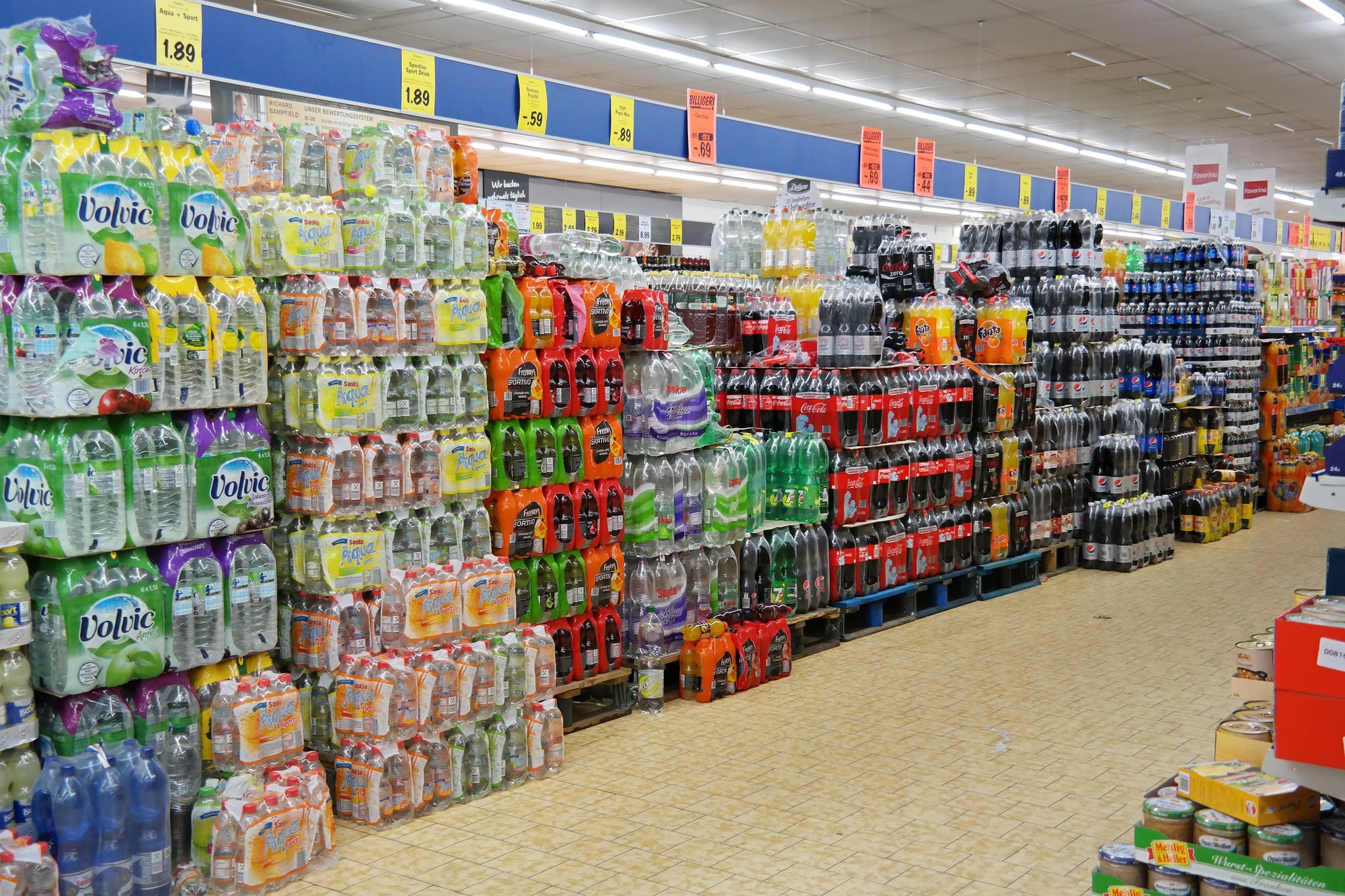
Drinks that were not plain water often attracted immediate attention. Their colors, labels, and flavors added an element of choice to lunch.
They suggested that food was not just functional, but customizable. These drinks signaled flexibility at home.
Someone had decided that lunch could include something extra. That decision implied time, resources, or relaxed rules.
Even sipping slowly became a performance, a way of extending the presence of something seen as desirable. Over time, these drinks became markers of everyday indulgence.
They were not necessary, which made them meaningful. Their presence hinted at a life where small pleasures were allowed and expected.
Homemade Food That Looked Planned
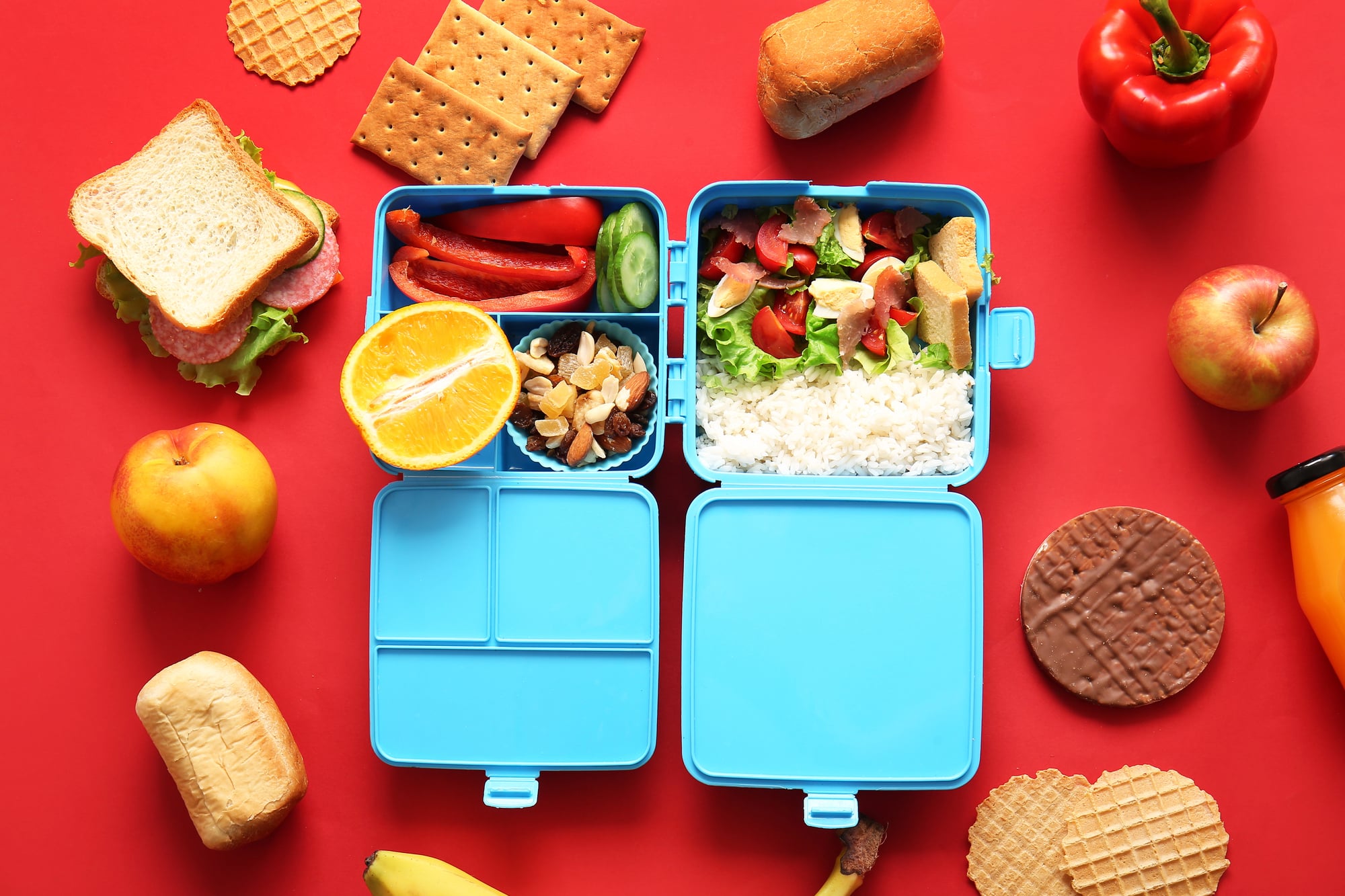
Homemade food occupied a complicated space in lunchbox hierarchies. Some homemade items carried little social weight, especially when they appeared repetitive or hastily assembled.
Others, however, suggested care and planning, which translated into status of a different kind. Neatly prepared items, thoughtfully portioned, or visually appealing communicated effort.
They implied that someone had taken time to think about lunch, rather than assembling it out of necessity. In environments where many lunches looked rushed, this stood out.
What mattered was not luxury, but intention. A simple item prepared with care often carried more social value than something elaborate done carelessly.
Presentation became a language, signaling stability and attentiveness.
Rare Or Imported Snacks As Status Disruptors
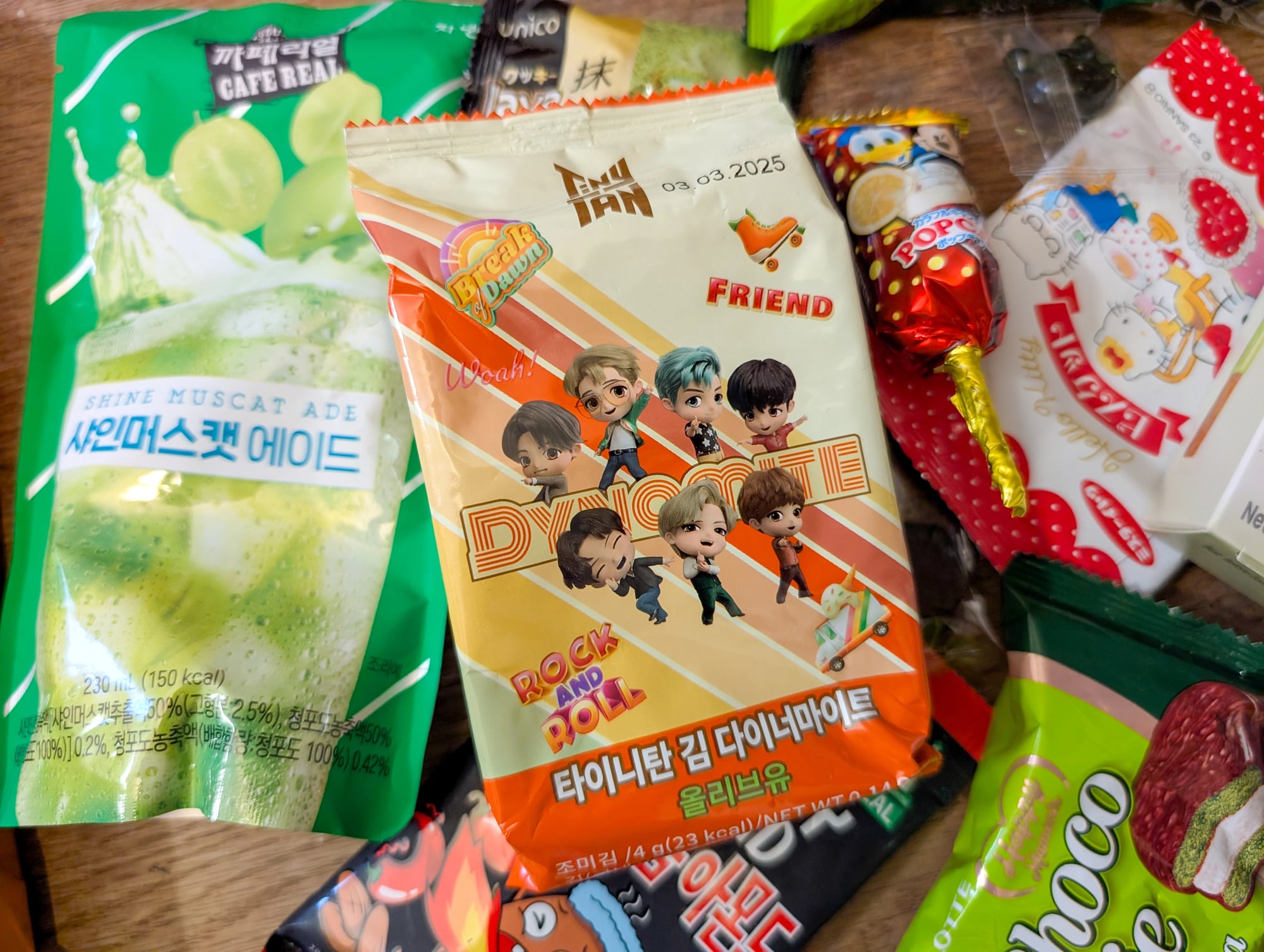
Nothing reshaped lunchtime attention faster than rarity. Snacks that others had not seen before immediately shifted the social dynamic.
Questions followed. Curiosity spread. Ownership of something unfamiliar created momentary influence.
These items worked because they broke routine. They suggested access to different stores, travel, or networks.
Even when the snack itself was ordinary, its unfamiliarity elevated it. It became a talking point, a shared moment centered around the person who brought it.
Rarity did not need to be permanent to matter. Even a single appearance could reshape perception, marking someone as connected to something beyond the immediate environment.
Coordinated Containers And Visual Order
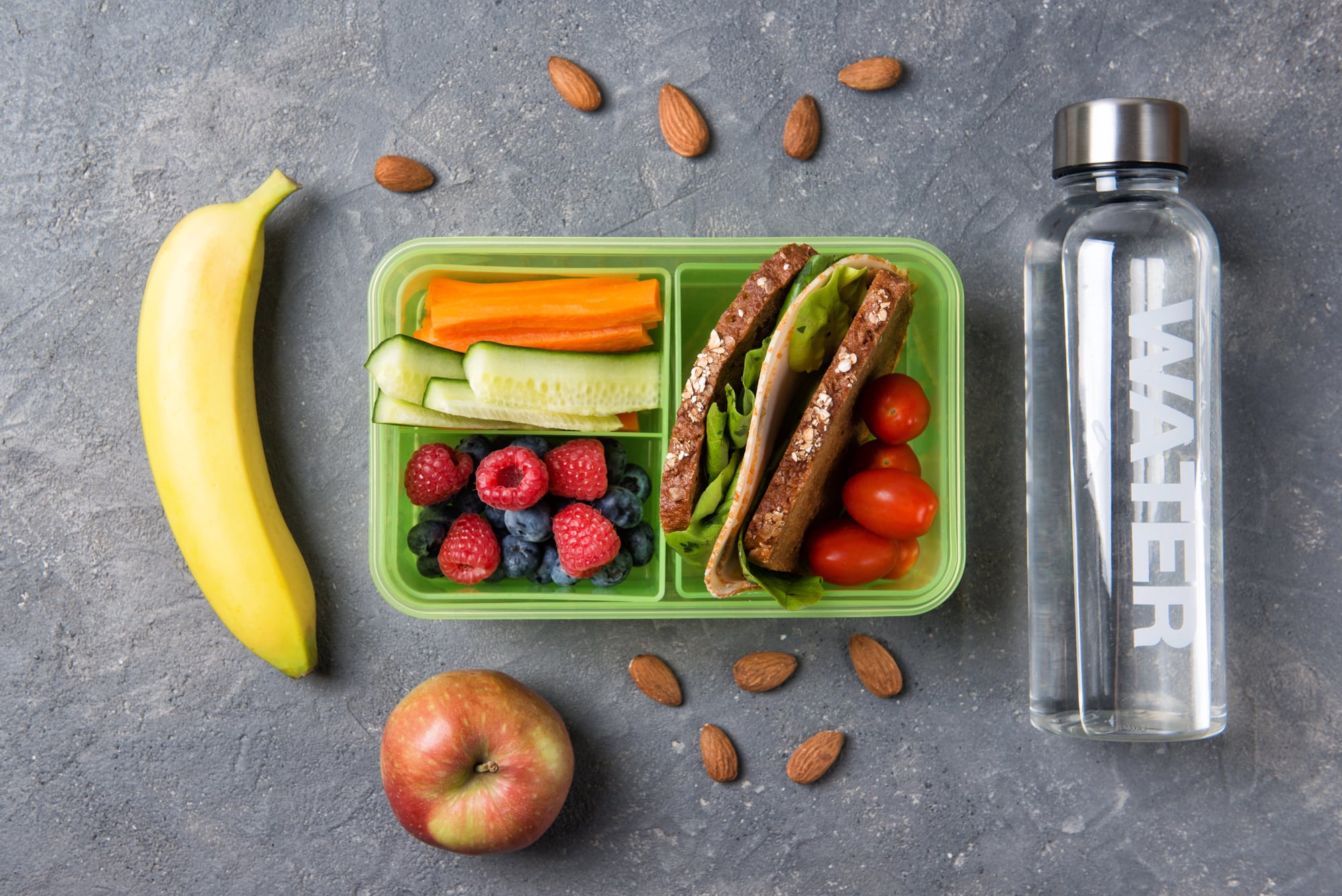
Beyond food, the objects that held lunch played a role in social signaling. Coordinated containers, matching lids, or insulated carriers suggested planning and investment.
They implied that lunch was part of a system rather than an afterthought. These visual cues communicated order.
They suggested consistency at home and attention to detail. Over time, repeated exposure to these signals shaped assumptions about stability and care.
In contrast, mismatched or improvised containers often drew quiet judgments. Even when food quality was the same, presentation influenced perception.
Order became its own form of status.
Items Meant For Sharing
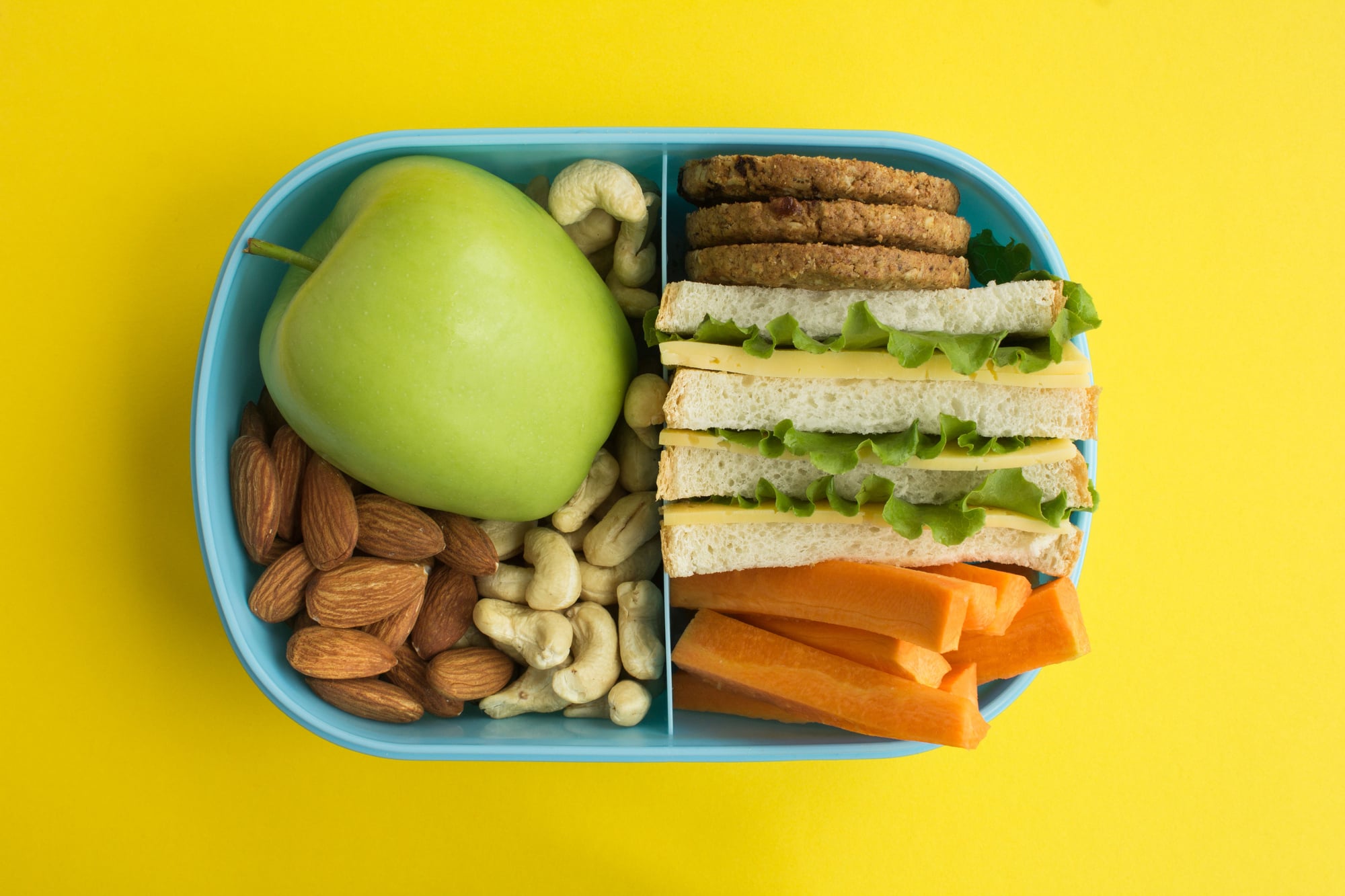
Some lunchbox items carried power because they were meant to be shared. Bringing enough to offer others positioned someone as a giver rather than a requester.
That distinction mattered. Sharing created social bonds, but it also created obligations.
Accepting something often came with unspoken expectations, whether loyalty, inclusion, or future reciprocity. In this way, lunchbox items became tools for building influence.
This dynamic taught early lessons about generosity and leverage. Giving was not always selfless.
It was strategic, even when instinctive.
Store-Bought Versions Of Familiar Foods
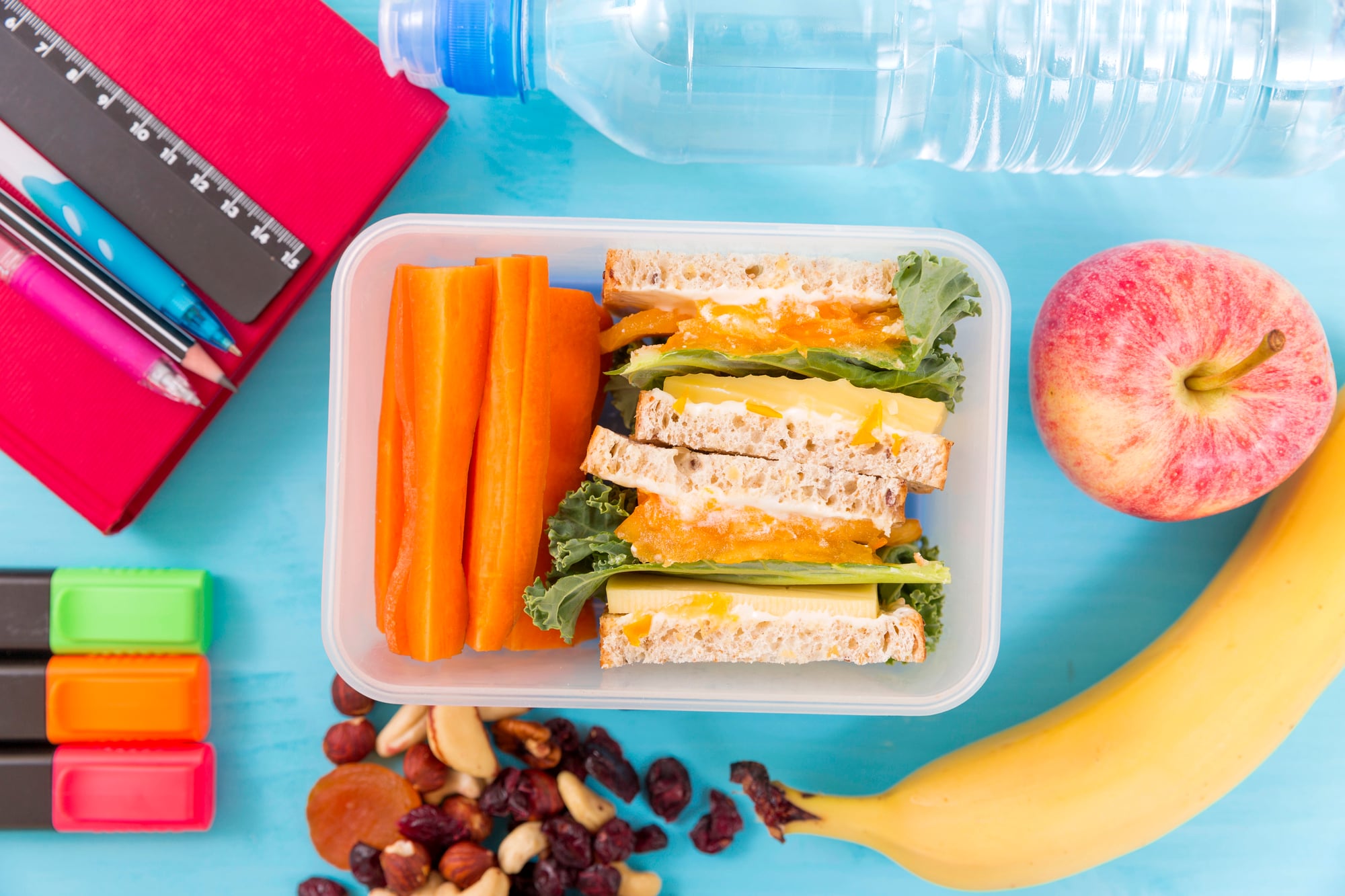
Certain foods existed in both homemade and store-bought forms, and the distinction carried meaning. The store-bought version often held more social value, not because it tasted better, but because it was recognizable.
Branding removed ambiguity. It told others exactly what the item was, without explanation.
Homemade versions required interpretation and trust, which carried risk in social environments where difference could invite scrutiny. Over time, familiarity became a form of protection.
The known outweighed the unknown, even when quality favored the latter.
Consistency As The True Marker Of Status
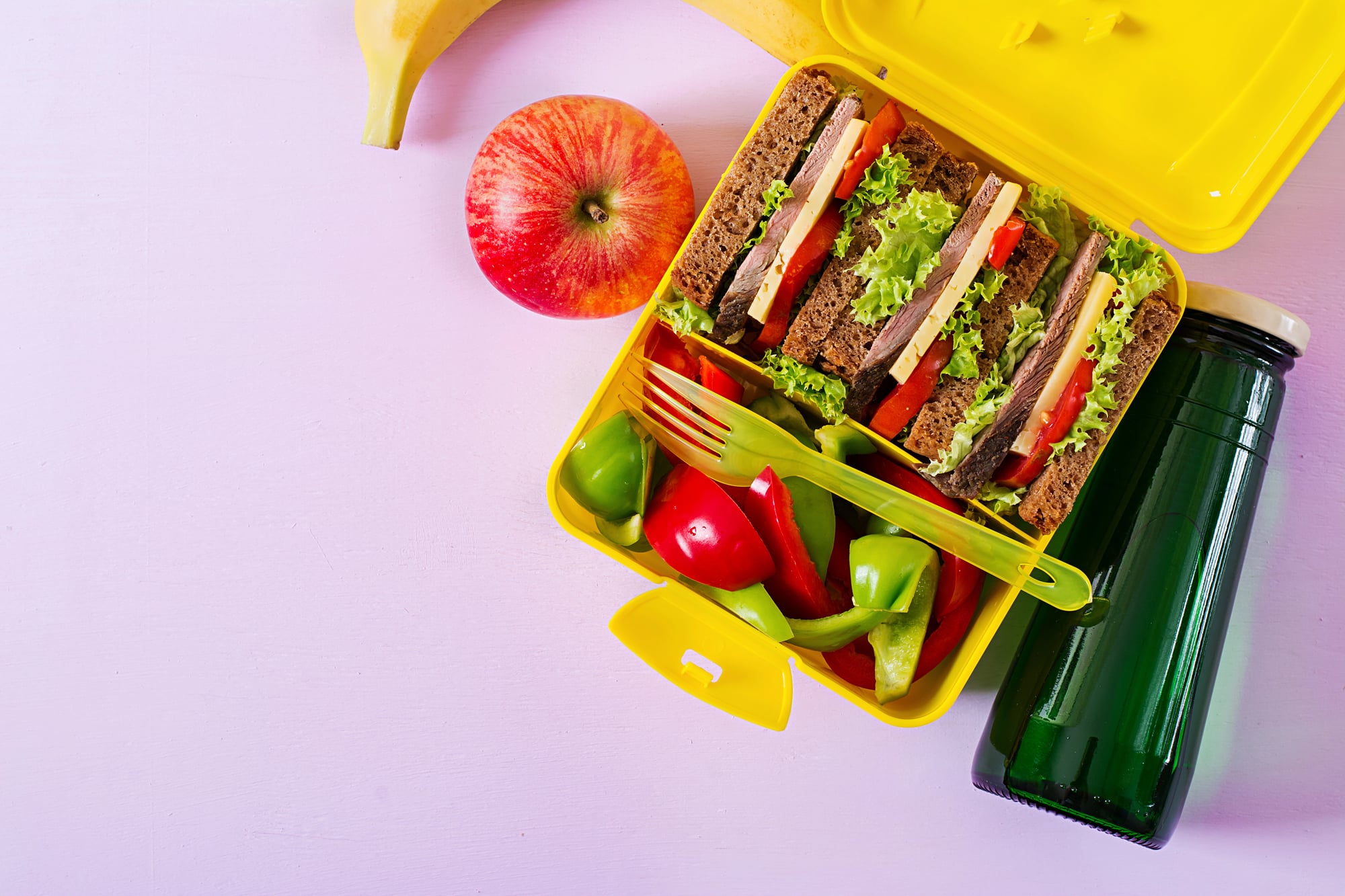
Most days, it wasn’t about one flashy meal. What stuck was showing up the same way, again and again.
The mind notices rhythms, not just peaks. Doing it daily made it feel real, not random.
What stayed steady became invisible, like background noise you stop hearing. That quiet presence? It shaped how things were seen without saying a word.
When rhythms broke, eyes turned – silence still carried weight. Surprises stirred curiosity, even if nobody asked out loud.
A box eaten every day turned into what people thought you were. What you carried changed how they saw you over time.
Why It Still Matters
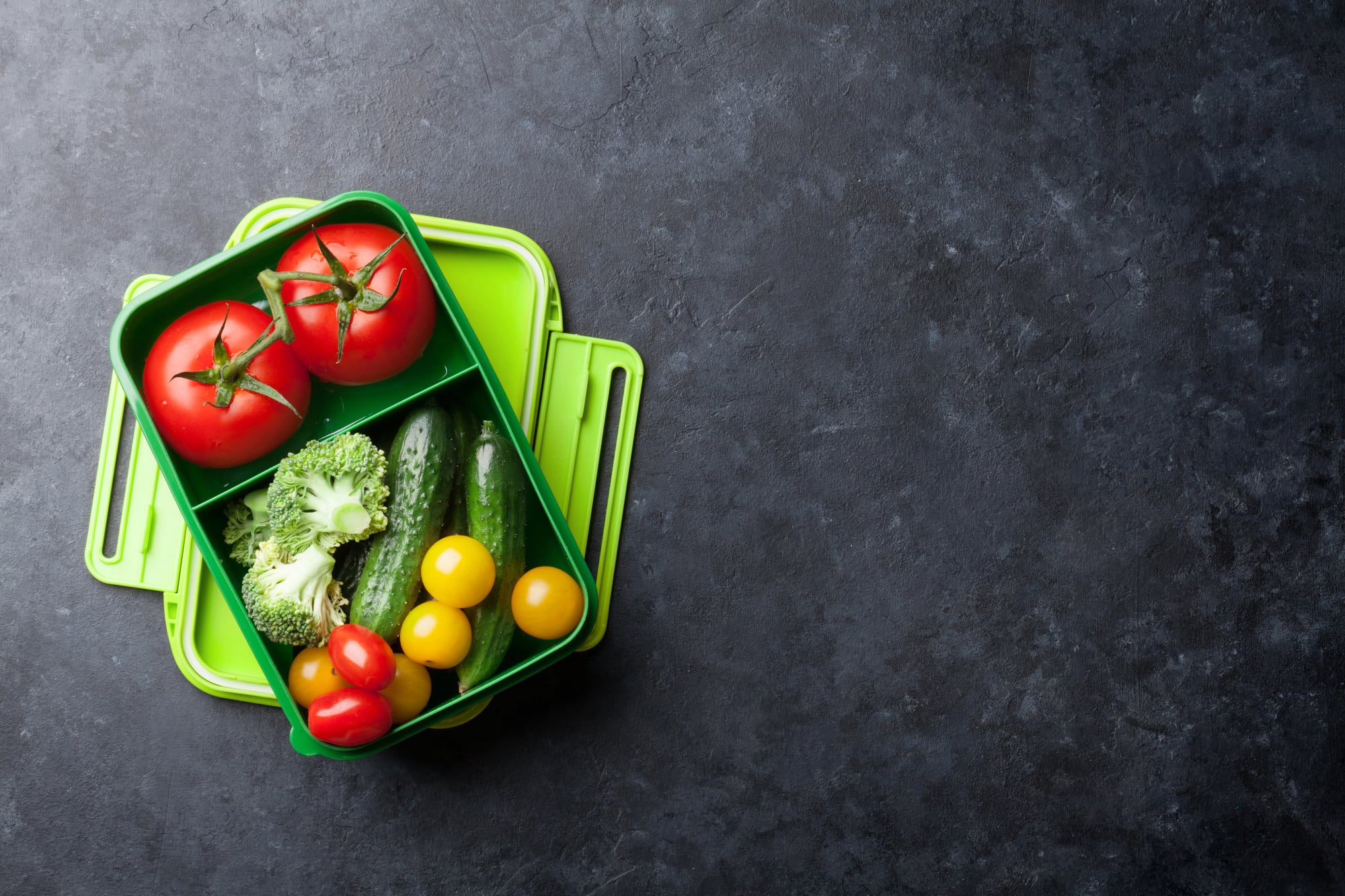
Something about what you carried to school said more than hunger ever could. Worth showed up not in taste but who saw it, recognized it, again and again.
Today those forces move through phones, clothes, rides – same rhythm, new vessels. Remembering whose bag got opened slowly, proudly, shows when we first learned to spot who fits where.
Lessons soaked in without names stayed longer than anyone expected.
More from Go2Tutors!

- The Romanov Crown Jewels and Their Tragic Fate
- 13 Historical Mysteries That Science Still Can’t Solve
- Famous Hoaxes That Fooled the World for Years
- 15 Child Stars with Tragic Adult Lives
- 16 Famous Jewelry Pieces in History
Like Go2Tutors’s content? Follow us on MSN.