Things That Were Considered a Luxury in the 1970s That Are Dirt Cheap Today
The 1970s feel both impossibly distant and surprisingly recent — far enough back that bell-bottoms were serious fashion, close enough that your parents probably remember waiting in gas lines. It was a decade when owning certain items marked you as either wealthy or wildly impractical, when families saved for months to afford things that wouldn’t even register as purchases today.
Looking back at what counted as luxury then reveals just how dramatically technology and manufacturing have reshaped the economics of everyday life.
Color Television
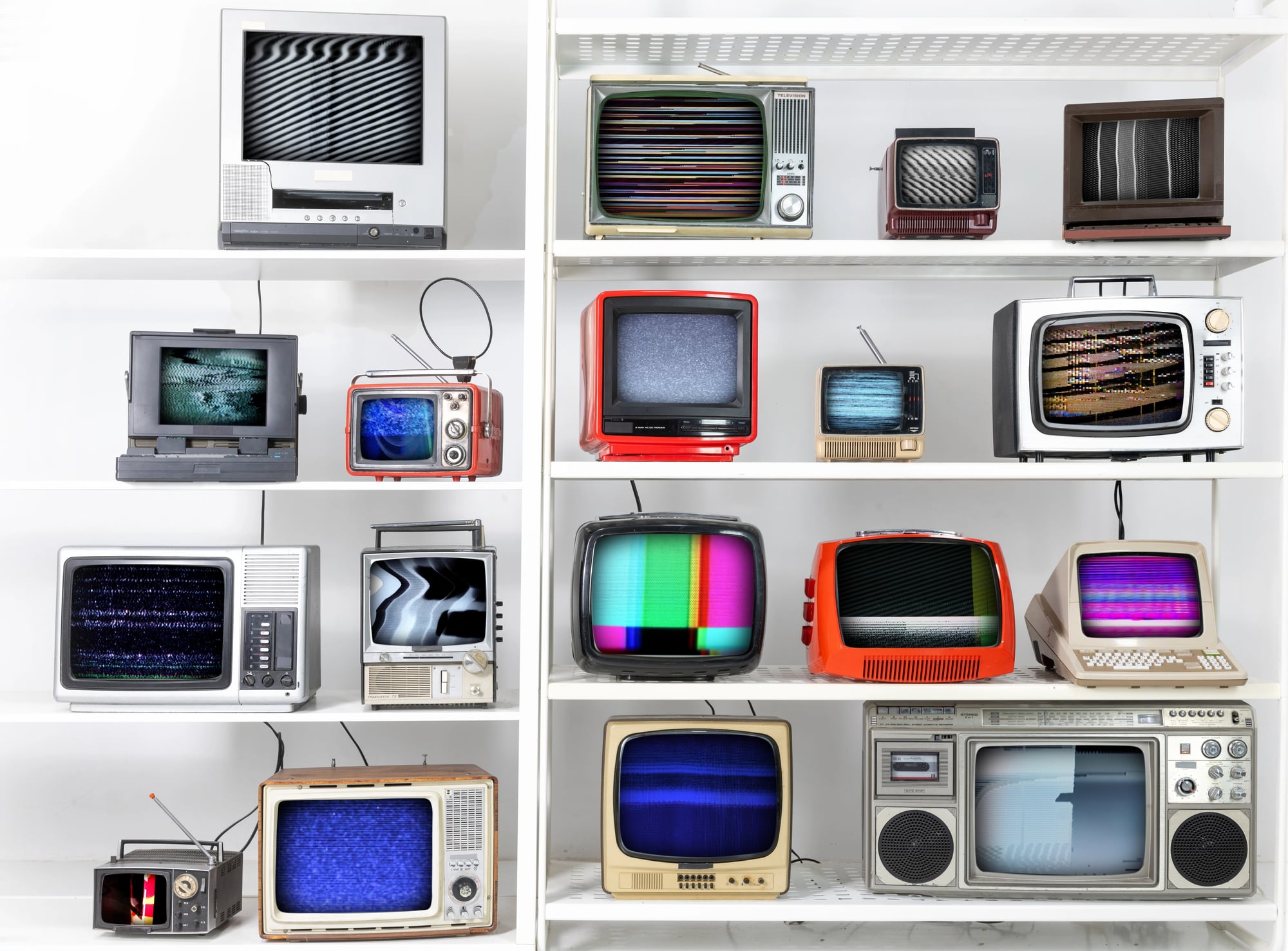
Color TV was the kind of purchase that required a family meeting and possibly a small loan. Most households were still squinting at black-and-white screens, treating color broadcasts like rare glimpses into a more vivid world.
The sets themselves were enormous wooden furniture pieces that dominated living rooms. Broadcasting in color was expensive, so networks saved it for prime-time shows and special events.
Today, color displays are so cheap that gas pumps and coffee machines have them.
Long-Distance Phone Calls

Long-distance calls were rationed like wartime provisions. Families gathered around the phone for brief, expensive conversations with relatives in other states.
People actually planned what they were going to say before dialing. The meter was always running.
Calling internationally required scheduling through an operator and cost what many people earned in a day. Now you carry a device that connects you to anyone, anywhere, for essentially nothing.
The entire concept of “long-distance charges” sounds like something from a history textbook.
Pocket Calculators
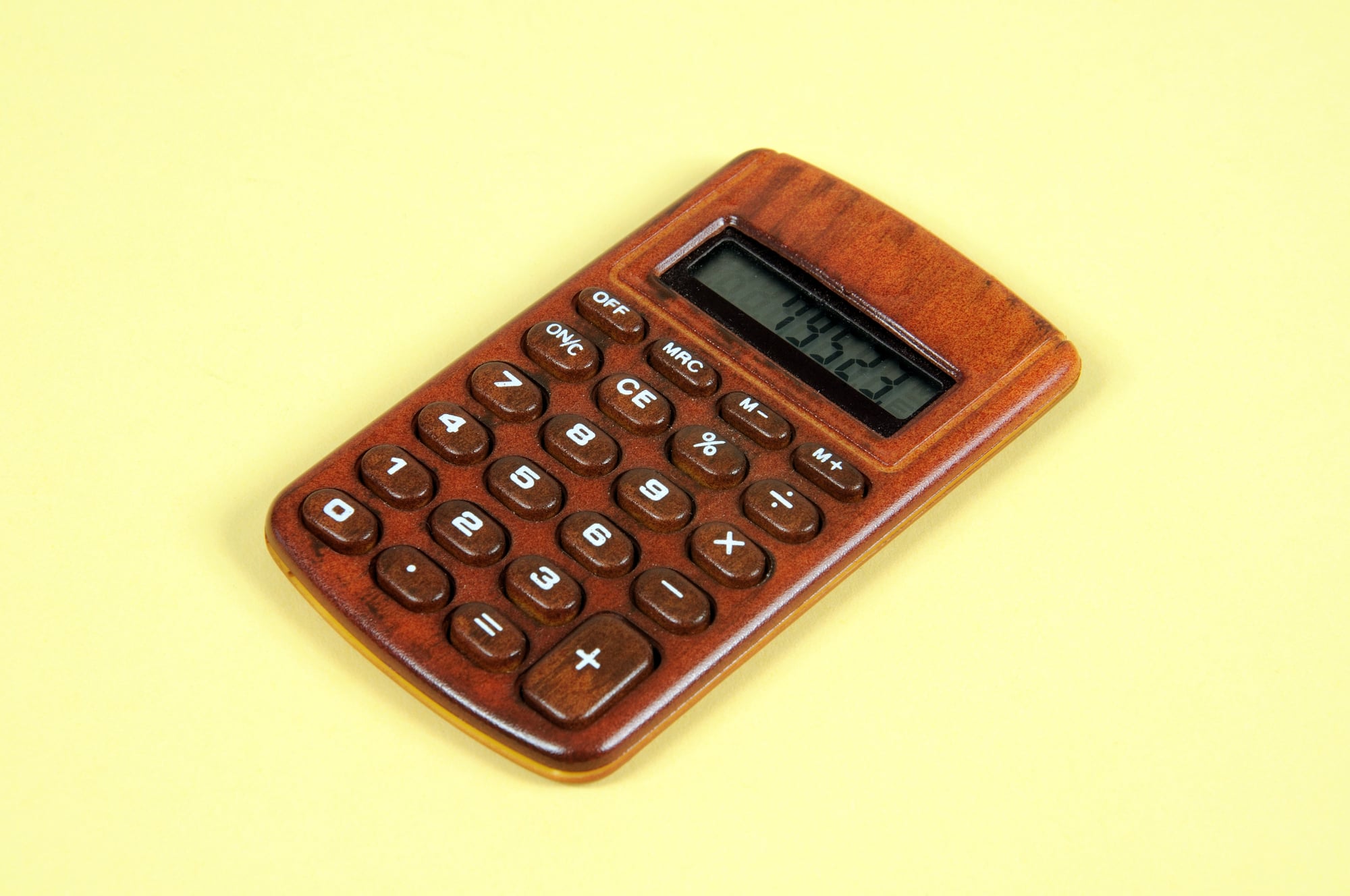
The first handheld calculators cost more than most people’s monthly rent, and that was for basic arithmetic functions — the kind of calculations a second-grader does on paper (which, incidentally, most adults still had to do because calculators were prohibitively expensive). Engineering students carried slide rules not out of nostalgia but necessity, since scientific calculators represented a semester’s worth of college tuition.
And yet these devices, revolutionary as they seemed, could only add, subtract, multiply, and divide; anything more sophisticated required feeding punch cards into room-sized computers or trusting your pencil-and-paper algebra. So when someone pulled out a calculator to split a dinner check, it genuinely impressed the table — not because the math was difficult, but because this person had clearly made a significant financial investment in avoiding arithmetic.
Digital Watches
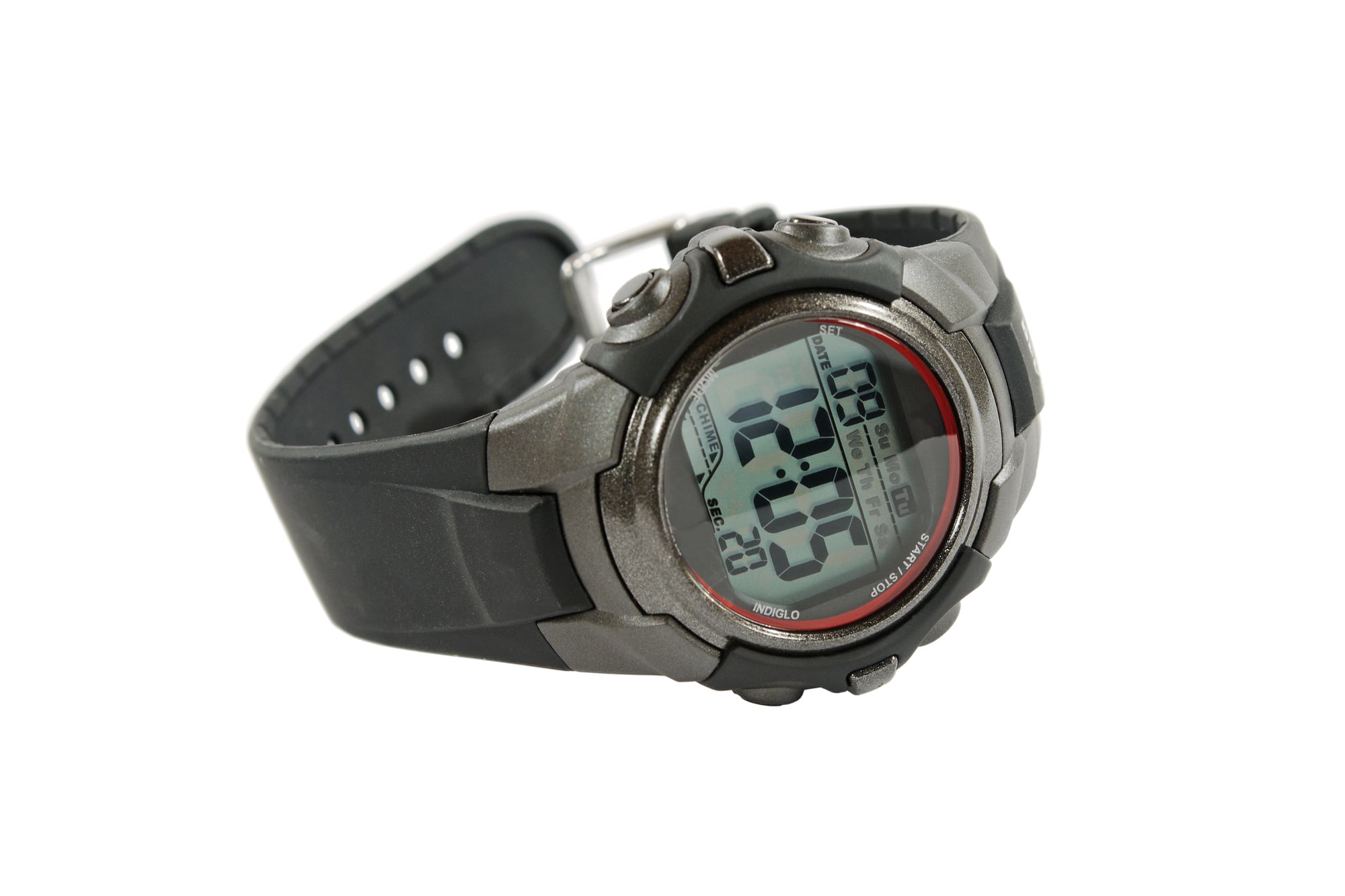
Digital watches represented the absolute pinnacle of personal technology. The red LED numbers seemed like something from a science fiction movie, which wasn’t far off — the technology was genuinely cutting-edge.
Early digital watches cost more than decent used cars. They were so expensive that people bought fake ones just to look fashionable.
The battery life was measured in weeks, not years, making them as much an ongoing expense as a one-time purchase. Today, digital displays are so commonplace that removing them would be the luxury choice.
Home Video Recording
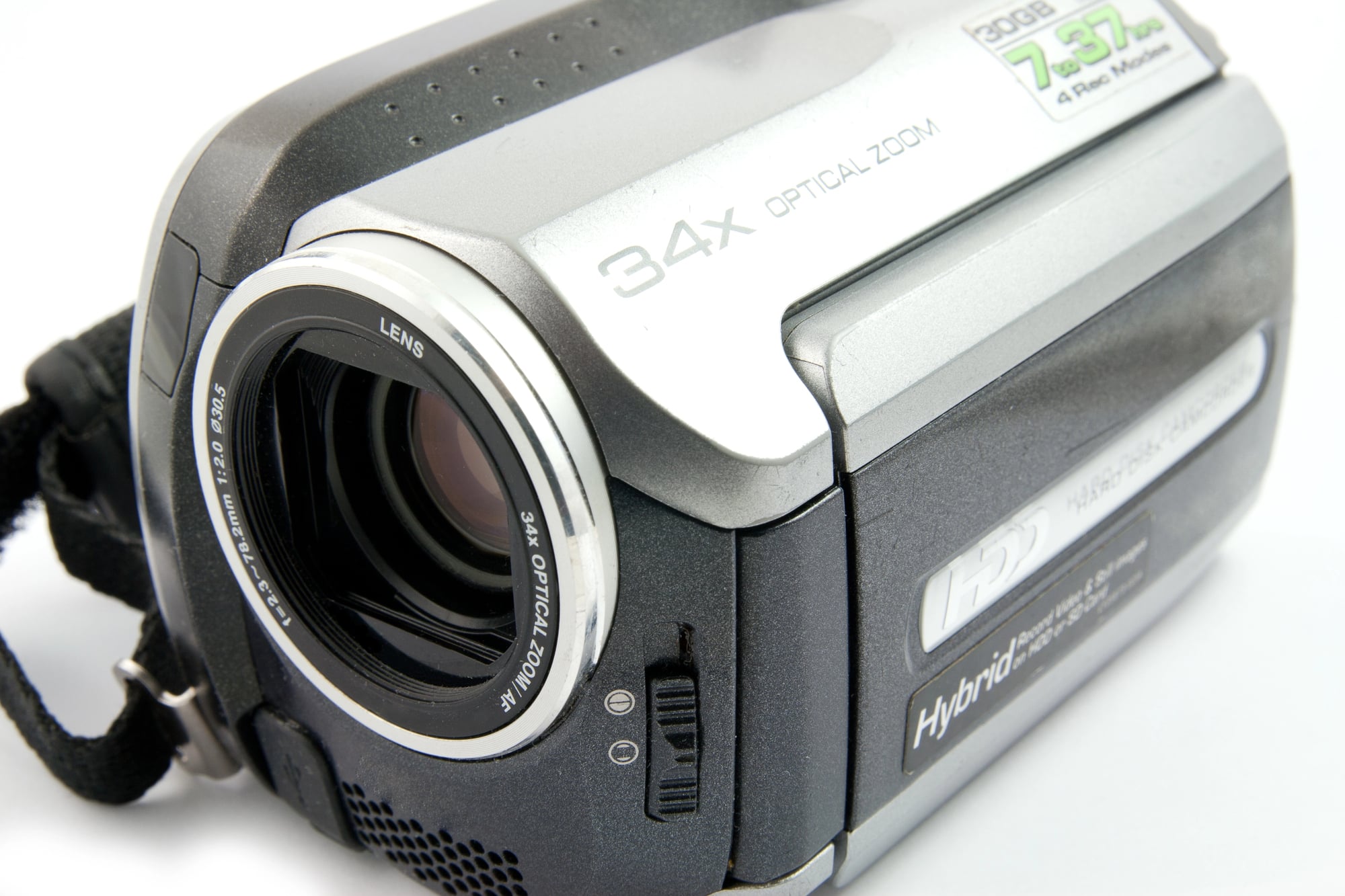
Recording television shows at home was pure magic, the kind of capability that seemed to bend the rules of how media worked — you could capture something broadcast once and keep it forever, replay it whenever the mood struck, which felt like claiming ownership over time itself (and in a way, it was, since television had always been this fleeting thing that happened to you rather than for you). The first home video recorders cost as much as decent cars, and the blank tapes weren’t cheap either, so people approached recording with the solemnity of a film archivist deciding what deserved preservation.
But the real luxury wasn’t the machine or even the tapes: it was the liberation from television’s schedule, the radical notion that prime time could happen whenever you decided it should.
Air Conditioning for Cars
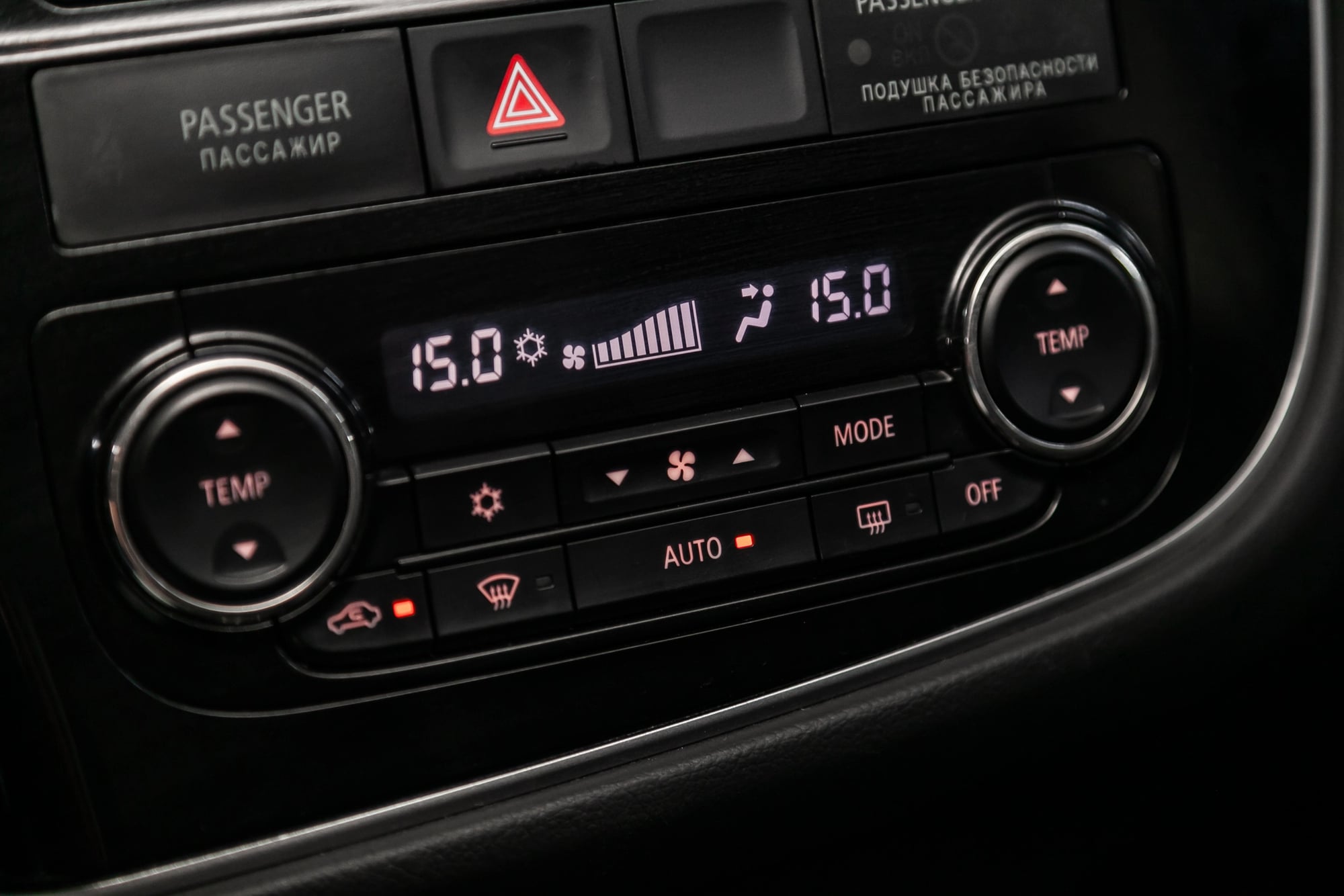
Car air conditioning was a premium upgrade that doubled as a status symbol. Most people drove with windows down and suffered through summer heat, treating AC as an impossible luxury reserved for the wealthy.
Getting air conditioning meant special ordering a car or buying from the luxury end of the lineup. The systems were unreliable, expensive to repair, and cut significantly into engine power.
People genuinely debated whether the comfort was worth the cost. Now it’s difficult to find a new car without air conditioning, and when you do, it’s usually because the manufacturer forgot to include it rather than trying to save money.
Personal Computers
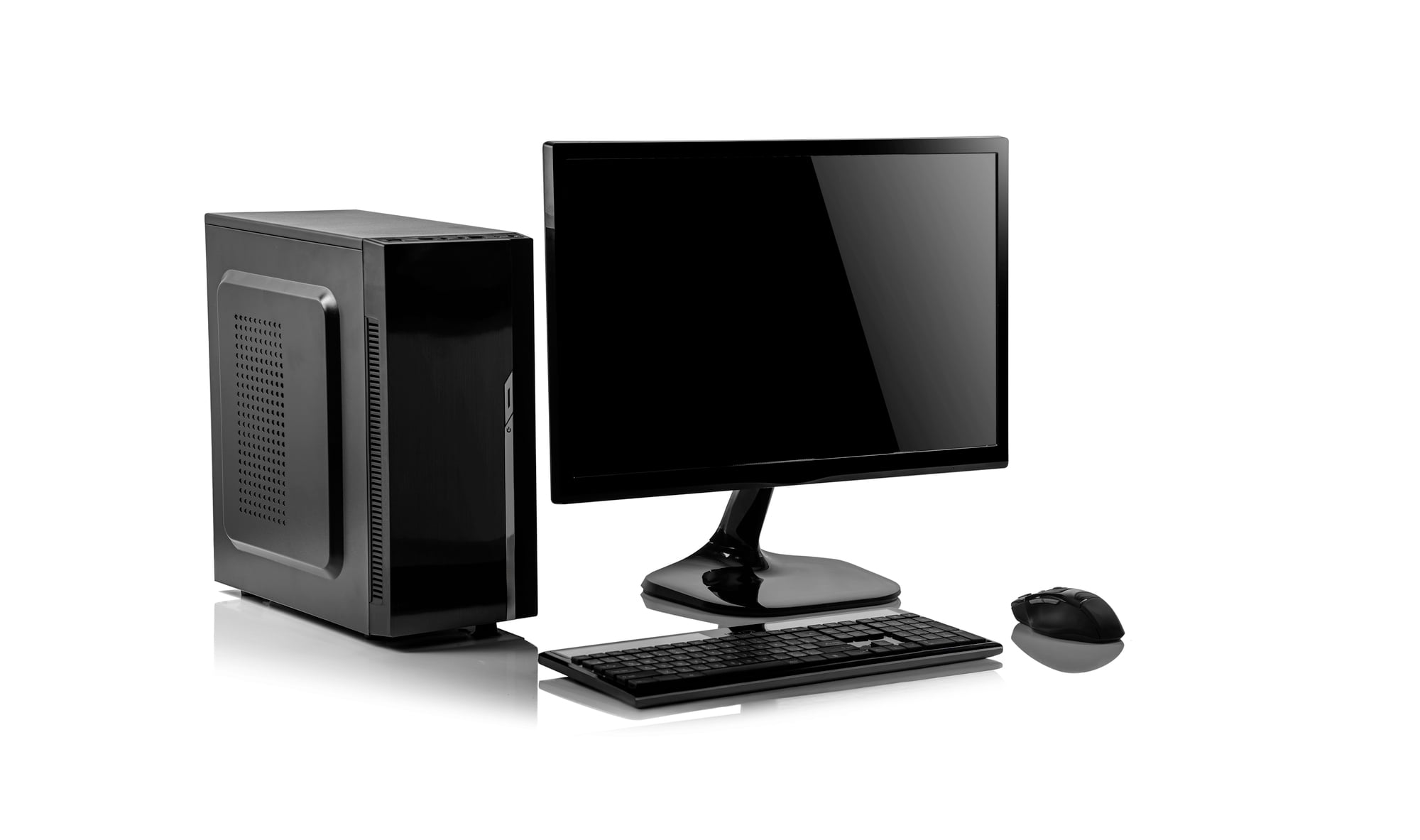
The idea of owning a computer was as fantastical as owning a private jet. Computers lived in corporate offices and university labs, tended by specialists in white coats who fed them punch cards and interpreted their cryptic outputs.
Early personal computers cost more than houses in some areas and required genuine technical expertise just to turn on. They couldn’t do much beyond basic programming and simple games, but owning one marked you as either incredibly wealthy or fascinatingly eccentric.
The transformation from room-filling institutional equipment to ubiquitous personal devices happened so completely that computers are now essentially disposable.
Microwave Ovens
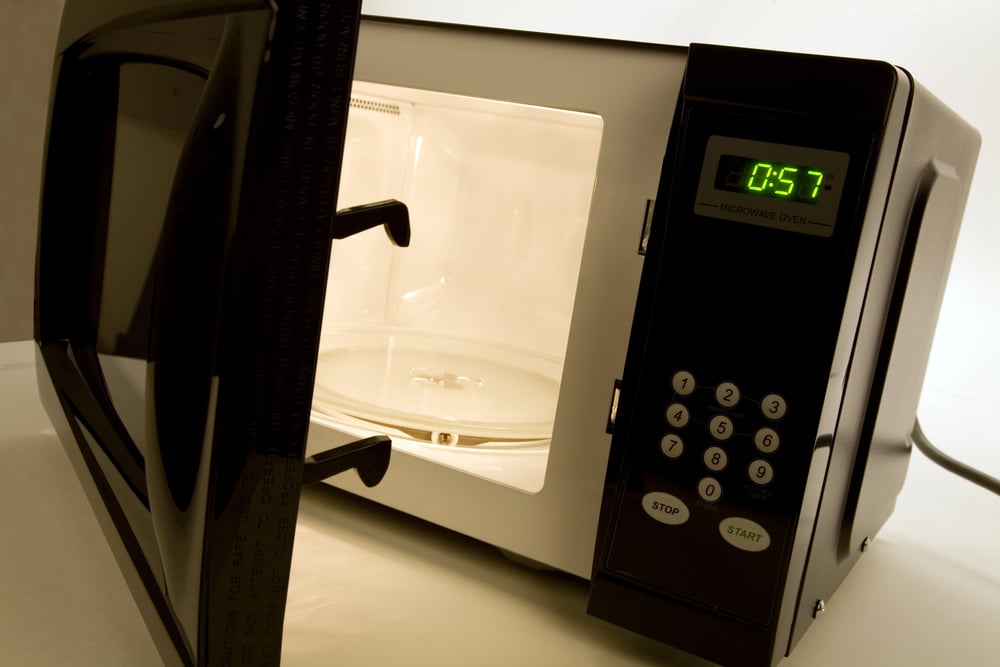
Microwaves occupied the same cultural space that smart home systems do today — impressive technology that most people couldn’t justify buying. Early models were enormous, expensive, and slightly terrifying in the way that all new radiation-based appliances tend to be.
The convenience factor was undeniable, but the price point kept them in affluent kitchens and office break rooms. People who owned microwaves felt compelled to demonstrate them to visitors, heating up coffee or melting butter as if performing magic tricks.
The speed was genuinely revolutionary for a generation accustomed to waiting for ovens to preheat and water to boil.
Electronic Games
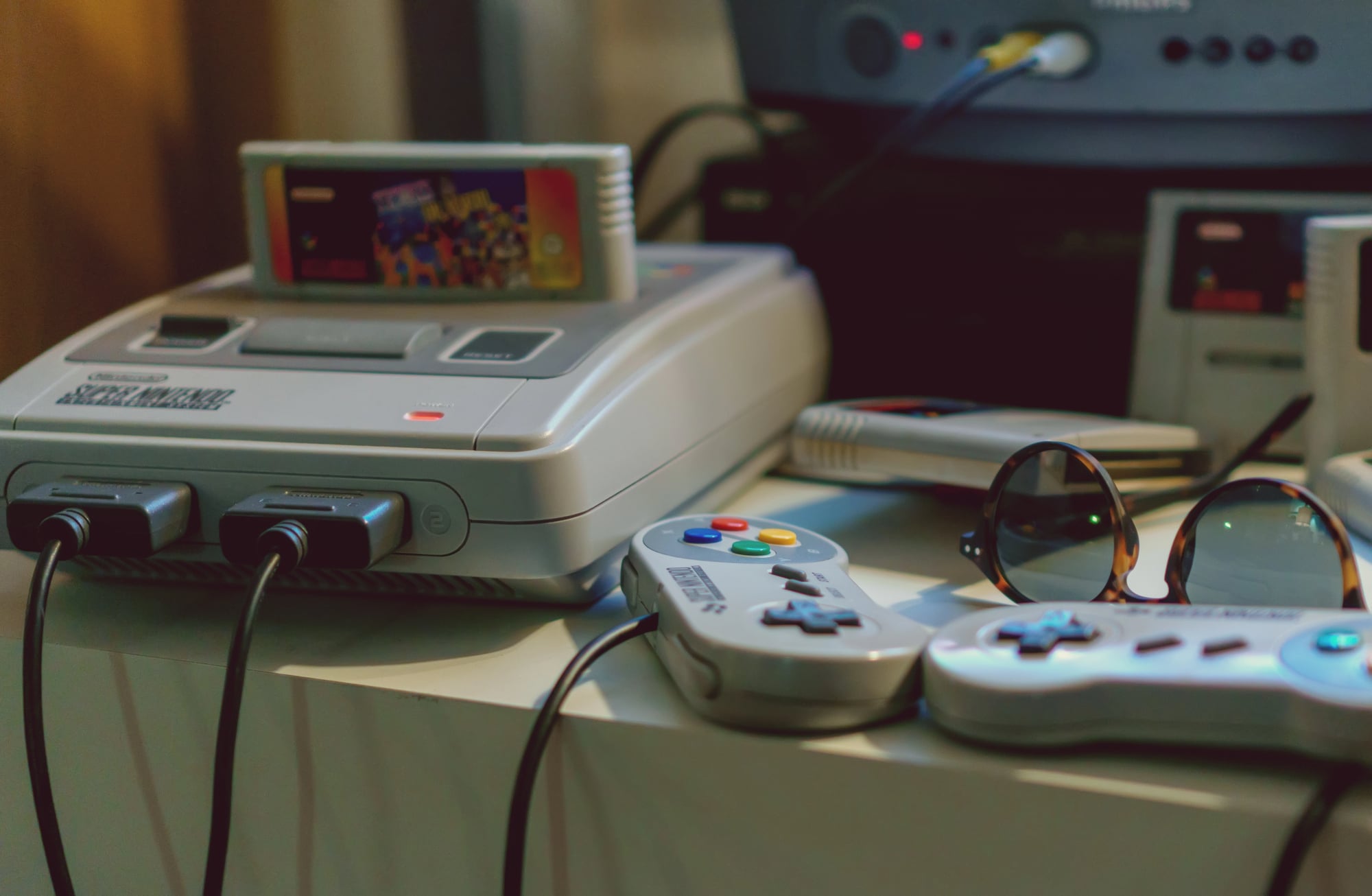
The first home video game consoles were luxury items that competed with color televisions for household budget priority. Pong, despite being essentially electronic ping-pong, represented a stunning technological achievement that families saved up for months to afford.
Gaming was something you did at arcades or, if you were particularly fortunate, on a dedicated home console that played variations of the same basic games. The idea that games would become more sophisticated than television or movies seemed impossible.
Now gaming is so mainstream that retirement homes organize tournaments, and phones carry more gaming power than those early consoles could have imagined.
Cordless Phones
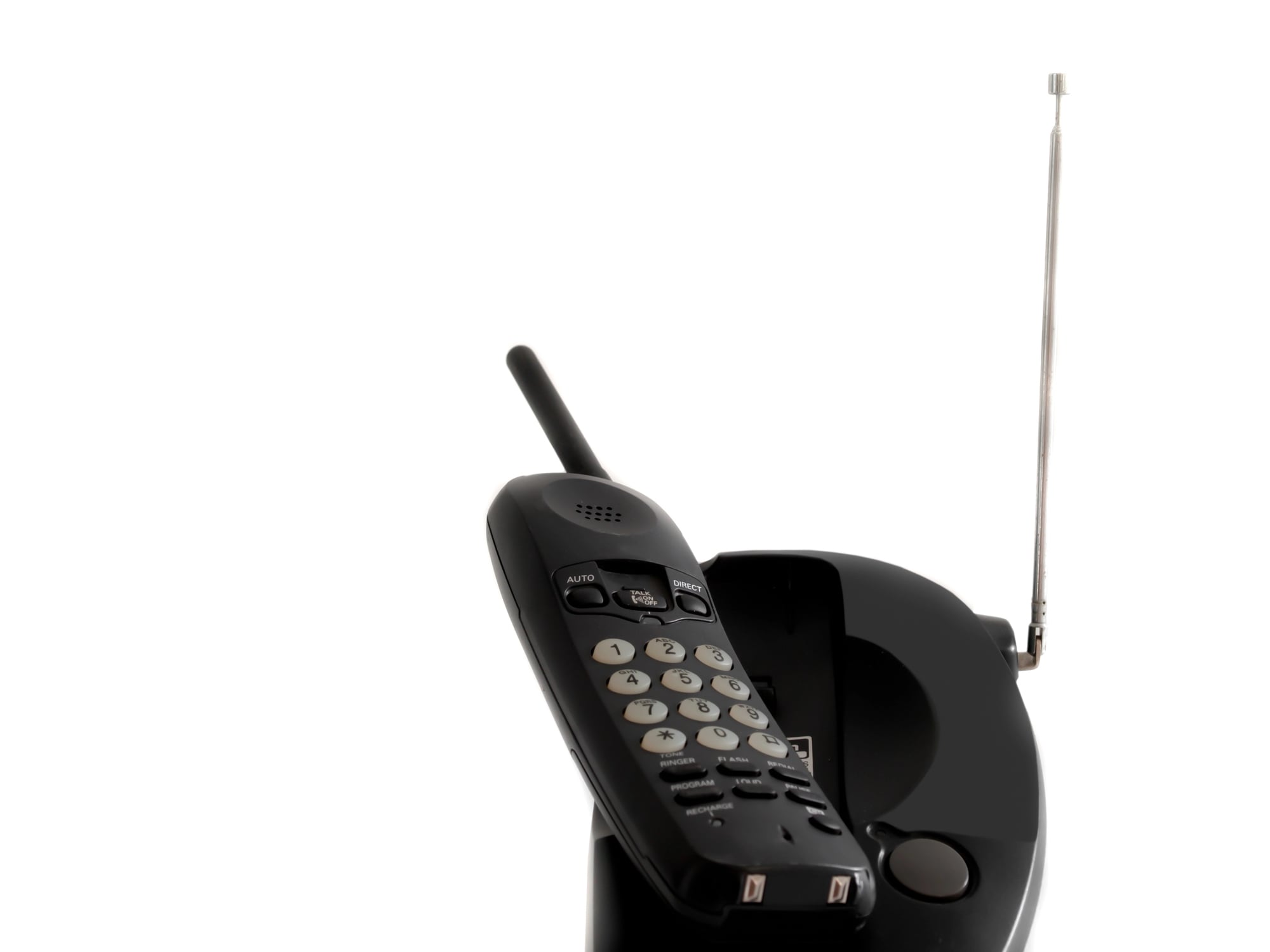
The freedom to walk around while talking on the phone felt like science fiction made real — conversations were no longer anchored to kitchen walls or hallway tables, but could roam freely through houses and even into backyards, which transformed the entire social dynamic of phone calls from formal, seated affairs to casual, wandering discussions. Early cordless phones were expensive, unreliable, and had range limitations that made them more novelty than necessity, but the psychological impact was enormous: they represented the first crack in the idea that communication required being tethered to specific locations.
And the sound quality was often terrible — conversations filtered through static and interference that made long-distance calls sound even more distant — but none of that mattered because you could pace while talking, cook dinner during conference calls, or retreat to private corners of the house for sensitive conversations. So it transformed something as basic as answering the phone from an interruption that required dropping everything to a portable convenience that could flow around daily life.
Answering Machines
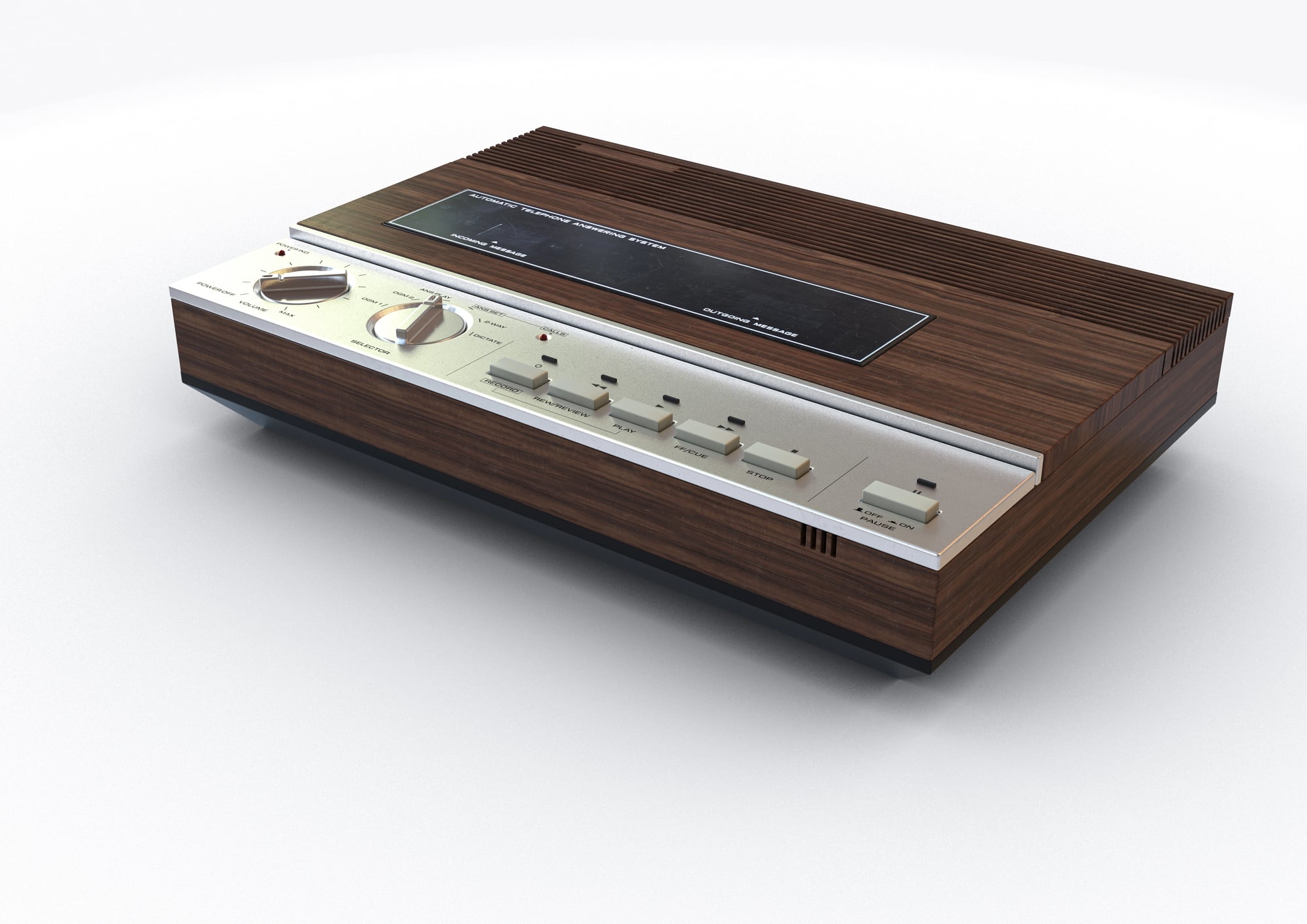
Missing phone calls was just part of life until answering machines offered a solution that seemed almost too good to be true. The ability to capture messages from people who called while you were out represented a fundamental shift in how communication worked.
These early machines were expensive, temperamental, and required careful maintenance of the tiny tape cassettes that stored messages. People approached them with a mixture of excitement and anxiety — the technology was impressive, but the social etiquette was completely uncharted territory.
What do you say in a greeting message? How long should you wait before calling someone back?
The machines themselves often broke down, eating tapes or playing back garbled messages that sounded like underwater conversations.
Electric Garage Door Openers
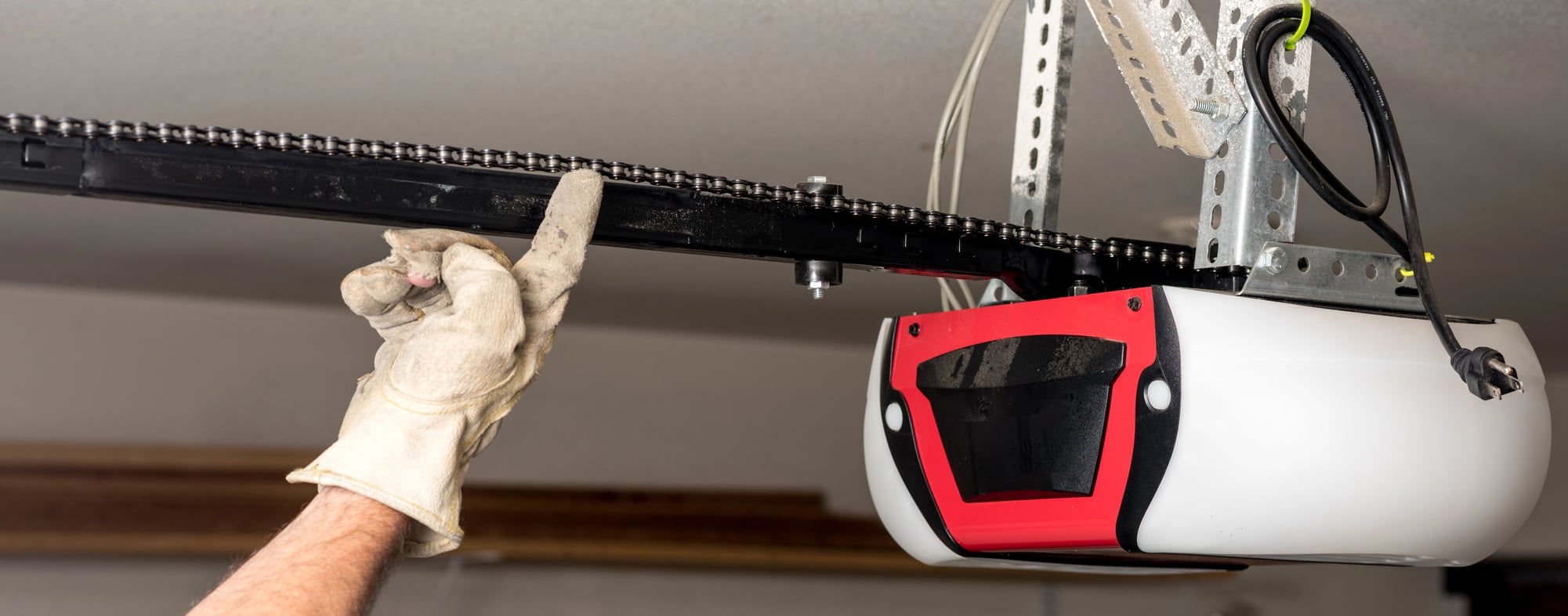
Automatic garage doors were the kind of convenience upgrade that neighbors noticed and envied. Opening garage doors by hand was standard practice, making electric openers feel like hiring a personal butler for your car.
The installation was expensive and complicated enough to require professional help. Remote controls were cutting-edge technology, and the systems were prone to mysterious failures that left people trapped either inside or outside their garages.
But the convenience factor was transformative, especially during bad weather or late-night arrivals.
Central Air Conditioning
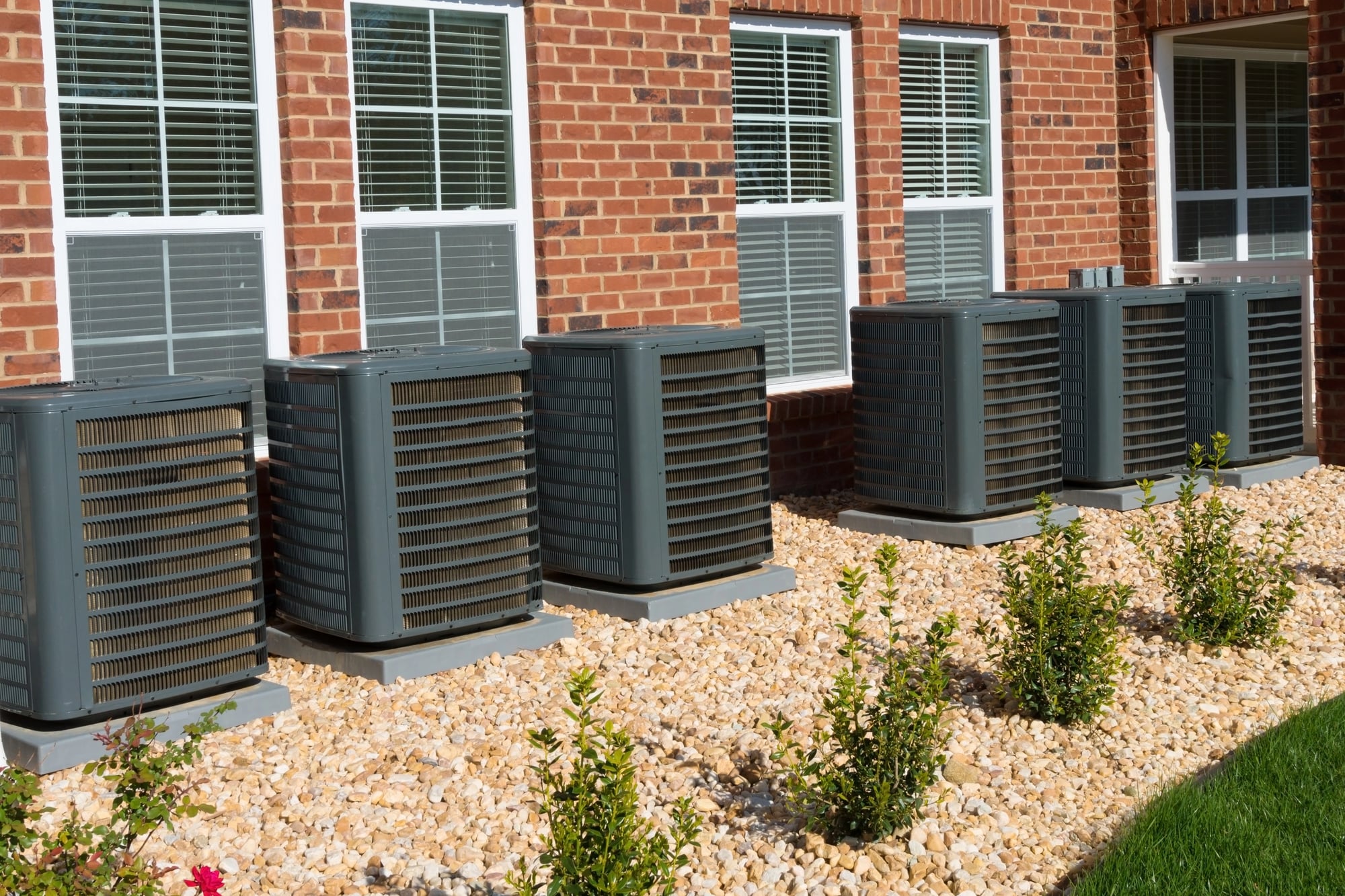
Whole-house air conditioning was a luxury that separated comfortable homes from everything else. Most families relied on window units, strategically placed fans, and the ancient cooling methods of drawing curtains and opening windows at night.
Central air required significant electrical upgrades and professional installation that cost more than most people’s cars. The monthly electric bills were equally shocking, making air conditioning a luxury that some families could only afford to run during the worst heat waves.
Houses with central air commanded premium prices and genuine envy from neighbors who were still managing summer heat with box fans and cold drinks.
Electronic Calculators with Memory

Basic calculators were expensive enough, but models with memory functions represented the absolute pinnacle of personal computing power — which sounds almost comically modest now, but at the time, the ability to store a single number while performing other calculations felt like having a mechanical assistant who never forgot anything (and in practical terms, it was exactly that: an infallible memory for numbers that eliminated the need for scribbling intermediate results on paper napkins and losing track of complex calculations halfway through). These advanced calculators cost more than many people’s monthly salaries and were primarily owned by engineers, accountants, and mathematics professors who could justify the expense as professional tools.
But the real transformation wasn’t just computational — it was psychological, because once you could trust a machine to remember numbers while you worked on other parts of a problem, it changed how you approached complex thinking altogether.
Automatic Ice Makers

Ice cubes appeared automatically in a dedicated freezer compartment, eliminating the daily ritual of filling, freezing, and wrestling with ice cube trays. This convenience seemed almost impossibly sophisticated.
Refrigerators with built-in ice makers cost significantly more than standard models and were prone to mechanical failures that required expensive service calls. The ice makers were temperamental, often producing cloudy cubes or breaking down entirely, but when they worked properly, they represented a level of household automation that felt genuinely futuristic.
People who had them couldn’t help but mention the feature to guests, usually while demonstrating the automatic dispensing mechanism.
Looking Back from Here
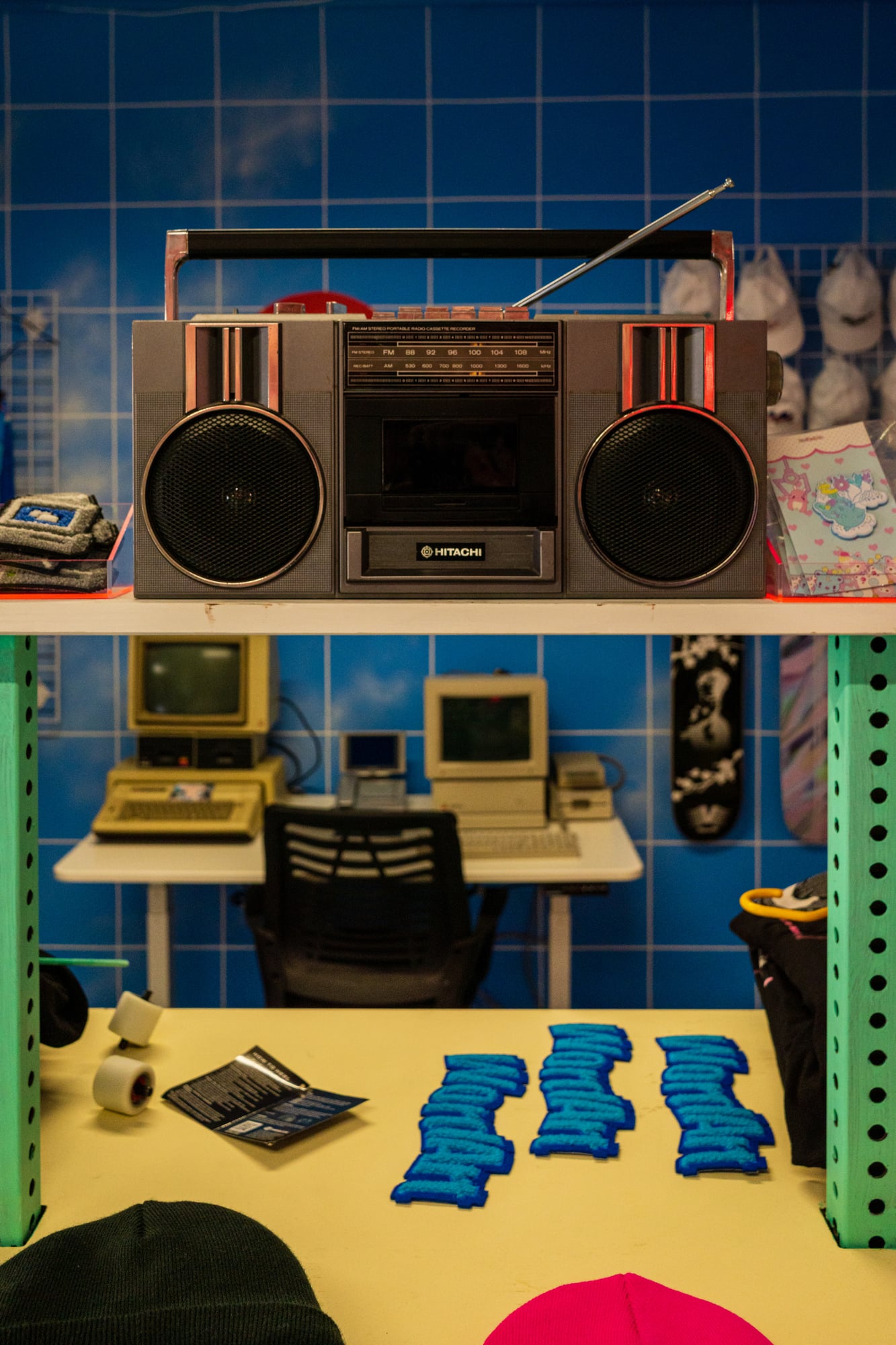
The pattern becomes clear when you line up these former luxuries: most were expensive because they were genuinely difficult to manufacture, not because companies were artificially inflating prices. The electronic components, precision manufacturing, and technical expertise required for color televisions or pocket calculators represented real technological challenges that took decades to solve efficiently.
Today, these same capabilities are often afterthoughts, secondary features embedded in devices designed for entirely different purposes. Your phone has more computing power than those early calculators, better color displays than 1970s televisions, and communication capabilities that would have seemed like pure fantasy.
The luxuries of one generation become the baseline expectations of the next, which makes you wonder what currently expensive technologies will seem quaint and obvious to people looking back from fifty years in the future.
More from Go2Tutors!

- The Romanov Crown Jewels and Their Tragic Fate
- 13 Historical Mysteries That Science Still Can’t Solve
- Famous Hoaxes That Fooled the World for Years
- 15 Child Stars with Tragic Adult Lives
- 16 Famous Jewelry Pieces in History
Like Go2Tutors’s content? Follow us on MSN.