15 Vintage Milk Bottles and Dairy Memorabilia with Surprising Value
Walk into any antique shop, and you’ll find them tucked between the china sets and Depression glass – old milk bottles that once sat on front porches across America. Most people pass them by without a second glance, but collectors know better.
These humble glass containers, along with other dairy memorabilia, have become surprisingly valuable pieces of Americana. The right bottle or dairy advertising piece can fetch hundreds or even thousands of dollars, turning what seems like common junk into treasure worth hunting for.
Thatcher Glass Company Milk Bottles
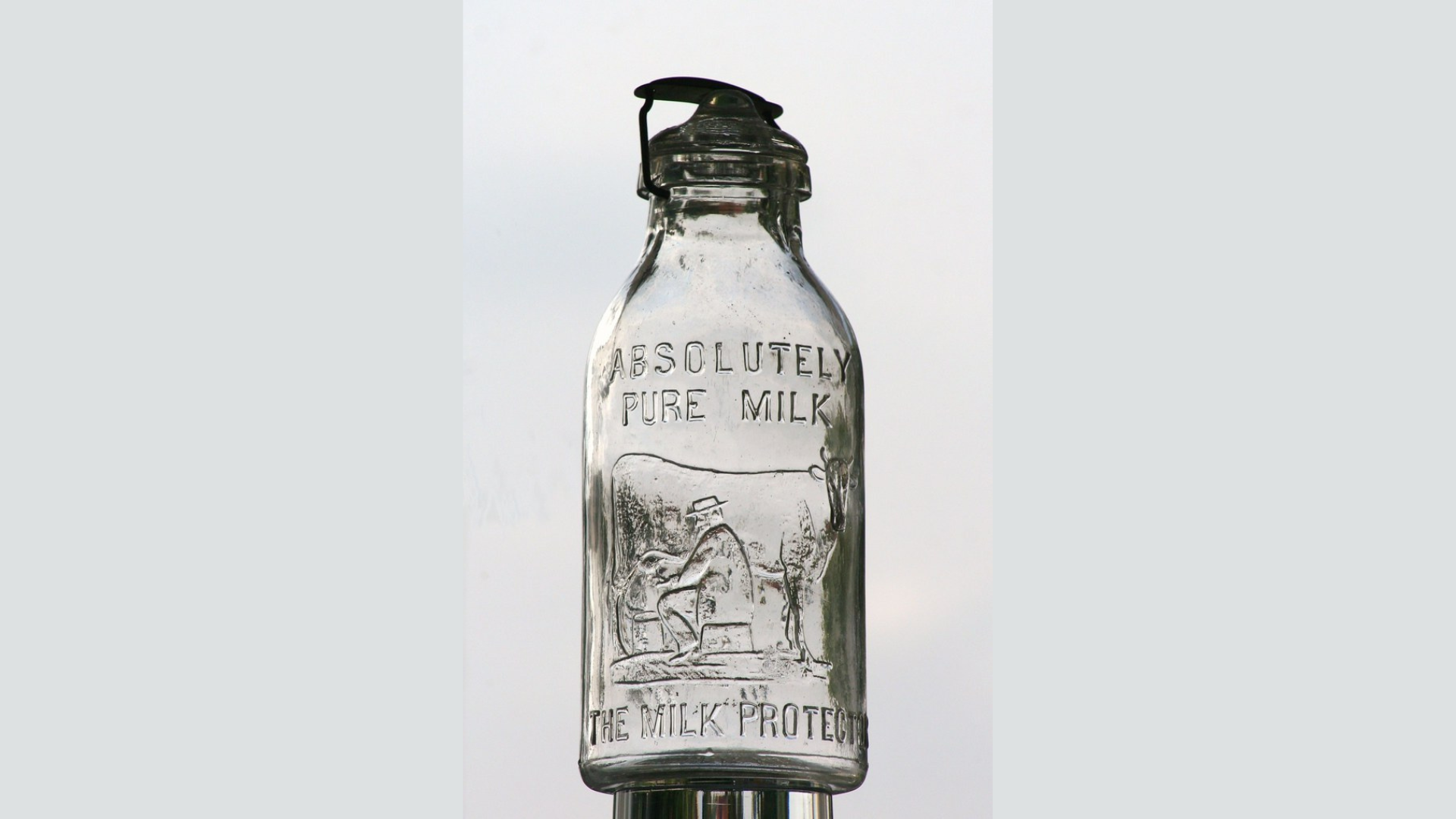
These bottles don’t mess around. Clear glass, embossed lettering, and that distinctive wide mouth that screams quality.
The Thatcher Glass Company dominated the milk bottle market from 1884 to 1938, and their bottles remain the gold standard for collectors. Expect to pay $50 to $200 for common examples, but rare variants can hit $500 or more.
Trenton Glass Works Bottles
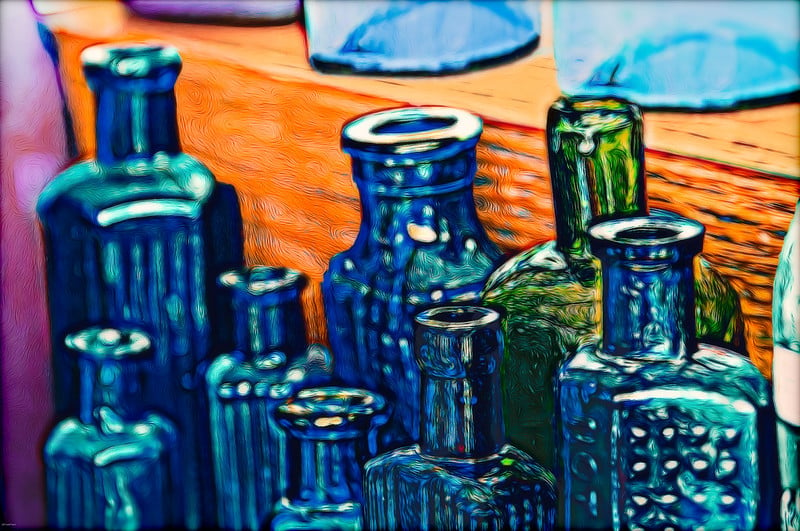
When you’re dealing with Trenton Glass Works bottles (which operated from the 1890s through the 1920s), you’re holding a piece that comes with the kind of provenance that makes collectors pause mid-sentence when they spot one at an estate sale. These bottles – and this is where things get interesting from a value perspective – weren’t just functional containers but carried the weight of a company that understood the intersection of utility and craftsmanship in ways that feel almost quaint now.
The embossed dairy names tell stories of local businesses that vanished decades ago, which is precisely why a single bottle can command anywhere from $75 to $400 depending on rarity. But here’s what separates the valuable from the merely old: condition matters more than age, and regional scarcity trumps everything else.
Howdy Doody Milk Bottles
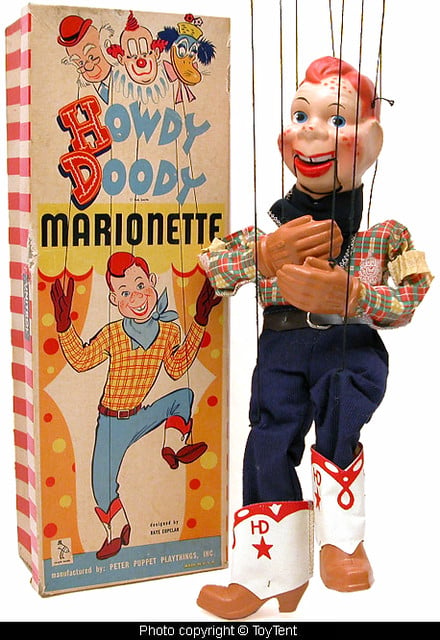
Picture this: a child in 1950s suburbia, sitting cross-legged in front of a black-and-white television, clutching a glass milk bottle featuring their favorite freckled puppet. That bottle wasn’t just a container – it was a bridge between the wholesome world of dairy farms and the emerging magic of television marketing.
These promotional bottles, produced by various dairies licensing the Howdy Doody character, carry more than milk residue; they hold the weight of an entire era’s innocence, when cowboys on TV were heroes and milk was the drink that built strong bones and stronger dreams.
Embossed Dairy Names with Town Location
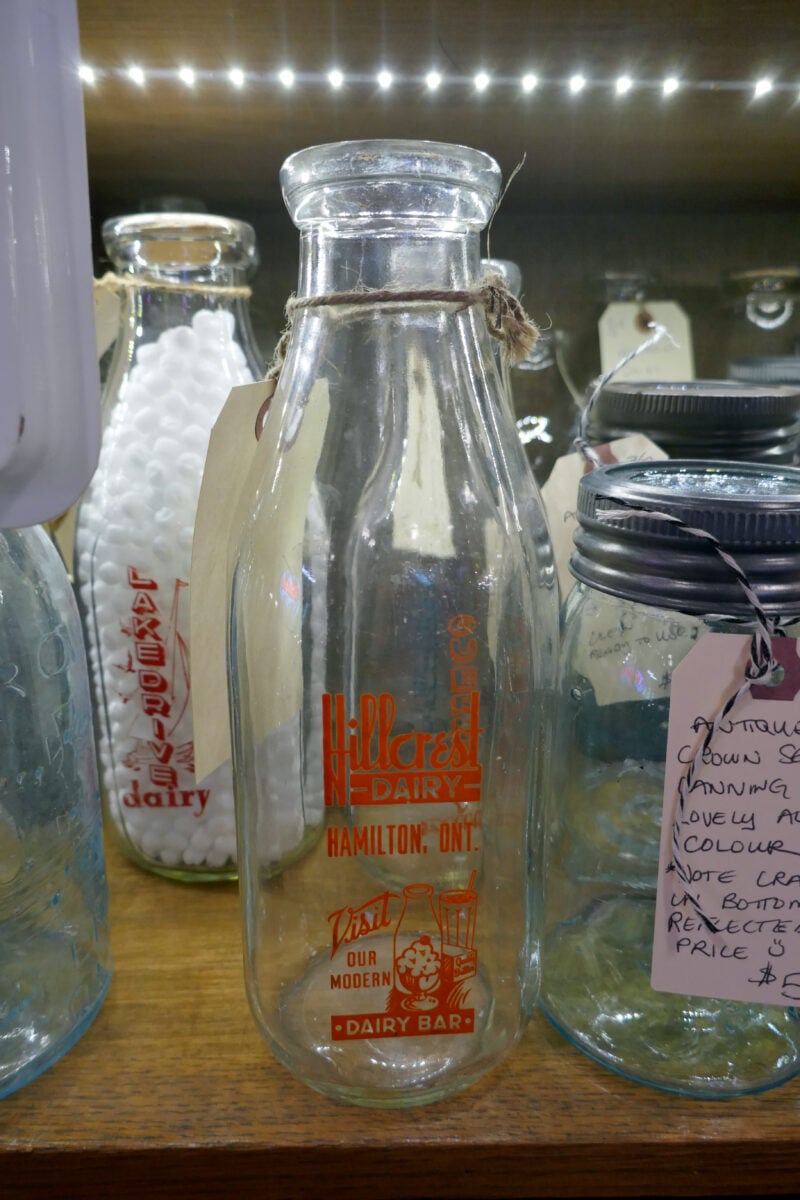
Local dairies understood something about marketing that modern corporations have forgotten. A bottle stamped with “Hillcrest Dairy, Cedar Rapids” or “Golden Guernsey, Topeka” wasn’t just identification – it was a promise.
The embossed town names make these bottles miniature time capsules worth $30 to $300, depending on how obscure the location and how long the dairy lasted.
War-Time Milk Bottles
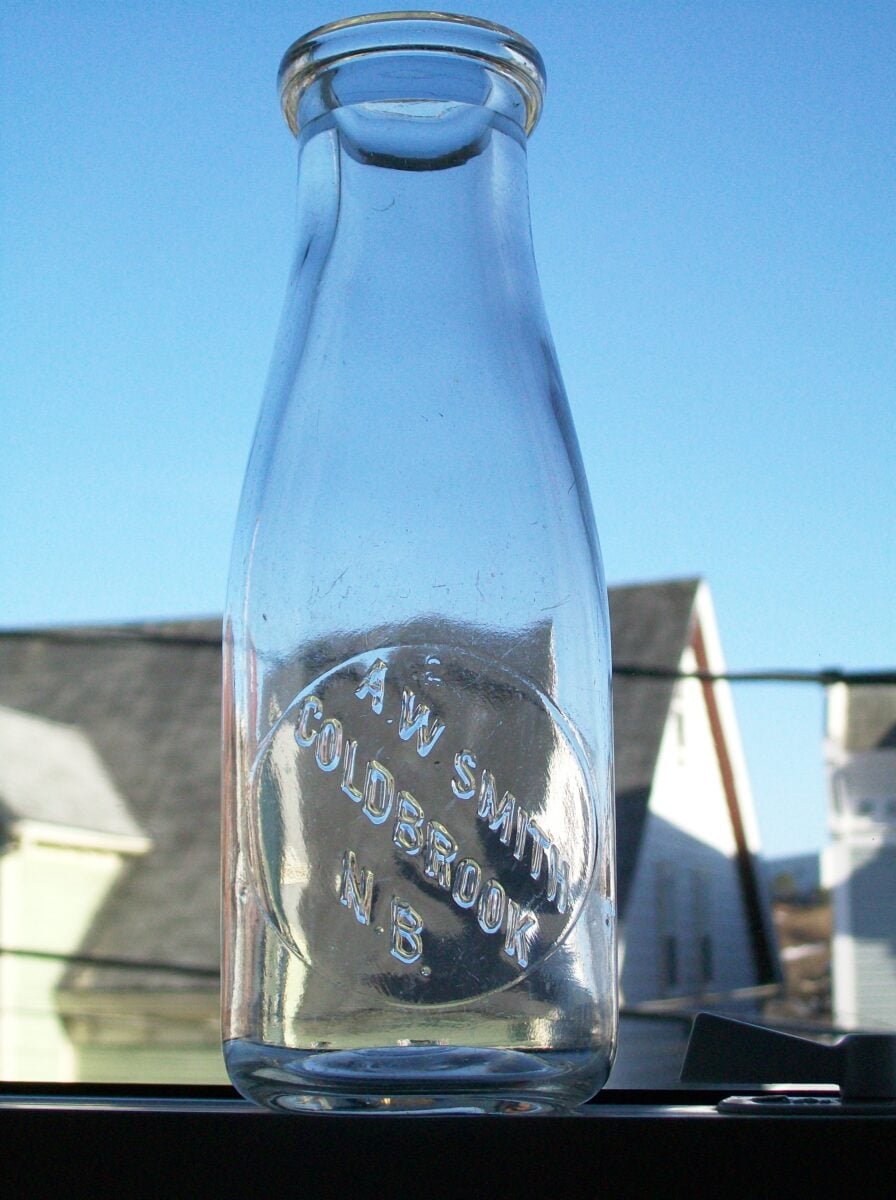
The 1940s changed everything, including milk bottles. Glass became scarce, designs simplified, and some bottles carried patriotic messages or rationing information embossed right into the glass.
These wartime bottles represent a fascinating intersection of home front necessity and dairy industry adaptation, commanding $100 to $400 from collectors who understand their historical significance. The bottles that mention victory gardens or reference the war effort bring the highest prices.
Cream-Top Bottles with Measuring Lines
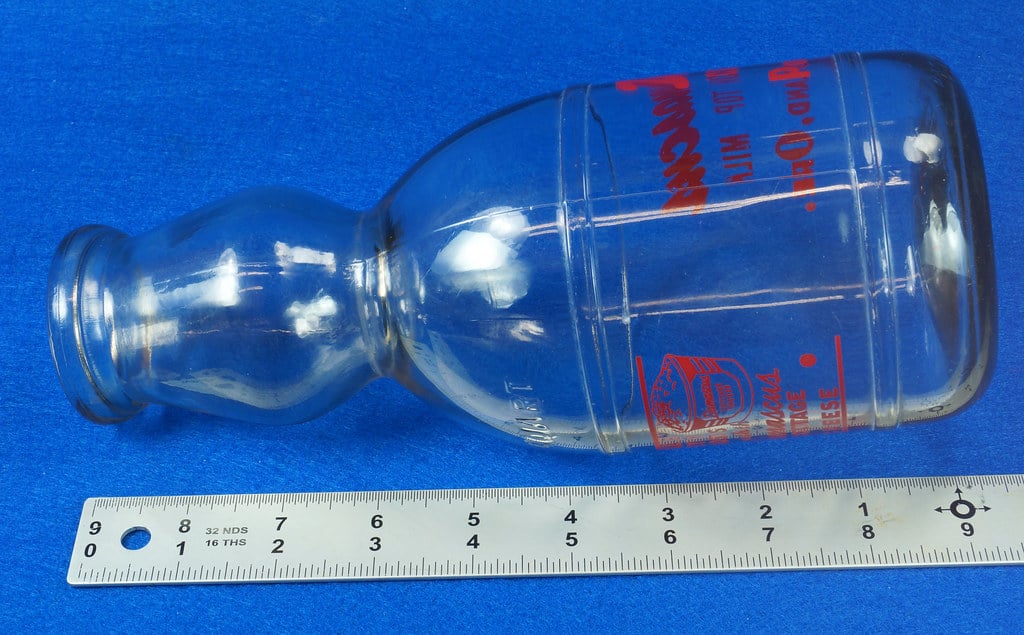
Before homogenization ruined everything, milk separated naturally, and cream rose to the top where it belonged. These bottles – typically taller and narrower than standard milk bottles – featured measuring lines etched into the glass so customers could see exactly how much cream they were getting, which was as close to truth in advertising as the dairy industry ever managed.
The bottles themselves have become metaphors for a more transparent time, when you could literally see what you were paying for, and the best examples with clear, readable measurement marks sell for $60 to $250.
Promotional Dairy Queen Items
Dairy Queen’s early promotional materials prove that soft-serve ice cream marketing was an art form before it became a science. Original glass mugs, ceramic sundae dishes, and metal serving trays from the 1940s and 1950s carry the clean, optimistic design aesthetic that defined mid-century America.
These pieces weren’t meant to last decades – they were functional advertising meant to be used and discarded. That throwaway nature is exactly what makes surviving examples worth $75 to $500 today.
Milk Bottle Caps and Carriers
The small stuff matters more than most people realize. Cardboard milk bottle caps, especially those with dairy advertising or seasonal designs, have become collectible in their own right.
Metal milk bottle carriers – those wire contraptions that let milkmen transport multiple bottles efficiently – represent the infrastructure of a vanished profession. Original carriers in good condition fetch $50 to $200, while rare caps can bring $10 to $30 each.
Borden’s Elsie the Cow Memorabilia
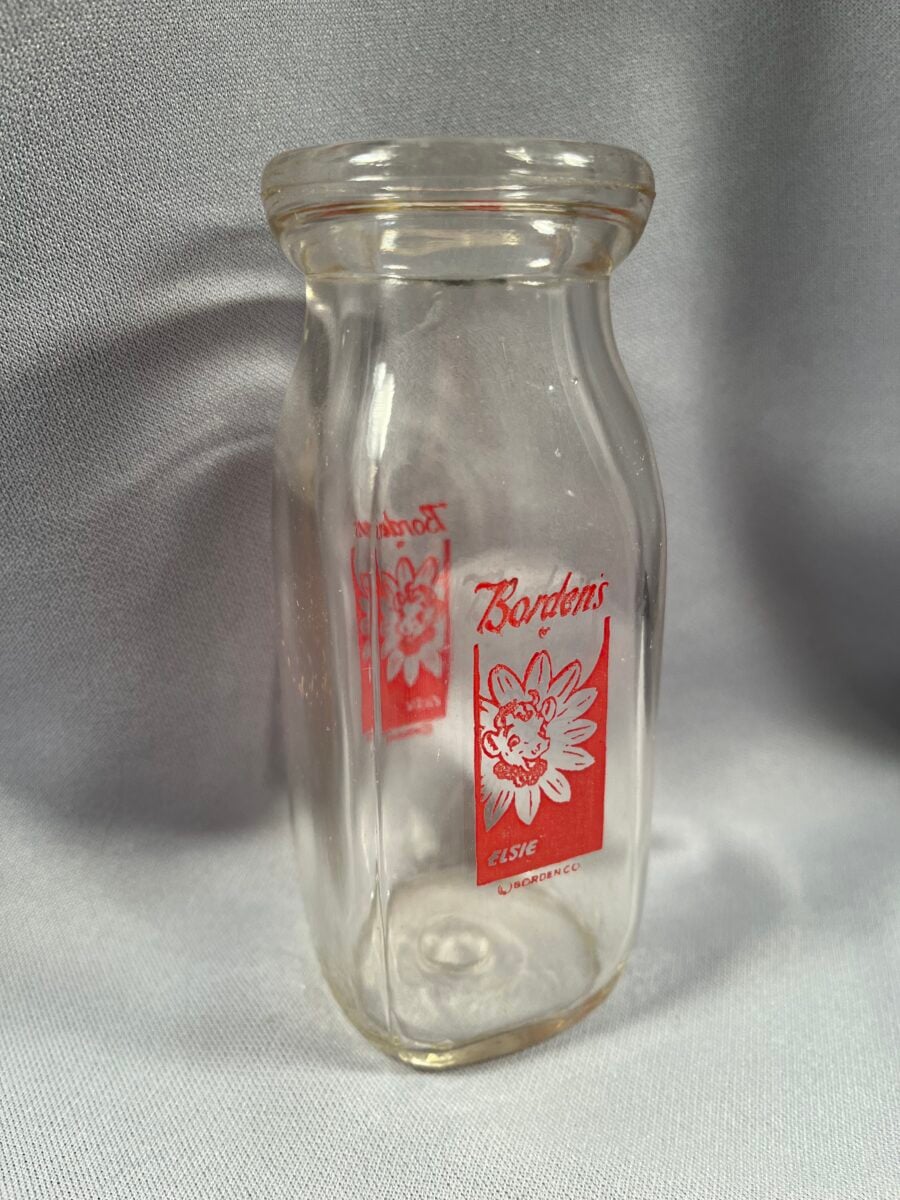
Elsie wasn’t just a mascot; she was a cultural phenomenon who appeared in movies, had her own comic strip, and became more recognizable than most human celebrities of her era. Any authentic Borden’s item featuring Elsie – from milk bottles to promotional materials to advertising signs – carries the weight of that celebrity status, which translates directly into collector value ranging from $40 to $600 depending on the item and condition.
Early Automatic Milking Machine Parts
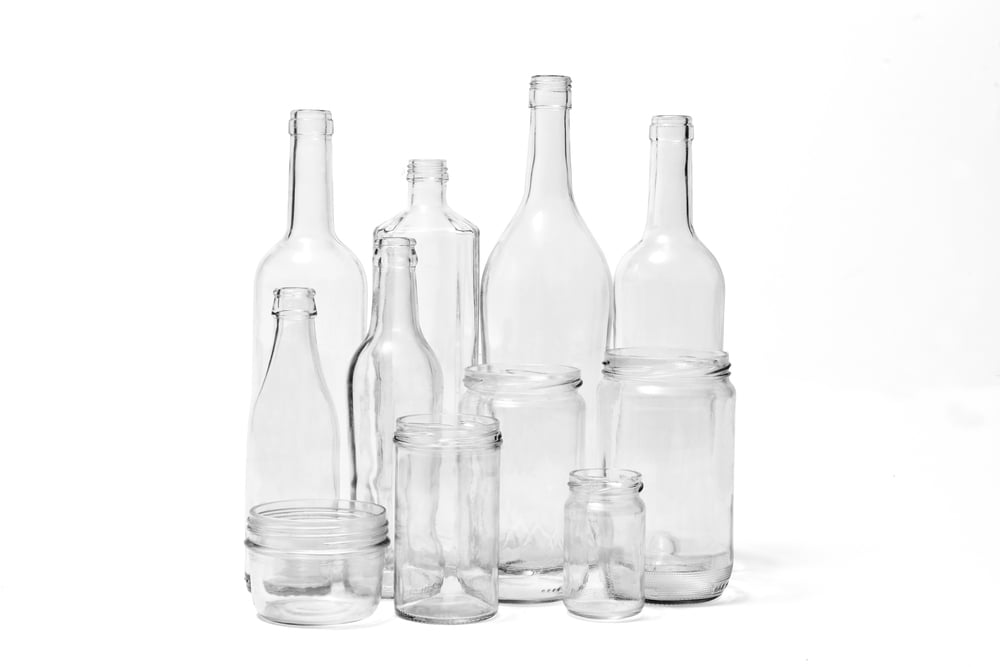
The mechanization of dairy farming tells a story of American innovation and efficiency, and the early milking machines (dating from the 1900s through 1930s) represent a fascinating chapter in that narrative. Glass collection jars, metal vacuum pumps, and the various tubes and fittings that made automated milking possible have found new life as industrial antiques.
These pieces – particularly complete glass collection jars with their original metal fittings – capture a moment when farming was becoming modern but hadn’t yet lost its connection to craftsmanship, and collectors pay $100 to $800 for exceptional examples.
Dairy Advertising Signs and Posters
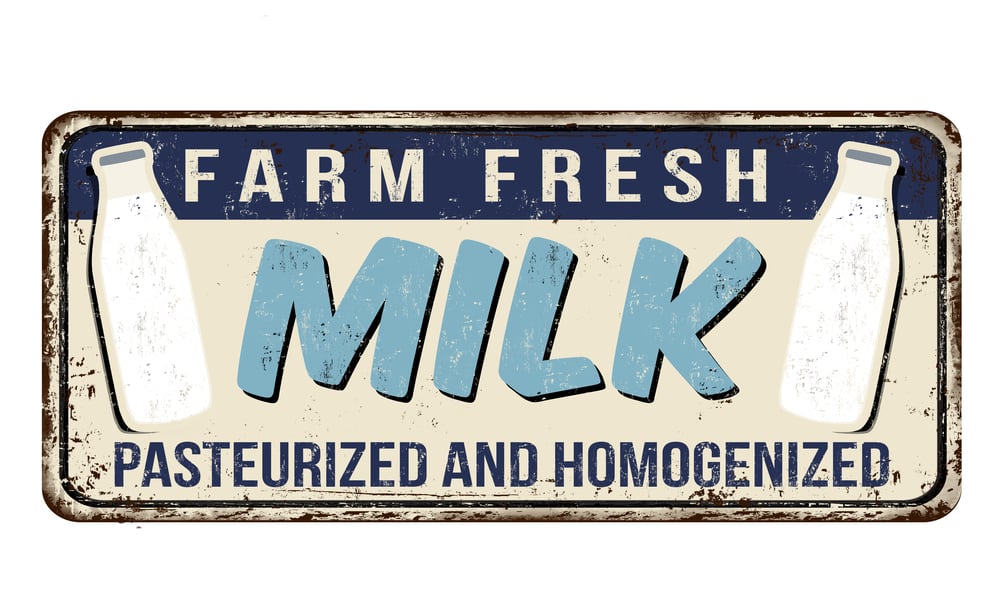
Metal advertising signs from local dairies pack more visual punch than most modern billboards. These signs – usually featuring bold typography and wholesome imagery – were designed to catch attention from moving cars and busy pedestrians.
The best examples combine graphic design appeal with local historical significance. Original porcelain or metal signs in good condition command $200 to $1,500, especially when they advertise dairies from small towns that no longer exist.
Glass Baby Bottles with Dairy Names
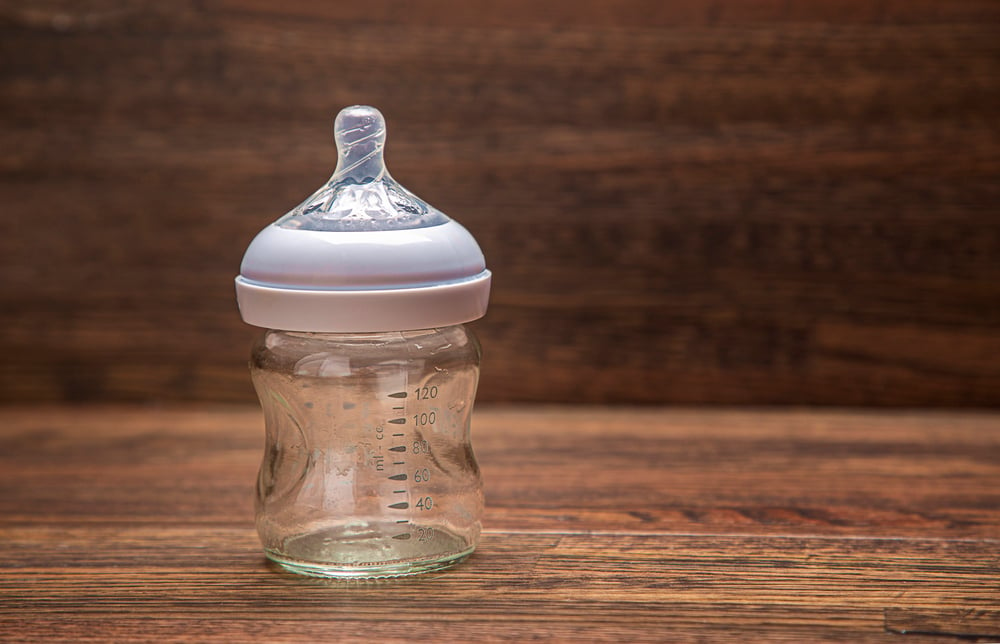
Before plastic took over, baby bottles were made from the same clear glass as milk bottles, and many carried dairy names or promotional messages. These bottles occupy a unique collecting niche – part baby memorabilia, part dairy history.
The emotional connection parents feel toward anything related to infant feeding, combined with the nostalgia for a time when even baby bottles came from local dairies, creates a collector market willing to pay $30 to $200 for exceptional examples.
Milk Truck Toy Replicas
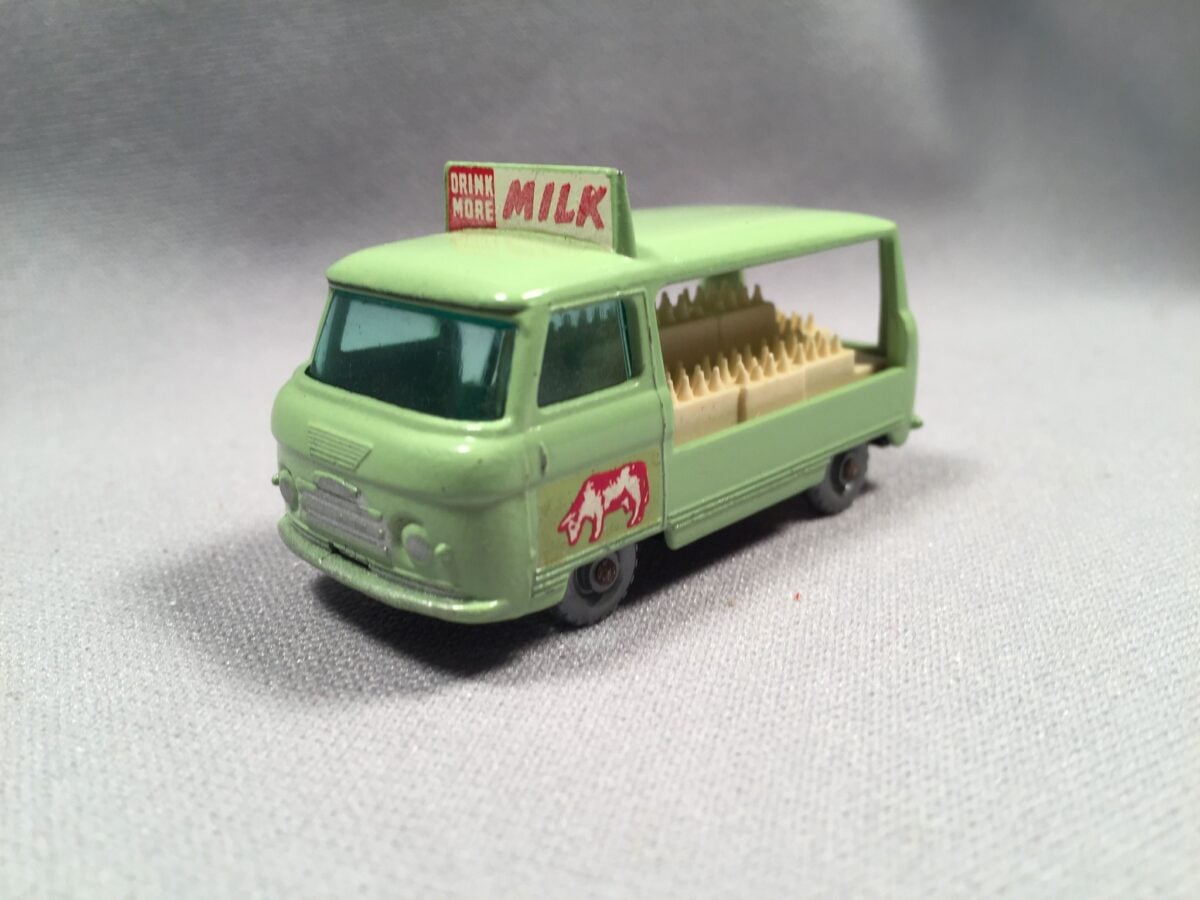
Childhood and milk delivery intersected in toy aisles across America, where die-cast milk trucks let children recreate the daily ritual they witnessed in their own neighborhoods. The most valuable examples date from the 1940s through 1960s and feature specific dairy names, working doors, and removable milk bottles.
These toys weren’t just playthings – they were training for a world where the milkman was as essential as the mailman, and today’s collectors pay $75 to $400 for mint-condition examples.
Butter Churns and Molds
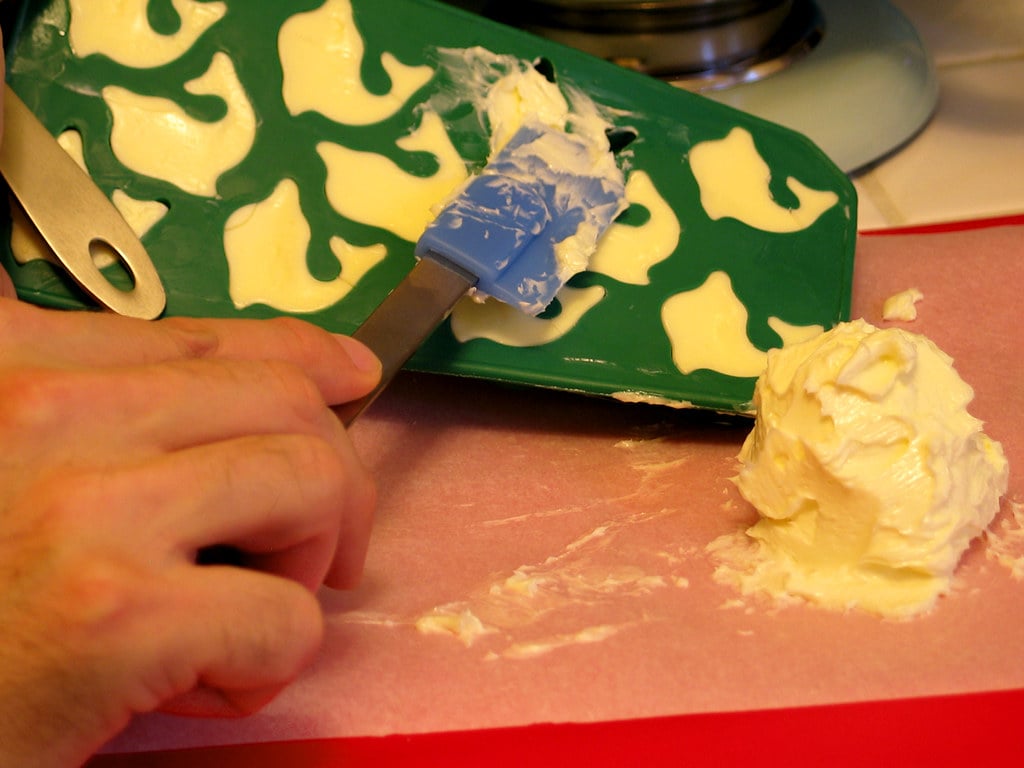
The transformation of cream into butter required specific tools, and the wooden churns and ceramic molds used in that process have become sculptural reminders of kitchen labor that modern appliances have rendered obsolete. Original butter churns – particularly those with intact wooden paddles and metal hardware – represent hours of arm-strengthening work that most people today couldn’t sustain for five minutes, which somehow makes them even more appealing to collectors willing to spend $150 to $800 for authentic examples.
Ice Cream Parlor Stools and Fixtures
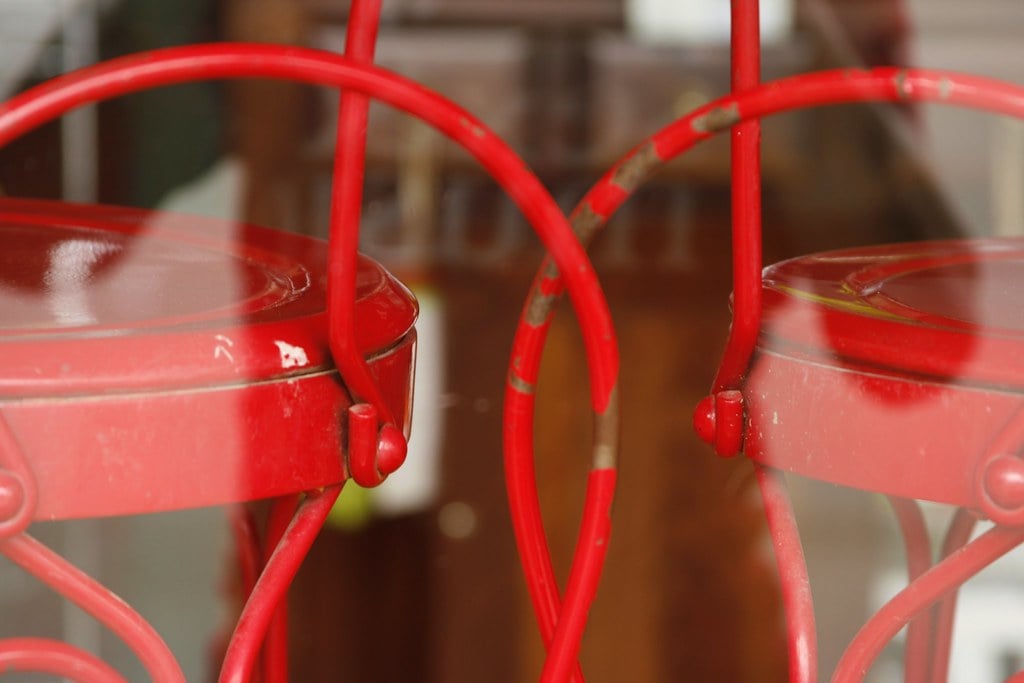
The marble-topped tables and wire-backed stools that furnished ice cream parlors weren’t just furniture – they were stage sets for American social rituals. These pieces witnessed first dates, family celebrations, and summer afternoons when ice cream was still special enough to require a dedicated venue.
Original soda fountain stools with their distinctive swivel mechanisms and chrome details bring $200 to $1,200, while marble-topped tables can command $500 to $2,000 depending on size and condition.
More Than Nostalgia
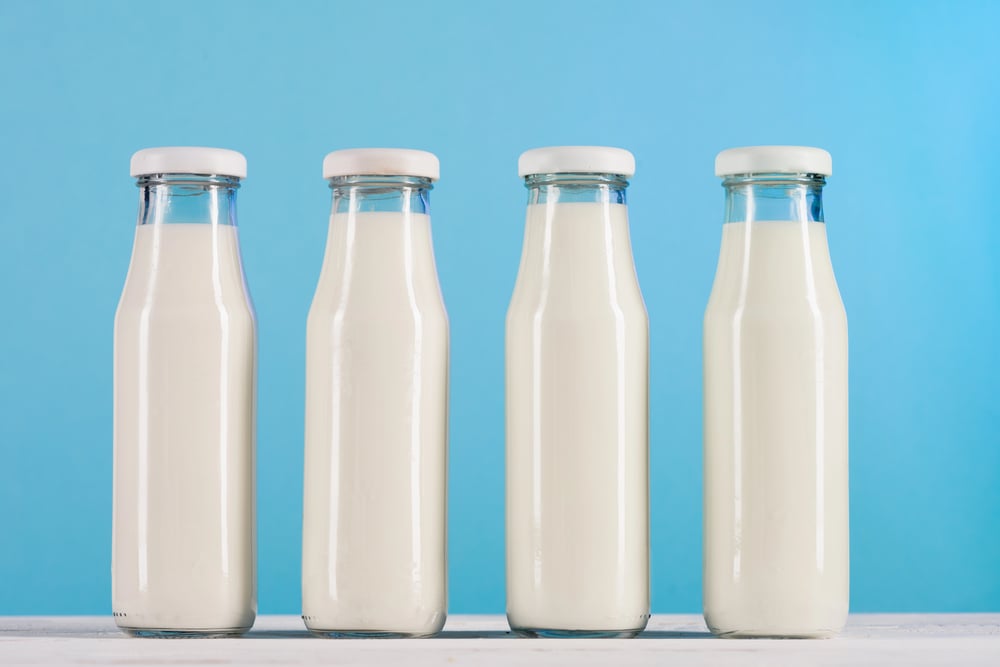
These bottles and dairy memorabilia represent something deeper than vintage collecting trends. They’re artifacts from a time when food came with stories – when you knew the name of your dairy, when the milkman was a neighborhood fixture, and when glass containers were returned and reused rather than discarded.
That connection between consumer and producer, between function and craftsmanship, is what drives their value today. The best pieces don’t just sit on shelves looking quaint; they remind us what we gave up in exchange for convenience.
More from Go2Tutors!

- The Romanov Crown Jewels and Their Tragic Fate
- 13 Historical Mysteries That Science Still Can’t Solve
- Famous Hoaxes That Fooled the World for Years
- 15 Child Stars with Tragic Adult Lives
- 16 Famous Jewelry Pieces in History
Like Go2Tutors’s content? Follow us on MSN.



