Neighborhood Games Kids Played in the ’70s That Required Zero Equipment
Before video games took over living rooms and smartphones became glued to every palm, kids had something different: endless summer afternoons with nothing but time, imagination, and the unspoken rule that dinner was the only thing that could call them inside. The 1970s belonged to a generation that turned empty lots into kingdoms, sidewalks into racetracks, and the space between streetlights into adventure zones that parents never quite understood but somehow trusted.
These games didn’t come from toy stores or require batteries. They lived in the collective memory of neighborhoods, passed down from older kids to younger ones like secret knowledge.
No rulebooks, no referees, no equipment lists—just the kind of play that happened when boredom met creativity and both decided to run wild until the porch lights came on.
Hide And Seek
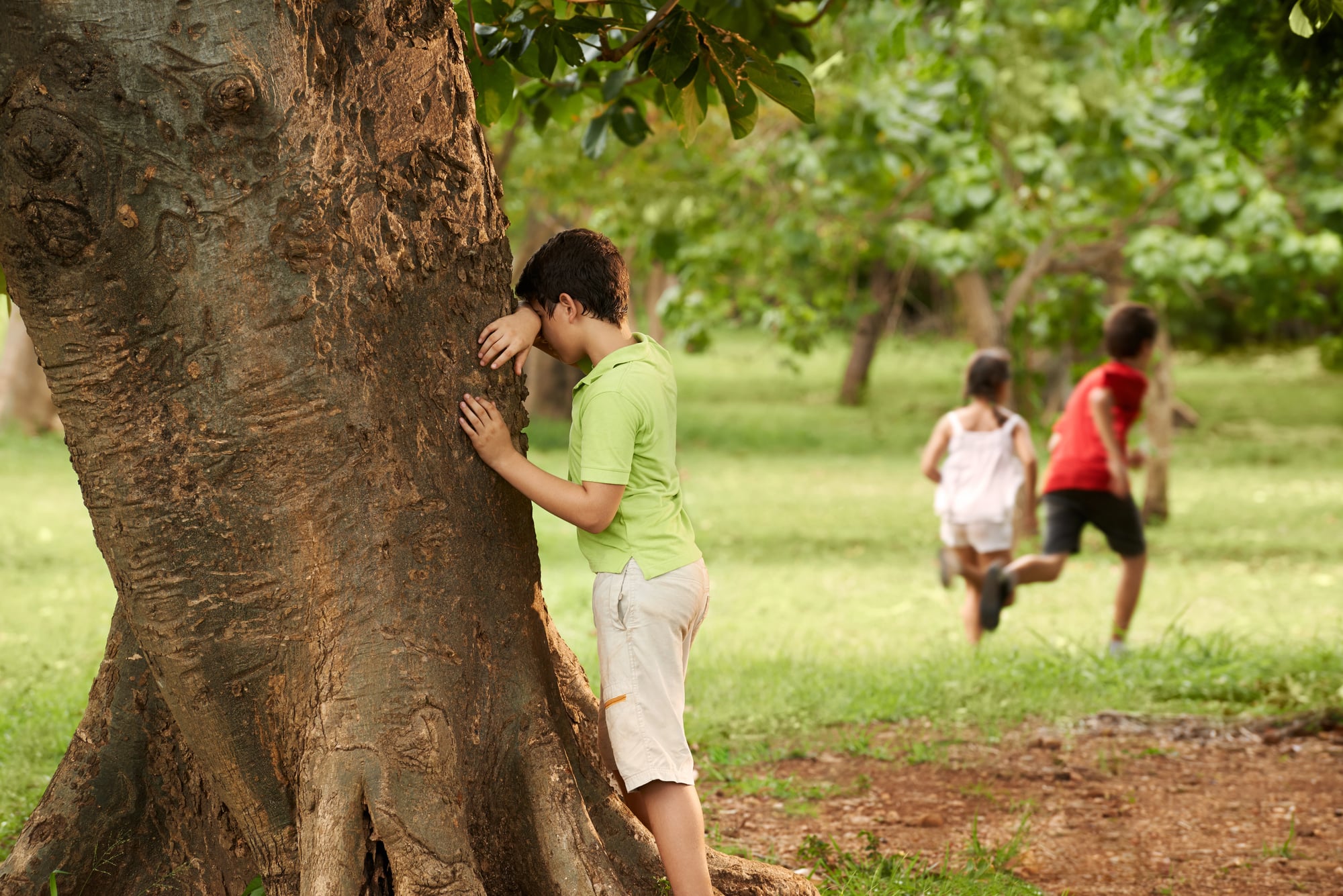
The simplest games hit the hardest. One person counts to twenty while everyone else vanishes.
Then the hunt begins.
What made it perfect was how it turned familiar territory into something mysterious. Your own backyard became foreign when you were crammed behind the garden shed, holding your breath while footsteps circled closer.
Red Light, Green Light
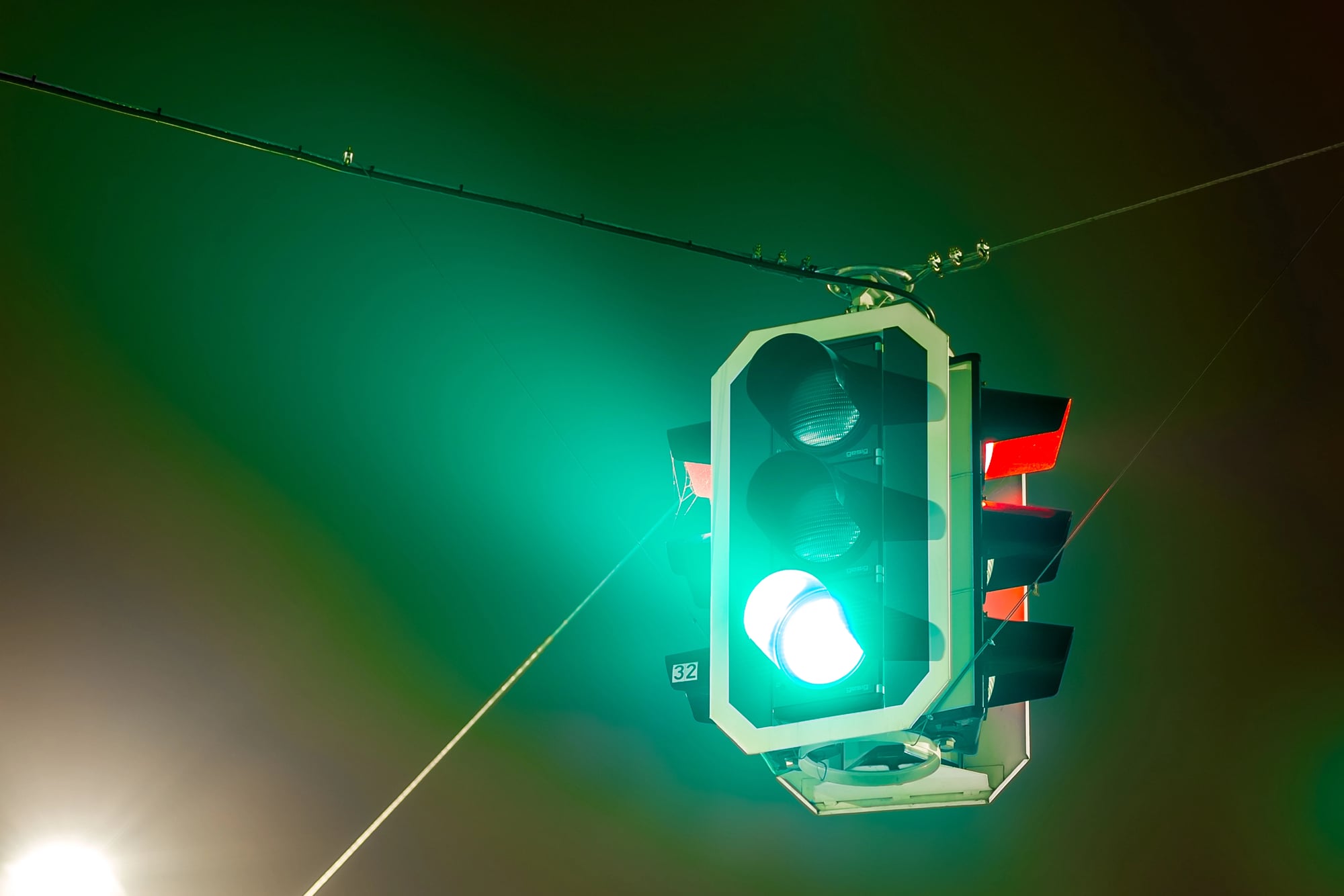
One kid stands at the finish line with their back turned. Green light means run toward them.
Red light means freeze completely—and if you’re caught moving even slightly, you start over.
The beauty was in the sudden stops. Kids would be sprinting full speed, then lock into the most ridiculous frozen positions when “red light” hit.
Some would be mid-stride, balanced on one foot for what felt like forever. Others would freeze while scratching their nose or adjusting their shirt, stuck looking like broken robots until the next green light freed them.
Tag

Running was the point, but the rules grew wild depending on who was playing. Freeze tag turned you into a statue until someone crawled between your legs to free you (which led to its own chaos, especially when the frozen person was particularly tall or particularly short).
TV tag meant shouting the name of a television show to become temporarily safe—though arguments about what counted as a real show could last longer than the actual game. And yet the basic version remained the most honest: touch someone, now they’re it, keep running until your lungs give out or your mom calls for dinner.
So many variations sprouted from this simple idea that neighborhood kids developed their own local rules, passed down through siblings and refined through countless summer afternoons. Base tag meant certain trees or porch steps were safe zones, which turned the whole game into a strategic dance of dashing between sanctuaries.
But at its core, tag was just an excuse to run until you couldn’t anymore—which, when you’re eight years old and it’s July, takes a surprisingly long time.
Mother May I

Think of it as Simon Says with manners and a twist of strategy. One person plays the mother, standing at the finish line while everyone else lines up at the start.
The mother calls out movements: “You may take three giant steps” or “You may take five baby steps.” But here’s the catch—you have to ask “Mother, may I?” before moving, or you get sent back to the beginning.
The game lived in its contradictions. It taught politeness while encouraging sneaky speed, rewarded memory while punishing eagerness.
Kids would get so excited about a good instruction that they’d leap forward without asking permission, then stand there realizing their mistake as everyone else laughed. The mother held all the power, deciding who got the good steps and who got stuck with “take two steps backward,” which always felt personal even when it probably wasn’t.
Simon Says

Simon Says is a test disguised as a game. Follow the commands that start with “Simon Says” but ignore everything else.
Sounds simple until you’re in the thick of it.
The person running the game becomes a master of psychological warfare. They’ll lull everyone into a rhythm with legitimate commands, then slip in a trick.
“Simon says touch your nose. Simon says jump three times. Now sit down.”
Half the group drops to the ground before realizing their mistake. The game teaches you to listen carefully, but it also teaches you that authority figures will try to trick you—which turns out to be decent life preparation.
Red Rover

Two teams form human chains by linking arms tightly, then take turns calling someone from the opposite side to break through. “Red Rover, Red Rover, send Jennifer right over!”
Jennifer would then sprint toward the chain, aiming to snap the weakest link and claim a player for her team.
The game was equal parts strategy and collision, with kids sizing up the opposing chain like generals surveying a battlefield. You’d call over the smallest kid on the other team, hoping they couldn’t break through, or sometimes you’d call the biggest kid, knowing they’d either break your line dramatically or bounce off spectacularly (and possibly get hurt, which is probably why this game mostly disappeared).
But the real genius was in the chain itself—learning that being strong meant nothing if you couldn’t work with the people next to you, and that sometimes the weakest-looking link was actually two friends who had no intention of letting go of each other.
Duck Duck Goose
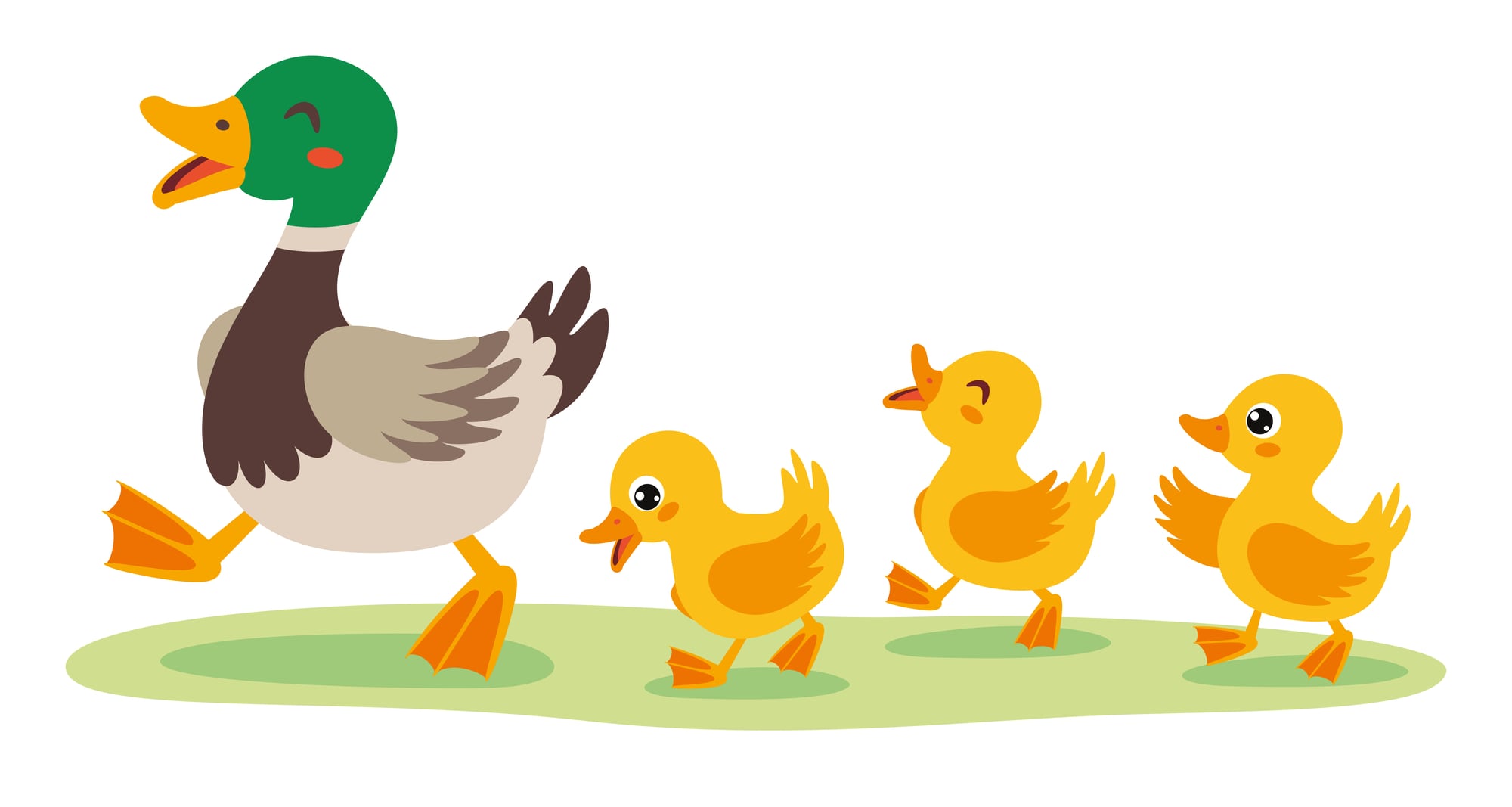
Everyone sits in a circle while one person walks around the outside, tapping heads and saying “duck” until they choose someone as the “goose.” Then it’s a race around the circle—if the goose catches the tapper before they reach the empty spot, the tapper sits in the center as punishment.
And there was genuine suspense in those taps, especially when the person doing the choosing was known for their unpredictability. Some kids had patterns—they’d count a certain number or always pick the person wearing red.
Others were completely random, which kept everyone on edge. The worst part was sitting in the “mush pot” in the center, watching everyone else play while you waited for the next round to free you.
Freeze Dance

Someone controls the music (or just hums a song), and everyone dances until the music stops. Then you freeze in whatever position you’re in, no matter how awkward.
Move even slightly and you’re out.
The game turned kids into accidental sculptors of their own ridiculous poses. You’d be spinning wildly when the music cut out, leaving you balanced on one foot with your arms stretched in opposite directions, trying not to wobble while everyone else was equally frozen in their own strange positions.
The person controlling the music held all the power, stopping it at the most inconvenient moments—right when someone was mid-jump or in the middle of what was clearly going to be an impressive dance move.
Telephone

Sit in a circle. Someone whispers a message to the person next to them, who whispers it to the next person, and so on around the circle.
When it reaches the last person, they say it out loud. It’s never what the first person actually said.
The game was a lesson in how information breaks down, though nobody called it that. “The red car drove quickly down the street” would somehow become “The dead bear drank milk in the seat” by the time it traveled around eight kids.
Sometimes the changes were innocent misunderstandings, but often they were deliberate—kids would add their own creative touches to see how weird they could make the final message. The best part was the reveal, when the original speaker would announce what they actually said, and everyone would try to figure out exactly where it all went wrong.
Kickball
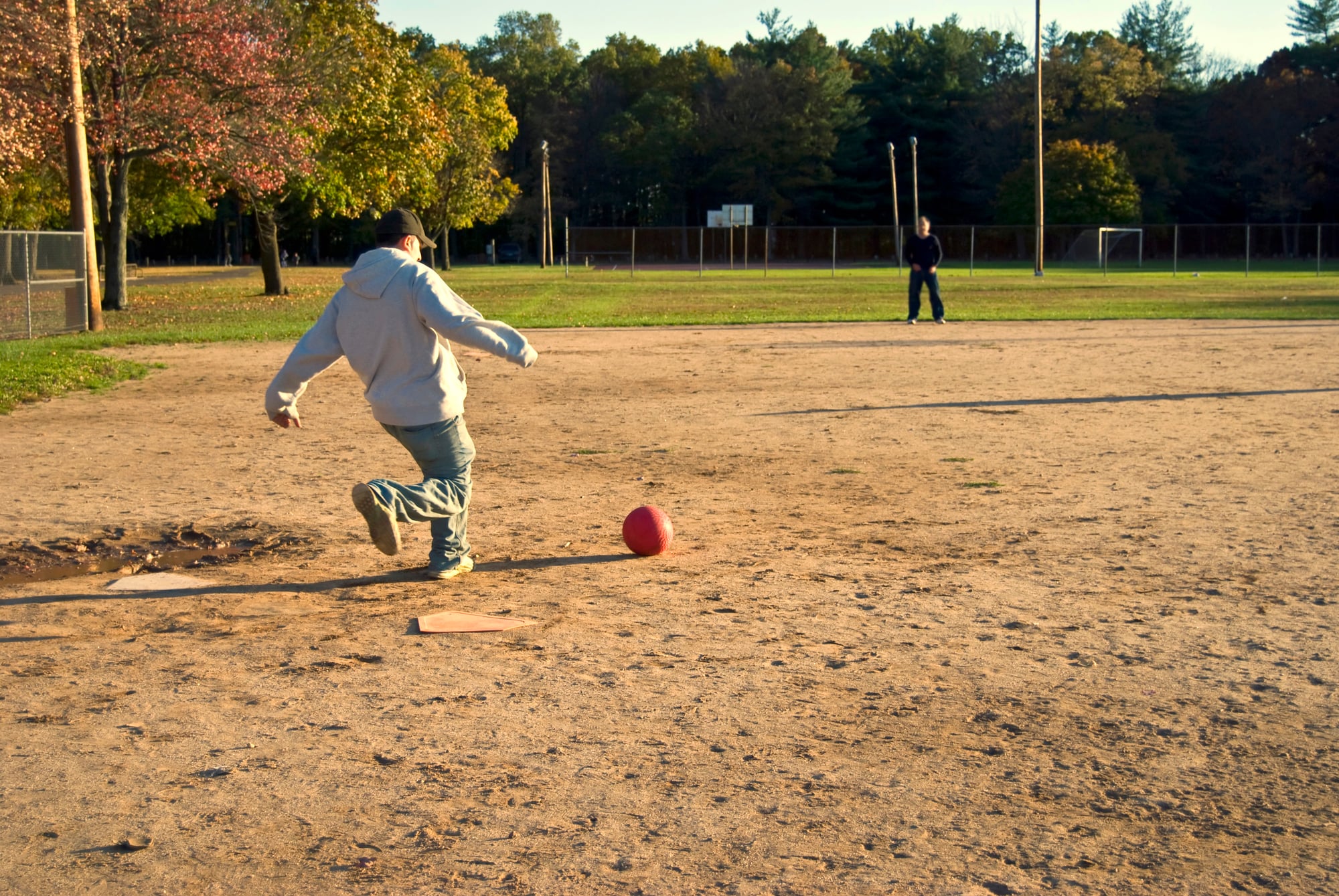
It’s baseball with a rubber playground sphere instead of a bat and a smaller diamond. The pitcher rolls the rubber sphere underhand, you kick it as hard as possible, then run the bases while the other team tries to get you out by throwing the sphere at you (which sounds more violent than it was, mostly).
What made kickball perfect was how it leveled the playing field. Kids who couldn’t hit a baseball to save their lives could kick that rubber sphere into the next yard.
The equipment was usually whatever playground sphere happened to be lying around, often slightly deflated, which added its own unpredictable element to the game. And unlike baseball, everyone could play—no expensive gloves needed, no real skill required beyond the ability to kick a sphere and run in a roughly diamond-shaped pattern.
Sharks And Minnows

One person starts as the shark in the middle of the playing area. Everyone else lines up on one side as minnows.
The goal is to run from one side to the other without getting tagged by the shark. Get tagged, and you become a shark too.
The tension built beautifully as the game progressed. At first, with only one shark, crossing was easy.
But as more minnows got caught and joined the shark team, the middle became increasingly dangerous. By the end, you’d have one or two minnows trying to dash through a gauntlet of former minnows who knew exactly how they thought and moved.
The last minnow standing became the first shark of the next round, which felt both like winning and losing at the same time.
Ghost In The Graveyard

This one belonged to dusk. One person hides while everyone else counts to a predetermined number with their eyes closed.
Then the group spreads out to find the hidden person.
When someone spots the ghost, they yell “Ghost in the graveyard!” and everyone runs back to the base while the ghost tries to tag someone.
The game lived in its atmosphere. It was always played when the light was fading, which made every shadow suspicious and every movement potentially dangerous.
The moment between spotting the ghost and shouting the warning felt enormous—do you yell immediately, or try to get closer to the base first? And once that shout echoed through the neighborhood, chaos followed as kids scattered in every direction, trying to remember where the base was in the growing darkness.
Statues

Someone spins you around until you’re dizzy, then lets go. You have to freeze in whatever position you land in and hold it as long as possible.
The last person standing wins.
But the real game was in the spinning. Whoever was doing the spinning had complete control over your fate—they could give you a gentle turn that left you slightly off-balance, or they could whirl you around until you couldn’t tell which way was up.
The positions people landed in were often physically impossible to maintain, leading to a slow-motion collapse as kids tried desperately to hold poses that defied basic anatomy.
What Time Is It, Mr. Wolf?
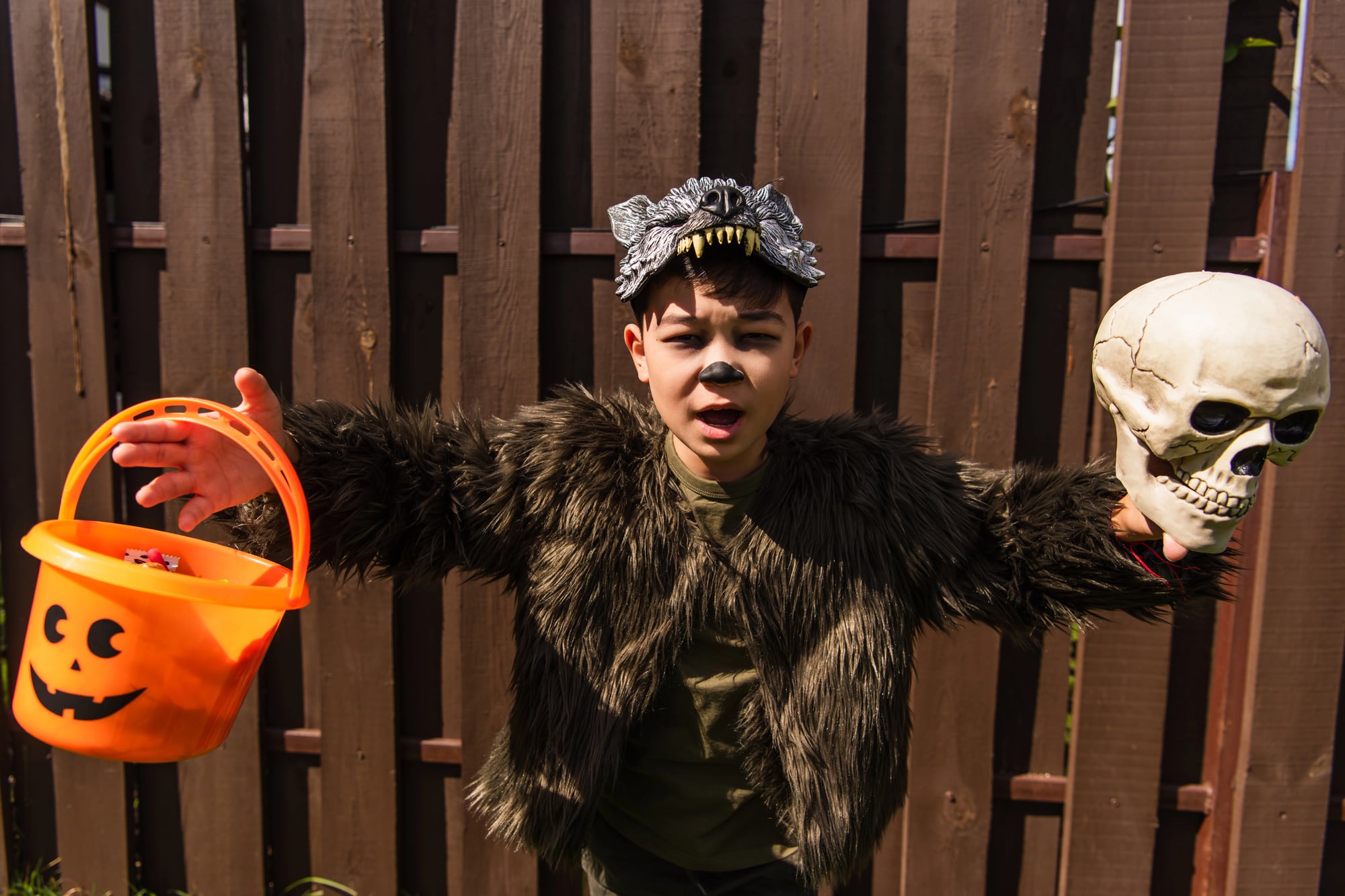
Mr. Wolf stands with their back to everyone else, who line up far behind them. The group asks “What time is it, Mr. Wolf?” and Mr. Wolf responds with a time—”It’s 3 o’clock”—and everyone takes that many steps forward.
This continues until Mr. Wolf decides to answer “It’s dinner time!” and turns around to chase everyone back to the starting line.
The psychological element was everything. Mr. Wolf controlled the pace completely, deciding when to give small numbers that barely moved anyone forward, when to give big numbers that brought everyone dangerously close, and most importantly, when to spring the trap.
Some wolves were predictable, turning around when people got close. Others were completely random, shouting “dinner time” when everyone was still far away, just to keep future rounds uncertain.
Capture The Flag
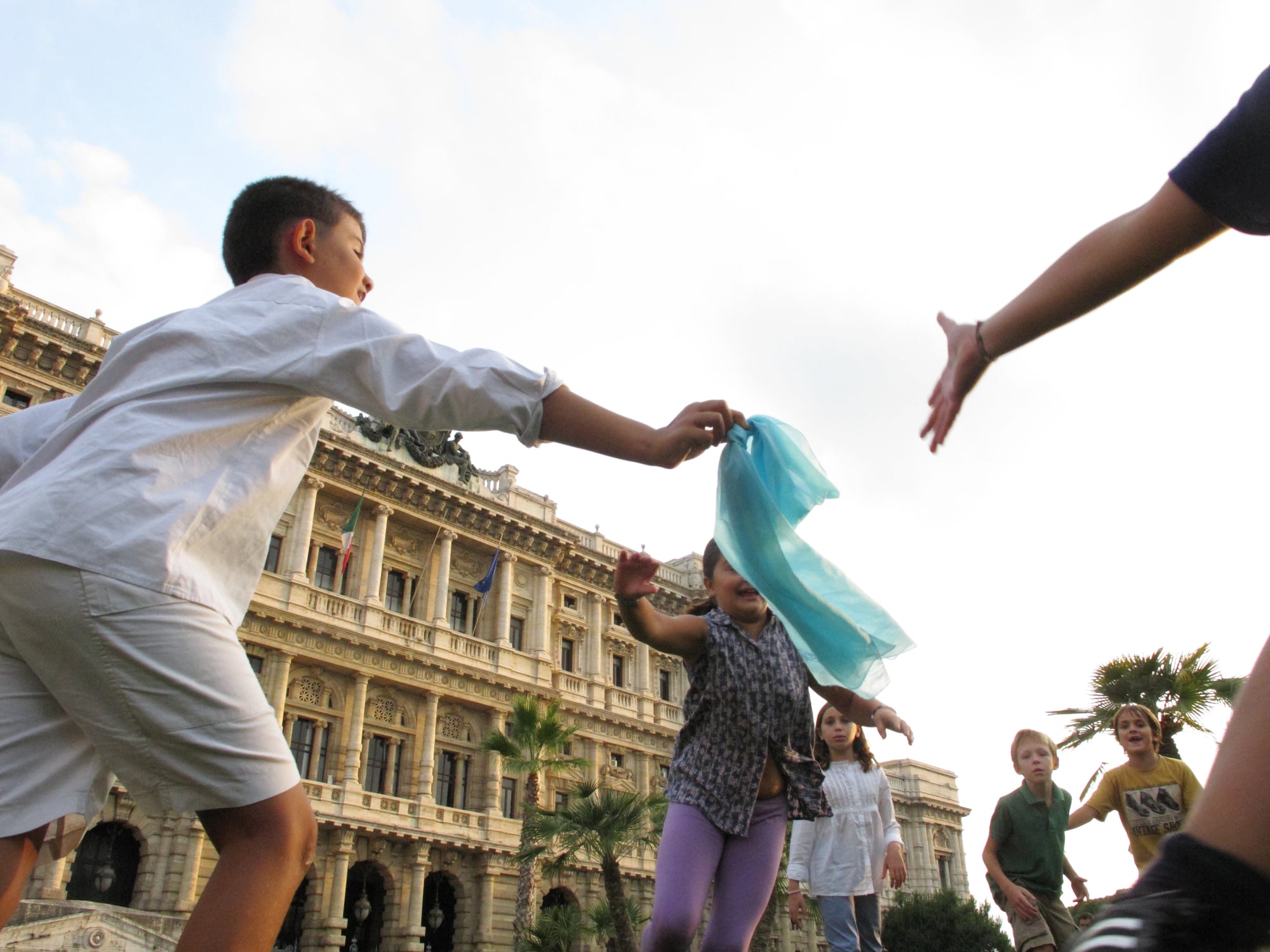
Two teams, two flags, two territories. Get the other team’s flag back to your side without getting tagged in their territory.
Get tagged on their side and you go to jail until a teammate rescues you.
Strategy mattered here more than in most playground games. Teams would develop complex plans—sending fast runners as decoys while sneaky kids crept around the edges, or mounting massive group assaults on the jail to free captured teammates.
The flag itself was usually a piece of clothing or a stick with something tied to it, but it might as well have been actual treasure for how seriously everyone treated it. And jail breaks were the most exciting part, requiring perfect timing and often resulting in elaborate rescue missions that felt like something out of a war movie.
The Long Game Of Summer
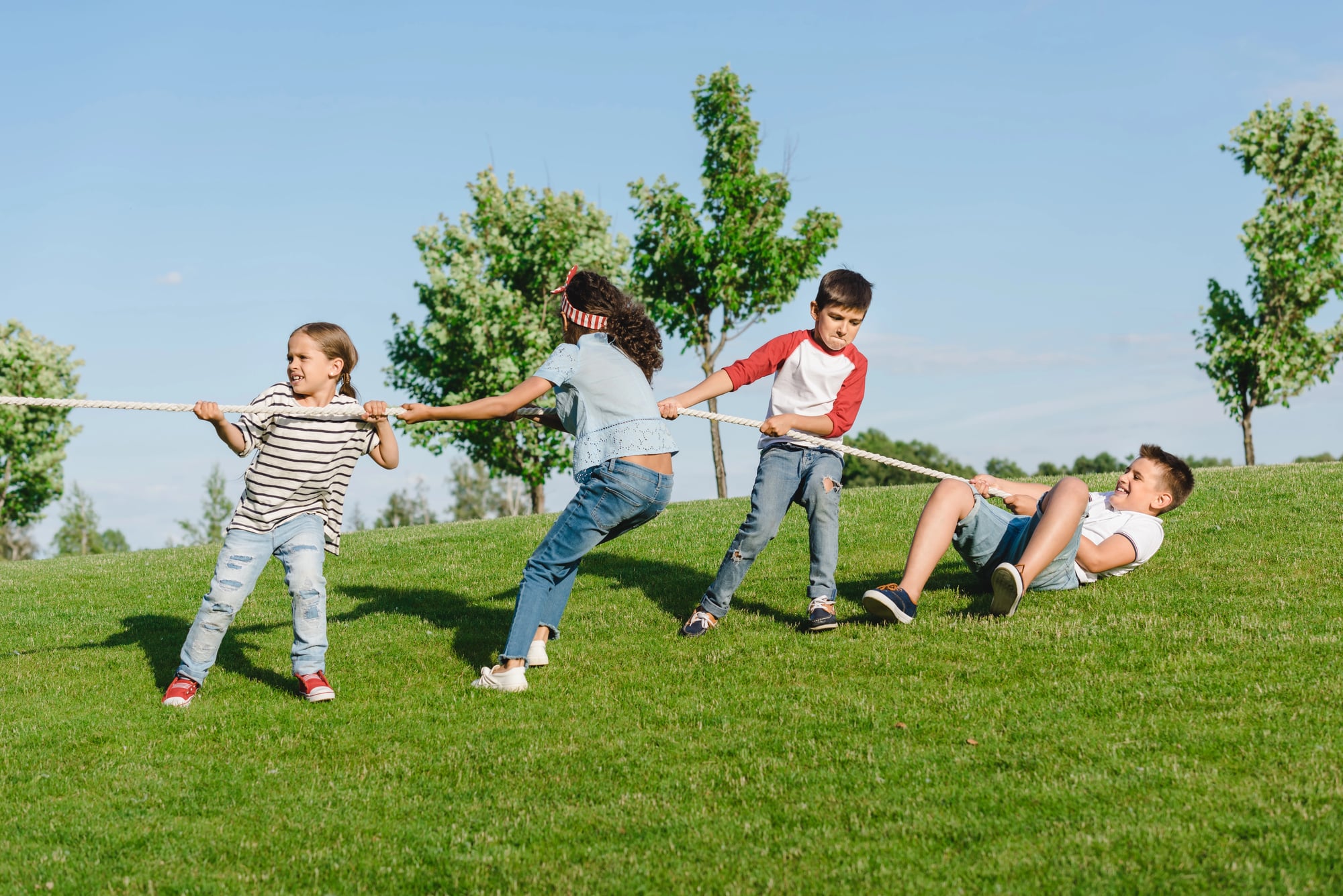
These games shared something that screens never quite captured: they ended when they ended, not when a timer ran out or a level was completed. They stretched and contracted based on who was playing, who got called in for dinner, and whether the streetlights had come on yet.
The rules bent and evolved mid-game as disputes arose and were settled through negotiation or the occasional do-over.
What made them lasting wasn’t their complexity but their simplicity—how they turned empty space into adventure and boredom into something that felt like freedom. They required nothing but showed up everywhere, played by kids who learned them from other kids who had learned them from other kids, stretching back through generations of summer afternoons when the biggest decision was whether to keep playing or head inside for a drink of water.
More from Go2Tutors!

- The Romanov Crown Jewels and Their Tragic Fate
- 13 Historical Mysteries That Science Still Can’t Solve
- Famous Hoaxes That Fooled the World for Years
- 15 Child Stars with Tragic Adult Lives
- 16 Famous Jewelry Pieces in History
Like Go2Tutors’s content? Follow us on MSN.