15 Sounds You Heard in Every House During the 1990s
The 1990s had its own soundtrack, and it wasn’t just the music. Every home came with a collection of mechanical sounds, electronic beeps, and analog noises that defined daily life.
These weren’t background noise — they were the rhythm of a decade caught between old technology and new, where digital displays coexisted with cassette players and modems sang their strange songs into phone lines. If you lived through the ’90s, these sounds are probably still lodged somewhere in your memory, ready to transport you back to a time when everything electronic seemed to have its own voice.
The Dial-Up Modem Connecting
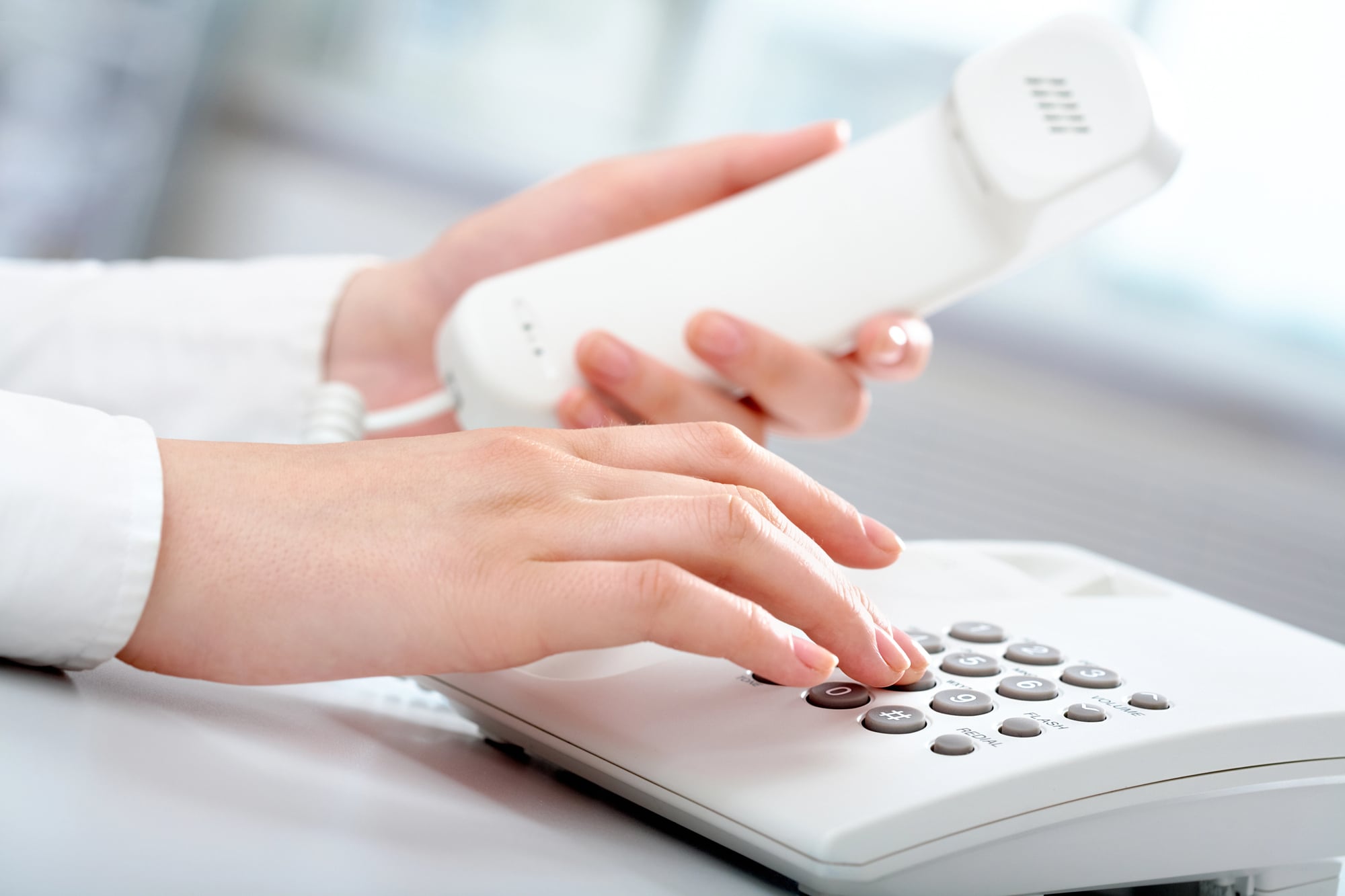
That screeching, static-filled handshake between your computer and the internet was pure chaos. Every connection was a gamble.
Sometimes it worked on the first try, sometimes you’d hear that failure tone and have to start over.
The sound meant someone was about to tie up the phone line for hours. And you’d better hope nobody needed to make a call, because that modem connection was precious.
The Microwave Beeping When Finished
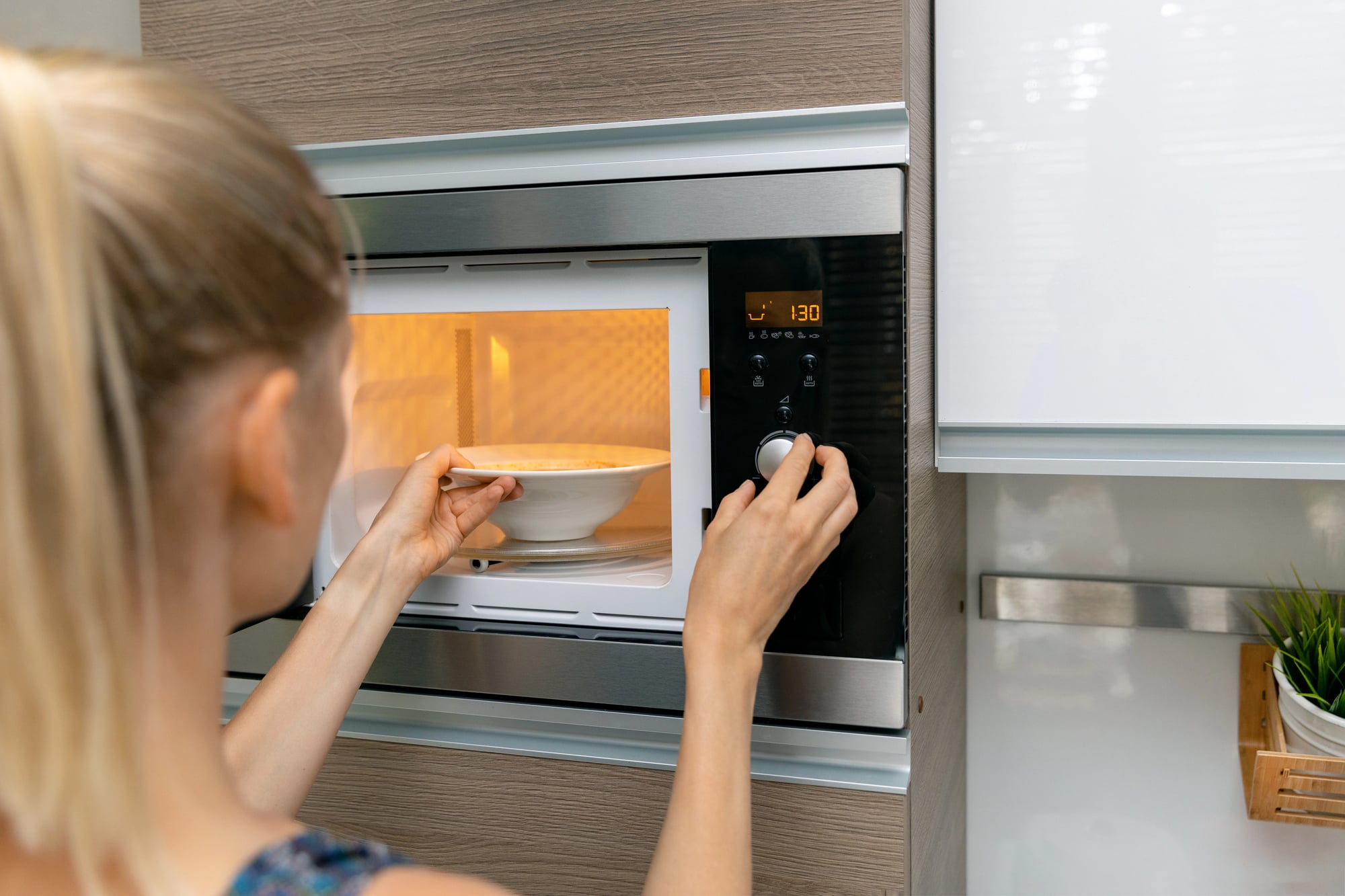
Three sharp beeps that cut through any conversation. The microwave never cared what else was happening — when your Hot Pocket was ready, everyone in the house knew about it.
That beep was impatient, demanding attention like a digital toddler.
And if you didn’t rush to open the door, it would keep beeping every minute or so, just to remind you that your food was getting cold.
VHS Tapes Rewinding
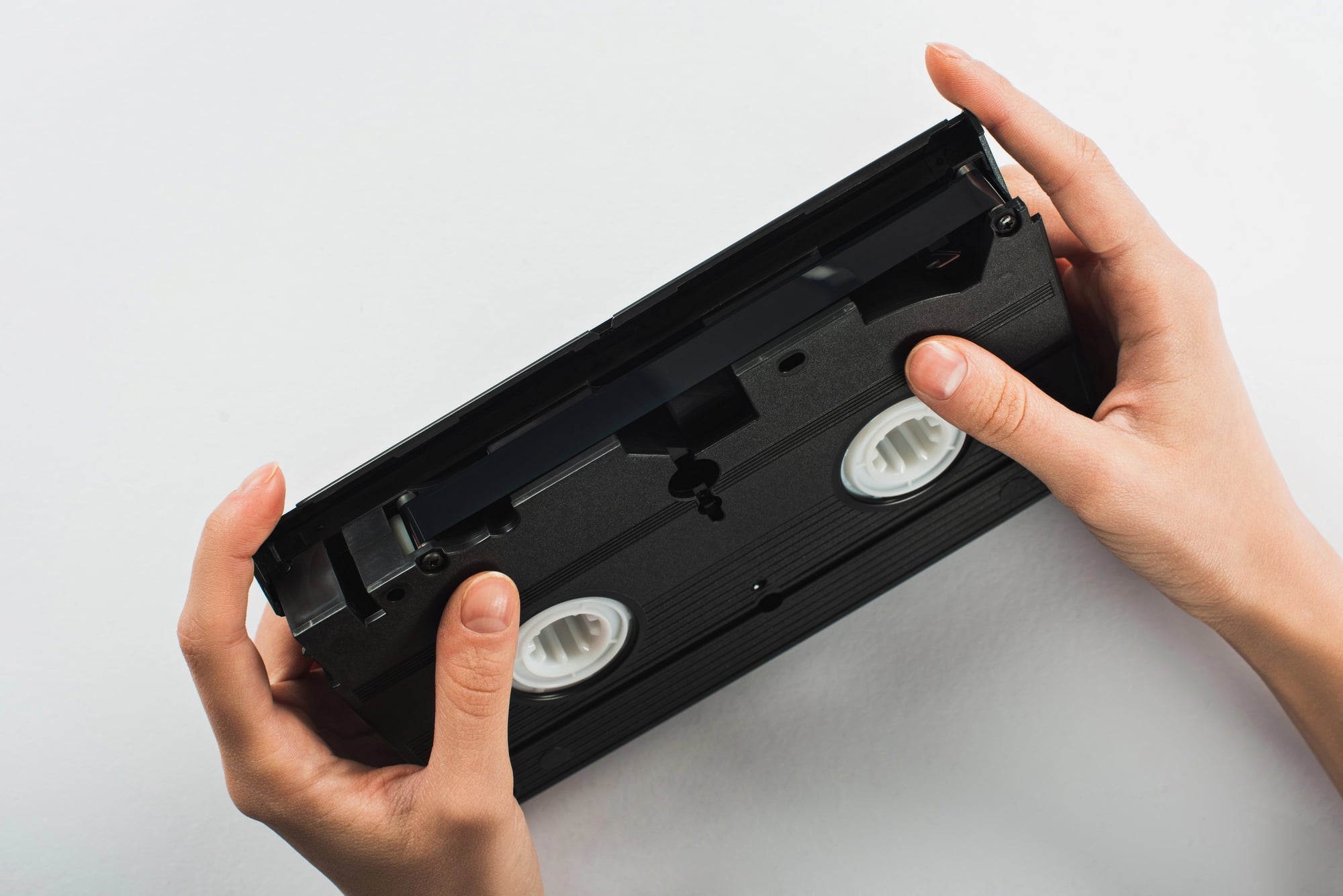
The mechanical whirring of a VHS tape spinning backward was the sound of responsibility (because nobody wanted to be the person who didn’t rewind). But there was something almost meditative about it — this slow, steady mechanical process that couldn’t be rushed, where the machine did its work at its own pace while you waited.
The sound had weight to it, substantial and honest, like listening to the gears of some important piece of machinery that took its job seriously. And then the satisfying click when it stopped, followed by that moment of silence that meant the tape was ready to start fresh, back at the beginning where stories were supposed to start.
The Phone Ringing
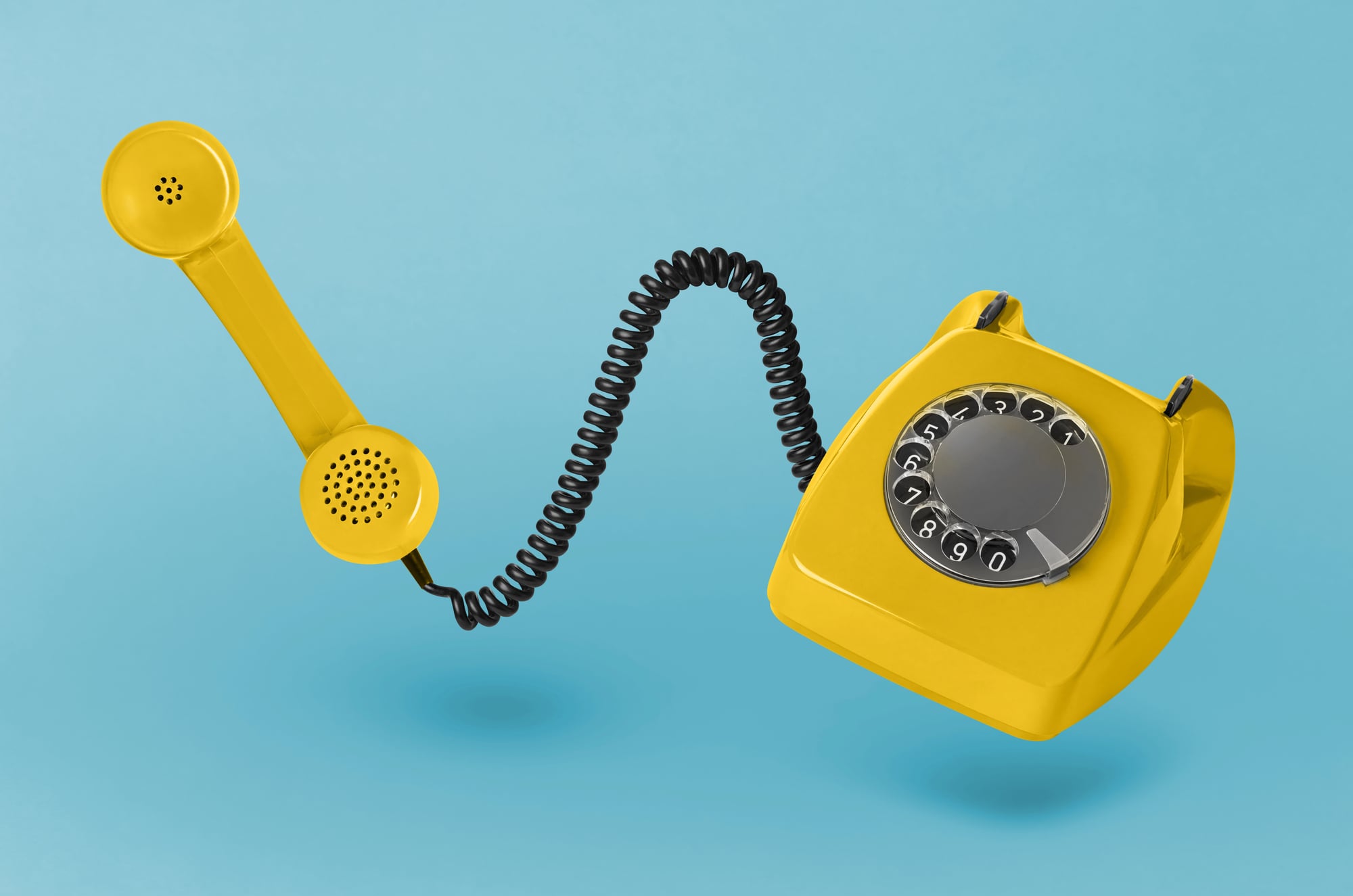
Phones had actual bells back then. When one rang, it demanded attention from everyone in the house.
No caller ID meant every ring was a mystery — could be your friend, could be a telemarketer, could be that person you’d been avoiding.
The sound carried weight because phone calls still mattered. People planned them, anticipated them, and actually answered them.
Nintendo Game Cartridges Clicking Into Place
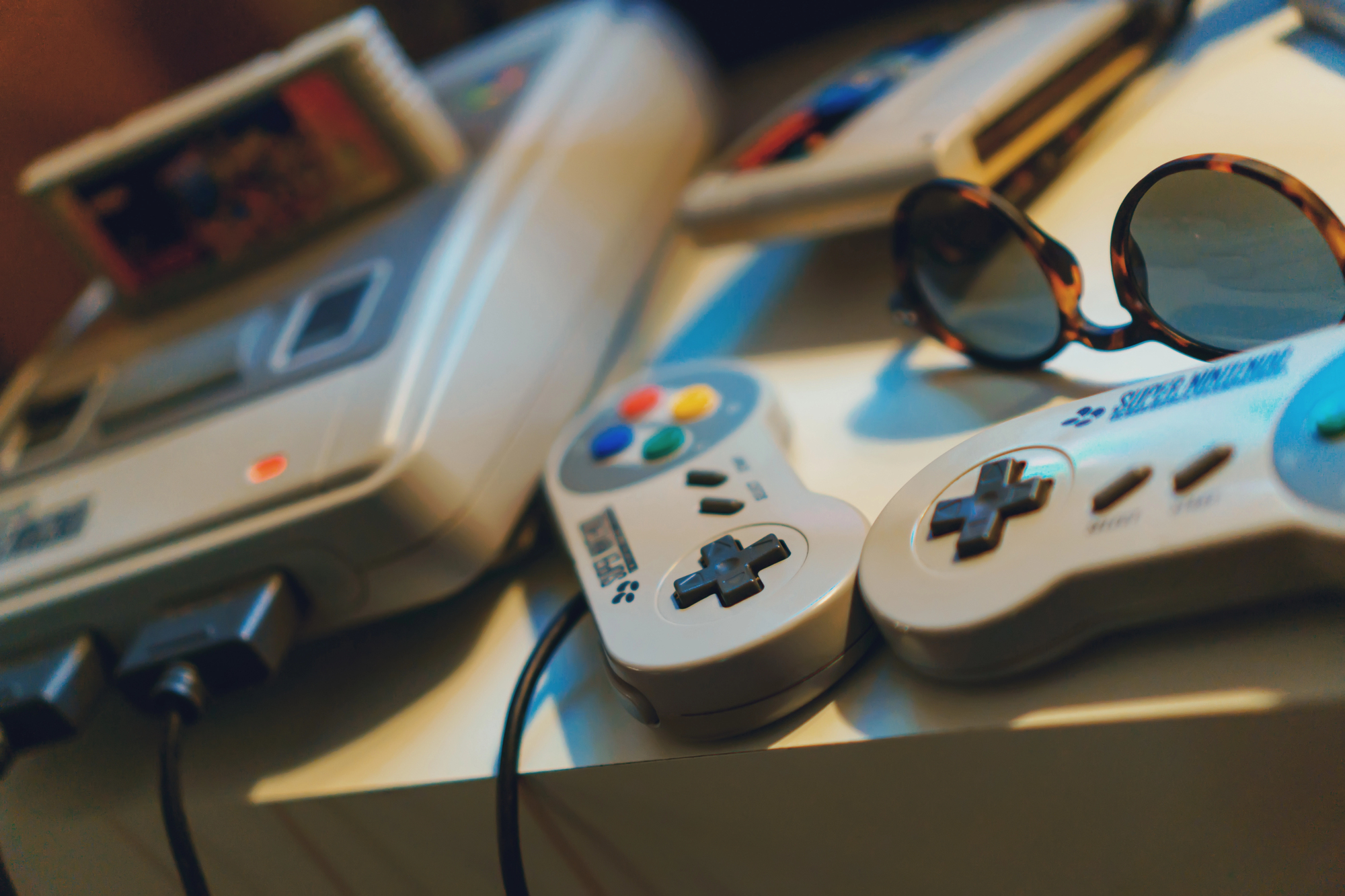
That satisfying snap when you pushed a game cartridge down into the console was the sound of possibility. It meant the next few hours were spoken for, that homework could wait, and that the real entertainment was about to begin.
The click was definitive — no halfway measures with those cartridges.
Answering Machine Messages Recording
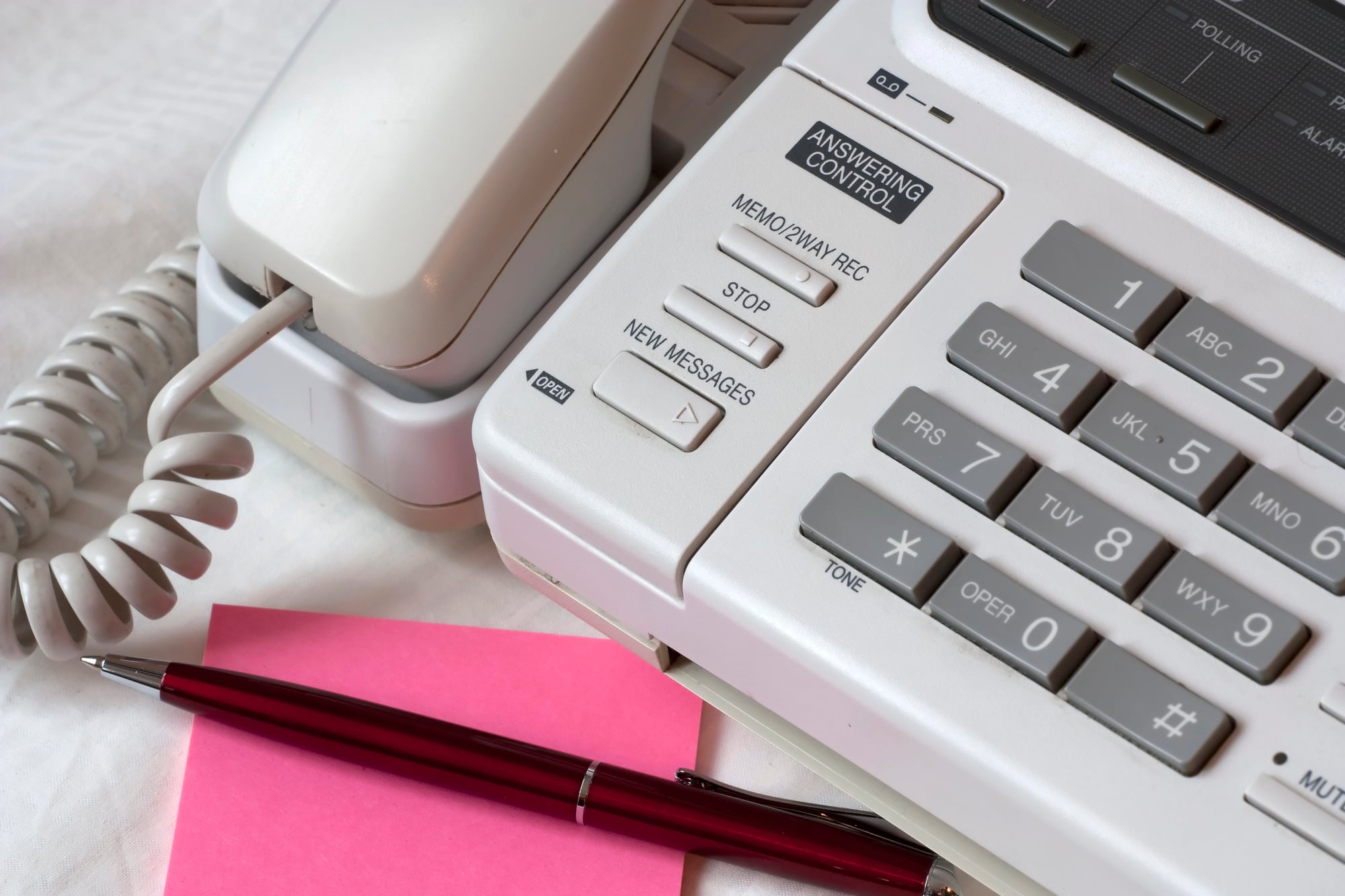
The beep that signaled the start of a voicemail recording was like a tiny moment of performance anxiety (because you had to get your message right in one take, knowing the whole family might hear it later when they played back their messages). There was something oddly formal about it, this ritual of speaking to a machine that would capture your words and hold them until someone decided to listen.
And the messages themselves became these little time capsules — friends making plans for Friday night, parents calling to say they’d be late, voices preserved in magnetic tape that could be played back and saved for weeks if someone wanted to keep them.
The Coffee Maker Gurgling
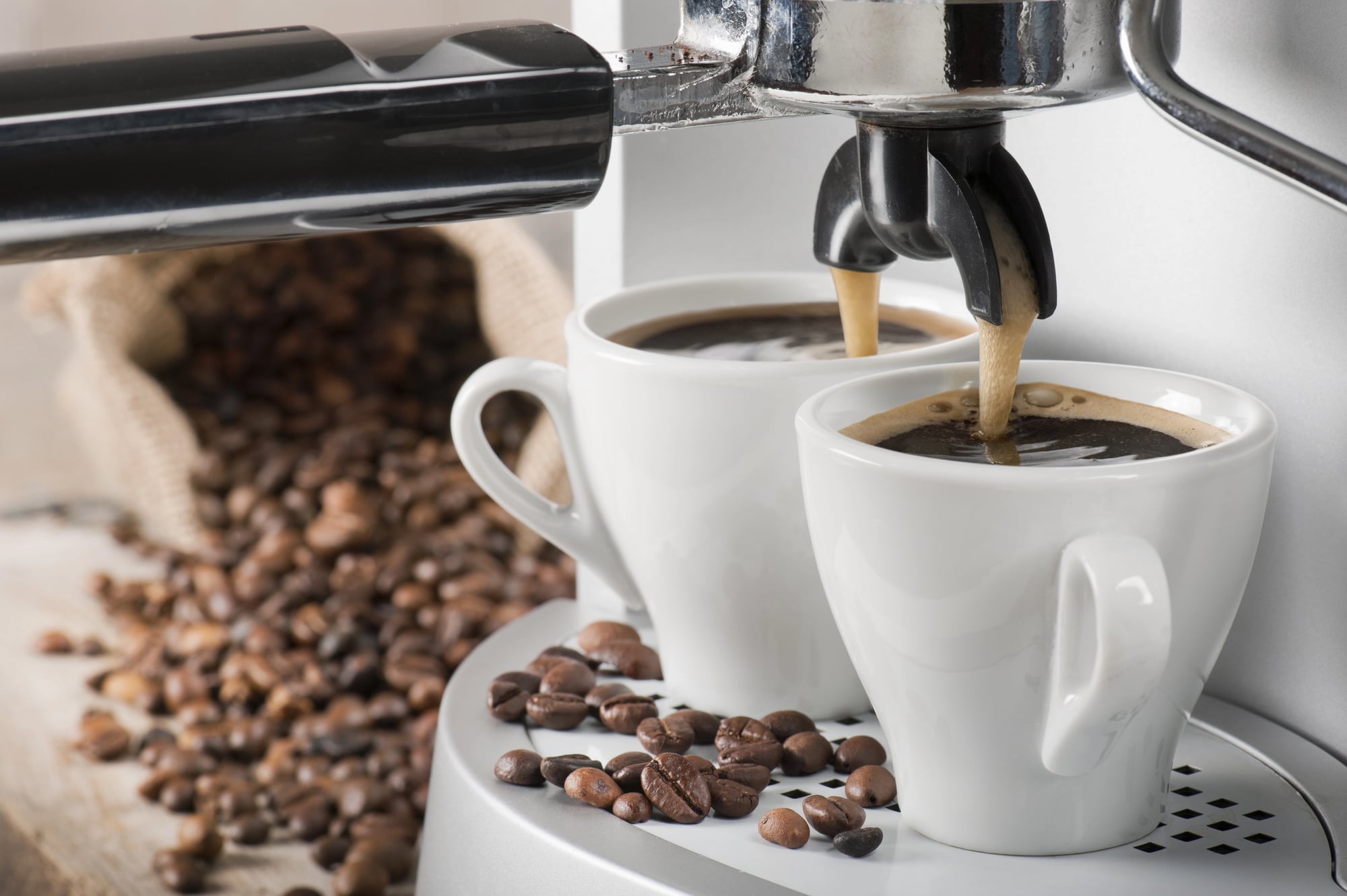
That bubbling, percolating sound was the morning alarm clock for parents everywhere. Coffee makers in the ’90s were loud, proud machines that announced every step of the brewing process.
The gurgling meant caffeine was coming, and caffeine meant adults might become functional.
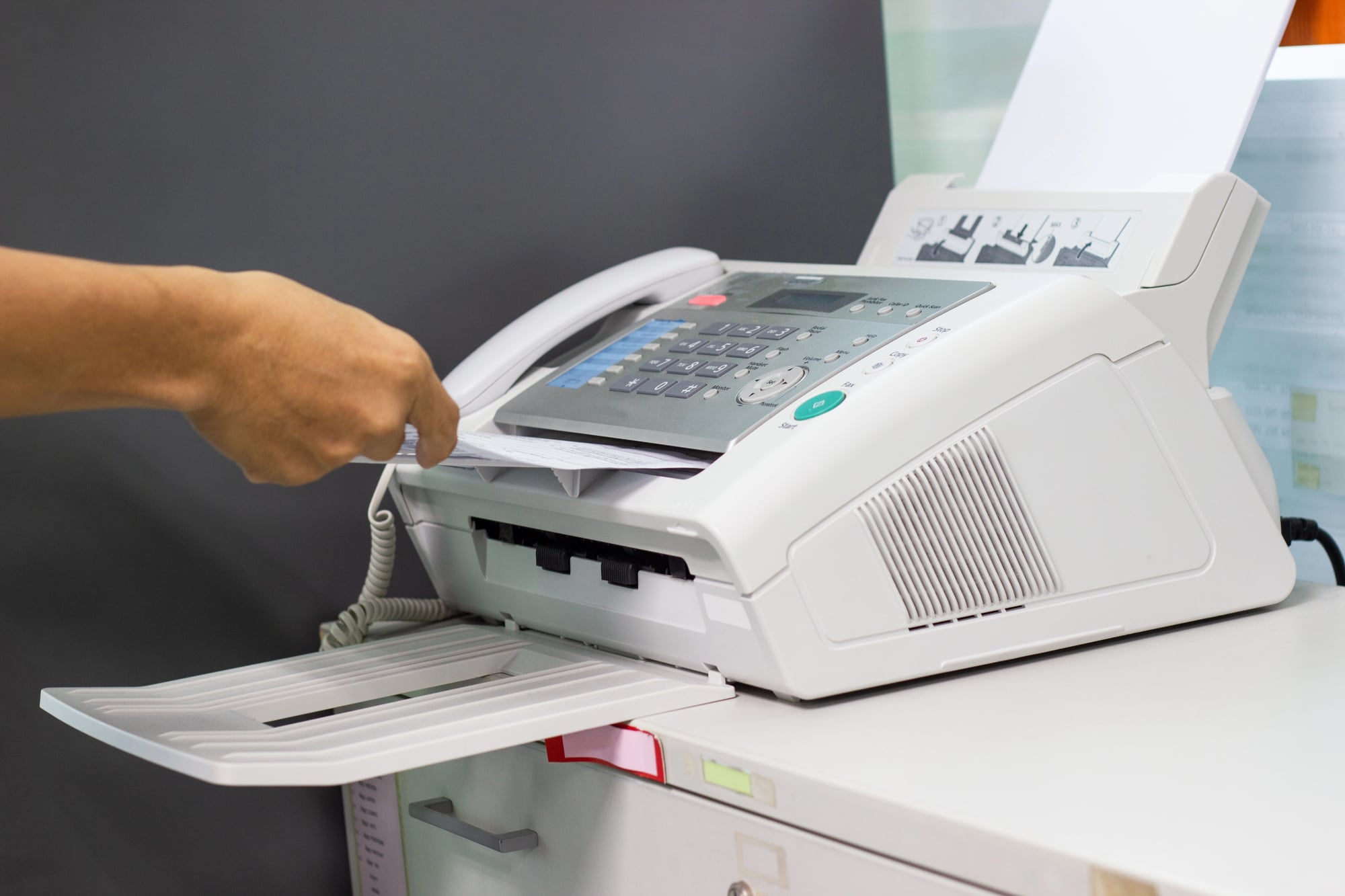
Fax Machines Connecting And Printing
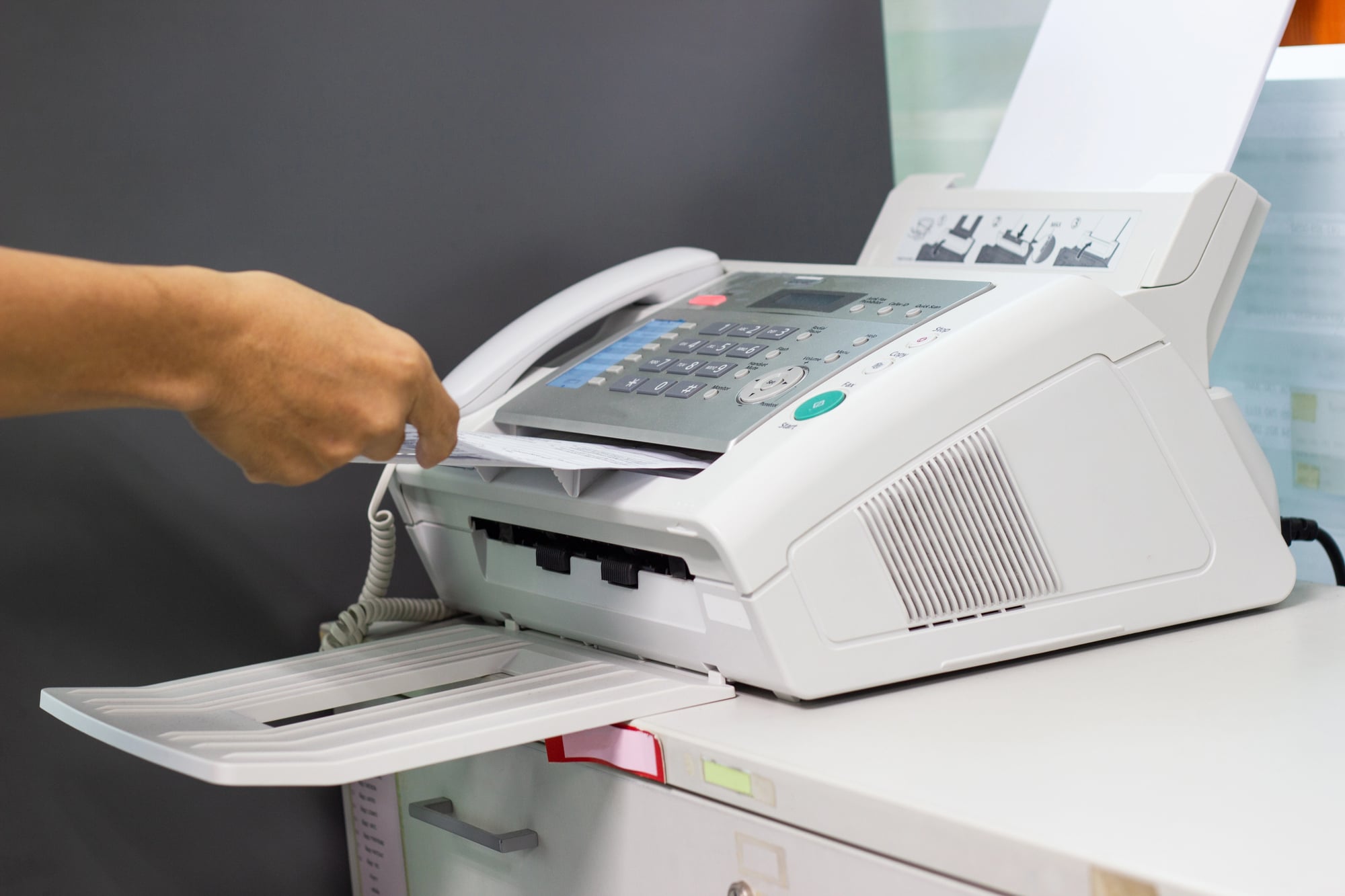
The squealing handshake of fax machines sounded like robots having an argument. Then came the slow, methodical printing — line by line, taking its sweet time to deliver documents that somehow seemed important just because they’d traveled through phone lines.
Fax machines made receiving paperwork feel like witnessing magic, even when the magic was just someone’s grocery list.
Cassette Tapes Auto-Reversing
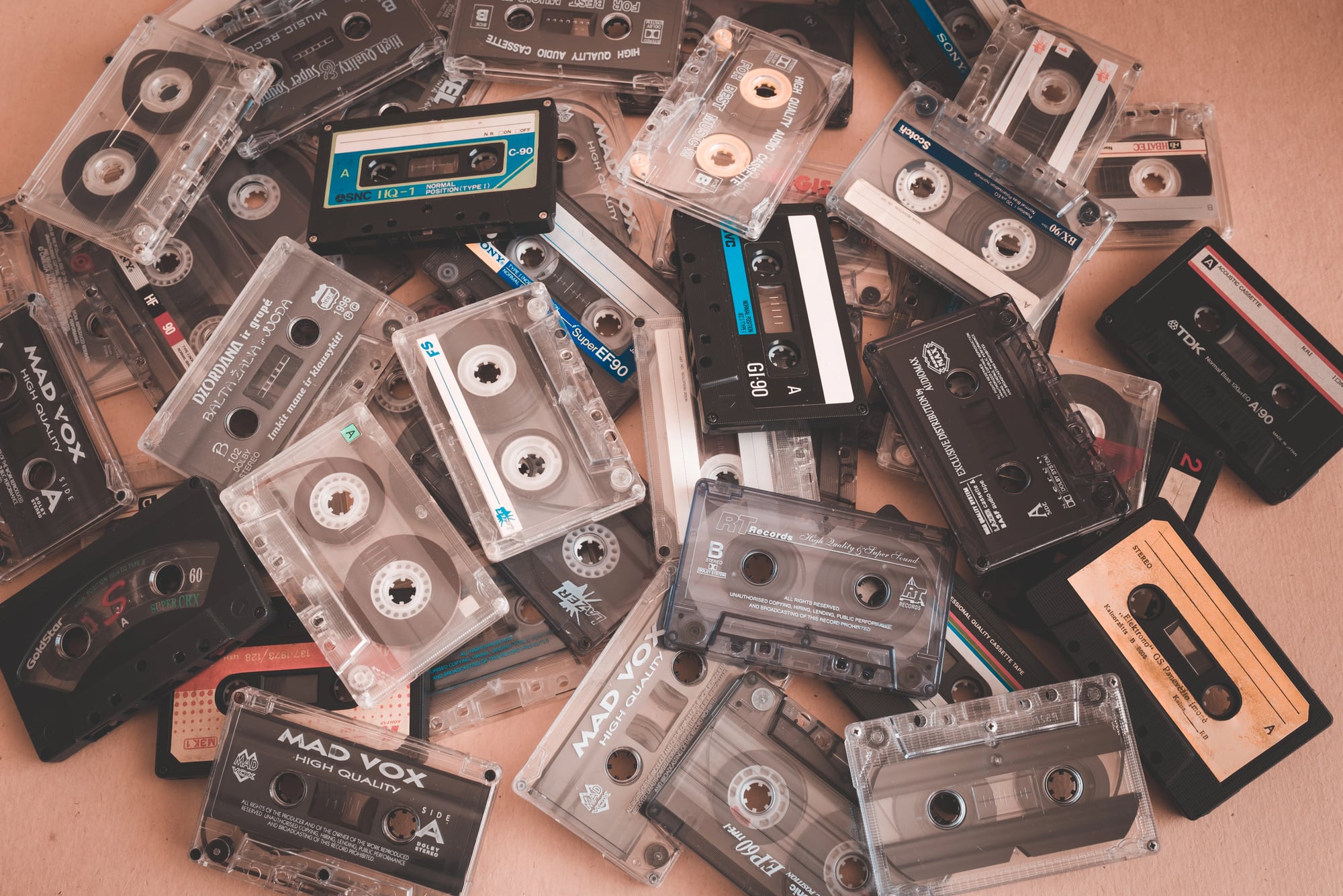
The mechanical click and pause when a cassette tape reached the end of one side and flipped itself over was like watching a patient librarian calmly turning to the next chapter. Auto-reverse was technology that felt almost thoughtful — it knew you wanted to keep listening, so it simply turned the tape around and kept going without making a fuss about it.
The brief silence in the music, followed by that gentle mechanical adjustment, then the resumption of whatever song happened to start side two.
The TV Changing Channels
Channel surfing had a rhythm — click, static, picture, click, static, picture. Remote controls made mechanical sounds when you pressed the buttons, and TVs took a second to tune in each channel.
Channel changing was its own kind of music.
The static between channels was just part of the experience. You accepted it as the price of choice.
Cordless Phone Static And Beeping
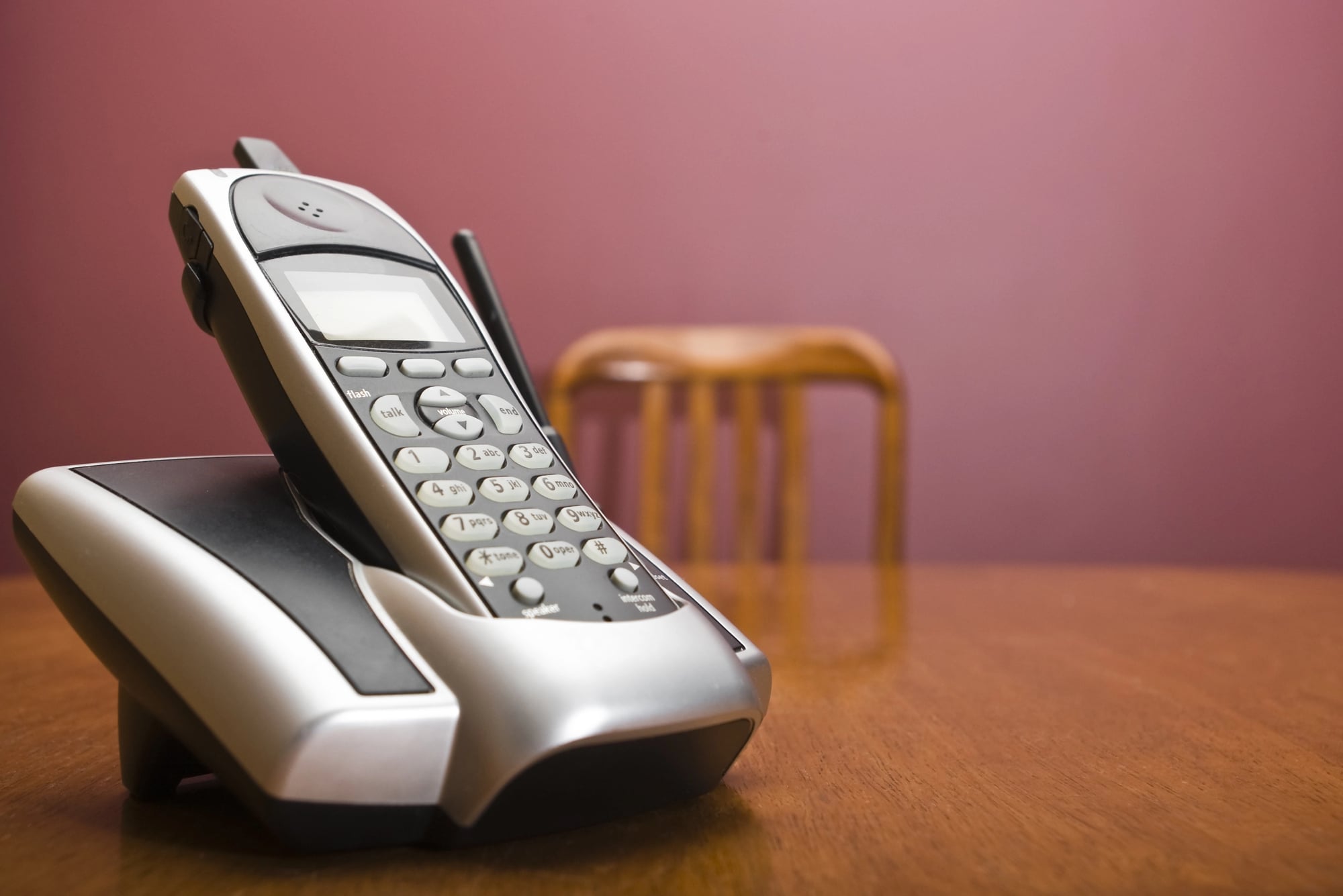
Cordless phones in the ’90s had range issues and attitude problems. Walk too far from the base, and the static would creep in like a warning.
The low battery beep was urgent and annoying, cutting into conversations to remind you that portable technology still had limits.
But the freedom of walking around the house while talking was worth the static.
Computer Hard Drives Spinning Up
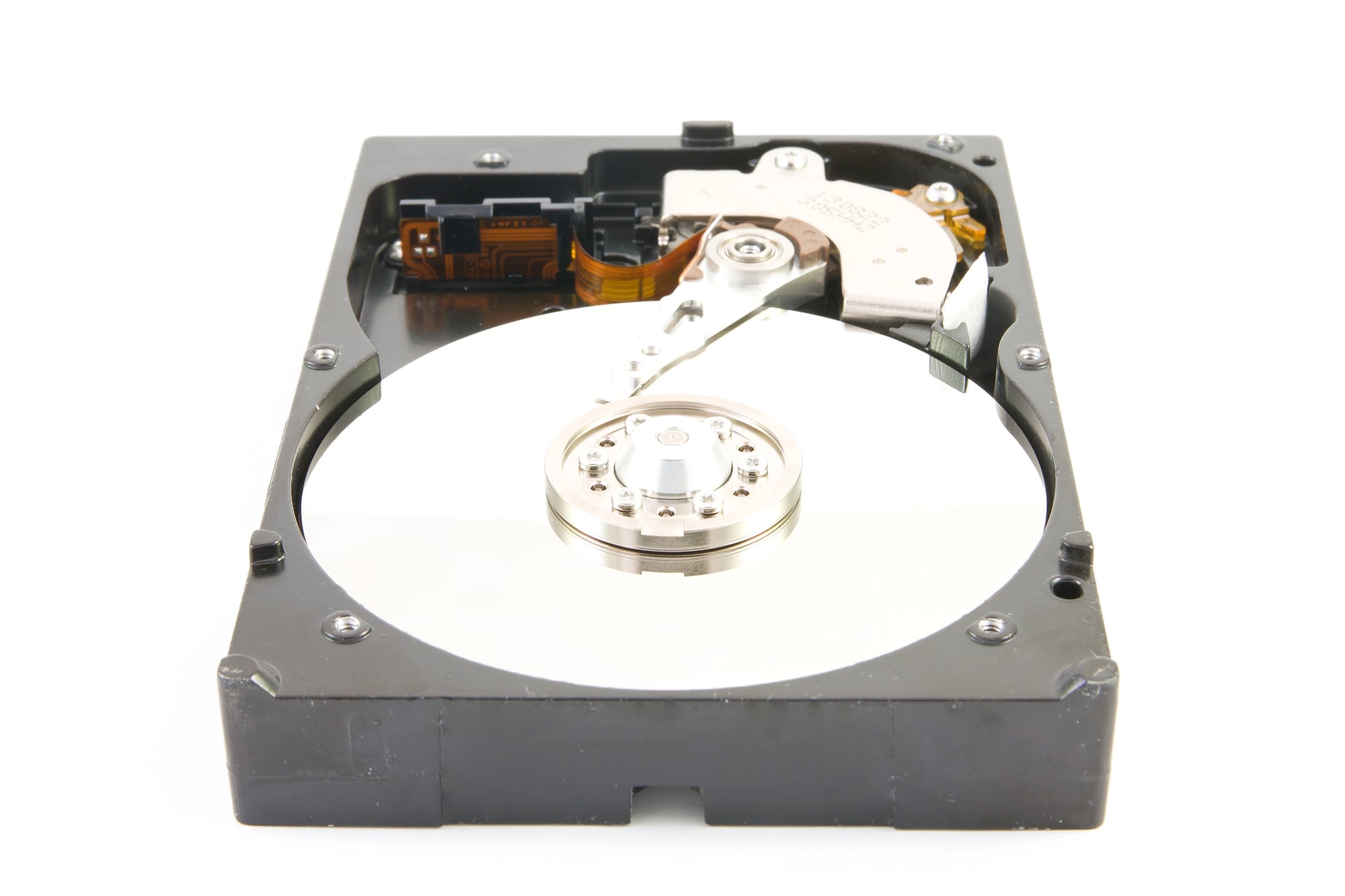
The mechanical whirring when you turned on a computer was the sound of digital gears grinding to life (and sometimes the grinding was literal, because hard drives in the ’90s were mechanical beasts that you could actually hear working). Starting up a computer felt like cranking an old engine — there were sounds involved, waiting periods where the machine gathered itself together, and a sense that all these electronic components were having to wake up and remember how to work together.
The hard drive spinning up was just the most obvious part of this daily digital resurrection, this ritual of coaxing yesterday’s technology back to life.
Alarm Clocks With Actual Bells
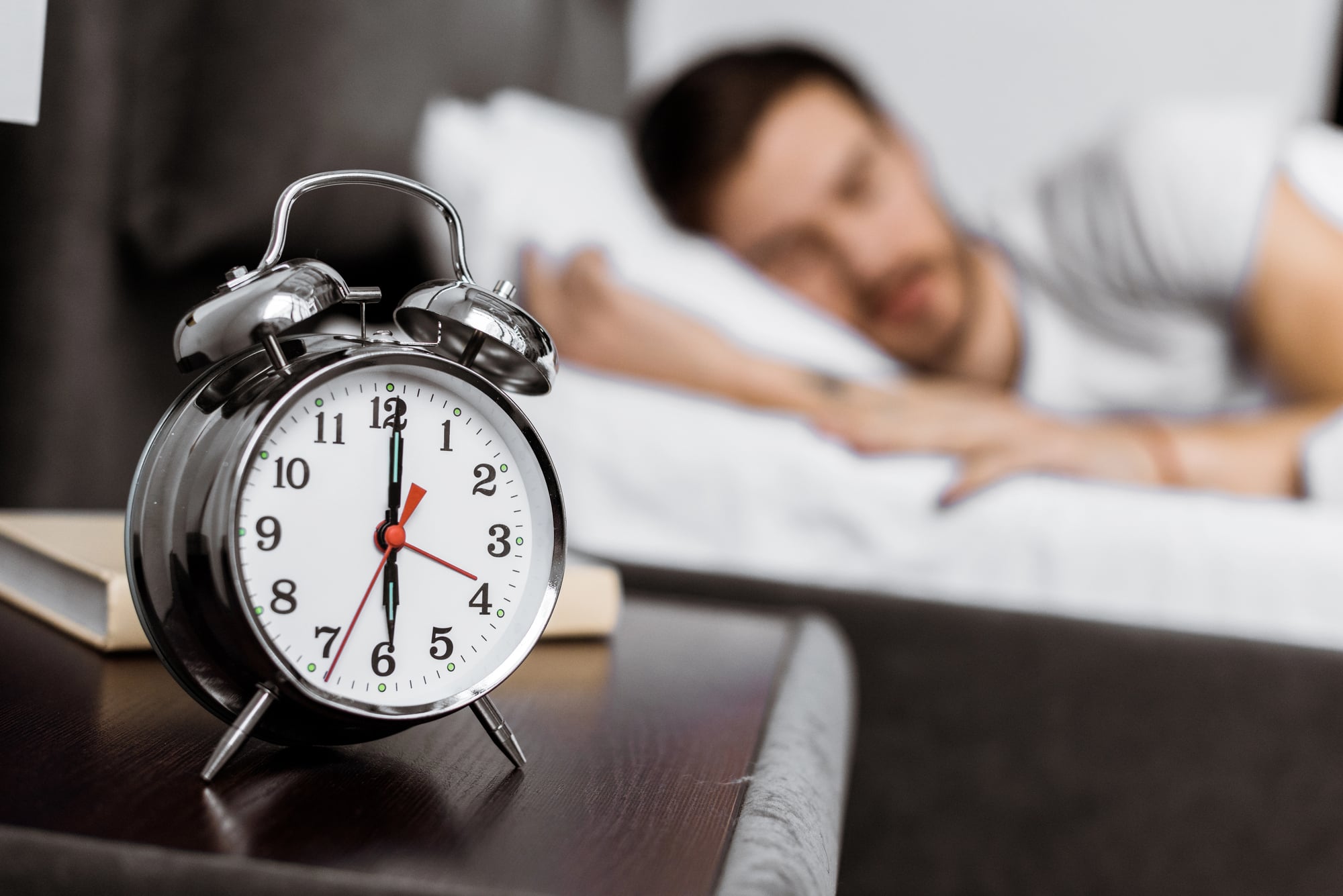
Digital alarm clocks in the ’90s didn’t mess around. They had real bells or buzzers that could wake the dead, and snooze buttons that only gave you nine more minutes of peace.
The sound was aggressive and unapologetic — designed to drag you out of sleep whether you wanted to go or not.
Dot Matrix Printers
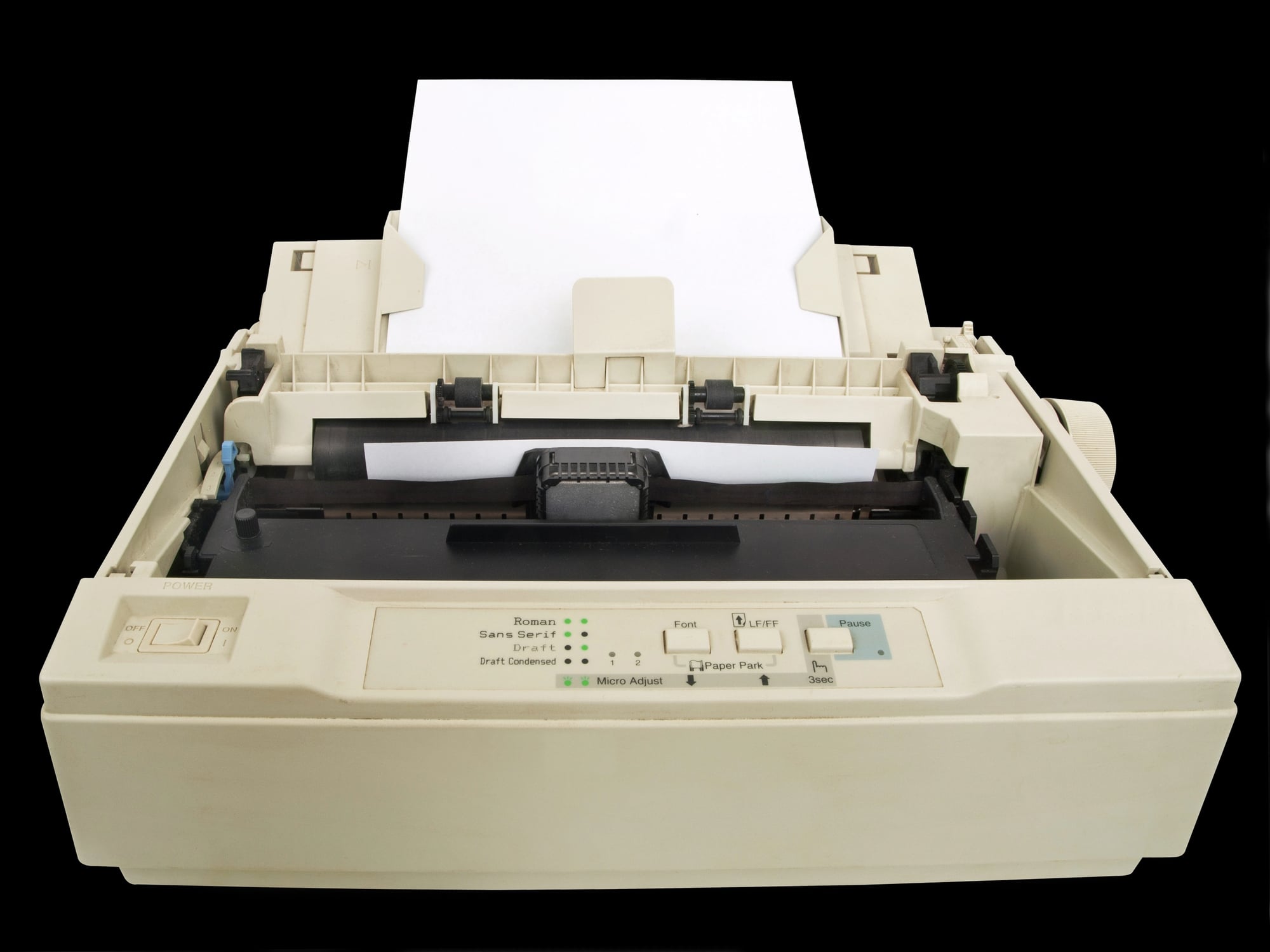
The mechanical chattering of dot matrix printers sounded like robotic typewriters having seizures. Each line of text was an event, with the print head moving back and forth, building letters one tiny dot at a time.
Printing anything meant committing to several minutes of mechanical noise.
But watching words appear line by line felt like witnessing a small miracle of technology.
The Refrigerator Humming And Cycling
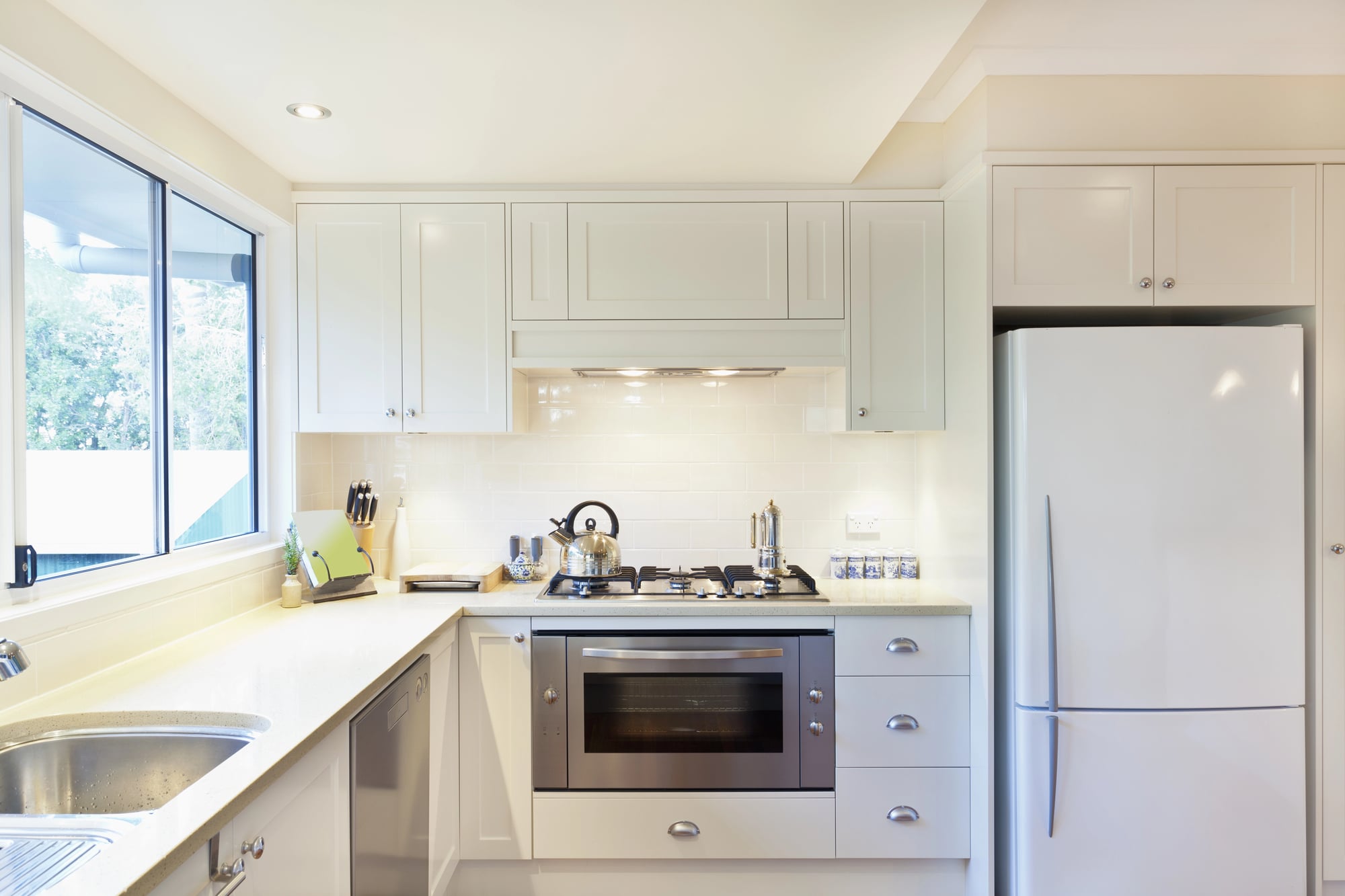
Every refrigerator had its own personality in the ’90s — some hummed quietly, others gurgled and clicked when the compressor kicked in. The ice maker would suddenly roar to life at random moments, usually in the middle of the night, making sounds like it was manufacturing ice through sheer mechanical determination.
These weren’t just appliances. They were the house’s background singers, providing a constant low-level soundtrack of domestic life.
When Everything Was Louder
Technology in the ’90s hadn’t learned to whisper yet. Every electronic device announced itself, demanded attention, and made its presence known through sound.
There was something honest about all that noise — these machines worked hard and weren’t shy about letting you know it. Looking back, that constant soundtrack of beeps, clicks, and mechanical sounds feels like the audio signature of a decade that was comfortable being heard.
More from Go2Tutors!

- The Romanov Crown Jewels and Their Tragic Fate
- 13 Historical Mysteries That Science Still Can’t Solve
- Famous Hoaxes That Fooled the World for Years
- 15 Child Stars with Tragic Adult Lives
- 16 Famous Jewelry Pieces in History
Like Go2Tutors’s content? Follow us on MSN.