14 Foods That Were Once Considered Poisonous and the People Who Proved Otherwise
Fear follows the unknown fork to mouth. Throughout history, entire civilizations have looked at perfectly edible foods with suspicion, convinced they harbored death between their leaves or beneath their skins.
Some of these fears made sense — after all, distinguishing between a harmless mushroom and a deadly one could mean the difference between dinner and disaster. But others? They were born from superstition, class prejudice, or simple unfamiliarity with the foreign.
What’s fascinating isn’t just that these foods were once feared, but that somewhere along the way, brave souls decided to take that first bite anyway. Some were driven by curiosity, others by desperation, and a few by sheer stubbornness.
Their willingness to challenge conventional wisdom didn’t just expand our diets — it changed the course of history, economics, and culture. The tomato transformed Italian cuisine, the potato prevented famines, and chocolate became the foundation of entire industries.
Each of these foods has a story of transformation, from feared poison to beloved staple. Behind each transformation stands someone who refused to accept the status quo, who saw potential where others saw peril.
Tomatoes
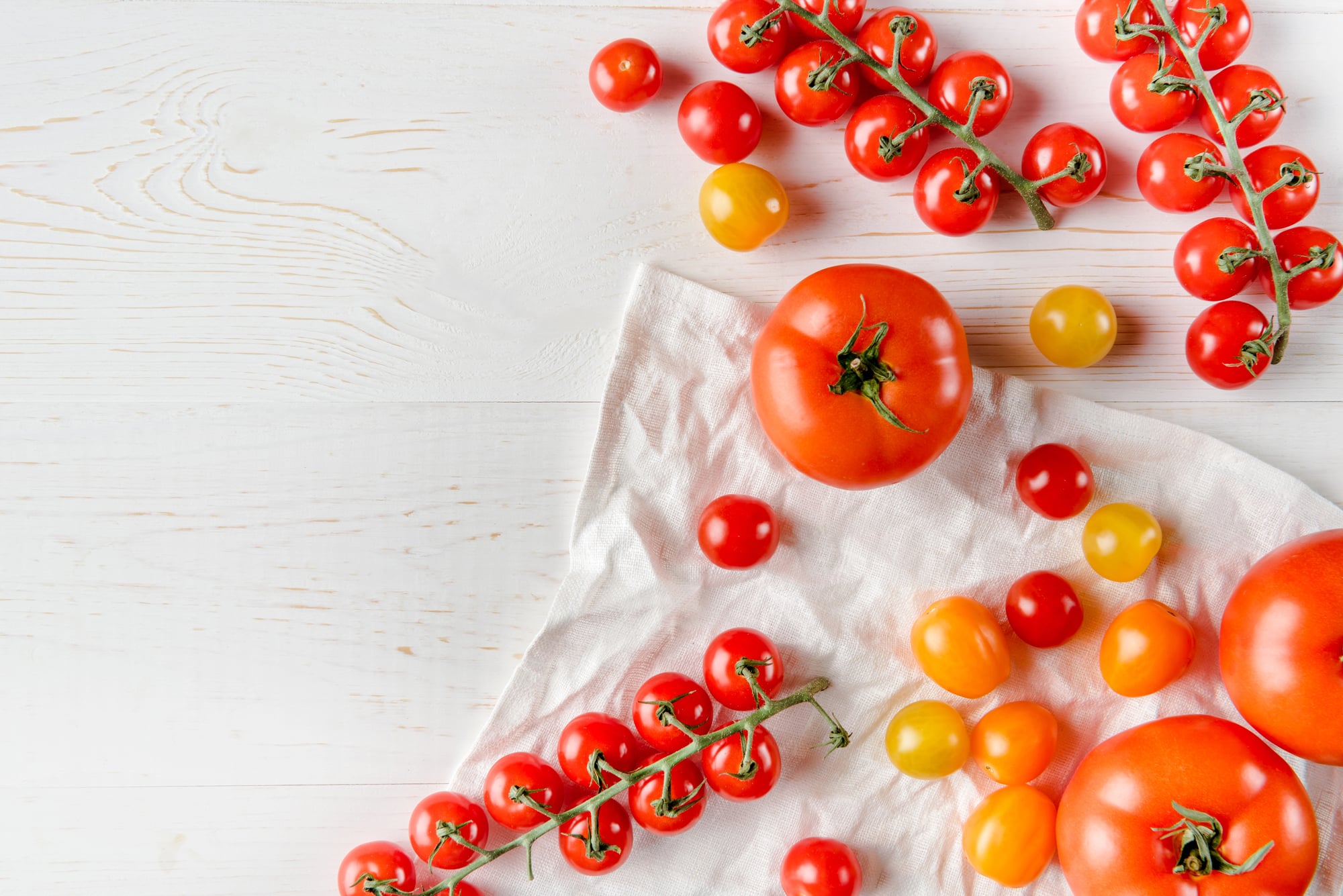
Europeans spent two centuries convinced tomatoes would kill them. When Spanish conquistadors brought the bright red fruit back from the Americas in the 16th century, the wealthy took one look and declared it deadly poison.
They weren’t entirely wrong to be suspicious — rich Europeans who ate tomatoes did sometimes die of poisoning. The real culprit wasn’t the tomato (which is actually technically a berry, though that’s beside the point here).
Wealthy Europeans ate off pewter plates, which contained lead. The acidic tomatoes leached lead from the plates straight into their food.
So the tomatoes weren’t poisonous — they were just excellent at extracting poison from expensive dinnerware. The poor, who ate from wooden plates, could have enjoyed tomatoes safely, but they followed the lead of their social betters and avoided them entirely.
The turning point came in the 1820s when Colonel Robert Gibbon Johnson stood on the steps of the Salem County Courthouse in New Jersey and publicly ate an entire basket of tomatoes. The crowd gathered to watch him die.
He didn’t. Johnson had spent years trying to convince his fellow Americans that tomatoes were not only safe but delicious.
His theatrical demonstration worked — though it took several more decades for tomatoes to become truly accepted in American kitchens.
Potatoes
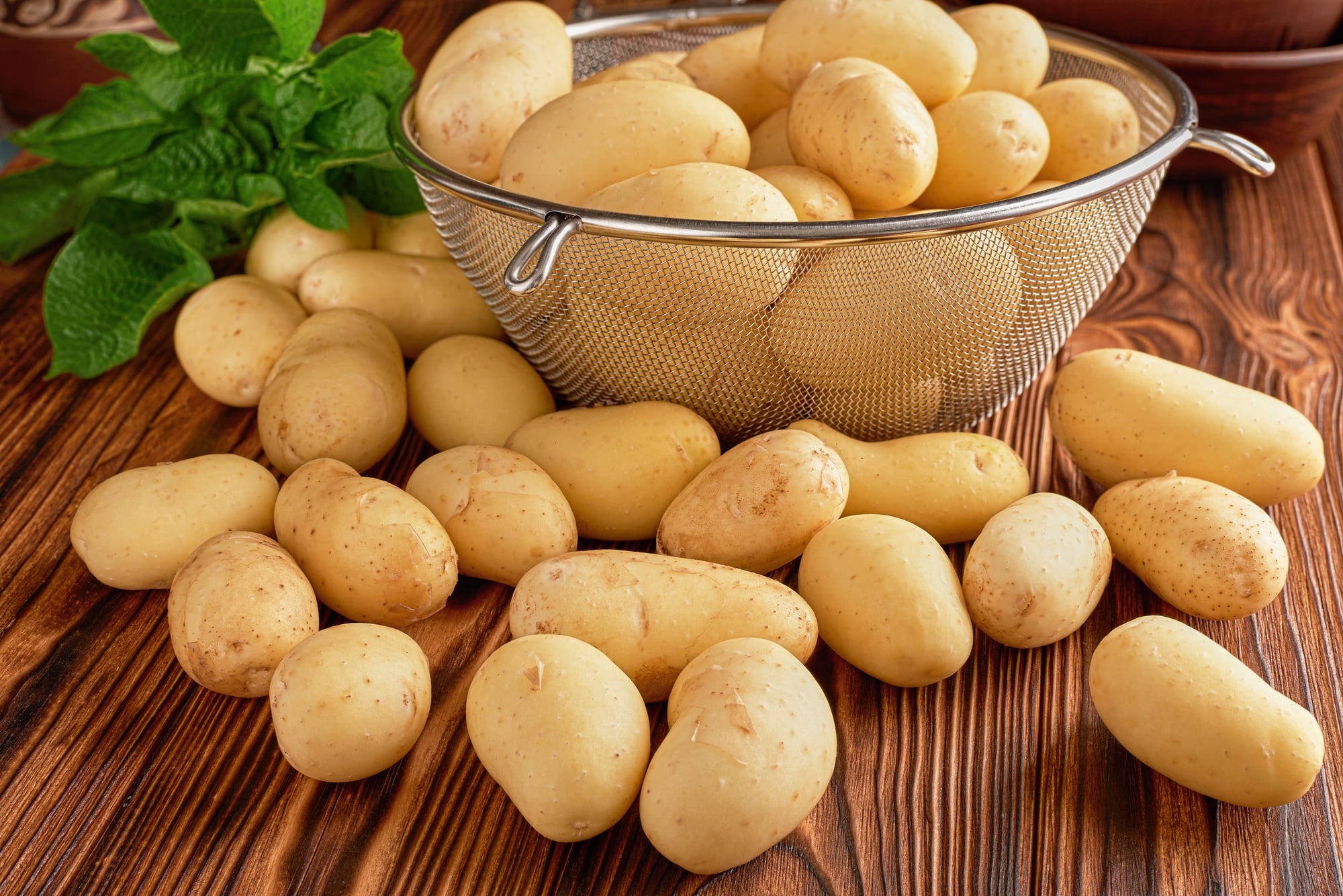
The potato faced a rougher reception than almost any other food on this list. When Spanish explorers brought potatoes back from South America in the 1570s, Europeans were convinced they caused leprosy, lust, and general moral decay.
The fact that potatoes weren’t mentioned in the Bible only added to the suspicion — clearly, this was the devil’s vegetable. But Antoine-Augustin Parmentier (a French army pharmacist who had survived on potatoes while imprisoned by the Prussians) knew better, and he understood that sometimes you have to trick people into accepting good ideas.
In the 1780s, he convinced King Louis XVI to let him plant potatoes in royal fields outside Paris, then post guards around them during the day. The guards would disappear at night, leaving the fields apparently unprotected.
Parisians, naturally curious about what required such heavy security, would sneak in after dark to steal the mysterious tubers. So Parmentier turned human psychology into agricultural policy: make something seem forbidden and valuable, and people will risk their necks to try it.
The stolen potatoes spread throughout France, and within a generation, they became a dietary staple that would prevent countless famines across Europe.
Chocolate

When Hernán Cortés first encountered chocolate in the Aztec court of Montezuma in 1519, it bore no resemblance to the sweet confection that would later conquer the world — it was a bitter, often spicy drink reserved for nobility and warriors, mixed with chili peppers and consumed during religious ceremonies. To Spanish conquistadors, unfamiliar with cacao and suspicious of indigenous customs, this dark, foamy beverage seemed more like a witch’s brew than a treat.
The Aztecs considered cacao beans so valuable they used them as currency, which should have been the first hint that Europeans were missing something important. But it took Spanish monks, working in Mexican monasteries, to bridge the gap between Mesoamerican tradition and European taste.
They began experimenting with cacao, gradually replacing the traditional spices with sugar and vanilla — ingredients that were more familiar to European palates. The transformation didn’t happen overnight.
For decades, chocolate remained an exotic luxury in Spain, viewed with suspicion by other European courts who considered it a potentially dangerous foreign influence. And chocolate did present certain challenges: early preparation methods were labor-intensive, the drink could spoil quickly in European climates, and there were persistent rumors about its effects on both physical health and moral character.
But by the 17th century, chocolate houses had opened across Europe, and what had once seemed like an alien poison had become the foundation of an industry that would eventually span the globe.
Lobster
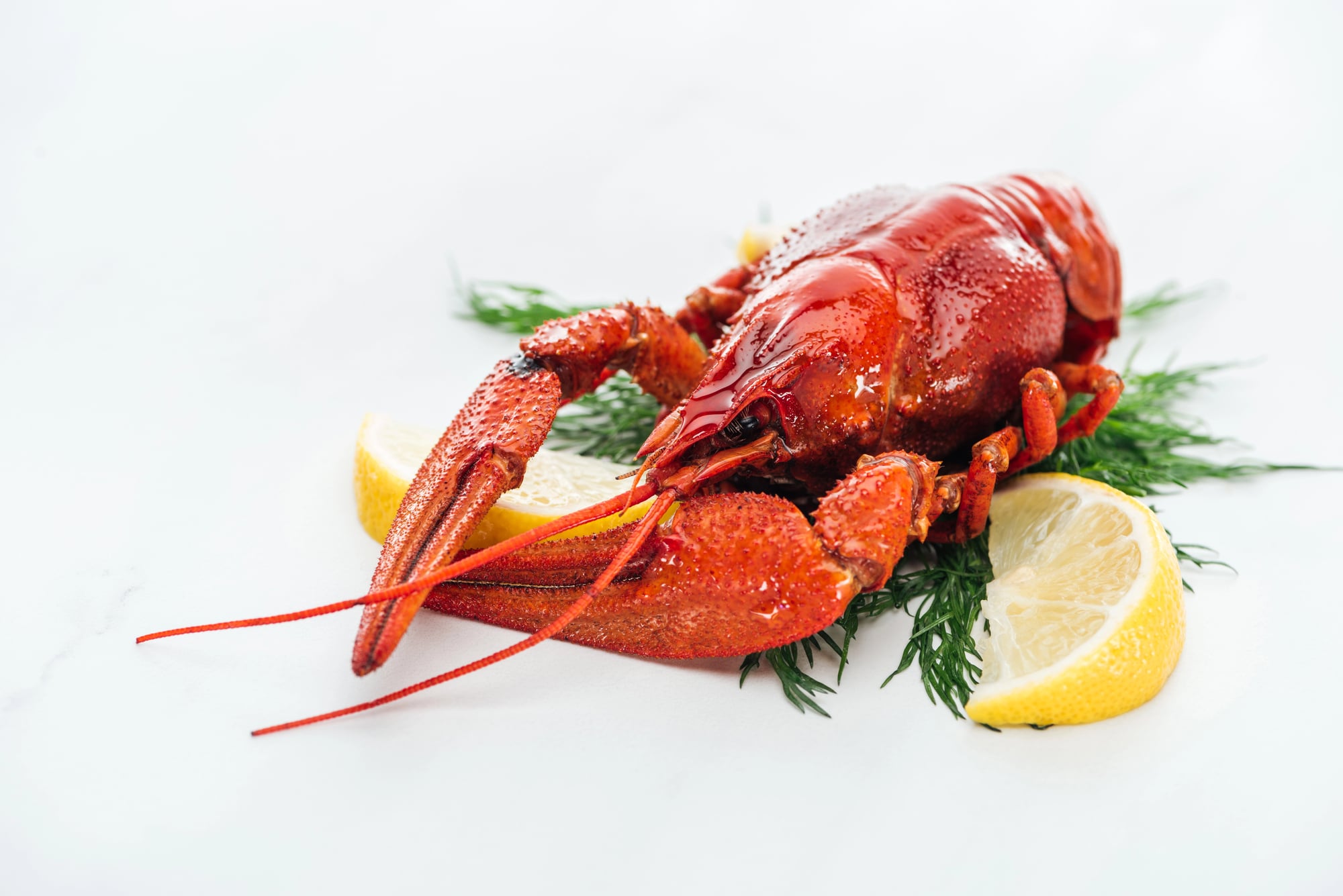
Lobster was considered fit only for prisoners, indentured servants, and the desperately poor. Massachusetts actually passed laws in the 1740s forbidding masters from feeding lobster to their servants more than three times per week — it was considered cruel and unusual punishment.
The creatures themselves didn’t help their reputation. Lobsters are essentially ocean insects, scuttling along the sea floor and eating whatever dead things they encounter.
Early American colonists called them “cockroaches of the sea.” When storms washed massive numbers of lobsters ashore, they would pile up in rotting heaps that had to be carted away and used as fertilizer or fish bait.
The shift began in the mid-1800s when railroad companies started serving lobster to passengers who had never seen one before. City dwellers from inland areas had no idea lobster was considered trash food.
The railroads marketed it as an exotic delicacy from the mysterious depths of the ocean, and passengers ate it up — literally. By the early 1900s, lobster had completed its transformation from prisoner food to luxury dining, though anyone who knew its history must have found the whole thing rather amusing.
Eggplant
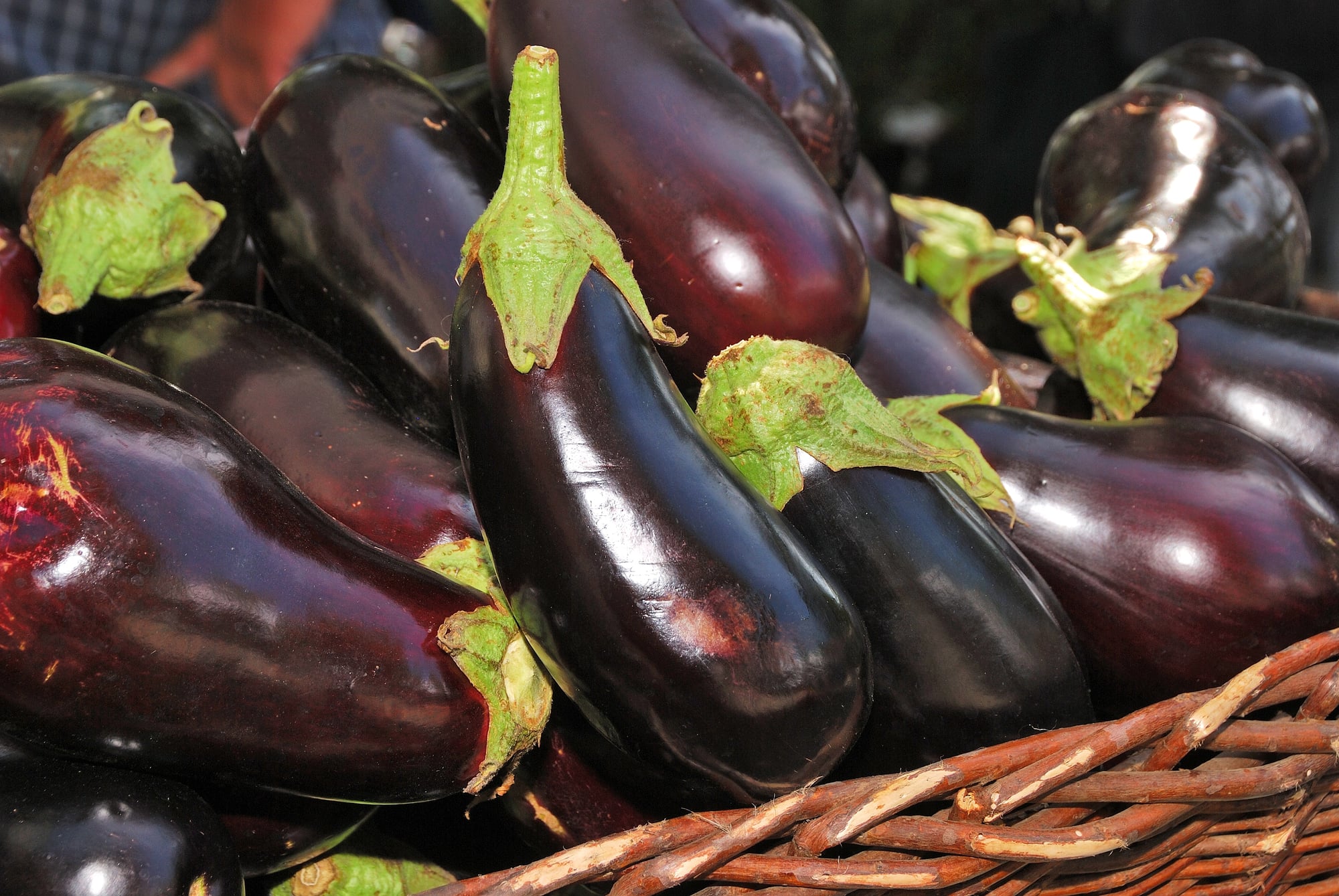
There’s something unsettling about a vegetable that medieval Europeans called “mad apple” and believed would drive anyone who ate it completely insane — and yet, here’s the eggplant, having survived centuries of suspicion to become a cornerstone of Mediterranean cooking, a fact that says less about the eggplant’s redemption than it does about human stubbornness in the face of perfectly good food. The fear wasn’t entirely baseless (though the insanity claims were nonsense).
Eggplants belong to the nightshade family, along with tomatoes, potatoes, and some genuinely poisonous plants like belladonna. Early European varieties were often bitter and did contain higher levels of solanine, a compound that can cause stomach upset in large quantities.
But rather than simply improving cultivation techniques, Europeans spent several centuries convinced that eggplants would cause everything from madness to kidney stones to sudden death. The transformation came slowly, largely through the persistence of Mediterranean cooks who refused to abandon a vegetable that, properly prepared, added richness and depth to their cuisine.
Italian and Spanish cooks developed techniques for salting and draining eggplants to reduce bitterness, while selective breeding gradually produced milder varieties. By the 18th century, what had once been the “mad apple” had become melanzane, aubergine, and berenjena — beloved ingredients that defined entire regional cuisines, though it took considerably longer for Northern Europe to come around to the idea.
Rhubarb
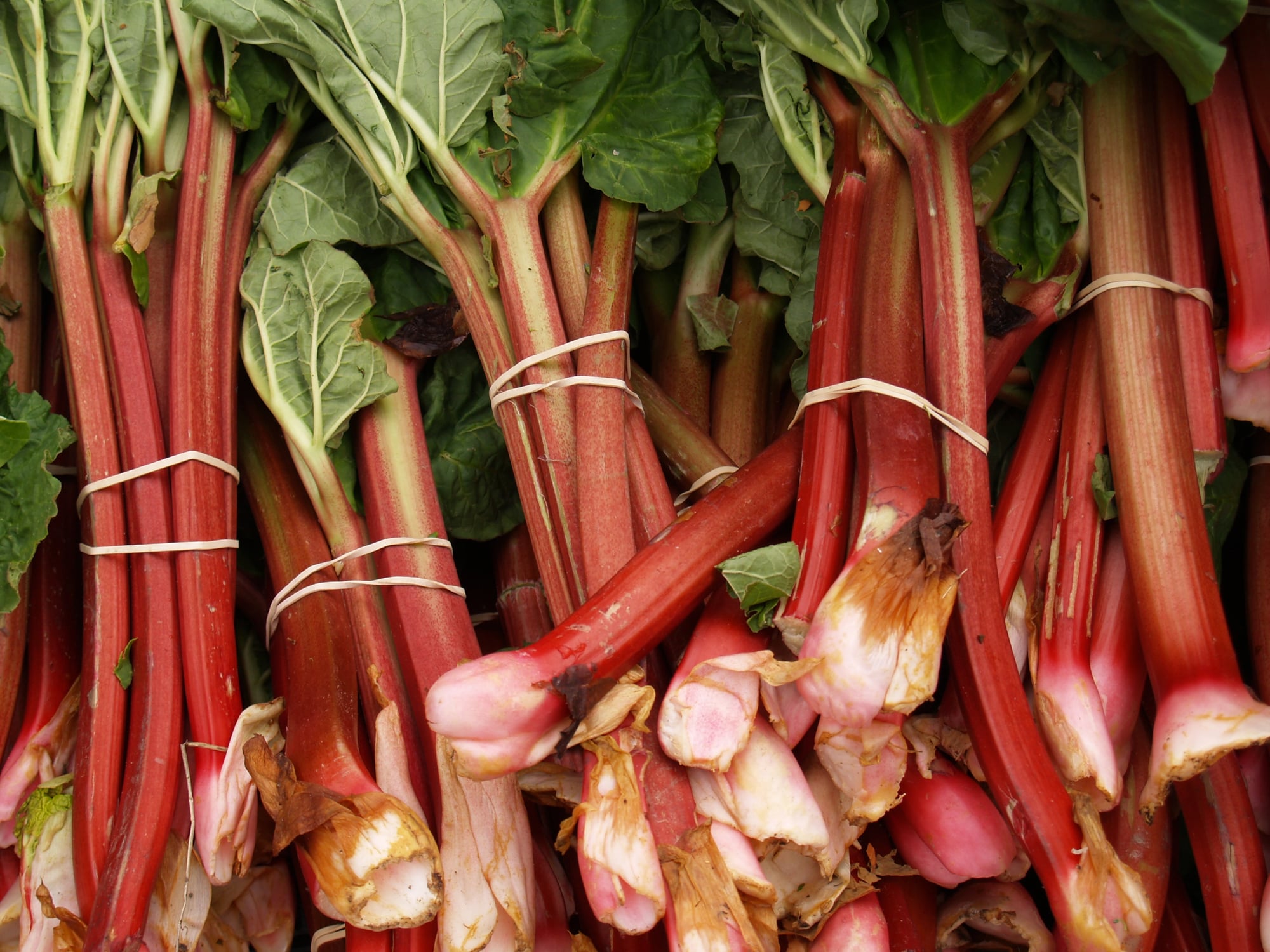
Rhubarb commands respect through its sheer refusal to make sense. The leaves will actually poison someone — they contain enough oxalic acid to cause serious kidney damage — but the stalks are perfectly edible, sour, and strangely compelling once transformed by sugar and heat.
For centuries, this contradiction left Europeans baffled and suspicious. The confusion deepened because rhubarb arrived in Europe through trade routes as an expensive medicinal root, valued primarily for its laxative properties and costing more per pound than precious spices.
When varieties suitable for eating finally reached European gardens in the 18th century, people weren’t sure whether they were dealing with medicine, food, or poison. The fact that the edible part looked nothing like valuable medicinal rhubarb root didn’t help matters.
British cooks eventually figured out that rhubarb stalks, while aggressively sour on their own, transformed into something entirely different when stewed with sugar — sour, complex, and oddly satisfying. The key insight was treating rhubarb like fruit rather than vegetable, despite the fact that it’s technically neither.
By the Victorian era, rhubarb had become so popular in Britain that gardeners developed forcing techniques to produce tender stalks in winter, creating an entire industry around a plant that had once seemed too dangerous to eat.
Quinoa
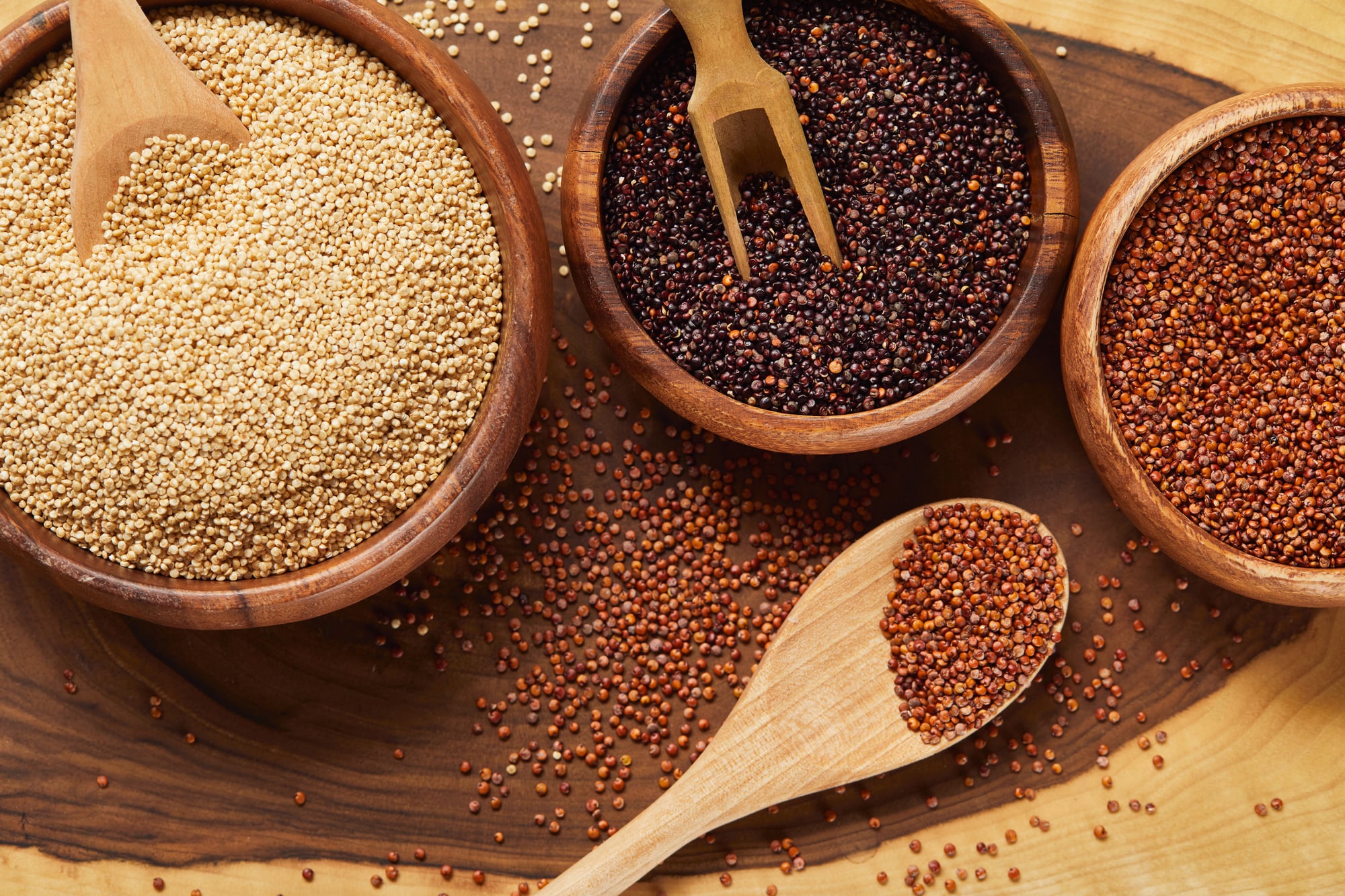
Quinoa deserves better than its current reputation as a trendy superfood discovered by health-conscious Americans in the 21st century. The Spanish conquistadors who encountered it in the Andes dismissed it as “Indian food” unfit for civilized consumption, despite the fact that it had sustained Incan civilization for thousands of years and contained more complete protein than most of the grains Europeans considered acceptable.
The dismissal wasn’t accidental. Spanish colonial authorities actively suppressed quinoa cultivation, partly because it was so closely tied to indigenous religious practices and partly because they wanted to establish European-style agriculture based on wheat and barley.
They spread rumors that quinoa was difficult to digest and potentially harmful, while forcing indigenous farmers to grow crops that were less suited to Andean conditions. What the Spanish missed was that quinoa wasn’t just nutritionally superior to most grains — it was practically indestructible.
It could grow in poor soil, tolerate extreme temperatures, and survive at altitudes where wheat and corn would fail completely. But it took nearly five centuries for quinoa to escape the shadow of colonial prejudice and claim its place as a legitimate crop, which says something uncomfortable about how long it can take for good ideas to overcome cultural bias.
Garlic
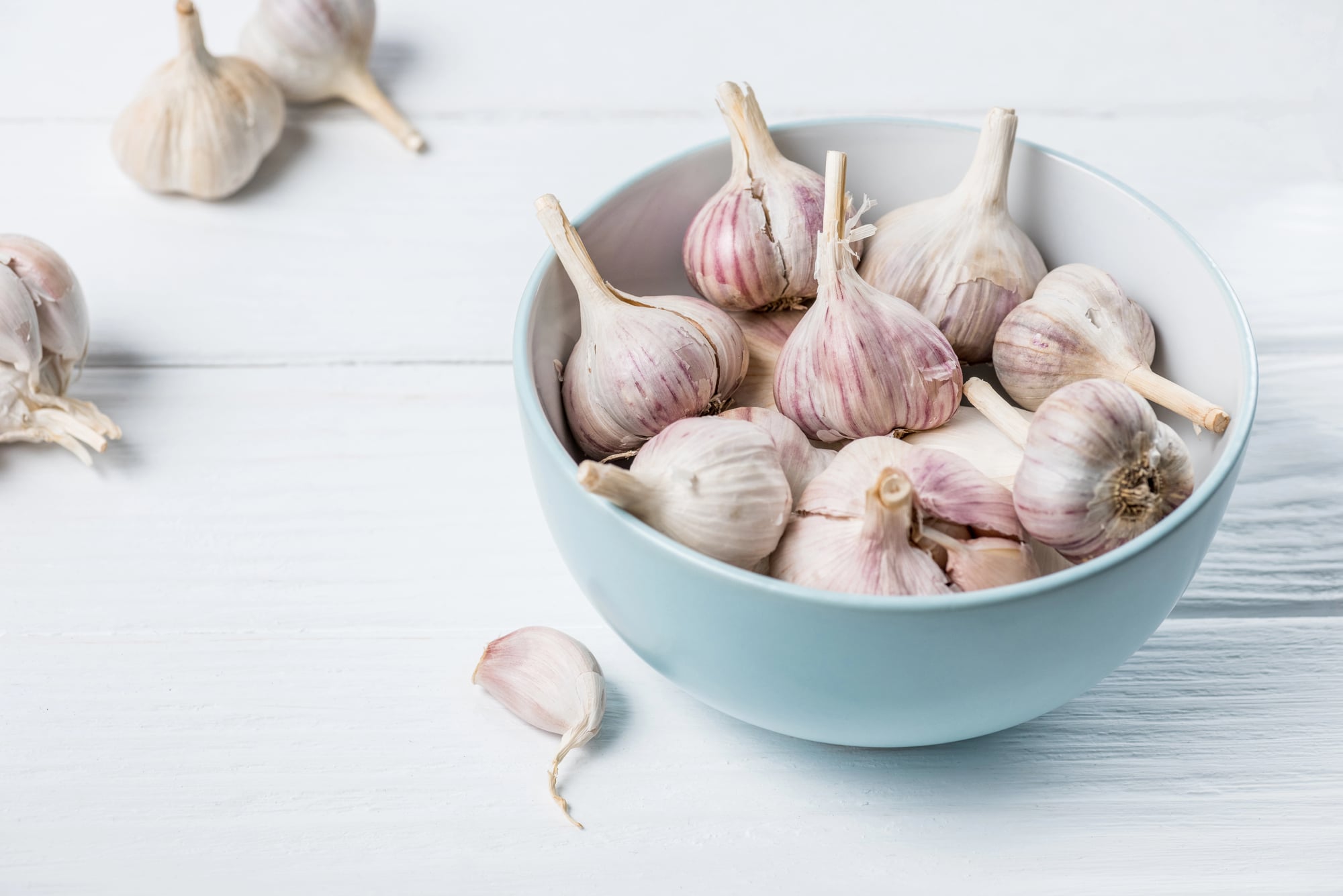
Europeans treated garlic like a social disease. The upper classes considered it vulgar peasant food that marked anyone who ate it as coarse and unrefined.
The smell alone was enough to identify someone’s class status from across a room, and polite society wanted nothing to do with it. This wasn’t just snobbery — though snobbery played a significant role.
Garlic’s association with Mediterranean cooking made it seem foreign and suspicious to Northern European palates. The French aristocracy particularly despised it, considering garlic breath a sign of moral and social corruption.
Anyone who appeared at court reeking of garlic might as well have announced their unsuitability for civilized company. The rehabilitation of garlic happened gradually, largely through the influence of Italian and French provincial cooking that refused to abandon such a useful ingredient.
Professional chefs began incorporating garlic into refined dishes, proving that it could enhance rather than overpower other flavors when used skillfully. But the real breakthrough came when people realized that garlic’s supposed crudeness was actually sophistication — it could transform simple ingredients into complex, satisfying dishes.
By the 20th century, what had once marked someone as a peasant had become a sign of culinary knowledge.
Carrots
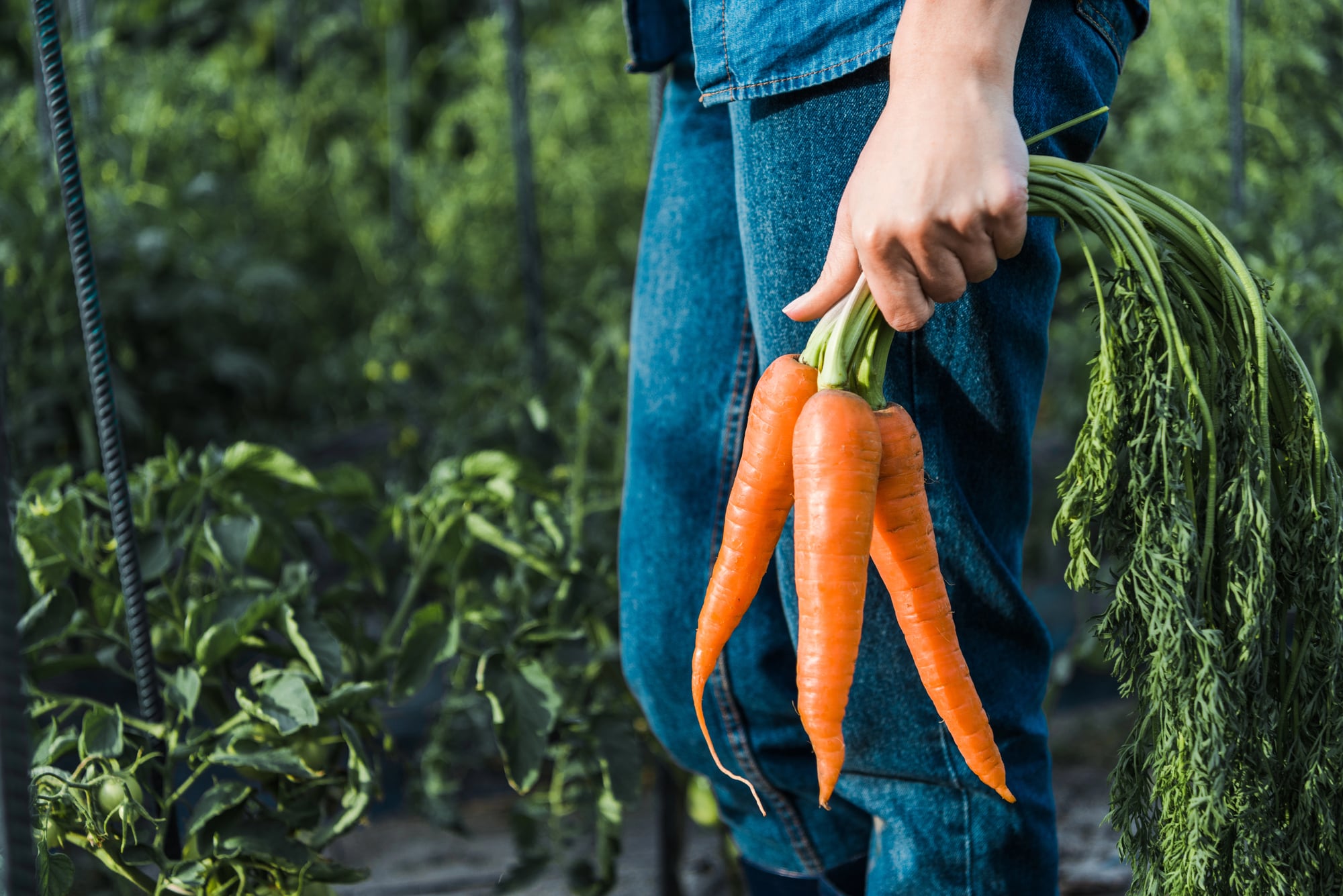
Orange carrots are a relatively recent invention, and their predecessors were enough to make anyone suspicious. Original wild carrots were purple, white, or yellow, often tough and bitter, and bore an uncomfortable resemblance to several poisonous plants in the same family.
Medieval Europeans approached carrots with reasonable caution, since confusing them with water hemlock or fool’s parsley could be fatal. The problem wasn’t just identification — early carrots were genuinely difficult to eat (and yet there’s something almost endearing about medieval cooks who persisted with vegetables that fought back, which perhaps explains how we ended up with edible versions of plants that started out nearly inedible).
Wild carrots required extensive cooking to become palatable, and even then, they remained fibrous and bitter. Most people considered them barely suitable for animal feed, let alone human consumption.
Dutch growers in the 16th and 17th centuries gradually developed the sweet, orange varieties we know today, partly through selective breeding and partly through improved growing techniques that produced more tender roots. The orange color wasn’t an accident — Dutch growers were deliberately honoring the House of Orange, their royal family.
So the carrot’s transformation from bitter weed to sweet vegetable was as much about politics as agriculture, though the result was a food that could finally justify the effort required to grow it.
Rice
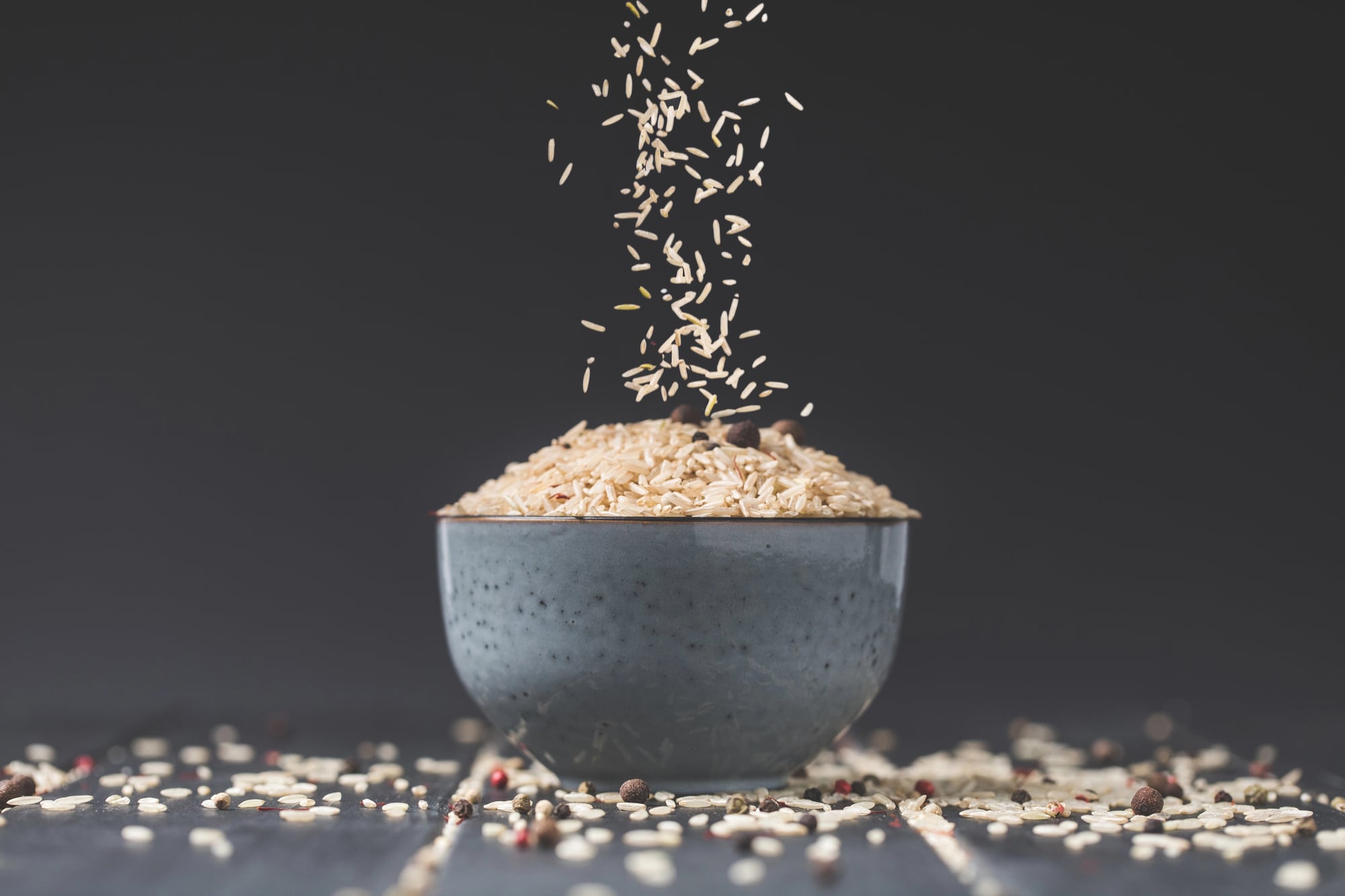
Rice faced a peculiar problem in Europe: it was simultaneously too exotic and too common. When traders first brought rice from Asia, Europeans weren’t sure whether it was a luxury spice, a type of grain, or something potentially dangerous.
Early attempts to cook rice often resulted in mushy, unappetizing messes that reinforced suspicions about this strange foreign food. The confusion ran deeper than cooking techniques.
Rice cultivation required flooded fields and intensive labor management that seemed completely alien to European agricultural traditions based on wheat, barley, and oats. When rice did grow successfully in places like the Po Valley in Italy, many Europeans remained convinced that anything grown in standing water must be inherently unhealthy.
Italian cooks gradually figured out that rice wasn’t supposed to be cooked like other grains — it required different techniques that embraced rather than fought its natural starchiness. The development of risotto represented a complete shift in thinking: instead of trying to make rice behave like wheat, Italian cooks learned to work with its unique properties.
By the Renaissance, rice had become a luxury ingredient in Northern Italy, prized for its ability to absorb flavors and create dishes that were impossible with other grains.
Mushrooms
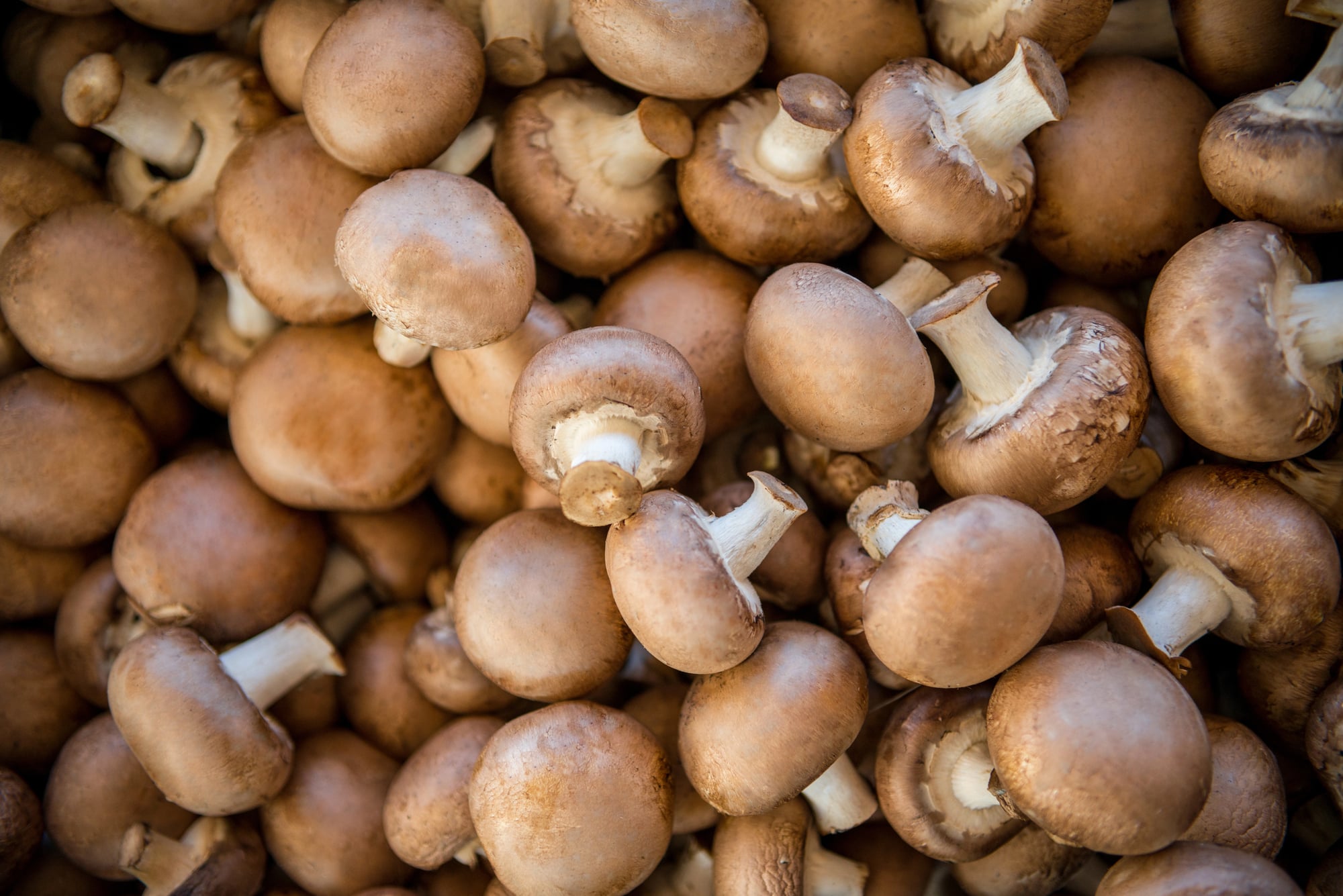
The mushroom problem was real and remains real: some mushrooms will kill someone, others are delicious, and telling the difference requires knowledge that can take years to develop. Medieval Europeans reasonably decided that the safest approach was to avoid wild mushrooms entirely, but their suspicion extended to all mushrooms, including obviously safe varieties that had been cultivated for centuries.
The fear wasn’t helped by mushrooms’ association with witchcraft, decay, and death. Mushrooms appear suddenly, often in perfect circles that seemed supernatural to medieval minds.
They grow in dark, damp places and feed on rotting organic matter. To people who believed that food should come from sunlight and clean soil, mushrooms seemed fundamentally wrong — more like manifestations of evil than legitimate food.
French cooks gradually rehabilitated mushrooms by focusing on cultivation rather than foraging. By growing mushrooms in controlled conditions, they could guarantee safety while developing varieties that were consistently flavorful.
The French approach treated mushroom cultivation as a sophisticated agricultural technique rather than a gamble with poison, which allowed cooks to experiment with different varieties and preparation methods. By the 18th century, mushrooms had become an essential element of French cuisine, though many people remained suspicious of any mushrooms that hadn’t been professionally grown.
Avocados
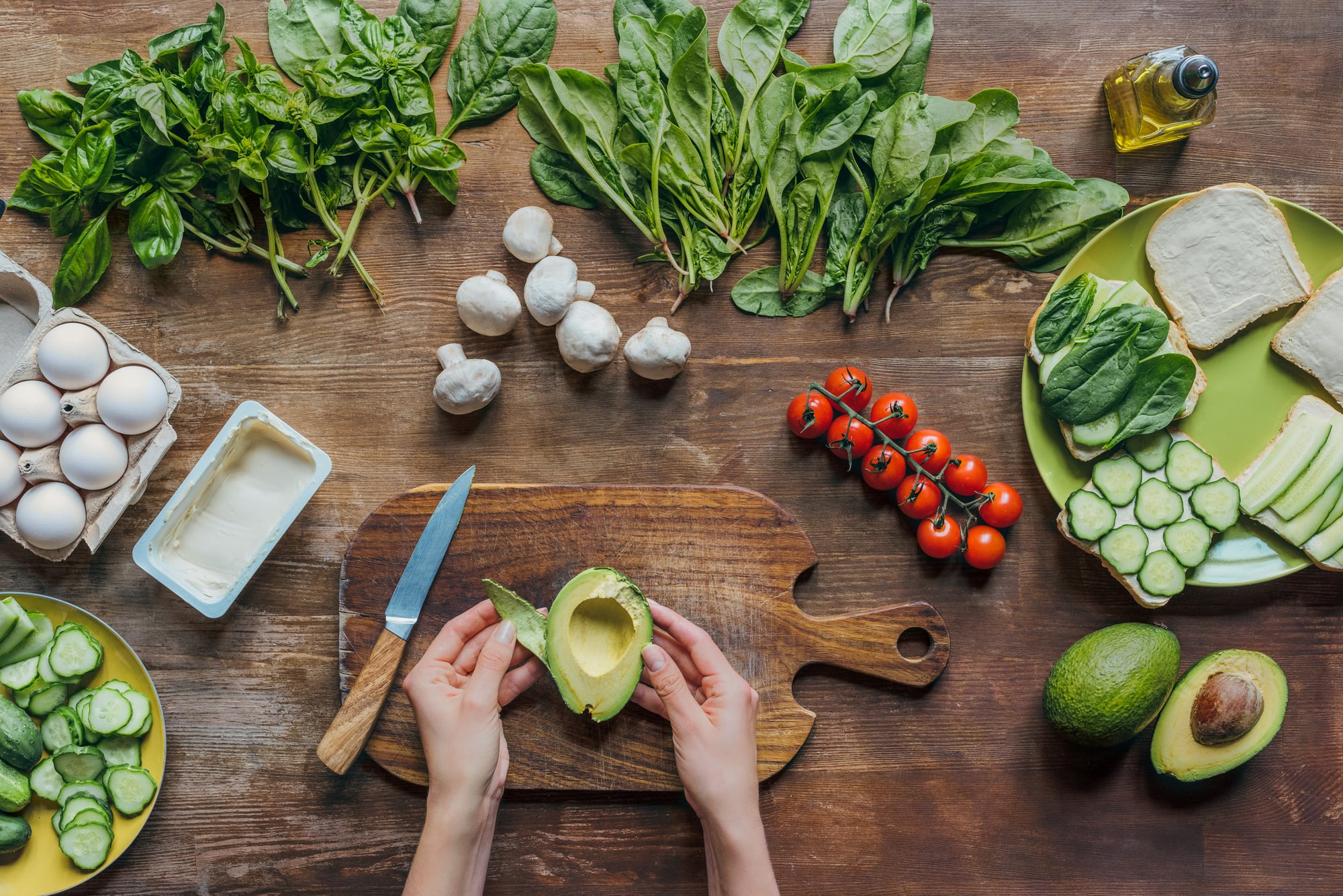
Spanish conquistadors called them by the male reproductive part based on their shape and the fact that they hung in pairs from trees. This wasn’t exactly marketing genius, and it set the tone for centuries of European suspicion about avocados.
The name itself — derived from the Aztec word “ahuacatl” — was difficult to pronounce and seemed to confirm that this was exotic, potentially dangerous foreign food. The texture didn’t help.
Europeans expected fruit to be sweet, crisp, and refreshing. Avocados were none of these things — they were rich, fatty, and had a consistency unlike anything in European cuisine.
Early attempts to eat avocados often involved treating them like sweet fruit, which was a mistake that reinforced negative opinions. The breakthrough came when cooks stopped trying to make avocados behave like European fruit and started treating them as a unique ingredient.
Mexican and Central American cuisines had developed sophisticated techniques for using avocados in both sweet and savory applications, but it took centuries for these methods to spread beyond their regions of origin. The transformation from “weird foreign fruit” to “superfood” happened mostly in the 20th century, when improved transportation made fresh avocados available year-round and nutritional science revealed their health benefits.
Pineapples
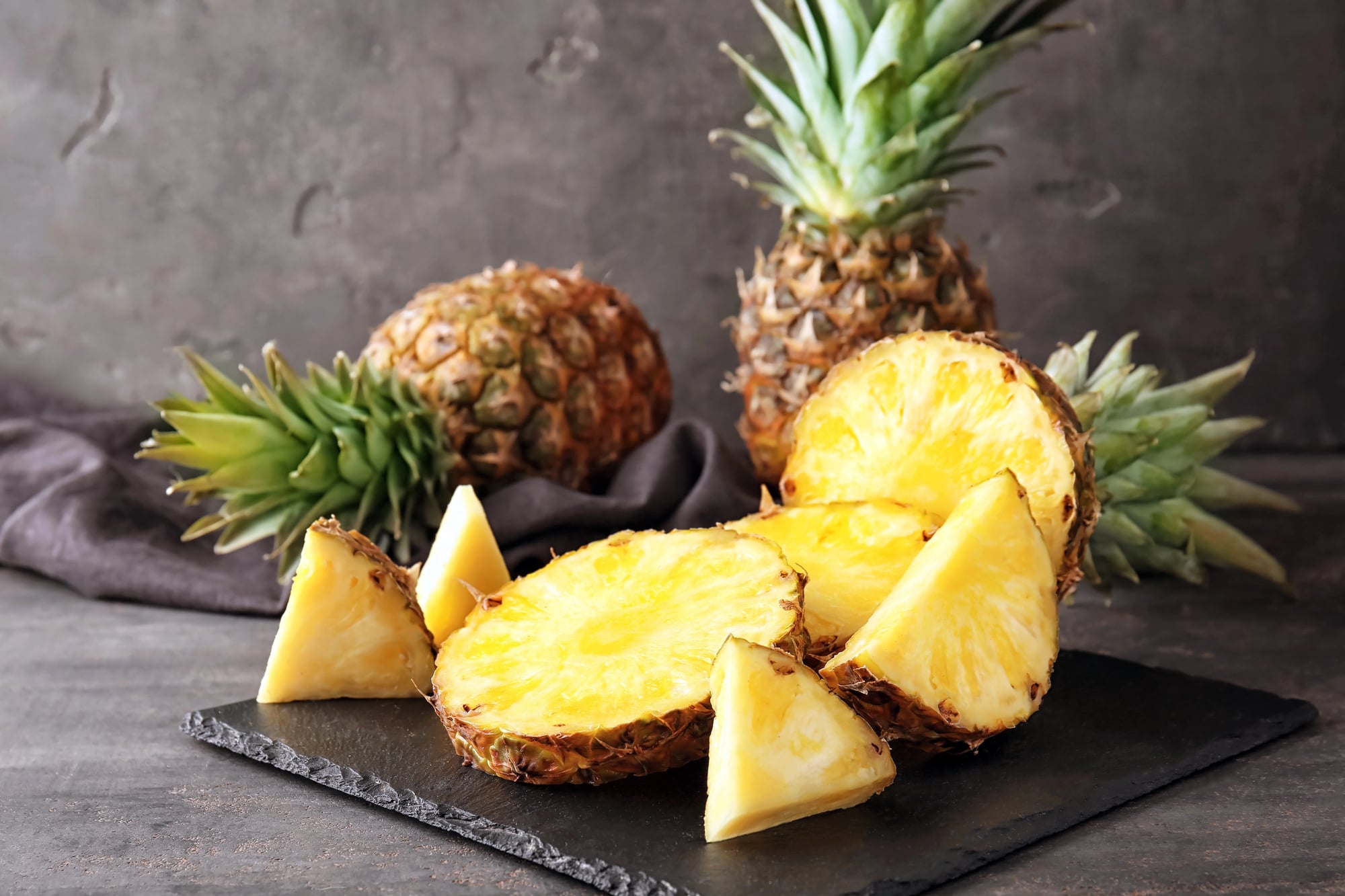
Pineapples were so exotic and expensive that they became symbols of wealth rather than food. When European explorers first encountered pineapples in the Caribbean, they were immediately struck by the fruit’s unusual appearance and intense sweetness, but getting them back to Europe alive was nearly impossible.
The few pineapples that survived the journey were so valuable that wealthy Europeans would display them at dinner parties rather than eat them. The rarity created its own problems.
Most Europeans had never tasted a fresh pineapple, so they had no context for understanding what this spiky, unusual fruit was supposed to be. Early descriptions emphasized the pineapple’s strangeness rather than its appeal, and the few people who could afford to taste one often had unrealistic expectations based on its enormous cost.
Growing pineapples in Europe became an obsession among wealthy gardeners who built elaborate heated greenhouses designed specifically for pineapple cultivation. These “pineries” required constant attention and enormous expense to maintain tropical conditions in temperate climates.
A single homegrown pineapple could cost the equivalent of thousands of dollars in modern money, which meant that actually eating one represented a spectacular display of wealth. The pineapple’s transformation from exotic curiosity to everyday fruit had to wait for improved transportation and large-scale tropical agriculture.
Bananas
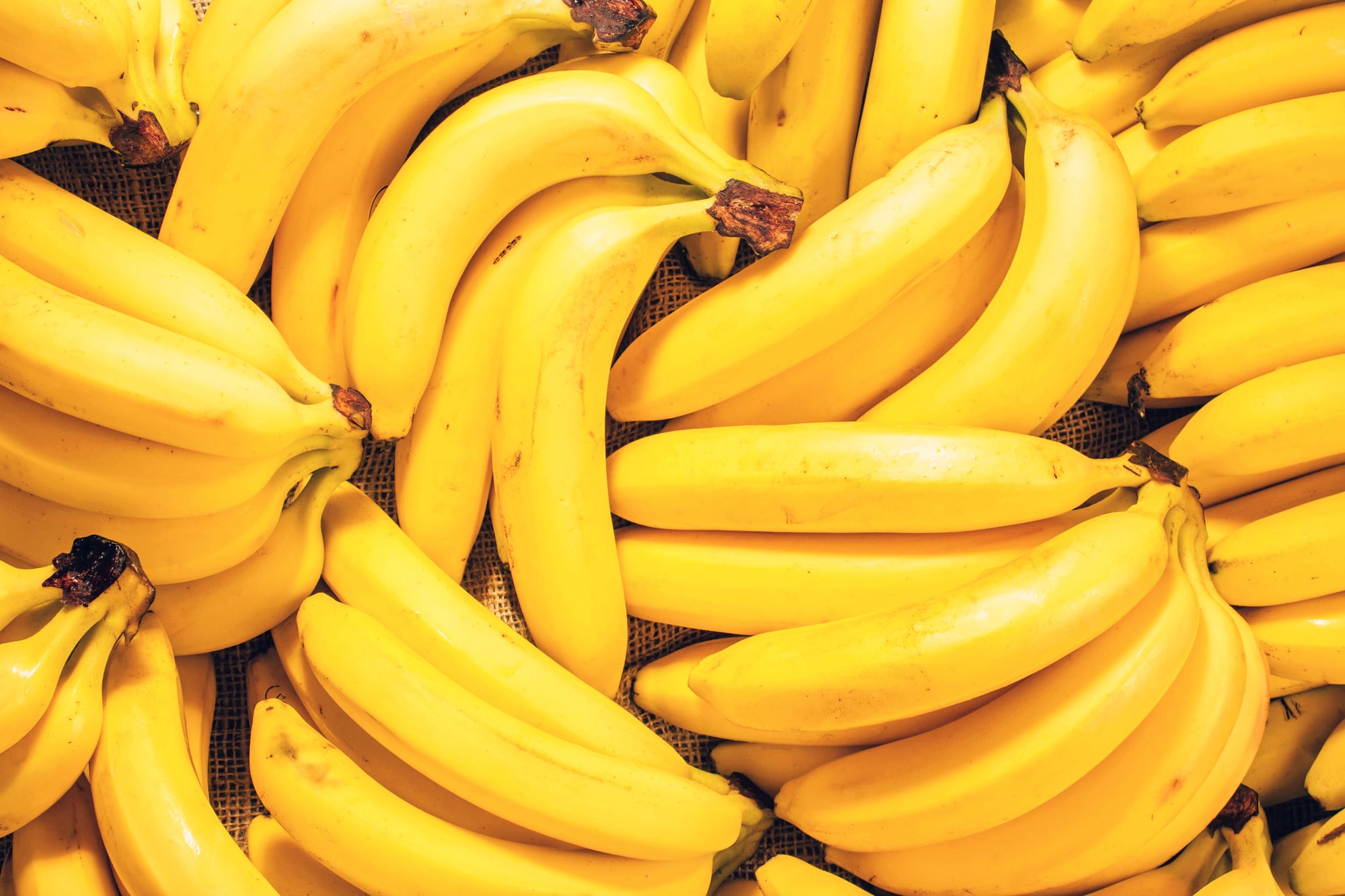
Americans didn’t know what to do with bananas when they first appeared in markets in the 1870s. Vendors had to post instructions explaining how to peel and eat them, and many people tried cooking bananas like potatoes or eating them skin and all.
The unfamiliarity bred suspicion — anything that required instructions seemed potentially dangerous. The confusion was understandable.
The bananas available in early American markets were often overripe or bruised from long transportation, which gave them an unappetizing appearance that reinforced doubts about their safety. Many Americans assumed that anything that turned black so quickly must be inherently unstable or spoiled.
The United Fruit Company solved the banana problem through aggressive marketing and education campaigns that positioned bananas as healthy, convenient, and exotic. They distributed recipe books, funded nutrition studies.
More from Go2Tutors!

- The Romanov Crown Jewels and Their Tragic Fate
- 13 Historical Mysteries That Science Still Can’t Solve
- Famous Hoaxes That Fooled the World for Years
- 15 Child Stars with Tragic Adult Lives
- 16 Famous Jewelry Pieces in History
Like Go2Tutors’s content? Follow us on MSN.