Movies You Didn’t Know Were Based On Real People
Some of the most compelling characters in cinema aren’t products of imagination — they’re lifted straight from real life. Hollywood has always had a fascination with turning ordinary people into larger-than-life figures, sometimes without audiences even realizing it.
The stories feel authentic because they are, rooted in actual events and real personalities that shaped history, culture, and human experience in ways both profound and unexpected.
Scarface

Tony Montana wasn’t born in a writer’s room. Al Pacino’s iconic character draws heavily from real Miami drug lords of the 1980s, particularly figures like Mario Tabraue and elements of the Mariel boatlift refugees.
The chain-saw scene, the mansion, the paranoid descent — all echoed patterns that law enforcement documented during Miami’s cocaine wars. Brian De Palma and Oliver Stone researched extensively with former DEA agents and journalists who covered the beat.
Jaws
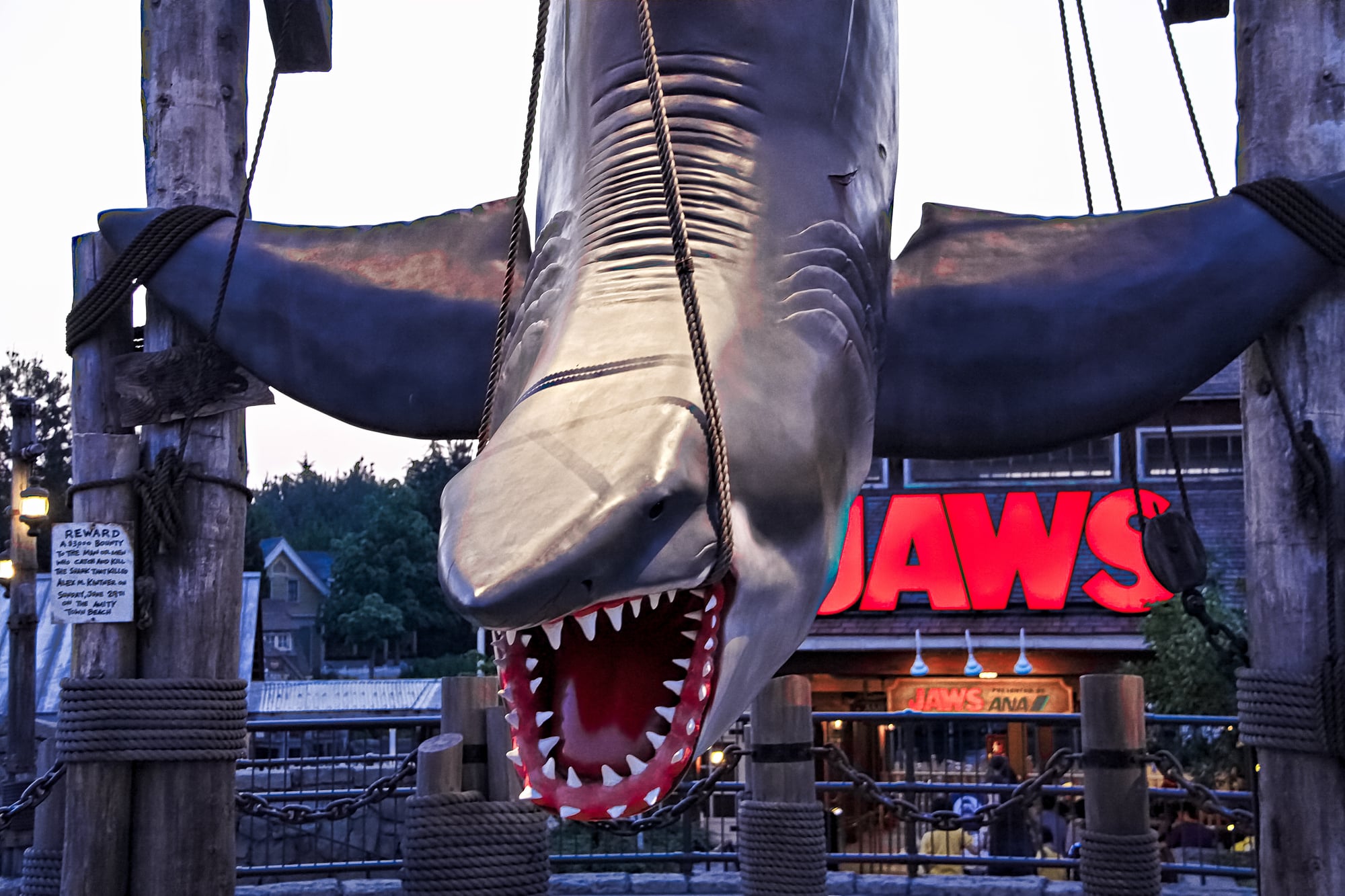
The great white shark that terrorized Amity Island was inspired by real attacks along the New Jersey shore in 1916 (though Peter Benchley, who wrote the source novel, later admitted he might have exaggerated the threat sharks actually pose to humans, which is saying something when you consider how many people still won’t go in the water after watching this film). But it was the character of Quint — played memorably by Robert Shaw — who drew from an even more harrowing real story: the sinking of the USS Indianapolis and the sailors who survived days in shark-infested waters.
So there’s something unsettling about the way fiction borrowed from genuine terror and then amplified it beyond recognition. The real survivors of Indianapolis faced conditions far worse than any movie monster — dehydration, madness, and yes, shark attacks that claimed dozens of lives while rescue remained days away.
And yet Benchley’s invention, this mechanical shark that barely worked during filming, became the more lasting image: pure predator, pure menace, hunting with an intelligence that real sharks simply don’t possess.
The Social Network

Mark Zuckerberg famously dismissed the film as fiction, but Aaron Sorkin’s script drew extensively from depositions, emails, and court documents from actual lawsuits involving Facebook’s founding. The Winklevoss twins are real people who really did claim Zuckerberg stole their idea.
Eduardo Saverin really was pushed out as co-founder. Sean Parker really did have the influence the movie suggests, even if his party-heavy lifestyle was dramatized.
Casino

Martin Scorsese based his Las Vegas epic on the real-life story of Frank “Lefty” Rosenthal and Anthony “Tony the Ant” Spilotro. Rosenthal ran casinos for the Chicago mob and survived a car bombing in 1982.
Spilotro was the muscle, eventually found buried in a cornfield along with his brother. The movie compressed timelines and changed names, but the core relationships, the skimming operations, and the violent end were all documented fact.
Robert De Niro studied Rosenthal extensively, even meeting with him. The attention to period detail wasn’t just aesthetic — it was archaeological, recreating a specific moment when organized crime controlled millions in casino revenue through intimidation and precise financial manipulation.
Goodfellas
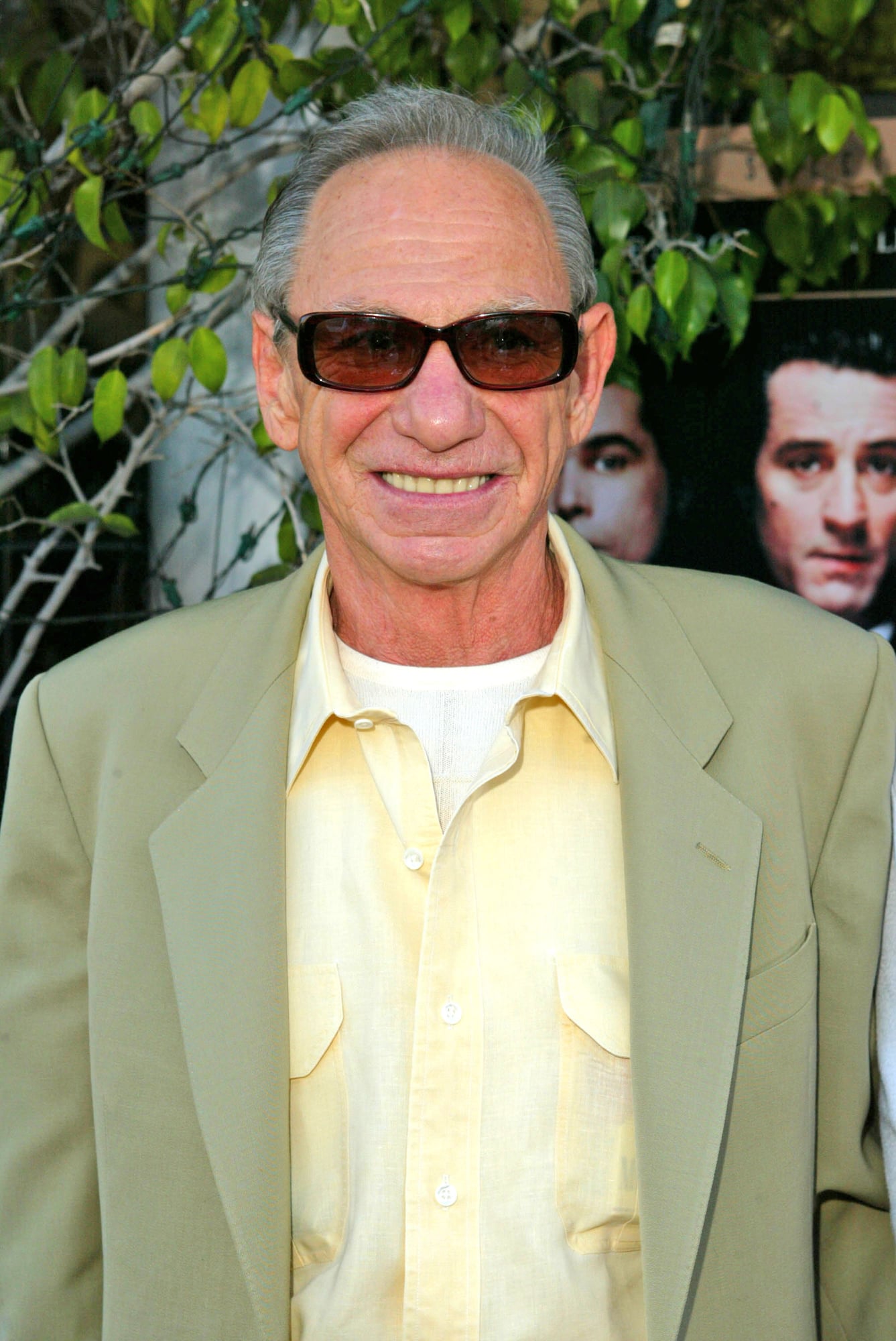
Henry Hill really did grow up wanting to be a gangster. The real Hill spent decades in the Lucchese crime family before entering witness protection after testifying against his former associates.
His collaboration with journalist Nicholas Pileggi produced the book “Wiseguy,” which became Scorsese’s film. The famous “funny how” scene with Tommy DeVito was based on an actual confrontation Hill witnessed, though the real-life outcome was different.
Hill later complained that the movie made his criminal life seem more glamorous than it actually was. Fair point — the real story involved more mundane drug dealing and less stylized violence, but somehow that doesn’t make for quite the same viewing experience.
The Departed

Billy Costigan and Colin Sullivan weren’t real people, but their story was lifted almost entirely from the case of FBI informant James “Whitey” Bulger and the corruption scandal that surrounded him in Boston. Bulger spent decades as both crime boss and government informant while his FBI handler, John Connolly, fed him information about ongoing investigations.
The double-agent premise that drives the film’s tension was documented reality in federal court proceedings.
Martin Scorsese relocated the story from Boston’s Winter Hill Gang to a fictionalized version, but the core betrayals — law enforcement protecting criminals while criminals infiltrated law enforcement — were pulled directly from FBI case files and congressional hearings.
Wolf Of Wall Street

Jordan Belfort wrote his own memoir, so there was no mystery about the source material. The real Belfort ran Stratton Oakmont as a massive pump-and-dump scheme that defrauded investors of millions.
The yacht sinking, the Quaalude addiction, the FBI investigation — all documented fact (and Belfort’s drug use was reportedly even more excessive than Leonardo DiCaprio’s portrayal suggested, which is genuinely hard to imagine after watching that performance).
But here’s what gets uncomfortable: Belfort profited again from the movie rights and speaking engagements that followed, while many of his victims never recovered their losses. So the film about financial crime became another revenue stream for the criminal, and somehow that feels perfectly appropriate for a story about American capitalism run completely off the rails.
Catch Me If You Can
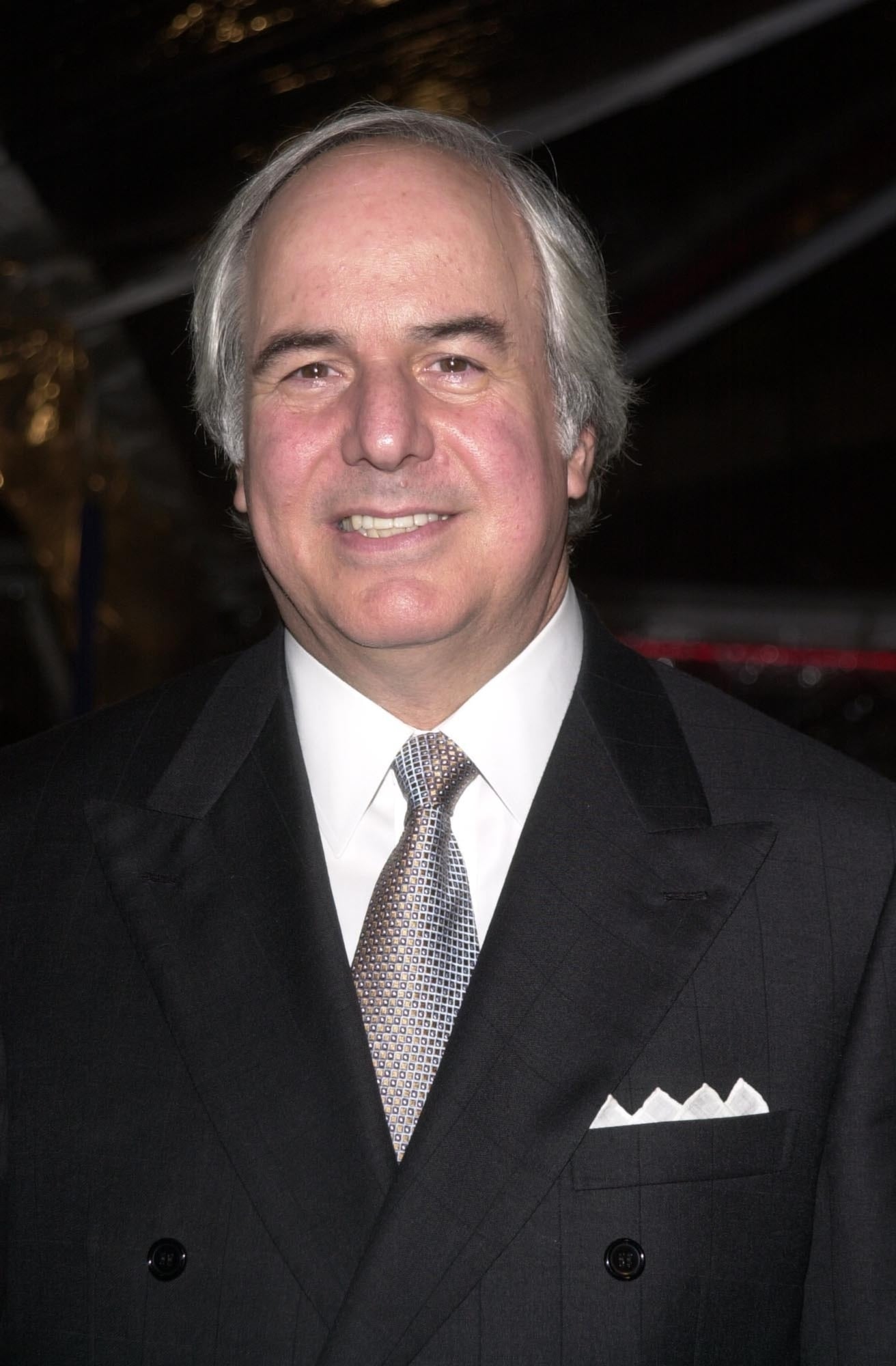
Frank Abagnale’s memoir provided Steven Spielberg with one of his most charming con artist stories, but the real Abagnale’s claims have been disputed by journalists and law enforcement officials who worked his cases. Some argue that Abagnale exaggerated his exploits and that he spent most of his teenage years in prison rather than impersonating pilots and doctors around the world.
The truth seems to fall somewhere between Abagnale’s colorful version and the skeptics’ more mundane reality. What’s certain is that he did commit check fraud, did work with the FBI afterward, and did build a legitimate consulting business on fraud prevention.
Whether he actually flew two million miles on Pan Am as a fake pilot remains an open question.
The Blind Side
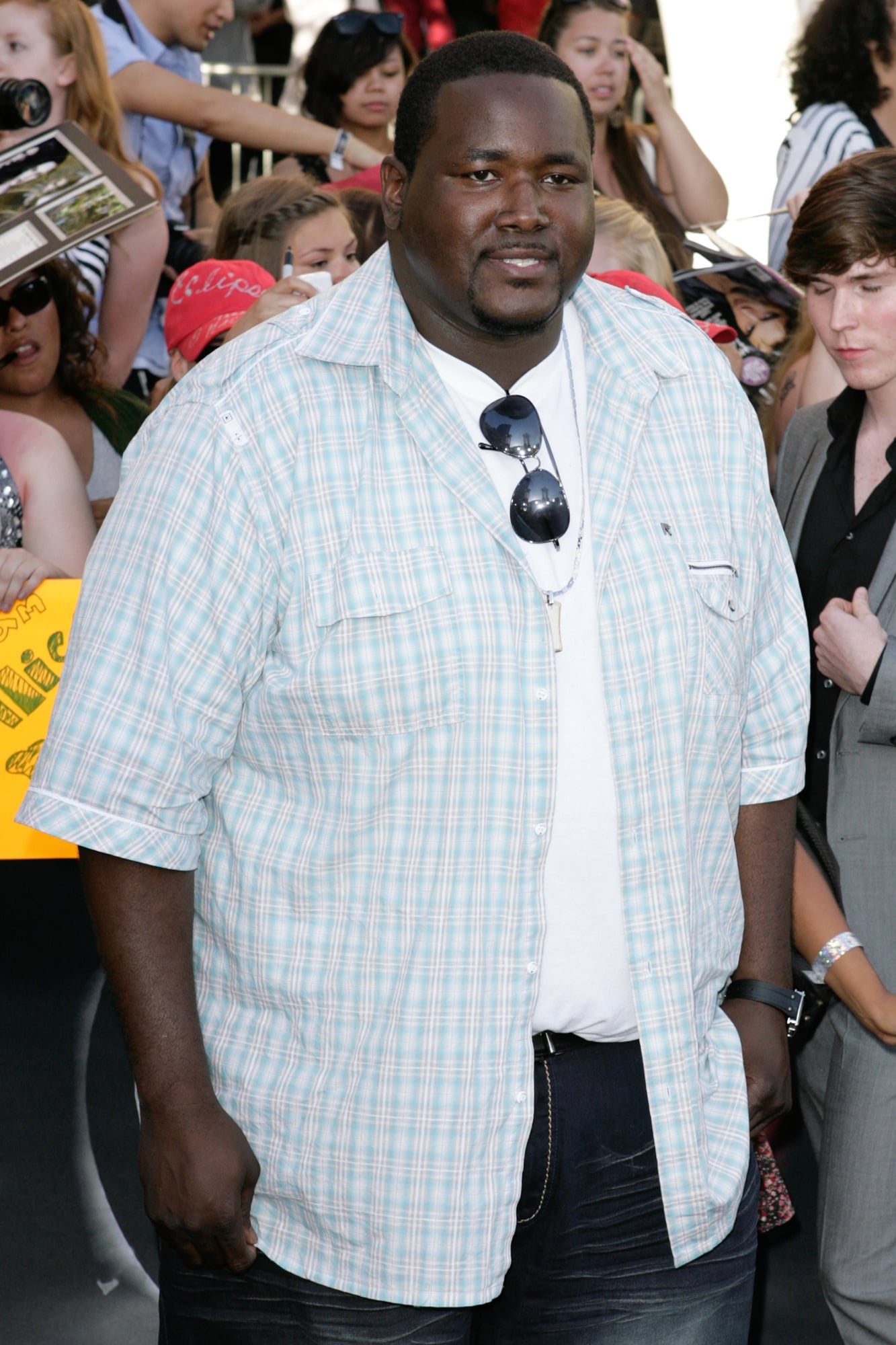
Michael Oher’s story of being taken in by the Tuohy family and eventually playing in the NFL was presented as inspirational fact, but Oher himself later expressed frustration with how the film portrayed him as helpless and confused rather than a capable young man who understood football strategy perfectly well. The real story involved more complexity around issues of race, class, and motivation than the movie suggested.
The Tuohys really did welcome Oher into their home, and he really did receive the support that helped him succeed academically and athletically. But the simplified narrative of rescue and transformation left out the more complicated questions about power, representation, and who benefits when these stories get told.
Pain & Gain

The steroid-fueled criminals portrayed by Mark Wahlberg, Dwayne Johnson, and Anthony Mackie were based on the real Sun Gym Gang who operated in Miami during the 1990s. Daniel Lugo, Adrian Doorbal, and Carl Weekes really did kidnap, extort, and murder victims in schemes so absurd that police initially didn’t believe the complaints were genuine.
Michael Bay’s typically excessive direction actually understated how bizarre the real crimes were. The gang’s attempts at dismembering bodies, their incompetent cover-up efforts, and their eventual capture involved levels of stupidity that would seem unrealistic in fiction.
Sometimes reality provides better material than any screenwriter could invent.
The Aviator

Howard Hughes lived exactly the kind of outsized life that Martin Scorsese specializes in depicting. The aviation records, the Hollywood connections, the obsessive-compulsive disorder, the germophobia — all documented aspects of Hughes’ biography.
Leonardo DiCaprio’s performance captured both the visionary ambition and the mental illness that defined Hughes’ later years.
Scorsese focused on Hughes’ peak decades rather than his complete decline, ending the film before the worst aspects of his isolation and paranoia took hold. The real Hughes died as a recluse, weighing less than 100 pounds, with extraordinarily long hair and fingernails, bearing little resemblance to the dashing figure DiCaprio portrayed.
American Hustle

The FBI’s Abscam operation of the late 1970s provided David O. Russell with his framework for political corruption and elaborate con games. Federal agents really did create a fake company and use an informant to bribe congressmen and other officials.
Several politicians were convicted and sent to prison based on videotaped evidence of them accepting cash payments.
Russell compressed the timeline and invented personal relationships, but the core sting operation happened largely as depicted. The absurdity of government agents pretending to represent a fictional Arab sheikh while wearing elaborate disguises was authentic 1970s FBI methodology.
Ford V Ferrari

The rivalry between Ford and Ferrari at Le Mans was well-documented racing history, but the friendship between Carroll Shelby and Ken Miles provided the emotional center that made the story work as drama. Miles really was the test driver and engineer who developed Ford’s GT40 program, and he really did die in a testing accident just months after the Le Mans victory the film depicts.
The corporate politics at Ford, the financial pressures on Ferrari, and the technical challenges of building a car that could compete at Le Mans were all faithfully researched. Christian Bale’s portrayal of Miles drew from interviews with mechanics and drivers who worked with him and remembered his perfectionist approach to racing.
Reel Stories Leave Real Marks

These films remind you that the most unbelievable stories often happen to be true. Reality provides Hollywood with material that screenwriters couldn’t invent — not because the events are too extraordinary, but because they’re too specific, too strange, and too human to emerge from pure imagination.
The real people behind these characters lived through circumstances that seem designed for cinema, yet they were just living their lives, making choices that would later become someone else’s entertainment.
More from Go2Tutors!

- The Romanov Crown Jewels and Their Tragic Fate
- 13 Historical Mysteries That Science Still Can’t Solve
- Famous Hoaxes That Fooled the World for Years
- 15 Child Stars with Tragic Adult Lives
- 16 Famous Jewelry Pieces in History
Like Go2Tutors’s content? Follow us on MSN.



