The Strangest Town Names in America and How They Actually Got Them
You’ve probably driven through your share of oddly named places. Maybe you’ve chuckled at a road sign or wondered who in their right mind decided to call a settlement “Boring” or “Hell.”
But behind every bizarre town name lies a story — sometimes practical, sometimes accidental, and sometimes downright absurd. These aren’t just random words slapped on a map.
They’re snapshots of American history, captured in the most unexpected ways.
Hell, Michigan
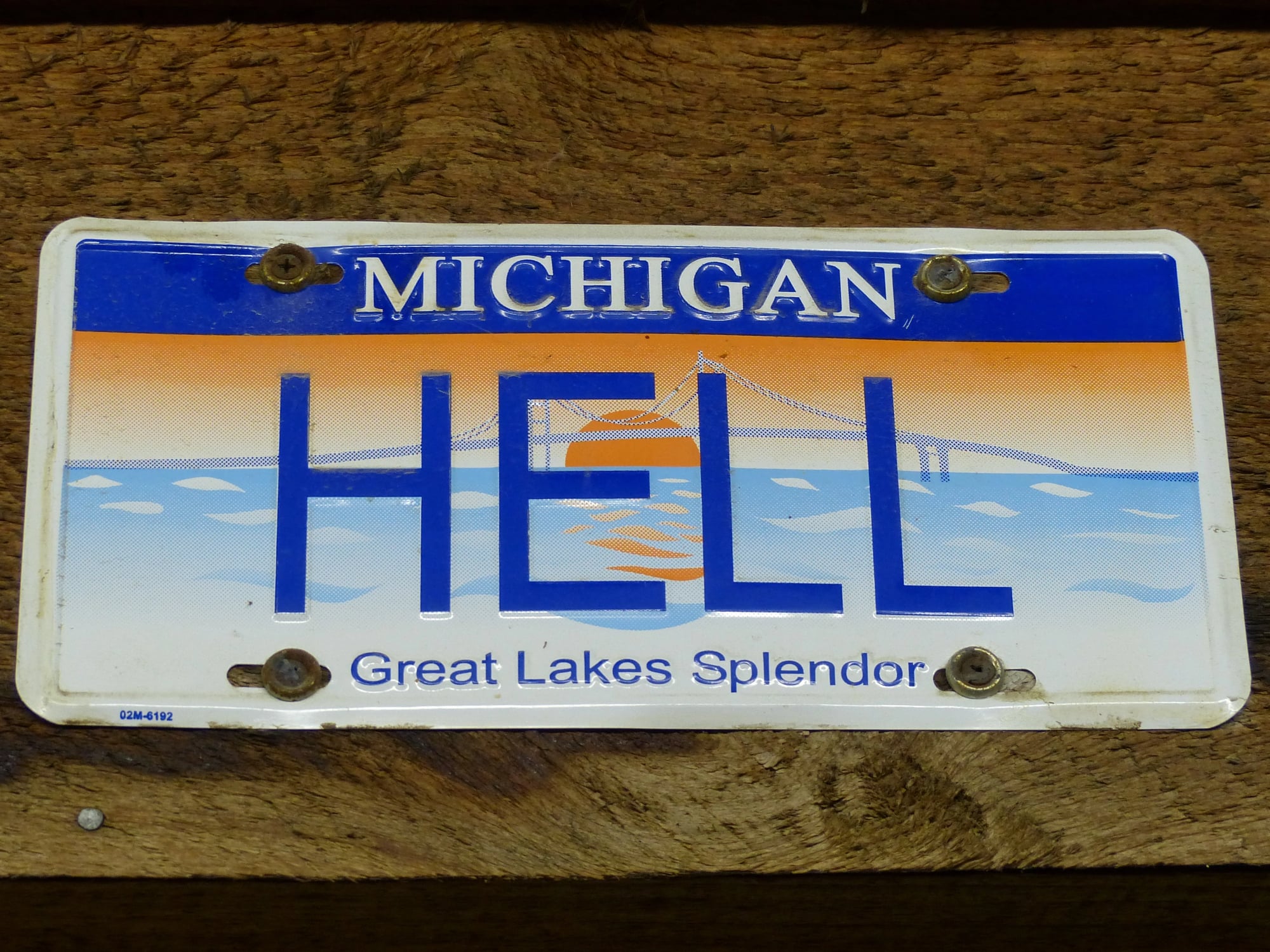
Hell froze over every winter, and the residents never stopped making jokes about it. The town got its name in the 1830s when founder George Reeves was asked what he wanted to call the place.
“Call it Hell for all I care,” he supposedly replied. So they did.
Others claim it came from the German word “Helle,” meaning bright, referring to the area’s clear waters. Either way, Hell has embraced its infernal reputation with gift shops selling “Hell in a Handbasket” and wedding ceremonies for couples who literally want to get married in Hell.
Intercourse, Pennsylvania
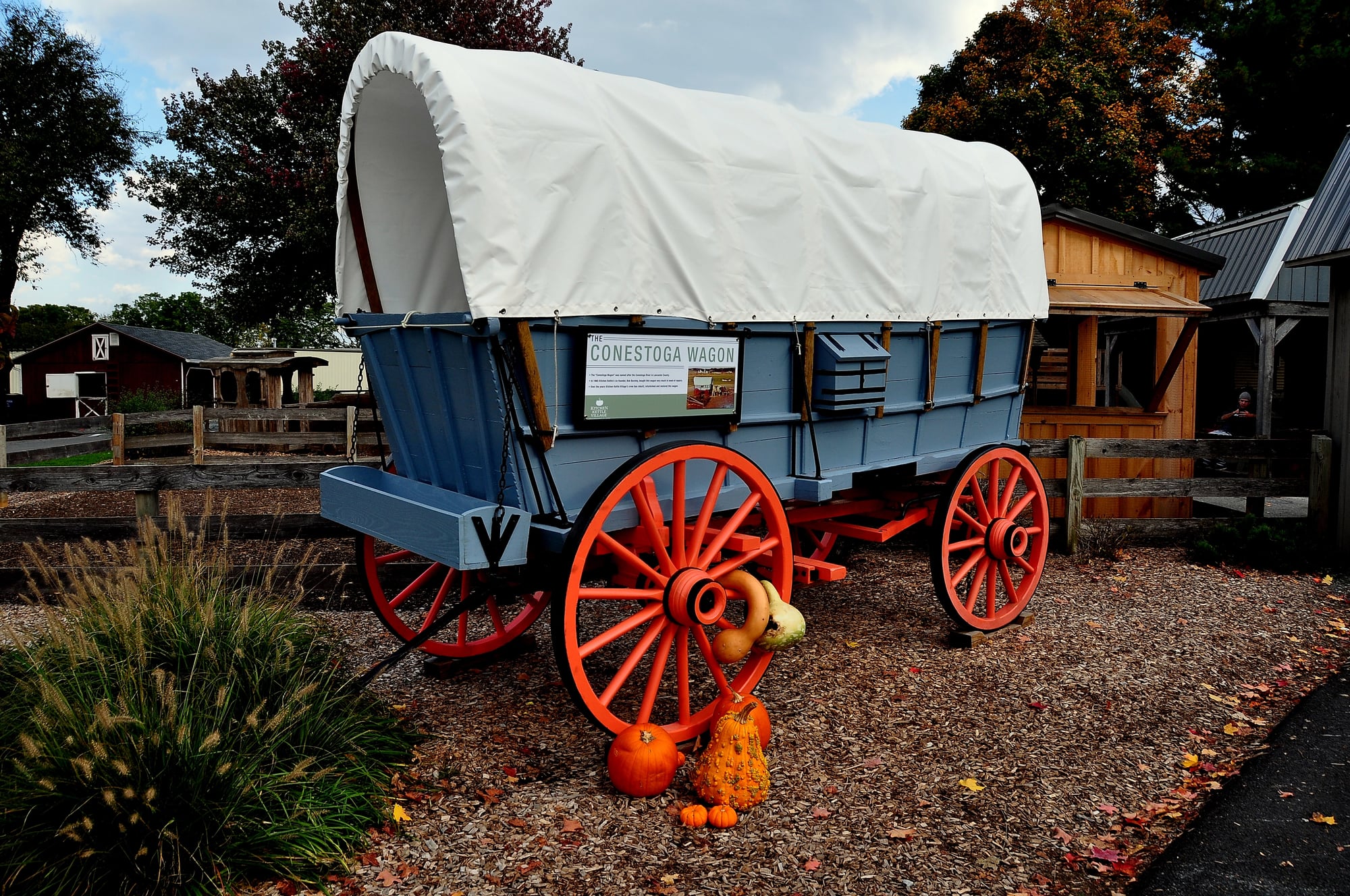
The name sounds scandalous, but the origins are disappointingly mundane (though that’s probably for the best, considering this is Amish country). The most accepted theory traces back to an old use of “intercourse” meaning social interaction or commerce — which makes sense for a town that started as a crossroads trading post.
So when travelers in the 1700s talked about having “intercourse” in this Pennsylvania settlement, they meant business dealings and friendly conversation. And yet — you can’t help but wonder if at least a few of those early settlers knew exactly how this would sound to future generations, because there’s something almost too convenient about the way this particular word stuck when others from that era faded away.
The Amish community that calls this place home today handles the attention with remarkable grace, though you’d imagine they’d prefer visitors come for the craftsmanship rather than the photo opportunities with the town sign.
Cut And Shoot, Texas
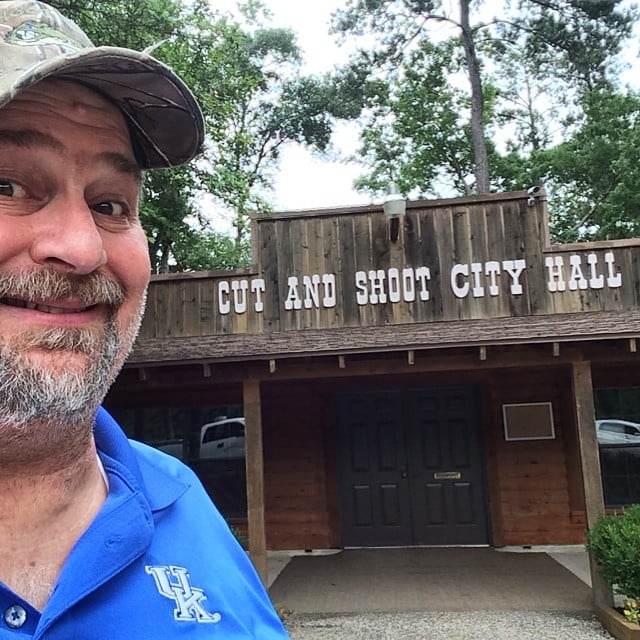
Picture a small East Texas town where neighbors couldn’t agree on anything. The community meeting to choose a name devolved into such heated arguments that someone allegedly shouted they were ready to “cut and shoot” anyone who disagreed.
The name stuck like a burr on a saddle. This was around 1912, and Cut and Shoot has worn its combative origins with pride ever since.
The town motto might as well be “We’ve been disagreeing since day one.” Population hovers around 1,100 people who apparently get along just fine now.
Boring, Oregon
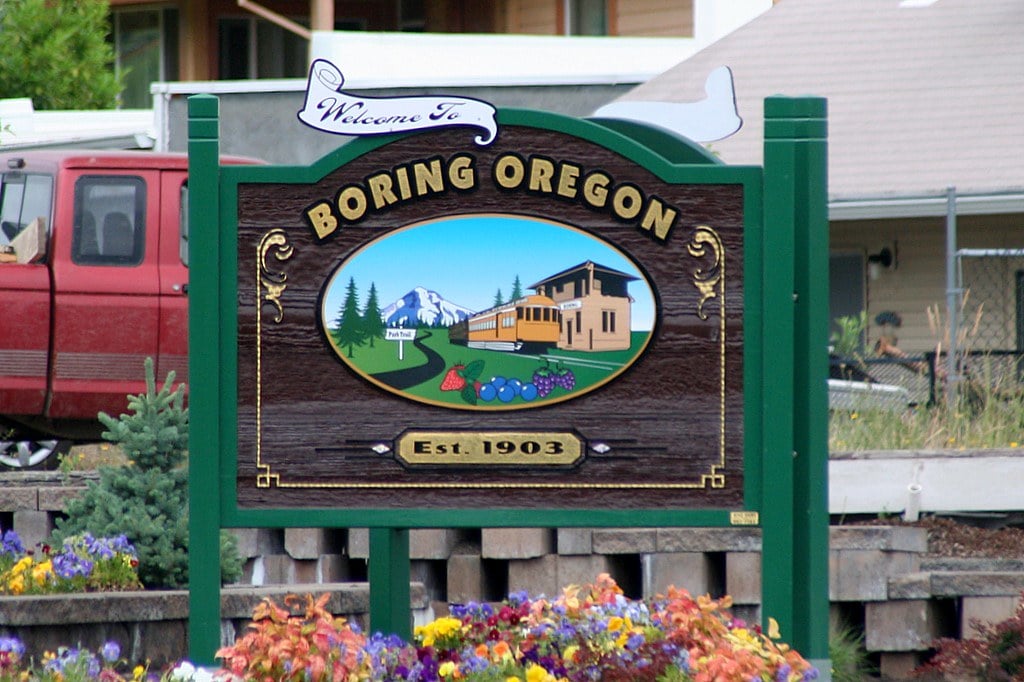
Boring was named after William Harrison Boring, an early resident who wasn’t particularly dull — just unlucky in the surname department. He settled there in 1874, and when the community needed a name for their post office, they went with the most prominent local family.
The irony wasn’t lost on anyone. Boring, Oregon eventually became sister cities with Dull, Scotland, and Bland, Australia, forming what they call the “Trinity of Tedium.”
Sometimes life writes its own jokes.
French Lick, Indiana
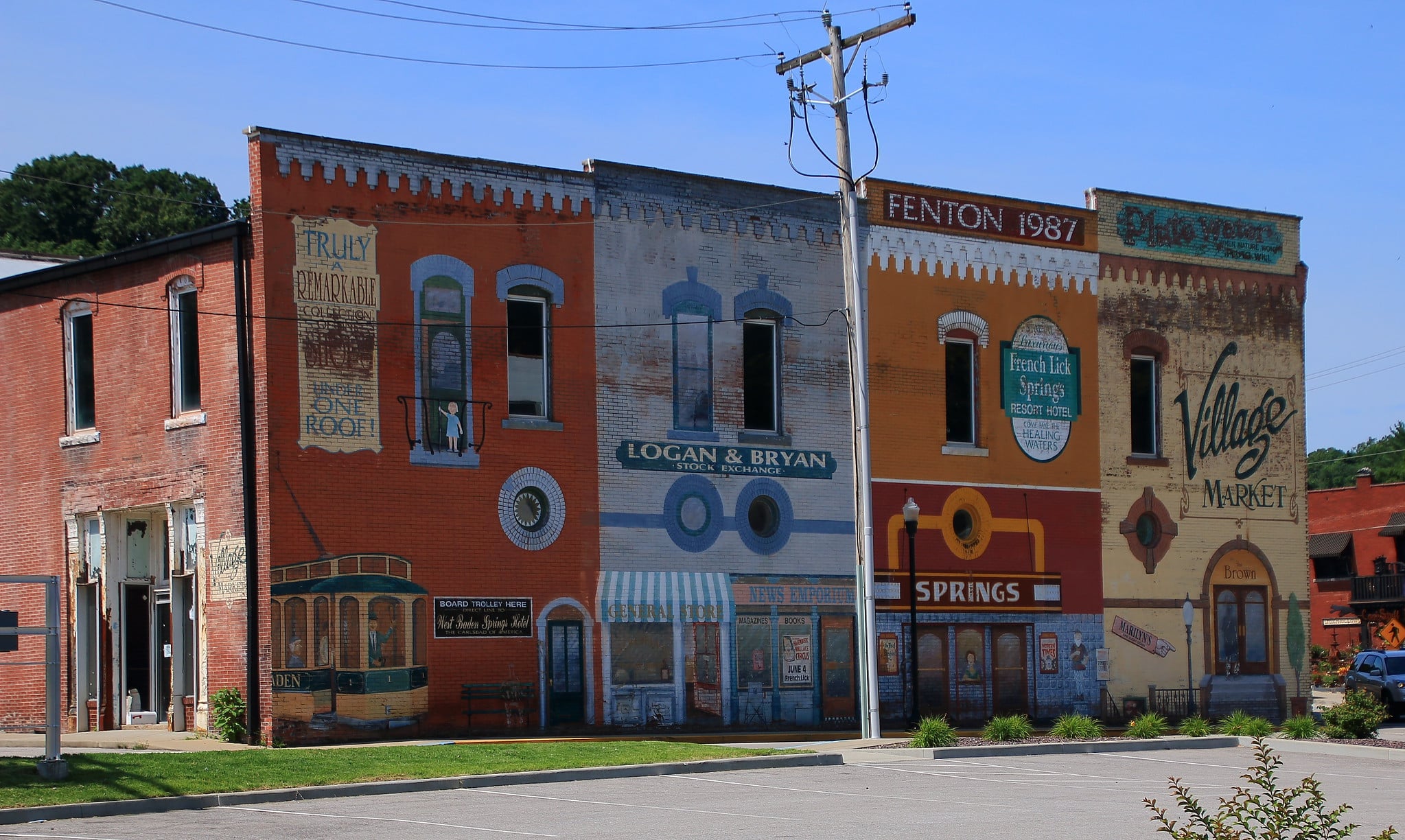
The name conjures images that have nothing to do with the actual origin, which involves salt deposits and wildlife. French traders discovered natural salt licks where animals came to, well, lick the salt from the ground.
“French” + “Lick” = a perfectly innocent geological description that sounds like something else entirely. But here’s what makes French Lick fascinating beyond its suggestive name: this sleepy Indiana town became a playground for Chicago mobsters during Prohibition, complete with illegal casinos and luxury resorts.
So while the name came from French traders and animal behavior, the town’s reputation was built on bootlegging and gambling — which, when you think about it, seems like exactly the kind of place that would accidentally end up with a name that raises eyebrows. The old West Baden Springs Hotel still stands there, a monument to the town’s surprisingly glamorous criminal past, proving that sometimes a place grows into its intriguing name in ways nobody could have predicted.
Chicken, Alaska
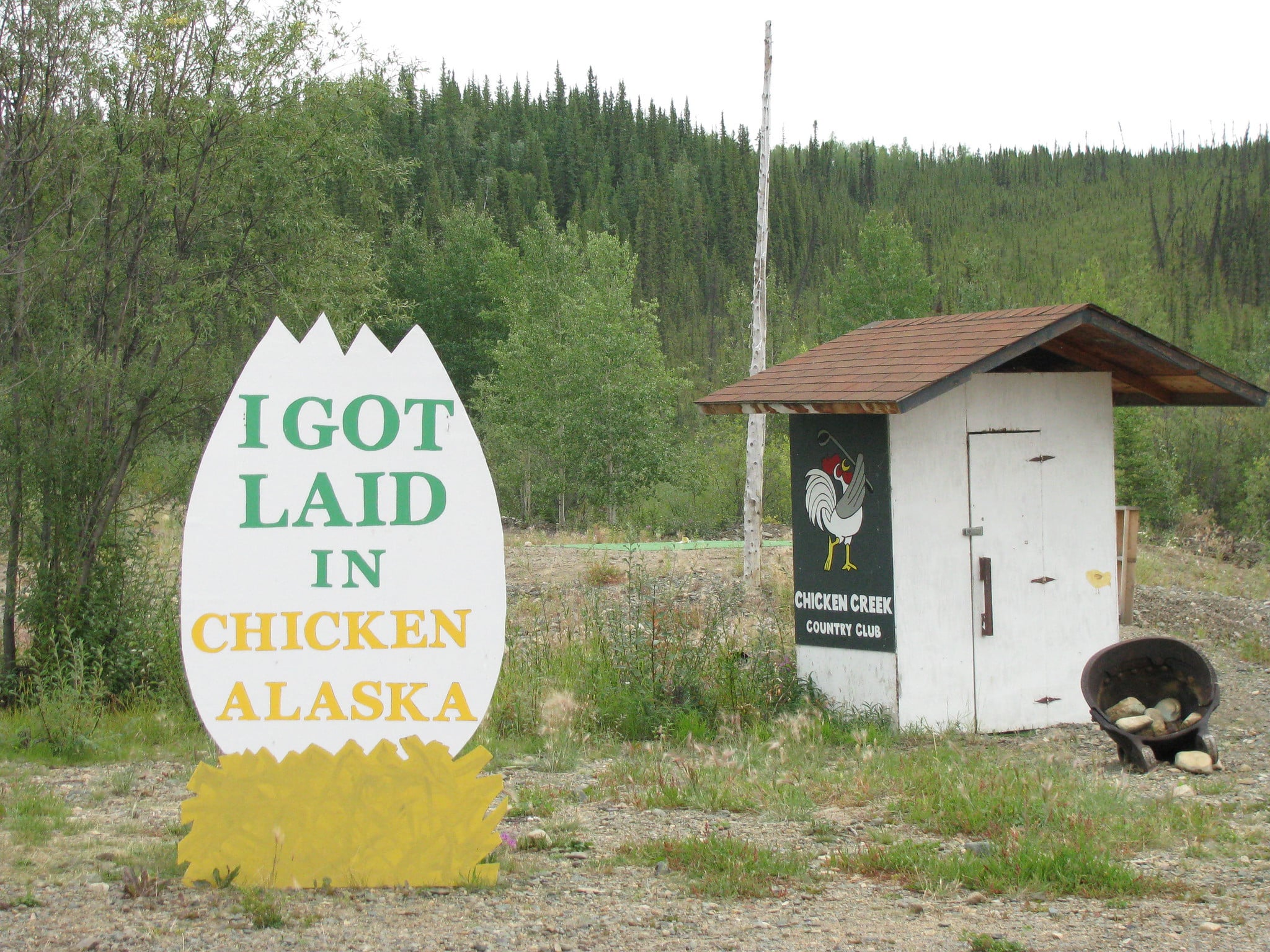
A group of miners struck gold in the area during the 1890s and wanted to name their settlement after the ptarmigan, Alaska’s state bird. Trouble was, nobody could agree on how to spell “ptarmigan.”
Rather than look foolish with a misspelled bird name, they settled on something simpler. Chicken, Alaska became official, and the town has never looked back.
The residents embrace their fowl moniker with chicken-themed everything. Sometimes the simplest solution is the right one.
Truth Or Consequences, New Mexico
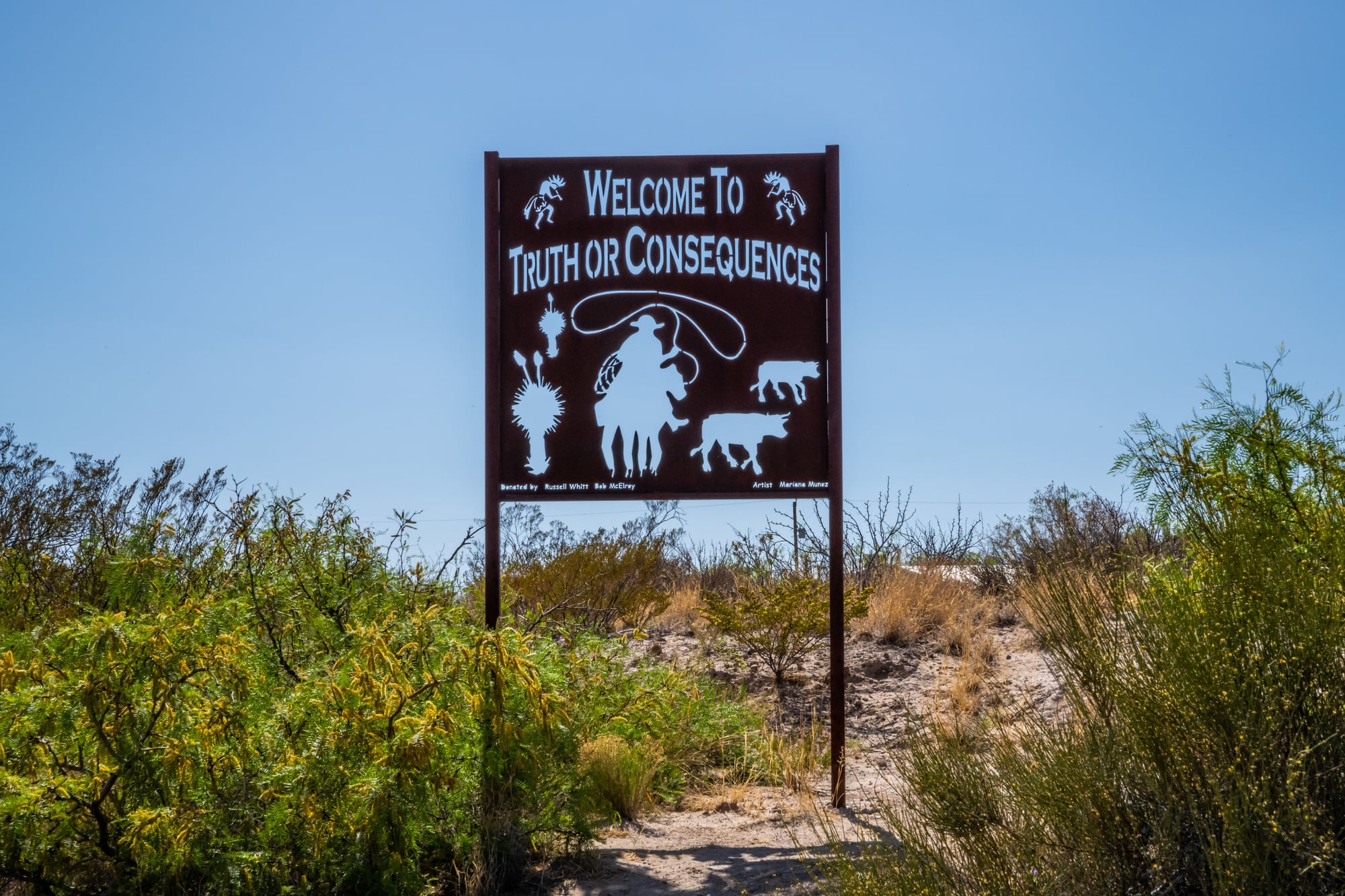
The town started as Hot Springs, New Mexico, but in 1950, radio host Ralph Edwards made an offer. He’d broadcast his popular game show “Truth or Consequences” from whichever town renamed itself after the program.
Hot Springs took the bait. The stunt worked.
Truth or Consequences, New Mexico got its moment of fame, and Edwards kept his promise, broadcasting from there annually for years. The name stuck long after the radio show ended, proving that sometimes a publicity stunt becomes permanent identity.
Pee Pee Township, Ohio
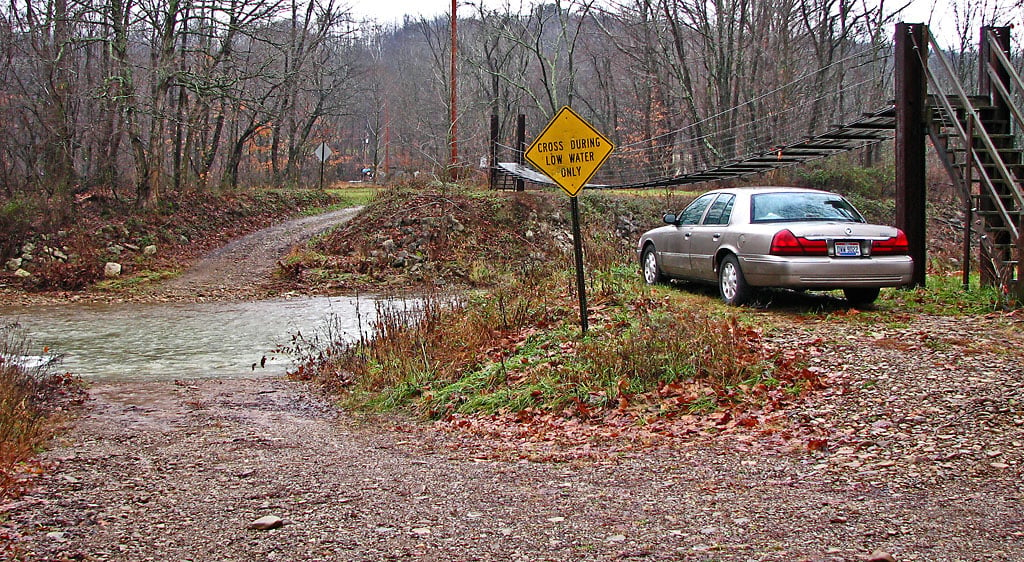
Before you snicker too loudly, the name comes from Peter Patrick, whose initials “P.P.” were carved into trees throughout the area. Early settlers referred to the region as “P.P.’s place,” which eventually morphed into “Pee Pee.”
It’s a perfectly respectable abbreviation that happened to age poorly. The township has considered name changes over the years but never followed through.
There’s something admirable about sticking with your awkward historical legacy, even when it invites juvenile jokes from every passing motorist.
Monkey’s Eyebrow, Kentucky
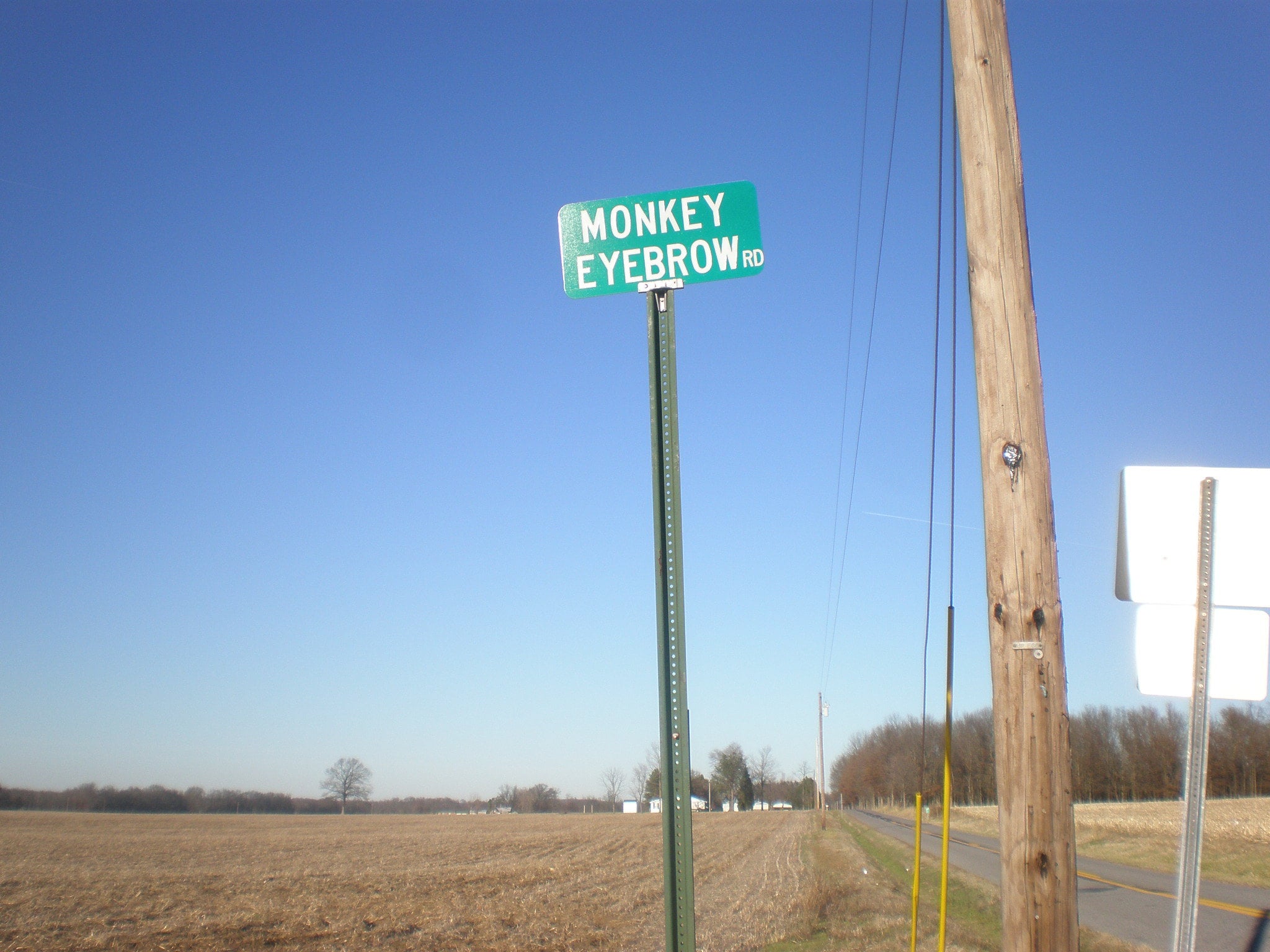
This tiny unincorporated community got its name from its shape on early maps — the settlement supposedly resembled a monkey’s eyebrow when viewed from above. It’s the kind of creative geographic observation that only makes sense if you’ve stared at hand-drawn maps long enough to start seeing facial features in property lines.
The name reflects an era when mapmakers had time to notice whimsical details and communities were small enough that everyone could agree on such an unusual designation. Modern satellite imagery has made these organic naming moments nearly impossible.
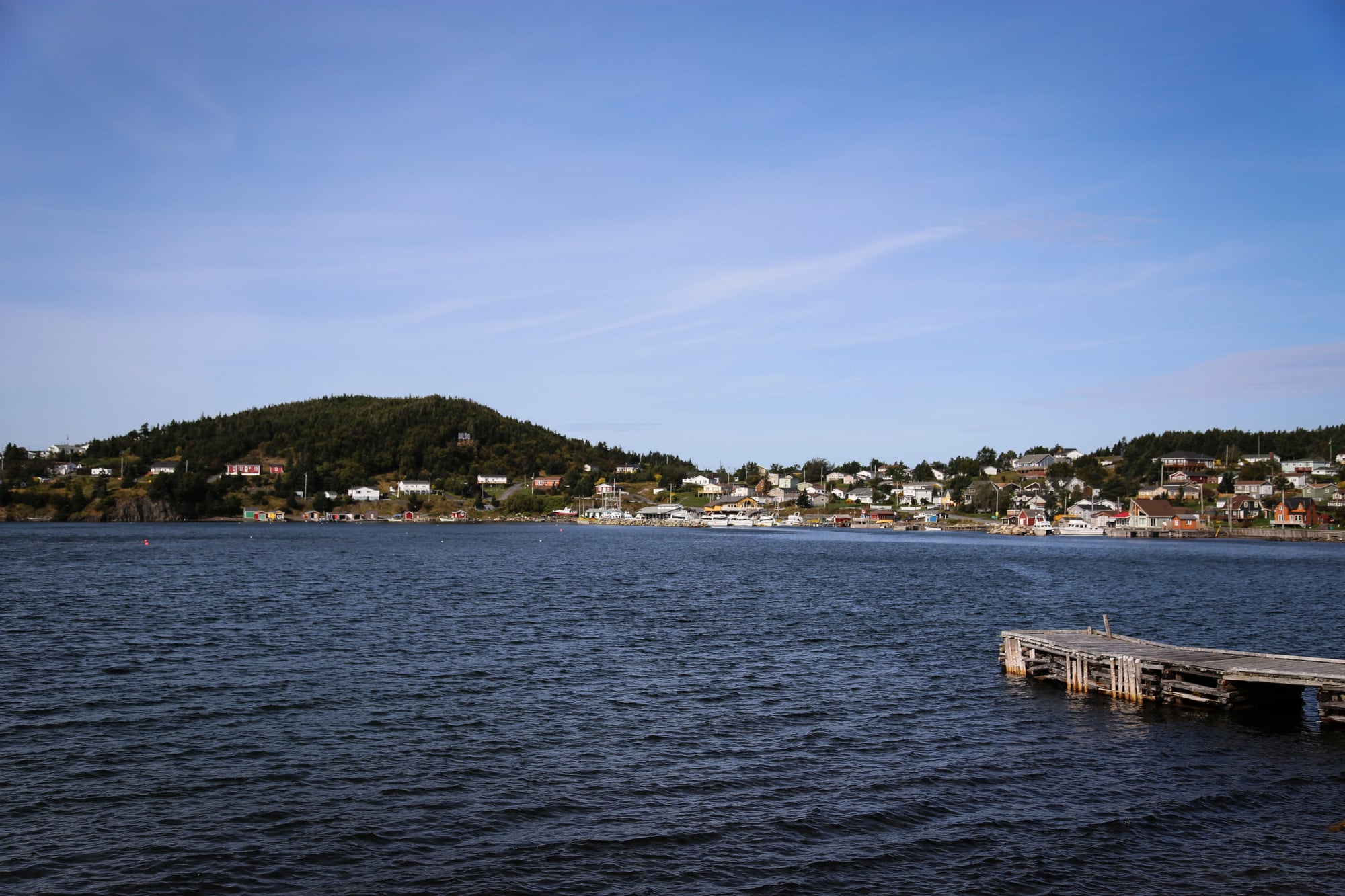
Dildo, Newfoundland
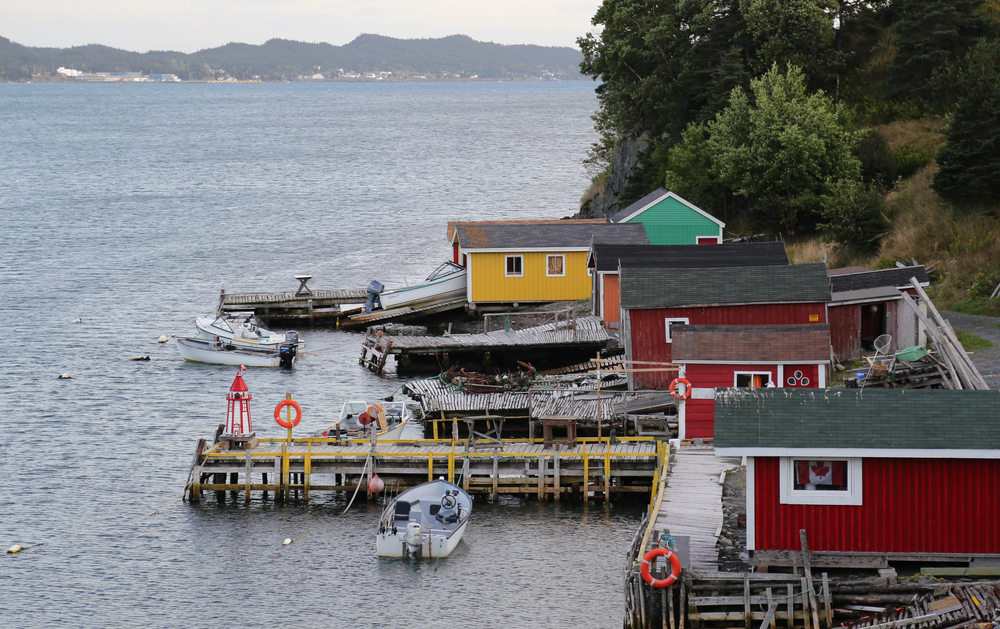
Located in Canada but worth mentioning for its connection to American shipping routes, Dildo sits on Trinity Bay. The name likely derives from Spanish or Portuguese words meaning “delight” or comes from the Spanish “dildo” meaning an orphan or foundling.
Nothing salacious about the origins, just linguistic evolution that produced an unfortunate modern result. The town has resisted name change efforts, with residents pointing out that their Dildo predates any inappropriate associations by centuries.
They have a point — words change meaning over time, but places keep their names.
Hell For Certain, Kentucky
This Appalachian hollow earned its name from early settlers who thought the remote, difficult terrain was “hell for certain” to reach or live in. The name stuck as an accurate description of the challenging geography and harsh living conditions.
Hell for Certain represents honest naming at its finest — no euphemisms or marketing-friendly alternatives, just a straightforward assessment of what life was like in a rugged mountain hollow. The name serves as a reminder that not every place was named to attract tourists.
Why These Names Endure
Communities resist changing unusual names because they’ve become part of local identity. A strange name is memorable, and memorable means tourist dollars.
Towns with boring names get forgotten, but nobody forgets driving through Hell or Intercourse. These names also connect places to their history in ways that generic alternatives never could.
Each bizarre designation tells a story about the people who settled there, the circumstances they faced, and the sense of humor or practicality that guided their decisions.
Worms, Nebraska
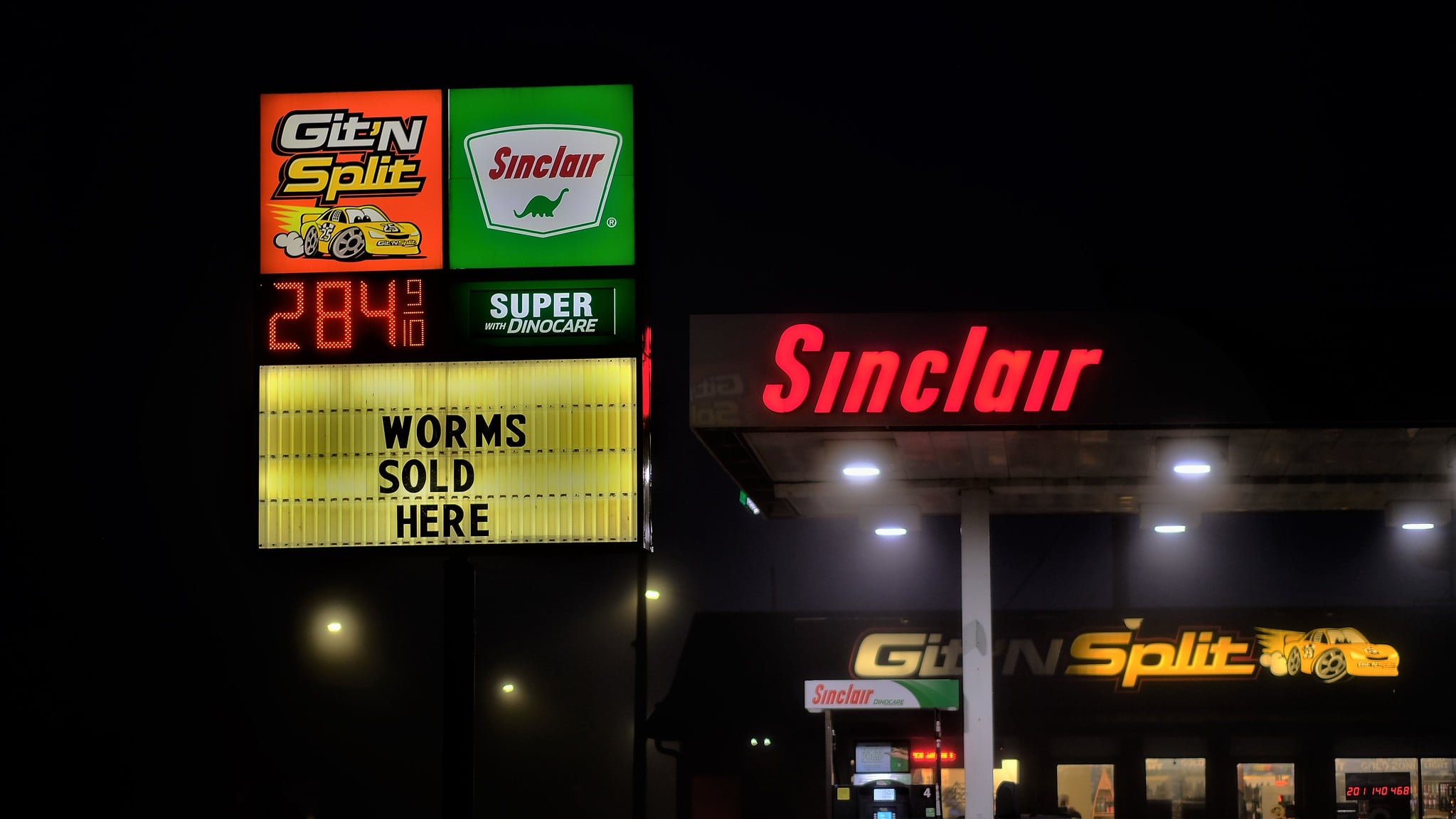
Worms got its name from an early German settler whose surname was “Wurm,” meaning worm in German. When the post office was established, “Wurm” became “Worms” through either clerical error or deliberate Anglicization.
The town never corrected it. This pattern — immigrant names getting altered or simplified — created dozens of strange American place names.
Sometimes the changes were intentional assimilation, sometimes just bureaucratic mistakes that became permanent.
Big Bone Lick, Kentucky
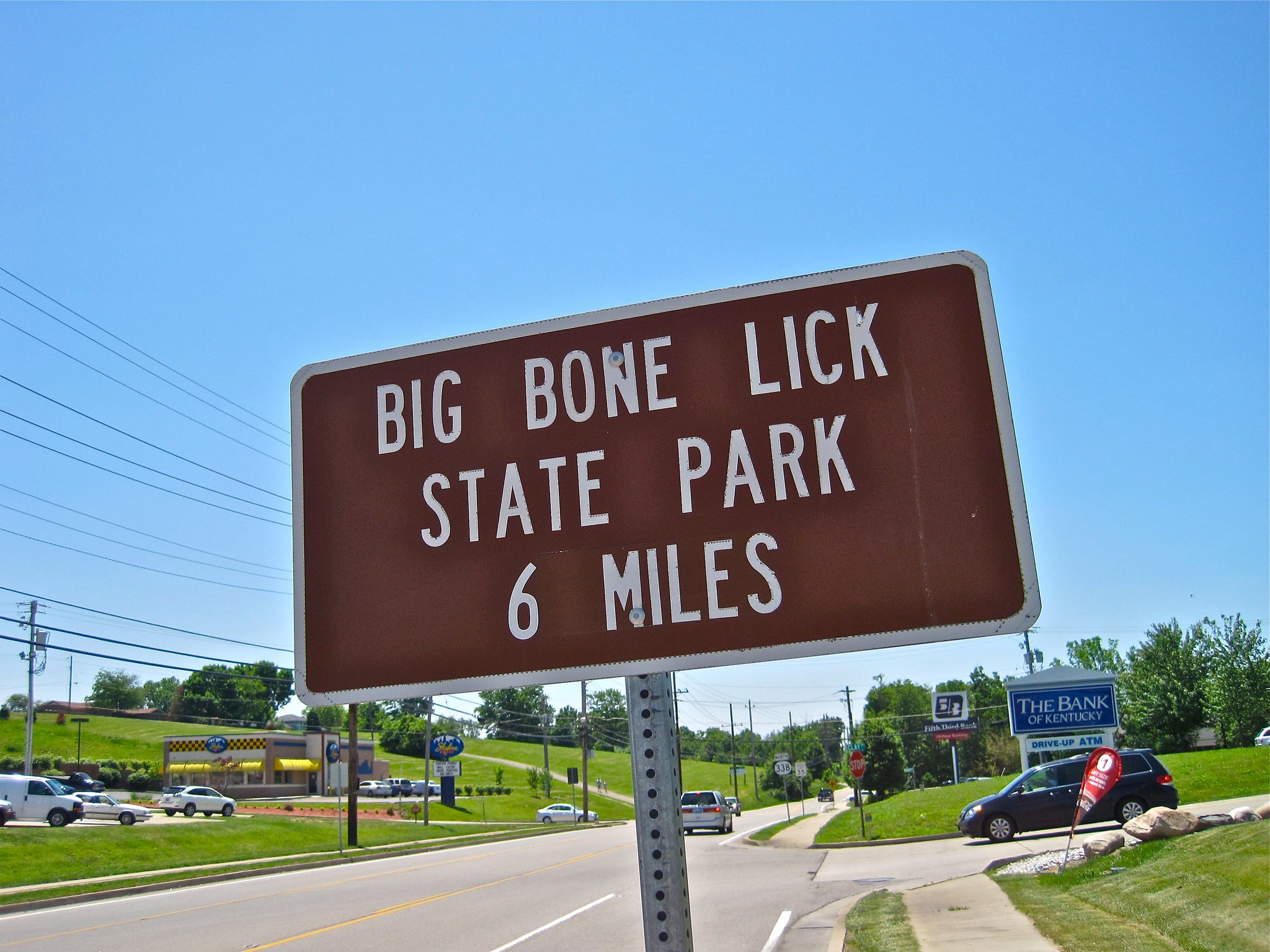
French explorers found massive animal bones around the salt lick here in the 1700s. They belonged to mastodons, but nobody knew what mastodons were at the time.
The bones were enormous, the animals came to lick salt, so “Big Bone Lick” described exactly what people encountered. The site later became important to paleontology, with Thomas Jefferson sending expeditions to collect specimens.
Big Bone Lick represents the intersection of practical naming, scientific discovery, and the kind of geographical description that sounds vaguely dirty to modern ears but made perfect sense to French traders.
Embarrass, Minnesota
“Embarrass” comes from the French “embarras,” meaning obstruction or hindrance. French voyageurs used the term to describe rivers blocked by fallen trees or other obstacles.
The Embarrass River was literally embarrassing to navigate, so the name stuck. English speakers later interpreted “embarras” as “embarrass,” creating a town that sounds perpetually mortified.
Language evolution turned a practical French description into an emotional English state, proving that translation errors can become permanent geographical features.
Ordinary, Virginia
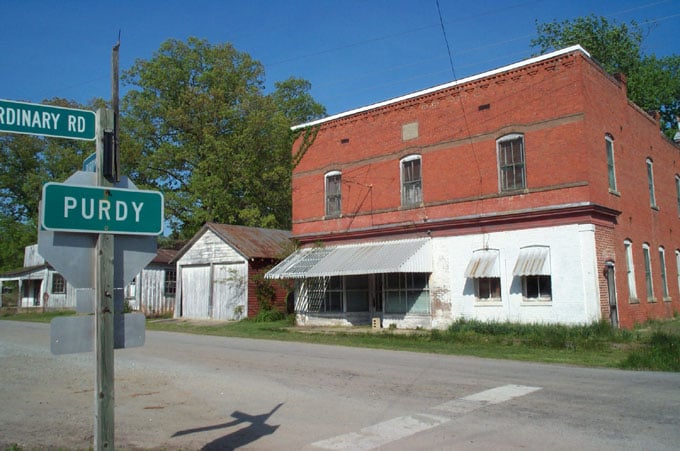
Ordinary was exactly what it claimed to be — an ordinary, meaning a colonial-era tavern or inn that served regular meals at fixed prices. The settlement grew around one such establishment, and when residents needed a name, they chose the most prominent local business.
In colonial America, “ordinary” had specific commercial meaning that modern residents have mostly forgotten. Now it just sounds like the least ambitious town name possible, though historically it indicated a place where travelers could count on decent food and lodging at standard rates.
What’s In A Name
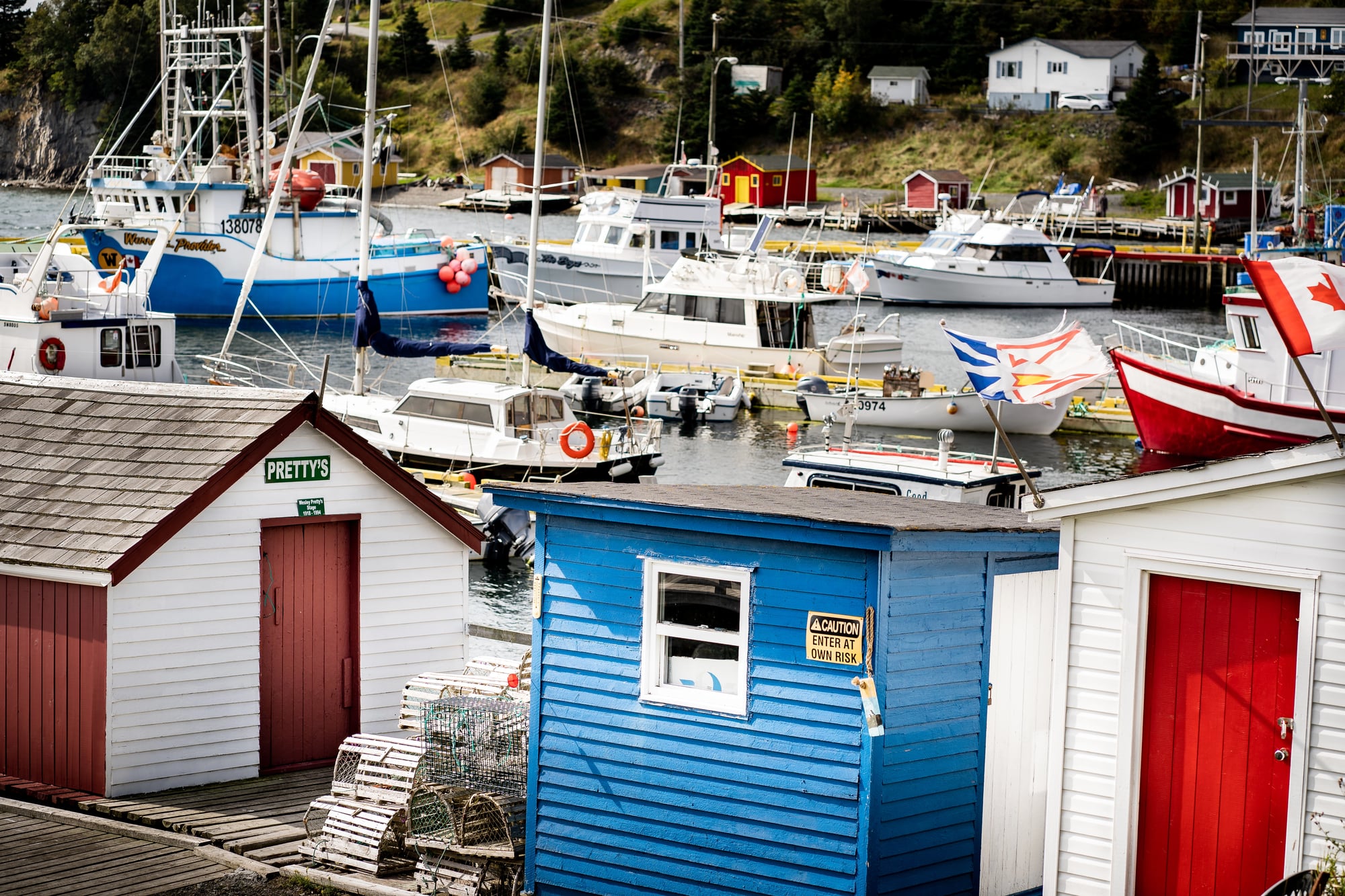
The strangest American town names are time capsules. They preserve linguistic fossils, commemorate forgotten people, and document moments when practical description mattered more than marketing appeal.
These names remind us that places were often named by people who expected to stay local, not by committees worried about tourist brochures. Every peculiar place name represents a decision made by real people facing real circumstances.
They named things the way they saw them, without focus groups or branding consultants. The results might sound odd today, but they connect us directly to the thoughts and experiences of Americans who came before us — people who apparently had better things to worry about than whether their town name would look good on a postcard.
More from Go2Tutors!

- The Romanov Crown Jewels and Their Tragic Fate
- 13 Historical Mysteries That Science Still Can’t Solve
- Famous Hoaxes That Fooled the World for Years
- 15 Child Stars with Tragic Adult Lives
- 16 Famous Jewelry Pieces in History
Like Go2Tutors’s content? Follow us on MSN.