Statues That Survived Major Wars
Wars destroy cities, topple governments, and erase entire communities from the map. Buildings crumble, bridges collapse, and monuments get reduced to rubble.
Yet somehow, certain statues manage to stand through the chaos, bearing witness to humanity’s darkest moments while remaining eerily intact. These survivors carry stories that go beyond their original purpose, becoming symbols of resilience or strange reminders of what war couldn’t quite destroy.
Here are some remarkable statues that made it through conflicts that leveled everything around them.
The Angel of Hiroshima
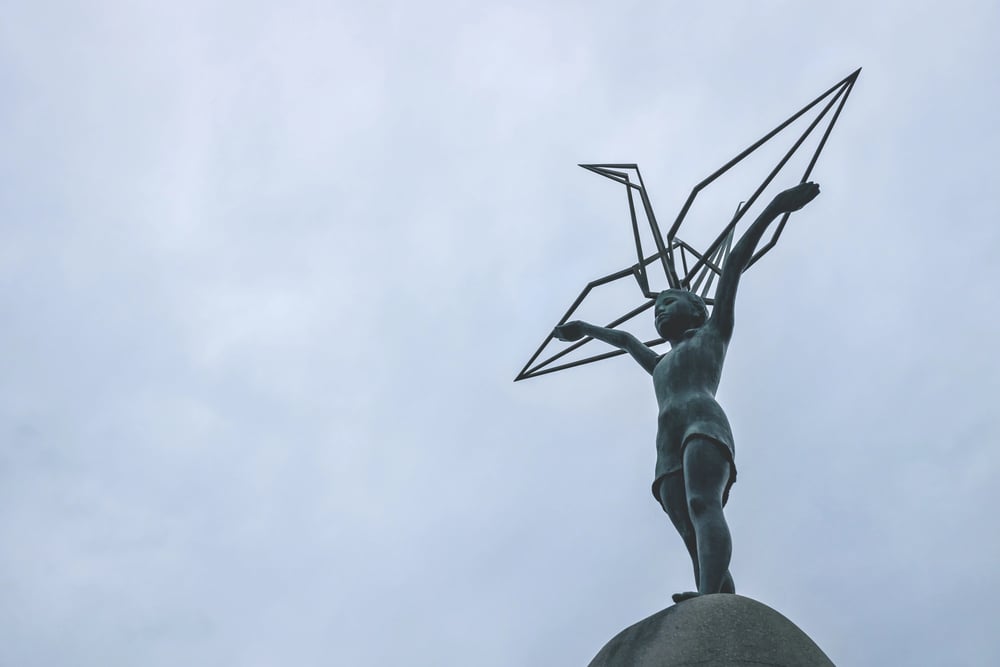
A stone angel statue at a Catholic church in Hiroshima stood less than a mile from the atomic bomb’s hypocenter. The blast on August 6, 1945, destroyed almost everything in the area and killed thousands instantly.
This angel lost its head and sustained heavy damage, but the body remained standing amid total destruction. Survivors found the headless figure haunting and powerful, a symbol of both loss and endurance.
The damaged statue still stands at Urakami Cathedral today, preserved exactly as the bomb left it.
Brussels’ Manneken Pis through centuries of conflict

This small bronze statue of a urinating boy has survived wars, theft attempts, and occupations since 1619. German forces occupied Brussels twice during the World Wars but never destroyed the beloved fountain figure.
The statue got kidnapped multiple times throughout history, yet it always returned or got replaced. Citizens see Manneken Pis as a symbol of Brussels’ rebellious spirit and sense of humor.
The figure now wears different costumes throughout the year, a tradition that developed partly to celebrate its survival.
Warsaw’s Mermaid withstood Nazi occupation

The Syrenka Warszawska, Warsaw’s mermaid statue, became a symbol of Polish resistance during World War II. Nazi forces destroyed over 80% of Warsaw, yet this bronze mermaid holding a sword and shield remained standing.
Resistance fighters adopted the mermaid as their unofficial mascot during the uprising. The statue’s defiant pose seemed to mirror the city’s refusal to surrender.
After the war, Warsaw rebuilt around this survivor, making it an even more central part of the city’s identity.
Lenin statues across Eastern Europe
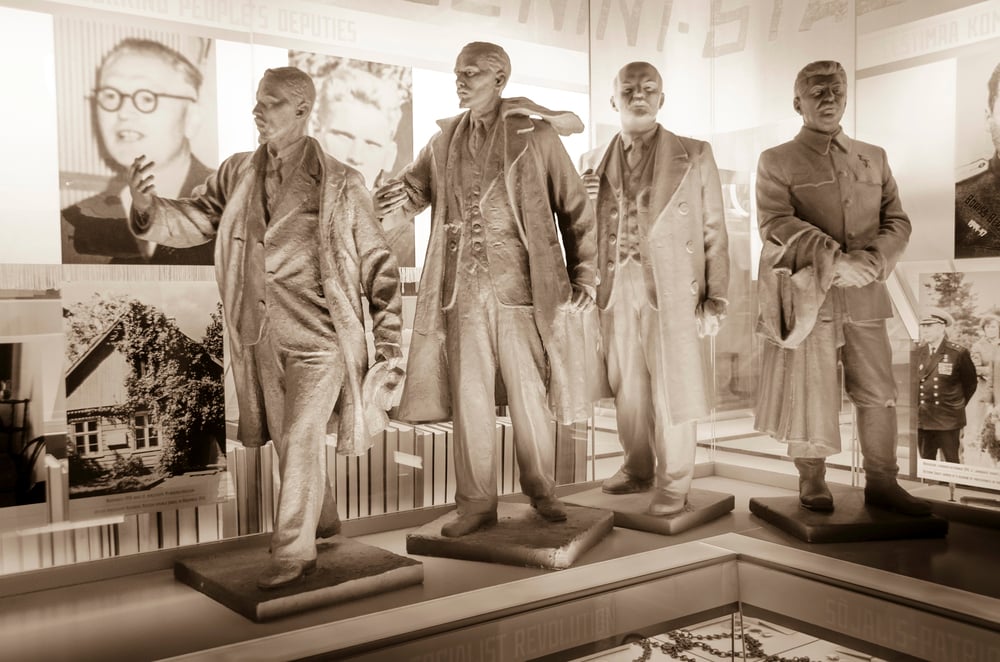
Hundreds of Lenin statues survived World War II across the Soviet Union and Eastern Europe despite heavy fighting in those regions. The bronze and stone figures stood as Soviet forces pushed back Nazi armies.
Many survived only to face a different kind of war when communism fell in 1989. Some countries destroyed their Lenin statues immediately, while others preserved them as historical artifacts.
A few still stand in remote areas, forgotten survivors of multiple conflicts and political upheavals.
Statue of Liberty during both World Wars
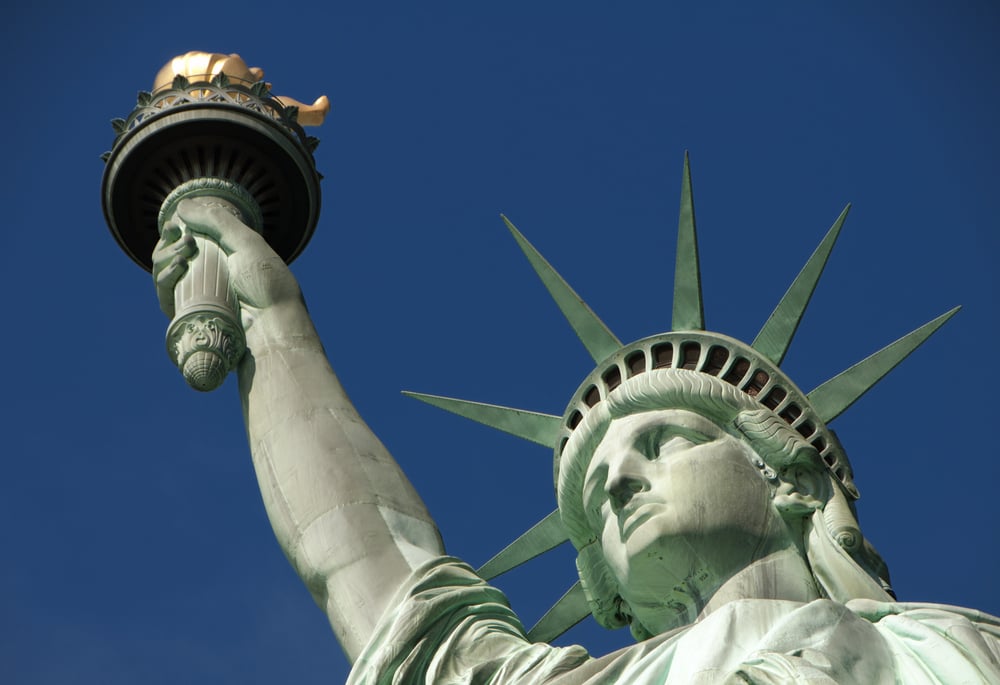
The Statue of Liberty stood in New York Harbor throughout both World Wars, a beacon visible to soldiers shipping out to Europe. German U-boats operated in Atlantic waters not far from the statue during both conflicts.
The torch remained lit during World War I but went dark during World War II due to blackout orders. Lady Liberty survived without damage and became a powerful symbol for returning veterans.
Soldiers and sailors reported that seeing her on their return journeys made them cry with relief.
The Sphinx lost its nose long before modern wars
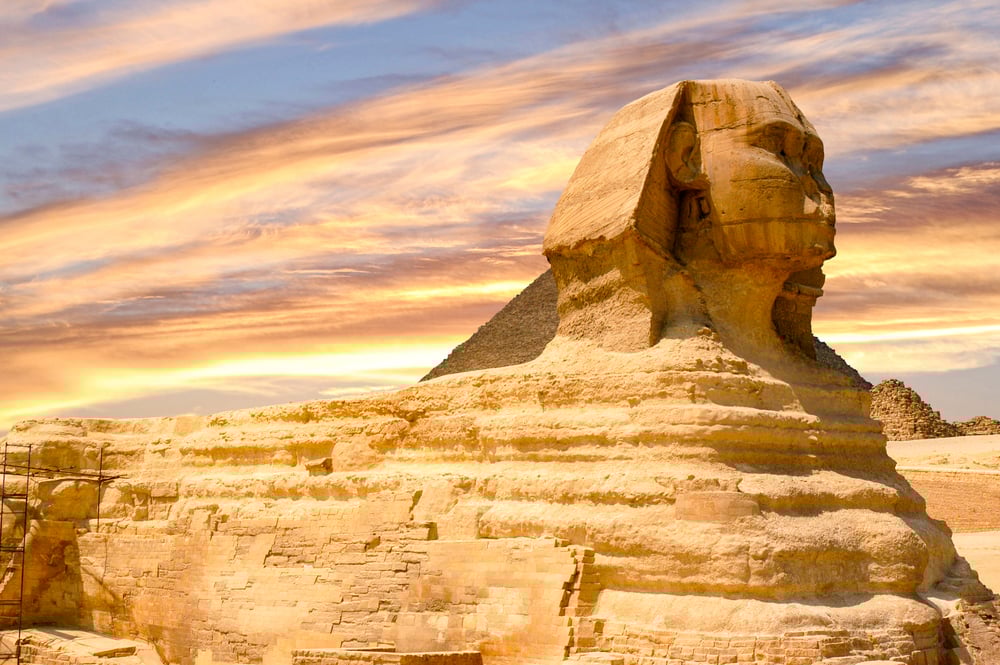
The Great Sphinx at Giza has stood for roughly 4,500 years through countless conflicts. Ancient wars, Napoleon’s campaign, and both World Wars came and went without toppling this massive limestone figure.
Common myths blame Napoleon’s troops for shooting off the nose, but damage actually occurred centuries earlier. British and Ottoman forces fought near the pyramids during World War I without harming the Sphinx.
The ancient statue has outlasted empires, making modern conflicts seem brief by comparison.
Christ the Redeemer overlooked Rio’s military dictatorship

This massive statue atop Corcovado mountain in Rio de Janeiro survived Brazil’s military dictatorship from 1964 to 1985. While not a traditional war, this period saw violence, disappearances, and political turmoil throughout Brazil.
The statue became a meeting point for protesters demanding democracy. Military forces never targeted it despite its association with resistance movements.
Christ the Redeemer emerged from those dark years as a symbol of hope and endurance for Brazilians seeking peace.
Soviet War Memorial in Berlin’s shifting politics

The Treptower Park Soviet War Memorial in Berlin survived the Cold War despite sitting in a divided city. Built in 1949, it stood in East Berlin throughout the tense standoff between superpowers.
When the Berlin Wall fell in 1989, some expected the massive Soviet monument to be destroyed. Germany decided to preserve it as a historical site and war cemetery.
The memorial now stands as a reminder of complicated history, honoring the dead while acknowledging difficult truths.
Kamakura’s Great Buddha survived tsunamis and wars

This massive bronze Buddha in Kamakura, Japan, has sat in meditation since 1252. A tsunami destroyed the temple around it in 1498, leaving the Buddha sitting in the open air.
The statue survived earthquakes, fires, and World War II bombings that damaged surrounding areas. American forces occupied Japan after the war but protected the Buddha as a cultural treasure.
The statue’s serene expression seems fitting for something that has witnessed so much destruction while remaining peaceful.
Nelson’s Column throughout the London Blitz

Admiral Nelson’s monument in Trafalgar Square stood through 57 consecutive nights of German bombing during the Blitz. Bombs fell all around central London, destroying buildings and killing thousands.
The tall column made an obvious landmark that somehow never took a direct hit. Londoners saw its survival as a good omen during their darkest hours.
The statue of Nelson at the top never even needed repairs despite the chaos below.
David in Florence’s war years
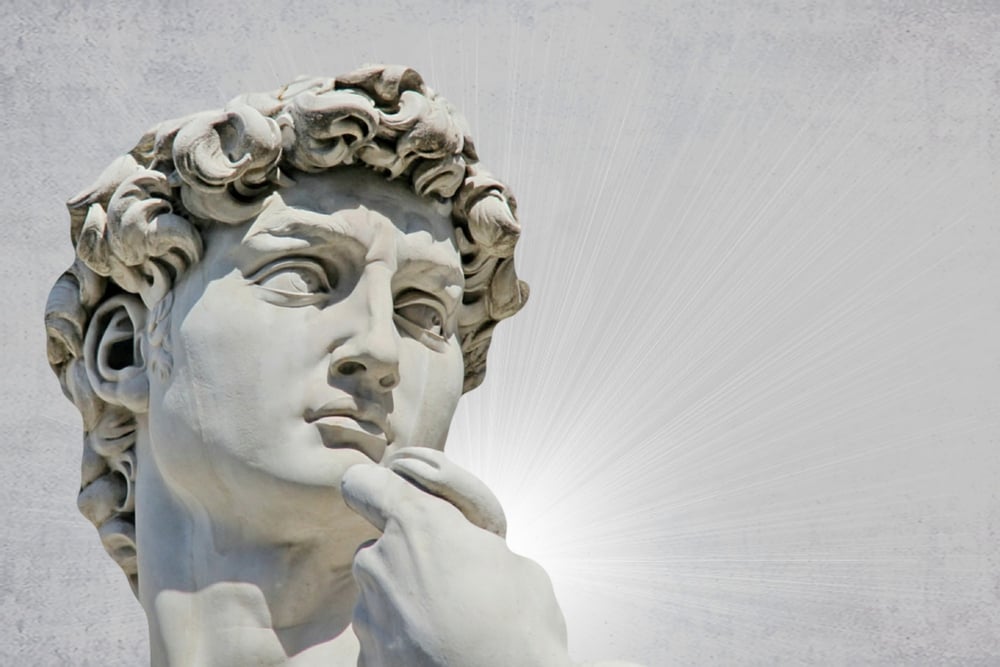
Michelangelo’s David statue survived World War II in Florence despite the city’s strategic importance. German forces retreated through Florence in 1944, destroying bridges and historic sites.
Italians built a brick enclosure around David to protect it from bombs and shelling. The makeshift shelter worked, and the statue emerged without damage.
This act of wartime preservation showed how much the sculpture meant to Florentines even during desperate times.
The Little Mermaid in occupied Copenhagen

Denmark’s famous Little Mermaid statue sat in Copenhagen harbor throughout Nazi occupation from 1940 to 1945. German forces used the harbor for military purposes but never destroyed the bronze figure.
Resistance fighters used the statue as a meeting landmark, and it became a quiet symbol of Danish identity under occupation. The mermaid has survived multiple vandalism attempts and political protests since the war.
Each time, Denmark repairs her, reinforcing her status as a survivor.
Genghis Khan statue in modern Mongolia

A massive Genghis Khan equestrian statue near Ulaanbaatar survived Mongolia’s complicated 20th century history. The country spent decades under Soviet influence, during which Genghis Khan was a forbidden subject.
The statue wasn’t built until 2008, but older monuments to the conqueror survived purges and political changes. Mongolia’s isolation during the Cold War meant fewer conflicts reached its territory.
Genghis Khan monuments now stand proudly, having survived ideological wars that tried to erase the historical figure.
Motherland Calls at Volgograd battlefield

On top of Mamayev Kurgan, where soldiers fought fiercely in World War II, a massive statue now stands. Finished in 1967, it stayed upright despite wars nearby and shifting governments.
At 279 feet high, few statues around the planet reach taller heights. Wielding a sword, the woman symbolizes resistance forged in violent struggle.
Though money vanished and power changed hands, today’s Russia still keeps this monument standing.
Easter Island moai through colonial conflicts

From storms of invasion to chaos within – Easter Island’s towering moai endured it all. Through waves of foreign conquest, stolen lives, unrest tearing communities apart, their forms weathered time.
Spain claimed land one day, Chile another, yet neither erased these carved ancestors. When clans clashed long ago, many fell face down into dust and silence.
Still, enough stayed upright, rooted like sentinels watching centuries pass. Some were raised again by hands remembering old respect.
Built by a world now gone, they’ve seen empires come, then fade. Quiet watchers.
Not built to impress, nor meant to last – but they did. Their presence says more than stories ever could about what remains when everything else burns.
Old ones lived through it. Today they still tell what happened

Not every old figure left standing after battle was meant to last. Chance saved some, careful hands shielded others.
Even in chaos, certain acts of tearing down never happened – some things just stayed untouched. What remains isn’t only stone shaped long ago – it’s memory made solid.
War takes nearly everything, yet these forms slipped through its grip. They were built for one tale but now live another – their survival itself speaks louder.
Certain choices in dark times kept them upright, not force or fortune alone. Now each holds two meanings: who they represented and how they endured.
Their silence tells more than any inscription ever could.
More from Go2Tutors!

- The Romanov Crown Jewels and Their Tragic Fate
- 13 Historical Mysteries That Science Still Can’t Solve
- Famous Hoaxes That Fooled the World for Years
- 15 Child Stars with Tragic Adult Lives
- 16 Famous Jewelry Pieces in History
Like Go2Tutors’s content? Follow us on MSN.