15 Landmarks That Shift With Weather
We often think of famous landmarks as permanent, unchanging fixtures in our world. These iconic structures seem to stand defiantly against time and nature, unmoved by the elements that swirl around them. Yet many of our most celebrated architectural and natural wonders are surprisingly dynamic, physically changing shape, position, or appearance as temperatures fluctuate and seasons shift.
Here is a list of 15 famous landmarks around the world that literally move, expand, contract, or transform with changing weather conditions and seasons.
Eiffel Tower
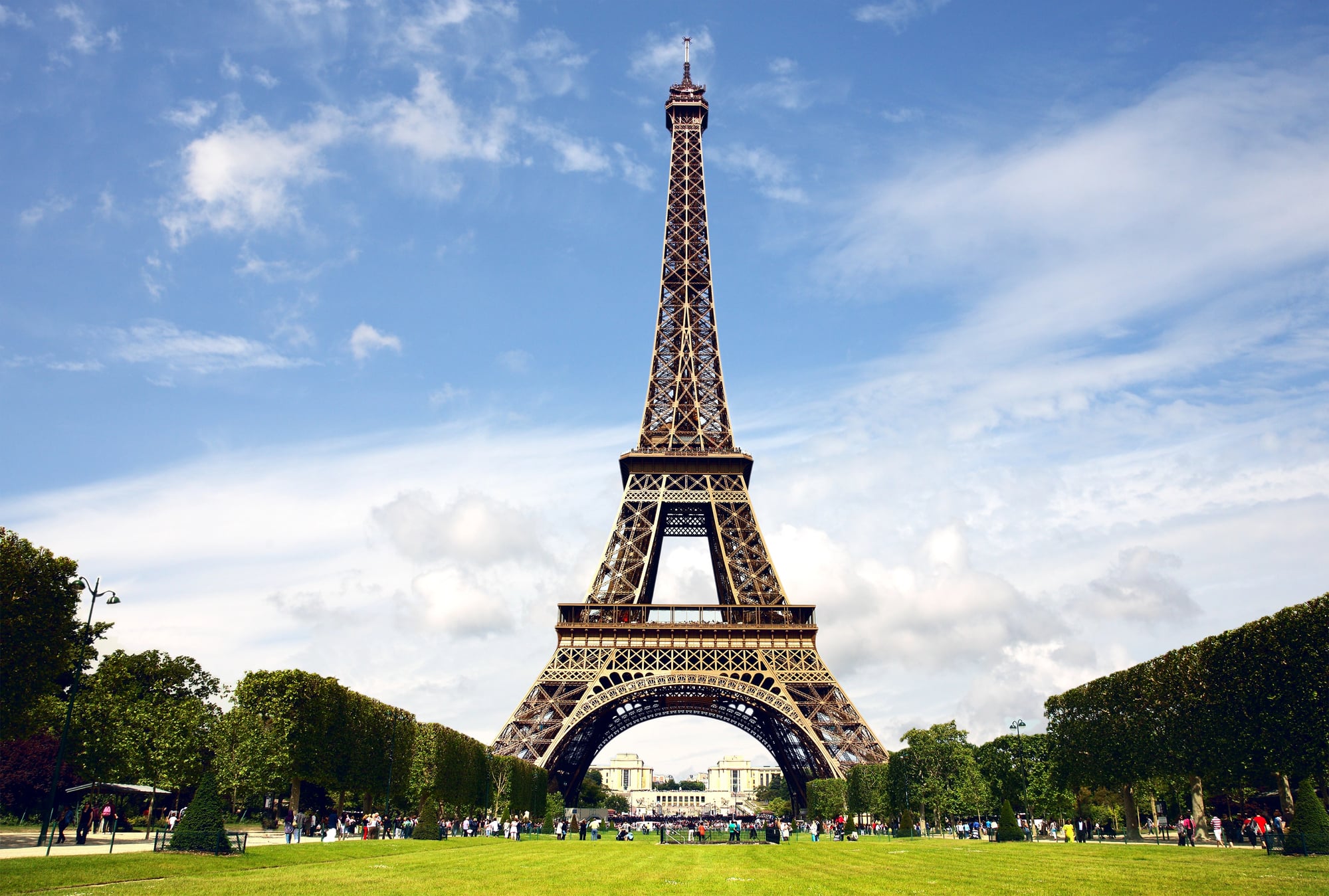
Paris’s iconic iron lady grows taller in summer and shrinks in winter due to the fundamental physics of thermal expansion. The metal structure expands in the heat, making the tower up to 6 inches taller on hot summer days than during winter’s cold snaps.
Engineers accounted for this inevitable movement in the original 1889 design, ensuring the tower has flexed safely for over 130 years.
Golden Gate Bridge
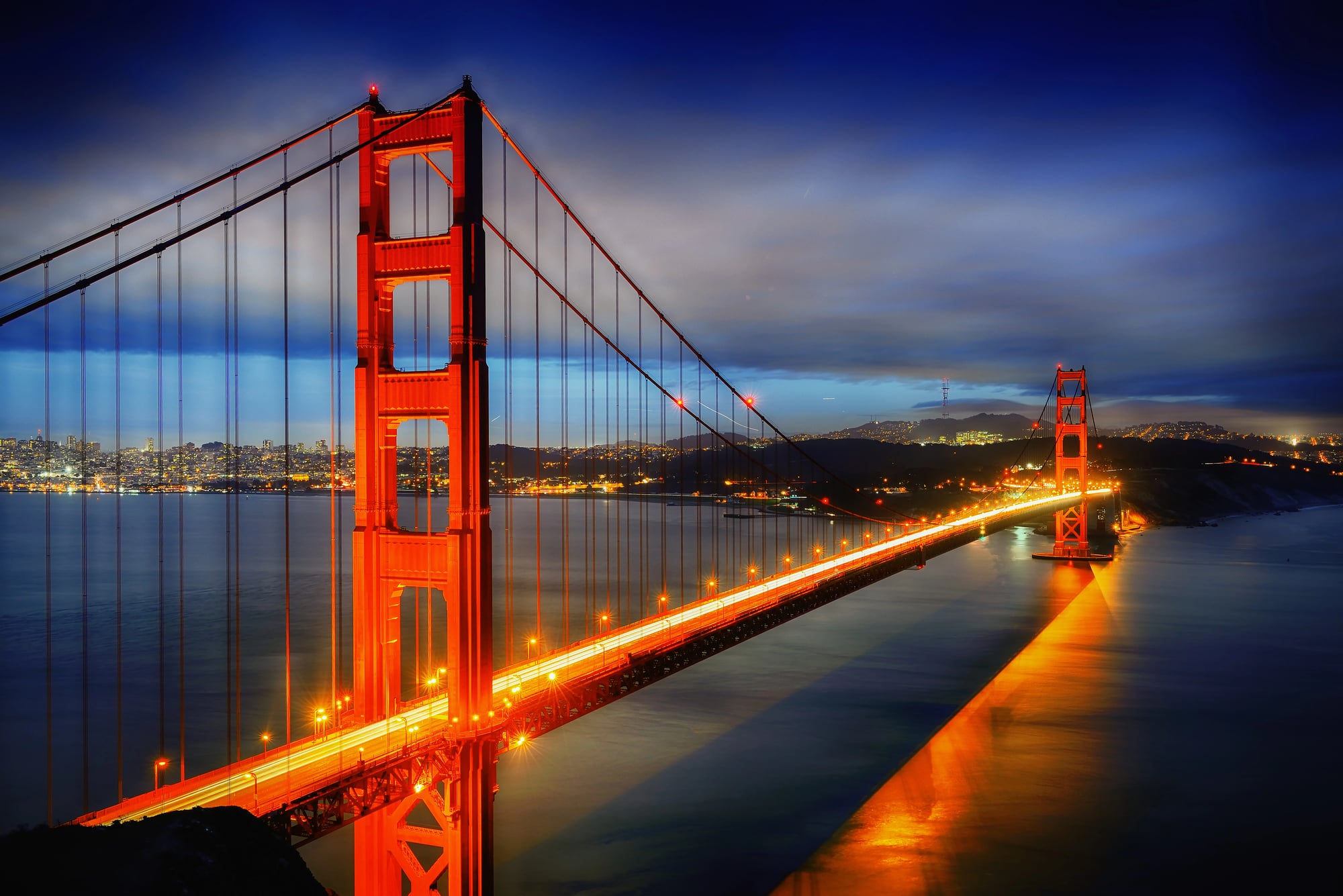
San Francisco’s famous orange span rises and falls up to 16 feet at its center depending on temperature fluctuations. The bridge’s main cables expand in hot weather, allowing the roadway to sag, while cold conditions cause contraction that pulls the roadway higher.
Sunlight hitting one side of the bridge can even cause it to twist slightly as that side expands while the shaded side remains cooler.
Like Go2Tutors’s content? Follow us on MSN.
Yellowstone’s Grand Prismatic Spring
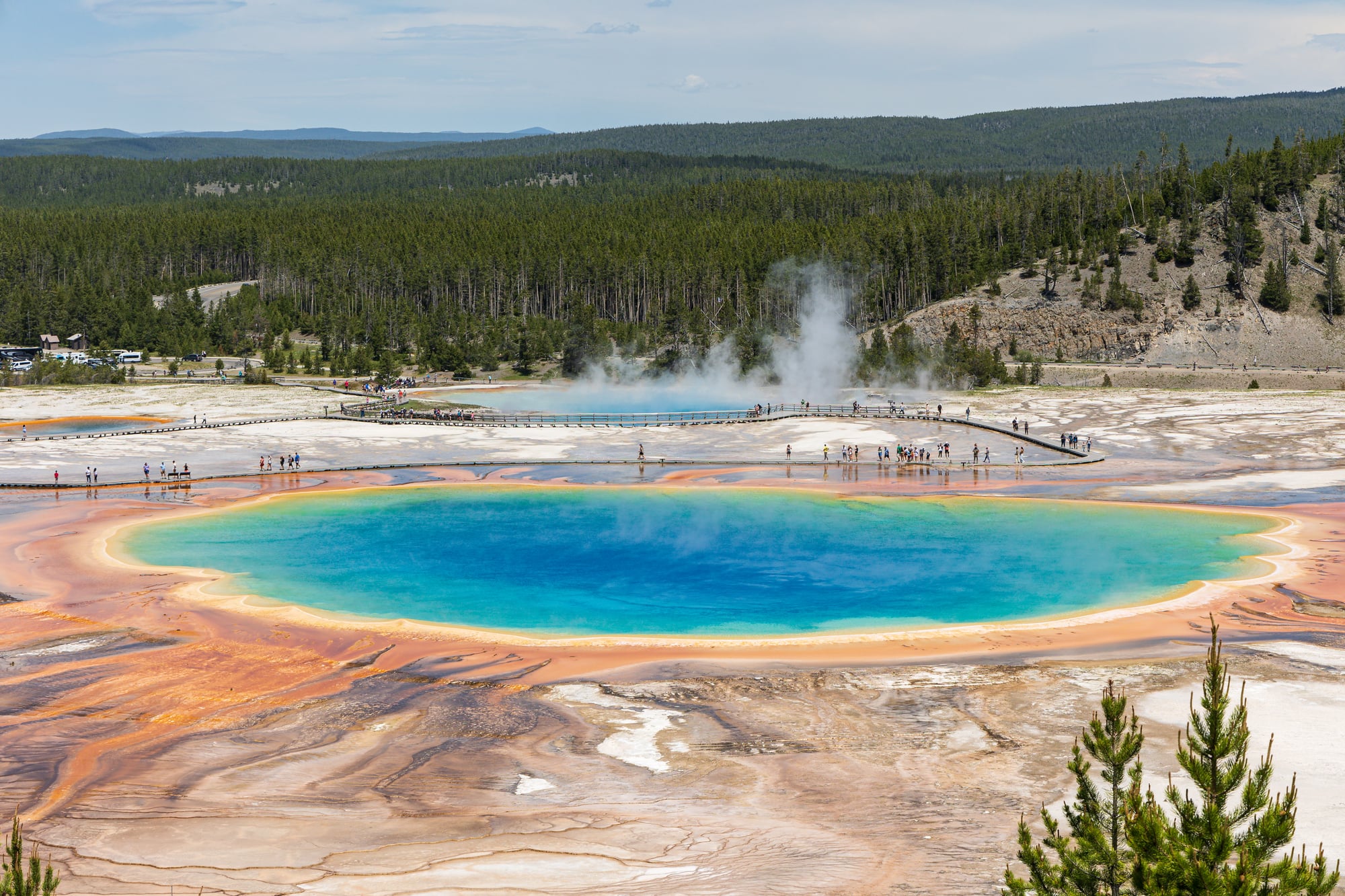
This rainbow-colored hot spring—the third-largest in the world—completely transforms with the seasons. During summer, the microbial mats around its edges display vibrant oranges, reds, and yellows, creating its famous prismatic effect.
Winter’s cold temperatures cause these microorganisms to darken significantly, giving the spring a more subdued appearance while its steam clouds grow dramatically larger in the freezing air.
St. Paul’s Cathedral

London’s architectural masterpiece literally moves with the weather due to its massive dome structure. The cathedral’s famous ‘Geometric Staircase’ (the Dean’s Staircase) can expand up to half an inch on hot days, while measurement points inside the dome can shift position by several millimeters.
Christopher Wren brilliantly designed the structure in the 1670s to accommodate these natural movements without compromising stability.
Taj Mahal
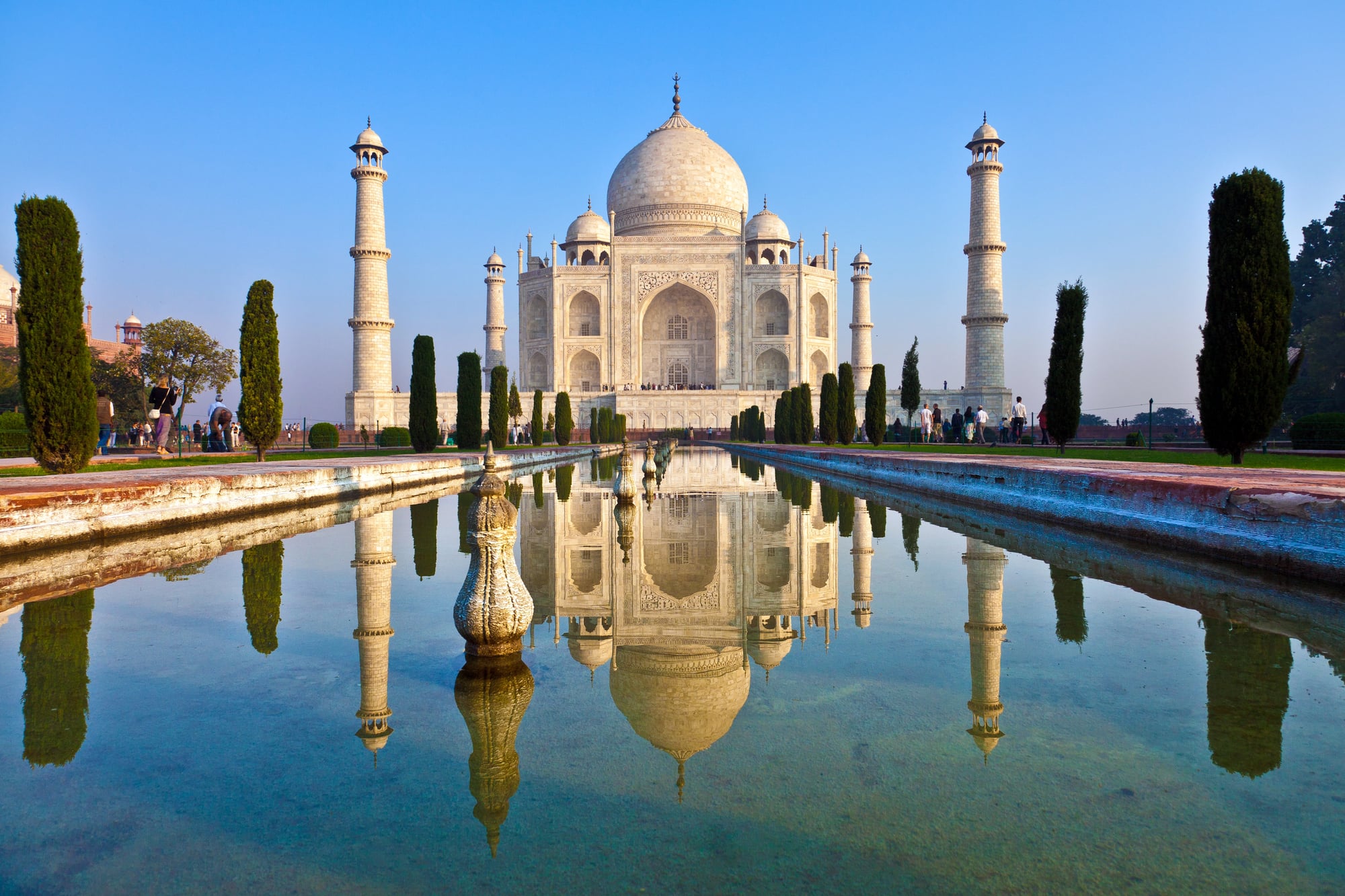
India’s marble marvel subtly changes color throughout the day and seasons due to its semi-translucent white marble responding to different light conditions. At dawn, it often appears pinkish, transitions to brilliant white at midday, and takes on golden hues at sunset.
During monsoon season, increased moisture in the air can give the marble a slightly grayer appearance than during the dry season.
Like Go2Tutors’s content? Follow us on MSN.
Washington Monument
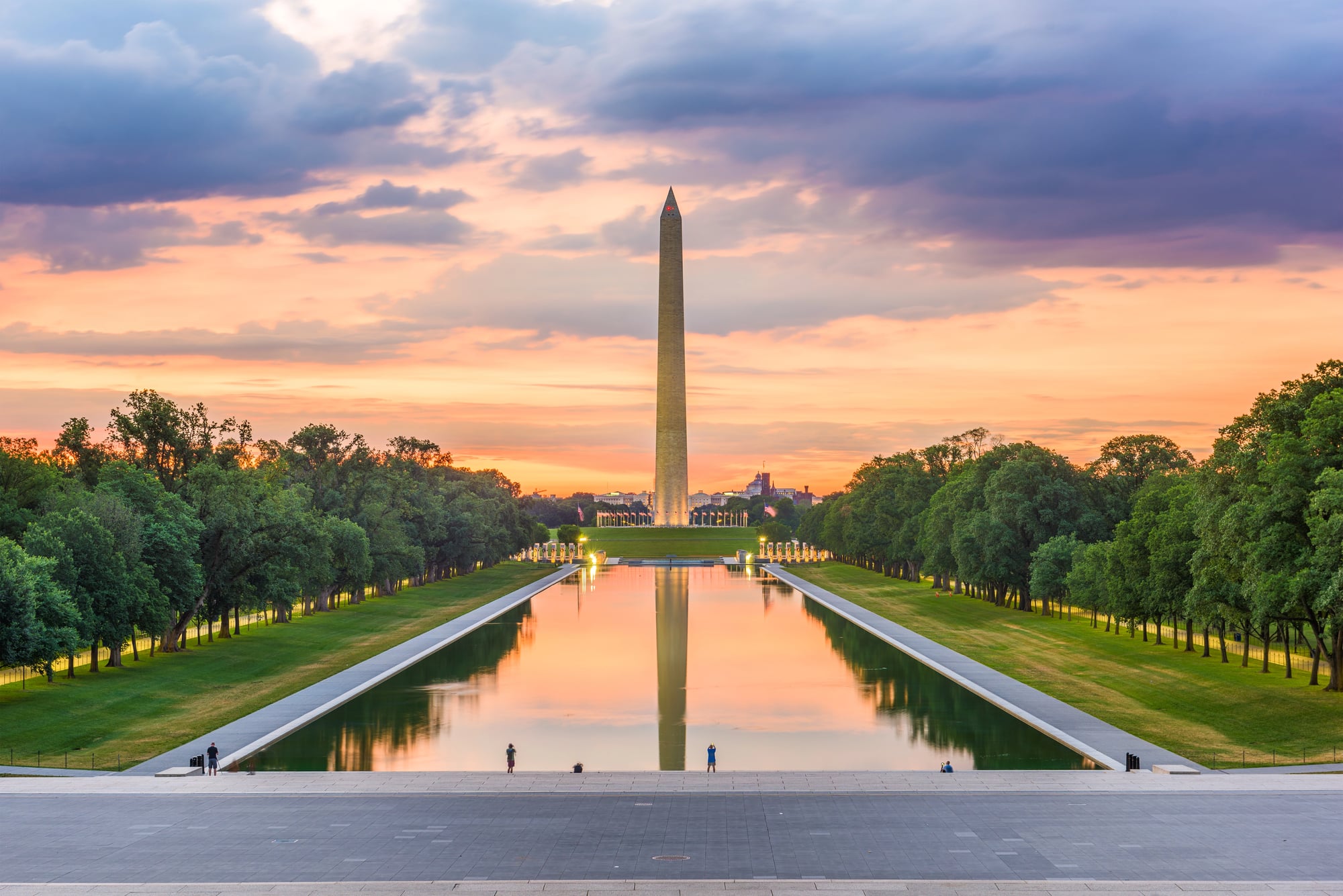
America’s tallest stone structure sways measurably in strong winds and expands in hot weather. The 555-foot obelisk can rock back and forth up to 0.125 inches in winds of just 30 mph.
Even more dramatically, on sunny days, the monument bends away from the sun as the side being heated expands more than the shaded side, causing the top to tilt slightly.
Horsetail Fall (Yosemite)
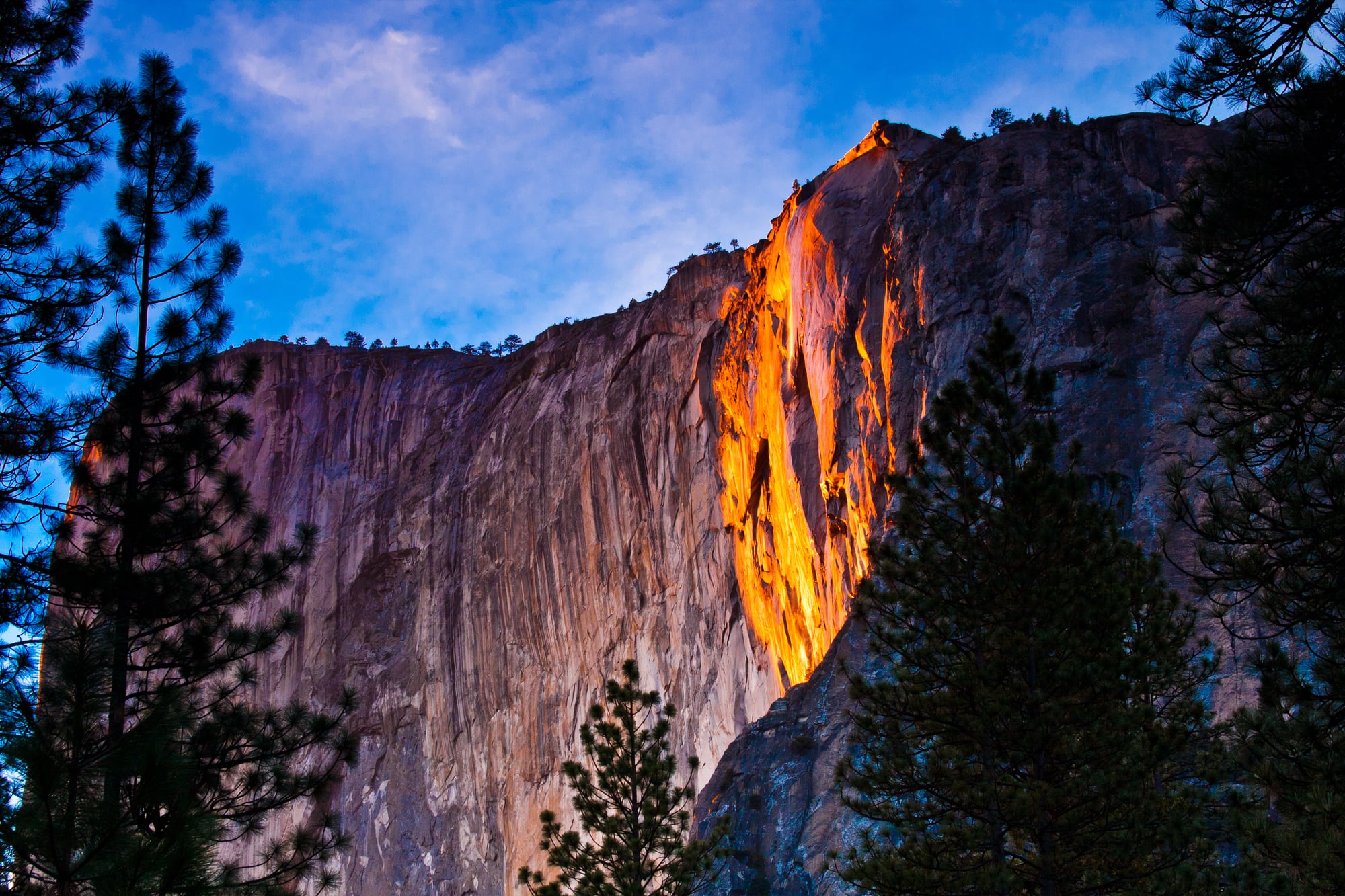
This seasonal waterfall in Yosemite National Park performs an incredible natural light show called the ‘Firefall’ for just a few days each February. When conditions align perfectly—the right water flow, clear skies, and perfect sunset angle—the setting sun’s rays hit the waterfall at precisely the right angle to illuminate it in brilliant orange and red hues that make it appear like flowing lava against El Capitan’s rock face.
Christ the Redeemer
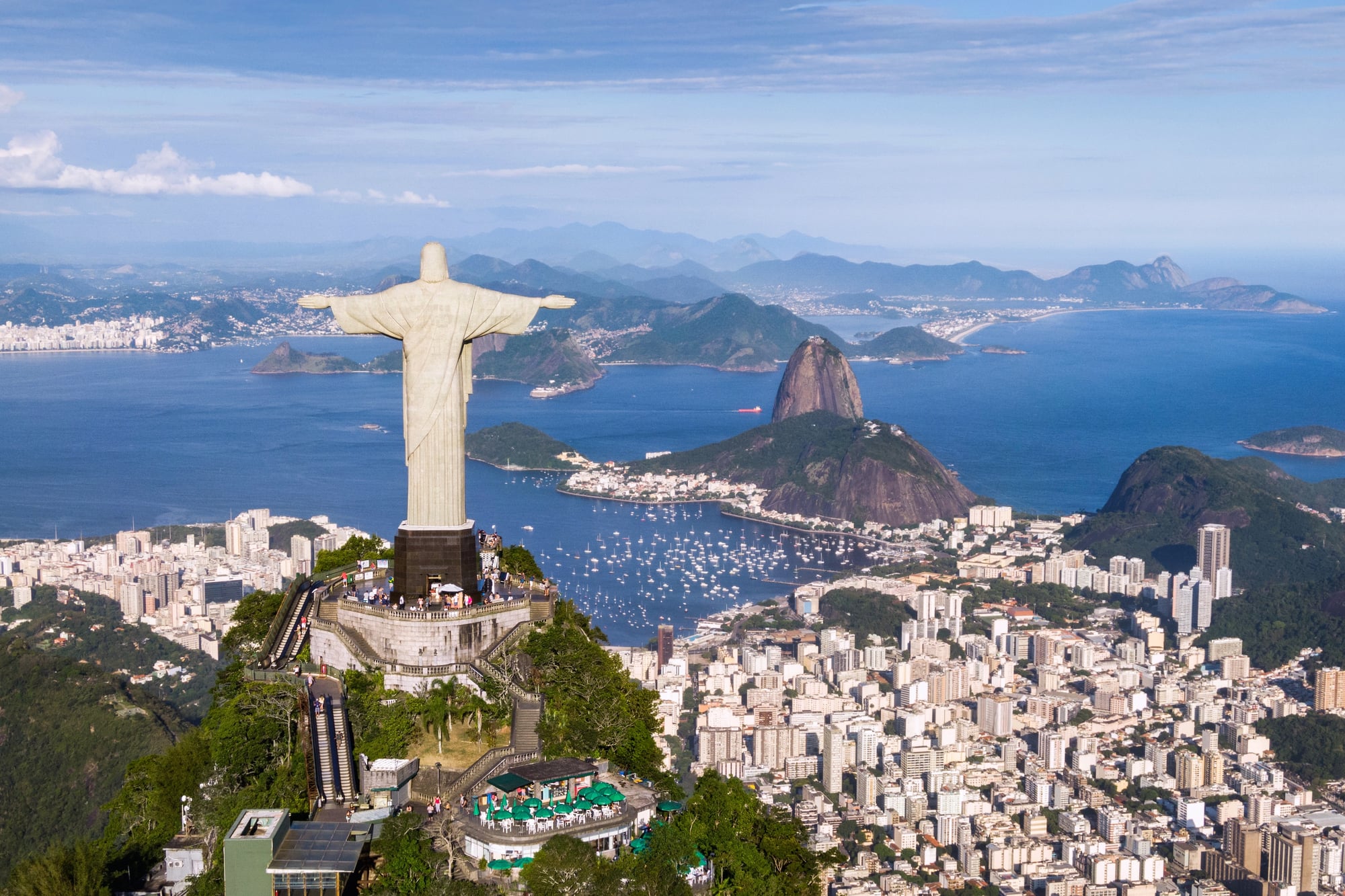
Rio de Janeiro’s iconic statue endures some of the world’s most extreme weather, from intense heat to violent lightning storms. The concrete and soapstone structure expands and contracts with temperature changes, creating tiny fissures over time.
More dramatically, the statue’s outstretched arms act as lightning rods, taking direct strikes that have damaged its fingers and head multiple times, requiring regular restoration.
Like Go2Tutors’s content? Follow us on MSN.
Lake Hillier
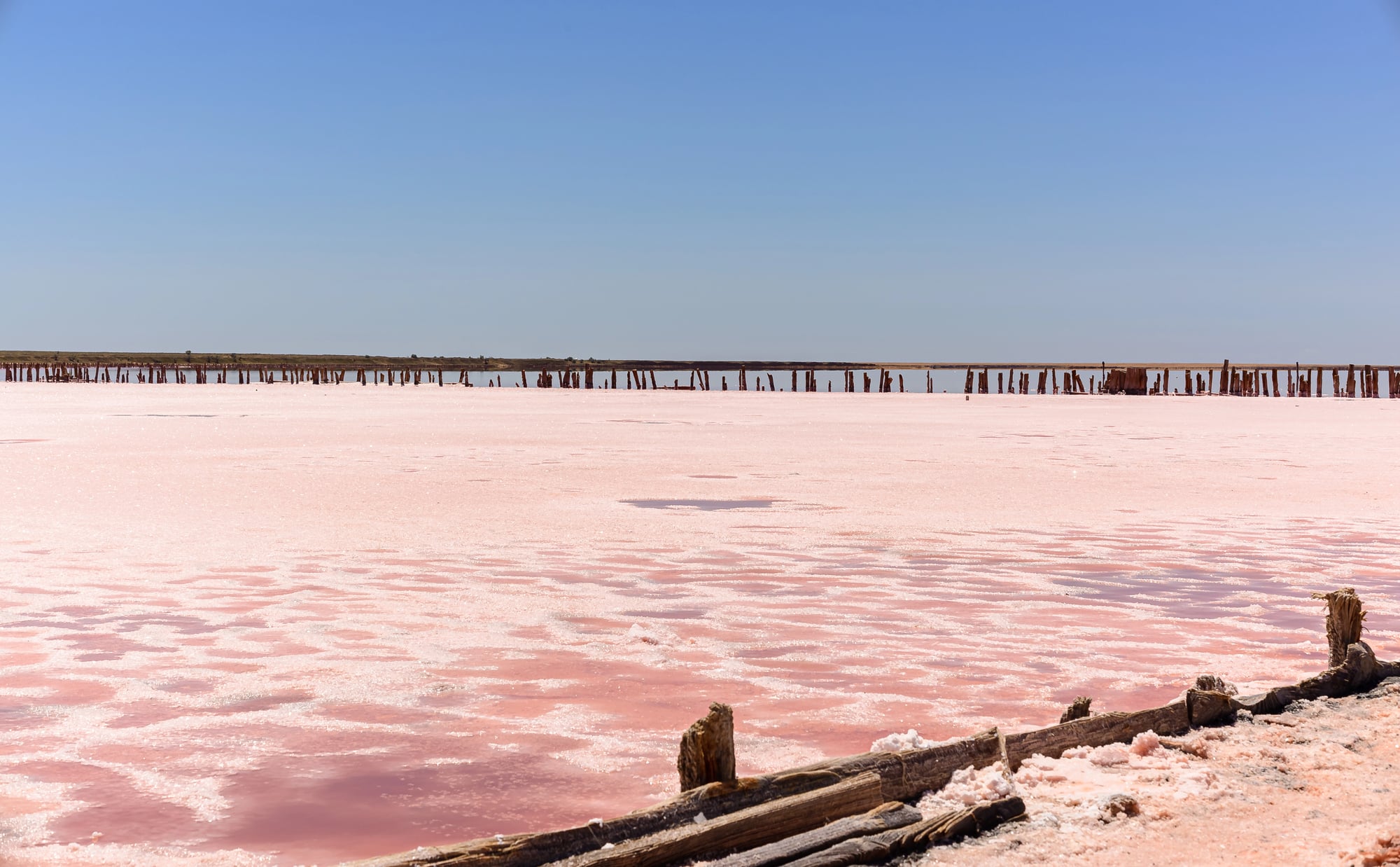
This famous pink lake in Australia fluctuates dramatically in color intensity depending on temperature and rainfall. The lake’s striking bubble-gum pink hue—caused by salt-loving microorganisms—becomes most vibrant during warm, dry periods when water evaporates and salt concentrations increase.
During cooler or rainier seasons, the diluted pink can fade to a much lighter rose shade.
Uyuni Salt Flats
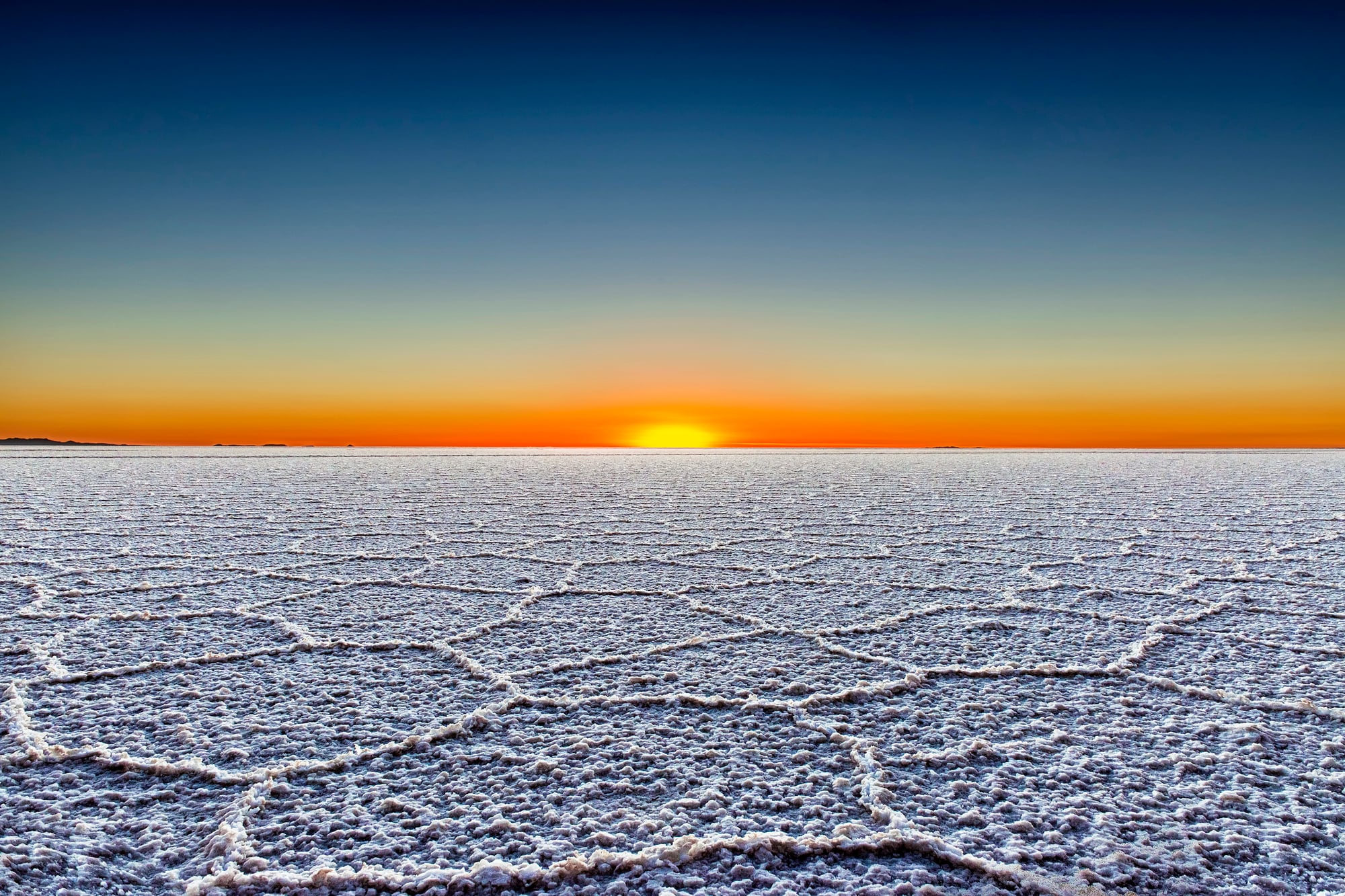
Bolivia’s massive salt desert transforms completely between wet and dry seasons. During the rainy months (December to April), a thin layer of water covers the salt crust, creating the world’s largest mirror—a perfectly reflective surface that makes the horizon disappear between sky and ground.
The dry season reveals the cracked, hexagonal salt patterns that stretch to the horizon in brilliant white.
Gateway Arch
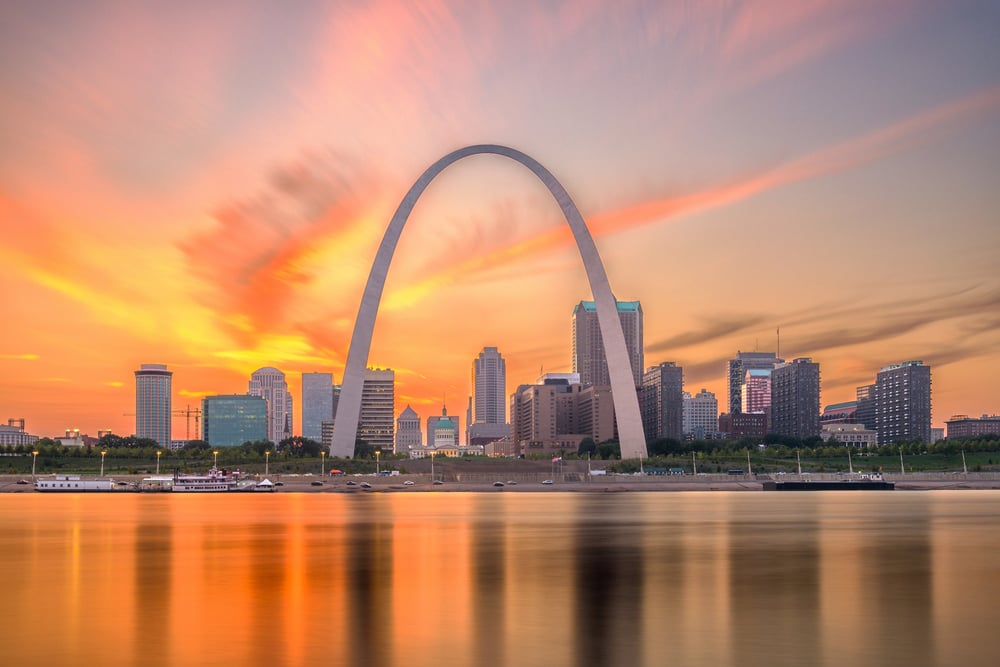
St. Louis’s stainless-steel monument can sway up to 18 inches in high winds and expands or contracts up to 1.5 inches as temperatures change. In summer heat, the south leg heats up more than the north leg because of its greater sun exposure, creating a measurable lean.
Designers anticipated this movement, building in flexible joints that have allowed the arch to safely sway for nearly 60 years.
Like Go2Tutors’s content? Follow us on MSN.
Moeraki Boulders
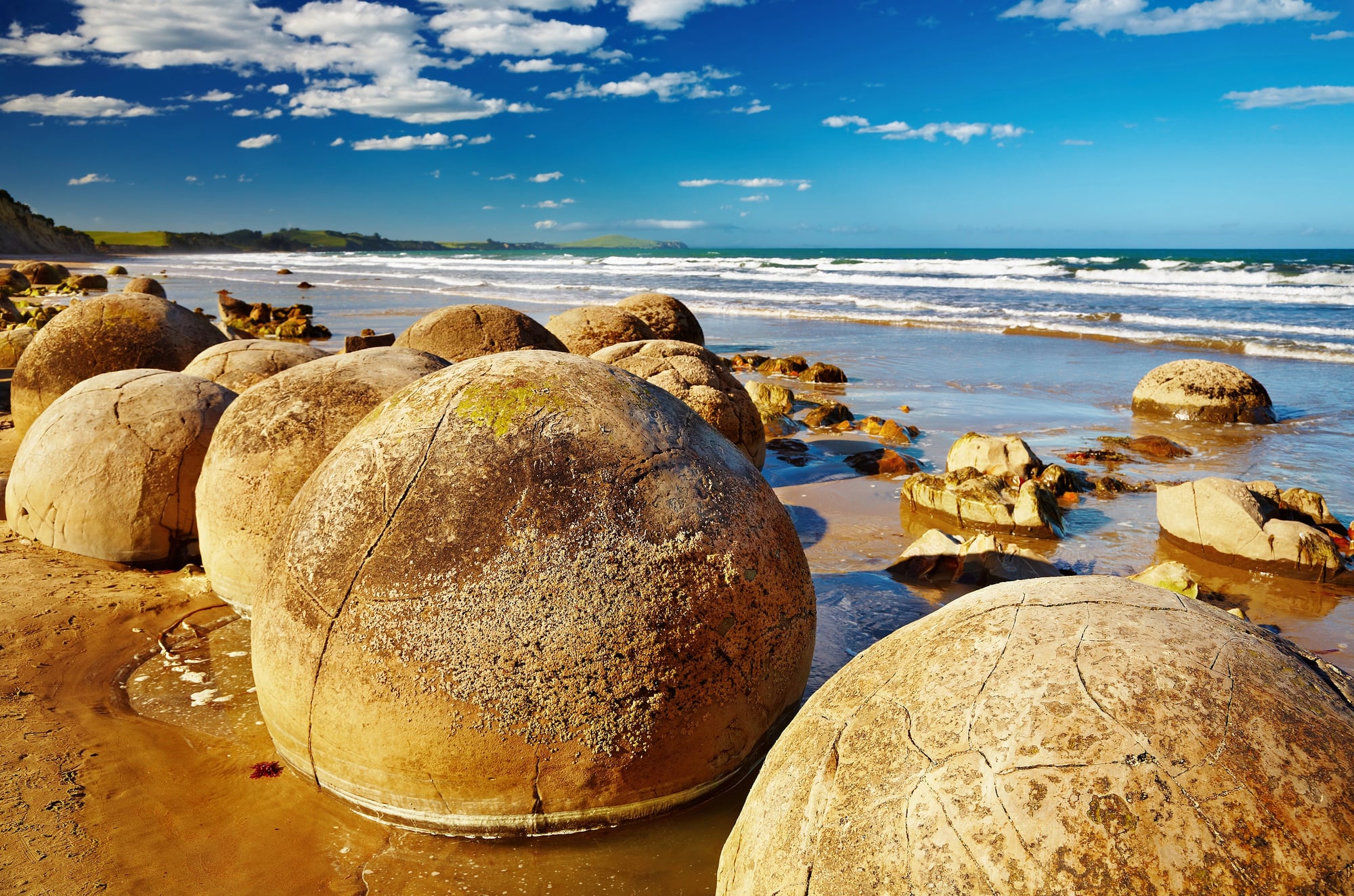
These perfectly spherical stones on New Zealand’s Koekohe Beach literally move with the tides and storms. Weighing up to several tons each, these 60-million-year-old concretions are gradually being exposed by coastal erosion.
Powerful storm surges occasionally shift their positions, while erosion slowly uncovers new boulders previously hidden in the mudstone cliffs.
Brooklyn Bridge
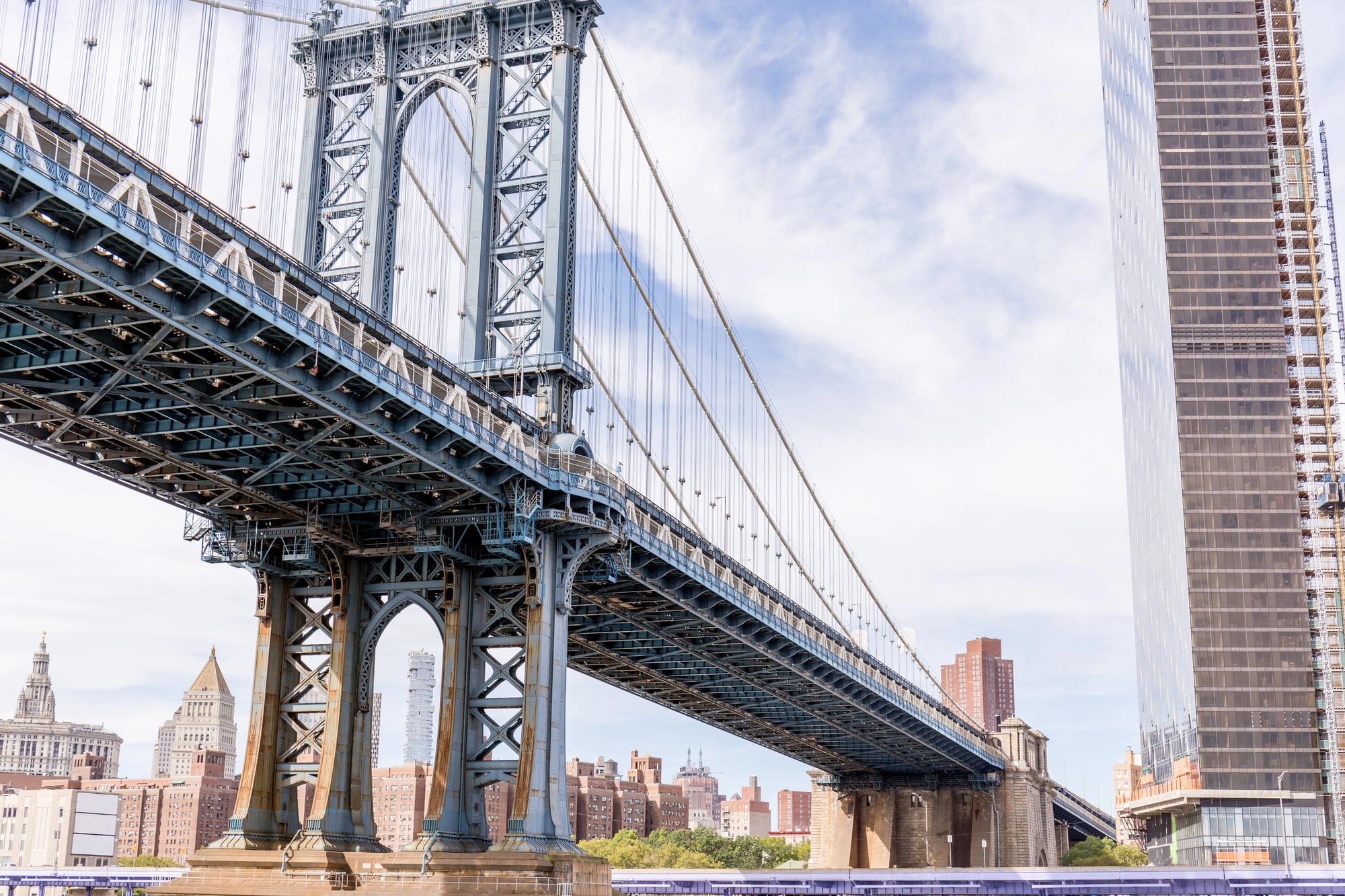
New York’s iconic suspension bridge extends and contracts significantly with temperature changes, moving up to 3 inches in length from summer to winter. The roadway can rise up to 16 inches at center span on particularly hot days.
The bridge’s ingenious 1883 design includes expansion joints at the towers specifically to accommodate these seasonal movements without damage.
The Bean (Cloud Gate)
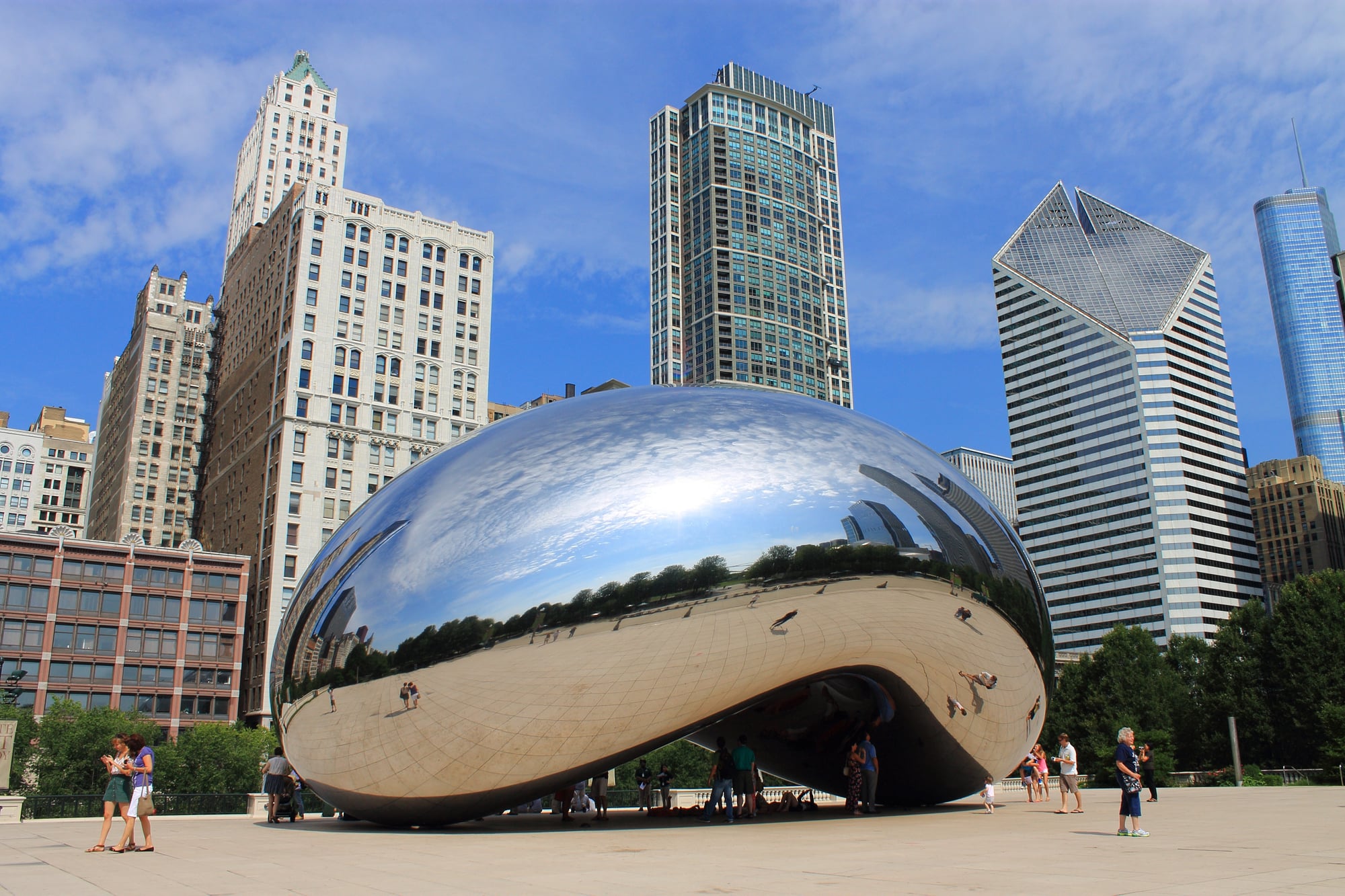
Chicago’s famous reflective sculpture expands and contracts noticeably with Illinois’s extreme temperature swings. The massive stainless-steel structure includes flexible internal connections that prevent damage during thermal changes.
Its highly polished exterior also dramatically transforms in appearance through the seasons, reflecting summer greenery, autumn colors, winter snow, and spring blossoms from the surrounding Millennium Park.
Like Go2Tutors’s content? Follow us on MSN.
Thermopolis Hot Springs

Wyoming’s famous mineral hot springs visibly change with the seasons in both appearance and activity. During winter months, the extreme temperature difference between the hot water and freezing air creates massive steam clouds that can obscure much of the springs.
The colorful mineral deposits around the springs also grow faster during cold periods when rapid cooling causes minerals to precipitate out more quickly around the edges.
Nature’s Dynamic Masterpieces

These 15 landmarks remind us that our world is in constant motion, responding to the rhythms of weather and seasons in ways both subtle and dramatic. What appears permanent is often engaged in a slow dance with nature’s forces.
Engineers and architects have learned to work with these inevitable movements rather than fighting against them, creating structures that bend without breaking and shift without failing. The next time you visit one of these famous sites, remember you’re witnessing not just a static monument but a dynamic entity responding to the ever-changing world around it—perhaps even a slightly different version than anyone has seen before.
More from Go2Tutors!

- 18 Unexpectedly Valuable Collectibles You Might Have Lying Around
- 20 Little-Known Historical Battles That Had Huge Consequences
- 20 Historical Artifacts That Scientists Can’t Explain
- 15 Inventions That Were Immediately Banned After Being Created
- 20 Actors Who Were Almost Cast in Iconic Roles
Like Go2Tutors’s content? Follow us on MSN.