Common Words That Are Trademarked Brands
You probably use dozens of brand names every single day without even realizing it. These words have become so woven into everyday language that most people think they’re just regular terms for common products.
But here’s the thing: companies actually own these words legally, and they spend a lot of money protecting them from becoming generic. Let’s look at some everyday words that might surprise you.
These brands have become household names, and understanding which ones are trademarked can be pretty eye-opening.
Chapstick
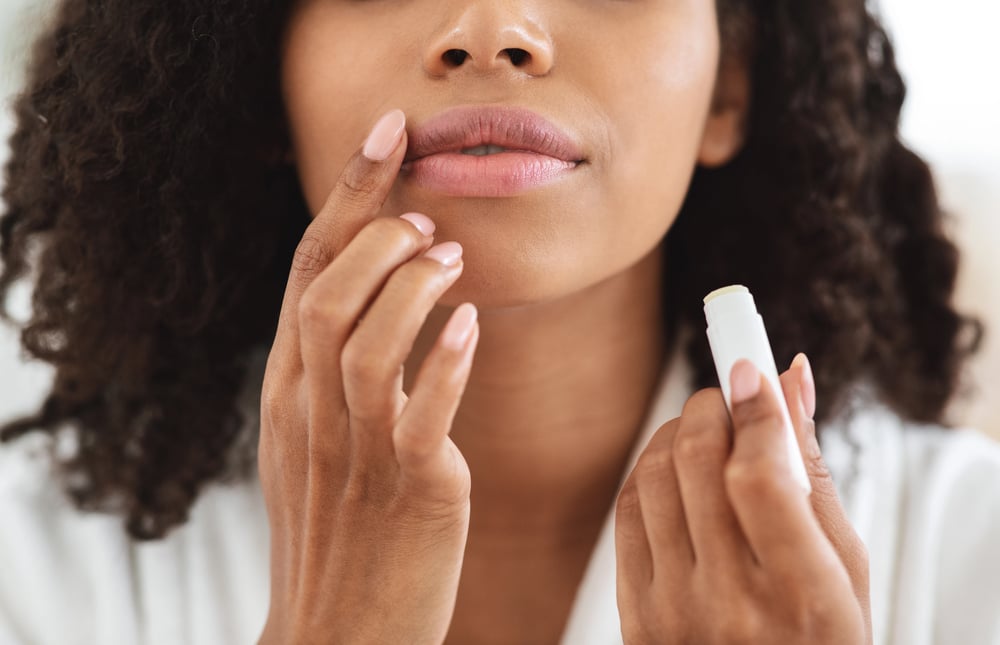
When your lips get dry and cracked, you might ask someone if they have chapstick. But Chapstick is actually a specific brand owned by a company, not a general term for lip balm.
The product was created back in the 1880s by a physician who sold the rights for just five dollars. Today, the brand is so popular that people use it to describe any lip moisturizer, whether it’s Burt’s Bees, Carmex, or a store brand.
Kleenex
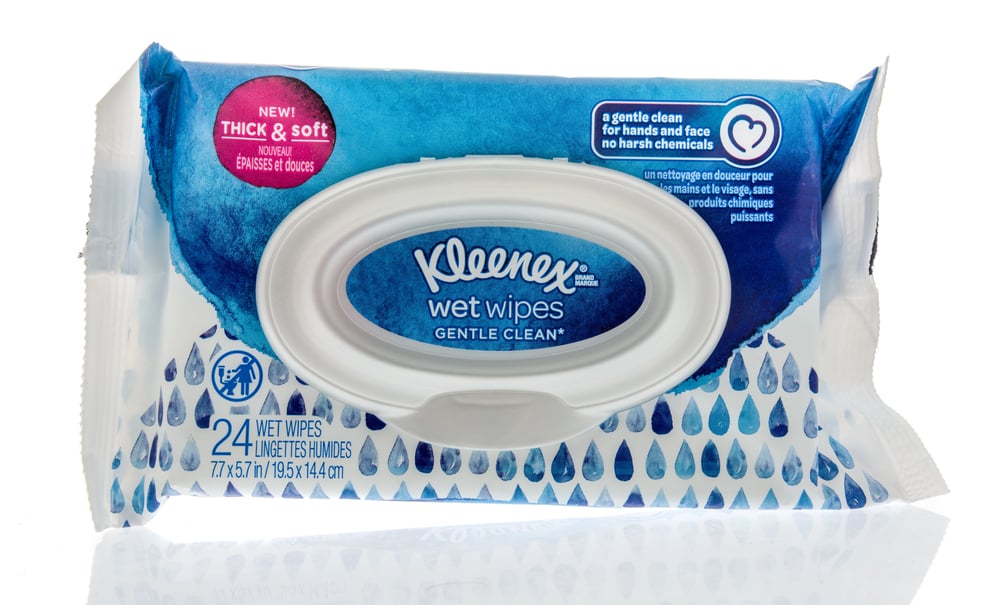
Reaching for a tissue usually means grabbing a Kleenex in most households. The Kimberly-Clark Corporation owns this trademark and has worked hard to keep it from becoming a generic term.
When the brand launched in 1924, it was originally marketed as a way to remove cold cream and makeup. People started using the soft paper for blowing their noses instead, and the company smartly pivoted their marketing strategy.
Band-Aid
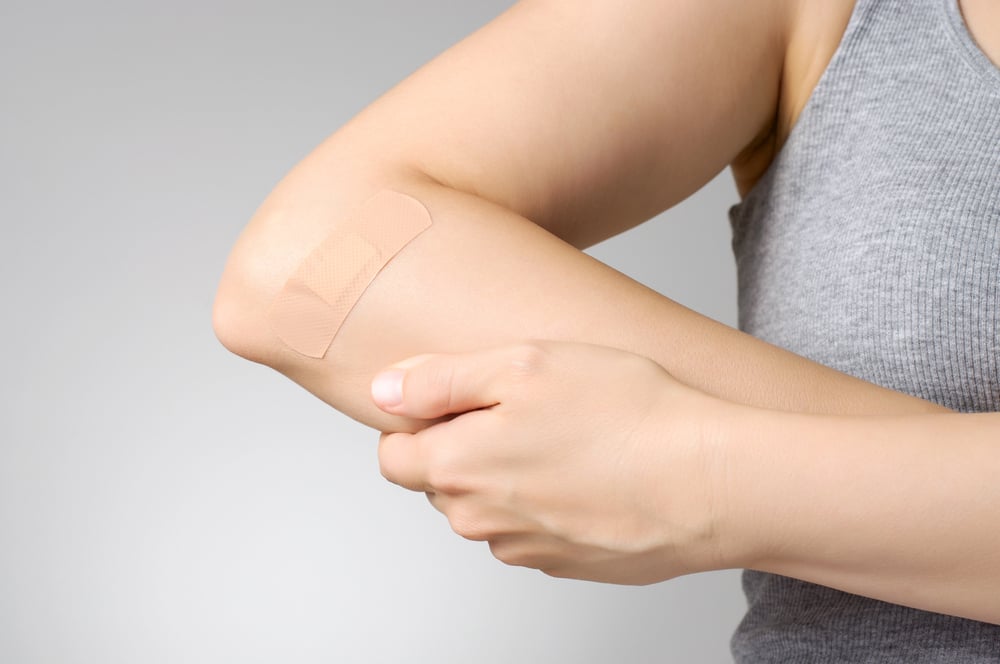
Every parent keeps these in their medicine cabinet for scraped knees and paper cuts. Band-Aid is actually a trademarked product made by Johnson & Johnson, not just any adhesive bandage.
The product was invented by an employee who wanted to help his wife easily bandage her frequent kitchen injuries. Now the brand name gets used so often that many people don’t even know that ‘adhesive bandage’ is the proper generic term.
Bubble Wrap
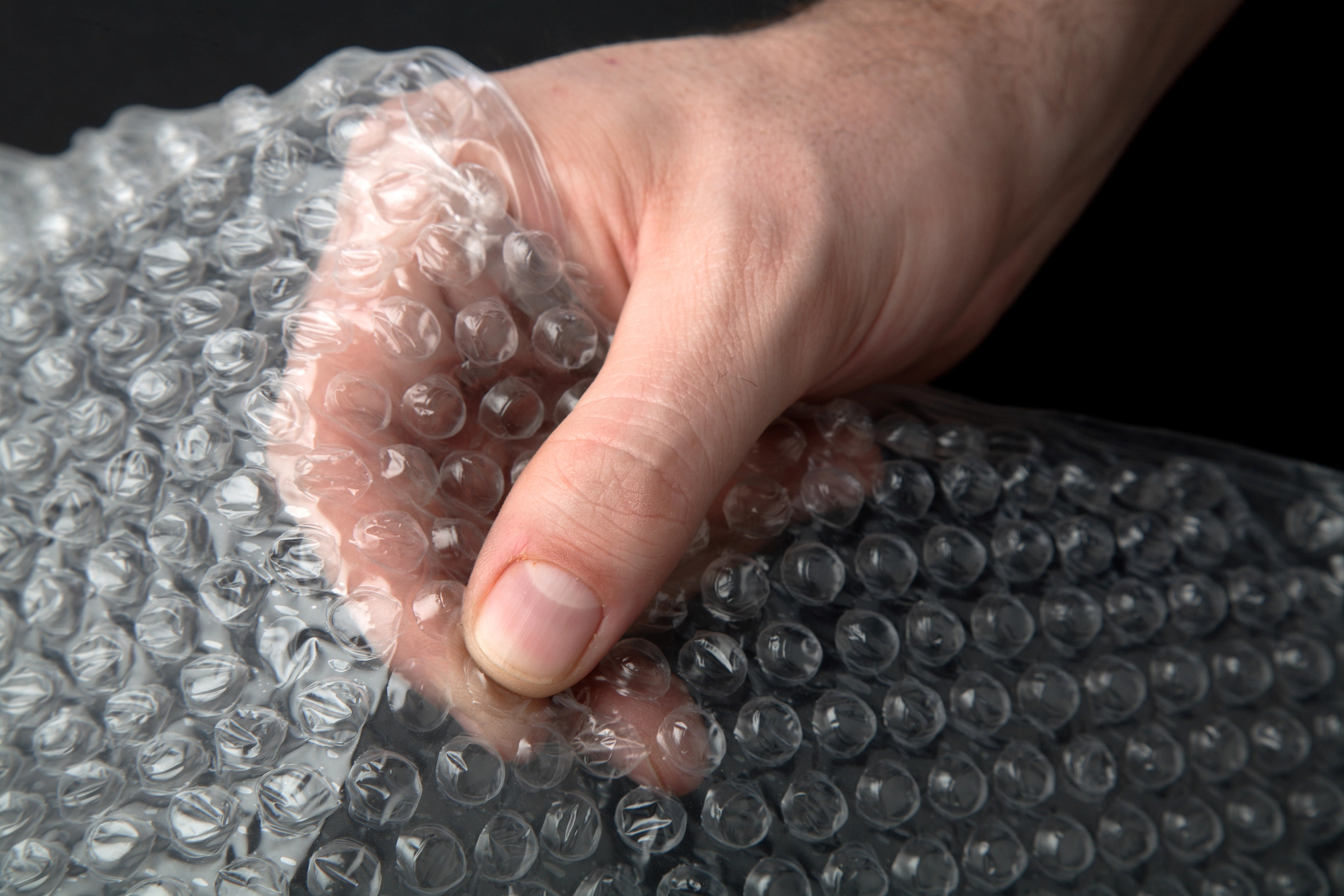
Popping those little air-filled pockets is oddly satisfying, but Bubble Wrap is a registered trademark of Sealed Air Corporation. The product was accidentally invented in 1957 when two engineers were trying to create textured wallpaper.
They realized their invention worked better as protective packaging material. The company has to constantly remind people that their product name shouldn’t be used as a general term for all inflated cushioning material.
Dumpster

Throwing trash in the dumpster seems like using a common word, but Dumpster is actually trademarked by Dempster Brothers. The company created these large waste containers in the 1930s by combining their name with the word ‘dump’.
Most people have no idea they’re using a brand name when they talk about tossing something in the dumpster behind a building.
Jet Ski

Riding a jet ski on a lake during summer feels like pure freedom. However, Jet Ski is a trademark owned by Kawasaki Heavy Industries for their personal watercraft.
The correct generic term is actually ‘personal watercraft’ or PWC, but almost nobody uses that phrase in regular conversation. Kawasaki introduced their first model in 1972, and the name stuck so well that competitors’ products get called jet skis too.
Popsicle

These frozen treats on sticks cool people down on hot days everywhere. Popsicle is trademarked by Unilever, and the product was invented by accident when an 11-year-old boy left a cup of powdered soda and water with a stirring stick outside overnight in freezing weather.
He patented his ‘frozen ice on a stick’ years later. The proper generic name is ‘ice pop’, but most Americans just call them popsicles regardless of the brand.
Post-it

Those sticky little yellow notes cover desks and computer monitors in offices worldwide. Post-it is a registered trademark of 3M Company, not a general term for sticky notes.
The adhesive was actually considered a failure at first because it wasn’t strong enough for its intended purpose. A scientist at 3M realized the weak adhesive would be perfect for temporary bookmarks, and the Post-it Note was born in 1980.
Q-tips

Cotton swabs get used for everything from cleaning ears to applying makeup. Q-tips is the trademarked brand name owned by Unilever, and the ‘Q’ stands for quality.
The product was invented in the 1920s when a man noticed his wife wrapping cotton around toothpicks. He created a safer version with cotton already attached to a stick, and it became one of the most recognized brands in bathrooms everywhere.
Rollerblade
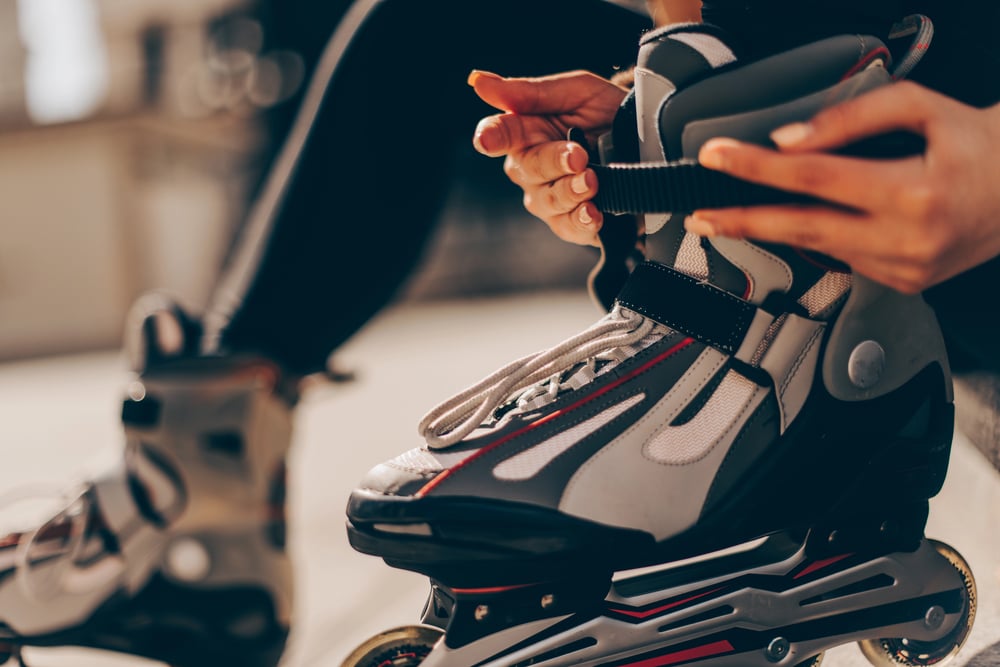
Inline skating became hugely popular in the 1980s and 1990s, and most people called the activity rollerblading. Rollerblade is actually a specific brand name trademarked by Rollerblade Inc., though the company has struggled to prevent the term from becoming generic.
The correct term is ‘inline skates’ or ‘inline skating’, but saying you’re going rollerblading just sounds more natural to most people.
Scotch Tape
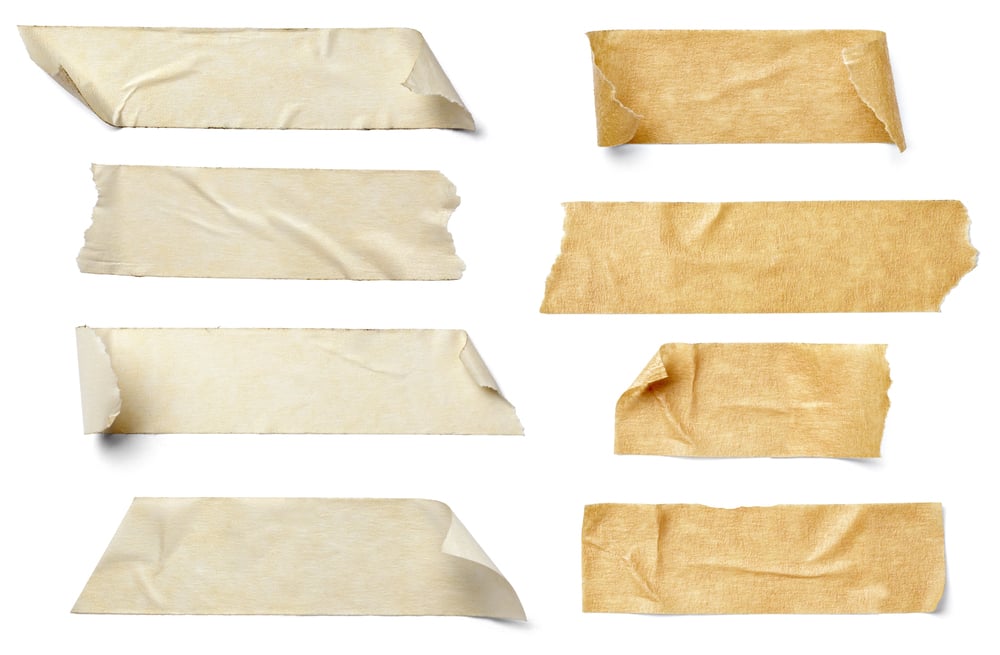
Wrapping presents or fixing torn paper usually involves this clear adhesive tape. Scotch Tape is a brand owned by 3M, and the name came about in a somewhat controversial way during the 1920s.
The generic term is ‘cellophane tape’ or just ‘clear tape’, but most Americans default to calling it Scotch tape. The company has successfully maintained its trademark for nearly a century despite widespread generic use.
Sharpie
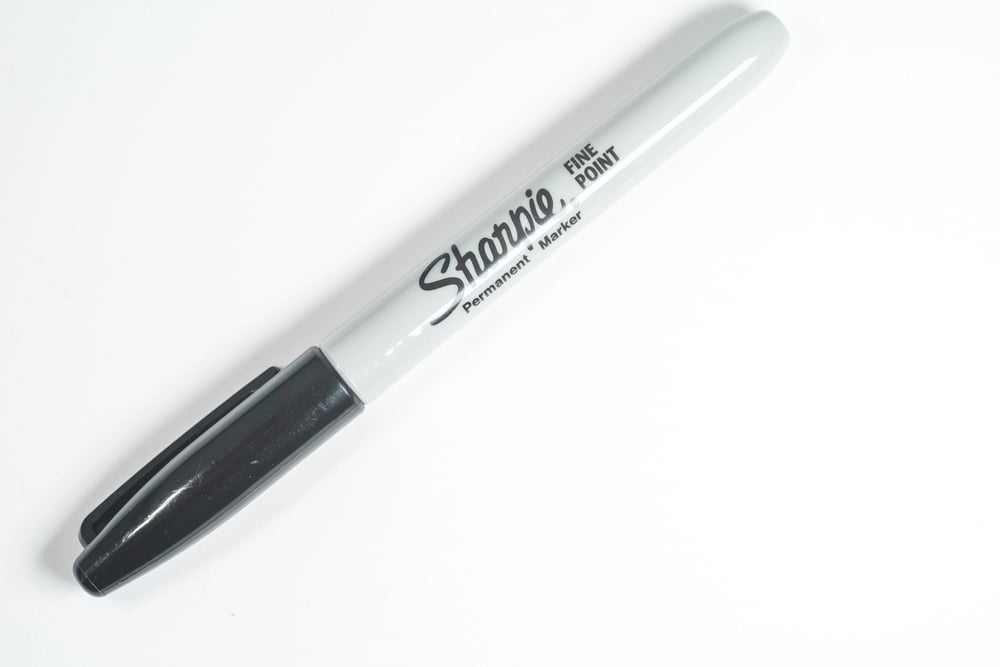
Permanent markers get used for labeling boxes, signing documents, and countless other tasks. Sharpie is trademarked by Newell Brands and refers specifically to their brand of permanent markers.
The company introduced their first pen-style permanent marker in 1964, revolutionizing how people marked things permanently. Many people now use ‘sharpie’ as a verb, saying they’ll ‘sharpie’ something when they mean they’ll mark it with any permanent marker.
Styrofoam
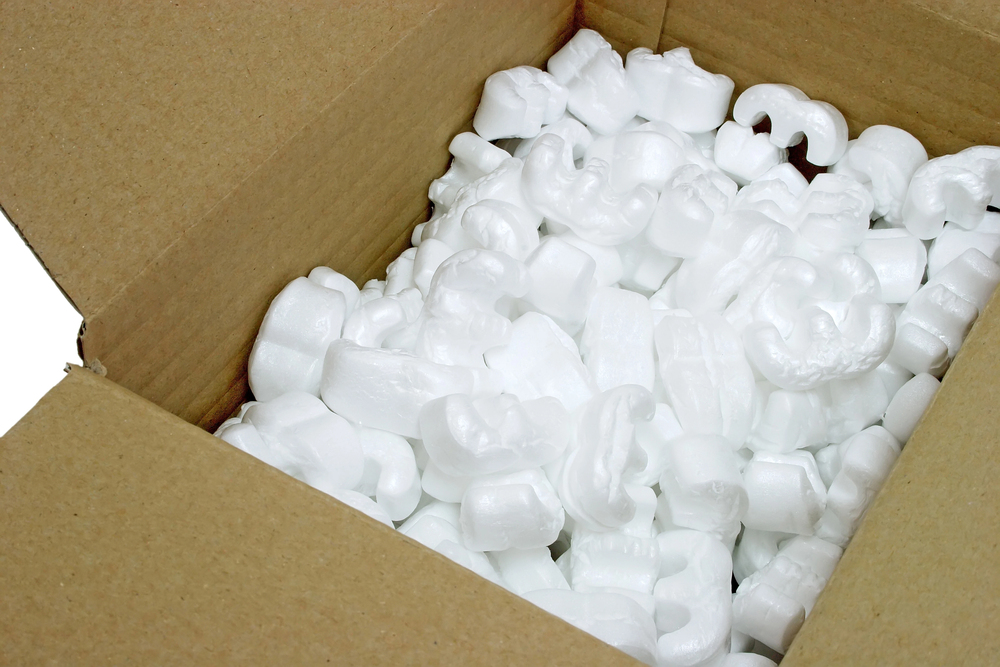
This white, lightweight material appears in coffee cups, coolers, and packaging materials everywhere. Styrofoam is actually a trademarked brand of extruded polystyrene foam made by DuPont, and it’s technically used for building insulation and craft materials.
What most people call styrofoam in cups and takeout containers is actually expanded polystyrene foam, which is a completely different material. The Dow Chemical Company owns the Styrofoam trademark and has tried to correct this misuse for years.
Velcro
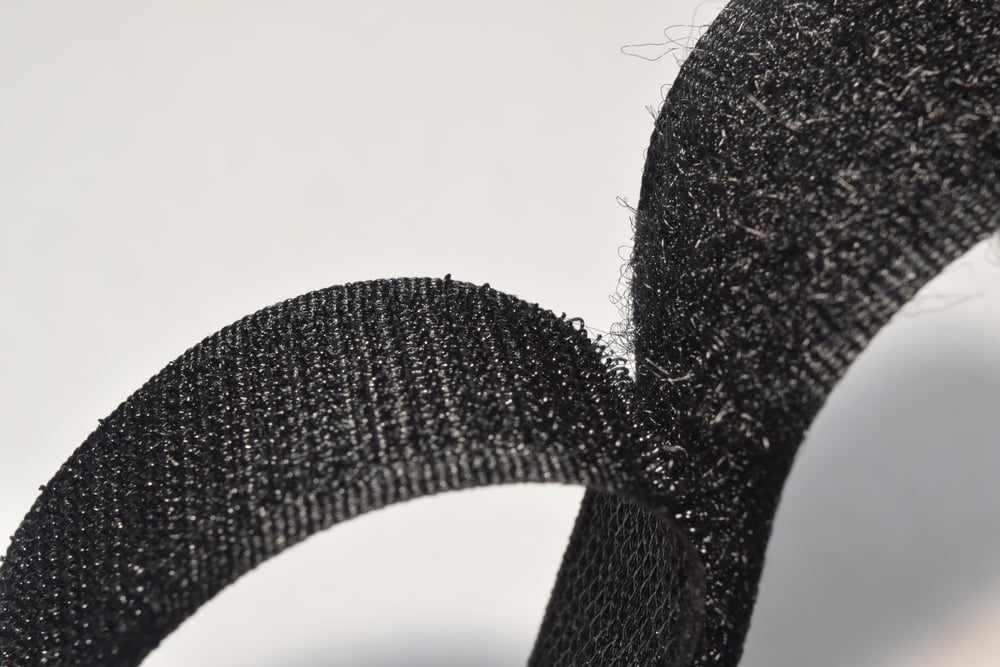
Those strips with tiny hooks and loops that stick together make fastening things incredibly easy. Velcro is a registered trademark of Velcro Companies for their brand of hook-and-loop fasteners.
A Swiss engineer invented the fastening system in 1941 after examining burrs stuck to his dog’s fur under a microscope. The company even released a funny song asking people to stop using their brand name generically and call it ‘hook and loop’ instead.
Xerox
Making copies of documents used to mean going to the xerox machine in the office. Xerox Corporation trademarked this name for their photocopiers and worked hard to prevent it from becoming a generic verb.
The company revolutionized offices in 1959 with their first plain paper copier. Today, younger generations might not even know that ‘xeroxing’ refers to a specific brand rather than just photocopying.
Frisbee

Tossing a flying disc at the park or beach is a classic outdoor activity. Frisbee is trademarked by Wham-O and specifically refers to their brand of flying disc.
The toy was inspired by college students throwing empty pie tins from the Frisbie Pie Company. Wham-O bought the rights and changed the spelling slightly, creating one of the most popular toys ever made.
The generic term is ‘flying disc’, but almost everyone just says frisbee.
Jacuzzi

A warm soak with water jets brings comfort, almost like a quiet moment you can feel. That company name – Jacuzzi – is tied to real people, a family that started it all.
A few brothers from Italy worked out a special pump back in the 1950s, just so their nephew could move easier with his joint pain. Their idea grew; soon they put the system right into bathtubs, shaping an entire way of bathing.
While most say “jacuzzi” when pointing at any bubbling tub, the correct names are simpler: hot tub or whirlpool bath. Names shift over time, even if facts stay still.
Realtor

Selling your home? Most people reach out to an agent hoping for a better outcome.
Yet here’s the catch – only those affiliated with the National Association of Realtors can legally use the title Realtor. Membership sets them apart, even if few notice.
An ordinary license lets someone act as a broker or agent without joining that group. People mix up these labels constantly, even though the difference exists on paper.
Official terms fade into casual talk, where almost anyone in the field gets called a Realtor anyway.
When brands become words
Success in advertising often reshapes everyday words. Yet firms must balance fame with legal caution.
Too much popularity risks turning a protected name into ordinary speech. Aspirin once belonged to one maker, now it does not.
The same fate struck the escalator and zipper. To fight this, some businesses publish notices clarifying their name stands for a specific brand.
Recognition helps sell – until it erases ownership.
More from Go2Tutors!

- The Romanov Crown Jewels and Their Tragic Fate
- 13 Historical Mysteries That Science Still Can’t Solve
- Famous Hoaxes That Fooled the World for Years
- 15 Child Stars with Tragic Adult Lives
- 16 Famous Jewelry Pieces in History
Like Go2Tutors’s content? Follow us on MSN.