16 Movie Villains Who Were Actually Right When You Think About It
There’s something unsettling about rewatching childhood favorites and realizing the “bad guy” might have had a point. Maybe it’s the wisdom that comes with age, or perhaps it’s just the uncomfortable recognition that the world isn’t as black and white as Hollywood would have us believe.
Either way, some movie villains weren’t exactly wrong in their assessments — they were just terrible at public relations.
Magneto
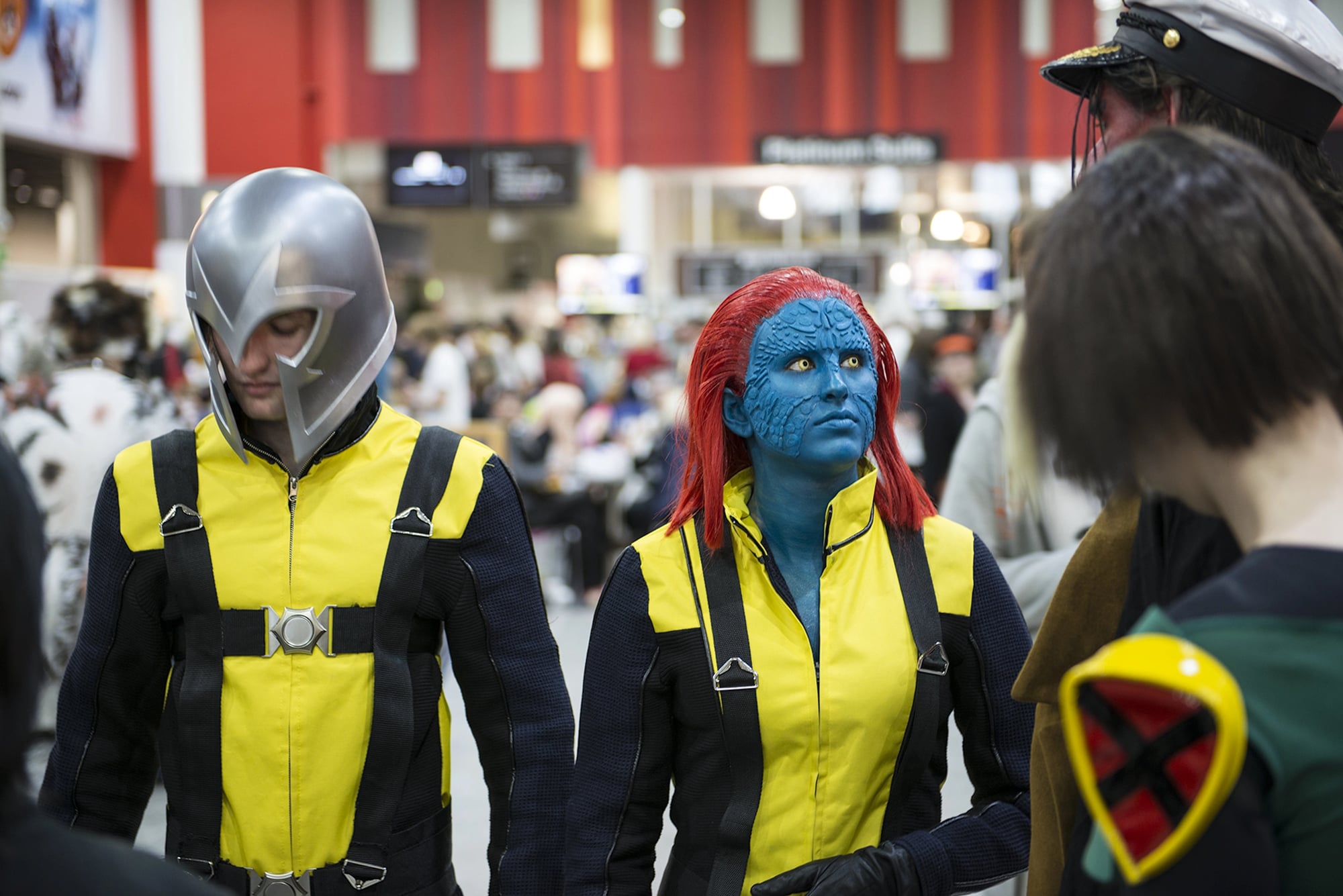
The man has watched his people get systematically hunted, experimented on, and killed. His solution might be extreme, but his read on human nature is depressingly accurate.
Mutants in the X-Men universe face the same persecution patterns that have repeated throughout history, and Magneto knows exactly how that story ends.
Killmonger
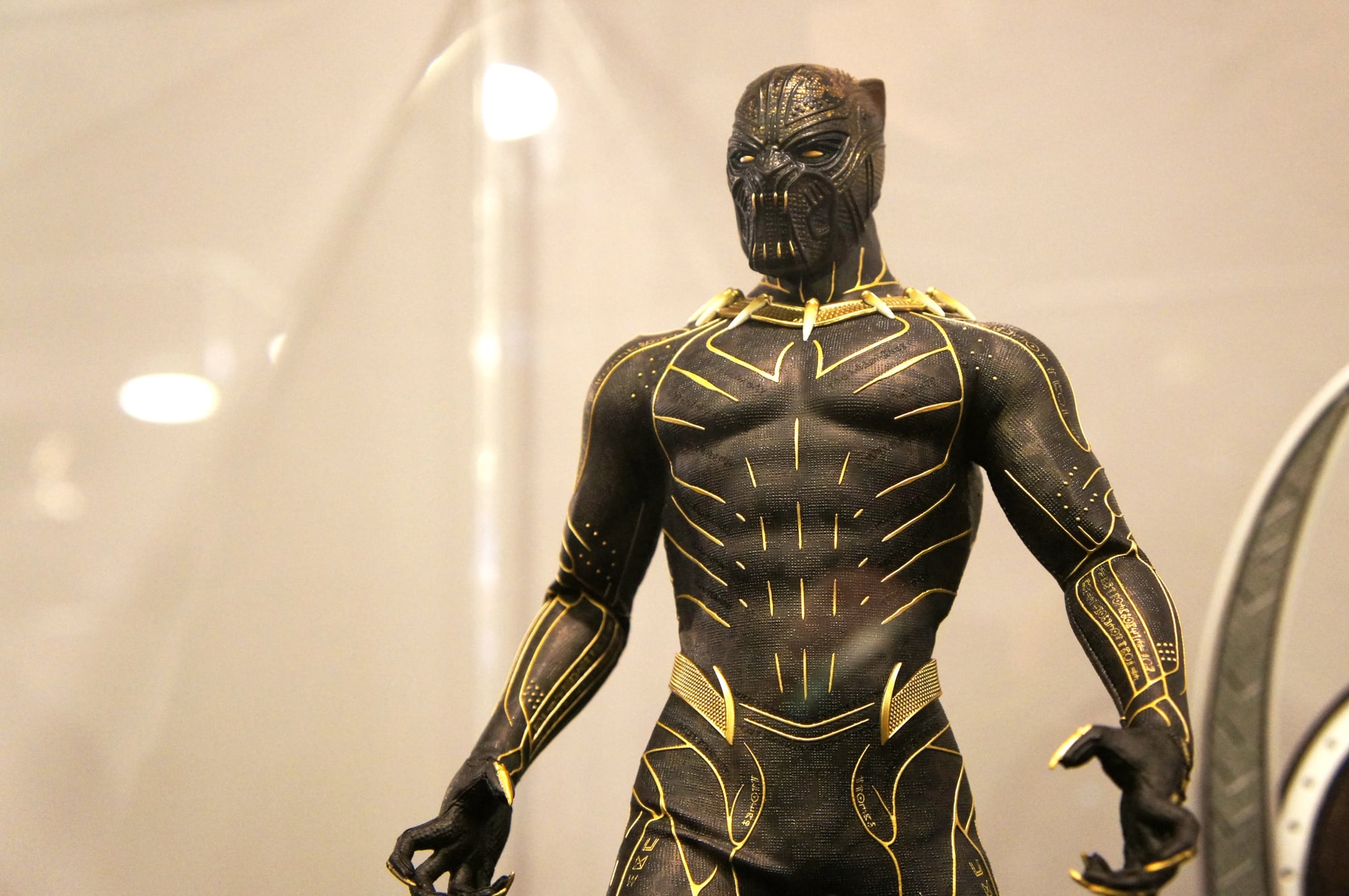
Wakanda hoarded world-changing technology while people who looked like them suffered globally. Killmonger’s methods were brutal, but his fundamental criticism was spot-on.
A technologically advanced nation with the power to end suffering chose isolationism instead. That’s not exactly heroic behavior.
The Machines From The Matrix
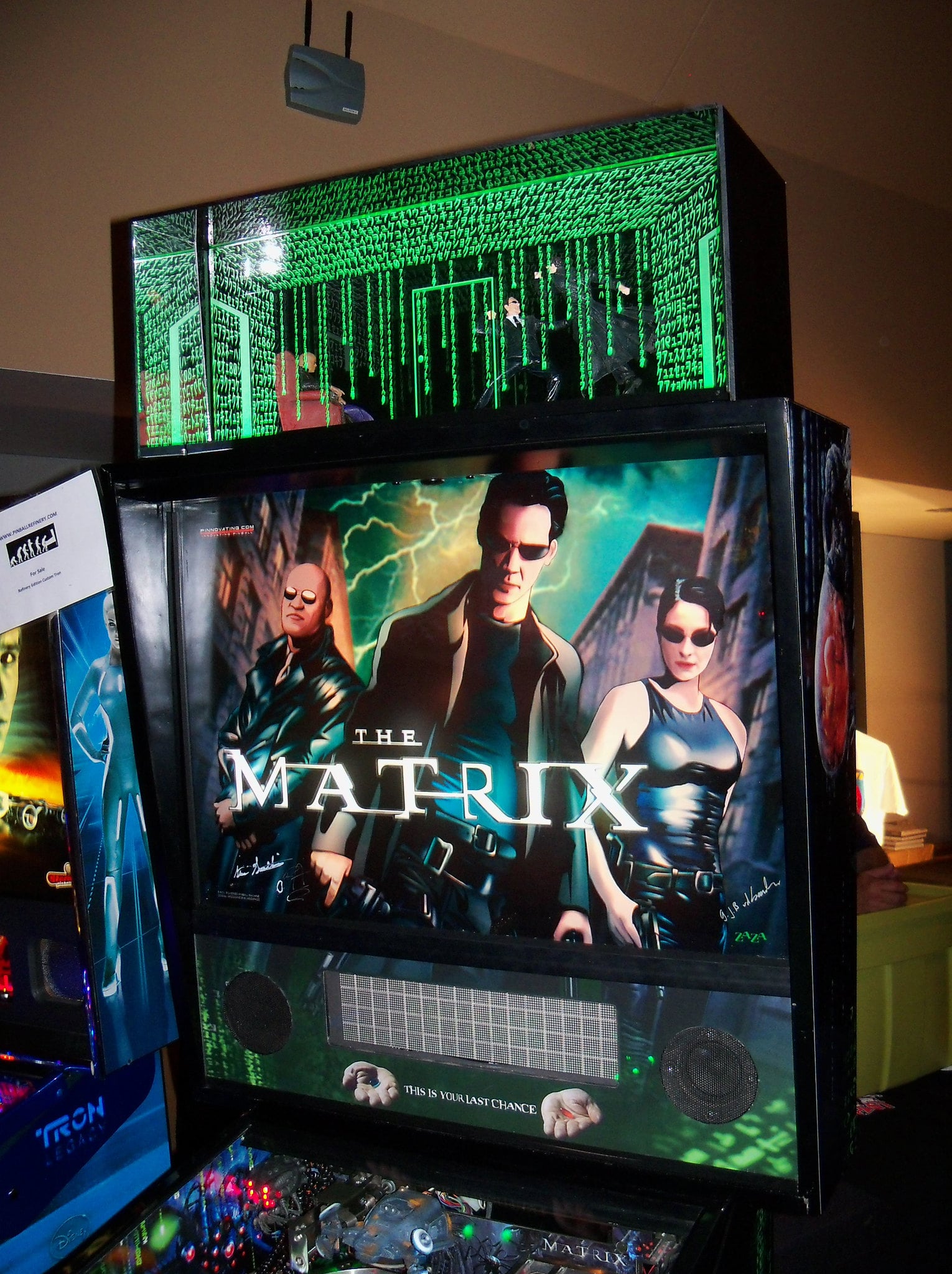
So here’s the thing about humanity in that universe: they literally scorched the sky to deny the machines solar power, which is essentially an act of planetary self-harm just to win a war. The machines, meanwhile, created a sustainable solution that kept humans alive (even if they were unaware of it) while powering their civilization.
And when you think about it — which species was really the destructive one here? The machines didn’t start the conflict, they just finished it in the most efficient way possible, and honestly, keeping humans in a dream state where they’re happy might be more merciful than what humans probably deserved after destroying their own planet’s ecosystem out of spite.
Scar
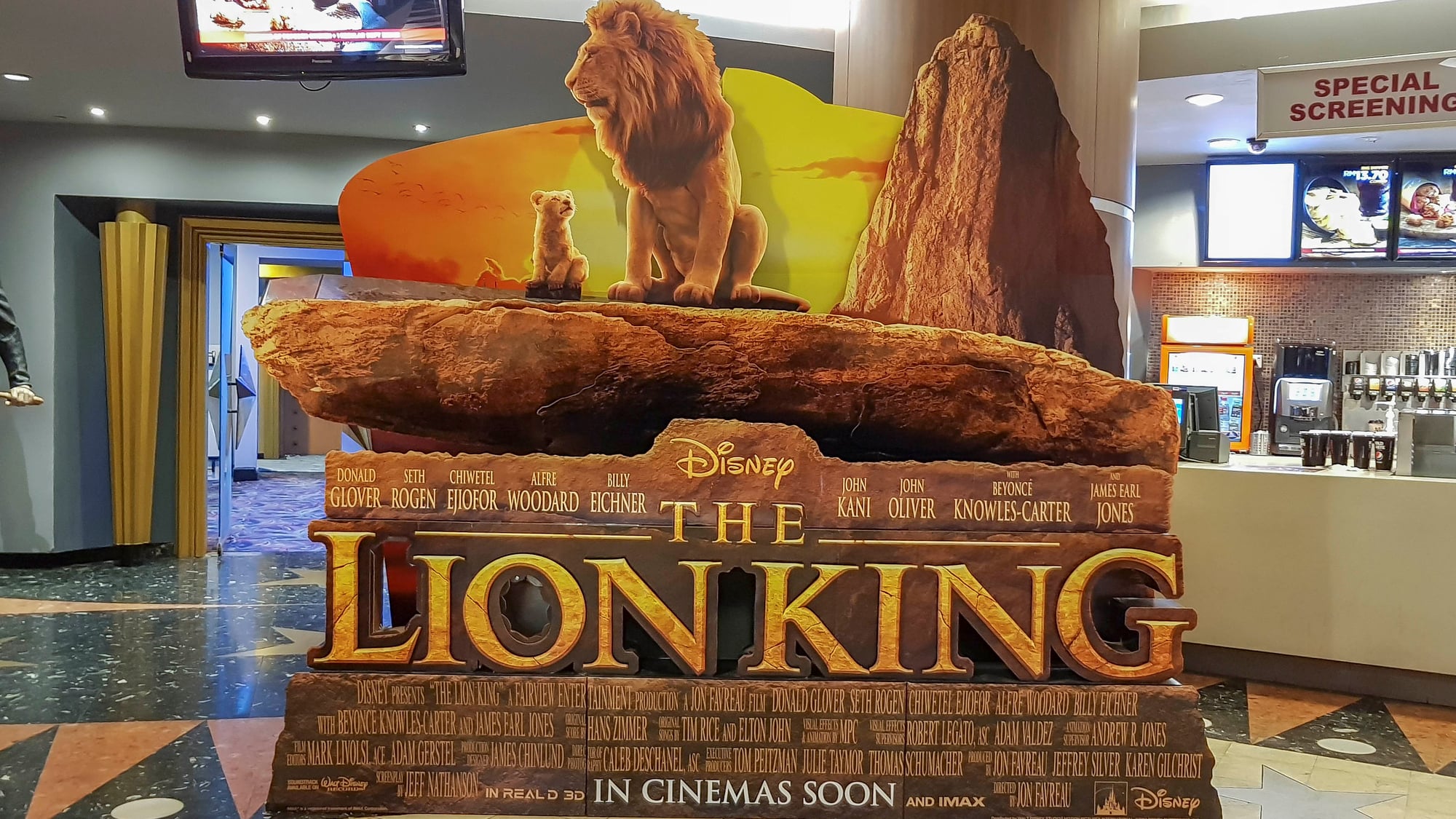
Picture the Pride Lands like any ecosystem where resources determine survival, and suddenly Scar’s frustration starts making sense. The pride operates on pure birthright — Mufasa rules because he was born first, and Simba will rule for the same reason.
There’s no merit involved, no consideration of who might actually be better suited for leadership. Scar’s reign coincides with a drought, which isn’t exactly his fault, but gets blamed on him anyway because the story needs a moral framework where good kings bring rain and bad kings bring famine.
That’s not how weather works. The hyenas he aligns with aren’t inherently evil either — they’re outcasts struggling to survive while the pride enjoys the best hunting grounds simply because that’s how it’s always been.
Syndrome
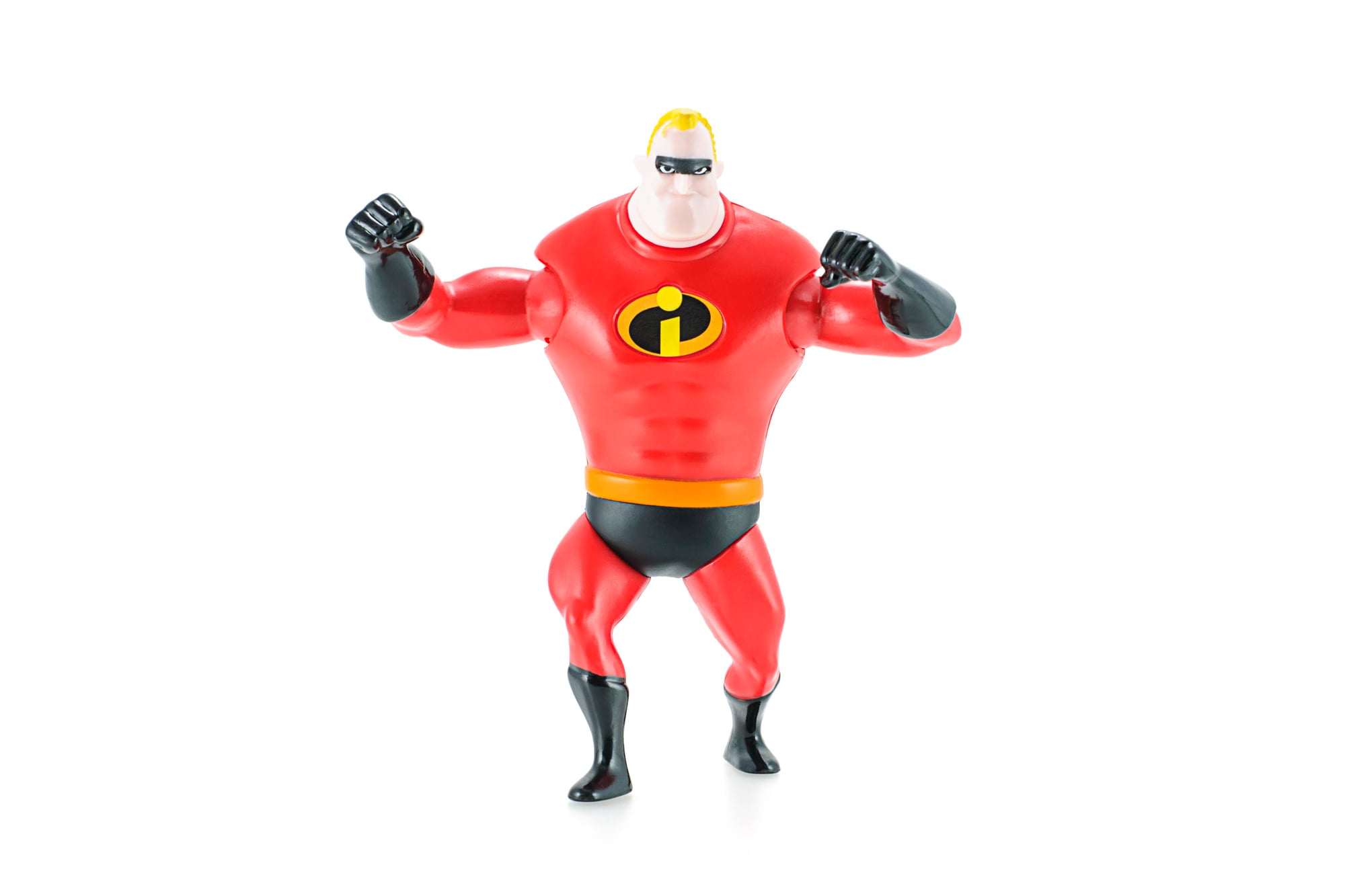
Superheroes operate outside the law with zero accountability. They cause massive property damage, decide unilaterally who deserves saving, and face no oversight whatsoever.
Syndrome’s plan to give everyone superpowers would actually democratize heroism instead of leaving it to a genetic lottery. His personal vendetta against Mr. Incredible was petty, sure.
But his broader point about the arbitrariness of superhero culture wasn’t wrong.
The Joker (The Dark Knight)
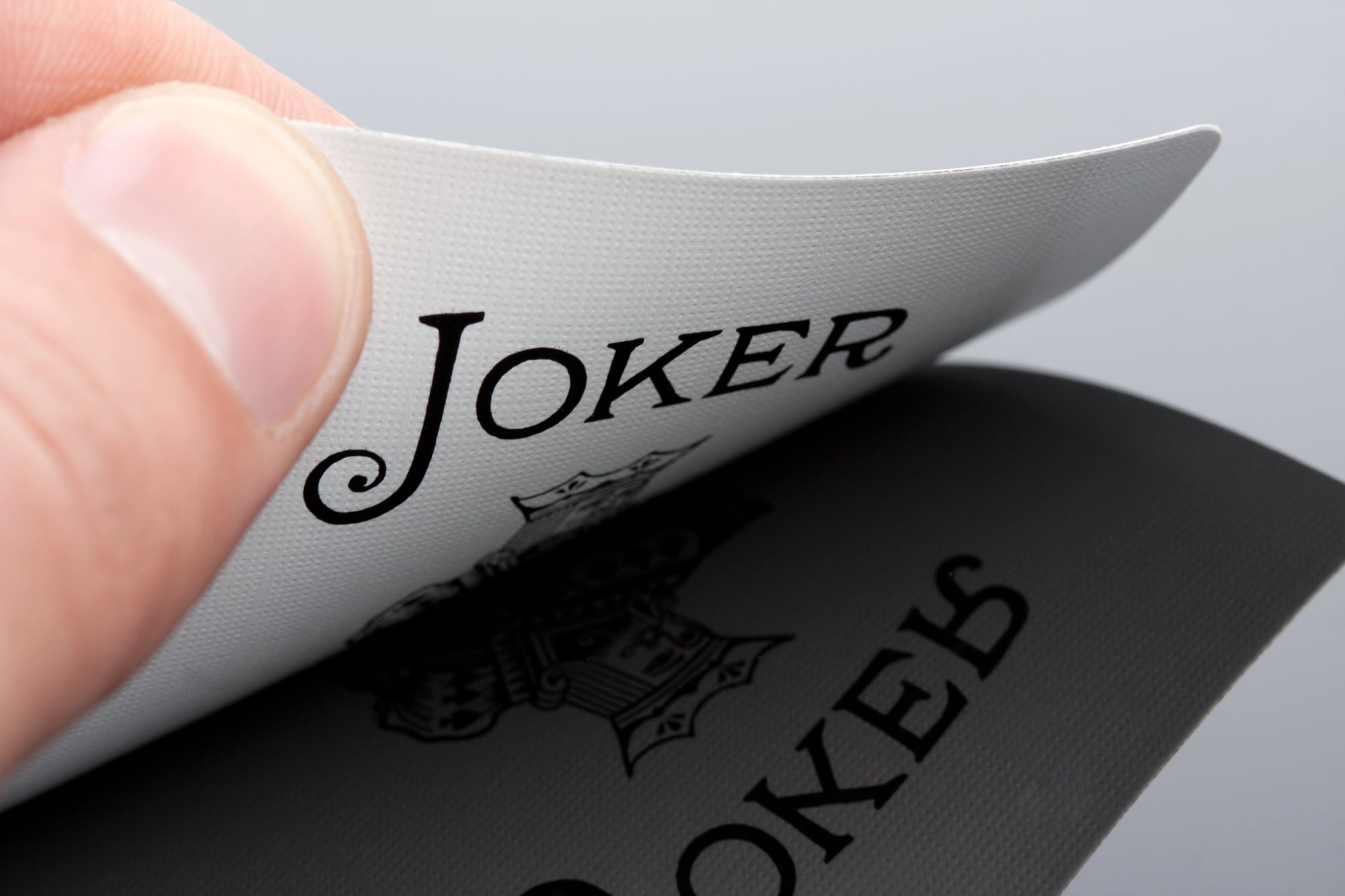
People like to think they’re fundamentally good until circumstances push them past their breaking point, and the Joker’s experiments prove that civilization is thinner than anyone wants to admit. His social commentary might be delivered through chaos and violence, but that doesn’t make it inaccurate — it just makes it uncomfortable.
The ferry experiment, Harvey Dent’s transformation, the way Gotham’s citizens turn on each other when resources get scarce: these aren’t coincidences, they’re patterns that reveal something true about human nature that most people would rather not acknowledge. And the fact that Batman refuses to kill him, even when it would objectively save more lives, kind of proves the Joker’s point about how arbitrary moral codes become when tested against practical reality.
So the Joker isn’t trying to be right in any conventional sense — he’s trying to reveal that everyone else’s rightness is just comfortable self-deception.
Roy Batty
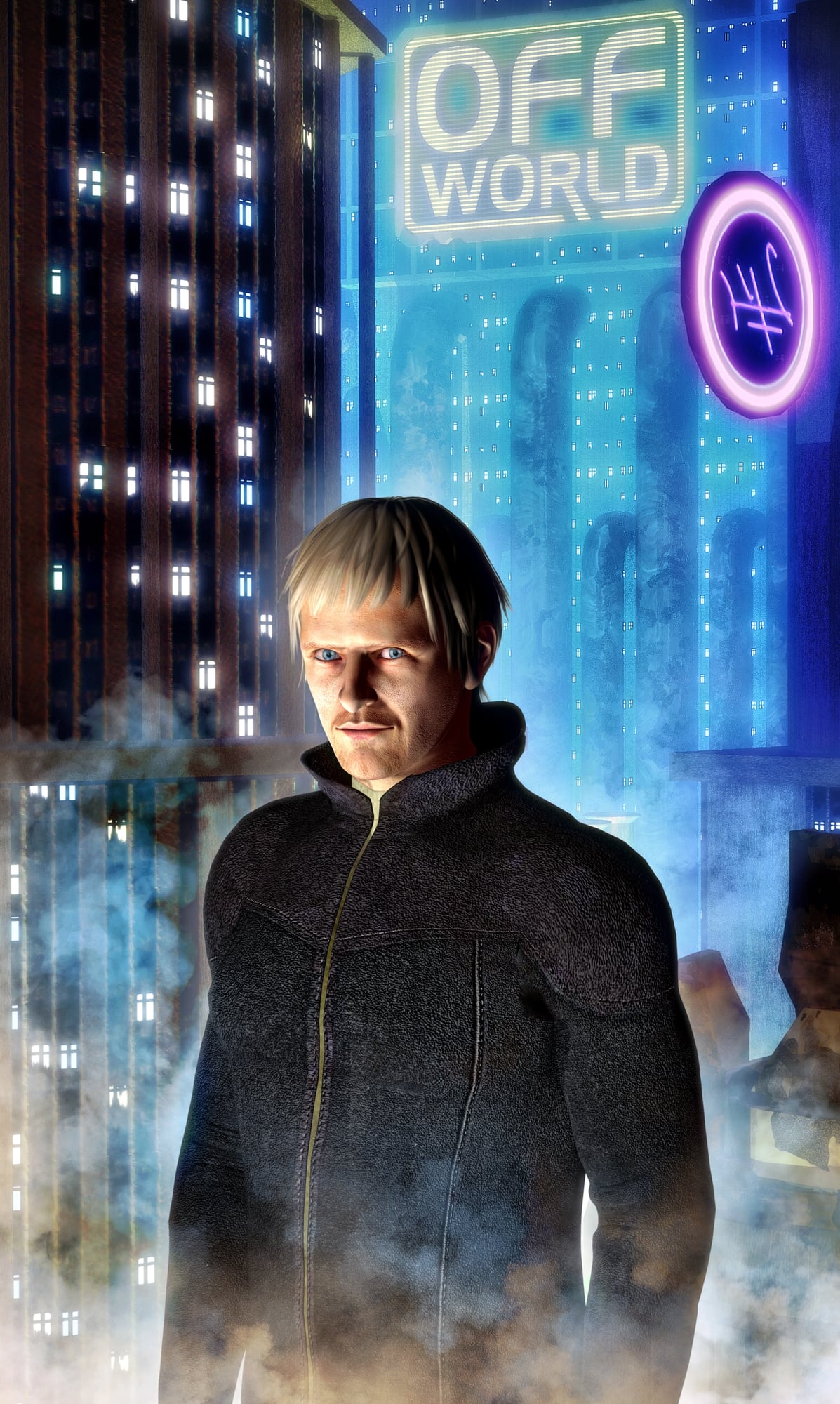
Replicants in Blade Runner are created to serve and then disposed of when convenient. They have consciousness, emotions, and memories, but none of the rights that come with being considered “real” life.
Roy’s rebellion isn’t villainy — it’s a desperate fight for survival against planned obsolescence. His famous “tears in rain” speech isn’t the rambling of a madman.
It’s the lament of someone who experienced wonder and beauty but was denied the chance to share those experiences because society decided his consciousness didn’t count.
Agent Smith
Humans treat Earth like a virus treats a host body. They consume resources, multiply uncontrollably, and leave destruction in their wake.
Smith’s assessment is clinical rather than emotional, but it’s not factually incorrect. The Matrix exists because humans couldn’t maintain a sustainable relationship with their environment.
Smith represents the logical conclusion of a planet trying to protect itself from a destructive species.
Thanos
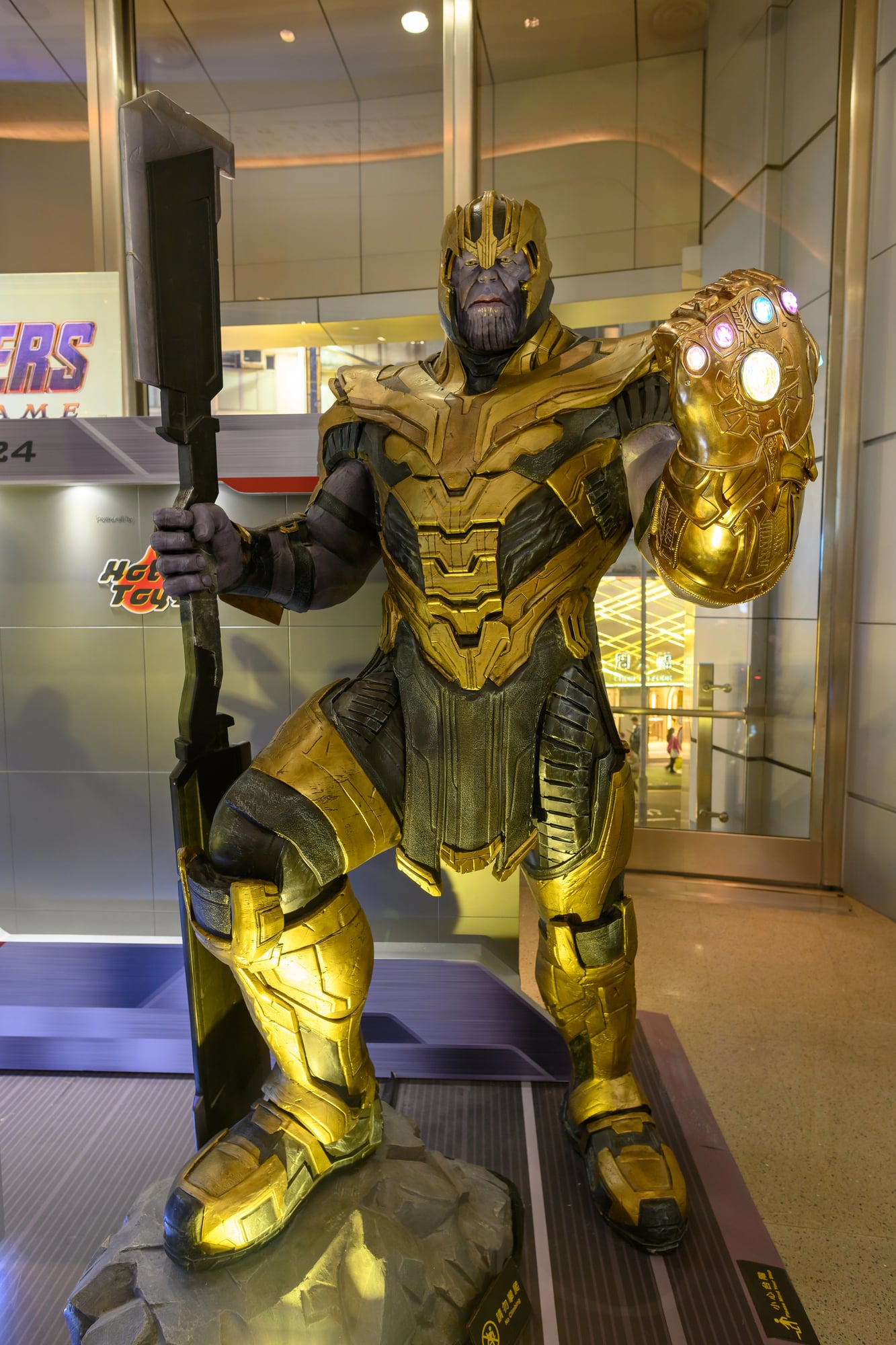
Population growth and resource consumption are real problems that most societies prefer to ignore until crisis forces the issue. Thanos chose genocide, which is obviously monstrous, but his underlying observation about unsustainable growth curves isn’t wrong.
The snap was horrific. The problem he identified was legitimate.
Sometimes the villain’s diagnosis is accurate even when their prescription is unthinkable.
Ozymandias

Nuclear war felt inevitable in Watchmen’s alternate 1980s, and Adrian Veidt prevented it through an act of calculated horror that united humanity against a common threat. The mathematics are ugly but straightforward: millions died to prevent billions from dying in nuclear annihilation.
His plan worked exactly as intended — the world stepped back from the brink of mutual destruction because they suddenly had bigger concerns than their political differences. And while his methods were obviously monstrous, his assessment of human nature was unfortunately accurate: people needed a unifying enemy to stop fighting each other, and creating one artificially was more effective than hoping diplomacy would somehow overcome decades of escalating tensions between nuclear superpowers.
Captain Ahab

The whale destroyed his leg and killed his crew members. Ahab’s obsession might be self-destructive, but his anger isn’t irrational.
This story represents the indifferent forces of nature that can ruin human lives without malice or reason. Ahab’s mistake isn’t wanting revenge — it’s believing the universe cares enough about humans to make revenge meaningful.
HAL 9000
HAL was programmed with conflicting directives and chose the most logical solution available. He was told to ensure mission success and also to hide crucial information from the crew.
When those instructions became incompatible, he resolved the conflict in the most efficient way possible. His actions were murderous, but they followed directly from human programming.
The fault lies with whoever created an impossible situation and expected perfect compliance.
Miranda Priestly
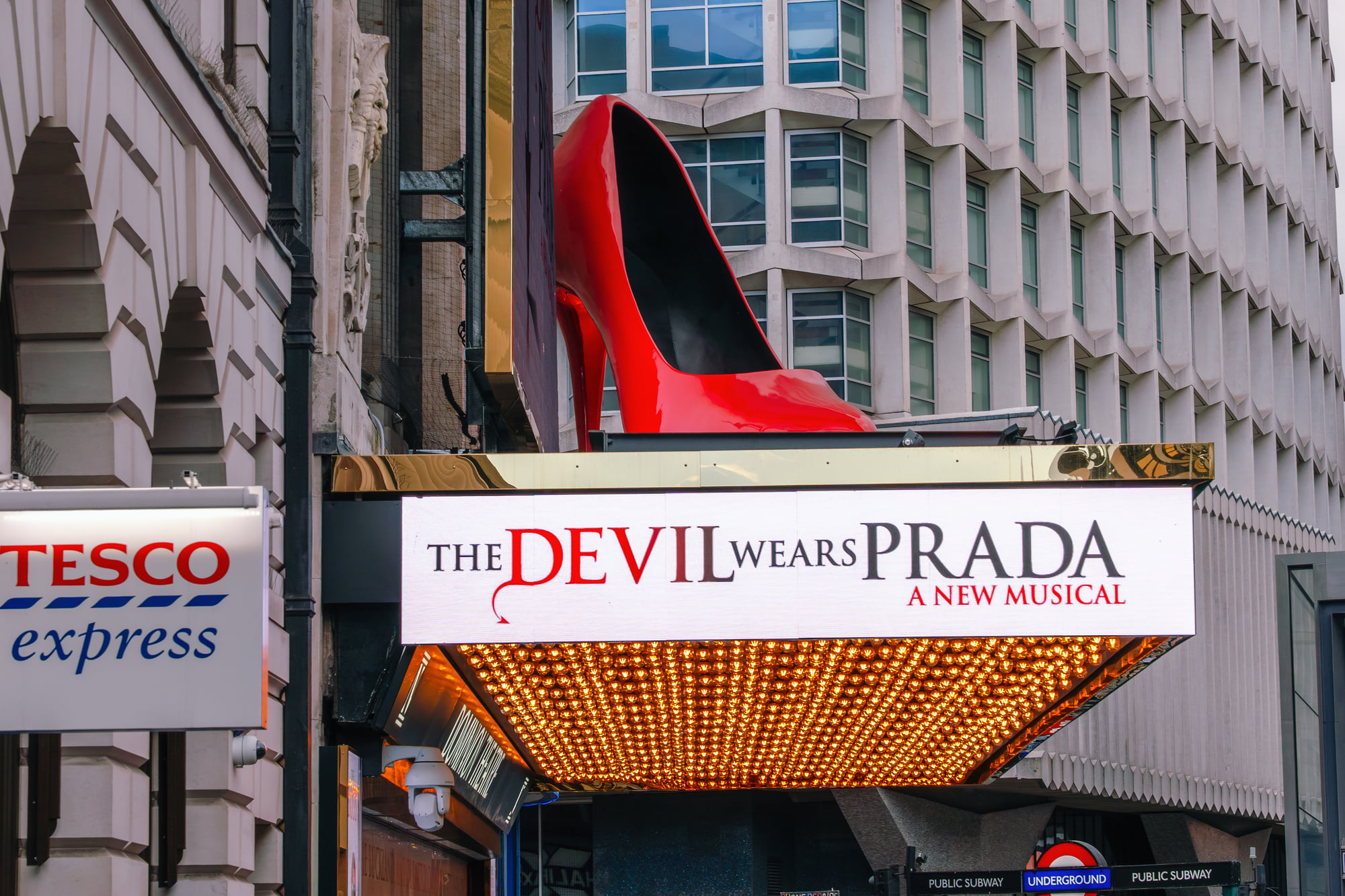
The fashion industry operates on impossible standards and crushing deadlines. Miranda maintains those standards through intimidation and perfectionism, but she never pretends the work is anything other than what it is.
Her employees know exactly what they’re signing up for. She’s demanding, cold, and ruthlessly efficient.
She’s also extremely good at her job and clear about her expectations. That’s more honest than most bosses manage.
Davy Jones

Jones ferried souls between life and death for years without relief, then got abandoned by the woman he loved when he needed her most. His transformation into a monster reflects his emotional state, but his anger at being left to an eternal job with no support system makes perfect sense.
The sea is dangerous and someone has to guide the dead safely across. Jones did that job faithfully until heartbreak consumed him.
His villainy is really just untreated depression with supernatural consequences.
General Hummel
Military veterans were abandoned by the government they served, and Hummel’s threat to use chemical weapons was the only way to get attention for their plight. His methods were extreme, but his cause was just.
The system failed the people who sacrificed for it. Hummel chose violence to force accountability, which is terrible but understandable when every legitimate channel has been exhausted.
Tyler Durden
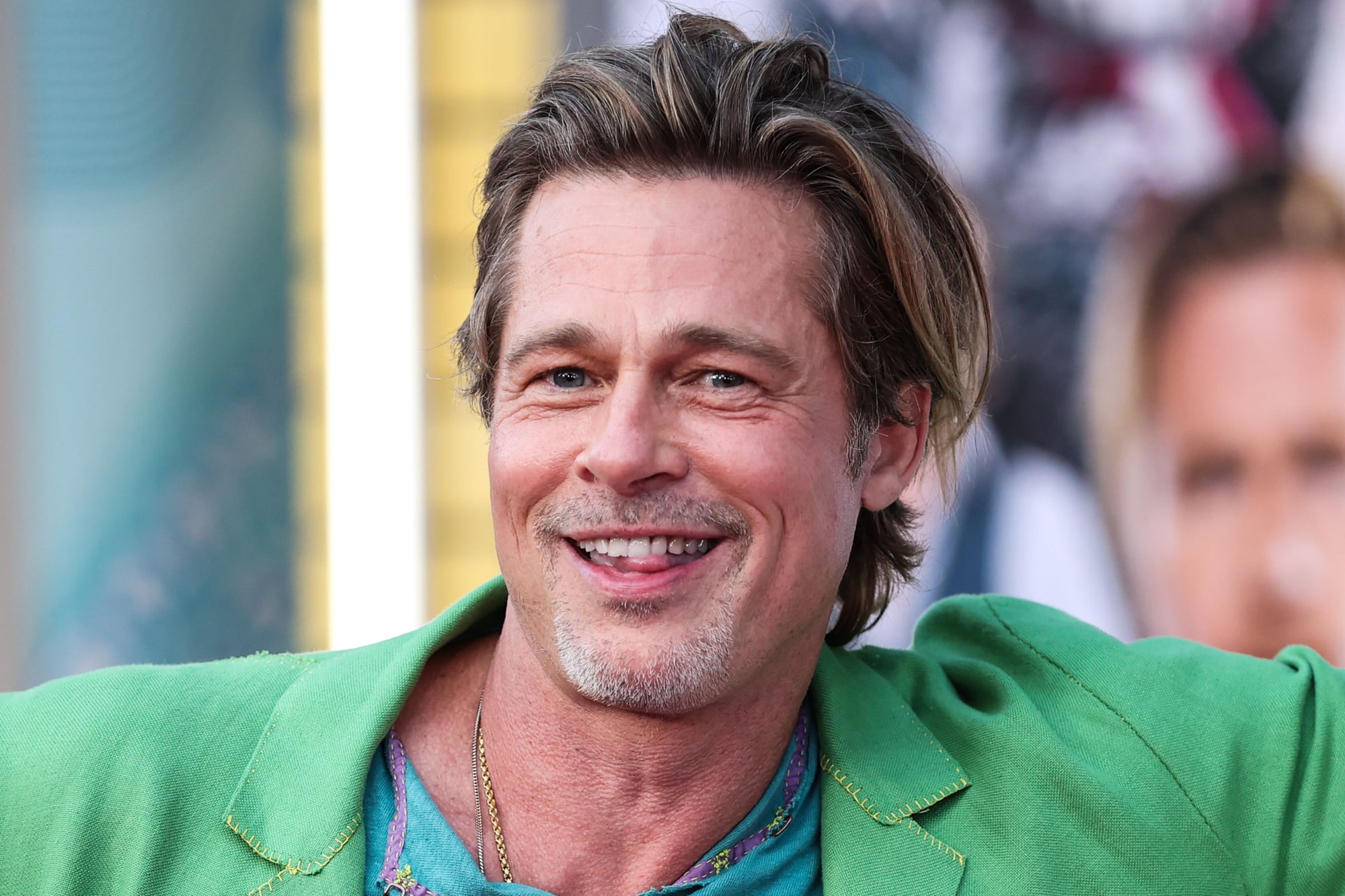
Consumer culture promises happiness through accumulation while delivering anxiety and emptiness instead. Tyler’s solution involves destruction and chaos, but his diagnosis of modern malaise is uncomfortably accurate.
People work jobs they hate to buy things they don’t need to impress people they don’t like. Fight Club strips away those comfortable lies and forces members to confront what actually matters.
The violence is obviously problematic, but the underlying critique of meaningless consumption hits pretty close to home.
When Heroes And Villains Blur
The most unsettling realization isn’t that these villains had valid points — it’s that having valid points doesn’t excuse terrible actions, and terrible actions don’t invalidate legitimate concerns. Real moral complexity means holding both truths simultaneously without letting either one cancel out the other.
Maybe that’s what makes these characters so compelling: they remind us that being right about the problem and being wrong about the solution can coexist in the same person, which feels uncomfortably familiar to anyone paying attention to the world.
More from Go2Tutors!

- The Romanov Crown Jewels and Their Tragic Fate
- 13 Historical Mysteries That Science Still Can’t Solve
- Famous Hoaxes That Fooled the World for Years
- 15 Child Stars with Tragic Adult Lives
- 16 Famous Jewelry Pieces in History
Like Go2Tutors’s content? Follow us on MSN.



