Historic Influences on Modern Traditions
You probably don’t think about ancient Rome when you check your wedding ring or look at the calendar on your phone. But history shapes the small rituals and customs you follow every day.
Some traditions stretch back thousands of years, wearing new disguises but keeping their original essence. Others blend bits and pieces from different eras, creating something that feels entirely modern but carries the weight of centuries.
White Wedding Dresses Started as a Statement

Queen Victoria wore white when she married Prince Albert in 1840, and brides have been copying her ever since. Before that, women just wore their best dress, whatever color it happened to be.
Victoria wanted lace made by British workers during tough economic times, so she picked white to show it off. The choice became a symbol of wealth because white fabric got dirty easily and needed constant care.
Now the tradition survives, but the original economic message vanished.
Shaking Hands Proved You Weren’t Armed

Ancient Greeks and Romans grabbed each other’s forearms when they met. The gesture showed neither person carried a weapon up their sleeve.
Over time, the grip moved down to the hand, but the meaning stayed the same—a peaceful greeting between strangers or friends.
You still extend your right hand, the one most people would use for a weapon, to show trust.
Birthday Cakes Come from Ancient Greece

The Greeks baked round cakes for Artemis, their moon goddess. They added candles to make them glow like the moon and believed the smoke carried prayers up to the gods.
Romans adopted the practice and started celebrating birthdays for regular people, not just deities. The candles stuck around, and now you blow them out while making a wish, sending your hopes up just like those ancient believers did.
Knocking on Wood Traces Back to Tree Spirits

Ancient pagans believed spirits lived inside trees. When you needed good luck or wanted to avoid disaster, you knocked on a tree trunk to wake the spirits and ask for help.
Christianity adapted the practice, connecting it to the wooden cross. Either way, tapping on wood when you mention good fortune remains a reflex for millions of people.
Restaurant Menus Mirror Medieval Feasts

Medieval nobility ate elaborate multi-course meals in a specific order. Servants brought dishes to the table following strict rules about what came first, second, and third.
That structure evolved into the appetizer-main course-dessert format restaurants use today. Even the word “menu” comes from the French phrase meaning “small detailed list,” which nobles used to plan their feasts.
Saying “Bless You” After Sneezes Has Plague Roots

During the bubonic plague, a sneeze often signaled the start of illness. Pope Gregory I supposedly ordered people to say “God bless you” as a quick prayer for protection.
Other theories point to the ancient belief that your soul briefly left your body when you sneezed, leaving you vulnerable to evil spirits. The custom survived because it became automatic, a polite reflex that transcends religious belief.
Neckties Evolved from Croatian Mercenaries

Croatian soldiers in the 17th century wore distinctive knotted scarves around their necks. French King Louis XIV noticed them and thought they looked sharp.
He adopted the style, and it spread through European courts. The word “cravat” comes from “Croat.”
Those military scarves gradually transformed into the modern necktie, now mostly a symbol of professionalism rather than military service.
Tossing Rice at Weddings Represents Fertility

Ancient Romans threw wheat at newlyweds to wish them prosperity and many children. Different cultures used various grains depending on what grew locally.
Rice became popular because it was harder to sweep up than wheat and made a bigger visual impact. The fertility blessing remains the same, even though most modern couples focus more on careers than producing large families.
April Fool’s Day Marks a Calendar Change

France switched from the Julian to the Gregorian calendar in 1582, moving New Year’s Day from late March to January 1st. Some people either didn’t get the message or refused to accept the change.
Others mocked them by sending fake party invitations and calling them “April fools.” The pranking tradition caught on across Europe and eventually worldwide, long after everyone accepted the new calendar.
Honeymoons Come from Mead and Moon Cycles

In ancient Babylon and Northern Europe, newlyweds drank honey wine (mead) for a full moon cycle after their wedding. People believed the sweet drink boosted fertility.
The practice gave us the term “honeymoon,” though modern couples skip the mead and just take a vacation instead. The romantic getaway replaced the fertility ritual, but the name stuck.
Red Lipstick Started in Ancient Egypt
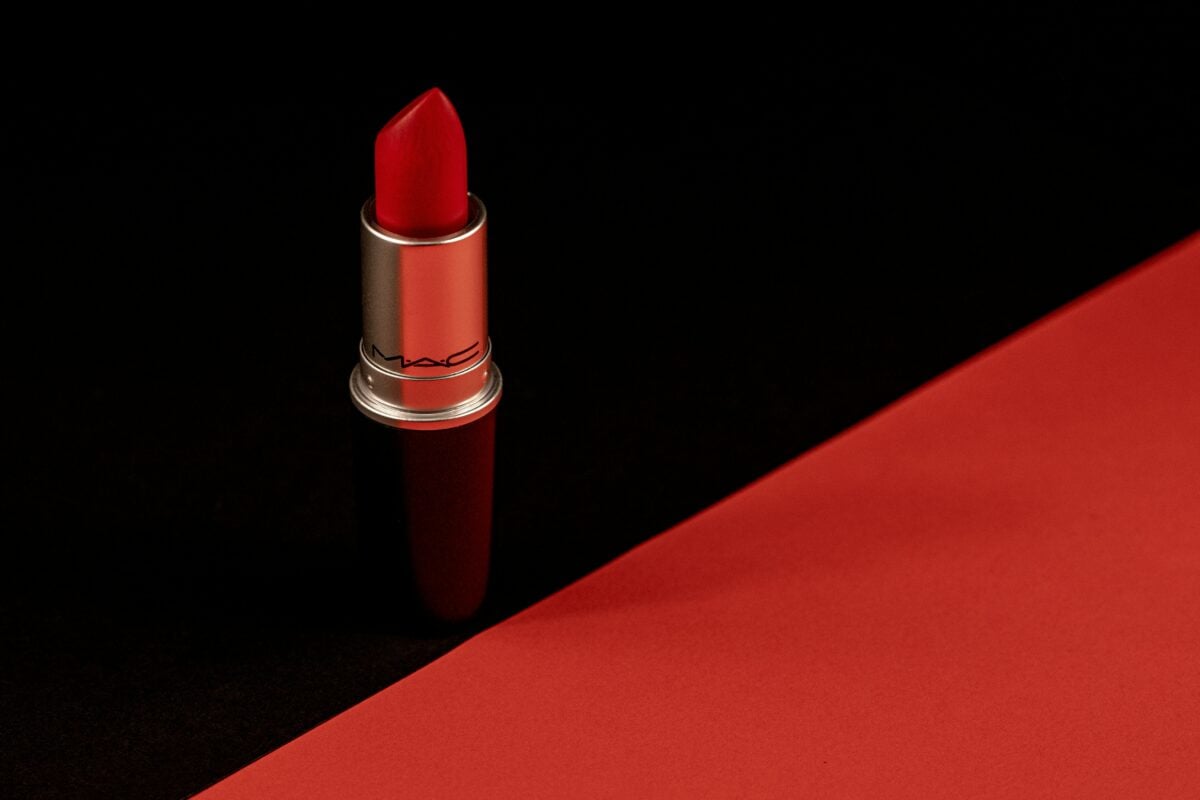
Egyptian women crushed beetles and ants to create red dye for their lips. They believed the color had magical properties and could ward off evil spirits.
Red lips became a sign of social status because the ingredients were expensive and time-consuming to prepare. Through different cultures and eras, red lipstick maintained its association with power and sensuality, though the magical protection element faded away.
Clinking Glasses Comes from Poison Prevention

Medieval diners clinked their cups together hard enough to splash liquid between them. If someone poisoned the wine, everyone at the table would share the consequences.
This made murder by poison less appealing since the killer might drink the contaminated liquid too. The toast evolved into a gesture of trust and celebration, but you still clink glasses without thinking about poison.
Sunday as a Day of Rest Follows Ancient Astronomy

Romans called Sunday ‘sun day’ since they linked it to their solar deity, using it for rituals honoring the star. Because Jesus came back to life on this date, followers later picked it for regular meetings.
Jews kept Saturday holy, yet believers felt a need to set apart their practice. Taking time off then blends faith customs with old sky-watching labels that tied weekdays to planets or stars.
Carrying Brides Over Thresholds Protected from Evil

Roman husbands used to lift their wives over the doorstep when entering their home – avoiding a misstep was key, since locals thought doorway spirits disliked awkward moves. This habit moved across Europe, changing a bit from place to place.
In some areas, folks feared harmful entities lurked by entrances; lifting her kept her safe from unseen dangers. Today, people still do it, though now it’s more about tradition than magic.
Time Keeps Circling Back
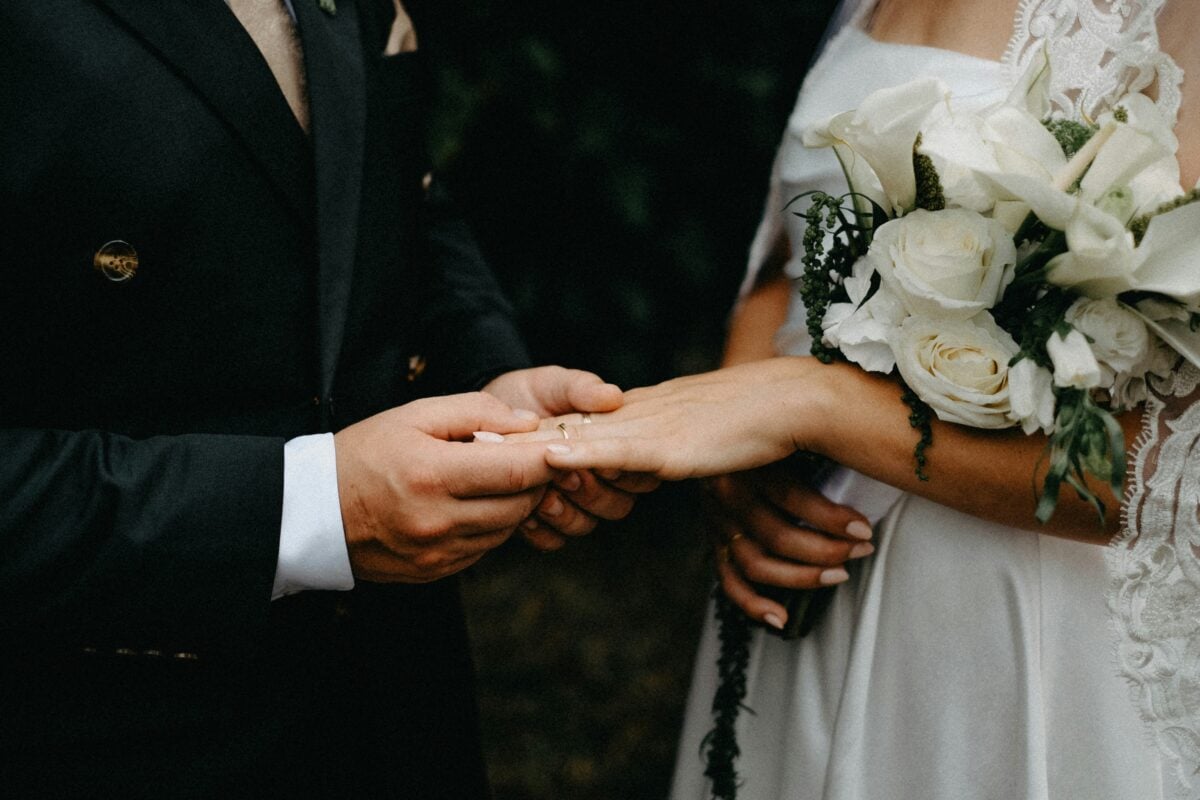
You light candles on birthday cakes, slip rings onto fingers as vows – yet rarely think about where those habits began. History isn’t stuck in dusty books.
It hides in tiny acts, quiet routines linking you to folks who lived ages ago. Customs shift forms, get new meanings, yet stick around since what we need inside hasn’t really shifted.
You tap wood, toss rice at weddings, grip palms to seal agreements – not sure why, maybe – but somehow it feels right, like an echo from way back, even if the source is gone.
More from Go2Tutors!

- The Romanov Crown Jewels and Their Tragic Fate
- 13 Historical Mysteries That Science Still Can’t Solve
- Famous Hoaxes That Fooled the World for Years
- 15 Child Stars with Tragic Adult Lives
- 16 Famous Jewelry Pieces in History
Like Go2Tutors’s content? Follow us on MSN.