30 Archaeological Discoveries That Completely Rewrote What We Thought We Knew
There’s something humbling about watching centuries of certainty collapse because someone dug in the right spot. Archaeology has a habit of uncovering evidence that forces historians to rethink everything they thought they knew about humanity’s past.
Every so often, a discovery emerges that doesn’t just add a new chapter to history — it rewrites the entire book. These finds challenged assumptions about civilization, technology, migration, religion, and human evolution, proving that the past is often stranger and more complex than anyone imagined.
Gobekli Tepe
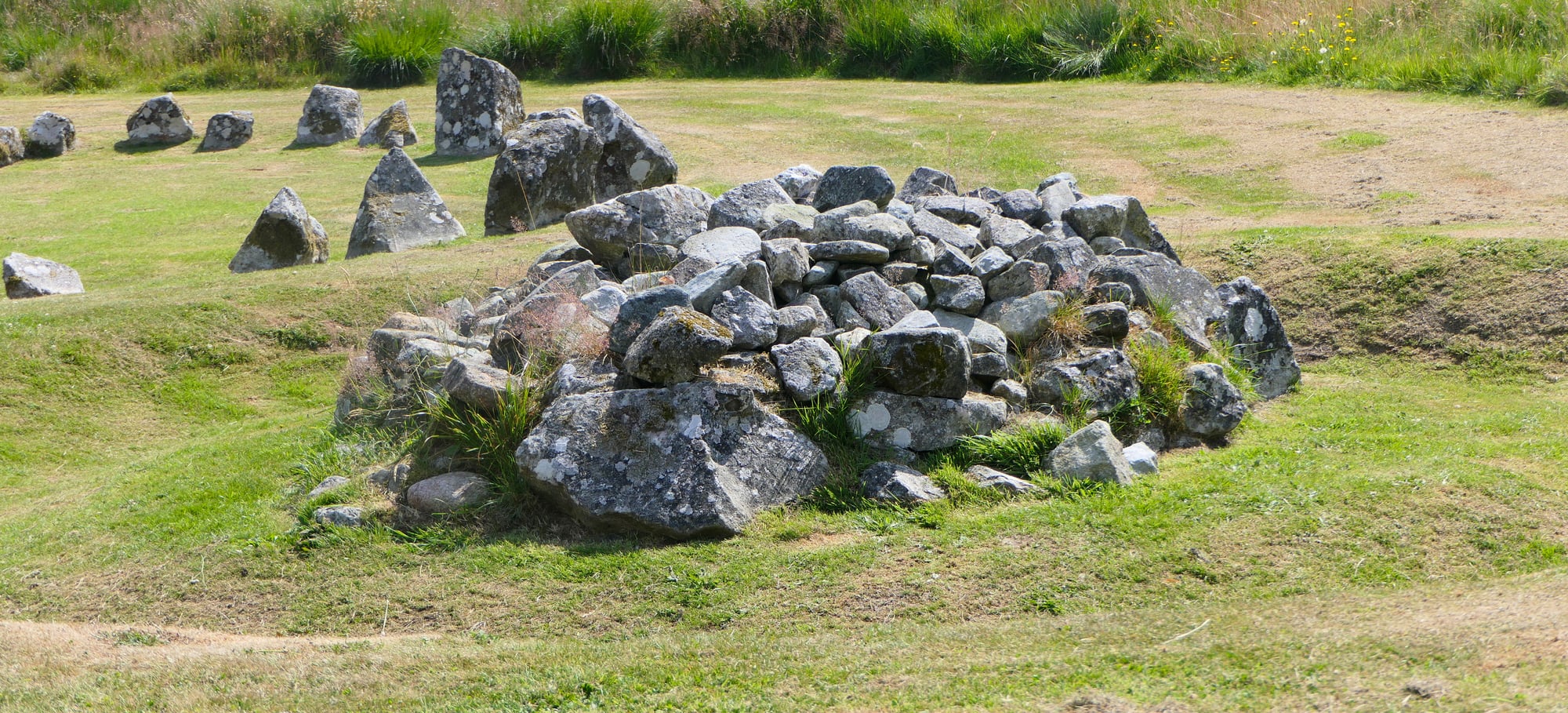
The history books got this one spectacularly wrong. For decades, archaeologists insisted that civilization worked like a neat recipe: first agriculture, then settlements, then religion, then monuments.
Gobekli Tepe laughed at that timeline. These massive stone circles in Turkey were built around 9500 BCE by hunter-gatherers who supposedly couldn’t organize anything more complex than a camping trip.
Denisovan Cave Findings
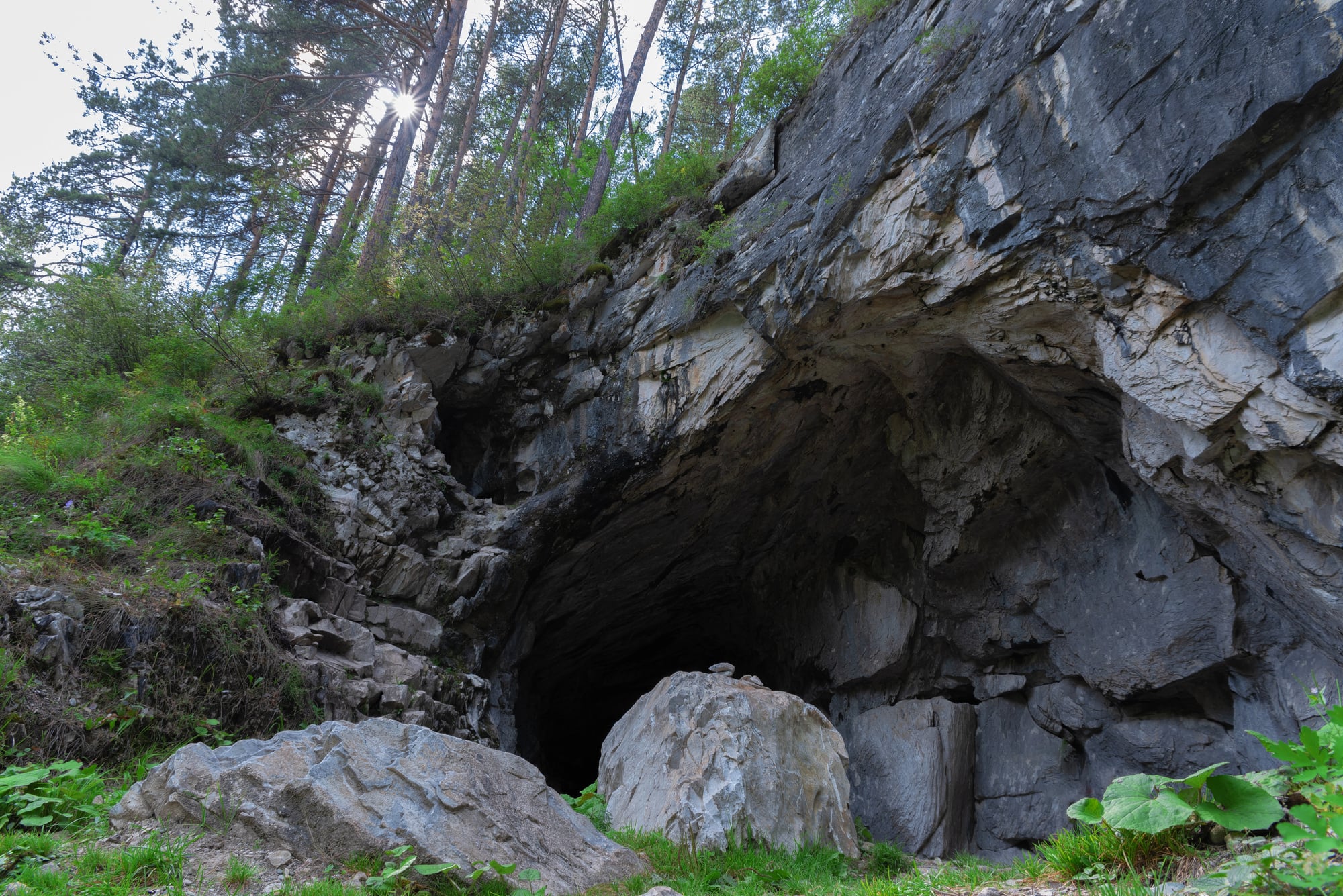
A single finger bone from a Siberian cave introduced an entirely new branch of the human family tree. The Denisovans weren’t just another group of early humans — they were genetically distinct enough to be their own species, and their DNA still flows through modern populations across Asia and Oceania.
The discovery flipped our understanding of human evolution from a simple progression to something that looks more like a messy family reunion where everyone shows up unexpectedly.
The Antikythera Mechanism

Picture this: it’s 1901, and sponge divers off a Greek island haul up what looks like a corroded lump of bronze, except this lump contains gears so precisely cut they wouldn’t look out of place in a Swiss watch factory. This thing predates Switzerland by about two millennia.
The Antikythera Mechanism is essentially an ancient computer that tracked celestial movements with mathematical precision that scholars thought was impossible for the Greeks to achieve. But here it sits, stubborn and intricate, refusing to fit into any timeline that made sense until very recently.
So much for the idea that complex mechanical engineering was a medieval invention. This device was calculating eclipse cycles and planetary positions while most of the world was still figuring out basic metalwork.
And yet the technology apparently vanished completely, leaving no descendants, no instruction manuals, and no evidence that anyone remembered how to build such things. The mechanism forces uncomfortable questions about what other technological achievements might have emerged and disappeared without leaving obvious traces behind.
Troy

Heinrich Schliemann’s discovery of Troy proved that sometimes the myths contain more truth than the history books. For centuries, scholars treated Homer’s Iliad like entertaining fiction — a poet’s imagination, not a historical account.
Then Schliemann started digging in Turkey and found not just one Troy, but nine different cities stacked on top of each other like archaeological layer cake. The discovery didn’t just validate Homer’s geography.
It fundamentally changed how historians approach ancient literature, forcing them to consider that epic poems might preserve genuine memories of real events, passed down through generations of oral tradition with startling accuracy.
Pompeii
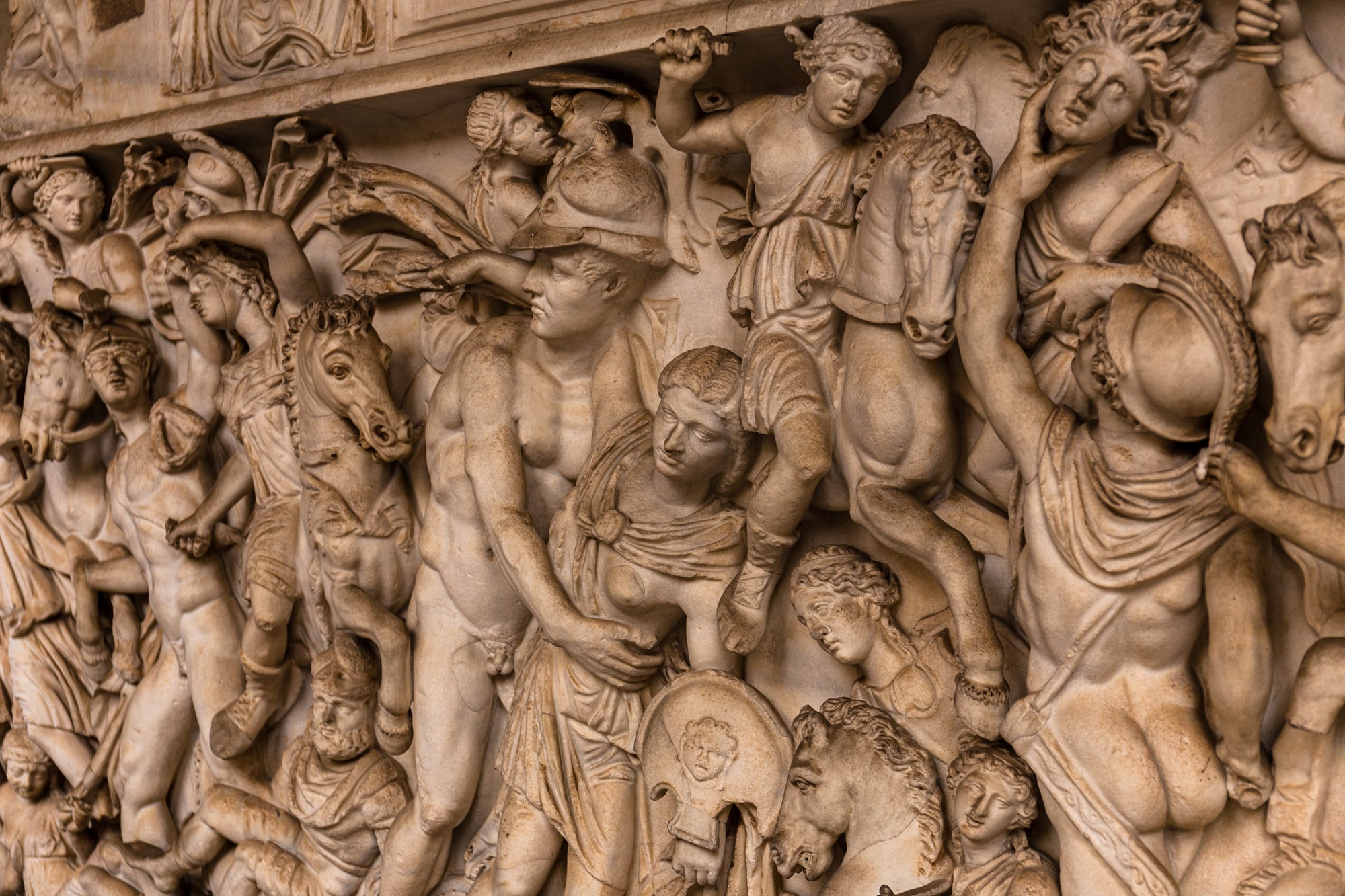
Vesuvius did more than destroy a city in 79 CE. It created a time capsule that revealed how completely wrong historians had been about daily Roman life.
Before Pompeii, scholars knew about emperors and senators, wars and politics — the grand narrative stuff that makes it into official records. They knew almost nothing about how ordinary Romans actually lived.
The ash-covered city changed that overnight. Here were bakeries with loaves still in the ovens, taverns with wine still in the amphora, and graffiti on walls that sounded like social media posts.
Pompeii revealed that Romans weren’t the marble-statue paragons of classical virtue that Renaissance scholars imagined. They were people who complained about prices, made crude jokes, and fell in love with inappropriate partners.
King Tut’s Tomb

Howard Carter’s 1922 discovery of Tutankhamun’s intact tomb didn’t just find treasure. It revolutionized everything Egyptologists thought they knew about royal burial practices and the wealth of the pharaohs.
Until that moment, every royal tomb archaeologists had found had been thoroughly ransacked by grave robbers, leaving behind empty chambers and scattered fragments.
Carter’s methodical excavation revealed the staggering complexity of Egyptian burial rituals, the sophistication of their craftsmanship, and the sheer abundance of wealth that pharaohs took to their graves.
The tomb contained over 5,000 individual objects, many displaying artistic and technical skills that scholars hadn’t known the ancient Egyptians possessed.
The Dead Sea Scrolls

Some Bedouin shepherds chasing a lost goat in 1947 stumbled into caves that contained the oldest known manuscripts of Hebrew scriptures. These documents predated the earliest known biblical texts by over a thousand years.
The Dead Sea Scrolls didn’t just push back the timeline for biblical manuscripts. They revealed how much the texts had, and hadn’t, changed over millennia of copying and translation.
The scrolls also introduced an entirely unknown Jewish sect, probably the Essenes, whose religious practices and beliefs filled gaps in understanding the religious landscape of first-century Palestine.
The discovery forced biblical scholars to reconsider fundamental questions about the development and transmission of sacred texts.
Sutton Hoo
The 1939 excavation of a ship burial in Suffolk completely rewrote early medieval English history. Before Sutton Hoo, historians viewed post-Roman Britain as a cultural wasteland — a dark age where civilization had collapsed and barbarism reigned.
The burial mound told a different story entirely. Here was a burial fit for a king, containing treasures from across Europe and beyond.
Gold work from Constantinople, silver from the Eastern Mediterranean, and weapons of extraordinary craftsmanship emerged from the soil. The find proved that early medieval England wasn’t isolated or primitive.
It was connected to trade networks spanning continents and producing art that rivals anything from the classical world.
Olduvai Gorge

Mary and Louis Leakey’s discoveries in Tanzania’s Olduvai Gorge fundamentally shifted the search for human origins from Asia back to Africa. Their finds, particularly the 1959 discovery of “Zinj” (Paranthropus boisei), provided the first solid evidence that human evolution had deeper African roots than anyone suspected.
The Leakeys didn’t just find fossils — they found them in clear geological context that allowed precise dating and demonstrated the gradual evolution of stone tool technology over millions of years.
Olduvai became the foundation for the “Out of Africa” theory that now dominates understanding of human evolution.
Lucy
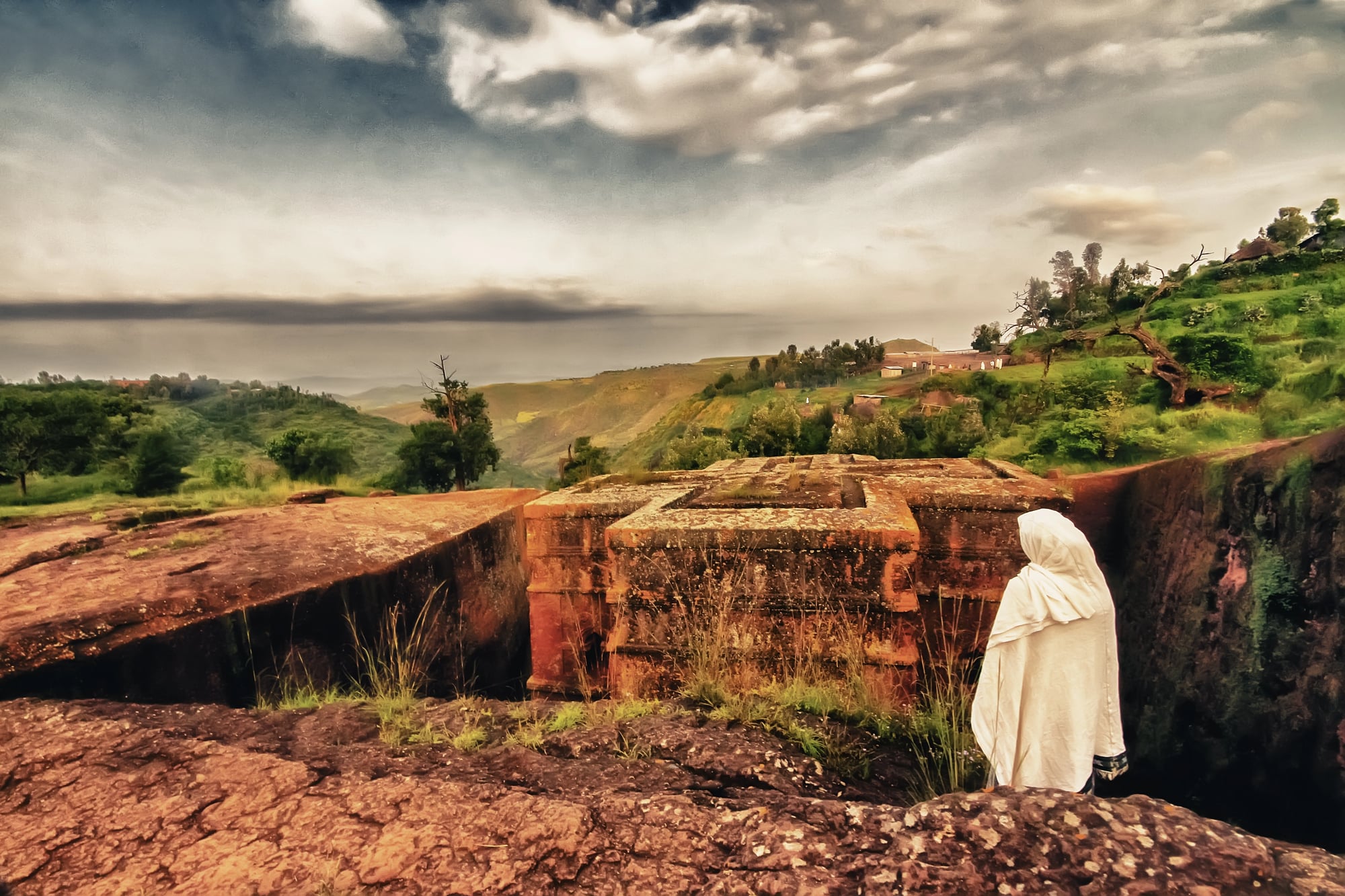
Donald Johanson’s discovery of Australopithecus afarensis in Ethiopia revolutionized understanding of early human evolution. Lucy walked upright 3.2 million years ago, long before brain size increased significantly or sophisticated tool use developed.
This overturned the prevailing theory that large brains came first and enabled bipedalism. Lucy’s skeleton revealed that walking upright was one of the earliest distinctly human characteristics, not a late development that followed intelligence.
The discovery forced a complete rethinking of what made early humans different from their ape cousins and why that difference emerged.
Lascaux Cave
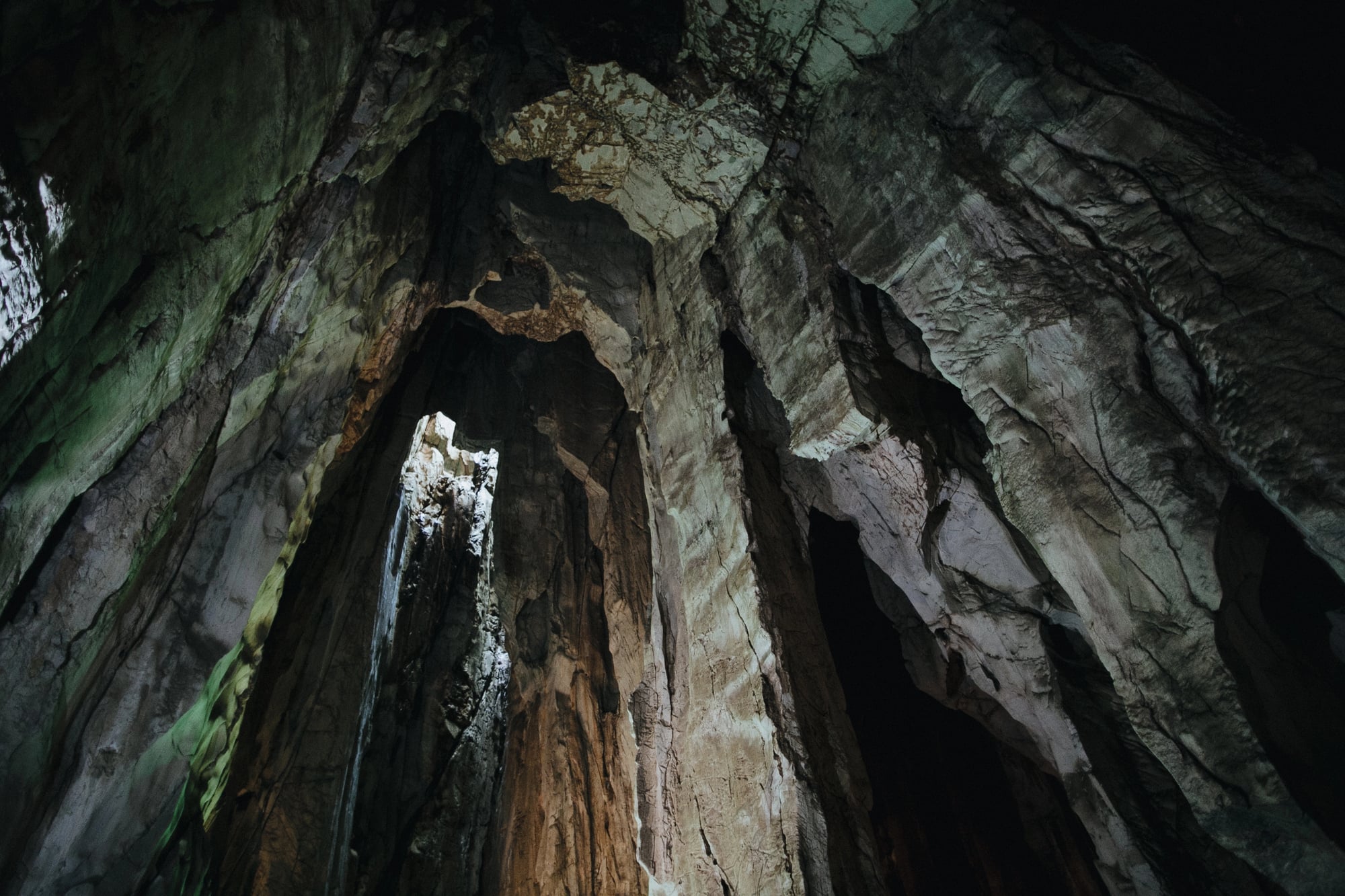
Marcel Ravidat’s 1940 discovery of painted caves in France revealed that Ice Age humans weren’t the crude primitives that scholars imagined. The paintings at Lascaux demonstrated artistic sophistication that seemed impossible for people supposedly struggling just to survive.
These weren’t crude stick figures scratched on rock walls. They were dynamic, naturalistic images that showed deep observation of animal behavior and movement.
The cave paintings pushed back the timeline for complex symbolic thought and artistic expression by tens of thousands of years. They forced archaeologists to reconsider the cognitive capabilities of Paleolithic humans and question assumptions about the linear progression of cultural development.
Clovis Sites

For decades, the “Clovis First” model insisted that humans first arrived in the Americas around 13,000 years ago via a land bridge from Asia. Then archaeologists started finding sites like Monte Verde in Chile and Meadowcroft in Pennsylvania that contained clear evidence of human occupation thousands of years earlier than Clovis artifacts.
These pre-Clovis sites shattered the comfortable consensus and forced a complete rethinking of when and how humans first reached the Americas.
The timeline keeps getting pushed back, and the migration routes keep getting more complex as new sites emerge.
Easter Island Moai
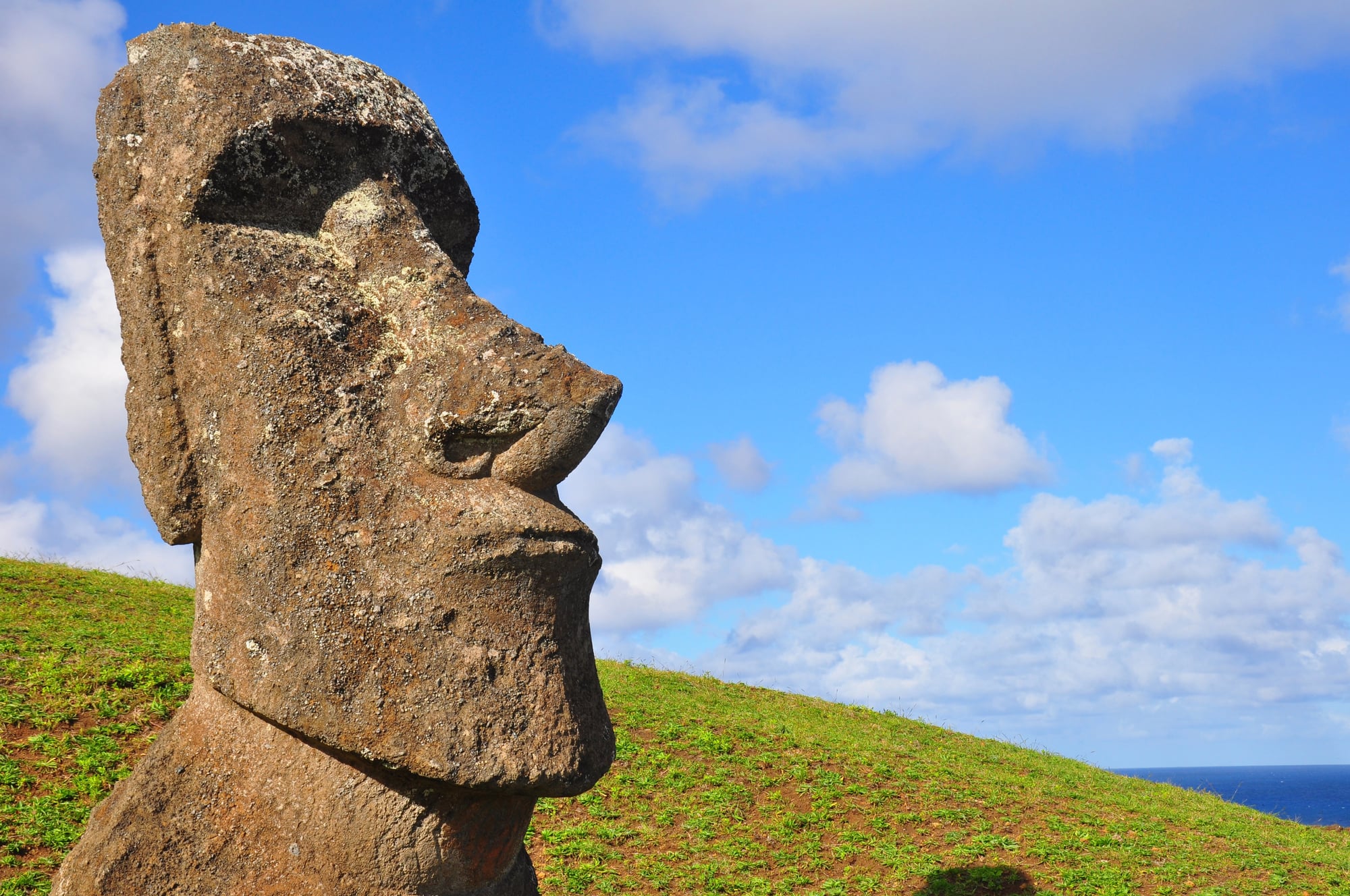
The massive stone statues of Rapa Nui hold more mysteries than anyone expected when European explorers first encountered them. Recent excavations revealed that the statues aren’t just heads — they have full bodies buried underground, some extending 30 feet down.
The discovery changed understanding of both the scale of the project and the sophistication of the civilization that created them.
More importantly, new research has challenged the popular narrative of ecological collapse and societal kill. The real story of Easter Island appears far more complex than the simple morality tale of environmental destruction that dominated popular accounts.
Cahokia

The discovery and excavation of Cahokia in Illinois forced a complete revision of pre-Columbian North American history. Here was a city that at its peak around 1100 CE housed more people than London and featured massive earthen pyramids, sophisticated urban planning, and trade networks that stretched across the continent.
Cahokia proved that complex urban civilizations had developed in North America independently, without influence from European or Mesoamerican cultures.
The city’s existence challenged assumptions about the cultural development of indigenous North American societies and their capabilities for large-scale social organization.
Terracotta Army
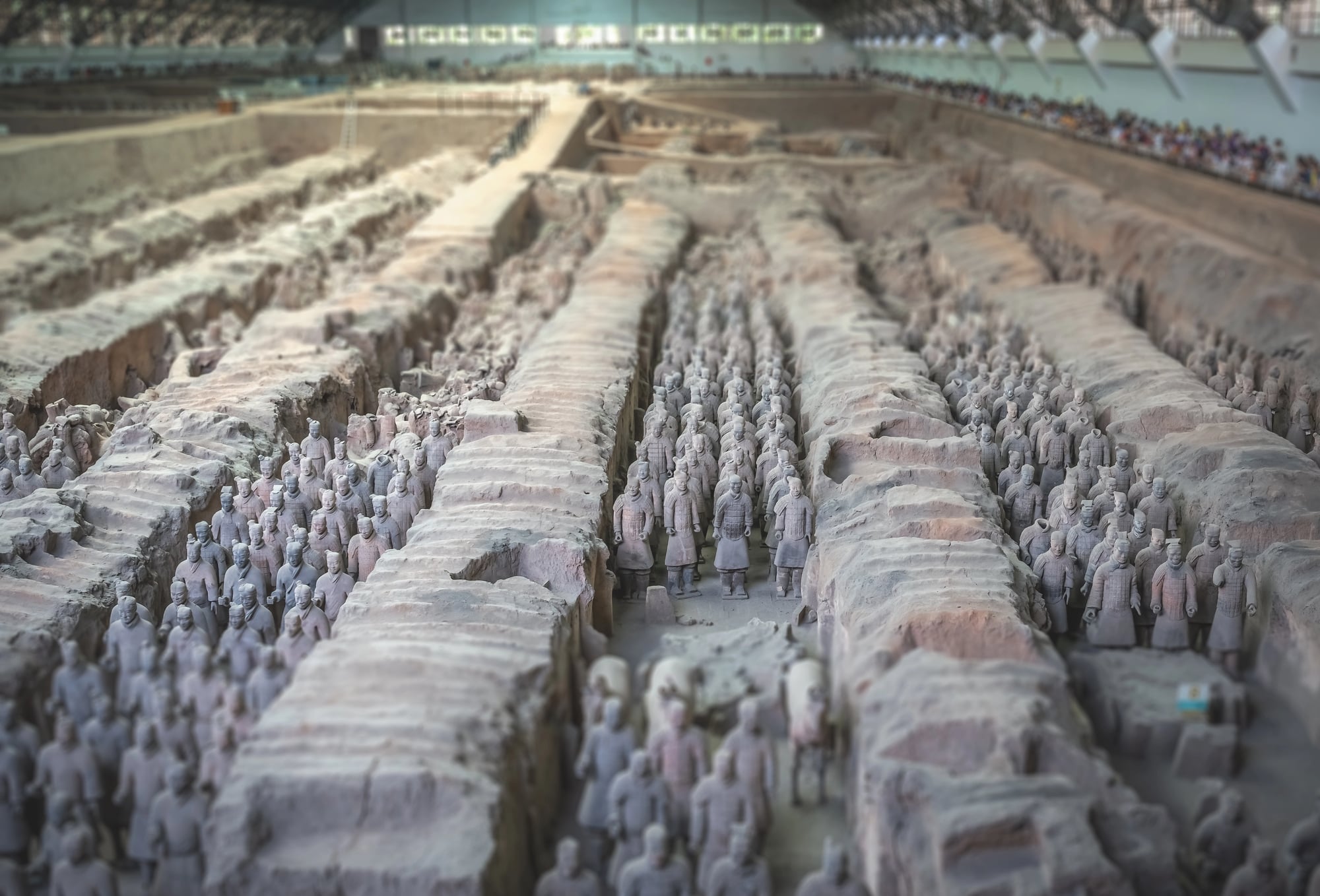
The accidental discovery of Emperor Qin Shi Huang’s terracotta warriors in 1974 revealed the staggering ambition and organizational capacity of ancient China. Local farmers digging a well uncovered what turned out to be an underground army of over 8,000 life-sized ceramic soldiers, each individually crafted with unique features and positioned in military formation.
The find demonstrated technical and artistic achievements that seemed almost impossible for 220 BCE.
The level of detail, the scale of production, and the logistics required to create and bury such an army forced historians to revise their estimates of Chinese technological and administrative capabilities during the Qin Dynasty.
Chauvet Cave
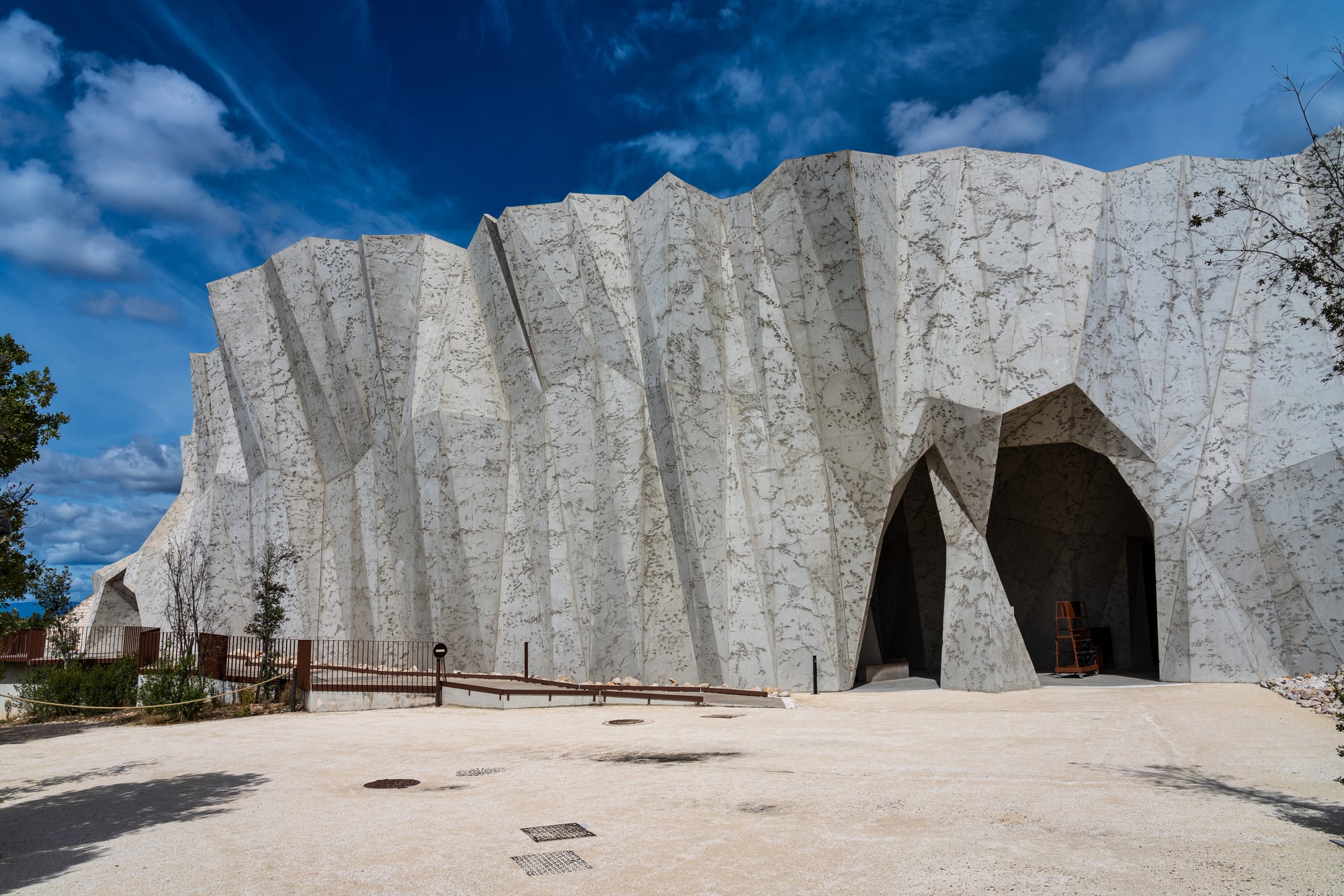
The 1994 discovery of Chauvet Cave in France contained paintings that dated to around 30,000 years ago — nearly twice as old as the famous Lascaux paintings. More shocking than their age was their sophistication.
These weren’t crude early attempts at art gradually evolving toward the masterpieces of Lascaux. They were masterpieces themselves, showing techniques like perspective and shading that weren’t supposed to exist for millennia.
Chauvet demolished the idea that art developed in a linear progression from simple to complex. Instead, it suggested that artistic sophistication appeared fully formed much earlier than anyone thought possible, then remained essentially unchanged for thousands of years.
Ötzi the Iceman
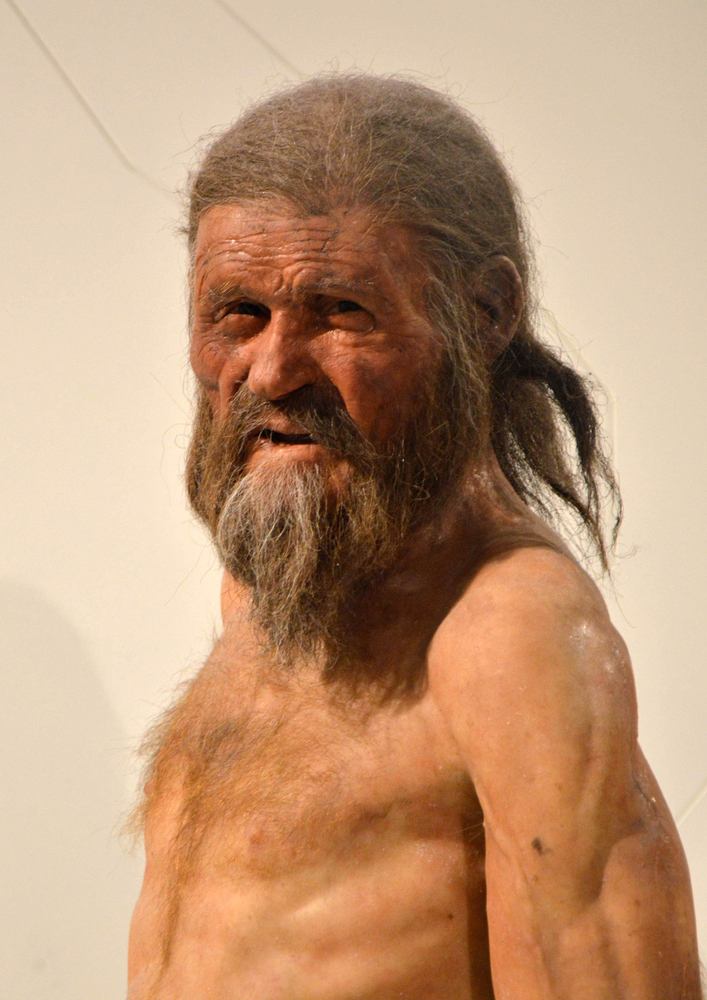
The 1991 discovery of a 5,300-year-old naturally mummified corpse in the Austrian Alps provided an unprecedented window into Copper Age life. Ötzi wasn’t just well-preserved — he came with his complete kit of tools, weapons, clothing, and equipment.
This gave archaeologists their first detailed look at how people actually lived during the transition from stone to metal tools.
The iceman revealed sophisticated knowledge of materials and technology that had left no trace in the archaeological record. His copper axe, his precisely tailored leather clothing, and his complex bow and arrows had never been found before because organic materials rarely survive thousands of years.
Newgrange
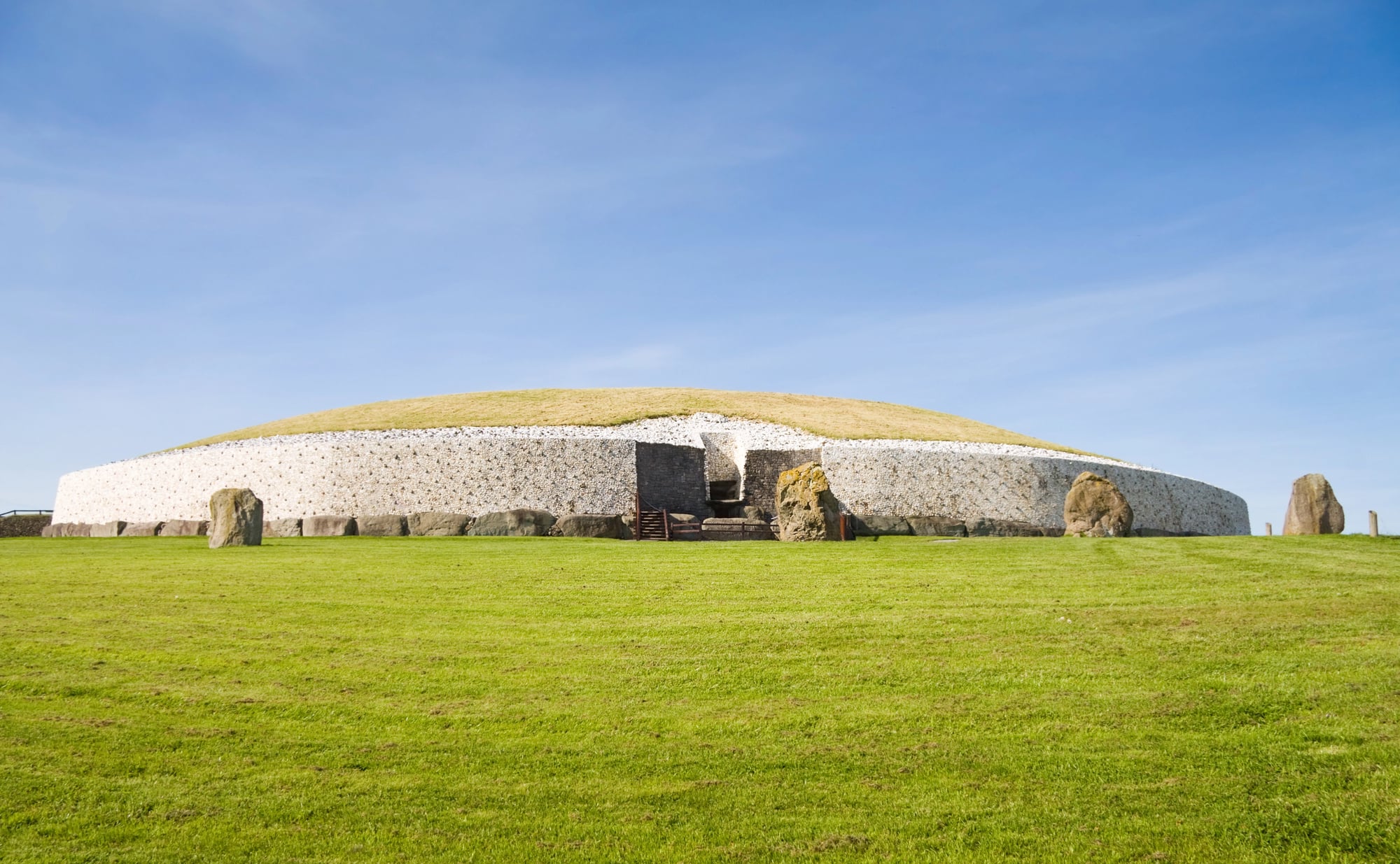
Ireland’s Newgrange passage tomb predates Stonehenge by 500 years and the Egyptian pyramids by approximately 600 years. That makes it older than any of the monuments it supposedly copied.
More remarkably, its builders designed it with such precision that sunlight penetrates the central chamber only during the winter solstice.
The light illuminates intricate spiral carvings that suggest sophisticated astronomical knowledge. The discovery forced archaeologists to reconsider the capabilities of Neolithic societies and question assumptions about the diffusion of architectural and astronomical knowledge in prehistoric Europe.
Çatalhöyük
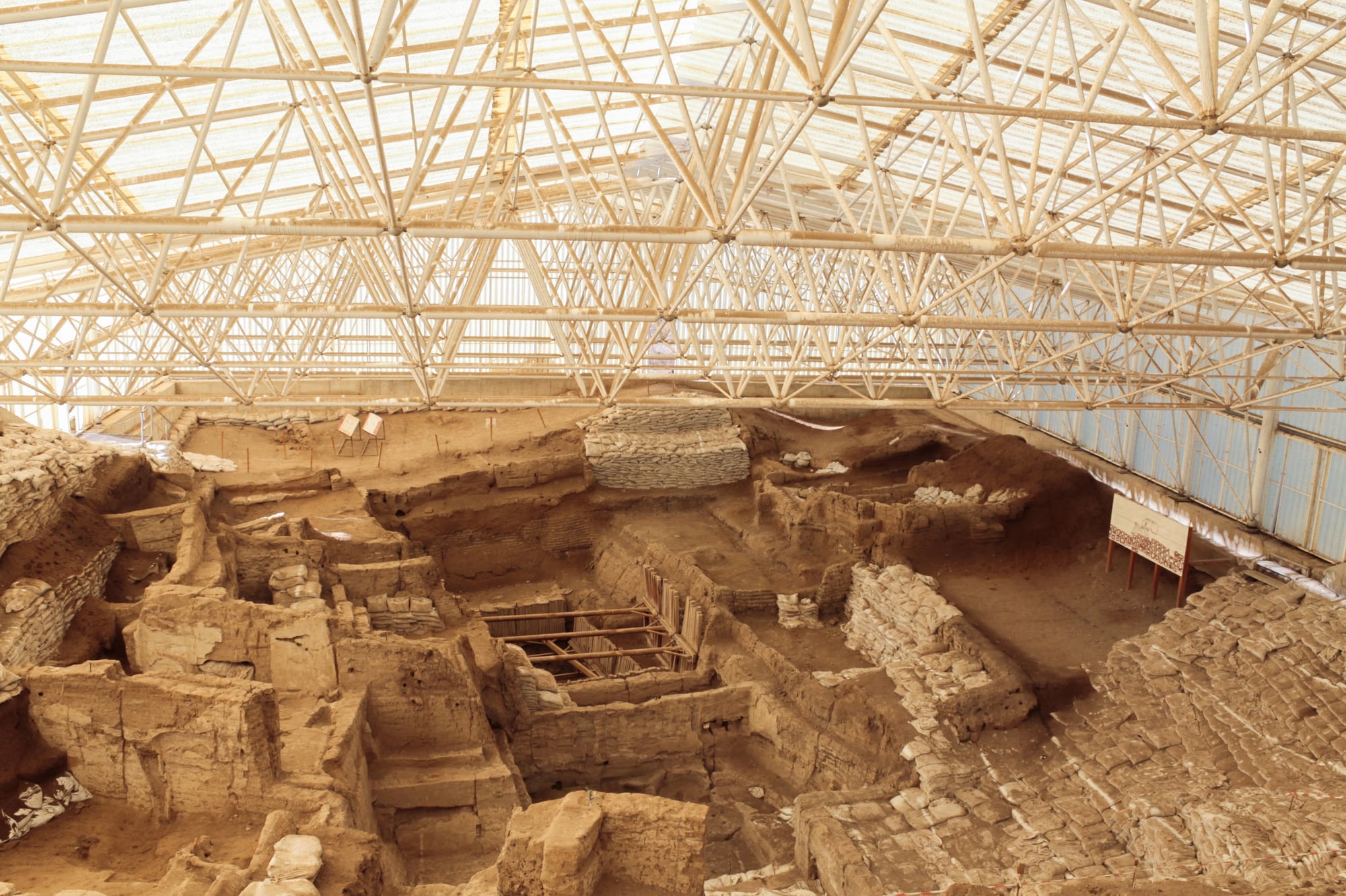
James Mellaart’s excavations at Çatalhöyük in Turkey revealed one of the world’s earliest known cities, dating to around 7500 BCE. But this wasn’t just an early city — it was an early city that operated according to principles that challenged every assumption about how early urban societies worked.
The city had no streets, no obvious social hierarchy, no central authority, and no defensive walls.
People entered their houses through pits in the roof and moved around the city by walking across interconnected rooftops. The discovery suggested that early urbanism was far more diverse and experimental than historians had imagined.
Valley of the Kings
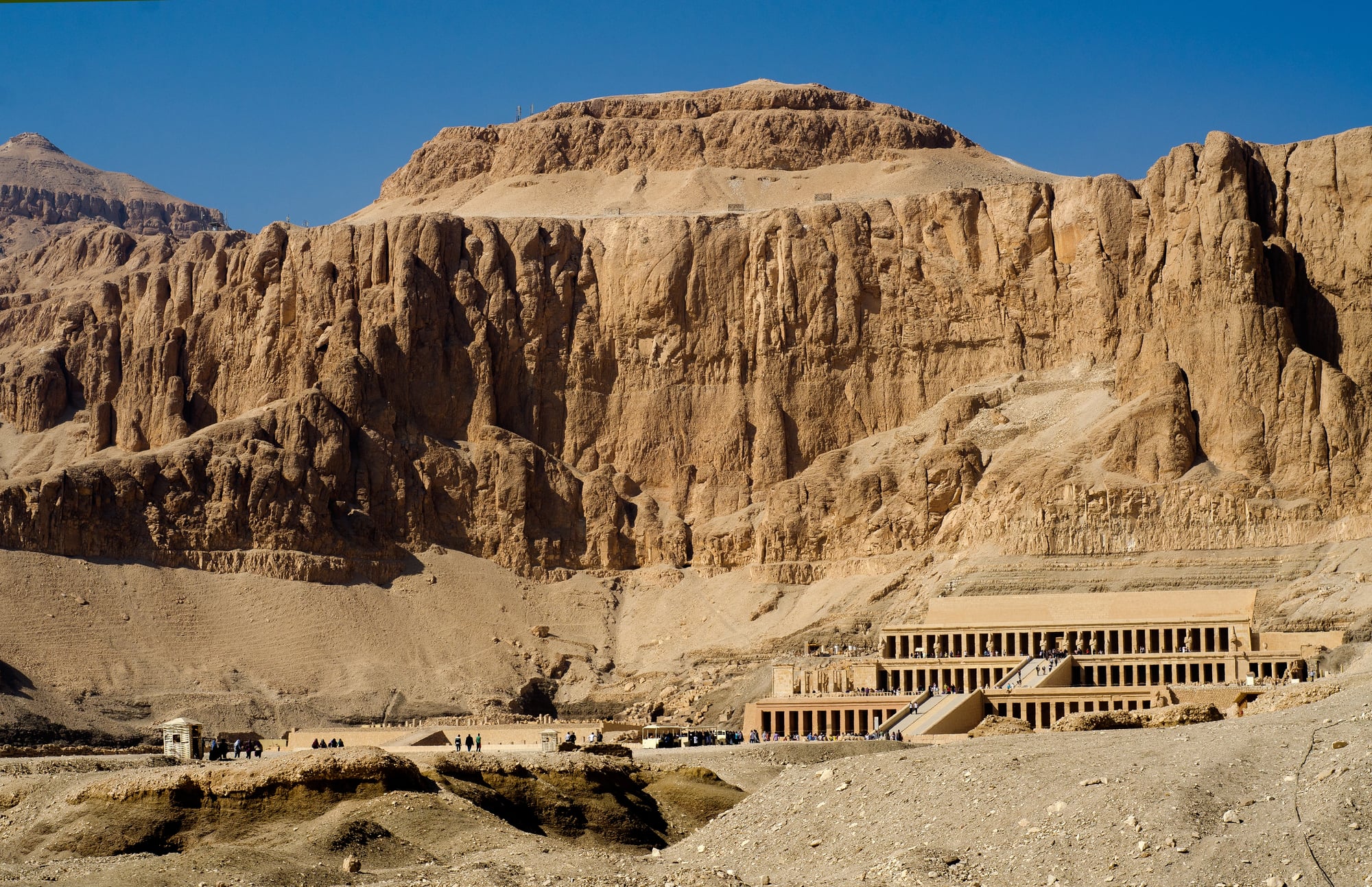
Howard Carter’s discovery of King Tut’s tomb was just the most famous find in the Valley of the Kings. The systematic excavation of this royal burial ground has continuously revised understanding of New Kingdom Egypt.
Each new tomb revealed different approaches to burial, different artistic styles, and different religious practices.
These discoveries made it clear that Egyptian civilization was far more dynamic and changing than the static, timeless culture described in older histories.
The valley’s tombs also revealed the practical realities of royal power — how pharaohs actually governed, how succession worked, and how religious and political authority interacted in ways that official monuments never showed.
Bog Bodies

The discovery of naturally preserved human remains in European peat bogs opened a window into Iron Age life and death that no other archaeological evidence could provide. These aren’t just well-preserved bodies — they’re crime scenes.
They contain evidence of the circumstances of death that suggest complex ritual practices or judicial proceedings.
The bog bodies revealed aspects of Iron Age society that had left no other trace: details about diet, health, social status, and religious practices.
They also raised uncomfortable questions about violence and human punishment in prehistoric European societies.
Stonehenge
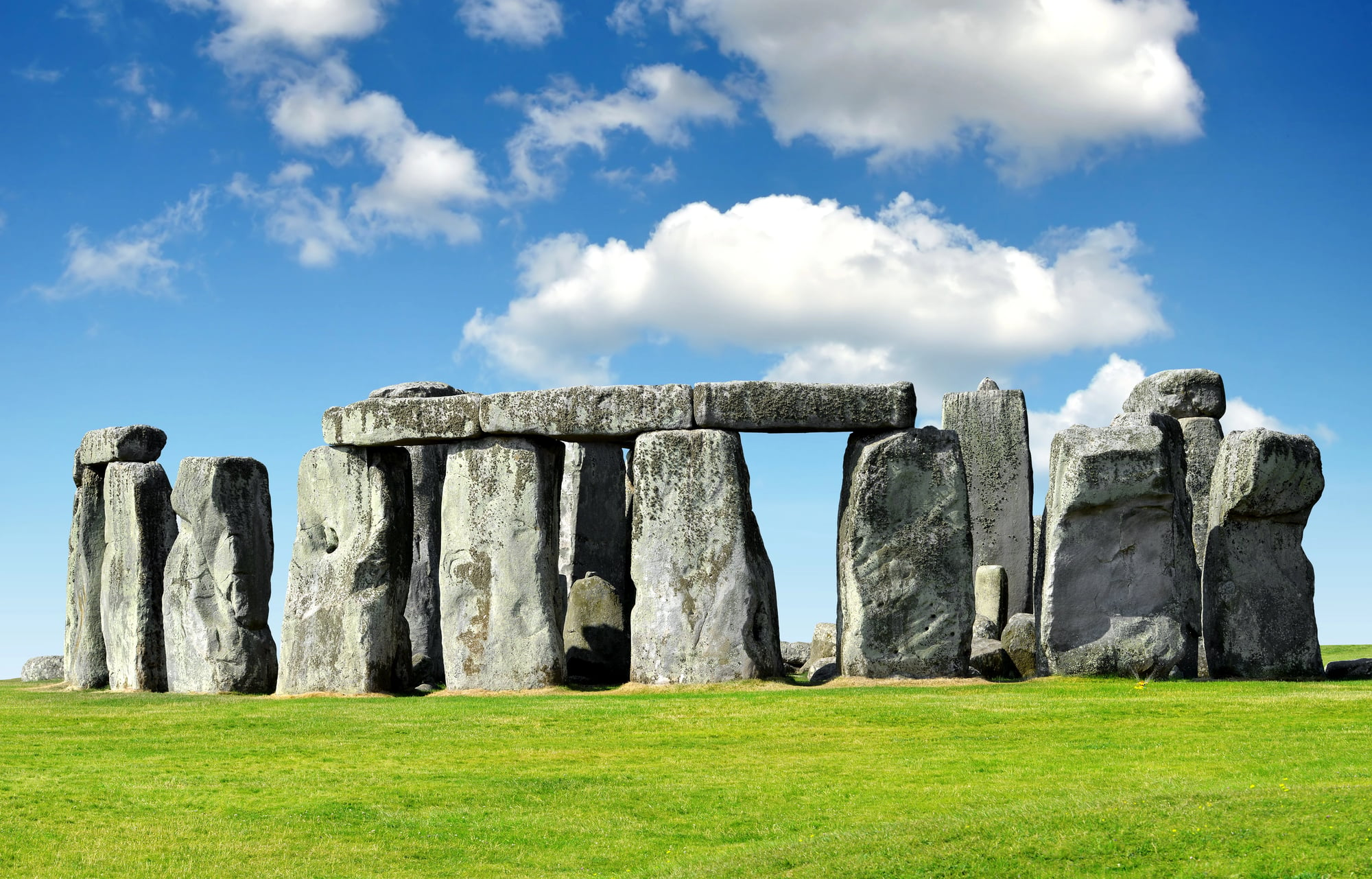
While Stonehenge itself has been known for centuries, recent archaeological discoveries around the monument have completely changed understanding of its purpose and context. Ground-penetrating radar has revealed a vast landscape of buried monuments, ceremonial pathways, and burial sites.
These discoveries show Stonehenge wasn’t an isolated temple. It was the center of a complex religious landscape that evolved over thousands of years.
The evidence suggests that Stonehenge’s builders undertook one of the most ambitious construction projects in prehistoric Europe.
They moved massive stones hundreds of miles and reshaped the entire landscape according to a grand design that took centuries to complete.
Derinkuyu
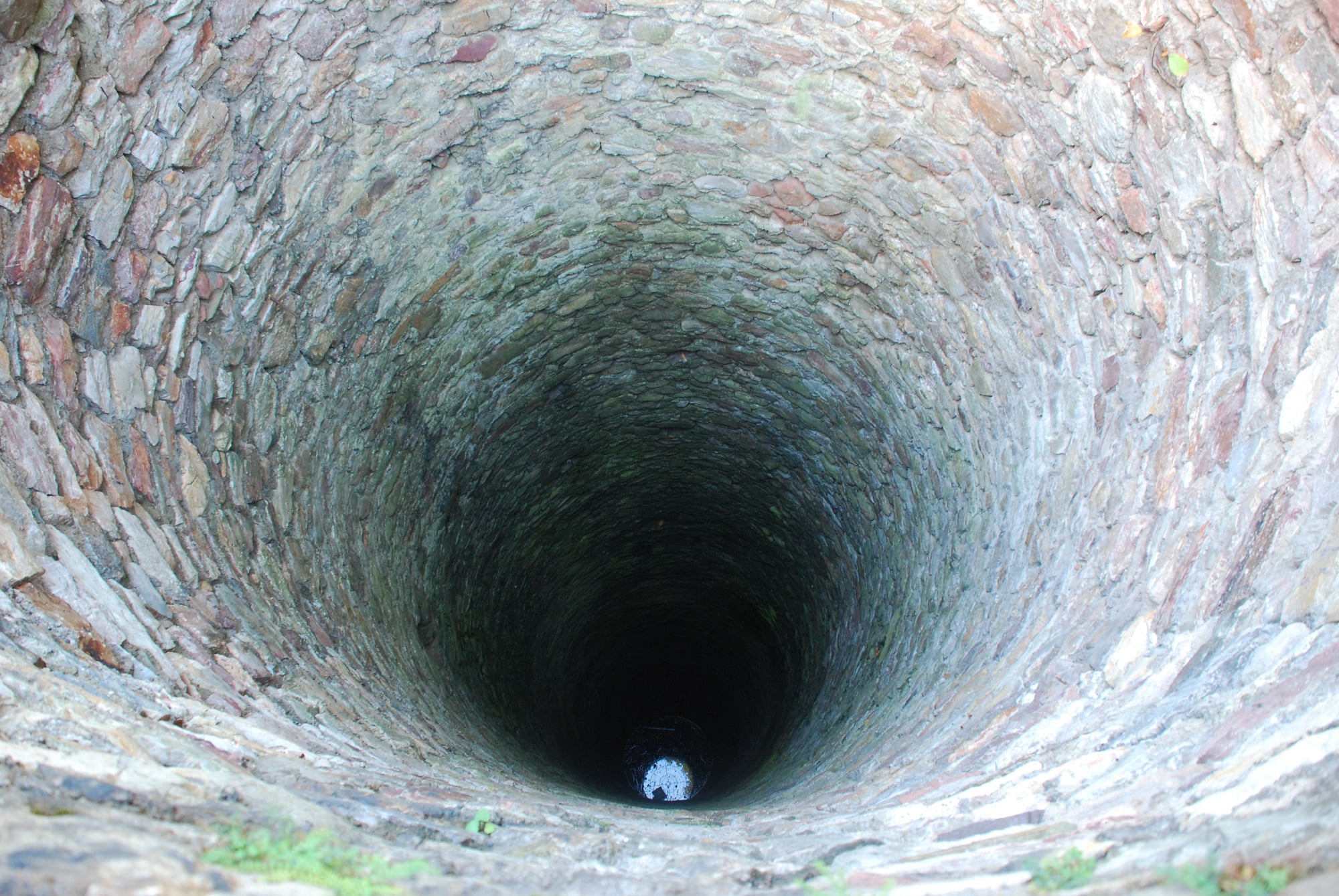
The accidental discovery of Derinkuyu’s underground city in Turkey revealed that ancient peoples were capable of engineering projects that seemed almost impossible without modern technology. This wasn’t just a few underground chambers.
It was an entire subterranean city that could house 20,000 people, complete with ventilation systems, chapels, stables, and defensive features.
The discovery raised questions about what other massive construction projects might be hidden underground, undetected by conventional archaeology.
It also demonstrated that ancient civilizations sometimes chose to build down rather than up, creating monuments that remain invisible until someone literally stumbles into them.
Hobbit Fossils
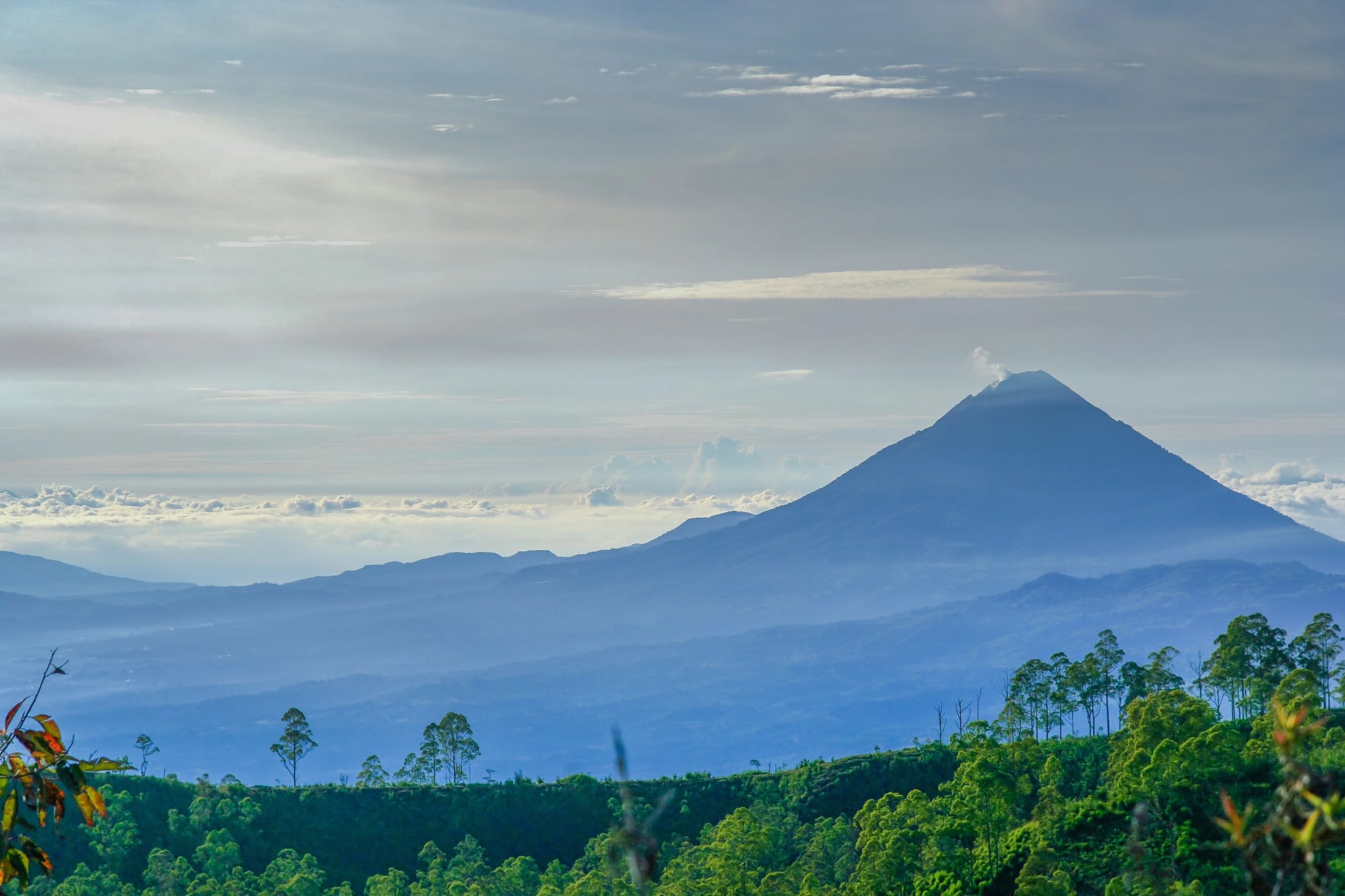
The 2003 discovery of Homo floresiensis fossils on the Indonesian island of Flores completely blindsided the archaeological community. Here was a human species that stood only three feet tall, had a brain the size of a chimpanzee’s, yet made stone tools and survived until just 18,000 years ago.
The “hobbits” proved that human evolution was far more complex and diverse than anyone suspected.
They also raised the possibility that other unknown human species might have survived much later than previously thought, potentially even overlapping with recorded history.
Seahenge

The discovery of a Bronze Age timber circle on a Norfolk beach revealed that ancient Britons were creating sophisticated ceremonial monuments from wood as well as stone. The preservation of Seahenge’s wooden posts allowed precise dating and revealed construction techniques that had never been observed in stone monuments.
More importantly, the find demonstrated that the archaeological record was heavily biased toward stone monuments simply because wood doesn’t usually survive.
Seahenge suggested that the prehistoric landscape might have been filled with wooden monuments that have left no trace.
Sima de los Huesos
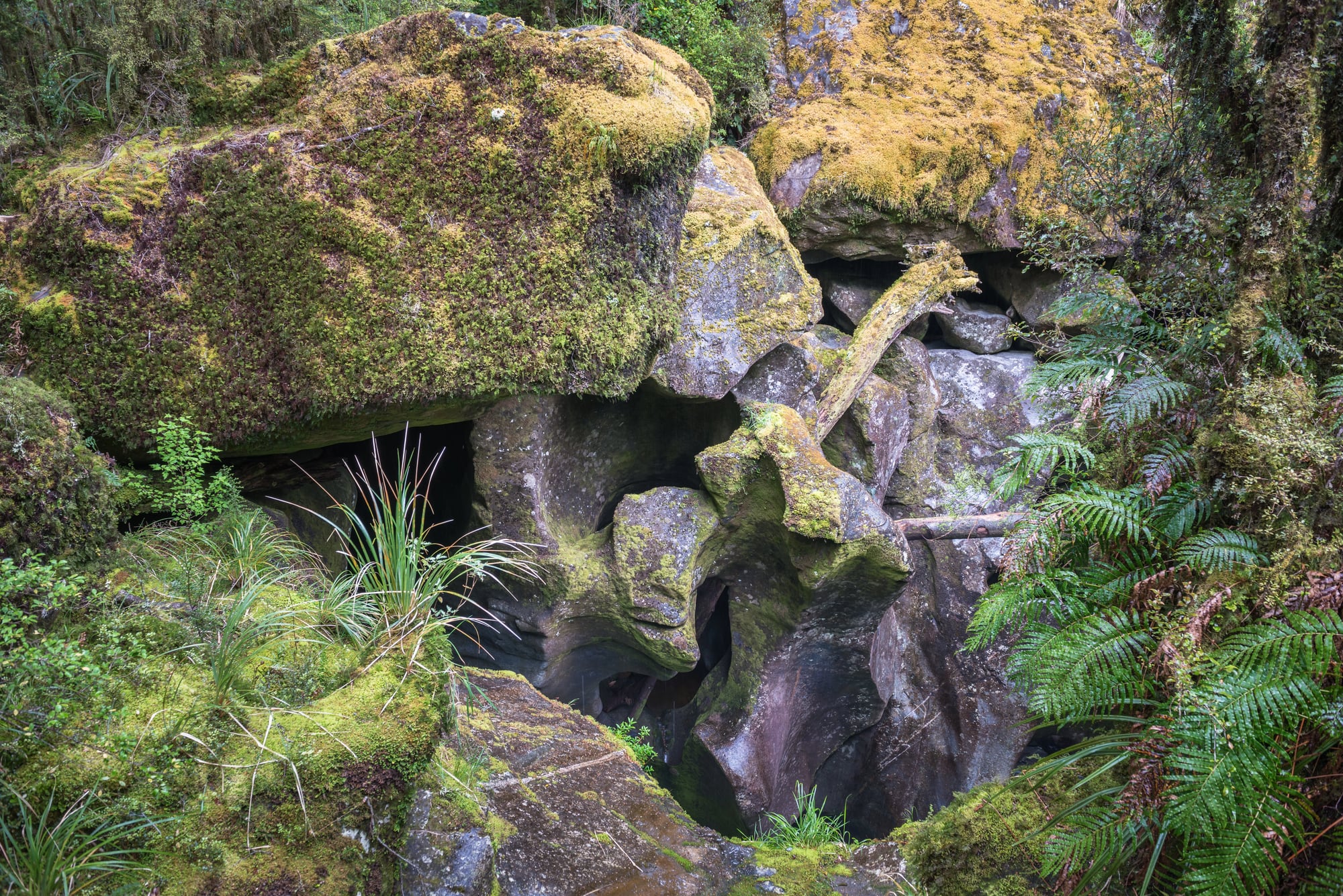
The discovery of over 400,000-year-old human fossils in a Spanish cave pit revealed the earliest known evidence of deliberate burial and possibly the oldest religious behavior on record. The Sima de los Huesos site contained the remains of at least 28 individuals who had been intentionally placed in a deep cave shaft.
A single, carefully crafted stone hand axe was found alongside them.
The discovery suggested that symbolic thought and concern for the dead emerged much earlier in human evolution than previously believed.
It pushed back the timeline for complex cognitive and emotional behaviors by hundreds of thousands of years.
Kennewick Man

The 1996 discovery of 9,000-year-old human remains in Washington state triggered one of archaeology’s most controversial debates. Kennewick Man’s skull features didn’t match those of modern Native Americans.
This suggested that the earliest inhabitants of North America might have been more diverse than previously thought.
The discovery challenged both scientific models of ancient migration and contemporary legal frameworks governing ancient remains.
It forced archaeologists to grapple with the political and cultural implications of their findings in ways the discipline had rarely confronted.
Caral
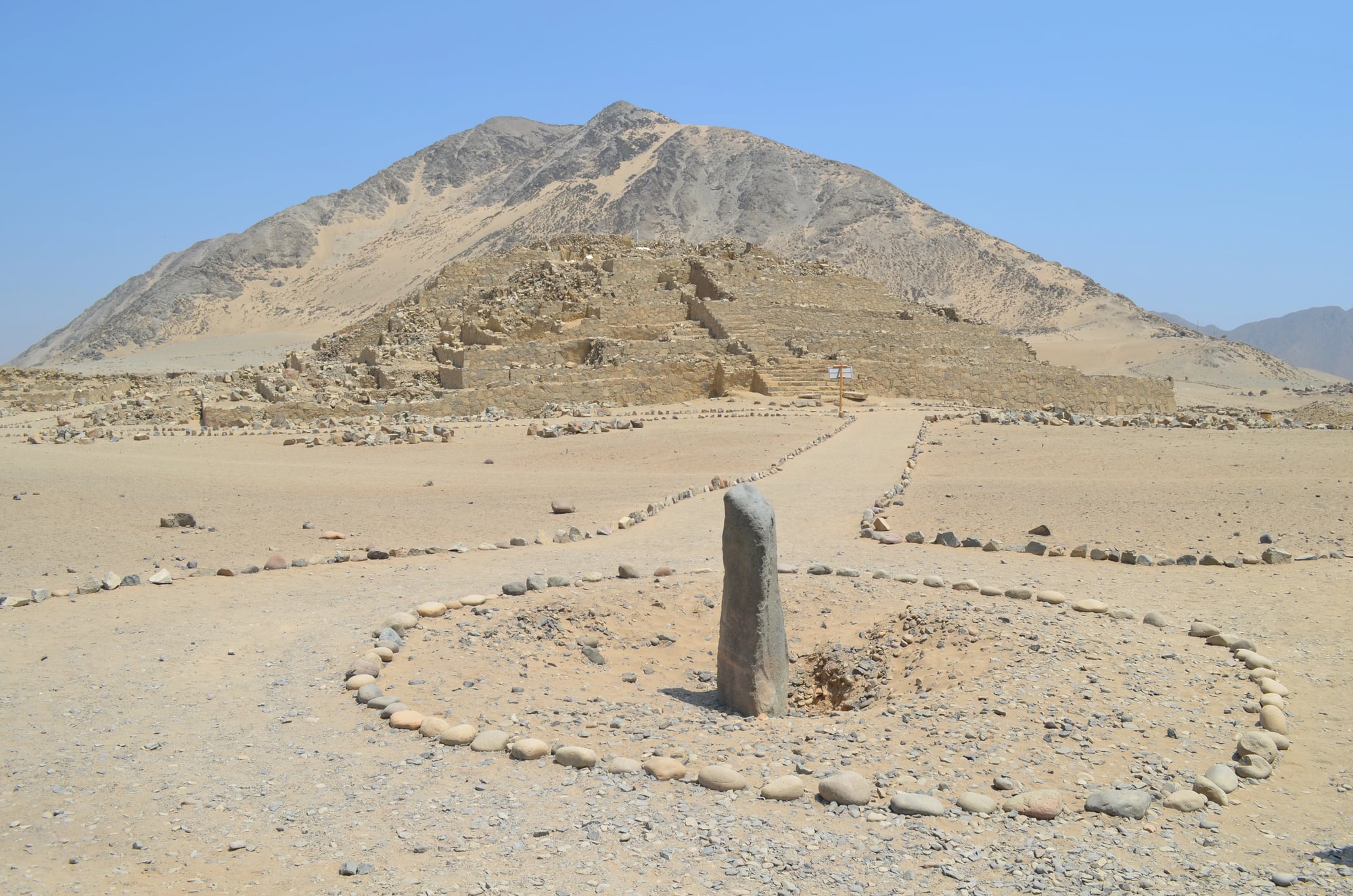
The discovery of Caral in Peru revealed that complex urban civilization emerged in the Americas far earlier than anyone suspected. This wasn’t just an early city.
It was a 5,000-year-old city that featured monumental architecture, complex urban planning, and sophisticated irrigation systems.
Caral was contemporary with the earliest cities in Mesopotamia. The discovery proved that urban civilization developed independently in the Americas, without influence from the Old World.
It forced a complete rethinking of global patterns in the development of complex societies.
Skara Brae
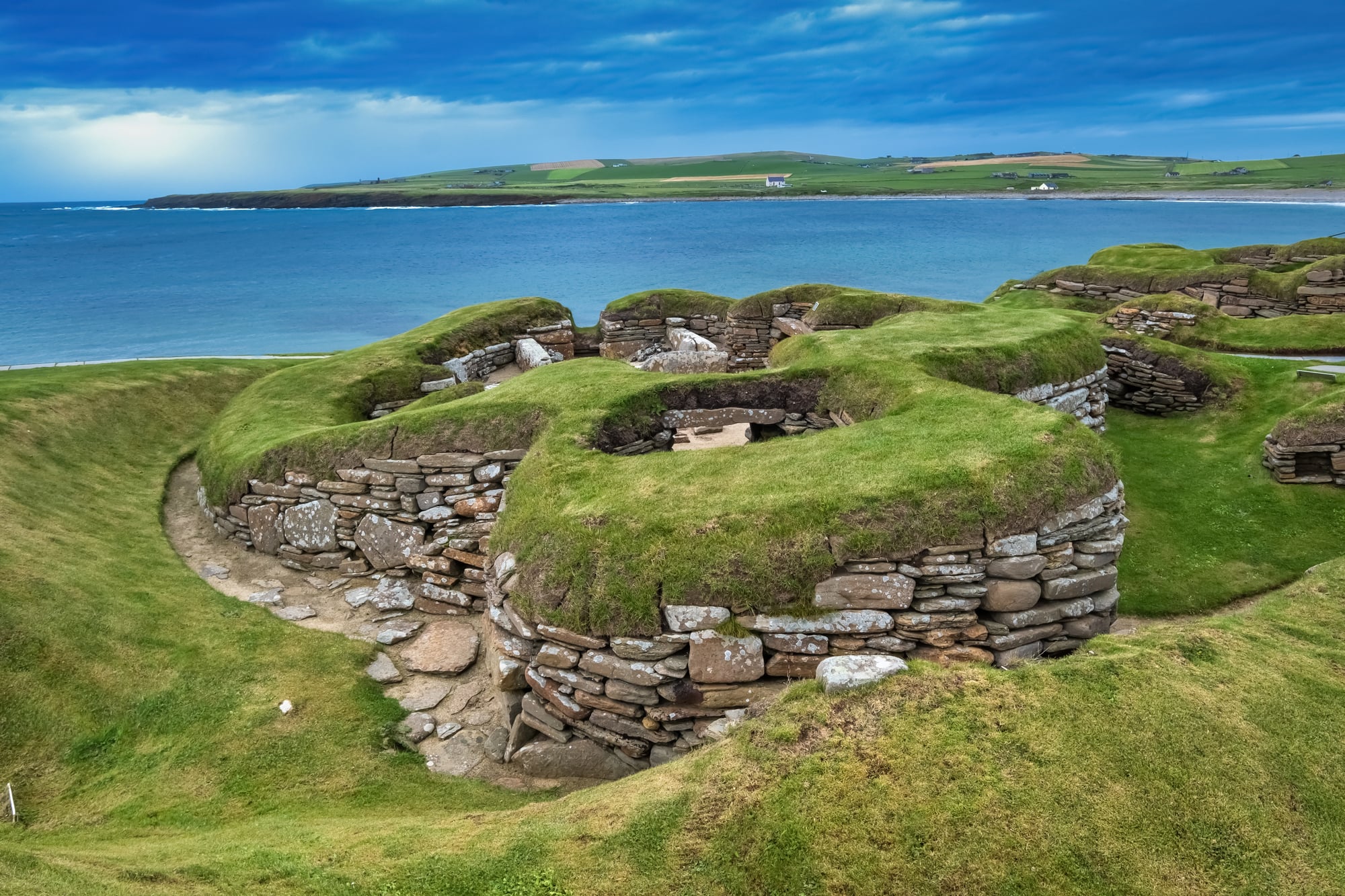
The 1850 discovery of Skara Brae in Scotland’s Orkney Islands revealed a Neolithic village so well-preserved that visitors could walk through 5,000-year-old houses that still contained stone furniture, complete drainage systems, and evidence of daily life.
The village predated Stonehenge and showed that Neolithic peoples in remote northern Scotland had developed sophisticated architectural techniques and comfortable living conditions.
Skara Brae challenged assumptions about prehistoric life in northern Europe and demonstrated that Neolithic peoples were capable of creating permanent settlements with amenities that wouldn’t look out of place in much later periods.
More from Go2Tutors!

- The Romanov Crown Jewels and Their Tragic Fate
- 13 Historical Mysteries That Science Still Can’t Solve
- Famous Hoaxes That Fooled the World for Years
- 15 Child Stars with Tragic Adult Lives
- 16 Famous Jewelry Pieces in History
Like Go2Tutors’s content? Follow us on MSN.