Sacred Texts That Were Banned by the Very Religions That Later Adopted Them
Religious history is messier than most Sunday school lessons suggest. The sacred books sitting on altars today weren’t always welcome there.
Some spent centuries banned, burned, or buried by the very institutions that now revere them. Church councils rejected what later became cornerstone doctrine.
Rabbis forbade texts that synagogues now study weekly. Islamic scholars banned writings that became foundational to their faith.
The path from forbidden manuscript to holy scripture reveals how religious authority works — and how it changes when convenient. These texts didn’t become sacred because they were always accepted.
They became sacred despite being rejected, sometimes for centuries. Their stories show that religious truth isn’t timeless.
It’s political.
The Book of Enoch

Early Christians loved the Book of Enoch. The text, which claims to record the visions of Noah’s great-grandfather, was quoted extensively by Church Fathers and even referenced in the New Testament.
Then something shifted. By the 4th century, church authorities began distancing themselves from Enoch’s wild tales of fallen angels mating with human women and producing giant offspring.
The book disappeared from Christian libraries for over a thousand years. Church councils didn’t just ignore it — they actively suppressed it.
The text survived only in Ethiopian Christianity, where it remained canonical while the rest of the Christian world forgot it existed. European scholars didn’t encounter Enoch again until the 18th century, when they discovered Ethiopian manuscripts and realized what had been lost.
Now Enoch appears in theological seminaries and biblical studies programs across denominations that once banned it. Scholars recognize its massive influence on Jewish and Christian thought, even if they don’t consider it divinely inspired.
The book that was too dangerous for medieval Christianity is now required reading for understanding how Christianity developed. Which says something about how much religious authority trusts its own judgment.
The Talmud
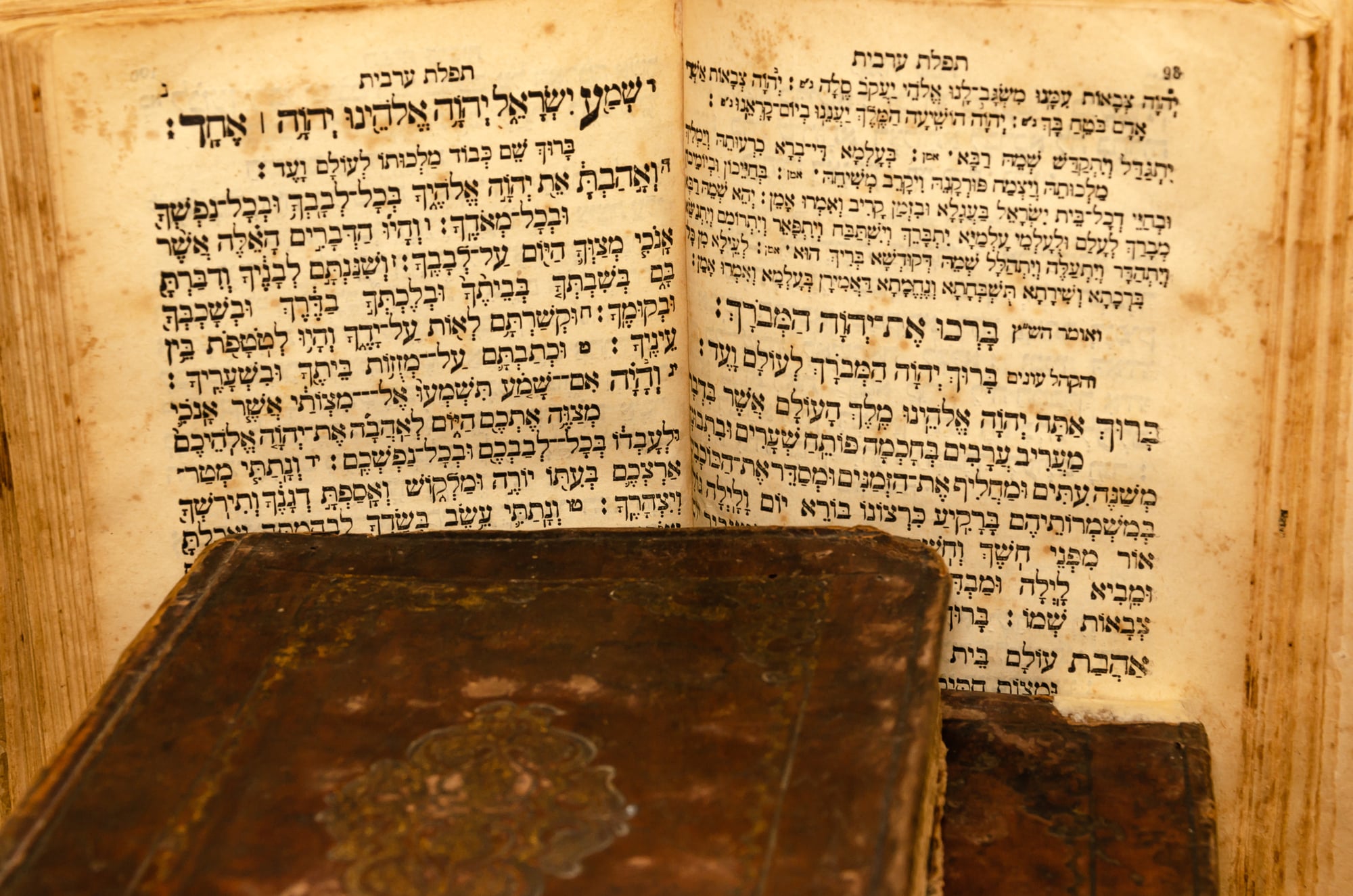
The Talmud represents one of Judaism’s most complex relationships with its own texts. This massive collection of rabbinical discussions and legal interpretations faced repeated bans — not from outside forces, but from Jewish authorities themselves who worried about its accessibility and potential for misinterpretation.
Different Jewish communities at different times restricted access to Talmudic texts, particularly the more esoteric discussions about mysticism and divine nature (and these restrictions created an odd dynamic where the text became more revered precisely because it was forbidden — rabbis would whisper about passages they weren’t supposed to teach, students would copy fragments in secret, and entire schools of thought developed around interpretations of texts they technically weren’t allowed to study). Some authorities worried that widespread Talmudic literacy would lead to religious chaos, with every village rabbi thinking he could reinterpret fundamental laws.
Others feared that certain discussions were too advanced for ordinary believers and might lead them astray. But the Talmud proved impossible to suppress within Jewish intellectual culture.
The same rabbinical authorities who tried to limit its reach found themselves unable to teach or make decisions without referencing it. By the medieval period, Talmudic study had become not just accepted but essential to Jewish education.
The text that some rabbis once considered dangerous to ordinary believers became the foundation of Jewish scholarship. Today’s yeshivas center their entire curriculum around texts that earlier Jewish authorities tried to keep away from most students.
The Zohar

Medieval Jewish mystics knew they had a problem. The Zohar, a sprawling mystical commentary on the Torah that claimed to record the teachings of 2nd-century rabbi Shimon bar Yochai, was gaining popularity among Jews hungry for deeper spiritual meaning.
But many rabbinical authorities viewed the text with deep suspicion. The concerns weren’t entirely unfounded.
The Zohar’s mystical interpretations of Jewish law and scripture departed dramatically from traditional rabbinical approaches. Its discussions of divine emanations, hidden meanings in biblical texts, and esoteric practices struck many authorities as potentially heretical.
Some communities banned the study of Zoharic texts entirely, while others restricted them to older, more established scholars. The prohibition didn’t hold.
Jewish communities across Europe and the Middle East continued studying the Zohar despite official disapproval. By the 16th century, the text had become central to Jewish mystical practice.
Today, the Zohar sits alongside the Torah and Talmud as one of Judaism’s most important texts. Rabbis who once banned mystical study now incorporate Zoharic insights into their teaching.
The heretical text became orthodox doctrine.
Deuterocanonical Books
The Catholic Church’s relationship with the deuterocanonical books — texts like Tobit, Judith, and Maccabees — shows how religious authority can reverse itself when circumstances change. Early Christian communities used these books regularly, but they never achieved the universal acceptance of other biblical texts.
Jerome, the 4th-century scholar who translated the Bible into Latin, explicitly rejected these books as non-canonical. His Vulgate translation included them only reluctantly, and with clear warnings that they shouldn’t be considered equal to other scriptures.
For centuries, Christian authorities debated whether these texts belonged in the Bible at all. Some included them, others ignored them, and many actively discouraged their use in liturgy or teaching.
The Protestant Reformation forced the Catholic Church’s hand. When Luther and other reformers rejected the deuterocanonical books entirely, the Council of Trent responded by declaring them fully canonical — equal in authority to any other biblical text.
Books that Jerome had warned against became required doctrine. The Catholic Church didn’t just accept these texts; it made rejecting them a heretical act.
Texts that were questionable for over a thousand years became unquestionable overnight.
The Gospel of Thomas
Early Christian communities knew about the Gospel of Thomas, a collection of sayings attributed to Jesus that presents a very different version of Christian teaching. Unlike the canonical gospels, Thomas focuses on hidden knowledge and individual enlightenment rather than salvation through Christ’s death and resurrection.
Church authorities moved quickly to suppress Thomas and similar texts (which makes sense when you consider that Thomas presents Jesus not as a divine savior but as a wisdom teacher whose main message is that everyone can achieve the same divine status he did — not exactly the foundation for institutional religious authority). By the 3rd century, reading Thomas could mark someone as a heretic.
The text disappeared from mainstream Christian culture for over 1,500 years. Most Christians forgot it ever existed.
The 1945 discovery of the Nag Hammadi library changed everything. Suddenly, scholars had access to complete Gnostic texts, including a full copy of the Gospel of Thomas.
Christian seminaries began teaching courses on early Christian diversity that prominently featured Thomas alongside canonical texts. The gospel that early church authorities banned became essential reading for understanding Christian origins.
Churches that once burned copies of Thomas now study it to better understand their own faith’s development.
Sufi Poetry and Mystical Texts
Islamic authorities have always had complicated feelings about Sufi mystical literature. The beautiful, often ecstatic poetry of figures like Rumi and al-Hallaj spoke to believers’ spiritual hunger, but it also challenged orthodox interpretations of Islamic practice and doctrine.
Al-Hallaj paid for his mystical expressions with his life — executed in 922 for blasphemy after declaring “I am the Truth,” which authorities interpreted as claiming divinity. His writings were banned, and owning copies could bring serious consequences.
Similar restrictions fell on other Sufi texts that seemed to prioritize direct spiritual experience over adherence to Islamic law and traditional worship practices. Yet Sufi literature proved impossible to eliminate from Islamic culture.
Believers continued copying and sharing these texts despite official prohibition. Over time, Islamic authorities found ways to reinterpret mystical poetry as metaphorical rather than literal, allowing previously banned works to enter mainstream Islamic education.
Today, Rumi is one of the most widely read poets in both the Islamic world and beyond. Al-Hallaj’s writings appear in Islamic studies programs.
The mystical tradition that once threatened orthodox Islam became one of its most celebrated expressions.
The Sefer Yetzirah

Jewish mystical texts have repeatedly faced suspicion from rabbinical authorities worried about their potential for misuse. The Sefer Yetzirah (Book of Creation), one of the earliest Hebrew texts on cosmology and mysticism, exemplifies this pattern perfectly.
This ancient work, which describes how God created the world through combinations of Hebrew letters and numbers, attracted both devoted followers and stern critics within Jewish communities. Some rabbis worried that the text’s detailed instructions for mystical practices could lead untrained readers into dangerous spiritual territory or, worse, toward magical thinking that contradicted Jewish monotheism.
Periodic bans on studying the Sefer Yetzirah emerged across different Jewish communities, particularly restrictions limiting its study to older scholars with extensive traditional education. The text remained underground in many communities, passed down through careful chains of teacher and student while officially discouraged.
Today, the Sefer Yetzirah stands as a foundational text in Jewish mystical study, taught openly in universities and seminaries that once would have forbidden its discussion.
The Shepherd of Hermas

The Shepherd of Hermas enjoyed massive popularity in early Christian communities. This visionary text, which records a series of revelations received by a Roman Christian named Hermas, was read widely and quoted frequently by Church Fathers who considered it spiritually valuable.
But the text never quite achieved biblical status, despite its popularity. Some early church authorities included it in their biblical canons, while others relegated it to secondary status.
The book’s emphasis on the possibility of forgiveness for post-baptismal sins conflicted with stricter interpretations of Christian doctrine that were gaining ground in some communities. By the 4th century, church authorities had largely excluded the Shepherd from biblical collections, though they stopped short of banning it entirely.
The text fell into relative obscurity for centuries, known mainly to scholars and historians. Modern Christian education has rediscovered the Shepherd as an important witness to early Christian beliefs and practices.
Seminaries now teach it as essential reading for understanding how early Christianity developed its doctrines about sin, forgiveness, and church authority.
Kabbalistic Texts
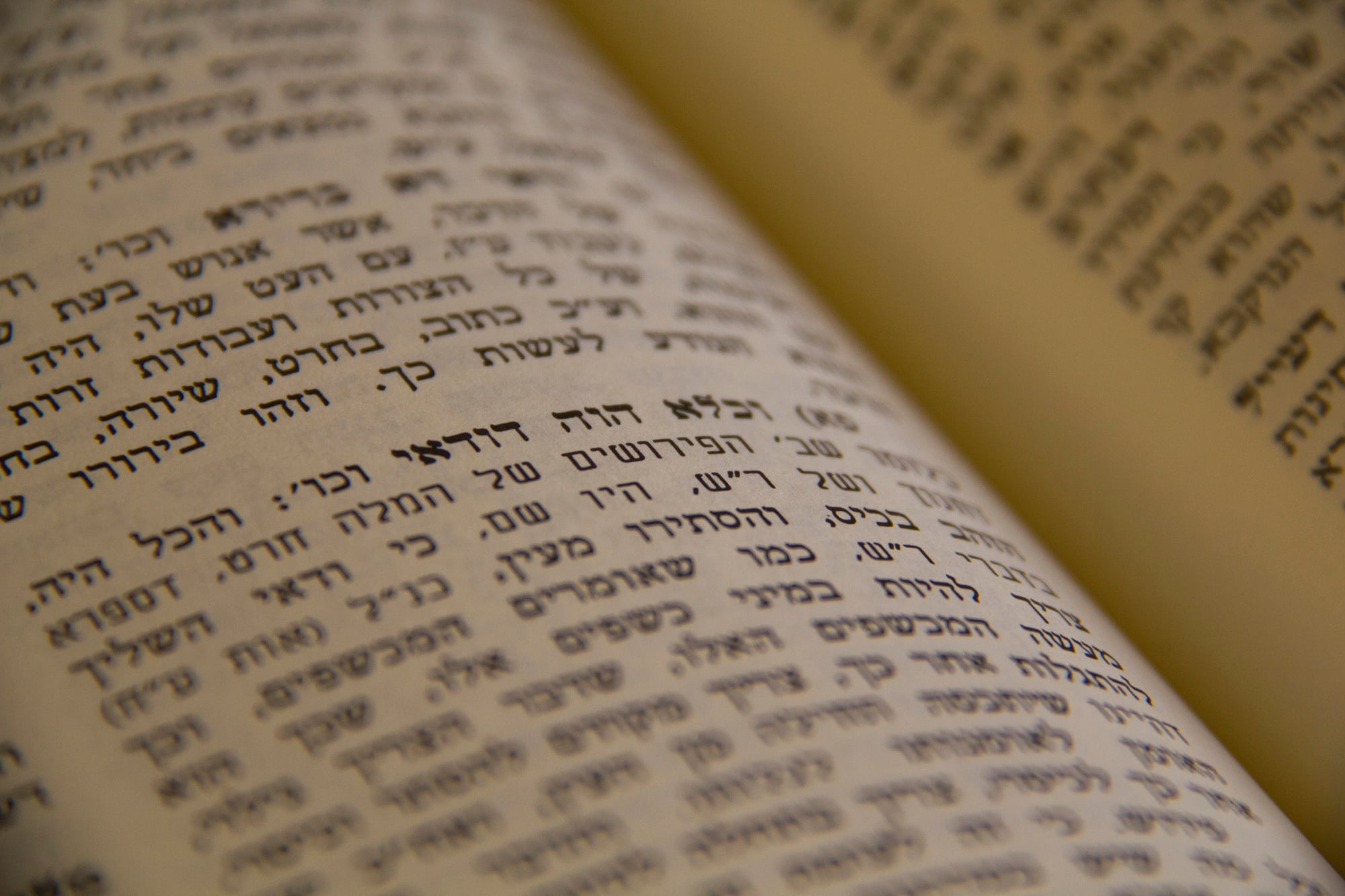
Jewish mystical literature has always made rabbinical authorities nervous, and kabbalistic texts represent the most sustained example of this tension. These works, which explore hidden meanings in Torah and describe complex systems of divine emanation, were often restricted to advanced scholars who had already mastered traditional Jewish learning.
The restrictions weren’t just about intellectual readiness (though many rabbis genuinely worried that mystical study without proper grounding in Jewish law and philosophy could lead students astray) — they reflected deeper concerns about how mystical experiences might challenge traditional religious authority. And some kabbalistic texts made explicit claims about direct divine revelation that bypassed normal rabbinical interpretation, which threatened the established system of religious education and decision-making.
Many Jewish communities prohibited kabbalistic study entirely for anyone under 40, while others restricted it to married men with extensive traditional education. Despite these restrictions, kabbalistic ideas continued spreading through Jewish intellectual culture.
Today, kabbalistic concepts appear regularly in mainstream Jewish teaching, and texts once forbidden to most students are studied openly in Jewish educational institutions. The mystical tradition that some authorities considered dangerous to ordinary believers became an accepted part of Jewish spiritual life.
Gnostic Gospels

The early Christian church faced a proliferation of gospels, epistles, and revelatory texts claiming apostolic authority. Among the most challenging were Gnostic gospels like the Gospel of Philip, the Gospel of Mary, and the Pistis Sophia, which presented radically different interpretations of Jesus’ message and Christian salvation.
Church authorities moved systematically to suppress these texts. Unlike the canonical gospels, which emphasized faith and divine grace, Gnostic texts focused on hidden knowledge (gnosis) that individuals could acquire through proper instruction and spiritual practice.
This fundamental difference threatened the developing institutional church’s authority over salvation and truth. Most Gnostic texts disappeared from mainstream Christian culture by the 5th century, surviving only in fragments and references in orthodox writings that criticized them.
The discovery of the Nag Hammadi library in 1945 changed everything, providing scholars with complete Gnostic texts for the first time in over 1,500 years. Christian educational institutions now teach these formerly banned gospels as essential sources for understanding early Christian diversity and development.
Apocryphal Acts
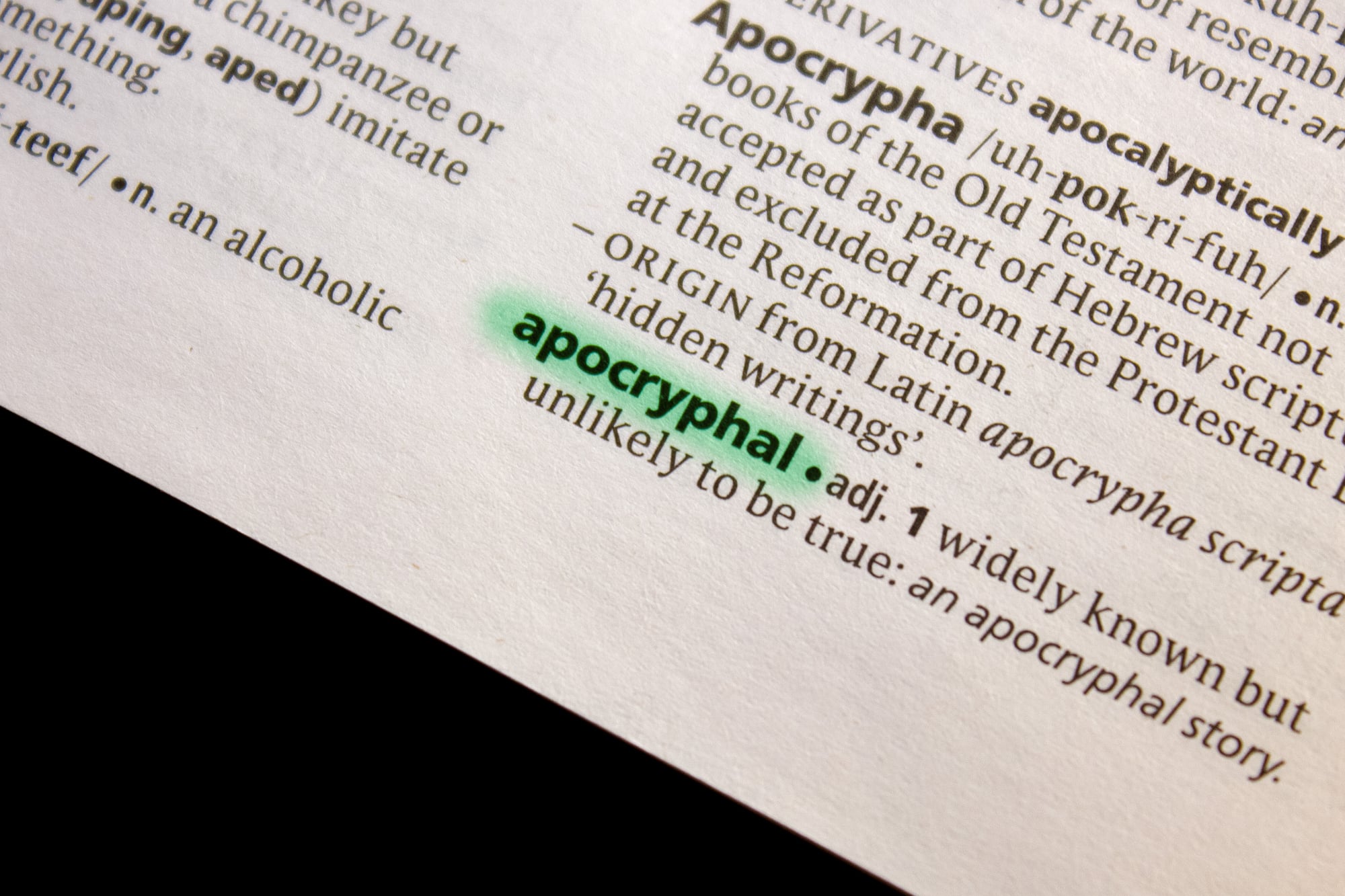
Early Christian communities produced numerous accounts of apostolic adventures that went far beyond the Acts of the Apostles found in the New Testament. These apocryphal acts — stories of Peter, Paul, John, and others — featured dramatic miracles, exotic travels, and theological teachings that often contradicted emerging orthodox doctrine.
Church authorities grew increasingly uncomfortable with these popular texts. Many apocryphal acts promoted ascetic practices that church leaders considered excessive, while others contained theological ideas that conflicted with developing Christian doctrine.
Some stories undermined clerical authority by presenting apostles as independent agents rather than founders of institutional hierarchy. Systematic suppression of apocryphal acts began in the 4th century and continued through the medieval period.
These texts survived primarily in fragmentary form, copied by scribes who preserved them despite official disapproval. Modern biblical scholarship has rediscovered apocryphal acts as valuable sources for understanding early Christian beliefs about apostolic authority, miracle-working, and proper Christian behavior.
Universities now teach these texts in courses on Christian origins and apocryphal literature.
The Book of Jubilees

Jewish and Christian authorities both struggled with the Book of Jubilees, an ancient text that retells biblical history from creation through Moses while adding significant details and interpretations not found in canonical scripture. The book’s precise dating of biblical events and its unique calendar system attracted devoted followers in some communities while raising concerns among authorities.
Early Christian writers like Jerome explicitly rejected Jubilees as unreliable, warning believers against treating its additional details as historically accurate. Jewish authorities similarly questioned whether the text deserved the same reverence as Torah and other canonical books.
The book’s calendar, which differed from both Jewish and Roman systems, created practical problems for communities that tried to follow its chronology. Despite periodic attempts at suppression, Jubilees survived in various Christian communities, particularly in Ethiopia, where it remained canonical.
Modern biblical scholarship recognizes Jubilees as crucial for understanding how ancient Jewish and Christian communities interpreted their foundational stories. The text that both Jewish and Christian authorities once considered problematic now appears regularly in courses on biblical interpretation and ancient Jewish literature.
Wisdom Literature

Jewish and Christian traditions both developed extensive collections of wisdom literature — texts like the Wisdom of Solomon, Ecclesiasticus, and various wisdom psalms — that offered practical and philosophical guidance for believers. But religious authorities often viewed these texts with suspicion, particularly when their advice seemed to contradict established doctrine or practice.
The practical problem was that wisdom literature operated differently from other religious texts (it didn’t claim divine revelation or prophetic authority, but instead offered human insights about how to live well, which made it harder for religious authorities to control its interpretation or application). Some wisdom texts also drew heavily on non-Jewish philosophical traditions, raising questions about whether they belonged in Jewish or Christian collections at all.
Different communities reached different conclusions about wisdom literature, with some embracing certain texts while rejecting others. The books that survived this selective process often did so despite significant opposition from authorities who considered them too secular or philosophically questionable.
Today, wisdom literature appears prominently in both Jewish and Christian educational curricula, valued for its insights into how ancient believers understood practical spiritual living.
Merkabah Mysticism Texts

Jewish mystical tradition includes a collection of texts focused on merkabah (divine chariot) mysticism, based on the vision described in the first chapter of Ezekiel. These texts, which describe elaborate heavenly journeys and encounters with divine beings, attracted devoted practitioners while alarming rabbinical authorities who worried about their theological implications.
The concerns weren’t entirely theoretical. Merkabah texts described practices for achieving mystical visions and ascending through heavenly realms, which some authorities feared could lead practitioners into dangerous spiritual territory or toward beliefs that conflicted with Jewish monotheism.
Stories circulated about scholars who had been harmed or led astray by merkabah practices. Many Jewish communities restricted merkabah texts to the most advanced scholars, while others discouraged their study entirely.
The texts survived through careful transmission among small groups of practitioners who continued studying them despite official disapproval. Modern Jewish education has incorporated merkabah literature into courses on Jewish mysticism and ancient Jewish spirituality, recognizing these formerly restricted texts as important sources for understanding Jewish mystical development.
Early Christian Theological Treatises

The first centuries of Christianity produced numerous theological treatises attempting to explain Christian doctrine and practice. Many of these works, written by respected church leaders and theologians, later fell out of favor as church authorities developed more precise doctrinal standards.
Authors like Origen, one of early Christianity’s most prolific and influential theologians, saw some of their works banned by later church councils that decided their theological speculation had gone too far. Origen’s teachings about the pre-existence of souls and universal salvation, while popular in his lifetime, were later condemned as heretical by church authorities who considered them incompatible with orthodox Christian belief.
The suppression of early theological works created an odd situation where later Christian scholars couldn’t read some of the most important early attempts to understand Christian doctrine. These texts survived mainly in fragments and quotations in other works.
Modern Christian education has rediscovered many of these formerly banned treatises as valuable sources for understanding how Christian theology developed. Seminaries now teach works by authors whose writings were once considered too dangerous for ordinary believers to read.
The Questions That Remain

Religious authority changes its mind more often than it admits. The texts sitting in seminary libraries today include many that previous generations considered dangerous, heretical, or simply wrong.
This pattern raises uncomfortable questions about how religious truth gets established and who decides what believers should read. Every banned text that later became canonical suggests that religious authorities aren’t as reliable as they claim to be.
If the Book of Enoch was too dangerous for medieval Christians but essential reading for modern biblical scholars, what does that say about religious judgment? If Jewish authorities once banned texts that now anchor rabbinical education, how should believers evaluate current restrictions?
The pattern continues today. Religious communities still ban, restrict, and discourage certain texts while embracing others.
Time will reveal which of today’s forbidden books become tomorrow’s required reading. The history of sacred texts suggests that religious truth isn’t timeless — it’s constantly being renegotiated by people with agendas, fears, and blind spots.
Which means the books on your shelf might not be there for the reasons you think.
More from Go2Tutors!

- The Romanov Crown Jewels and Their Tragic Fate
- 13 Historical Mysteries That Science Still Can’t Solve
- Famous Hoaxes That Fooled the World for Years
- 15 Child Stars with Tragic Adult Lives
- 16 Famous Jewelry Pieces in History
Like Go2Tutors’s content? Follow us on MSN.



