17 Historical Figures Who Had Wildly Different Careers Before Becoming Famous
The stories people tell about famous historical figures usually start at the moment of greatness. The discovery, the invention, the moment they stepped onto history’s stage.
But those dramatic turning points rarely arrive without warning — and the path leading there often winds through completely unexpected territory. Take someone whose name appears on currency or in textbooks, and chances are their early years look nothing like what came later.
The future president who sold newspapers on street corners. The literary giant who spent years mixing chemicals in a factory.
The revolutionary leader who taught elementary school children how to multiply fractions. These aren’t footnotes to their real stories — they’re the foundation everything else was built on.
Andrea Bocelli

Before becoming one of the world’s most celebrated opera singers, Bocelli practiced law in Italy. He earned his degree, passed the bar exam, and spent a full year representing clients in courtrooms.
His voice was already extraordinary, but opera felt like an impossible dream rather than a practical career choice. So he argued cases by day and sang in piano bars at night.
The law paid the bills; music fed something else entirely. It took a chance encounter with Luciano Pavarotti’s manager to convince him that the impossible dream might actually be the more practical choice after all.
Colonel Sanders

Harland Sanders ran a gas station in Kentucky during the 1930s, but what made people stop wasn’t the fuel — it was the chicken he cooked in the back room. He served meals on his own dining table because the station didn’t have a proper restaurant space.
The chicken recipe that would eventually build an empire started as a way to keep travelers from driving to the next town for lunch. Sanders didn’t franchise his first KFC location until he was 65 years old (which is saying something about the timing of success).
But those decades of feeding hungry travelers at a rural gas station taught him everything he needed to know about what people actually wanted to eat. And how to make them remember it.
Martha Stewart

Stewart worked as a stockbroker on Wall Street for six years during the 1970s, buying and selling securities in the testosterone-heavy world of finance. She was good at it, too — pulling in commissions that supported her family while her husband was in law school.
But the work felt mechanical, disconnected from anything that mattered to her. So she started a catering business from her Connecticut home, trading stock portfolios for dinner parties and wedding receptions.
The attention to detail that made her successful with investments turned out to be exactly what elevated simple catering into something approaching art. The media empire came later, but it started with someone who understood both numbers and napkin folding.
Ray Kroc
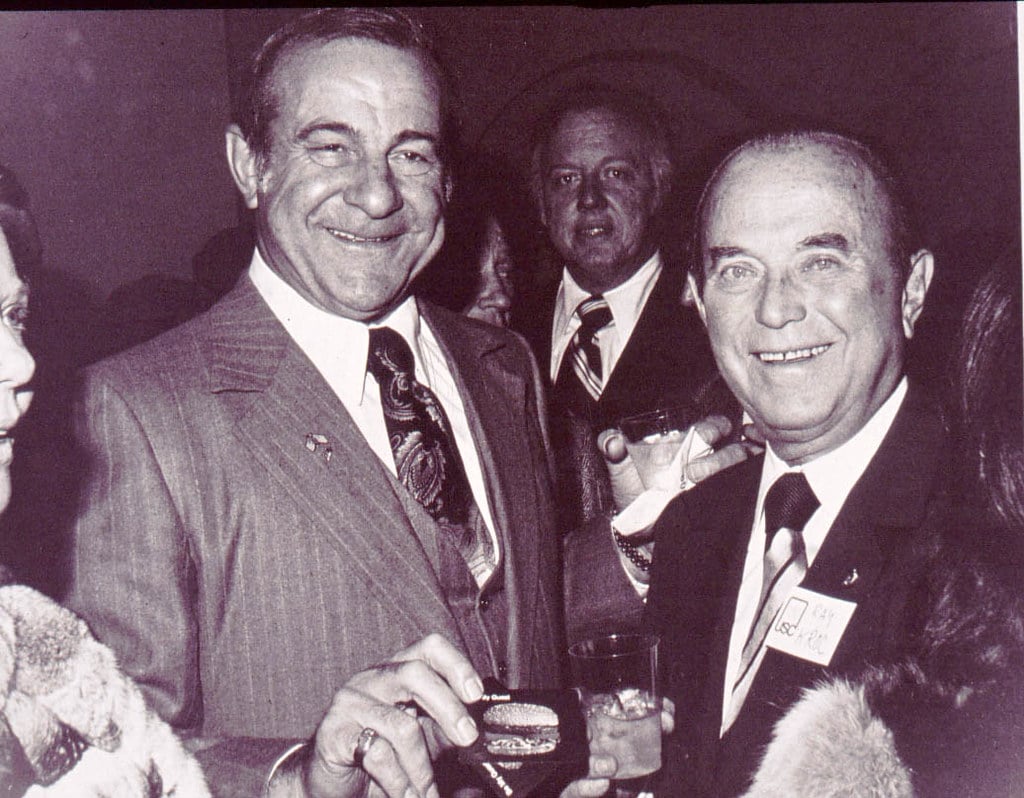
The man who turned McDonald’s into a global phenomenon spent 17 years as a traveling salesman, peddling everything from paper cups to milkshake machines across the Midwest. He drove from town to town, setting up meetings with restaurant owners and diner operators, learning their businesses from the ground up.
When he encountered the McDonald brothers’ streamlined burger operation in California, he recognized something others had missed — not just a good restaurant, but a system that could be replicated anywhere. Those years of watching small business owners struggle with efficiency and consistency had trained his eye for what worked and what didn’t.
He wasn’t selling hamburgers; he was selling the solution to problems he’d watched hundreds of restaurateurs wrestle with unsuccessfully.
Julia Child
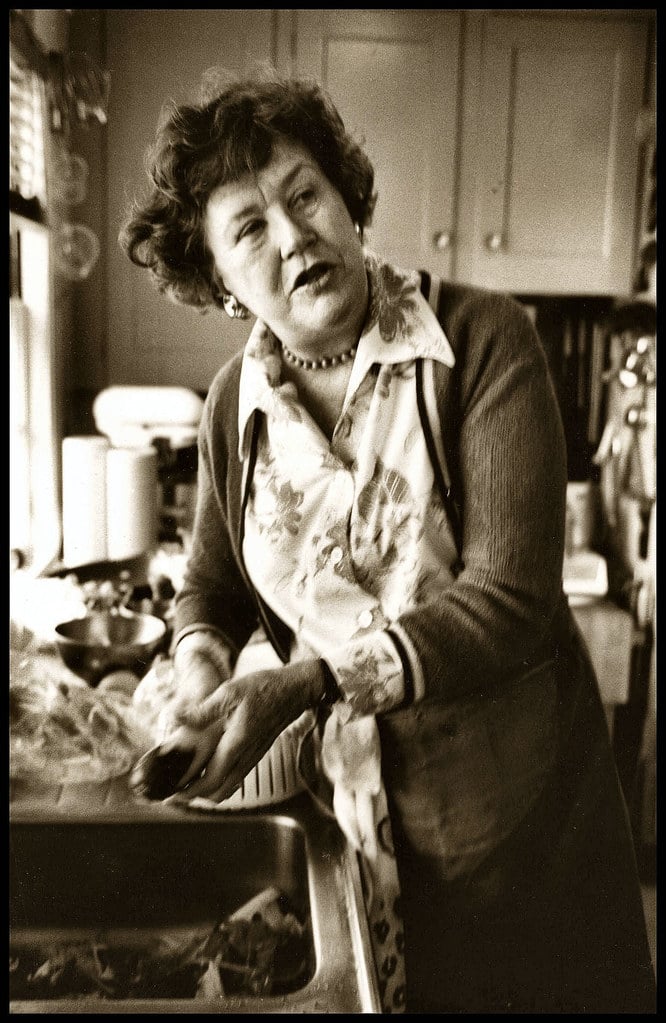
Child worked as a research assistant for the Office of Strategic Services (the precursor to the CIA) during World War II. She typed classified reports, filed intelligence documents, and helped coordinate communication between operatives in the field.
Cooking wasn’t even a hobby at that point — she lived on sandwiches and simple meals that required minimal effort. Her introduction to French cuisine came later, when her husband’s diplomatic career took them to Paris in the late 1940s.
The woman who would teach America how to prepare coq au vin had never owned a decent knife, much less mastered a proper sauce. But intelligence work had taught her how to break complex information into manageable steps — a skill that turned out to transfer beautifully to teaching people how to cook dishes they’d previously found intimidating.
Sometimes the most useful training comes from completely unrelated fields.
Walt Disney

Disney delivered newspapers as a teenager in Kansas City, waking up at 3:30 AM to sort and distribute papers before school started. He also worked as a newspaper cartoonist, drawing simple illustrations for the Kansas City Star.
The job paid almost nothing, but it introduced him to the mechanics of mass distribution — how to get the same content into thousands of hands simultaneously. Years later, when he was struggling to distribute his first animated films, those early morning paper routes made more sense.
He understood the infrastructure required to reach large audiences, and he’d learned that the content was only half the battle. Getting it seen was the other half, and that required systems most creative people never bothered to understand.
Agatha Christie
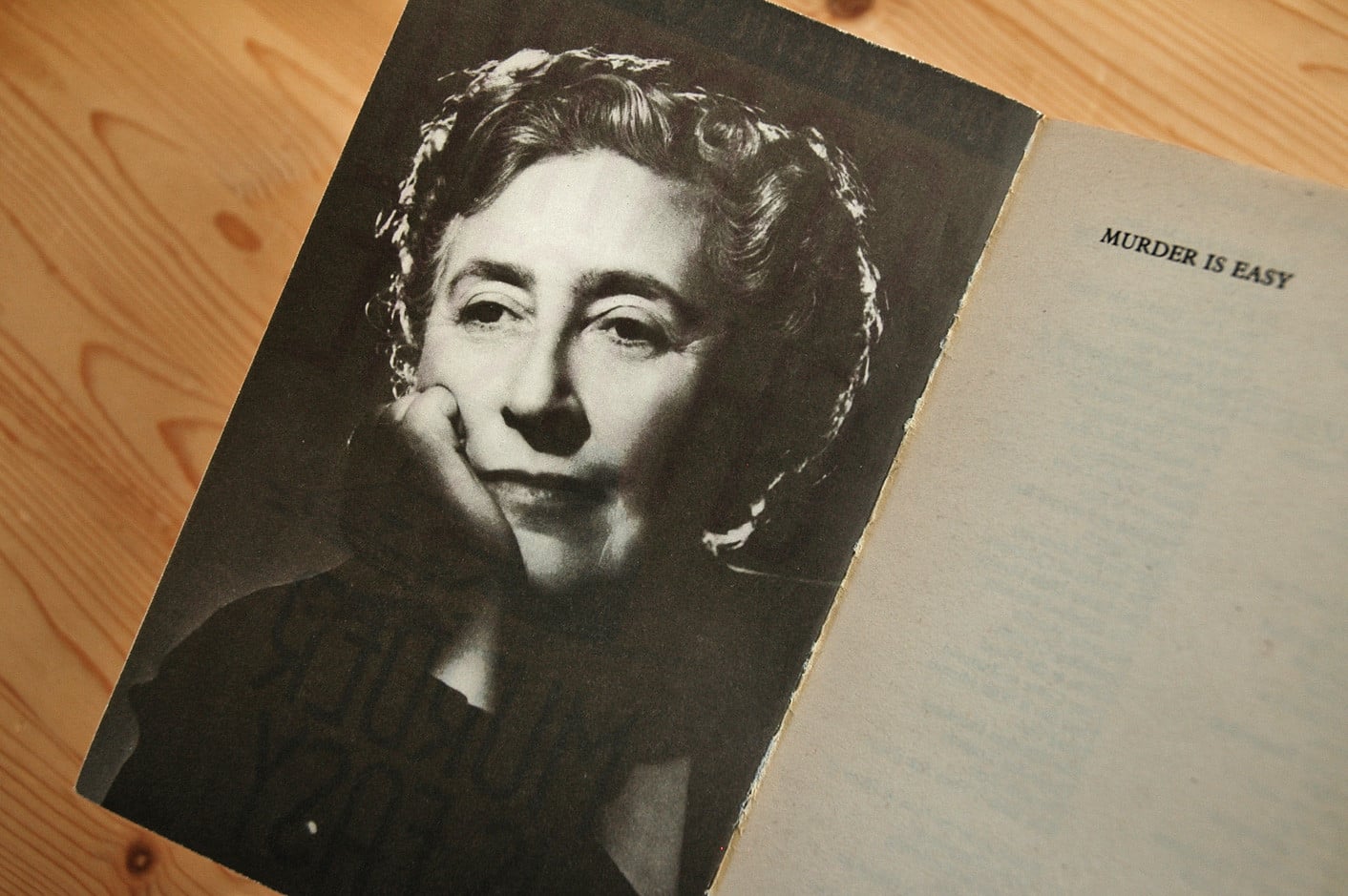
Before becoming the best-selling novelist in history, Christie worked as a hospital volunteer during World War I, and later as a pharmacy assistant. She spent her days measuring powders, mixing compounds, and learning the precise effects of various chemicals and drugs on the human body.
That knowledge eventually found its way into her murder mysteries, where poison became a signature weapon for her fictional killers. But the real education wasn’t just about toxicology — it was about watching people during their most vulnerable moments, learning how they behaved when they were afraid, desperate, or trying to hide something.
Hospitals are excellent training grounds for understanding human nature under pressure.
Vera Wang

Wang spent 17 years as a fashion editor at Vogue, working her way up from assistant to senior fashion editor. She understood trends, fabrics, and the business side of haute couture, but she’d never designed a single piece of clothing.
Her expertise was in recognizing what worked, not creating it. When she couldn’t find a wedding dress she liked for her own ceremony at age 40, she decided to design one instead.
The fashion world knowledge that had made her successful as an editor — understanding fit, quality, and what women actually wanted to wear — transferred perfectly to design. Sometimes the best creators are people who spent years studying what everyone else was doing wrong.
Ray Romano

Romano worked as a bank teller in Queens for several years before attempting stand-up comedy. He processed transactions, balanced accounts, and dealt with frustrated customers who wanted their money faster than the computer systems could provide it.
The work was mind-numbing, but it put him in front of hundreds of different people every week. Those interactions taught him timing — when to make small talk, when to stay quiet, and how to read people’s moods quickly.
The observational comedy that made him famous came directly from those years of watching ordinary people navigate ordinary frustrations. Bank tellers see humanity at its most impatient, which turned out to be excellent material for someone with the right sense of humor.
Harrison Ford

Ford worked as a carpenter in Los Angeles throughout the 1970s, building cabinets and renovating homes while auditioning for small acting roles. He was good with his hands, reliable, and willing to work long hours for decent money.
Acting auditions paid nothing and led nowhere most of the time. The carpentry work taught him patience and precision — qualities that served him well when he finally started landing larger roles.
But more importantly, it kept him financially independent from the entertainment industry, which meant he could turn down roles that didn’t interest him. That independence, earned with a hammer and saw, gave him the leverage to wait for better opportunities.
Sometimes the best career preparation is having another career entirely.
Stephen King
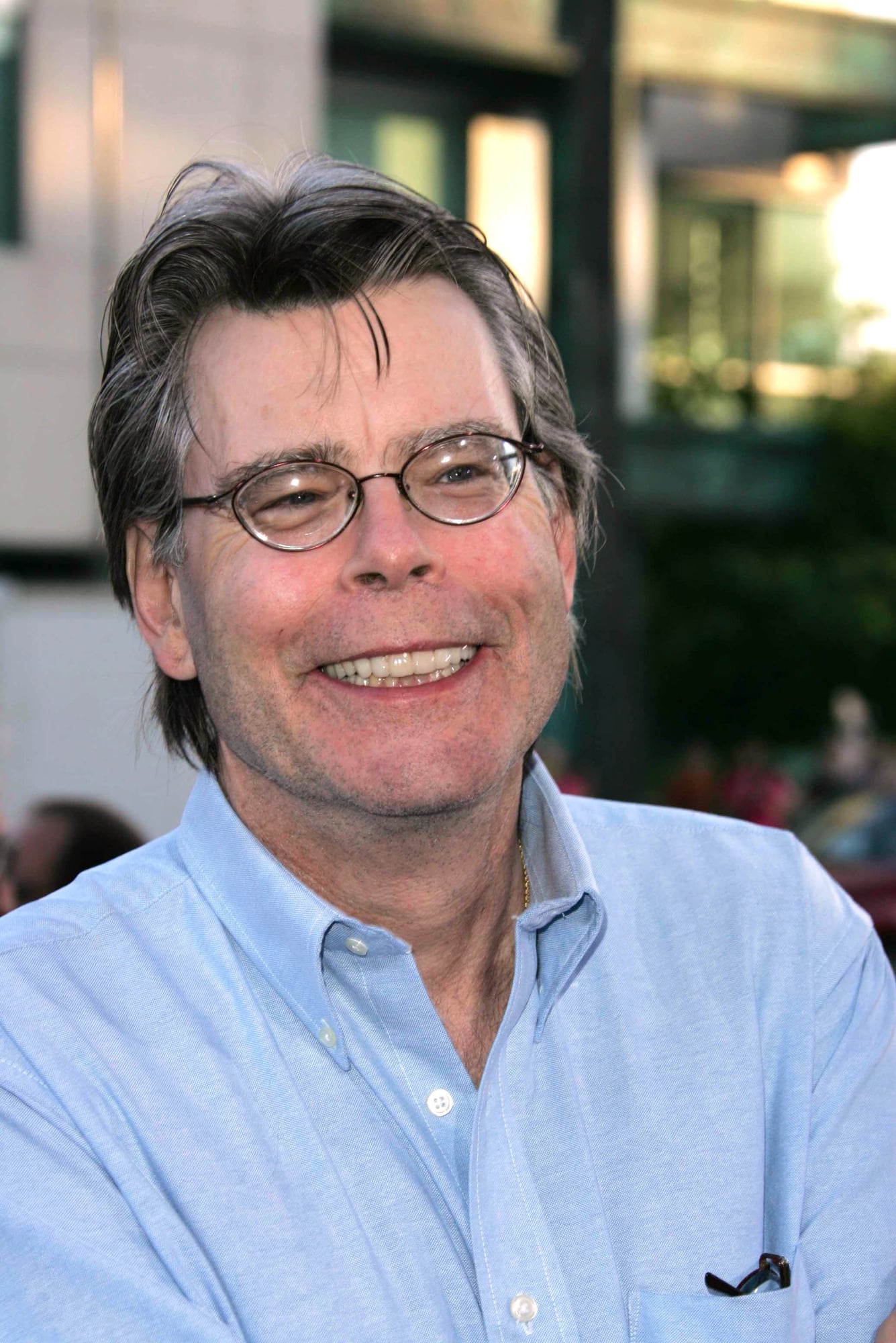
King worked as a janitor at a high school in Maine during the early 1970s, cleaning classrooms and emptying trash cans while writing short stories in his spare time. He also taught English, but the janitorial work paid better and offered more consistent hours.
Being invisible in hallways and classrooms gave him a unique perspective on teenage behavior — the cruelty, insecurity, and social dynamics that most adults never witness directly. That experience heavily influenced “Carrie,” his first published novel, which captured the brutality of high school social hierarchies with uncomfortable accuracy.
Sometimes the best research happens when nobody realizes they’re being studied.
Jeff Bezos

Bezos worked as a financial analyst on Wall Street for several years before founding Amazon. He understood investment patterns, market analysis, and how money moved through different industries.
The work was lucrative and intellectually challenging, but it was also completely removed from actual customers and products. When he decided to start an online bookstore, his financial background helped him understand something most entrepreneurs missed — how to structure a business that could lose money for years while building market share.
The patience for delayed gratification, learned through analyzing long-term investment strategies, became the foundation for a business model that prioritized growth over immediate profits. Wall Street taught him to think in decades, not quarters.
Anna Wintour

Before becoming editor-in-chief of Vogue, Wintour worked in fashion retail, selling clothes to actual customers rather than just writing about them. She spent her days watching people try on different outfits, learning what worked on real bodies versus what looked good in photographs.
Retail taught her the difference between fashion as art and fashion as commerce — a distinction that proved crucial when she later took control of magazines that needed to sell both advertising and copies. She understood what people would actually buy, not just what they admired from a distance.
That practical knowledge grounded her editorial choices in reality rather than pure aesthetics.
James Cameron
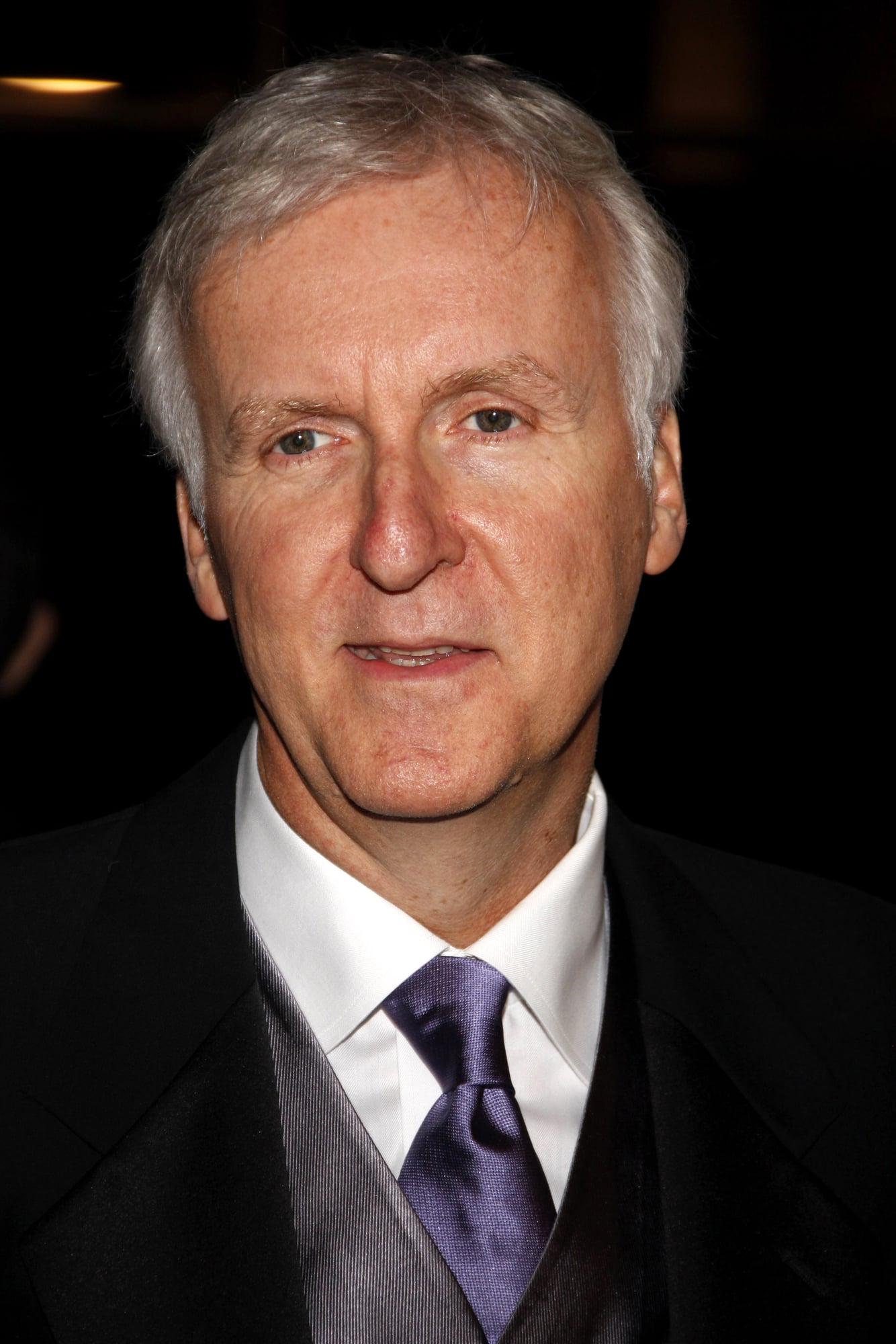
Cameron drove trucks for a living while teaching himself filmmaking techniques in his spare time. He studied special effects by reading technical manuals and experimenting with homemade equipment in his garage.
The truck driving paid enough to support his family while he learned skills that hadn’t been taught in any film school yet. The mechanical knowledge from truck maintenance translated directly to understanding the technical side of filmmaking — how cameras worked, how to build practical effects, and how to solve problems with limited budgets.
When he finally started making films, his willingness to get his hands dirty with the technical details set him apart from directors who only understood the creative side. Some of the most innovative filmmaking techniques in history came from someone who knew how to fix things when they broke.
Suze Orman
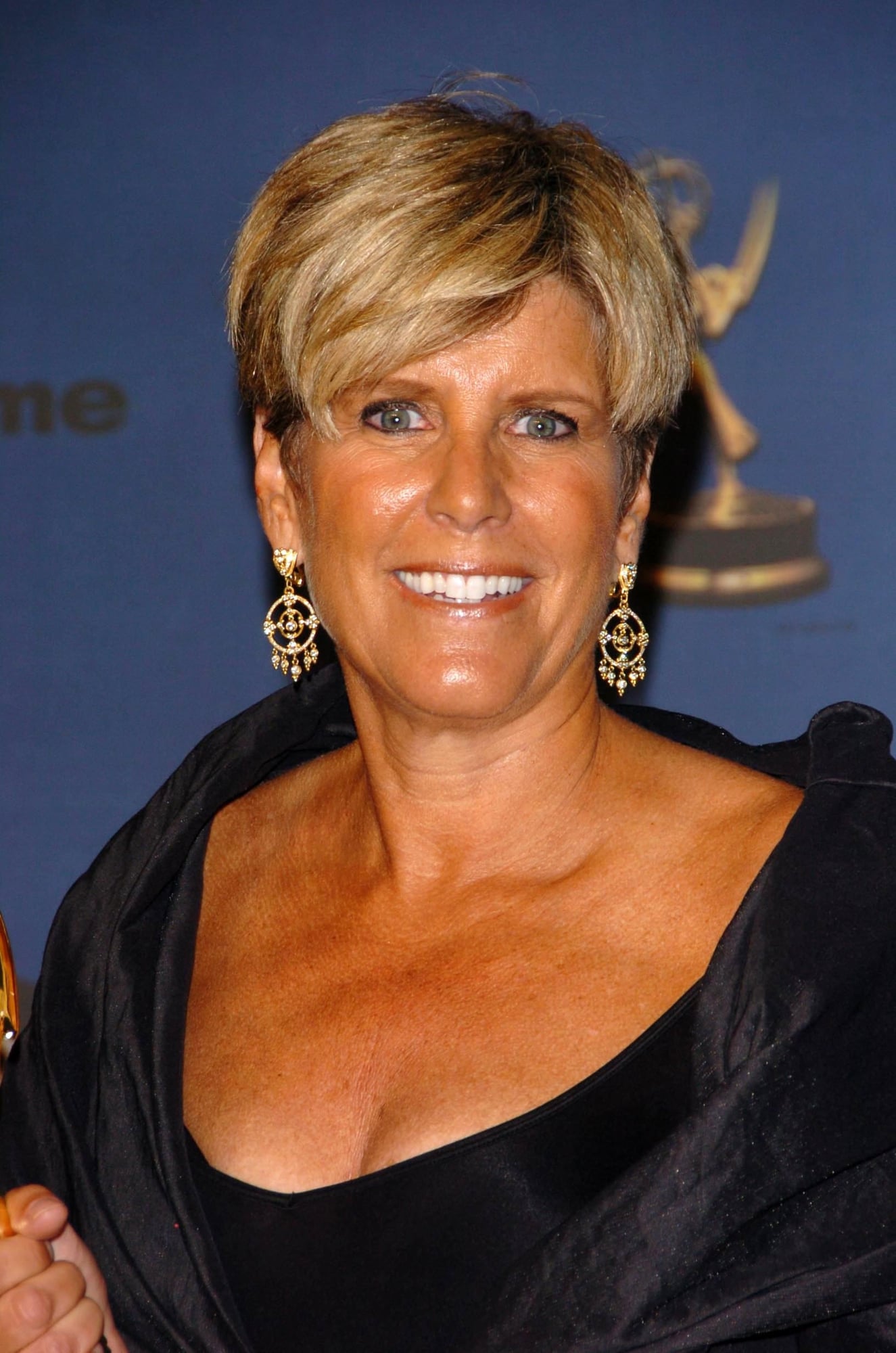
Orman worked as a waitress at a Berkeley bakery for seven years, serving coffee and pastries while struggling to make rent on her small apartment. She was good at connecting with customers, but financially she was barely staying afloat.
The restaurant industry taught her about budgeting, cash flow, and the stress of living paycheck to paycheck. When she finally transitioned into financial planning, those years of personal financial struggle gave her credibility that most advisors lacked.
She understood what it felt like to choose between paying rent and fixing a broken car, which informed her approach to helping people manage money in realistic, practical ways. Her empathy came from experience, not textbooks.
Sean Connery
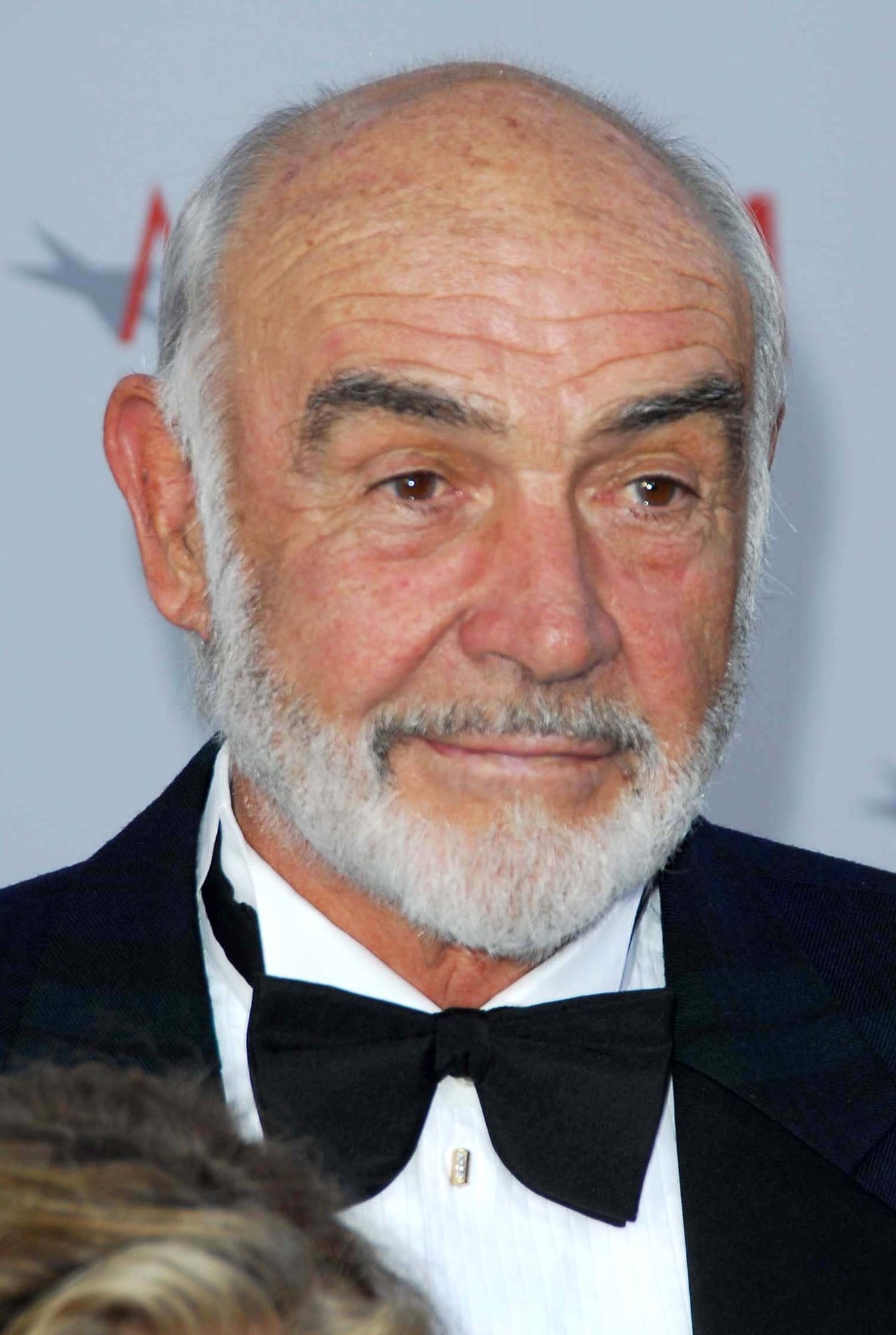
Before becoming James Bond, Connery worked as a milkman in Edinburgh, delivering bottles door-to-door throughout the early morning hours. He also spent time as a bodybuilder, truck driver, and coffin polisher — a variety of jobs that kept him physically active but intellectually understimulated.
The working-class background gave him a grounded presence that translated well to action roles. Unlike actors who had studied method acting or classical theater, Connery brought a natural toughness that didn’t feel performed.
His Bond felt dangerous because he’d actually done physical work, not because he’d practiced looking tough in acting classes.
Rodney Dangerfield

Dangerfield sold aluminum siding door-to-door for years while trying to establish himself as a comedian. He spent his days driving through suburban neighborhoods, knocking on doors, and attempting to convince homeowners they needed new siding whether they thought so or not.
The rejection rate was brutal, but the commission checks were necessary. Sales work taught him timing, persistence, and how to read audiences quickly — skills that proved essential for stand-up comedy.
More importantly, it gave him material. The self-deprecating humor that became his trademark came directly from years of professional rejection and small humiliations.
“I don’t get no respect” wasn’t just a catchphrase; it was a accurate description of daily life in aluminum siding sales.
The Thread That Connects Them All

These career changes weren’t accidents or detours — they were education disguised as something else. The bank teller learned timing.
The truck driver learned problem-solving. The waitress learned empathy.
The salesman learned persistence. Skills transferred in ways that nobody could have predicted, least of all the people developing them.
Success rarely announces itself early. More often, it builds quietly through experiences that seem unrelated to the final destination.
The most interesting careers aren’t straight lines — they’re collections of seemingly random experiences that suddenly make perfect sense in hindsight.
More from Go2Tutors!

- The Romanov Crown Jewels and Their Tragic Fate
- 13 Historical Mysteries That Science Still Can’t Solve
- Famous Hoaxes That Fooled the World for Years
- 15 Child Stars with Tragic Adult Lives
- 16 Famous Jewelry Pieces in History
Like Go2Tutors’s content? Follow us on MSN.