25 Backyard Activities From the ’70s That Didn’t Require a Single Battery
The backyard used to be its own universe. No charging cables snaking across the patio, no screens demanding attention every thirty seconds.
Kids disappeared outside after breakfast and returned when the streetlights flickered on, grass-stained and satisfied. Parents didn’t orchestrate elaborate schedules or research the developmental benefits of outdoor play.
They just opened the back door and let summer happen. These activities shaped entire childhoods without needing a single battery, outlet, or software update.
Slip ‘N Slide
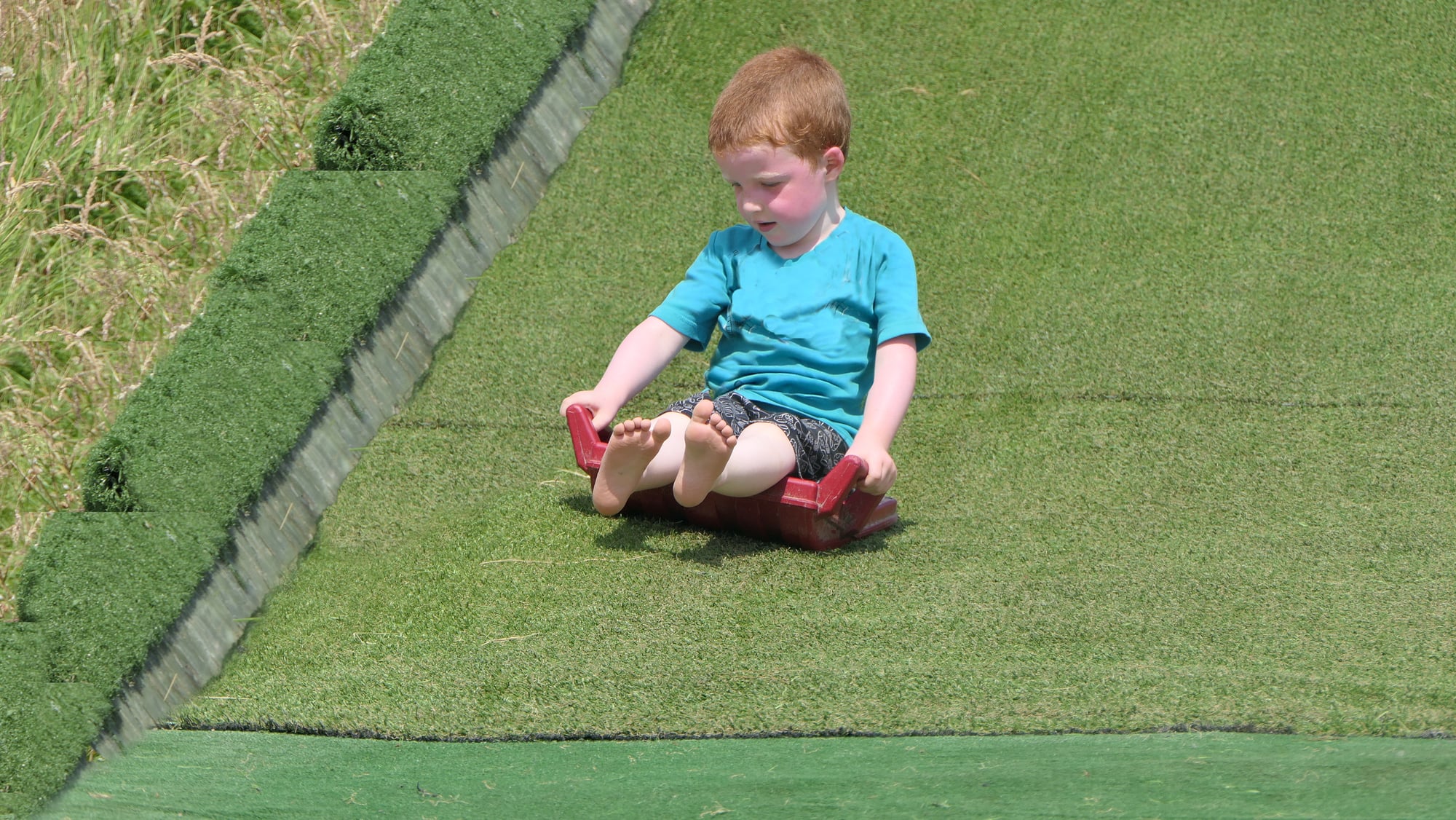
A plastic sheet, a garden hose, and gravity. That’s engineering at its finest.
The bruised shins and grass burns were part of the experience, not design flaws to fix.
Sprinkler Running

Garden sprinklers weren’t irrigation systems in the ’70s. They were entertainment centers that doubled as cooling systems on August afternoons when the asphalt could fry an egg.
Hopscotch
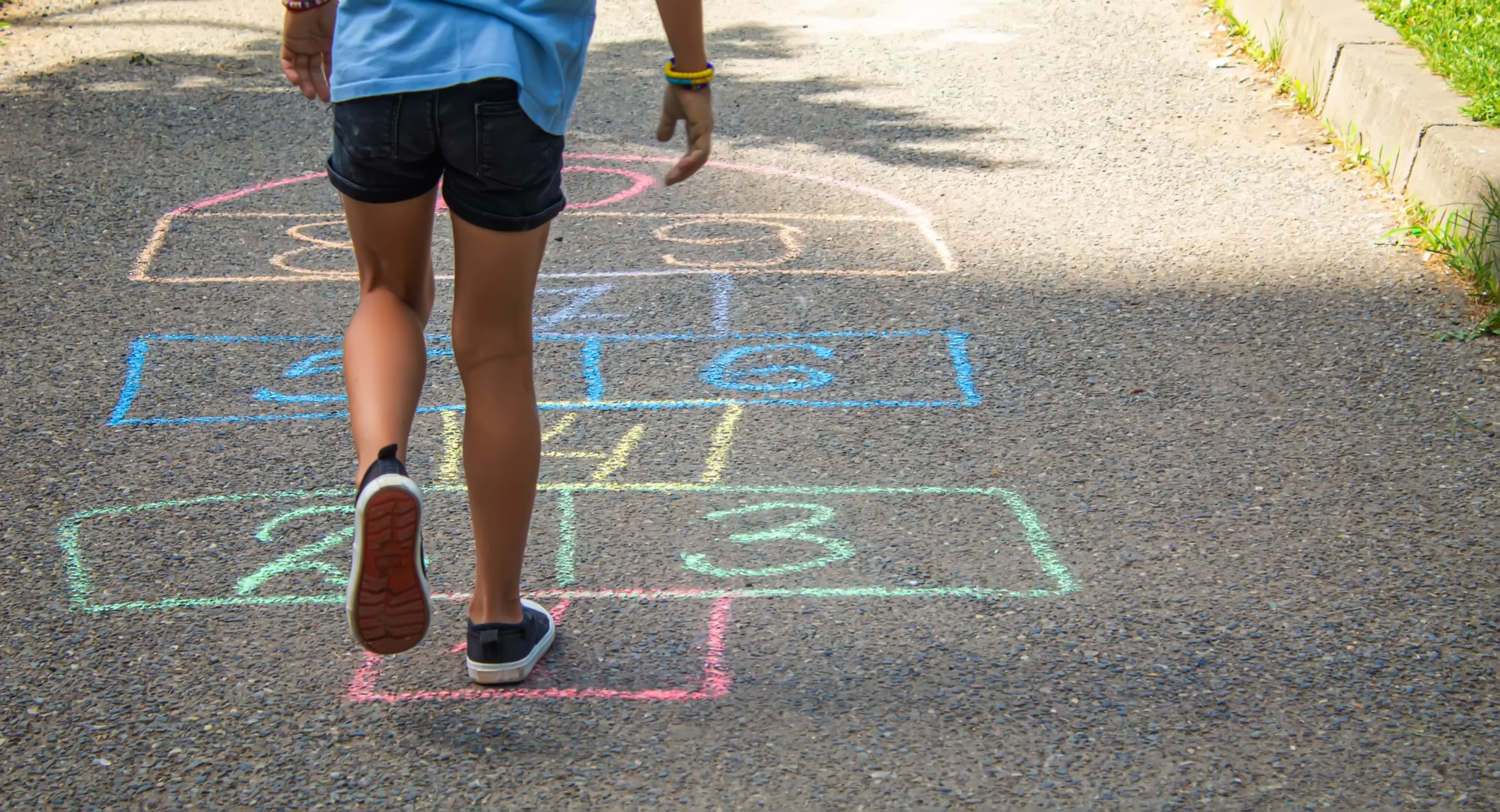
Chalk squares drawn on concrete created entire afternoons of competition (and the inevitable arguments over whether that rock landed on the line or not, because precision mattered deeply when you were eight, and the rules weren’t suggestions but sacred laws that governed whether you’d get another turn or watch your best friend claim victory with that smug smile that said she knew exactly where her rock had landed). So you’d redraw the squares.
Make them bigger. And yet the arguments persisted, because hopscotch wasn’t really about the rocks at all — it was about who could balance on one foot the longest without wobbling, who could throw with enough control to make the rock stick where it belonged, and who had the nerve to attempt the impossible double-square jump that separated the cautious from the bold.
Jump Rope

The rhythm became hypnotic after a while. Like meditation, but with more foot coordination and playground chants that somehow everyone knew without ever being taught.
Double Dutch separated the committed from the casual.
Red Light, Green Light
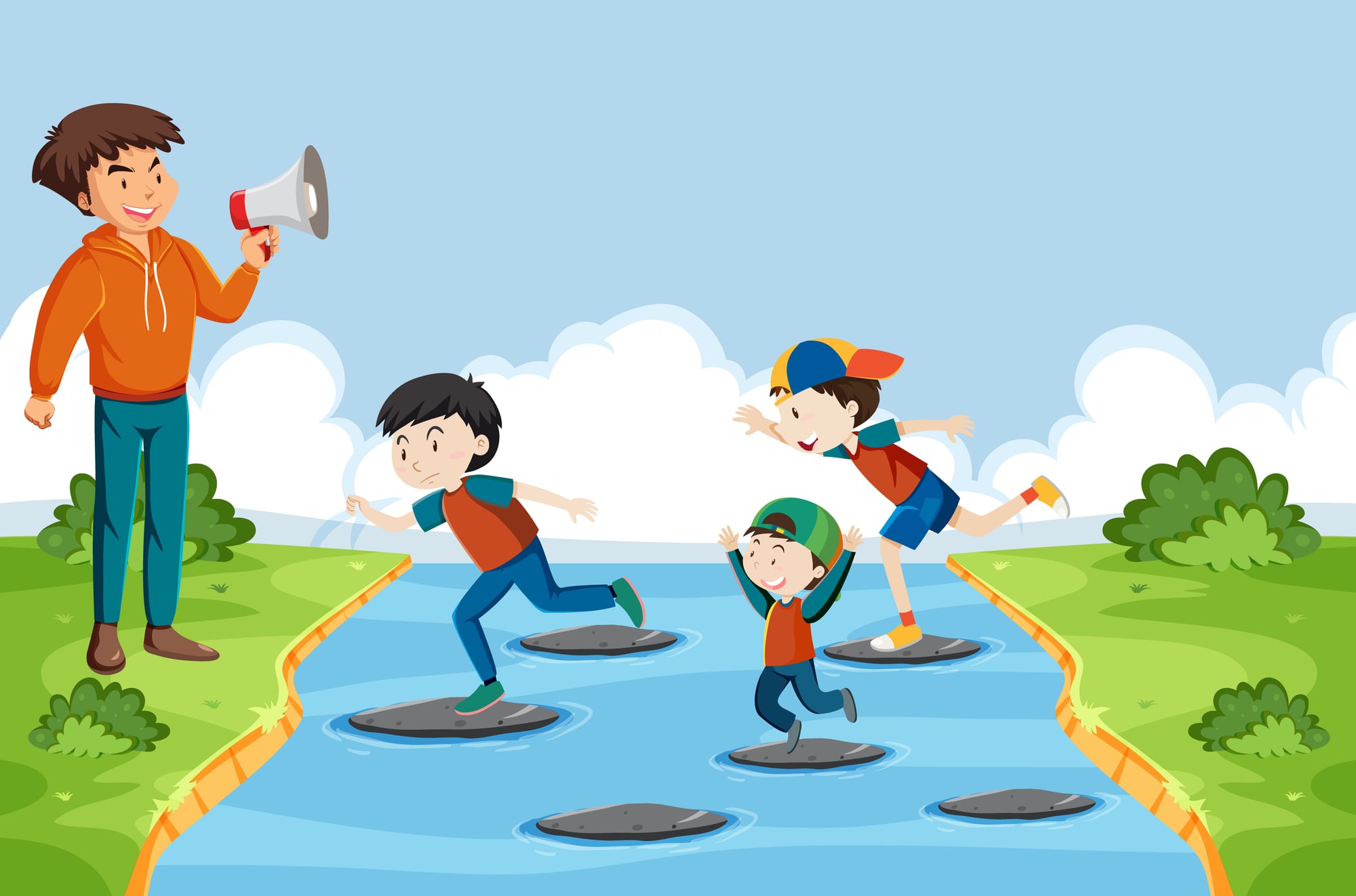
One kid becomes a traffic signal, and suddenly everyone else forgets how to walk normally. The art was in the almost-getting-caught — pushing right to the edge of movement when “red light” got called.
The game exposed who could freeze mid-step and who would always give themselves away with a telltale wobble. Fair enough, balance isn’t equally distributed among eight-year-olds.
Four Square
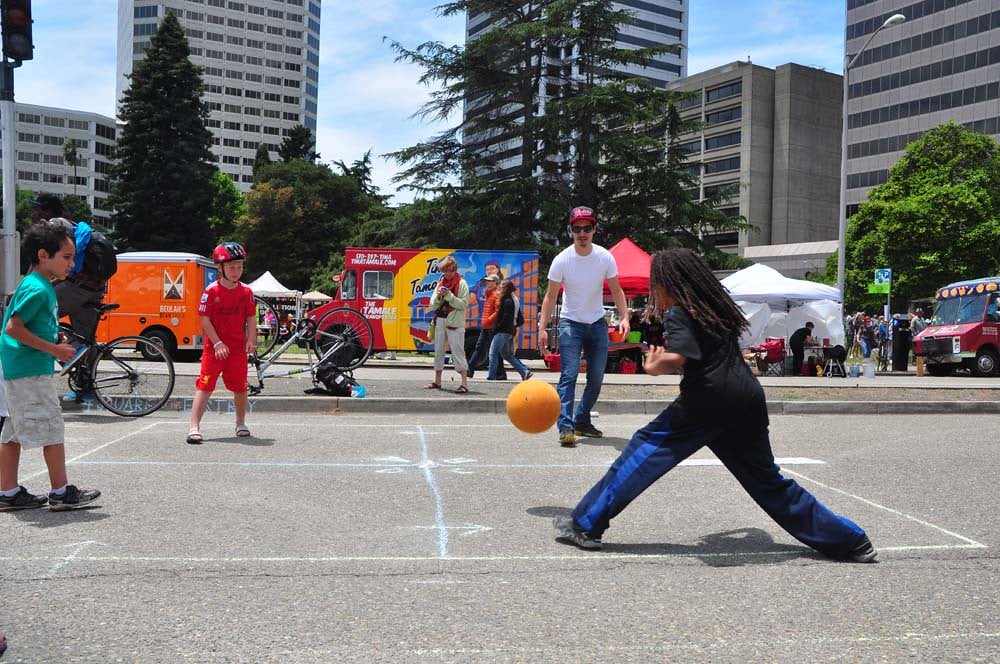
Four chalk squares. One rubber playground rubber sphere.
More territorial disputes than the United Nations. Getting to the king square felt like actual political power, even if your reign lasted exactly forty-three seconds before someone with better reflexes dethroned you.
Capture the Flag
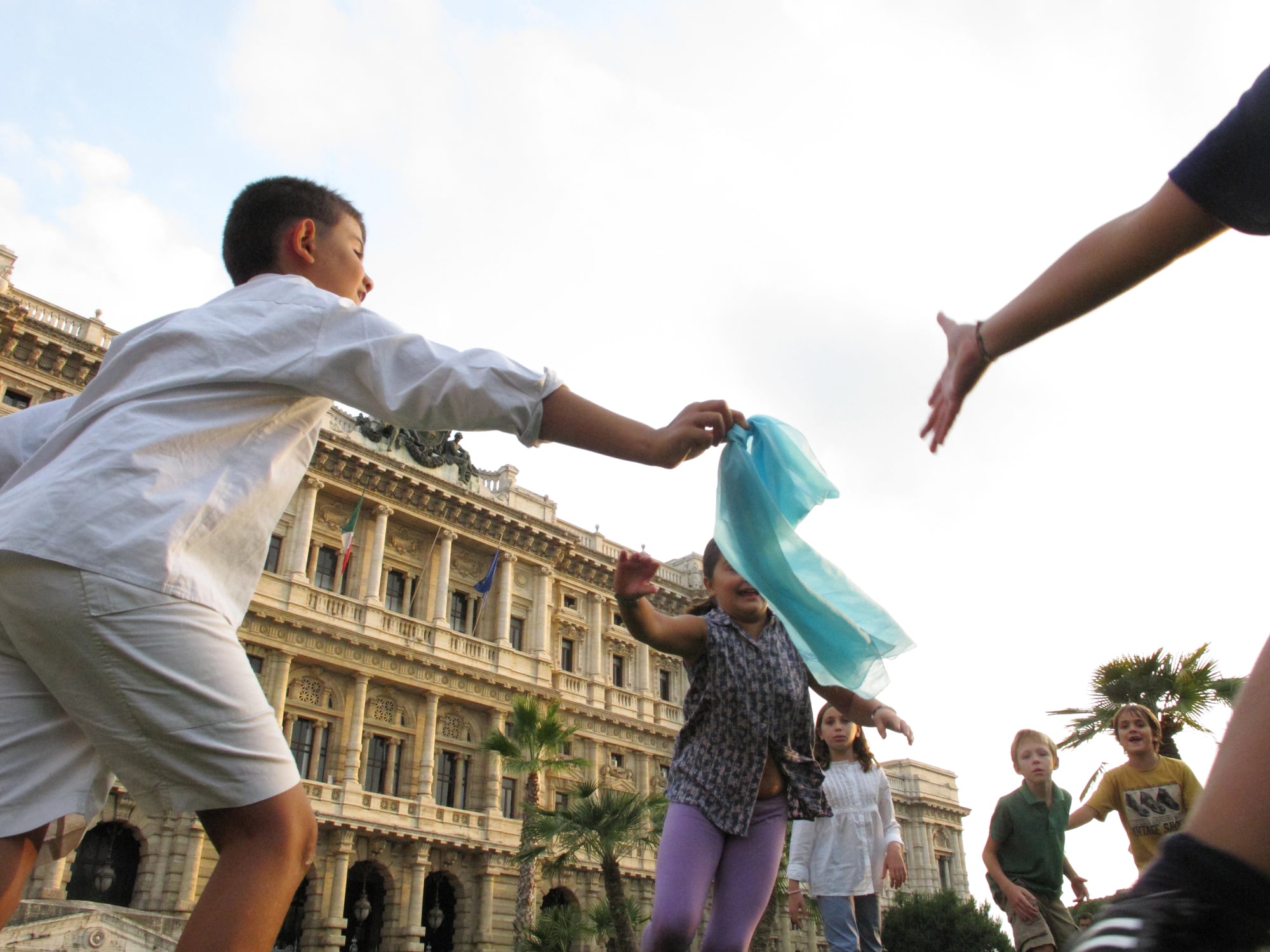
War games disguised as entertainment, though the strategy sessions beforehand were more elaborate than the actual battles (you’d huddle behind the big oak tree, whispering plans that sounded brilliant until someone pointed out that Jenny was too slow to be the decoy and Mike always got distracted by interesting rocks, which meant the carefully orchestrated flanking maneuver would collapse the moment it met reality). But that didn’t stop anyone.
And somehow, despite the flawed planning and the inevitable chaos when both teams charged the middle ground at exactly the same time, flag captures felt like genuine military victories worth celebrating until dinner got called and everyone forgot which side they’d been on.
Freeze Tag

Being frozen in an awkward position while waiting for rescue taught patience in ways that sitting still never could. The strategy was in smart positioning — getting tagged near cover versus out in the open.
Red Rover
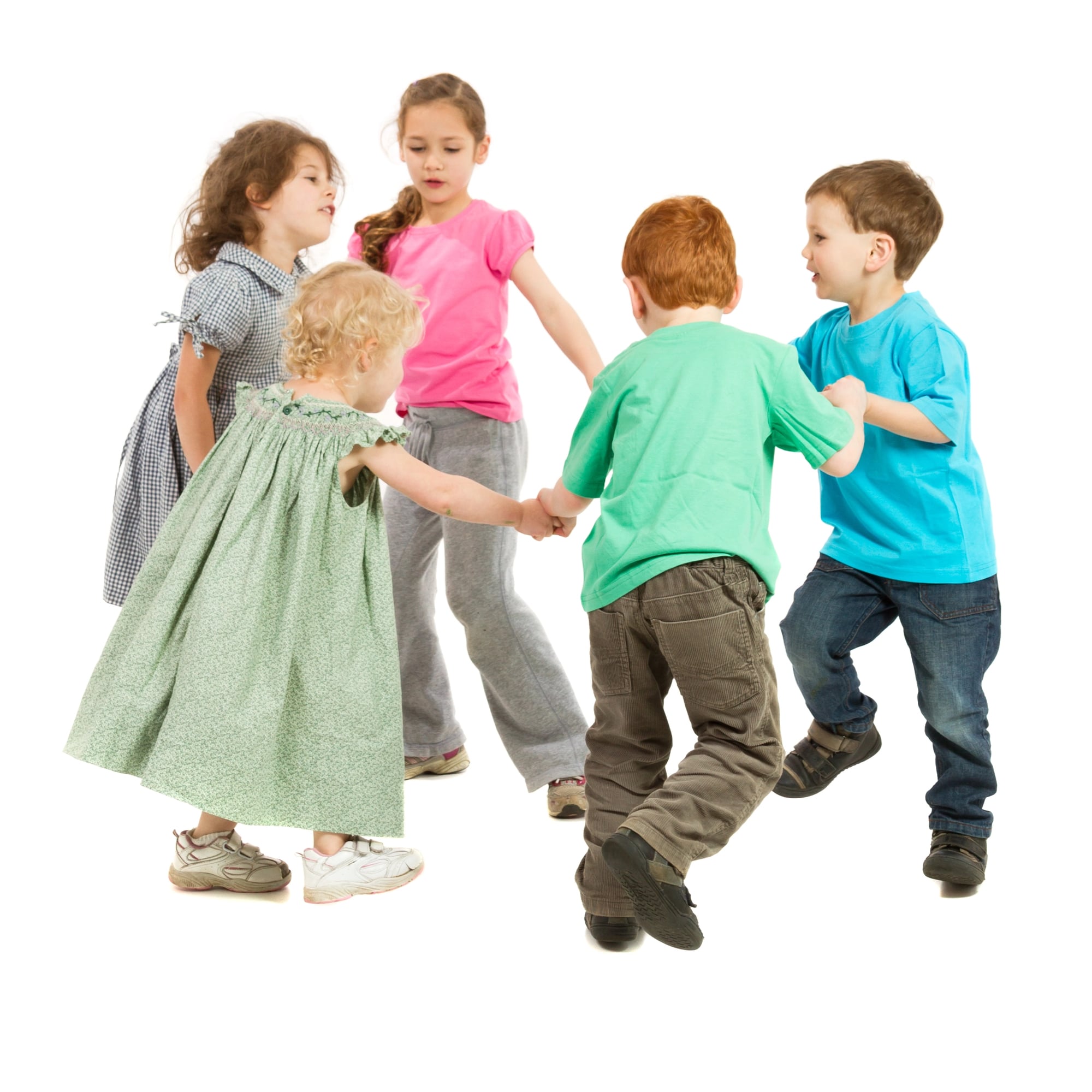
Red Rover called children to charge full-speed into human chains, which sounds questionable now but felt like the most natural thing in the world then. The weakest link always got exposed, usually with great drama.
Getting picked for the chain meant someone thought you were strong enough to hold the line. Getting called to run meant someone thought your particular combination of speed and determination could break through.
Either way, respect was involved.
Kick the Can
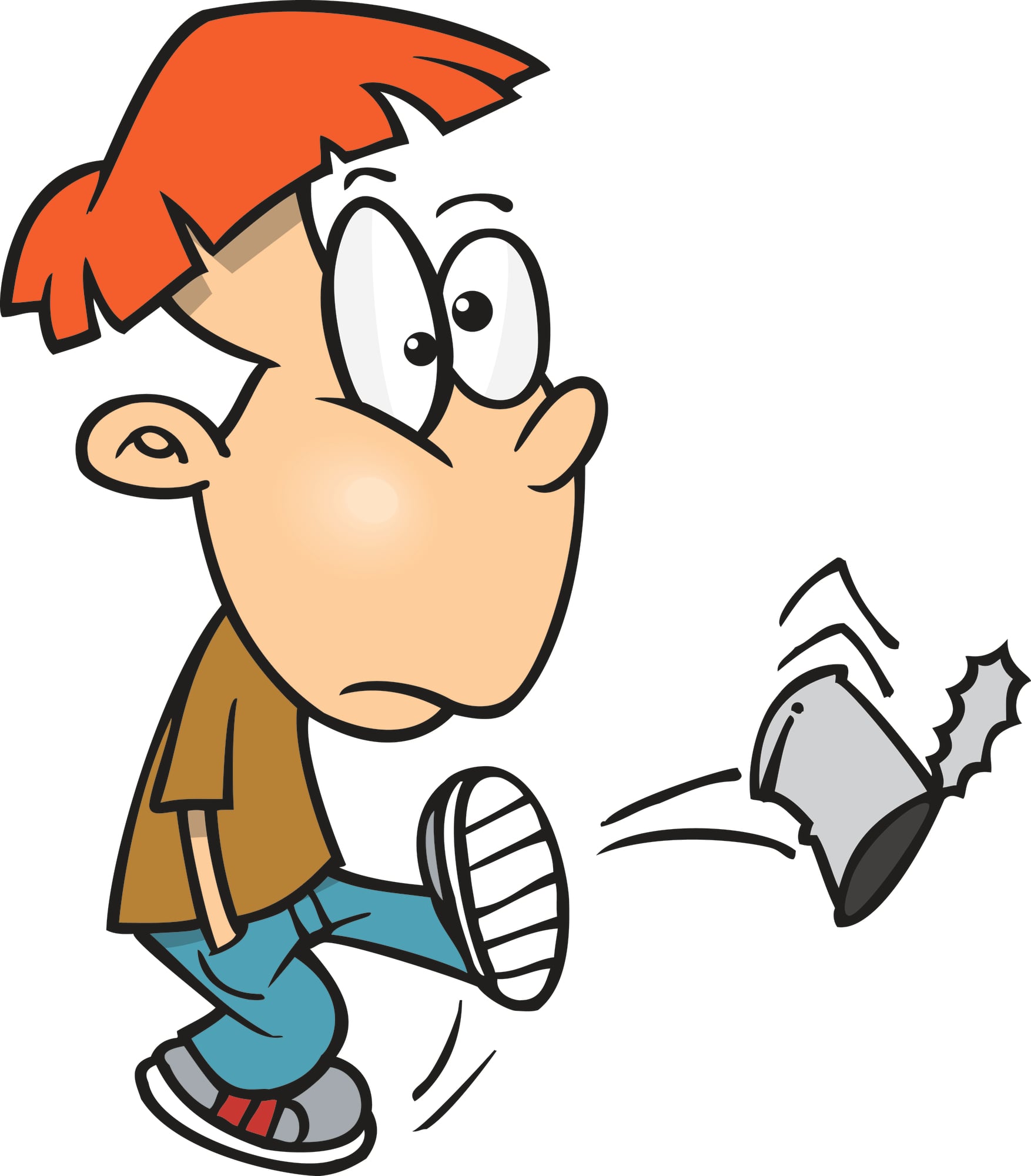
Hide and seek with a metal container acting as home base transformed backyards into tactical playgrounds. The can became the most important object in the known universe until someone’s mom called them in for lunch.
Mother May I

Permission-based movement sounds tedious on paper, but the giant steps versus baby steps created genuine suspense (the kind where you’d stand perfectly still, calculating whether asking for three giant steps was too greedy or if you should play it safe with five regular steps, because Mother wasn’t actually your mother and might be feeling particularly stingy with permissions that afternoon, especially if you’d been the one to tag her out in the previous game). But you’d ask anyway.
And sometimes Mother was generous, granting the giant steps that would catapult you ahead of everyone else, and sometimes she’d counter with “No, you may take two baby steps,” which felt like justice denied but rules were rules.
The arbitrary nature of it was somehow part of the appeal: you never knew if politeness would be rewarded or if Mother was just enjoying the power too much to give anyone a real advantage.
Simon Says
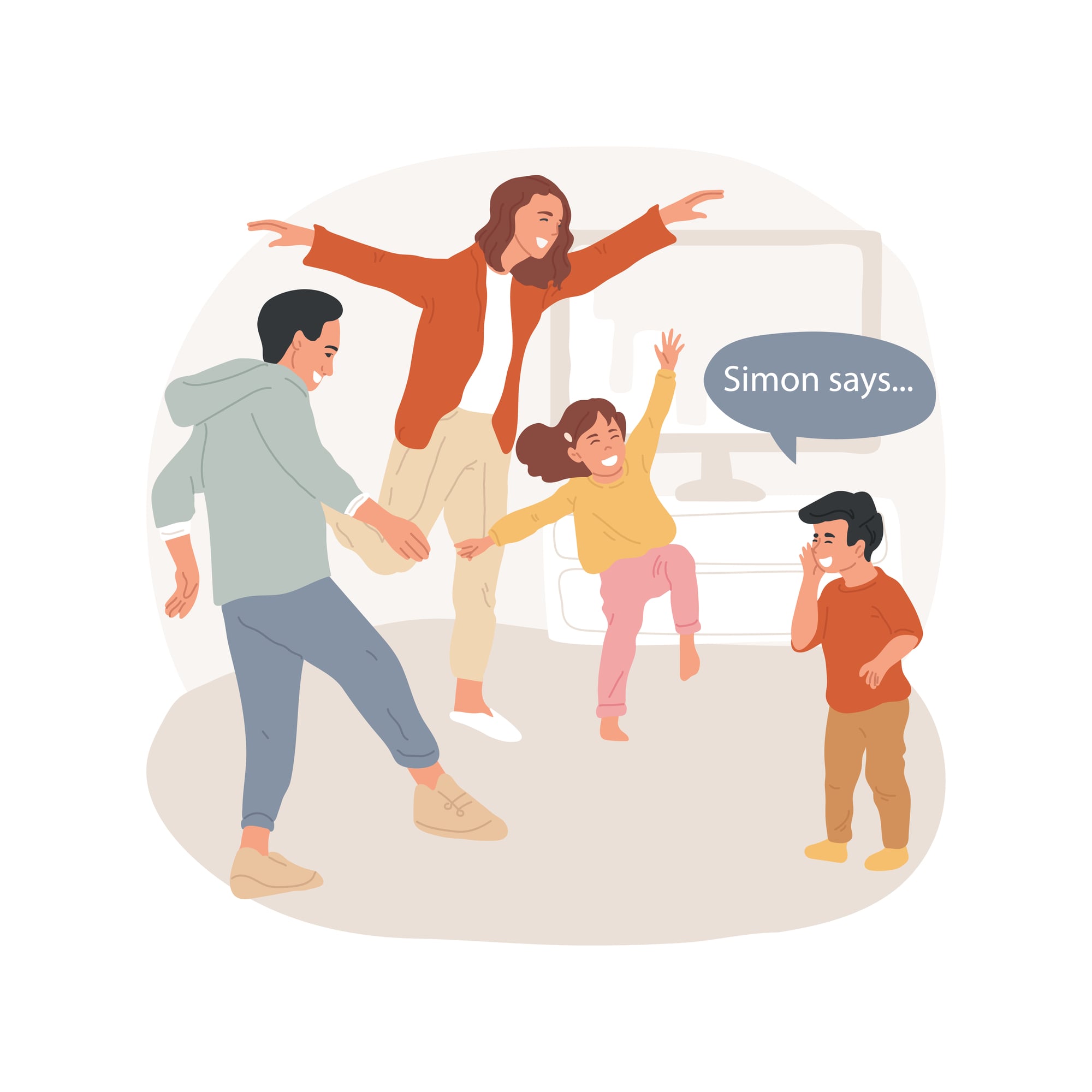
Authority followed blindly leads to touching your nose while hopping on one foot. The trick was listening for “Simon Says” versus just commands, which separated the careful listeners from the automatic followers.
Hide and Seek
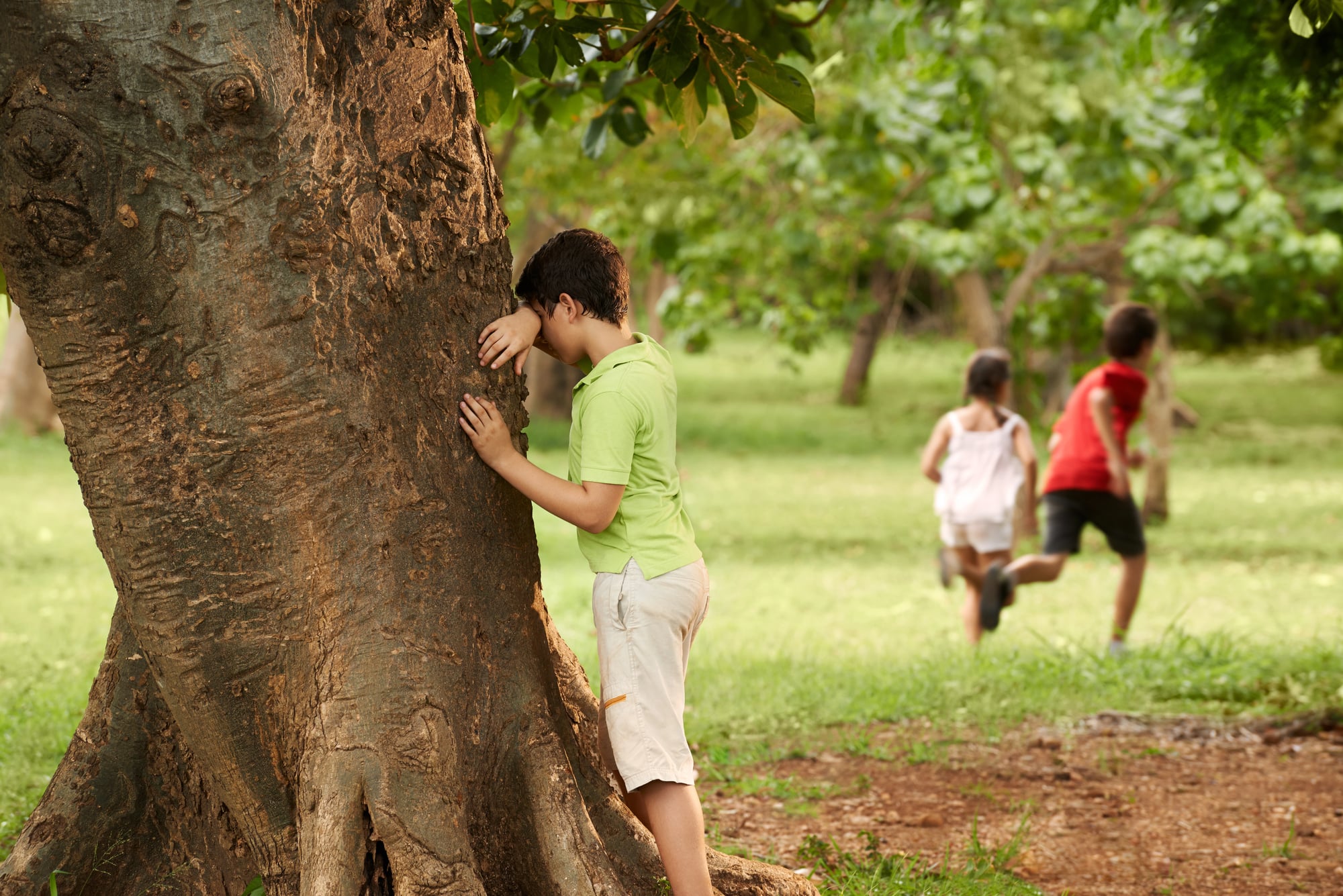
Closets, bushes, and the space behind the garage became temporary worlds. The best hiding spots required genuine creativity and a willingness to stay uncomfortable until discovery or surrender.
Finding the perfect hiding spot felt like discovering treasure. Getting found immediately felt like personal failure, which was probably disproportionate but seemed entirely reasonable at the time.
Tag

Running until your lungs burned, just to avoid being “it.” The physics of tag were simple, but the psychology was complex — who to chase, when to give up, how long to stay “it” before accidentally catching someone.
Water Balloon Fights

Latex spheres filled with garden hose water became summer artillery (and filling them was half the challenge, because the balloon would slip off the faucet just as you got the perfect amount of water, or you’d overfill and have it explode in your hands before you even made it to the battlefield, which meant trudging back to the spigot to start over while everyone else claimed the good throwing positions behind the porch steps and the rose bushes). So strategy mattered.
But once the fight started, strategy dissolved into chaos: balloons that refused to pop on impact, direct hits that somehow missed their target entirely, and the inevitable moment when someone would slip on the wet grass and take out half their own team.
Victory usually went to whoever had the most backup balloons, not the best aim.
Badminton
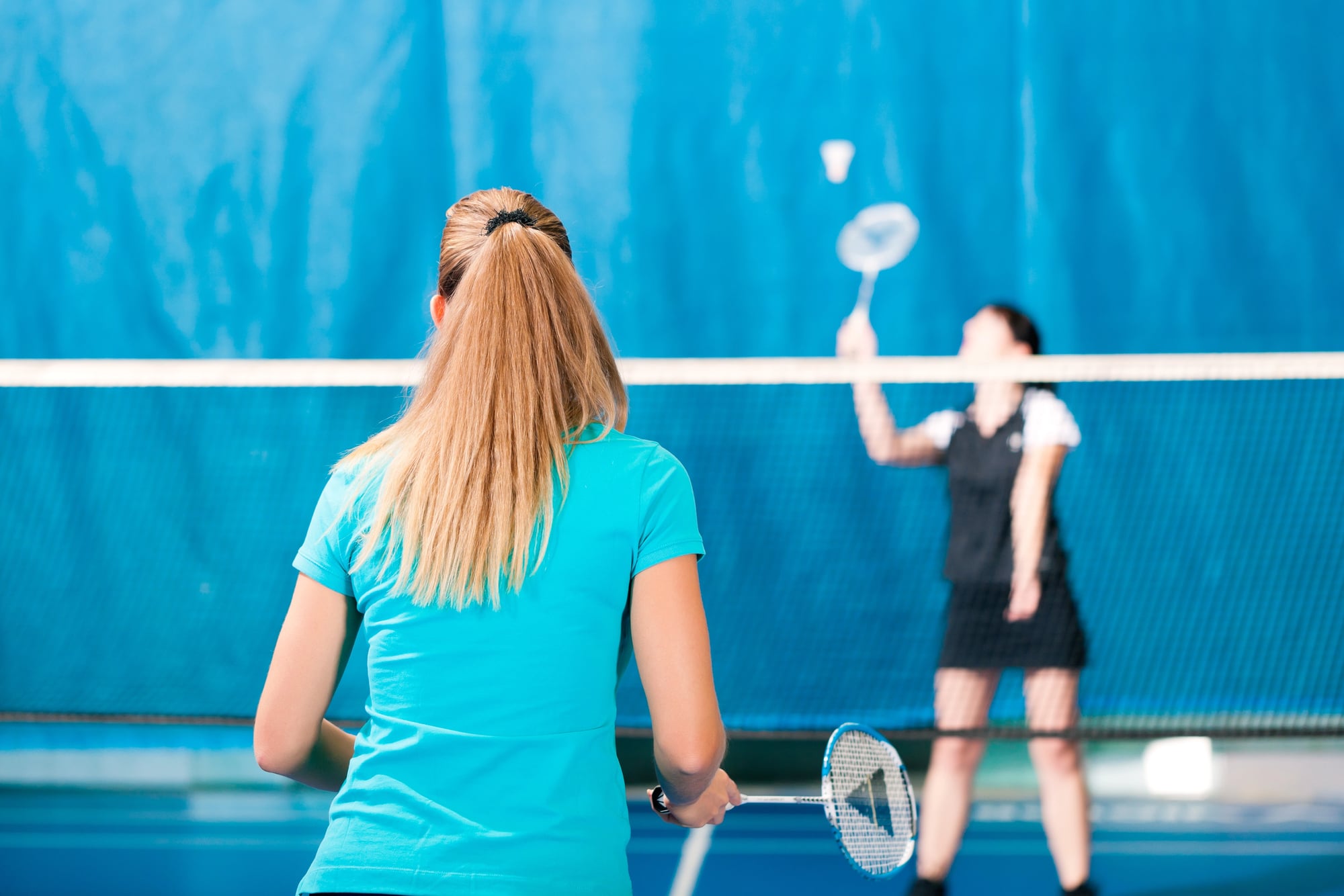
The shuttlecock moved like it was underwater, which made timing everything. Backyard badminton taught patience and the art of gentle precision over brute force.
Croquet
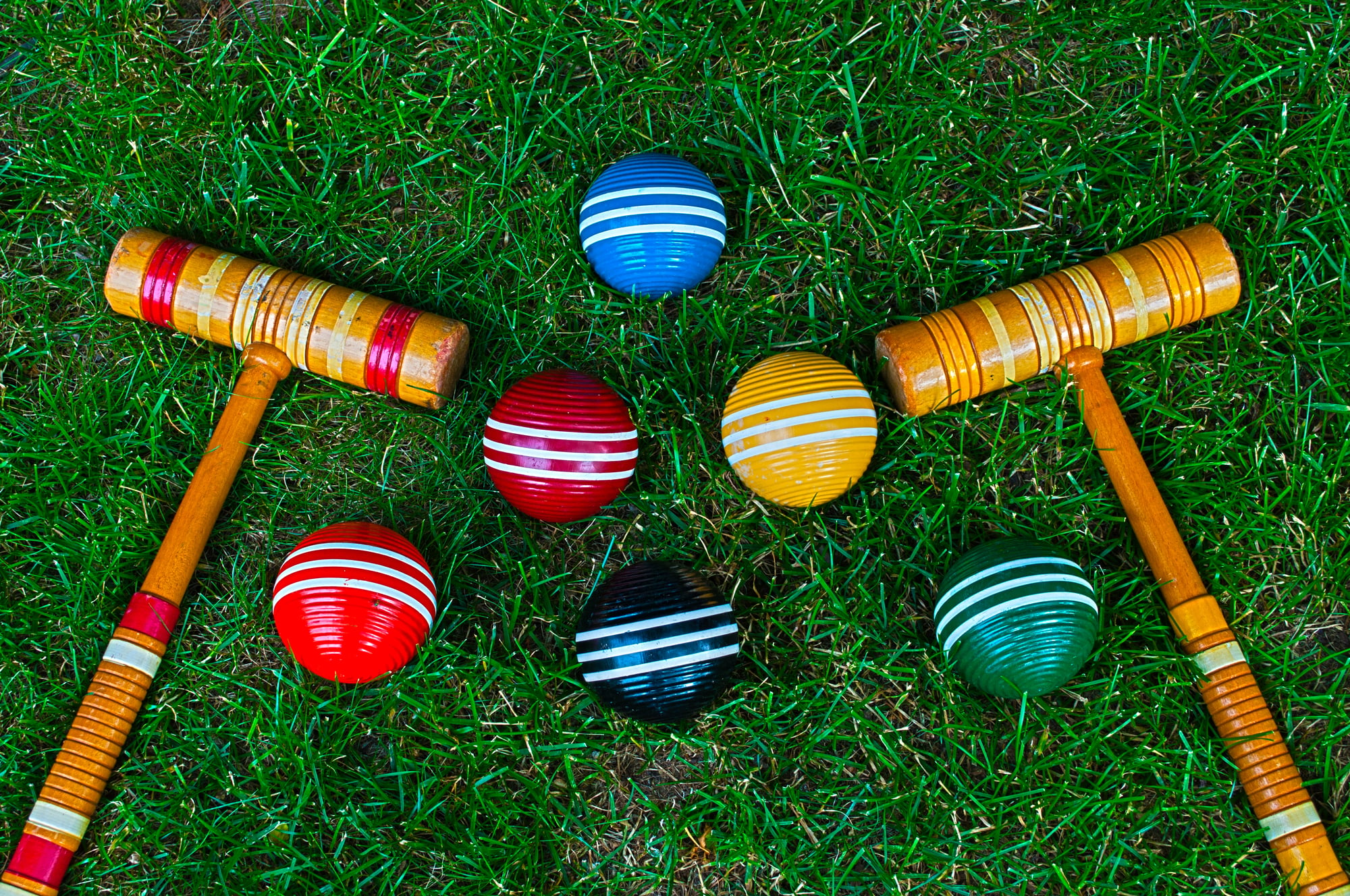
Wooden mallets, wire wickets, and the satisfaction of sending someone else’s playing sphere into the flower bed. The gentle clicking sounds were deceiving — croquet brought out competitive instincts people didn’t know they had.
Turns out, aiming a wooden sphere through tiny metal gates requires more skill than it looks like. The advanced players could ricochet off other players’ spheres with calculated precision, which felt like magic until you learned the physics.
Horseshoes
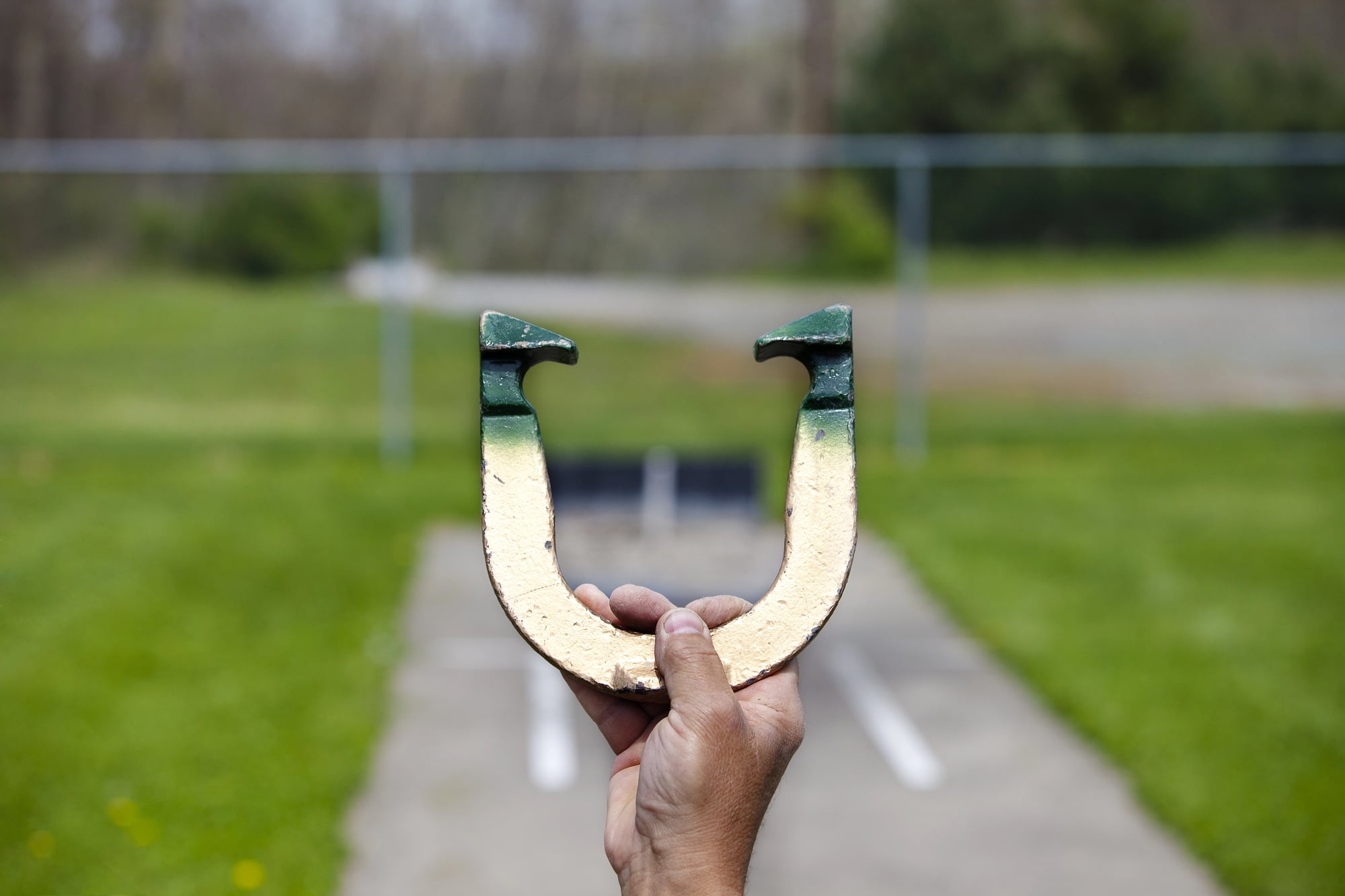
Metal shoes thrown at metal stakes created that distinctive ringing sound that meant summer afternoon leisure. Ringers were celebrated like golf pits-in-one, because they were roughly as rare for most players.
Lawn Darts
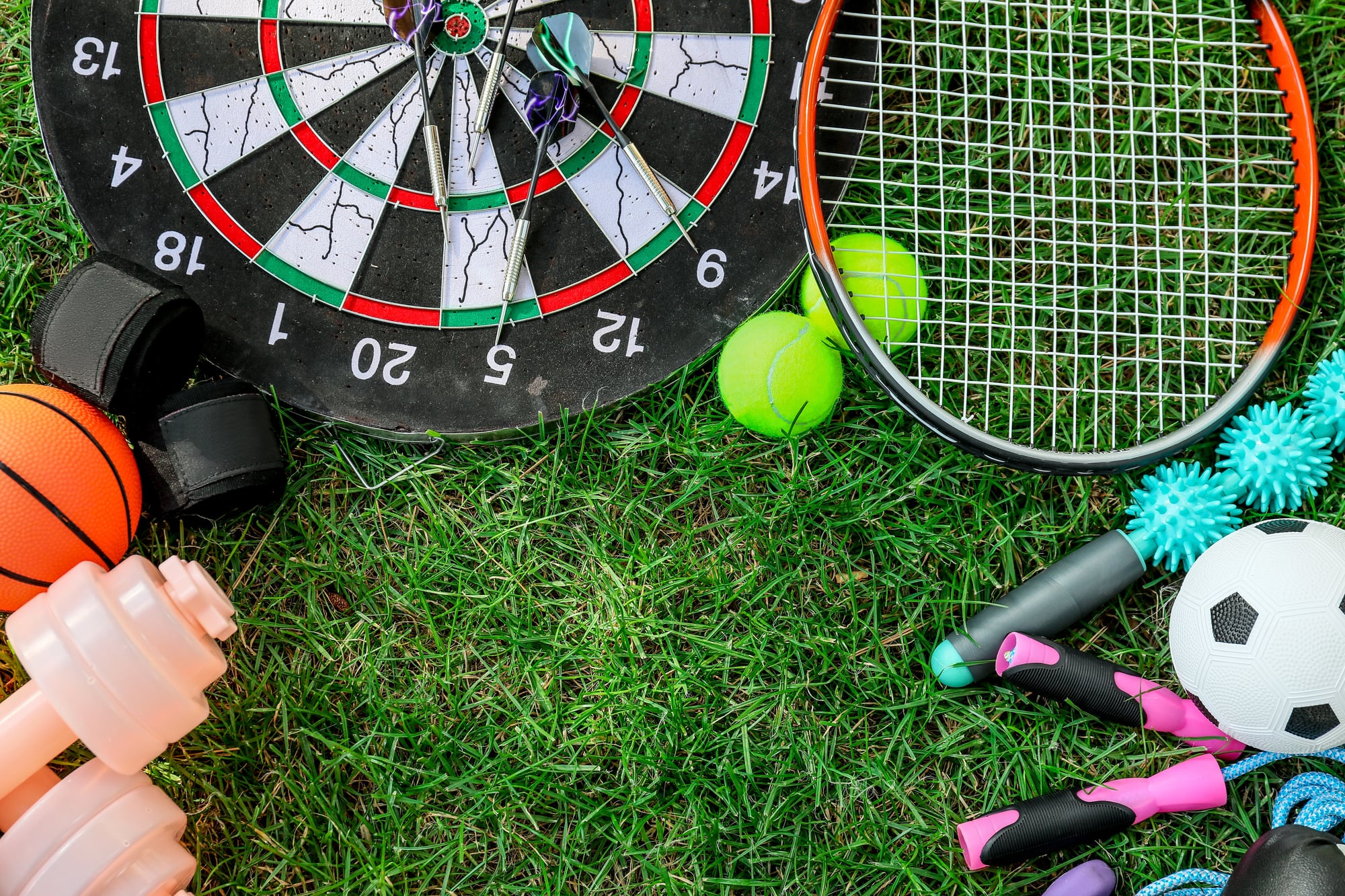
Heavy metal projectiles thrown at targets in the grass, which explains why they don’t exist anymore (though at the time, the danger was half the appeal, because successfully landing one near the target without impaling anyone felt like a genuine accomplishment, and the weight of the dart in your hand suggested this was serious business, not some lightweight children’s toy that couldn’t hurt anyone). And yet most games ended without incident.
But the potential was always there, hanging in the air along with the darts themselves, adding a layer of respectful caution that made every throw feel consequential. The satisfying thunk when a dart stuck properly in the ground was worth the careful aim and gentle release technique that kept everyone’s feet safely out of the landing zone.
Frisbee

Plastic discs that defied expectations by actually flying when thrown correctly. The learning curve was steep, but watching a perfect throw sail in a smooth arc made the bruised fingers worth it.
Tug of War
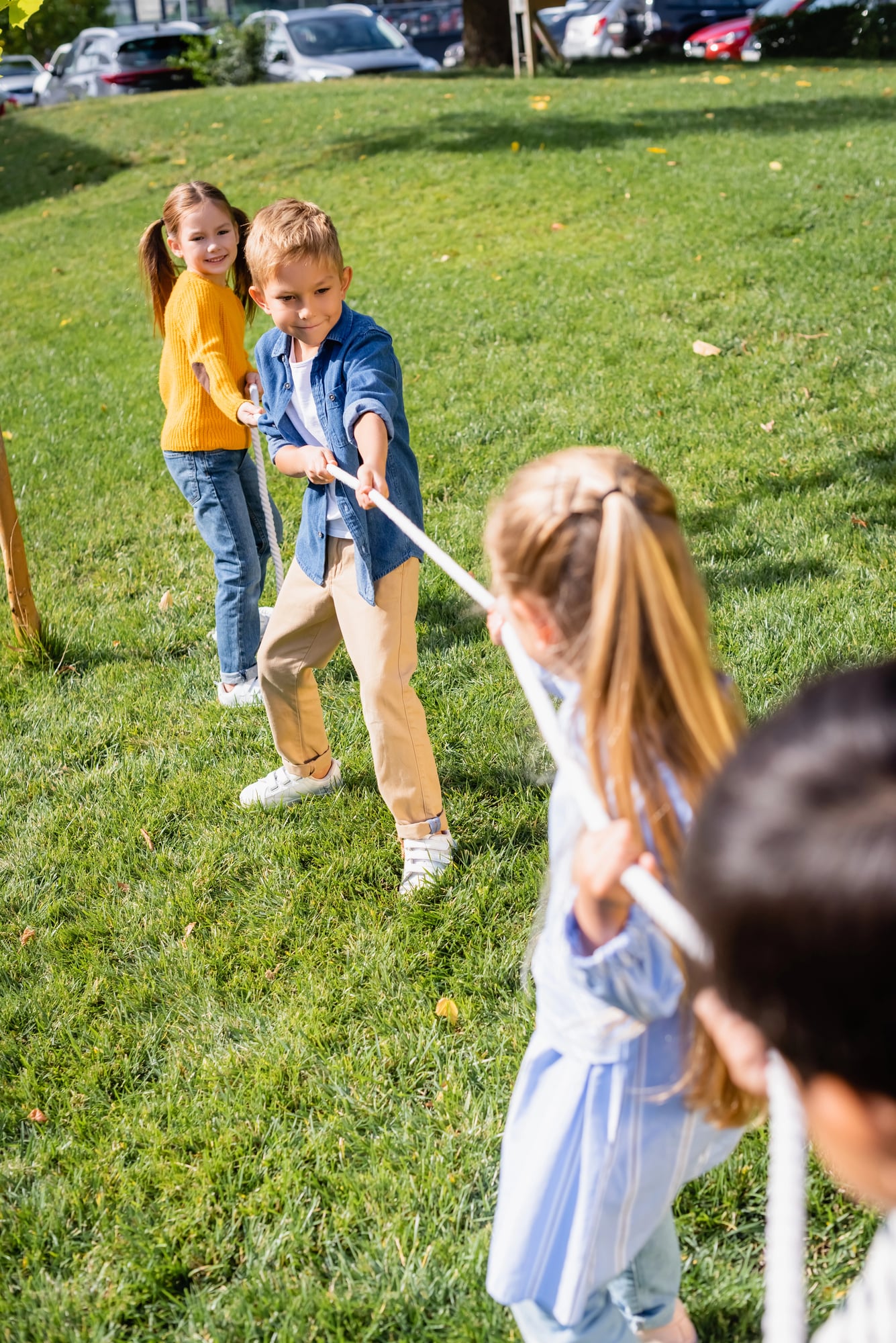
Rope, teams, and the simple physics of who could pull harder. The rope burns were badges of honor, and victory felt earned in a way that required no explanation.
Getting the anchor position at the back of the line carried serious responsibility. The middle people provided numbers, but the anchors provided the foundation that kept everyone from sliding forward in defeat.
Obstacle Courses
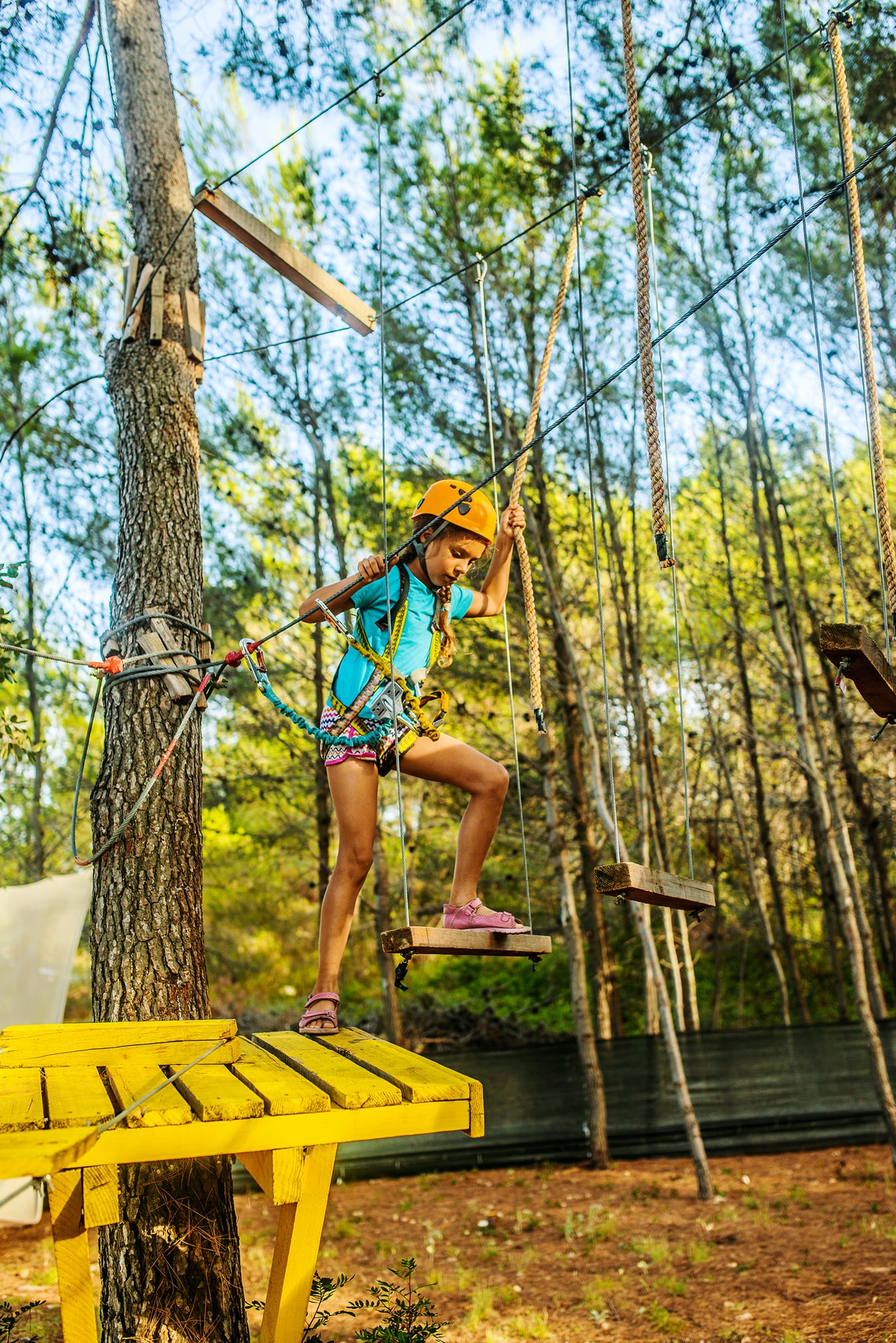
Lawn chairs, hula hoops, and garden hoses transformed into athletic challenges that would make military training look simple. The timer was usually someone counting “one-Mississippi, two-Mississippi” because precision wasn’t the point.
Three-Legged Races

Two people, one shared leg, and the immediate discovery that coordination is harder than it looks (especially when your partner was either six inches taller or had a completely different natural walking rhythm, which meant every step became a negotiation between your body’s instincts and the physical reality that you were now part of a three-legged creature that moved like a newborn giraffe having balance issues). But you’d figure it out.
Eventually. And when you finally found that synchronized rhythm where both people stepped together without thinking about it, the three-legged creature would transform from clumsy to unstoppable, crossing the finish line with the kind of triumph that only comes from overcoming physics through sheer stubborn cooperation.
Sack Races
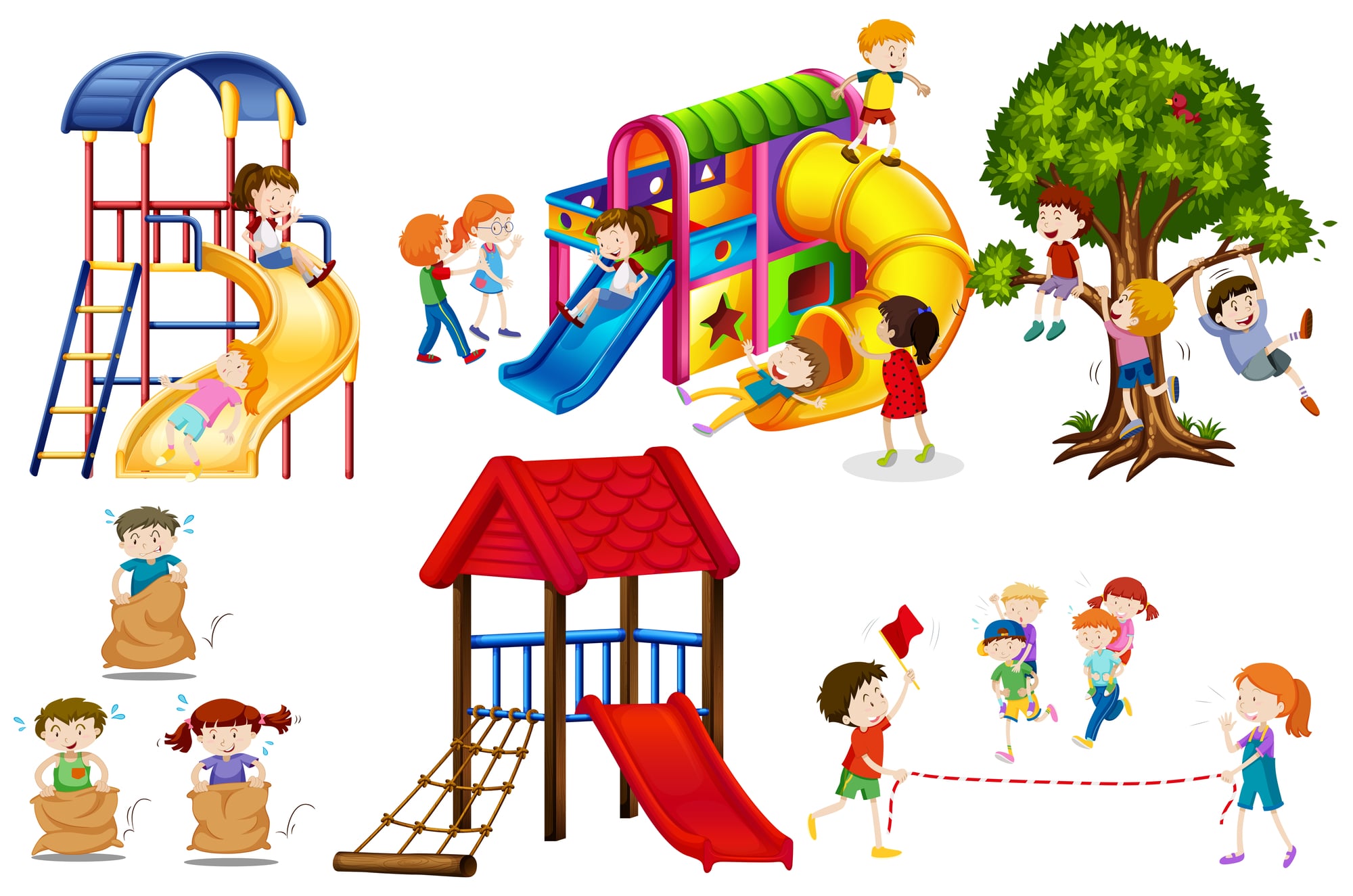
Burlap or cloth containers became temporary leg prisons, and hopping became the only form of legal locomotion. The strategy was in the small hops versus big jumps, and everyone had theories about which worked better.
Wheelbarrow Races
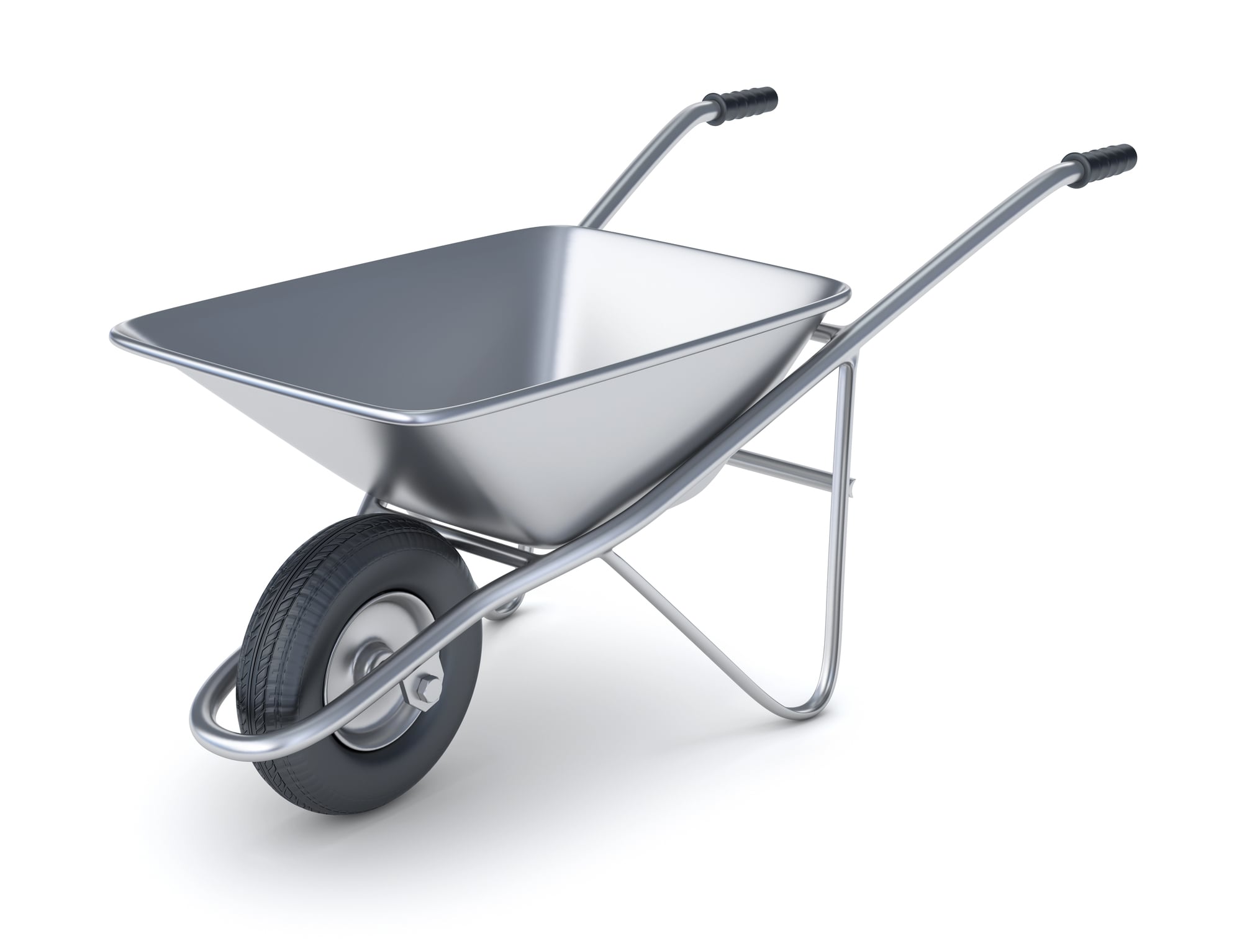
One person becomes the wheelbarrow, the other becomes the pusher, and suddenly you understand why construction workers get paid well. The hand-walking was harder than it looked, and trust became essential.
The key was finding a partner who could keep pace without going too fast. Too slow and you’d lose.
Too fast and the “wheelbarrow” would face-plant into the grass, which was funnier for spectators than participants.
When the Sun Set on Those Simple Days

The best part wasn’t the activities themselves, but the way they created their own time. No one checked clocks during a heated game of Red Rover or calculated the optimal duration for hide and seek.
The games ended when they ended — when someone got called in for dinner, when the streetlights came on, or when everyone was too tired to argue about the rules anymore. That kind of unstructured time feels almost revolutionary now, when everything gets scheduled and optimized.
These backyard classics didn’t require batteries, but they powered something more important: the kind of summer memories that last decades without needing a single software update.
More from Go2Tutors!

- The Romanov Crown Jewels and Their Tragic Fate
- 13 Historical Mysteries That Science Still Can’t Solve
- Famous Hoaxes That Fooled the World for Years
- 15 Child Stars with Tragic Adult Lives
- 16 Famous Jewelry Pieces in History
Like Go2Tutors’s content? Follow us on MSN.