TV Theme Songs From The ’80s That Are Still Stuck In People’s Heads Decades Later
The human brain has a strange relationship with music from decades past. You can forget where you put your keys five minutes ago, but hum the opening bars of a sitcom that ended when you were twelve, and every single word comes flooding back.
The ’80s produced television theme songs that weren’t just catchy—they were engineered to burrow into your memory and stay there. These weren’t subtle background melodies.
They were full-throttle earworms that announced themselves with synthesizers, electric guitars, and vocals that demanded attention.
Cheers
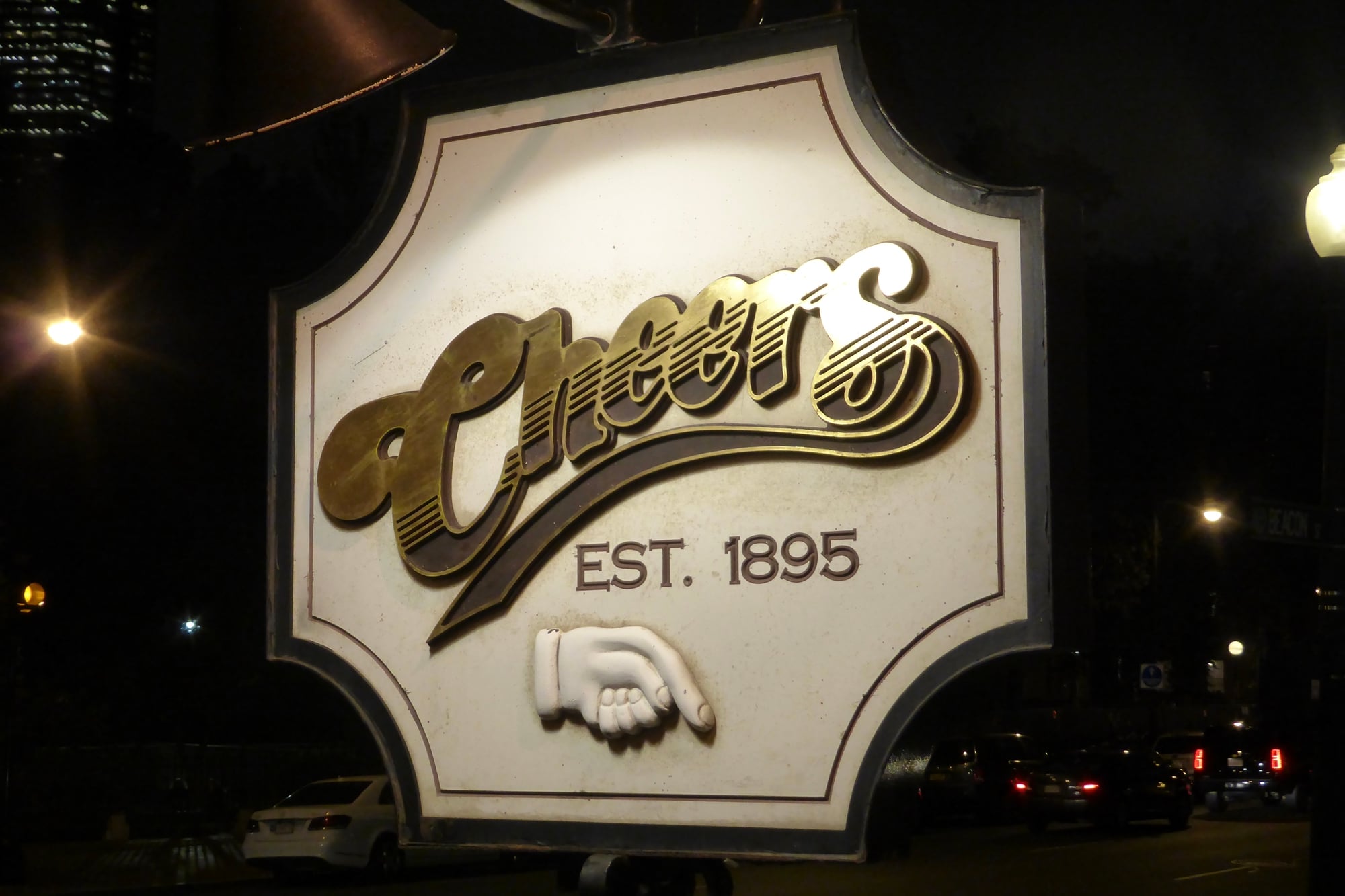
The piano intro hits, and suddenly you’re transported to a Boston bar where everybody knows your name. That opening melody doesn’t just play—it settles into your consciousness like an old friend pulling up a barstool.
The song promises something television rarely delivered: a place where you truly belong. What makes this theme so persistent isn’t just the melody (though Gary Portnoy’s composition is undeniably gorgeous), it’s the emotional territory it stakes out.
And the lyrics tap into something deeper than nostalgia: the basic human need for acceptance. So when that familiar piano starts up decades later, your brain doesn’t just remember a TV show—it remembers the feeling of coming home.
Miami Vice
Two notes. That’s all Jan Hammer needed to create one of the most recognizable television themes ever recorded.
Those opening synthesizer stabs don’t ease you into the show—they grab you by the collar and drag you into neon-soaked Miami. The entire composition sounds like cocaine feels: fast, dangerous, and absolutely electric.
Hammer built the theme around that relentless drum machine and layered synthesizers that seemed to predict the future of music. No vocals, no explanation needed.
The instrumental track became as much a character as Crockett and Tubbs themselves.
The A-Team
The A-Team theme doesn’t mess around. It announces itself with military precision: drums that sound like gunfire, horns that could wake the dead, and a melody that marches forward with absolute certainty.
Mike Post and Pete Carpenter created something that sounds exactly like what it is—the musical equivalent of a plan coming together. Every element locks into place with mechanical efficiency.
The theme builds momentum from the first note and never lets up. There’s something deeply satisfying about music this confident, this unapologetically bold.
It’s the sound of competence itself.
Knight Rider
That synthesizer riff doesn’t just play—it cruises. Stu Phillips crafted a theme that sounds like KITT himself composed it: sleek, futuristic, and impossibly cool.
The melody has this wonderful way of building tension and releasing it, like a perfectly executed car chase. But here’s what makes it stick: the theme captures the exact feeling of driving at night with the windows down and the radio loud.
It’s the musical embodiment of freedom and speed, wrapped in enough ’80s production to power a small city. And that main melody line—the one that sounds like it’s racing toward something important—once it gets in your head, it sets up permanent residence.
Magnum P.I.
Mike Post struck gold again with Magnum’s theme, but this time he painted with completely different colors. Where Knight Rider was all chrome and neon, Magnum felt like ocean breeze and Hawaiian sunsets (even though it never used traditional Hawaiian instruments, which is saying something).
The saxophone takes center stage here, backed by synthesizers that somehow manage to sound both tropical and sophisticated. But it’s that melody that really hooks you—it rises and falls like waves, building to emotional peaks that feel almost cinematic.
Post understood something crucial about television themes: they needed to transport viewers not just to a different show, but to a different world entirely. And every time that sax line kicks in, you’re right back in Paradise.
MacGyver

The MacGyver theme operates like its main character—efficiently, cleverly, and with maximum impact. Randy Edelman composed something that feels both urgent and optimistic, a combination that shouldn’t work but absolutely does.
Those opening keyboard stabs feel like problems being solved in real time, while the melody builds with the kind of momentum that suggests anything is possible with enough ingenuity. The theme perfectly captures MacGyver’s spirit: practical, determined, and slightly heroic without taking itself too seriously.
It’s the sound of someone who can turn a paper clip and some chewing gum into a helicopter.
Airwolf
The helicopter might have been the star, but Sylvester Levay’s theme song was the real vehicle that lifted this show off the ground. That opening synthesizer sequence doesn’t just suggest flight—it embodies it, with layers of electronic sound that build and soar like rotor blades cutting through air.
The melody has this wonderful sense of ascension, climbing higher and higher until it reaches an emotional peak that feels genuinely triumphant. Levay understood that the theme needed to match the show’s high-tech aspirations while remaining emotionally grounded.
The result was music that sounded like the future but felt timeless. And that main theme—the one that sounds like pure velocity—it doesn’t just play in your head, it takes off.
The Greatest American Hero
“Believe It or Not” by Joey Scarbury became one of the rare TV themes to crack the Top 40, and for good reason. The song captures something television rarely attempted: genuine sincerity wrapped in an irresistible melody.
The lyrics tell the story of an unlikely hero, but the music tells a different story—it’s about possibility, about ordinary people doing extraordinary things. Mike Post (yes, him again) produced a track that feels both epic and intimate, with Scarbury’s vocals hitting emotional notes that television themes typically avoided.
The song works because it doesn’t sound like a TV theme at all—it sounds like an anthem.
Hill Street Blues
Mike Post didn’t just dominate ’80s television themes—he redefined what they could be. Hill Street Blues featured perhaps his most sophisticated composition: a theme that sounded more like a feature film score than typical TV music.
The melody moves with the rhythm of urban life (chaotic, urgent, but somehow finding its groove), while the instrumentation suggests both danger and hope. Post created something that captured the complexity of police work without resorting to obvious musical clichés.
So when that familiar melody kicks in, you don’t just remember a TV show—you remember what it felt like to believe television could be art.
T.J. Hooker
The T.J. Hooker theme doesn’t waste time with subtlety. It opens with the kind of driving rock rhythm that suggests someone’s about to get arrested, and it maintains that energy for the entire duration.
Mark Snow composed something that feels like a high-speed pursuit set to music. The theme captures the show’s no-nonsense approach perfectly: straightforward, energetic, and completely committed to its own intensity.
There’s something refreshing about music this direct, this unapologetically focused on getting your attention and keeping it. The guitar work drives forward with mechanical precision, while the synthesizers add just enough ’80s flavor to place it firmly in its era.
Simon & Simon
The Simon & Simon theme walks a perfect line between country and rock, which makes sense for a show about two very different brothers working together. The song opens with guitar work that suggests both adventure and family loyalty—not an easy combination to pull off.
What makes this theme memorable is how it captures the show’s unique tone: serious enough for drama, light enough for comedy, with just enough musical personality to suggest the characters have actual chemistry. The melody builds with the kind of confidence that suggests these brothers can handle whatever comes their way, whether they want to work together or not.
Hardcastle And McCormick
This theme opens like a challenge being issued. The synthesizer work is aggressive, confident, and slightly playful—much like the relationship between the judge and the ex-con at the show’s center.
The music captures something specific about ’80s action television: the belief that unlikely partnerships could overcome any obstacle through sheer determination and perfectly timed one-liners. The theme builds momentum like a sports car accelerating through city streets, with electronic elements that sound both futuristic and grounded in practical reality.
It’s the musical equivalent of two people who shouldn’t work together but absolutely do.
Tales From The Crypt
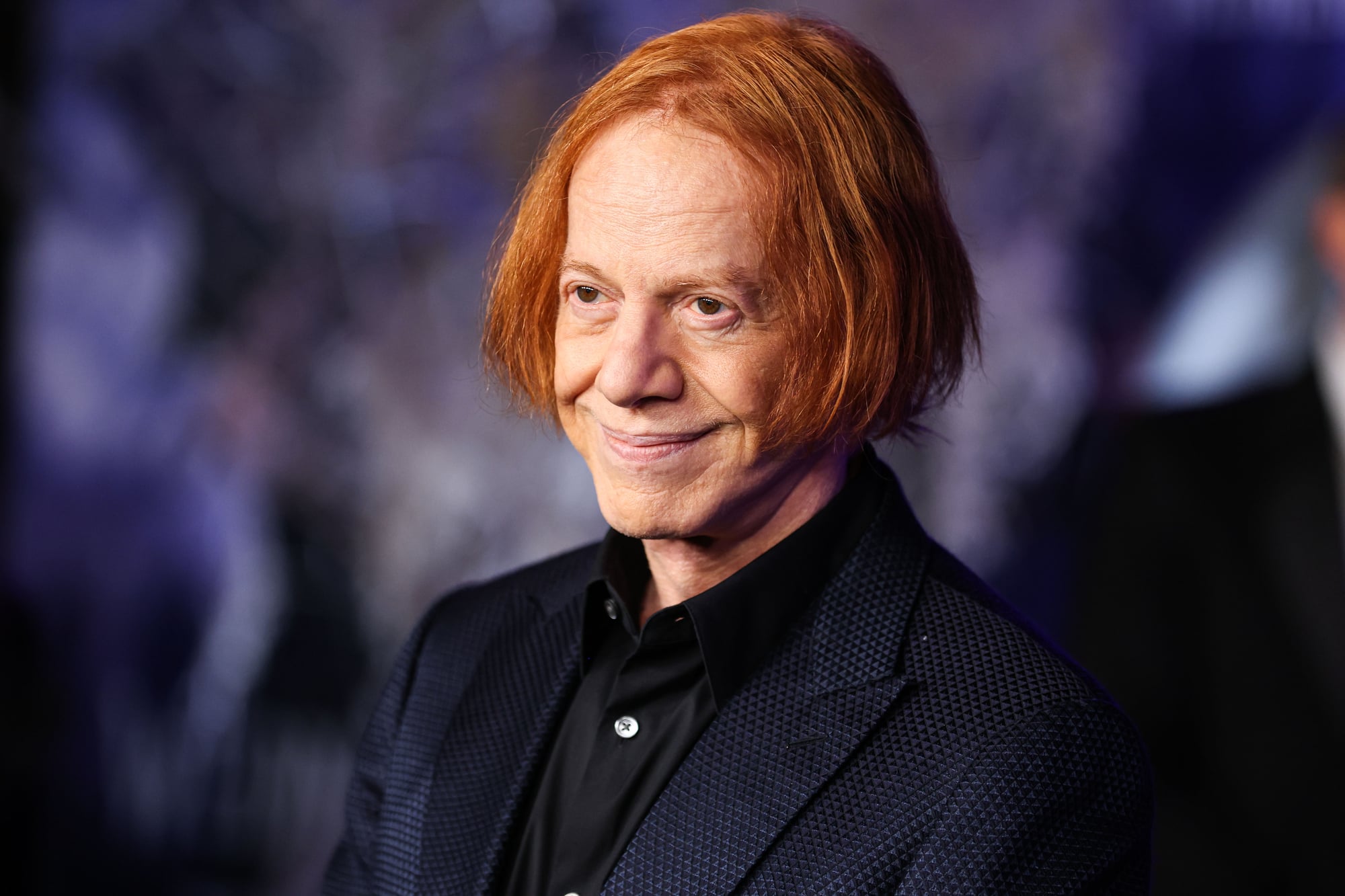
The Tales from the Crypt theme operates in completely different territory from its action-packed contemporaries. Danny Elfman created something that sounds like a haunted carnival ride: playful, sinister, and absolutely unforgettable.
The melody dances between horror and humor, much like the show itself. Elfman understood that the theme needed to prepare viewers for something both scary and entertaining—a delicate balance that required musical sophistication.
The result is a theme that sounds genuinely creepy while maintaining enough musical wit to remind you not to take things too seriously. And that main melody line—the one that sounds like musical mischief—it doesn’t just stick in your head, it haunts it.
Dynasty
The Dynasty theme doesn’t just announce a television show—it announces an event. Bill Conti composed something that sounds like wealth itself: orchestral, dramatic, and completely convinced of its own importance.
This is music that understands the assignment: to make viewers feel like they’re about to witness something epic. The theme builds with the kind of dramatic intensity usually reserved for opera, while maintaining enough television-friendly accessibility to work in living rooms across America.
Conti created the perfect musical representation of excess: beautiful, overwhelming, and impossible to ignore.
Dallas

The Dallas theme operates with the confidence of oil money and the swagger of Texas itself. Jerrold Immel composed something that feels both epic and intimate—no small feat for a show about family, power, and betrayal on a massive scale.
The melody captures the show’s central tension: family bonds that are both unbreakable and completely destructive. The orchestral arrangement suggests wealth and power, while the underlying melody hints at something more personal and emotional.
It’s music that understands the difference between having money and having class—and suggests that sometimes, those things are mutually exclusive.
When Nostalgia Becomes Permanent Residence

These themes didn’t just soundtrack television shows—they became the musical DNA of an entire decade. Decades later, hearing those opening notes triggers something more powerful than memory: it activates a complete sensory experience.
You don’t just remember watching these shows; you remember where you watched them, who you watched them with, and how it felt to believe television could transport you somewhere completely different from wherever you happened to be sitting. The ’80s produced TV themes that understood their job wasn’t just to introduce a show—it was to create a world you wanted to visit every week.
And judging by how firmly these melodies have lodged themselves in collective memory, they succeeded beyond anyone’s wildest expectations.
More from Go2Tutors!

- The Romanov Crown Jewels and Their Tragic Fate
- 13 Historical Mysteries That Science Still Can’t Solve
- Famous Hoaxes That Fooled the World for Years
- 15 Child Stars with Tragic Adult Lives
- 16 Famous Jewelry Pieces in History
Like Go2Tutors’s content? Follow us on MSN.