25 Inventions That Were Immediately Banned After Being Created
Innovation doesn’t always lead to progress. Sometimes brilliant minds create something so dangerous, unethical, or destructive that society takes one look and says “absolutely not.”
These inventions never had a chance to find their place in the world — they were shut down before they could take their first breath. Some were banned for obvious reasons: they killed people or violated basic human decency.
Others fell victim to politics, fear, or simply bad timing. Either way, they represent the strange intersection where human ingenuity meets human judgment, and judgment wins.
DDT

Rachel Carson wrote a book. The pesticide industry never recovered.
DDT worked exactly as advertised — it killed insects with ruthless efficiency. It also thinned bird eggshells, accumulated in human tissue, and turned the food chain into a toxic relay race where every participant passed poison to the next.
Lawn Darts

Sharp metal projectiles marketed as backyard entertainment. The concept sounds like satire, but toy companies sold millions of these things in the 1980s.
Children threw heavy darts with pointed tips across lawns toward plastic rings. Predictably, emergency rooms started seeing kids with puncture wounds to the head.
The Consumer Product Safety Commission banned them after a 7-year-old girl died when a dart pierced her skull.
Three-Wheel All-Terrain Vehicles

The Honda ATC dominated off-road recreation in the early 1980s until people realized three wheels and high speeds don’t mix well with physics. These machines had a charming tendency to flip backward when riders accelerated up hills, crushing whoever was unfortunate enough to be in the saddle.
Manufacturers voluntarily stopped production after a consent decree with the Consumer Product Safety Commission, but not before these vehicles had racked up hundreds of deaths and thousands of serious injuries. So much for weekend fun in the wilderness — turns out the wilderness was safer without them.
Lead Paint

For decades, lead paint covered the walls of American homes like a slow-motion disaster. The paint itself was remarkable: durable, vibrant, and long-lasting.
Lead made colors pop in ways that seemed almost magical compared to other pigments available at the time. But children have this inconvenient habit of putting things in their mouths, and when paint chips taste faintly sweet (as lead does), toddlers tend to treat them like candy.
The result was widespread lead poisoning that damaged developing brains and nervous systems across entire generations. And the effects weren’t temporary — they were permanent, which meant that a single flaking wall could destroy a child’s cognitive potential for life.
The federal government banned lead paint in residential properties in 1978, though many states had already started restricting its use years earlier. Even so, millions of older homes still contain layers of lead paint beneath newer coatings, a reminder that some innovations create problems that outlast the innovations themselves by decades.
Cyclamates

Artificial sweeteners promised to solve the sugar problem — all the sweetness, none of the calories, and a market that seemed limitless. Cyclamates were 30 times sweeter than sugar and had no bitter aftertaste, making them the perfect substitute for everything from diet sodas to diabetic-friendly desserts.
Then studies emerged suggesting they might cause bladder tumors in rats. The evidence wasn’t definitive, but it was enough to make regulators nervous.
The FDA pulled cyclamates from the American market in 1969, though the sweetener remains legal in many other countries. What makes this particularly frustrating is that later research cast doubt on those early studies.
The rats had been given massive doses that no human would ever consume, and subsequent studies failed to replicate the cancer link. But by then, the damage was done — American consumers had moved on to other artificial sweeteners, and cyclamates never recovered their market position.
Kinder Surprise Eggs

Europe’s beloved chocolate treat runs into America’s choking hazard paranoia every time someone tries to import them legally. The concept is simple: hollow chocolate egg with a small toy inside.
Children crack open the candy and find a miniature surprise waiting for them. It’s been a hit across Europe since the 1970s, spawning countless variations and knock-offs.
But American regulators take a dim view of putting non-food items inside food products. The FDA enforces the Federal Food, Drug, and Cosmetic Act’s prohibition on embedding inedible objects in candy, which has prevented Kinder Eggs from being legally sold in the United States.
Customs agents actually confiscate these things at airports, treating chocolate eggs like contraband.
Agent Orange

Military efficiency taken to its logical extreme: strip away the jungle canopy so enemy soldiers have nowhere to hide. Agent Orange accomplished exactly what it was designed to do during the Vietnam War — it killed vegetation with devastating effectiveness, turning dense forest into barren wasteland in a matter of weeks.
The herbicide worked by triggering uncontrolled growth that literally exhausted plants to death. Leaves would fall, branches would wither, and entire sections of forest would become transparent.
From a tactical standpoint, it was brilliant. From every other standpoint, it was a catastrophe.
Agent Orange contained dioxins that caused cancer, birth defects, and neurological disorders in both Vietnamese civilians and American veterans. The long-term health consequences didn’t become fully apparent until years after the war ended, by which point millions of people had been exposed.
The United States military stopped using chemical defoliants in 1971, but the health effects continue to appear in new generations — the children and grandchildren of people who never came within a thousand miles of Vietnam.
Alcoholic Energy Drinks
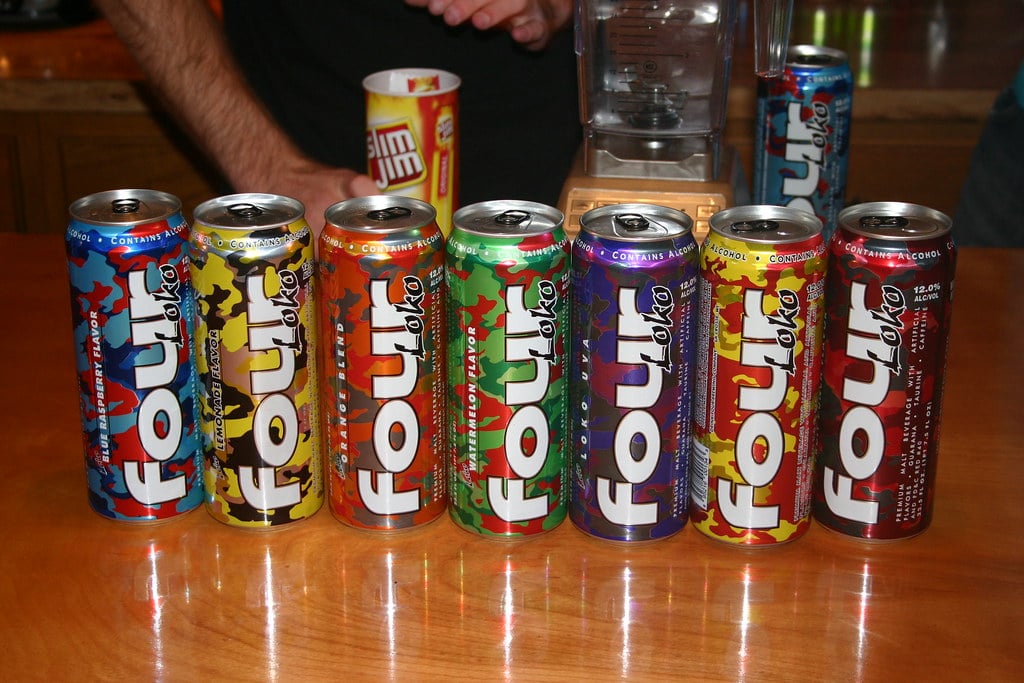
Four Loko turned college campuses into emergency rooms. The drink combined high levels of caffeine with equally high levels of alcohol, creating a beverage that masked intoxication while delivering it in dangerous quantities.
Students could drink enough alcohol to reach potentially lethal blood alcohol levels without feeling appropriately drunk because the caffeine kept them alert. Emergency room doctors started seeing alcohol poisoning cases where patients were still conscious and coherent despite having blood alcohol concentrations that should have rendered them unconscious.
The FDA sent warning letters to manufacturers in 2010, effectively ending the era of caffeinated alcoholic beverages.
Lead Gasoline

Thomas Midgley Jr. solved engine knock by adding lead to gasoline, creating a fuel additive that made cars run smoother and more efficiently. It was a genuine breakthrough that improved automotive performance across the board.
It also pumped lead particles into the atmosphere for decades, creating a global health crisis that affected cognitive development in children worldwide. The lead settled into soil, water, and food supplies, creating exposure pathways that persisted long after cars stopped burning leaded fuel.
Studies have linked childhood lead exposure to reduced IQ, increased aggression, and higher crime rates — suggesting that leaded gasoline may have shaped social outcomes in ways we’re still discovering. But here’s what makes this story particularly maddening: Midgley and his colleagues knew lead was toxic.
They knew it caused health problems. They chose to proceed anyway because lead was cheap, effective, and profitable.
And the rest of us spent the next several decades breathing the consequences of that choice. The United States didn’t fully phase out leaded gasoline until 1996, nearly 75 years after its introduction.
Exploding Novelties

Practical jokes used to involve actual explosives. Manufacturers sold “cig loads” — tiny charges that would detonate when someone lit a doctored cig.
They also made exploding party props, booby-trapped matchbooks, and various other devices designed to startle unsuspecting victims with small controlled explosions. These products walked a fine line between harmless prank and actual assault.
The explosives were supposed to be weak enough to cause surprise without injury, but quality control in novelty manufacturing wasn’t exactly rigorous. Some devices were powerful enough to cause burns, hearing damage, or eye injuries.
The Consumer Product Safety Commission banned most exploding novelties in the 1970s after documenting numerous injuries. The few that remain legal today contain much weaker charges and come with extensive warning labels that somewhat defeat the purpose of a surprise explosion.
Radioactive Cosmetics
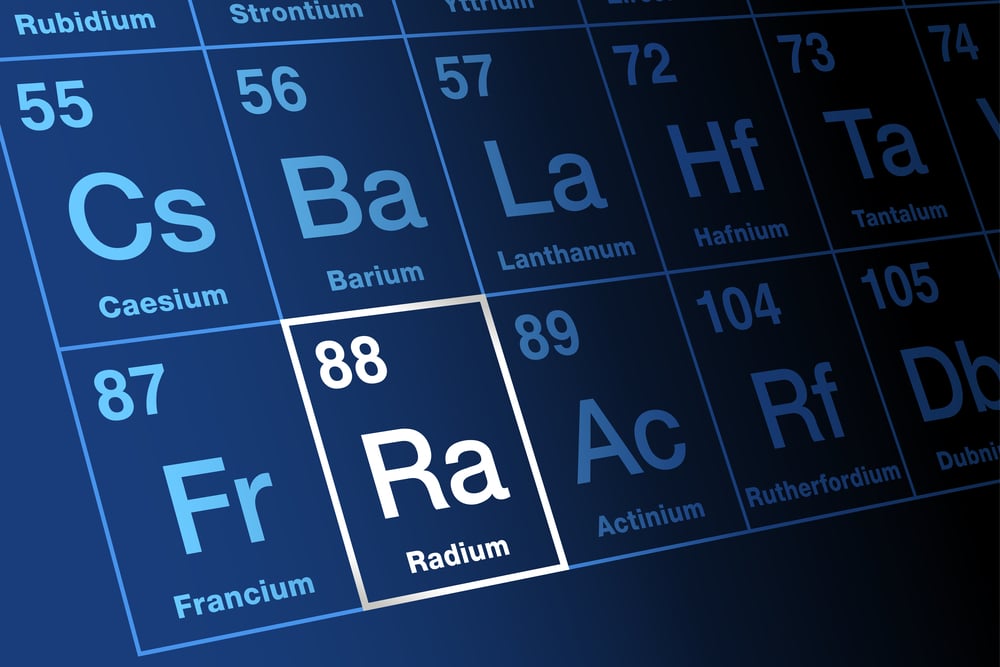
Beauty standards in the 1920s briefly included glowing in the dark. Radium was the wonder element of the early 20th century — it glowed with its own light, seemed to possess mysterious healing properties, and appeared in everything from watch dials to health tonics.
Cosmetics companies added radium to face creams, lipsticks, and tooth whiteners, marketing them as scientifically advanced beauty products. Women applied these products daily, unknowingly exposing themselves to dangerous levels of radiation.
The radium accumulated in bones and soft tissue, causing cancers, anemia, and jaw deterioration. The most famous victims were the “Radium Girls” — factory workers who painted radium onto watch dials and developed horrible illnesses after ingesting the radioactive paint.
Regulatory agencies banned radioactive cosmetics once the health effects became undeniable, but not before these products had been sold to thousands of consumers who had no idea they were poisoning themselves in pursuit of beauty. It turns out that glowing skin isn’t worth dying for.
Magnetic Therapy Devices

Magnets were supposed to cure everything from arthritis to depression. Entrepreneurs sold magnetic bracelets, mattress pads, shoe inserts, and even magnetic water treatment systems, claiming that magnetic fields could heal the human body by improving circulation, reducing inflammation, and balancing mysterious energy forces.
None of this was true, but the marketing was compelling enough to create a substantial industry. Companies made specific medical claims without providing credible scientific evidence, essentially treating magnets as unlicensed medical devices.
The Federal Trade Commission has repeatedly cracked down on magnetic therapy claims, requiring companies to provide scientific proof for any health benefits they advertise. Most magnetic therapy products have either disappeared from the market or been rebranded as general wellness items with carefully worded disclaimers that avoid making specific medical claims.
Fair enough — some people find them comforting, even if the comfort is entirely psychological.
Jequirity Bean Jewelry

These bright red seeds with black spots make striking jewelry — they’re naturally beautiful, uniform in size, and have been used for decorative purposes for centuries across different cultures. They also contain abrin, a toxin that’s potentially more dangerous than ricin.
A single chewed seed can be fatal, and children have died after putting jequirity bean jewelry in their mouths. The seeds are safe to handle as long as they remain intact, but any crack in the seed coat can release the toxic compounds inside.
Several countries have banned the import of jequirity bean jewelry, and many more restrict its sale near children’s products. But the seeds continue to appear in crafts and jewelry from regions where their toxicity isn’t widely known, creating an ongoing safety hazard that most people don’t recognize until it’s too late.
The irony is that these seeds evolved to be toxic specifically to prevent animals from eating them — but humans keep turning them into accessories that end up in the hands of the very small children who are most likely to put things in their mouths. Nature’s warning system doesn’t work when people deliberately ignore it.
Fen-Phen

Weight loss drugs that actually worked — until they started killing people. Fenfluramine-phentermine combinations helped patients lose substantial amounts of weight by suppressing appetite and increasing metabolism, creating the first genuinely effective pharmaceutical approach to obesity treatment.
Doctors prescribed fen-phen to millions of patients throughout the 1990s, and many achieved significant weight loss that had eluded them for years. The drug combination seemed like a breakthrough in treating a condition that had previously been resistant to medical intervention.
Then reports emerged of heart valve damage and pulmonary hypertension in patients taking the drugs. The cardiovascular side effects were serious enough to be life-threatening, and they appeared to be directly linked to fenfluramine use. The FDA pulled fenfluramine and dexfenfluramine from the market in 1997, ending one of the most promising developments in weight loss medicine.
What made this particularly tragic was that many patients had achieved genuine health improvements through weight loss, only to discover that the treatment itself was damaging their hearts. The search for safe and effective weight loss drugs continues, but fen-phen serves as a reminder that quick fixes often come with hidden costs.
Electronic Cig with Diacetyl

Vaping was supposed to be safer than traditional nicotine, but some e-cig flavors contained diacetyl — a chemical that causes “popcorn lung” when inhaled. The compound gives foods a buttery flavor and is perfectly safe to eat, but breathing it can cause irreversible lung damage.
Workers in popcorn factories developed severe respiratory disease after inhaling diacetyl vapors, leading to the condition’s informal name. When the same chemical showed up in e-cig flavoring, particularly in butter and custard flavors, it created a new pathway for the same type of lung damage.
The discovery led to rapid reformulation of e-cig flavors and increased scrutiny of vaping safety in general. Most reputable manufacturers have eliminated diacetyl from their products, but the incident highlighted how new technologies can create unexpected health risks by combining familiar substances in novel ways.
Uranium Glassware

Depression-era dinnerware that glowed green under ultraviolet light seemed like a harmless novelty until people realized they were eating off radioactive plates. Uranium glass contains small amounts of uranium oxide that give it a distinctive yellow-green color and make it fluoresce under black light.
The uranium content is generally low enough that the glassware poses minimal health risk during normal use, but “minimal” isn’t the same as “zero.” Acidic foods can leach uranium from the glass, and the glassware does emit low levels of radiation.
Production of uranium glassware essentially stopped during World War II when the government restricted uranium for military use, and it never fully resumed afterward. Some antique uranium glass pieces still circulate among collectors, but they’re treated more as curiosities than functional dinnerware.
Eating off radioactive plates turns out to be one of those ideas that sounds more appealing in theory than in practice.
Brain-Computer Interface Experiments of the 1970s
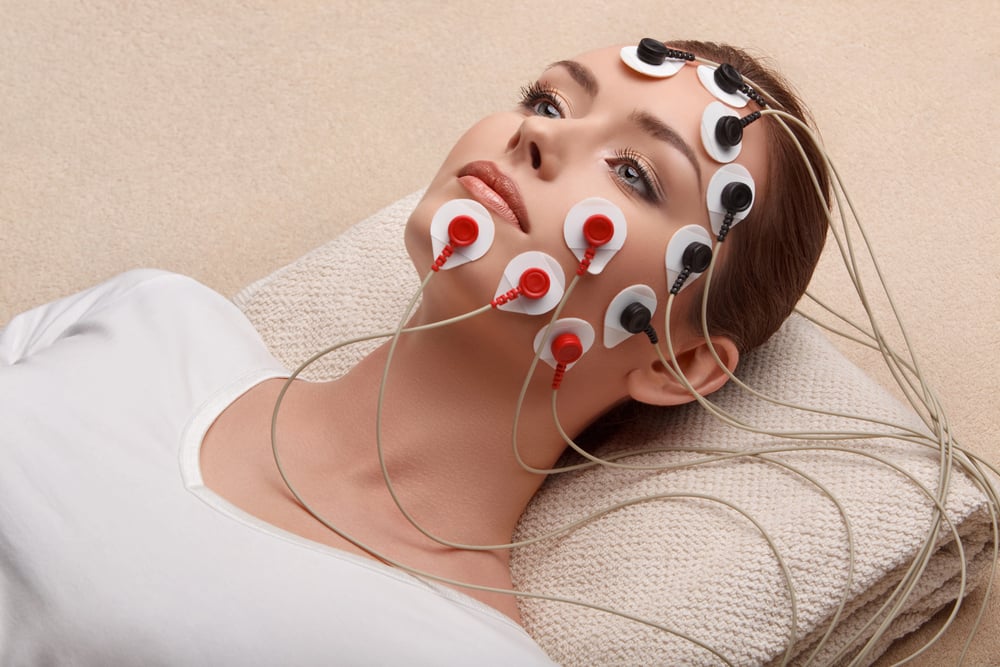
Early attempts to connect human brains directly to computers involved implanting electrodes into patients’ heads with minimal understanding of long-term consequences. Researchers were eager to help paralyzed patients control devices with their thoughts, but the technology was crude and the risks were substantial.
Some experiments caused infections, brain damage, or seizures. The electrodes themselves were often too large, the implantation procedures were imprecise, and researchers had little understanding of how brain tissue would react to foreign objects over time.
Medical ethics committees eventually imposed strict guidelines on brain implant research, requiring extensive animal testing and detailed safety protocols before human trials. Modern brain-computer interfaces are far more sophisticated and much safer, but those early experiments serve as a reminder that good intentions don’t excuse reckless methodology.
Combustible Celluloid Film
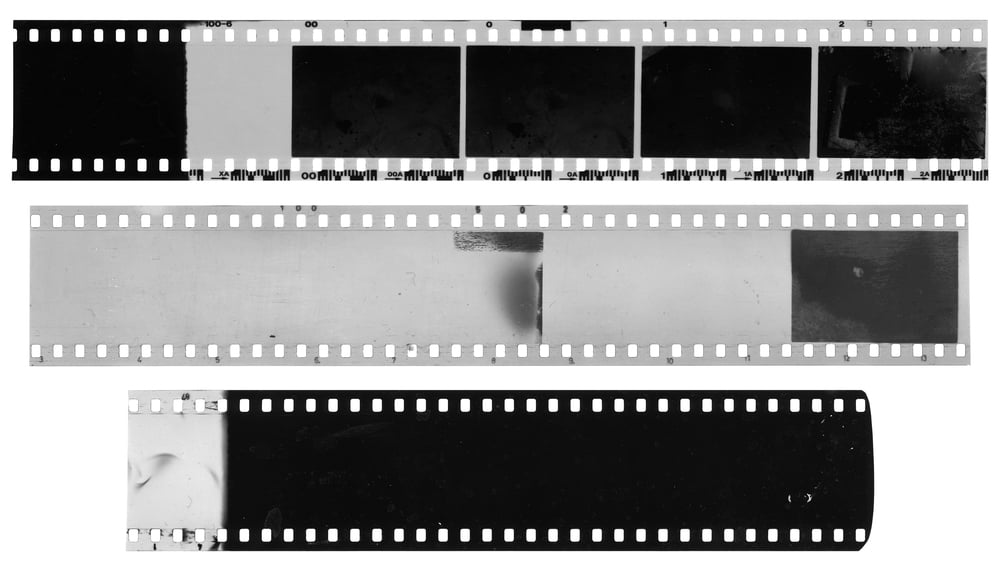
Early movie film was made from nitrocellulose, the same material used in explosives. This celluloid film was highly flammable and could ignite spontaneously under the right conditions, turning movie theaters into potential firetraps.
Projection booth fires were common enough that many theaters installed automatic sprinkler systems and required operators to work behind protective barriers. The film burned intensely and produced toxic gases, making projection booth fires particularly dangerous for theater employees.
The film industry eventually switched to safety film made from cellulose acetate, but not before nitrocellulose film had caused numerous theater fires and deaths. Movie history is literally littered with the ashes of combustible film stock.
The Radioactive Boy Scout Project

David Hahn’s attempt to build a nuclear reactor in his backyard shed represents the extreme end of DIY science projects. The teenager collected radioactive materials from household items like smoke detectors and camping lanterns, eventually accumulating enough radioactive material to trigger EPA intervention.
Hahn’s project wasn’t technically an invention, but his methods for concentrating radioactive materials were novel enough to earn him visits from federal agents. The incident highlighted gaps in regulations that allowed minors to purchase and possess materials that could be used for dangerous experiments.
The EPA designated Hahn’s neighborhood as a Superfund cleanup site and spent months decontaminating the area. His story became a cautionary tale about the intersection of scientific curiosity, inadequate supervision, and readily available hazardous materials.
Mechanical Restraint Devices for Mental Patients

Early psychiatric treatment included elaborate mechanical devices designed to restrain agitated patients through physical immobilization. These contraptions resembled medieval torture devices more than medical equipment, featuring straps, bars, and restraining mechanisms that treated mental illness as a purely physical problem requiring physical solutions.
The devices were often painful, dehumanizing, and completely ineffective at treating underlying psychiatric conditions. They reflected a fundamental misunderstanding of mental health that viewed patients as dangerous animals rather than human beings experiencing psychological distress.
Modern psychiatric care has largely abandoned mechanical restraints in favor of medication, therapy, and more humane approaches to crisis intervention. The old restraint devices serve as reminders of how medical practice can go astray when it prioritizes control over treatment.
Asbestos Consumer Products

Asbestos seemed like a miracle material: fireproof, durable, and versatile enough to be woven into fabric, molded into building materials, or mixed into countless consumer products. Manufacturers added asbestos to everything from hair dryers to children’s crayons, marketing it as a safety feature that would protect families from fire hazards.
The mineral’s fire-resistant properties were genuine — asbestos really did make products safer from a fire standpoint. But those same properties that made asbestos useful also made it dangerous.
The fibers were small enough to become airborne and tough enough to persist in lung tissue indefinitely, causing mesothelioma, lung cancer, and other respiratory diseases decades after exposure. Consumer product manufacturers stopped using asbestos in the 1970s as health risks became undeniable, but the mineral had already been incorporated into millions of homes and countless household items.
Some asbestos-containing products remain in use today, creating ongoing exposure risks for people who have no idea they’re handling dangerous materials.
Thalidomide
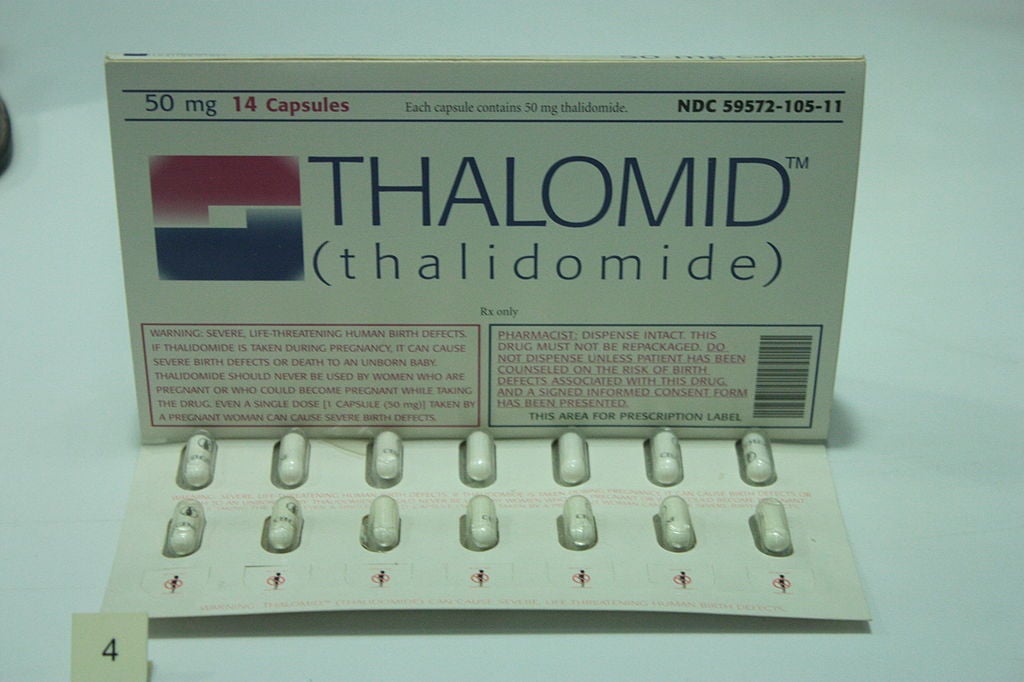
Pregnant women in the late 1950s were prescribed thalidomide as a safe, effective treatment for morning sickness. The drug worked exactly as advertised — it reduced nausea and helped women sleep better during early pregnancy.
Doctors across Europe, Canada, and Australia handed it out with confidence because the manufacturer’s safety testing had shown no cause for alarm. The testing had never examined what the drug did to a developing fetus.
Thalidomide crossed the placenta and interfered with limb formation during a narrow window of early pregnancy, and the result was more than 10,000 babies born with severe malformations across dozens of countries. Many did not survive infancy. The drug was pulled from markets worldwide in 1961 and 1962, just a few years after its release.
The United States escaped the worst of it because of one stubborn FDA reviewer. Frances Kelsey refused to approve thalidomide despite enormous pressure from the manufacturer, insisting that the safety data was inadequate.
Her skepticism kept the drug off American shelves and later earned her a presidential medal. The disaster rewrote pharmaceutical regulation around the world, establishing the rigorous trial requirements that every new drug faces today.
Thalidomide itself eventually found carefully controlled second lives treating leprosy and certain cancers, but only under restrictions designed to guarantee that history never repeats.
Gilbert U-238 Atomic Energy Lab
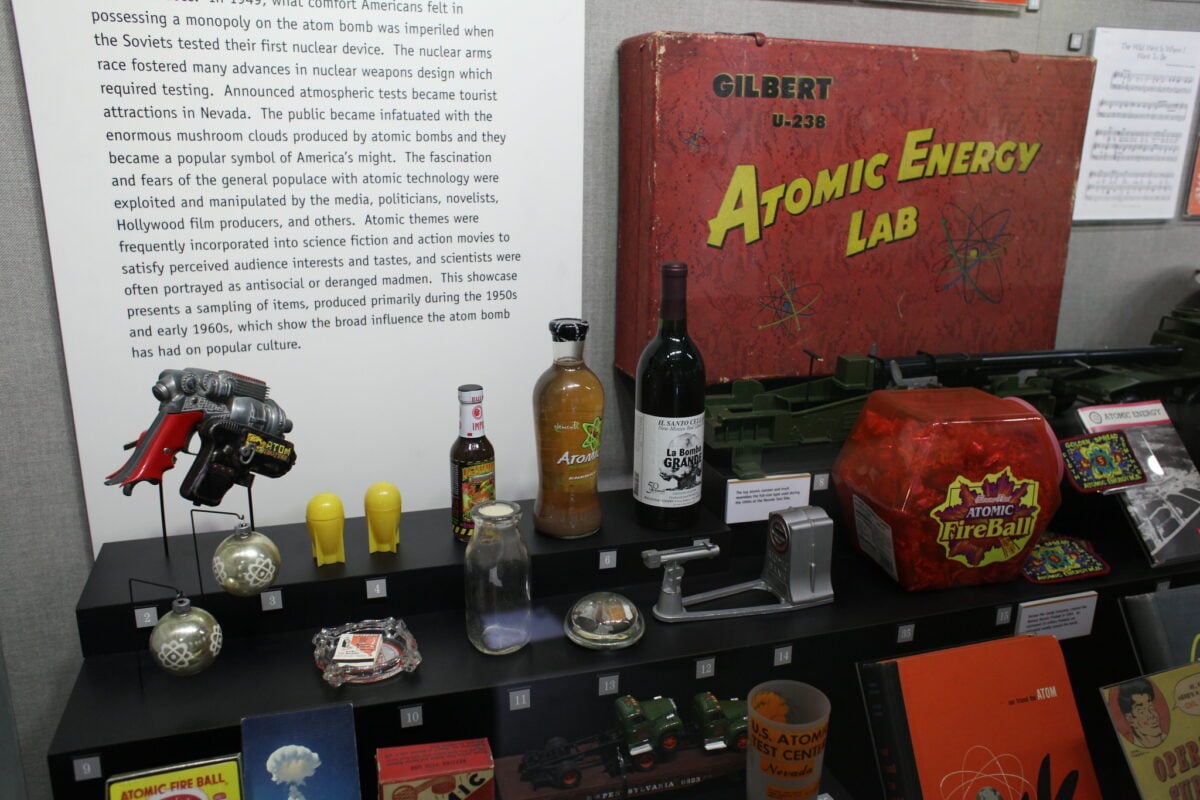
The most dangerous toy ever sold came in a handsome carrying case and promised to teach children the wonders of the atomic age. Released in 1950, the Gilbert U-238 Atomic Energy Lab contained samples of actual uranium ore, a working Geiger counter, a cloud chamber for observing radioactive decay, and a comic book explaining how to split the atom.
The kit was genuinely educational and genuinely radioactive. Gilbert intended it as a serious science tool, and to be fair, the radiation exposure from supervised use was modest.
But the instructions encouraged kids to hunt for uranium deposits in their neighborhoods, and the set offered no real safeguards against a curious child opening the ore containers or losing track of the samples entirely. The product lasted barely two years before disappearing, killed by a combination of its alarming price tag and growing public unease about handing fissile material to ten-year-olds.
Surviving complete sets now sell to collectors for thousands of dollars, displayed behind glass as artifacts of an era when atomic optimism briefly outran atomic common sense.
Clackers

Two hard acrylic spheres on a string, swung up and down until they smacked together with a satisfying crack. That was the entire toy, and in the early 1970s it was everywhere — playgrounds across America echoed with the rapid-fire clack-clack-clack of kids competing to keep the rhythm going longest.
The problem was the acrylic. Swing the spheres hard enough, often enough, and they didn’t just crack — they shattered, sending sharp fragments flying at face height.
Reports of eye injuries and cuts piled up quickly, and the FDA moved against the toy as a mechanical hazard. Manufacturers tried redesigns with tougher plastics, but the original version was effectively regulated out of existence by the mid-1970s.
Clackers occupy a special place in banned-toy history because the danger wasn’t a hidden chemical or an unforeseen side effect. It was the toy doing exactly what it was designed to do, slightly too well, until the physics gave out.
CFC Aerosol Sprays
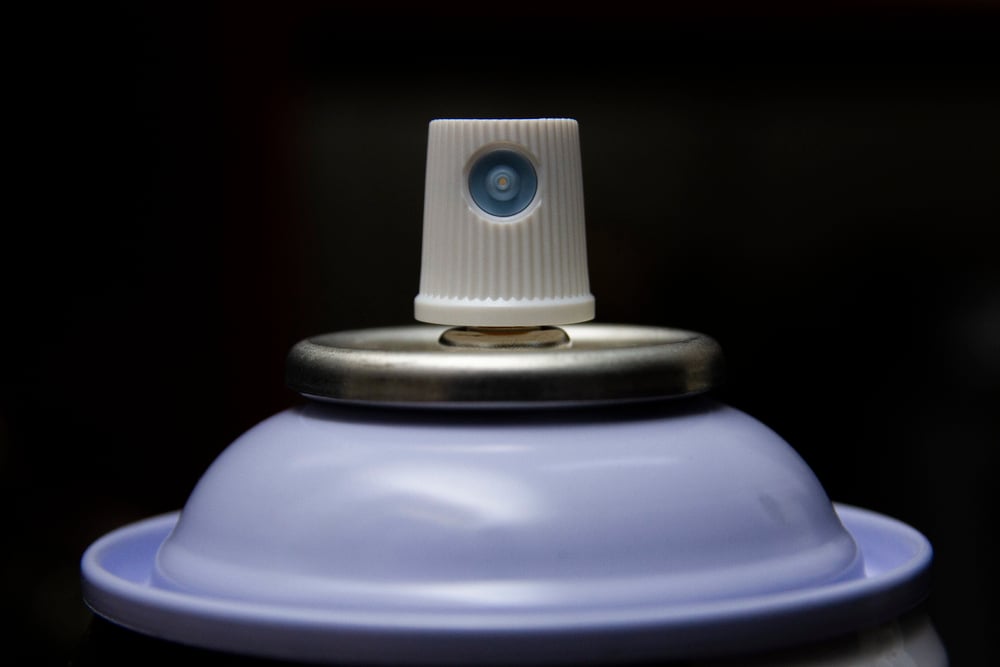
Thomas Midgley Jr. makes his second appearance on this list, which has to be some kind of record. After giving the world leaded gasoline, he developed chlorofluorocarbons — stable, non-toxic, non-flammable gases that seemed like the perfect propellant for spray cans and the perfect refrigerant for home appliances.
CFCs were everywhere by the 1970s, hissing out of deodorant cans, hairspray bottles, and air fresheners in millions of bathrooms. The very stability that made CFCs safe at home made them catastrophic in the atmosphere.
The molecules drifted upward intact, reached the stratosphere, and broke apart under ultraviolet light, releasing chlorine atoms that tore through the ozone layer like a slow chemical fire. Scientists confirmed the damage in the 1980s when they discovered a continent-sized thin patch in the ozone over Antarctica.
The United States banned CFCs in aerosol cans in 1978, and the Montreal Protocol phased them out globally a decade later — one of the rare cases where the entire world agreed to ban something and actually followed through. The ozone layer is slowly healing as a result. Midgley, for his part, has been described as the single organism that did more damage to the atmosphere than any other in Earth’s history, a legacy no inventor sets out to earn.
The Museum of Things We Couldn’t Keep

Read through this list again and a pattern emerges: almost nothing here was created with bad intentions. The chemists wanted smoother engines and safer refrigerators.
The toy makers wanted backyard fun. The drug companies wanted to ease morning sickness and help people lose weight. Even Agent Orange began as agricultural research.
The road to every one of these bans was paved with someone’s genuine belief that they were making life better. That’s the uncomfortable lesson hiding inside the catalog of banned inventions.
Danger rarely announces itself at the drawing board. It shows up later — in emergency rooms, in birth records, in atmospheric readings taken over Antarctica — long after the product has shipped and the profits have been counted.
The bans on this list aren’t really stories about inventions going wrong. They’re stories about how long it takes people to notice.
And the inventing hasn’t stopped. Somewhere right now, something brilliant and useful and quietly dangerous is being built by people with the best intentions in the world.
The only question is how fast the evidence will be recognized when it starts arriving — and whether the response takes four years, like thalidomide, or seventy-five, like leaded gas.
More from Go2Tutors!

- The Romanov Crown Jewels and Their Tragic Fate
- 13 Historical Mysteries That Science Still Can’t Solve
- Famous Hoaxes That Fooled the World for Years
- 15 Child Stars with Tragic Adult Lives
- 16 Famous Jewelry Pieces in History
Like Go2Tutors’s content? Follow us on MSN.