33 Punishments Used in Schools That Would Be Illegal Today
For most of educational history, schools punished students using methods now recognized as harmful, abusive, and psychologically damaging. Corporal punishment, public humiliation, and solitary confinement were standard practices.
Most of these punishments have been abolished or restricted in developed nations, though some persist in certain jurisdictions. What was once considered normal discipline is now understood as abuse.
Caning
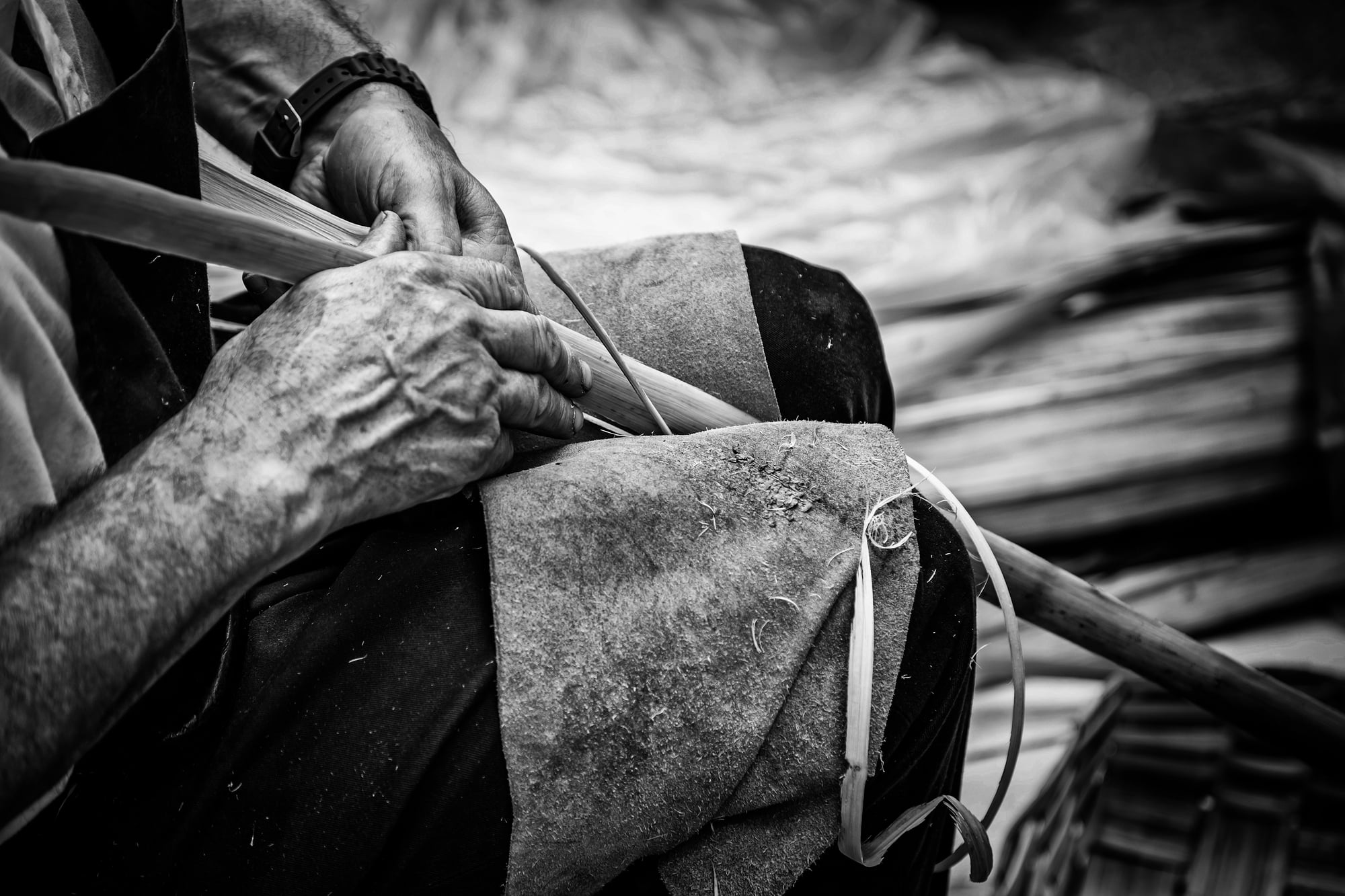
Teachers struck students’ hands, backs, and legs with wooden canes for academic or behavioral infractions. The practice left bruises, welts, and psychological trauma.
Though now illegal in most countries, caning persists in some schools despite being prohibited.
Paddling

Wooden paddles used to strike students’ buttocks for infractions ranged from minor to severe beatings. Still legal in some U.S. states despite medical evidence of harm.
Ruler Strikes

Teachers struck knuckles, palms, and arms with rulers for academic errors or misbehavior. The practice caused pain and reinforced fear-based learning.
Public Humiliation for Academic Failure
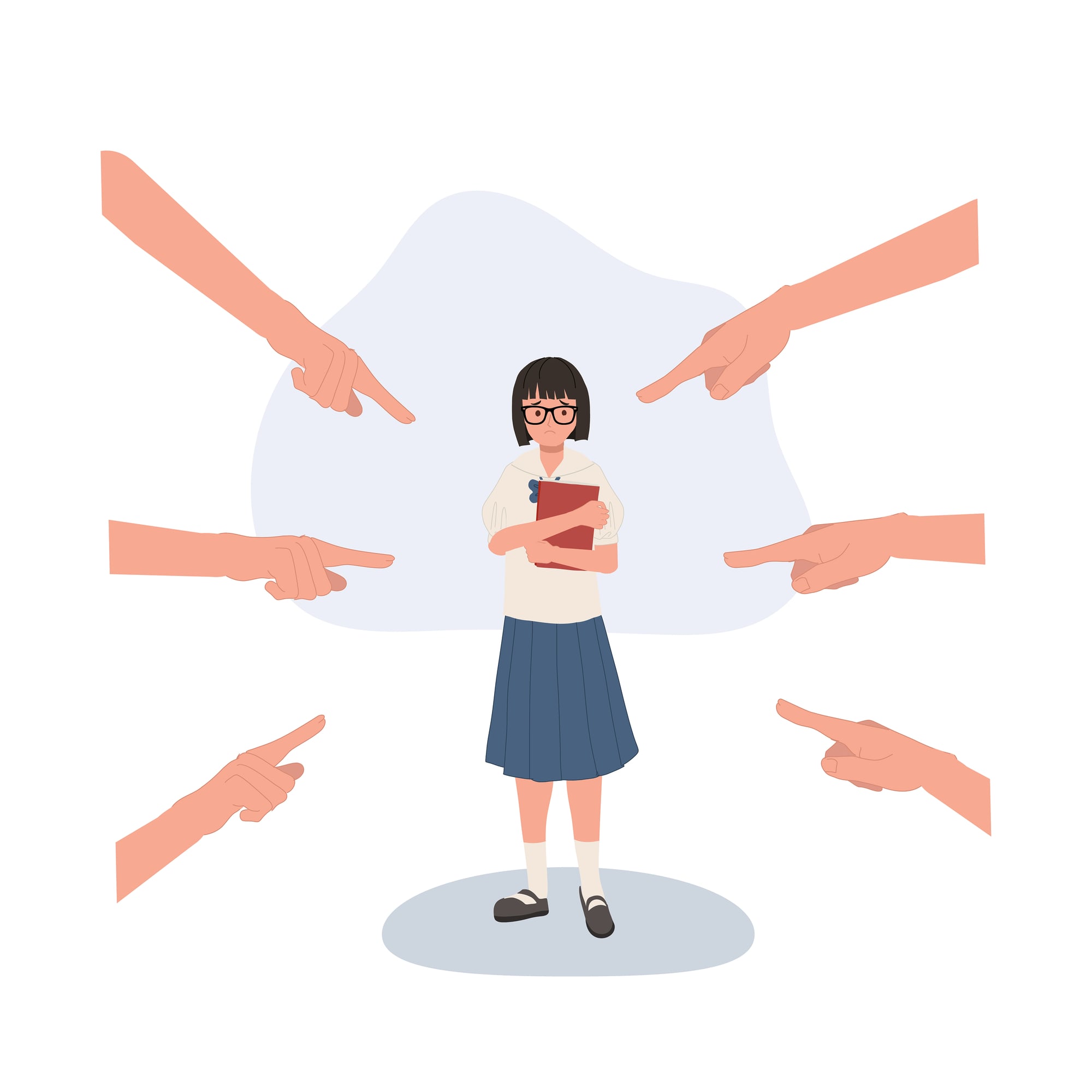
Teachers forced failing students to stand before the class or wear dunce caps as punishment. The practice created shame and damaged self-esteem without improving performance.
Forced Labor as Punishment

Students were assigned excessive work—copying lines hundreds of times, yard work, or construction—as punishment. The practice blurred punishment with labor exploitation.
Isolation in Dark Rooms
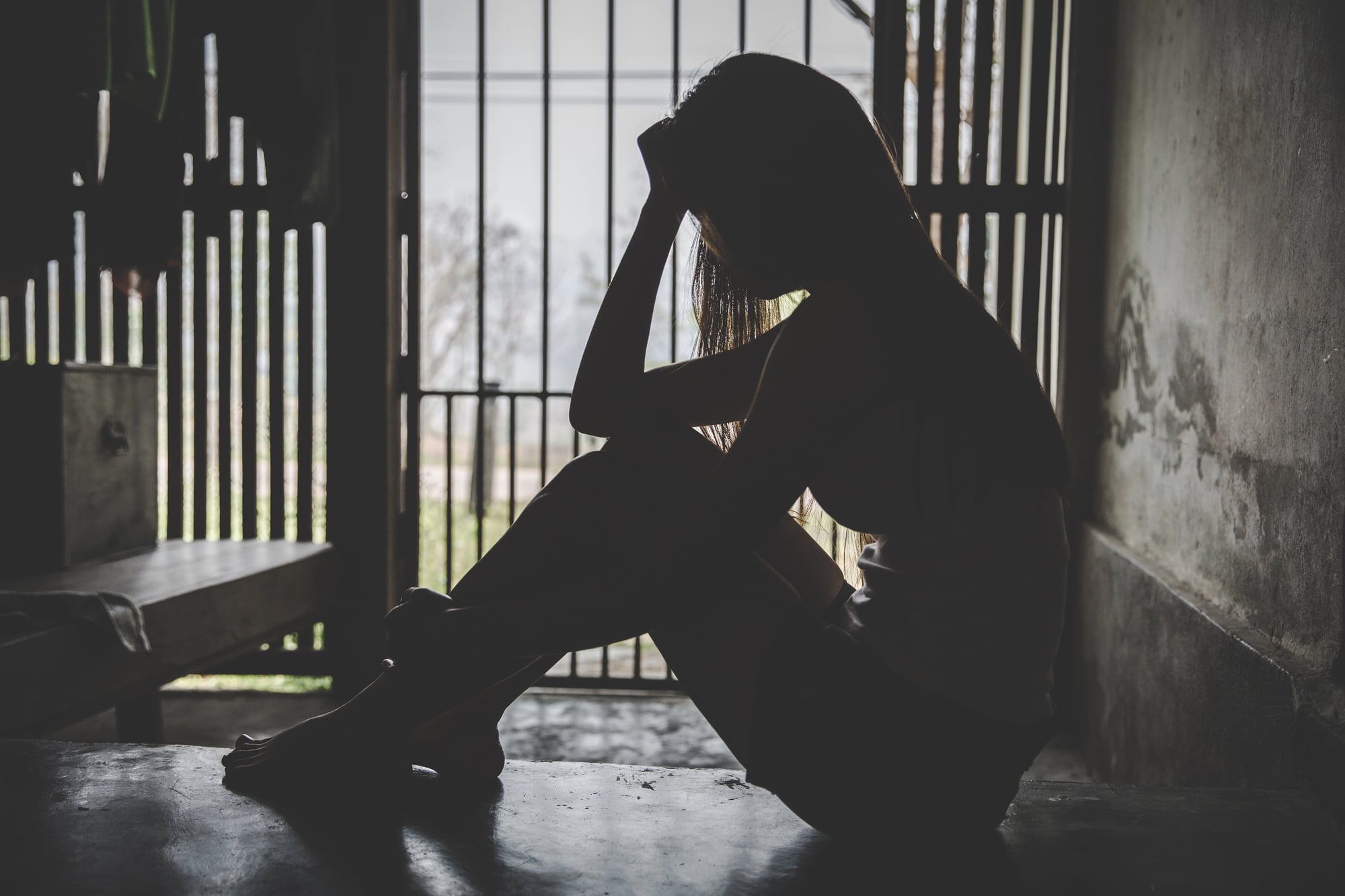
Schools locked students in dark closets or locked rooms for behavioral infractions. The practice caused psychological trauma and violated basic human rights.
Forced Haircuts
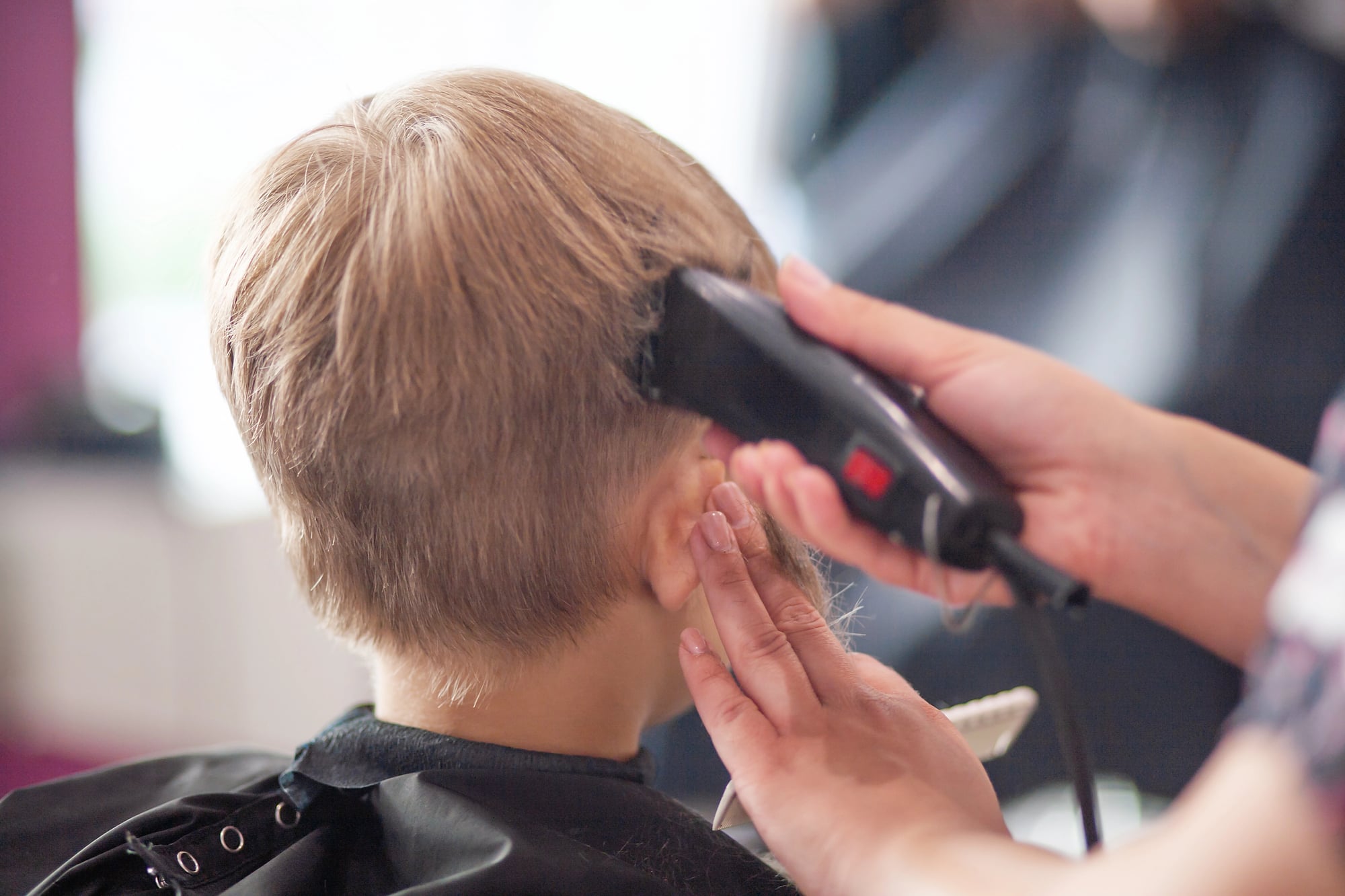
Teachers or administrators cut students’ hair as punishment, particularly targeting boys with longer hair or cultural hairstyles. The practice violated bodily autonomy.
Kneeling on Hard Objects
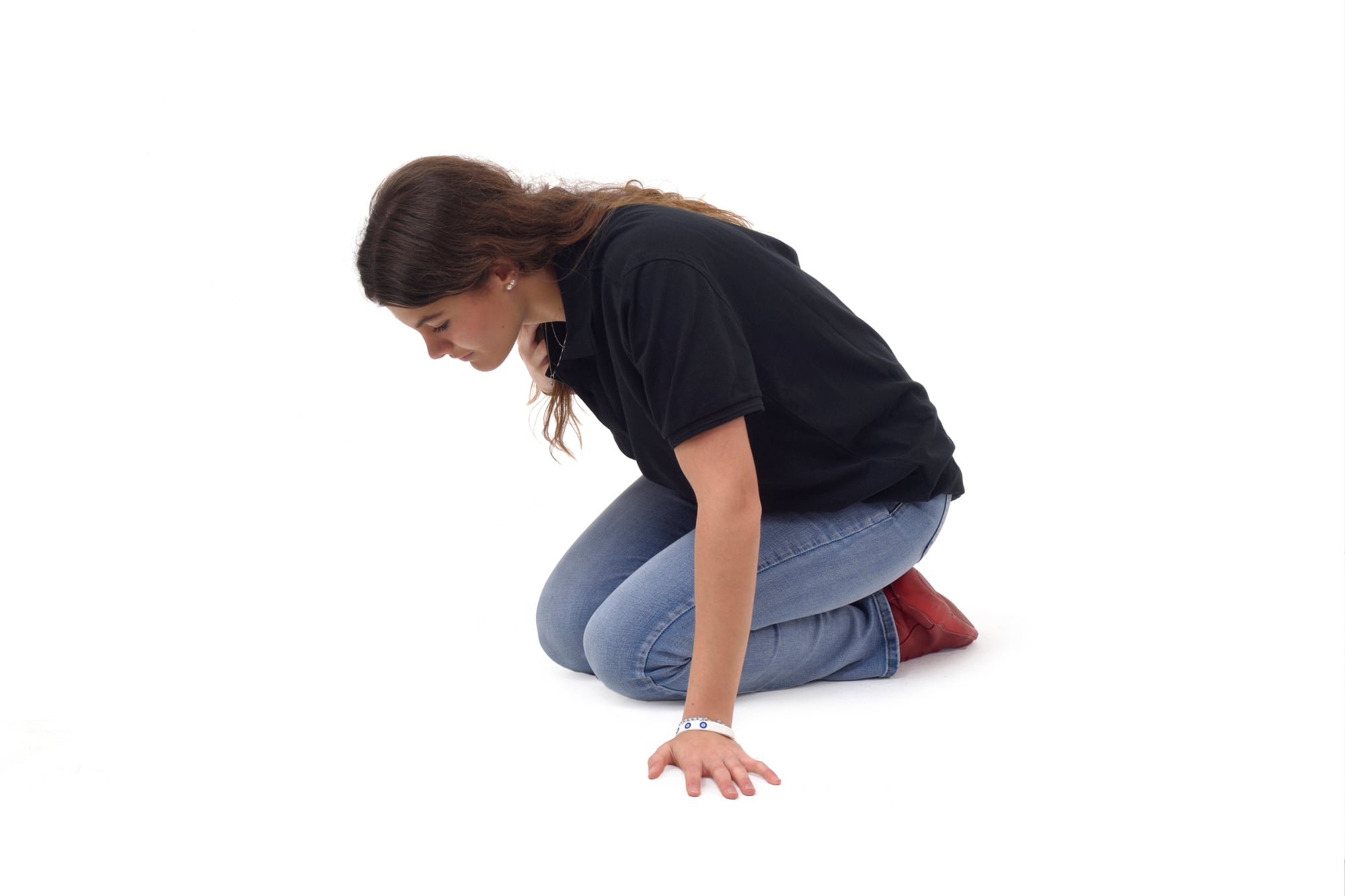
Students were forced to kneel on gravel, pencils, or hard surfaces for extended periods, causing physical pain and injury. The practice inflicted deliberate harm.
Withheld Food

Schools denied students lunch or recess as punishment, using food deprivation as behavioral control. The practice caused hunger and harmed academic performance.
Beating With Straps

Leather straps were used to strike students across hands, legs, and backs. Some straps had multiple tails and caused severe bruising.
Forced Public Apologies

Students were forced to publicly apologize, sometimes repeatedly, for infractions. The practice shamed students and damaged their social standing.
Withholding Bathroom Access

Teachers prohibited bathroom access as punishment, forcing students to endure physical discomfort. The practice violated basic dignity and sometimes resulted in accidents.
Forcing Students to Write Apology Letters
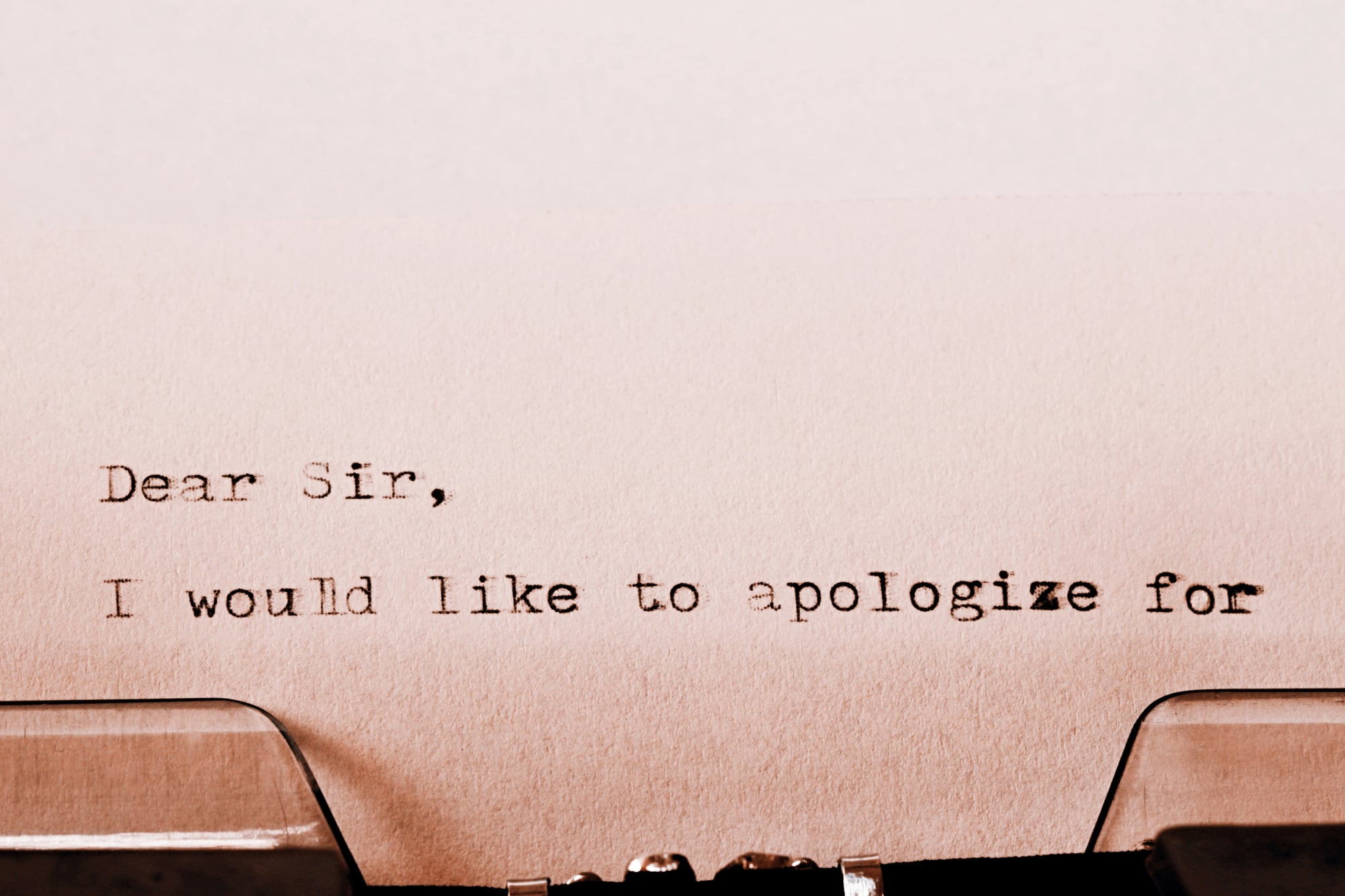
Students were forced to write extensive apology letters, sometimes hundreds of times, for infractions. The punishment was meaningless and created resentment.
Public Spanking

Administrators or teachers struck students with hands in view of other students, creating public humiliation along with physical punishment.
Hitting on the Head
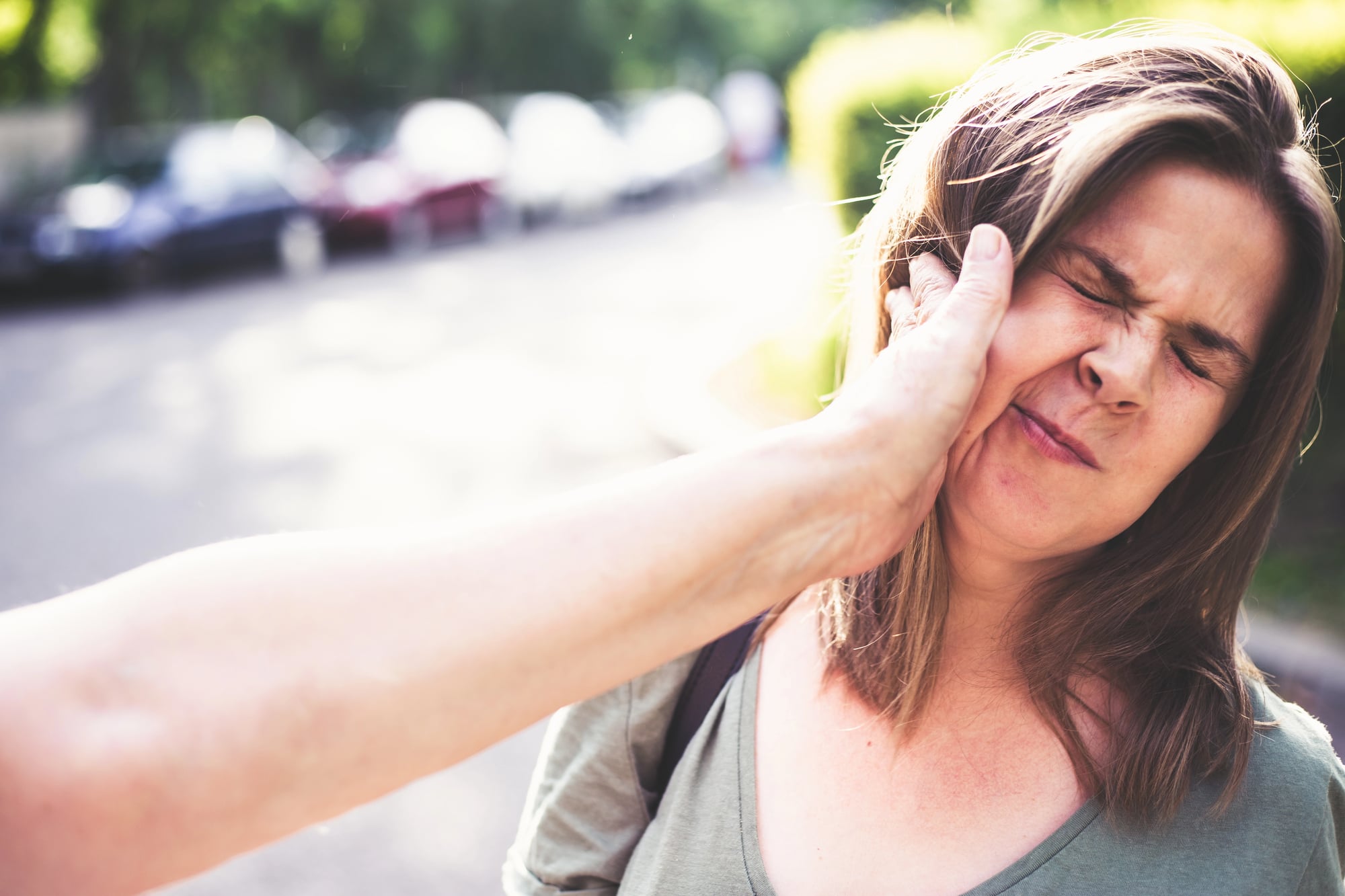
Teachers struck students on the head or face, causing pain and risk of injury. The practice was particularly dangerous and caused lasting harm.
Locking Students Out of Class

Teachers locked out students who arrived late, forcing them to stand outside and miss lessons as punishment.
Forced Detention Without Proper Facilities

Students were locked in rooms for extended periods without facilities or supplies, creating conditions approximating imprisonment.
Beating Hands Until They Were Swollen
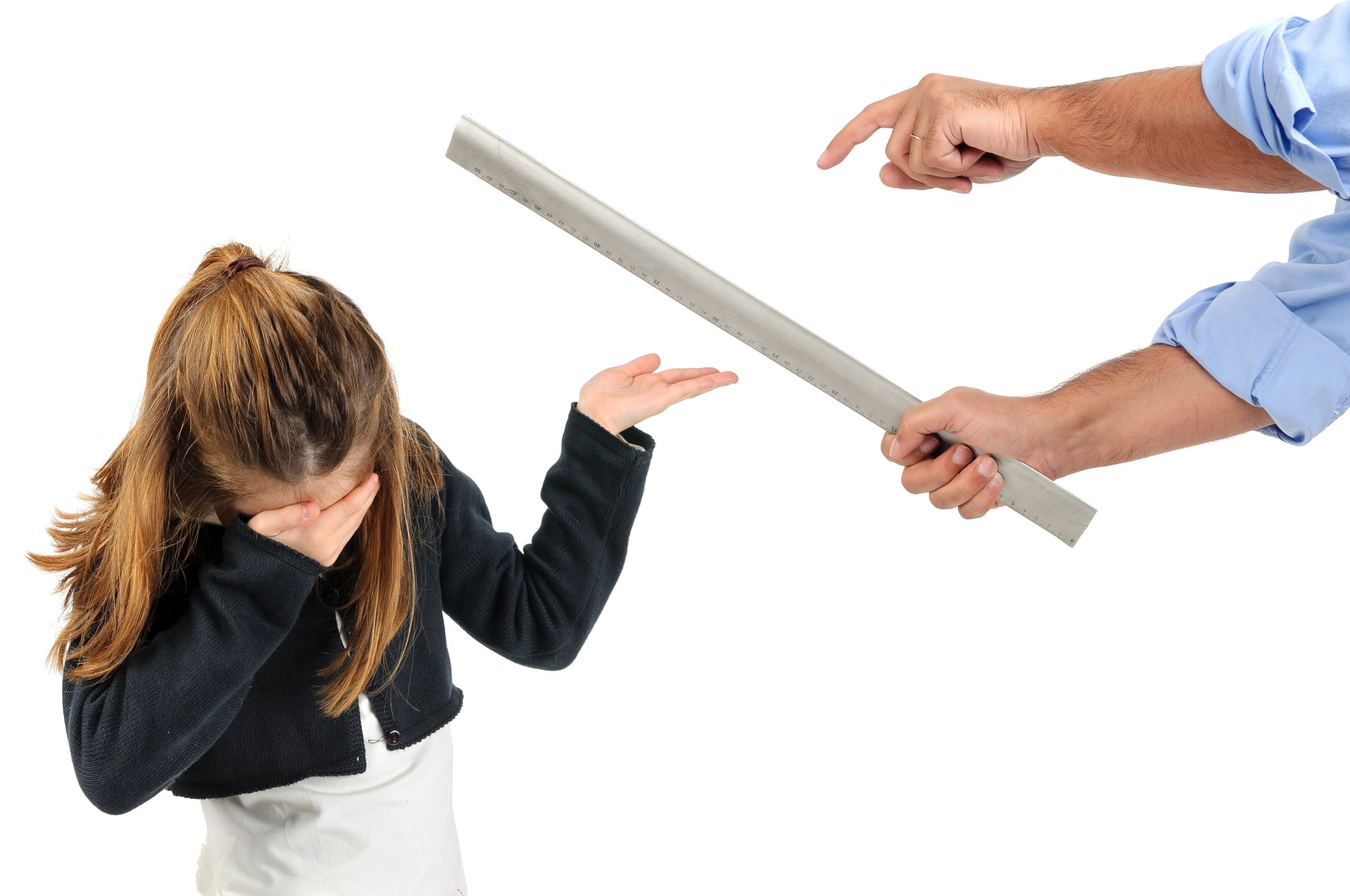
Repetitive striking of hands with instruments caused swelling and pain that lasted for days, preventing students from writing.
Withholding Recess and Play

Students were denied outdoor time and play as punishment, causing psychological stress and preventing necessary exercise.
Forced Kneeling in Corners

Students were forced to kneel in corners for extended periods, causing leg pain and physical strain.
Striking With Wooden Blocks

Teachers struck students with wooden blocks or boards, causing bruising and pain.
Humiliation for Gender Expression

Students were punished for clothing, hairstyles, or gender expression that didn’t conform to teacher expectations. The practice caused psychological harm.
Forced to Wear Shame Labels
Students were forced to wear signs identifying them as stupid, bad, or shameful. The practice created lasting emotional damage.
Hitting on the Knuckles
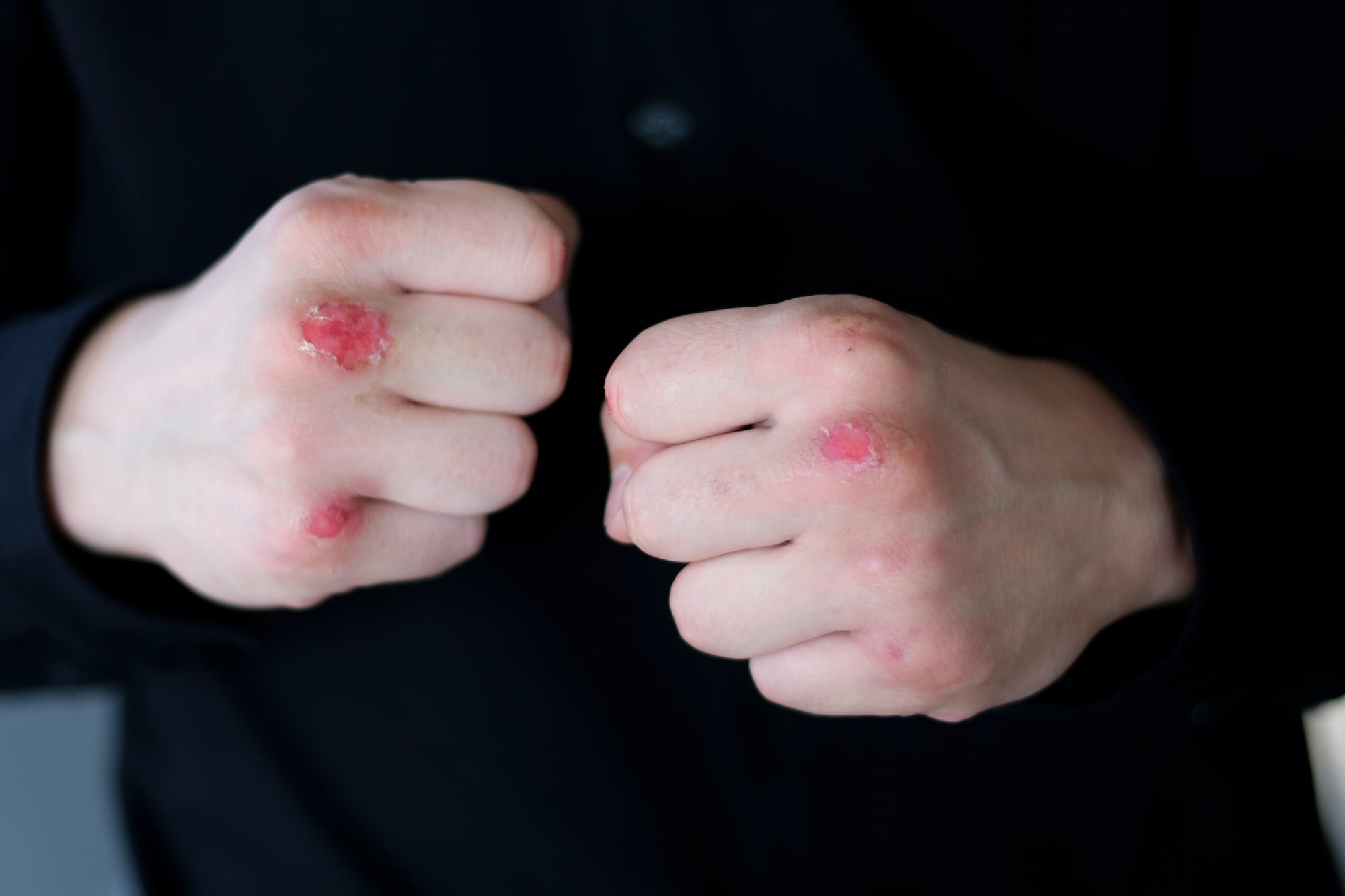
Teachers specifically targeted knuckles with rulers or instruments, causing repeated injury to students’ hands.
Forced to Stand for Extended Periods
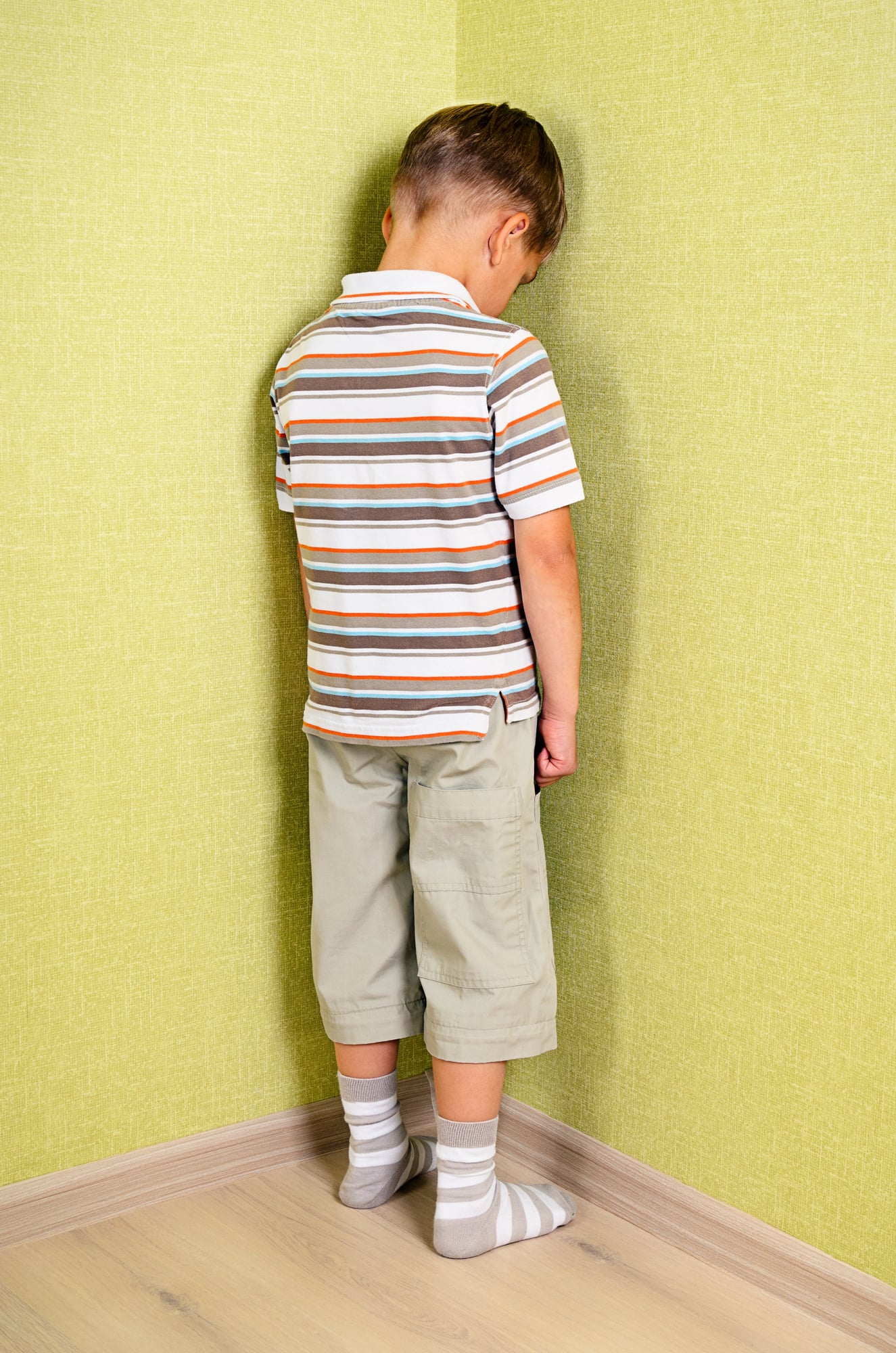
Students were forced to stand without moving for hours, causing pain and exhaustion as punishment.
Water-Based Punishment

Students’ faces were splashed with water or students were forced to drink excessive water as punishment for bedwetting or other infractions.
Hitting Across the Shoulders

Teachers struck students across shoulders and backs, causing bruising and pain.
Forced Running or Physical Exertion

Students were forced to run or perform excessive physical exercise as punishment, sometimes in heat or extreme conditions.
Holding Stress Positions

Students were forced to hold painful positions for extended periods as punishment, causing muscle strain and pain.
Public Strip Searches
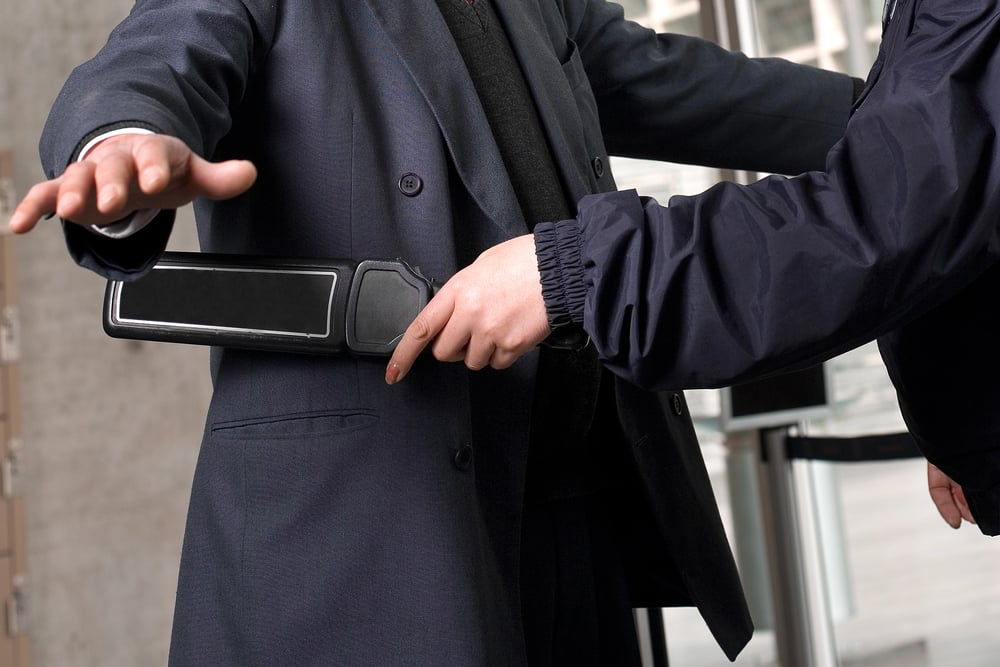
Students were strip-searched in front of others as punishment or to search for contraband. Violating dignity and causing psychological harm.
Shaving Heads as Punishment

Schools shaved students’ heads as punishment for infractions, particularly targeting boys. The practice violated bodily autonomy.
Forced Consumption of Soap or Spices

Students were forced to ingest soap, hot sauce, or other substances for infractions like swearing. The practice caused gagging, nausea, and potential poisoning.
Physical Punishment for Athletic Failure
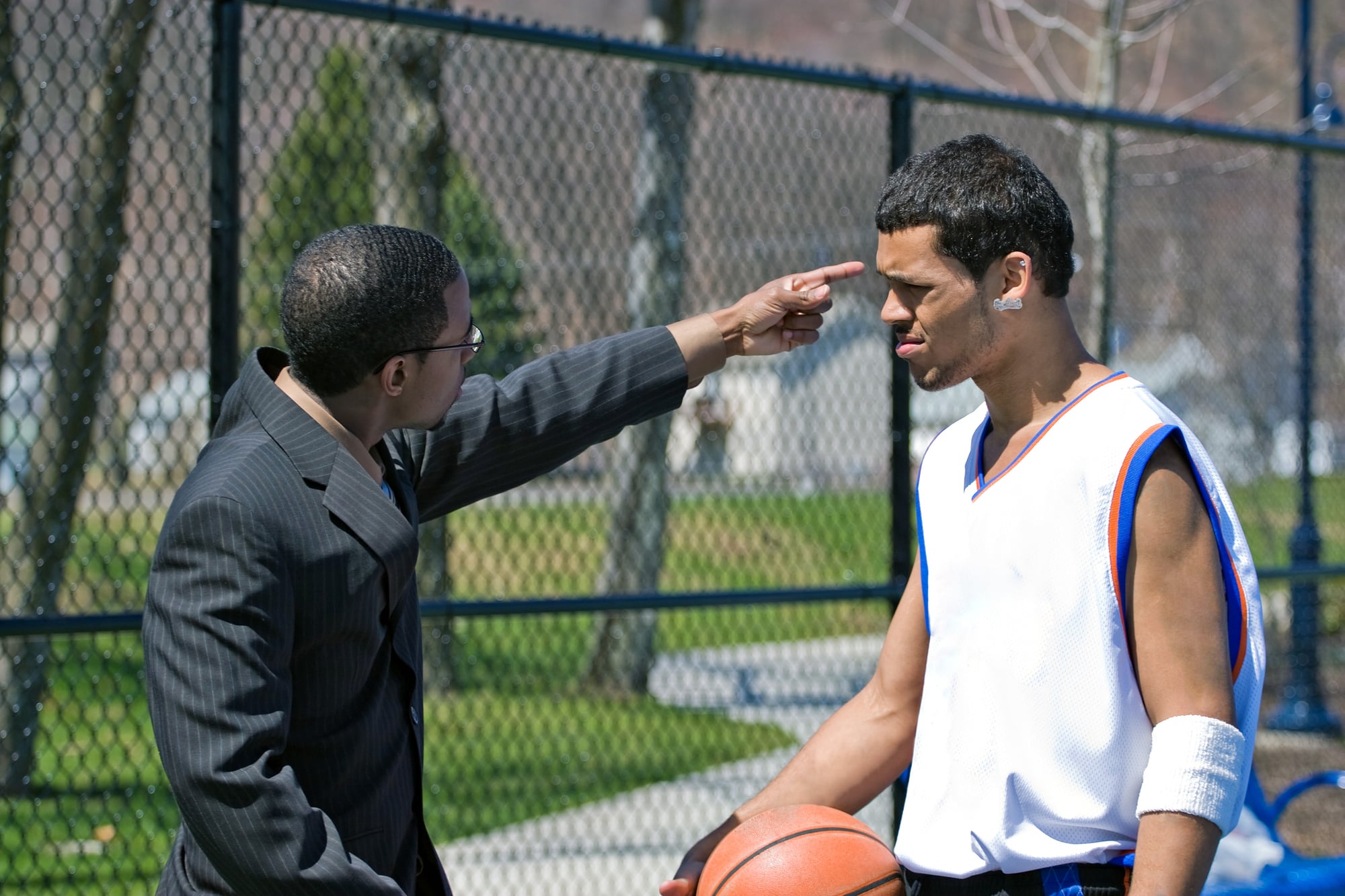
Coaches struck students for athletic mistakes or poor performance, using pain to “motivate.” The practice created fear-based learning and prevented skill development.
The Arc of Understanding

Gradually, societies recognized that fear, shame, and pain don’t create effective learning or behavior change. Modern educational research shows that these punishments damaged students’ mental health, created trauma, and undermined academic achievement.
Though most developed nations have abandoned corporal punishment, some jurisdictions continue these practices despite clear evidence of harm.
More from Go2Tutors!

- The Romanov Crown Jewels and Their Tragic Fate
- 13 Historical Mysteries That Science Still Can’t Solve
- Famous Hoaxes That Fooled the World for Years
- 15 Child Stars with Tragic Adult Lives
- 16 Famous Jewelry Pieces in History
Like Go2Tutors’s content? Follow us on MSN.



