Things Sitting In Almost Every American Attic That Auction Houses Would Fight Over
Most people think their attic is full of junk. Old furniture that doesn’t fit downstairs, boxes of clothes that went out of style years ago, and stacks of things that seemed too important to throw away but not important enough to keep accessible.
The truth is more interesting than that. Hidden among the dust and forgotten Christmas decorations, many American attics contain items that would make auction house specialists pick up the phone immediately.
The disconnect between what people think has value and what actually drives bidding wars at estate sales reveals something fascinating about how we assign worth to objects. That ceramic dish your grandmother insisted was “just everyday china” might fund a vacation.
Those comics you read as a kid and stuffed in a cardboard box could pay off a credit card. The challenge isn’t finding valuable items in American attics — it’s recognizing them when they’re sitting right there.
Vintage Board Games

Board games from the 1950s through 1980s routinely sell for hundreds or thousands of dollars. The original Monopoly sets with wooden pieces command serious money.
Early Scrabble games, particularly those with wooden tiles, attract collectors who understand the difference between vintage craftsmanship and modern mass production. What makes these valuable isn’t nostalgia — it’s scarcity combined with playability.
Unlike other collectibles that sit on shelves, vintage board games still function as intended. This creates demand from both collectors and people who simply want to own something well-made.
China And Dinnerware Sets
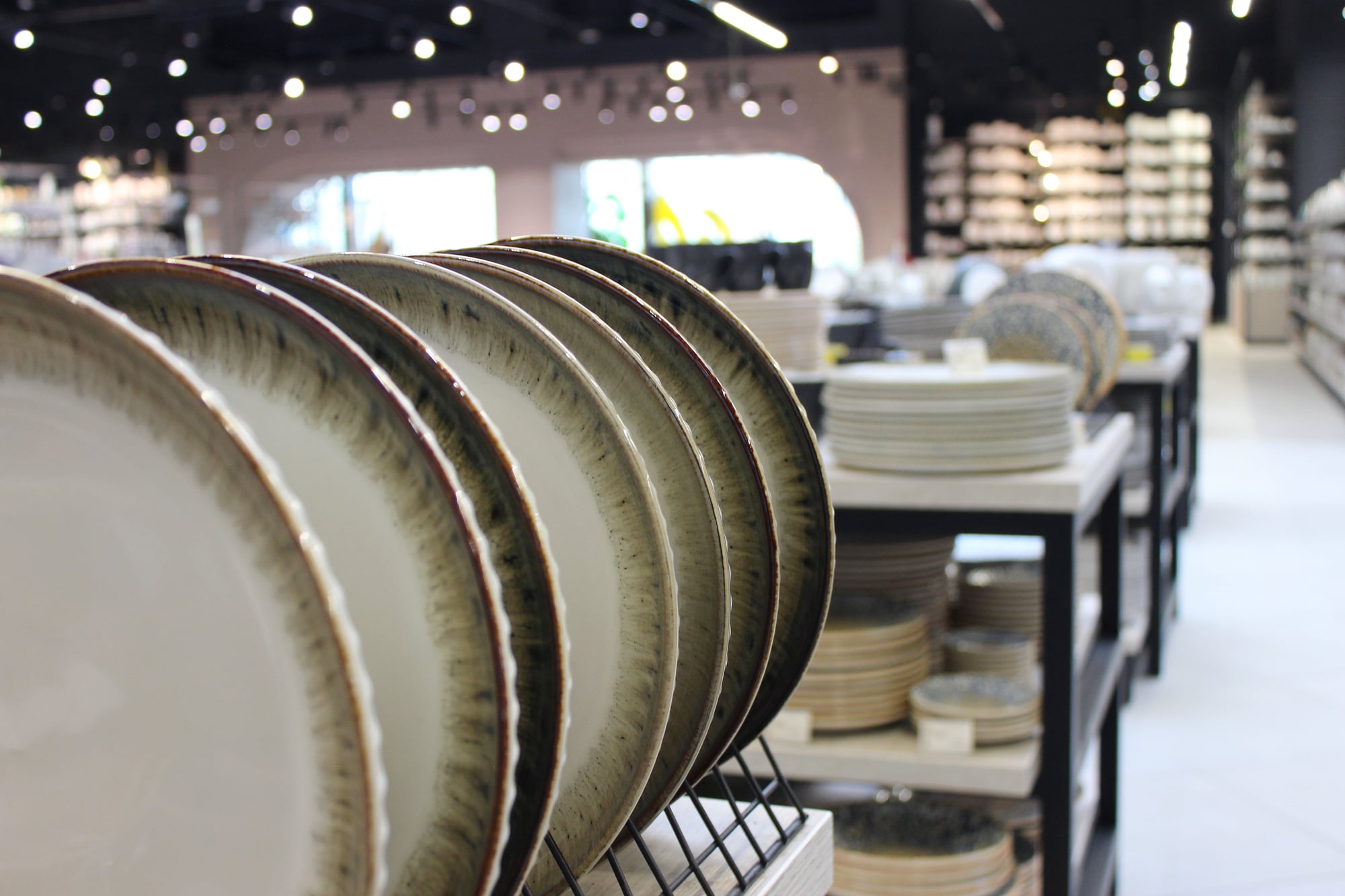
The china cabinet might be downstairs, but the “good china” that seemed too formal for regular use often ended up stored in attic boxes. This turns out to be accidentally brilliant financial planning, because certain patterns from manufacturers like Royal Copenhagen, Spode, and Wedgwood have appreciated significantly over the decades.
What’s particularly interesting (and somewhat ironic) is that the sets people were afraid to use daily because they might break are now worth more precisely because they weren’t used. Complete sets in excellent condition are increasingly rare, which drives up auction prices for families who preserved theirs through careful storage rather than regular meals.
First Edition Books

Attics preserve books better than people realize. The consistent temperature and low humidity that makes attics uncomfortable for people creates decent storage conditions for paper.
First edition novels, particularly those that became classics or spawned popular film adaptations, can be worth substantial amounts — but only if they’re actually first editions, which requires checking publication details that most people never examine. The surprise factor here is significant.
Books that seemed unremarkable when purchased new — early Stephen King novels, first Harry Potter books, even certain cookbook editions — have developed collector markets that would astonish their original owners. And unlike many collectibles, books don’t require special knowledge to store properly; they just need to be kept dry.
Military Memorabilia
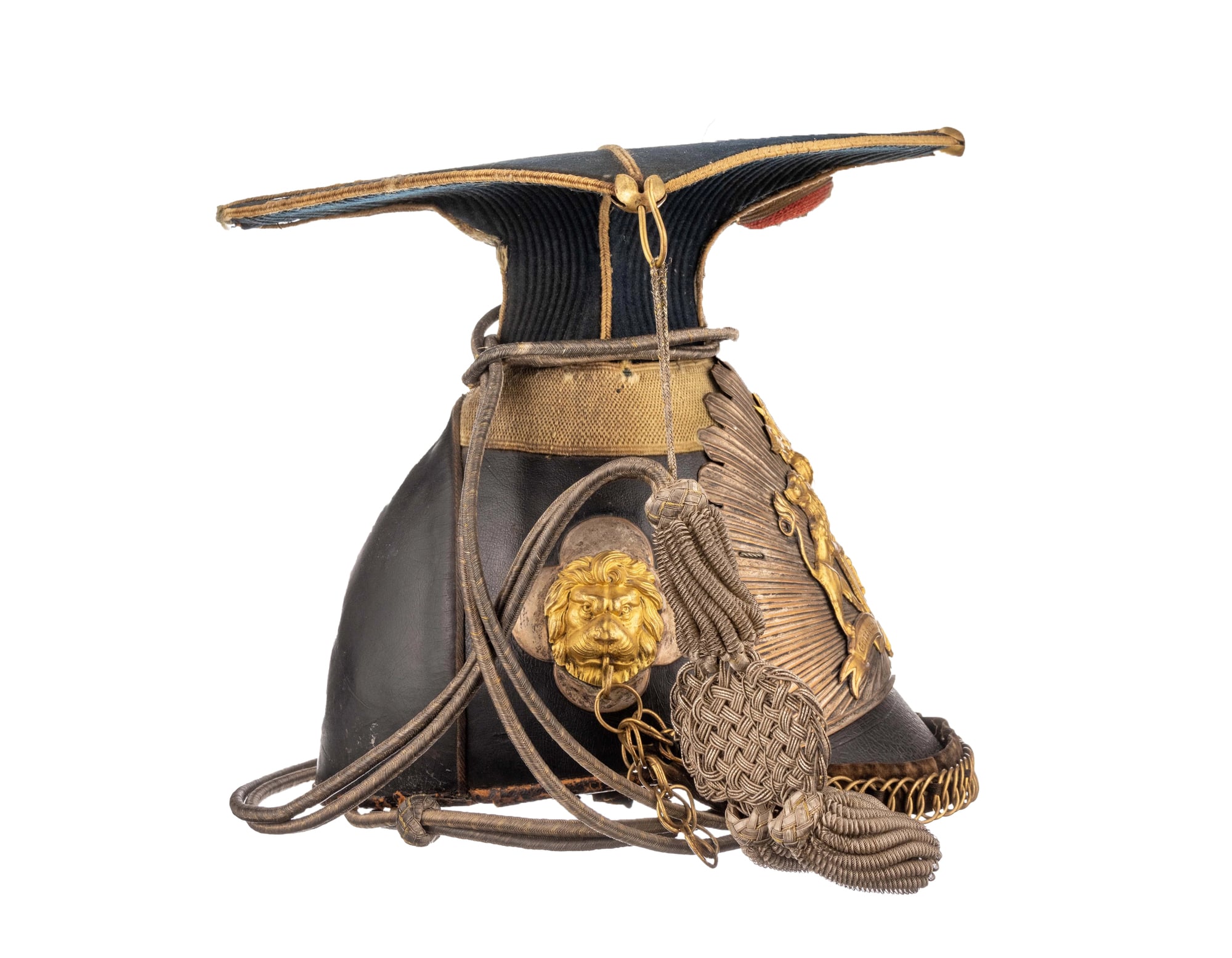
Veterans often stored uniforms, medals, and military gear in attics after service ended. What seemed like personal mementos to families have become highly sought-after historical artifacts.
World War II items command the highest prices, but Vietnam-era gear and even Gulf War materials have collector value that increases as those conflicts move further into history. The auction market for military items reflects something deeper than collecting — it’s historical preservation by proxy.
People buy these items to maintain connection to periods they didn’t experience personally. This means demand remains steady while supply naturally decreases as families clean out estates.
Vintage Toys

Toys stored in attics often survived precisely because children outgrew them and parents couldn’t bear to throw them away. This accidental preservation created a collector market where condition determines value more than age.
A Barbie doll from 1959 in its original packaging can sell for thousands, but even played-with versions command serious money if they’re complete. The toy market operates on principles that would puzzle economists: items designed to be disposable become precious when preserved.
Mass-produced objects become rare through the simple passage of time. Hot Wheels cars, GI Joe figures, and even McDonald’s Happy Meal toys from certain years now trade among collectors who treat them with more care than museums handle ancient artifacts.
Vintage Clothing And Accessories

Fashion moves in cycles, but vintage clothing has developed a market that transcends trends. Designer pieces from the 1960s through 1980s, particularly items from houses like Chanel, Yves Saint Laurent, and Halston, command prices that reflect both their original quality and their current scarcity.
Even non-designer pieces from certain eras sell well to collectors who understand fabric quality and construction techniques that are no longer economically viable. The vintage clothing market rewards knowledge — knowing the difference between a 1970s polyester dress and a 1970s silk dress, or recognizing quality leather goods that improve with age rather than deteriorate.
Families who saved formal wear “just in case” often discover that their just-in-case scenarios have arrived. Though not in ways they anticipated.
Records And Music Collections
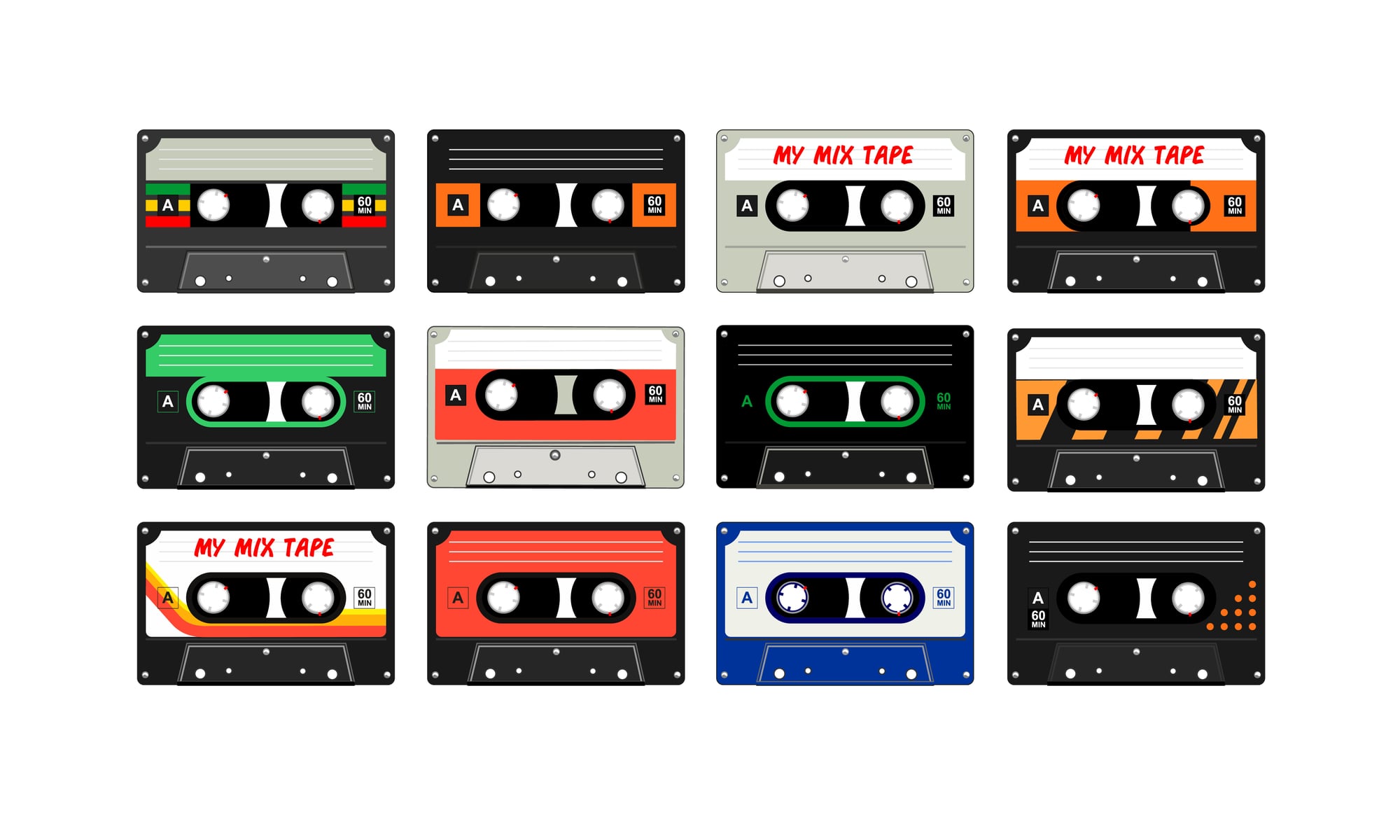
Vinyl records experienced the kind of resurrection that seemed impossible when CDs dominated the market. Albums that people moved to attics when they bought CD players are now worth more than their original purchase price, particularly if they’re in good condition with intact cover art.
First pressings of popular albums and rare releases can command hundreds or thousands of dollars. The record market reflects something interesting about how people value music: owning a physical object creates a different relationship to sound than streaming services provide.
This drives demand for vinyl among people who weren’t alive when records were the primary music format. This means the market isn’t dependent on nostalgia alone.
Antique Furniture

Furniture often moves to attics when it becomes unfashionable or doesn’t fit current living spaces. This temporary storage frequently becomes permanent, which preserves pieces that might otherwise have been damaged by daily use.
Mid-century modern furniture, in particular, has appreciated dramatically as design preferences have shifted back toward clean lines and quality materials. The furniture market rewards authenticity and condition over age.
A well-preserved piece from the 1950s can be worth more than something twice as old if the design and craftsmanship represent their era well. Families who stored rather than sold furniture during redecorating phases often discover they were accidentally investing in design history.
Vintage Cameras And Photography Equipment
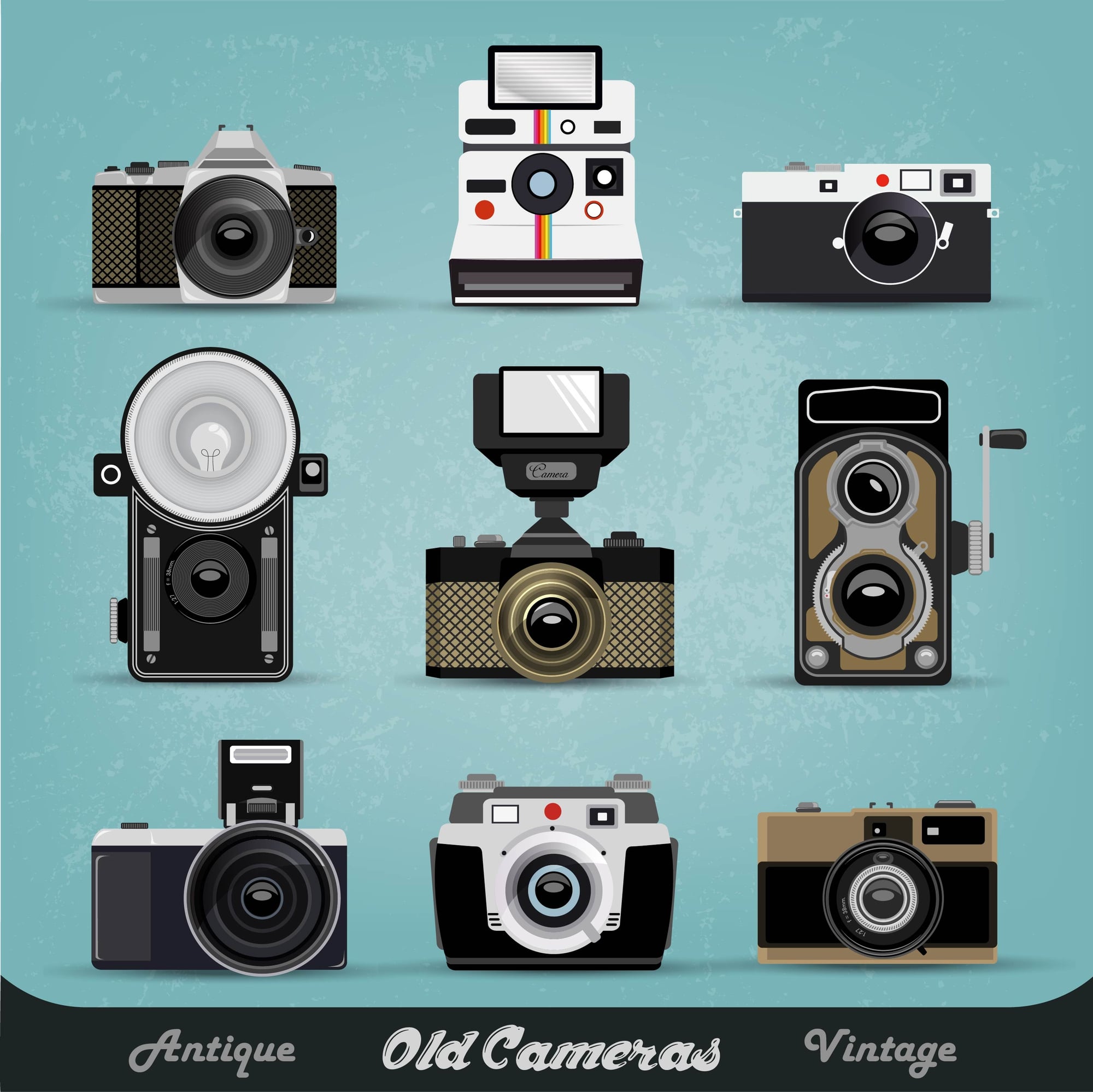
Cameras moved to attics when digital photography made film seem obsolete, but the analog photography revival has created demand for quality vintage equipment. Leica cameras, medium format models, and even certain consumer cameras from manufacturers like Canon and Nikon now sell for more than their original prices if they’re in working condition.
The photography equipment market splits between users and collectors, which creates stable demand from two different directions. Some people want vintage cameras for the aesthetic and mechanical experience they provide; others collect them as examples of precision manufacturing from eras when camera bodies were built to last decades rather than be replaced every few years.
Comic Books And Graphic Novels

Comics migrated to attics for the same reason many collectibles did: children outgrew them, but parents couldn’t bring themselves to throw away items that had provided hours of entertainment. This preservation instinct created a market where condition and rarity determine value in ways that can be shocking to families who viewed comics as disposable entertainment.
The comic book market operates with precision that would impress financial analysts. Issues are graded on condition scales that account for tiny details like corner sharpness and color saturation.
First appearances of popular characters, key storylines, and even certain cover variants can be worth thousands if they’ve been properly preserved. The comic book market operates with precision that would impress financial analysts.
Vintage Kitchenware And Appliances
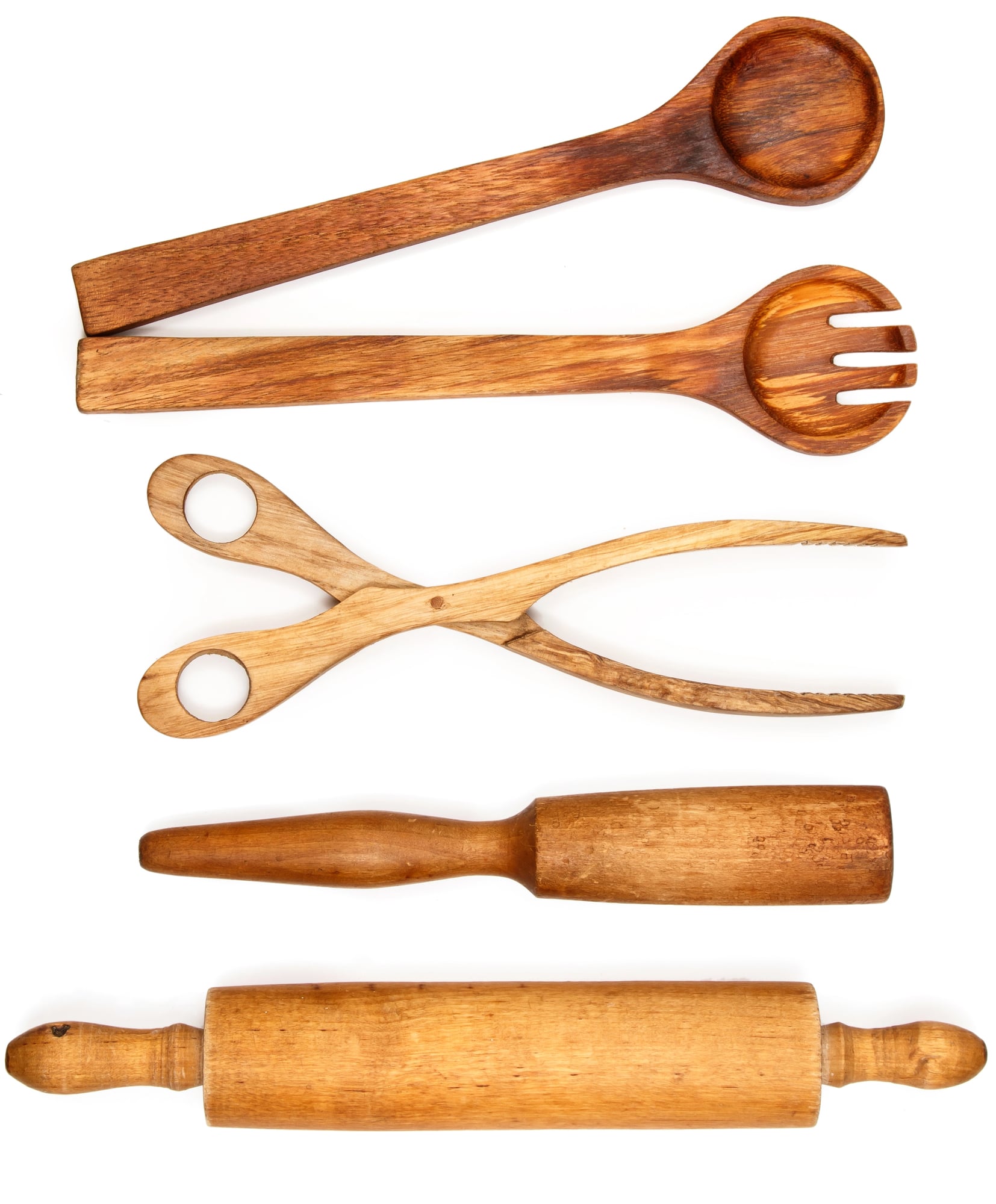
Kitchen items often move to attics when cooking styles change or new appliances make older ones seem obsolete. But vintage mixers, particularly KitchenAid models from certain decades, now sell for more than new ones.
Cast iron cookware, vintage Pyrex, and even certain small appliances have developed collector markets that value both functionality and design history. The kitchenware market reflects changing attitudes about manufacturing quality and design longevity.
Items built to last decades attract buyers who understand the difference between vintage construction standards and modern planned obsolescence. This creates demand that’s practical rather than purely nostalgic.
Stamps And Coin Collections
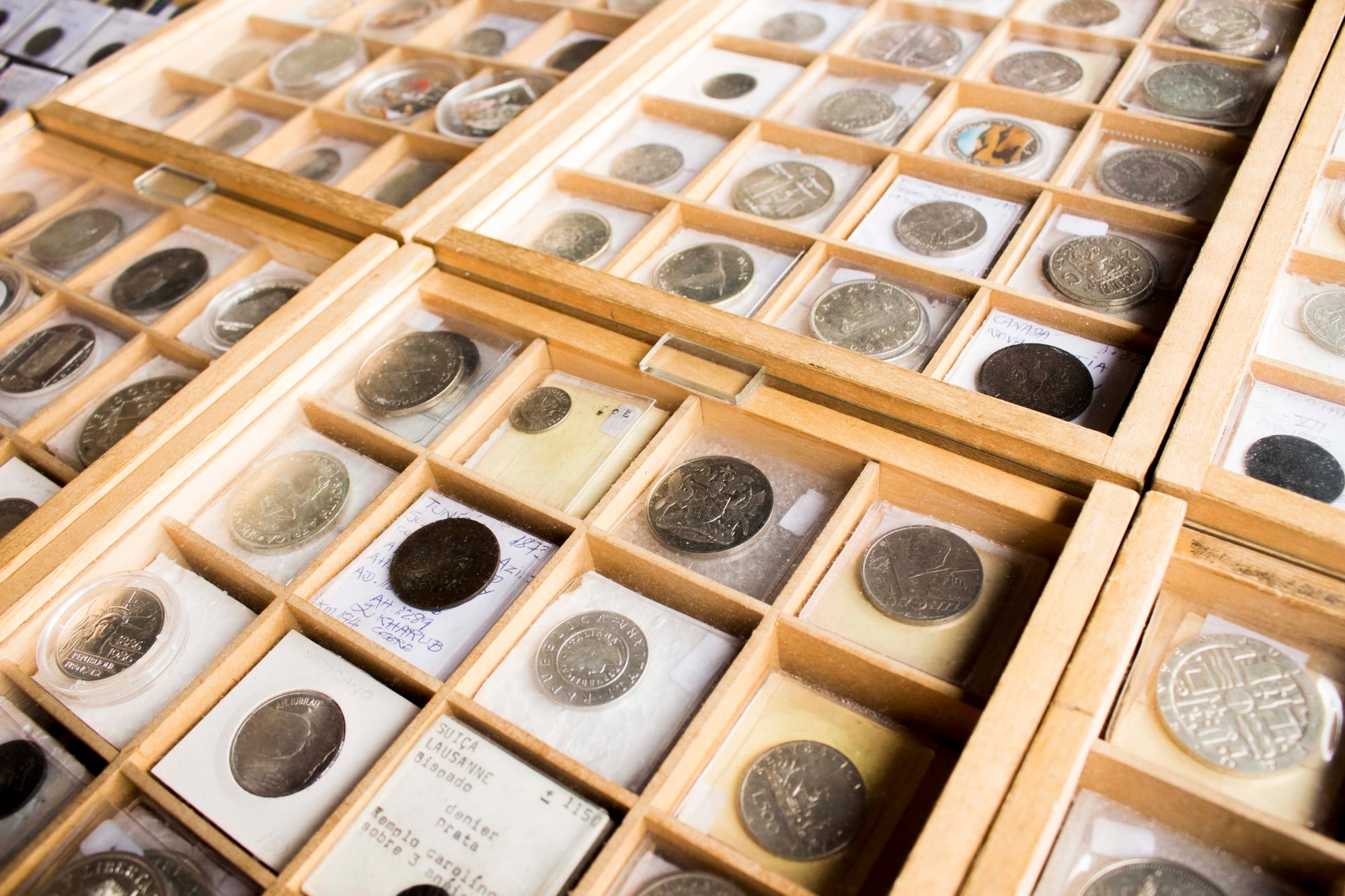
Stamp and coin collections often end up in attics when collectors pass away and families aren’t sure how to evaluate what they’ve inherited. These collections can contain genuinely valuable items mixed with common pieces, which creates situations where families accidentally store thousands of dollars worth of collectibles without realizing their worth.
The stamps and coins market requires knowledge that most people don’t possess, which means valuable collections often sit unrecognized for years. Certain stamps, particularly those with printing errors or from limited runs, can be worth substantial amounts.
Similarly, coins from specific years or with particular mint marks command prices that reflect their scarcity rather than their age. The stamps and coins market requires knowledge that most people don’t possess.
Vintage Electronics
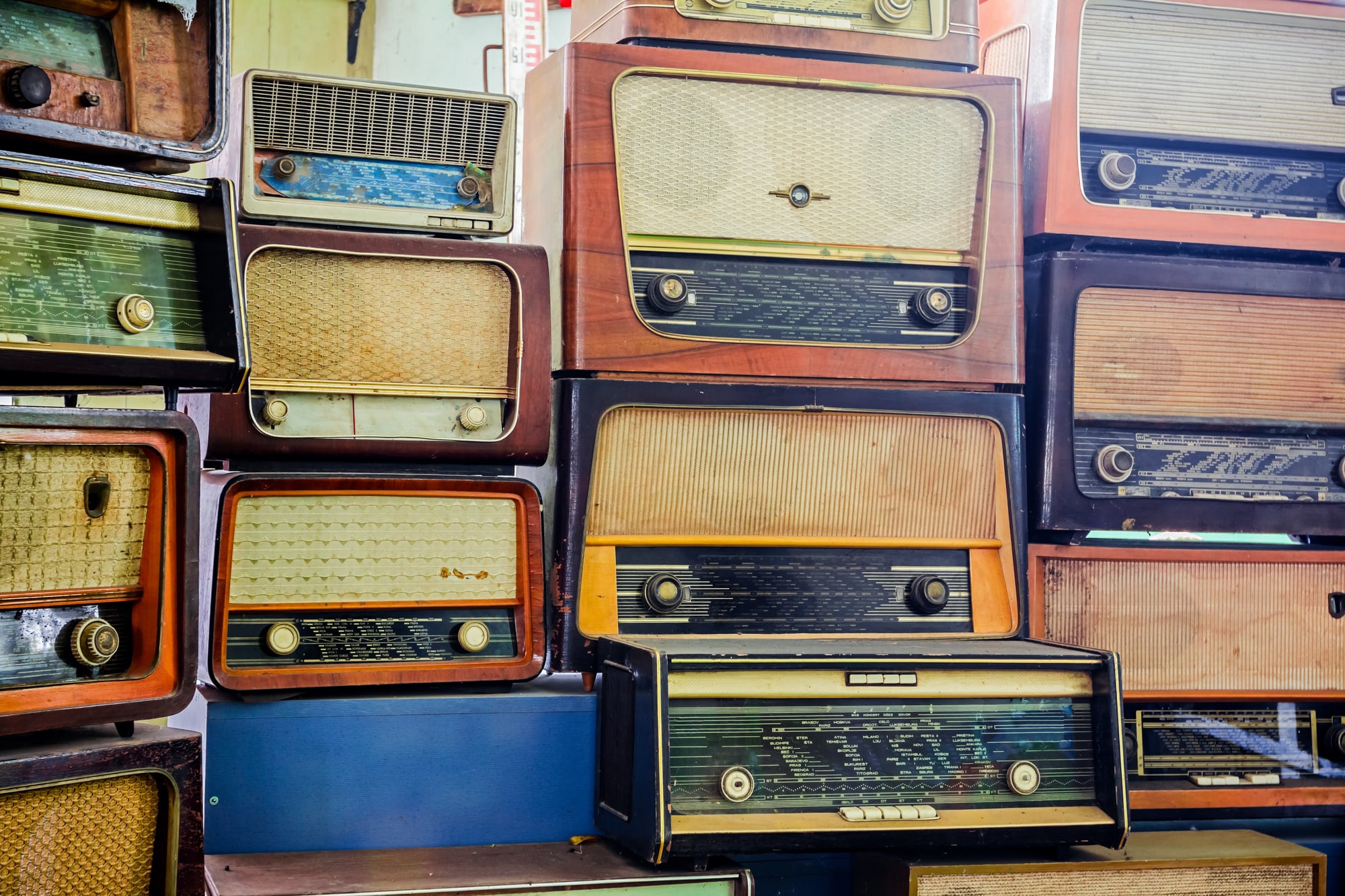
Electronics from the 1970s and 1980s often moved to attics when they became obsolete, but some have developed collector markets that value their design and historical significance. Vintage receivers, turntables, and even certain gaming systems now sell for more than their original prices if they’re in working condition.
The vintage electronics market serves both collectors who appreciate the aesthetic and engineering of analog devices, and users who prefer the sound characteristics or functionality of older equipment. This dual demand creates stable markets for items that seemed worthless when digital alternatives emerged.
Holiday Decorations And Collectibles

Christmas ornaments, particularly those from certain manufacturers or decades, have developed collector markets that would surprise most families. Hallmark ornaments, vintage glass decorations, and even artificial Christmas trees from specific eras can command serious money if they’re complete and in good condition.
Holiday collectibles benefit from emotional attachment combined with seasonal scarcity — people want items that connect them to memories of celebrations past, but only need them for brief periods each year. This creates markets where condition and completeness matter more than age, and where common items become valuable simply through the passage of time.
The Real Discovery Waiting To Happen

The most valuable thing in American attics isn’t any specific category of item — it’s the recognition that value and worth operate by rules that often contradict common sense. Items people saved by accident become treasures, while things purchased as investments often disappoint.
The auction houses fighting over attic discoveries aren’t just buying objects; they’re purchasing pieces of cultural history that families preserved without realizing their significance. What makes this particularly interesting is that the next generation of valuable attic finds is being created right now.
Today’s mass-produced items will become tomorrow’s rare collectibles through the simple passage of time and the inevitable process of disposal that makes survival valuable. The lesson isn’t just about recognizing current value — it’s about understanding how preservation itself creates worth in ways that compound over decades of storage.
More from Go2Tutors!

- The Romanov Crown Jewels and Their Tragic Fate
- 13 Historical Mysteries That Science Still Can’t Solve
- Famous Hoaxes That Fooled the World for Years
- 15 Child Stars with Tragic Adult Lives
- 16 Famous Jewelry Pieces in History
Like Go2Tutors’s content? Follow us on MSN.