Ice Cream Truck Rituals from the ’70s That Kids Today Will Never Experience
The distant chimes of “Turkey in the Straw” could send an entire neighborhood into chaos. Kids would drop whatever they were doing, scramble for change hidden in couch cushions, and race barefoot down the street in pursuit of that magical white truck with its hand-painted menu boards and temperamental freezer.
The ice cream truck wasn’t just a mobile dessert shop — it was a social institution with its own unwritten rules, seasonal rhythms, and ritualistic behaviors that defined summer childhood. Today’s kids might still hear those familiar melodies, but the experience has fundamentally changed.
The elaborate negotiations, the strategic planning, the social hierarchies that formed around a simple frozen treat — these intricate childhood protocols have largely vanished, replaced by convenience apps, pre-packaged everything, and a world where mystery has been optimized out of most experiences.
The Great Coin Hunt
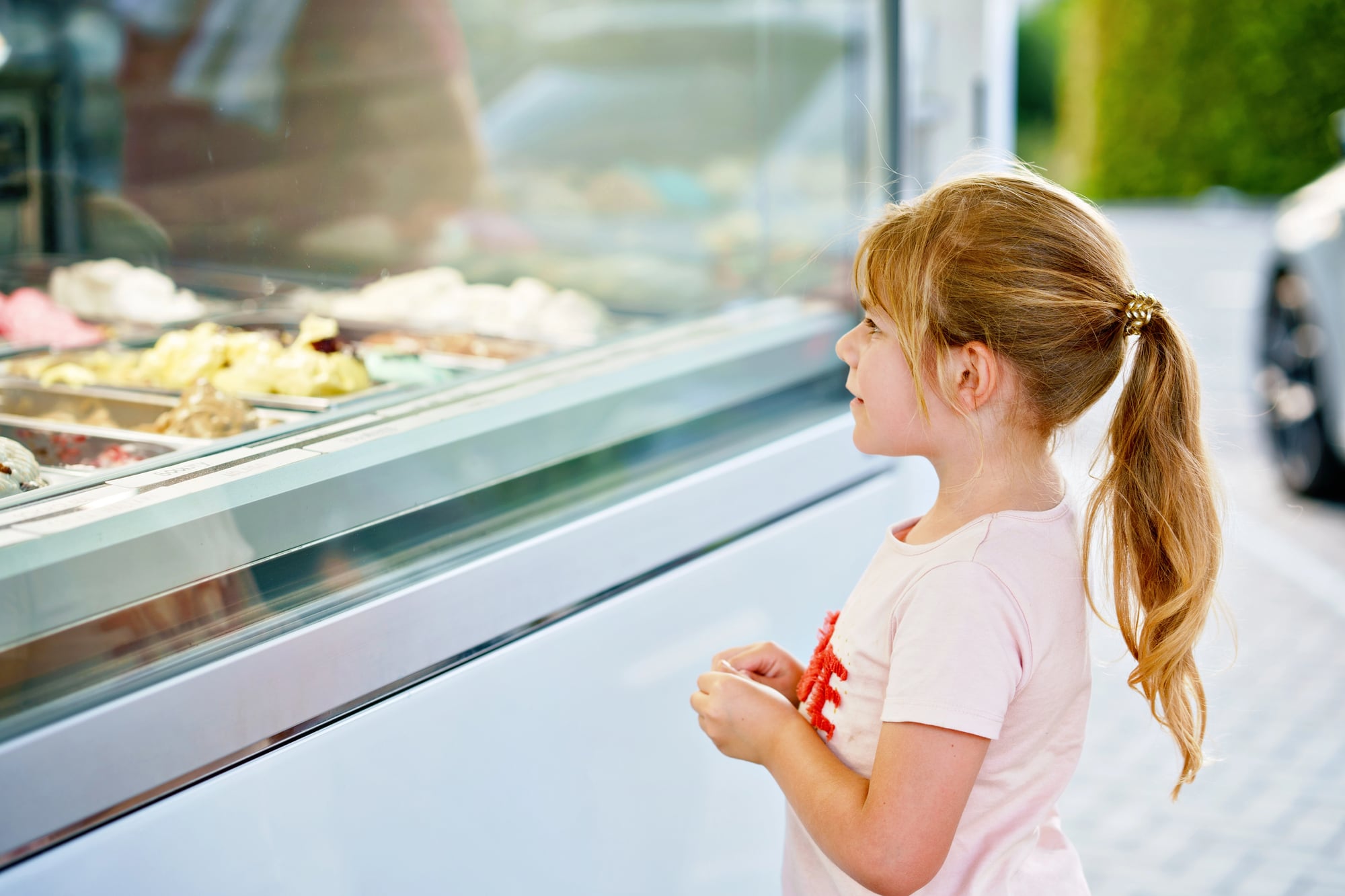
Every kid knew the sound meant you had maybe three minutes to find money before the truck disappeared forever. Couch cushions got flipped.
Piggy banks got raided. That jar of pennies your mom kept on the kitchen counter suddenly became treasure.
The desperation was real. Kids would tear through junk drawers looking for forgotten quarters, check old coat pockets, and make deals with siblings that would haunt them for weeks.
Finding exact change felt like winning the lottery.
Decoding The Melody Map
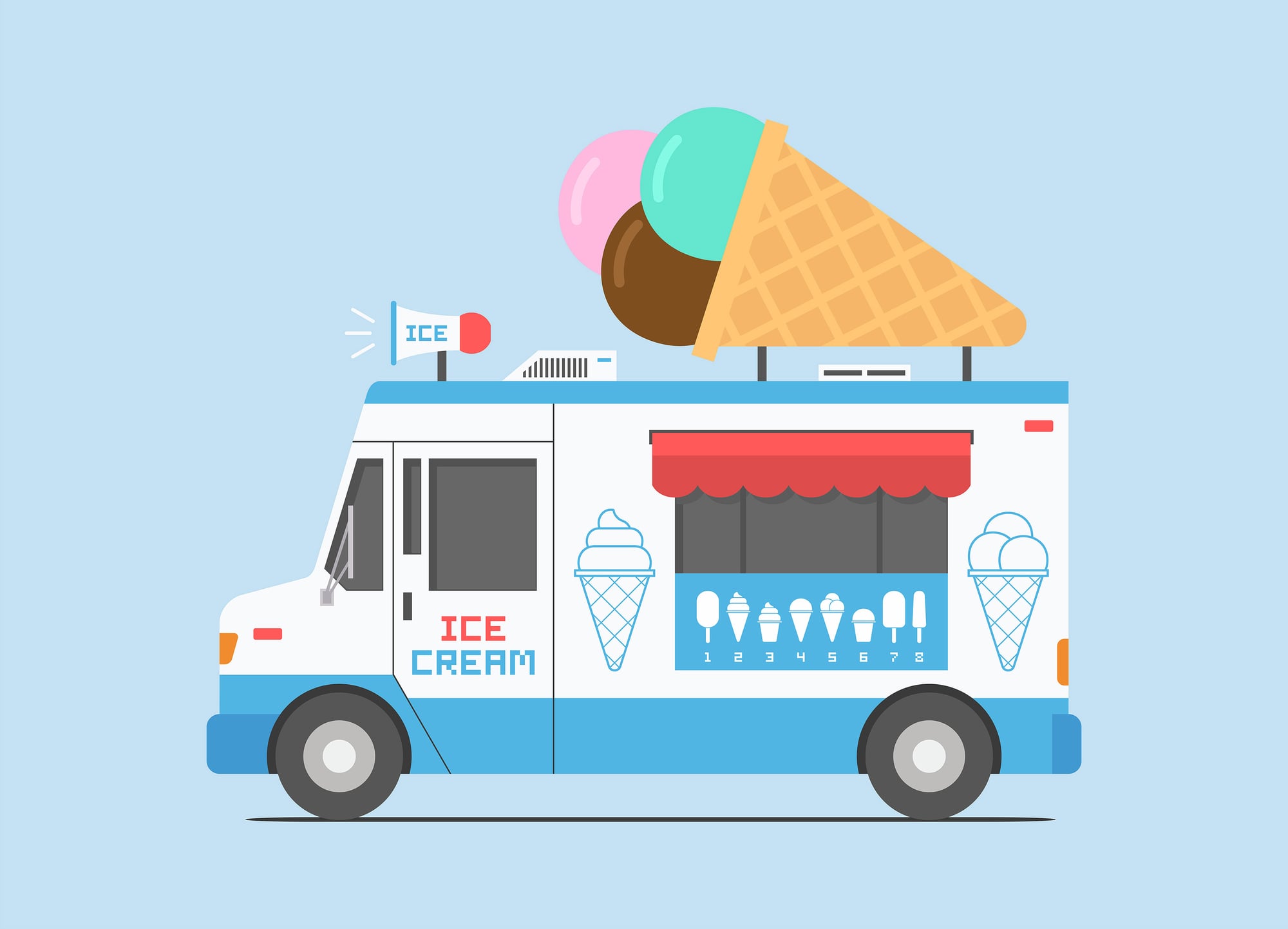
Different trucks played different songs, and serious ice cream consumers memorized them all. The truck that played “The Entertainer” had the good rocket pops.
“Turkey in the Straw” meant the guy with the broken freezer who sold everything half-melted. “Pop Goes the Weasel” belonged to the truck that always ran out of the good stuff by 2 PM.
These weren’t just random melodies — they were neighborhood intelligence. Kids developed sophisticated tracking systems based on audio cues, timing patterns, and seasonal migrations that would make wildlife researchers proud.
The Dreaded “I’ll Pay You Back” Negotiation
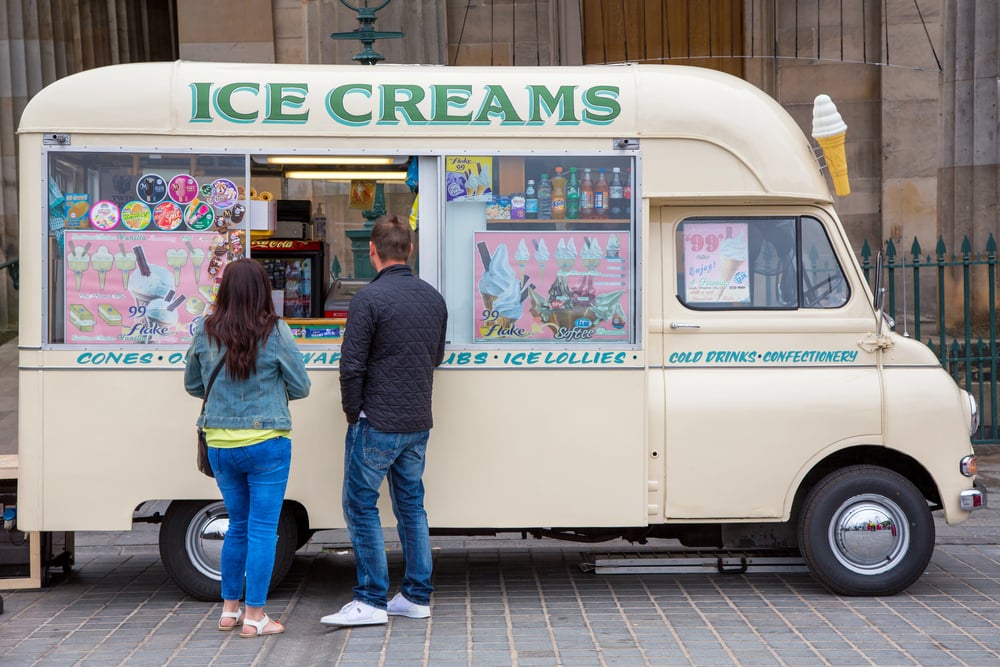
When you found the truck but came up short on cash, the real social engineering began. You had to identify which friend might spot you a quarter (and which parent was most likely to have given their kid extra money), calculate the likelihood of successful repayment, and present your case while the truck’s engine idled ominously in the background.
These negotiations happened at lightning speed, with complex terms involving future allowances, chore trades, and social favors that created a neighborhood economy more intricate than most adults realized. And the unspoken rule everyone understood: defaulting on an ice cream debt could destroy a friendship faster than any playground fight.
So these weren’t just casual transactions — they were binding social contracts with real consequences. But when it worked, when someone covered your shortfall and you actually managed to pay them back the next week, it felt like the foundation of honor itself.
The Menu Board Hieroglyphics
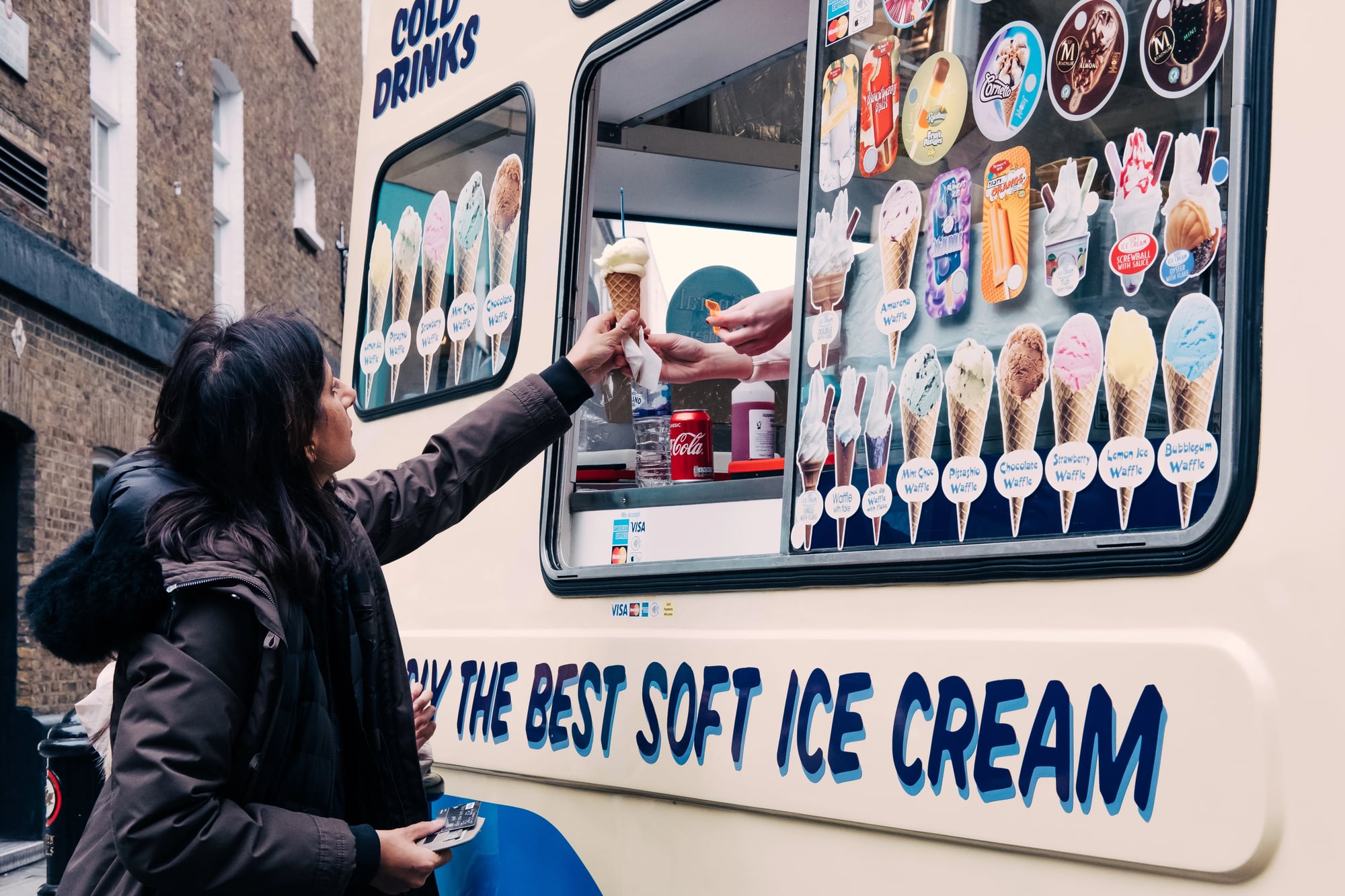
Ice cream trucks in the ’70s displayed their wares on hand-painted boards covered in sun-faded pictures that bore only passing resemblance to the actual products. The image of the strawberry shortcake bar looked nothing like the slightly freezer-burned reality you’d unwrap.
The rocket pop picture showed perfect red, white, and blue stripes, though the real thing usually looked like it had survived reentry. Kids became expert interpreters of these cryptic visual menus.
You learned to read between the lines — literally. The item with the most faded picture was either the most popular or the most disappointing, and figuring out which required serious field research.
The Strategic Queue Formation
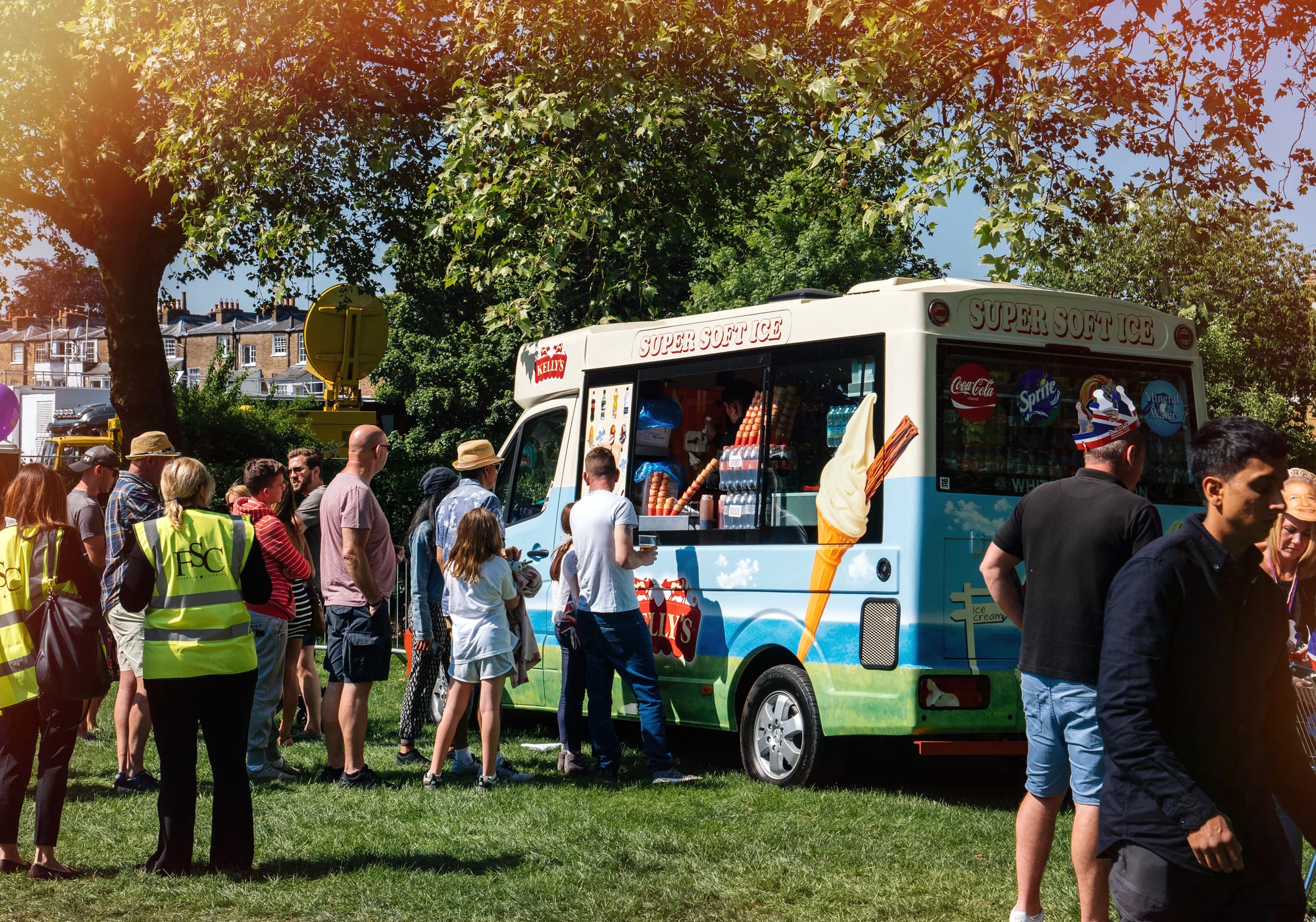
Lines at ice cream trucks weren’t just lines — they were complex social formations with their own unwritten protocols. Cutting was unforgivable, but holding a spot for a friend who was still hunting for change was acceptable under specific circumstances.
Siblings could share line positions, but step-siblings needed separate negotiations. The kid at the front of the line held enormous power and responsibility.
They set the pace for everyone behind them, and taking too long to decide could result in social exile that lasted the rest of the summer.
Weather Window Calculations

Ice cream trucks didn’t run on simple schedules — they operated according to meteorological opportunity and neighborhood mood algorithms that kids learned to read like farmers watching storm clouds. Too hot, and everything turned to soup before you could eat it (but the desperation factor also peaked, so trucks stayed out longer).
Too cool, and trucks might skip your street entirely, leaving an entire day without frozen possibility. The perfect ice cream truck day hit that sweet spot where the air was warm enough to create serious craving but not so scorching that your purchase melted before you finished paying for it.
And then there were those weird days when the truck showed up during a light drizzle, creating an almost existential question: do you really want ice cream when you’re already cold and wet? These weather calculations became second nature — kids developed an intuitive sense for whether conditions were right for truck activity.
Missing the optimal window meant waiting until tomorrow and hoping the meteorological gods would be more cooperative.
The Impossible Choice Paralysis
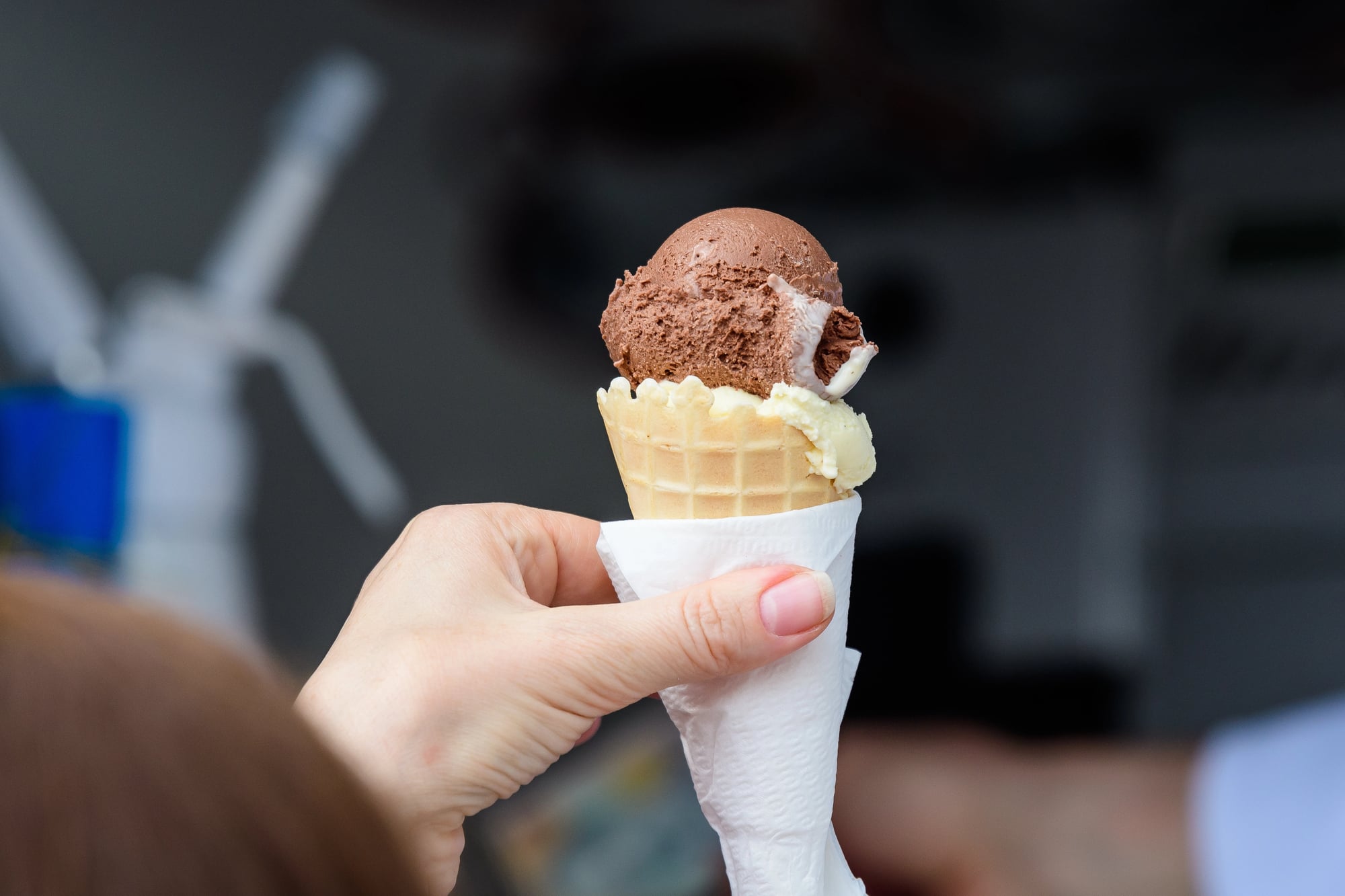
Standing at that little window, staring at options you’d dreamed about all morning, the decision-making process could become genuinely paralyzing. The drumstick with the nuts at the bottom, the ice cream sandwich that would definitely fall apart, the push-up pop that required engineering skills to eat properly — each choice carried consequences that seemed monumentally important in the moment.
The pressure intensified with every second of deliberation. Kids behind you were getting restless.
The driver was waiting. Your carefully hoarded quarters were burning in your palm, and somehow the thing you’d been absolutely certain you wanted five minutes ago no longer seemed like the obvious choice.
Brand Loyalty Vs. Curiosity Wars
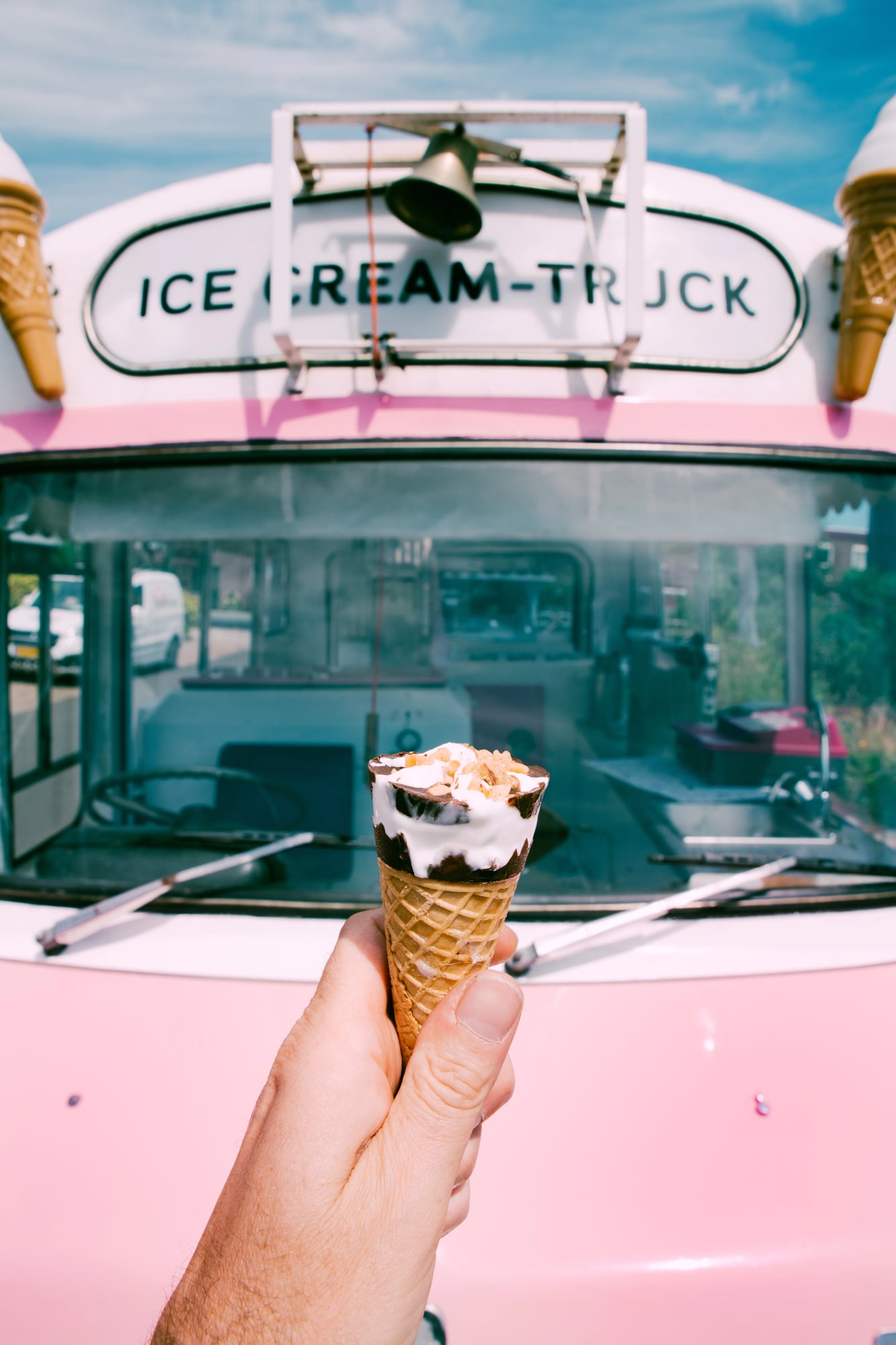
Most kids developed fierce loyalty to specific frozen treats (and would defend their choice against all challengers), but ice cream trucks also carried mysterious items that weren’t available anywhere else — strange popsicle flavors, ice cream bars with unpronounceable names, and treats that looked like they might have been invented in someone’s garage. The internal battle between sticking with your proven favorite and risking disappointment on something new created genuine ethical dilemmas that forced kids to confront fundamental questions about security versus adventure.
Some kids were natural conservatives who ordered the same thing every single time; others were compulsive experimenters who treated each truck visit like a research expedition. And then there were the strategic samplers who would coordinate with friends to try different items and share intelligence about what worked and what didn’t — a collaborative approach to frozen treat optimization that required both trust and sophisticated planning.
But here’s what made it interesting: even the most adventurous kids had backup plans, and even the most conservative had moments where curiosity won. The tension between safety and discovery played out in miniature every time that truck pulled up to the curb.
The Melting Time Management Crisis

Once you made your purchase, the clock started ticking in a very literal way. Ice cream bars had maybe ten minutes of structural integrity in summer heat.
Popsicles bought you a little more time, but only if you kept them in the shade and ate strategically from the bottom up to prevent catastrophic breakage. Kids developed elaborate consumption strategies based on ambient temperature, treat selection, and available shade.
The worst possible outcome wasn’t just losing your ice cream — it was losing it in a way that left you sticky, disappointed, and broke.
The Truck Driver Personality Assessment
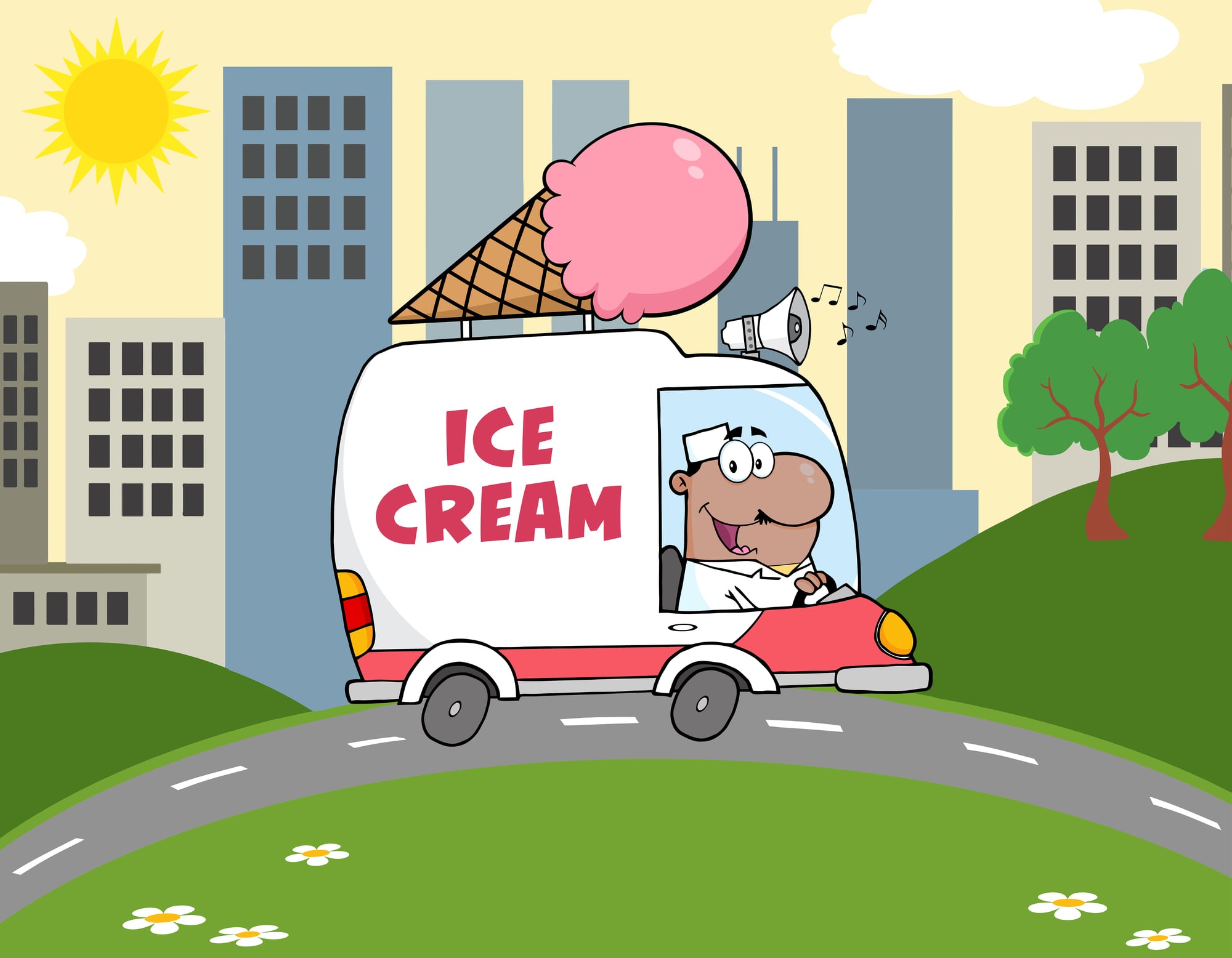
Every ice cream truck driver had a distinct personality that kids learned to read and adapt to. Some were friendly and patient, willing to make change for a five-dollar bill and chat about which flavors were selling well.
Others were strictly business — exact change preferred, decisions made quickly, no lingering at the window. A few seemed actively annoyed by children, which created an interesting psychological challenge: how badly did you want ice cream if you had to interact with someone who clearly wished you would disappear?
The driver’s mood could make or break the entire experience. A friendly driver might let you know when new items arrived or warn you that the freezer was acting up.
A grumpy driver made every transaction feel like you were bothering them, which somehow made the ice cream taste slightly less satisfying.
The Seasonal Flavor Rotation Mystery
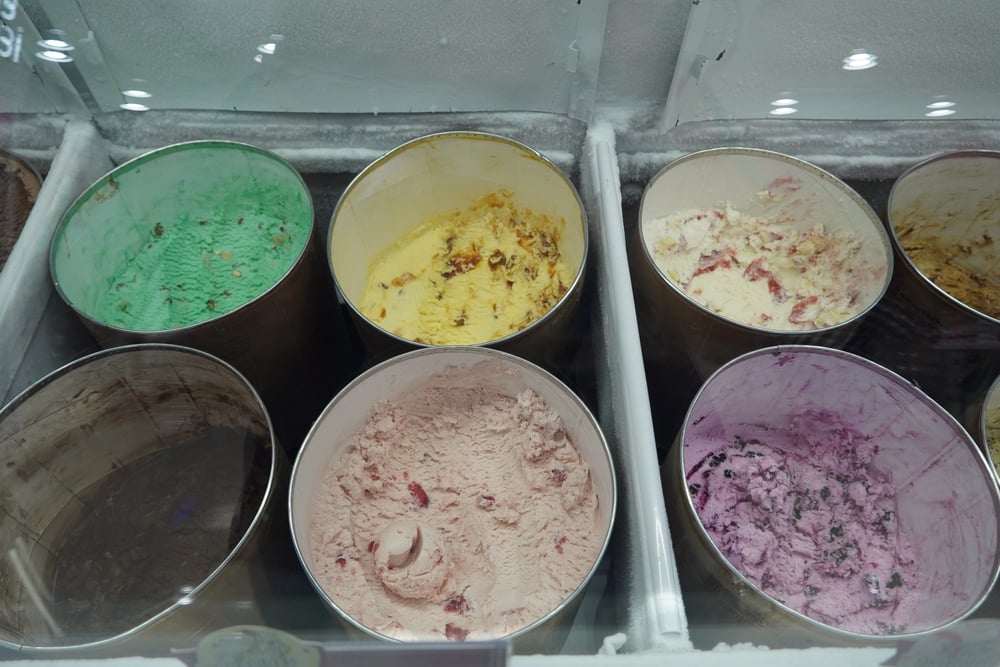
Ice cream trucks operated on seasonal schedules that nobody fully understood but everyone tried to crack. Certain flavors appeared only in early summer, others showed up randomly in late August, and some seemed to vanish forever without explanation.
The orange push-up pops might be everywhere in June, completely absent in July, then mysteriously return in September just as school started. Kids developed theories about these patterns — maybe drivers switched suppliers, maybe certain flavors sold better at different times, maybe the whole thing was random and adults just pretended there was logic to it.
The uncertainty added an element of genuine surprise to each truck encounter that Amazon delivery will never replicate.
The Social Credit System
Ice cream truck interactions created a complex social economy where favors, debts, and reputation mattered as much as actual money. The kid who always shared their ice cream sandwich earned social capital that could be cashed in during future emergencies.
The one who never helped others find change or held spots in line gradually found themselves isolated when they needed assistance. This wasn’t formal or organized — just the natural result of repeated interactions where cooperation paid off and selfishness had consequences.
Kids who understood these social dynamics could navigate the ice cream truck ecosystem successfully even when they were short on actual cash.
The End-Of-Summer Desperation
By late August, when the truck visits became less frequent and everyone knew summer was basically over, each ice cream purchase carried existential weight. This might be the last rocket pop of the year.
The final drumstick before school started and everything returned to packed lunches and scheduled snacks. The desperation was tinged with genuine melancholy — not just for ice cream, but for the entire rhythm of summer days when the biggest decision you faced was whether to get the thing with nuts or the thing that changed colors as you ate it.
When Summer Ended

When the trucks finally stopped coming, usually sometime in September when school schedules made afternoon routes less profitable, neighborhoods fell into a strange silence. No more distant melodies floating through screen doors.
No more emergency coin hunts or strategic queue formations. Just the memory of something that had felt permanent but was always designed to disappear.
The end of ice cream truck season marked the real conclusion of summer — more definitively than school starting, more finally than Labor Day passing. It was the moment when childhood’s sweet chaos gave way to autumn’s organized routines, and the distance between June’s possibilities and September’s realities became unmistakably clear.
More from Go2Tutors!

- The Romanov Crown Jewels and Their Tragic Fate
- 13 Historical Mysteries That Science Still Can’t Solve
- Famous Hoaxes That Fooled the World for Years
- 15 Child Stars with Tragic Adult Lives
- 16 Famous Jewelry Pieces in History
Like Go2Tutors’s content? Follow us on MSN.



