16 Times Military Technology Was Used for the Most Ridiculous Purposes
Military innovation has driven some of humanity’s most significant technological advances. But what happens when these powerful tools designed for national defense end up in unexpected places? Sometimes military tech finds new life in surprising applications that make you wonder what the original inventors would think.
Here is a list of 16 times military technology was repurposed for uses that range from amusing to downright bizarre.
GPS Navigation

The Global Positioning System, developed by the U.S. Department of Defense to guide missiles and track troop movements, now helps millions find the nearest coffee shop. People tap their phones to navigate to a friend’s house while the technology that once cost billions to develop works silently in the background.
The military still maintains the satellite network, essentially providing a free service that powers everything from dating apps to Pokemon Go.
Microwave Ovens
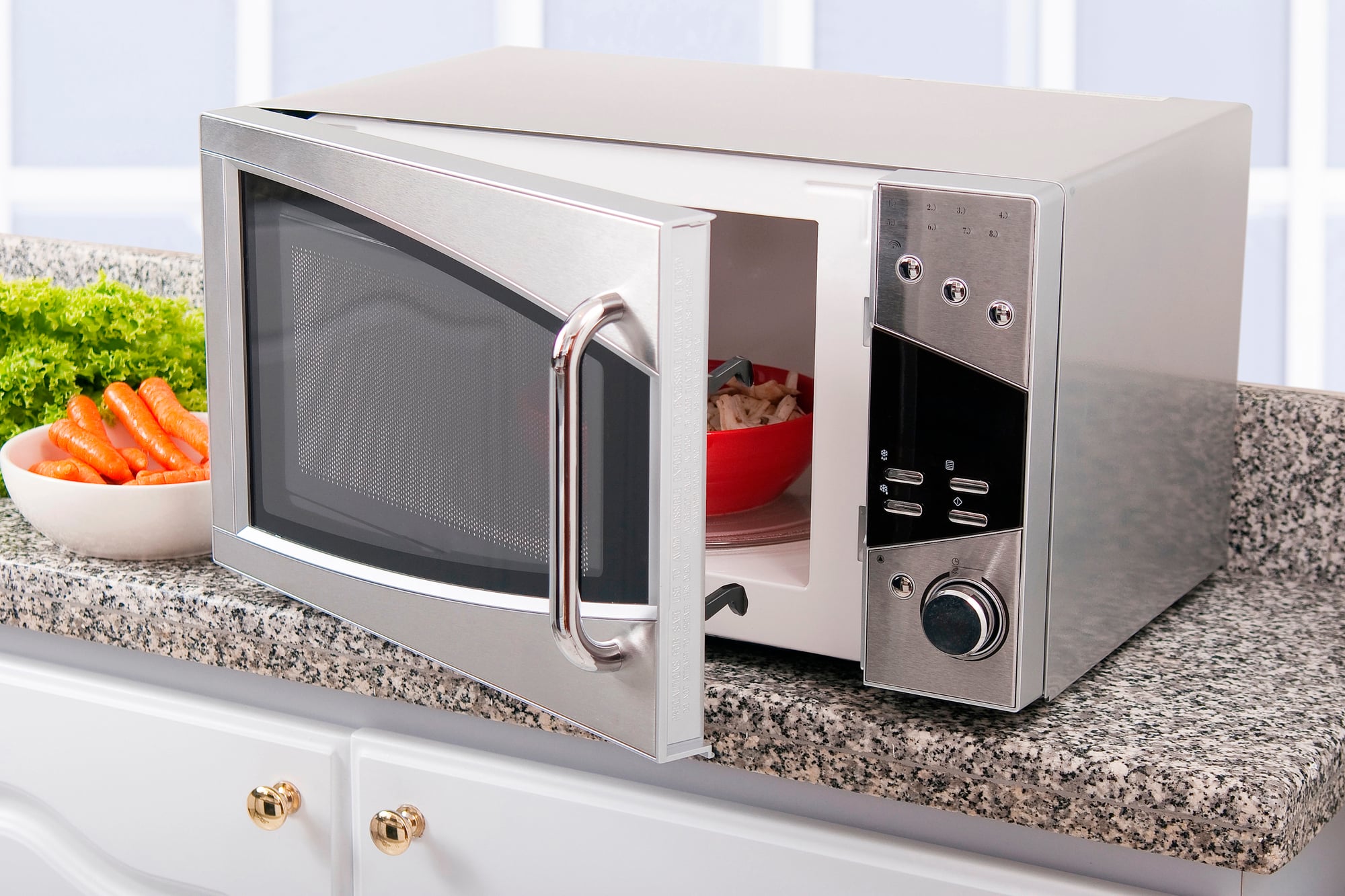
The microwave oven exists because an engineer named Percy Spencer was working with military radar transmitters and noticed a chocolate bar melting in his pocket. This accident with magnetrons designed for radar systems led to one of the most common kitchen appliances worldwide.
Raytheon, a defense contractor, commercialized the technology that was originally meant for detecting enemy aircraft during World War II.
Like Go2Tutors’s content? Follow us on MSN.
Duct Tape
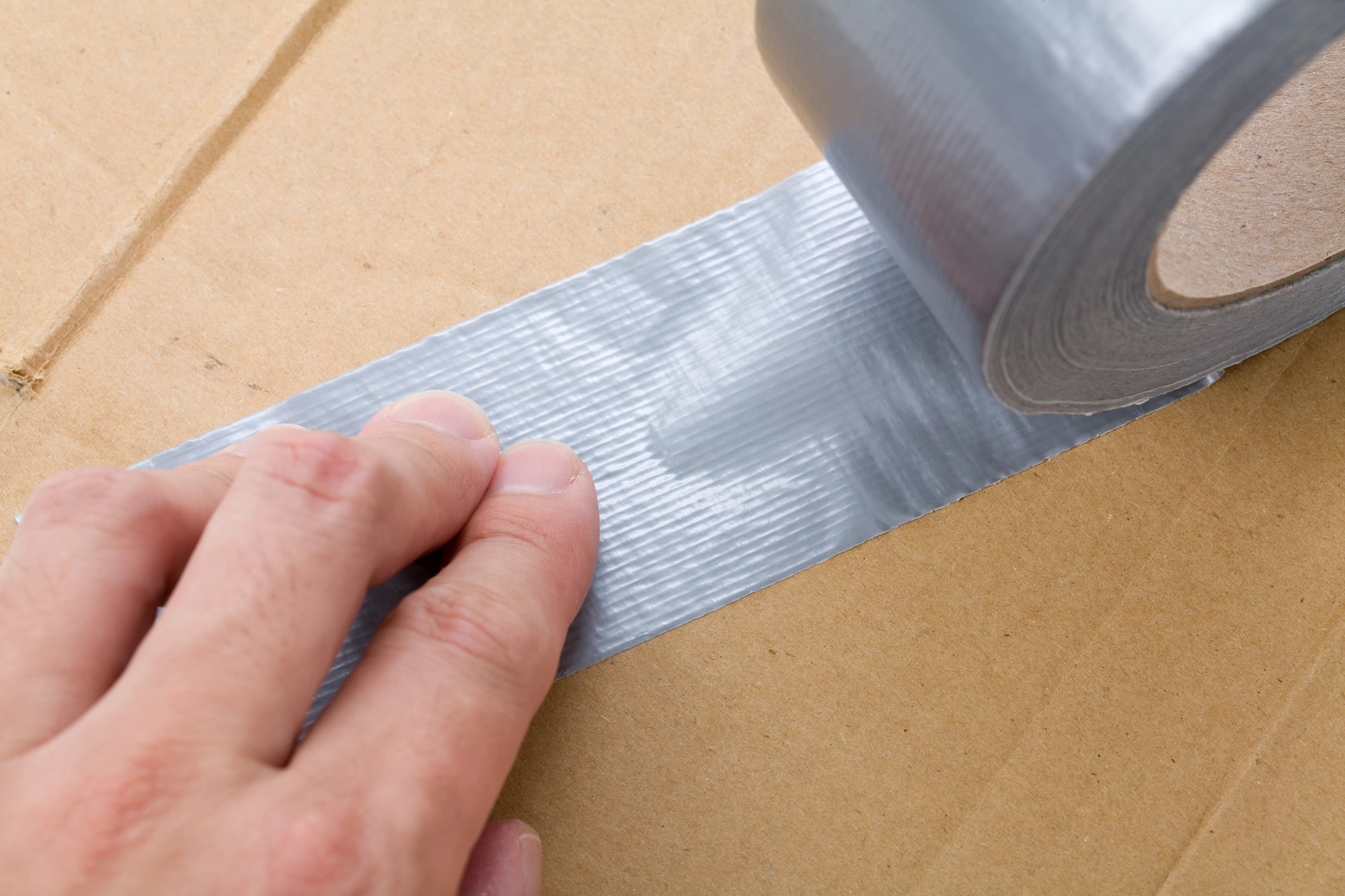
Military mechanics needed a waterproof tape to keep ammunition cases dry during World War II, and the result was something so versatile it’s now found in nearly every household. The olive-drab ‘duck tape’ was designed for urgent battlefield repairs but now fixes everything from broken furniture to Halloween costumes.
Ironically, it’s rarely used for actual ductwork, despite its modern name.
Jeeps
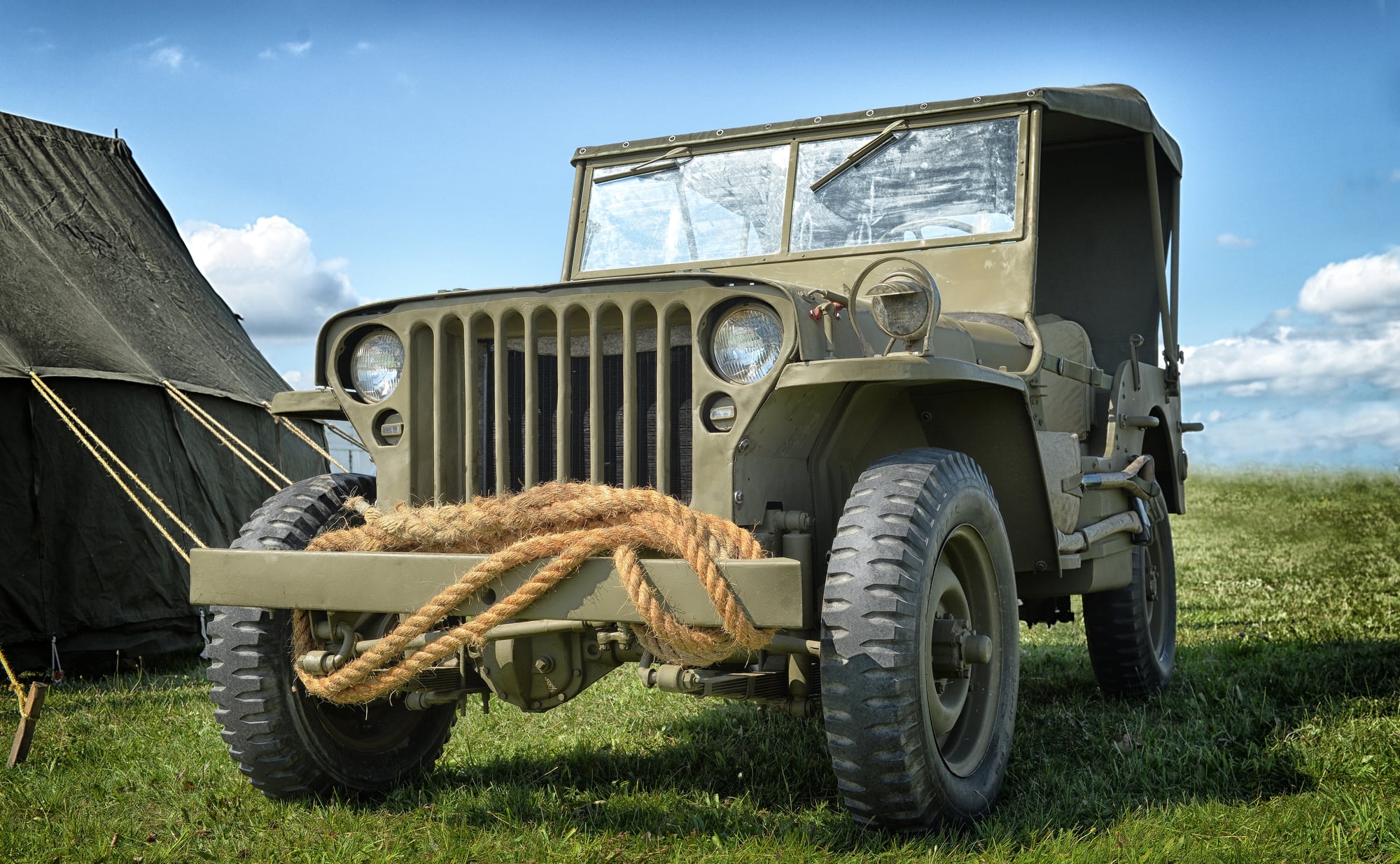
The iconic Jeep began as a military vehicle specification that called for a ‘general purpose’ machine to replace horses on the battlefield. These rugged vehicles designed to carry troops through mud and rough terrain now transport suburban families to shopping malls and soccer practice.
The transition from war machine to status symbol happened remarkably quickly after World War II when manufacturers realized civilians loved their durability.
Aviator Sunglasses

These stylish shades were created specifically for military pilots who needed protection from the intense glare at high altitudes. The distinctive teardrop shape was designed to provide maximum coverage of the eye socket while conforming to oxygen mask requirements.
Fashion icons later adopted them, transforming a practical piece of military equipment into a symbol of coolness that persists decades later.
Like Go2Tutors’s content? Follow us on MSN.
Cargo Pants
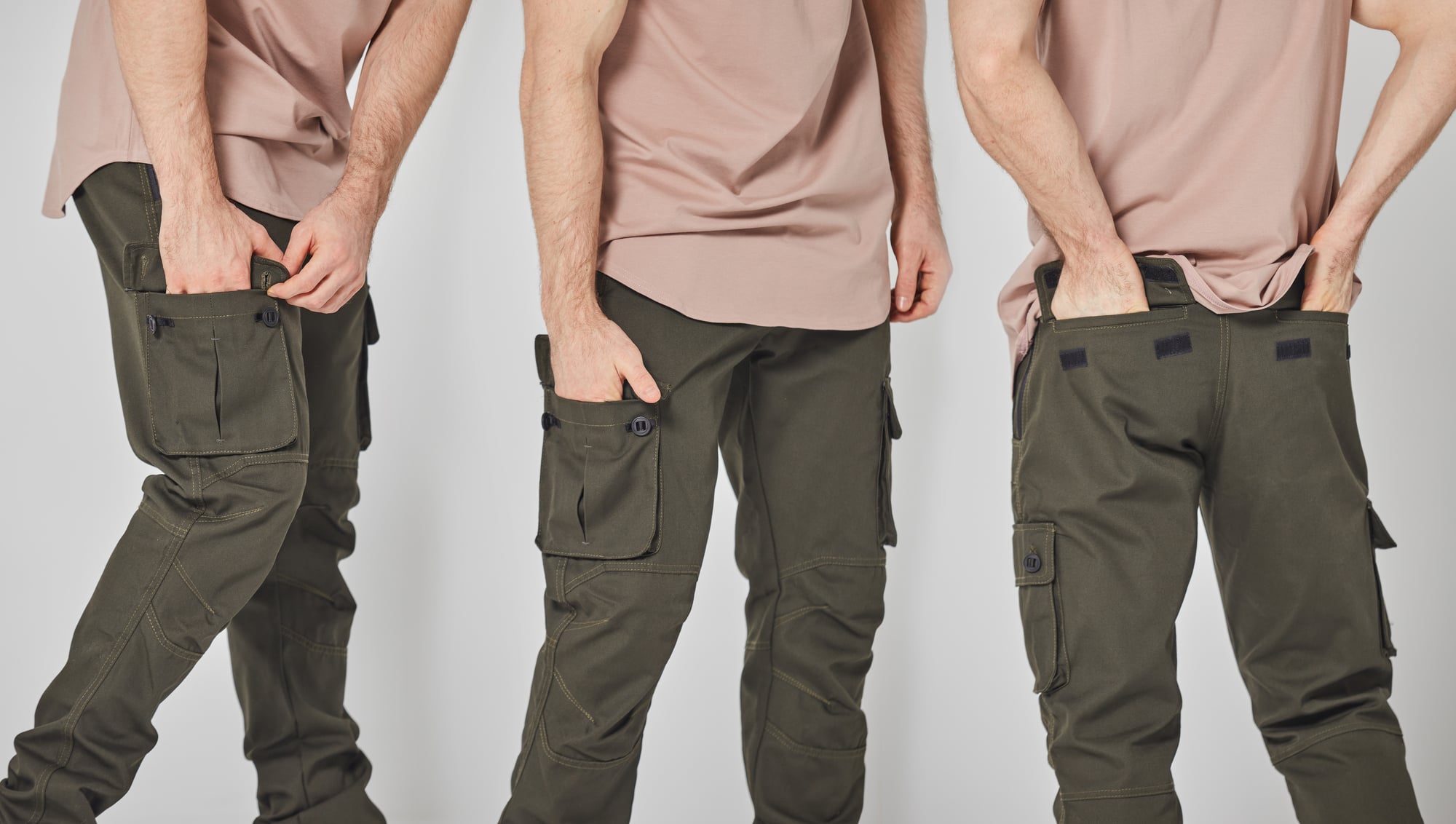
Those pockets everywhere on cargo pants? They were designed for soldiers who needed to carry ammunition, maps, and rations while keeping their hands free.
Now they carry smartphones, wallets, and snacks for people wandering through cities. The military functionality became a fashion statement, though few wearers ever fill all those pockets to capacity as actual soldiers would.
Superglue

During the Vietnam War, medics sometimes used cyanoacrylate adhesives (superglue) to seal wounds quickly on the battlefield before proper treatment. Today, people use the same basic chemistry to fix broken coffee mugs and crafting projects.
The adhesive was actually discovered while trying to make clear plastic gunsights during World War II, making it a double case of military tech repurposing.
Freeze-Dried Coffee

Space programs (which began largely as military initiatives) needed efficient ways to provide astronauts with familiar comforts like coffee without adding weight to rockets. The freeze-drying technology developed for space missions eventually made its way to supermarket shelves.
While coffee connoisseurs might scoff, millions rely on this military-derived innovation for their daily caffeine fix.
Like Go2Tutors’s content? Follow us on MSN.
Silly Putty

This strange substance was created during World War II when the government was looking for synthetic rubber substitutes. While it failed as a rubber replacement, its unusual properties made it perfect as a toy.
The material that couldn’t save military vehicles became one of the most popular novelty items ever, selling millions of eggs’ worth to children and stress-relief seeking adults.
Digital Cameras

The technology behind digital photography was developed for spy satellites that needed to capture images and transmit them back to Earth without physical film. Early military systems cost millions per unit, while today’s smartphone cameras—direct descendants of those spy tools—are essentially disposable.
The same basic technology that once kept track of Soviet missile silos now captures vacation selfies.
EpiPens
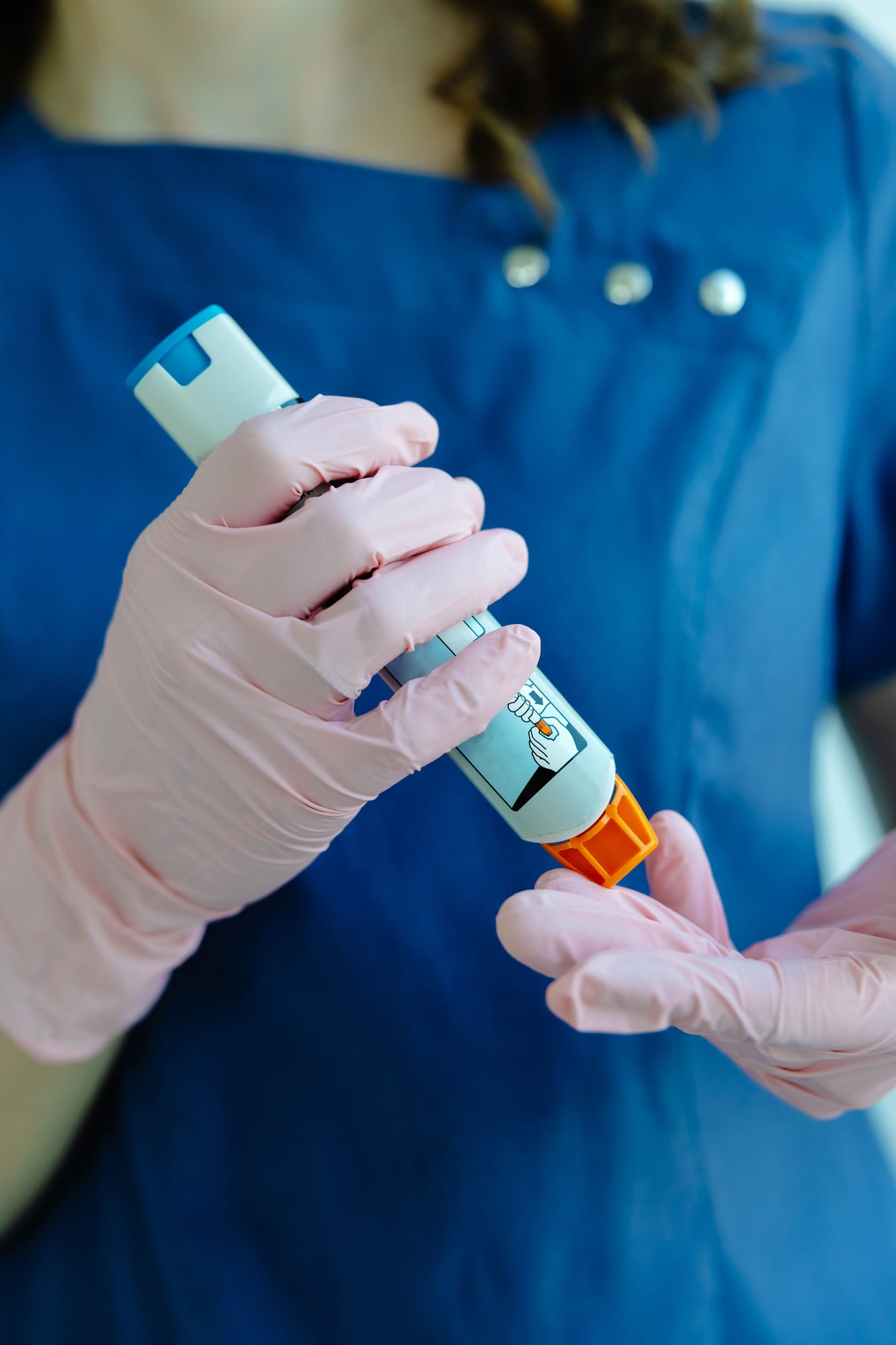
Autoinjectors were initially created for soldiers to self-administer antidotes to nerve gas attacks on the battlefield. The same basic mechanism now saves the lives of people experiencing severe allergic reactions.
The military needed a foolproof way for panicking soldiers to deliver medication through clothing, which turned out to be perfect for civilian medical emergencies too.
Like Go2Tutors’s content? Follow us on MSN.
Internet
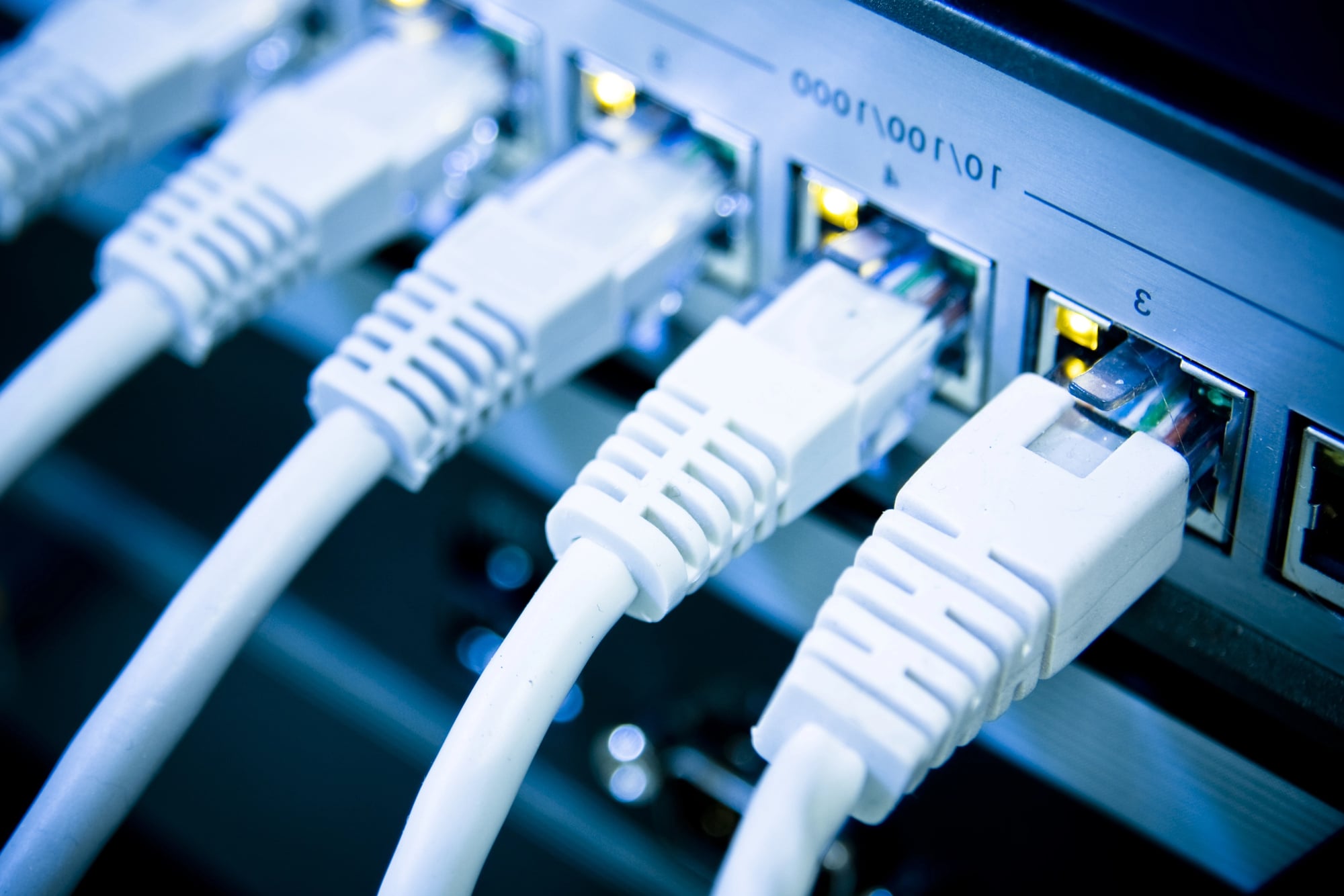
ARPANET, the precursor to today’s internet, was created by the Defense Advanced Research Projects Agency to maintain communications during nuclear attacks. This resilient network designed to withstand warfare now delivers cat videos and connects gamers across continents.
Perhaps no military technology has been repurposed more dramatically than the communication system originally meant to survive doomsday.
Memory Foam

NASA (with strong military connections) developed memory foam for aircraft cushions to improve crash survival rates. The pressure-absorbing material found its way into mattresses, pillows, and even shoe insoles.
People sleep peacefully on technology originally designed to prevent injuries during catastrophic impacts, completely unaware of its protective origins.
Tang

While not technically a military invention, this powdered orange drink was popularized through its use in space missions that were extensions of military rocket programs. Created to help astronauts have something palatable in space, it somehow convinced millions of Earth-bound consumers that it was superior to regular orange juice.
Marketing the space program connection turned a fairly simple drink mix into a cultural phenomenon.
Like Go2Tutors’s content? Follow us on MSN.
Walkie-Talkies

These portable radios were developed for infantry communications during World War II, with early versions weighing over 30 pounds. The military technology later shrunk down enough to become popular children’s toys and tools for everyday workplace coordination.
The simple push-to-talk functionality designed for battlefield clarity works just as well for kids playing in the neighborhood.
Drones
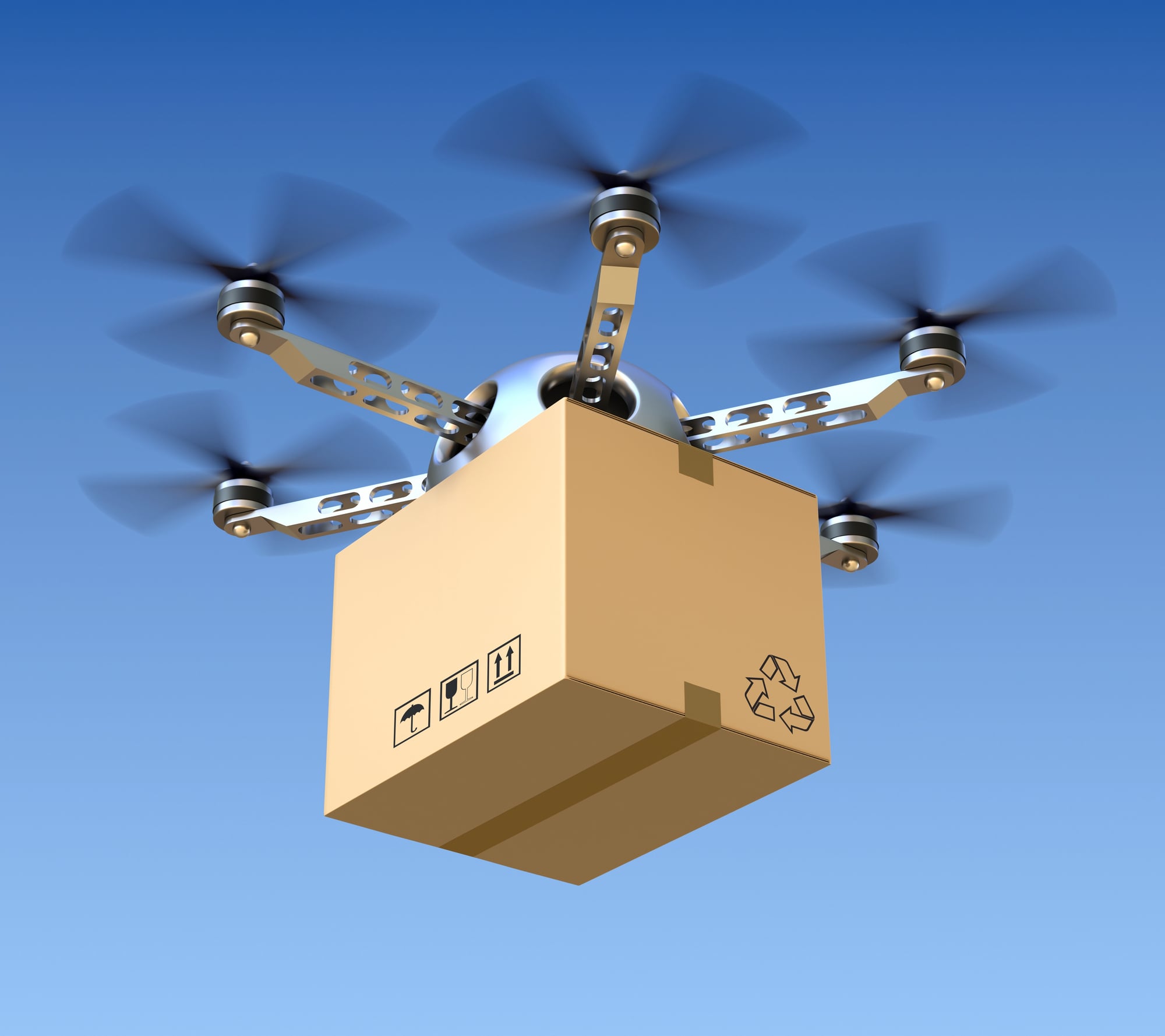
Military unmanned aerial vehicles cost millions and were designed for reconnaissance and remote strikes. Today, consumer versions priced under $100 take vacation videos and deliver small packages.
The core technology remains similar—remote control aircraft with cameras—but the applications couldn’t be more different. What once required top security clearance now entertains hobbyists on weekends.
Beyond the Battlefield
Military innovation continues to find its way into our daily lives in ways both practical and peculiar. These technologies remind us that human ingenuity often finds unexpected applications for tools created with much more serious purposes in mind.
The transformation from weapons of war to conveniences of peace represents one of the more positive aspects of military research and development. What battlefield technology will next become a household staple?
Given this pattern, some classified project currently being developed for national security might be sitting on your kitchen counter or in your pocket a decade from now.
Like Go2Tutors’s content? Follow us on MSN.
More from Go2Tutors!

- 18 Unexpectedly Valuable Collectibles You Might Have Lying Around
- 20 Little-Known Historical Battles That Had Huge Consequences
- 20 Historical Artifacts That Scientists Can’t Explain
- 15 Inventions That Were Immediately Banned After Being Created
- 20 Actors Who Were Almost Cast in Iconic Roles
Like Go2Tutors’s content? Follow us on MSN.



