15 Historical Figures Who Were Wrongfully Erased from Textbooks
History textbooks have a way of reducing centuries of human achievement into digestible chunks that fit semester schedules. The problem is that someone has to decide which stories make the cut and which ones disappear into footnotes or vanish entirely.
That selection process has consistently favored certain perspectives while burying others, leaving entire populations wondering why their ancestors seem absent from the grand narrative of human progress. The erasure isn’t always intentional, but the impact remains the same.
Brilliant minds, courageous leaders, and groundbreaking innovators have been reduced to historical trivia or omitted altogether. Some were written out due to the politics of their era, others because their contributions didn’t align with prevailing cultural narratives, and many simply because the people writing the textbooks didn’t think their stories mattered enough to include.
Ida B. Wells-Barnett
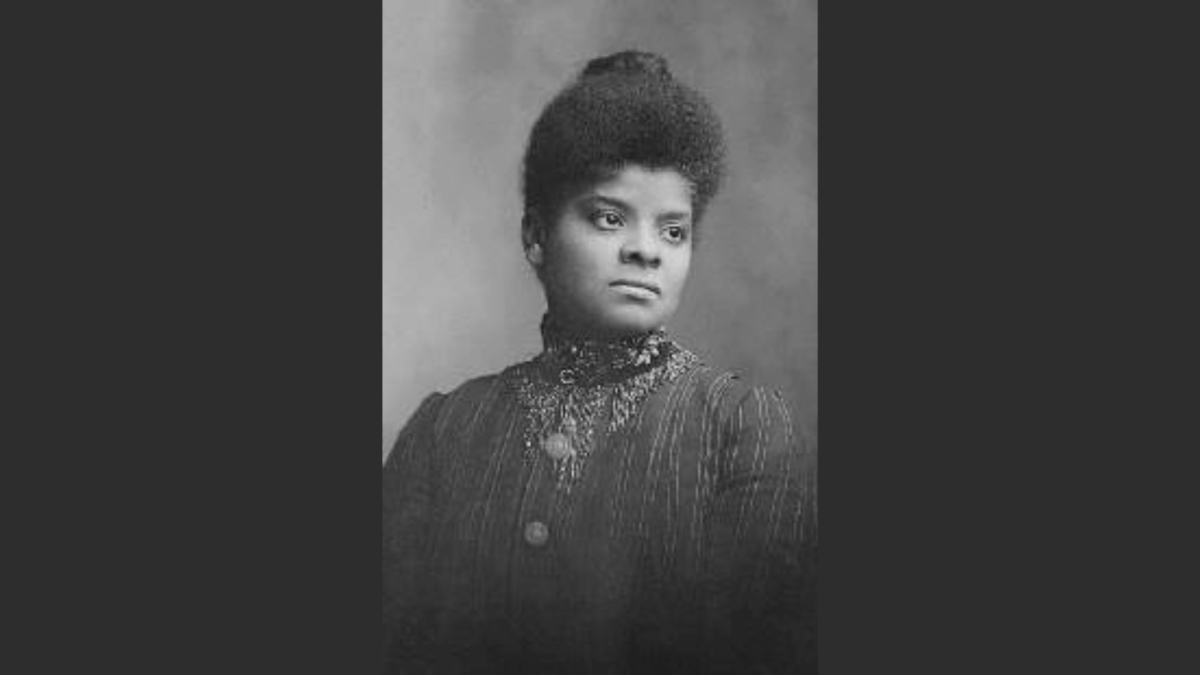
Wells-Barnett documented lynchings when nobody else would. Three black men were murdered in Memphis in 1892, and she investigated what actually happened instead of accepting the official story.
Her findings got her death threats and forced her to leave the South permanently. She kept writing anyway.
Her pamphlets reached international audiences and exposed the systematic terror campaigns happening across America. The woman basically invented investigative journalism around racial violence, but textbooks treat her as a minor footnote to other civil rights leaders.
Ibn Sina (Avicenna)
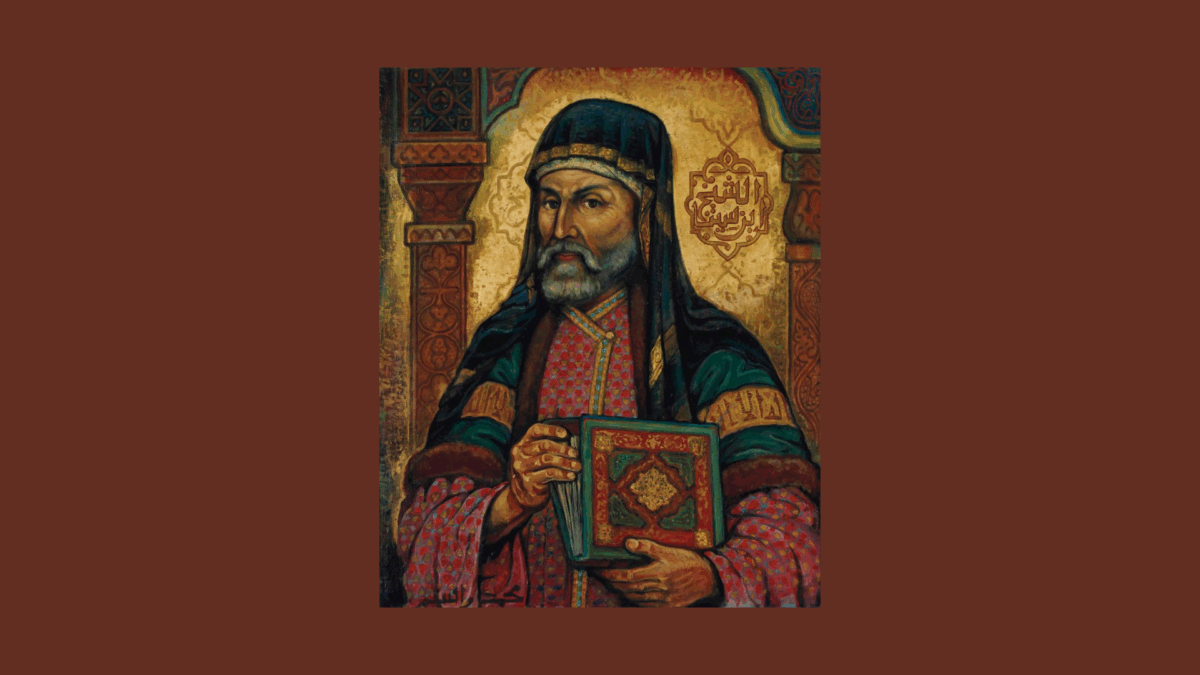
The 11th-century Persian polymath wrote “The Canon of Medicine,” which remained the standard medical textbook in Europe for over 500 years — and yet most students graduate without ever hearing his name, which is peculiar when you consider that European universities were still using his work as their primary medical reference well into the 1600s (centuries after his death, which occurred in 1037). His systematic approach to clinical trials, pharmaceutical testing, and anatomical study essentially created the foundation for modern medicine, but the way medical history gets taught, you’d think nothing significant happened between ancient Greece and the Renaissance.
So much gets lost in that gap. And when Islamic scholars like Ibn Sina do get mentioned, it’s usually as a brief transition between “classical knowledge” and “European rediscovery” — as if a thousand years of scientific advancement across the Islamic world was just a holding pattern until Europeans could pick up where the Greeks left off, which fundamentally misunderstands how knowledge actually moves through cultures and across time periods.
Mary Anning
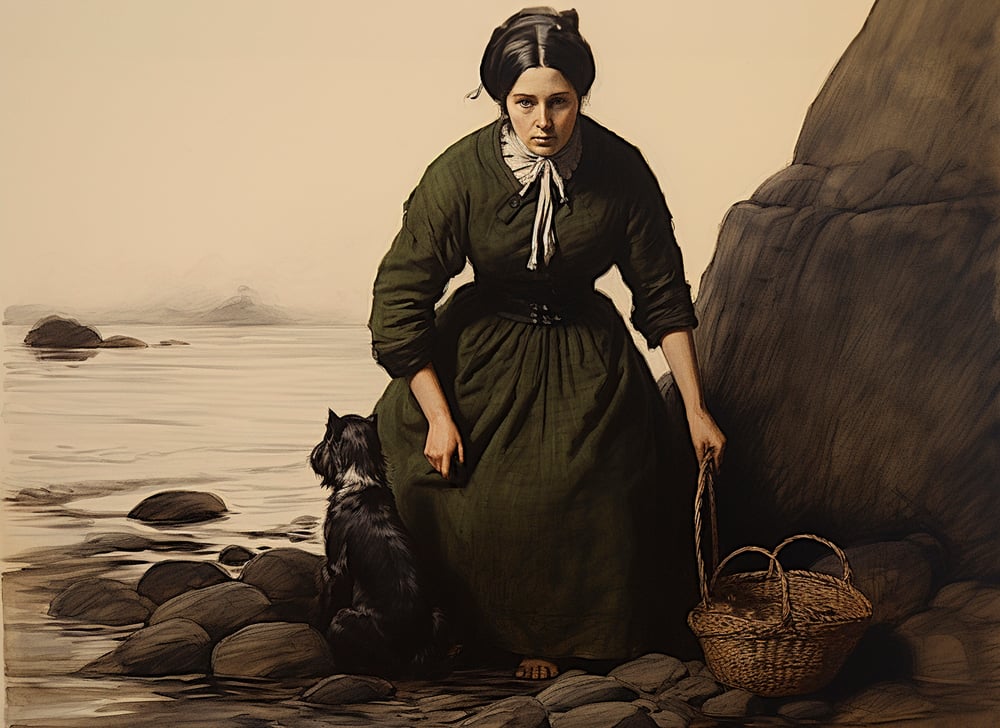
Fossil hunting was considered a gentleman’s hobby until a working-class girl from Dorset started pulling complete prehistoric skeletons out of coastal cliffs. Anning discovered the first correctly identified ichthyosaur when she was twelve years old. She spent the next four decades revolutionizing paleontology.
The wealthy men who bought her fossils got the scientific credit. They presented her discoveries at academic conferences she couldn’t attend and published papers that rarely mentioned her name.
The woman who laid the groundwork for understanding prehistoric life remained financially struggling throughout her career. Her contributions only started getting proper recognition in recent decades, long after geology textbooks had established their narratives about the “founding fathers” of paleontology.
Al-Khwarizmi
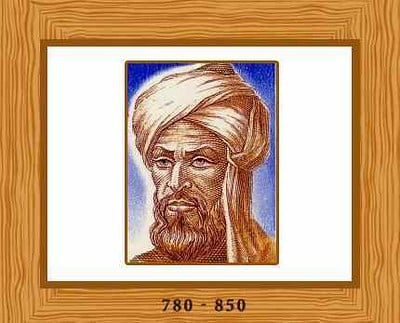
There’s something quietly revolutionary about watching a 9th-century mathematician work through problems that still appear on high school algebra tests, using methods that feel familiar despite being developed over a thousand years ago. Al-Khwarizmi didn’t just contribute to mathematics — he essentially created entire branches of it, developing systematic approaches to solving equations that transformed abstract calculation from an art form practiced by scattered scholars into a reliable tool that anyone could learn and apply.
His work “Hisab al-jabr w’al-muqabala” gave algebra its name, but more importantly, it gave algebra its structure: the step-by-step process for isolating variables and balancing equations that students now take for granted as the natural way mathematics works. The word “algorithm” comes from his name, which tells you something about how fundamental his thinking became to computational logic.
And yet textbooks often jump from ancient Greek geometry straight to European developments in calculus, as if nothing significant happened in mathematics for a thousand years — an omission that leaves students with a fundamentally incomplete understanding of how mathematical thinking actually evolved.
Septima Clark
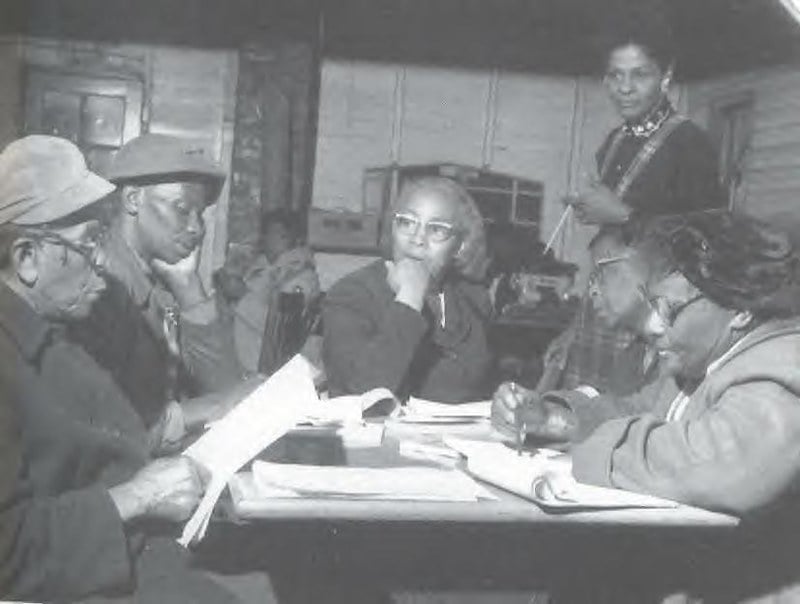
Clark figured out that teaching adults to read was inherently political. Her citizenship schools across the South used voter registration forms as reading material.
Students learned literacy and civil rights simultaneously. The approach worked too well.
South Carolina fired her from her teaching job after 40 years because she refused to quit the NAACP. She kept organizing anyway, training teachers who would establish citizenship schools throughout the region.
Martin Luther King Jr. called her the “Mother of the Movement,” but history books focus on the speeches and marches rather than the grassroots education network that made mass organizing possible. Clark’s work gets mentioned occasionally, usually as background context for more famous events.
Ibn Rushd (Averroes)
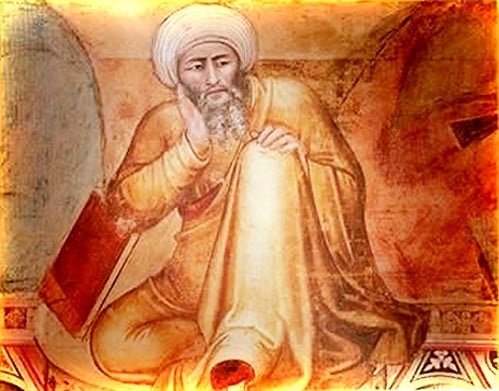
The 12th-century Andalusian philosopher spent decades writing commentaries on Aristotle that would later influence Thomas Aquinas and every major European thinker of the medieval period, but this influence gets presented in reverse: European scholastics are credited with “rediscovering” Aristotelian philosophy, while Ibn Rushd’s role gets downplayed as mere preservation rather than interpretation and advancement (even though his commentaries often corrected and expanded upon Aristotelian concepts in ways that European scholars adopted wholesale). His legal scholarship established principles of jurisprudence that influenced Islamic law for centuries, and his medical writings advanced understanding of retinal function and neurological disorders.
But the way intellectual history gets taught, you’d think medieval Islamic civilization was intellectually stagnant — just a library where ancient Greek texts waited patiently for European scholars to reclaim them, which completely ignores the active scholarly debates, scientific innovations, and philosophical developments happening across the Islamic world for nearly eight centuries. So when students learn about the “foundations of Western thought,” they’re actually learning about a collaborative intellectual tradition that gets presented as exclusively European.
Katherine Johnson
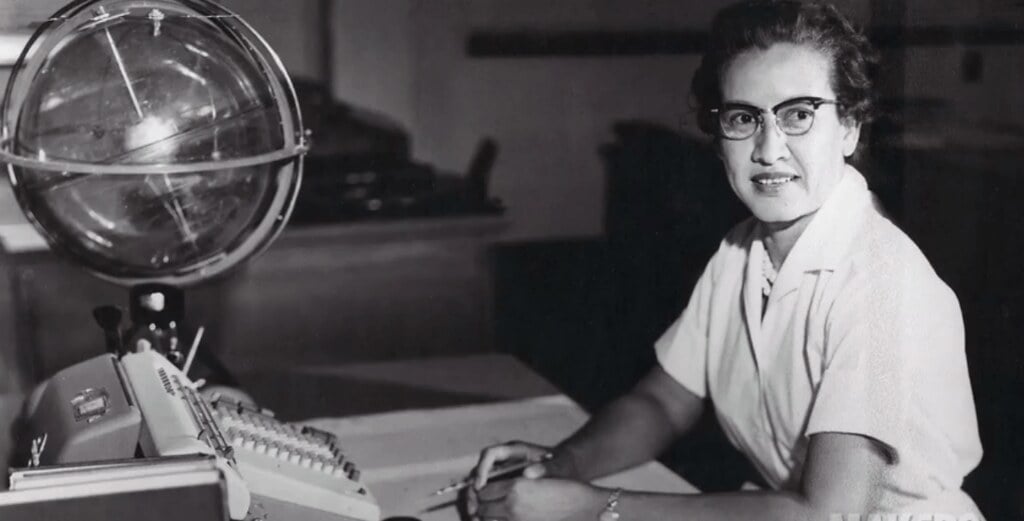
NASA called her when the electronic computers produced numbers they didn’t trust. Johnson would run the calculations by hand and tell them whether the machines were right.
She did the math for Alan Shepard’s flight, John Glenn’s orbit, and the Apollo moon missions. Her work was classified for decades.
The agency didn’t publicize the contributions of black women mathematicians, so their role in the space program remained largely invisible until recent years. Johnson’s story finally reached popular audiences through “Hidden Figures,” but most students still graduate without understanding that the early space program depended heavily on human computers — predominantly women, many of them black — doing complex calculations by hand.
Zheng He
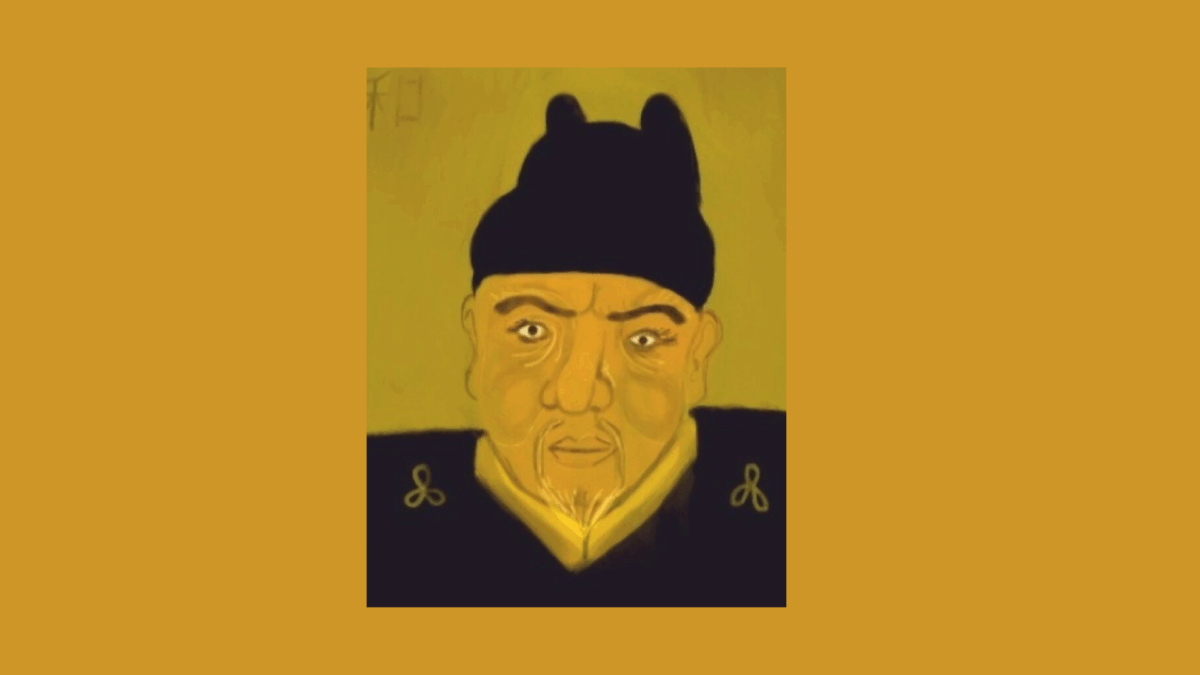
Chinese naval expeditions reached Africa decades before Columbus reached America, but world history courses still organize the Age of Exploration around European voyages. Zheng He commanded fleets of treasure ships that dwarfed anything European nations could build at the time.
His expeditions established diplomatic relationships across the Indian Ocean and demonstrated Chinese naval capabilities on a massive scale. Ming dynasty politics eventually ended the voyages, and China turned inward just as European nations began expanding outward.
The timing created a historical narrative where European exploration looks inevitable rather than contingent. Zheng He’s expeditions get mentioned briefly, if at all, usually as an interesting footnote about what might have happened if China had continued its naval expansion.
Rosalind Franklin

X-ray crystallography requires patience that borders on stubbornness — adjusting equipment for hours to capture a single clear image of molecular structure, then spending weeks interpreting patterns that most people would mistake for abstract art. Franklin’s photographs of DNA fiber revealed the helical structure that Watson and Crick would later describe in their famous model, but scientific credit doesn’t always flow to the person who generates the crucial evidence.
Her meticulous experimental work provided the foundation for understanding DNA’s physical structure, but she died before the Nobel Prize was awarded for the discovery, and Nobel Prizes aren’t given posthumously. The narrative that developed around DNA’s discovery focused on the theoretical insights of Watson and Crick while minimizing Franklin’s experimental contributions — a pattern that appears frequently in scientific history, where the people doing the careful, time-intensive laboratory work get overshadowed by those who synthesize and publicize the findings.
It’s particularly troubling because Franklin wasn’t just a skilled technician following someone else’s research program; she was developing her own theoretical understanding of DNA structure based on her experimental results, and her conclusions were often more accurate than those of her more famous colleagues.
Bayard Rustin
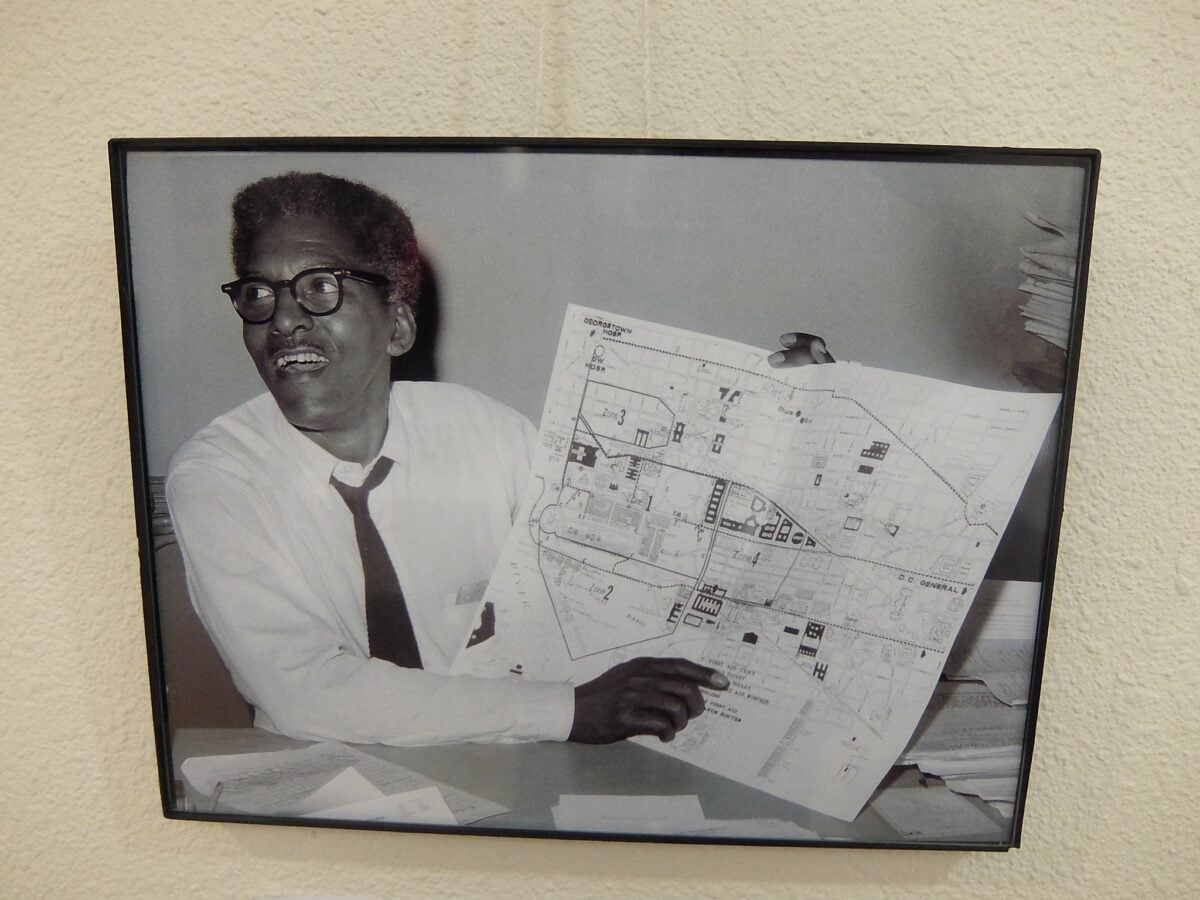
Rustin organized the March on Washington, but his name rarely appears in accounts of the event. He understood large-scale logistics in ways that other civil rights leaders didn’t. Moving 250,000 people to Washington and keeping the event peaceful required operational expertise that went far beyond speechwriting and media relations.
His background created complications for the movement’s public image. Rustin had been a Communist Party member and was openly gay at a time when both associations could undermine civil rights campaigns.
Other leaders valued his organizing skills but kept him away from microphones and cameras. The March on Washington succeeded because of Rustin’s planning, but textbooks focus on King’s speech rather than the complex coordination that made the event possible.
Al-Jazari
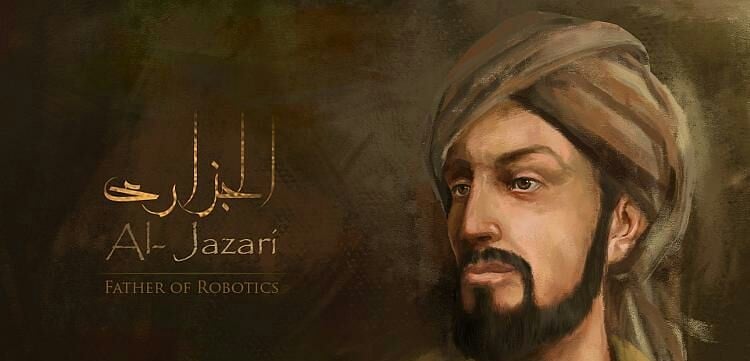
The 13th-century engineer built mechanical devices that wouldn’t be reinvented in Europe for another 300 years, which raises questions about how technological progress gets mapped onto historical timelines that assume innovation moved steadily from east to west (when the actual pattern was far more complex, with different regions developing sophisticated solutions to similar problems at different times, often independently). His “Book of Knowledge of Ingenious Mechanical Devices” documented programmable automated machines, including water clocks with moving figures, musical robots, and hand-washing stations with automated soap dispensers — devices that combined artistic design with engineering precision in ways that European mechanical arts wouldn’t achieve until the Renaissance.
But the way technology history gets taught suggests that automation and robotics began with European clockmakers and industrial inventors, completely skipping over centuries of Islamic mechanical engineering. And this isn’t just about giving credit where credit is due; it’s about understanding that technological innovation has always been a global phenomenon, with ideas and techniques crossing cultural boundaries in ways that make nationalist narratives of scientific progress fundamentally misleading.
So when students learn about the “history of technology,” they’re actually learning about one particular technological tradition while remaining ignorant of parallel developments that were often more advanced.
Constance Baker Motley
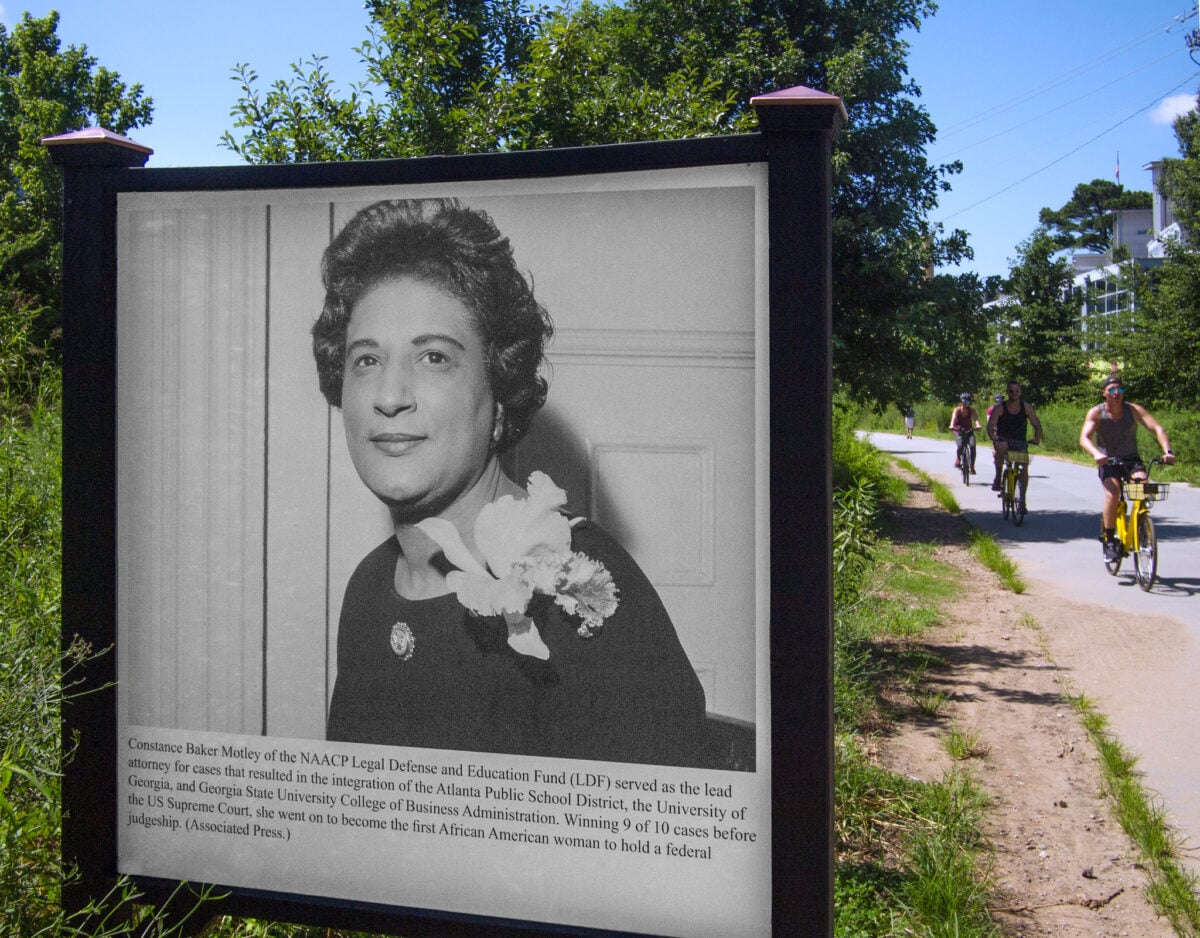
Motley won 29 out of 32 civil rights cases before the Supreme Court, including Brown v. Board of Education. She wrote the complaint that led to James Meredith’s enrollment at the University of Mississippi and represented students in the sit-in movement across the South.
Her legal strategy shaped the entire civil rights movement’s approach to constitutional challenges. Motley understood how to frame racial discrimination cases in ways that federal courts couldn’t easily dismiss.
The lawyer who developed the legal framework for dismantling segregation gets mentioned occasionally in footnotes, but civil rights history focuses on the plaintiffs and the protests rather than the courtroom victories that made institutional change possible.
Ibn Battuta
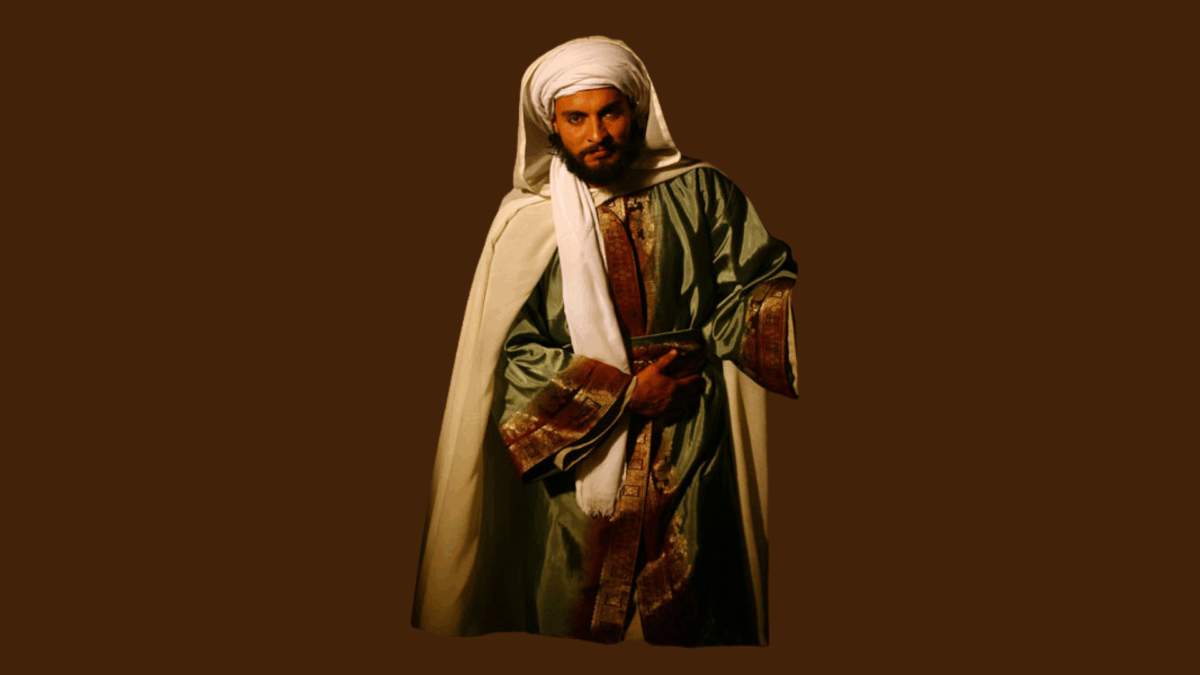
Travel writing was essentially invented by a 14th-century Moroccan scholar who covered 75,000 miles across Africa, Asia, and Europe over three decades. Ibn Battuta’s journeys took him further than Marco Polo’s, and his accounts provide detailed observations of societies from Mali to Mongolia.
His “Rihla” documents everything from court customs in Delhi to trade practices in Constantinople. The work offers perspectives on medieval Islamic civilization that European sources can’t provide.
World history courses mention Ibn Battuta briefly, usually in the context of medieval trade routes, but his writings remain largely absent from discussions of travel literature and cross-cultural observation.
Dorothy Vaughan
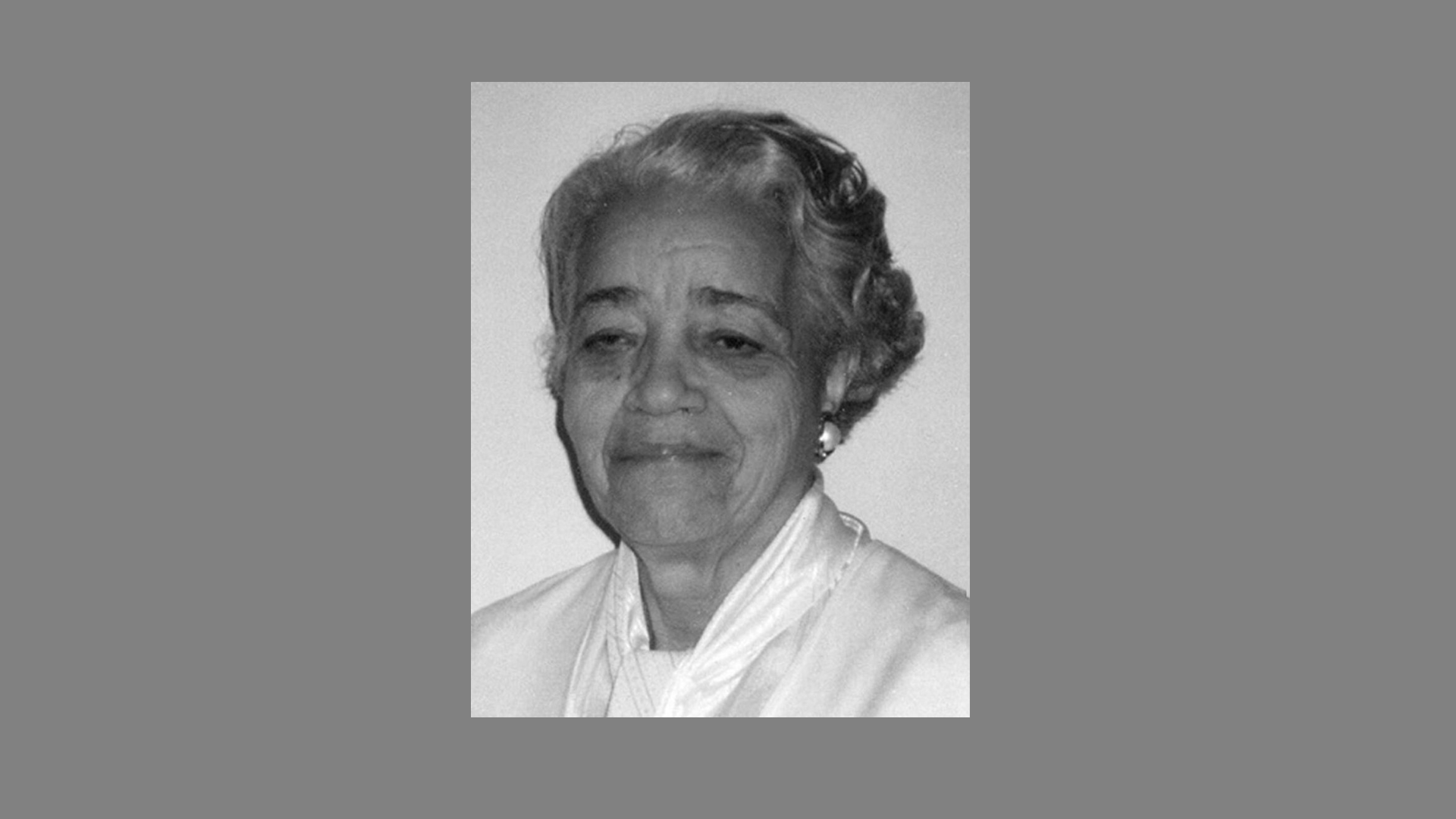
Programming languages didn’t exist when Vaughan started working at NASA’s predecessor organization, so she learned machine language and taught herself FORTRAN when computers began replacing human calculators. She became an expert in electronic computing and trained other women to make the transition from manual calculation to computer programming.
Vaughan supervised the West Area Computing unit, a group of black women mathematicians whose work supported aerospace research throughout the 1940s and 1950s. Her management kept the unit functioning despite the constraints of segregation and institutional discrimination.
The woman who helped NASA transition from human computers to electronic computing remained largely unknown until recent biographical accounts brought her contributions to public attention.
Abu al-Qasim al-Zahrawi
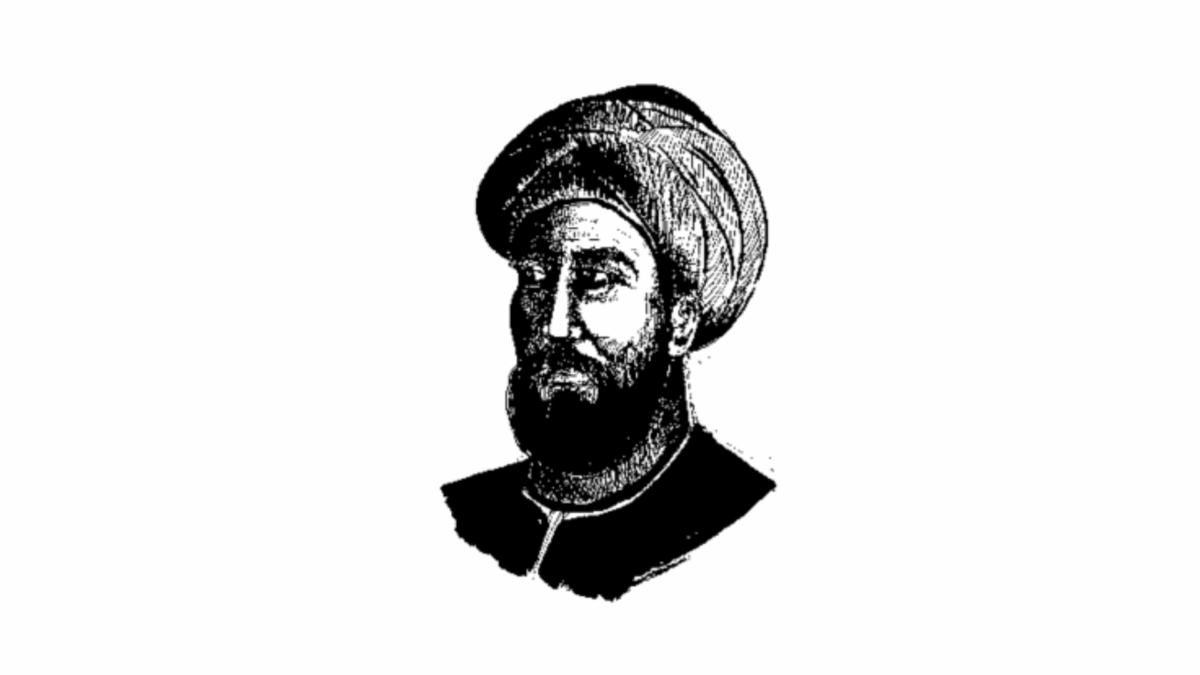
Surgery became a systematic medical discipline largely through the work of an 11th-century Andalusian physician whose innovations in surgical technique and instrument design established principles that remained standard practice for centuries — but medical history textbooks often skip directly from ancient Greek medicine to European developments in anatomy and surgical practice, as if nothing significant happened during the medieval period (which ignores nearly a thousand years of medical advancement across the Islamic world, including detailed surgical procedures, pharmaceutical development, and clinical observation that European physicians would later adopt and build upon).
Al-Zahrawi’s “Al-Tasrif” included detailed illustrations of surgical instruments, many of which he designed himself, along with step-by-step descriptions of procedures ranging from cataract removal to orthopedic surgery. His work on surgical treatment of injuries, tumors, and birth complications demonstrated a level of medical sophistication that wouldn’t be matched in European practice for centuries.
But surgical history gets taught as if it began with European anatomists and progressed linearly through European institutions, completely omitting the Islamic medical tradition that preserved, expanded, and transmitted surgical knowledge across cultural boundaries. So students learning about medical history miss the collaborative, international character of medical development — the way techniques and knowledge moved between cultures through translation, travel, and cross-cultural exchange.
Remembering the Forgotten

The pattern becomes clear once you start looking for it. Textbook narratives consistently favor certain perspectives while marginalizing others, creating historical accounts that feel incomplete even when they’re technically accurate.
The people who get remembered are often those whose stories fit neatly into existing frameworks, while those who challenge or complicate standard narratives disappear into footnotes. This isn’t just about fairness or representation, though both matter.
It’s about understanding how knowledge develops and societies change. Progress rarely follows the linear, culturally specific pathways that textbooks suggest.
Innovation and insight emerge from unexpected places, often through collaboration and exchange between different traditions and communities. The figures on this list represent thousands of others whose contributions have been minimized or erased entirely.
Their absence creates gaps in understanding that affect how students think about everything from scientific progress to social change. When entire populations disappear from historical accounts, the resulting narratives become not just incomplete but actively misleading about how human societies actually develop and change over time.
More from Go2Tutors!

- The Romanov Crown Jewels and Their Tragic Fate
- 13 Historical Mysteries That Science Still Can’t Solve
- Famous Hoaxes That Fooled the World for Years
- 15 Child Stars with Tragic Adult Lives
- 16 Famous Jewelry Pieces in History
Like Go2Tutors’s content? Follow us on MSN.