Signed Photographs from Before the Digital Age That Keep Climbing in Value Every Year
There’s something magical about holding a photograph that someone famous actually touched. Before Instagram stories disappeared in 24 hours and digital files lived in clouds, celebrities signed real photographs with real pens, leaving behind tangible pieces of history. These weren’t mass-produced memorabilia or glossy headshots churned out by publicists—they were genuine moments captured on film, then personally autographed by the people who shaped our culture.
The market for vintage signed photographs has exploded over the past decade. What your grandfather might have gotten for free at a movie premiere could now pay for a car.
Collectors aren’t just buying signatures; they’re investing in pieces of an era when fame felt more intimate and photographs carried weight you could actually feel.
Marilyn Monroe
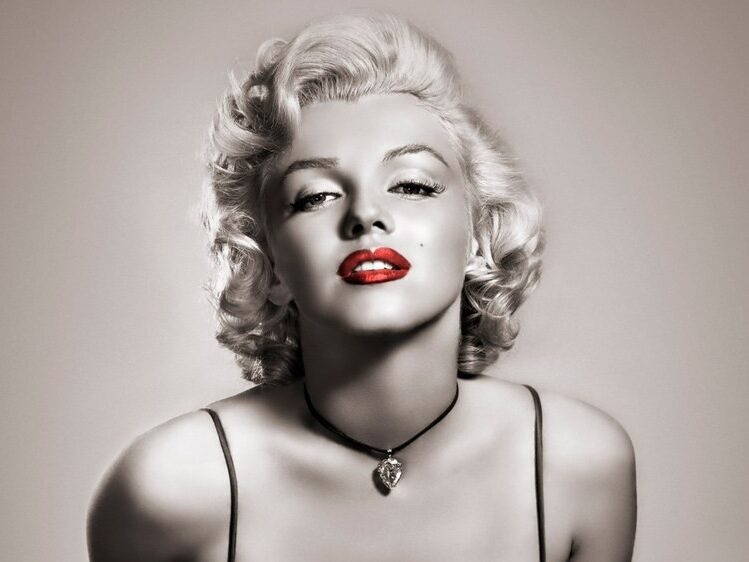
Monroe’s signed photographs sell for astronomical figures. A simple headshot with her signature recently sold for $75,000 at auction.
The scarcity drives the value. Monroe died young, and she wasn’t particularly generous with autographs during her lifetime.
Every signed photograph represents a brief moment when someone approached her and she said yes.
James Dean
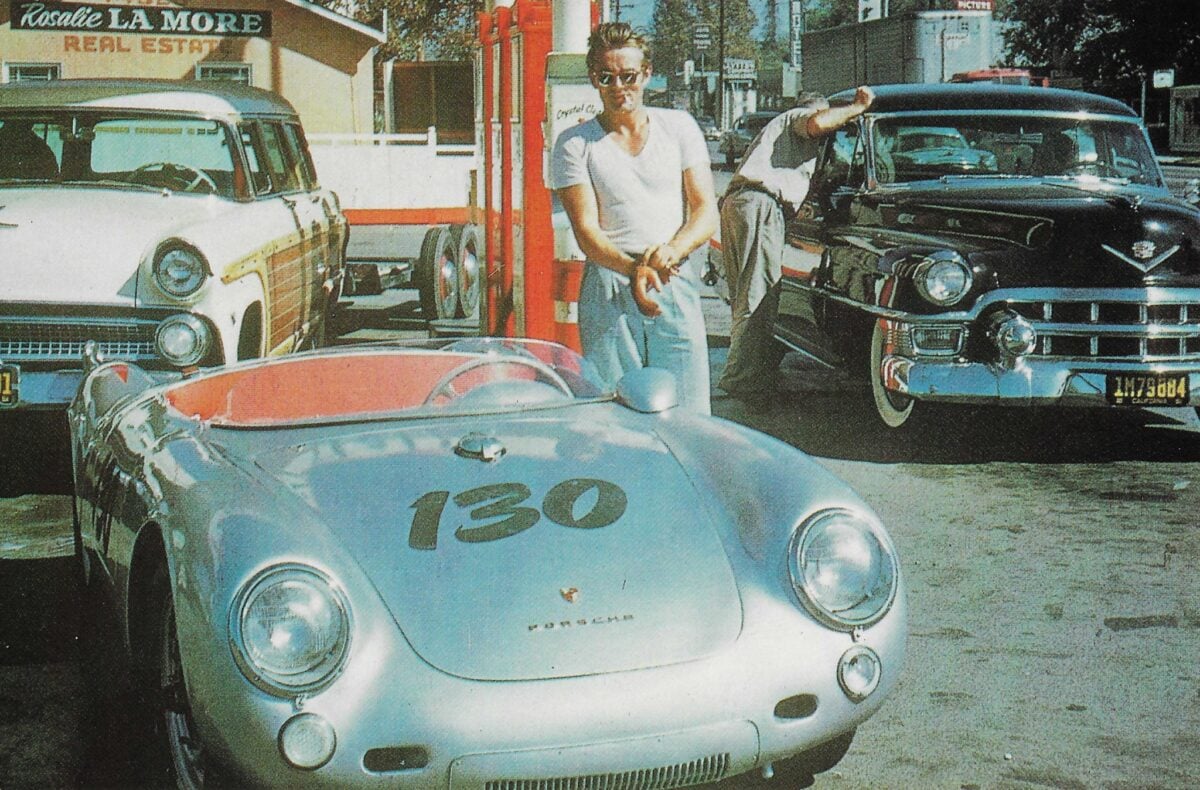
Dean’s autographed photos command serious money because he had exactly three major films before dying in that car crash. Time wasn’t on his side, which means signed photographs weren’t exactly abundant.
His rebel image translates directly to collector value. That brooding stare from “Rebel Without a Cause,” paired with his actual handwriting, creates a perfect storm for vintage memorabilia markets.
Elvis Presley
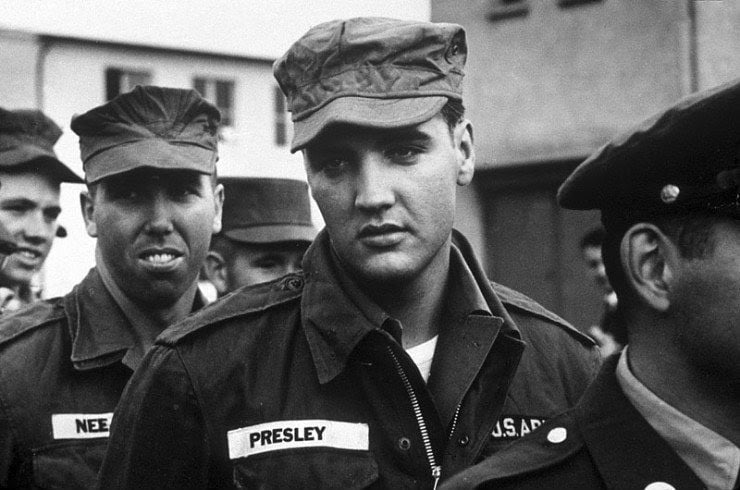
The thing about Elvis photographs (and this applies to most of the really valuable ones from his era) is that they capture something that can’t be replicated: the genuine surprise of early fame, before media training smoothed away all the interesting edges, when celebrities still looked slightly bewildered by the attention they were receiving. So when you’re holding a signed photograph from his early years—say, 1956 or 1957—you’re holding evidence of a moment when the world was changing and nobody quite knew what was happening yet.
And Elvis, despite all his later excess and the way his story eventually played out, was still just a kid from Memphis who happened to move in a way that made teenage girls scream. The signatures from this period, before the Vegas years and the prescription bottles and all the rest, carry a different weight entirely.
Audrey Hepburn
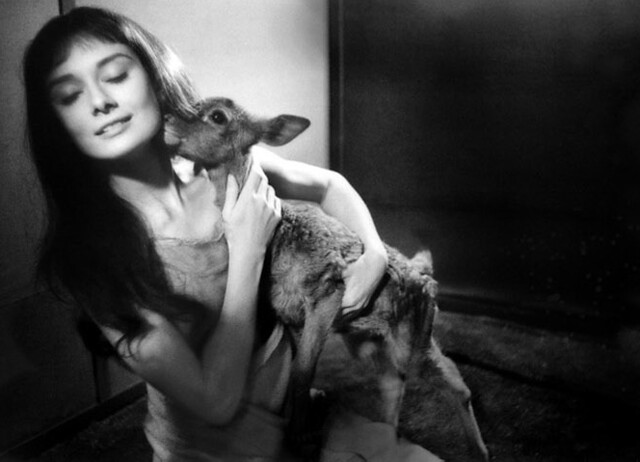
Hepburn’s signed photographs have doubled in value over the last five years. Her estate is notoriously protective of her image, which keeps supply limited.
The “Breakfast at Tiffany’s” stills with her signature fetch the highest prices. Collectors want that specific combination of elegance and rebellion that made her iconic.
Humphrey Bogart
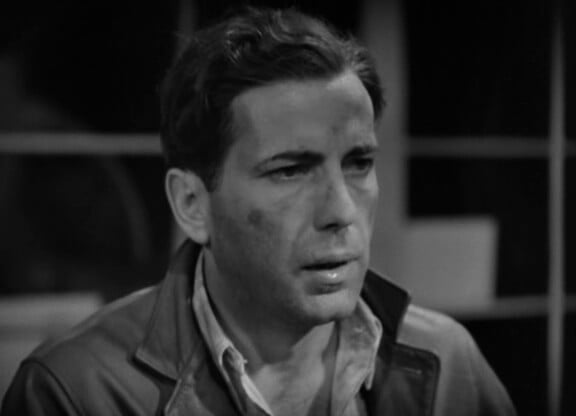
Here’s the thing about Bogart: he was famously reluctant to give autographs. The man treated signing photographs like a personal favor, not a professional obligation.
His “Casablanca” stills with authentic signatures are essentially lottery tickets. The film’s enduring popularity means demand never drops, but supply remains brutally limited.
Grace Kelly

Grace Kelly signed photographs exist in two distinct categories, and the difference matters more than collectors initially realize: before Monaco and after Monaco (though the “after” category barely exists since she essentially stopped appearing in public once she became Princess Grace, which was exactly the point). The photographs from her Hollywood years—particularly anything from “High Noon” or “Rear Window”—carry the signature of someone who was still, technically speaking, attainable, still playing characters instead of living as royalty.
But even those are rare because Kelly was selective about autographs, treating them as genuine gifts rather than publicity requirements. The few signed photographs from her princess years feel almost mythical; they’re evidence of a movie star who successfully transformed into actual royalty, something that shouldn’t be possible but somehow was.
John Wayne
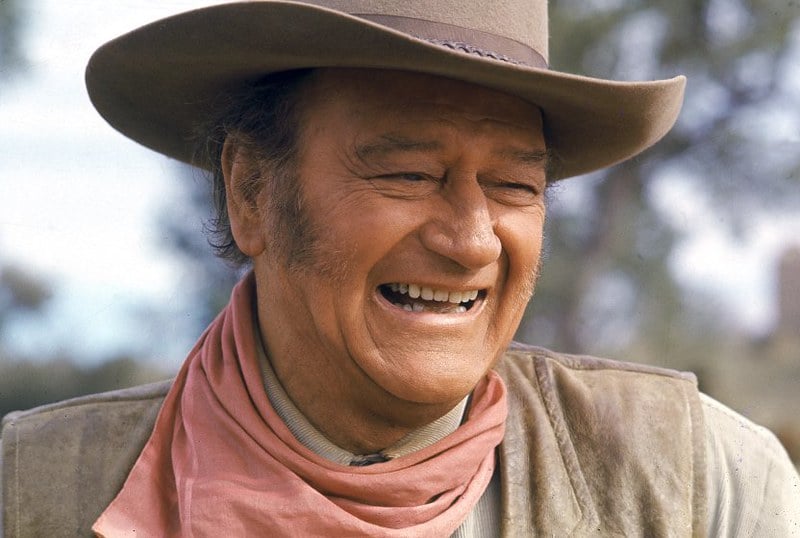
Wayne’s Western stills with his signature represent American mythology in physical form. The Duke was generous with autographs, but time has winnowed the supply considerably.
His “True Grit” photographs command premium prices. There’s something about Wayne on horseback, signature included, that collectors can’t resist.
Frank Sinatra

Sinatra treated autograph seekers the same way he treated bad musicians—with visible impatience. This wasn’t a man who enjoyed being interrupted.
The rarity factor works in collectors’ favor now. Every signed Sinatra photograph represents someone who successfully approached him during a good mood, which apparently didn’t happen often.
Elizabeth Taylor
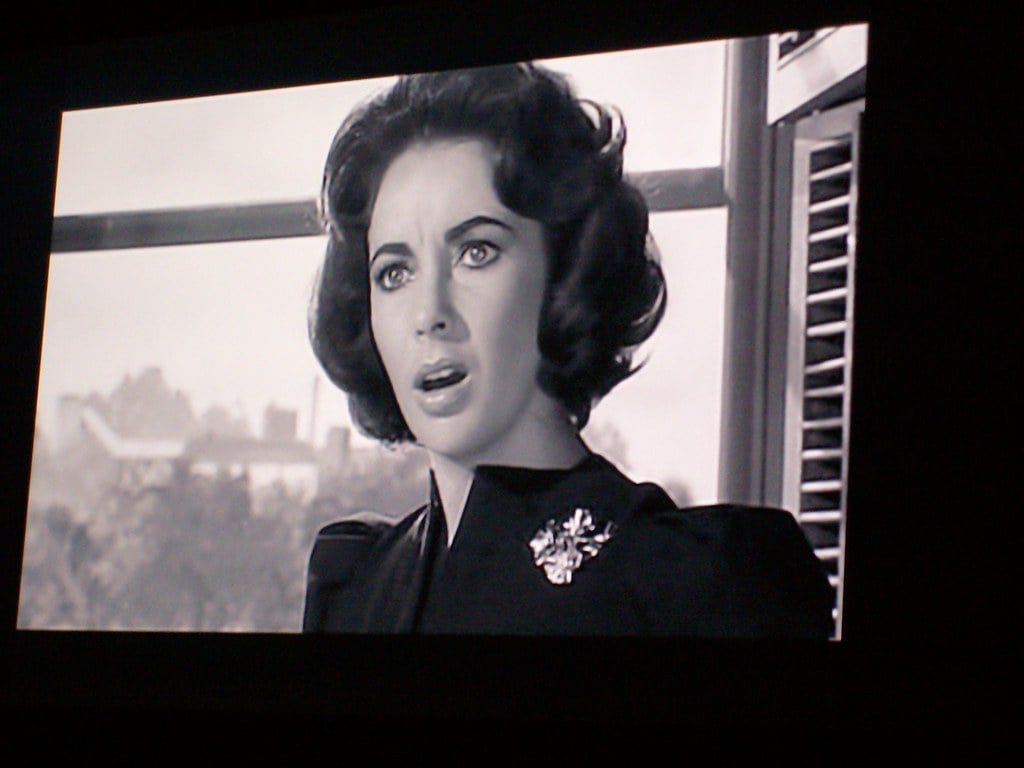
Taylor’s violet eyes translated beautifully to black and white photography, and her signed portraits from the 1950s feel like holding pieces of old Hollywood glamour that simply doesn’t exist anymore. The woman lived through eight marriages and countless headlines, but somehow her signature remained remarkably consistent—confident loops and strong pressure that never wavered, even during her most turbulent years.
And those were considerable. The photographs from “Cat on a Hot Tin Roof” or “Suddenly, Last Summer” with her authentic signature aren’t just memorabilia; they’re documentation of American beauty standards before Instagram filters existed to soften the edges.
Taylor’s face could handle close-ups that would destroy modern celebrities, and her signed photographs prove it.
Paul Newman
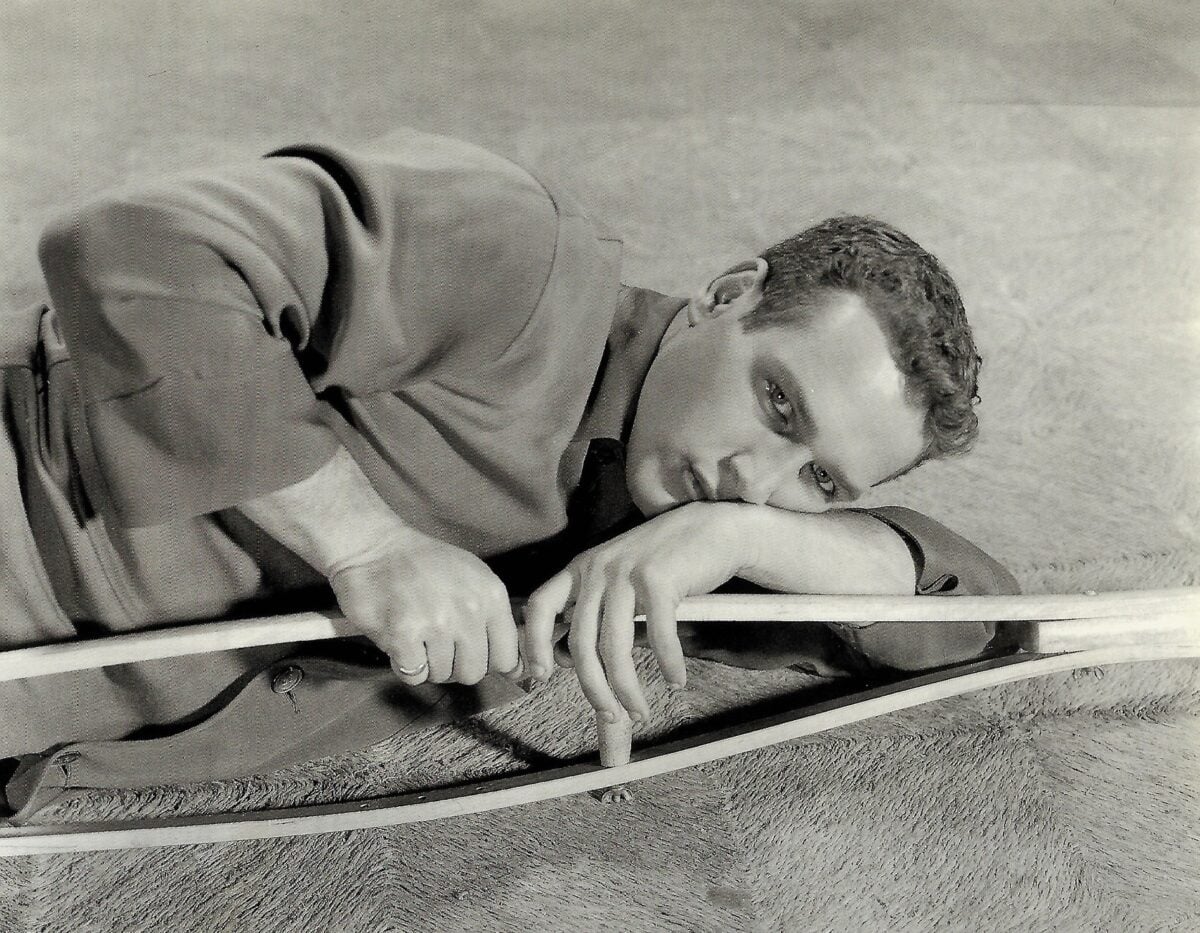
Newman’s signed racing photographs have created their own collecting niche. The man was serious about cars, and those images capture genuine passion beyond acting.
His “Cool Hand Luke” stills with signatures remain consistently valuable. Newman understood the weight of his image and signed accordingly—never rushed, always legible.
Judy Garland
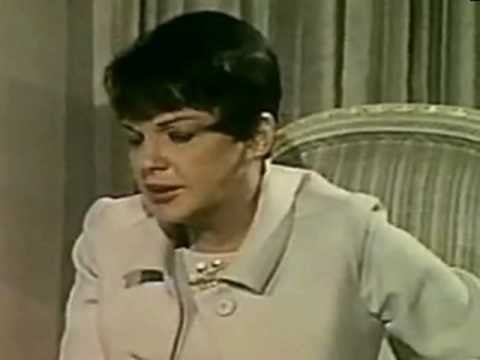
Garland’s signature evolved dramatically over her career, and collectors pay attention to these changes. Early signatures from her “Wizard of Oz” era are bold and optimistic.
Later signatures tell different stories. The handwriting reflects her struggles, but that vulnerability actually increases value among collectors who understand her complete narrative.
Cary Grant
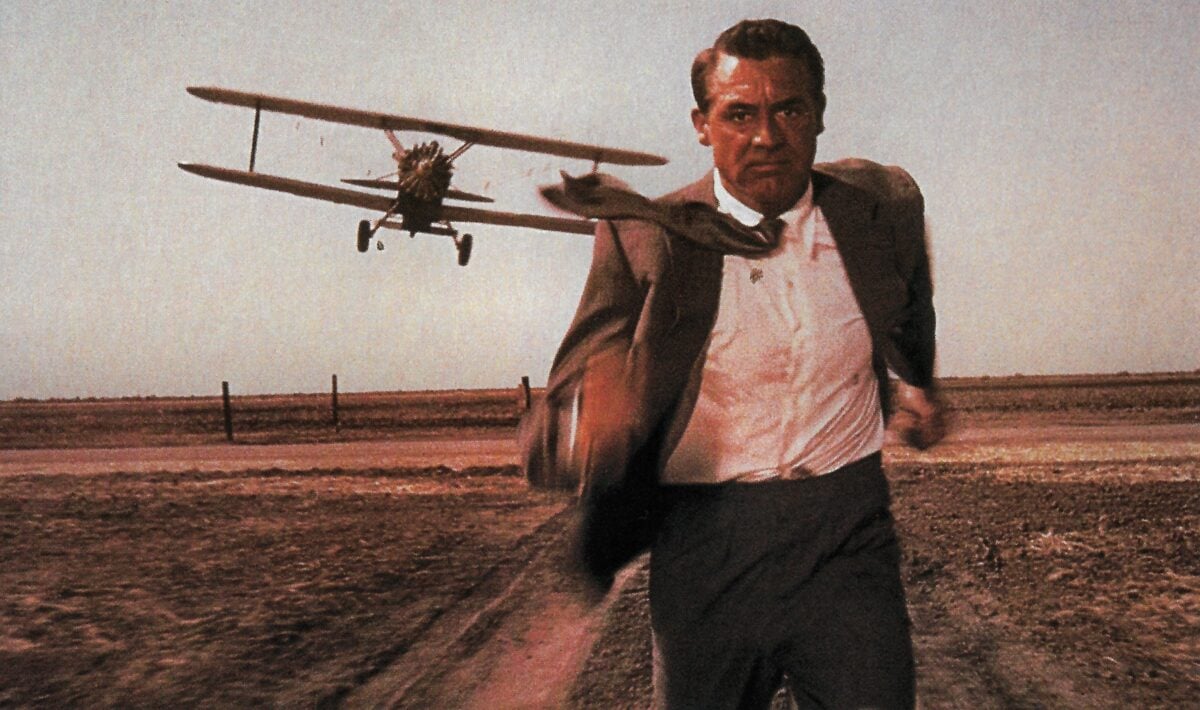
Grant was methodical about autographs, treating each signature like a small performance (which, considering his background, makes perfect sense—the man who invented Cary Grant understood that every public interaction was part of maintaining the illusion). His signed photographs never feel rushed or obligatory; the handwriting maintains the same elegant precision that marked his screen presence, as if he couldn’t allow himself to be sloppy even when signing pictures for strangers.
But here’s what makes Grant’s signed photographs particularly valuable: he retired from acting in 1966, at the height of his powers, and essentially disappeared from public life. So the supply stopped abruptly, while demand for anything connected to his legendary films continued climbing.
Those signed stills from “North by Northwest” or “Charade” represent the end of an era when leading men could be sophisticated without apology.
Clark Gable
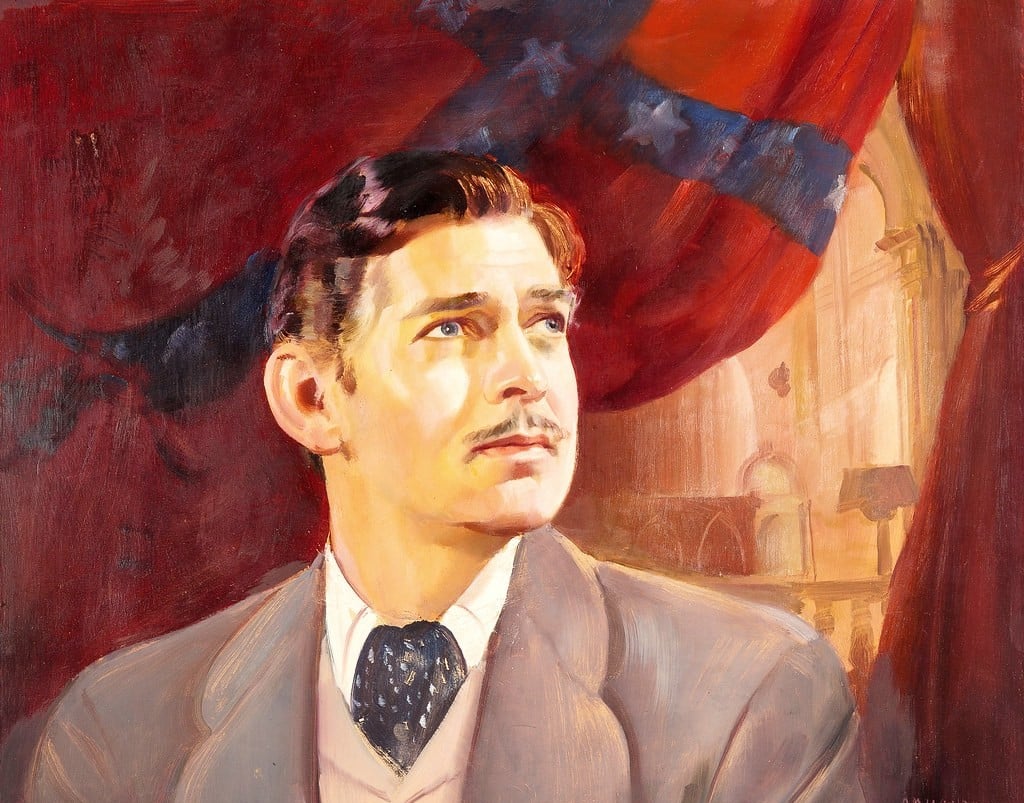
Gable’s “Gone with the Wind” photographs with his signature represent the peak of Hollywood’s golden age. The film’s enduring popularity ensures steady demand.
The mustache was his trademark, and signed photographs that capture it clearly command higher prices. Collectors want the complete Gable experience.
Rita Hayworth
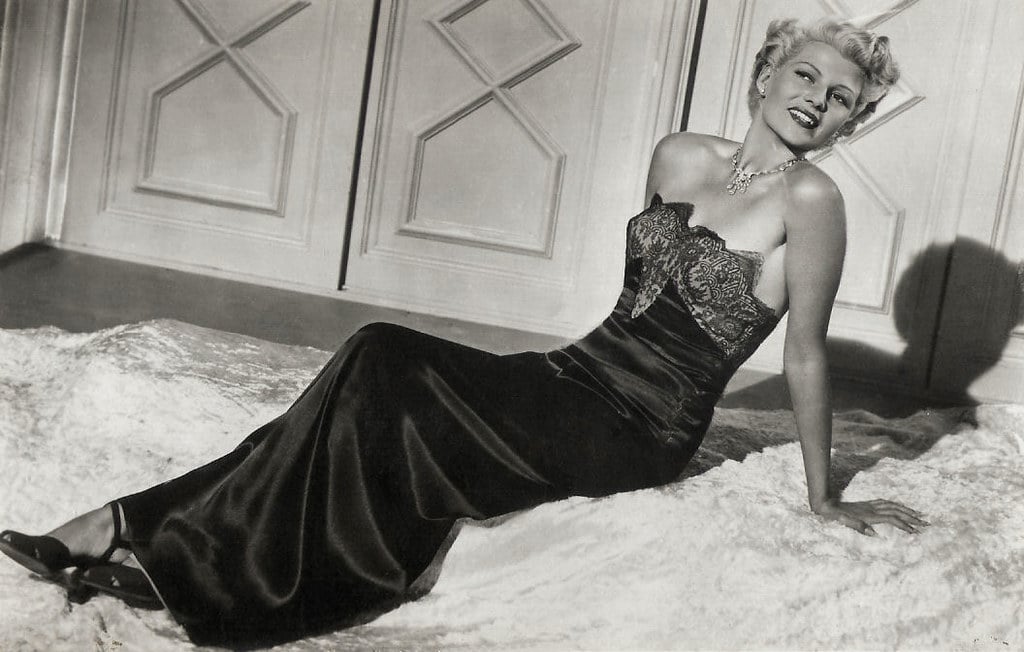
Hayworth’s signed photographs from “Gilda” are particularly sought after. Her signature was as glamorous as her screen presence—flowing and confident.
The pin-up factor adds value. These weren’t just movie stills; they were images that decorated barracks and bedrooms across America.
John F. Kennedy
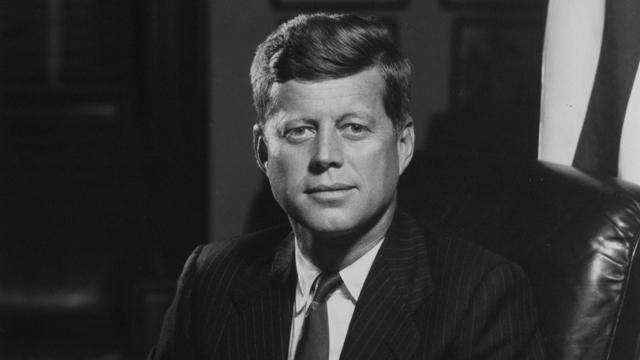
Kennedy signed photographs occupy a unique space where politics meets celebrity culture. His movie-star looks translated perfectly to still photography.
The presidential signatures command premium prices, but even pre-politics Kennedy photographs show steady appreciation. Camelot mythology doesn’t fade.
Marlon Brando
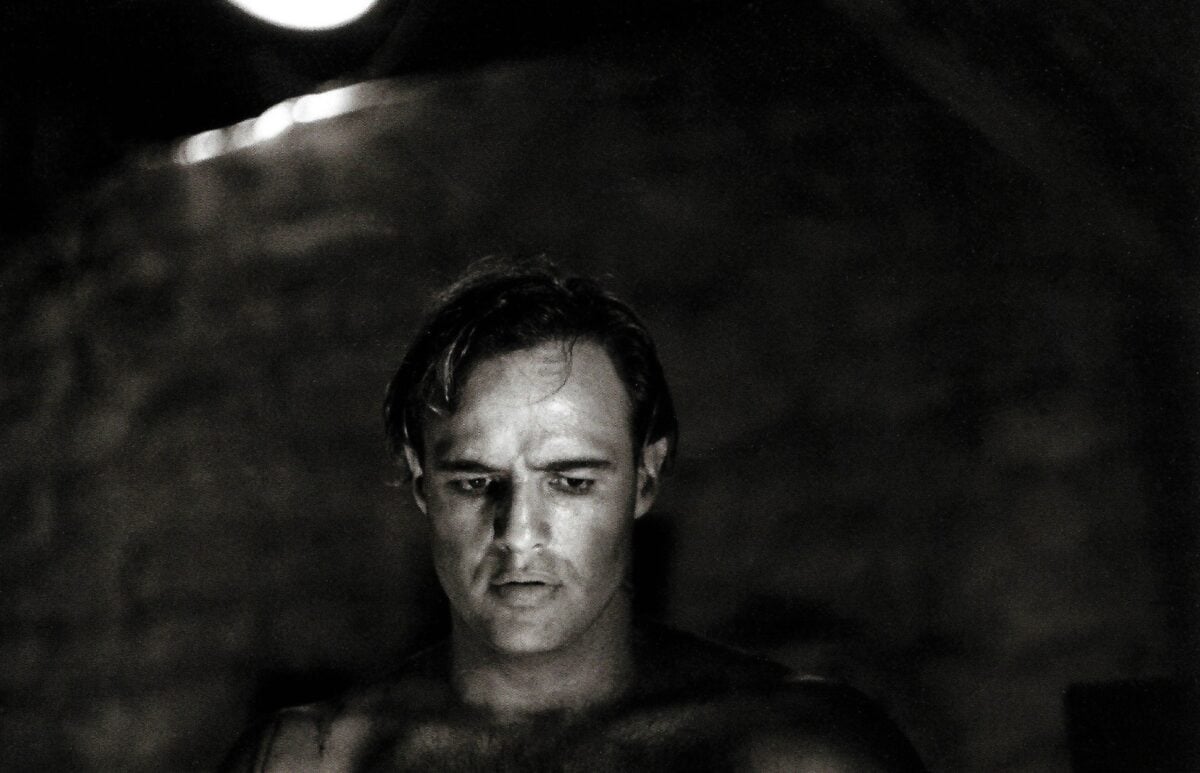
Brando despised the celebrity machine and treated autograph requests like personal invasions. Getting his signature required persistence and perfect timing.
His “On the Waterfront” stills with authentic signatures are investment-grade memorabilia. Brando changed acting forever, and signed photographs prove you can own a piece of that revolution.
When Lightning Struck Twice

The convergence of analog photography, genuine celebrity mystique, and an era when famous people still walked among regular folks created something that can’t be replicated. These signed photographs aren’t just appreciated because they’re old—they’re valuable because they represent the last time fame felt tangible.
You could reach out and touch it, literally, with a pen and a piece of paper. That world is gone, replaced by digital everything and security barriers that keep celebrities at a permanent distance.
So these photographs keep climbing in value not just as collectibles, but as evidence of when magic felt possible and signatures were gifts instead of legal liabilities.
More from Go2Tutors!

- The Romanov Crown Jewels and Their Tragic Fate
- 13 Historical Mysteries That Science Still Can’t Solve
- Famous Hoaxes That Fooled the World for Years
- 15 Child Stars with Tragic Adult Lives
- 16 Famous Jewelry Pieces in History
Like Go2Tutors’s content? Follow us on MSN.