Memory Hacks Used by Spies
Forgetting a password is one thing. Forgetting critical intelligence that could save lives or blow your cover is another.
Intelligence operatives don’t have the luxury of checking their notes during a dead drop or pulling out their phone when questioned by hostile forces. Their memory becomes their most important tool, and they train it accordingly.
The techniques spies use aren’t classified secrets. Most come from cognitive science research and ancient memory systems.
What makes them special is how operatives adapt these methods for high-stakes situations where one memory lapse can end a career or worse.
Building a Mental Blueprint

The method of loci, also called the memory palace technique, dates back to ancient Greece. Spies use it because it works.
You pick a familiar place—your childhood home, your regular commute, a building you know well. Then you mentally place the information you need to remember at specific locations along a route through that place.
When you need to recall the information, you simply walk through your mental space and collect each piece. Intelligence operatives often create multiple palaces for different types of information.
One palace holds cover story details. Another stores contact protocols.
A third contains technical data. The separation prevents cross-contamination if stress or interrogation disrupts one mental structure.
Breaking Information Into Digestible Pieces

Human working memory holds about seven items at once, give or take two. Spies know this limitation and work with it instead of against it.
Chunking turns long strings of data into manageable clusters. A phone number becomes three chunks instead of ten digits.
A license plate becomes two or three units instead of seven random characters. This technique appears simple but requires practice to execute under pressure.
Field operatives chunk constantly. Meeting times, safe house addresses, recognition signals—everything gets grouped into mental packets that stick.
The chunks often follow patterns that make sense to the individual, creating a personalized encoding system that’s harder for interrogators to crack.
Hanging Facts on Mental Hooks
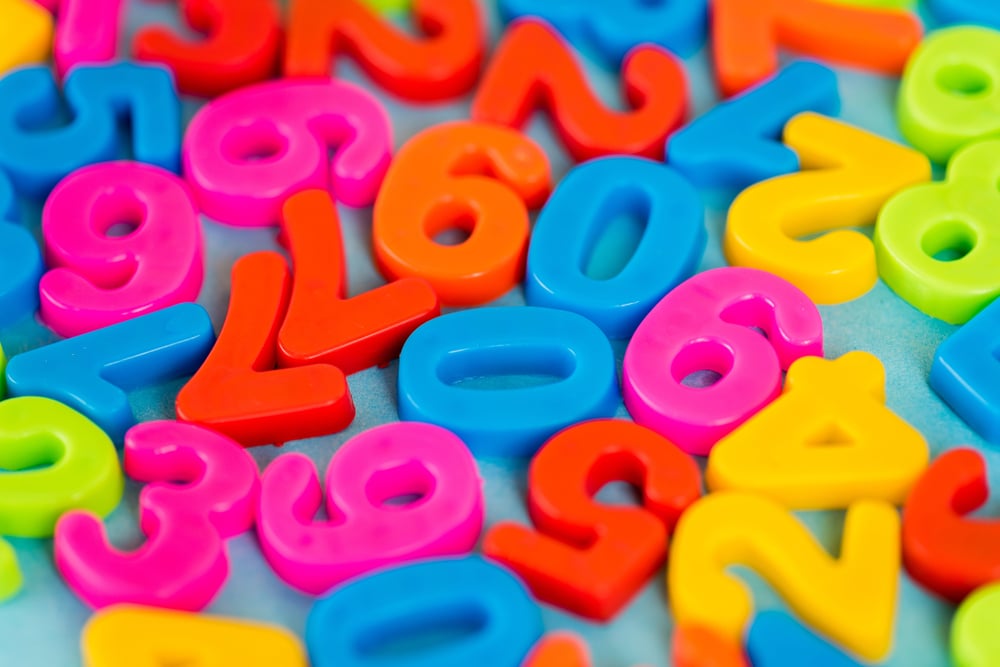
The peg system gives you preset mental hooks numbered one through ten (or higher if needed). Each number connects to a visual image that rhymes or associates with it.
One is a gun. Two is a shoe. Three is a tree. When you need to remember a list in order, you create vivid mental images linking each item to its corresponding peg.
The more absurd or striking the image, the better it sticks. Spies use this for sequences that matter—steps in a security protocol, the order of contacts to reach in an emergency, checkpoint locations on an escape route.
The numbered structure provides instant recall without fumbling through unordered memories.
Connecting Details Through Stories

Your brain remembers stories better than random facts. Intelligence services teach operatives to transform dry information into narrative threads.
Take a series of seemingly unrelated data points: a name, an address, a time, a code word. You weave them into a mini-story where each element plays a role.
The story doesn’t need to be realistic. It needs to be memorable.
This method works especially well for cover identities. Rather than memorizing disconnected biographical details, operatives construct a life story with cause and effect.
Why did your fictional character move to this city? What led to that job?
The narrative structure makes the cover more believable and easier to maintain under questioning.
Spacing Out Your Mental Rehearsals

Cramming doesn’t create lasting memories. Spies use spaced repetition because they need information to stick for months or years, not just until the next test.
The technique involves reviewing material at increasing intervals—after one day, then three days, then a week, then two weeks, and so on. Each successful recall strengthens the memory trace and extends the time until the next review.
Field operatives build this into their routines. Cover stories get rehearsed on specific schedules.
Technical details receive periodic mental refreshers. The spacing feels inefficient compared to intensive study sessions, but it produces memories that last through stress and time.
Turning Words Into Mental Pictures
Abstract information fades quickly. Concrete images stick.
Spies convert everything into visual form when possible. A contact named Anderson becomes a mental image of someone standing on a mountain (ander the mountain).
A street address transforms into a vivid scene incorporating the numbers and name. Technical specifications become diagrams or symbols rather than text.
The translation takes effort initially. After practice, it becomes automatic.
You start thinking in images rather than words, which has a bonus effect—visual memories often survive trauma and stress better than verbal ones.
Mastering Recognition Signals

The NATO phonetic alphabet (Alpha, Bravo, Charlie) exists for a reason. Letters sound similar over radio, especially through static or in noisy environments.
But intelligence operatives use phonetic systems for memory too. Converting sensitive information into phonetic form creates an additional layer of encoding.
It also forces you to process the information more deeply, which strengthens the memory. You’re not just memorizing “DB-7932.”
You’re remembering “Delta Bravo Seven Niner Three Two.” The extra processing time pays dividends.
When you need to recall the information under pressure, the phonetic version often surfaces more reliably than the original.
Rehearsing Until It Feels Real

Cover stories aren’t memorized like shopping lists. They live mentally until they feel authentic.
Operatives spend hours visualizing themselves in their cover identity. They imagine specific scenes—walking into their supposed workplace, introducing themselves at a social gathering, explaining their background to a curious stranger.
The rehearsal includes sensory details: what the office smells like, how the handshake feels, the ambient noise in the background. This deep rehearsal does something interesting.
It creates pseudo-memories that feel real because your brain processes imagined experiences similarly to actual ones. When you finally need to use the cover story, you’re not reciting memorized facts.
You’re recalling lived experiences.
Keeping Information Separated

Compartmentalization protects more than operational security. It protects memory itself.
Spies keep different types of information in separate mental categories. Real identity stays in one box.
Cover identity lives in another. Operational details occupy a third.
Contact information fills a fourth. The boundaries between these compartments remain strict.
This separation serves a practical purpose. If interrogators break one compartment, the others remain intact.
But it also reduces cognitive interference—details from one area don’t accidentally spread into another, which could expose inconsistencies in a cover story or compromise operational security.
Training Your Eyes to Actually See

Operatives practice active observation, which differs from casual looking. They systematically scan environments for specific categories of information, then commit relevant details to memory.
The process follows patterns. When entering a room, you note exits first, then people, then potential threats, then useful objects.
Each category gets processed and stored. Later, you can mentally review the room in your mind with surprising accuracy.
This systematic approach prevents the common problem of seeing something without really registering it. Your brain records what you consciously attend to.
Random scanning creates spotty memories. Systematic observation creates retrievable records.
Linking Emotions to Information

Dry facts disappear. Emotional experiences stick.
Intelligence services know this and teach operatives to attach emotional weight to important information. The technique doesn’t mean getting worked up about every detail.
It means creating emotional associations. You connect a piece of information to something that already matters to you—a memory, a person, a value.
The emotional tag acts like a highlighter in your mental filing system. This works especially well for priorities.
If you need to remember a detail that could save your life, you link it to someone you love or a moment that changed you. The emotional connection makes the information jump to the front of your mental queue when needed.
Creating Physical Reminders
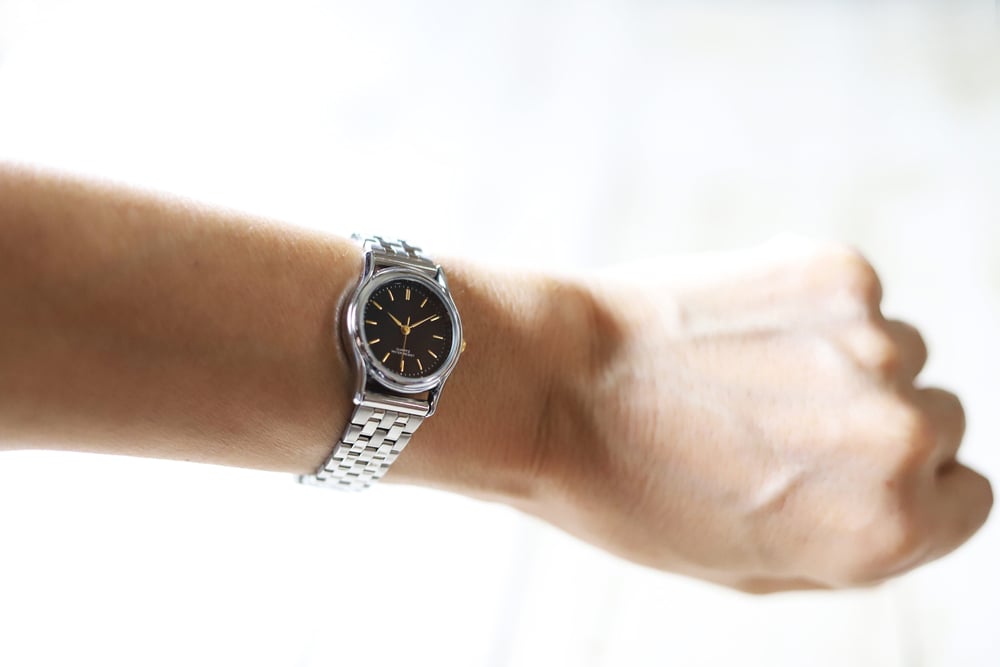
Operatives can’t always rely on mental techniques alone. They use physical markers as backup systems.
The method varies. Some wear a watch on the opposite wrist when operating under a specific cover.
Others carry an object that feels unusual in their pocket. Some use subtle hand gestures or postures that trigger mental associations.
The physical cue connects to a cluster of information—wearing the watch this way means you’re using cover identity number two with all its associated details. These markers work because they engage multiple senses.
The unusual feeling provides constant tactile feedback that keeps your operational mindset active. If stress or distraction threatens your memory, the physical reminder pulls you back.
Building Memory During Rest

Sleep isn’t downtime for your brain. It’s when memory consolidation happens.
Spies optimize their sleep schedules around important operations when possible. The science is clear.
Your brain replays experiences during sleep, strengthening connections and moving information from short-term to long-term storage. Operatives who need to memorize complex information do their intensive study sessions before sleep, then let their neurology do the work overnight.
This doesn’t always work with operational demands. You can’t always schedule a good night’s rest before a critical mission.
But when control over timing exists, smart operatives prioritize sleep as part of their preparation, not as something sacrificed for extra study hours.
Beating the Decay Curve
People forget things fast – it’s just how brains work. After learning something new, about 50% fades quickly, often in a few days.
To fight this slip, spies track exactly when memories start to weaken. The sharpest decline occurs during the first day after picking up new info.
Because of this, agents go over key points early – right when it matters most – to slow down forgetting. A second check-in around three days helps hold onto what was learned.
Then one more time about a week later locks it in for good. Field agents rarely stick to strict review timelines. Instead, they use cues – certain moments that spark quick mental check-ins.
Heading to a different city by plane? Go over your fake identity mid-flight.
Stuck waiting for someone you’re supposed to meet? Refresh how you’ll recognize them.
These checks fit into downtime instead of needing separate practice slots.
When Memory Meets Reality

Practice drills versus actual missions put separate strains on recall. Agents pick up skills in safe environments – later trying them out when things are at stake.
The difference between training and real situations decides if you’re just ready or truly sharp. When pressure builds, some techniques hold up – others don’t.
A few folks lose their mental images during tough questioning. Meanwhile, fatigue makes certain recall tricks fade fast.
Trial by fire is what really shows the truth. This is exactly why spy agencies test agents with lifelike drills.
Because some keep recall sharp under stress, while others fall apart – so they find out who needs a new method. A memory’s no use if it vanishes at the worst moment.
Top operatives don’t guess – they’ve trained so hard that their minds respond without hesitation.
More from Go2Tutors!

- The Romanov Crown Jewels and Their Tragic Fate
- 13 Historical Mysteries That Science Still Can’t Solve
- Famous Hoaxes That Fooled the World for Years
- 15 Child Stars with Tragic Adult Lives
- 16 Famous Jewelry Pieces in History
Like Go2Tutors’s content? Follow us on MSN.