21 Things Kids Traded on the Playground in the ’90s
The playground economy of the 1990s operated on its own peculiar currency. While adults worried about stock markets and inflation, kids built an entirely different financial system based on holographic stickers, rare cards, and whatever treasure could fit inside a backpack pocket.
These weren’t just toys changing hands — they were social experiments in supply, demand, and the ancient art of making a deal.
Pokémon Cards
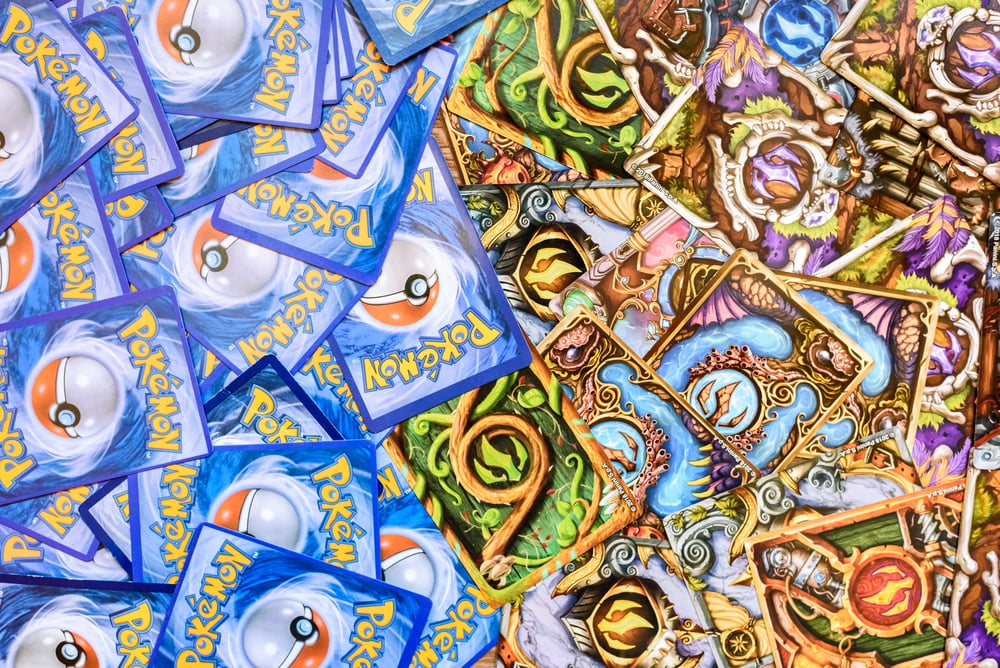
Charizard was worth more than lunch money. A first-edition holographic card could buy friendships, settle disputes, or guarantee your spot in the cafeteria’s most coveted table.
The cards themselves were just paper and foil, but somehow they contained actual magic.
Pogs
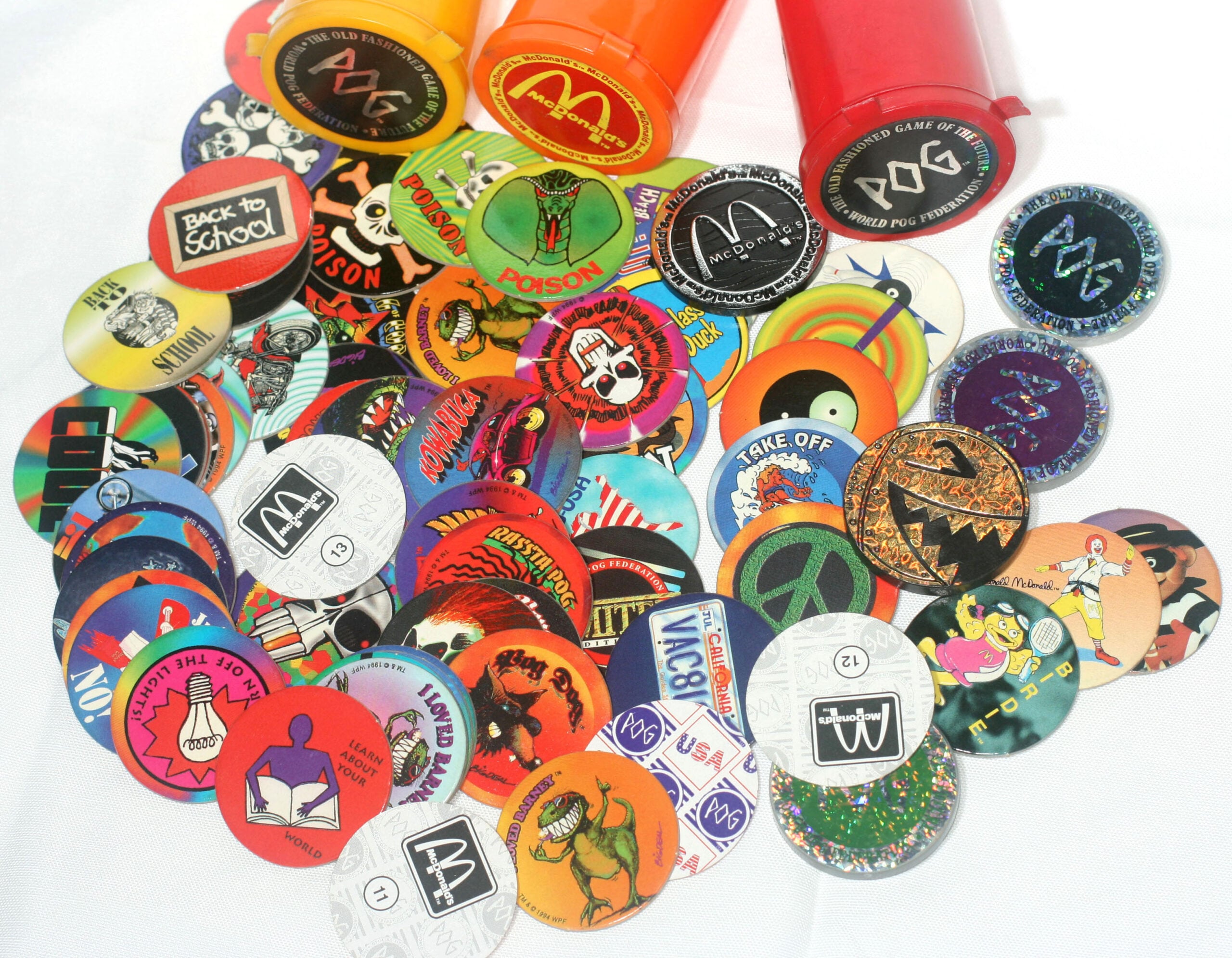
Those circular cardboard discs with glossy tops made no logical sense as a game, yet kids collected them like they held the secrets to the universe. The metal slammers were the real prize — heavier meant better, and better meant playground respect.
So simple it hurt.
Beanie Babies
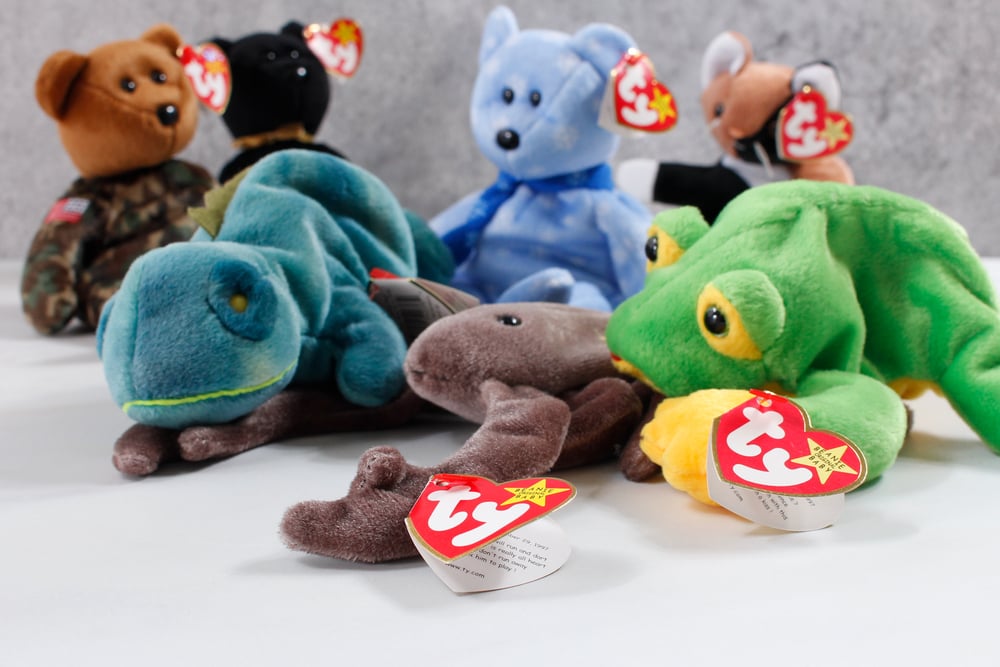
The small stuffed animals arrived with their own birth certificates and life stories, which should have been the first sign that Ty Inc. understood something fundamental about childhood psychology that adults had missed entirely.
Kids didn’t just want toys; they wanted companions with documented histories, complete with names like “Princess” the bear (released to commemorate Princess Diana) or “Peanut” the elephant, whose royal blue color was later changed to light blue, making the original version suddenly, inexplicably valuable. The playground market for these creatures fluctuated wildly — a bear that cost five dollars at the store might trade for twenty dollars worth of other playground currency, depending on its rarity, its condition (tags attached or removed), and the particular social dynamics of that week’s trading circle.
And yet, beneath all the speculation and artificial scarcity, something genuine was happening: kids were learning to care for something smaller than themselves, to create elaborate backstories and relationships, to practice the kind of nurturing that didn’t come naturally to everyone but mattered more than anyone wanted to admit.
Tamagotchis
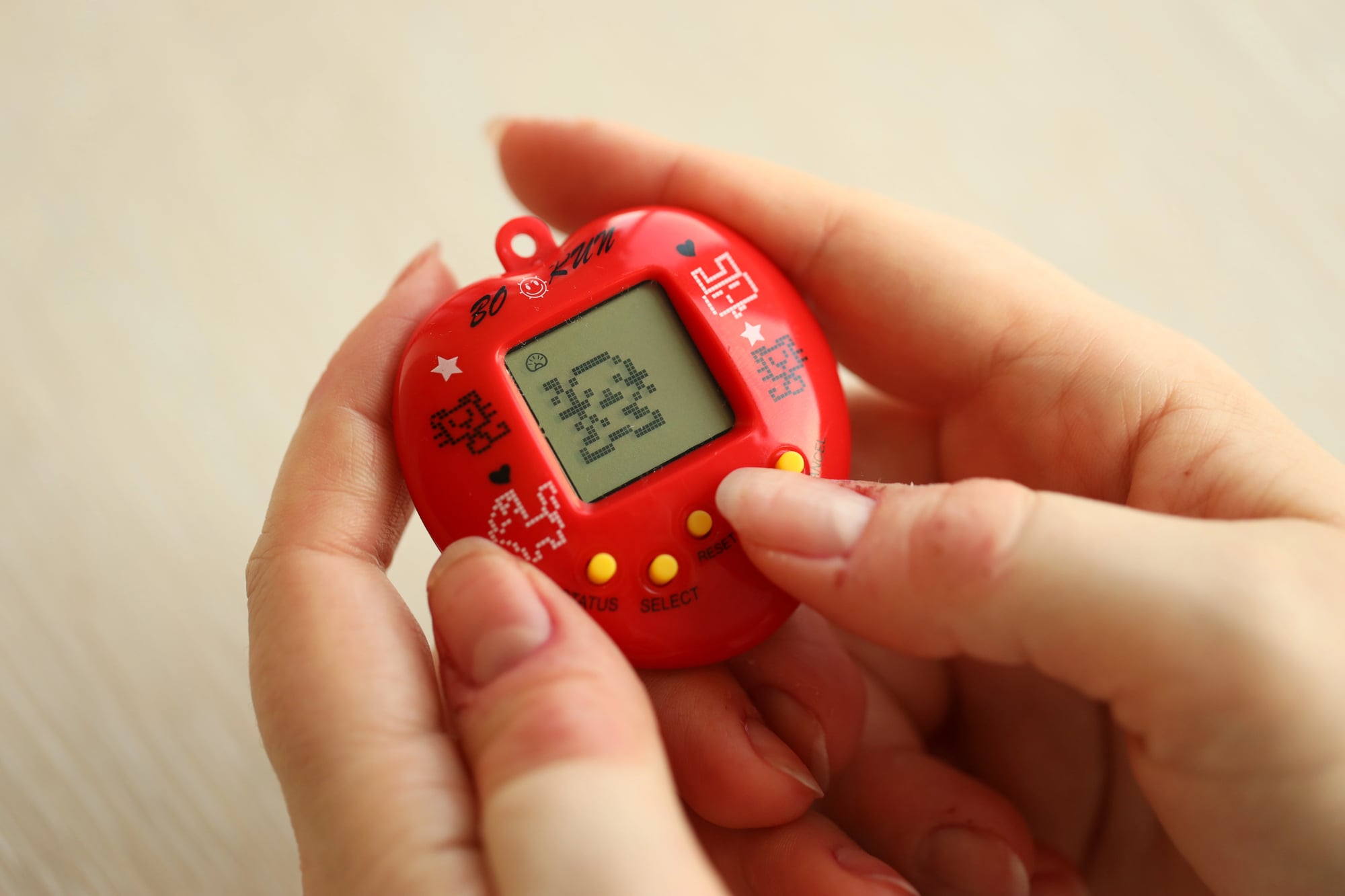
Digital pets demanded real responsibility. Feed them, clean up after them, play with them — or watch them die on a tiny pixelated screen. The playground became a nursery where kids compared their virtual parenting skills and panicked about battery life.
Slap Bracelets
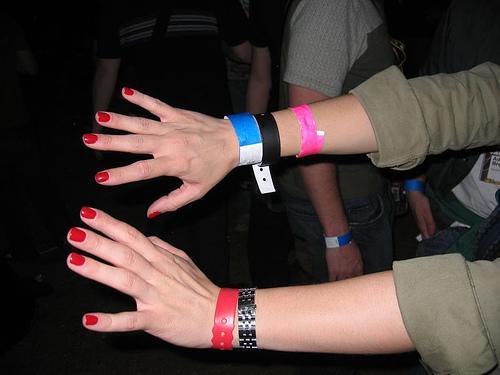
Metal rulers wrapped in fabric that snapped onto wrists with satisfying precision. Schools banned them faster than kids could say “safety hazard,” which only made them more valuable in the underground trading market. Nothing increases demand quite like adult disapproval.
Magic: The Gathering Cards
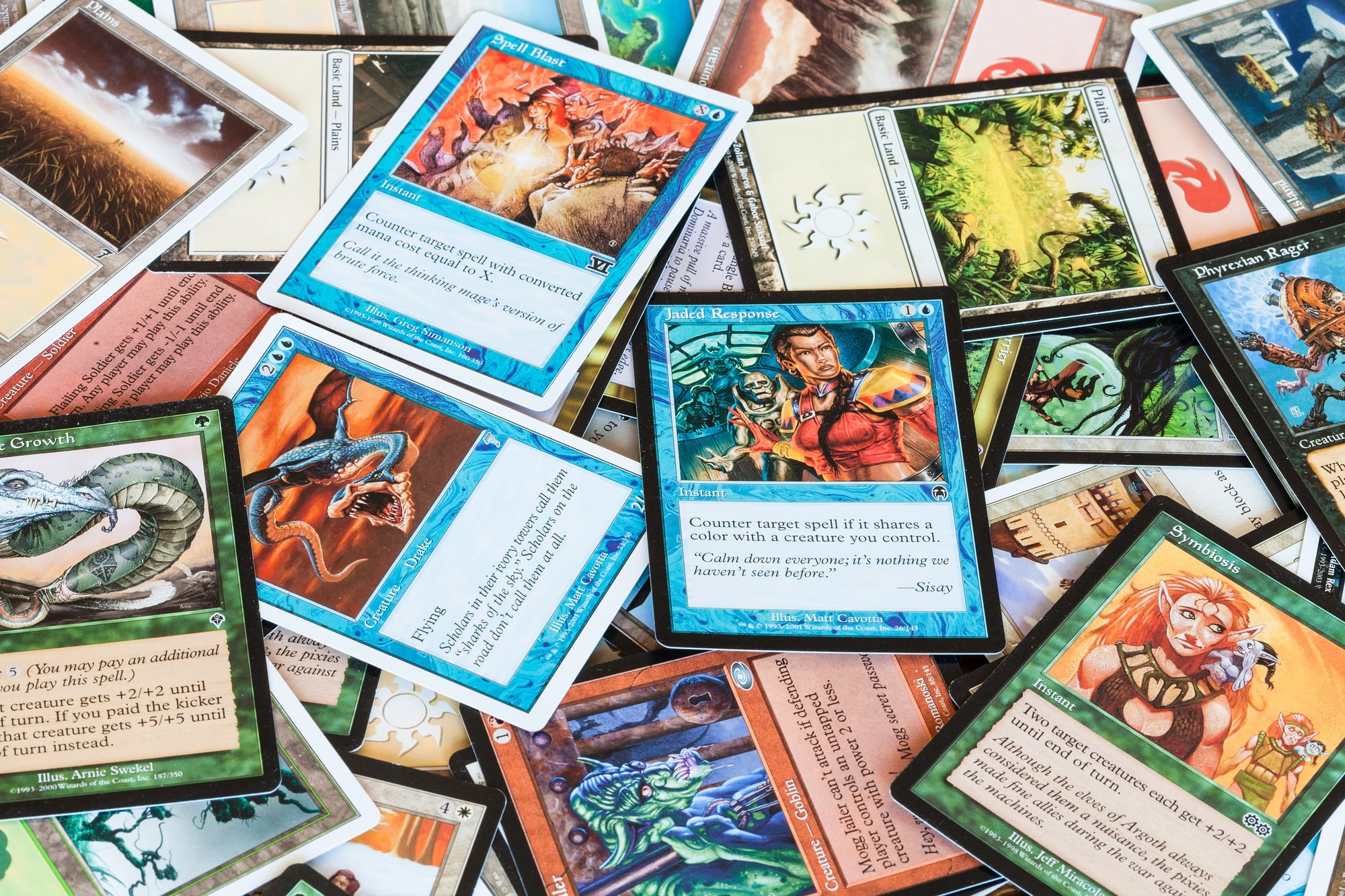
The first trading card game taught kids that rules could be infinitely complex and money could disappear into cardboard faster than allowance could replenish it. Black Lotus cards were the stuff of legend (and a few mortgage payments), but most playground trades involved commons and uncommons, swapped with the intensity of international diplomacy.
The game required actual strategy, not just luck, which separated the serious traders from the casual collectors — and the serious traders learned early that rarity didn’t always mean playability, though explaining that distinction to someone clutching their holographic dragon card was usually a lost cause.
Slammers
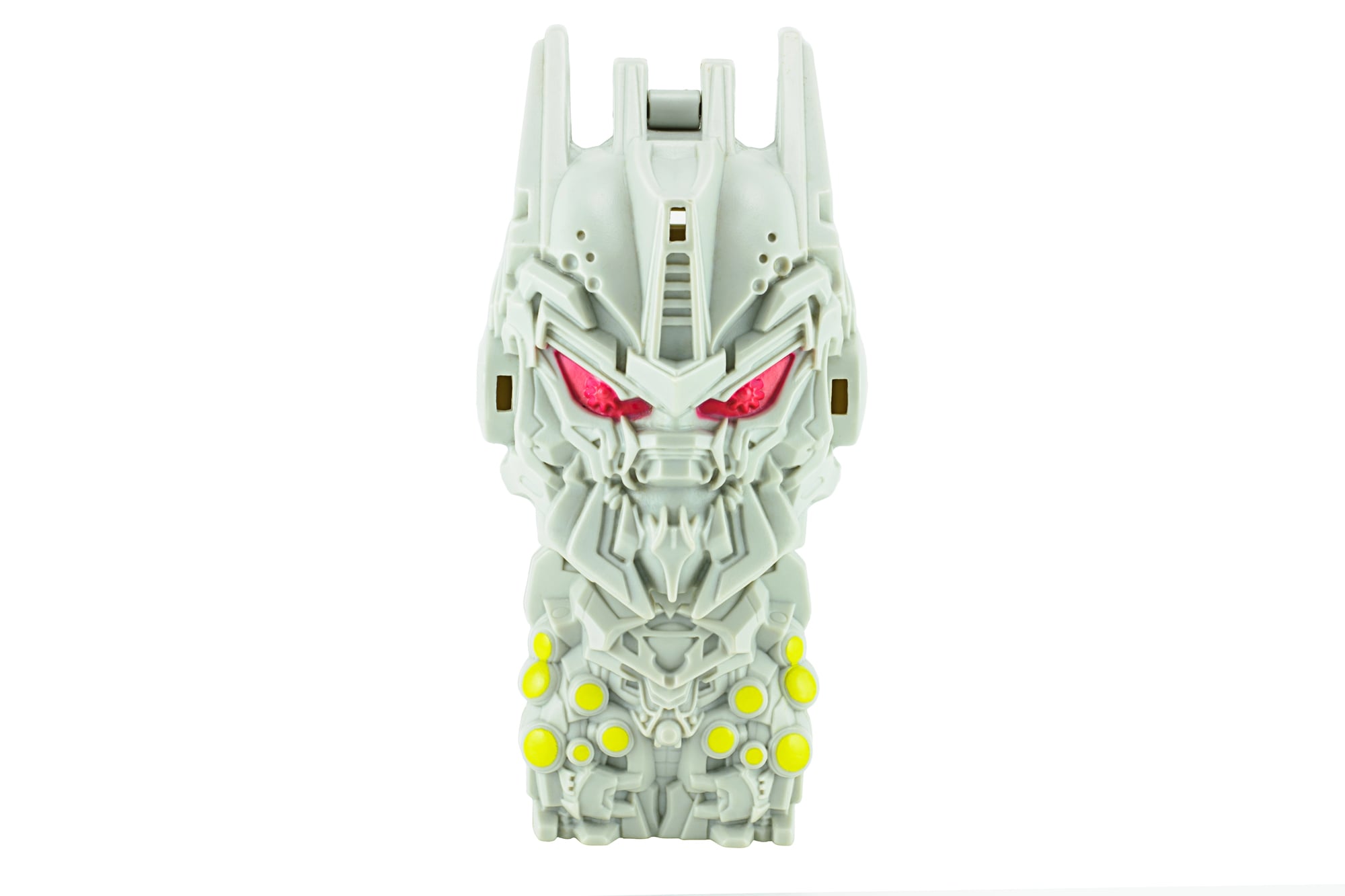
The heavy discs used to play Pogs became collectibles in their own right. Brass ones, steel ones, ones with skulls or flames — weight and design determined their trading value. The perfect slammer was both functional tool and status symbol.
Stickers
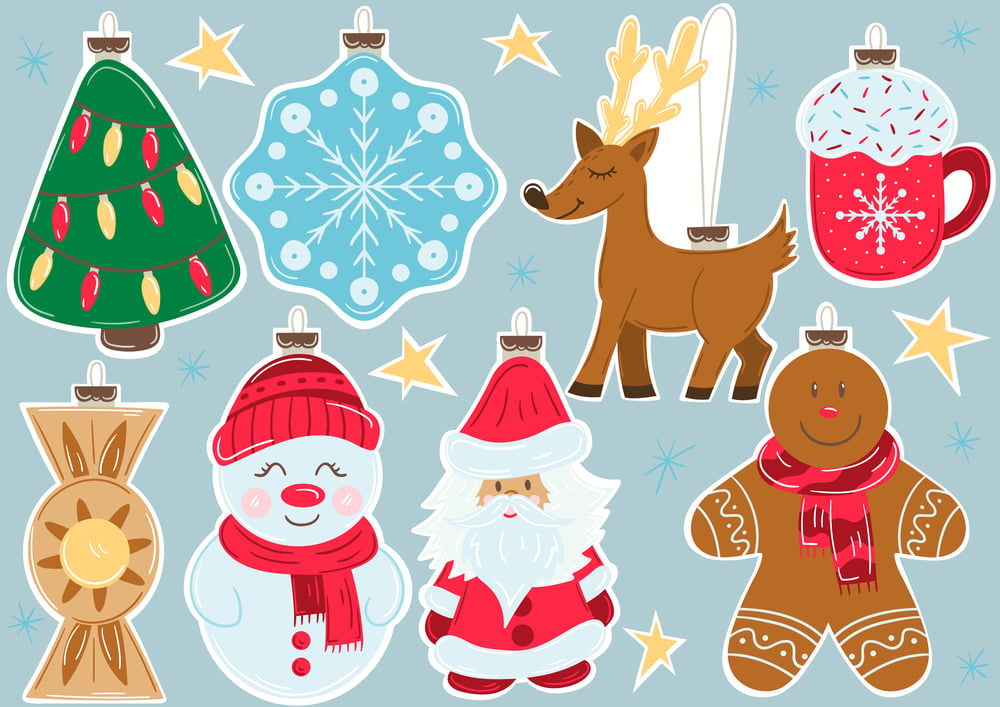
Scratch-and-sniff, holographic, puffy, or just plain shiny — stickers transformed ordinary school supplies into personal art galleries. Kids covered folders, lockers, and anything else that would hold adhesive. The rarest stickers were never actually used; they were preserved in protective sheets like tiny treasures.
Troll Dolls
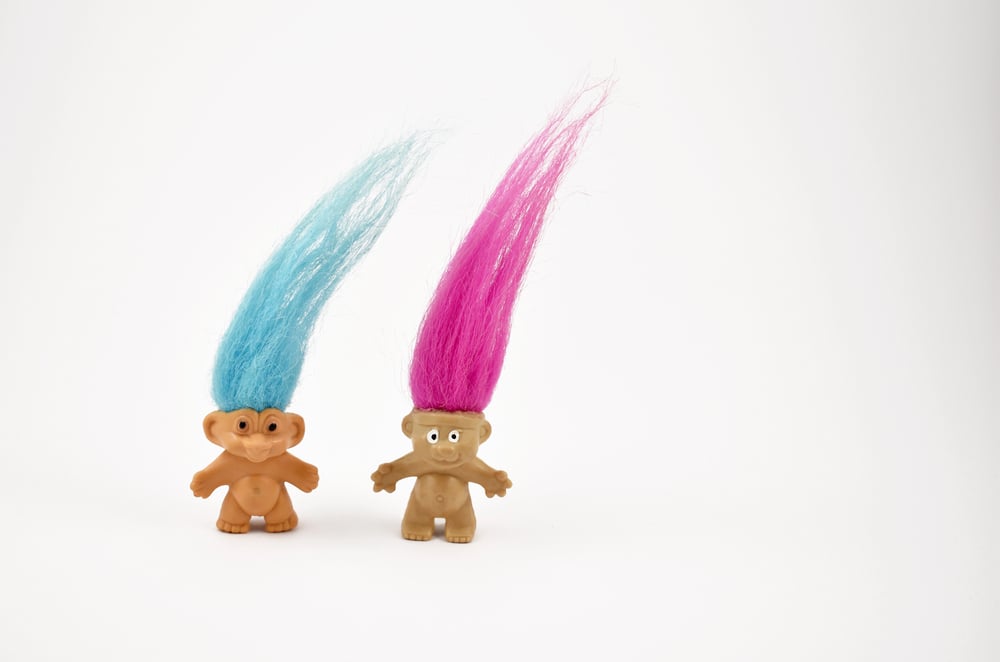
Those plastic figures with wild neon hair served no clear purpose, which was precisely the point. Kids collected them, brushed their hair, and created elaborate troll societies with complex hierarchies based on hair color and gem placement. The appeal was mysterious even to the kids themselves, but somehow that made the trading more intense, not less.
Their origin story — a Danish woodcutter named Thomas Dam carved the first one for his daughter in the 1950s because he couldn’t afford a birthday gift — would have meant nothing to playground traders, but it explains something essential about their enduring appeal. These weren’t focus-grouped products designed by committee; they were weird, slightly unsettling, and utterly authentic in their strangeness. And kids, who spent most of their days being told what to like and how to behave, recognized authenticity when they saw it, even when it came with purple hair and a jeweled belly button.
Tech Decks
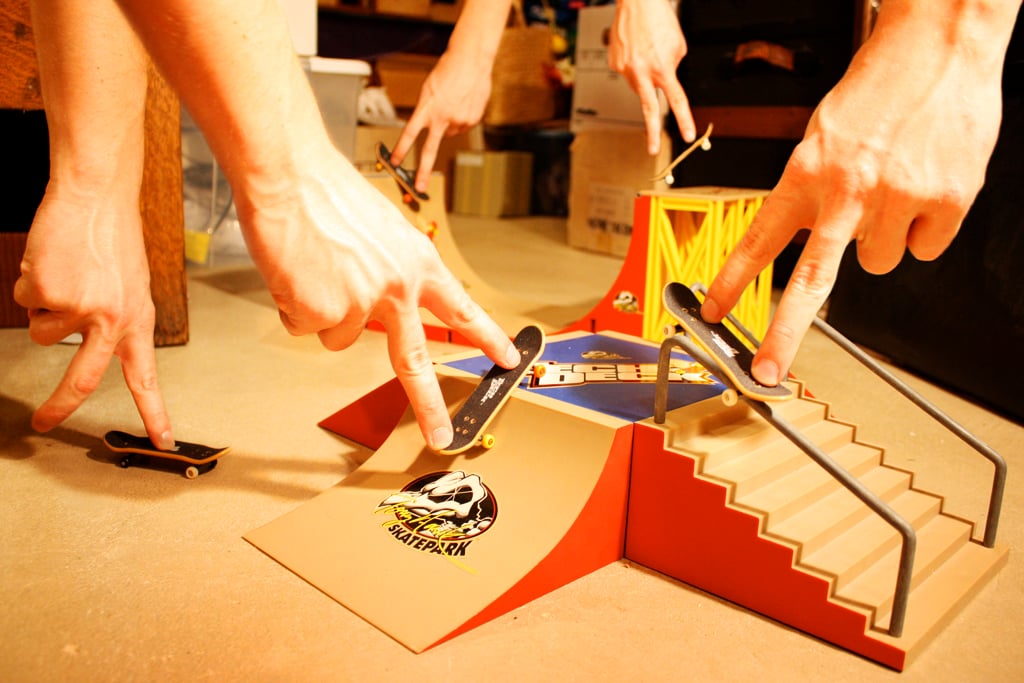
Miniature skateboards designed for finger acrobatics turned desks into skate parks and boredom into entertainment. The tiny boards came with real skateboard graphics and working wheels, because even in miniature, authenticity mattered. Trading them meant comparing grip tape quality and wheel smoothness with the seriousness of actual skate shop customers.
Yo-Yos
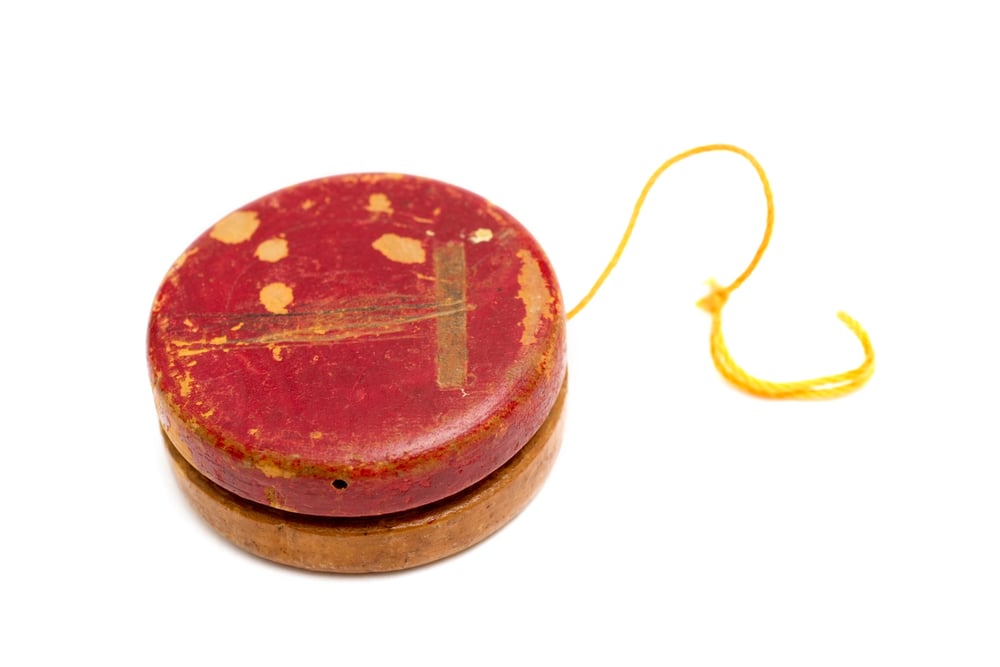
The ancient toy experienced a ’90s renaissance thanks to improved string technology and tricks with names like “Walk the Dog” and “Around the World.” Advanced models with round bearings and special weights commanded premium trading rates. Mastering tricks increased both the yo-yo’s value and its owner’s playground standing.
Crazy Bones
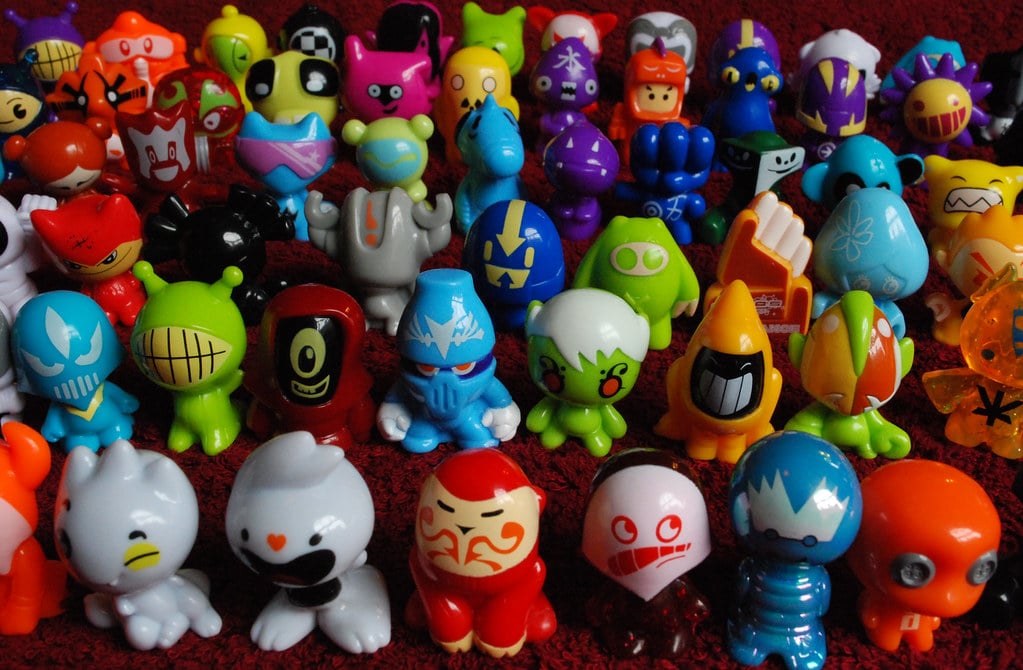
Small plastic figurines with faces that ranged from silly to bizarre, Crazy Bones were collected, traded, and used in games that kids invented on the spot (much like how actual bones might have been used by children centuries ago, though that connection was lost on most nine-year-olds clutching their latest acquisitions). The figures had names like “Eggy” and “Bumpy” and came in different colors, with some variants being significantly rarer than others, creating a natural trading hierarchy that emerged without any official guidance or rulebook.
But the real genius of Crazy Bones wasn’t in their rarity system or even their odd, almost unsettling faces — it was in how they served as both toy and game piece, collectible and playing tool, depending on what the moment required. Kids could spend an afternoon arranging them by color, then immediately sweep them into a bag for a quick game, then pull out specific ones for trades, all without any sense of contradiction.
Lisa Frank Stickers
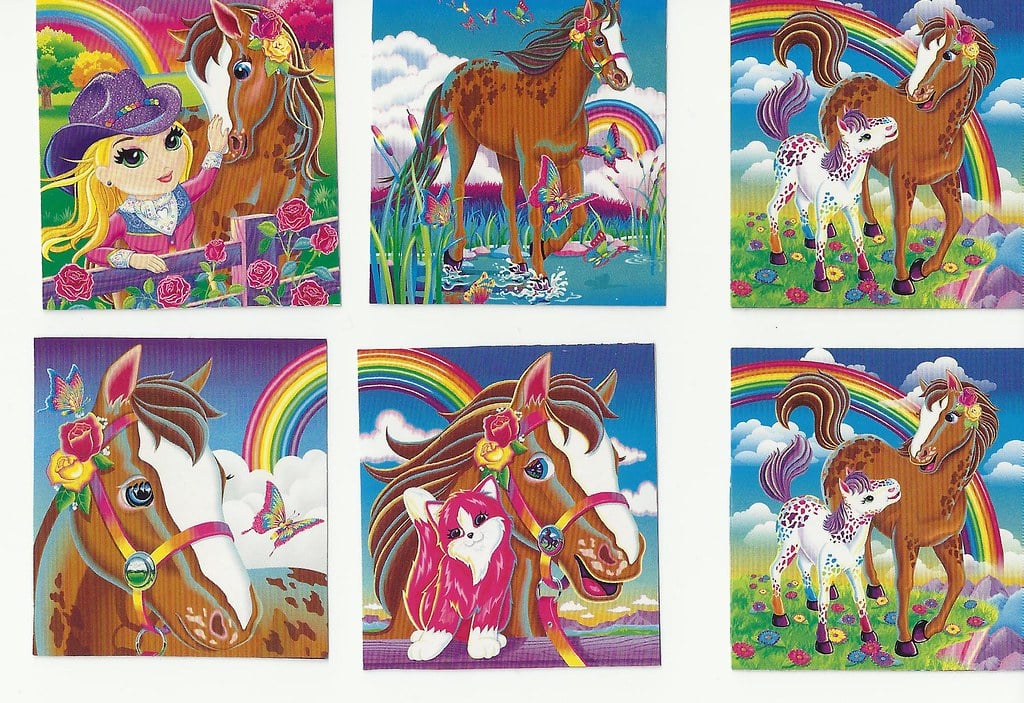
Rainbows, unicorns, and pandas in electric colors that didn’t exist in nature — Lisa Frank created a visual language that spoke directly to a specific subset of ’90s kids. The stickers were aggressively cheerful and unapologetically artificial.
Trading them meant entering a economy where brightness and sparkle determined value.
Pencil Toppers
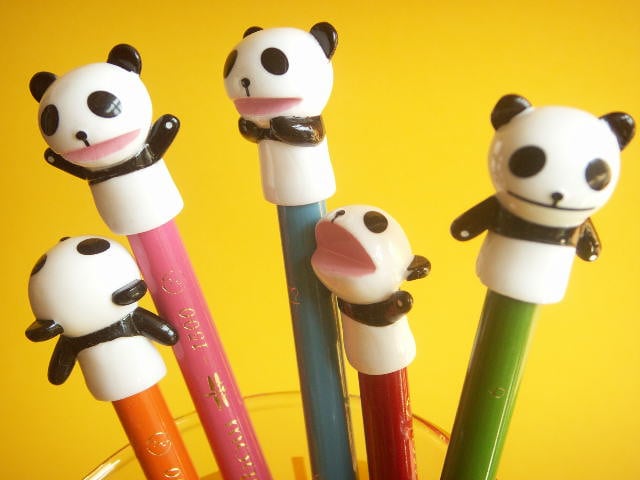
Tiny erasers shaped like food, animals, or cartoon characters turned ordinary pencils into personalized writing instruments. They served no practical purpose — the erasers were terrible and the decorations made writing awkward — but they transformed homework into something slightly more bearable.
Sports Cards
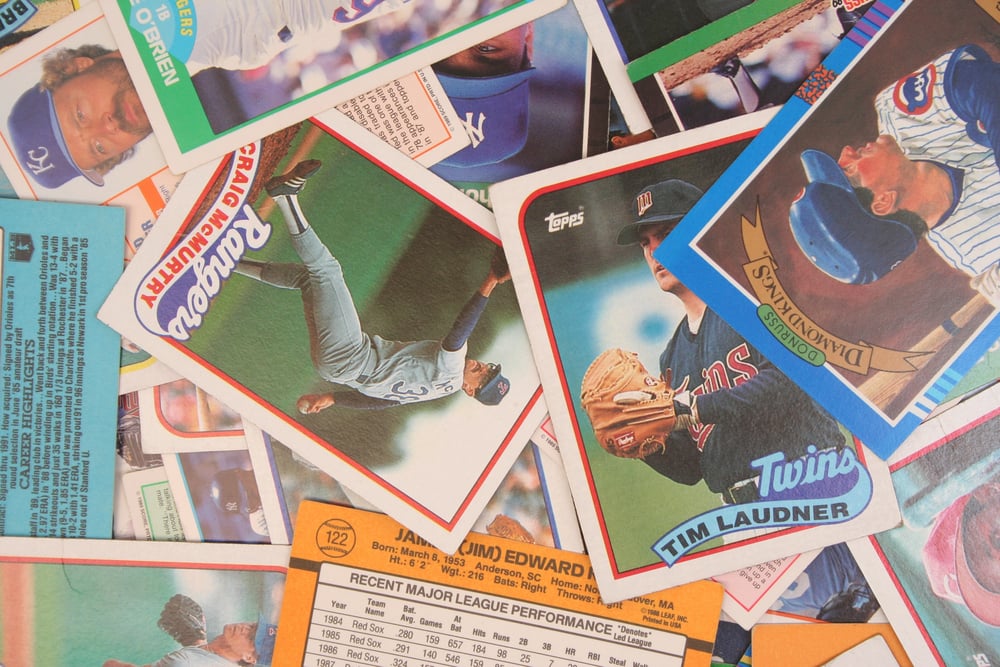
Baseball, basketball, and football cards continued the tradition their older siblings had started, but rookie cards and holographic technology added new layers to the trading hierarchy. Ken Griffey Jr. rookie cards were playground gold, and kids learned to check corners and edges with the precision of professional appraisers.
Basketball cards hit differently during the Jordan era (though calling it the “Jordan era” doesn’t quite capture how completely Michael Jordan dominated not just the sport but the entire cultural conversation around it), and kids who normally couldn’t care less about sports found themselves studying statistics and trade values with the intensity of Wall Street analysts. The cards weren’t just pictures; they were tiny pieces of greatness that you could hold in your hand, sort by team or position, and trade based on performance metrics that actually mattered.
And when a relatively unknown player suddenly became a star, owning their earlier cards felt like having predicted the future.
Giga Pets
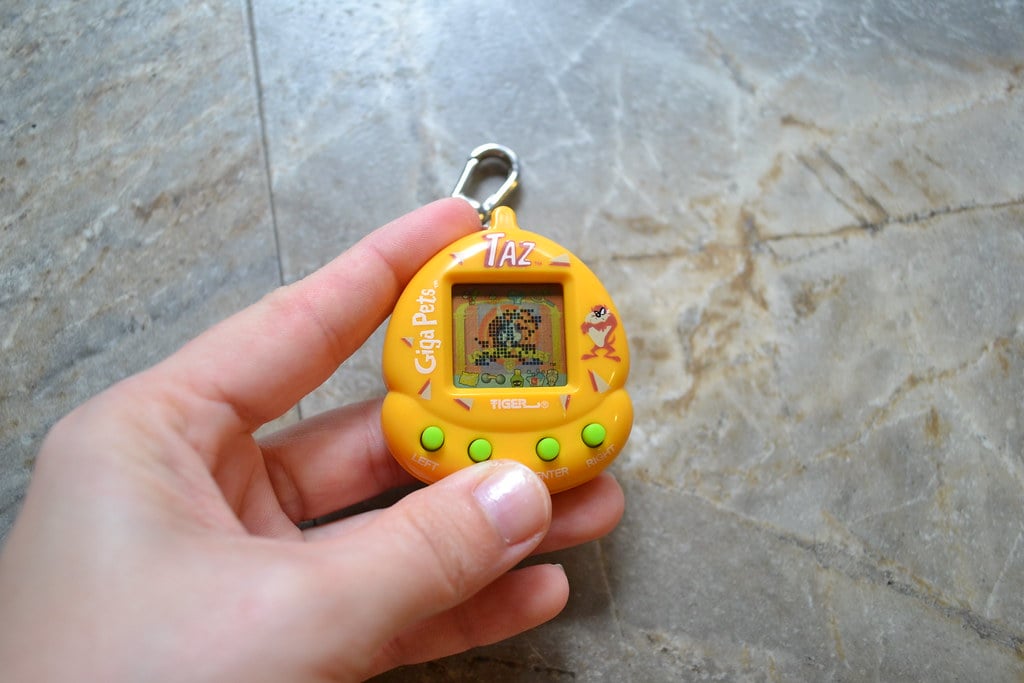
The competitors to Tamagotchis offered different virtual creatures — dinosaurs, aliens, puppies — each with their own care requirements and personality quirks. Kids often owned multiple digital pets simultaneously, creating a playground full of beeping, demanding electronic companions that needed constant attention.
Mood Rings
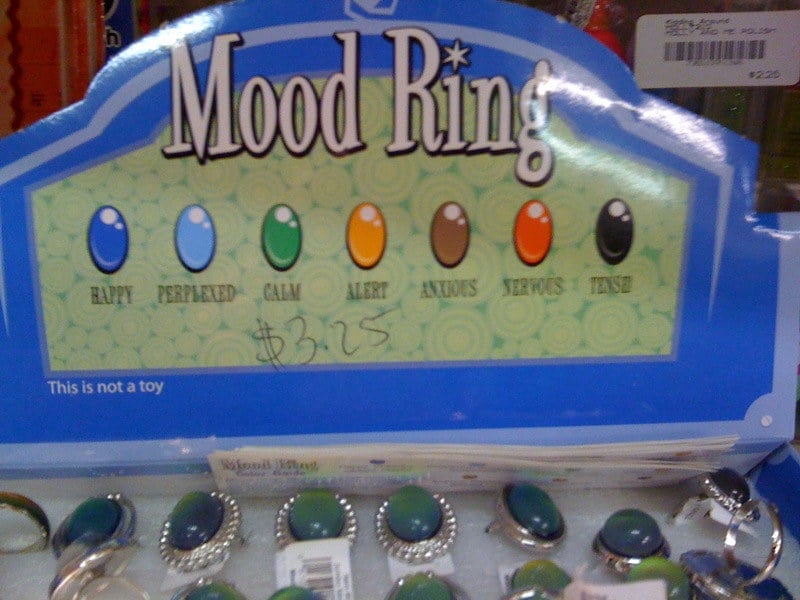
The color-changing rings claimed to reveal emotions through temperature-sensitive stones. Whether they actually worked was beside the point; they gave kids a conversation starter and a trading commodity that seemed almost magical.
Different ring styles and settings created various tiers of trading value.
Friendship Bracelets
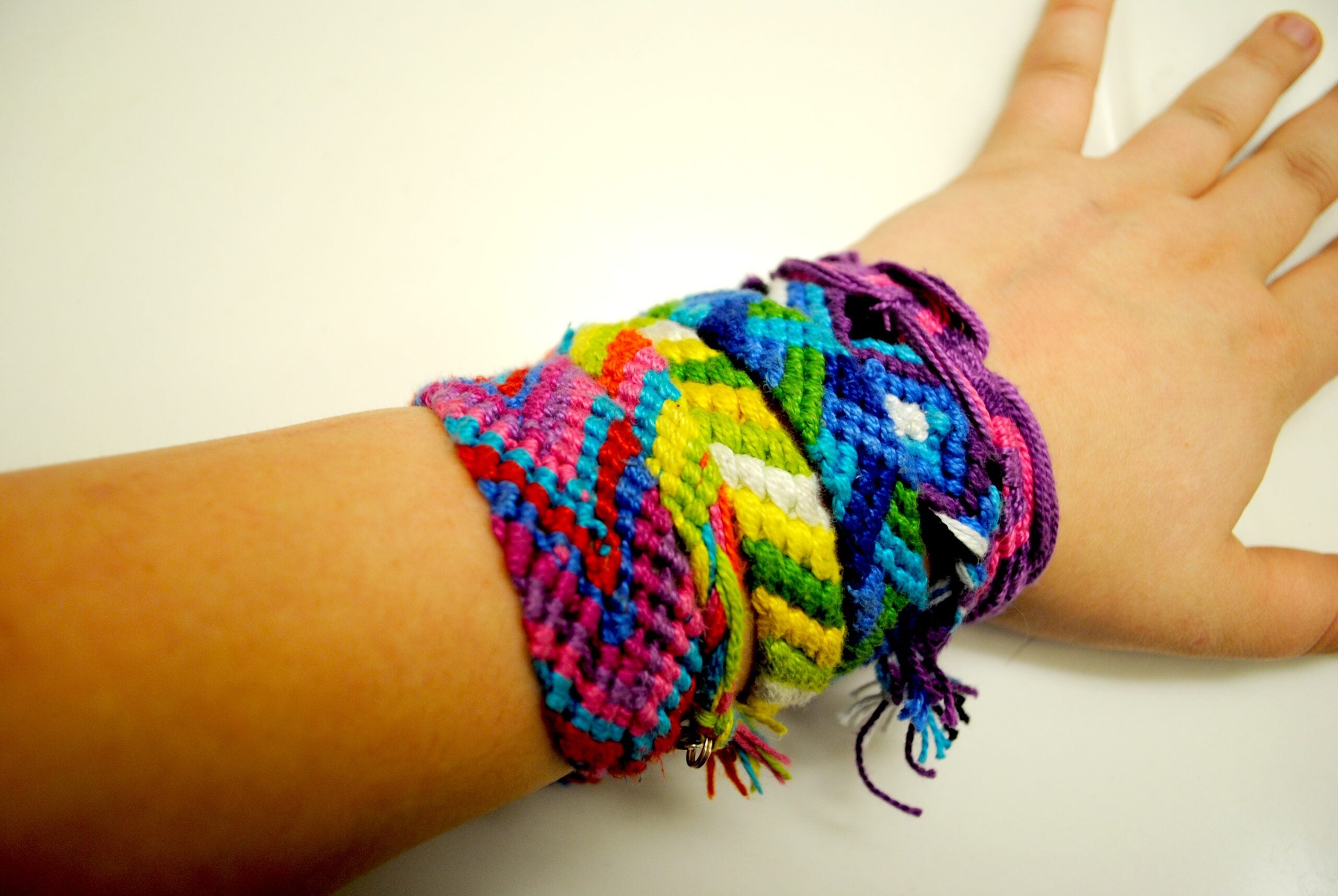
Handmade jewelry created from embroidery thread transformed playground relationships into wearable art. The time investment required to make them — some patterns took hours — gave them value beyond their materials. Receiving one meant friendship; making them meant having valuable trading currency.
Trading friendship bracelets meant entering a gift economy where reciprocity and relationship mattered more than market value, though kids rarely thought about it in those terms. They just knew that giving someone a bracelet you’d spent three hours making was different from trading a store-bought toy, and that difference carried weight in playground negotiations.
The bracelets themselves would eventually fade, fray, or get lost, but the act of making them — choosing colors, learning patterns, sitting quietly for hours working the same repetitive motions — taught patience in a way that nothing else in childhood really did.
Crazy Glue Caps
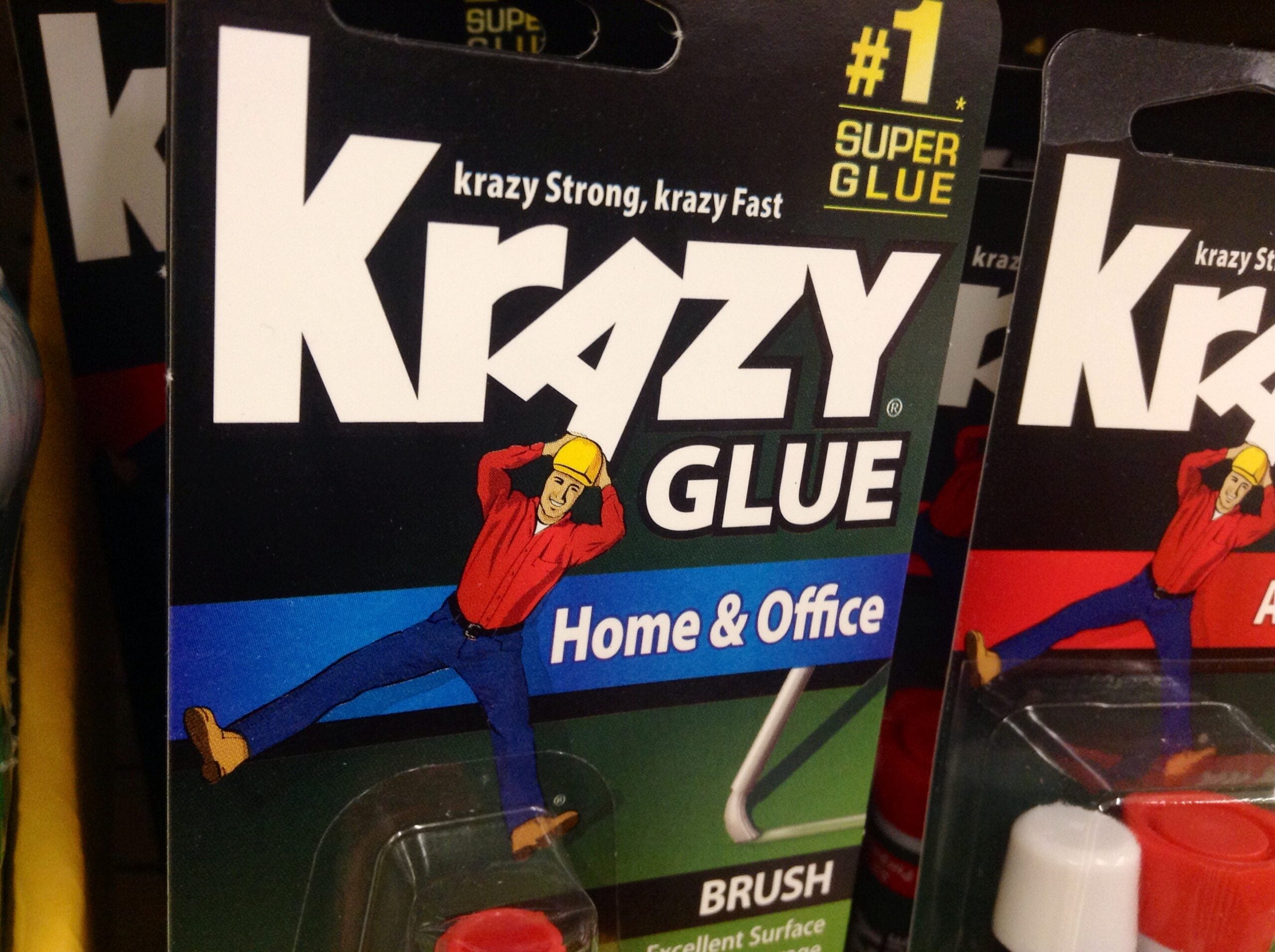
Kids discovered that the small plastic caps from glue bottles could be flicked across tables with impressive accuracy and distance, turning trash into treasure and creating an entirely accidental trading commodity (which says something profound about childhood’s ability to find value in the most unlikely places, though most kids were too busy perfecting their flicking technique to philosophize about it).
The caps had different weights and aerodynamic properties depending on their size and shape, with certain brands performing better than others in informal competitions that emerged wherever flat surfaces and bored kids coincided. And because they were technically garbage, trading them felt slightly rebellious — like creating an economy from something adults had thrown away, which was exactly the kind of small revolution that made childhood trading so satisfying.
The fact that teachers tried to ban cap-flicking only confirmed that kids had discovered something genuinely disruptive, even if that disruption was just tiny pieces of plastic flying across classrooms.
Silly Putty
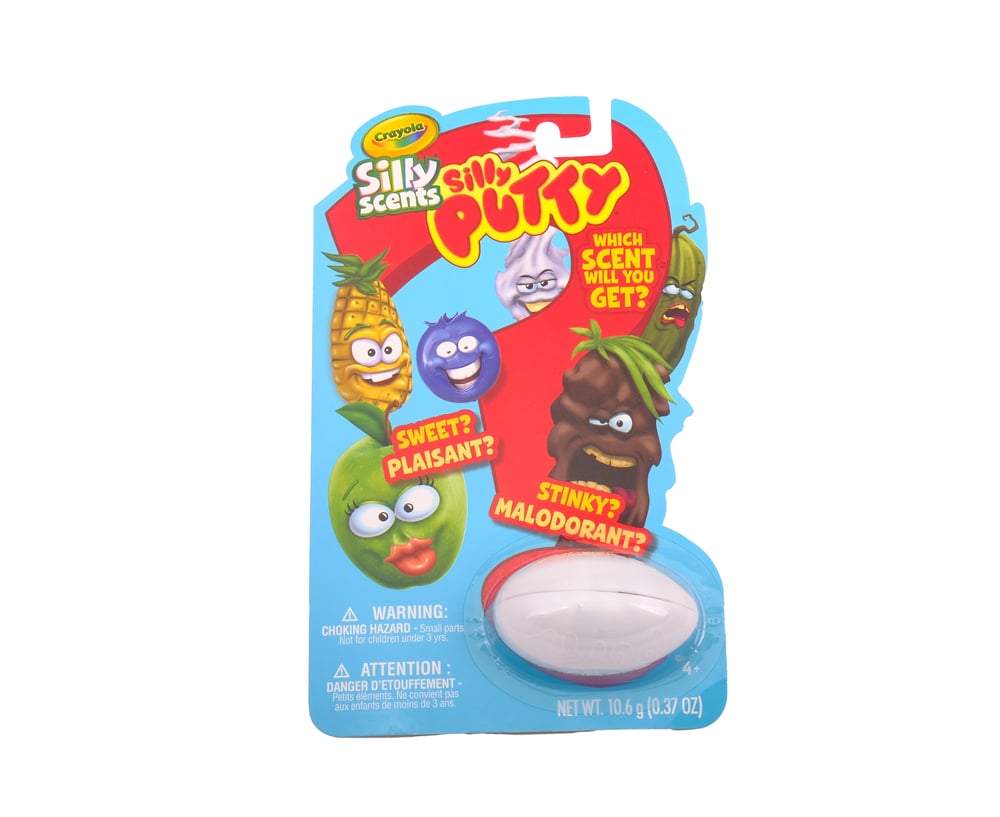
The pink substance that could copy newspaper comics, stretch into impossible shapes, and bounce like an orb defied easy categorization. It was clay, toy, and science experiment rolled into one.
Special containers and different colored putty varieties created a trading market for controlled chaos.
Gummy Candy
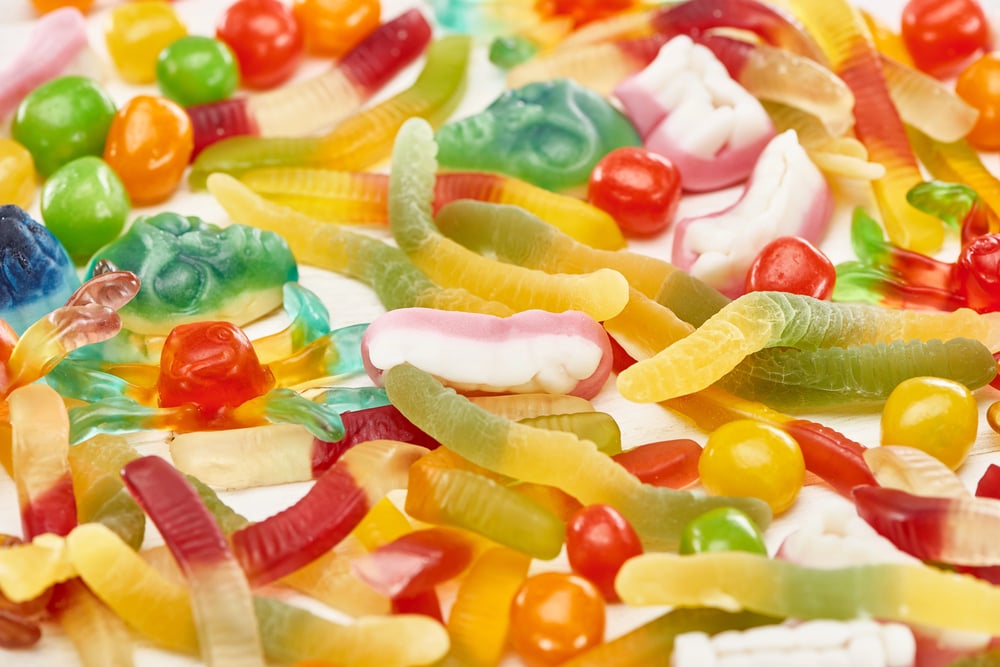
While technically food, certain gummy candies — especially the large, novelty varieties shaped like body parts or creatures — became trading commodities. Gummy worms, bears, and more exotic shapes were bartered like currency, though their perishable nature made them high-velocity trading goods.
When the Bell Rang and the Market Closed
Looking back, the playground economy taught lessons that business schools try to replicate with case studies and simulations. Kids learned about scarcity, demand, negotiation, and the difference between intrinsic and perceived value — all while thinking they were just having fun with toys.
Those trading sessions were practice runs for adulthood, disguised as recess.
More from Go2Tutors!

- The Romanov Crown Jewels and Their Tragic Fate
- 13 Historical Mysteries That Science Still Can’t Solve
- Famous Hoaxes That Fooled the World for Years
- 15 Child Stars with Tragic Adult Lives
- 16 Famous Jewelry Pieces in History
Like Go2Tutors’s content? Follow us on MSN.