Lessons from the Greatest Olympic Coaches
Behind every Olympic champion stands a coach who shaped raw talent into something extraordinary. These mentors don’t just teach techniques or build muscles.
They understand the human mind, know how to push without breaking, and see potential where others see limitations. The wisdom they’ve gathered through years of training the world’s best athletes goes far beyond sports.
Their insights can help anyone trying to improve at anything. So what secrets do these legendary coaches hold?
Start with the person, not the athlete

Great Olympic coaches recognize that they’re working with human beings who have fears, doubts, and bad days just like everyone else. Bela Karolyi, who coached multiple Olympic gymnasts, always emphasized getting to know each athlete’s personality before designing their training.
Some people thrive when you challenge them directly while others shut down completely under harsh words. The best coaches figure out what makes each person tick instead of using the same approach for everyone.
This kind of attention makes athletes feel seen and valued, which builds the kind of trust you can’t fake.
Break impossible goals into tiny steps
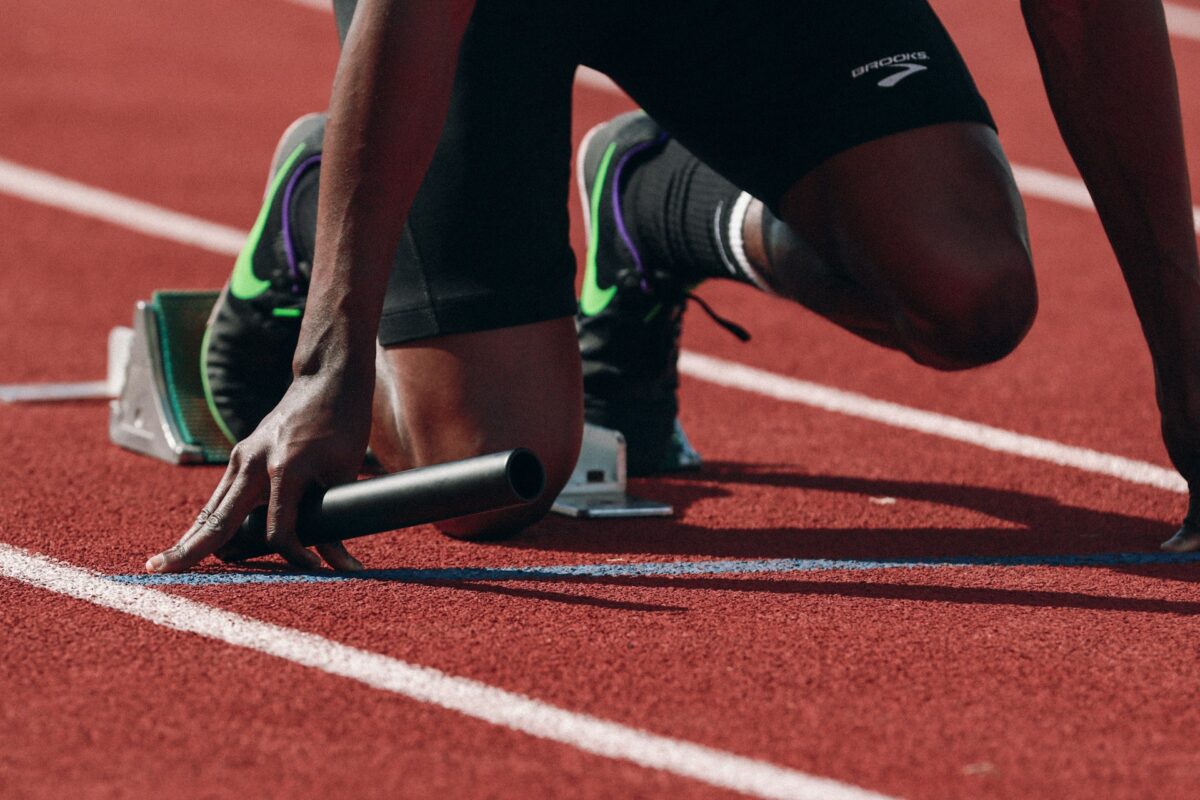
When someone aims for Olympic gold, the gap between where they are now and where they need to be looks absolutely terrifying. Legendary track coach Clyde Hart would break down every season into smaller pieces with specific targets for each part.
Instead of obsessing over “win the Olympics,” he’d focus on getting a little faster this month or improving one specific skill. These smaller goals kept his athletes from feeling overwhelmed because they could actually see themselves making progress.
Each little win made the next challenge feel less scary.
Like Go2Tutors’s content? Follow us on MSN.
Consistency beats intensity every single time

Plenty of coaches have learned the hard way that showing up regularly matters way more than going all out once in a while. John Wooden, though famous for basketball, influenced how Olympic coaches think about daily habits.
Athletes who train at a reasonable level six days a week will beat those who destroy themselves for two days then skip the rest of the week. Your body and brain need regular practice to actually learn and improve.
Slow and steady really does win the race, even though it sounds boring.
Pressure is a tool, not a weapon

Olympic coaches know how to use pressure to make athletes better instead of just making them miserable. Teri McKeever, who coached multiple Olympic swimmers, would create stressful situations during practice on purpose so the actual competition felt less terrifying.
But she also knew when to ease up and give people room to breathe. Keeping athletes under constant stress just burns them out and gets them hurt.
The trick is finding that sweet spot where pressure builds toughness without crushing people.
Watch everything, but fix one thing at a time

Athletes heading to the Olympics usually have a whole list of things they need to work on. But smart coaches don’t try to fix everything at once because that’s just confusing.
Renato Canova, who trained numerous Olympic distance runners, would zero in on one specific thing during each training phase. Trying to change how you run, how you breathe, and how you pace yourself all at the same time? That’s a recipe for frustration.
Getting one thing really solid beats sort of improving five things.
Like Go2Tutors’s content? Follow us on MSN.
Failure contains the best lessons available
Every Olympic coach has sat through heartbreaking moments watching their athletes lose big competitions or completely bomb when it mattered most. Geno Auriemma, whose ideas influenced Olympic basketball coaching, taught athletes to treat failures like data instead of disasters.
Figuring out what went wrong gives you a clear picture of what needs fixing. Athletes who can do this bounce back faster and smarter than those who just feel terrible about themselves.
Taking the shame out of failure turns it into something actually useful.
The mental game decides close competitions

When Olympic athletes face off, the physical differences between winning gold and finishing nowhere are incredibly small. Bob Bowman, who coached Michael Phelps, spent huge chunks of training time working on mental skills and visualization.
Athletes who keep their heads straight under massive pressure can access all their physical abilities when everything’s on the line. Those who let anxiety take over end up choking even though their bodies could handle it.
Training your mind deserves just as much time as training your muscles.
Recovery is where the magic happens

Lots of younger coaches think more training automatically means better results, but veterans know that’s not how bodies work. Alberto Salazar, despite everything controversial about him, understood that muscles actually get stronger while you’re resting, not while you’re working out.
Athletes who push hard but don’t recover properly end up broken, exhausted, and slower than before. Good coaches build in rest days, make sleep a priority, and watch for warning signs that someone’s doing too much.
Sometimes the bravest thing a coach can do is tell an athlete to take a day off.
Like Go2Tutors’s content? Follow us on MSN.
Technique beats raw power in the long run

Being naturally athletic can take you pretty far, but competing at the Olympic level requires getting every little detail right. Yuri Sedykh, who coached Olympic hammer throwers, obsessed over tiny aspects of form that most people would never even notice.
An athlete with okay strength but perfect technique will destroy a powerful athlete who’s all over the place. Practicing proper form until it becomes second nature prevents injuries and makes everything more efficient.
The time you spend getting technique right early on pays off for years.
Adapt or watch your athletes fall behind
Sports science keeps changing with new discoveries about training, nutrition, and how bodies work. Coaches who refuse to change because “this is how we’ve always done it” watch their athletes get left in the dust.
Jill Ellis, whose coaching approach influenced Olympic soccer, constantly looked for better ways to do things and wasn’t scared to dump methods that stopped working. What was cutting edge a decade ago might actually hold athletes back today.
Staying curious and willing to change keeps programs competitive.
Create an environment where athletes push each other

Individual coaching matters a lot, but the whole vibe of a training environment shapes how well people do. Liang Chow, who coached Olympic gymnasts, deliberately created situations where athletes in his gym pushed each other in healthy ways.
When you’re training next to other people chasing the same crazy dreams, you naturally work harder. Nobody wants to be the one who can’t keep up.
This kind of peer pressure, when it’s positive, makes people work harder than any speech from a coach ever could.
Like Go2Tutors’s content? Follow us on MSN.
Trust takes years to build and seconds to destroy

Olympic athletes are literally putting their bodies and dreams in their coach’s hands, which requires massive trust. Pia Sundhage, who coached Olympic soccer teams, knew that being honest and having integrity formed the whole foundation of that relationship.
Coaches who play favorites, break promises, or care more about their own reputation than their athletes’ wellbeing lose trust immediately. Once you break that bond, it almost never fully heals.
The smartest coaches guard their credibility like it’s made of glass.
Celebrate progress, not just podium finishes
Only caring about gold medals creates this toxic all-or-nothing mindset that destroys people. Eddie Reese, who coached tons of Olympic swimmers, made sure to recognize personal bests and improvements even when athletes didn’t medal.
Someone who drops their time significantly deserves props even if they came in fifth. This keeps athletes motivated when things inevitably go wrong and shows them their hard work matters.
Not everyone takes home gold, but literally everyone can get better.
Know when to be tough and when to be gentle

The image of the screaming coach is only part of the real picture. Carol Hutchins, whose ideas influenced Olympic softball coaching, understood that different situations need completely different responses.
Sometimes athletes need someone to drag them out of their comfort zone whether they like it or not. Other times they need kindness and someone who gets what they’re going through.
Being able to read the room and respond the right way separates great coaches from mediocre ones.
Like Go2Tutors’s content? Follow us on MSN.
Plan for years, but adjust daily
Olympic cycles last four years, which means coaches need serious long-term strategy. Yet Anatoly Bondarchuk, who coached Olympic track athletes, stressed that you have to stay flexible day by day even with that big plan in place.
An athlete who slept terribly needs a different workout than what’s written down. Someone fighting off a cold shouldn’t push through the scheduled hard training.
Sticking rigidly to plans ignores the obvious fact that humans aren’t robots. The best coaches keep their eyes on the long-term goal while dealing with whatever’s happening right now.
Age and experience aren’t always advantages
Younger coaches sometimes worry they don’t have enough credibility compared to older coaches with decades of experience. But Karch Kiraly became an Olympic volleyball coach when he was relatively young and did great by staying humble and never stopping learning.
Fresh eyes can spot outdated practices that veterans just accept as normal. Energy and being able to relate to athletes can create connections that seasoned coaches might struggle with.
What actually matters is knowing your stuff, caring deeply, and being able to communicate well.
Success requires sacrifice, but not martyrdom

Olympic athletes work unbelievably hard and skip a lot of normal life experiences to chase their goals. Tony Dungy, though he came from football, influenced Olympic coaching by teaching that lasting success needs some balance.
Athletes who give up literally everything often flame out before they reach their potential. Smart coaches help athletes keep some regular life, relationships, and interests outside training.
When your whole existence revolves around training, it starts feeling like a cage, and miserable athletes rarely do their best work.
Like Go2Tutors’s content? Follow us on MSN.
Build confidence before building skills
People who are just starting out need to believe getting better is actually possible before they’ll commit to the brutal work required. Pat Summitt’s coaching approach emphasized early successes and positive feedback to build that foundation.
Once athletes really believe in themselves deep down, they’ll work harder and stick with it longer when things get rough. Confidence and ability feed off each other and keep growing together.
Starting with the belief creates the drive to develop the actual skills.
Where coaching wisdom meets everyday life
The ideas that guide Olympic coaches work because they understand something basic about how people operate and what motivates us. Someone preparing for a big work presentation can use the exact same strategies as someone training for a marathon.
Chop big scary goals into manageable pieces, show up regularly, learn from your mistakes, and don’t forget to take care of yourself. These lessons show that getting really good at anything follows pretty similar patterns regardless of the field.
The coaches who shaped Olympic champions left behind a playbook that works for anyone, whether you’re going for gold or just trying to be better at your job, your hobby, or your life.
More from Go2Tutors!

- 16 Historical Figures Who Were Nothing Like You Think
- 12 Things Sold in the 80s That Are Now Illegal
- 15 VHS Tapes That Could Be Worth Thousands
- 17 Historical “What Ifs” That Would Have Changed Everything
- 18 TV Shows That Vanished Without a Finale
Like Go2Tutors’s content? Follow us on MSN.



