26 Ancient Tombs Opened After Centuries and What Was Found
The moment archaeologists break the seal on an ancient tomb, they step into a conversation that began centuries ago. These aren’t just burial sites — they’re time capsules, carefully arranged by people who believed death was merely a doorway to something else.
When modern science finally opens what was meant to stay closed forever, the discoveries often rewrite history books and challenge everything scholars thought they knew.
Tutankhamun’s Tomb
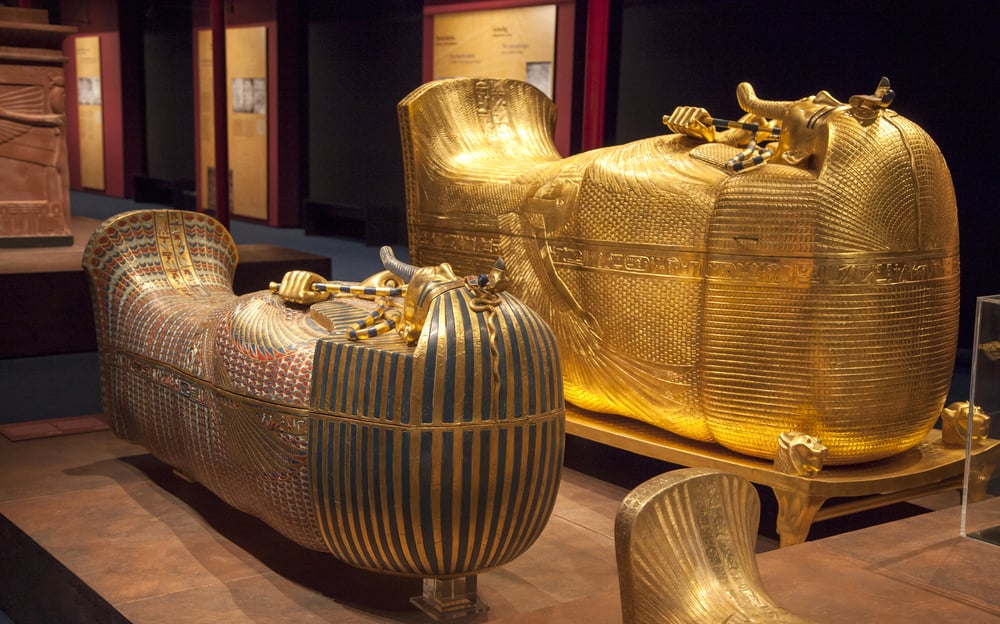
Howard Carter knew he’d found something extraordinary when his candle flickered in the first chamber in 1922. Three thousand years of Egyptian history lay undisturbed behind a wall of rubble and royal seals.
The golden burial mask weighs over 20 pounds. Carter’s team found chariots, weapons, furniture, and enough ritual goods to sustain a pharaoh through eternity. Everything gleamed as if placed there yesterday, not three millennia earlier.
The Terracotta Army
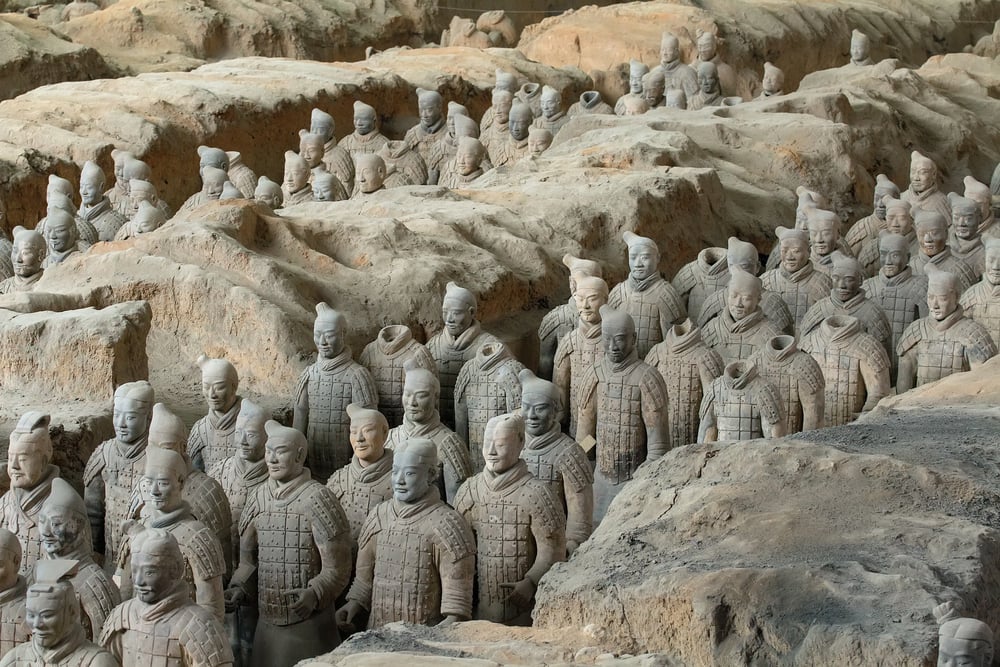
When farmers digging a well in Lintong County in 1974 hit pottery fragments, they had no idea they’d uncovered what would prove to be roughly 8,000 life-sized warriors. Each soldier stands in perfect formation, faces unique, weapons ready for a battle that would never come.
Qin Shi Huang didn’t want protection in the afterlife — he wanted an entire army that could march into eternity. Craftsmen carved individual expressions onto thousands of clay faces, then arranged them in military ranks across underground chambers larger than aircraft hangars. The emperor died in 210 BCE, but his soldiers have been standing guard ever since.
Pakal’s Tomb at Palenque
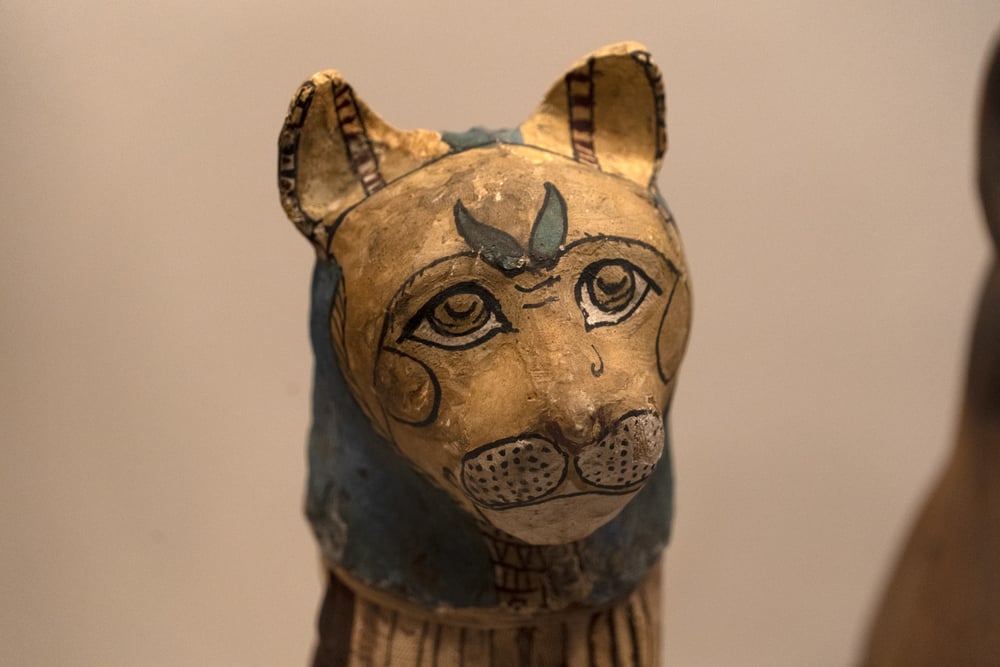
When archaeologists finally reached the burial chamber deep beneath Palenque’s Temple of Inscriptions in 1952, they found K’inich Janaab’ Pakal sealed inside an elaborately carved limestone sarcophagus. The tomb sits nearly 25 metres below the pyramid’s summit, reached by a narrow staircase that descends like a stone river flowing backward through time.
Pakal’s jade burial mask covers a face that ruled for 68 years. The hieroglyphic inscriptions on his sarcophagus lid — often misread by early commentators as an astronaut in a rocket — depict the king descending into the Maya underworld at the moment of death, a standard theme in Maya iconography.
Varna Necropolis
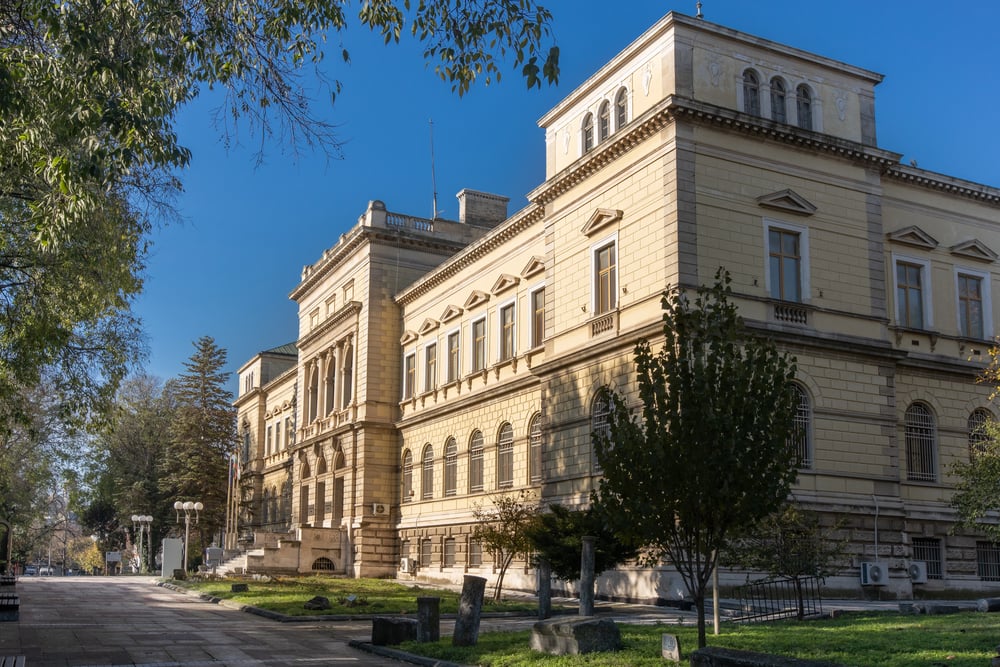
The oldest processed gold in the world sits in a Bulgarian museum, pulled from graves that predate Stonehenge by a thousand years. Someone in around 4600 BCE decided that death deserved decoration.
The Varna burials prove that humans were obsessing over status symbols long before anyone invented writing to brag about them. One skeleton wore enough gold to suggest extraordinary social standing — bracelets, diadems, and ceremonial objects that served no practical purpose except to announce that this person mattered, even in death.
Lady Dai at Mawangdui
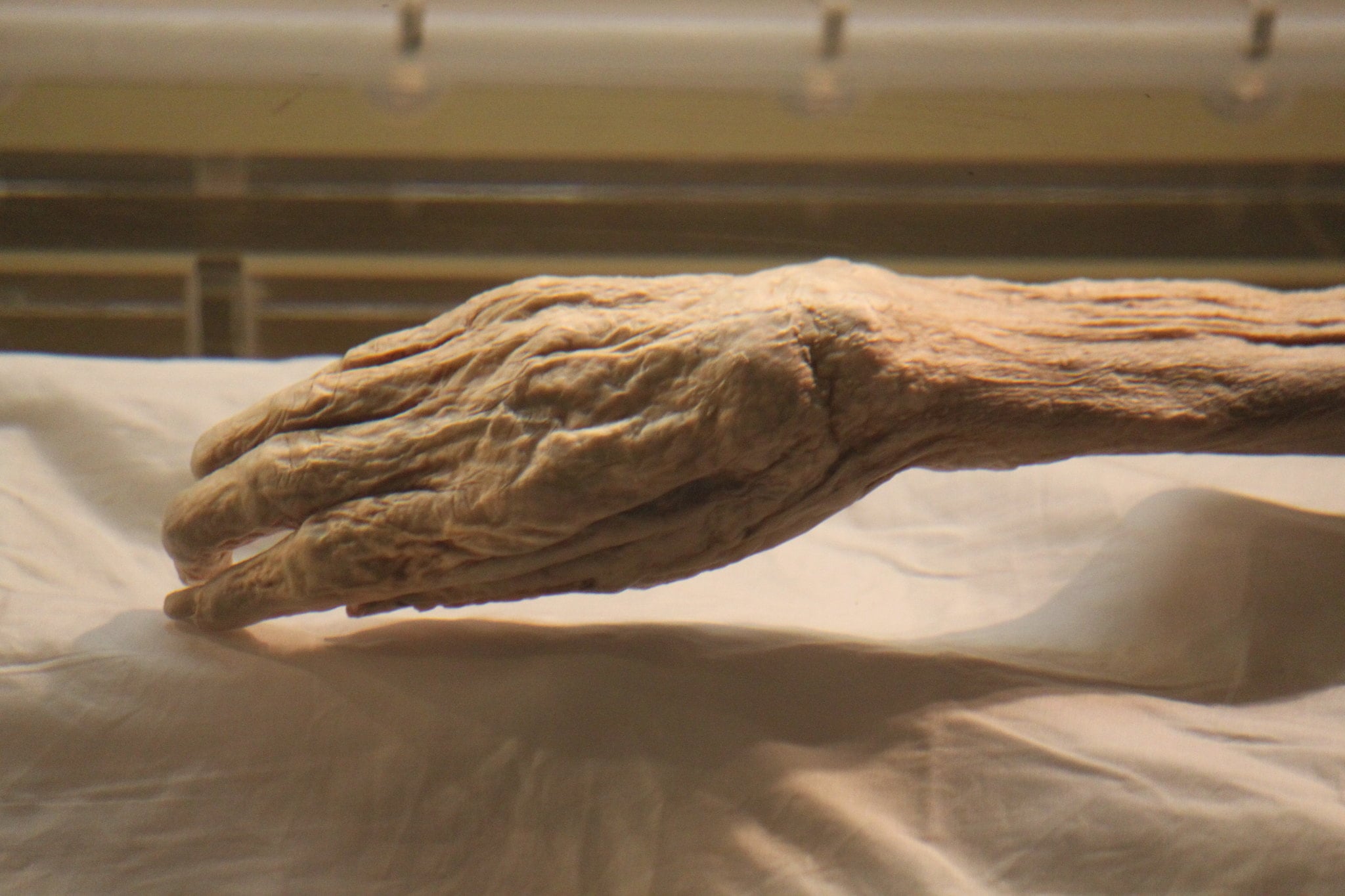
When Chinese archaeologists opened Mawangdui Tomb Number One in 1971, they expected bones and pottery shards. Instead, they found the remarkably preserved body of Xin Zhui, Marchioness of Dai — known as Lady Dai — who had been dead for approximately 2,100 years.
Her body was immersed in an unknown preservative fluid inside four nested coffins, wrapped in over 20 layers of silk. Her skin remained elastic, her joints still moved, and pathologists could perform an autopsy revealing she’d died of a heart attack, suffered from gallstones, arthritis, and high cholesterol, and had melon seeds in her stomach. The same site contained two other tombs — her husband’s and her son’s — together yielding thousands of silk garments, lacquerware, maps, and medical texts that transformed understanding of Han Dynasty civilization.
The Sutton Hoo Ship Burial
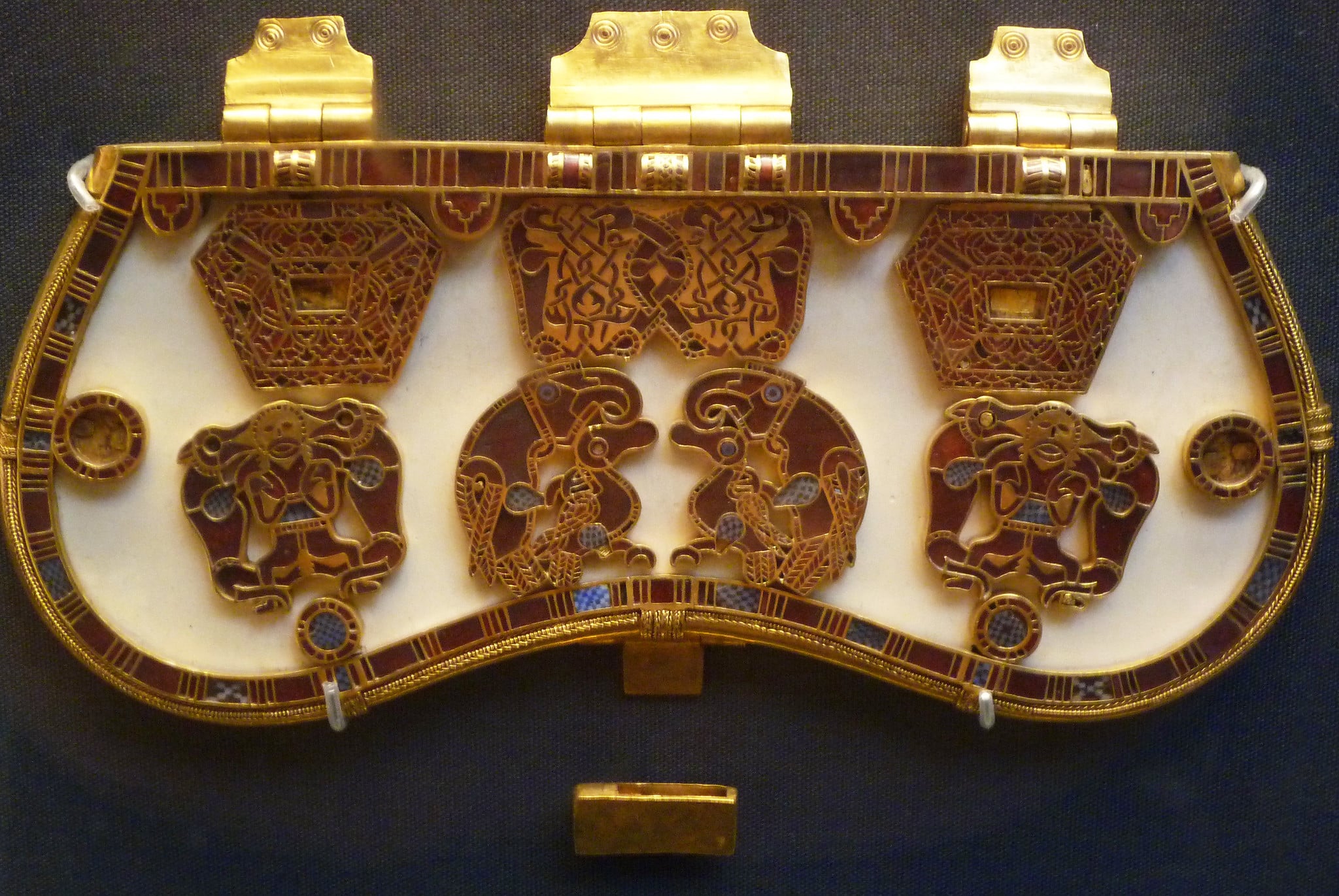
Someone in 7th-century England believed their king deserved to sail into the afterlife in style. They buried an entire ship 20 miles from the nearest navigable water, then filled it with enough treasure to fund a small war.
The burial mound contained Byzantine silver, garnets almost certainly from Sri Lanka, and goldwork so intricate that modern jewelers struggle to replicate the techniques. The ship itself had rotted away, leaving only iron rivets and dark soil stains to mark where 27 metres of oak had once rested. But the treasure survived, proving that someone in early medieval England had access to trade networks stretching from Scandinavia to the Indian Ocean.
The Lord of Sipán
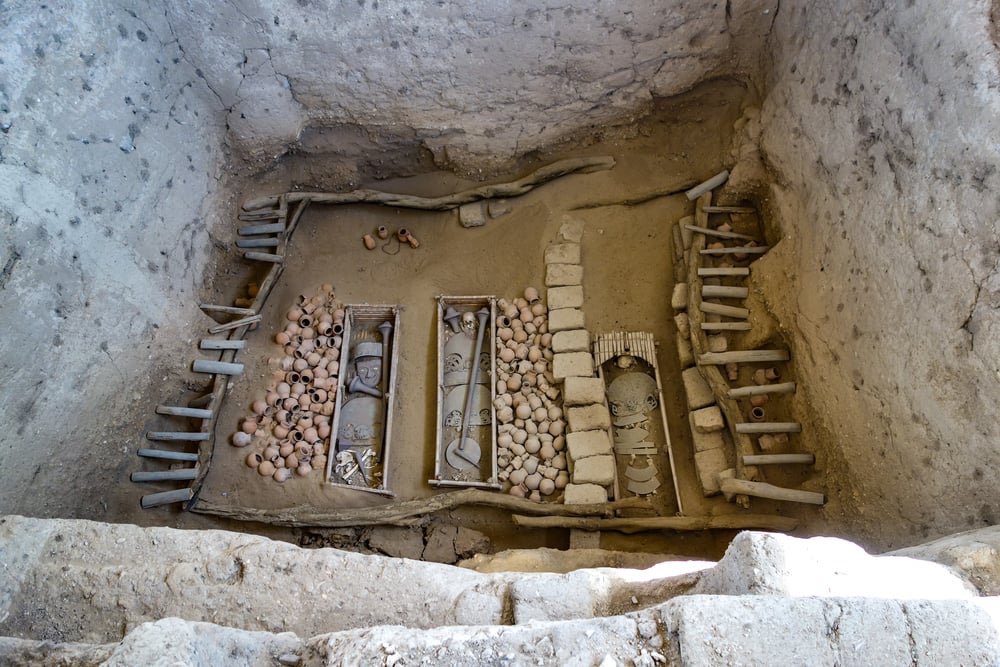
The Moche civilization flourished on Peru’s north coast a thousand years before the Inca, and Spanish conquistadors somehow missed their pyramids entirely. When archaeologist Walter Alva opened the tomb of the Lord of Sipán at Huaca Rajada in 1987, he found a burial of extraordinary richness — immediately compared in scope and importance to Tutankhamun’s discovery.
Gold ear ornaments the size of dinner plates, a face mask of hammered gold, chest ornaments, necklaces of peanut-shaped gold and silver beads, and hundreds of ceremonial objects surrounded a ruler who had probably been regarded as a god by his subjects. The Moche had no written language, but their metalwork told stories that words couldn’t capture — and every object in the tomb was a sentence in a language archaeologists are still learning to read.
Philip II of Macedon’s Tomb
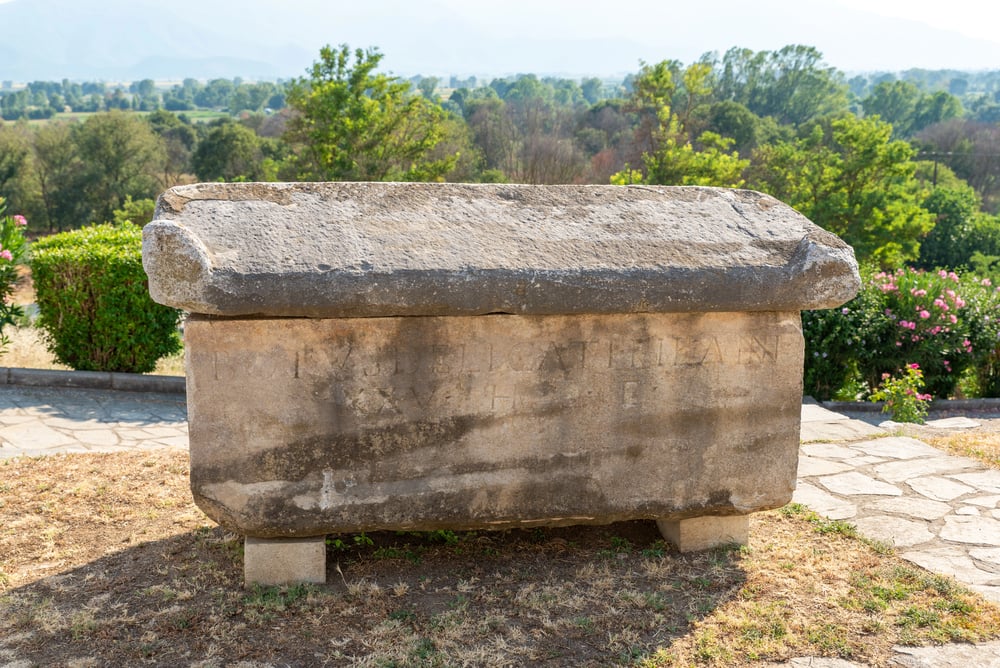
Alexander the Great’s father got a send-off worthy of the man who built the military machine that would conquer most of the known world. The tomb at Vergina in northern Greece, opened in 1977, contained enough weaponry to outfit a small army and enough gold to fund a large one.
A golden wreath of oak leaves still rested on the cremated bones, as fresh as the day it was placed there 2,300 years earlier. Philip had been assassinated at his daughter’s wedding, but his burial suggested that Macedonians believed violent deaths required especially elaborate preparations for whatever came next. The skull showed evidence of the exact eye injury that ancient historical sources attributed to Philip — two millennia later, forensic science confirmed what ancient writers had recorded.
Qin Shi Huang’s Necropolis
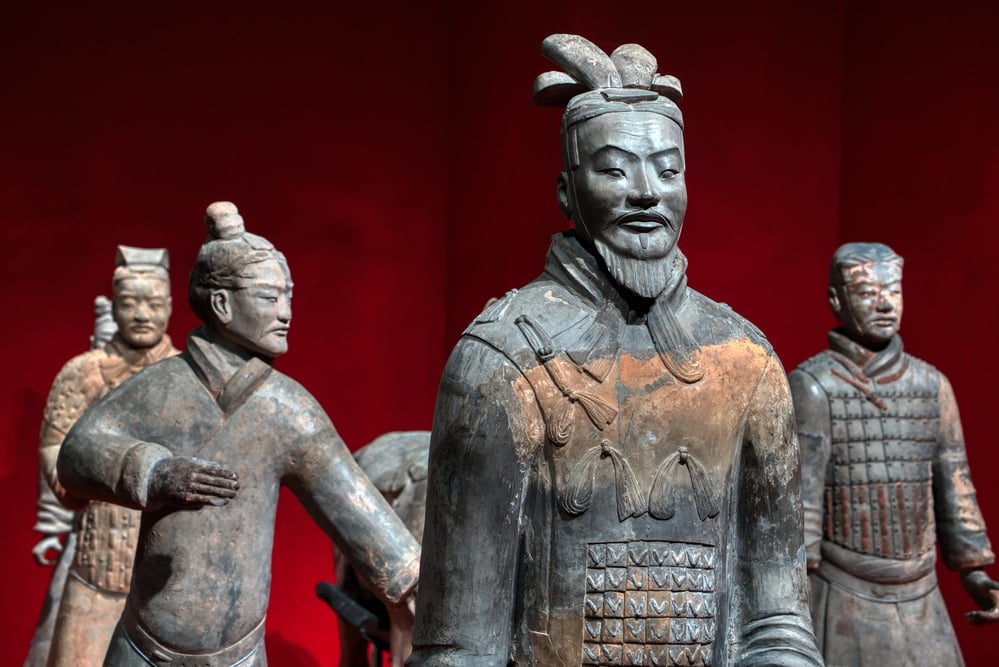
The first emperor of China didn’t settle for a tomb — he commissioned an entire underground city. Decades of construction by hundreds of thousands of workers created a necropolis covering roughly 22 square miles, most of which remains unopened.
Chinese archaeologists have barely touched the main burial mound. Ground-penetrating radar suggests the central chamber sits beneath a hill that ancient sources claimed contained flowing rivers of mercury. Modern soil samples confirm dangerous levels of mercury contamination, meaning those ancient accounts may have been literal rather than metaphorical. The world’s most elaborate burial likely still contains most of its secrets.
The Griffin Warrior of Pylos
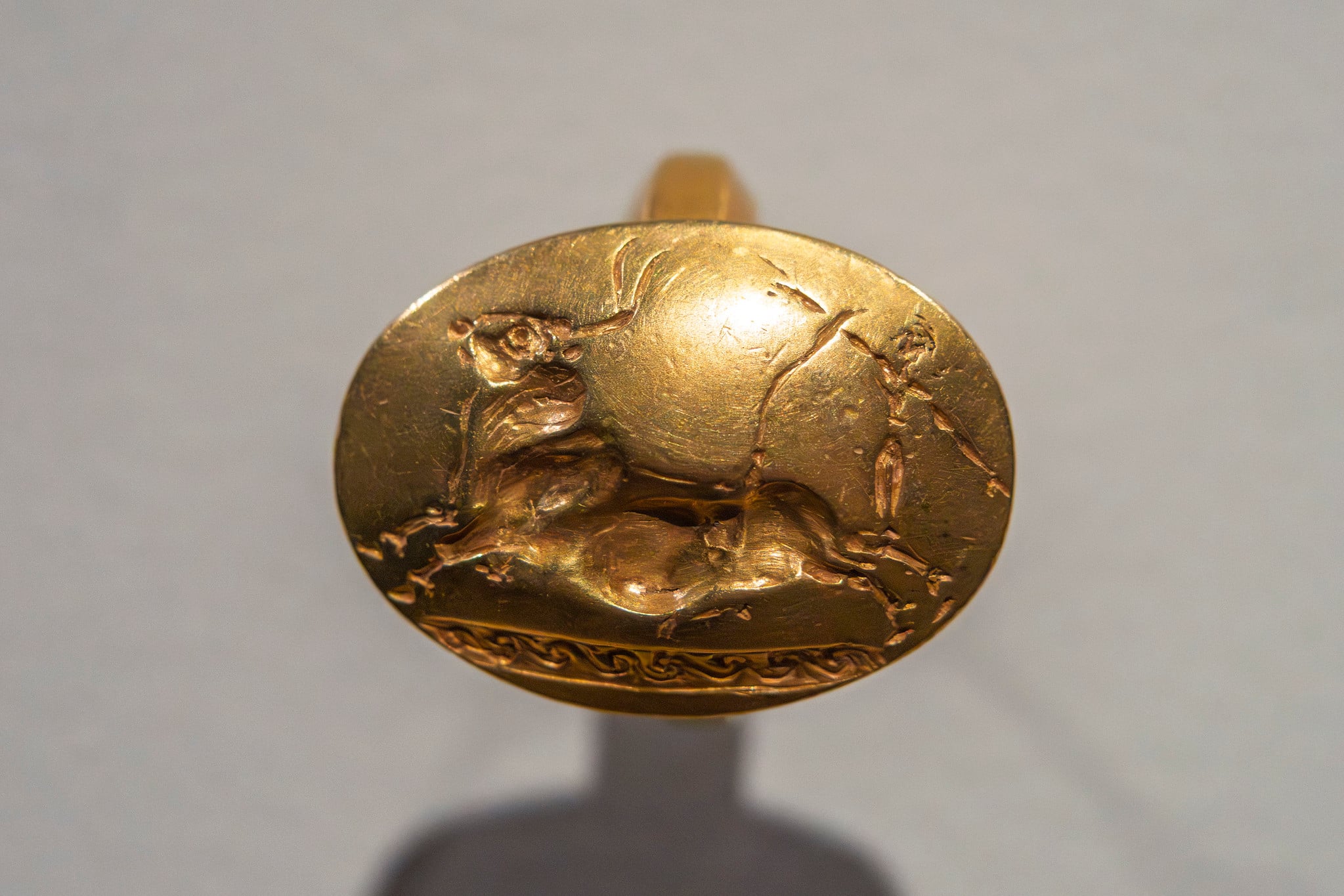
When archaeologists opened an undisturbed Mycenaean shaft grave near Pylos in 2015, they expected bronze weapons and pottery. Instead they found roughly 1,500 precious objects in the burial of a single warrior who died around 1450 BCE, including gold and silver cups, ivory combs, and jewellery that pointed to connections with Minoan Crete.
Most remarkable was a small seal stone carved with an intricate battle scene so detailed — showing a warrior fighting two opponents with individual muscles and flowing garments rendered in a space smaller than a postage stamp — that scholars hadn’t believed such work was possible at that date. Analysis showed the carving had influenced later Greek artistic conventions, suggesting this object had been treasured for generations before being buried.
The Royal Tomb of Ur
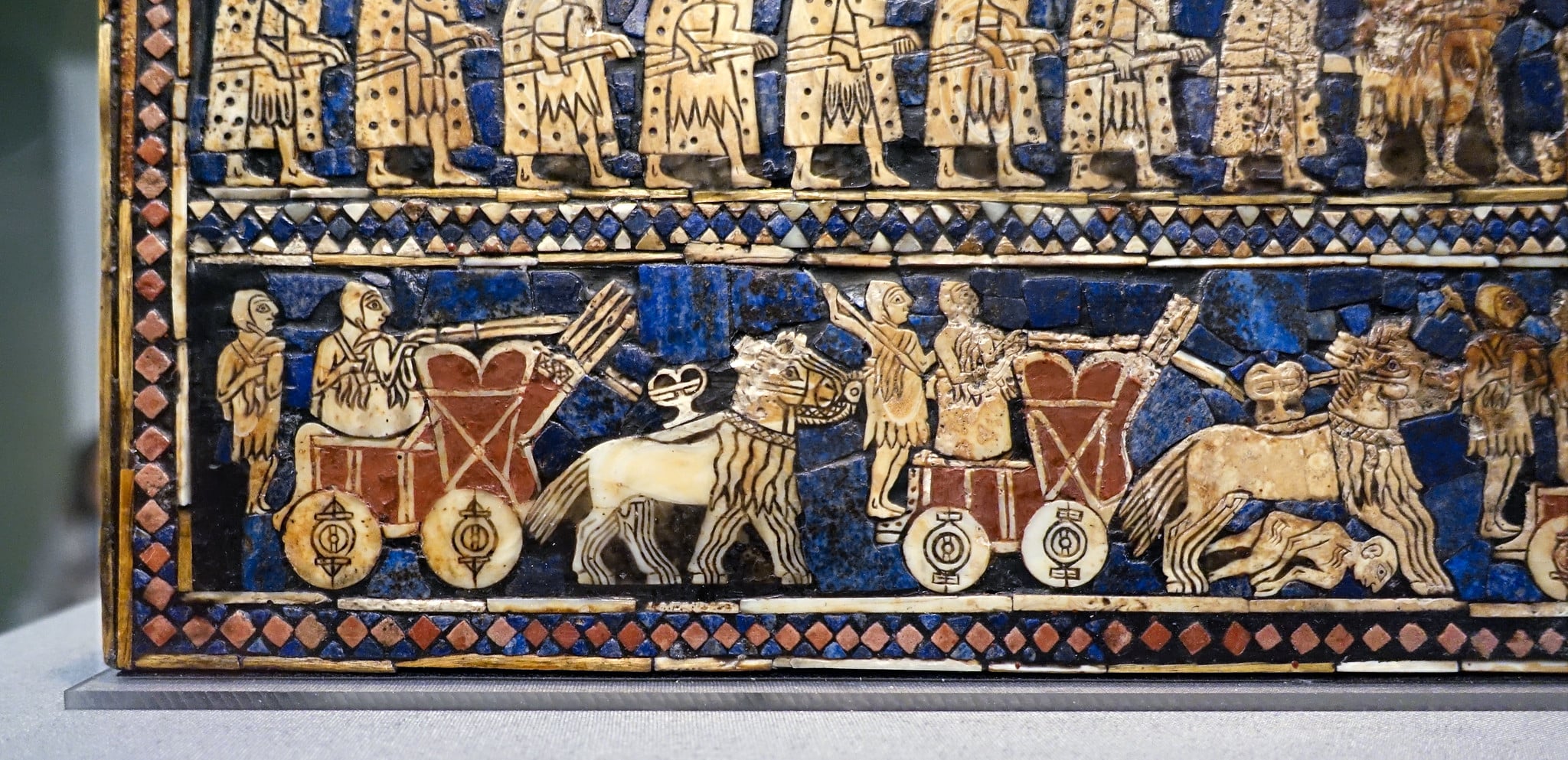
Leonard Woolley’s excavations at Ur in the 1920s uncovered burial practices that made Egyptian mummification seem restrained. Queen Puabi was buried with a court retinue of attendants — around 74 people in the “Great Death Pit” — who appear to have gone willingly into the grave, possibly taking poison before being arranged in the chamber.
Her golden headdress, reconstructed from thousands of individual gold leaves, flowers, and rings, weighs nearly a kilogram. The Sumerians were creating luxury goods 4,500 years ago at a level of skill that contemporary craftsmen marvel at — and the human sacrifice that accompanied these burials reveals a view of royal death that was equal parts magnificent and terrible.
The Tomb of Fu Hao
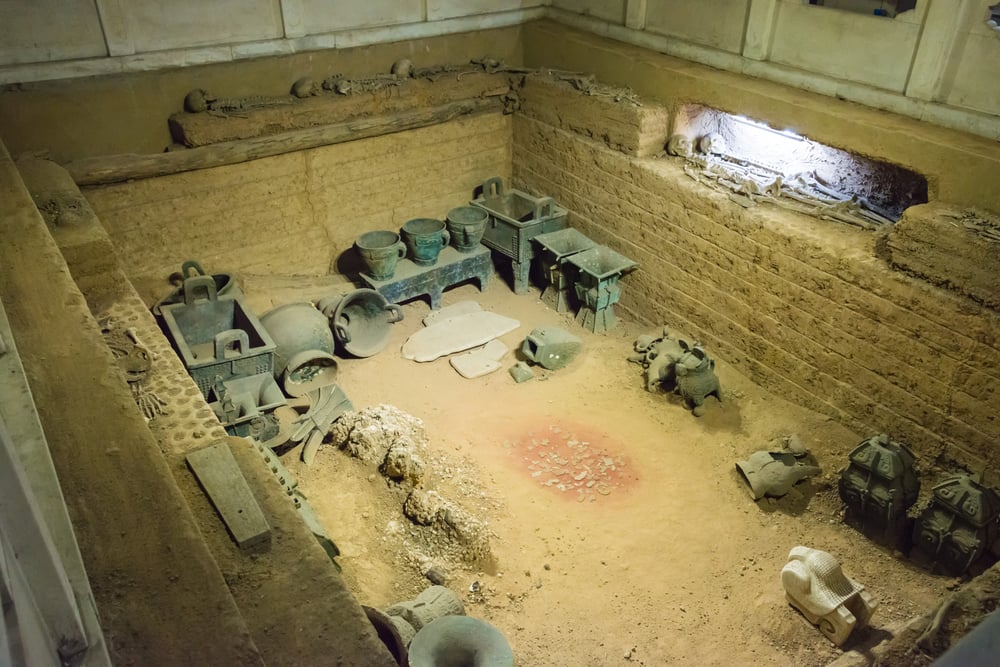
China’s first recorded female general received a burial that reflected her military achievements and royal status. Fu Hao commanded armies for the Shang Dynasty more than 3,200 years ago, and when her tomb was discovered at Anyang in 1976, it contained 468 bronze objects, 755 jade artifacts, and 6,900 cowrie shells — one of the richest Shang-era burials ever found.
Oracle bones discovered elsewhere at the site — used for divination — record Fu Hao leading military campaigns and overseeing religious ceremonies. Her tomb confirmed what the oracle bones suggested: she was one of the most powerful figures in Shang China, a woman who commanded troops and bronze foundries while her male contemporaries were fighting their way to far less historical recognition.
The Thracian Tomb of Kazanlak
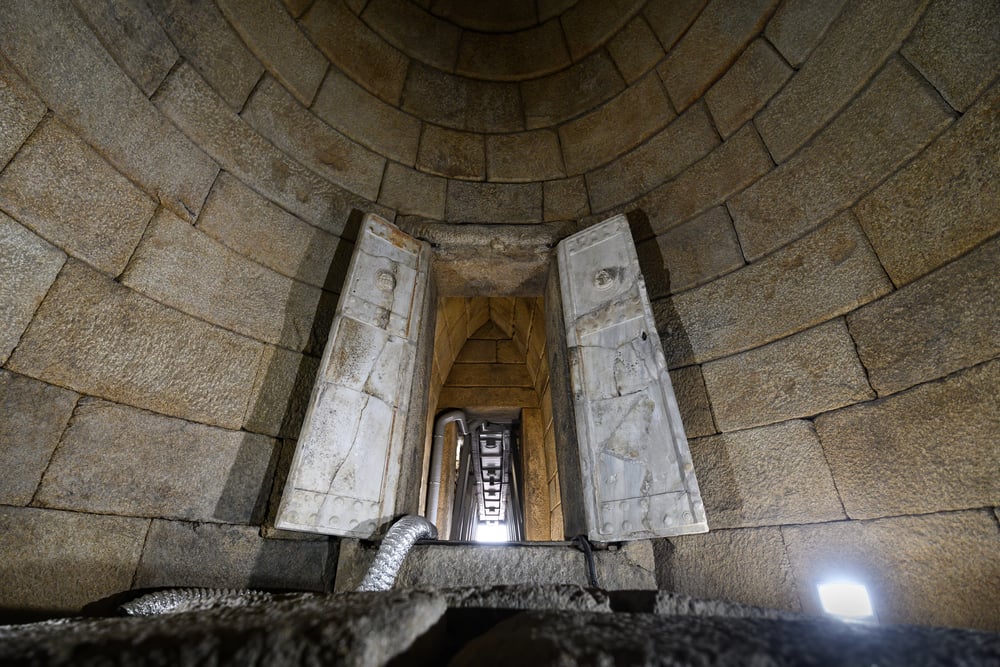
When Bulgarian archaeologists entered the Kazanlak tomb in 1944, they found frescoes considered the finest surviving example of Hellenistic painting anywhere in the ancient world. The burial chamber walls depict a funeral feast rendered with an artistic sophistication that prompted UNESCO to declare the site a World Heritage monument.
The tomb dates to the 4th–3rd century BCE, a period when Thrace is often dismissed as peripheral to the “real” civilizations of Athens and Rome. The paintings make that dismissal look ignorant. Thracian artists were working at a level that equaled the best of the ancient Mediterranean — they simply hadn’t been known for it until someone opened a sealed tomb in Bulgaria in the middle of the 20th century.
The Pazyryk Burial Mounds
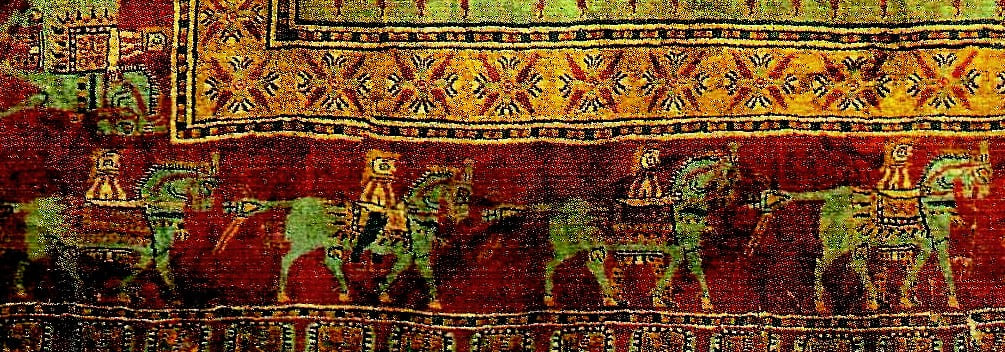
Siberian ice preserved these Scythian burial chambers so completely that archaeologists found clothing, food, and ancient cannabis still stored in bronze cauldrons. The Pazyryk burials contained the world’s oldest known knotted-pile carpet — a textile of such sophistication that it required advanced looms and techniques that wouldn’t reappear in the archaeological record for several centuries.
Embalmed bodies bore tattoos; horses were buried wearing elaborate wooden masks and headdresses; textiles from Persia and China lay alongside objects that were purely local. Nomadic peoples were apparently maintaining artistic traditions and trade connections that would have impressed any settled civilization of the era.
Mawangdui Tomb 3 — The Han Physician’s Library
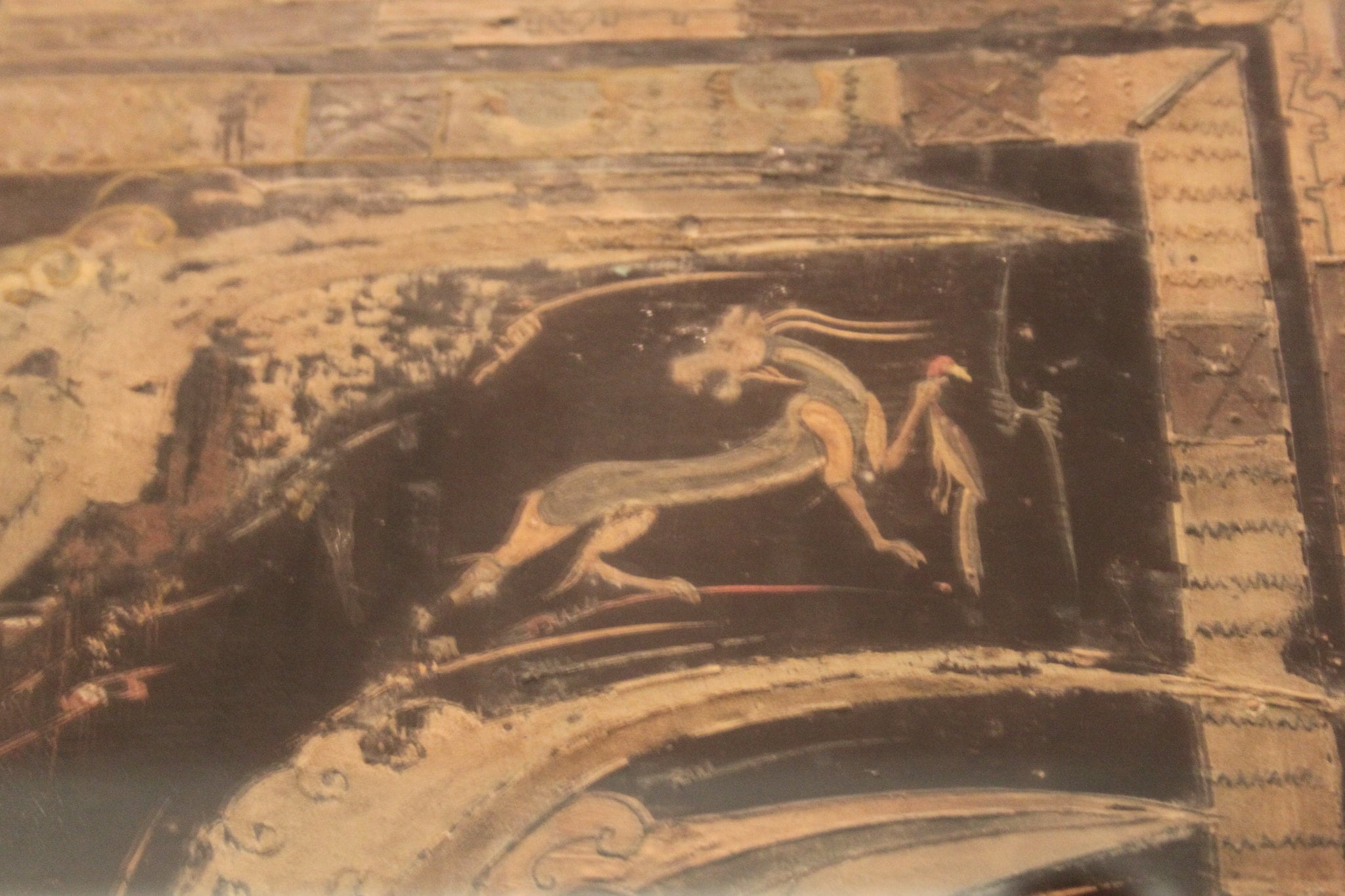
While Lady Dai’s tomb at Mawangdui drew the most attention, the adjacent tombs were equally remarkable. Tomb 3, belonging to her son who died in 168 BCE, contained an extraordinary medical library on silk scrolls — texts on moxibustion, gymnastics for health, sexual health, and a detailed colour map of the southern Han kingdom showing rivers, roads, towns, and military positions with cartographic accuracy that astonished modern geographers.
The Mawangdui medical texts include descriptions of conditions and treatments that, when read alongside modern medicine, show a sophisticated understanding of the human body that existed long before European medicine caught up. The silk map alone — preserved for more than two thousand years — rewrote what historians thought they knew about Han-era geography.
The Tomb of the Etruscan Reliefs
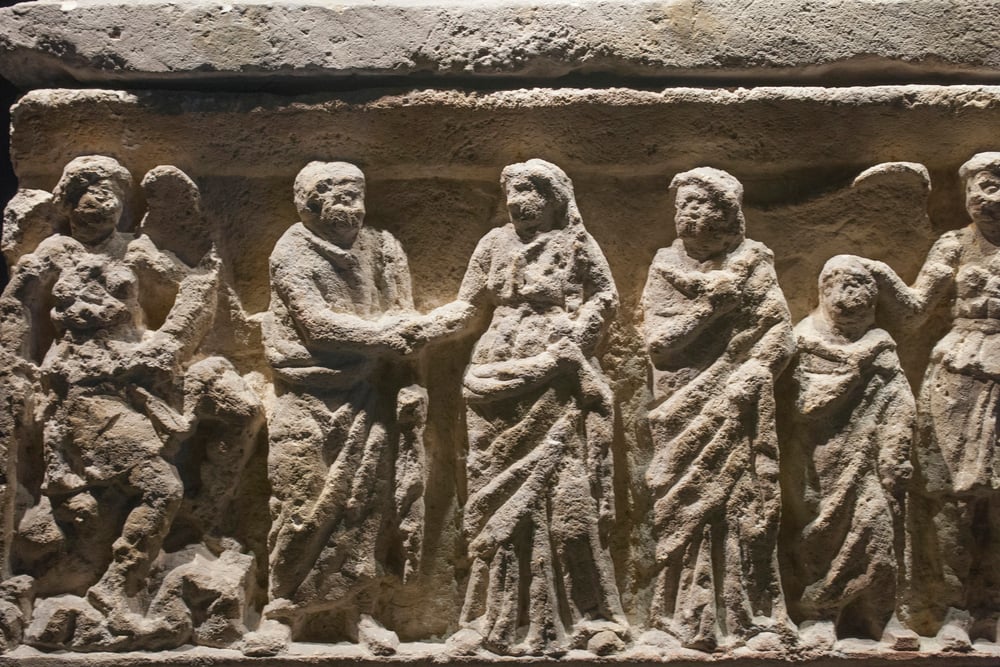
The Etruscans predated Rome and were freely acknowledged by Roman writers to have surpassed them in certain arts and religious knowledge. The Tomb of the Reliefs at Cerveteri, carved into tufa rock around the 4th century BCE, contained detailed carved and painted representations of every object the deceased might need in the afterlife.
Kitchen utensils, weapons, gaming pieces, and furniture are rendered on the walls with such specificity that archaeologists have been able to identify individual household objects and understand how Etruscan homes were furnished. Carved stone pillows supported skulls that once wore golden ornaments. The whole tomb functions as a detailed inventory of a life — arranged on stone walls for an afterlife that evidently required all the same equipment as living.
The Vergina Tomb of the Prince
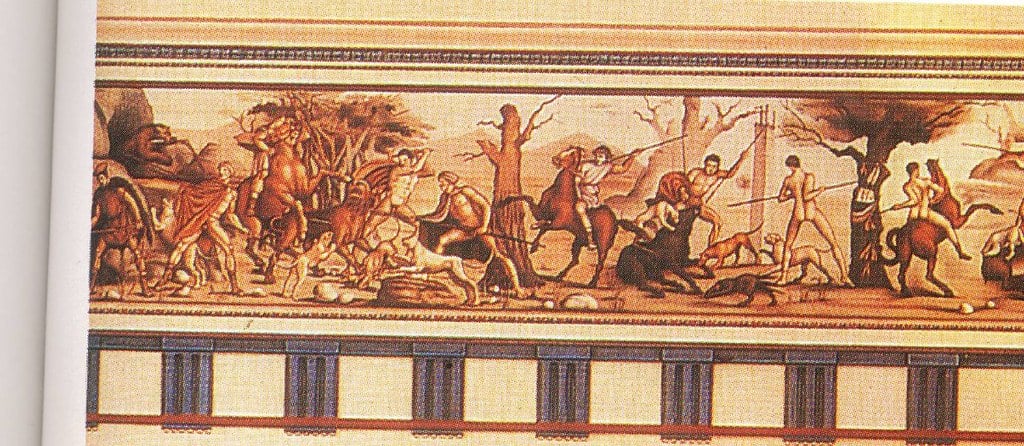
Alongside Philip II’s tomb at Vergina, archaeologists found a second richly furnished burial containing the remains of a young man who died in his late teens or early twenties, along with a woman of similar age. The identity of these individuals remains debated — candidates have included Philip’s son Arrhidaeus and his wife.
The young man’s golden burial wreath was found in a separate gold chest, and his armor — a cuirass and greaves — showed signs of use in actual combat rather than being purely ceremonial. Whatever this prince’s identity, his burial tells the story of someone who died young in the orbit of the most powerful military family in the ancient world, and was given a farewell appropriate to his station.
The Sipán Priest’s Tomb
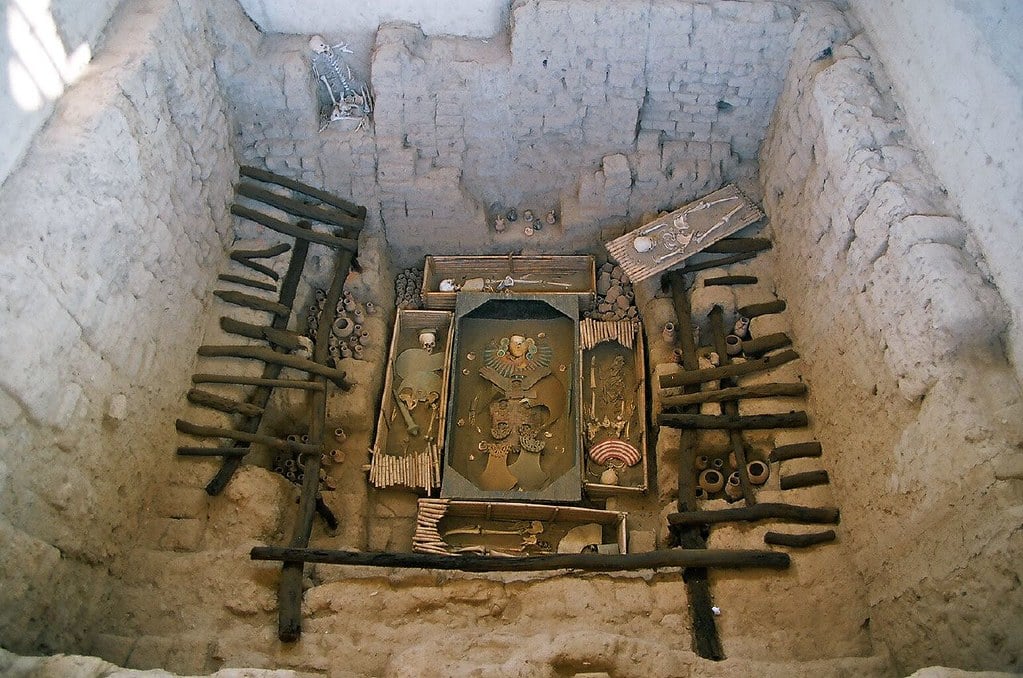
The Moche buried their religious specialists with even more elaborate ceremony than their military rulers. When archaeologists opened the adjacent priest’s tomb at Huaca Rajada, they found a man interred with multiple complete sets of ceremonial regalia, each designed for a different ritual.
Copper headdresses featured feather arrangements requiring birds from several different climate zones, suggesting that Moche religious ceremonies involved elaborate costume changes matched to specific rites. Every piece served a ritual purpose — this was not wealth displayed for its own sake but a complete liturgical wardrobe assembled over a lifetime of religious practice.
The Amphipolis Tomb
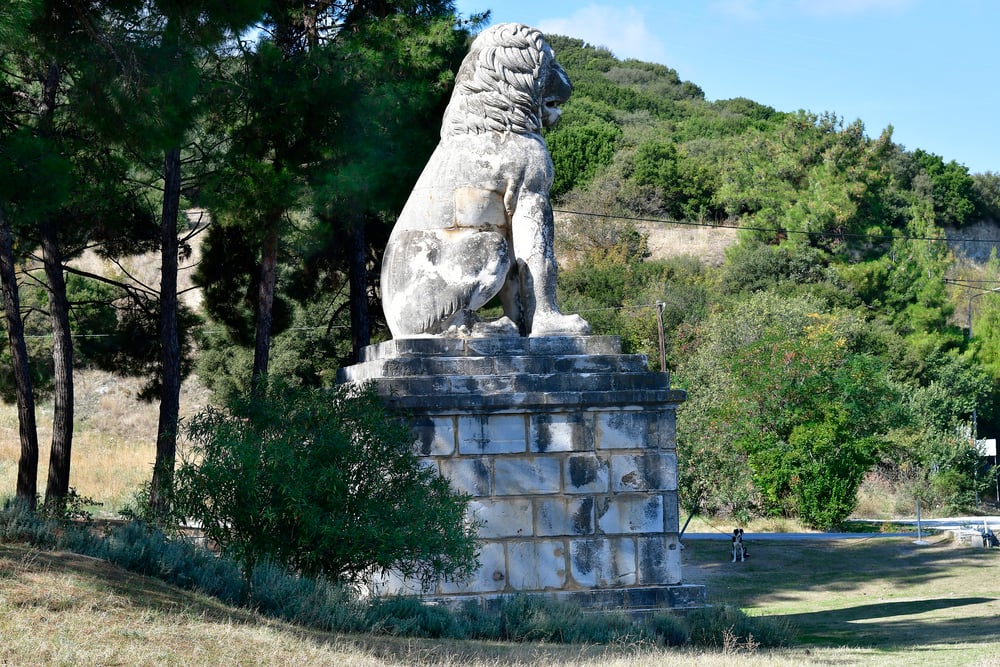
When Greek archaeologists opened the large burial mound at Kasta Hill near Amphipolis in 2012–2014, they found the largest ancient tomb ever discovered in Greece — a multi-chambered monument dating to the late 4th century BCE, the era of Alexander the Great. The tomb was guarded by two sphinxes, two caryatids, and a mosaic floor depicting the abduction of Persephone.
The identity of the tomb’s occupant remains one of the great mysteries of Greek archaeology. The scale of the monument and its date put it in the orbit of Alexander’s inner circle, and speculation has ranged across several possible figures. Whoever was buried there commanded the construction of something extraordinary — and the contents, when fully analyzed, will add considerably to what is known about the post-Alexander world.
The Celtic Chariot Burial at Pocklington
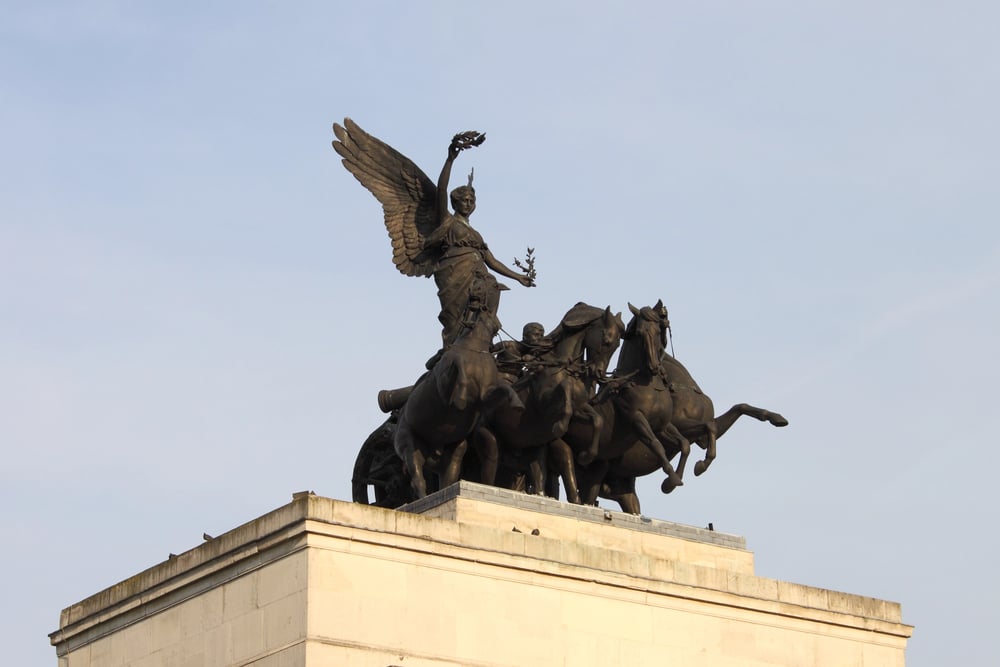
When archaeologists excavated a burial at Pocklington in East Yorkshire starting in 2018, they found a remarkably well-preserved Iron Age warrior interred in his chariot, with two ponies still harnessed — a burial type known from continental Europe but extremely rare in Britain.
The warrior was buried with a shield, spears, and personal objects, and the condition of the find was exceptional — the wooden chariot parts had left clear impressions in the soil, and the horses’ skeletons were positioned as if still ready to move. The burial dates to roughly 200–100 BCE and demonstrates that Iron Age Yorkshire had connections to broader Celtic traditions and sufficient resources to afford elaborate equestrian funerals for its elite.
The Wari Elite Tombs at El Castillo
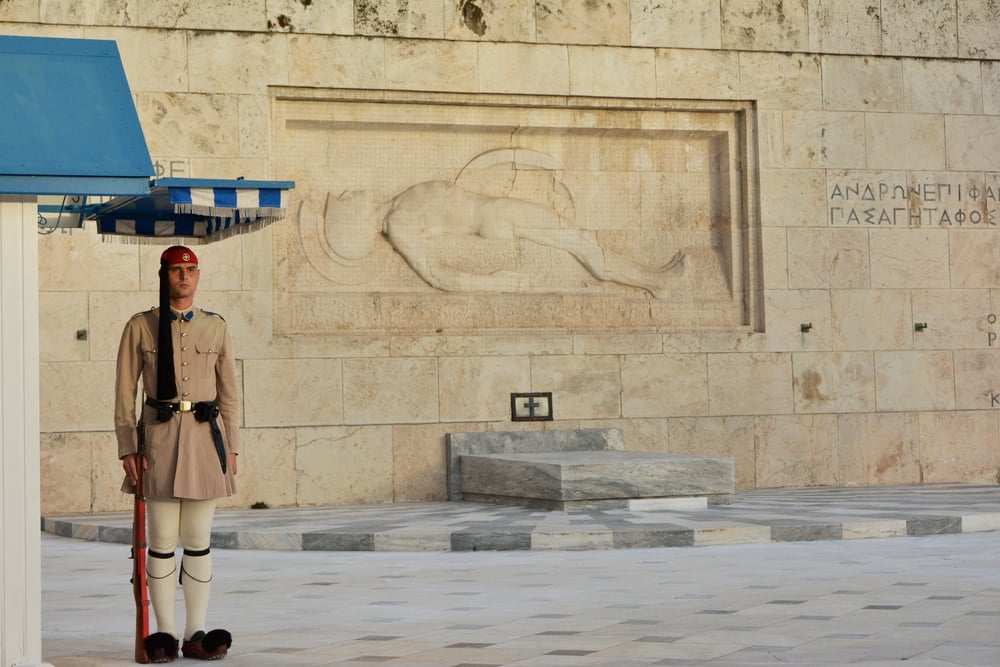
When archaeologists excavated beneath El Castillo de Huarmey on Peru’s coast in 2013, they found an undisturbed royal tomb of the Wari civilization — a culture that preceded the Inca and whose empire stretched across much of the Peruvian highlands and coast. The tomb contained 63 individuals, mostly elite women, along with hundreds of gold, silver, and bronze objects.
The Wari have long been overshadowed by the more famous Inca, but the El Castillo tomb revealed the sophistication of their court culture: finely woven textiles, elaborate silver earrings, and evidence of a complex hierarchical society with its own distinct artistic tradition. Like the Sipán discoveries, this tomb forced a recalibration of what “pre-Inca Peru” actually meant.
The Antikythera Shipwreck
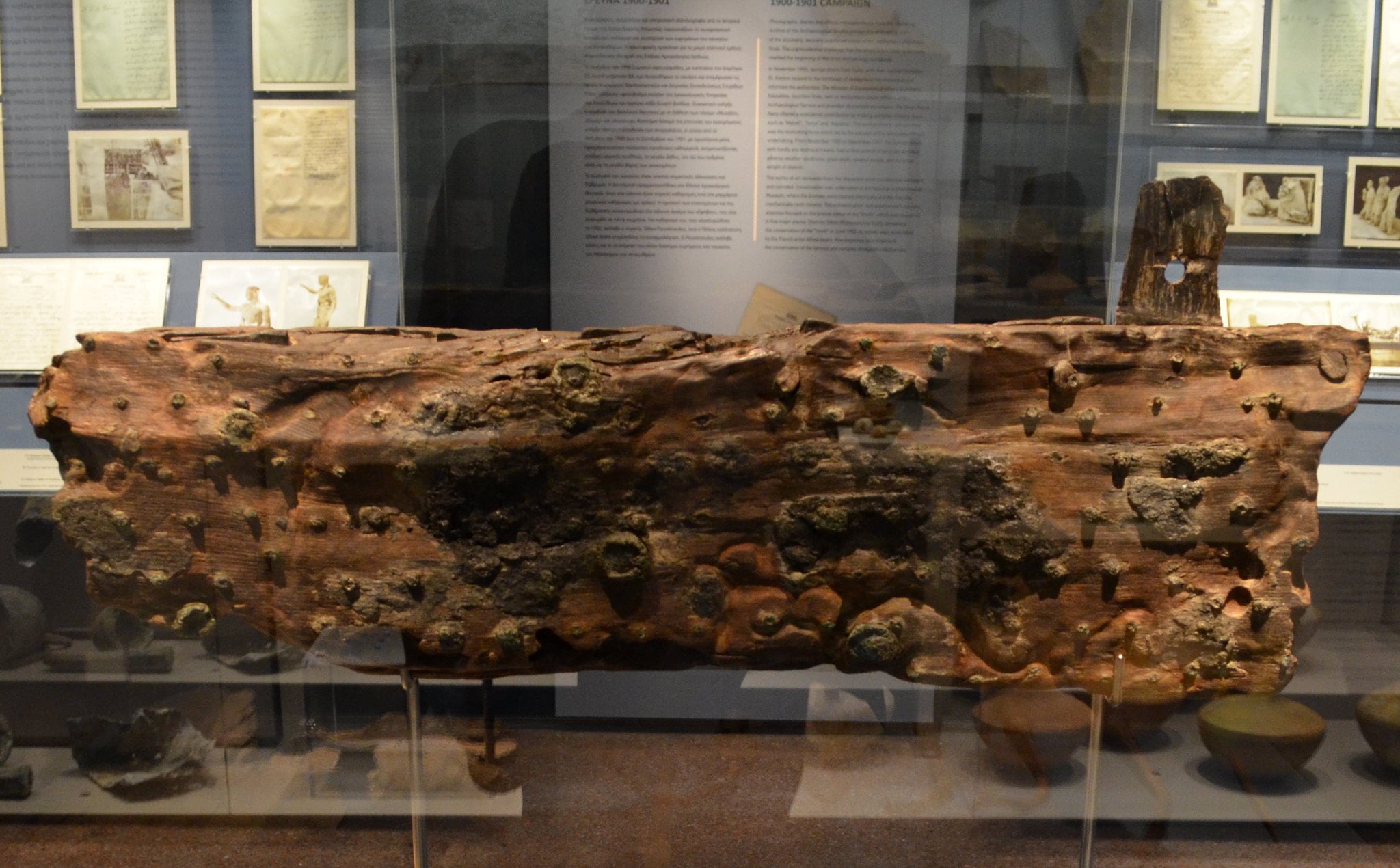
Strictly speaking, this isn’t a tomb — it’s a Roman-era shipwreck discovered by sponge divers off the Greek island of Antikythera in 1900. But what was recovered from the wreck has proved as historically transformative as any tomb opening.
Among the bronze statues and marble sculptures recovered from the seabed was a corroded bronze object that proved, on analysis, to be an extraordinarily sophisticated mechanical calculator — the Antikythera mechanism — capable of predicting solar and lunar eclipses, tracking the four-year cycle of the Olympic Games, and calculating planetary positions. Dating to around 100–150 BCE, it demonstrates a level of mechanical engineering that historians had not believed possible in the ancient world, and whose full complexity is still being decoded using modern imaging technology.
The Tomb of the Jade Suit Prince
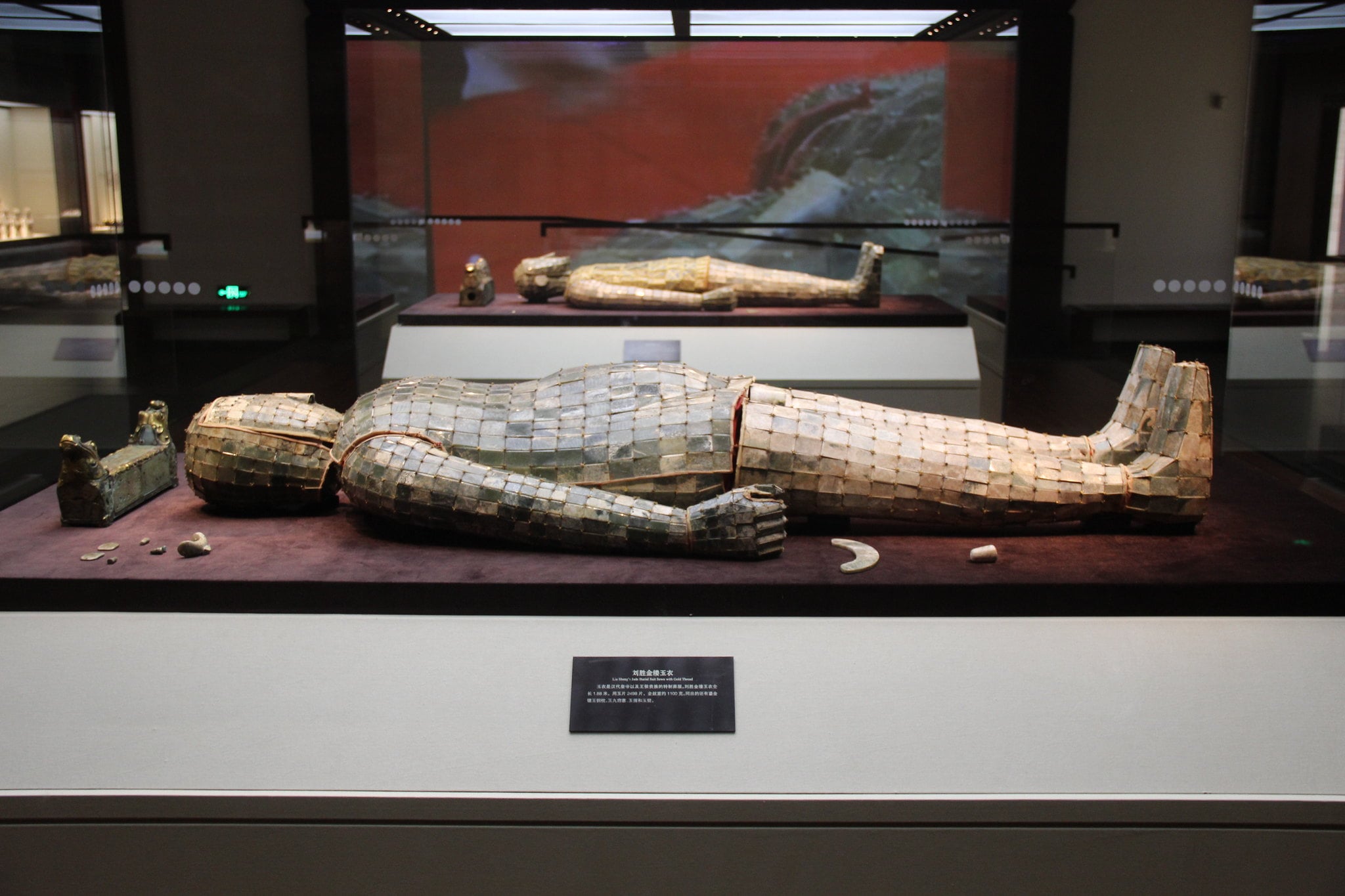
Chinese archaeologists working at Mancheng in Hebei Province in 1968 opened two side-by-side tombs cut into a hillside — the burials of Liu Sheng, Prince Jing of Zhongshan, and his wife Dou Wan, dating to around 113 BCE. Both were encased in burial suits made entirely of jade pieces sewn together with gold wire.
Liu Sheng’s suit alone contained 2,498 jade pieces. The suits represent one of the most elaborate burial practices in Chinese history, based on the Han belief that jade could preserve the body from decay. Around them were bronze vessels, silk garments, lacquerware, and gold objects that give a vivid picture of Han aristocratic life — and the jade suits themselves remain among the most technically demanding objects ever produced by ancient Chinese craftsmen.
When the Sealed Door Opens
Every sealed tomb on this list was closed by people who expected it to stay that way. They were wrong, and we are the richer for it — not just in gold and jade and knowledge of the past, but in a more fundamental way.
These discoveries keep revising what we think ancient people were capable of. The Moche metalwork, the Scythian tattoos, the Antikythera mechanism, the Mawangdui medical texts — again and again, what comes out of the ground is more sophisticated, more connected, and more human than the story we had been telling. Opening these tombs doesn’t just recover the past. It keeps correcting our assumptions about it.
More from Go2Tutors!

- The Romanov Crown Jewels and Their Tragic Fate
- 13 Historical Mysteries That Science Still Can’t Solve
- Famous Hoaxes That Fooled the World for Years
- 15 Child Stars with Tragic Adult Lives
- 16 Famous Jewelry Pieces in History
Like Go2Tutors’s content? Follow us on MSN.