Fast Food Menus Then Versus How They Are Now
Fast food used to be simple. You walked in, stared at a basic menu board with maybe eight options, ordered your burger and fries, and left.
The whole experience took maybe three minutes if the place was busy. Now you’re confronted with digital displays cycling through dozens of items, seasonal specials, and combo configurations that require a calculator to understand.
The evolution of fast food menus tells the story of how America’s relationship with quick service dining has transformed from straightforward convenience into something far more complex.
Size Options Were Straightforward
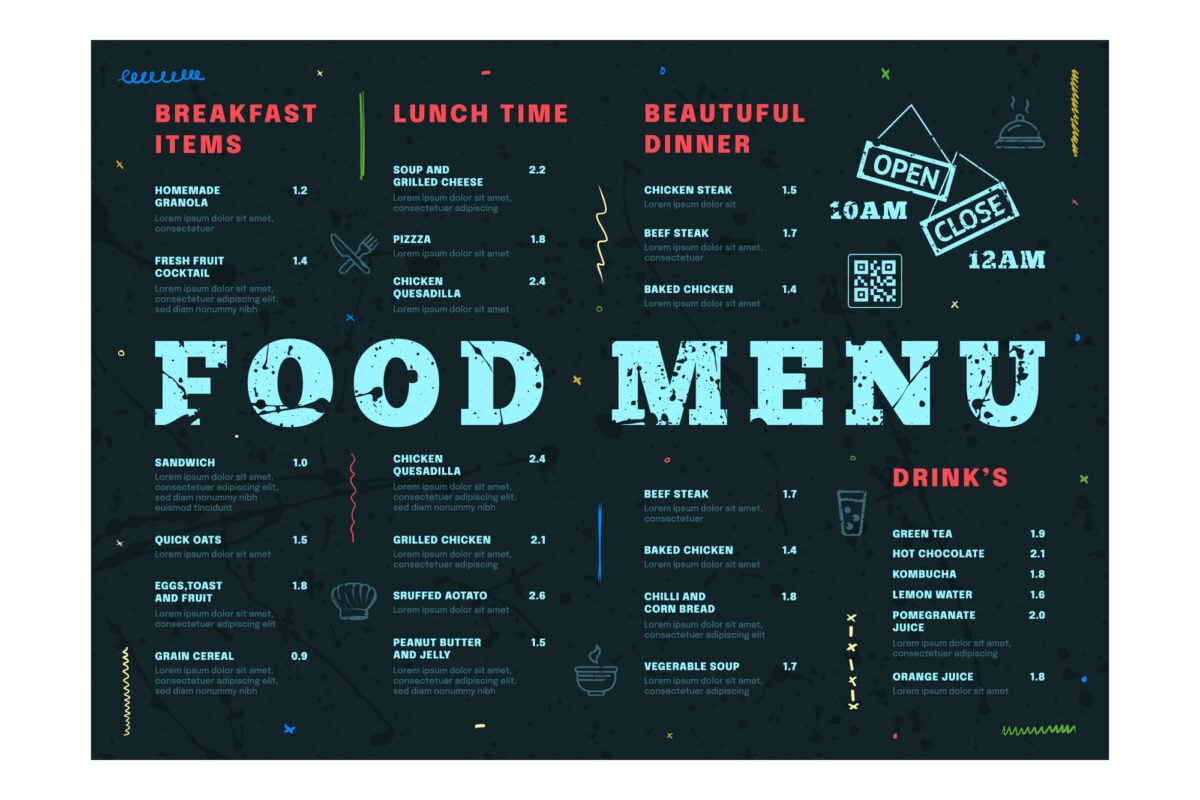
Ordering used to mean choosing between small, medium, and large. That was it.
No “super size,” no “grande,” no made-up names that obscured what you were actually getting. The large was bigger than the medium, which was bigger than the small — and everyone understood exactly what that meant without needing a chart.
Limited Item Count
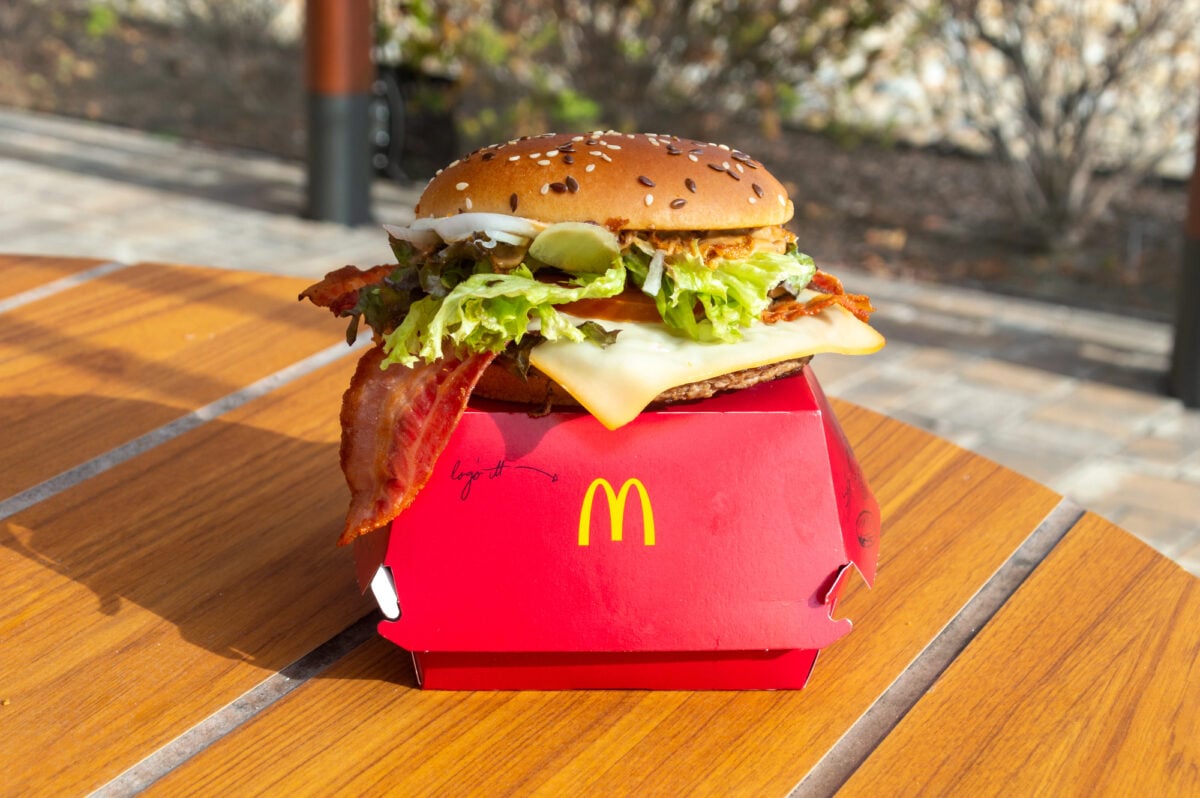
Early fast food menus (and by early, we’re talking about the era when McDonald’s still displayed the number of hamburgers sold on their signs) featured maybe ten items total. Hamburger, cheeseburger, fries, shake, pie, and a few drinks — that was often the entire selection.
And yet people didn’t seem to feel deprived by the simplicity; if anything, the limited options made ordering faster and kept kitchens running efficiently, which meant your food arrived hot and correct more often than not.
No Seasonal Marketing Campaigns

The concept of the limited-time offer has turned modern fast food into a perpetual state of artificial urgency (you must try the new spicy chicken sandwich before it disappears forever, even though it’ll be back next fall with a slightly different sauce and a new name). But the original fast food model operated on consistency rather than novelty: the same items, prepared the same way, available whenever you wanted them.
So you could develop actual preferences instead of constantly chasing whatever temporary creation the marketing department had dreamed up that month. And you knew that your favorite item would still be there next week, next month, next year — which turns out to be a surprisingly comforting thing.
Healthier Options Were Nonexistent
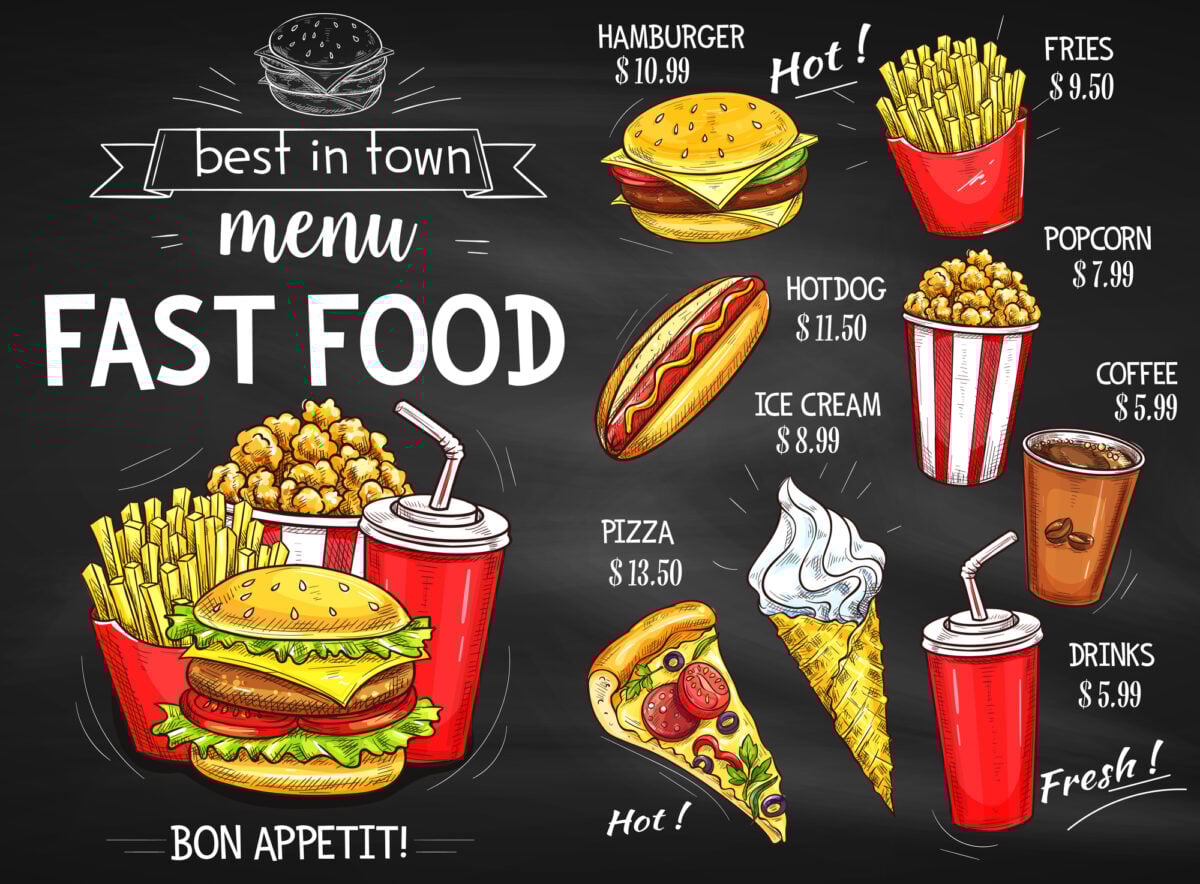
Salads didn’t exist on fast food menus. Neither did grilled chicken, apple slices, or anything that could remotely be considered a health-conscious choice.
This wasn’t because fast food companies were actively trying to make people unhealthy — it’s because fast food was understood to be an occasional indulgence rather than a regular meal replacement, so the idea of making it “healthy” would have seemed contradictory to the entire concept.
Combo Meals Had Simple Logic
When combo meals first appeared, they followed a logical pattern that anyone could understand: burger plus fries plus drink equals combo, and you saved maybe fifty cents over ordering each item separately. But modern combo configurations have become baroque exercises in price optimization (the number meal comes with a sandwich you’ve never heard of, medium fries that are somehow more expensive than large fries when ordered separately, and a choice between seventeen different beverages, three of which cost extra).
The math rarely works out in the customer’s favor anymore, but the combinations are complex enough that most people can’t calculate the difference while standing in line. Which is probably the point.
Value Menus Appeared and Disappeared
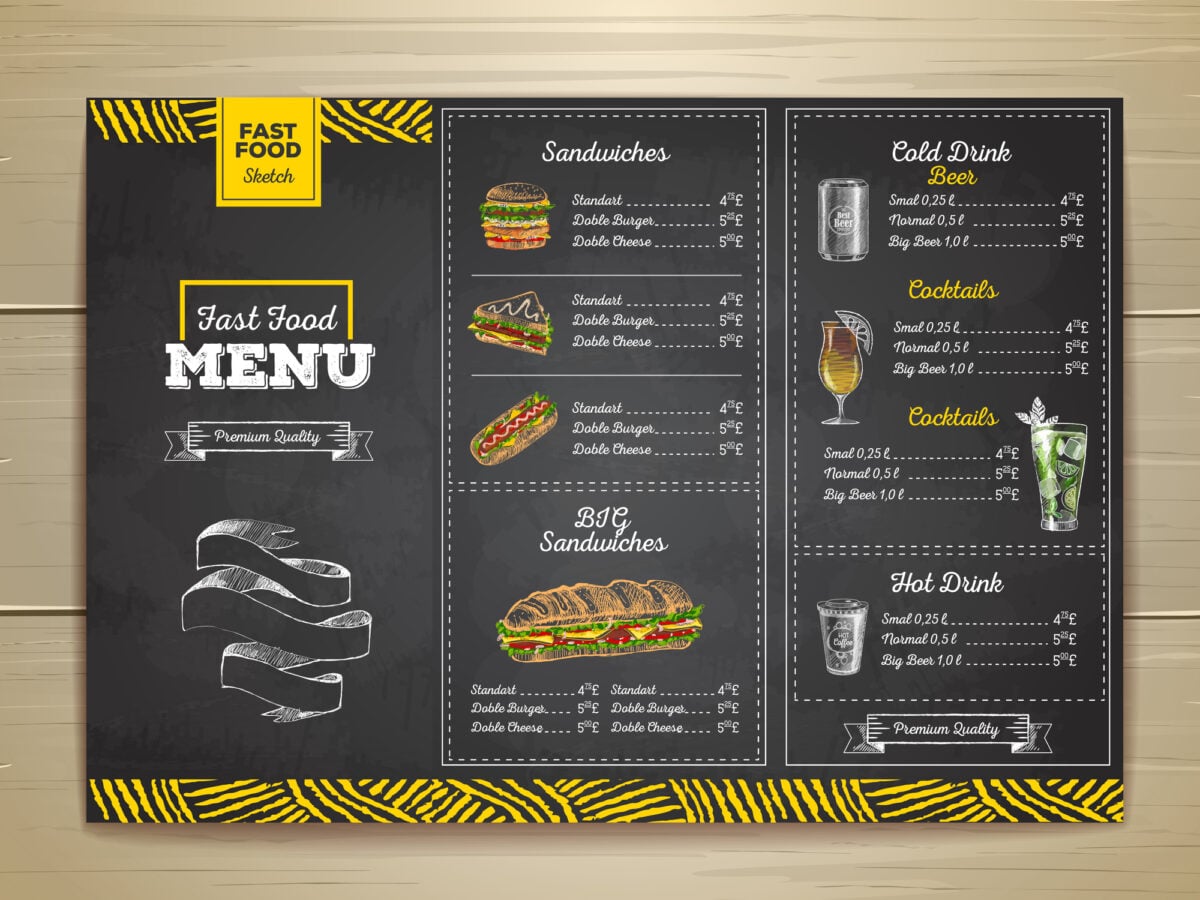
The dollar menu represented fast food’s democratic moment — genuinely cheap food that tasted decent and filled you up. But like many good things that threatened profit margins, it got complicated out of existence.
Now there are “value menus” with items that cost $1.29, $1.49, $1.79, and somehow $3.99, which defeats the entire psychological appeal of dollar-menu pricing.
Digital Displays Changed Everything
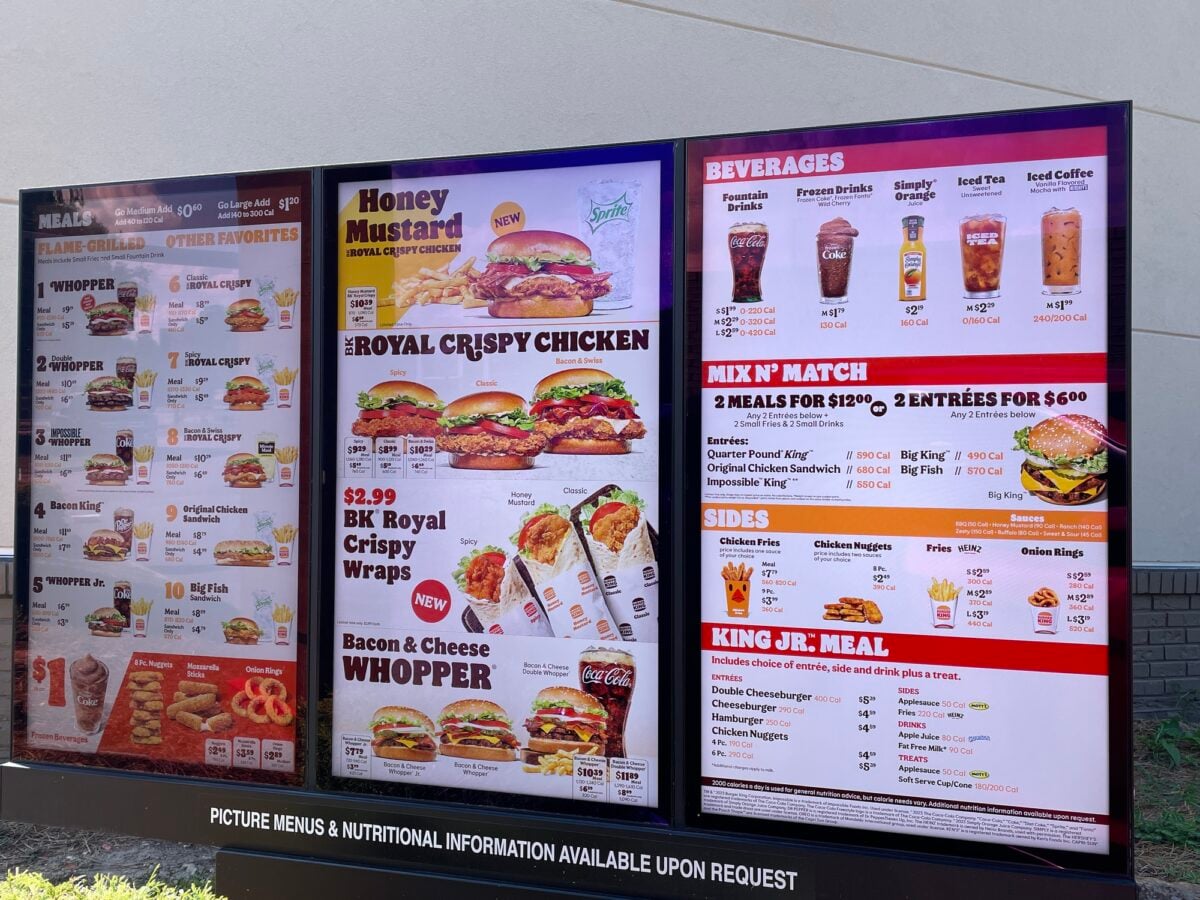
Paper menu boards with plastic letters created a certain commitment to stability. Changing a menu item meant someone had to physically remove letters and replace them, so changes happened deliberately and stuck around long enough to matter.
Digital displays eliminated that friction entirely, turning menus into constantly shifting landscapes of promotions, limited-time offers, and price adjustments that can change faster than customers can process them.
Secret Menus Became Public Knowledge
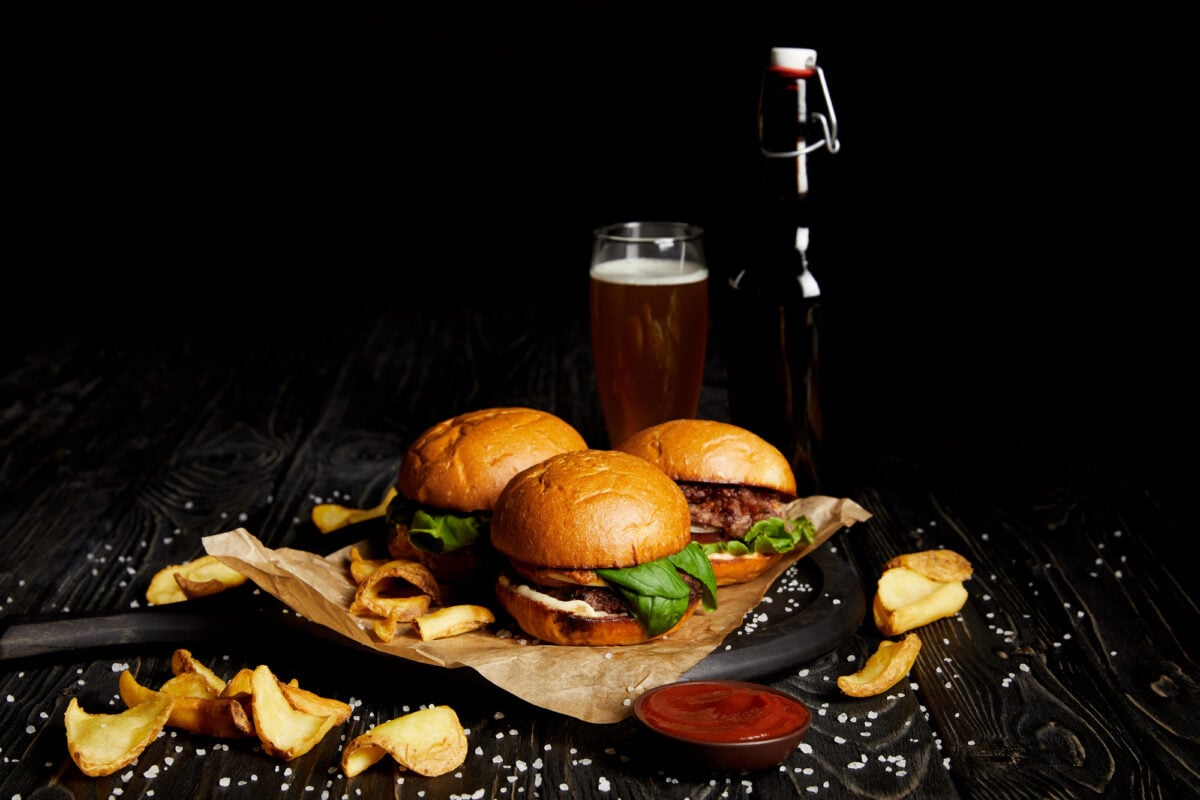
There was something genuinely appealing about knowing that In-N-Out served “Animal Style” burgers even though they weren’t listed on the menu — it felt like being part of an insider community. But once secret menus became widely publicized through social media, they stopped being secret and started being just another marketing strategy, which stripped away the authentic feeling of discovering something special.
Breakfast Expanded Beyond Recognition
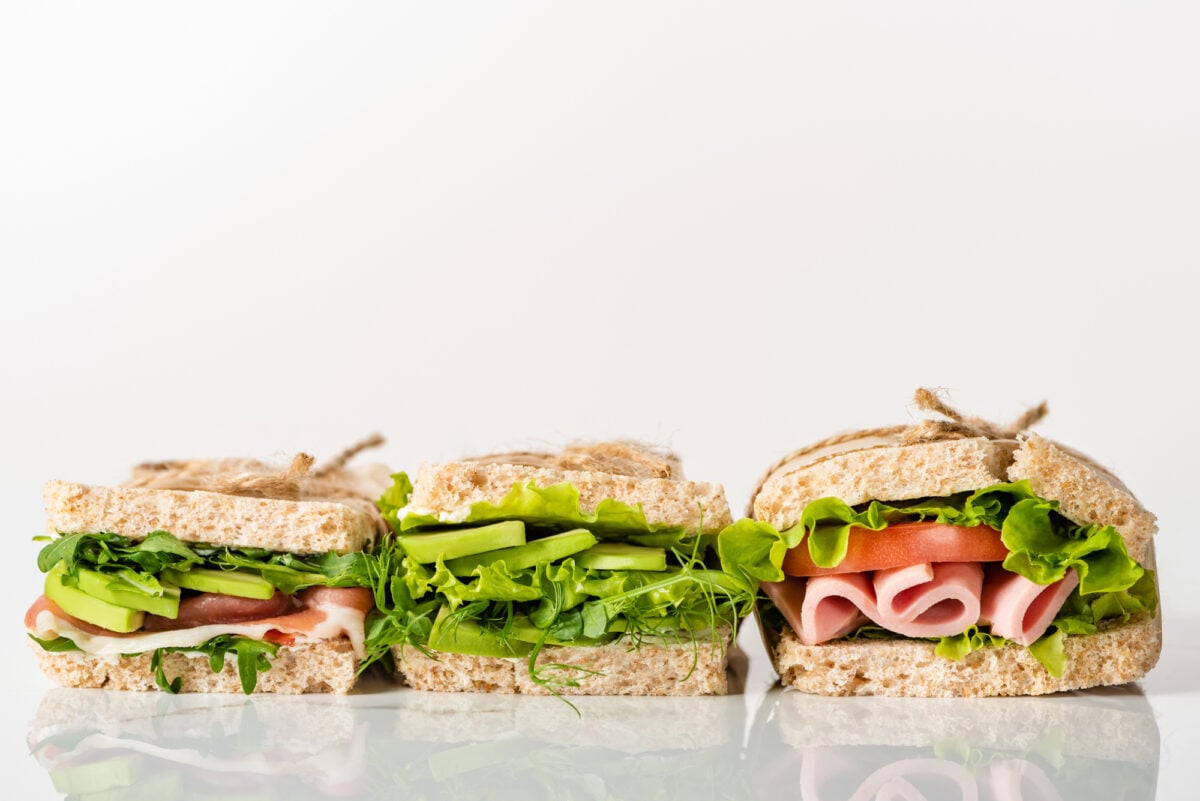
Fast food breakfast once meant Egg McMuffins and hash browns, available during morning hours and nowhere else. Now breakfast menus are sprawling affairs with pancakes, burritos, bowls, and sandwiches that blur the line between breakfast and regular menu items (some places serve breakfast all day, which sounds convenient until you realize it means the grill never gets a break to be properly cleaned).
The expansion of breakfast options reflects America’s increasingly irregular eating schedule, but it also means breakfast has lost its distinct identity within fast food culture. So instead of a quick morning meal, breakfast becomes just another decision tree of overwhelming choices.
Customization Became Expected
The original fast food model deliberately limited customization to keep service fast and consistent. You could ask to hold the pickles, maybe add extra ketchup, but elaborate modifications weren’t part of the system.
Modern fast food has swung completely in the opposite direction — every item can be customized in dozens of ways, which sounds appealing until you’re stuck behind someone ordering a burger with seventeen specific modifications while your fries get cold.
Calorie Counts Appeared on Menu Boards
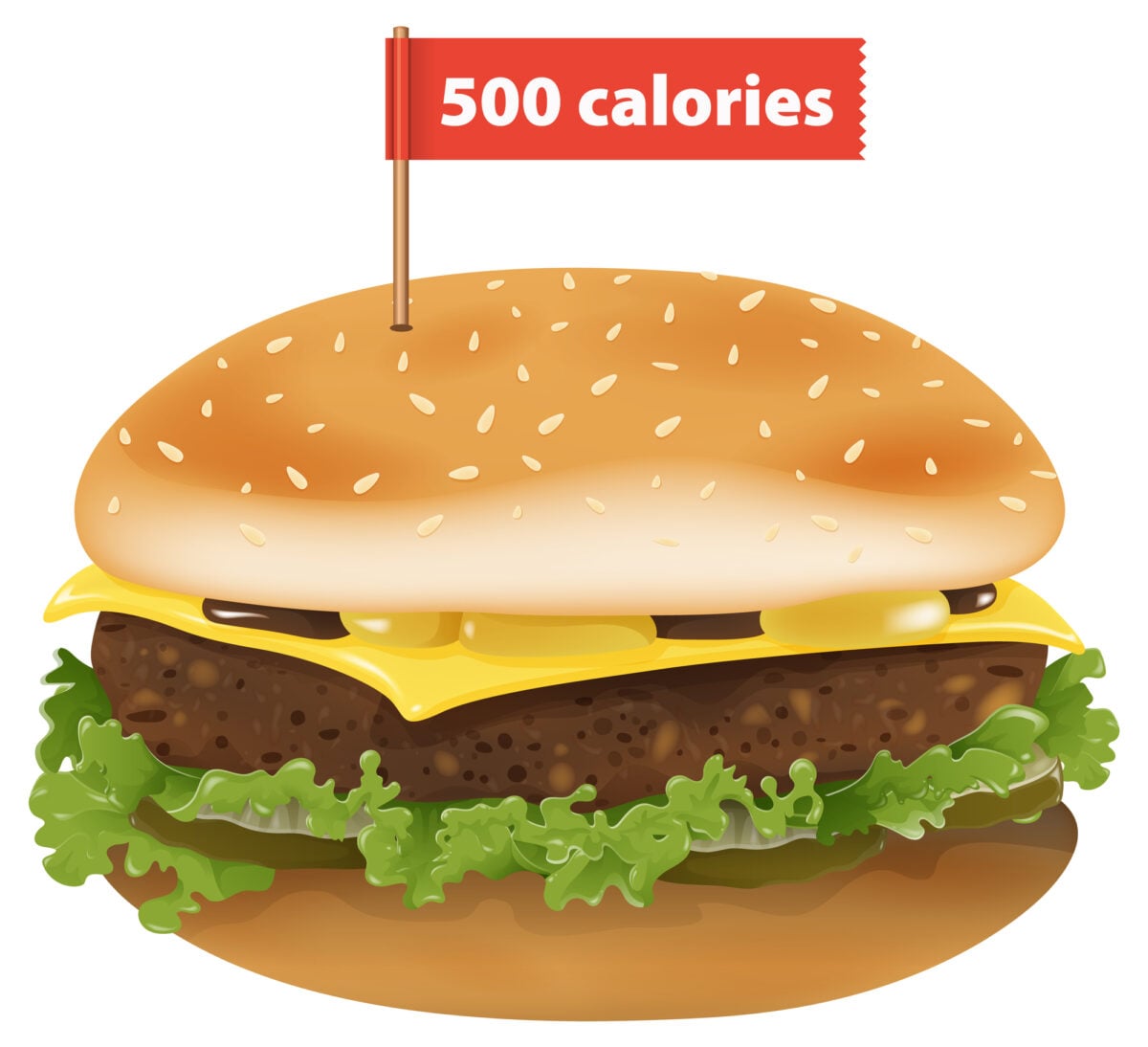
Menu calorie disclosure was supposed to help people make informed choices, but mostly it just made ordering more depressing. Learning that your favorite combo meal contains 1,200 calories doesn’t usually change what you order — it just makes you feel worse about ordering it.
Premium Ingredients Entered Fast Food
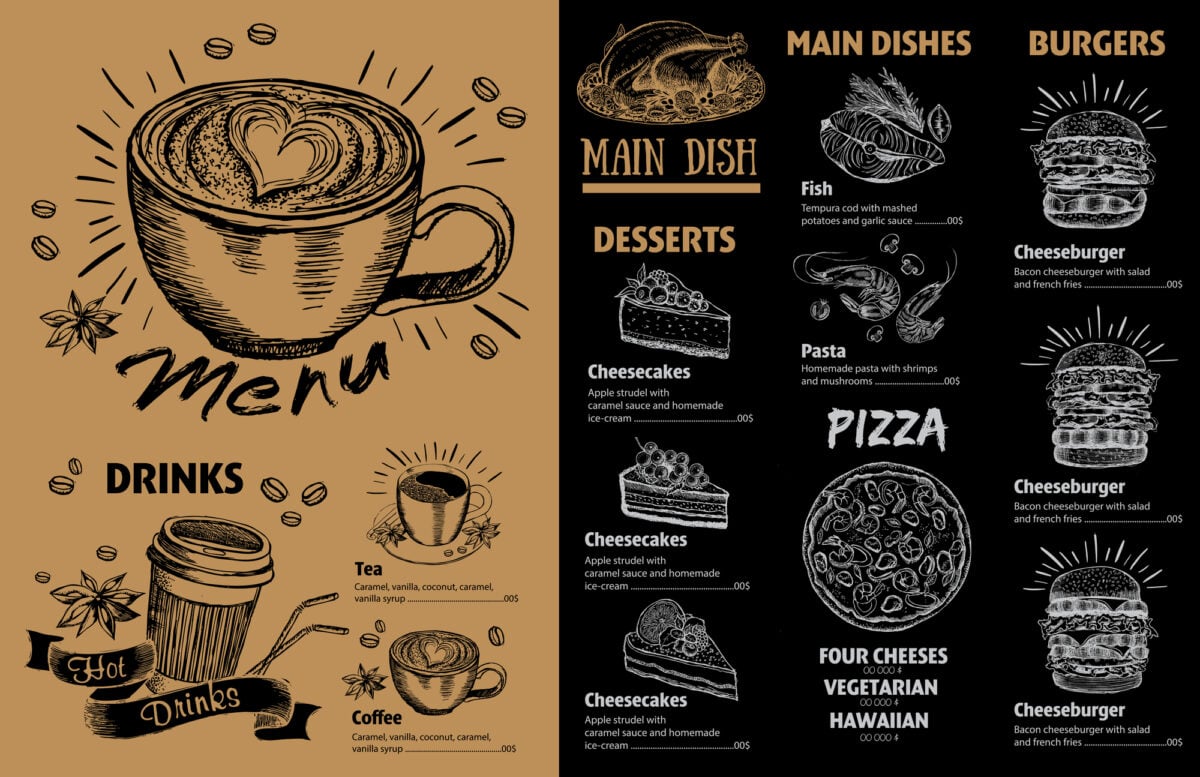
Fast food used to embrace its own limitations rather than pretend to be something else. The ingredients were basic, the preparation was simple, and everyone understood the trade-off between speed and gourmet quality.
But the introduction of “premium” ingredients — artisan buns, specialty cheeses, fancy sauces — created a weird middle ground where fast food tries to compete with casual dining while still maintaining drive-through speed.
Mobile Ordering Changed the Experience
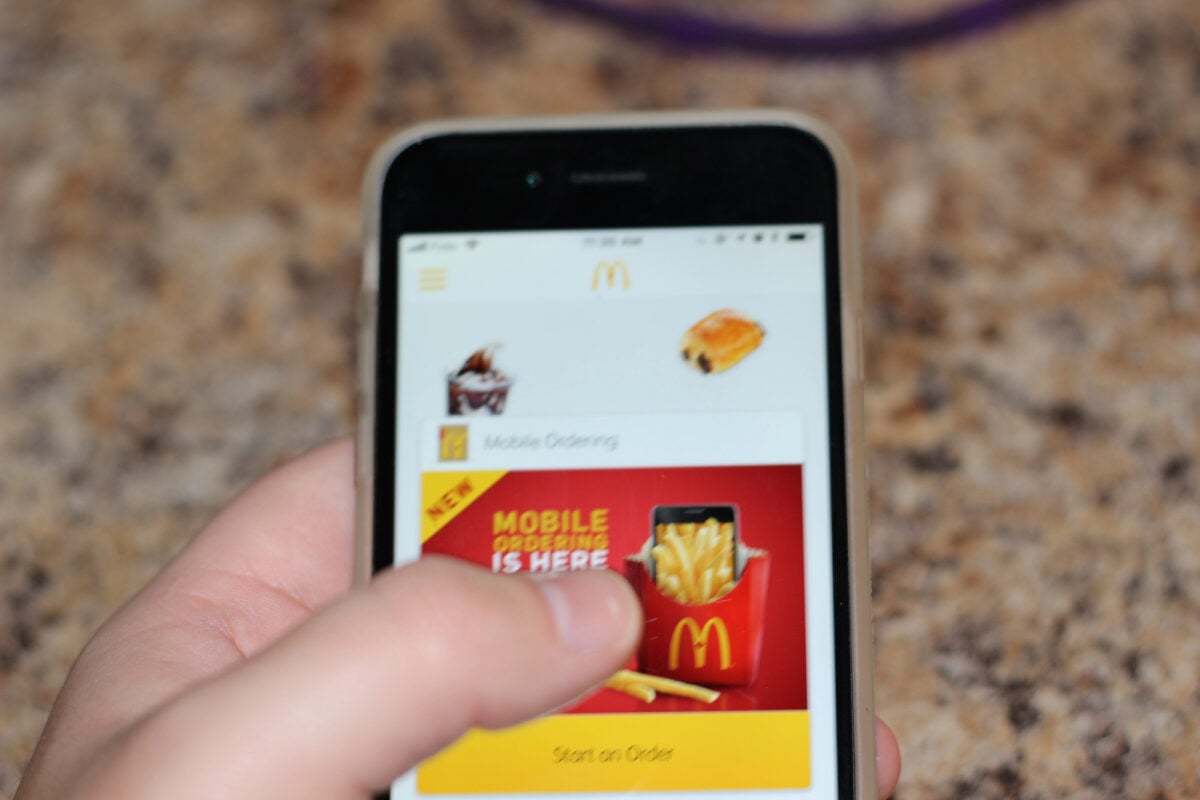
Ordering through an app eliminates the human interaction that was once central to fast food service, but it also eliminates the pressure to decide quickly while other customers wait behind you. The trade-off feels representative of how technology has changed most customer service — more convenient and less human at the same time.
Mobile ordering also enables the kind of detailed customization that would be impractical to communicate verbally, which means menus have become even more complex to accommodate all the possible modifications people might want to make from the comfort of their phones.
Looking Back at What We’ve Gained And Lost
Fast food menus have undeniably become more diverse, accommodating different dietary preferences and offering genuine improvements in some areas — better coffee, fresher ingredients, more transparent nutritional information. But something essential was lost in the transition from simple to complex.
The original appeal of fast food wasn’t just speed; it was the relief of not having to make complicated decisions about what to eat. Walking into a McDonald’s in 1970 meant choosing from a handful of options that were all pretty similar and all pretty satisfying.
Walking into that same McDonald’s today means confronting a decision matrix that can feel as complex as planning a vacation. Progress often means more choices, but more choices don’t always mean a better experience — especially when all you wanted was a quick burger and fries.
More from Go2Tutors!

- The Romanov Crown Jewels and Their Tragic Fate
- 13 Historical Mysteries That Science Still Can’t Solve
- Famous Hoaxes That Fooled the World for Years
- 15 Child Stars with Tragic Adult Lives
- 16 Famous Jewelry Pieces in History
Like Go2Tutors’s content? Follow us on MSN.



