14 Things Humans Used Before Common Inventions Existed
Long before our modern conveniences existed, people demonstrated remarkable ingenuity in solving everyday problems with natural materials and primitive technologies. These solutions might seem strange or uncomfortable to us today, but they served our ancestors well for thousands of years.
Here is a list of 14 fascinating alternatives people used before many common inventions came into existence.
Moss Instead of Toilet Paper

Before the soft rolls we take for granted today, people turned to nature’s solutions. Moss was a popular choice in many forested regions because of its natural softness and absorbency.
Ancient Romans used a sponge attached to a stick that was shared in public bathrooms and washed between uses in vinegar or salt water.
Animal Bladders as Condoms
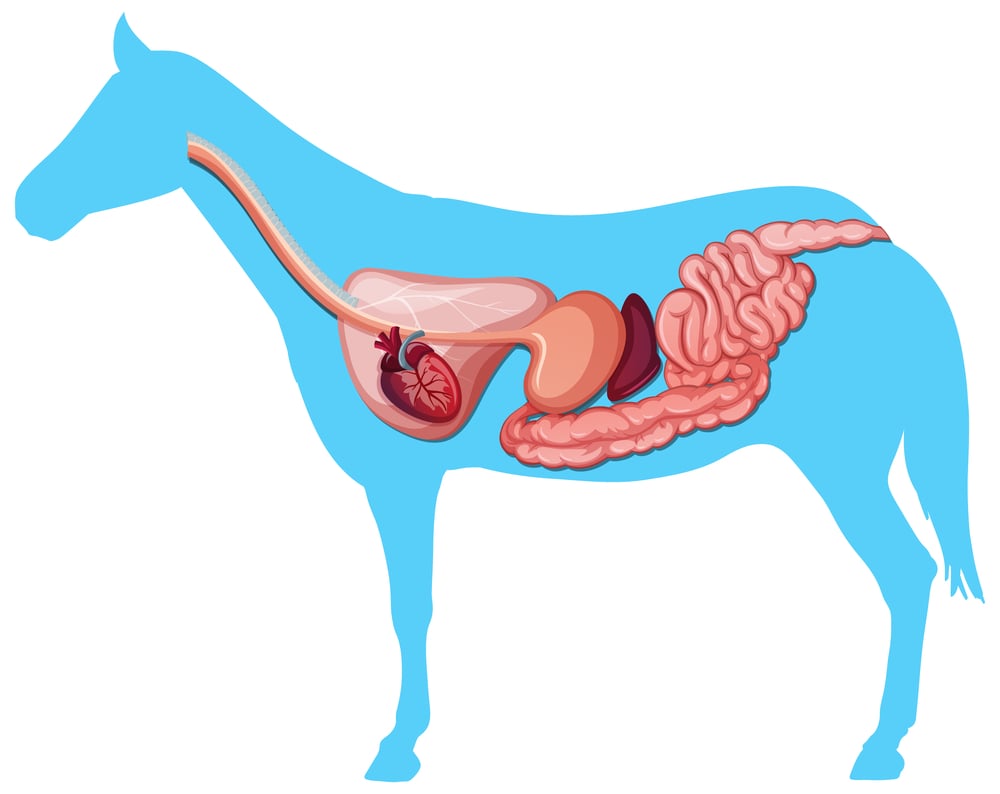
The history of contraception dates back thousands of years. People fashioned protective sheaths from animal intestines and bladders, particularly from sheep and goats. These natural membranes were cleaned, dried, and fashioned into primitive condoms.
They were often reusable, being washed after each use.
Urine for Laundry

Ancient Romans discovered that urine contains ammonia compounds that work effectively as cleaning agents. Launderers would collect urine in special pots placed around cities, then use the fermented liquid to remove stains and brighten whites.
The ammonia broke down dirt and grease while also functioning as a bleaching agent.
Bread as Erasers

Before rubber erasers came along in the 1770s, people used moistened bread crumbs to remove pencil marks. The soft, tacky texture of fresh bread could pick up graphite without damaging paper.
Artists and writers would keep a small piece of breadcrumb nearby when working to correct mistakes.
Beeswax for Dental Fillings
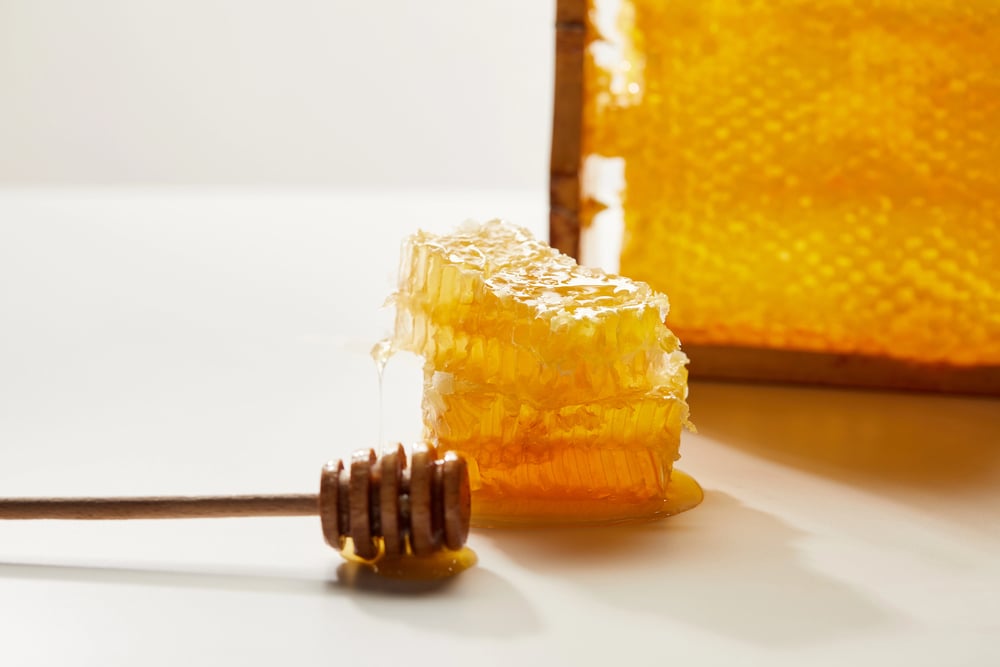
Dental care has come a long way from its primitive beginnings. Ancient civilizations used mixtures including beeswax to fill painful cavities. Evidence from 6,500 years ago shows a beeswax dental filling in a cracked tooth discovered in Slovenia.
Other cultures used materials like resin, mineral gypsum, and even metals for the same purpose.
Vinegar-Soaked Sponges for Deodorant
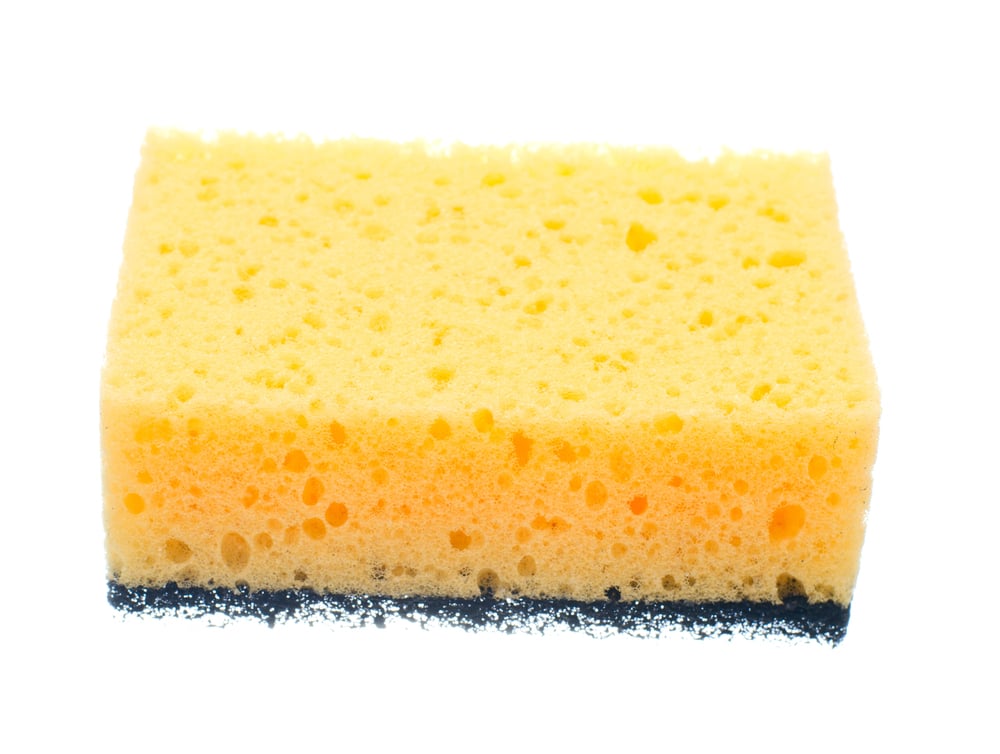
Body odor management has always been a human concern. Ancient Greeks and Romans would rub their bodies with vinegar-soaked sponges to neutralize odors.
The acidic nature of vinegar helped kill the bacteria responsible for unpleasant smells. Others used perfumed oils and herbal sachets tucked into clothing.
Hollow Horns as Hearing Aids
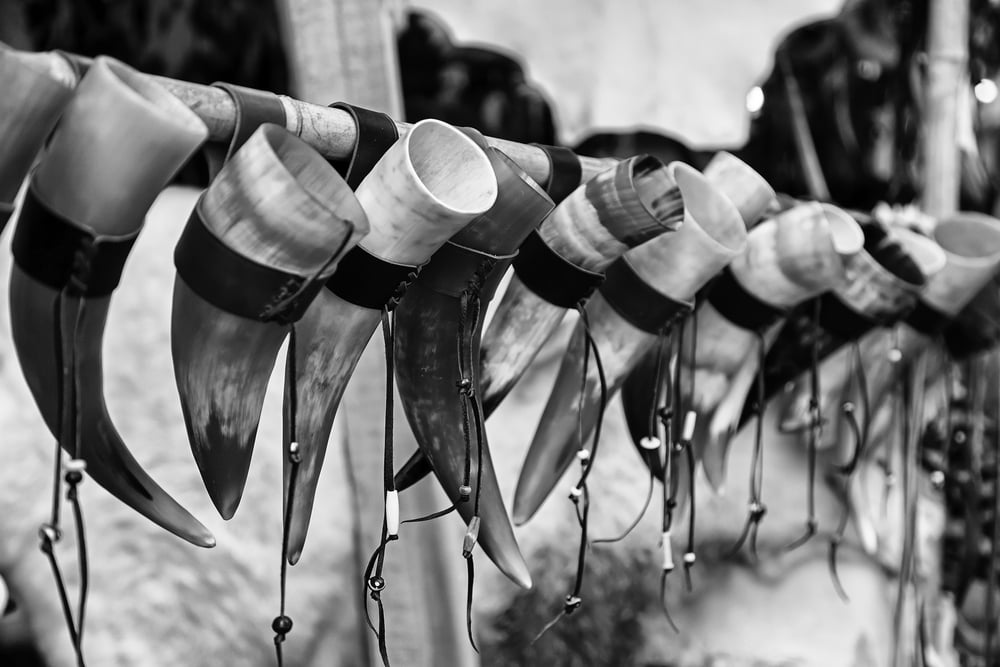
People with hearing difficulties once used animal horns and shells as primitive hearing aids. These natural amplifiers worked on simple acoustic principles.
The horn would collect sound waves and funnel them toward the ear, slightly increasing volume. Later versions included ear trumpets made of metal, which served the same purpose until electronic hearing aids emerged.
Poppy Seeds for Pain Relief
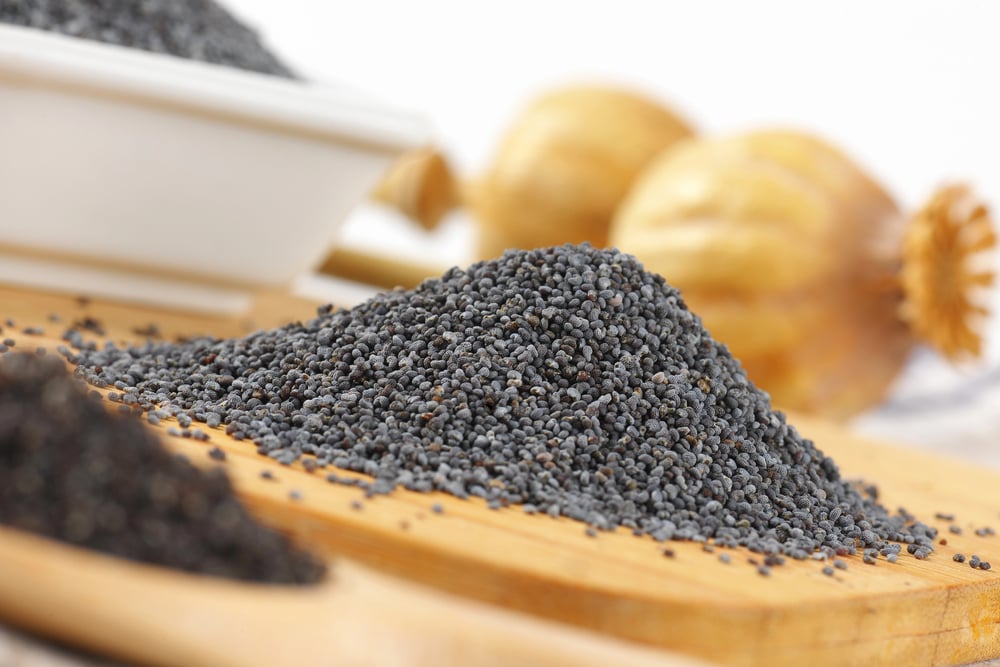
Managing pain has always been essential for human survival. Ancient civilizations discovered that poppy seeds contained natural pain-relieving compounds.
Sumerians referred to the poppy as the ‘joy plant’ as early as 3400 BCE. Various extracts and teas made from poppies provided relief before modern pharmaceuticals became available.
Ash and Animal Fat for Soap
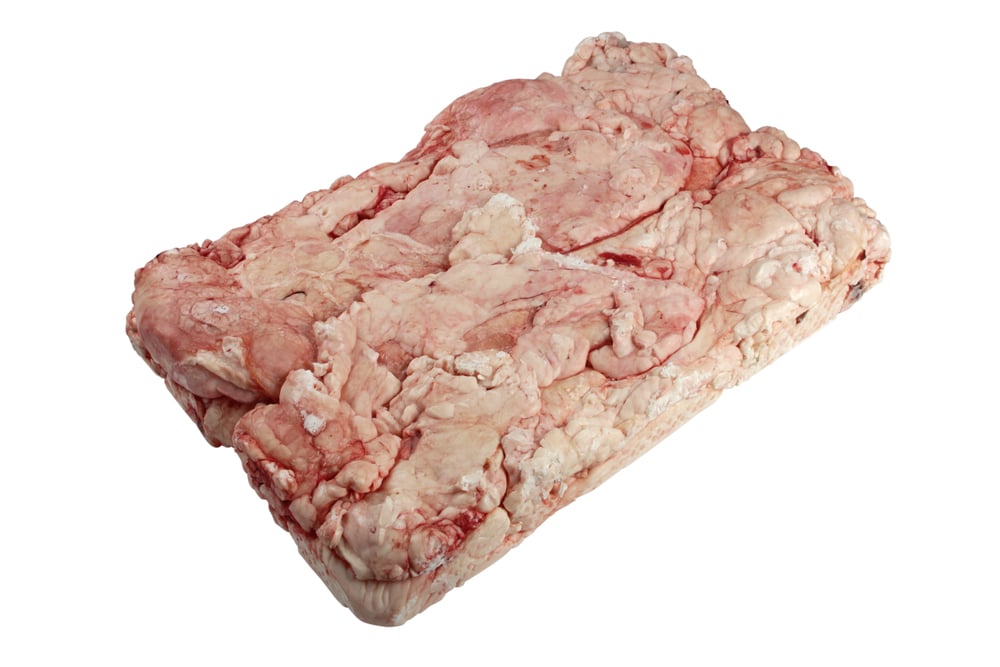
Early humans created soap-like substances by mixing animal fats with wood ash. The alkaline properties of ash combined with fats created a basic soap through saponification.
Evidence of soap-making dates back to ancient Babylon around 2800 BCE, where recipes written on clay tablets describe this process.
Sundials and Water Clocks for Timekeeping
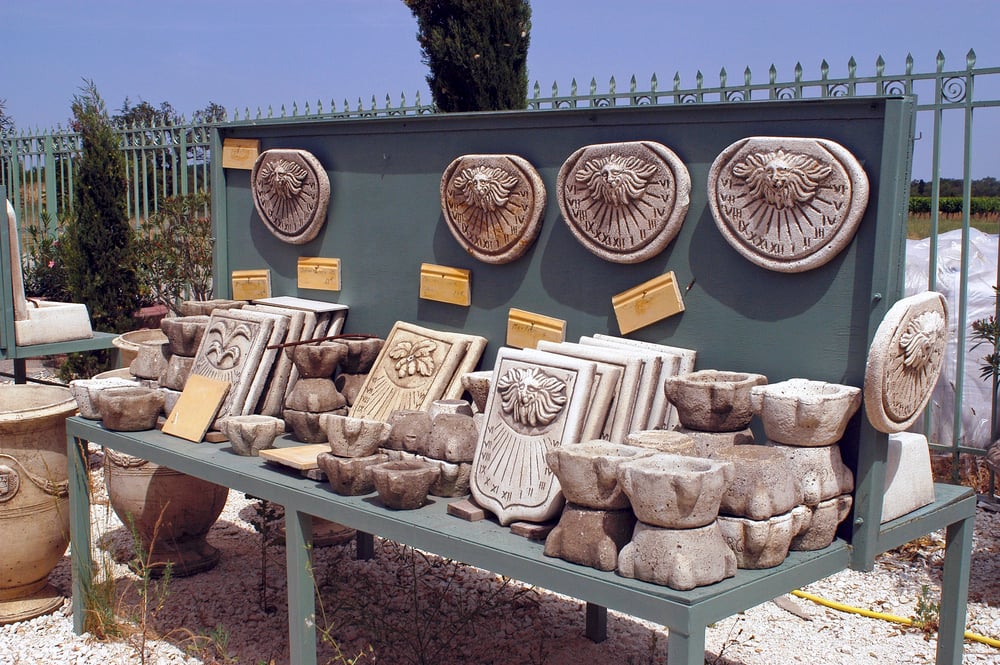
Before mechanical clocks, people tracked time using the movement of shadows or the regulated flow of water. Sundials used the sun’s position to cast shadows on marked surfaces.
Water clocks or clepsydra measured time by regulating water flowing through a small opening, with marked containers showing the hours passing.
Hollowed Logs for Water Pipes
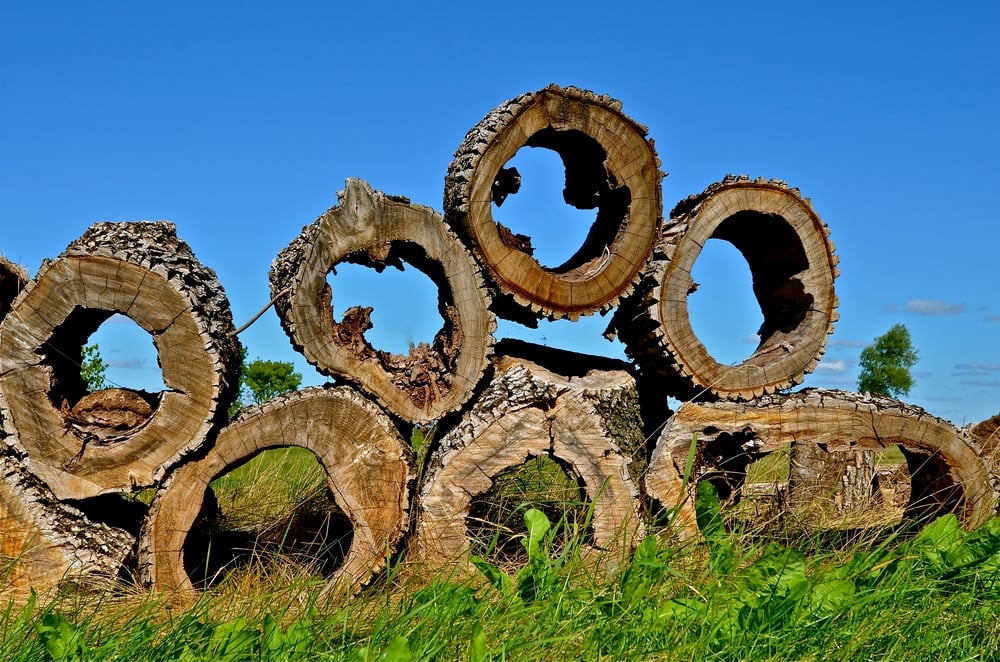
Ancient water systems used hollowed-out logs as pipes to transport water through settlements. Civilizations like the Chinese, Romans, and Native Americans all developed methods for boring holes through logs to create functional water transport systems.
These wooden pipelines connected springs to towns and distributed water throughout communities.
Dried Fish Skin as Sandpaper

Wood and bone craftsmen once used dried fish skin as an abrasive material similar to modern sandpaper. The scales created a rough surface perfect for smoothing wooden objects.
Particularly popular was sharkskin, known as shagreen, which contained tiny tooth-like structures that made it exceptionally effective for fine finishing work.
Knot Records Instead of Writing

Before widespread writing systems, many civilizations used knot records to track information. The Inca quipu system used different colored strings with knots tied at specific positions to record numerical data.
These complex knotted cords preserved information about census data, tax obligations, and even historical events.
Heated Stones for Ironing
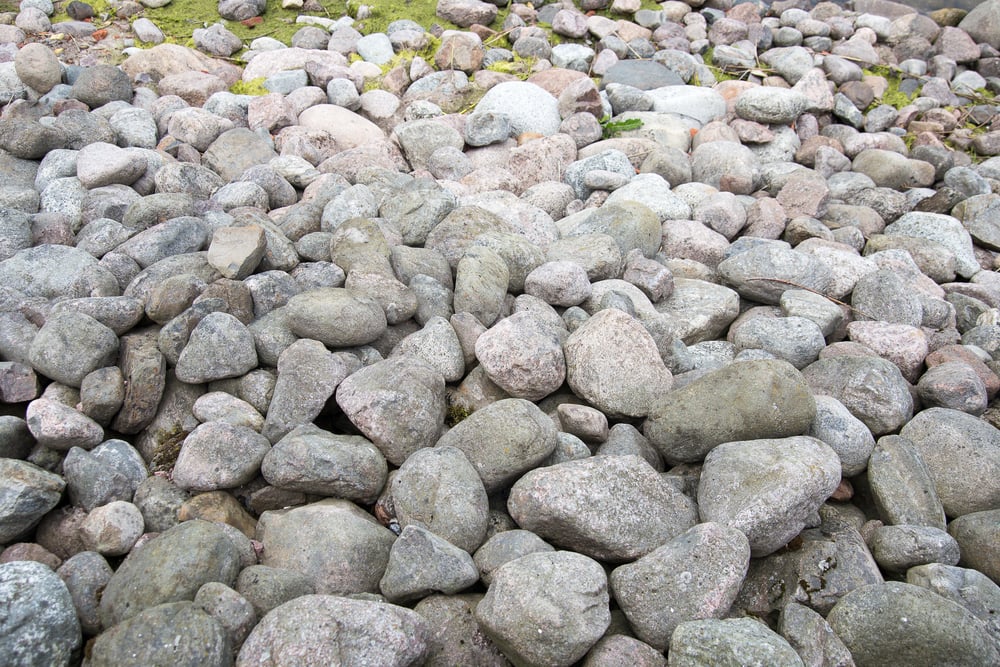
Before modern irons, wrinkled clothing was smoothed using heated stones. People would carefully heat flat stones in a fire, then run them over dampened fabric to remove wrinkles.
Later versions included metal pans filled with hot coals that would be rubbed across clothing, providing more even heat distribution.
Ingenious Solutions From Our Past

These historical alternatives remind us that human innovation doesn’t require modern technology. Many of these solutions worked effectively for hundreds or even thousands of years before being replaced.
Understanding these forgotten methods gives us appreciation for both ancient ingenuity and modern convenience while providing valuable knowledge should we ever need to improvise in challenging situations.
More from Go2Tutors!

- The Romanov Crown Jewels and Their Tragic Fate
- 13 Historical Mysteries That Science Still Can’t Solve
- Famous Hoaxes That Fooled the World for Years
- 15 Child Stars with Tragic Adult Lives
- 16 Famous Jewelry Pieces in History
Like Go2Tutors’s content? Follow us on MSN.