17 Fascinating Facts About Honeybee Hives
Honeybee hives are among nature’s most remarkable architectural achievements. These bustling communities house up to 60,000 bees working together in perfect harmony, creating structures that have fascinated scientists and mathematicians for centuries.
From their precisely engineered hexagonal cells to their sophisticated social hierarchy, honeybee hives represent one of the most efficient organizational systems in the animal kingdom. Let me walk you through the incredible world inside these natural skyscrapers.
Here are 17 fascinating facts about honeybee hives that will change how you think about these amazing insects.
Worker Bees Outnumber Males 100 to 1
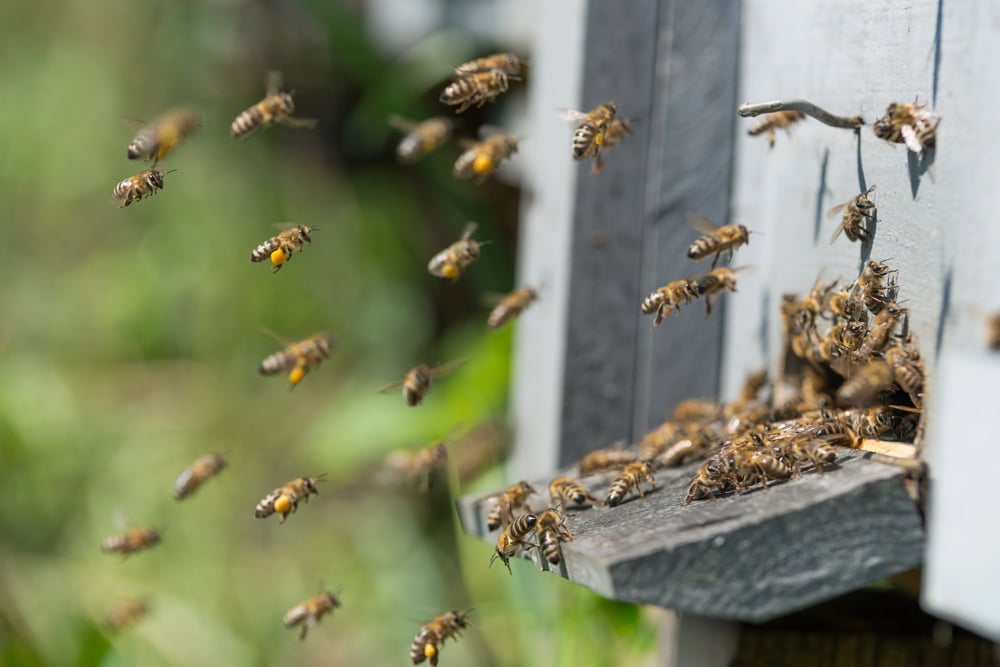
Inside a typical hive, female worker bees dominate the population by an overwhelming margin. Each hive has one queen, and 100 female worker bees for every male drone bee.
This gender imbalance isn’t accidental—it reflects the division of labor that makes hives so efficient. While drones exist solely to mate with queens, worker bees handle every other task from construction to defense.
Hexagonal Cells Are Mathematical Perfection
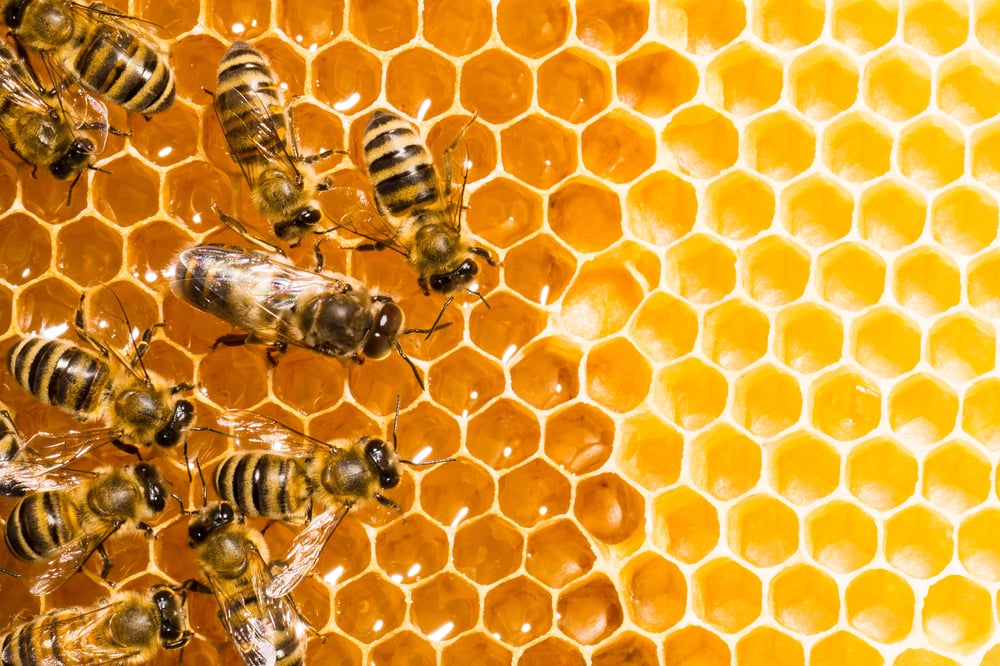
The iconic six-sided shape of honeycomb cells isn’t just aesthetically pleasing—it’s mathematically optimal. In 1999, mathematician Thomas Hales proved what’s known as the ‘Honeycomb Conjecture,’ showing that hexagonal structures use the least amount of wax while providing maximum storage space.
This hexagonal tiling creates a partition with equal-sized cells while minimizing the total perimeter. Think of it like the most efficient packing system nature ever devised.
Cells Start Round and Transform Into Hexagons
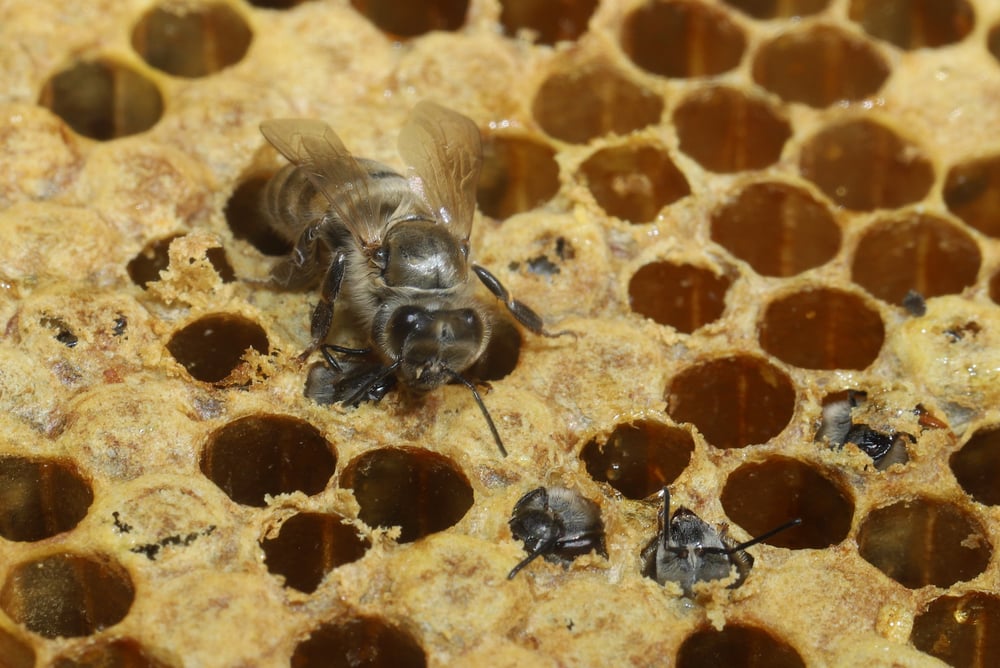
Here’s something that might surprise you: honeycomb cells don’t start as hexagons. Cells in a natural honeybee comb have a circular shape at ‘birth’ but quickly transform into the familiar rounded hexagonal shape while the comb is being built.
The transformation happens when worker bees heat the wax near the junction points between circular cells, causing the molten wax to flow and reshape into hexagons through pure physics.
Bees Consume 8 Pounds of Honey to Make 1 Pound of Wax
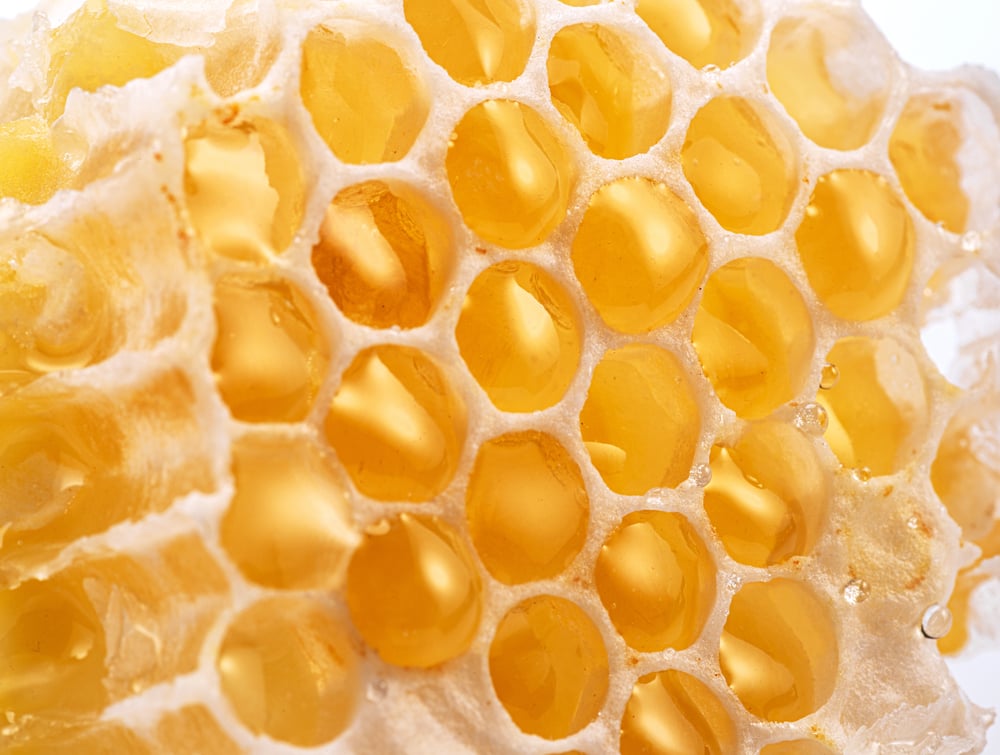
Creating beeswax is incredibly energy-intensive for the colony. Honey bees consume about 8.4 lb (3.8 kg) of honey to secrete 1 lb (450 g) of wax.
This massive investment explains why bees are so economical with their building materials and why hexagonal cells make perfect sense—every bit of wax needs to count.
Young Bees Are the Master Builders
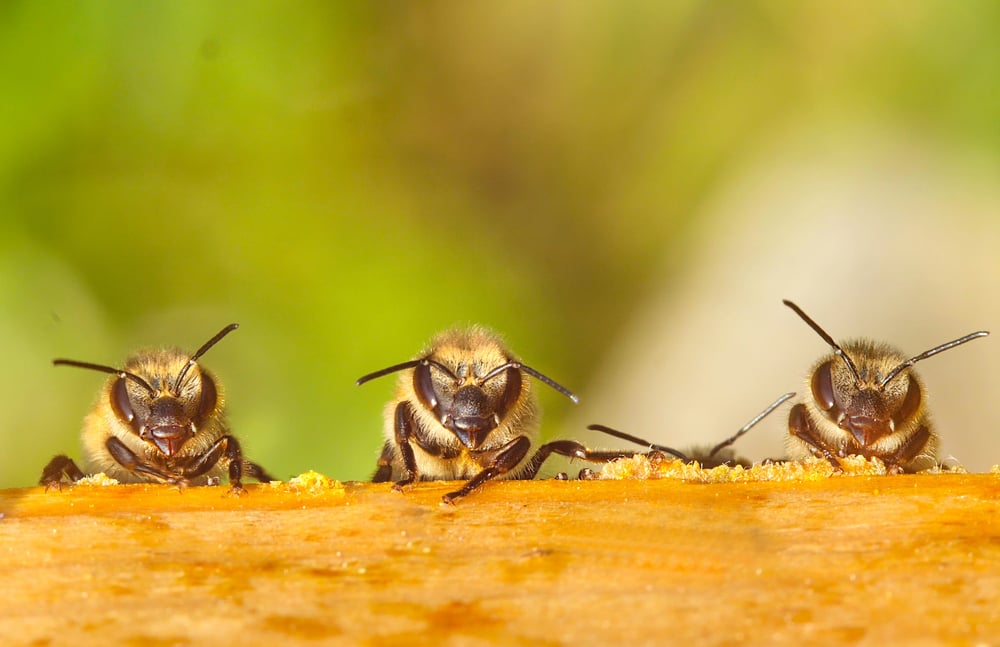
Only certain bees can produce wax, and they’re not the ones you might expect. Glands on the underside of young worker honey bee abdomens secrete small wax platelets, which are masticated and molded into a comb of hexagonal cells.
These young adults have special wax glands that older bees lack, making them the primary architects of hive construction.
A Single Queen Can Lay 1,500 Eggs Daily
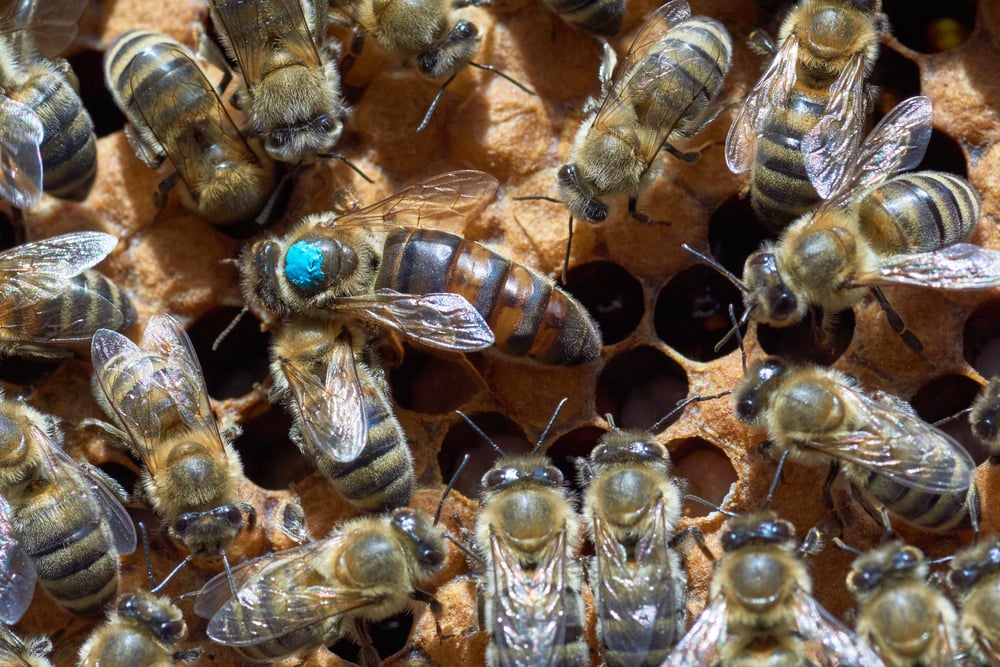
The queen bee is essentially a living egg-laying machine. She lays all the eggs (about 1,500 per day!) and only leaves the hive once in her life in order to mate.
This incredible productivity means that during peak season, she’s laying more than one egg per minute around the clock.
Worker Bees Have Age-Related Job Assignments
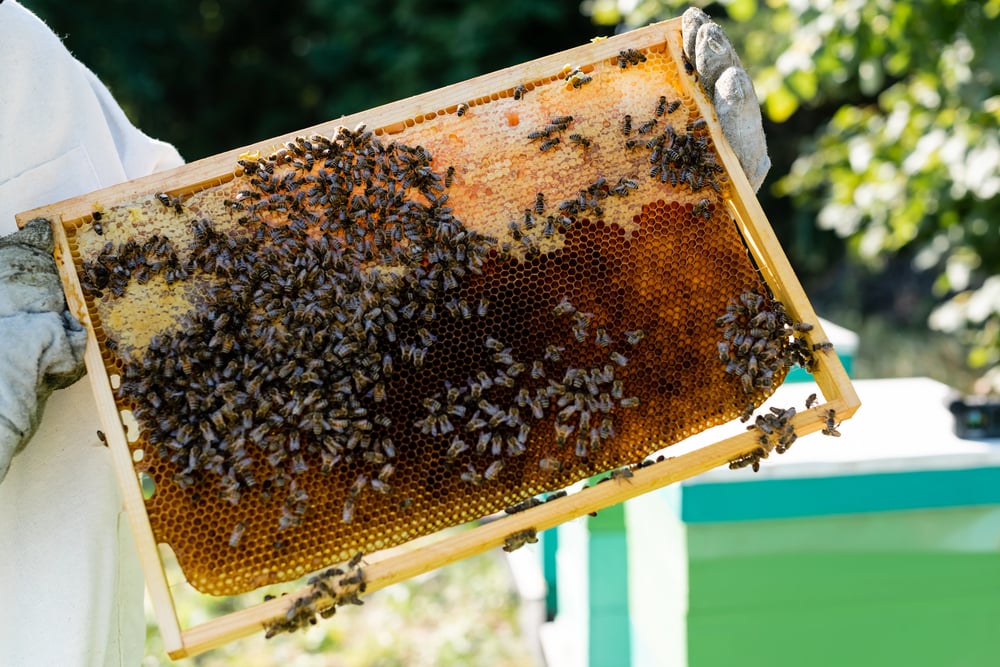
Hive society operates on a fascinating age-based career progression system. Young workers perform jobs in the central area of the hive where the brood is, including cleaning brood cells, feeding and tending the brood, and tending to the queen.
As they age, workers take on duties in the outer regions of the hive. The oldest bees graduate to the most dangerous job—foraging outside the hive.
Hives Maintain Perfect Climate Control
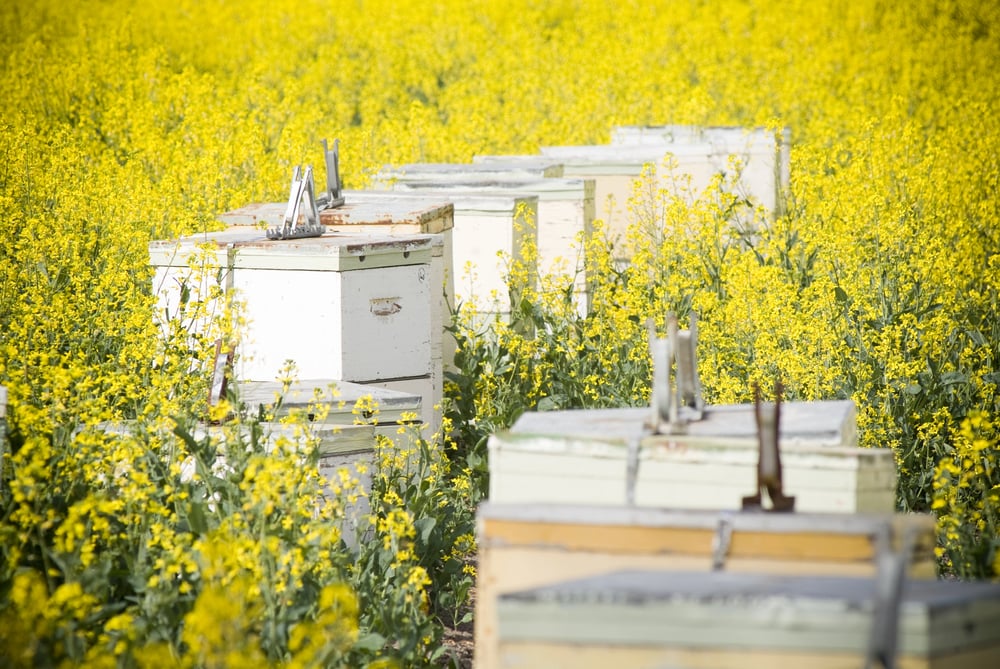
Honeybee colonies function like living thermostats. Bees maintain the brood area of the hive at approximately 93°F (34°C).
When the ambient temperature rises above 93°F, worker bees cool the interior by fanning air over droplets of water. When temperature drops below 93°F, worker bees cluster around the brood nest and vibrate their wing muscles to generate heat.
This precision rivals modern HVAC systems.
Colonies ‘Breathe’ Like Large Animals
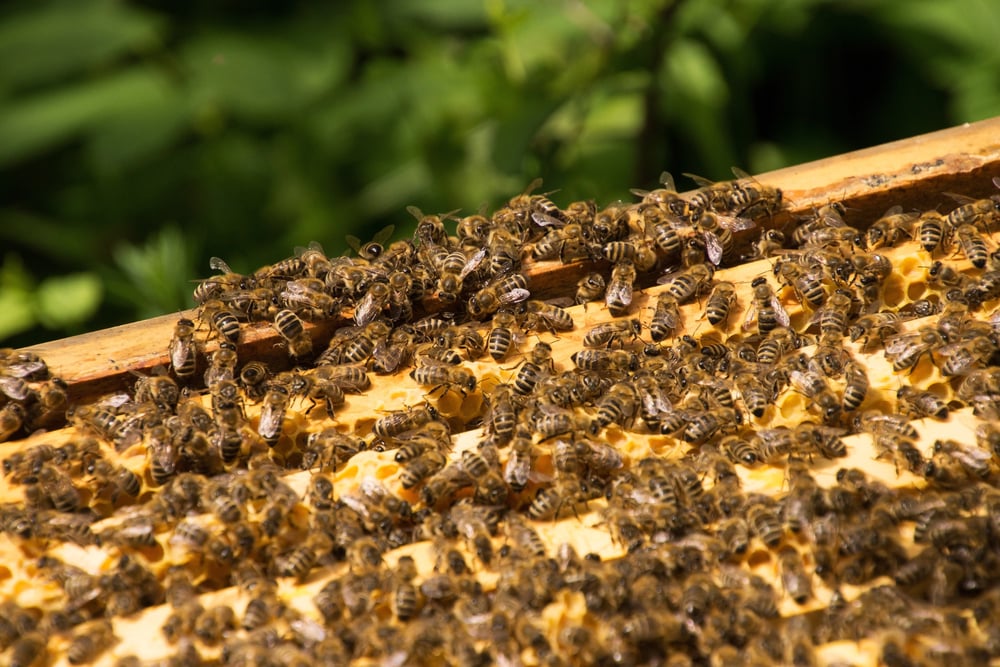
The hive doesn’t just regulate temperature—it actively manages air quality too. Workers actively fan air into and out of the colony in distinct inhalations and exhalations through the colony entrance.
The volume of air that a honey bee colony ‘breathes’ in one minute is the same as that of a domestic cat. This coordinated respiratory system keeps the interior atmosphere perfect for brood development.
Dead Bees Get Professional Undertaker Services
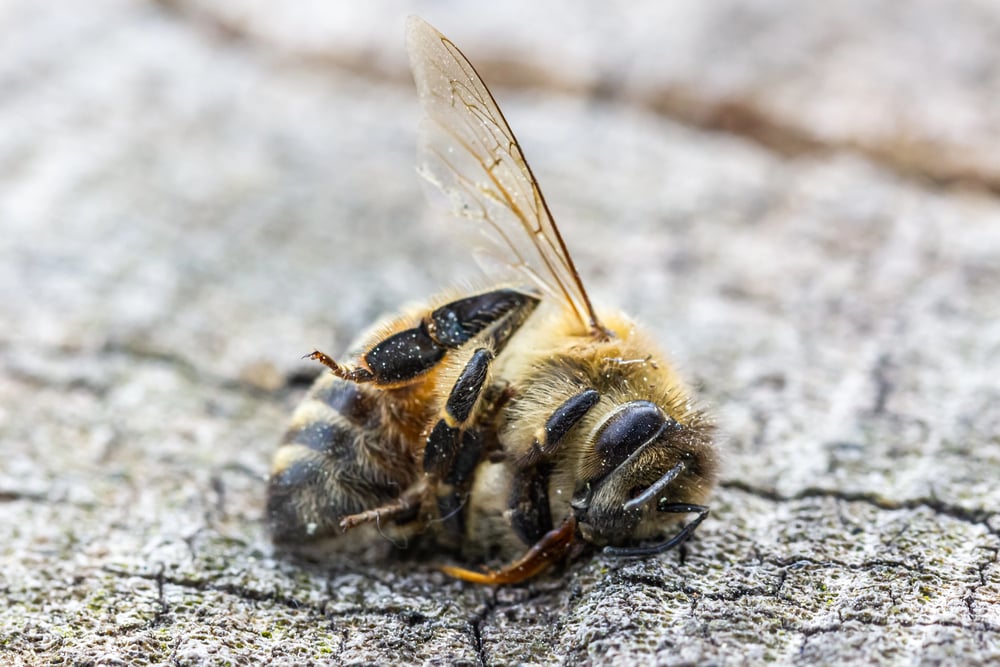
Hives maintain strict hygiene standards through specialized undertaker bees. Although 90% of bees die outside the hive, those that do not are dropped immediately outside the hive to dry.
After they have dried, undertaker bees pick them up, fly them several hundred meters from the hive, and drop them to prevent dead bees from accumulating by the hive. This prevents disease and pest problems that could threaten the colony.
Propolis Acts as Natural Caulk and Antiseptic
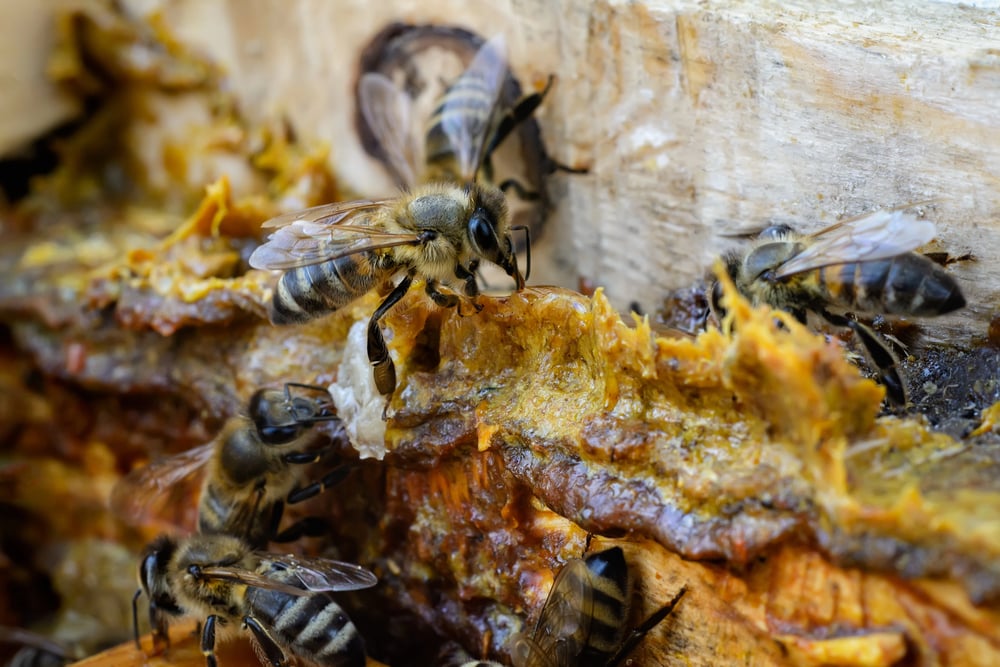
Bees don’t just work with wax—they’re also skilled at using propolis, a sticky tree resin. The bees often smooth the bark surrounding the nest entrance and coat the cavity walls with a thin layer of hardened plant resin called propolis.
This substance seals gaps, waterproofs surfaces, and provides antimicrobial protection for the entire hive.
Preferred Hive Size Is About 12 Gallons
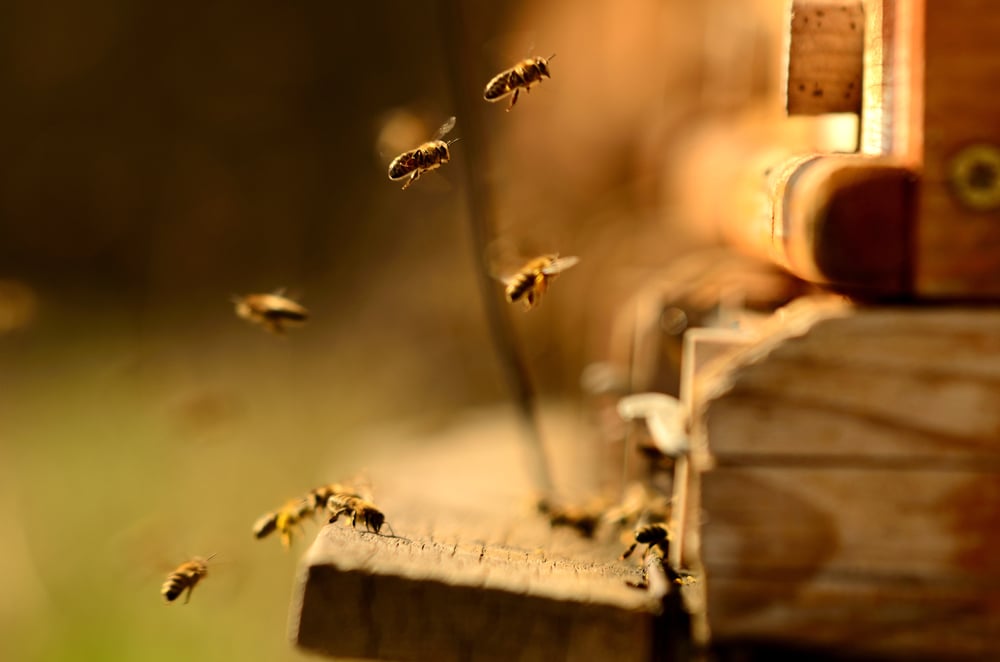
Wild bees are surprisingly picky about their real estate. Western honey bees prefer nest cavities approximately 45 L (1.6 cu ft) in volume and avoid those smaller than 10 L (0.35 cu ft) or larger than 100 L (3.5 cu ft).
They also prefer locations between 3 and 16 feet high with downward-facing entrances and southern exposure for optimal sunlight.
Wax Production Requires Precise Temperature Control
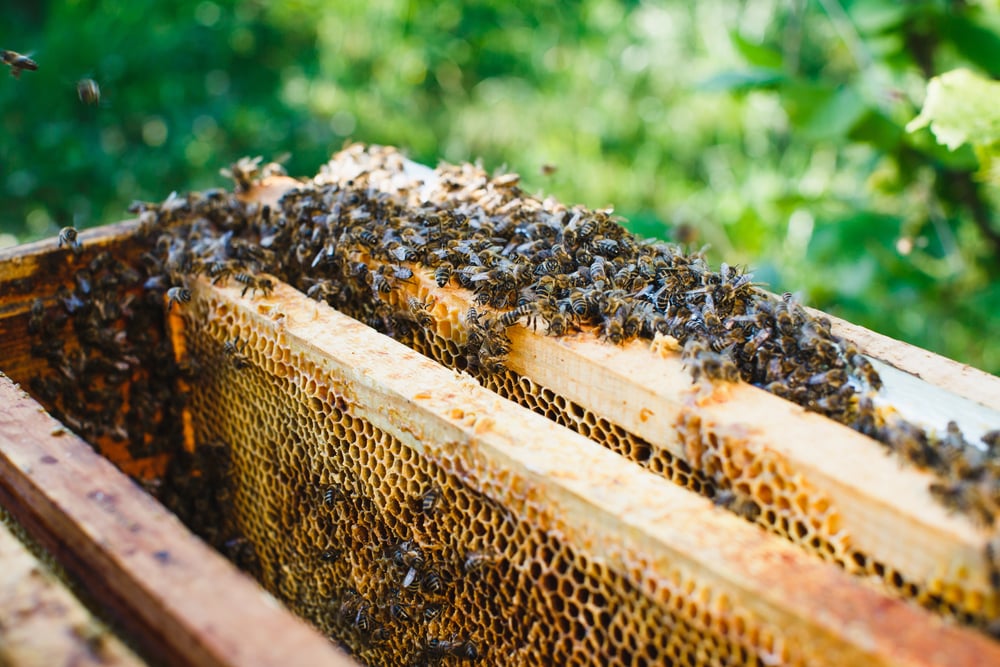
The construction process depends heavily on maintaining the right conditions. During the construction of hexagonal cells, wax temperature is between 33.6–37.6 °C (92.5–99.7 °F), well below the 40 °C (104 °F) temperature at which wax is assumed to be liquid.
Worker bees use their body heat to keep wax at just the right consistency for molding.
Ancient Beekeeping Goes Back 4,000 Years

Humans have been fascinated by hive architecture for millennia. Archaeologist Amihai Mazar cites 30 intact hives that were discovered in the ruins of Tel Rehov, located in modern-day Israel, providing evidence that an advanced honey industry existed in Canaan approximately 4,000 years ago.
These ancient clay hives show that our relationship with these master builders spans civilizations.
Queen Cells Break the Hexagonal Rule
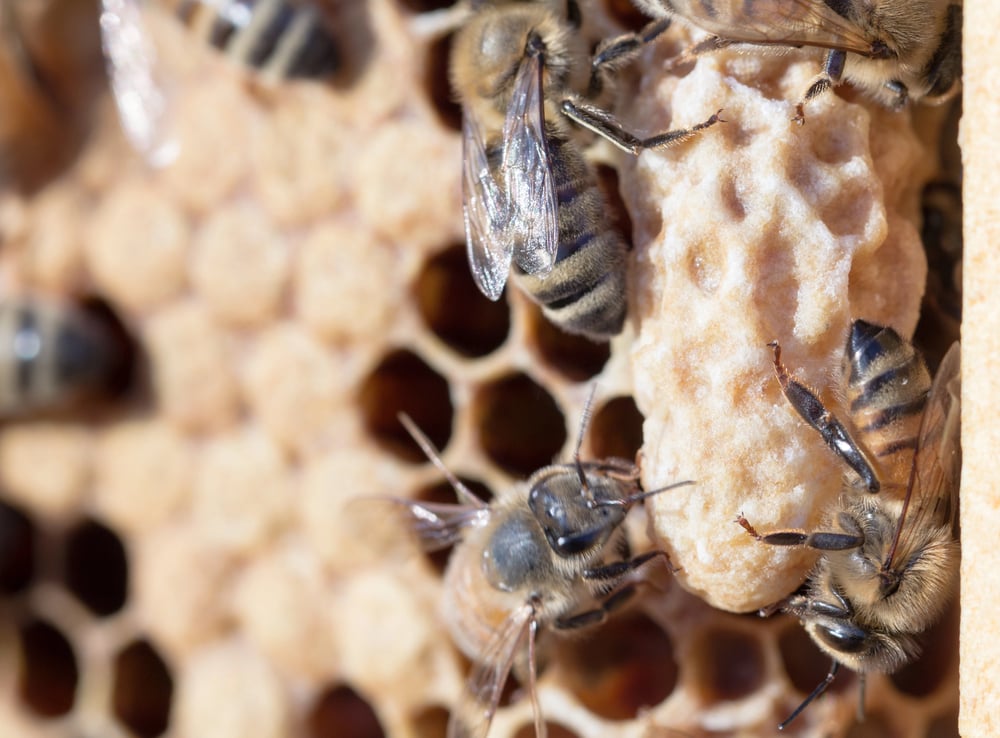
While worker and drone cells follow strict hexagonal patterns, queen cells are refreshingly irregular. Queen cells, which are constructed singly, are irregular and lumpy with no apparent attempt at efficiency.
These peanut-shaped structures hang vertically from the comb and can be up to an inch long—size matters when you’re raising royalty.
Comb Gets Darker With Age and Experience
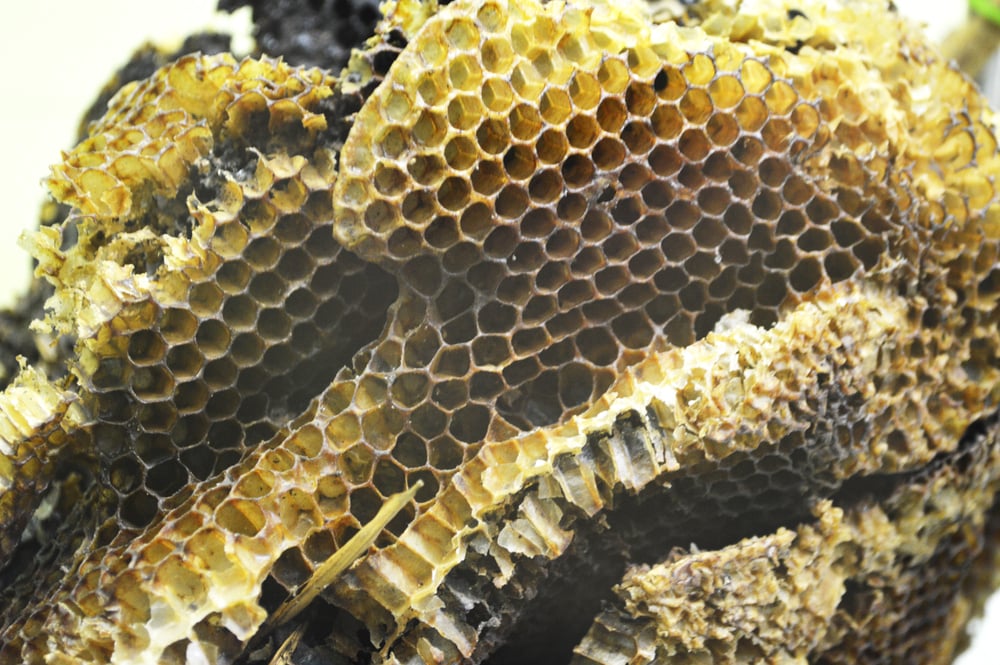
Not all honeycombs look the same throughout the hive. Broodcomb becomes dark over time, due to empty cocoons and shed larval skins embedded in the cells, alongside being walked over constantly by other bees, resulting in what is referred to as a ‘travel stain’ by beekeepers.
Meanwhile, honey-only sections stay light-colored since they’re never used for raising young bees.
Colonies Reproduce Through Swarming
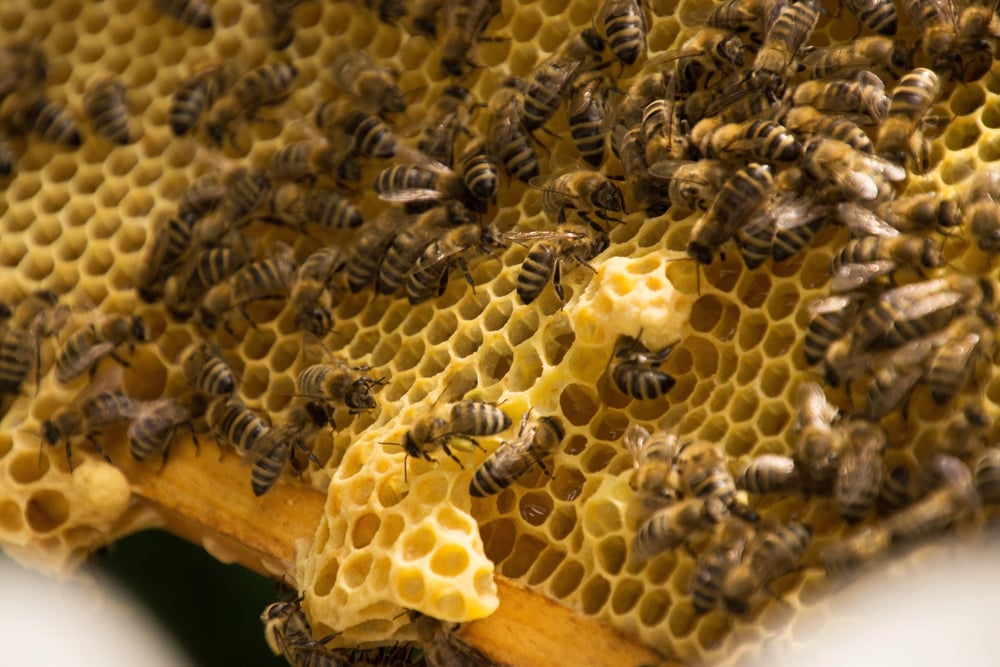
When we think about hive reproduction, we might imagine individual bees mating, but colonies reproduce as superorganisms. Superorganism reproduction is not a single queen laying thousands of eggs.
A honey bee colony reproduces when it creates a new honey bee colony through a process called swarming. During swarming, the old queen leaves with about half the workers to establish a new home while a new queen takes over the original hive.
Nature’s Blueprint Still Inspires Modern Design
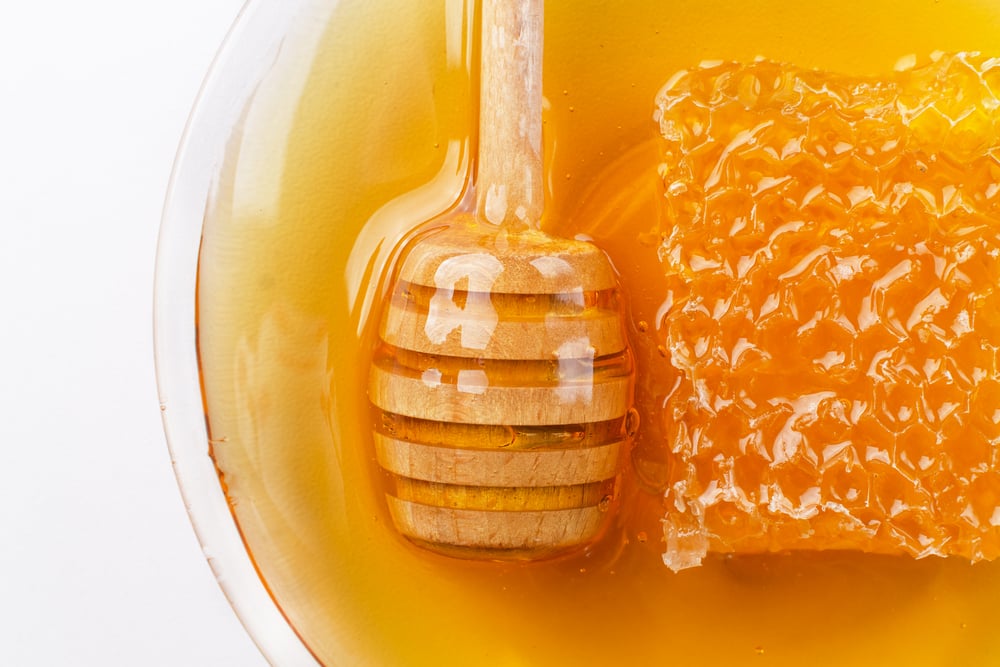
The engineering principles that make honeybee hives so successful continue to influence human architecture and design today. These natural masters of efficiency have spent millions of years perfecting their building techniques, creating structures that maximize space, minimize materials, and maintain perfect environmental conditions.
Modern architects and engineers still study hive design for insights into sustainable building practices and organizational systems that could benefit human communities.
More from Go2Tutors!

- The Romanov Crown Jewels and Their Tragic Fate
- 13 Historical Mysteries That Science Still Can’t Solve
- Famous Hoaxes That Fooled the World for Years
- 15 Child Stars with Tragic Adult Lives
- 16 Famous Jewelry Pieces in History
Like Go2Tutors’s content? Follow us on MSN.