29 Words That Mean Completely Different Things in Different English-Speaking Countries
English is not one language. There are several languages that happen to share most of their words, which creates the specific kind of confusion that feels worse than a complete translation barrier.
When you know every word in the sentence but the sentence means something else entirely, the error doesn’t announce itself — you simply walk away with the wrong information, usually without knowing it. The words below are in active use in multiple English-speaking countries.
The problem isn’t spelling variation or mild differences in connotation. In most of these cases, one meaning has no connection to the other, and the wrong context can range from mildly confusing to genuinely embarrassing.
Pants

In the United Kingdom, pants are underwear — the garment worn closest to the body beneath other clothing. Calling someone’s trousers their pants would strike most British speakers as the kind of error that reveals you’re not from around there.
In the United States, pants are trousers — the outer leg garment. The British equivalent of “trousers” is “trousers.”
Australians tend to follow the American usage for pants, though “trousers” remains perfectly understood.
Biscuit
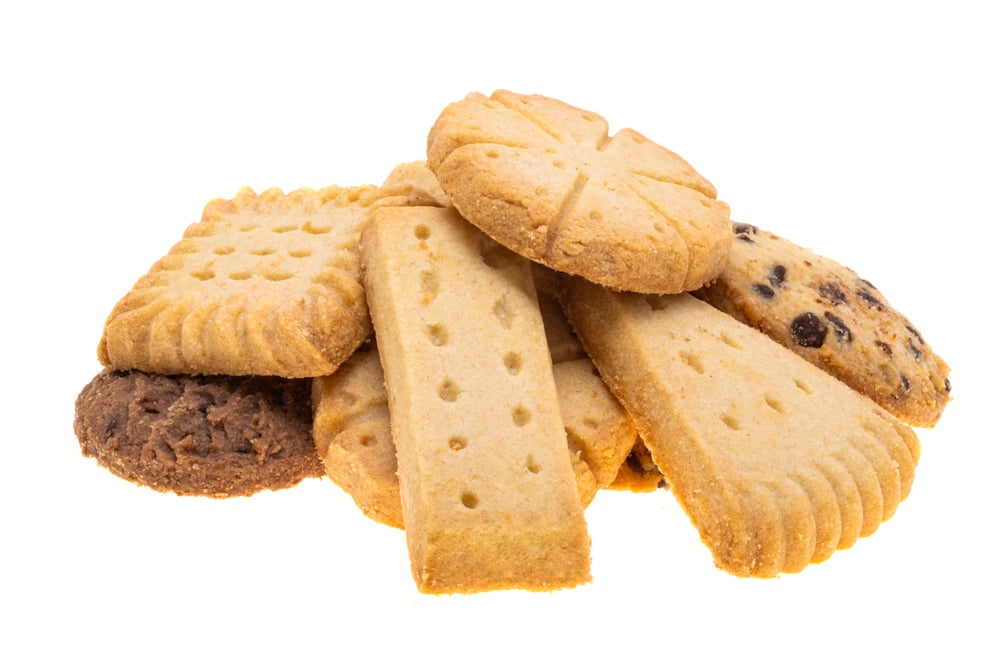
A British biscuit is a thin, dry, sweet or plain baked good — what Americans would call a cookie. An American biscuit is something entirely different: a soft, thick, flaky bread roll made with butter, usually served warm alongside savoury food.
A British person ordering biscuits in the United States expecting a snack to go with tea would receive a bread product they had not anticipated.
Rubber
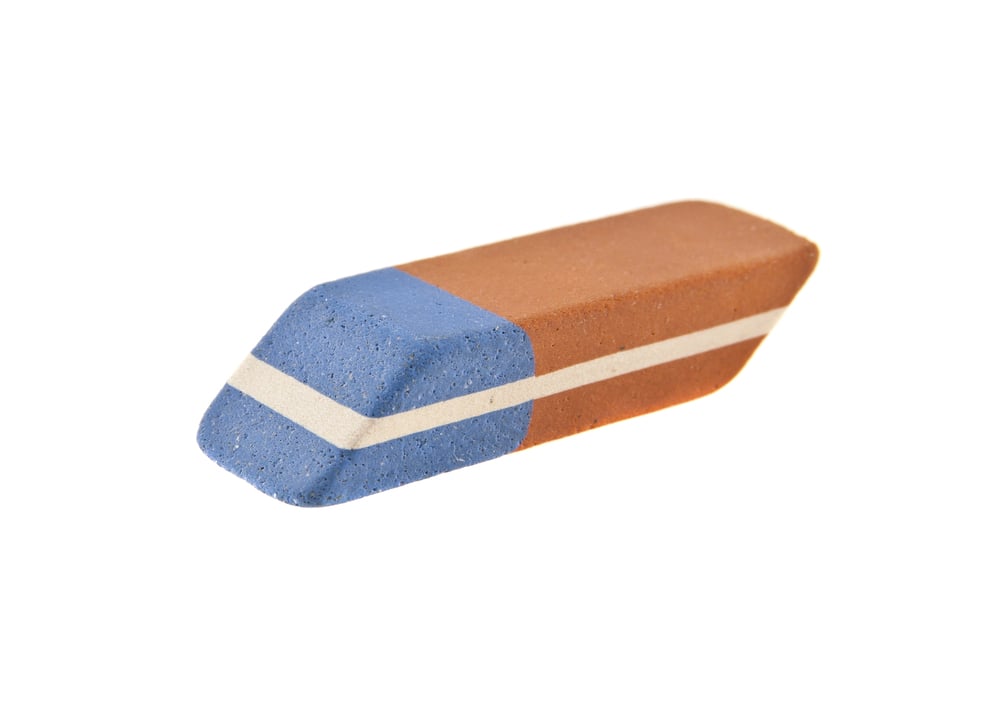
In Britain, a rubber is an eraser — the item used to remove pencil marks from paper. It is a perfectly standard, child-safe piece of classroom vocabulary. In American English, “rubber” is a slang term for a condom.
British children attending American schools have occasionally caused startled reactions by asking to borrow a rubber.
Pissed

Across the United Kingdom and Australia, telling someone you were pissed last night is describing a state of intoxication — you had too much to drink. In the United States, the same phrase describes anger.
These two meanings coexist in such widespread use that the same sentence — “I was absolutely pissed at my colleague’s party” — can mean very different things depending on which country you’re in.
Boot and Bonnet
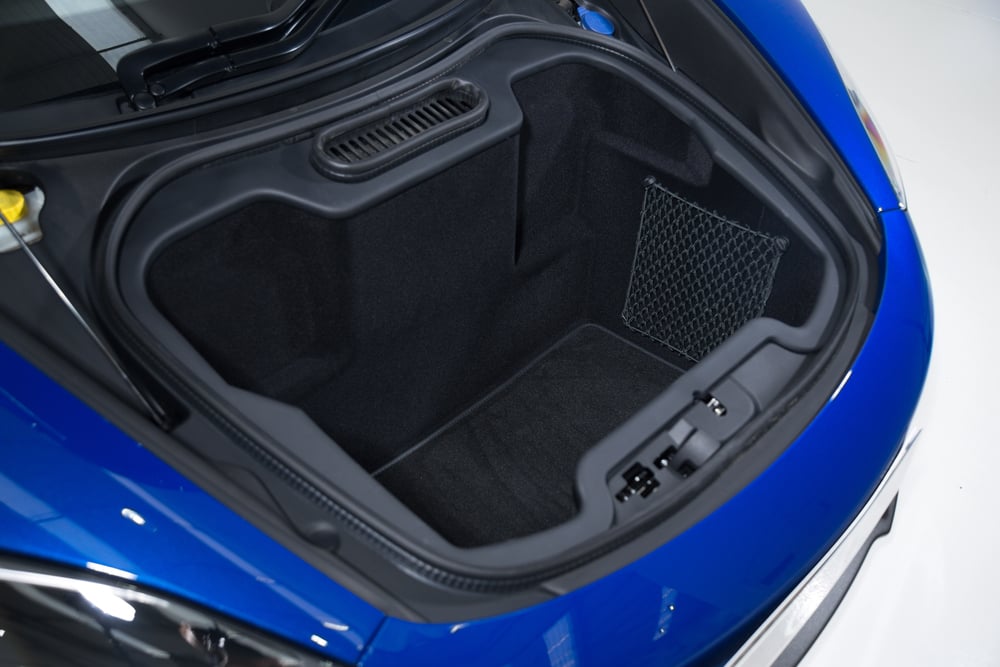
On a car, the British boot is the American trunk — the storage compartment at the rear. The British bonnet is the American hood — the cover over the engine.
These are not subtle variations: they are entirely different words for the same objects, and the mismatch appears every time someone from one country is asked to help with the other’s car.
Chips

In the United Kingdom, chips are what Americans call french fries — thick-cut, hot, usually fried potato pieces served with meals. In the United States, chips are what the British would call crisps — thin slices of potato, cooked until crisp, sold in packets.
Ordering chips at a British fish and chip shop will produce something very different from ordering chips at an American diner.
Crisps

British English uses “crisps” for the thin, packaged, salty potato snack. American English has no real equivalent single word — they are simply “chips.”
This creates a clean reversal: the British word “crisps” doesn’t exist in American English as a common noun, and the American usage of “chips” for the same item would confuse a British listener who would expect something hot and thick.
Thong

In Australia and New Zealand, thongs are footwear — the flat, open sandals held to the foot by a strap between the toes, which Americans call “flip-flops” and which are worn routinely on beaches and in casual outdoor settings. In the United States and most other English-speaking countries, a thong is a specific style of underwear.
An Australian casually mentioning that they left their thongs at the beach is not conveying anything unusual.
Fanny

In American English, “fanny” is an informal, child-friendly term for the buttocks. In British English, it refers to female genitalia.
It is considered quite rude in British usage. American children’s products, bags called “fanny packs,” and the name Fanny (short for Frances, historically common in British English) have all generated unintended comedic situations in cross-cultural settings.
Entrée
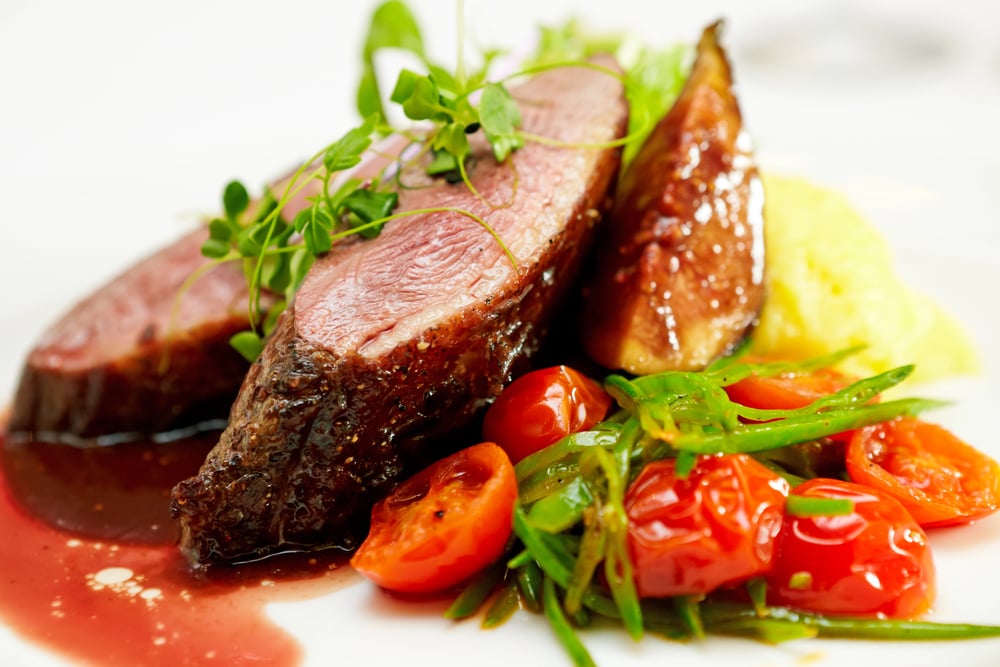
In the United States, the entrée is the main course of a meal — the central dish, usually meat, fish, or a substantial protein. In much of the rest of the English-speaking world, including the United Kingdom and Australia, the entrée is the starter — the small first course that precedes the main.
American restaurant menus listing the entrée as the main dish have confused British diners who expected something preliminary.
Fortnight
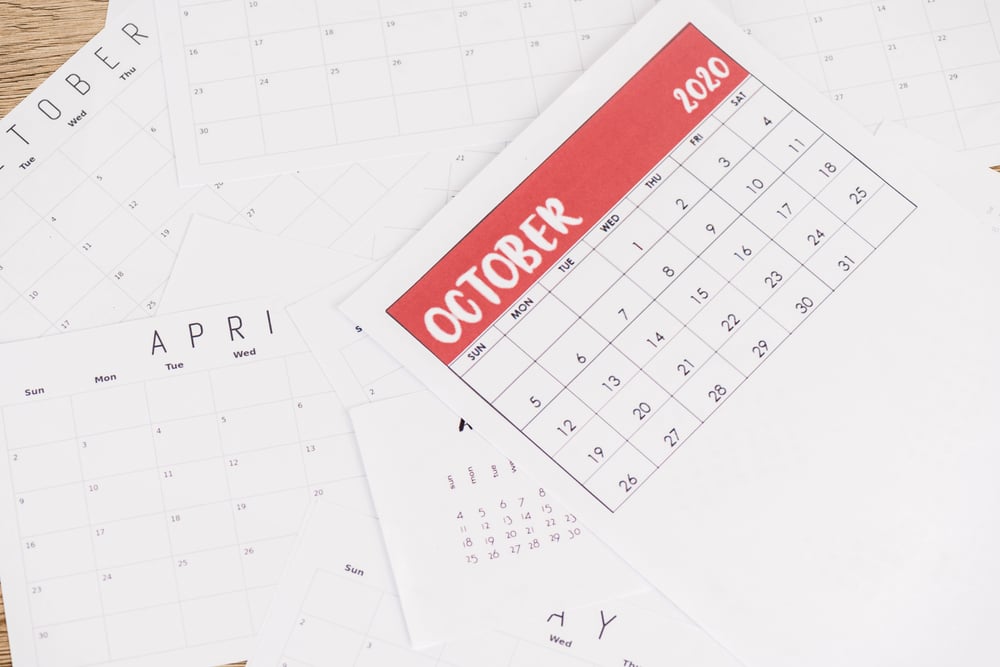
This is not a divergence in meaning but a divergence in use. In British and Australian English, “fortnight” — meaning two weeks — is standard, common, and used in everyday speech without any sense of formality.
In American English, the word is nearly absent. Most Americans would understand it if pressed, but it is not part of ordinary speech. Two weeks is always “two weeks” in America.
The word “fortnight” feels archaic or literary to American ears, despite being in constant current use elsewhere.
Nappy
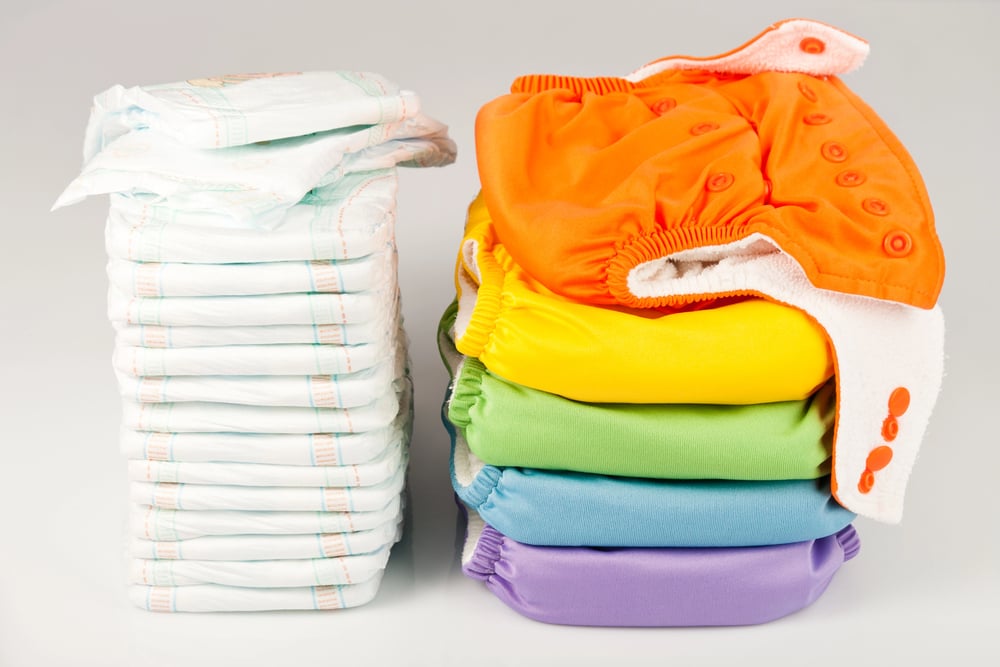
The British and Australian word for the absorbent garment worn by infants is “nappy.” The American word is “diaper.”
Both are completely standard in their respective countries and opaque in the other — not because people can’t work out the meaning in context, but because neither word is in the passive vocabulary of someone who grew up on the other side.
Dummy
British babies are soothed with a dummy. American babies are given a pacifier.
In American usage, a dummy is a mannequin, a training target, or a stupid person — not an object for infants. A British parent describing how they settled their baby with a dummy is making a perfectly ordinary statement, though it lands oddly in American ears.
Solicitor

In the United Kingdom and Australia, a solicitor is a qualified legal professional — a type of lawyer who handles legal advice, contracts, conveyancing, and family law, among other things. In American English, a solicitor is a person who approaches strangers to sell things or to ask for donations, often with negative connotations.
Signs reading “No Solicitors” on American buildings mean no salespeople — not that lawyers are unwelcome.
Flat

A flat in British and Australian English is an apartment — a self-contained residential unit within a larger building. In American English, “flat” as a noun generally describes a flat tire.
A British person asking “Is your flat near the centre?” is asking about your home. An American hearing the same sentence might briefly think you were stranded on the road.
Row

When a British person describes a row with their partner, they mean a loud, heated argument — a proper falling-out involving raised voices. In American English, the word “row” typically means a line of things (a row of seats) or the act of propelling a boat with oars.
The confrontational British meaning of “row” is rarely in American passive vocabulary, which means British speakers discussing domestic disputes abroad may find their audience missing the conflict entirely.
Taking the Mickey
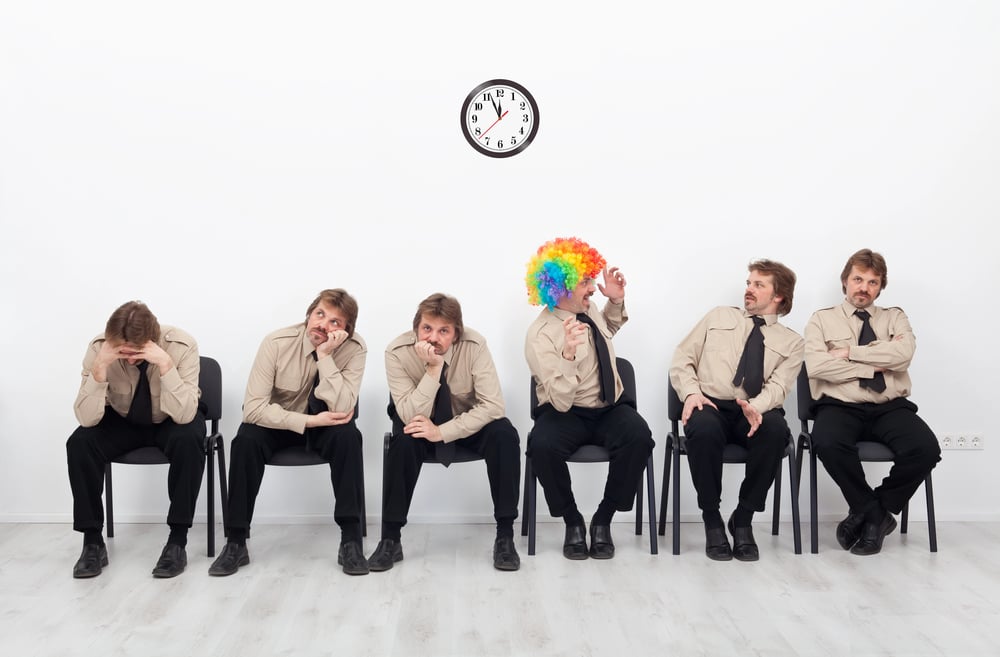
A phrase used across Britain and Ireland, “taking the mickey” means making fun of someone or mocking them — it is the equivalent of “pulling someone’s leg” or ribbing them. In American English, this phrase is simply unknown.
An American confronted with “Are you taking the mickey?” would likely have no idea what was being asked, despite knowing every individual word.
Vest
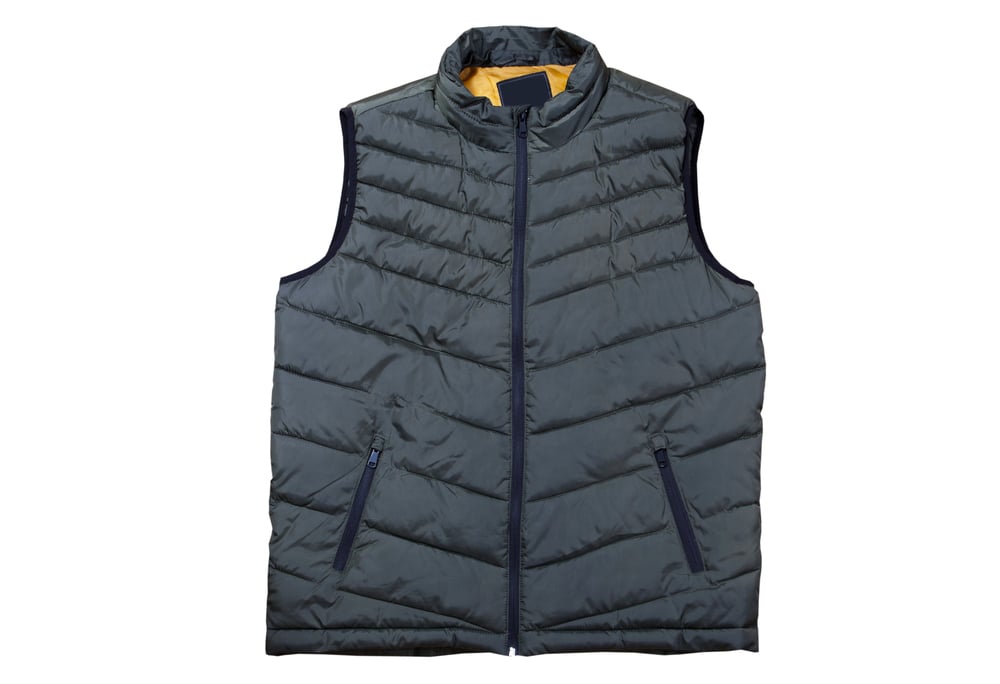
In the United Kingdom, a vest is the sleeveless, close-fitting garment worn under a shirt — an undershirt. What Americans call a vest is a waistcoat in British English: the sleeveless outer garment worn over a shirt, often as part of a suit.
A British man who says he wore a vest to work means he put on an undergarment. An American interpreting the same sentence would picture him wearing only the outer piece of a three-piece suit.
Holiday

“Going on holiday” in British and Australian English means taking a vacation — time off work, often involving travel. The same sentence in American English sounds like you’re specifically celebrating a public holiday.
“Are you on holiday?” in the UK is asking if someone is taking annual leave. In the US, the question implies a specific public observance like Christmas or Thanksgiving.
“Vacation” as a standard noun for time off barely exists in British usage.
Hire vs Rent

In British and Australian English, you hire a car for a short period and rent a flat for a longer term. In American English, both actions use the same word: rent.
“Car hire” is the standard British usage for what Americans call “car rental.” A British person who “hires” someone in the job sense uses an entirely different meaning again — one shared with American English — creating a three-way ambiguity around the single word “hire.”
Torch

A British torch is a portable battery-powered light — a flashlight in American English. The American usage of “torch” typically refers to a flame-based device, often used figuratively (carrying a torch, torch song).
A British instruction to “grab the torch from the drawer” would be followed by someone looking for an electric handheld light, while an American might wonder what drawer keeps open flames.
Jumper
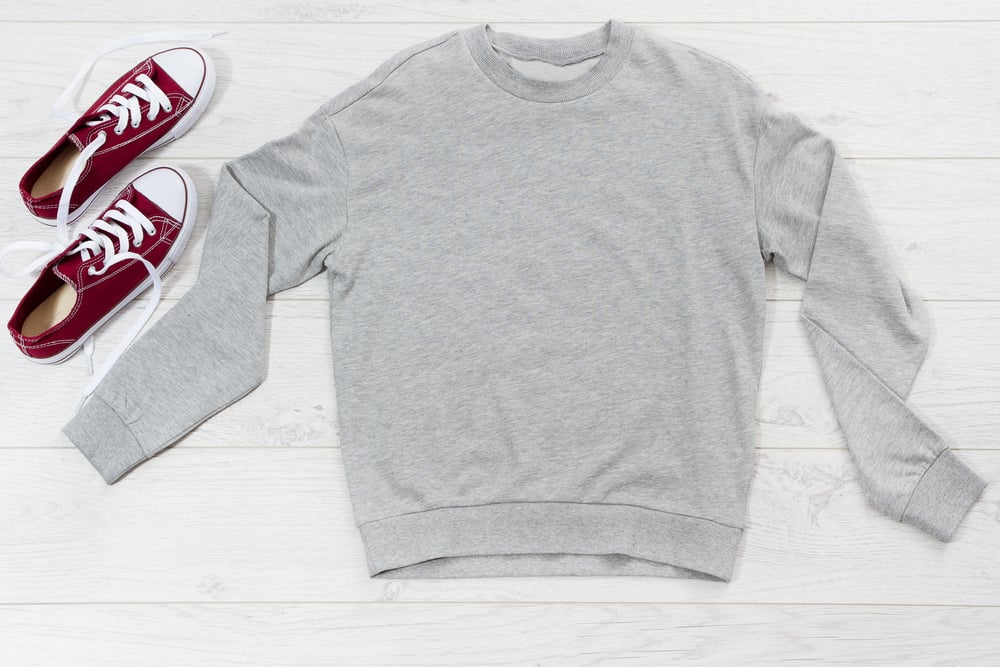
In British and Australian English, a jumper is a pullover sweater — a knitted garment pulled on over the head. In American English, a jumper is a one-piece sleeveless dress, typically worn over a blouse.
A British fashion description of someone wearing “a nice jumper” produces a very different visual in an American reader’s mind.
Lounge

The main sitting room of a British home is typically called the lounge. In American English, the same space is the living room, and a “lounge” is almost exclusively a public space — a hotel lounge, an airport lounge, a cocktail lounge.
A British estate agent describing a house as having a “spacious lounge” is communicating the domestic living area. An American reading the same listing might briefly picture a bar.
Bill vs Check
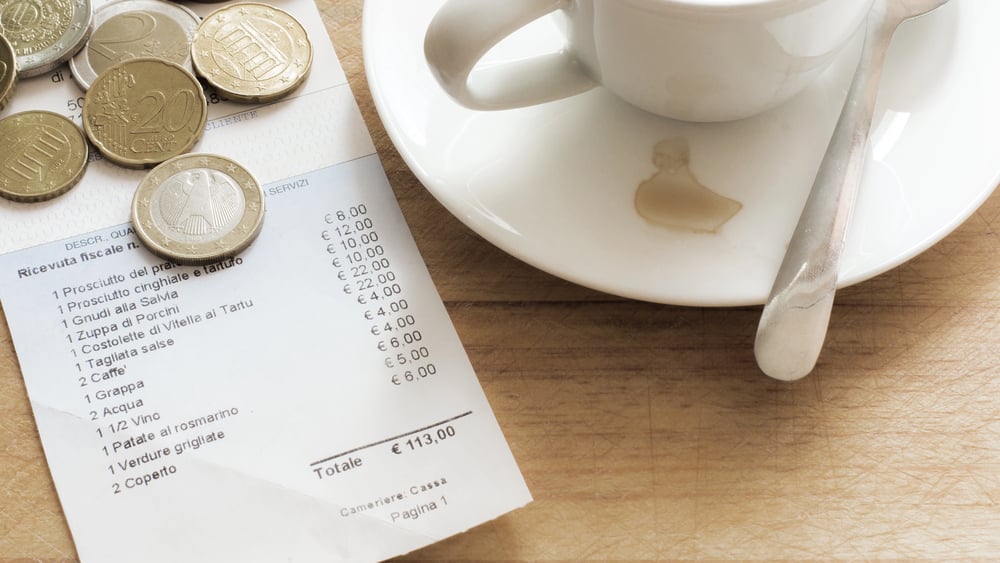
In a British restaurant, when you are finished eating, you ask for the bill. In an American restaurant, you ask for the check.
Both refer to the invoice for the meal. Neither usage is wrong, but both are so standard in their respective countries that using the other one marks you immediately as a visitor.
The words do share overlap in other uses — bank bills, cheques — but at the restaurant table, the divergence is complete.
Pudding

In British English, “pudding” is a generic word for dessert — any sweet course served at the end of a meal. “What’s for pudding?” is asking about the dessert, regardless of whether it is actually a steamed sponge, a fruit crumble, or an ice cream.
In American English, pudding is a specific food: a soft, creamy dessert made from milk and starch. The mismatch is significant enough that Americans are sometimes confused by British menus listing “pudding” as a dessert category.
Cupboard

In British English, a cupboard includes built-in storage spaces with doors — including what Americans would call a closet. Telling a British person “it’s in the cupboard” can mean a wall-mounted kitchen cabinet, a pantry, or a bedroom storage space with a hanging rail.
American usage restricts “cupboard” mainly to kitchen storage above or below counters, calling larger storage spaces “closets.”
Trainers

In British and Australian English, trainers are athletic shoes — what Americans call sneakers. “He was wearing trainers” is a perfectly standard British sentence describing footwear.
In American English, a “trainer” is a person who trains athletes or coaches fitness — not the shoes themselves. The American equivalent word, sneakers, is rarely used in the UK outside of American cultural imports.
Mate

“Mate” as a term for a friend or companion is standard and warm in British and Australian English — used between friends of all genders, in professional and informal settings, without any particular implication of closeness. In American English, “mate” primarily refers to a spouse or partner, or to the biological pairing of animals, giving the word a different weight than it carries in everyday British and Australian use.
Knock Up

In British English, “to knock someone up” means to knock on their door and wake them up — a perfectly ordinary thing to do early in the morning when someone’s overslept or needs to be ready for a journey. In American English, the phrase has a strong and exclusively reproductive meaning.
British travellers who have offered to knock up their American hosts in the morning have produced more than one startled reaction.
The Language Is the Map
These differences are not just trivia about vocabulary. They are evidence that language is shaped by the communities that use it, and that two countries speaking what appears to be the same language can still be separated by a consistent, low-grade translation problem.
The words diverged because the communities diverged — they developed in different places, under different social pressures, with different objects and institutions to name. What remains is a language that looks uniform on the page and diverges the moment you walk out the door.
The shared alphabet disguises the gap. The gaps show up in conversations.
More from Go2Tutors!

- The Romanov Crown Jewels and Their Tragic Fate
- 13 Historical Mysteries That Science Still Can’t Solve
- Famous Hoaxes That Fooled the World for Years
- 15 Child Stars with Tragic Adult Lives
- 16 Famous Jewelry Pieces in History
Like Go2Tutors’s content? Follow us on MSN.