30 Junk Food Commercials from the ’80s That Ran During Every Cartoon
Saturday morning cartoons in the 1980s came with their own unofficial soundtrack — not music, exactly, but a rotating playlist of jingles so catchy they’ve never fully left the brain. Before the cereal bowl was empty, before the second episode of He-Man had even started, certain commercials had already lodged themselves somewhere deep in the brain and set up permanent residence.
These weren’t just ads. They were a shared cultural experience for an entire generation of kids who grew up believing that fruit punch could be delivered by a giant anthropomorphic pitcher and that cereal was basically a food group unto itself. Some of these products are still on shelves. Some vanished years ago.
All of them feel, somehow, like home.
Kool-Aid Man
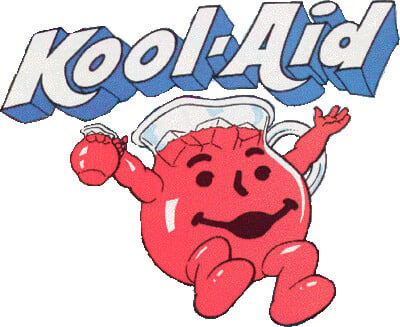
The Kool-Aid Man did not knock. He crashed through walls — brick, plaster, whatever was in his way — and bellowed “OH YEAH” at a volume that suggested no awareness of indoor norms whatsoever. Kids in those commercials reacted with delight rather than alarm, which, to be fair, tracks.
The pitch was simple: giant sentient beverage container destroys your house, you get a cold drink, everyone wins.
Honeycomb Cereal
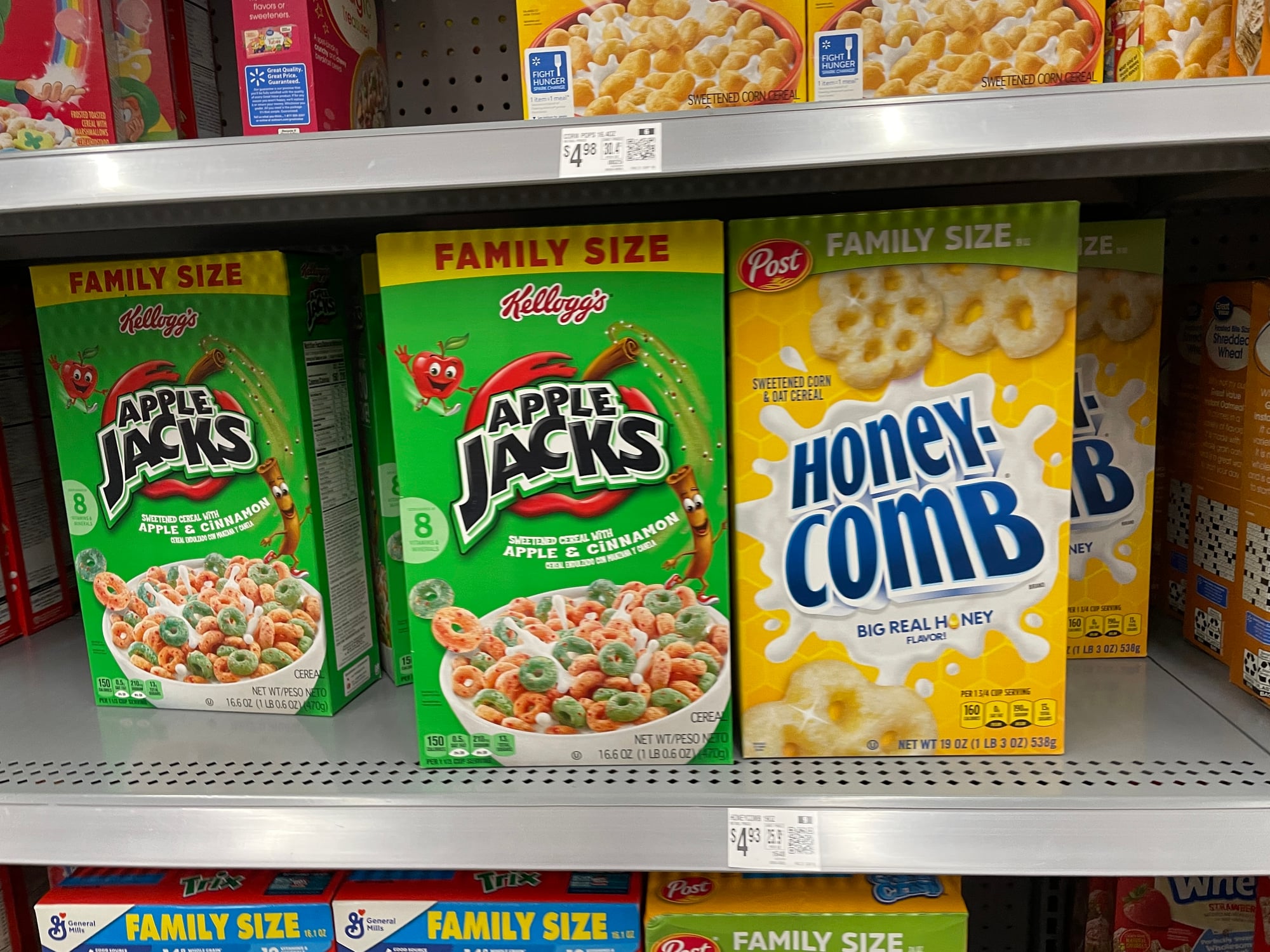
Honeycomb ran a version of the same commercial for what felt like the entire decade, and it worked every single time. The “Honeycomb’s big, yeah yeah yeah — it’s not small, no no no” jingle operated less like an advertisement and more like a mild hypnotic suggestion.
You’d be halfway through asking your mom to buy it before you’d even registered that you were asking.
Hostess Twinkies
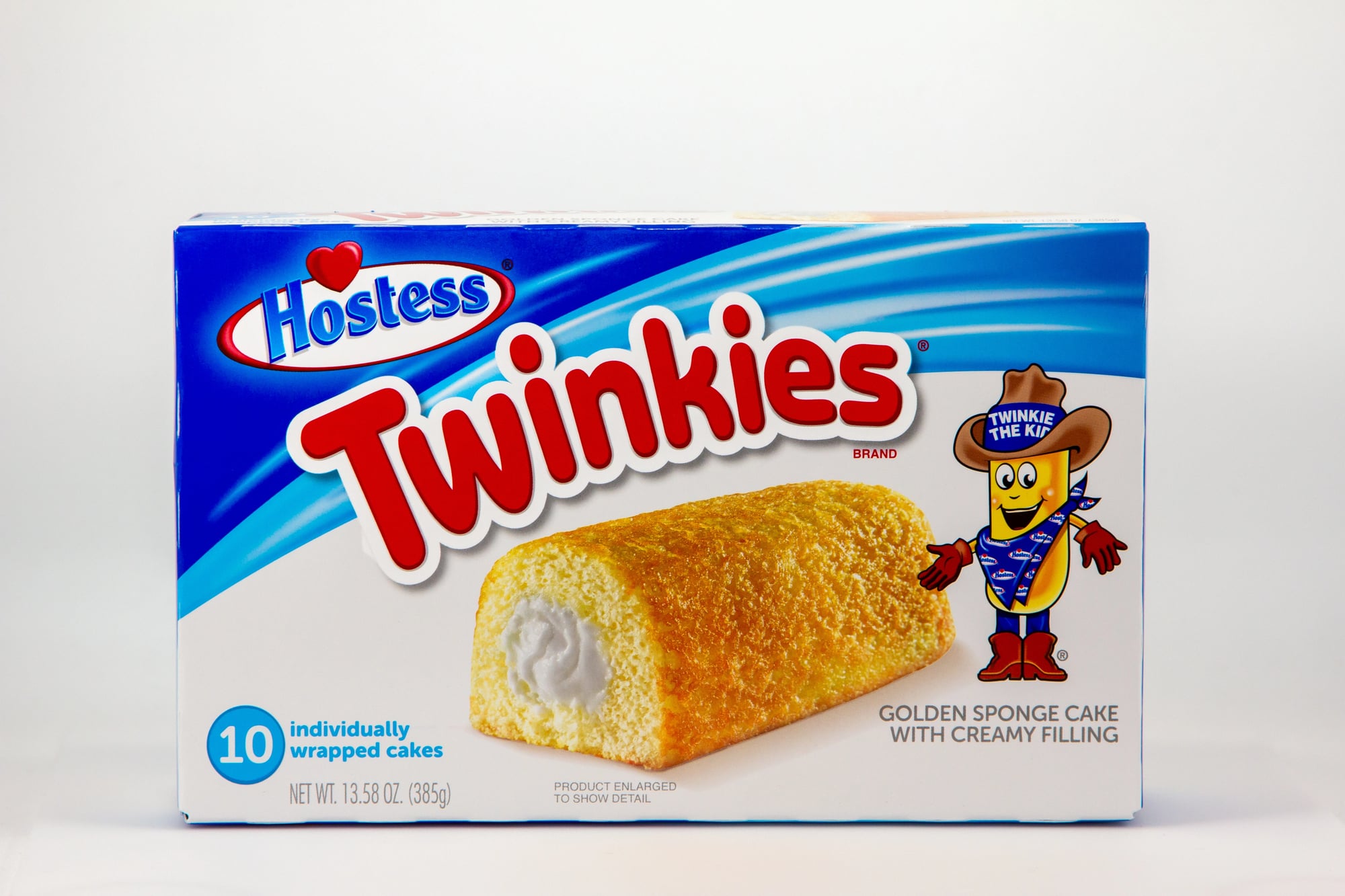
There’s something almost mythological about the Twinkie’s ’80s commercials — the golden cake, the cream filling described with a reverence usually reserved for more serious things, Tweety Bird and Daffy Duck lending their considerable credibility to a snack cake. The Twinkie was just a small, luminous promise of afternoon pleasure, sitting there in its cellophane wrapper like a trophy for surviving the school day.
The shelf-life jokes came later.
Cap’n Crunch
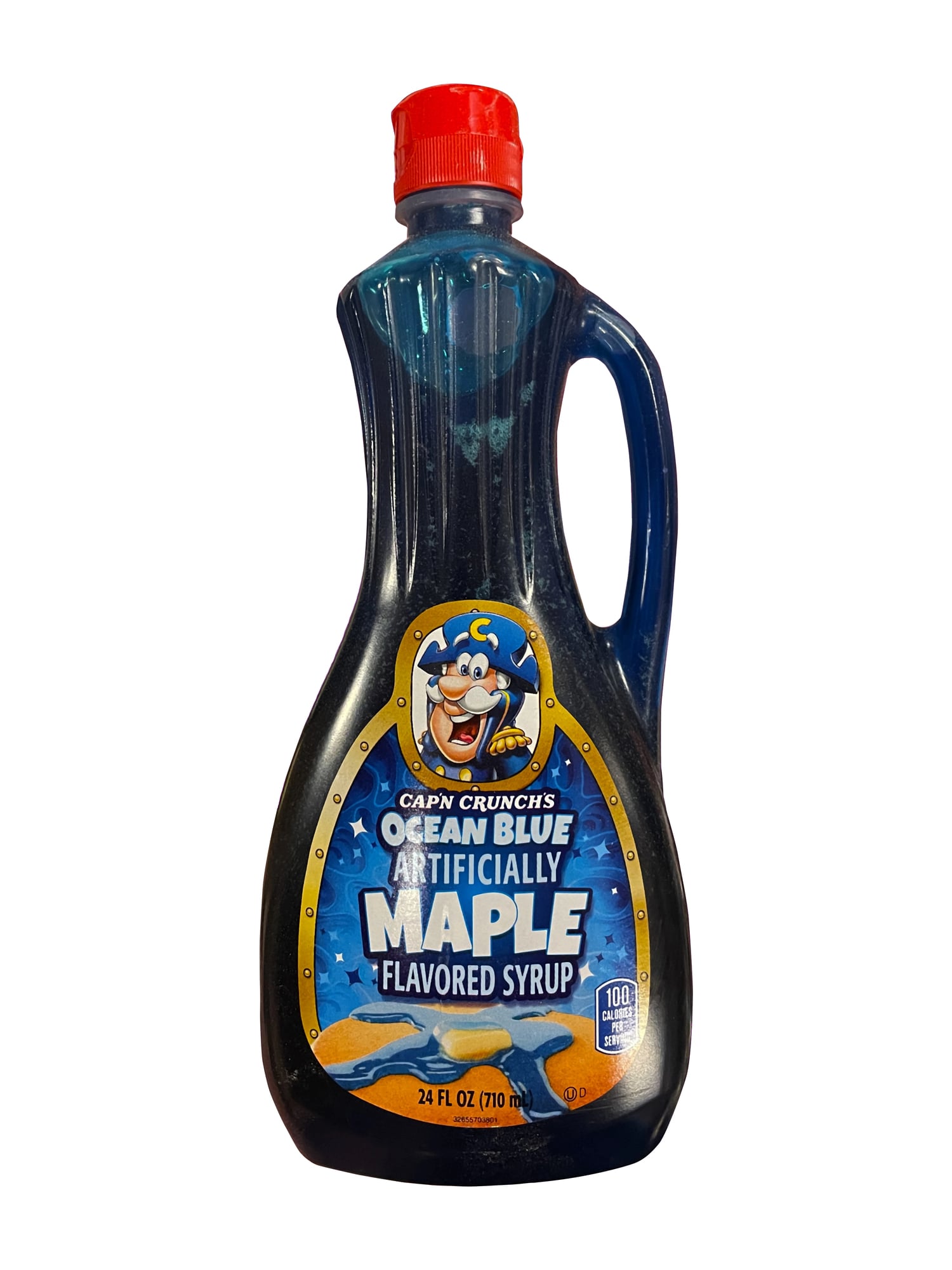
Cap’n Crunch is the cereal that commits. The commercials featured the Cap’n defending his supply from cereal-stealing villains called the Soggies, which — when you think about it — was a remarkably sophisticated brand metaphor for a children’s breakfast product. Soggy cereal is the enemy.
The Cap’n will not stand for it.
Fruity Pebbles
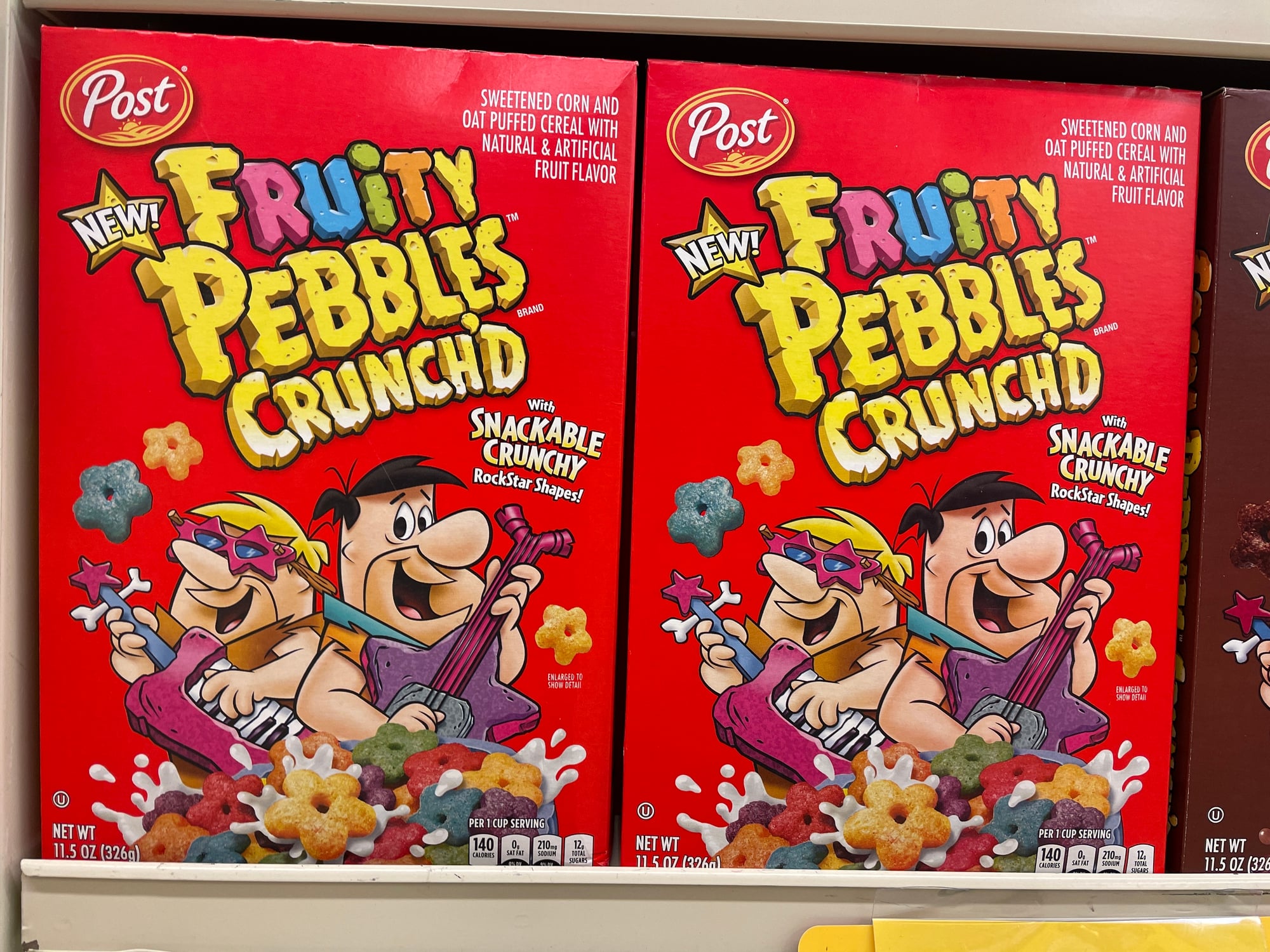
The Fruity Pebbles commercials were built entirely on one recurring bit: Barney Rubble disguising himself to steal Fred Flintstone’s cereal, getting caught, and Fred refusing to share. It ran for years — decades, honestly — without anyone seeming to tire of the premise.
And yet the joke held, because Barney’s commitment to increasingly elaborate disguises was, in its own small way, genuinely impressive.
McDonald’s Happy Meal
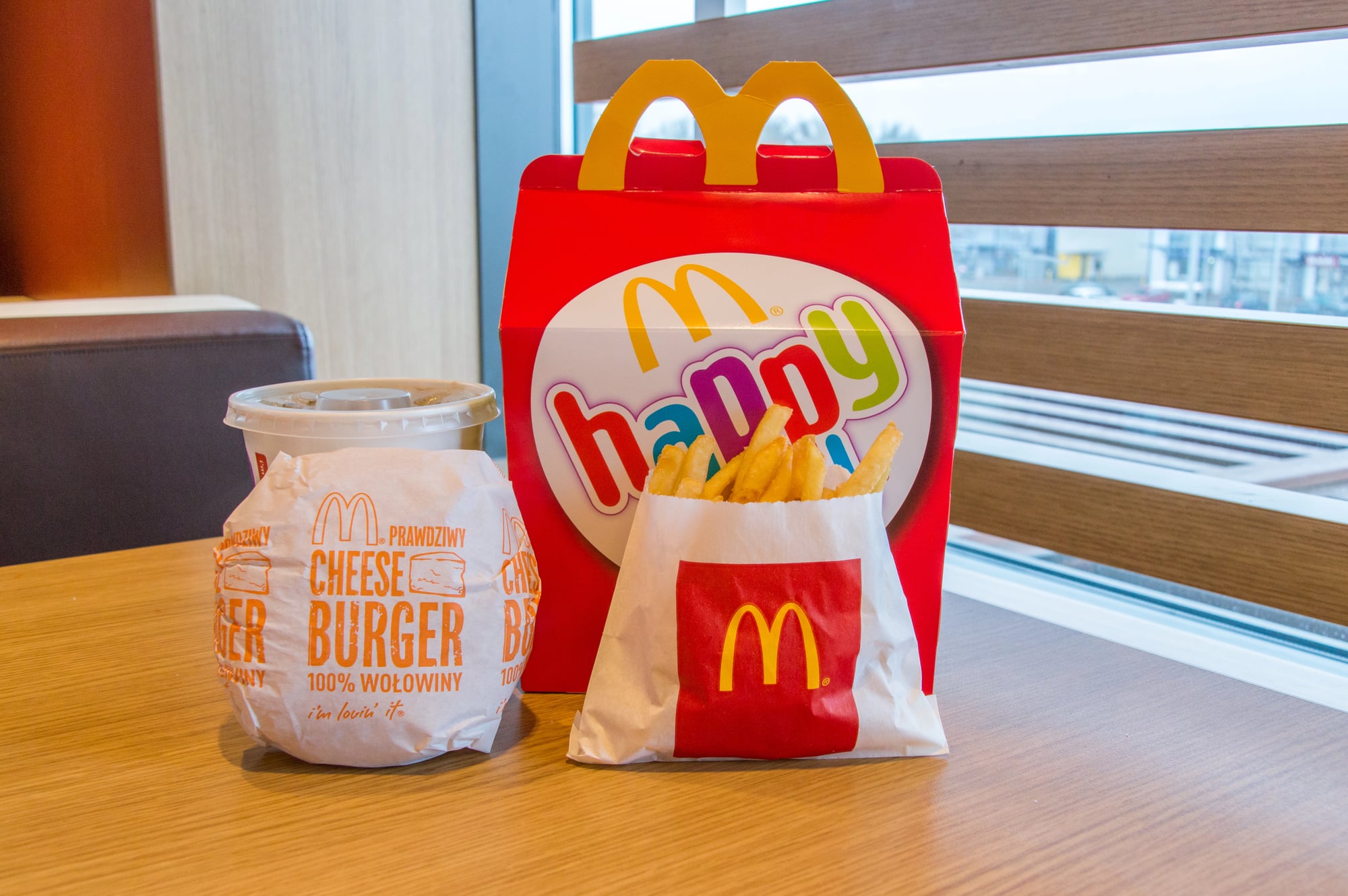
McDonald’s ’80s commercials were their own cinematic universe — Ronald, Grimace, the Hamburglar, Mayor McCheese, all of them inhabiting McDonaldland with an ease that suggested they had fully functional off-screen lives. The Happy Meal commercials specifically understood something sharp about their audience.
The toy mattered as much as the food, sometimes more.
Cocoa Puffs
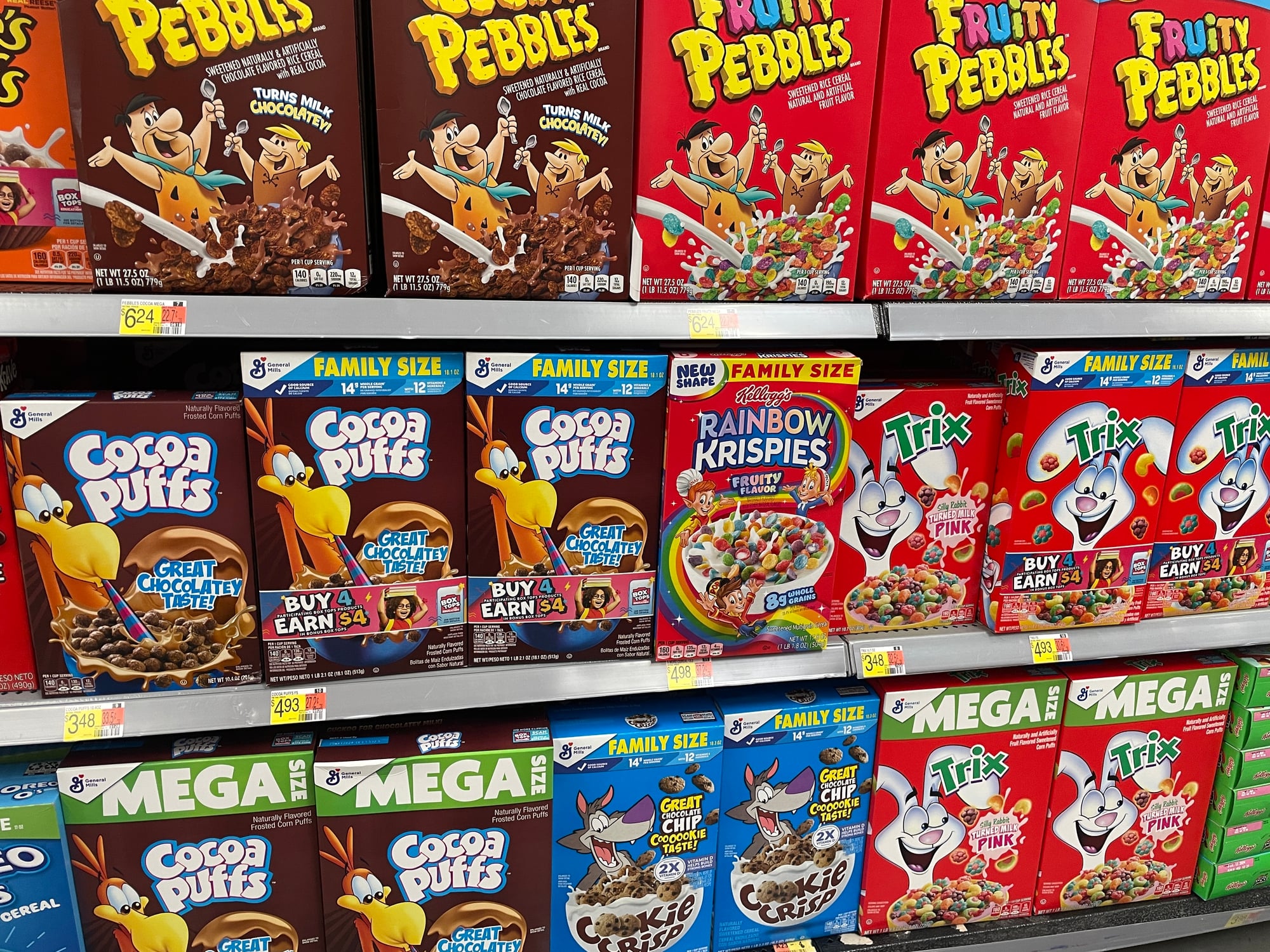
Sonny the Cuckoo Bird was, clinically speaking, addicted to Cocoa Puffs, and the commercials showed this with a frankness that now reads as either admirably honest or deeply strange. He would try to maintain composure, fail, and spiral into full cuckoo-mode the instant chocolate cereal entered his field of vision.
“I’m going cuckoo for Cocoa Puffs” was not a boast — it was a confession.
Doritos
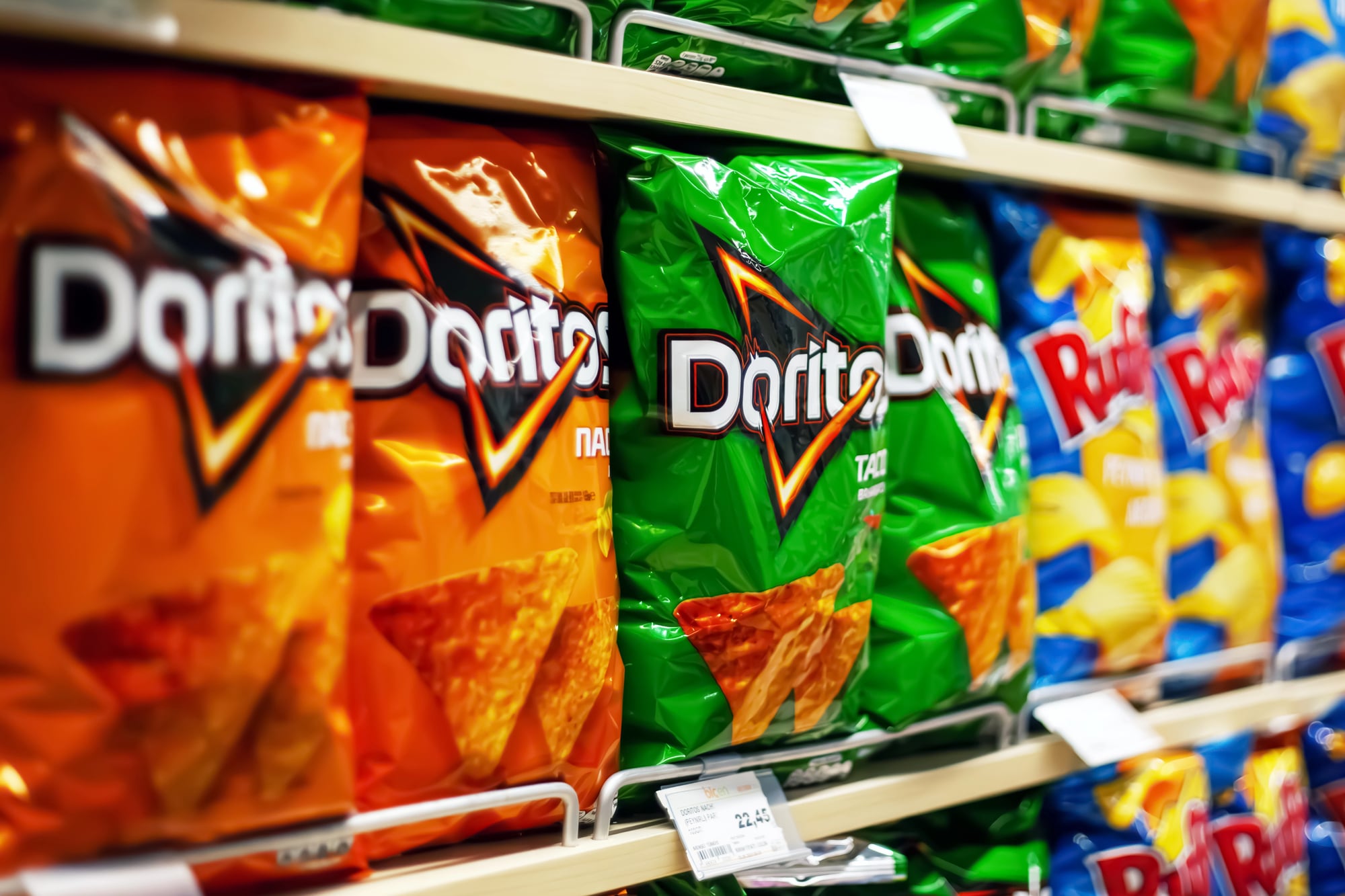
Doritos commercials in the ’80s leaned hard on the snack’s almost aggressive flavor — the idea that these chips were too intense for the faint of heart, that eating them was a small act of boldness. The crunch was always audible, always theatrical, always a little too loud for whatever setting the commercial placed it in.
Go figure, that turned out to be exactly the right pitch.
Skittles
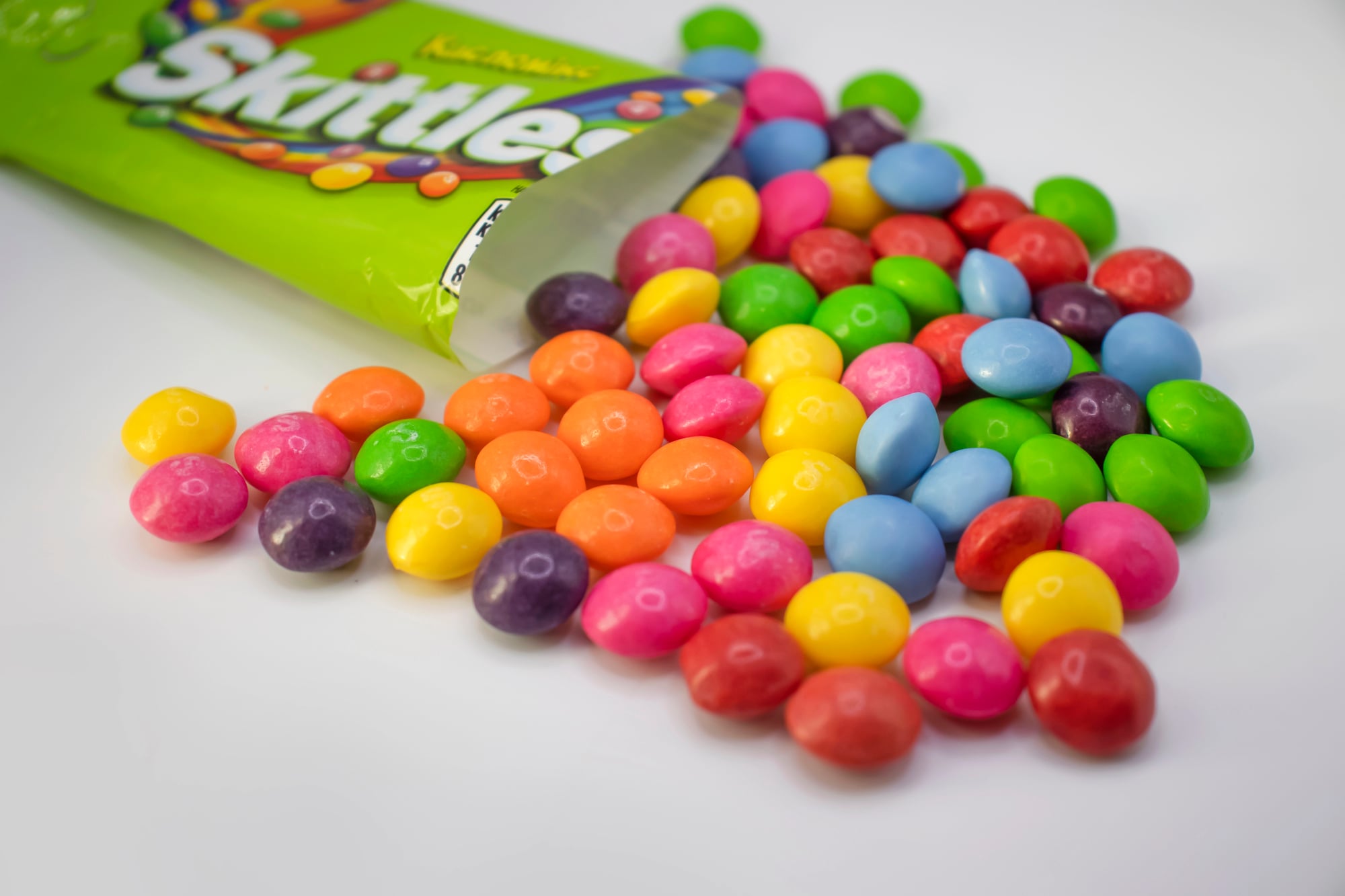
The “Taste the Rainbow” campaign hadn’t quite solidified into its later surrealist form yet, but the ’80s Skittles commercials already had the core premise locked in: fruit-flavored candy, bright colors, a cheerfulness that bordered on aggressive. Skittles ads during Saturday cartoons were brief, vivid, and relentless.
The visual equivalent of eating a full handful at once.
Reese’s Peanut Butter Cups
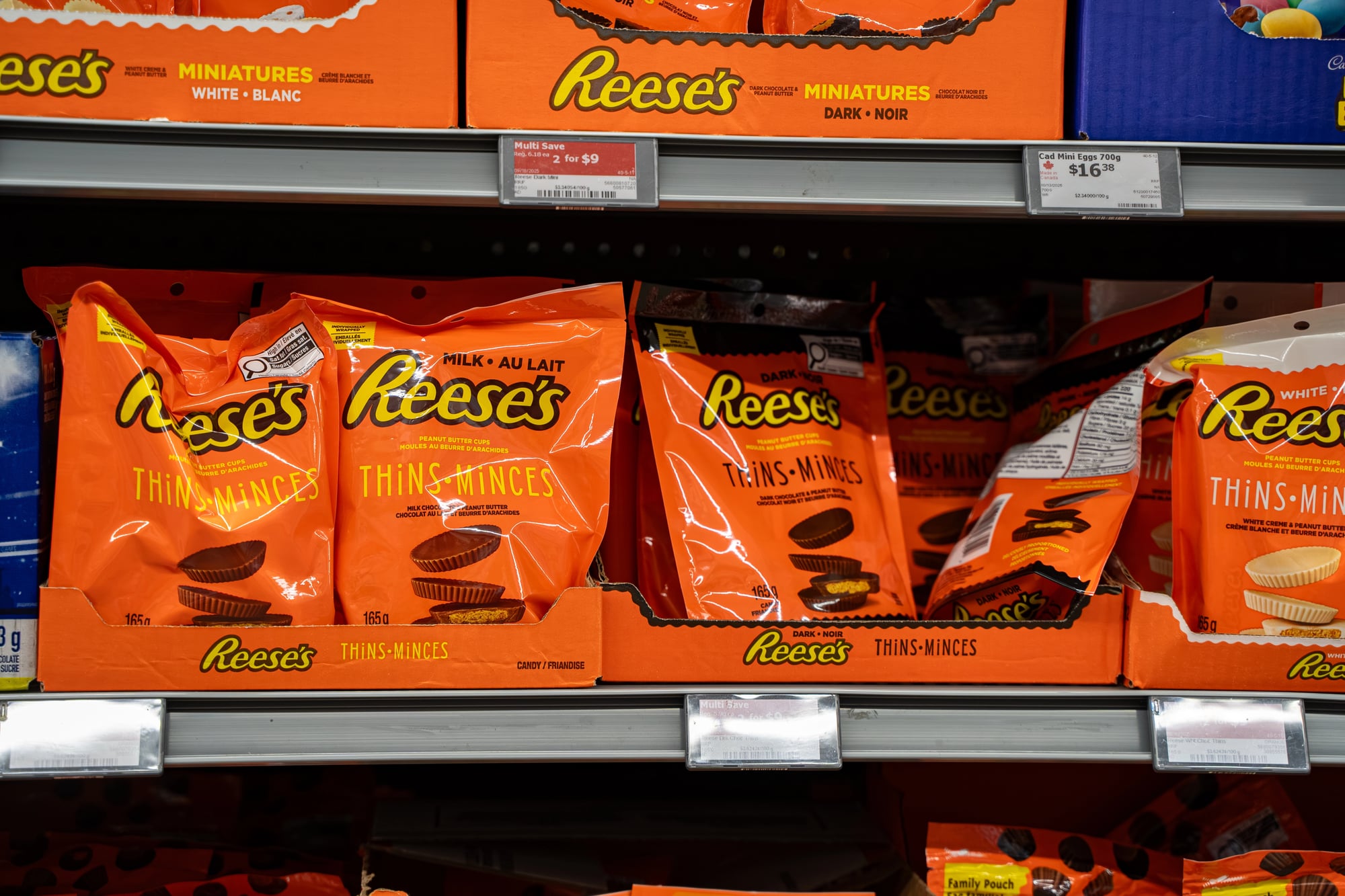
The Reese’s commercials ran on one of the great collision myths of the decade — chocolate meeting peanut butter as if by accident, each person in the ad blaming the other, both ending up delighted. It’s the kind of advertising logic that doesn’t hold up to five seconds of scrutiny and absolutely didn’t need to.
The candy sold itself.
Lucky Charms
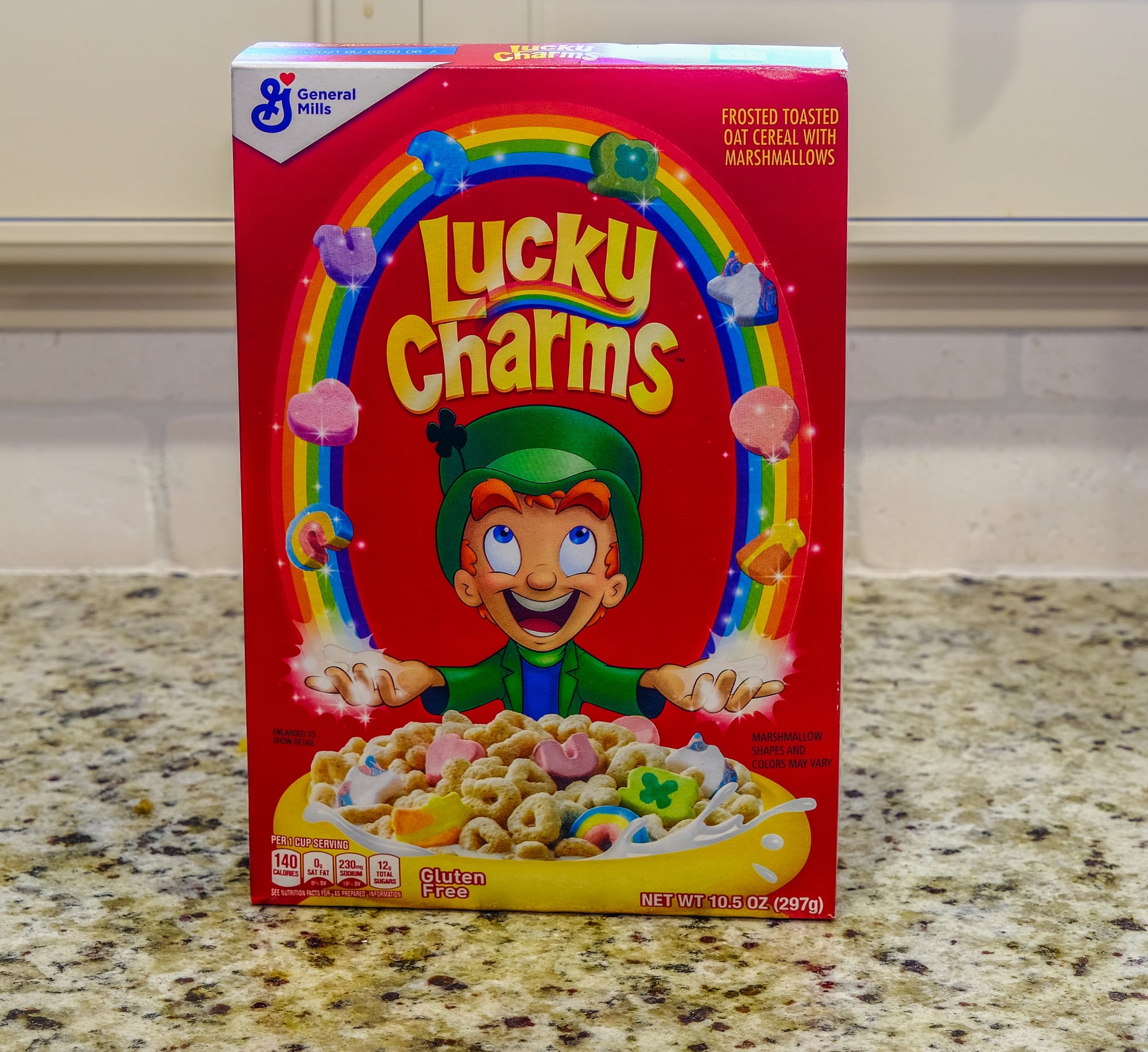
Lucky the Leprechaun spent thirty-plus years being chased by children determined to steal his cereal, and the Lucky Charms commercials of the ’80s were peak pursuit. The marshmallows were treated as precious objects worth protecting, which somehow made kids want them more.
Scarcity, even fictional scarcity engineered by a cartoon leprechaun, is a powerful thing.
Pizza Rolls
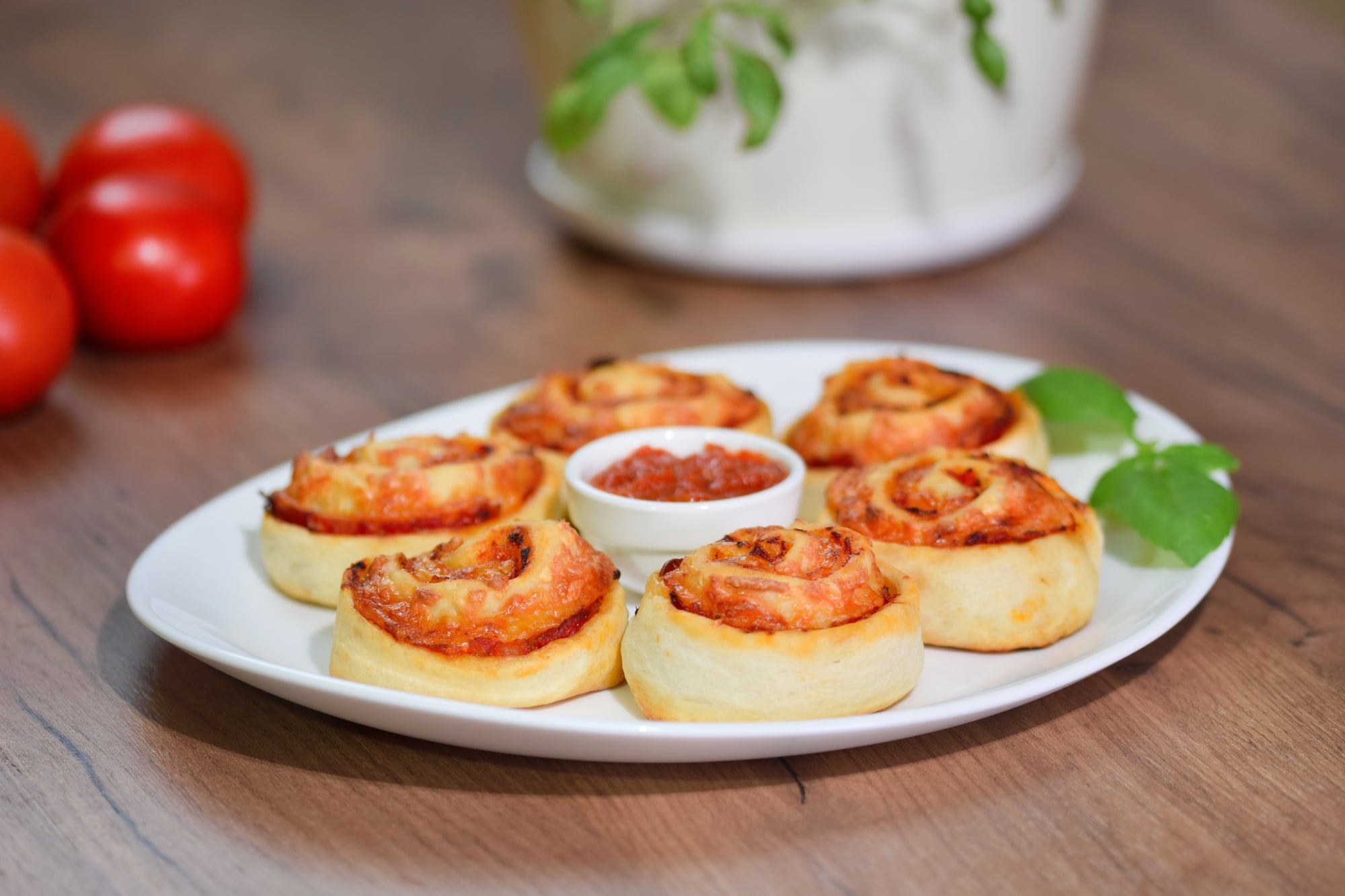
Pizza Rolls commercials understood their demographic with an almost eerie precision: kids home alone or after school, unsupervised, capable of operating a microwave. The ads never oversold it — just the clear message that molten pizza filling in a bite-sized shell was available.
And you should want it immediately.
Nerds Candy
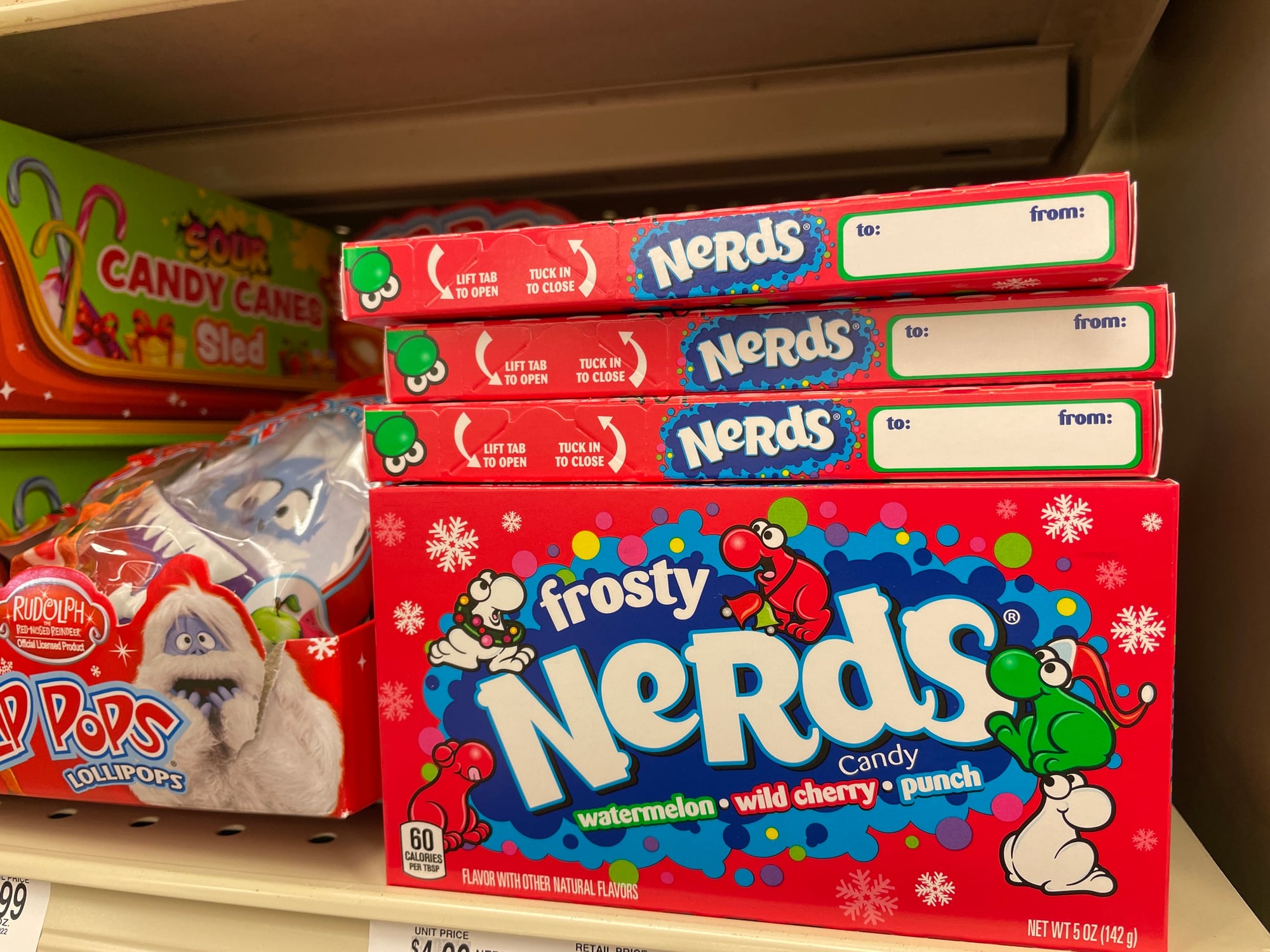
Nerds arrived in the mid-’80s with a split-box design that was genuinely clever — two flavors, separated, which meant you could eat them together or keep them apart. The commercials featured tiny animated Nerds creatures living inside the box, which raised questions no one asked but everyone quietly appreciated.
The candy was sour, chalky, and somehow perfect.
Pringles
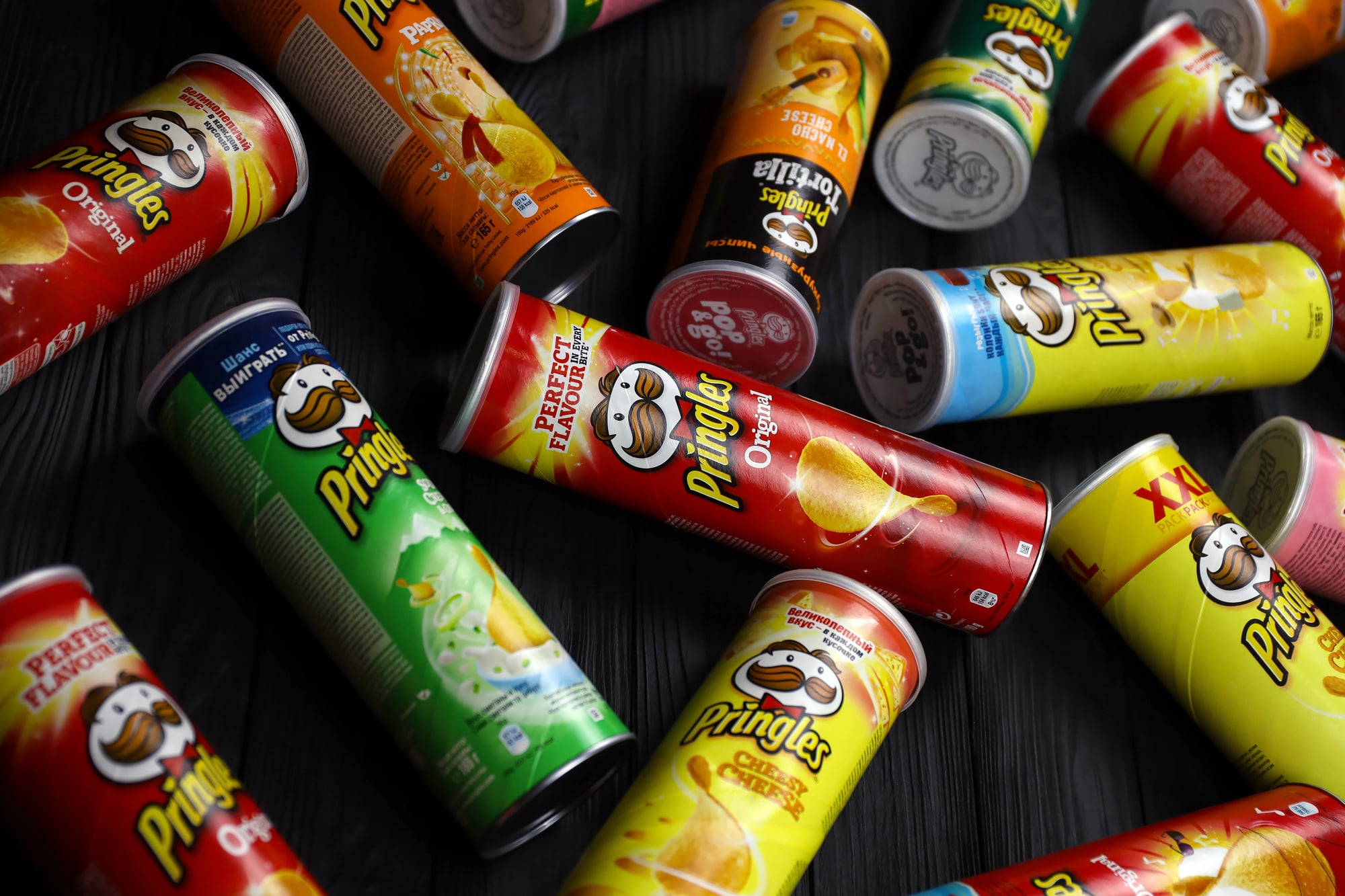
Pringles commercials in the ’80s pushed the “once you pop, you can’t stop” logic long before that phrase became the official slogan. Other chips were irregular, breakable, unpredictable. Pringles were engineered — same shape every time.
Turns out that consistency was the selling point.
Jell-O Pudding Pops
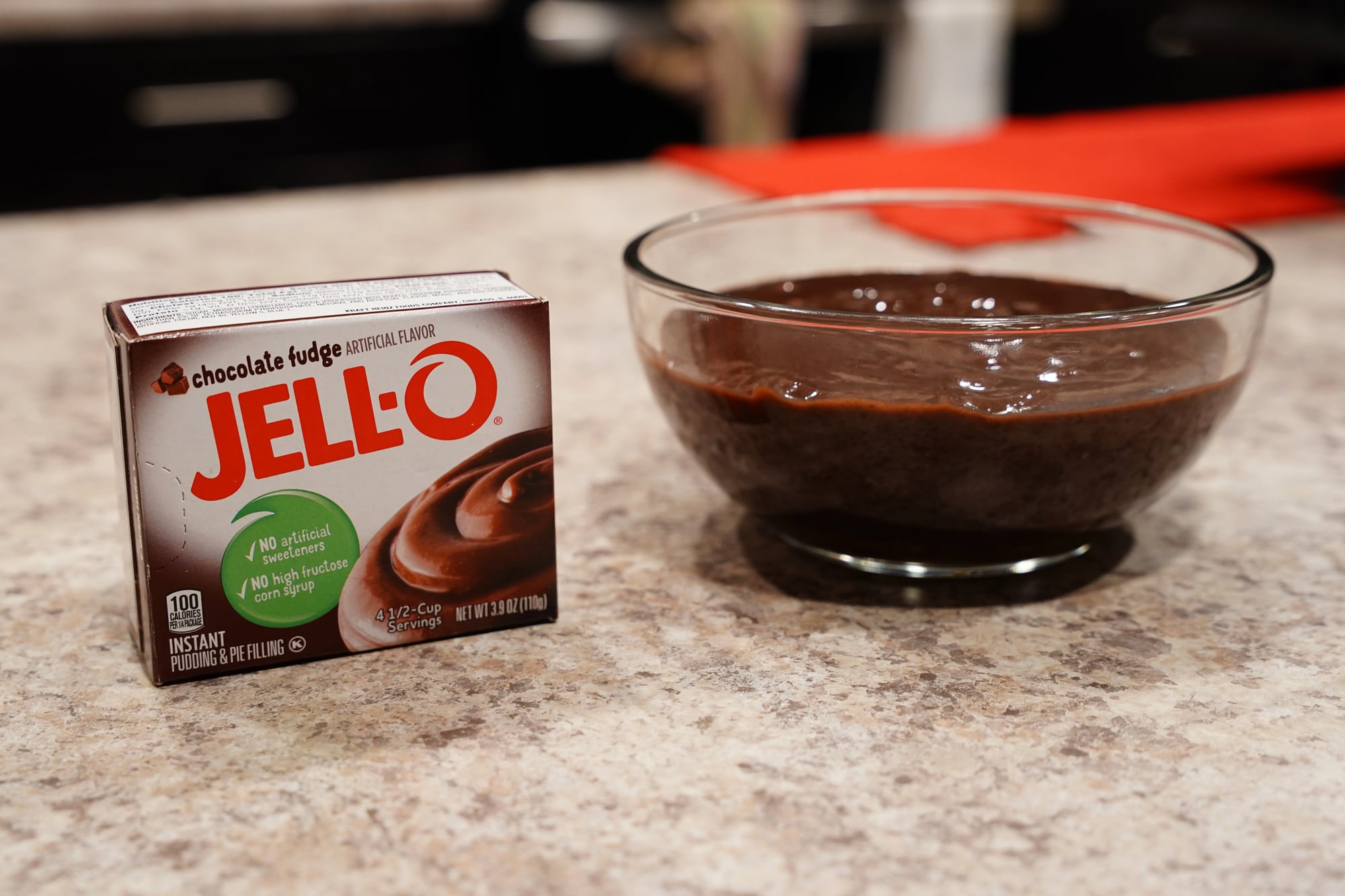
Bill Cosby’s Jell-O Pudding Pops commercials were inescapable during ’80s cartoon blocks — the warmth, the easy charm, the insistence that frozen chocolate pudding on a stick was a reasonable thing to want at any hour. The product itself was genuinely good, a cold and creamy alternative to ice cream.
Those commercials existed in a specific register of cheerful domesticity that felt utterly of its moment.
Gushers
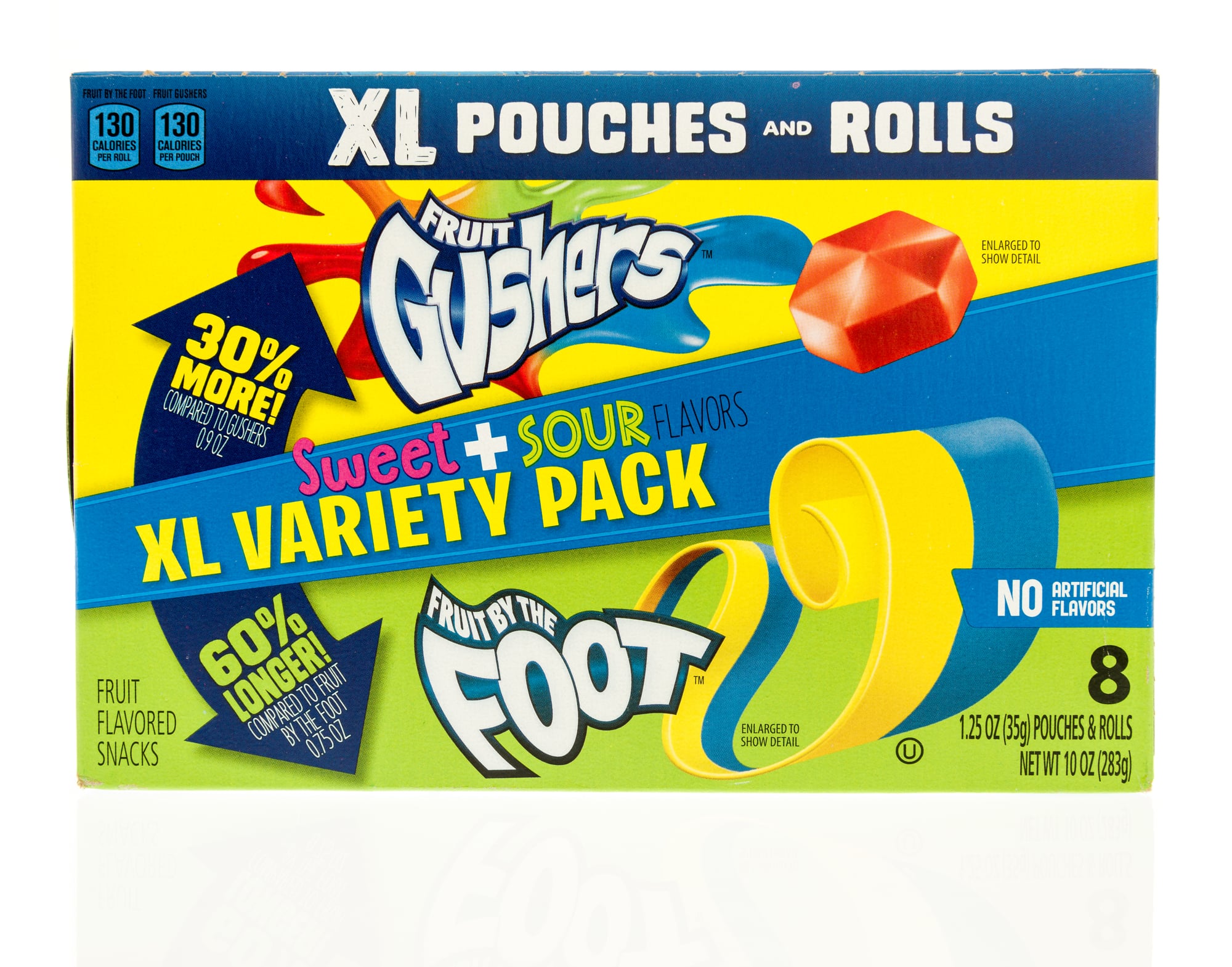
Gushers landed late in the decade but hit hard — kids biting into the fruit snack and having their heads transform into giant pieces of fruit. The whole campaign operated on the idea that the liquid center was the point, the surprise, the reward.
And the transformation gag stuck in memory permanently, without permission.
Froot Loops
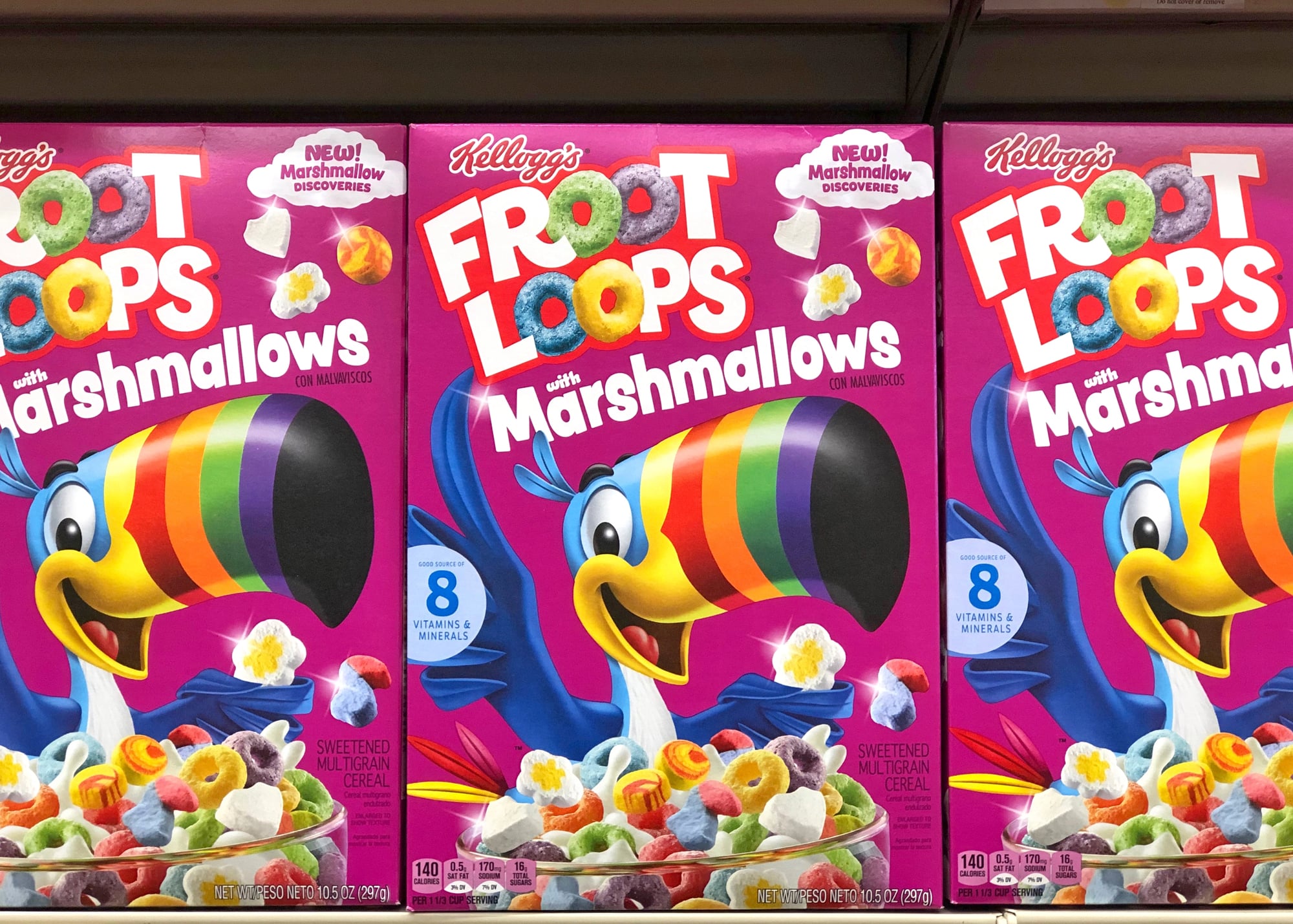
Toucan Sam had one instruction — “Follow your nose, it always knows” — and the Froot Loops commercials built entire small adventures around it. The nose-as-compass metaphor was charmingly absurd, and the cereal’s artificial fruit smell was strong enough to make it believable.
Froot Loops smelled like a color.
Oreo
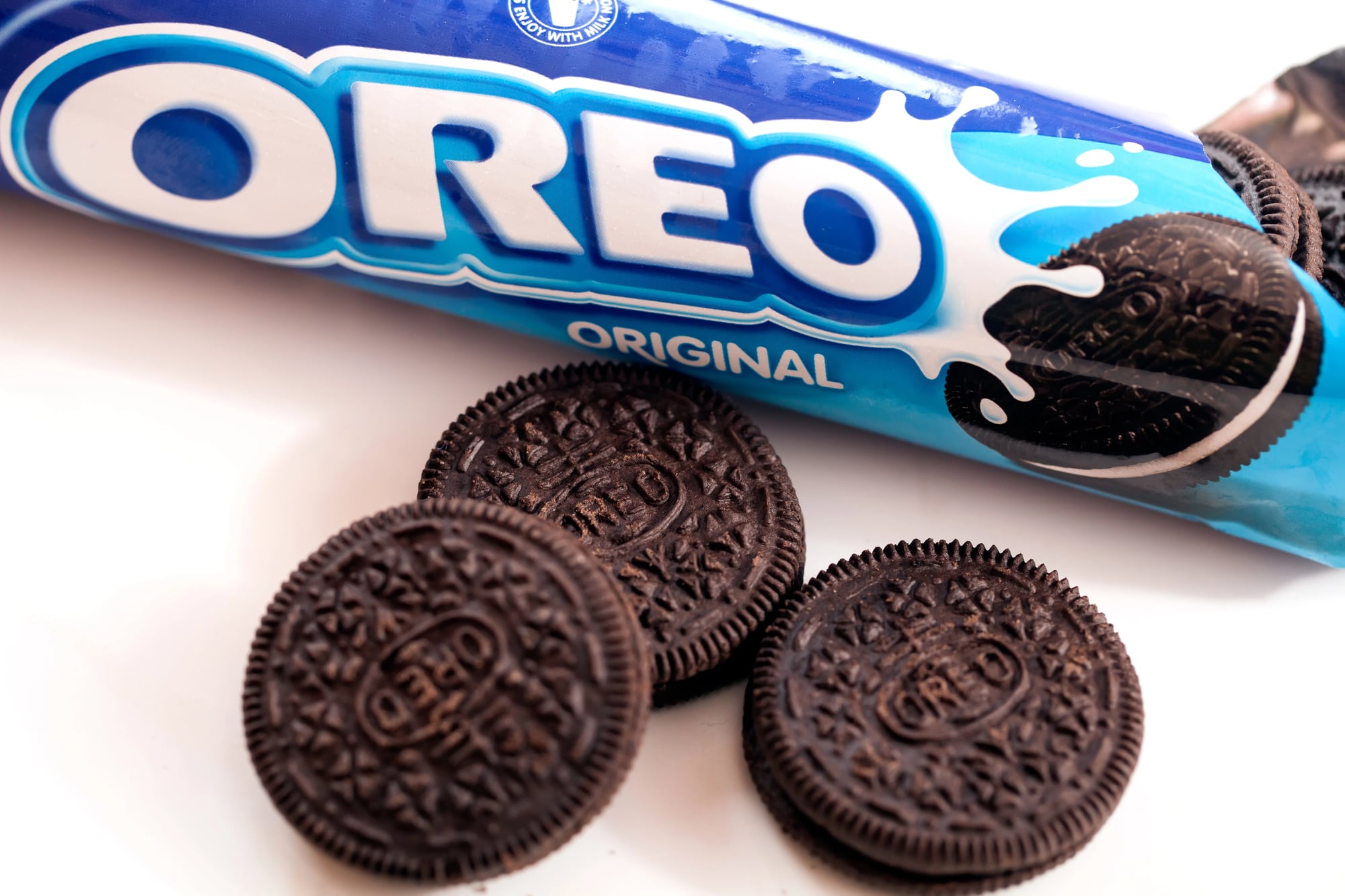
The Oreo commercials of the ’80s were essentially instructional films on cookie methodology — twist, lick, dunk — presented with a gravity that implied there was a right way and a wrong way. Kids took this seriously.
The ads created a ritual out of a snack.
M&M’s
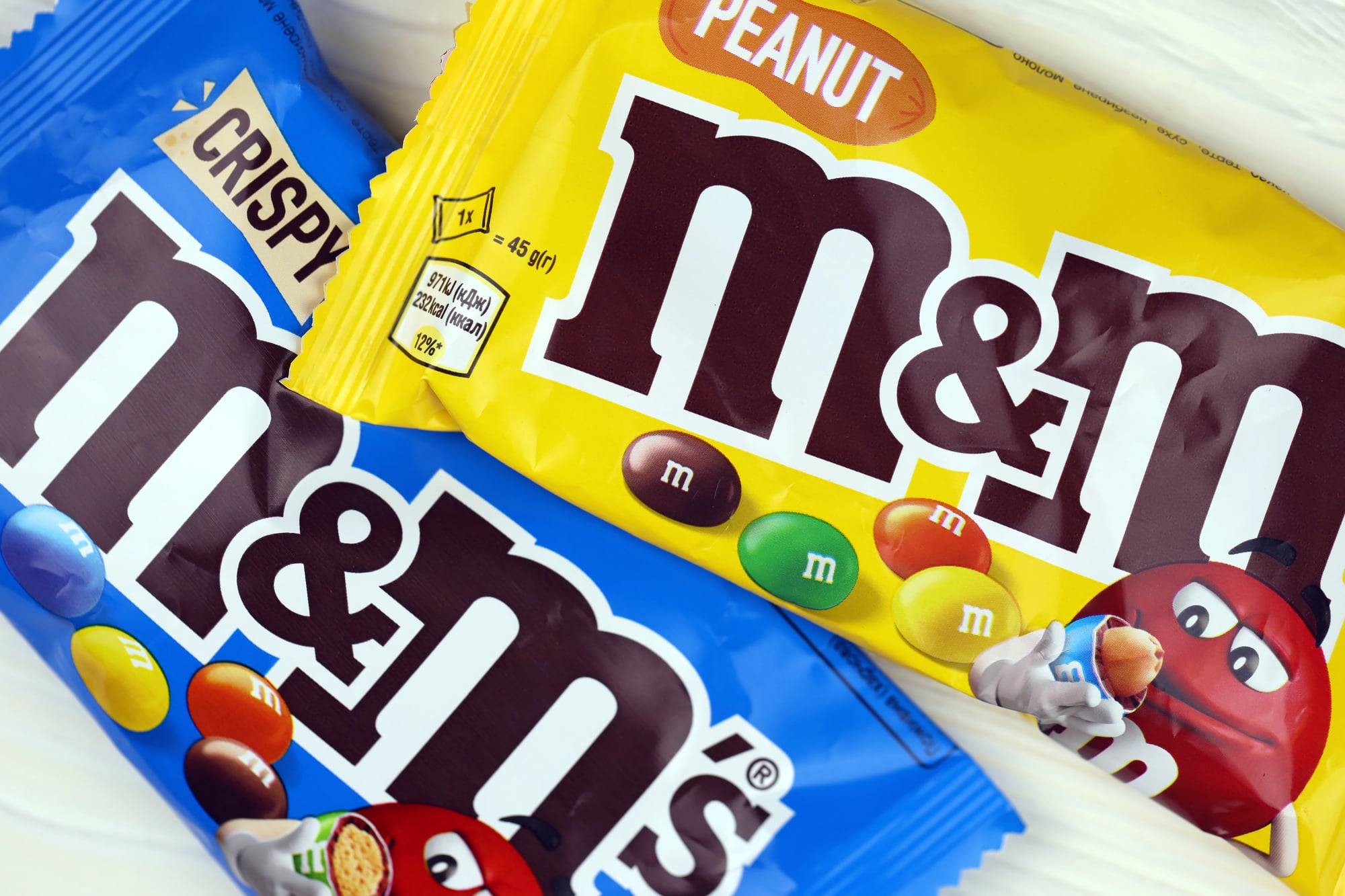
“Melts in your mouth, not in your hands” is one of the most durable taglines in American advertising, and the ’80s M&M’s commercials kept demonstrating it. Choosing M&M’s over other candy was framed as a decision made by someone who had their life together.
The animated characters came later, but the logic was already solid.
Twix
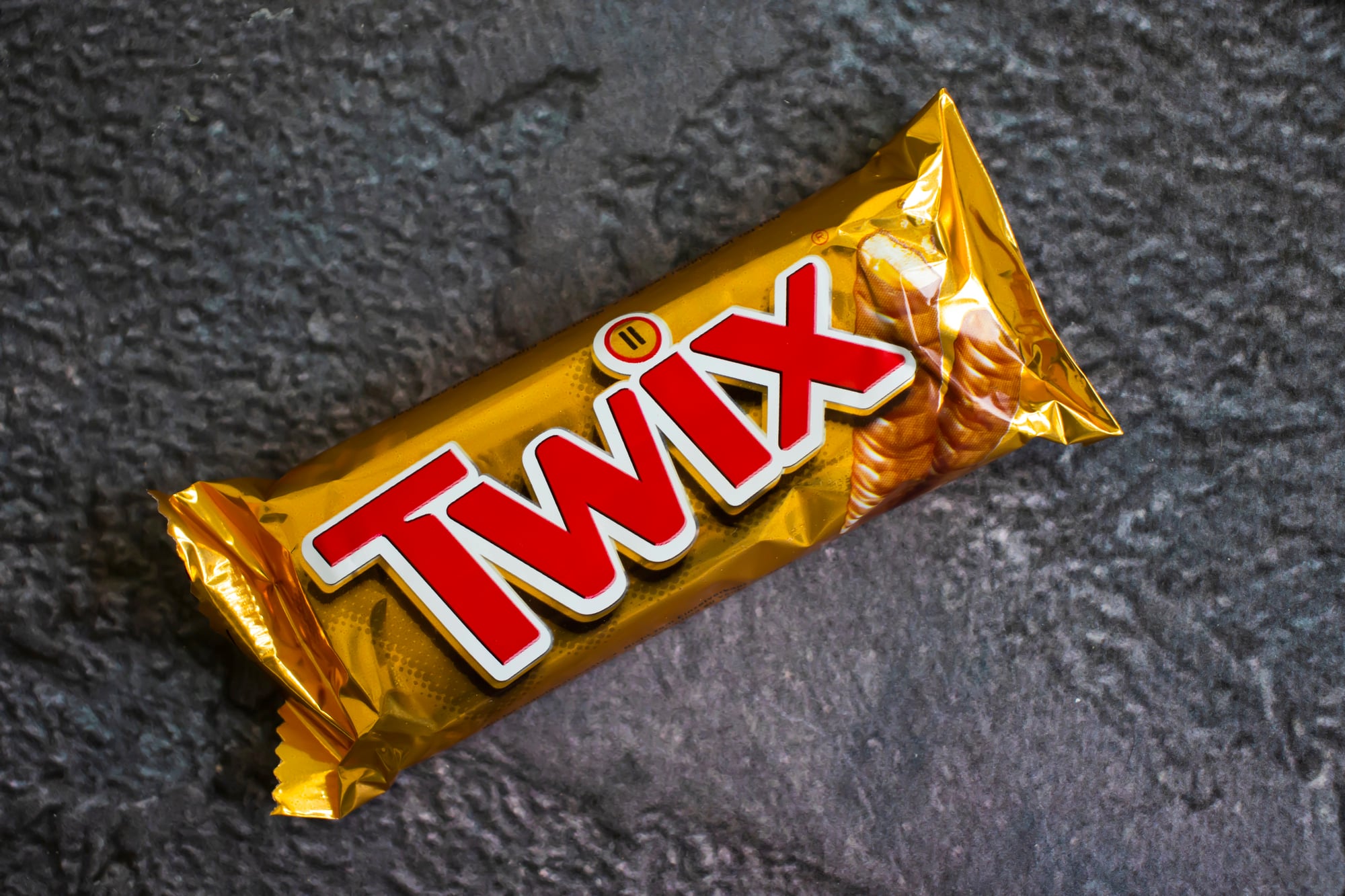
Twix commercials in the ’80s ran hard on the “two bars in every pack” angle, framing it as a matter of simple generosity. The cookie-caramel-chocolate combination was straightforward but treated like a revelation.
Which is exactly the right confidence level for a candy bar.
Slim Jim
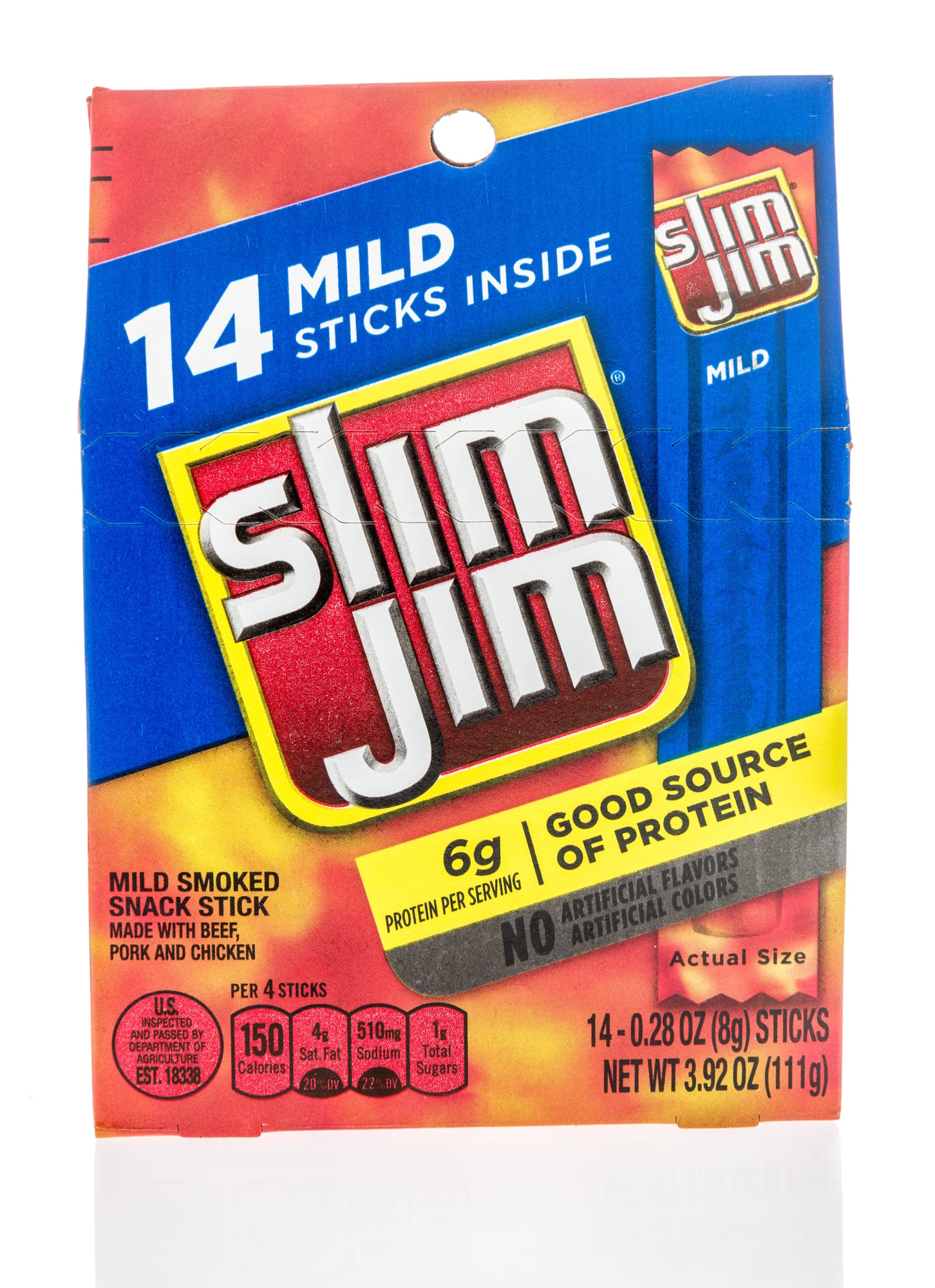
Slim Jim ads in the ’80s were chaotic before chaos was a brand strategy — loud, sudden, aimed at the part of a kid’s brain that responds to snapping sounds. The meat stick itself was aggressively flavored in a way that paired perfectly with Saturday morning television.
Snap into a Slim Jim wasn’t subtle.
Pop Rocks
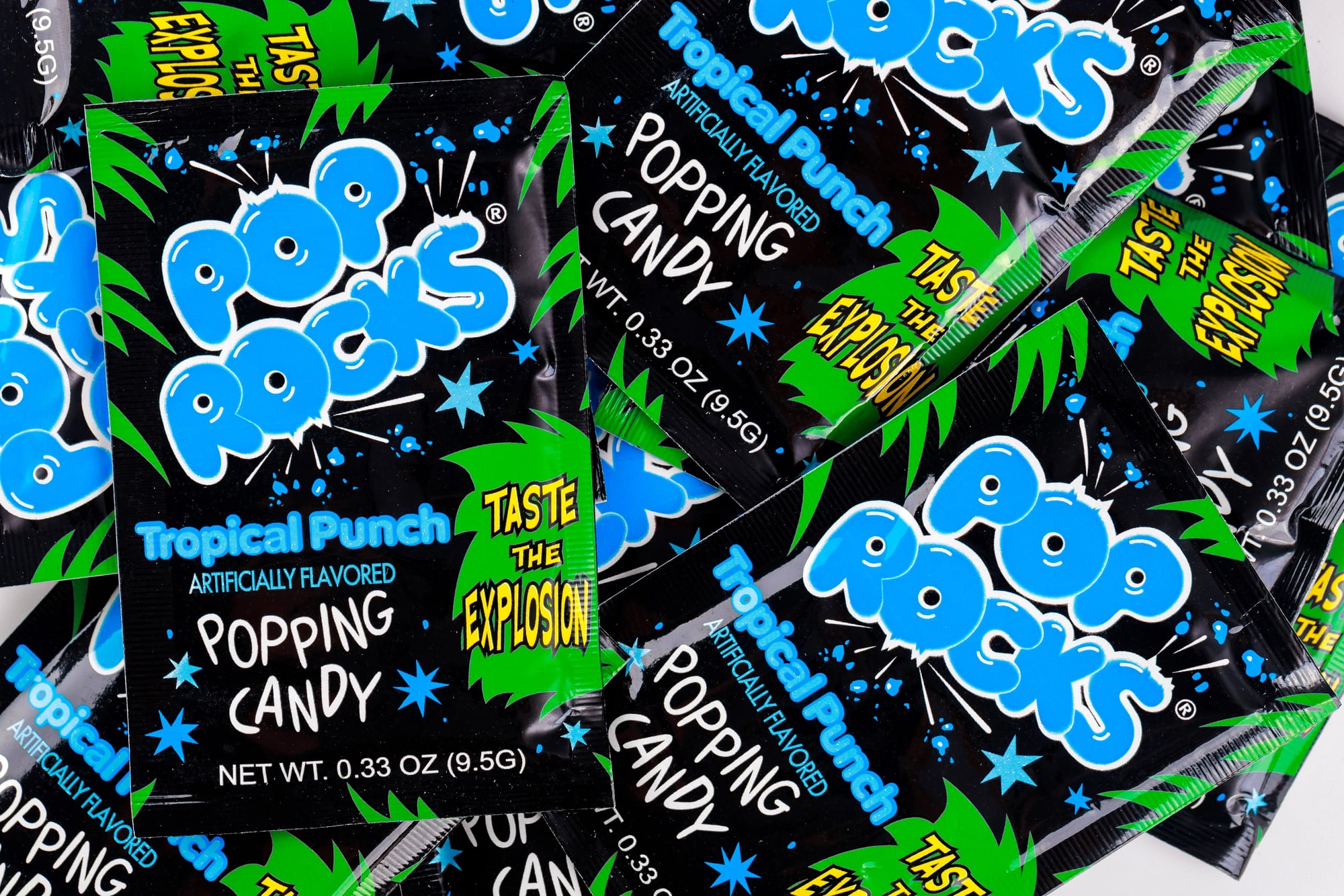
Pop Rocks commercials had to work against their own mythology — the schoolyard rumor that eating them with soda would cause your stomach to explode. The ads leaned into the sizzle and pop of the candy itself, letting sound do the persuading.
Kids bought them to test reality.
Lunchables
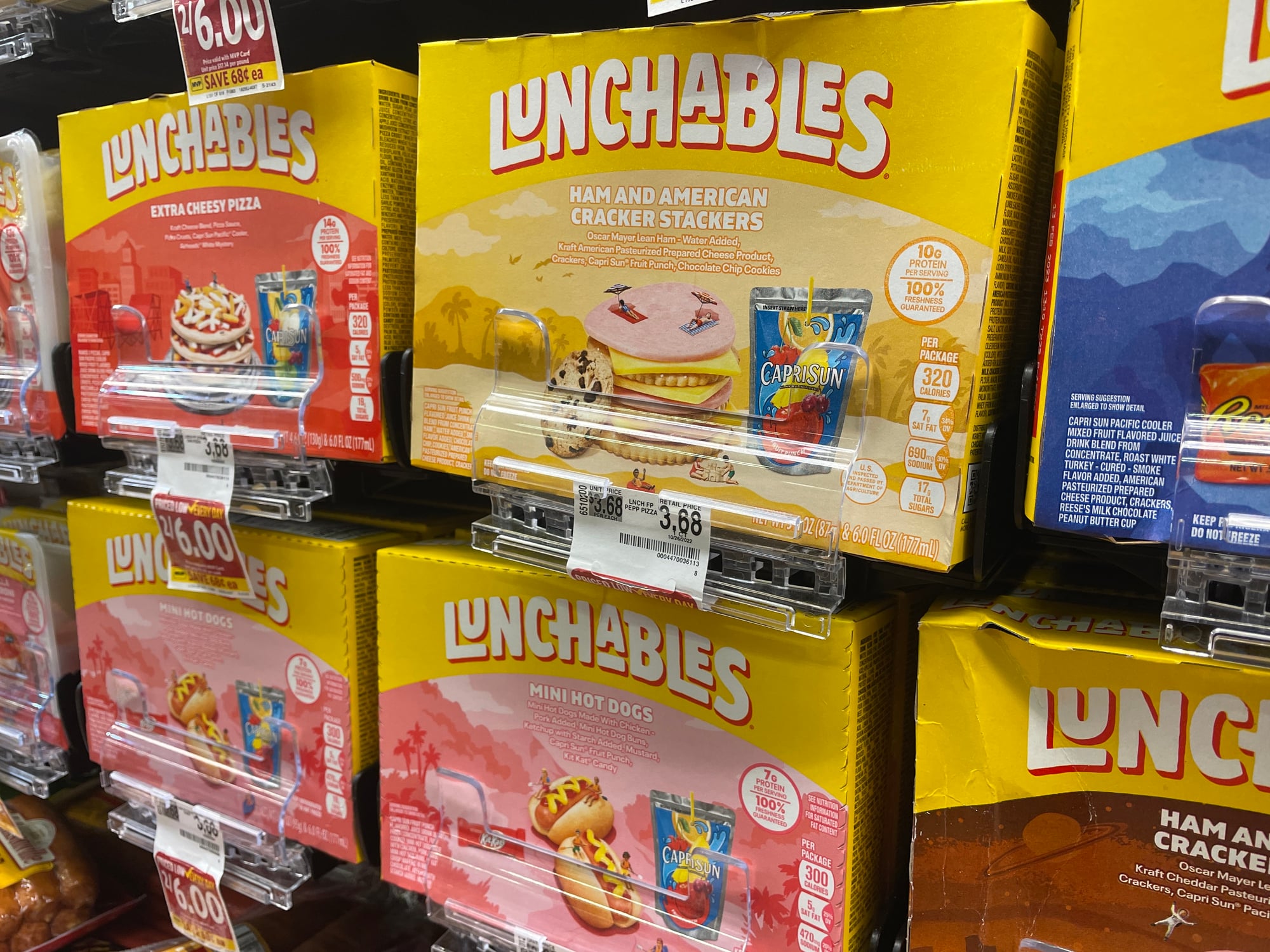
Oscar Mayer’s Lunchables arrived in 1988 and immediately understood what they were actually selling: autonomy. Not crackers and processed cheese, but the idea that a kid could assemble their own lunch.
The ads showed kids building meals with the focus of engineers.
Keebler Fudge Stripes
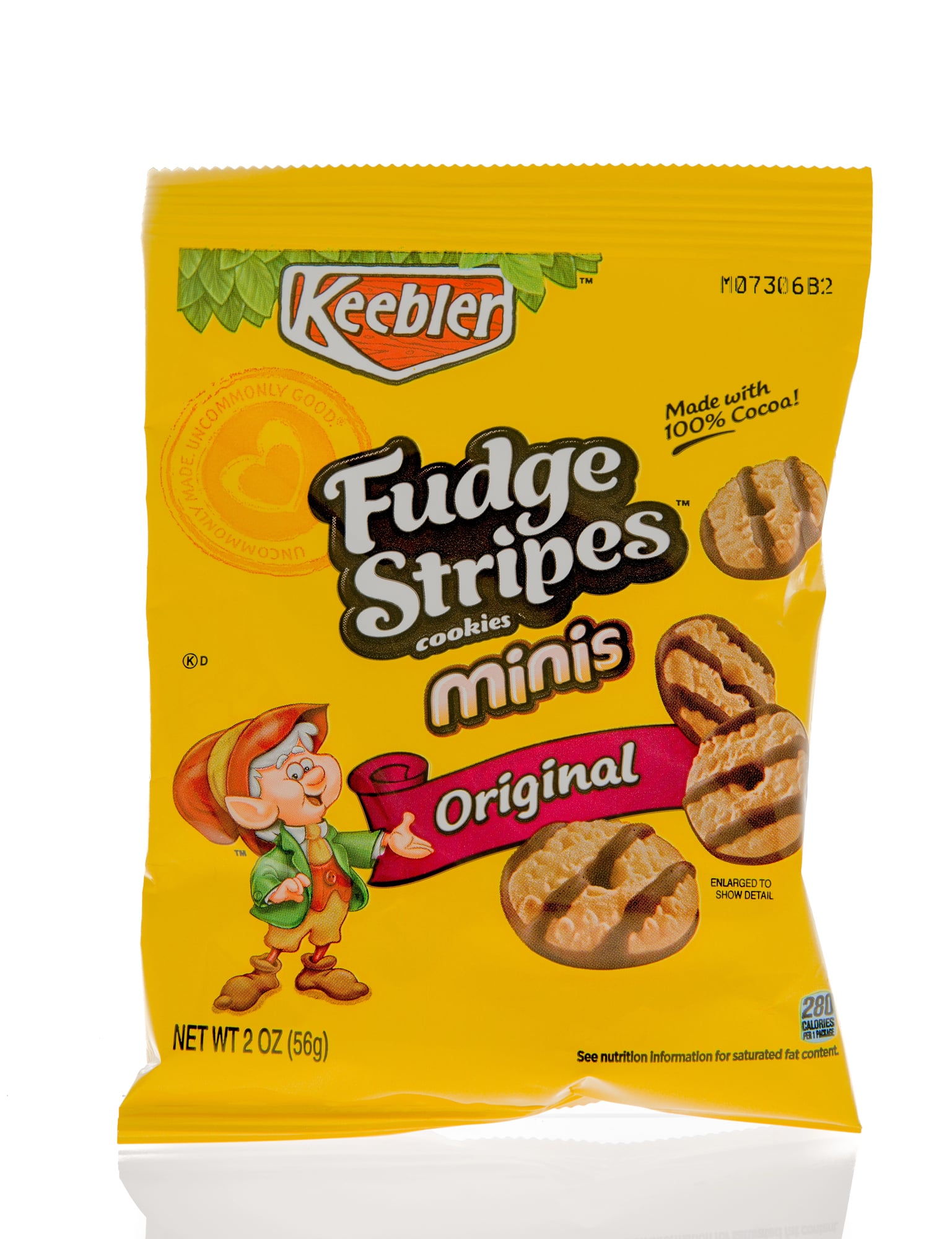
The Keebler Elves operated out of a hollow tree, which raised practical questions the commercials wisely declined to address. Ernie Keebler was their spokesperson, and the cookies disappeared from packages before anyone fully committed to eating them.
The magic-in-the-tree angle gave the brand a warmth cookie ads rarely achieve.
Cheerios
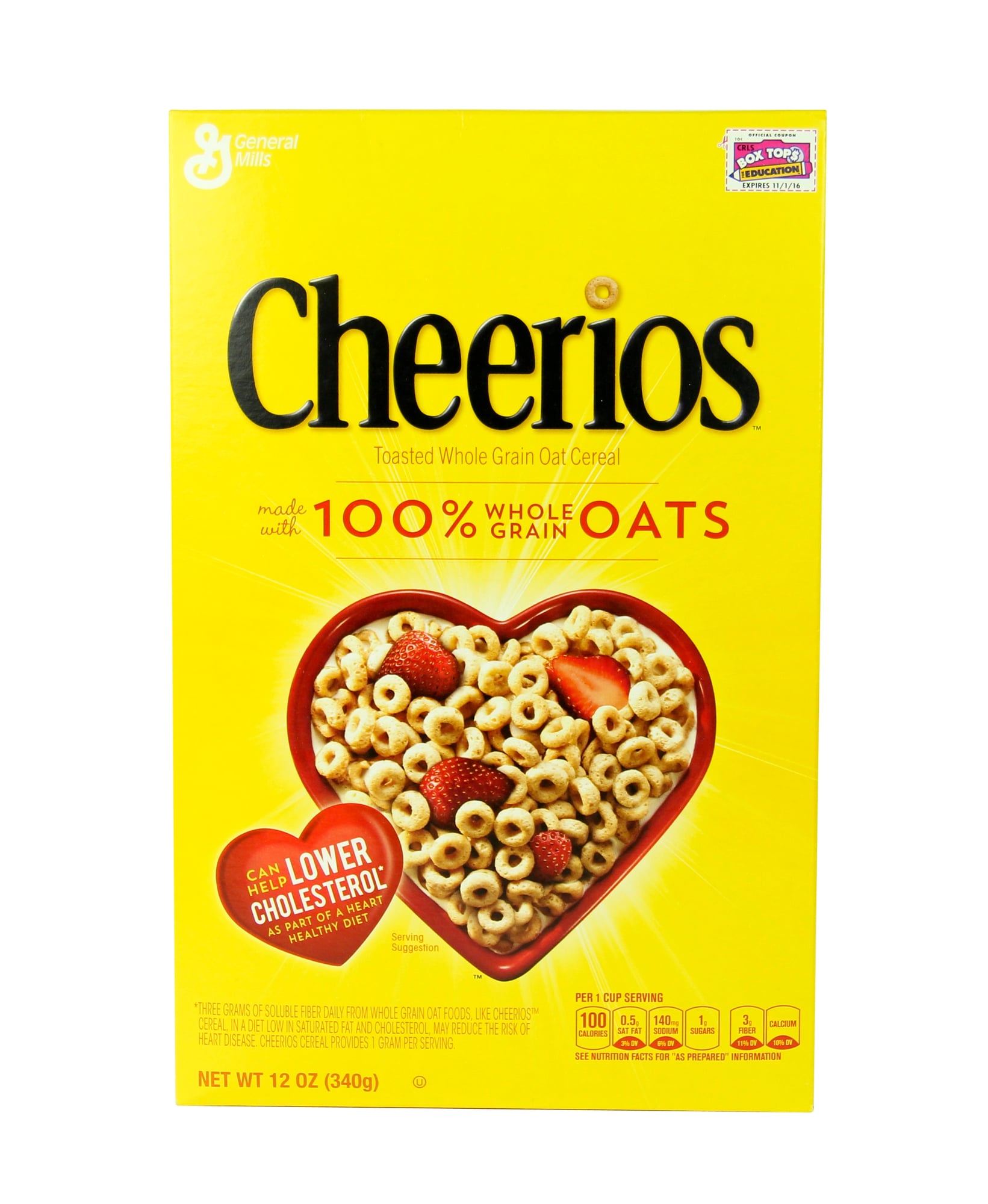
Cheerios ads leaned on a wholesome, heart-healthy angle that made them feel almost out of place between sugar-heavy competitors. No mascot was needed — the cereal itself did the work.
The oat circle was its own argument.
Bubble Yum
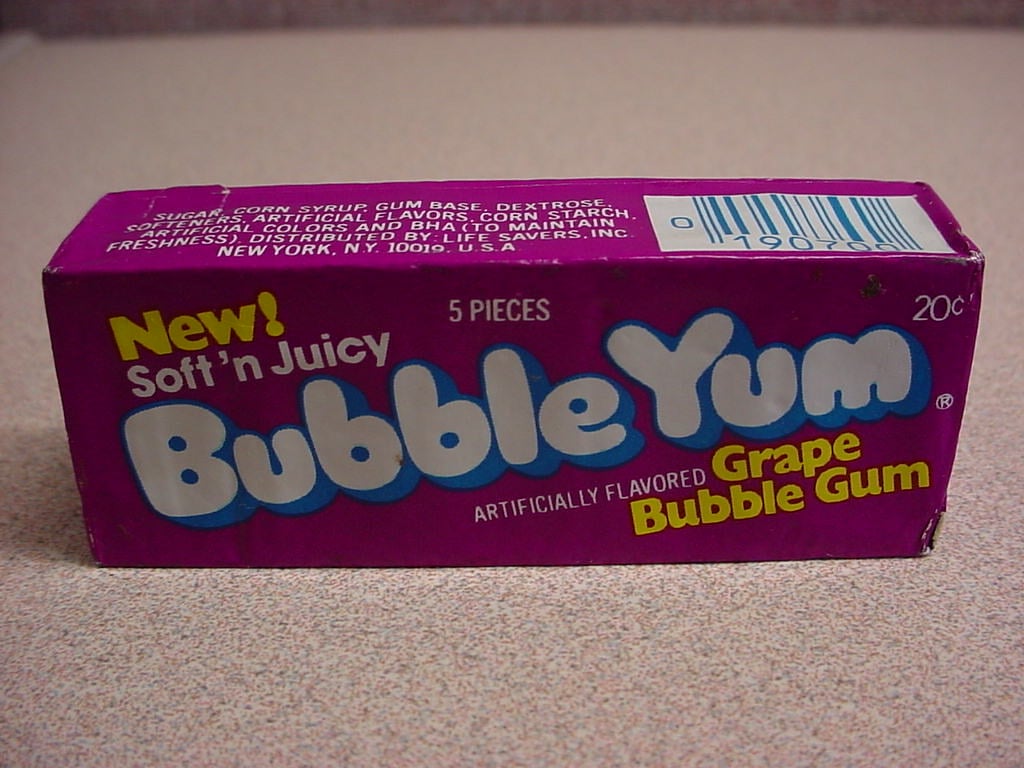
Bubble Yum promised bigger bubbles than you had any right to expect from something that cost a quarter. The commercials showed kids blowing bubbles larger than their own heads with ease that suggested the gum was doing most of the work.
Texture was the selling point.
Combos
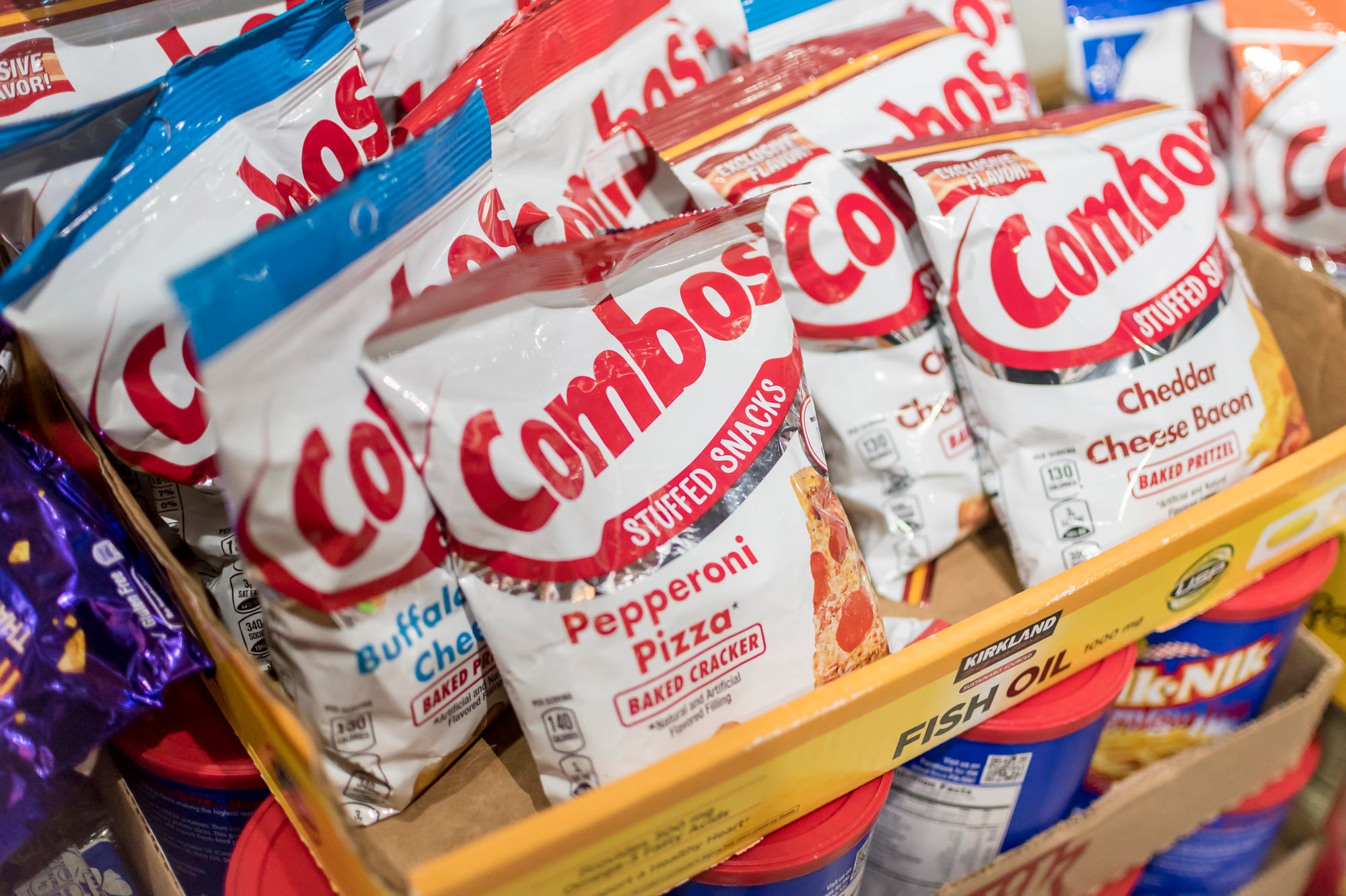
Combos positioned itself as a snack eaten with intention, not accident. The cheese-stuffed pretzel was a specific kind of salt delivery system that the ’80s took seriously.
At twelve years old, that seriousness felt like respect.
Swiss Miss Hot Cocoa
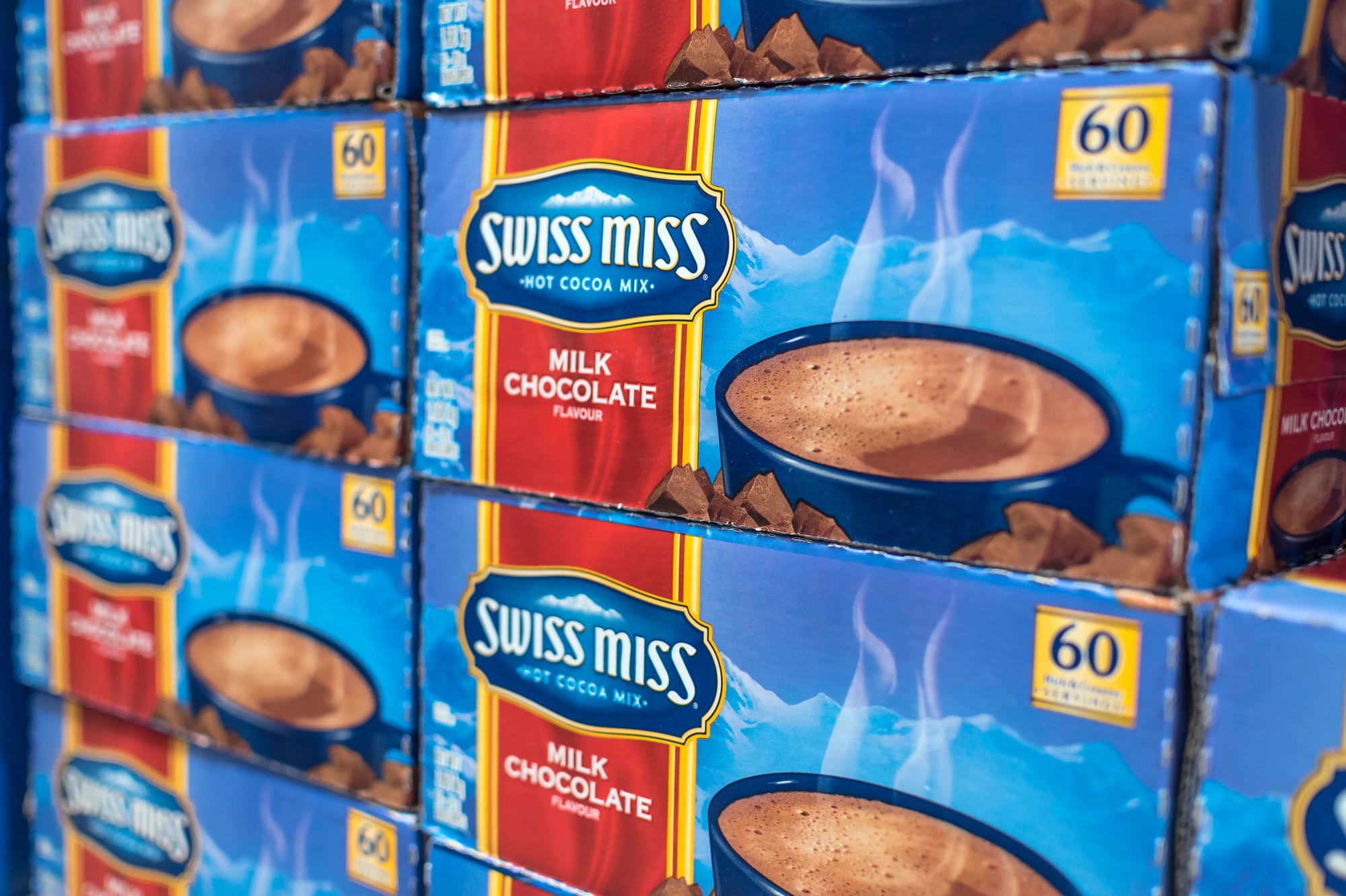
Swiss Miss ads showed kids wrapping both hands around a mug after coming in from the cold, the steam rising, the mood immediately settling. The ritual was simple: tear, pour, stir, wait.
And it worked every single time.
Fruit by the Foot
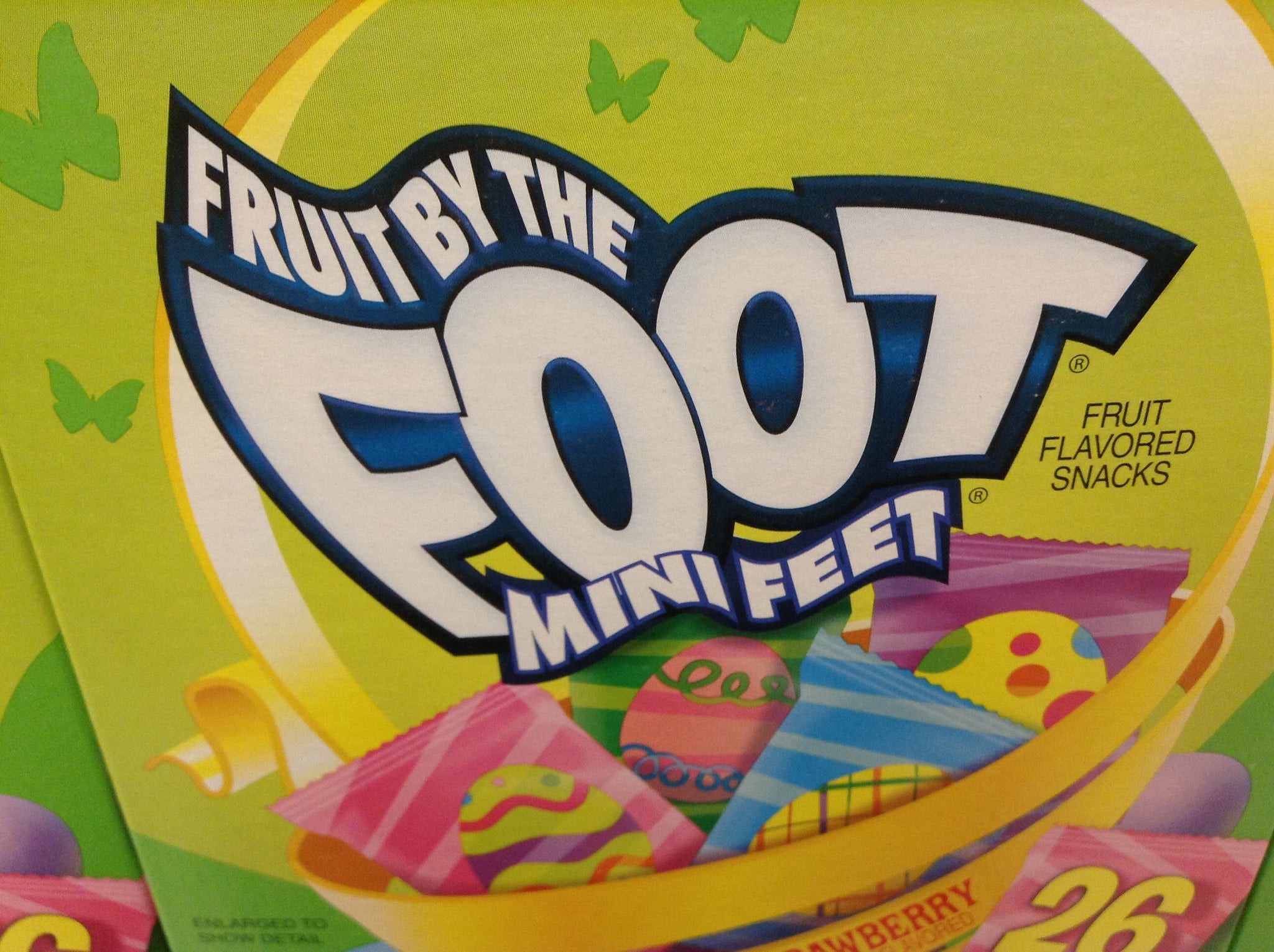
Fruit by the Foot was built on one premise: three feet of rolled fruit snack. Kids measured it against themselves and everything nearby, turning consumption into play.
Peeling it off wax paper was the real product.
Dunkaroos
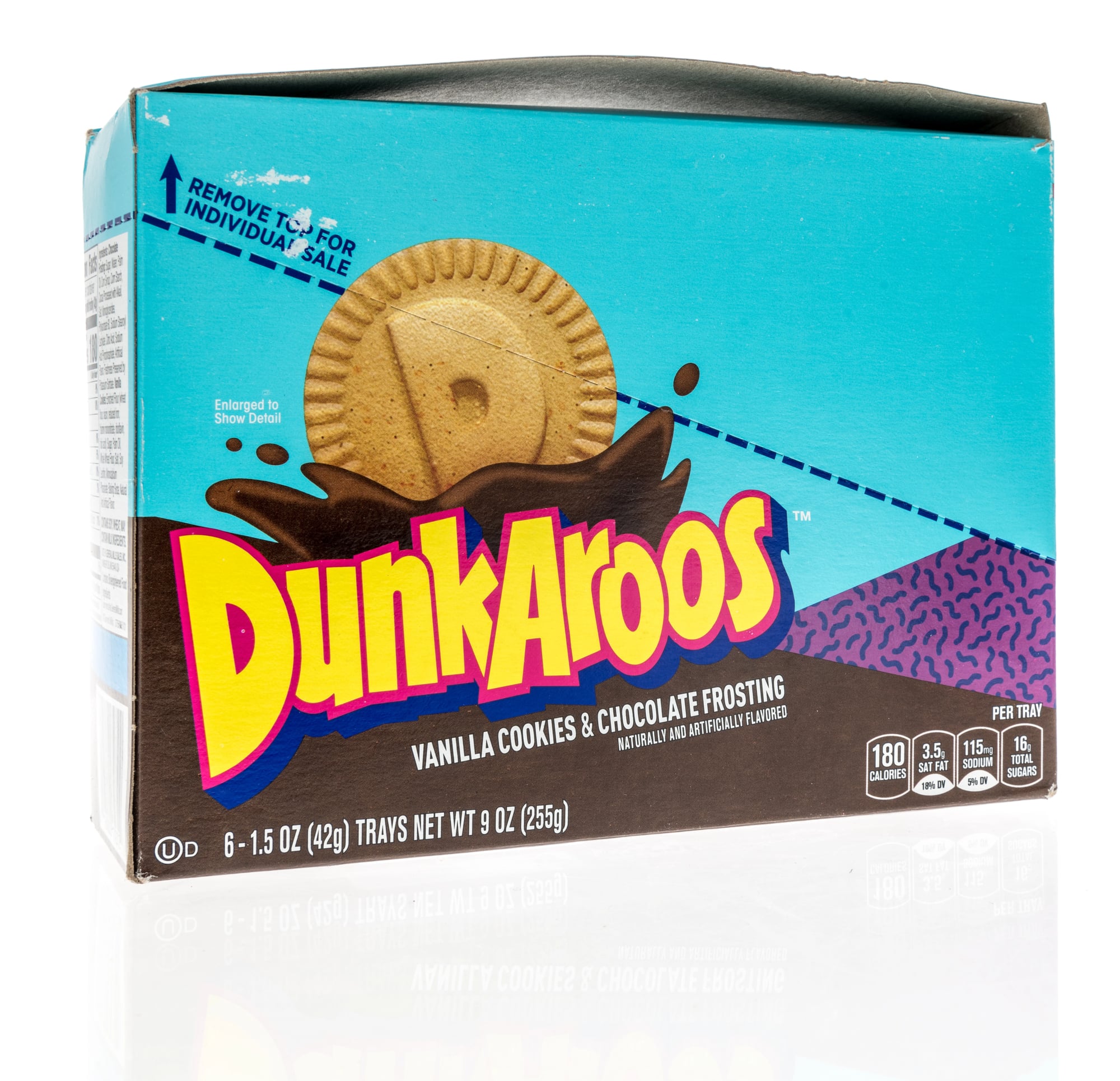
Dunkaroos arrived in 1990 and immediately felt like they had always existed. Kids dunked cookies into frosting with ceremonial focus, and the ratio became a serious debate.
That unresolved ratio is what made it stick.
When the Commercials Knew You Better Than You Knew Yourself

There’s a version of nostalgia that’s really just pattern recognition — the brain finding its way back to something it absorbed so completely it became part of the furniture. These commercials survived because they arrived at exactly the right moment: Saturday morning, cereal in hand, the whole weekend still ahead.
Your guard was completely down.
More from Go2Tutors!

- The Romanov Crown Jewels and Their Tragic Fate
- 13 Historical Mysteries That Science Still Can’t Solve
- Famous Hoaxes That Fooled the World for Years
- 15 Child Stars with Tragic Adult Lives
- 16 Famous Jewelry Pieces in History
Like Go2Tutors’s content? Follow us on MSN.



