TV Pilots That Never Aired but Were Better Than What Did
The closet tells stories we’ve forgotten how to read. Hanging in museums and tucked away in family trunks are uniforms from jobs that vanished with the world that created them.
These weren’t just clothes — they were armor against coal dust, badges of skilled trades, and symbols of purpose in industries that technology swept away. Each uniform carries the weight of hands that wore it, the rhythm of work that no longer exists, and the quiet dignity of jobs that once defined entire communities.
Heat Vision and Jack
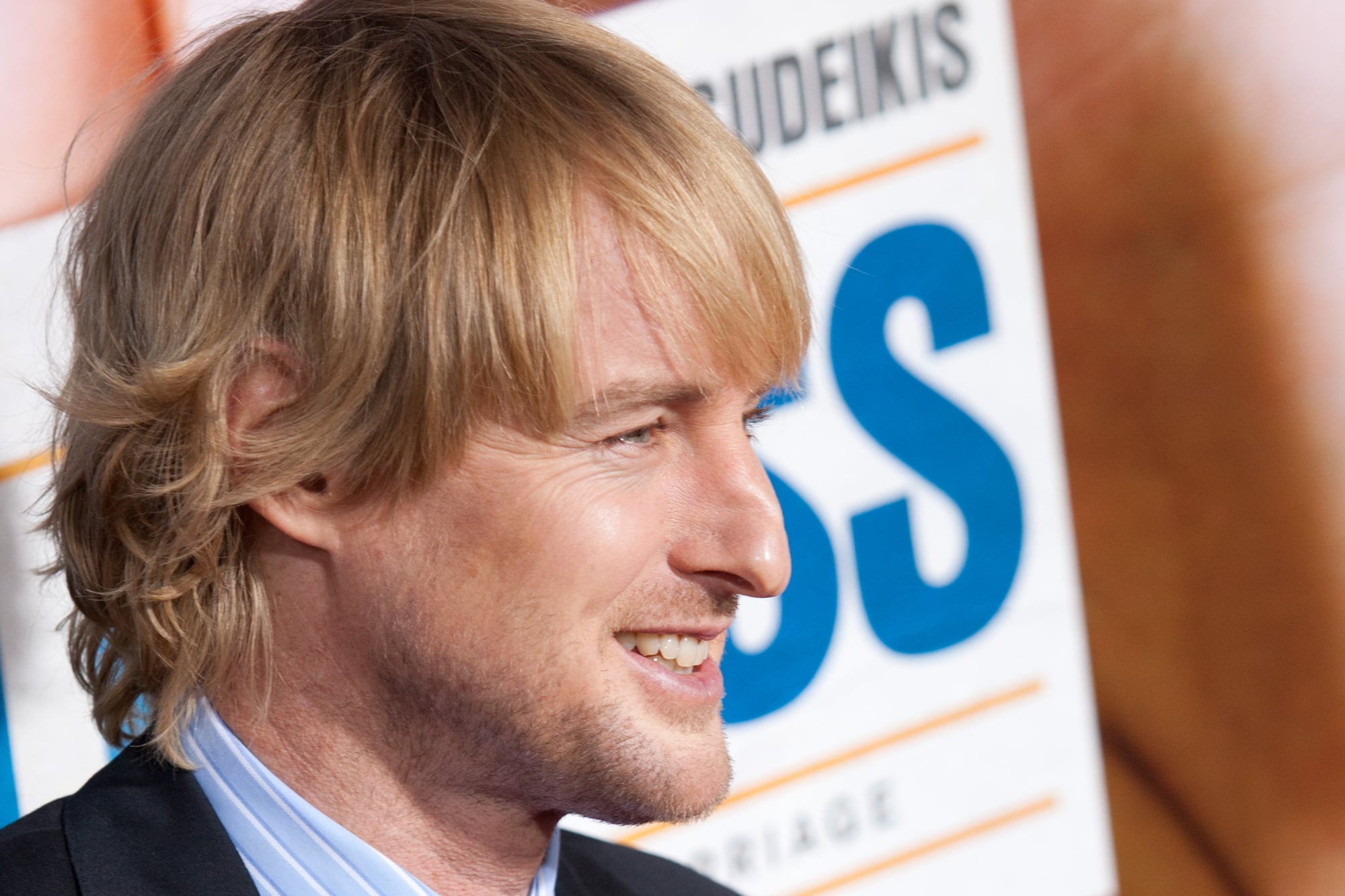
Jack Black and Owen Wilson created something genuinely weird in 1999. Black played an astronaut whose brain got fried by solar radiation, giving him super intelligence only when the sun was up.
Wilson voiced his motorcycle. The whole thing felt like a fever dream crossed with knight rider, but it worked.
Fox passed on it, then spent the next decade greenlighting sitcoms about talking animals and dating shows. Heat Vision and Jack had actual personality.
The pilot leaked online years later and became a cult phenomenon, proving networks don’t always recognize comedy gold when it’s sitting right in front of them.
The Amazing Screw-On Head
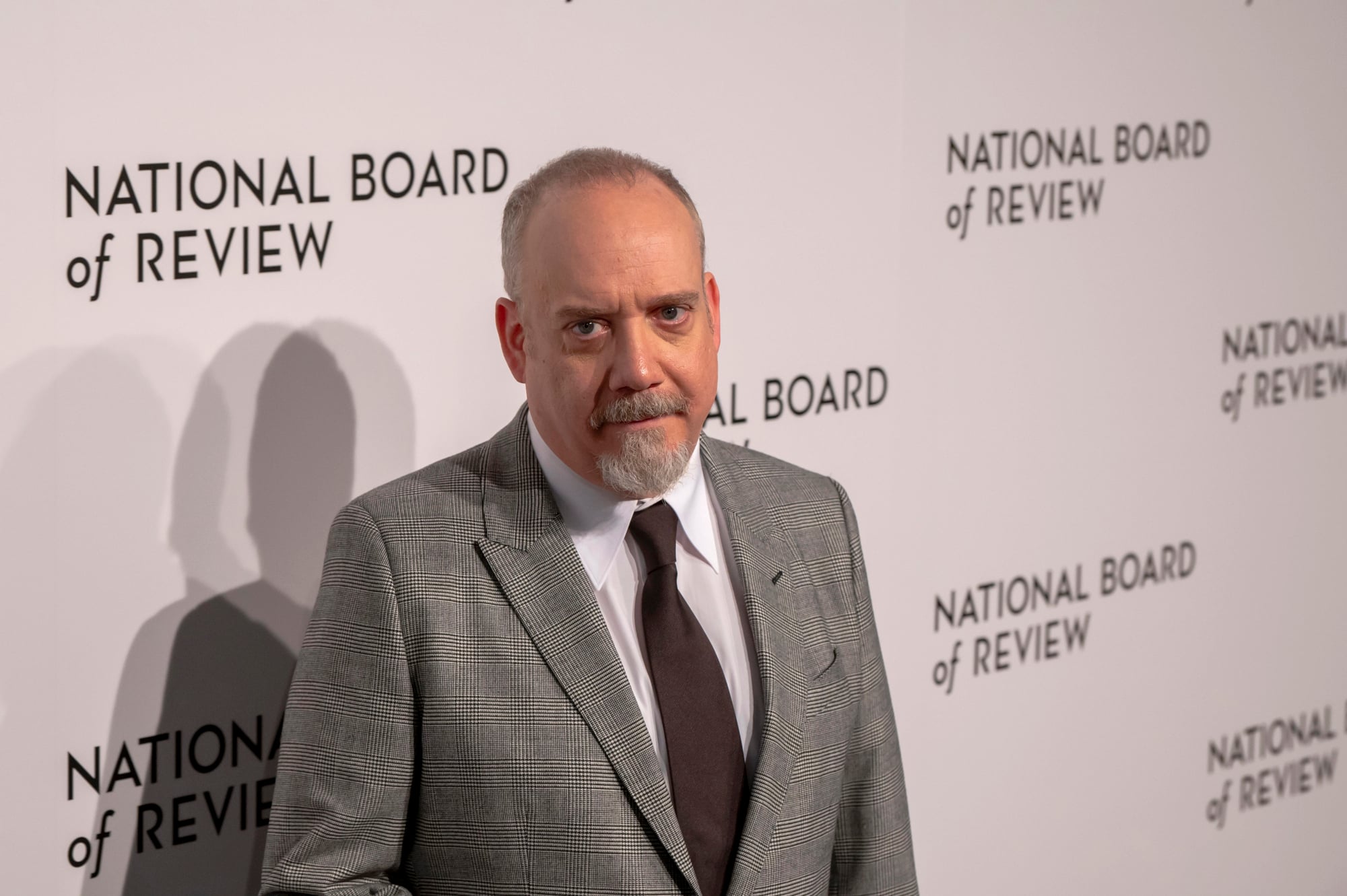
Mike Mignola (the guy who created Hellboy) adapted his own comic into a pilot for the Sci-Fi Channel, and somehow they managed to capture everything that made the source material brilliant — which is exactly why it never got picked up, because networks tend to panic when something feels too original. The pilot followed Abraham Lincoln’s top paranormal investigator, a robot with a detachable head (hence the title), as he battled supernatural threats in an alternate 19th century America.
Paul Giamatti voiced the lead character, bringing the same manic energy that made his other roles memorable, while the animation style stayed faithful to Mignola’s distinctive artwork. And yet the Sci-Fi Channel — a network that would later air movies about tornadoes full of sharks — decided this was too strange for their audience, so instead they filled their schedule with ghost hunting reality shows and wrestling.
But here’s what made the pilot genuinely special: it understood that weird doesn’t have to mean incomprehensible. The world-building felt lived-in despite being completely fantastical, the dialogue crackled with dry wit, and the action sequences moved with real momentum.
So of course it died in development hell.
Nobody’s Watching
This pilot existed in a strange space between satire and sincerity, following two friends who somehow convinced a network to give them their own sitcom despite having no experience or talent. The twist was that they knew they were on television — breaking the fourth wall wasn’t just a gimmick, it was the entire premise.
WB commissioned the pilot, then buried it. But the creators leaked it online, and it became one of the first viral television phenomena.
The writing had a self-aware quality that predicted the way comedy would evolve in the streaming era. It felt like Community before Community existed, questioning the conventions of television while still working within them.
Years later, networks would chase this exact tone with show after show, never quite capturing what Nobody’s Watching had stumbled onto almost by accident.
The IT Crowd (US Version)
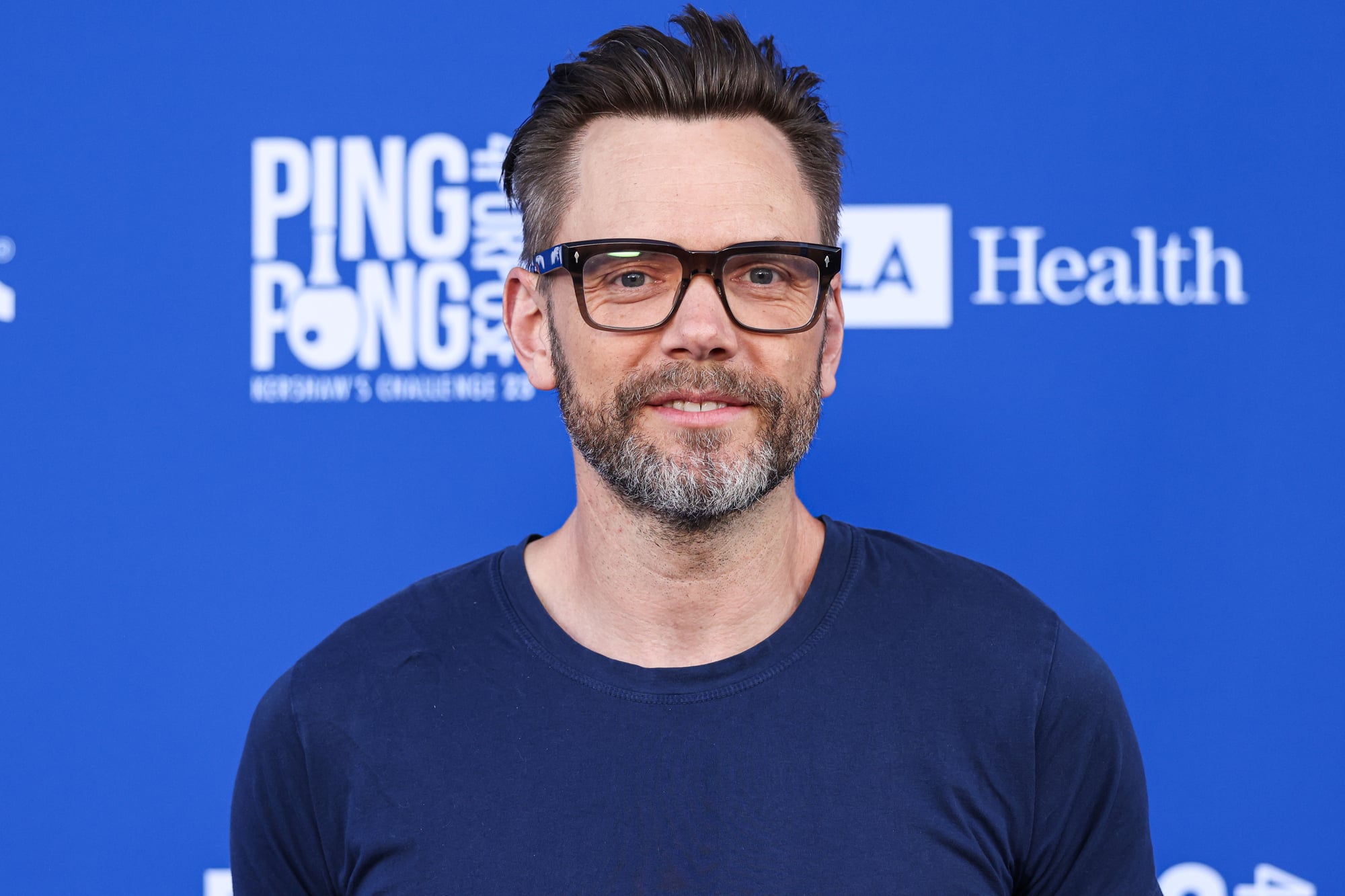
NBC tried to remake the British comedy about tech support workers, casting Joel McHale and Richard Ayoade (who reprised his role from the original). The pilot followed the same basic structure as the UK version but felt strangely hollow, like someone had copied the recipe without understanding the ingredients.
The original IT Crowd worked because it genuinely understood office culture and technology frustration. The American pilot hit the same beats but missed the underlying affection for its characters.
McHale felt wrong for the role — too polished, too aware of his own charm. Ayoade brought his usual brilliance, but he couldn’t carry the entire show by himself.
NBC passed, probably for the right reasons. But their primetime schedule that year included shows that made the failed IT Crowd pilot look like genius-level television.
Lookwell
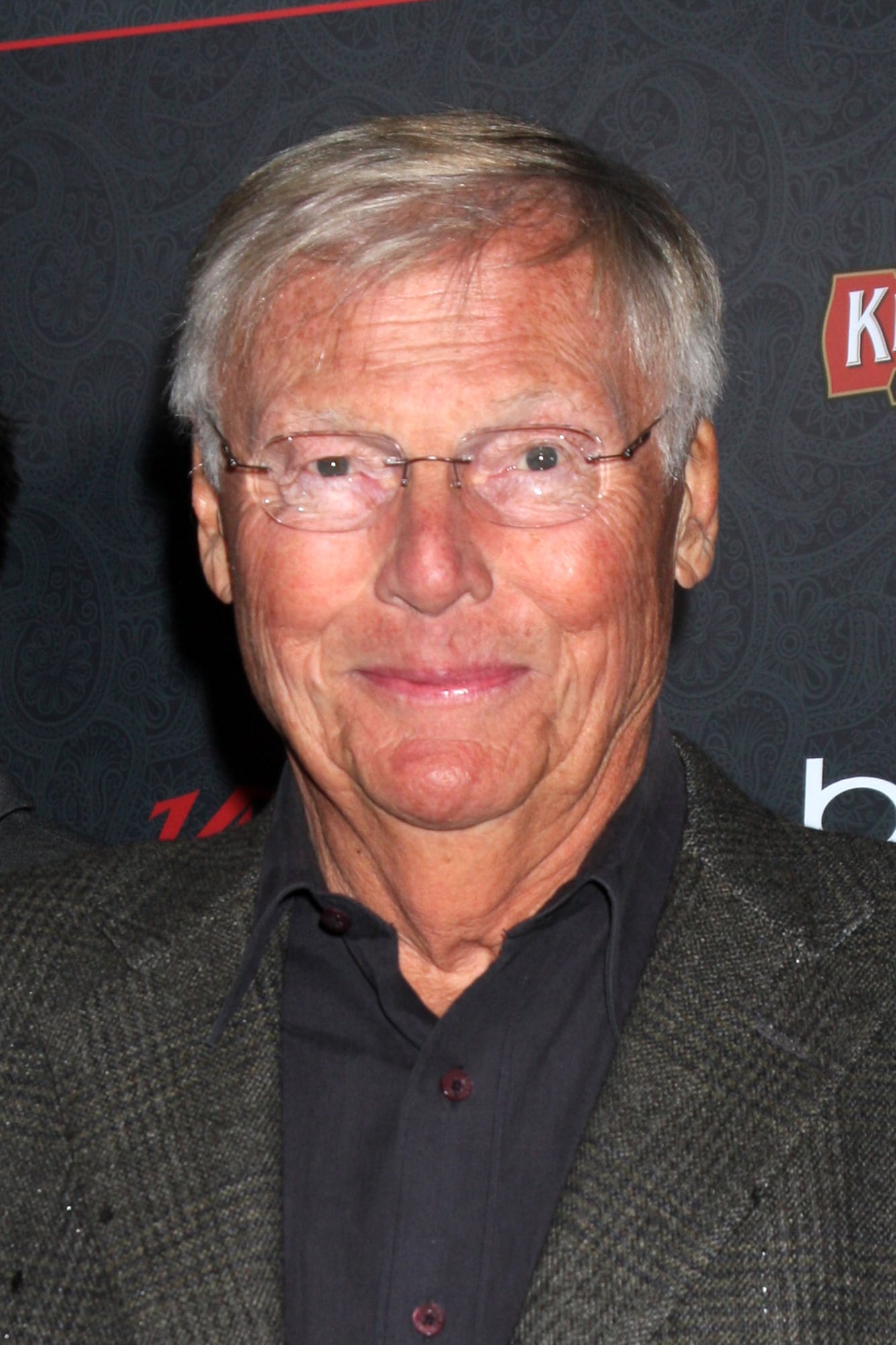
Adam West played a washed-up actor from an old detective show who believed his fictional crime-solving skills translated to real life. Conan O’Brien and Robert Smigel wrote it.
The combination should have been television gold, but NBC couldn’t figure out what to do with it. The pilot had a strange, deadpan energy that felt ahead of its time.
West played the character completely straight, never winking at the audience, which made the whole thing funnier. The writing balanced genuine mystery elements with absurd comedy, creating something that felt like Twin Peaks if David Lynch had a sense of humor.
NBC aired the pilot once, late at night, then pretended it never existed. They were probably scared of how weird it was. Television in 1991 wasn’t ready for meta-commentary on celebrity culture and media obsession.
Teenage Mutant Ninja Turtles: The Next Mutation (Original Concept)
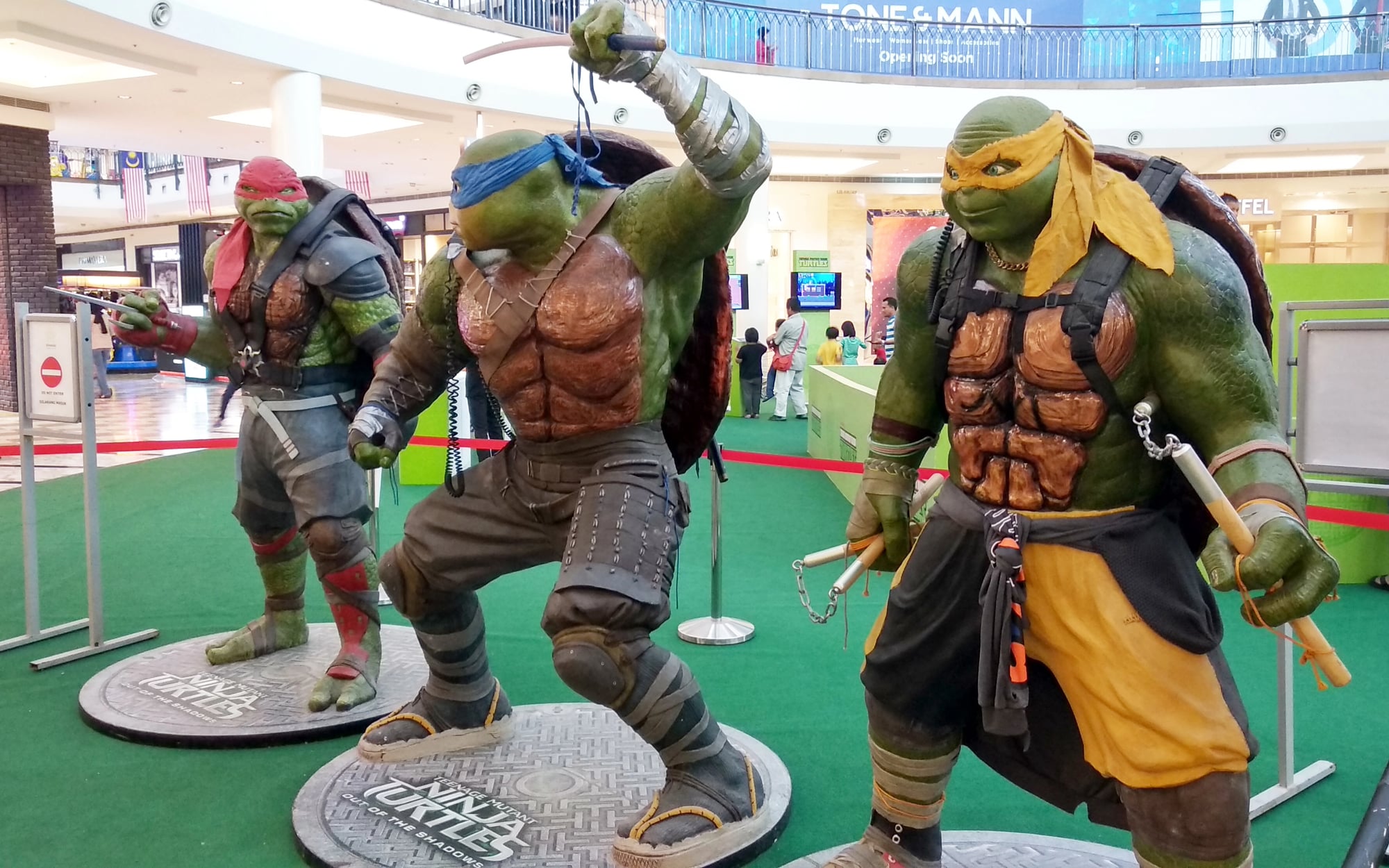
Before the live-action series that actually aired, the creators pitched a completely different version that would have combined practical effects with serious storytelling. The pilot featured darker themes, more complex character development, and fight choreography that looked genuinely impressive.
The network demanded changes. More comedy, brighter colors, simpler plots that kids could follow without thinking.
The final version became a campy mess that satisfied nobody, while the original concept gathered dust. Someone leaked footage years later, and it looked like what the Michael Bay movies should have been.
Sometimes networks kill good ideas by committee, demanding changes that strip away everything that made the original concept interesting. This was one of those times.
Global Frequency
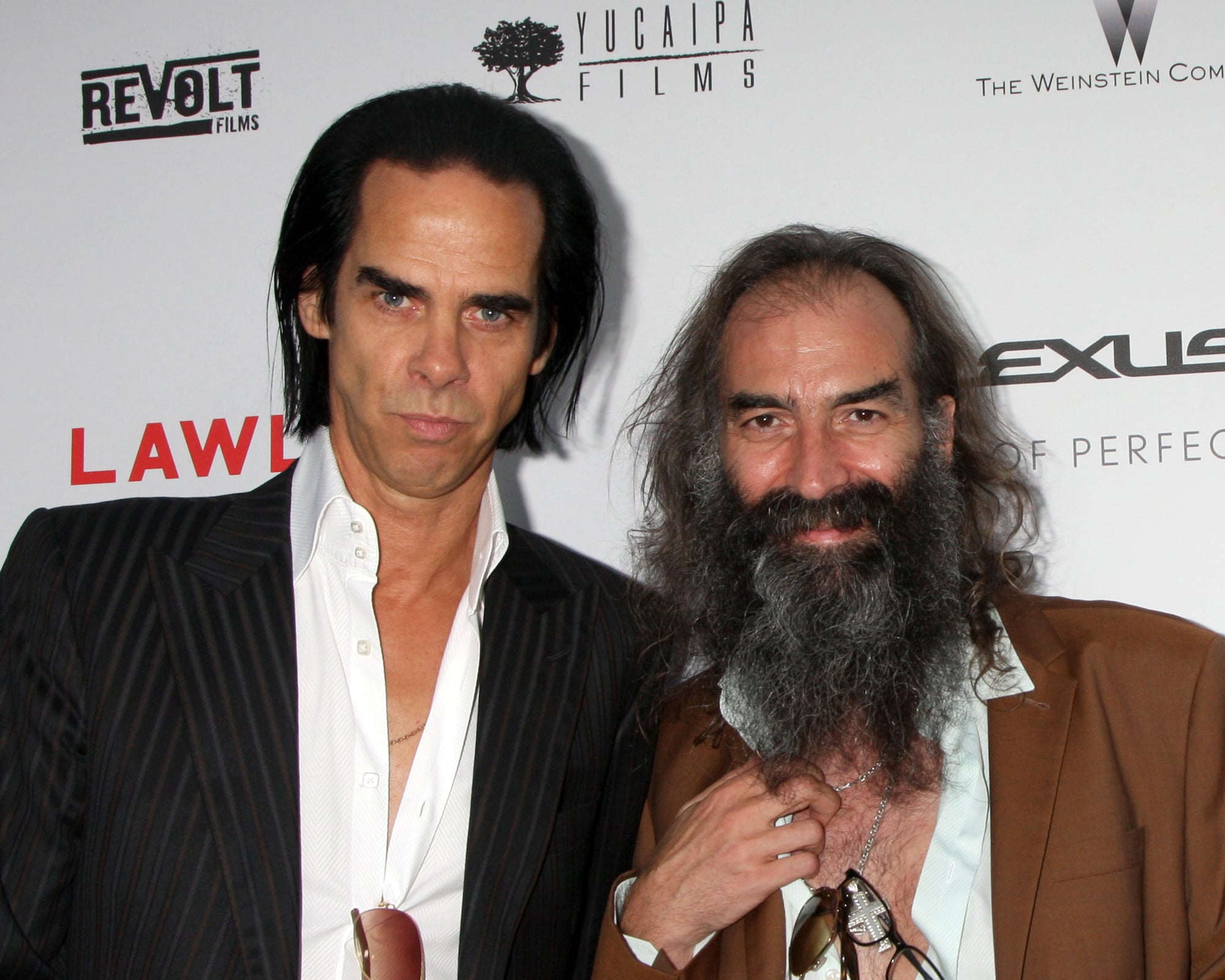
Warren Ellis adapted his own comic into a pilot for WB, creating something that felt like a cross between The X-Files and 24. The concept followed a secret network of specialists who handled crisis situations around the world, connected only by a mysterious frequency that reached their modified cell phones.
The pilot cost a fortune and looked like a feature film. Michelle Forbes anchored the cast with the kind of intensity that made every scene feel urgent.
The writing balanced complex mythology with standalone action, creating something that could have run for years without running out of ideas. WB passed because the budget was too high.
They replaced it with reality shows and teen dramas that cost a fraction of the price. The pilot leaked online and became legendary among science fiction fans, who spent years wondering what could have been.
The Graysons
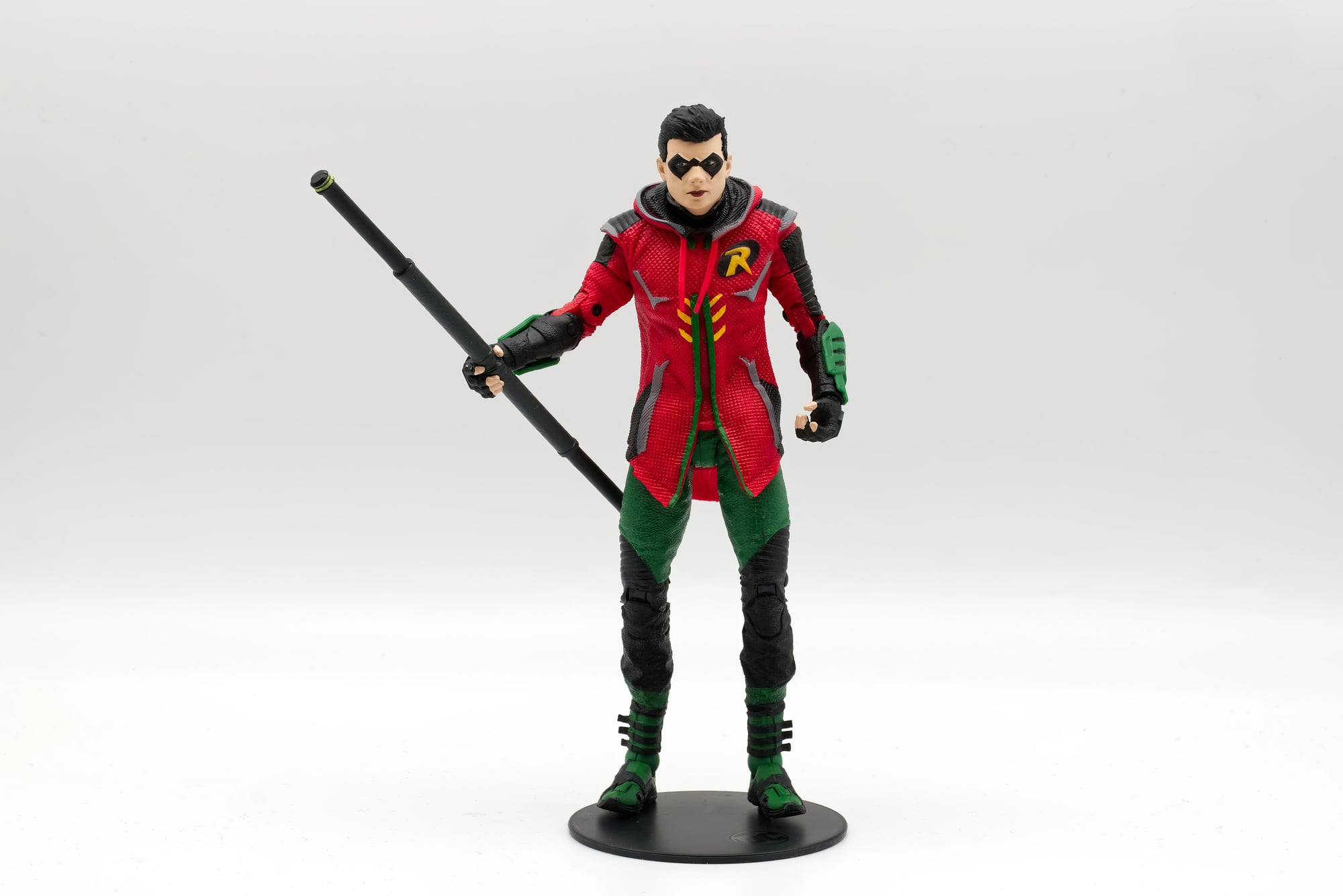
This would have been Smallville, but for Batman. The pilot focused on young Grayson before he became Robin, exploring how the circus tragedy shaped his character and his eventual connection to Bruce Wayne.
The tone felt darker than Smallville, more grounded in real emotion. WB killed the project because they were already developing Smallville and didn’t want two superhero origin shows.
Fair enough, except The Graysons had better writing, stronger performances, and a more interesting visual style. The test footage that survived suggested something closer to Christopher Nolan’s Batman films than the campy superhero television of that era.
Grayson’s story had natural dramatic tension that Superman’s origin sometimes lacked. The circus background provided a built-in ensemble cast, while the detective elements could have sustained multiple seasons of storytelling.
Virtuality
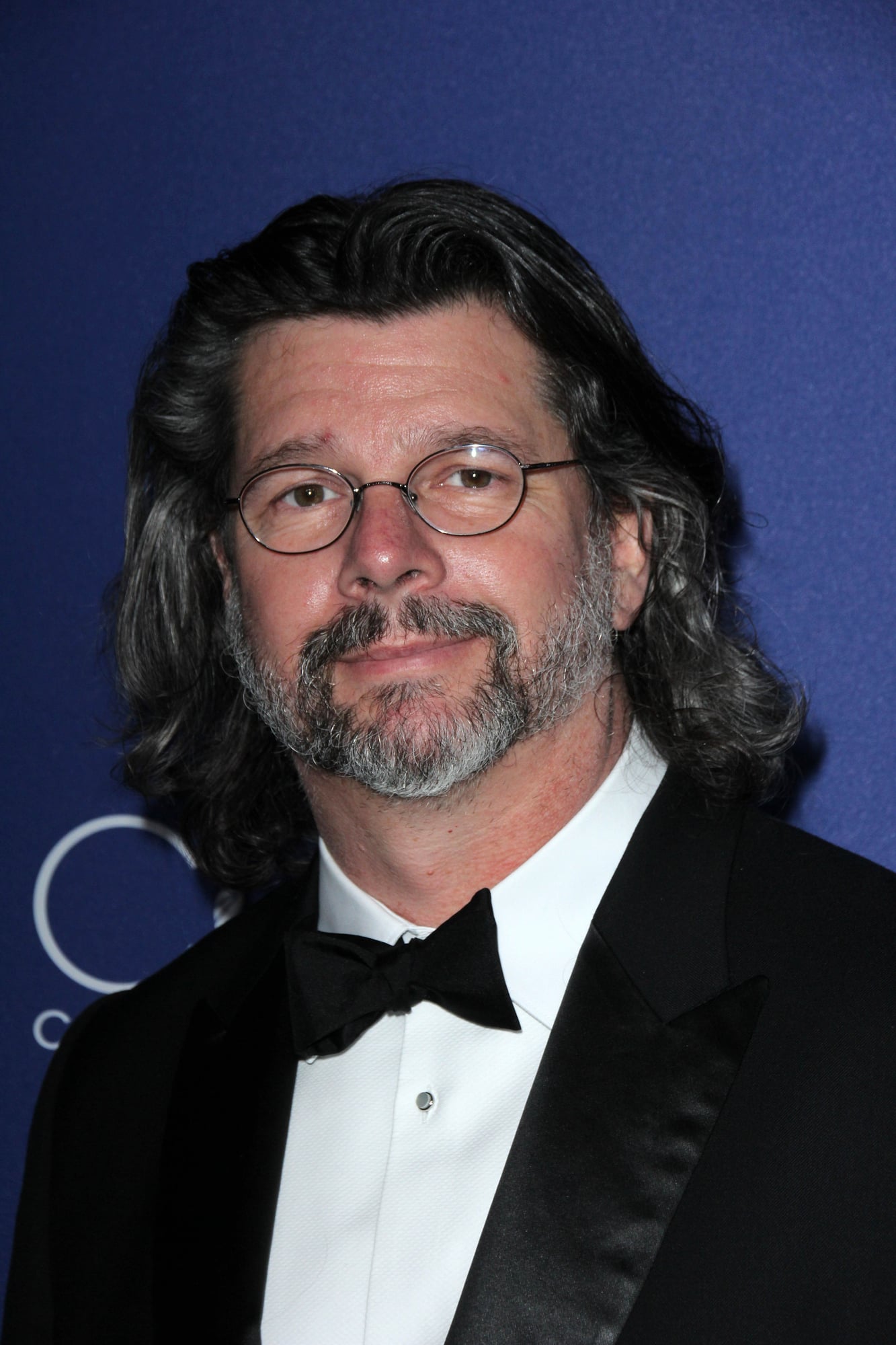
Ronald D. Moore created a science fiction series about a space crew using virtual reality to cope with a long journey to another planet. The concept explored how digital escapism might evolve in extreme isolation, while the virtual world sequences allowed for genre-switching between episodes.
Fox aired it as a television movie instead of picking it up as a series. The two-hour pilot felt cramped, trying to establish too much mythology in too little time.
As a series, it could have been Moore’s follow-up to Battlestar Galactica, exploring similar themes of survival and human nature in a completely different setting. The virtual reality elements looked convincing, and the psychological drama felt genuinely unsettling.
Fox was probably nervous about the concept being too complicated for general audiences, so they stuck with simpler procedurals instead.
Manchester Prep
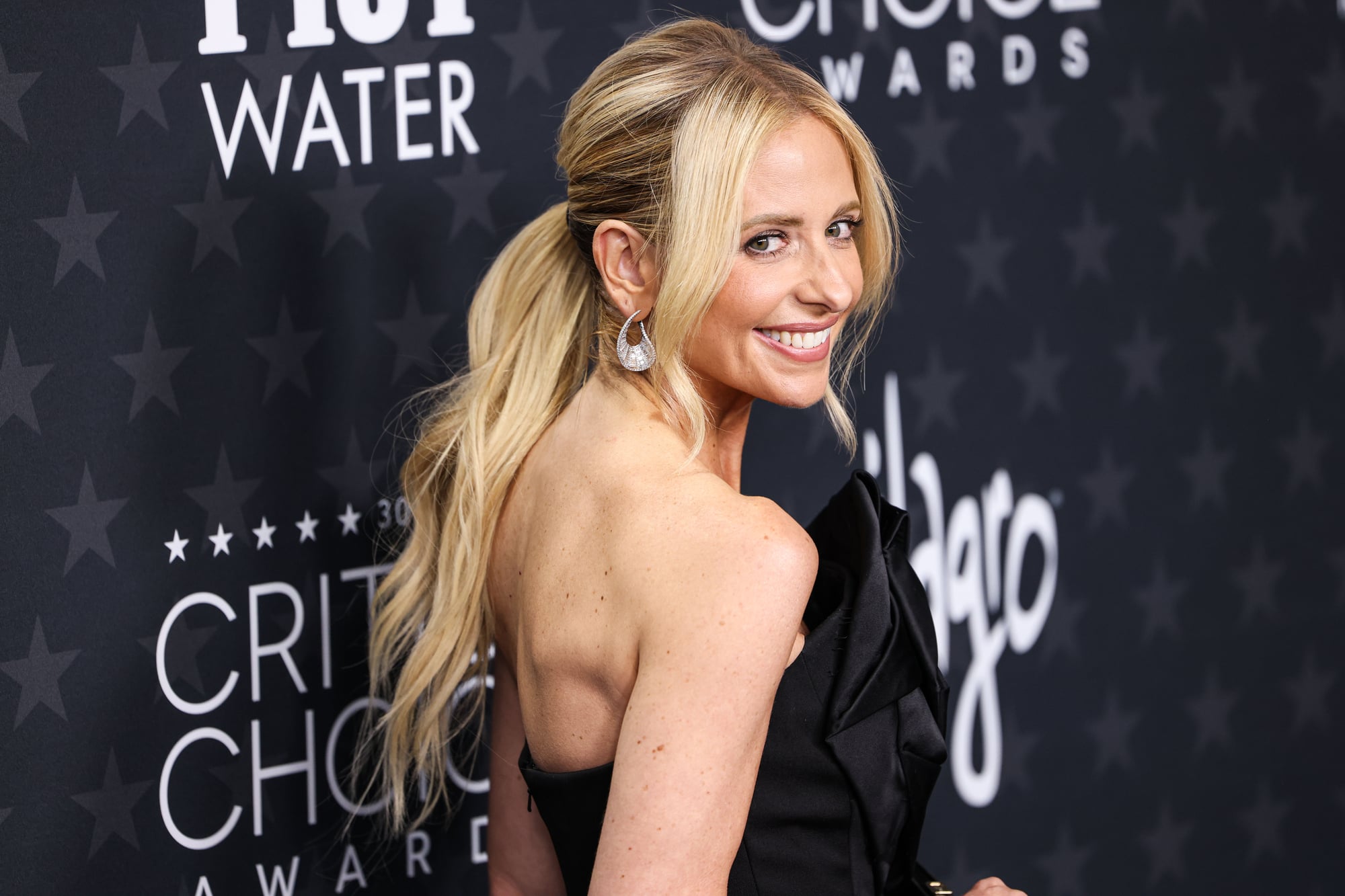
This Cruel Intentions prequel focused on Sebastian Valmont and Kathryn Merteuil during their prep school years. The pilot had the same sharp writing and moral ambiguity that made the film work, but with more time to develop the characters and their twisted relationship.
Fox filmed several episodes before canceling the series, worried about the intimate content and dark themes. They tried to retool it into a more conventional teen drama, but that missed the entire point of the source material.
The original concept embraced the characters’ manipulative nature instead of trying to make them sympathetic. Sarah Michelle Gellar brought the same calculating energy from the film, while the supporting cast filled out a world of privilege and corruption that felt genuinely toxic.
Television wasn’t ready for that level of moral complexity in a teen-focused show.
The Lone Gunmen
Actually, this one did air, but it got canceled after one season despite being better than most of what replaced it. The X-Files spinoff focused on the conspiracy theorists who provided comic relief in the main series, but as protagonists they became more complex and sympathetic.
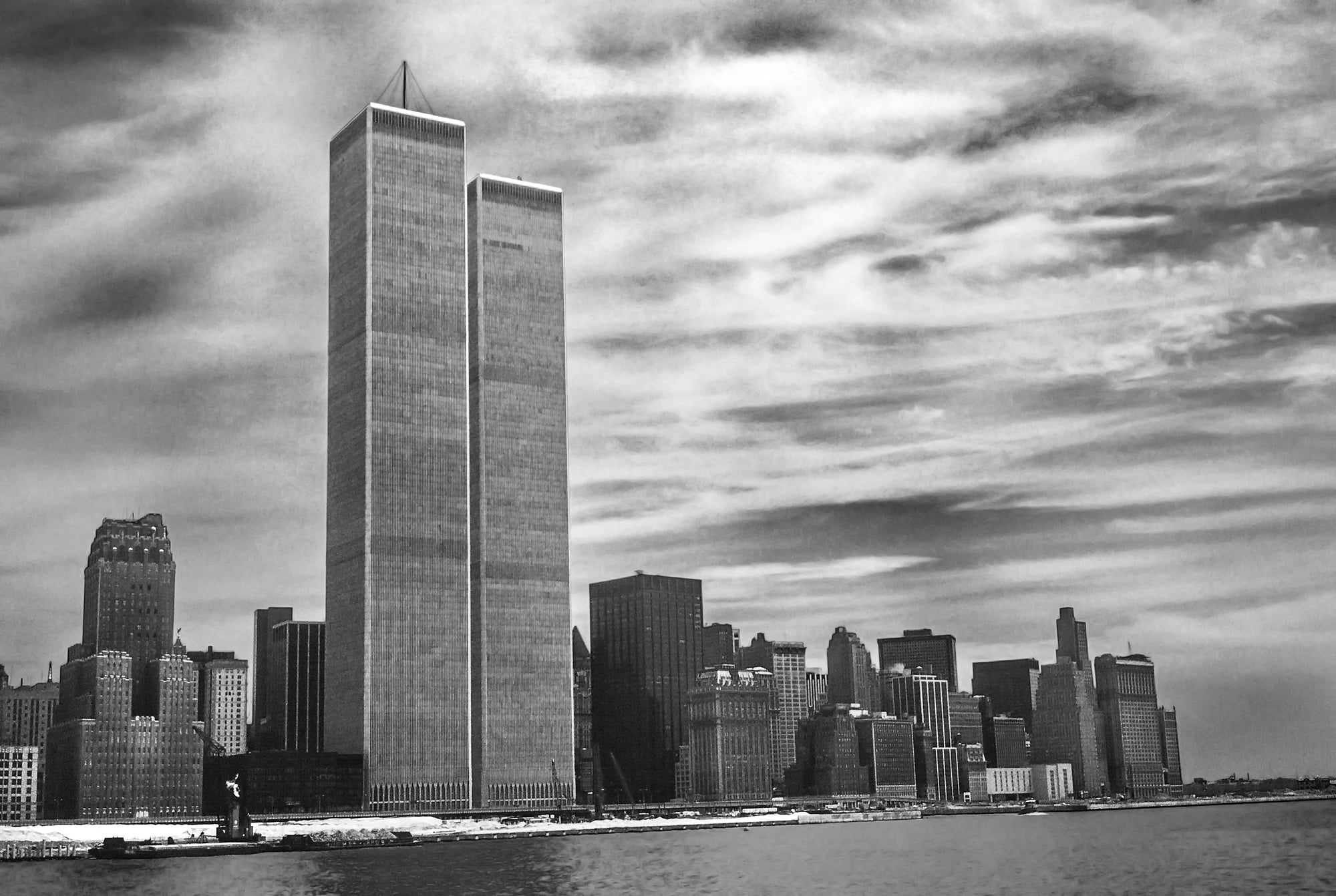
The writing balanced paranoid thriller elements with genuine comedy, while the cases felt more grounded than the alien mythology that dominated The X-Files later seasons. The pilot episode coincidentally featured a plot about hijacking planes to crash into the World Trade Center—it aired in March 2002, nearly six months after 9/11, making this an eerie post-hoc parallel rather than a prediction.
Fox canceled it because the ratings weren’t high enough, but the show found a devoted audience who appreciated its offbeat humor and surprisingly effective character development. It deserved more than 13 episodes.
Kath & Kim (US Version)
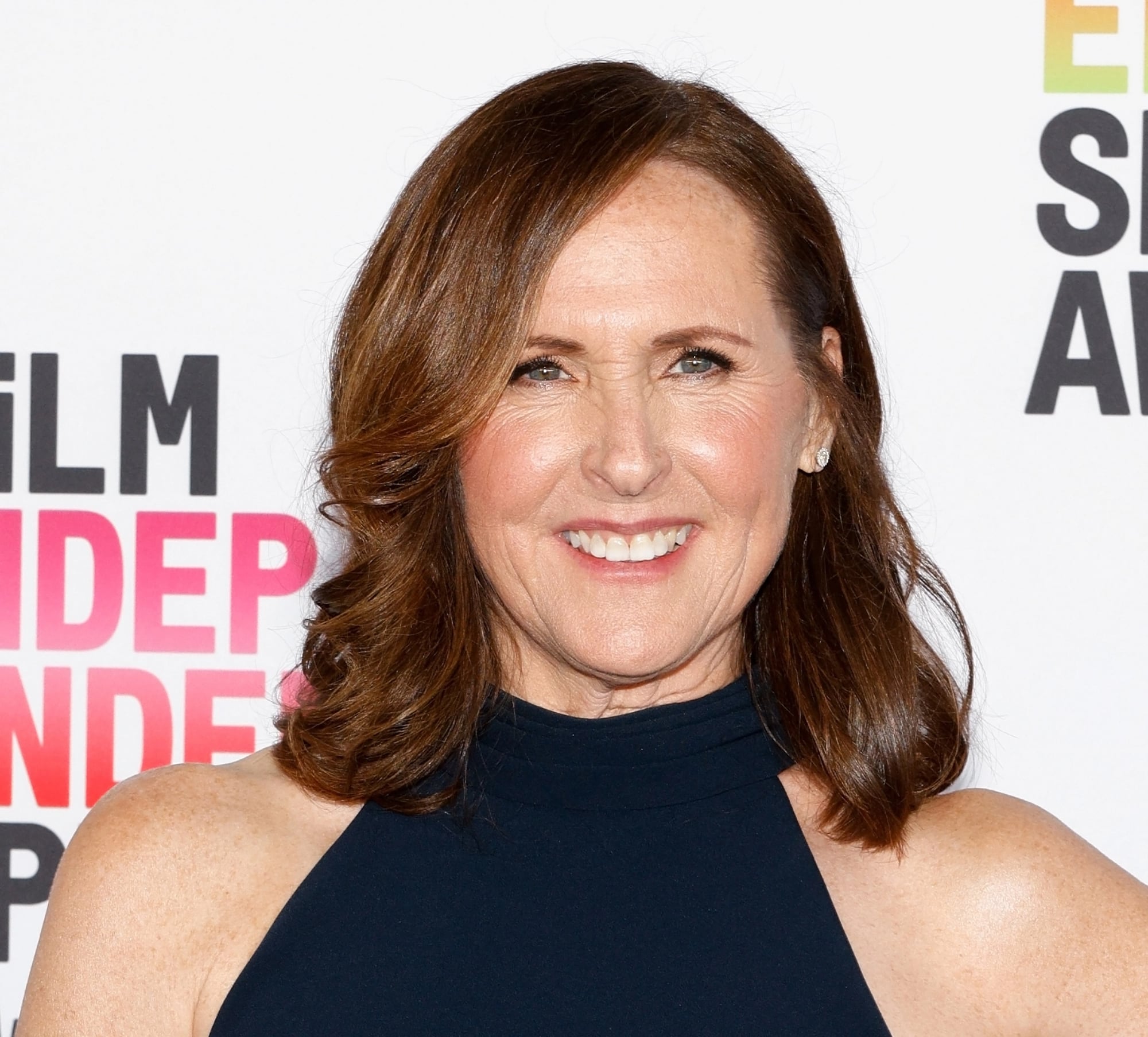
NBC tried to adapt the Australian comedy about a mother and daughter with terrible taste and inflated self-regard. The American pilot cast Molly Shannon and Selma Blair in the lead roles, but completely misunderstood what made the original series work.
The Australian version had a genuine affection for its characters despite mocking their pretensions. The American pilot turned them into simple objects of ridicule, missing the subtle class commentary that gave the original its depth.
Shannon and Blair were talented enough to make it work, but the writing never gave them the chance. NBC aired a few episodes before pulling the plug.
The original series became a cult phenomenon in America anyway, proving that sometimes the best adaptation is no adaptation at all.
Heat Wave
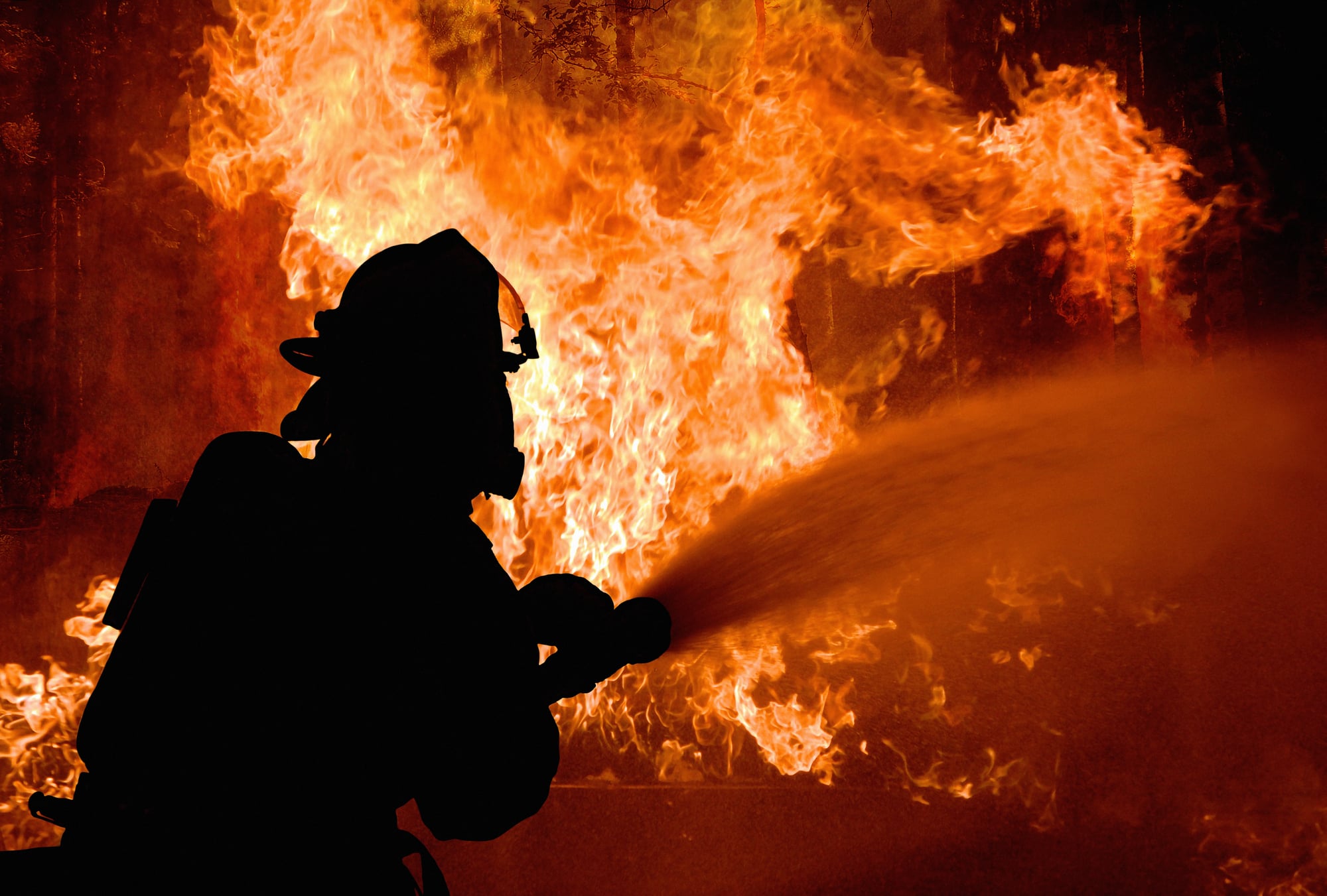
ABC commissioned a pilot about firefighters in Chicago, featuring ensemble storytelling and practical effects that put most action movies to shame. The writing balanced workplace drama with genuine suspense, while the fire sequences looked convincingly dangerous.
The network passed because they were nervous about the production costs and worried that audiences wouldn’t connect with the blue-collar characters. They replaced it with medical dramas and police procedurals that covered similar ground but with more conventional protagonists.
The pilot script leaked online and became a favorite among television writers, who recognized the quality of the character development and dialogue. Sometimes networks kill shows not because they’re bad, but because they’re too good for the intended budget and time slot.
When Stars Collide
Television’s strangest unaired gem deserves recognition for sheer audacity alone. The concept paired celebrity guests with ordinary people in elaborate challenge scenarios, but unlike typical reality shows, this one treated its participants with genuine respect and curiosity rather than mining them for embarrassment or conflict.
Each episode would have followed a different pairing — a famous musician working with a small-town mechanic, an actress collaborating with a retired teacher — as they tackled projects that required both celebrity resources and real-world skills. The pilot featured genuine chemistry between its mismatched partners, and the challenges felt designed to highlight each person’s strengths rather than expose their weaknesses.
The production values rivaled scripted television, with careful editing that let conversations breathe instead of chopping them into soundbites. Networks balked at the budget and the unconventional format.
Reality television was supposed to be cheap and mean, not expensive and thoughtful.
Dogs of War
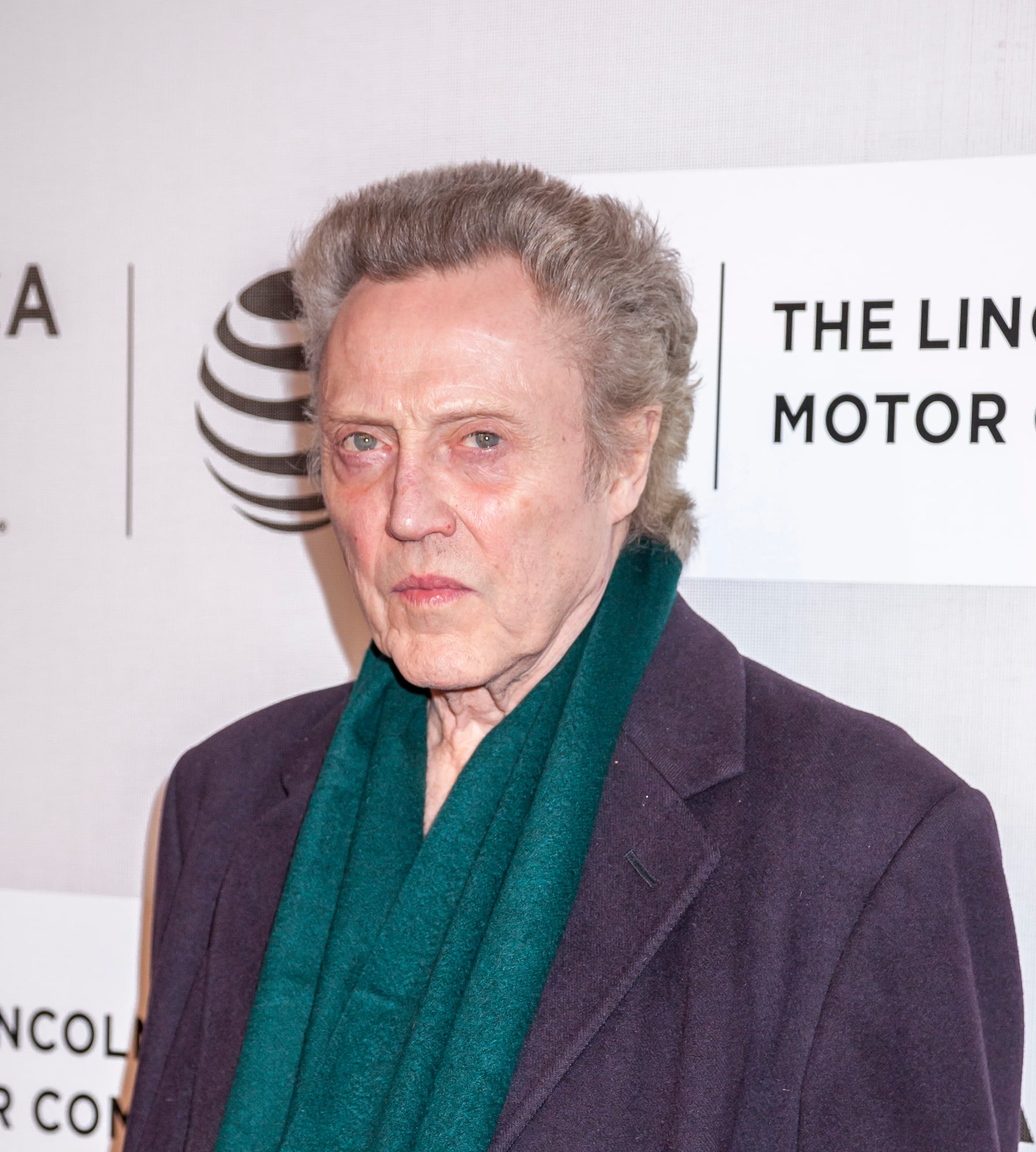
This military drama pilot focused on a private security company operating in conflict zones around the world. The concept explored the moral complexity of modern warfare through characters who existed in legal and ethical gray areas, while the action sequences felt grounded in realistic tactics and consequences.
Showtime commissioned the pilot, then decided it was too controversial for their brand. The writing refused to glorify or condemn its protagonists, instead presenting them as professionals dealing with impossible situations.
The international locations looked authentic, and the dialogue felt like it came from people who understood military culture. The pilot leaked years later and impressed viewers with its mature approach to difficult subject matter.
Showtime probably made the safe choice by passing, but they also missed an opportunity to create something genuinely challenging and complex.
The Spectacular Spider-Man: College Years
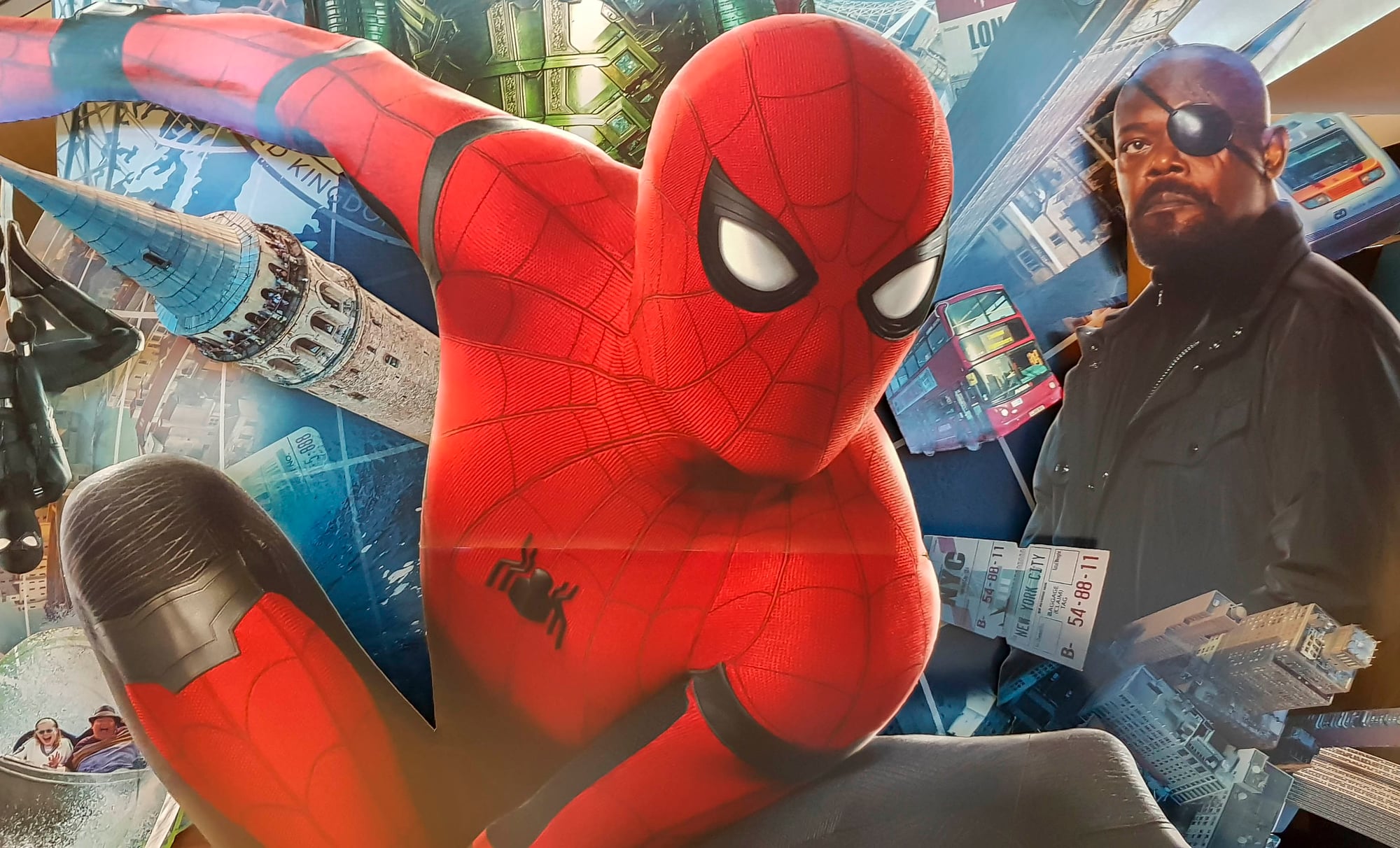
This animated pilot would have continued the beloved Spectacular Spider-Man series by jumping forward to Peter Parker’s college years. The animation style remained faithful to the original while updating the character designs to reflect the older protagonist, and the writing promised to explore more mature themes while maintaining the sharp wit that made the first series special.
Sony killed the project due to rights issues with Marvel, leaving fans with tantalizing glimpses of what could have been the perfect continuation of Spider-Man’s story. The test footage showed fight scenes that improved on the already-impressive choreography of the original series, while Peter’s relationships felt more complex and authentic than most superhero television manages.
The voice cast was ready to return, the writers had mapped out multiple seasons, and the animation looked gorgeous. Sometimes legal complications destroy great art before it has a chance to exist.
Lost Worlds
When television stumbles across something genuinely special and then walks away from it, the result feels like watching someone throw away a winning lottery ticket. The medium is littered with these near-misses — pilots that captured lightning in a bottle before executives decided the bottle was the wrong shape or the lightning looked too expensive to maintain.
These unaired episodes represent more than just entertainment that never was. They’re glimpses into alternate timelines where television took bigger risks, where creativity mattered more than market testing, where someone said yes instead of no.
The best of them remind you why television matters in the first place: because sometimes someone has an idea that’s too good to ignore, even if that’s exactly what ends up happening.
More from Go2Tutors!

- The Romanov Crown Jewels and Their Tragic Fate
- 13 Historical Mysteries That Science Still Can’t Solve
- Famous Hoaxes That Fooled the World for Years
- 15 Child Stars with Tragic Adult Lives
- 16 Famous Jewelry Pieces in History
Like Go2Tutors’s content? Follow us on MSN.