25 Toys From the ’60s That Required Real Skill to Play
There’s a particular kind of satisfaction that no app can replicate — the kind that comes from actually getting good at something physical, something that pushed back. Kids growing up in the 1960s understood this without knowing they understood it. The toys on store shelves back then weren’t designed to reward participation; they were designed to reward practice. You fumbled, you dropped it, you tried again. Some of these toys took weeks before they clicked. A few of them, honestly, never did. But the ones you finally cracked? Those stayed with you.
Yo-Yo
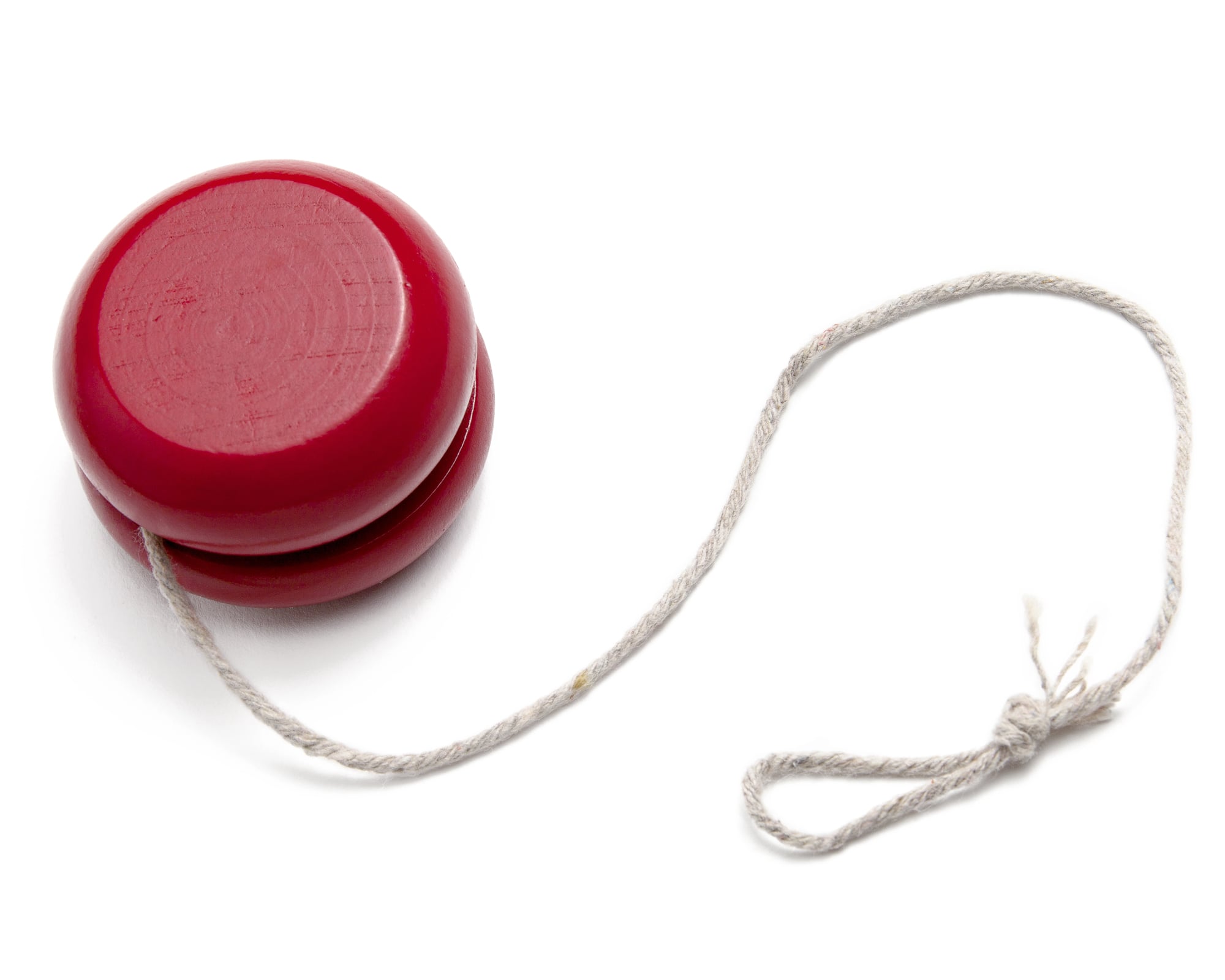
A Duncan Imperial looked simple enough — two wooden discs, a string, a loop around your finger. But “walk the dog” didn’t happen on the first try, or the tenth, and the more advanced string tricks required a kind of muscle memory that only repetition built.
To be fair, most kids got about three feet of sidewalk respect out of theirs before giving up.
Stilts
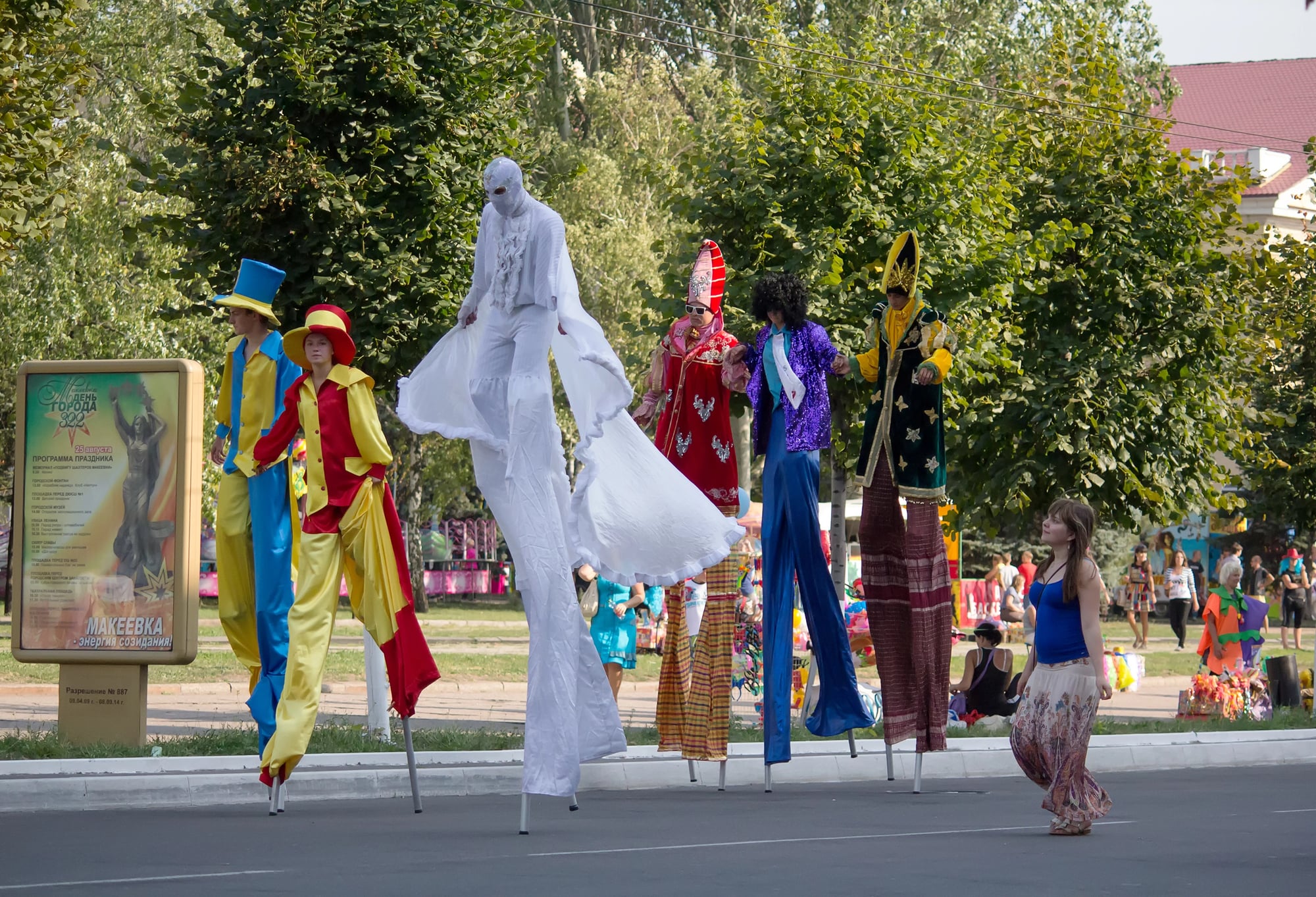
Getting up on a pair of wooden stilts was one thing; actually walking across the yard without face-planting was another discipline entirely. Balance, timing, and the stubborn refusal to look down all had to arrive at the same moment. Most lawns in the ’60s bore the evidence of kids who hadn’t quite mastered the dismount yet.
Jacks
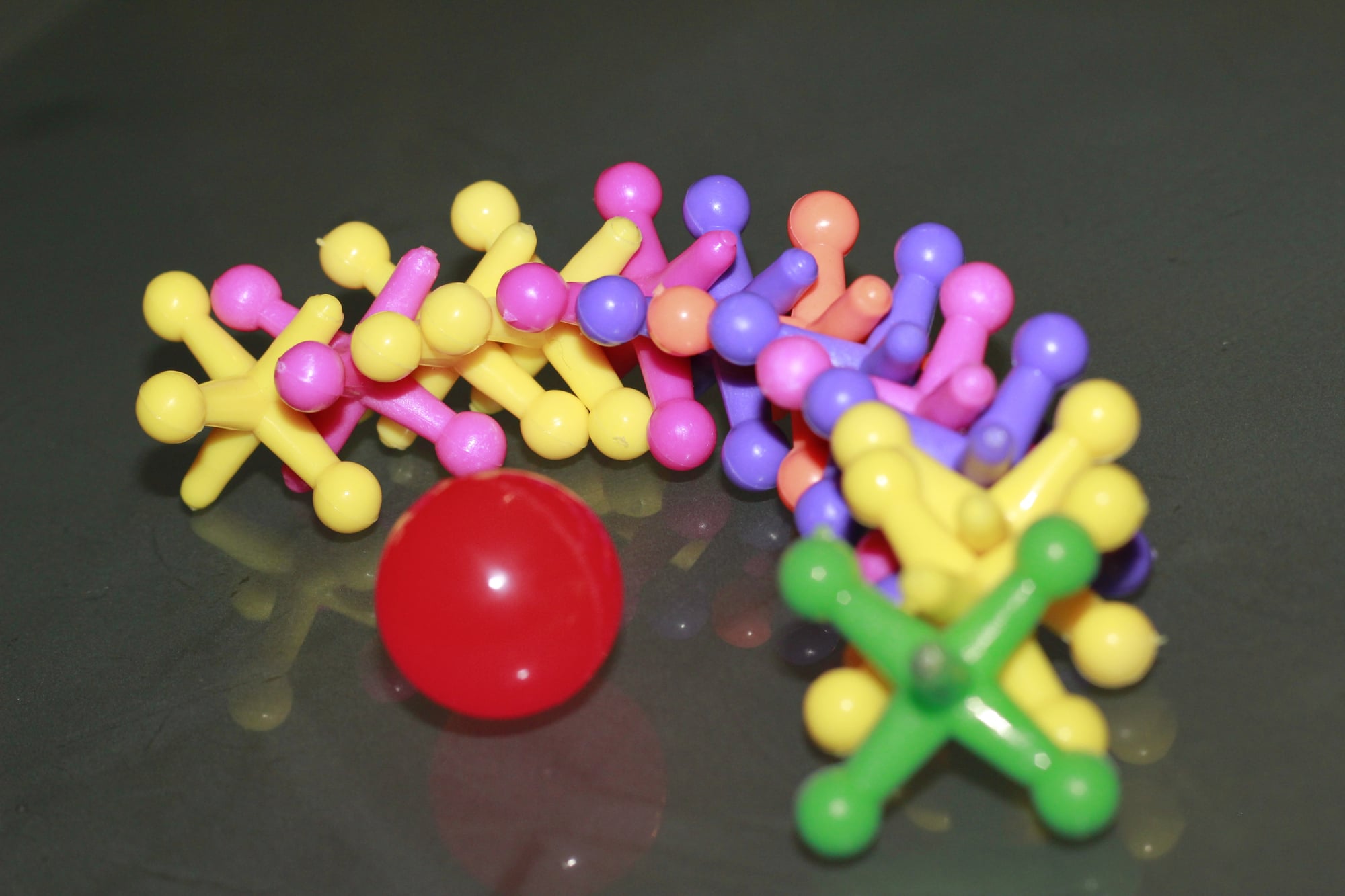
Ten metal jacks, a small rubber ball, and a set of rules that escalated from manageable to genuinely maddening. You had to bounce the ball, snatch the jacks in specific groupings, and catch the ball before it hit the ground again — all in one fluid motion that felt impossible until suddenly, one afternoon, it wasn’t. The floor was the only equipment you needed, which made it portable in a way that made it inescapable.
Hula Hoop

The physics of keeping a hula hoop aloft are deceptively unforgiving — too slow and it drops, too fast and it flies, and the exact rhythm required sits in a narrow band that your hips either find or don’t. Kids who got it looked effortless; kids who didn’t looked like they were wrestling a large plastic ring in slow motion. It was the kind of toy that exposed coordination differences between friends with ruthless efficiency.
Pogo Stick
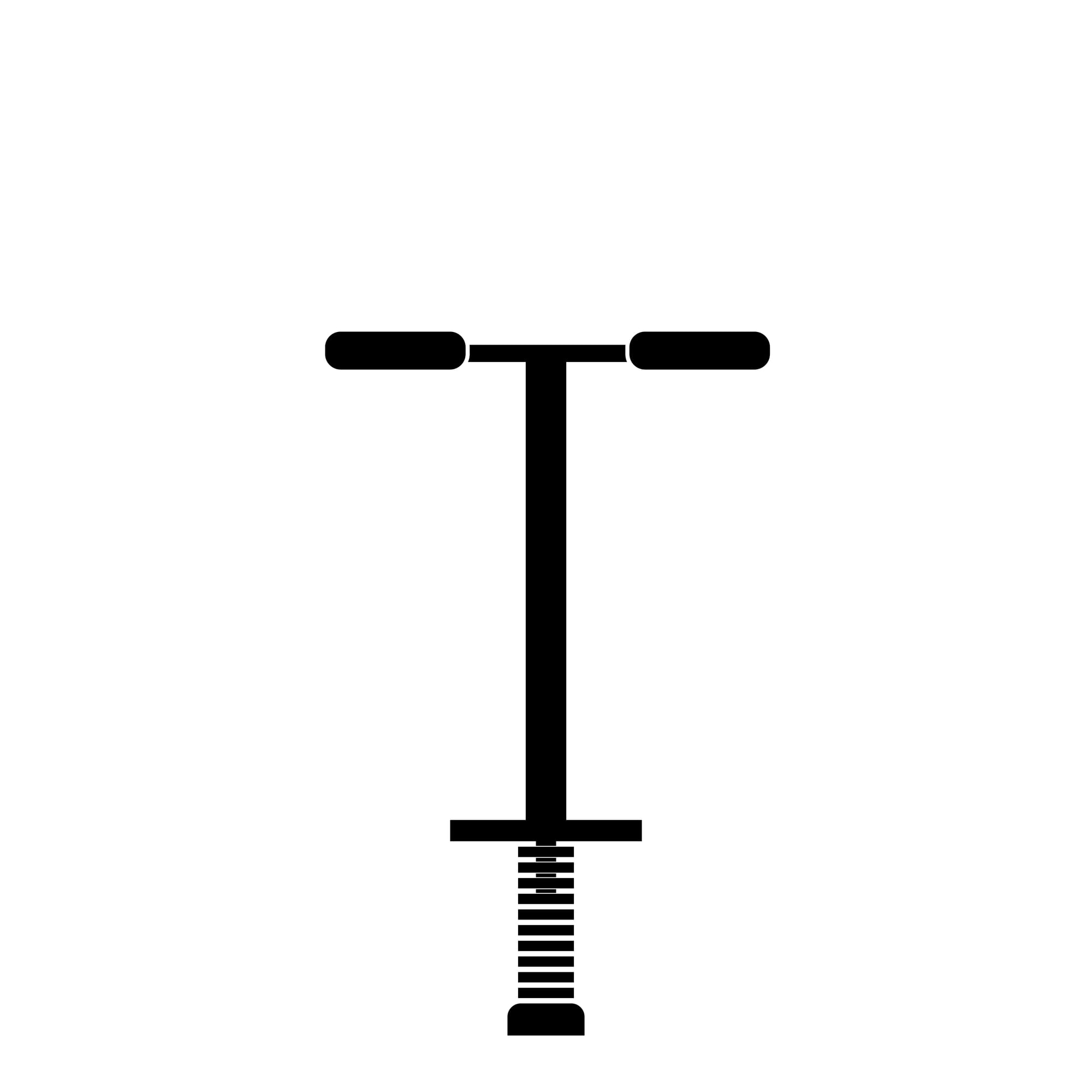
Wham-O’s pogo stick turned a simple spring mechanism into a test of balance, nerve, and timing that most kids underestimated completely on the first attempt. The bounce was never the hard part — it was staying centered, keeping your weight above the axis, and not overcorrecting when the stick started to lean. A hundred consecutive bounces was the neighborhood benchmark, and not everyone made it.
Lincoln Logs
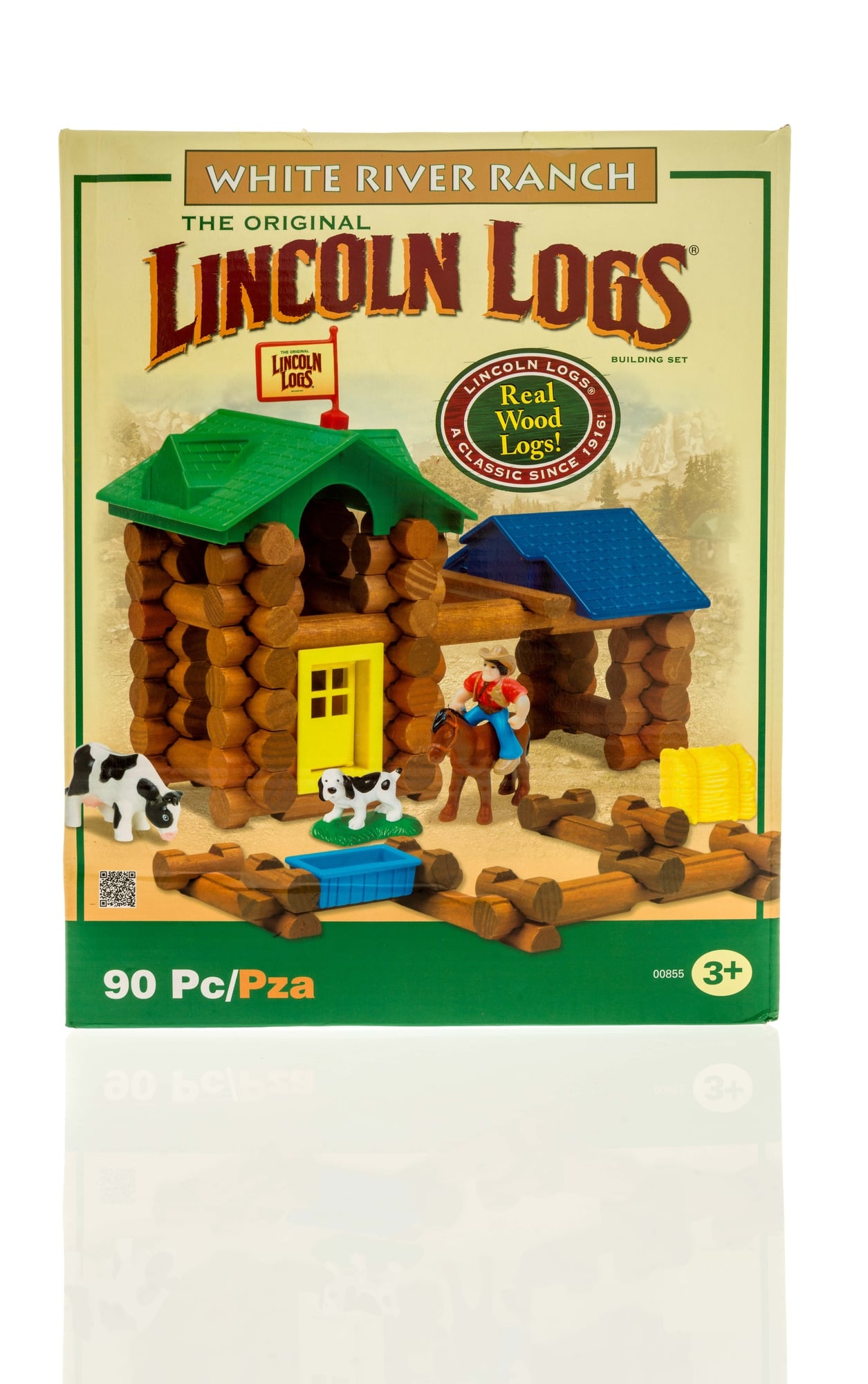
Lincoln Logs rewarded patience over speed, which made them quietly demanding in a way most kids didn’t initially expect. The notched pine logs had to interlock at precise angles, and any cabin worth building required thinking several layers ahead — because a misaligned bottom course meant the whole structure leaned and eventually listed sideways like a tired barn. So you pulled it apart and started again, which, it turns out, was the entire point.
Spirograph
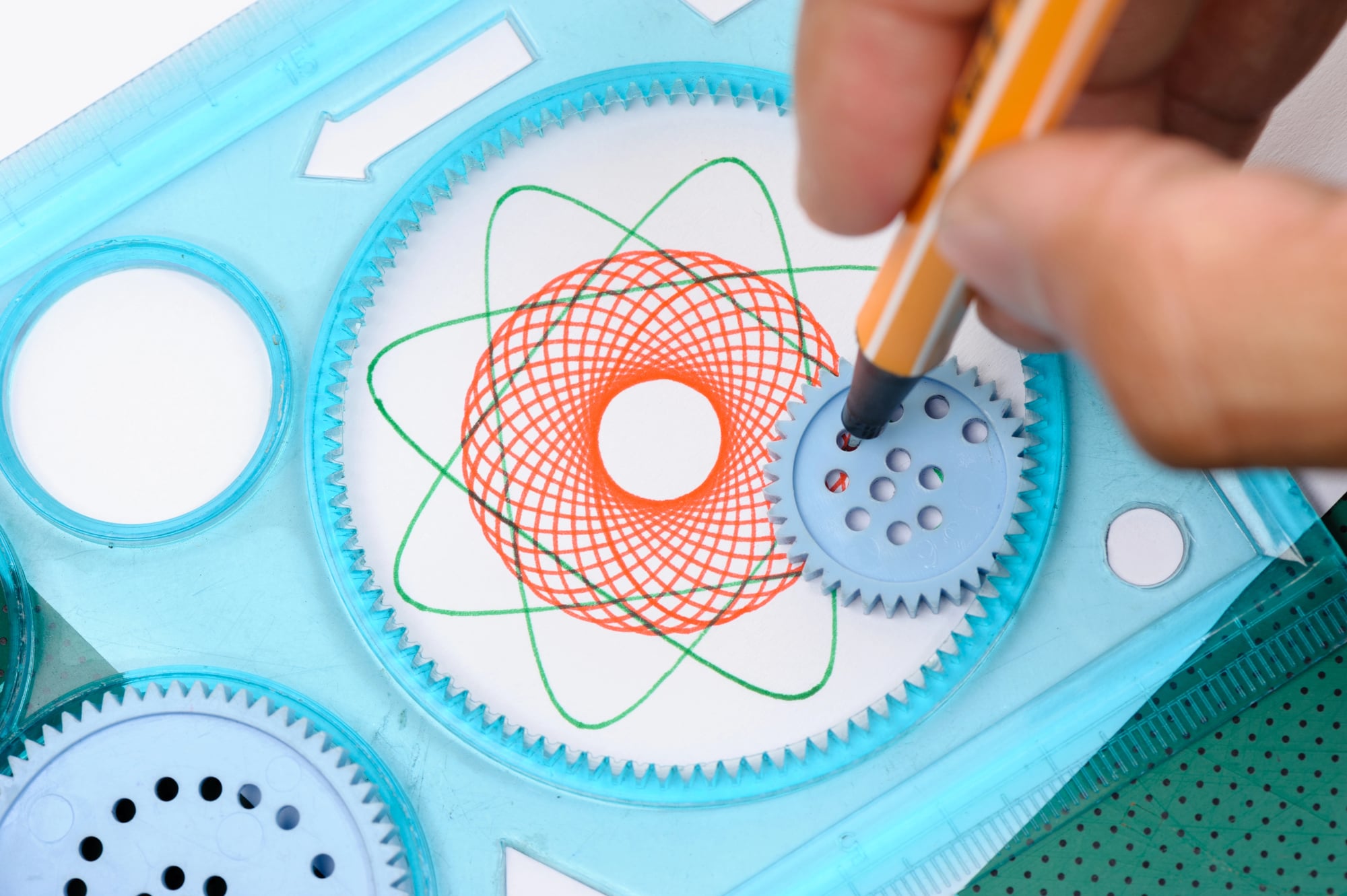
Spirograph looked like a drawing toy, but what it actually was: a geometry problem disguised as entertainment. Getting a clean, unbroken pattern required holding the ring still with one hand while guiding the stylus with the other at perfectly consistent pressure, and the moment you rushed or shifted, the tooth slipped and the curve went wrong. The finished designs on the box cover were aspirational in the truest sense — they represented what happened after the fifteenth attempt.
Gyroscope
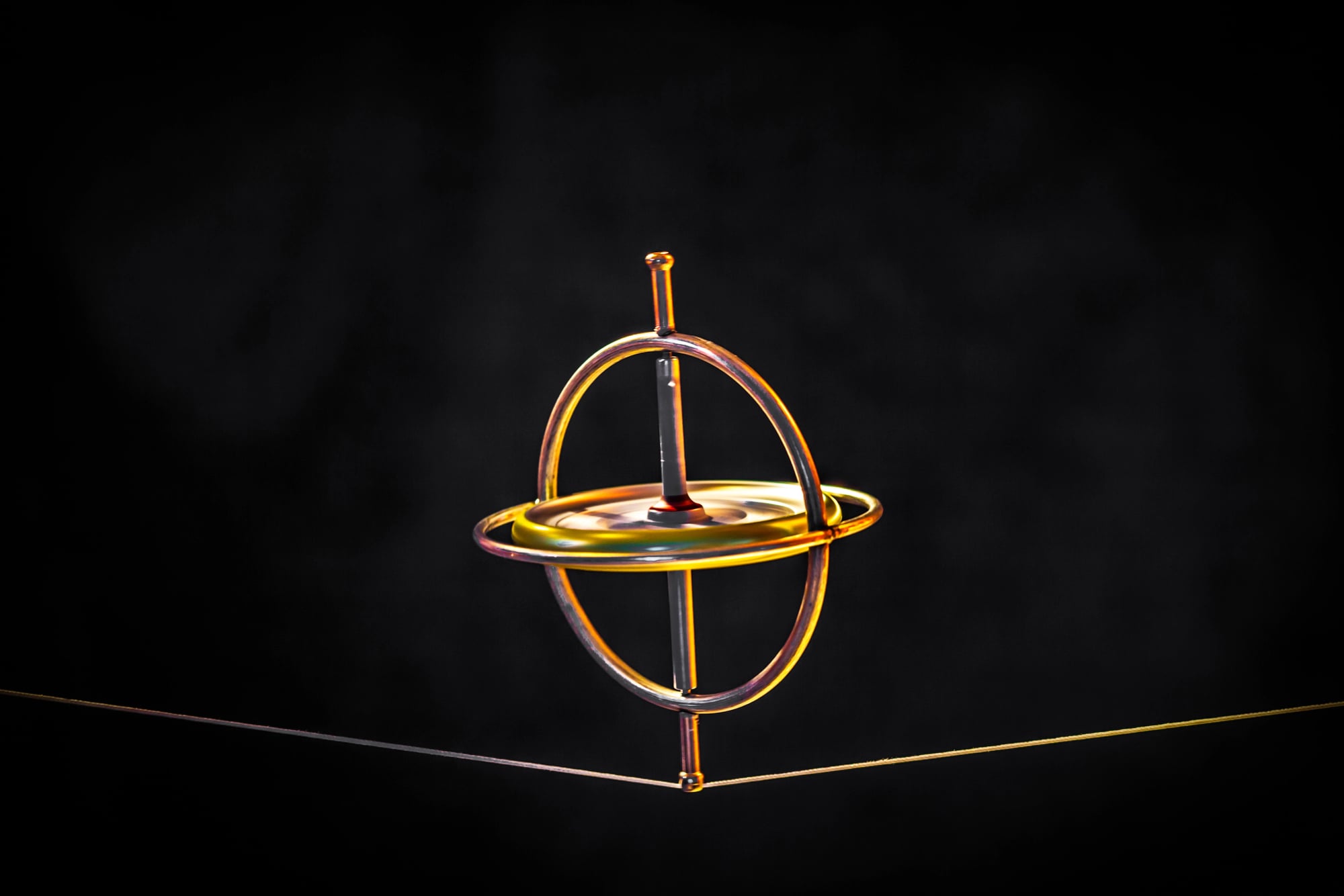
A gyroscope is one of those objects that behaves so stubbornly against intuition that it feels almost confrontational the first time you hold one. Pull the string right, set the spin rate high enough, and suddenly this small metal wheel stands upright on a fingertip, balances on a taut string, and resists every attempt to topple it — like it has opinions about gravity. Getting comfortable with its odd physics was a real, transferable lesson in how the world works.
Erector Set
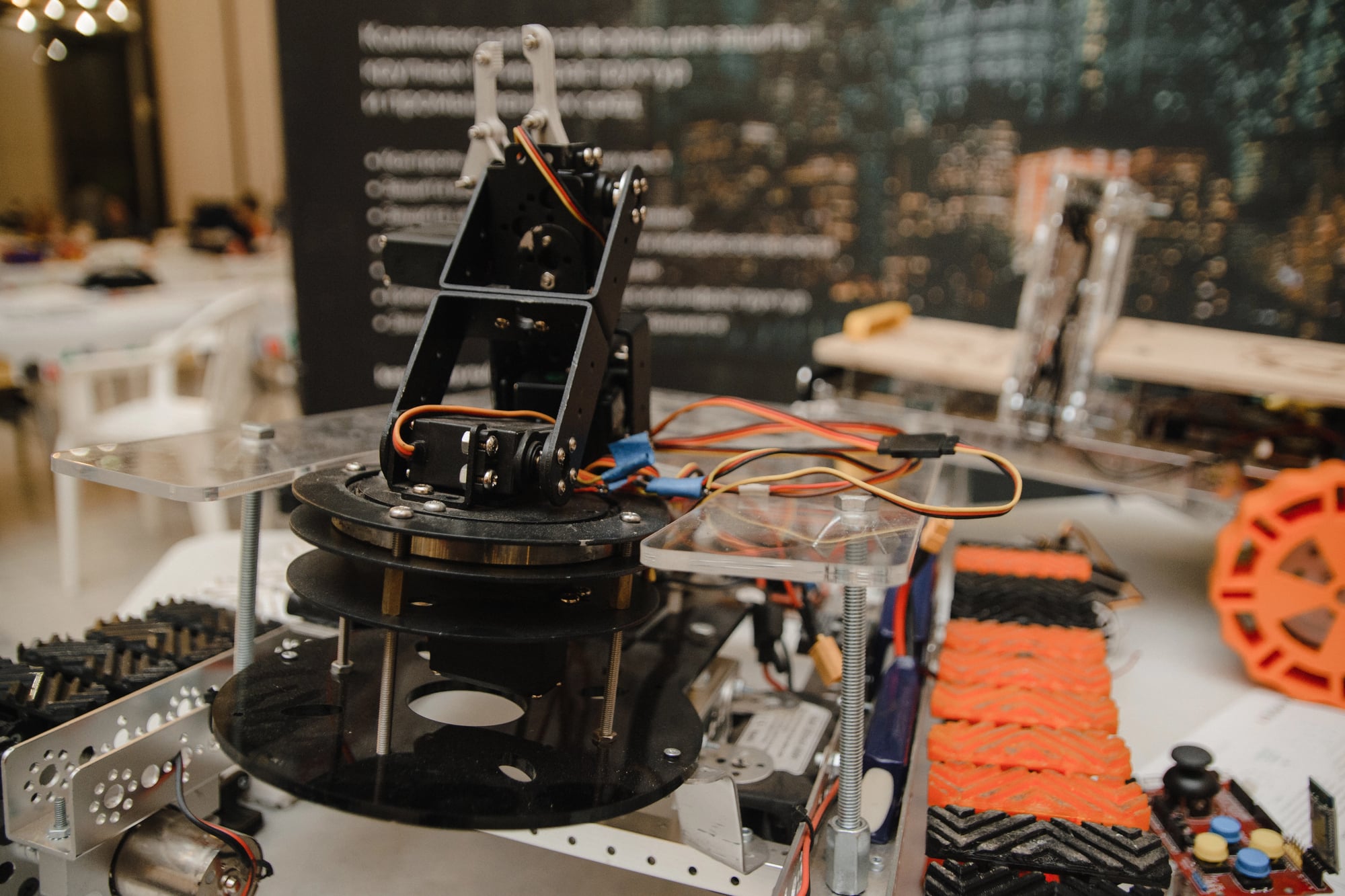
Gilbert’s Erector Set gave kids a box of steel girders, nuts, bolts, and a wrench, then essentially said: figure it out. Building anything structural — a crane, a working elevator, a Ferris wheel with an actual motor — required reading technical diagrams, sequencing assembly steps, and using a tool correctly under some frustration. The mechanical aptitude it developed wasn’t incidental; it was the whole product.
Marbles
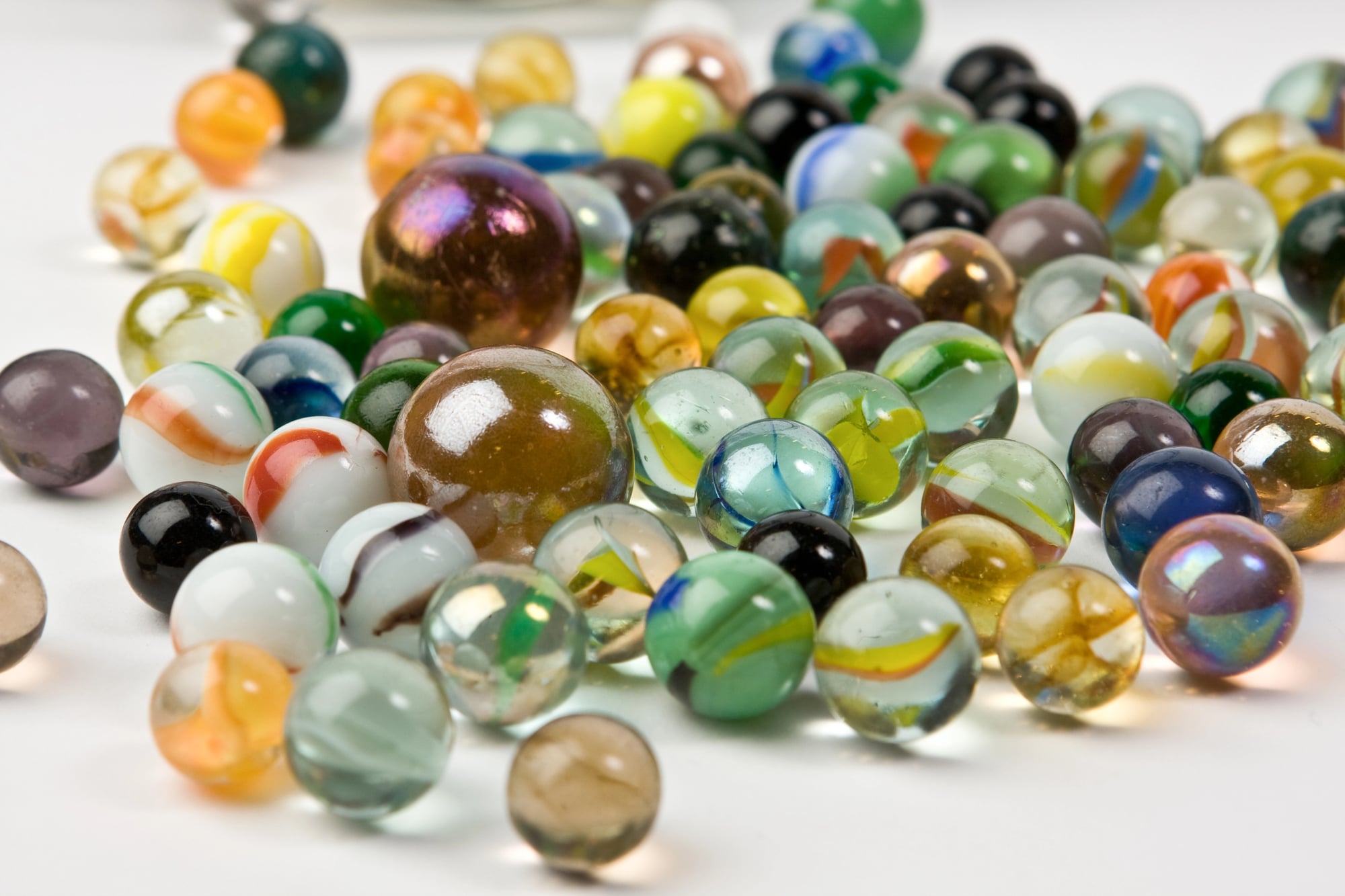
Marbles sounds like a casual game until you play it seriously, and then it reveals itself as something closer to tabletop billiards played on dirt. The shooter — typically a larger “taw” marble — had to be flicked from the thumb with enough precision to knock target marbles out of a drawn ring, and developing that flicking mechanics took genuine practice. Kids who were good at marbles were respected in a specific, unspoken way.
Croquet
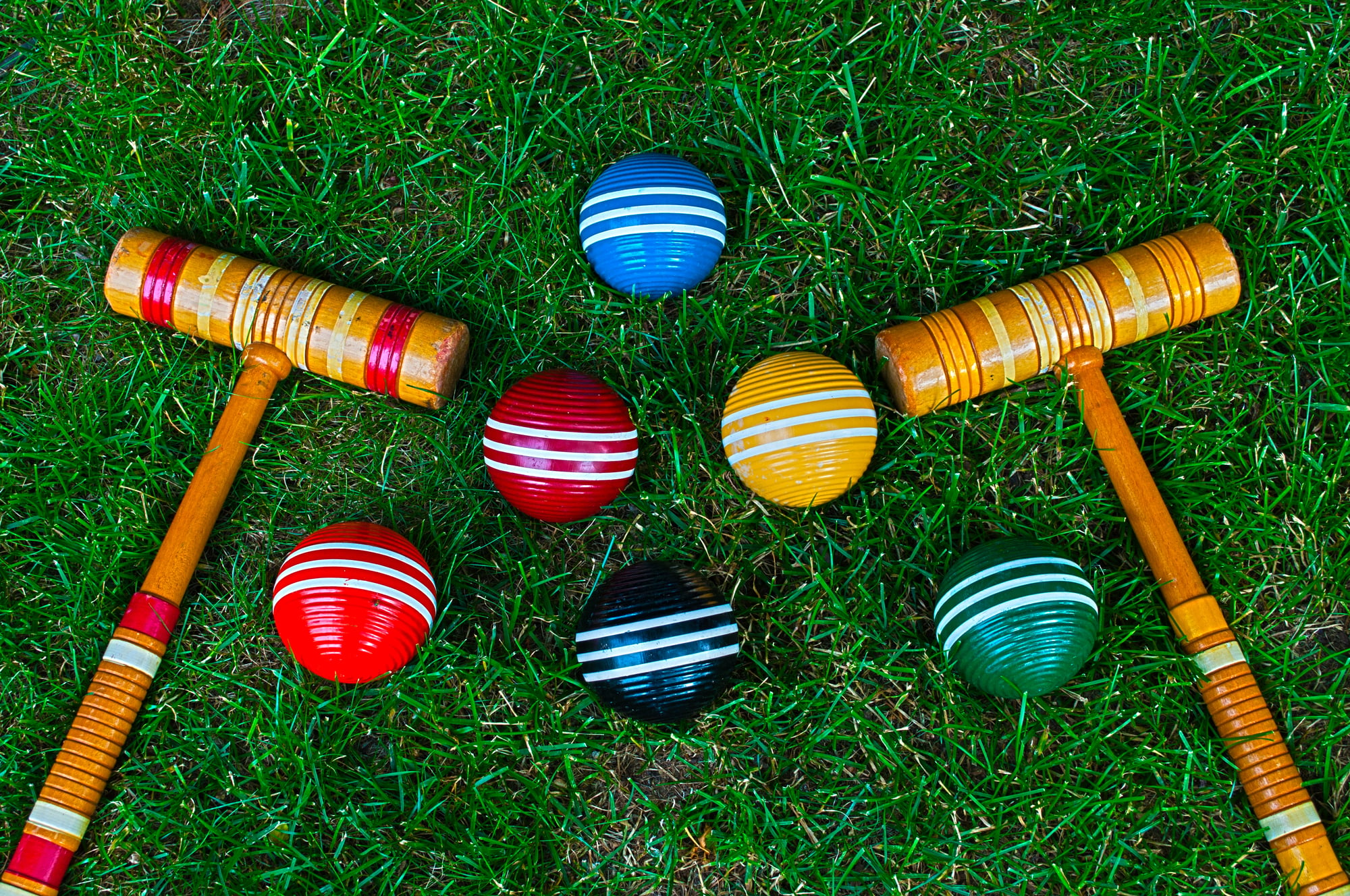
Croquet in the backyard version was friendlier than the British lawn game, but the mallet control required was still real — too much force sent the ball sailing past the wicket, and underhitting left you nowhere useful. Reading the terrain, accounting for the slight slope of a typical suburban lawn, and planning two wickets ahead separated the casual players from the ones who actually won. It was a game that rewarded a particular kind of deliberate thinking.
Tiddlywinks
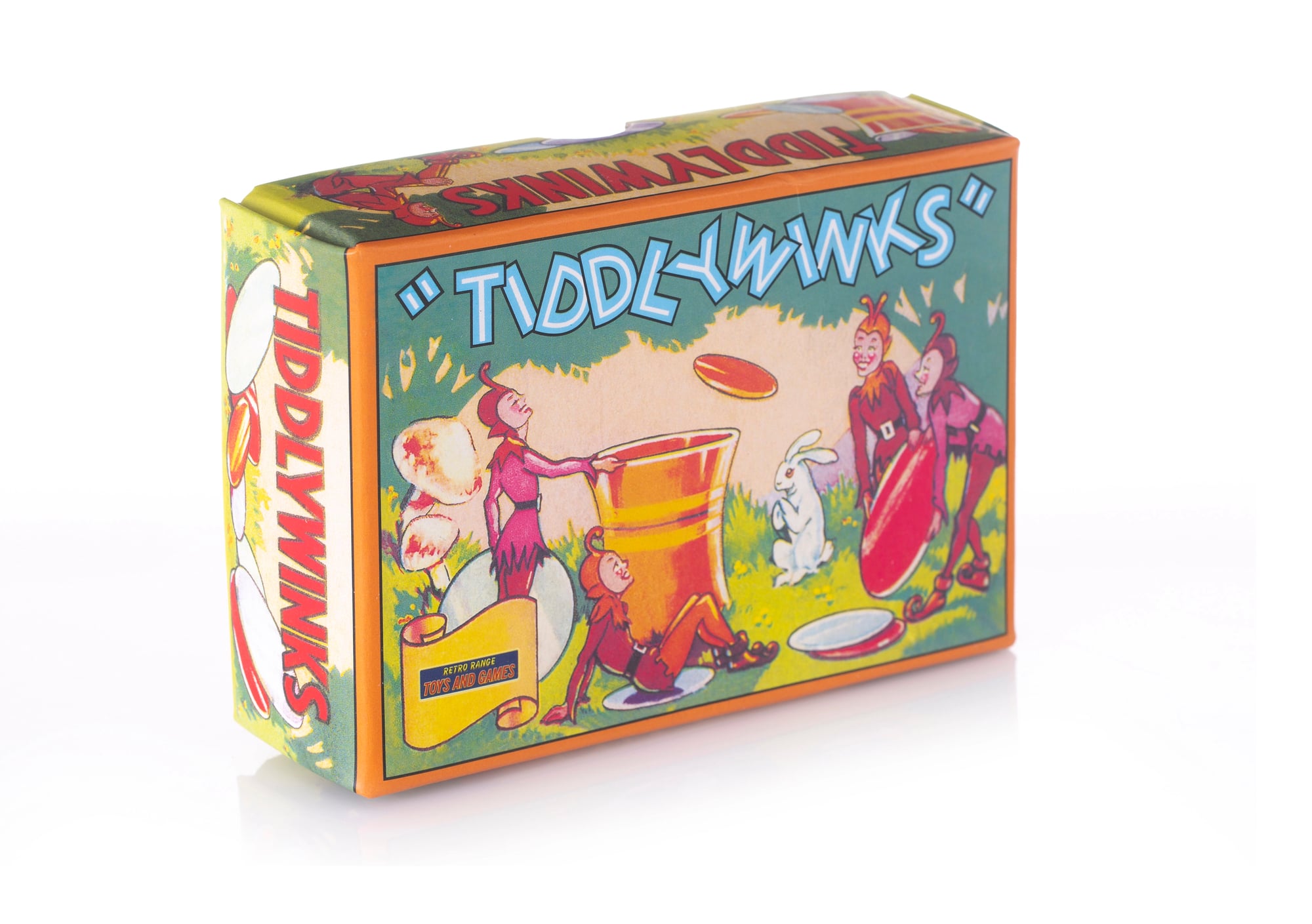
The name made people underestimate it, which the serious players didn’t mind at all. Squopping — covering an opponent’s wink with your own to prevent them from shooting — required a level of precision that turned a toy counter into a surgical instrument. The British took competitive tiddlywinks so seriously that university clubs existed for it, which is saying something about what the game actually demanded.
Chinese Jump Rope

Chinese jump rope — the elastic loop stretched between two players’ ankles — escalated its patterns in a way that felt almost personal about it. Each new height and configuration required a different entry jump, a different exit, and a sequence of footwork that had to be memorized and executed without pausing to think about it. It was choreography with consequences: miss a step and the rope snapped against your ankle to remind you.
Pick-Up Sticks
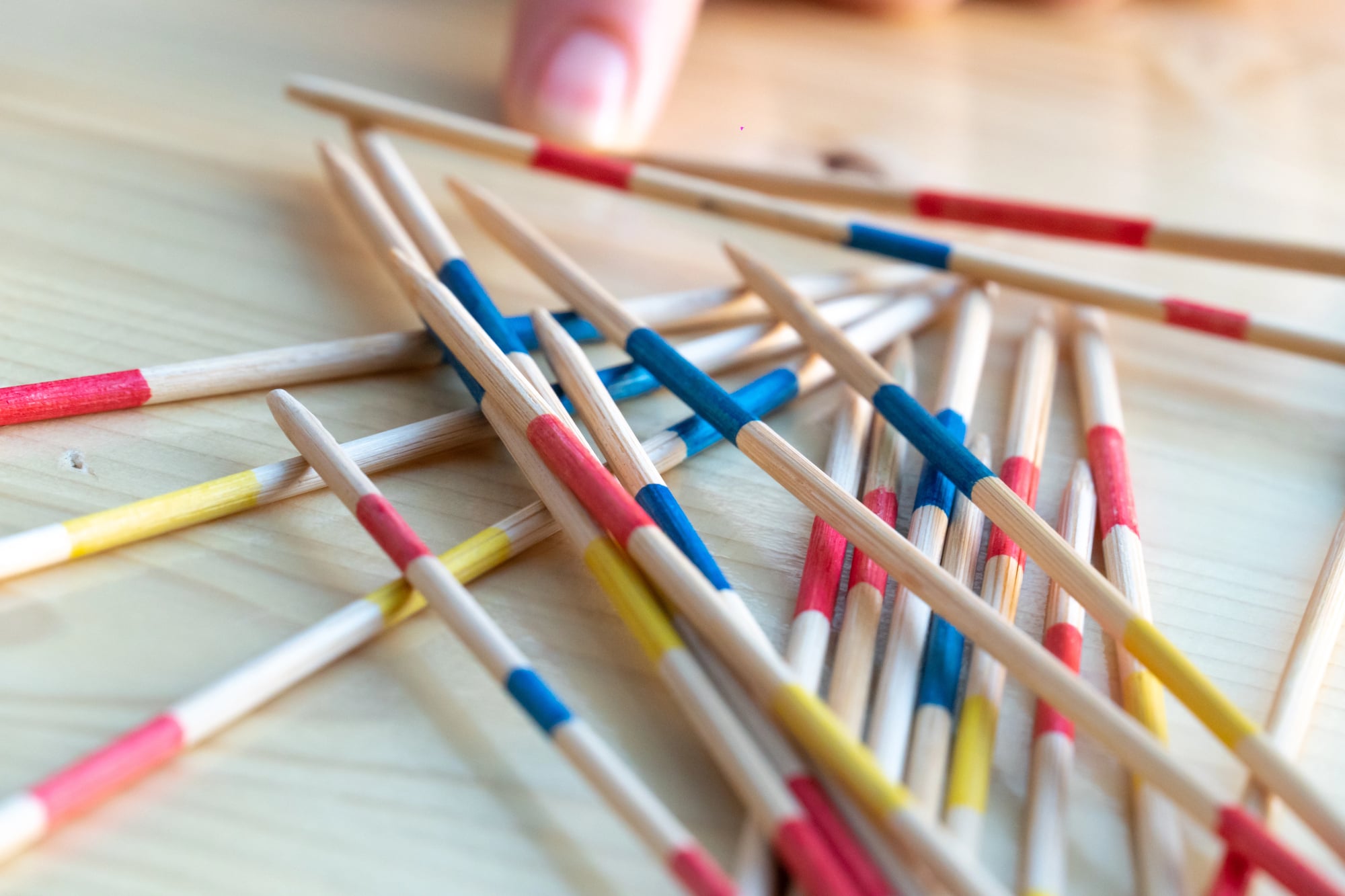
Pick-up sticks is a game built entirely on the trembling threshold between stillness and motion. The sticks pile into a loose jumble, and removing even one without disturbing another required the kind of fine motor control that only comes from slowing down — not rushing, not approximating, actually slowing down your hands to something approaching surgical care. Kids who were good at it tended to be very good at it, and kids who weren’t knew exactly who they were.
Ring Toss
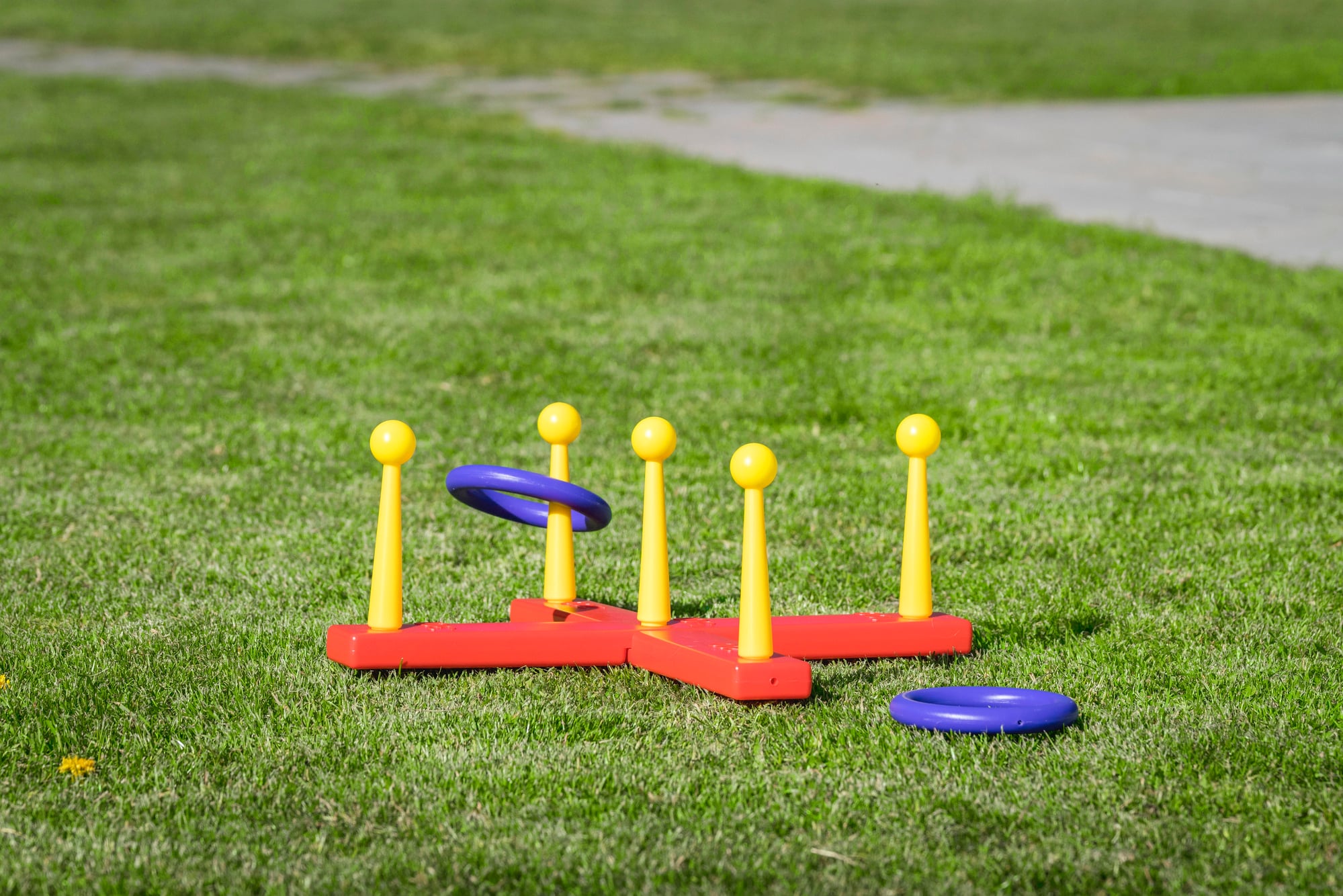
A ring toss set in the backyard made distance feel like a negotiation. The rings — rope or rubber, depending on the set — had to be released at exactly the right moment in the arc, with enough spin to settle flat rather than bounce off the peg. Getting consistent accuracy from ten feet out was the kind of skill that took a summer to develop and felt disproportionately satisfying when it arrived.
Balancing Bird
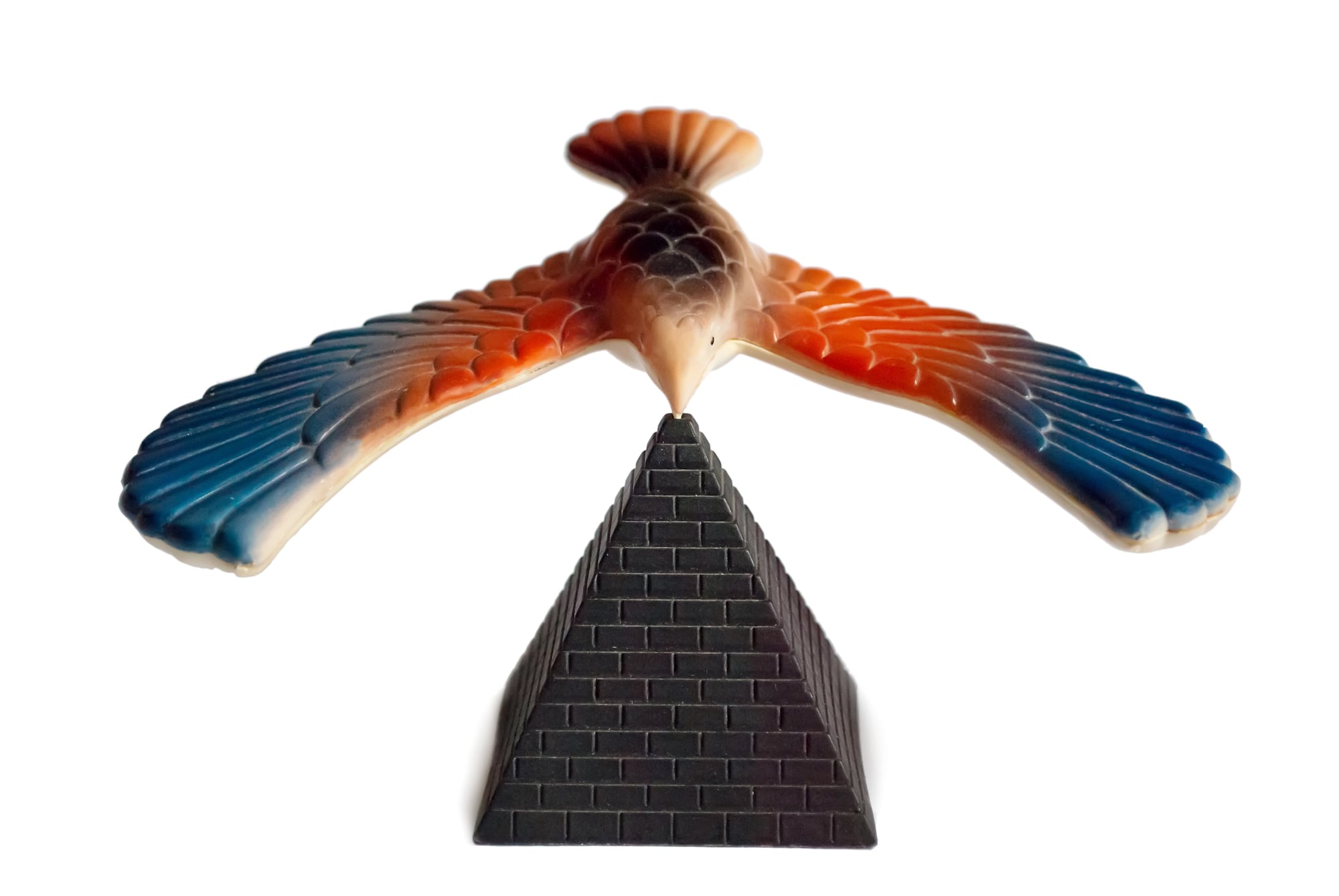
The balancing bird — a plastic bird with swept-back wings, weighted so it rested perfectly on the tip of its beak — taught kids something about center of gravity that no classroom diagram quite replicated. Finding the balance point took patience, and understanding why it worked took longer. It sat on a shelf looking like a magic trick and corrected anyone who assumed it was decoration.
Chemistry Set

Gilbert and Porter chemistry sets in the ’60s contained chemicals that would not appear in any children’s product today, and using them safely required actually following instructions. Mixing the wrong compounds in the wrong order produced results that ranged from disappointing to alarming, and the kids who got the most from these sets were the ones who treated them as science rather than spectacle. The skill wasn’t just chemical — it was methodical.
Telescope
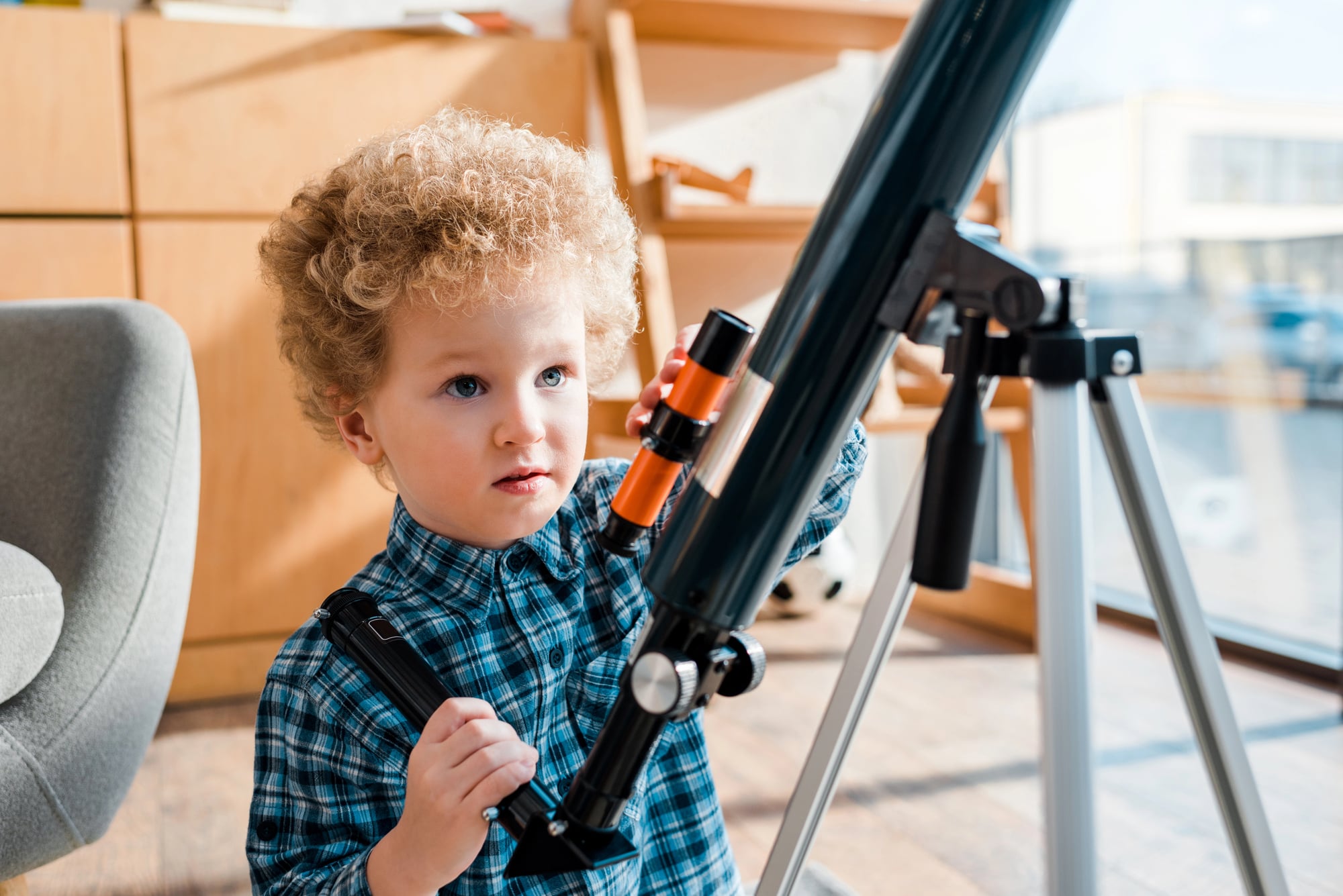
A quality department-store telescope from the ’60s required learning to navigate the night sky manually — no GPS overlay, no automated tracking, just a star chart and the slow, patient sweep of the eyepiece across the dark. Finding Saturn’s rings for the first time after twenty minutes of searching was one of those rewards that arrived precisely because it was earned. The telescope didn’t meet you halfway.
Boomerang

A returning boomerang is not a toy that works the first time, or the fifth, and blaming the equipment was almost always the wrong instinct. The throw required a specific angle of tilt, a defined snap of the wrist, and enough forward lean to account for wind — and all of it had to happen in a single smooth motion before the thing left your hand. Kids who figured it out genuinely understood something about aerodynamics, whether or not they could name it.
Tops
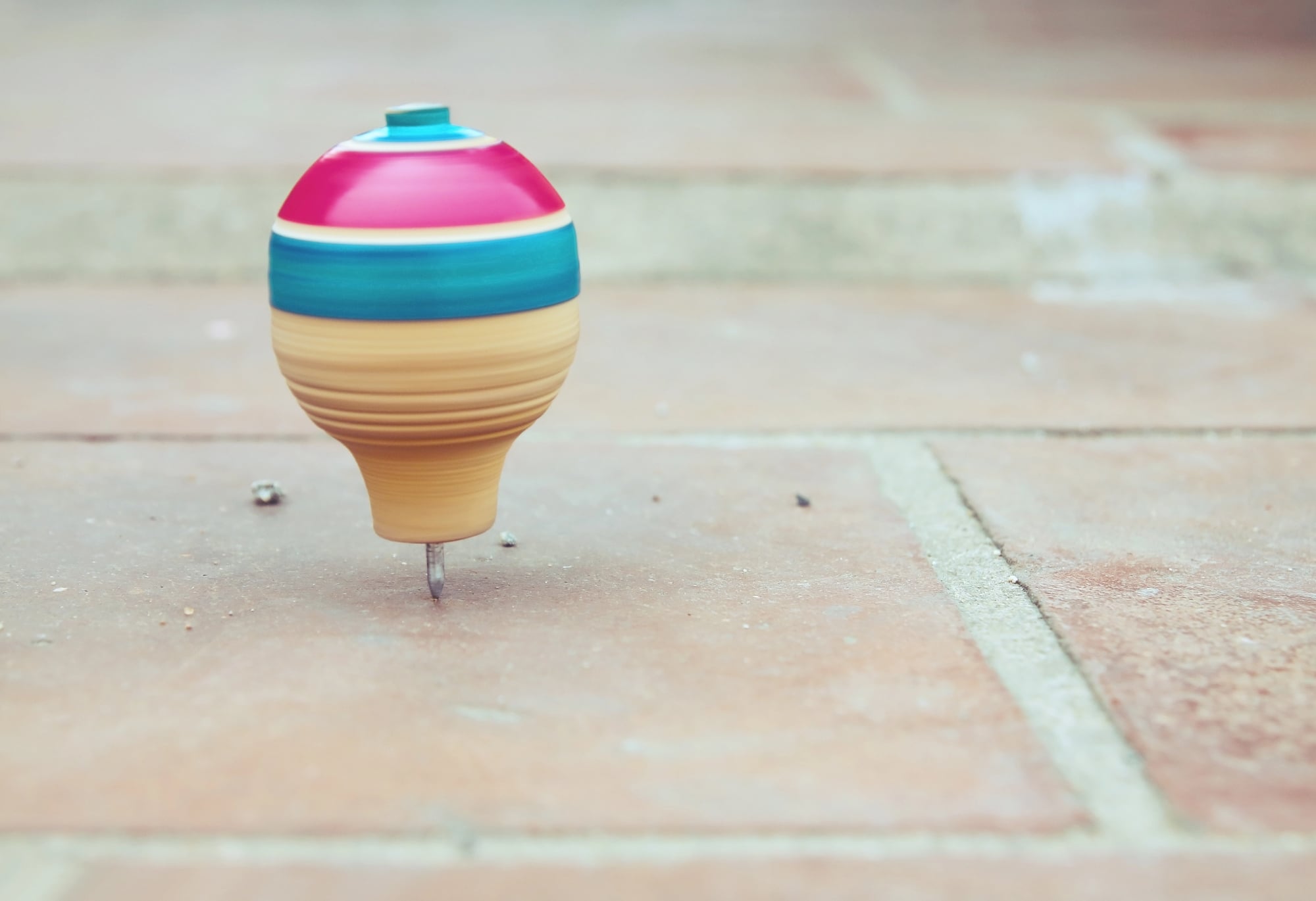
A spinning top — especially a metal one with a push-down plunger mechanism — required learning that speed wasn’t the only variable. The launch angle mattered, the surface mattered, and a top that wobbled on launch would spiral out almost immediately rather than settling into that long, low, mesmerizing spin that was the whole reward. So you adjusted, launched again, watched again.
Slinky

Walking a Slinky down stairs sounds simple; keeping it going continuously for more than four or five steps was harder than it looked, and required a precise timing of the assist — a nudge at exactly the right moment in the arc to keep the momentum alive. The metal Slinky from James Industries had more unforgiving physics than the plastic versions that followed, and the staircase had to be right too. A shallow riser or an uneven step and the whole thing collapsed.
BB Gun

A Daisy Red Ryder was treated seriously in most households, which was appropriate — it was a tool that required real technique to use accurately. Sight alignment, breath control, trigger pull, and stance all contributed to where the shot landed, and at twenty-five feet, the difference between a careful shot and a careless one was obvious. Kids who learned to shoot well with a BB gun were being taught the foundations of marksmanship, even if no one used that word.
Bicycle Acrobatics

Trying no-handed riding, standing on the seat, or steering with your knees on a standard kids’ Schwinn required body control that only came from hours of low-stakes failure on a quiet street. The bike gave no assistance and plenty of feedback — usually in the form of a wobble and a corrective grab at the handlebars. The kids in every neighborhood who could ride standing up had put in time that the other kids simply hadn’t.
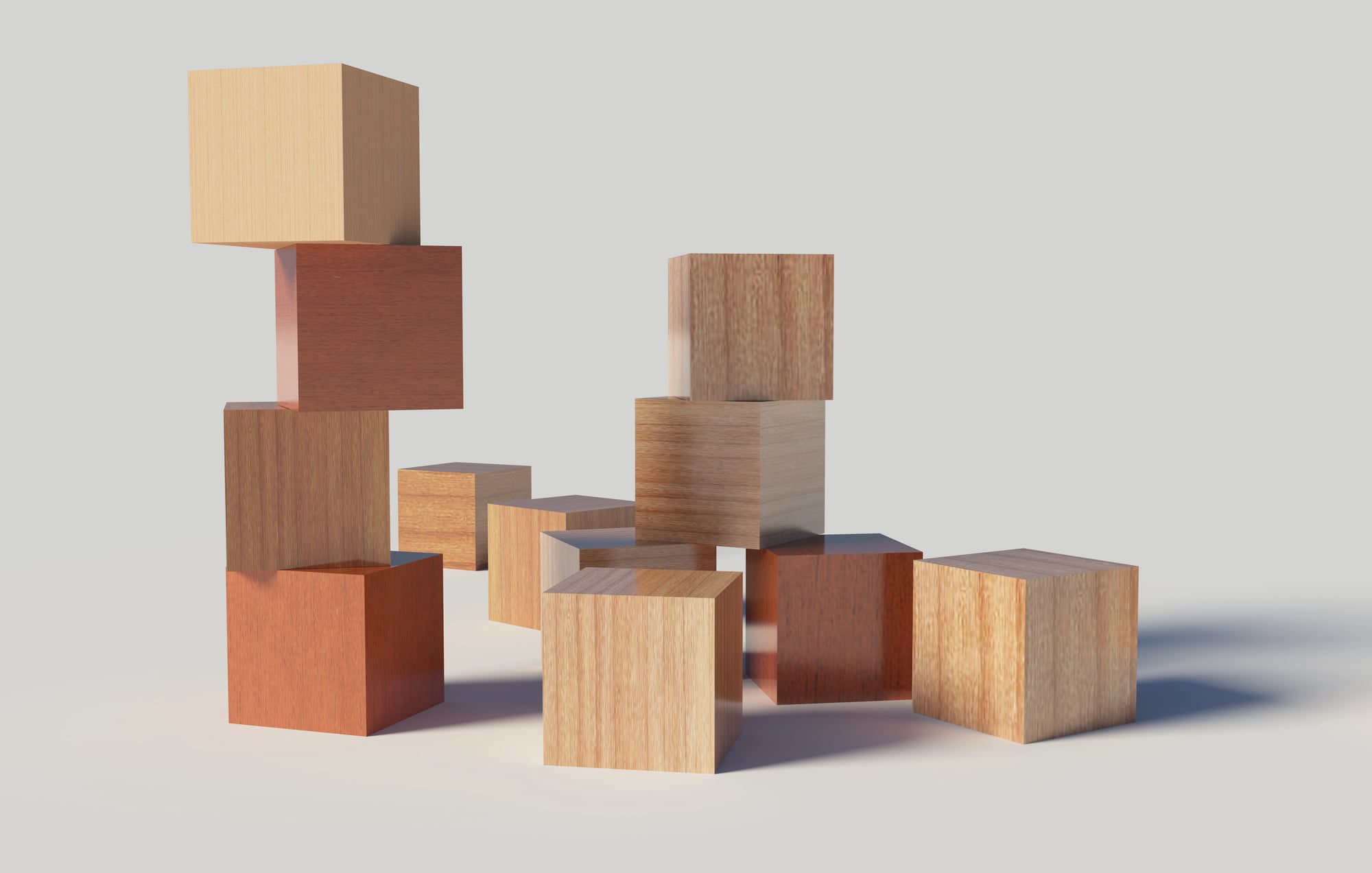
Wooden Building Blocks
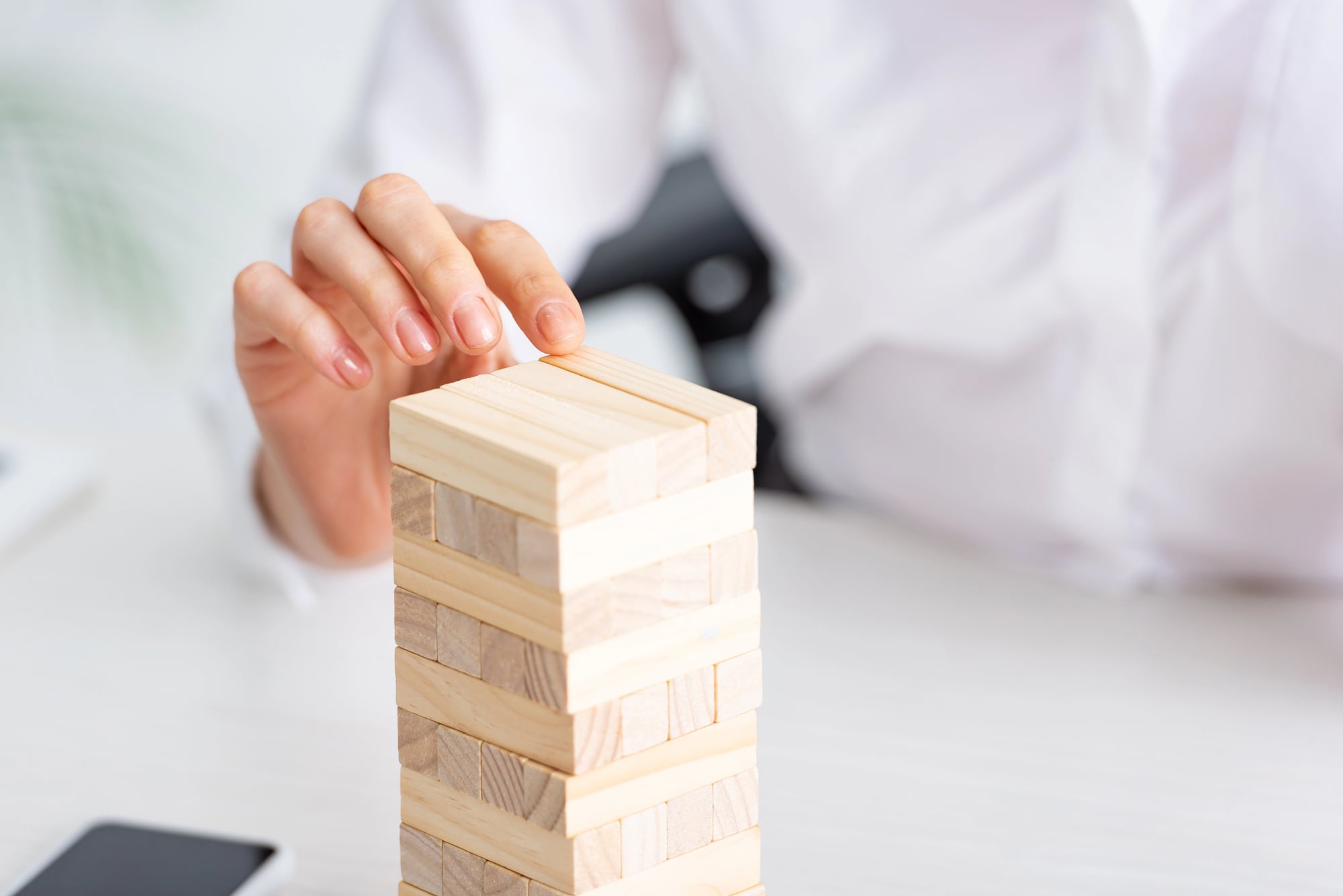
Unit blocks — the kind sold by Playskool and Halsam in the ’60s — were underestimated because they had no motor, no instructions, and no assembly required, which made them look passive. But building a stable arch, a true cantilever, or a tower that didn’t collapse under its own weight required spatial reasoning that many adults found surprisingly demanding. The blocks didn’t care how confident you were; they only responded to whether you understood load.
Badminton Set
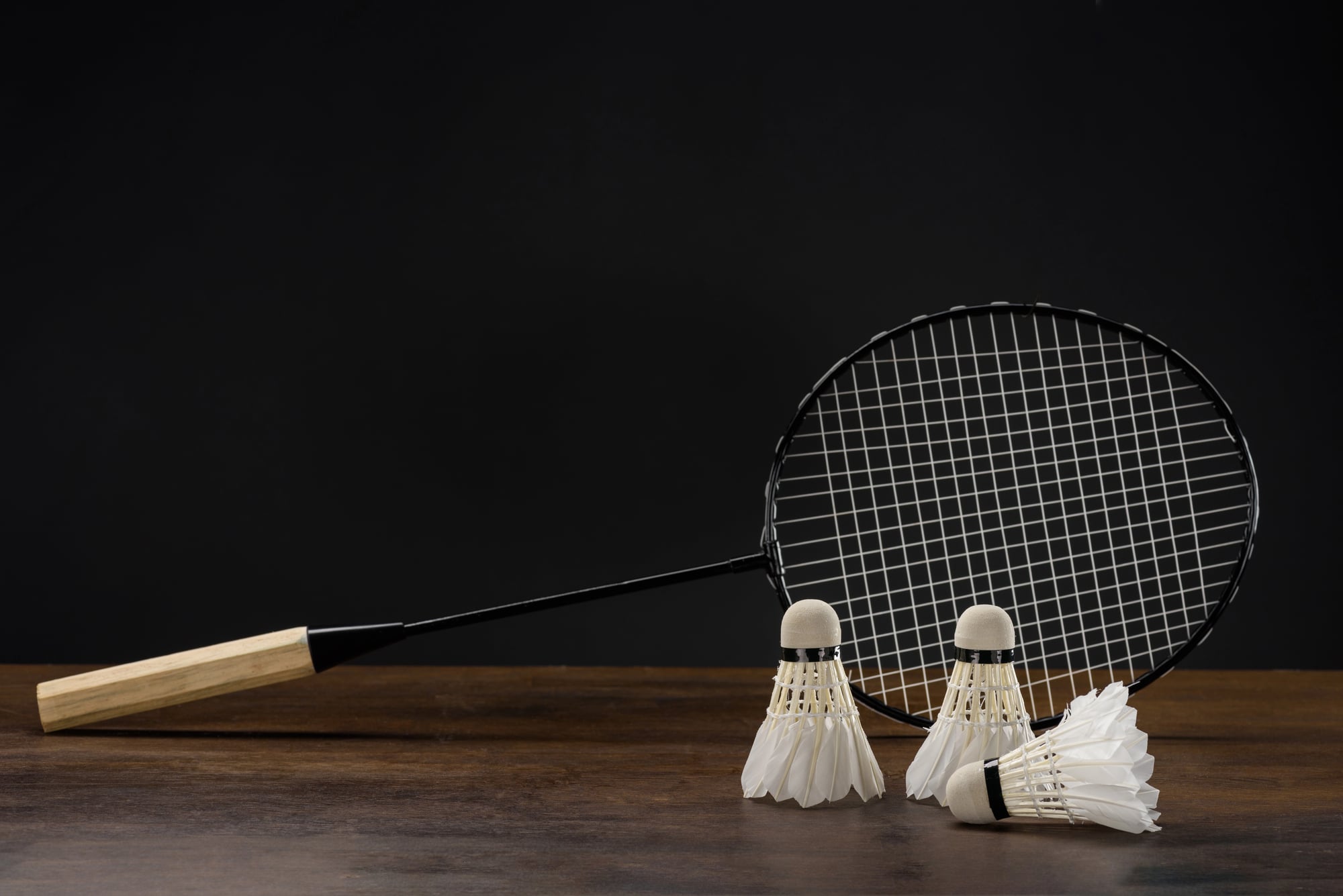
Badminton in the backyard was a different game than it looked from the sideline. The shuttlecock’s aerodynamics were nothing like a ball — it decelerated sharply mid-flight and required a completely different swing timing than any other sport, and players who arrived expecting to rely on tennis instincts got corrected quickly. Getting a real rally going, one that lasted more than four or five strokes, required two people who had both figured out that lesson already.
When the Toy Did the Work on You
There’s something quietly interesting about the fact that none of these toys came with a difficulty slider. You didn’t choose easy mode or unlock harder content after enough practice — you started at full resistance and stayed there until you got better. The toy didn’t adjust to you; you adjusted to it. That stubbornness, that refusal to meet a kid halfway, might be exactly what made playing with them feel like something worth doing.
More from Go2Tutors!

- The Romanov Crown Jewels and Their Tragic Fate
- 13 Historical Mysteries That Science Still Can’t Solve
- Famous Hoaxes That Fooled the World for Years
- 15 Child Stars with Tragic Adult Lives
- 16 Famous Jewelry Pieces in History
Like Go2Tutors’s content? Follow us on MSN.