Backyard Games from the ’60s That Lasted Until Streetlights Came On
Summer evenings in the 1960s had their own rhythm. Cartoons ended at noon, and that’s when parents emerged with their lists and their expectations.
The weekend stretched ahead, but first came the negotiations, the bargaining, and the inevitable surrender to a day of household duties that felt designed specifically to torture young souls who’d rather be anywhere else.
You played until your mother called you in, or until the streetlights flickered on, whichever came first.
Hide and Seek
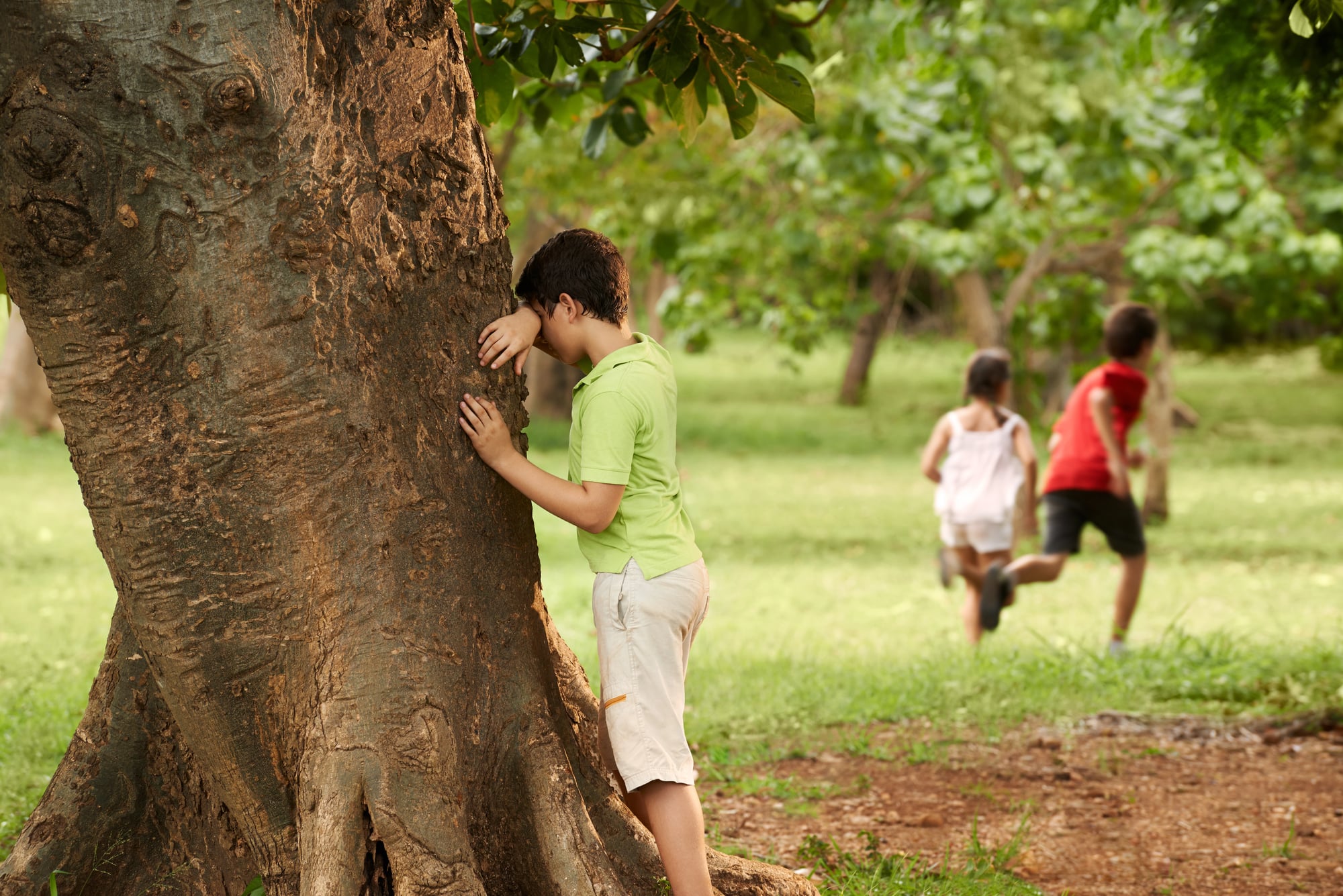
The grandfather of all backyard games required nothing but imagination and a willingness to squeeze into impossible spaces. Kids would cram themselves behind garbage cans, under porches, or inside tool sheds that smelled like motor oil and mystery.
The thrill wasn’t just in hiding — it was in that heart-pounding sprint to home base when you thought the seeker wasn’t looking.
Red Light, Green Light
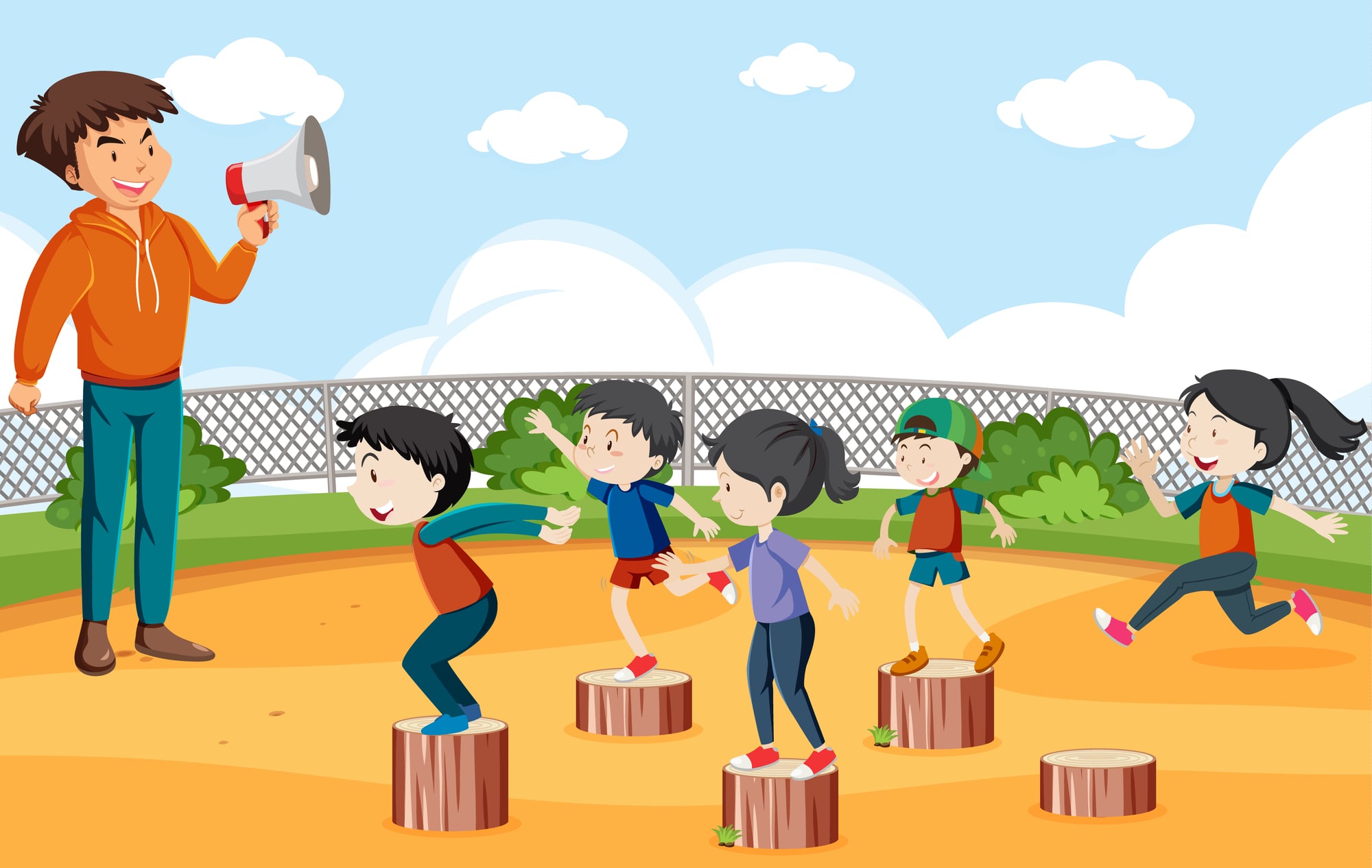
One kid became a traffic cop, and the rest became cars that couldn’t quite follow the rules. The game sounds simple until you’re frozen mid-step, wobbling like a flamingo, while the kid in charge turns around with the suspicious eyes of a seasoned detective.
Most players got caught not because they moved during “red light,” but because they couldn’t stop giggling at their friend’s ridiculous frozen pose.
Kick the Can

This was hide and seek’s rebellious older brother — the one who stayed out past curfew and never got caught. The rusty Campbell’s soup can sitting in the middle of the yard became the most important object in the neighborhood.
The metallic clang echoed through the evening air like a victory bell, and suddenly everyone was free, scattering like startled birds back into their hiding spots to start the whole beautiful mess over again.
The game taught you that sometimes the best move was the bold one.
Mother May I

Politeness became strategy in this deceptively formal game. Players had to remember to say “Mother may I?” before taking their steps, or risk getting sent back to the starting line like a scolded child.
The real skill was in requesting the right kind of steps — baby steps when you were far ahead, giant steps when you were falling behind.
Red Rover

The human chain game that probably wouldn’t pass today’s safety standards but built character in ways that bubble wrap never could. Two lines of kids locked arms and called someone over to break through their defenses.
Arms got twisted, pride got bruised, and everyone kept playing anyway because the satisfaction of breaking through (or holding strong) was worth a few grass stains on your clothes.
Simon Says
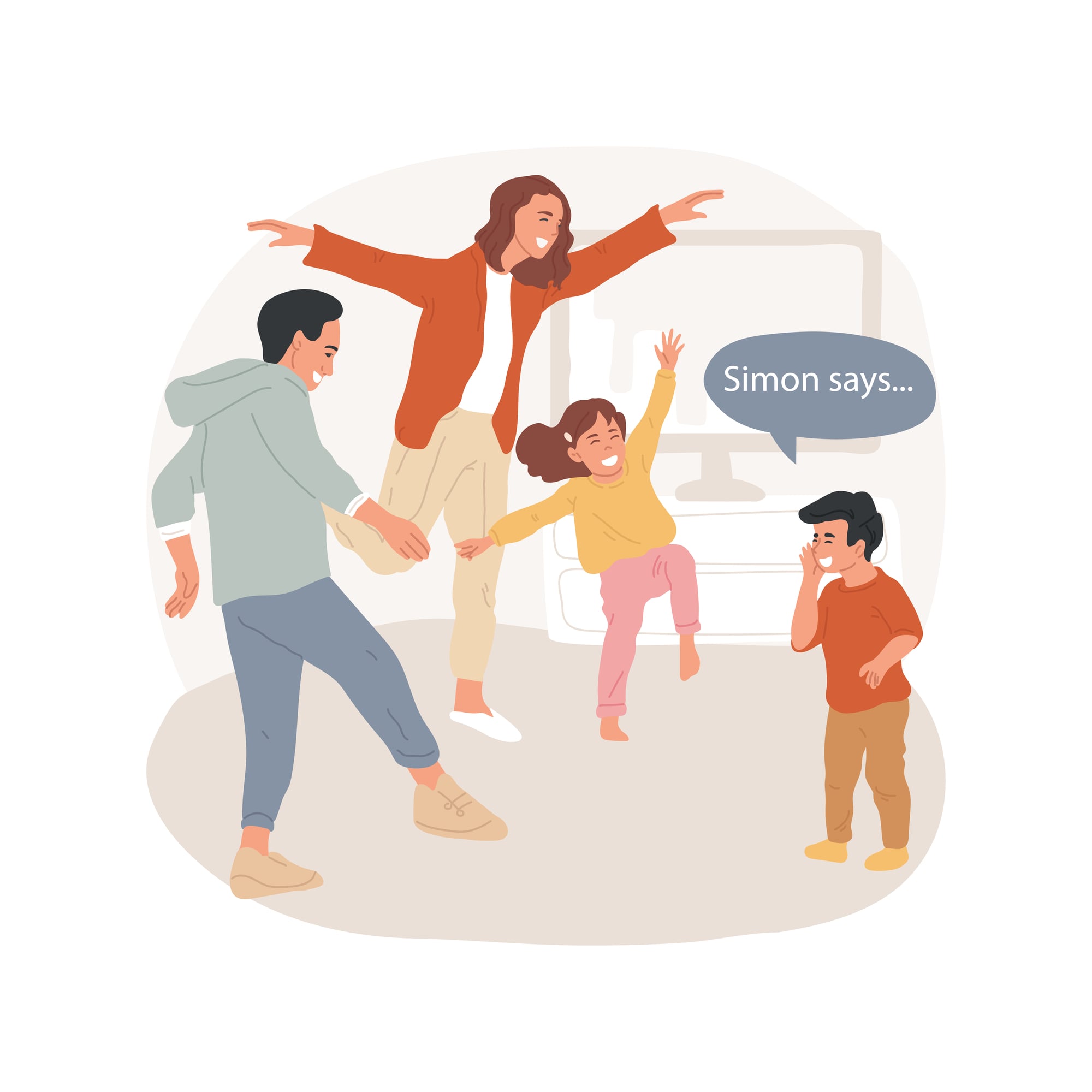
Authority became a game, and rebellion became an art form wrapped in the innocent package of following directions. The trick wasn’t just listening carefully — it was resisting the urge to follow commands that didn’t start with those magic words.
And watching your friends fall for the trap you’d avoided made you feel like a genius, even if you’d fall for the next one yourself.
Freeze Tag

Running became a high-stakes gamble where one wrong step meant becoming a statue until someone brave enough risked their own freedom to tap you back to life. The frozen players stood there like lawn ornaments, watching the game continue around them.
The game rewarded speed, but it rewarded loyalty more.
Duck Duck Goose
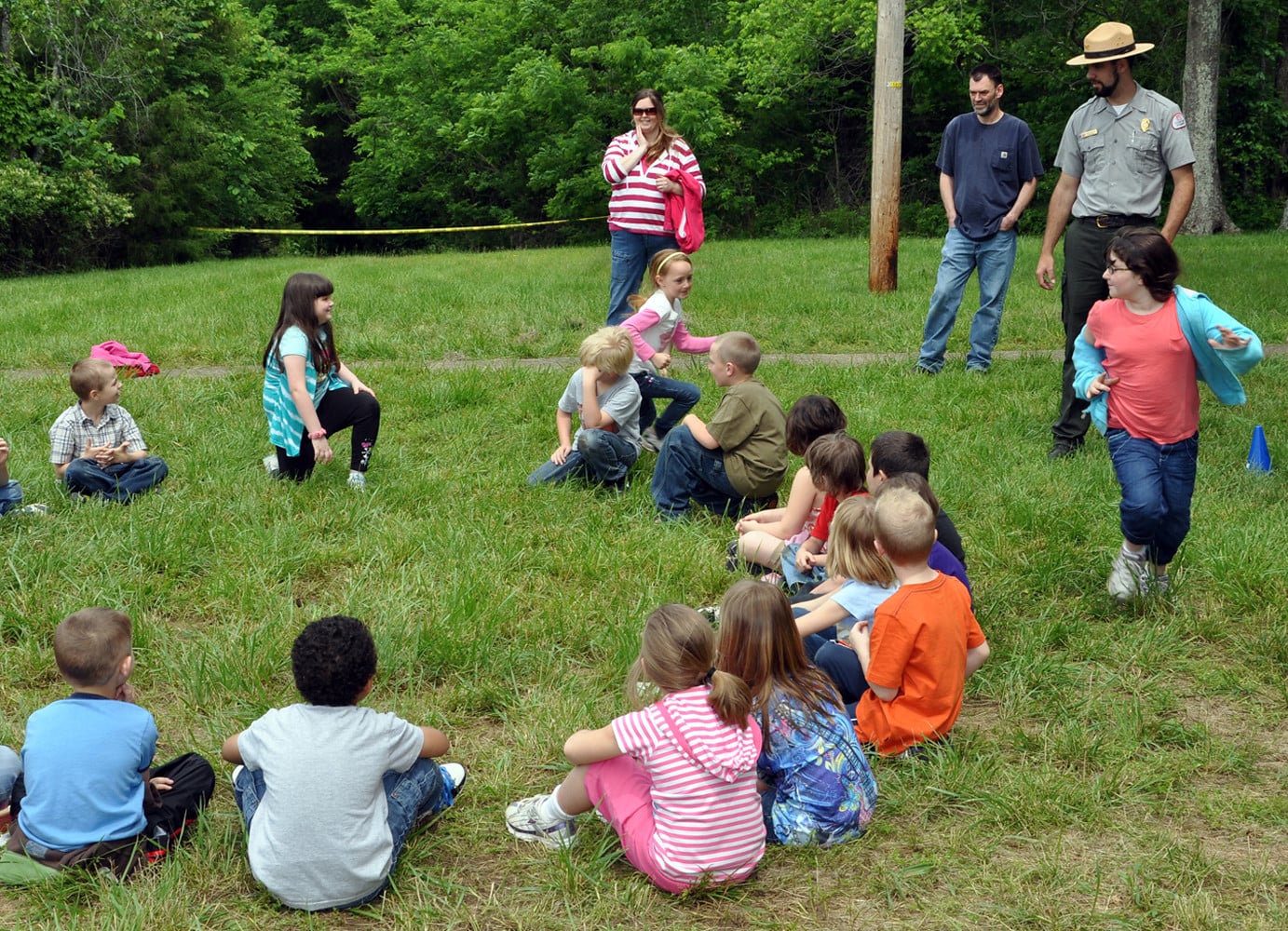
Sitting in a circle never felt so tense. The person walking around tapping heads held all the power, and you never knew if you’d be chosen for the chase or left sitting there for another round.
When someone finally tapped your head and said “goose,” the explosion into action was pure adrenaline.
Hopscotch
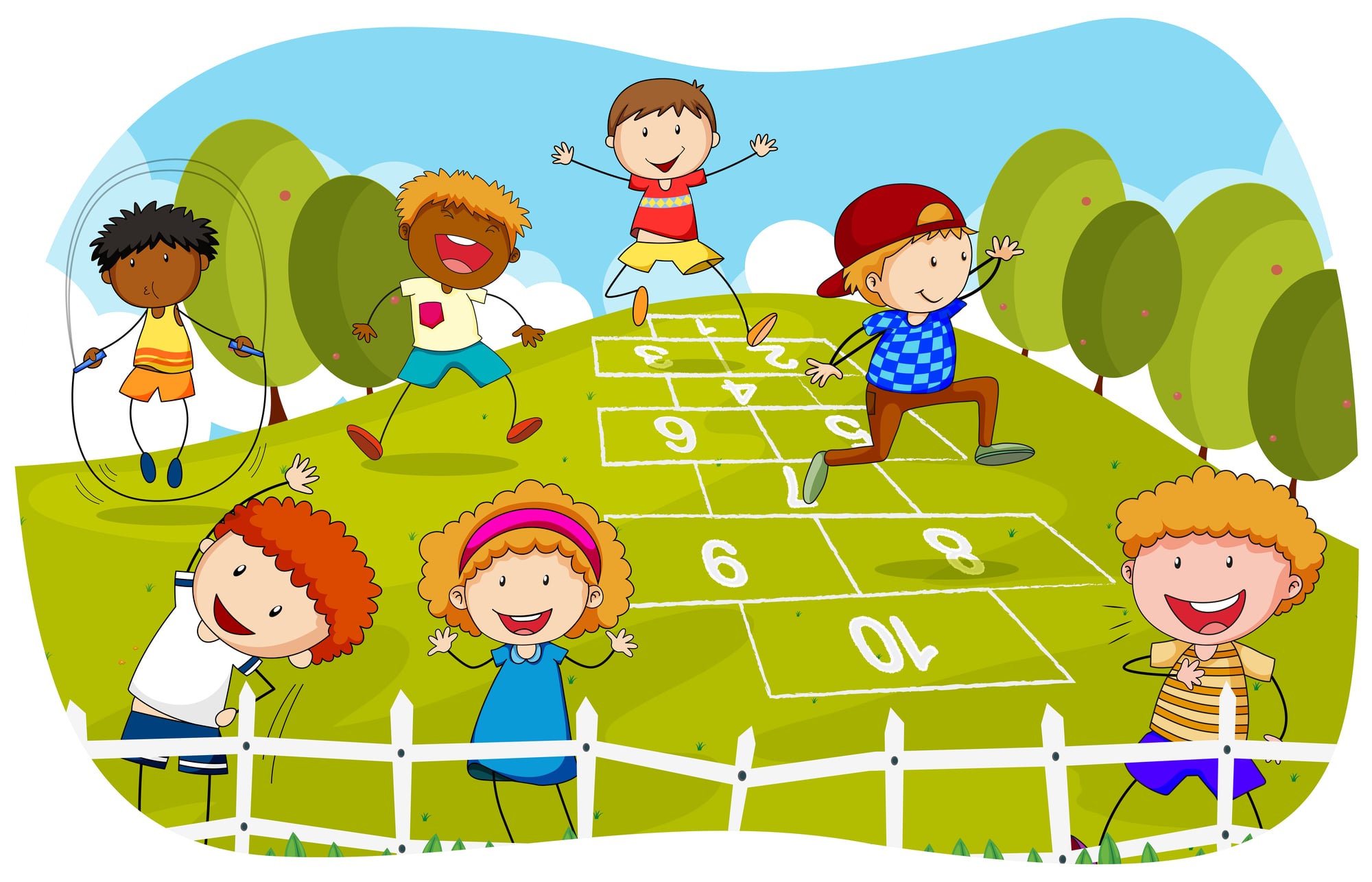
Chalk became architecture, and a flat rock became your ticket through a course that looked easy until you tried navigating it on one foot. The squares demanded precision — land on a line and your turn was over, lose your balance and start again.
Girls typically dominated this game, hopping through the numbered squares with a grace that made it look effortless, while boys stumbled through with determination that exceeded their coordination.
Four Square
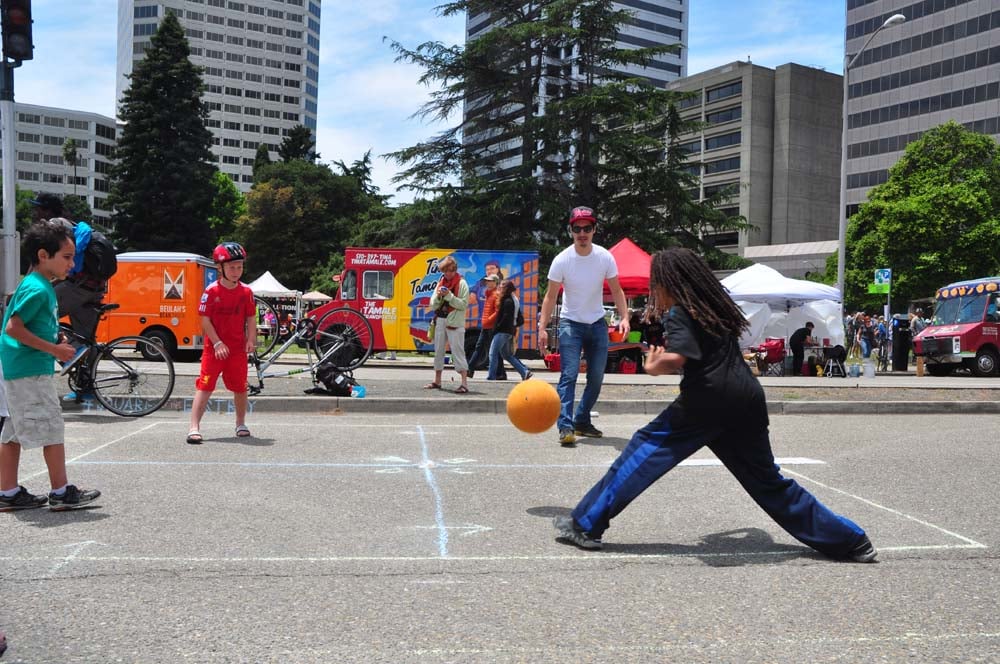
The playground hierarchy made concrete, where moving up the numbered squares felt like climbing a social ladder one bounce at a time. The kid in square four ruled the court with the authority of a tiny dictator.
Fair play mattered less than knowing when to spike the rubber playground orb just hard enough to eliminate your competition without looking like you were trying too hard.
Capture the Flag
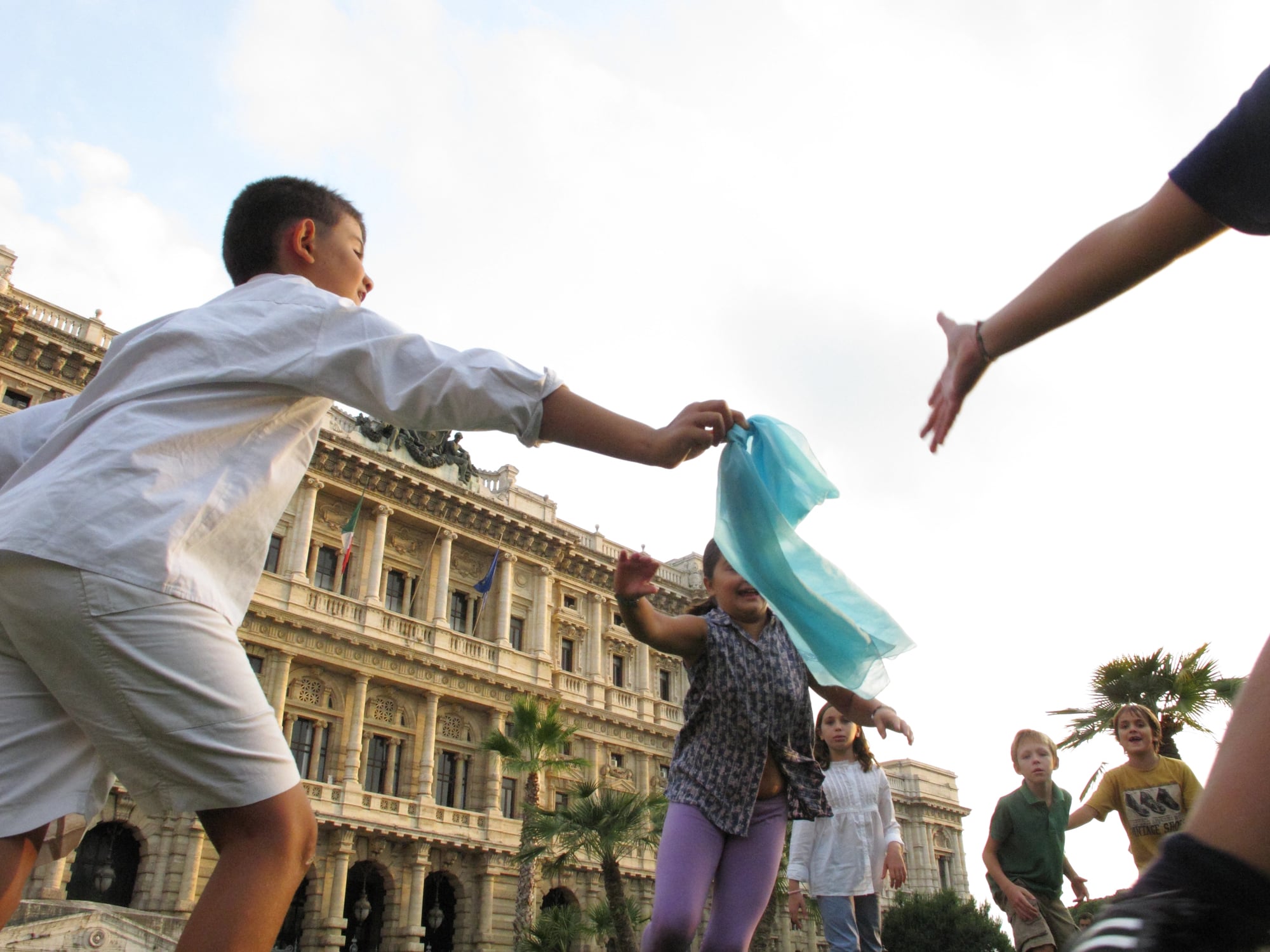
War games disguised as summer fun, where strategy mattered as much as speed and every backyard became a battlefield with clearly marked territories. Teams would huddle together drawing elaborate plans in the dirt, assigning roles like generals preparing for invasion.
The flag itself was usually someone’s old t-shirt tied to a stick, but defending it felt like protecting national treasure.
Statues

The art of holding perfectly still became a competition that revealed which kids had natural balance and which ones were secretly fidgeters who couldn’t stop moving. One person spun the others around and let them go, and wherever you landed, you had to freeze like a museum piece.
The game sounds boring until you’re stuck in a twisted pose while your best friend makes faces at you from two feet away.
Ghost in the Graveyard
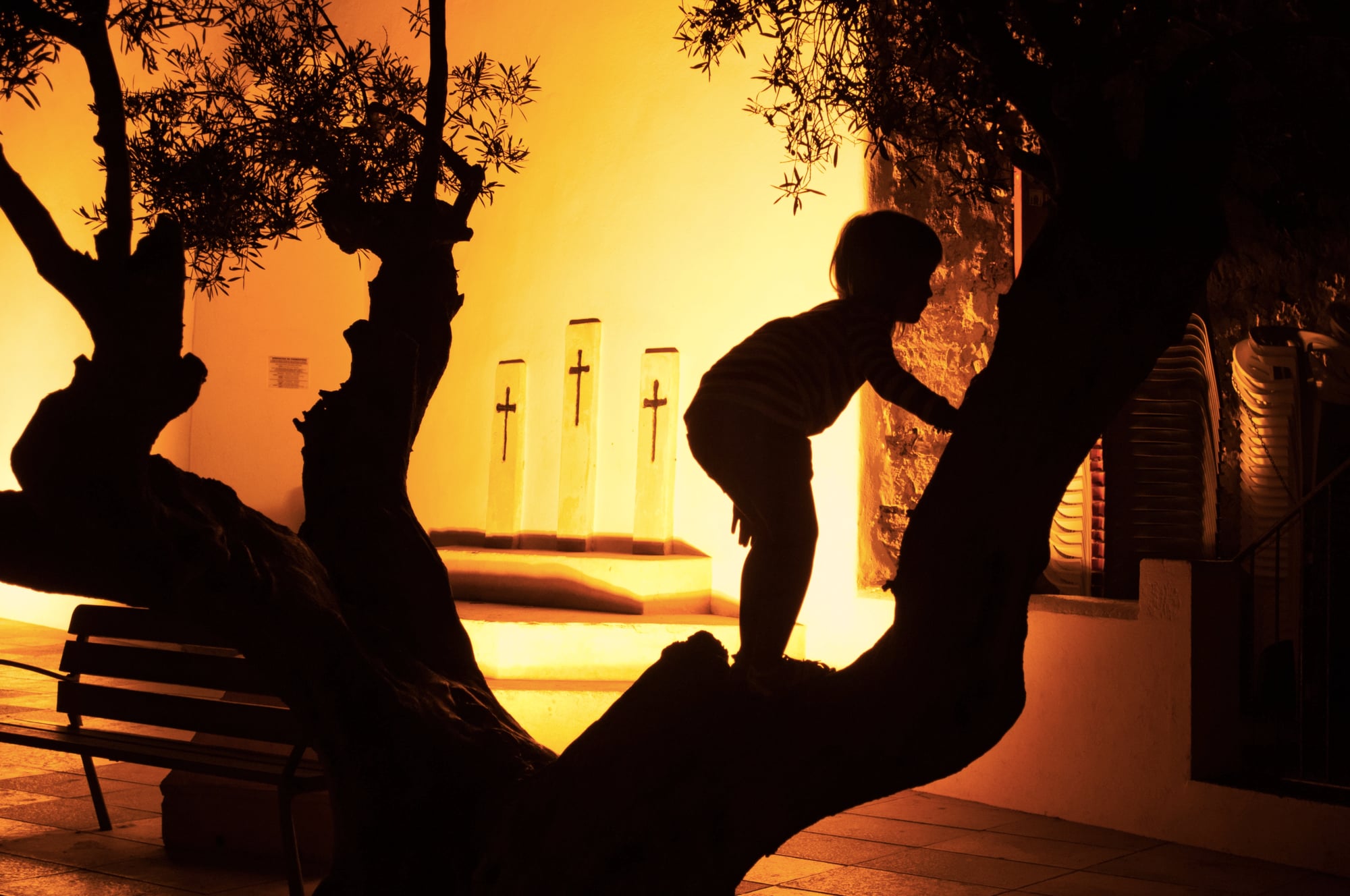
Hide and seek’s spookier cousin, played when the sun started setting and shadows grew long enough to hide behind. One person hid while everyone else counted at home base, and then the real fun began — creeping through the darkening yard.
The game worked because it flirted with genuine fear, transforming familiar backyards into haunted landscapes where every bush might conceal danger.
What Time Is It, Mr. Wolf?
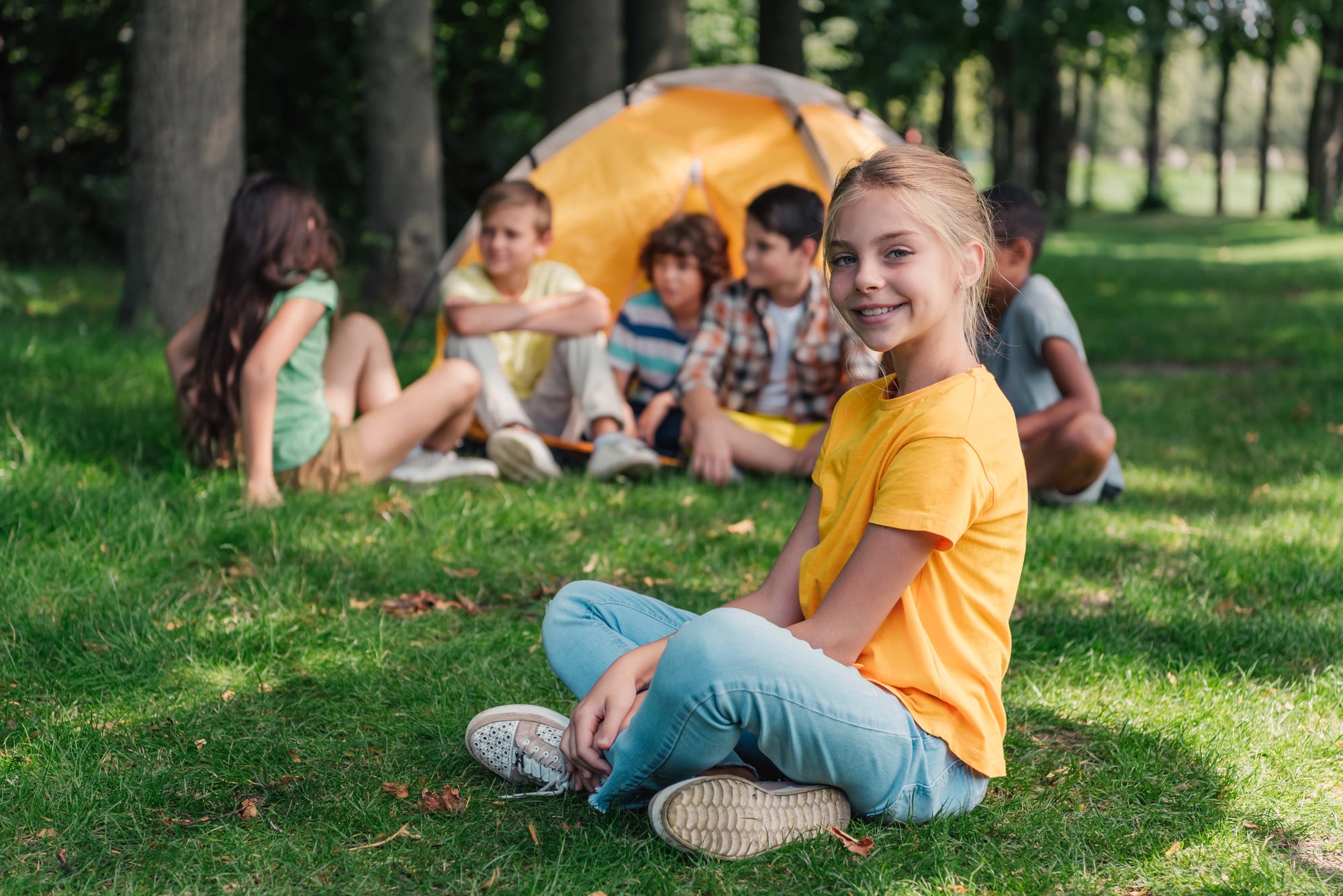
The predator-prey game that let one kid embrace their inner menace while everyone else crept forward with delicious terror. Players would call out the question and inch closer based on the “time” Mr. Wolf announced.
The wolf’s job was to time that moment perfectly, waiting until the other players were close enough to catch but not so close that they could reach safety without effort.
Tag (and All Its Variations)

The eternal game of pursuit that spawned countless variations — freeze tag, TV tag, tunnel tag — each one adding new rules to the simple premise of chase and escape. Some kids were natural runners who could dodge and weave through obstacles like they were born for it.
The game never really ended, it just paused when someone got tired or a parent called for dinner, and it would resume the next day as if no time had passed at all.
The Magic Hour Before Dark

Those games belonged to a specific time of day — that golden hour when the streetlights hadn’t come on yet but the sun was thinking about setting. Kids moved between games without formal transitions, flowing from one into another.
The streetlights coming on meant the magic was over, at least until tomorrow.
More from Go2Tutors!

- The Romanov Crown Jewels and Their Tragic Fate
- 13 Historical Mysteries That Science Still Can’t Solve
- Famous Hoaxes That Fooled the World for Years
- 15 Child Stars with Tragic Adult Lives
- 16 Famous Jewelry Pieces in History
Like Go2Tutors’s content? Follow us on MSN.