25 Currencies That Became Worthless Overnight And Ruined Nations
Money feels permanent until it isn’t. Most people assume the bills in their wallet will hold their value tomorrow, next week, next year.
That assumption has been shattered more times than you might imagine, leaving entire populations clutching paper that became worthless faster than yesterday’s newspaper.
German Papiermark
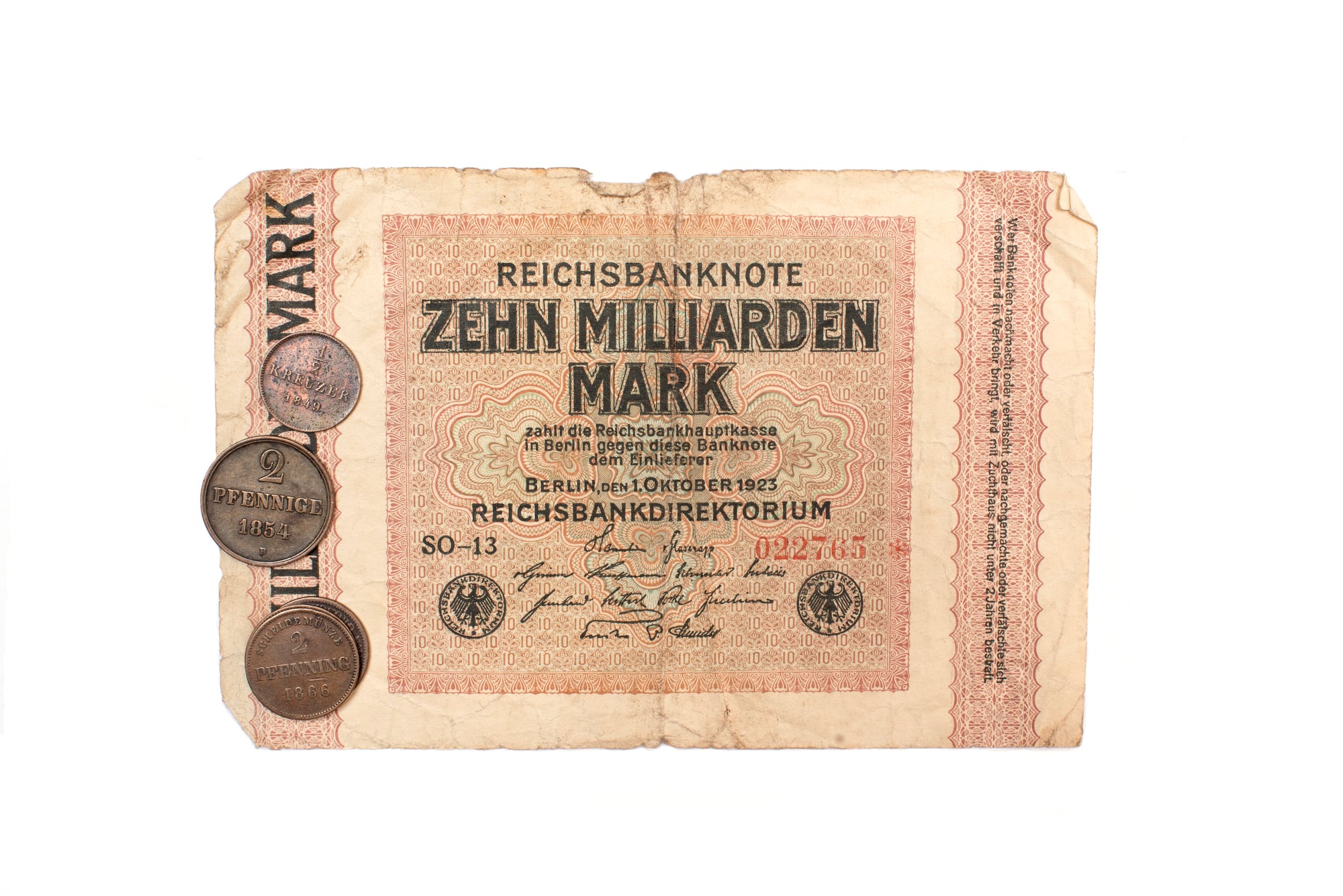
Germany’s hyperinflation between 1921 and 1923 turned money into kindling. People carried wheelbarrows full of cash to buy bread.
By November 1923, one US dollar equaled 4.2 trillion marks — which means your morning coffee would have cost roughly what a house did two years earlier.
Zimbabwean Dollar
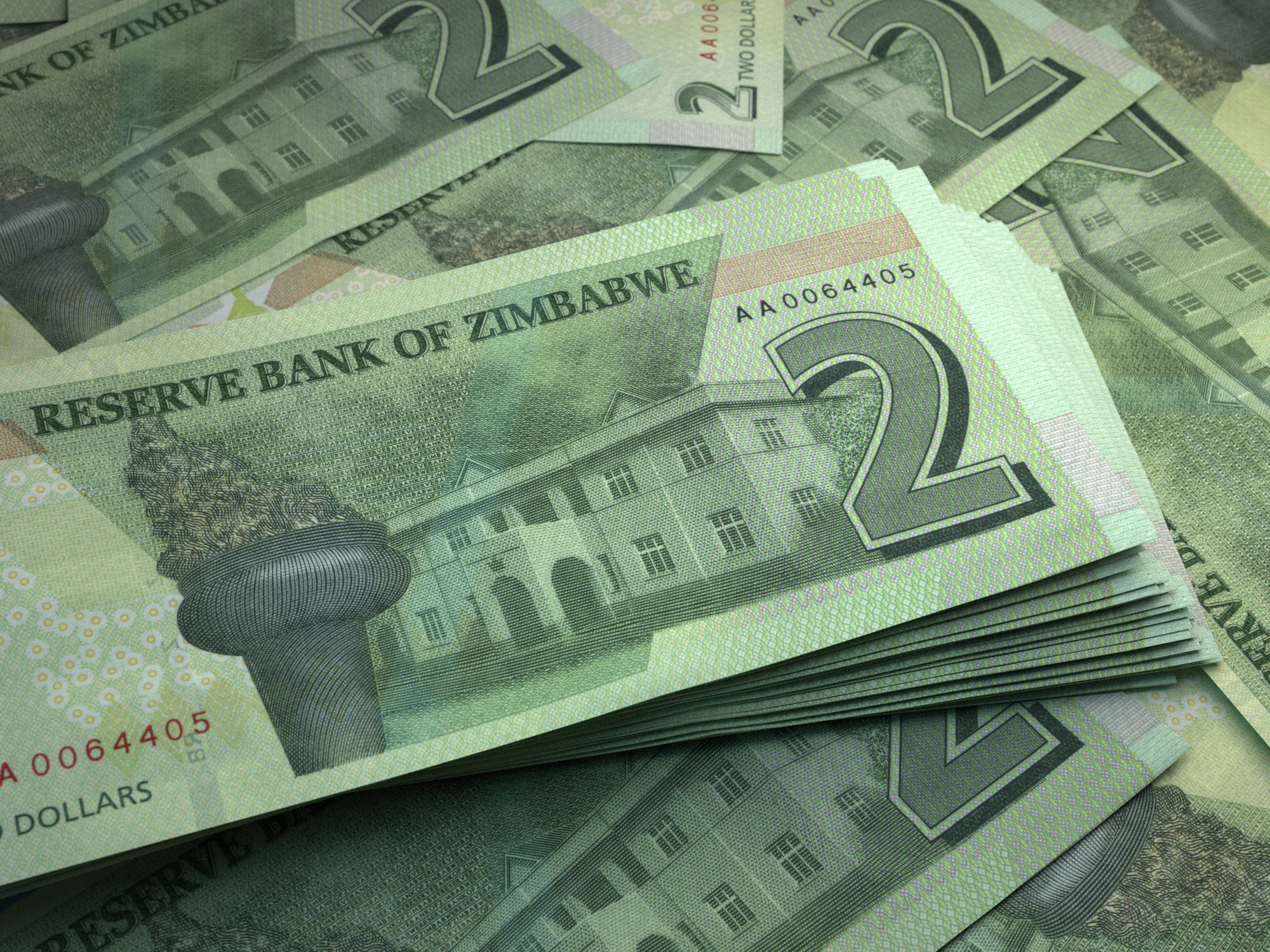
The Zimbabwean dollar holds the modern record for hyperinflation, and it’s not even close. By 2008, the country was printing 100-trillion-dollar notes (actual denominations, not a typo), but even those couldn’t buy a loaf of bread.
People were literally burning money for heat because it was cheaper than firewood.
Continental Currency
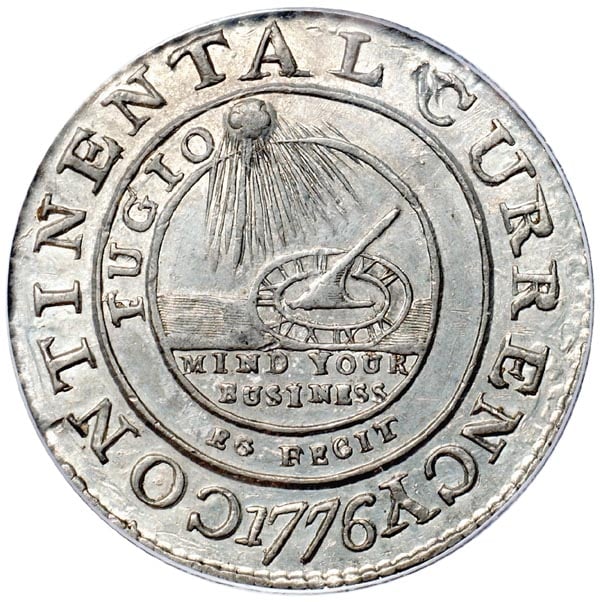
America’s first paper money taught the young nation a harsh lesson about printing press economics. The phrase “not worth a Continental” entered the language when these revolutionary-era notes became so worthless that barbers used them as wallpaper, and the currency’s collapse nearly ended the revolution before it began.
Hungarian Pengő
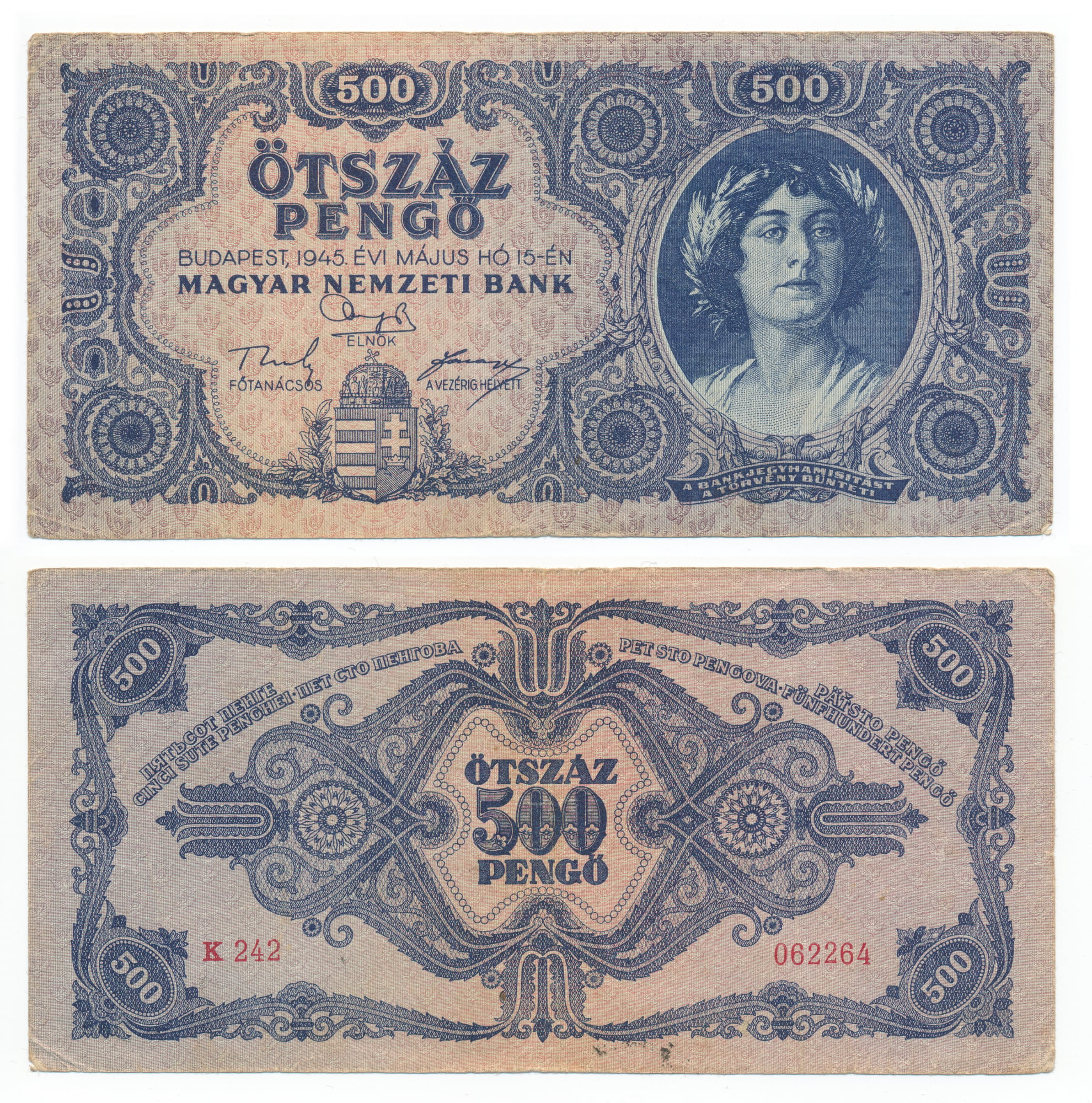
Hungary wins the all-time hyperinflation championship, though it’s the kind of record no country wants to hold. Between 1945 and 1946, prices doubled every 15 hours — imagine going to lunch and finding your sandwich costs twice what it did at breakfast, then coming back for dinner to find it costs four times the lunch price.
Russian Ruble
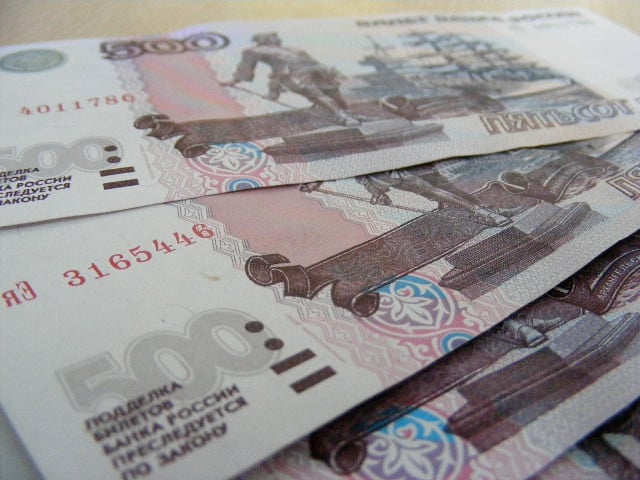
The Soviet Union’s collapse in 1991 turned the ruble into confetti overnight. Russians who had saved for decades discovered their life savings couldn’t buy a week’s groceries — elderly pensioners were literally starving because their fixed incomes became meaningless, and an entire generation learned that political stability and currency stability walk hand in hand.
Yugoslavian Dinar
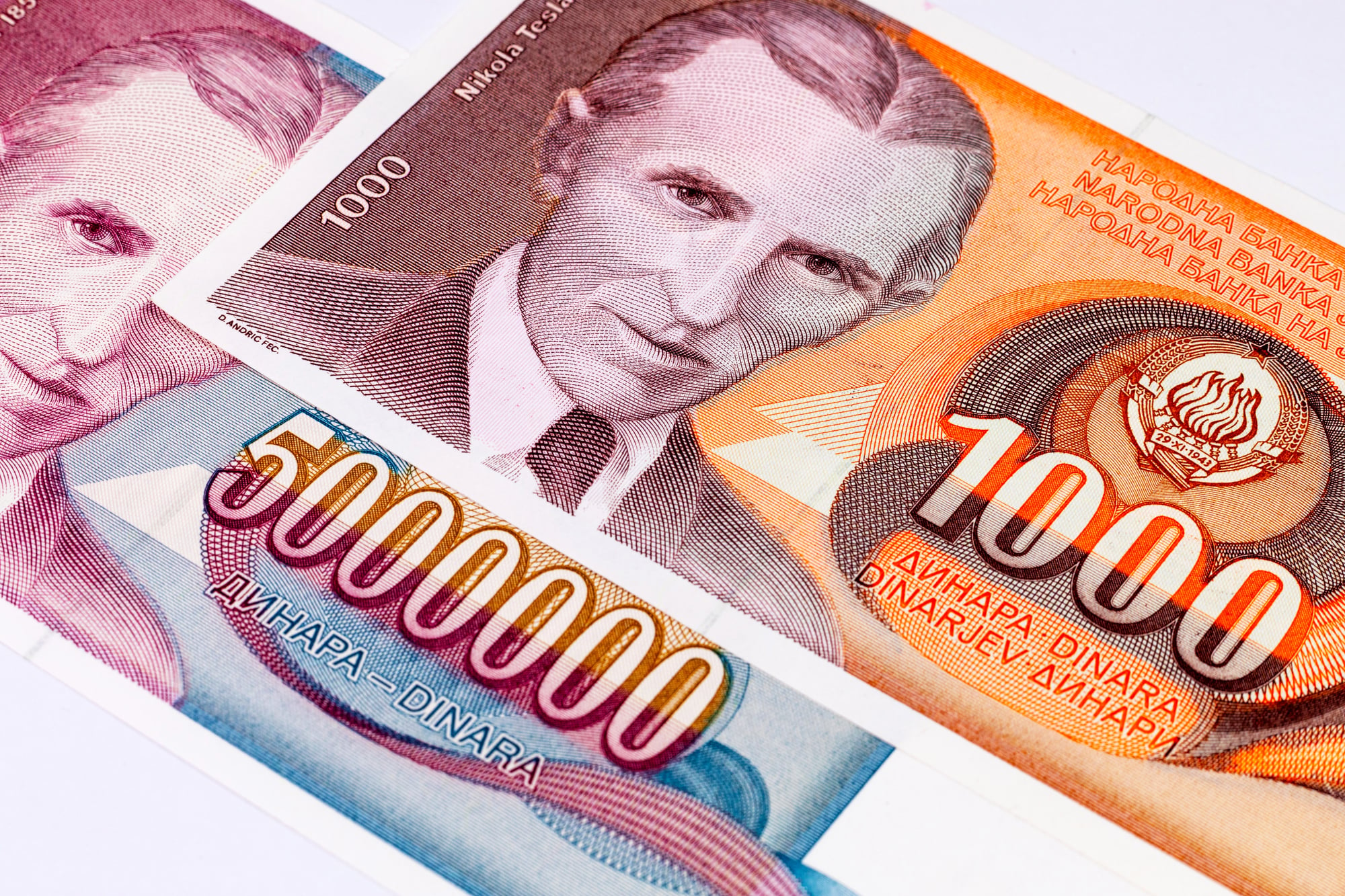
Yugoslavia’s currency became the victim of its own civil war, experiencing hyperinflation that peaked at 313 million percent in January 1994. The government kept issuing larger denominations (reaching 500 billion dinar notes) while the country split apart, creating the surreal situation where your money lost value faster than you could spend it, assuming there was anything left to buy.
Chinese Gold Yuan
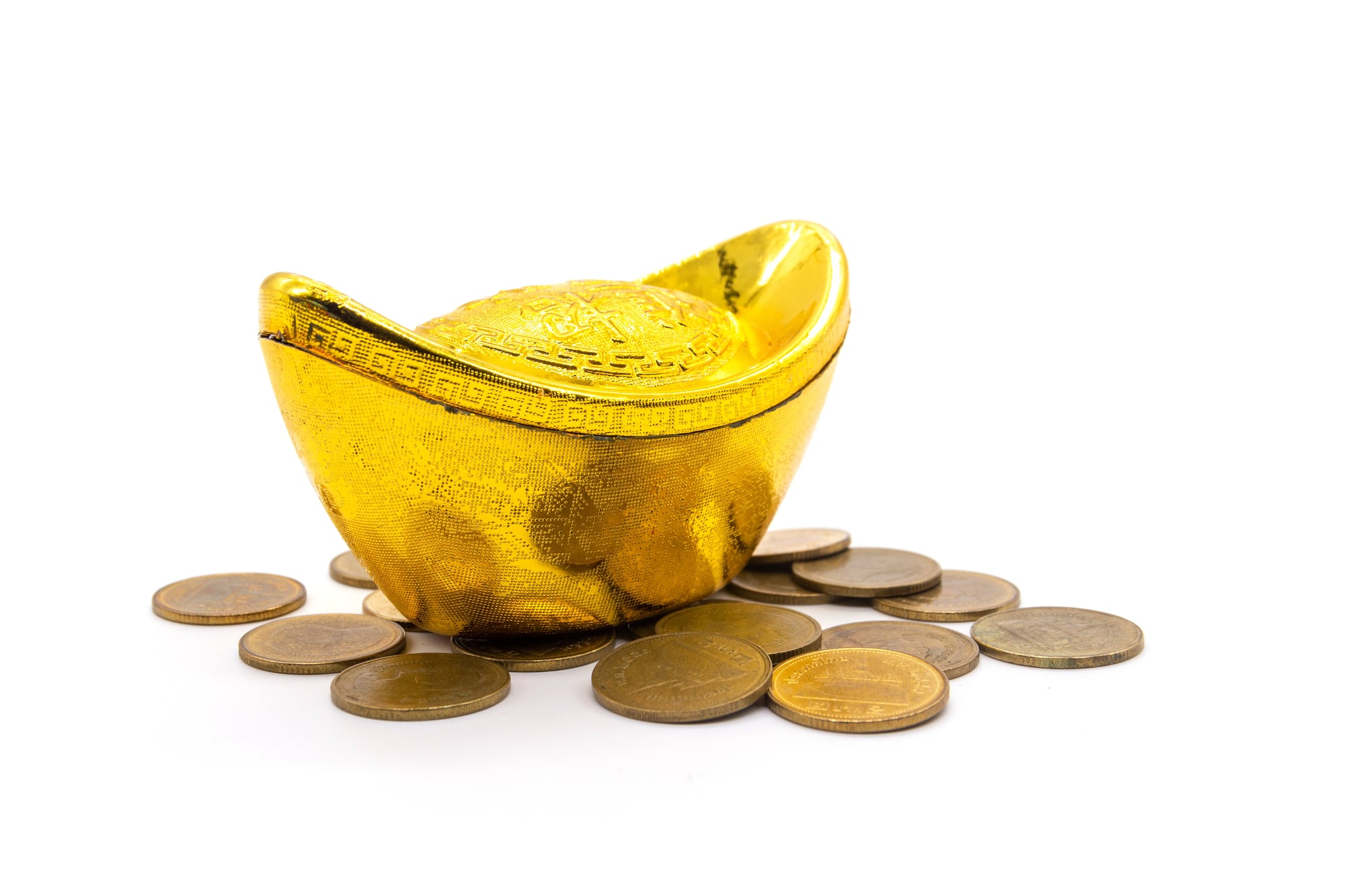
The Gold Yuan’s collapse in 1949 reads like economic fiction, but the human cost was devastatingly real. Chiang Kai-shek’s Nationalist government issued this currency to replace the failing Chinese National Currency, only to watch it lose 99.9% of its value within months.
Shanghai residents needed suitcases full of bills to buy rice, and many simply stopped using money altogether.
Turkish Lira
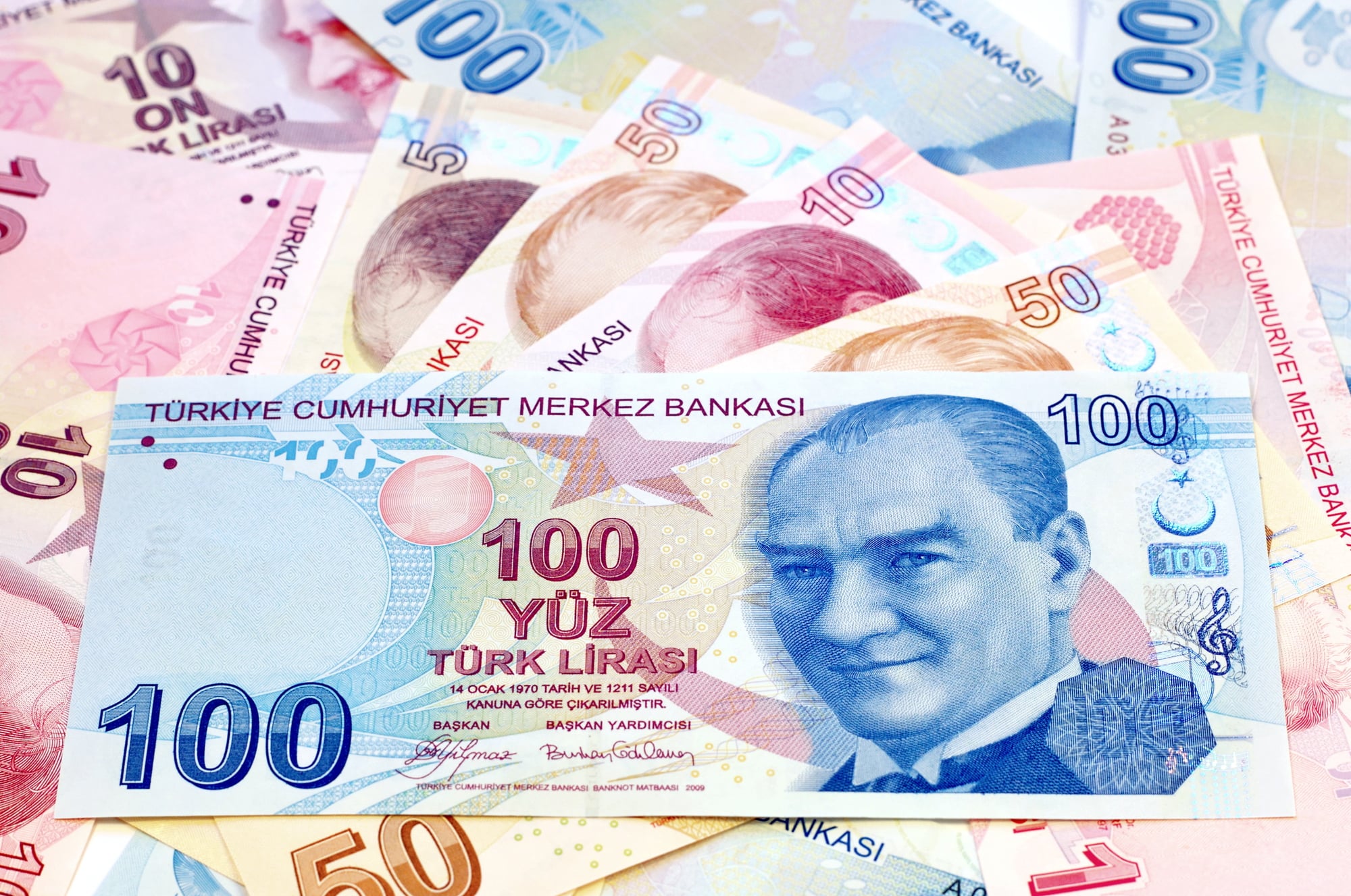
Turkey’s lira has collapsed multiple times, but the 2001 crisis stands out for its sheer speed. The currency lost 50% of its value in a single day, wiping out savings accounts and forcing the country to lop six zeros off new banknotes — imagine waking up to find your bank account showing numbers that looked right but represented one-millionth of your actual purchasing power.
Brazilian Cruzeiro
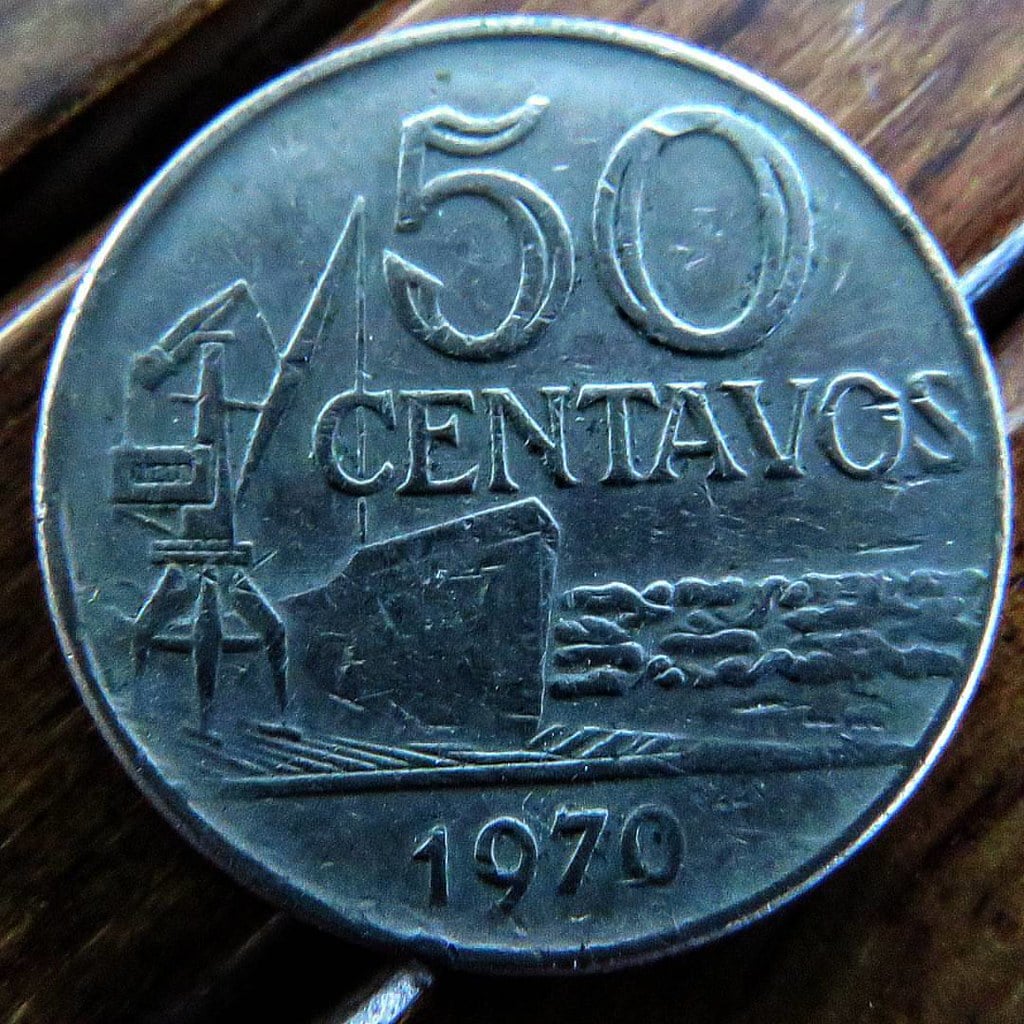
Brazil went through so many currency changes that keeping track became a national pastime. The cruzeiro (and its various iterations) suffered from chronic hyperinflation that peaked at over 1000% annually — grocery stores changed prices multiple times per day, and workers demanded to be paid daily because waiting for a weekly paycheck meant losing half your wages to inflation.
Lebanese Pound
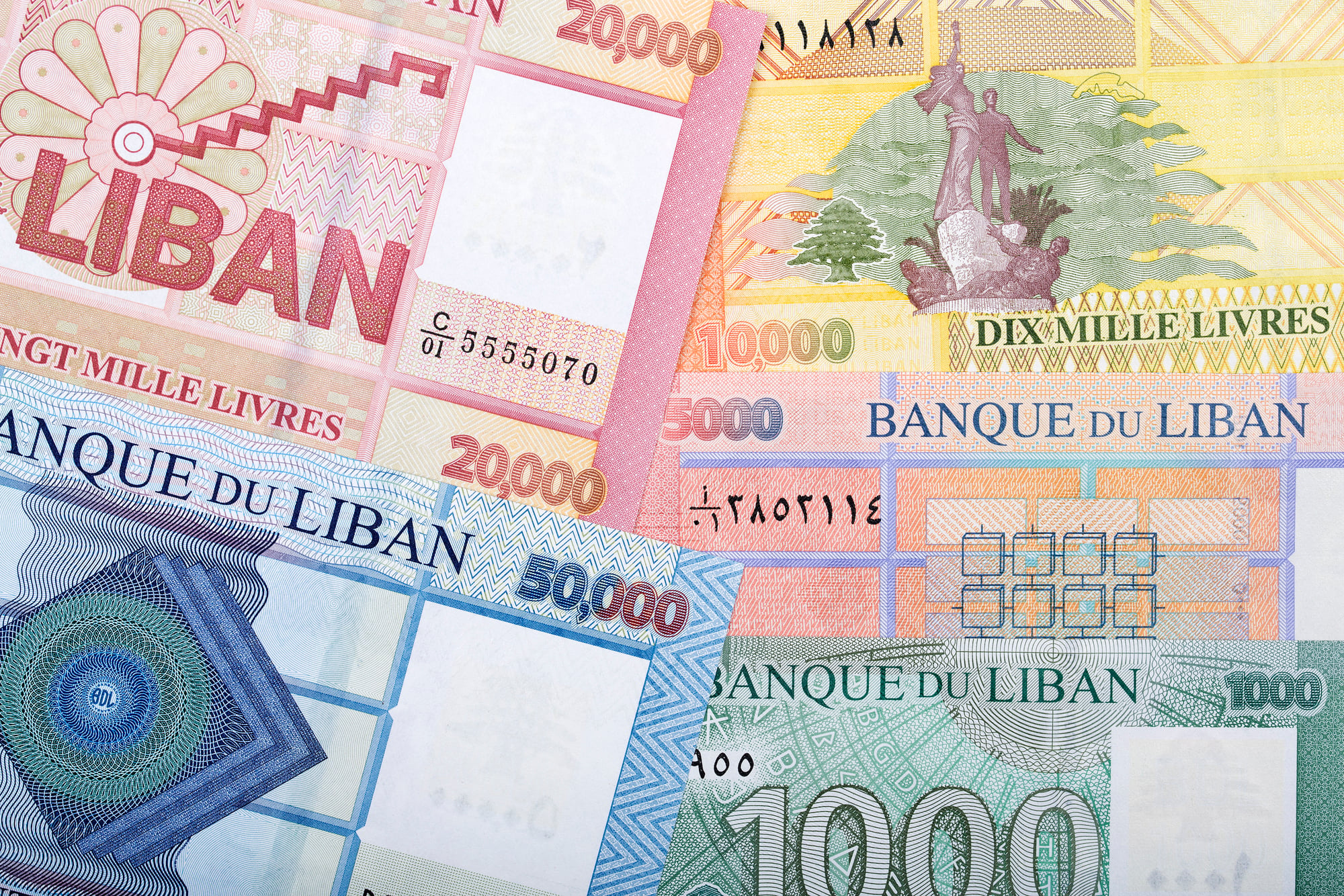
Lebanon’s currency collapse since 2019 has been swift and brutal, losing over 90% of its value in just three years. Bank deposits became trapped, ATMs ran out of cash, and the middle class evaporated — doctors and teachers emigrated en masse because their salaries couldn’t cover rent, creating a brain drain that accelerated the economic freefall.
Polish Złoty

Poland’s communist-era złoty became worthless gradually, then suddenly, as the command economy crumbled in the 1980s. Official exchange rates bore no resemblance to black market reality (where one dollar bought 100 times more złoty than at government banks), and Polish workers discovered that decades of socialist promises had left them holding currency that couldn’t buy Western goods even when those goods became available.
North Korean Won
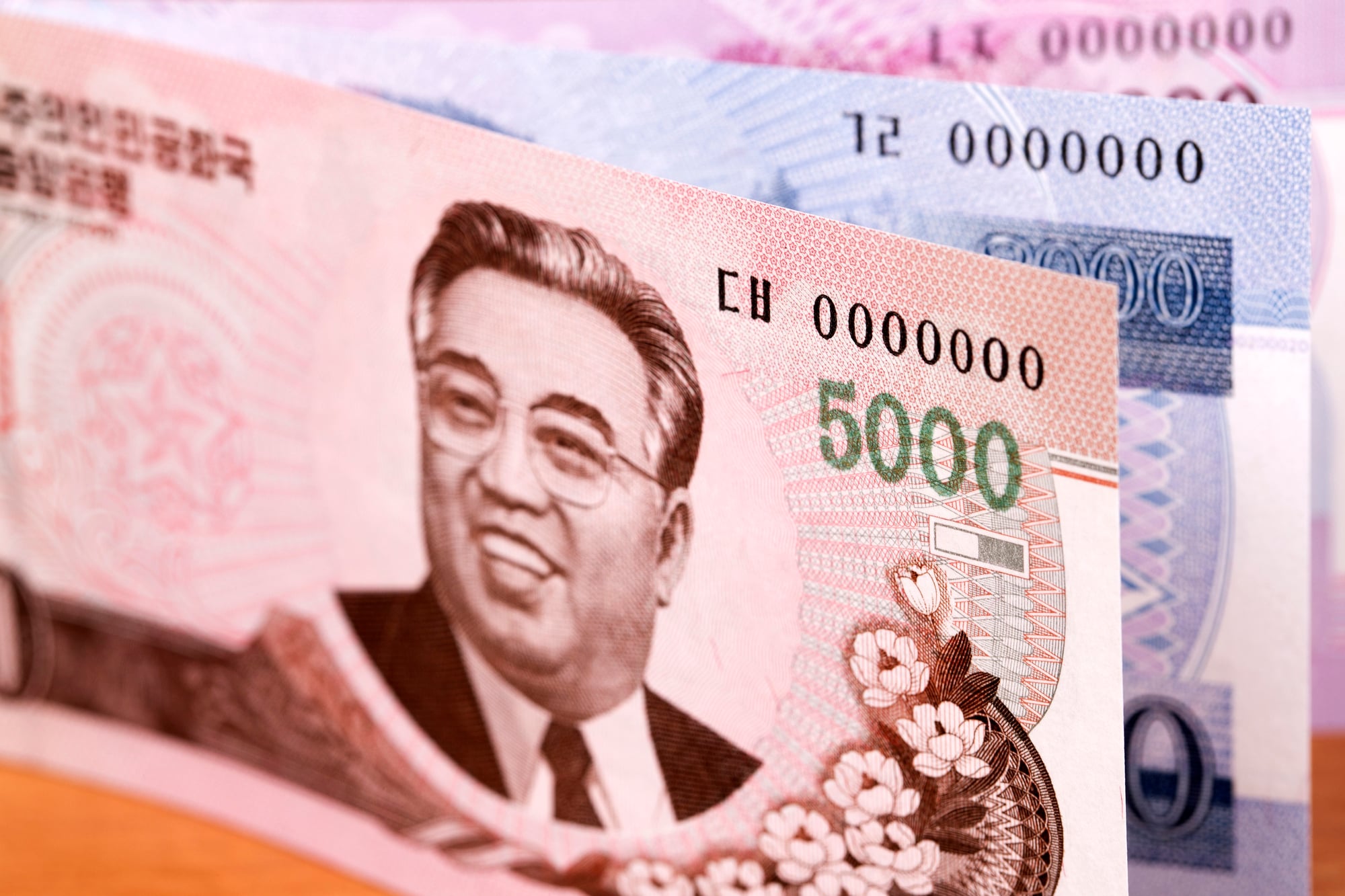
North Korea’s currency exists in a parallel universe where official exchange rates ignore economic reality. The won’s periodic collapses (particularly the 2009 redenomination) have forced citizens into barter systems and black market trading — the government’s attempt to control inflation by simply declaring old money invalid left families with life savings that became worthless overnight.
Angolan Kwanza
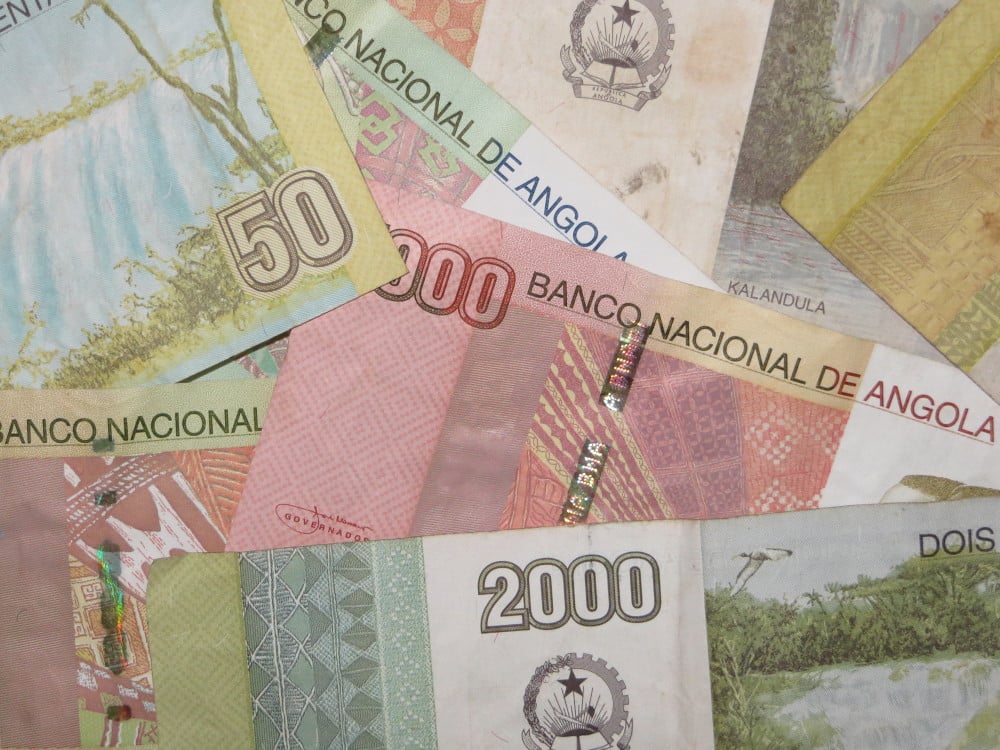
Angola’s oil-dependent economy turned the kwanza into a roller coaster that mostly went down. The currency lost 99% of its value between 2014 and 2020 as oil prices crashed, forcing a country that had been importing luxury goods to struggle with basic necessities — the middle class that had emerged during the oil boom disappeared as quickly as it had formed.
Greek Drachma
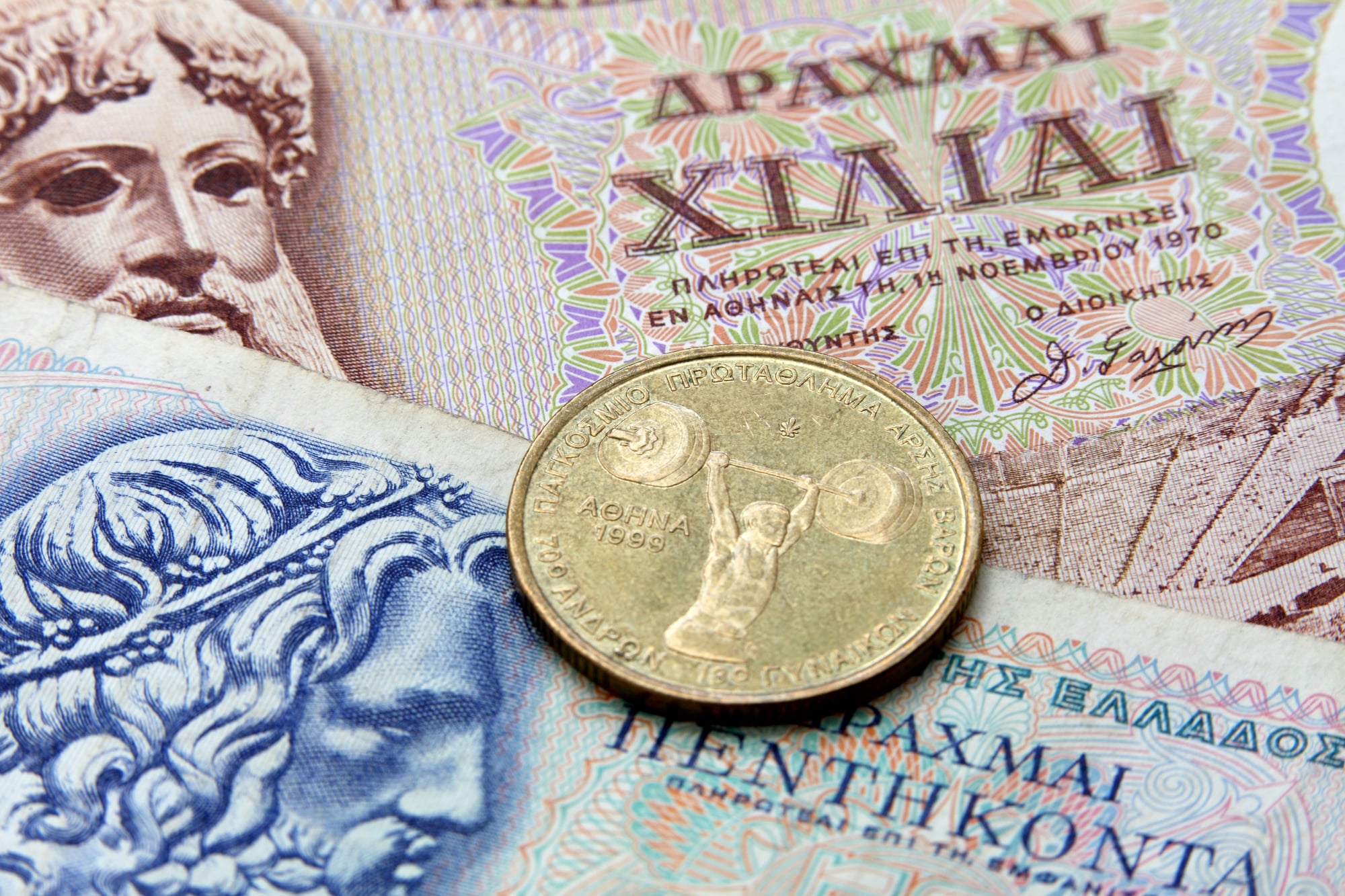
Greece’s drachma suffered multiple collapses throughout the 20th century, but the hyperinflation during World War II stands out for its devastating impact on civilian populations. Prices increased by a factor of several billion between 1940 and 1944, turning family savings into paper scraps while people starved in the streets of Athens — the currency became so worthless that barter replaced money in most transactions.
Nicaraguan Córdoba
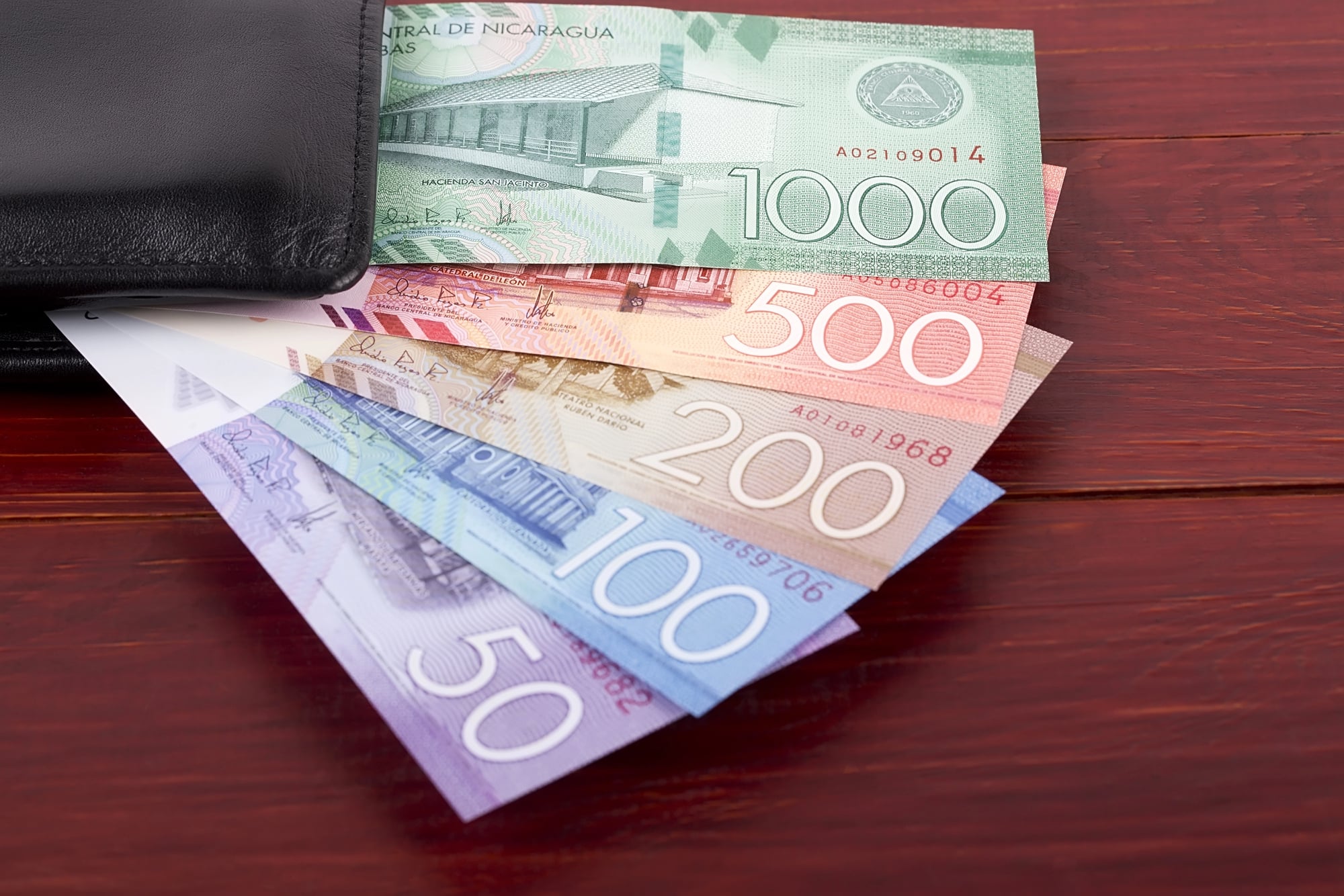
Nicaragua’s córdoba hyperinflation in the 1980s turned basic math into advanced calculus. By 1988, inflation reached 33,000% annually, meaning prices doubled every few weeks — workers demanded payment in US dollars or goods because córdoba salaries became meaningless by the time payday arrived, and the government eventually gave up and adopted the dollar for most transactions.
Belarusian Ruble
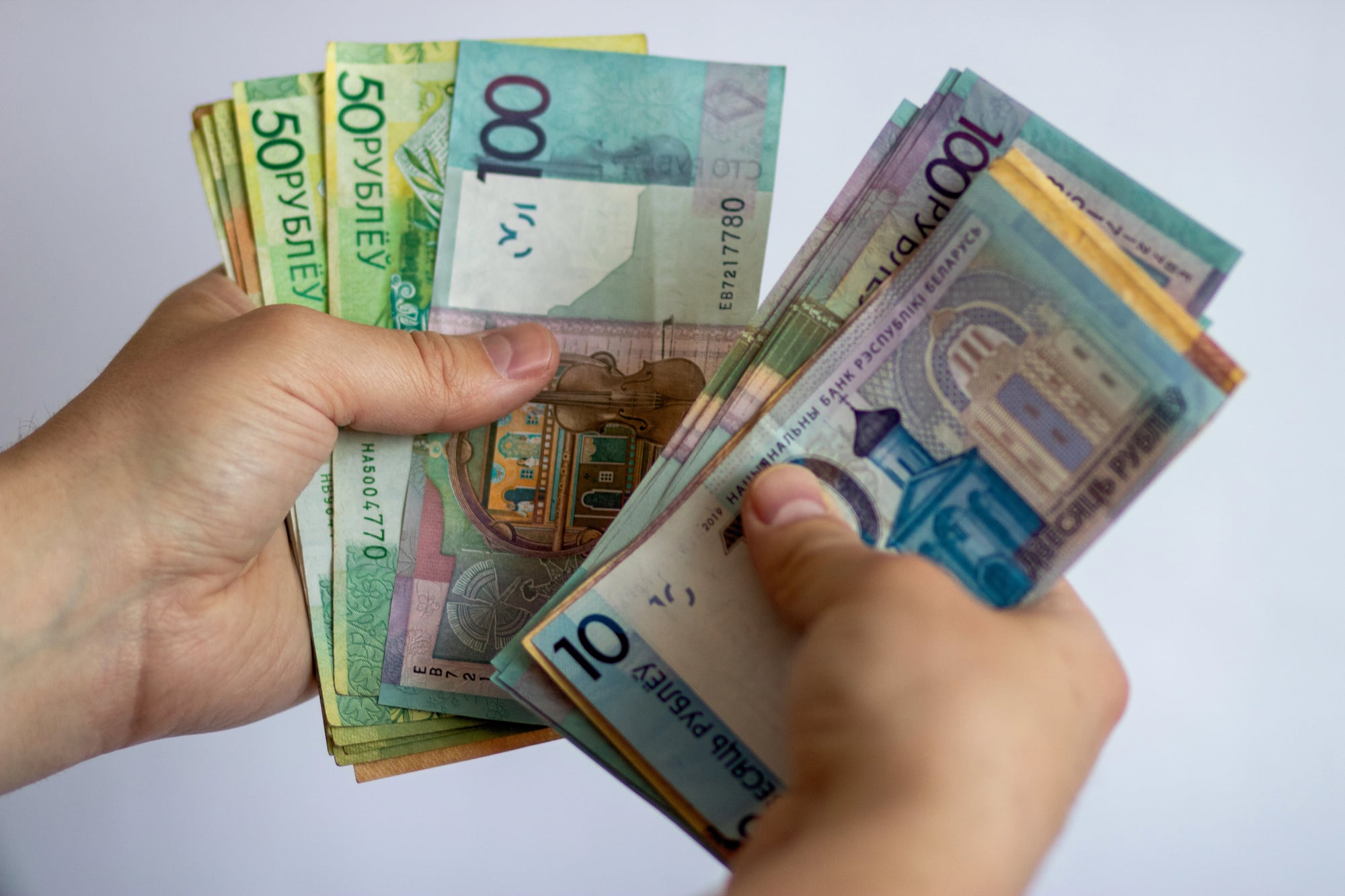
Belarus regularly devalues its ruble in dramatic fashion, wiping out savings with administrative efficiency. The 2011 devaluation saw the currency lose two-thirds of its value in months, forcing citizens to convert savings into apartments, cars, or anything tangible.
Banks ran out of foreign currency, and a thriving black market emerged where dollars traded at triple the official rate.
Peruvian Inti
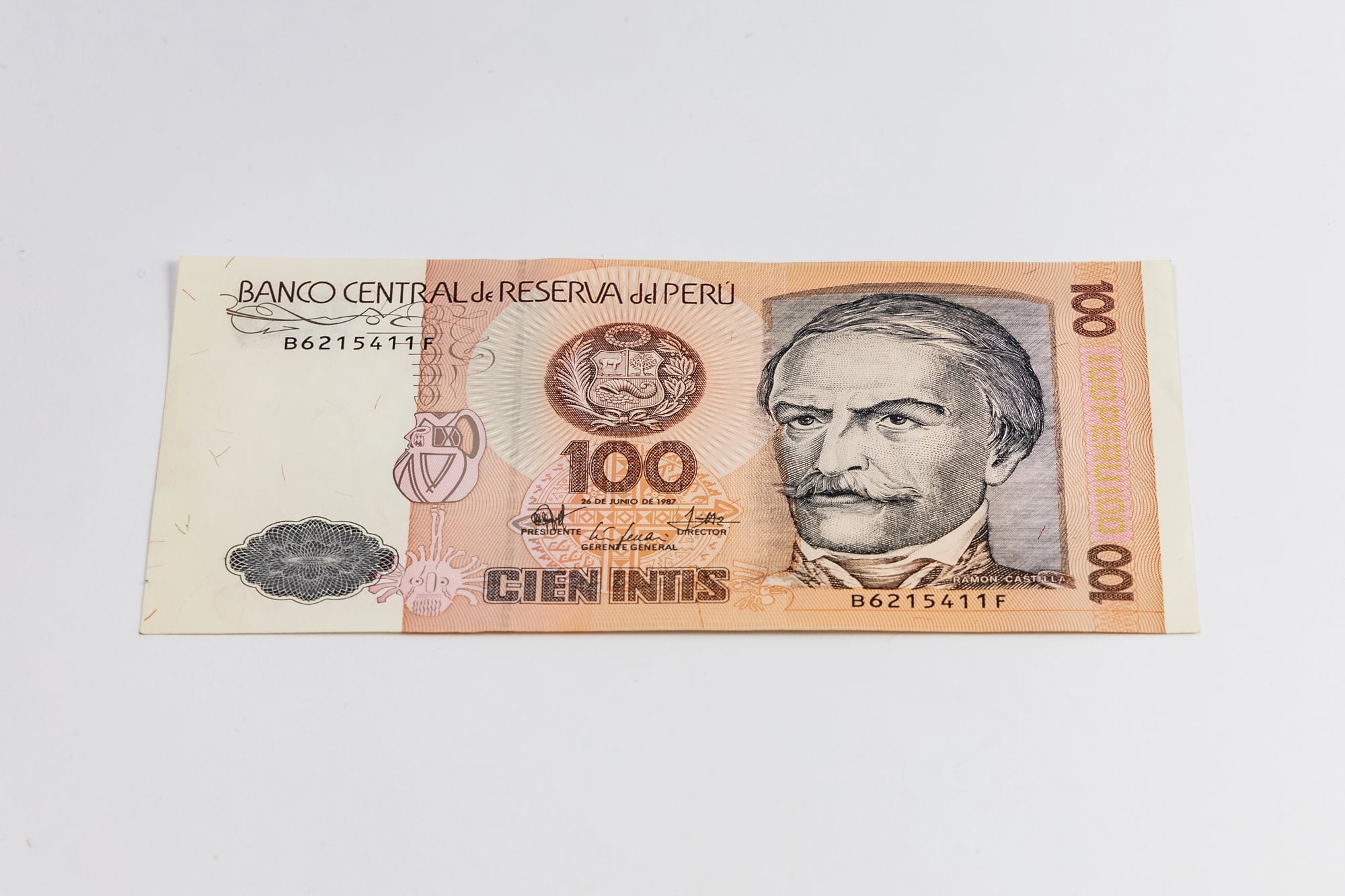
Peru’s inti lasted only five years (1985-1991) but managed to become worthless in record time. Hyperinflation reached 7,500% in 1990, making the inti so worthless that street vendors weighed money instead of counting it.
The government eventually replaced it with the nuevo sol at a rate of one million inti to one sol, essentially admitting that six zeros had been meaningless.
Ukrainian Karbovanets
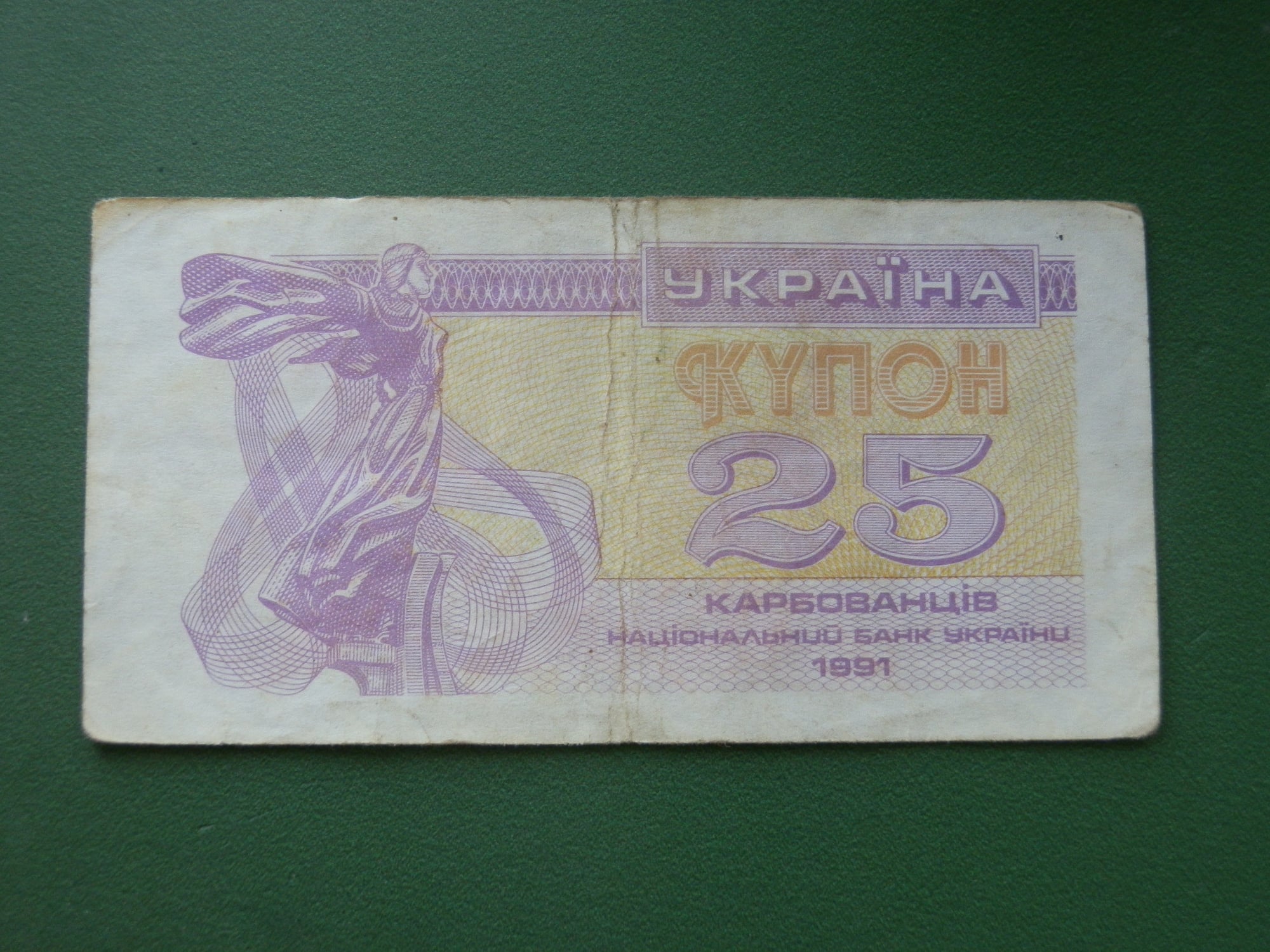
Ukraine’s karbovanets served as a temporary currency after Soviet collapse, but temporary turned into a hyperinflationary nightmare. Between 1992 and 1996, the currency lost over 99% of its value, forcing Ukrainians to adapt to daily price changes and making long-term financial planning impossible.
Pensioners and government workers suffered most as their fixed incomes became poverty wages.
Yugoslav New Dinar
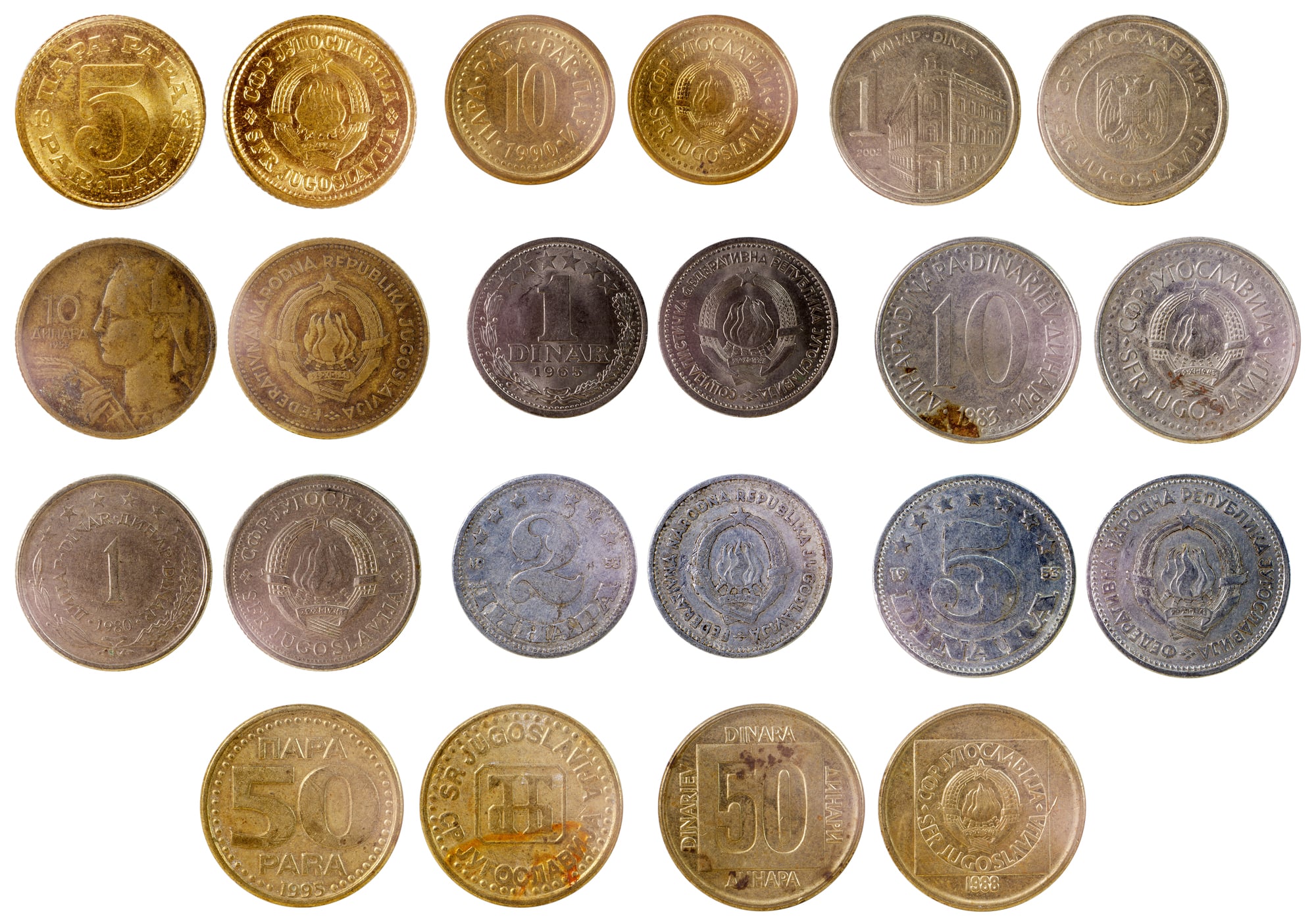
Yugoslavia tried to stop hyperinflation by introducing the “new” dinar in 1992, but adding “new” to the name didn’t solve the underlying economic chaos. This currency experienced the second-worst hyperinflation in recorded history, with prices doubling every 34 hours at the peak.
Restaurants stopped printing menus because prices changed faster than they could update them.
Surinamese Dollar
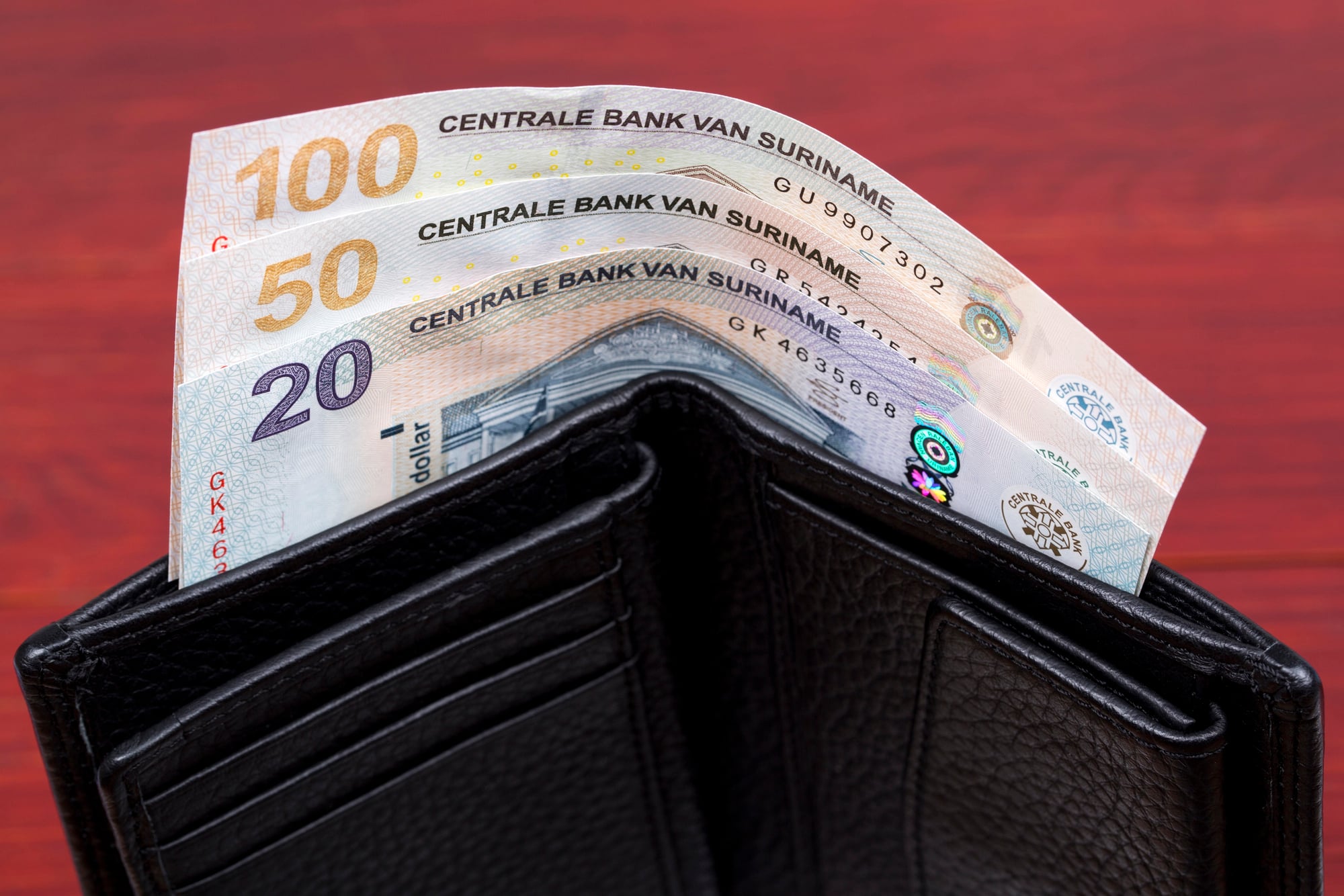
Suriname’s dollar collapse in 2020 caught many by surprise, losing 80% of its value as the country’s debt crisis spiraled out of control. The government’s attempt to print its way out of fiscal problems created classic hyperinflation dynamics.
Grocery stores switched to pricing in US dollars, and middle-class families found themselves unable to afford imported food they had taken for granted.
Venezuelan Bolívar
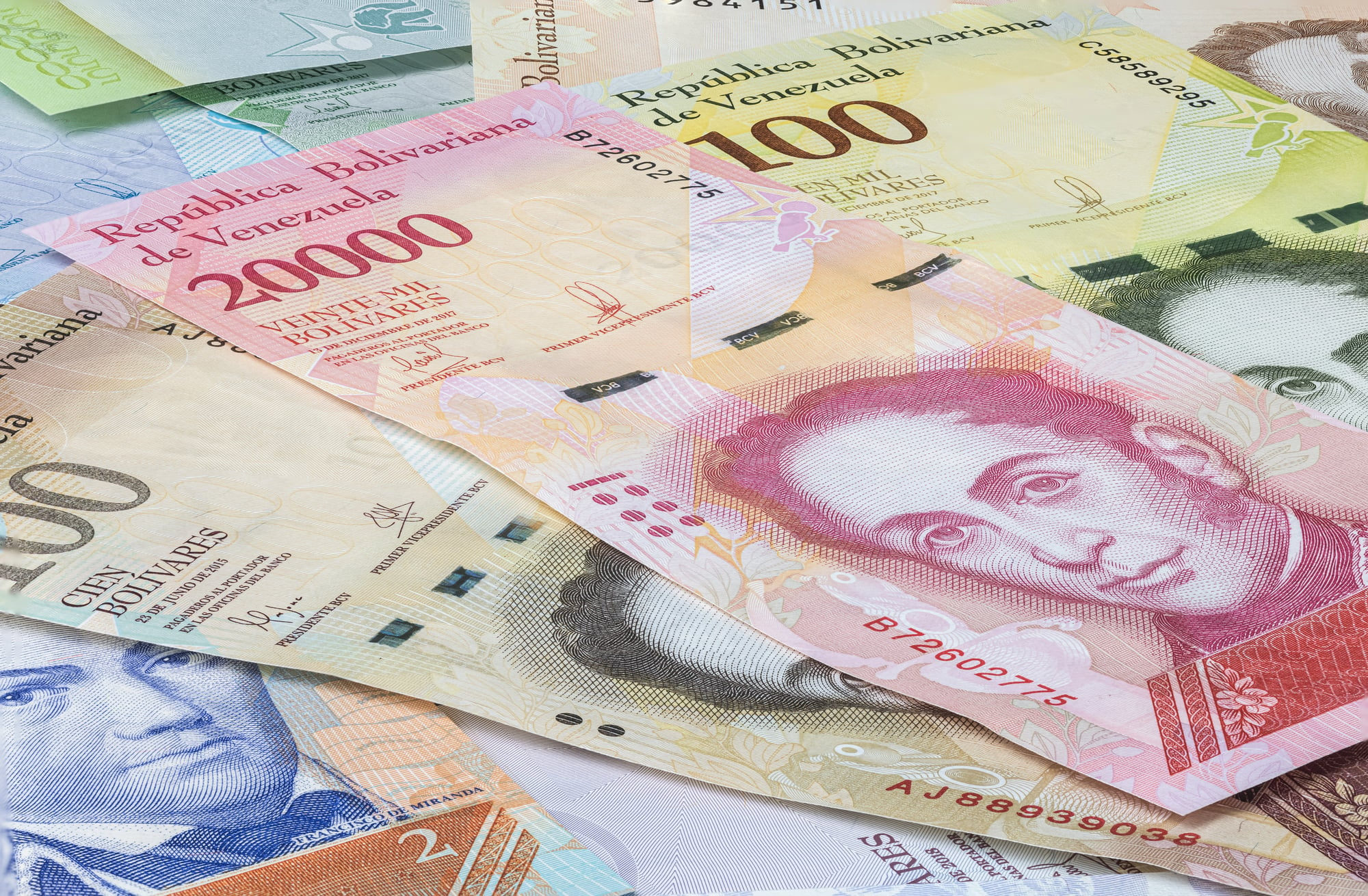
Venezuela’s bolívar collapse represents one of the worst peacetime economic disasters in modern history. Since 2013, the currency has lost over 99.9% of its value, forcing millions to emigrate and creating a humanitarian crisis.
The government has removed multiple zeros from banknotes (most recently six zeros in 2018) while many businesses simply stopped accepting bolívars altogether.
Mozambican Metical
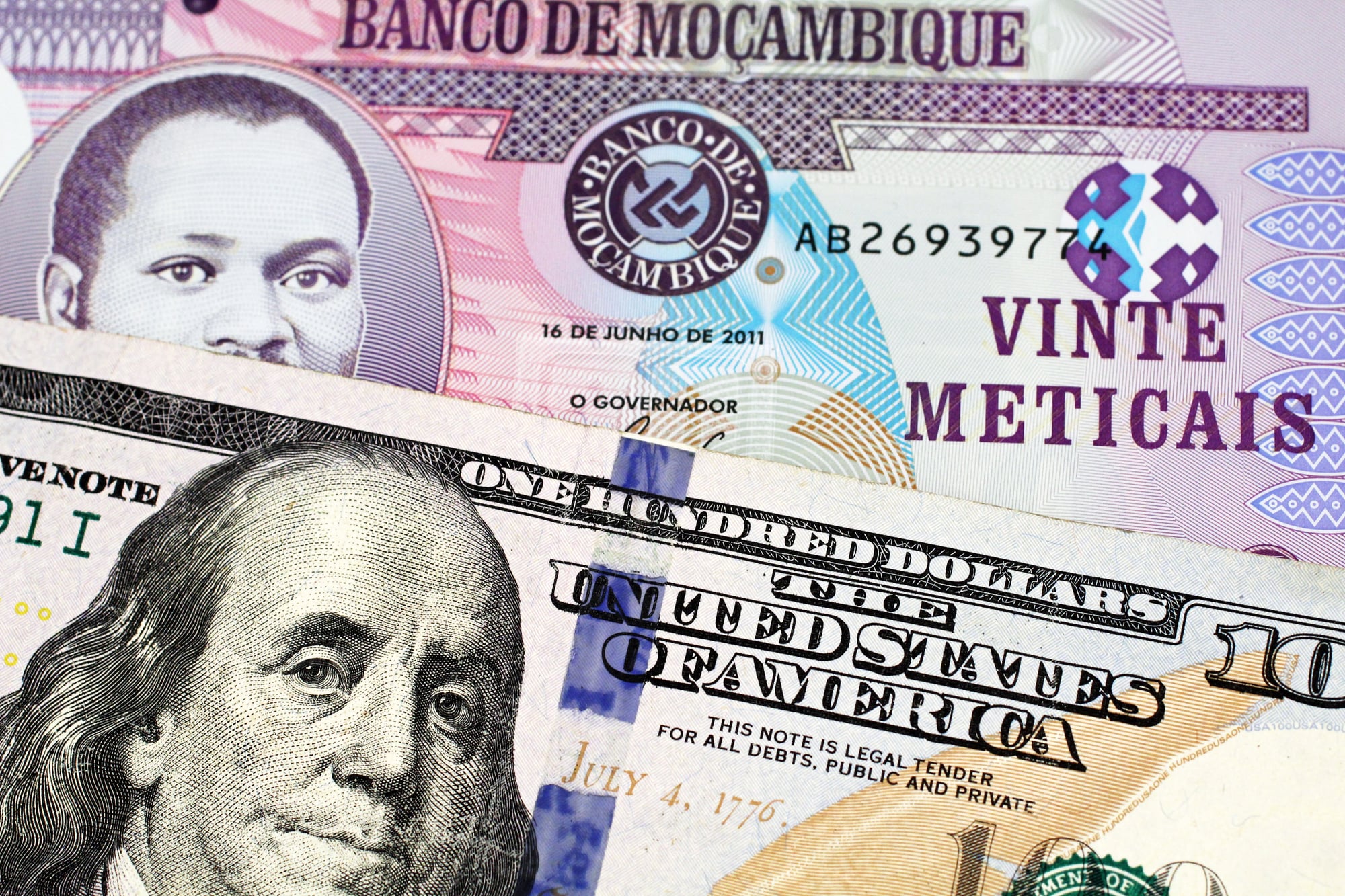
Mozambique’s metical has collapsed twice, but the 2016 crisis hit particularly hard when hidden government debts were revealed. The currency lost 70% of its value in months, turning a lower-middle-income country back into a subsistence economy.
Urban populations that had joined the cash economy were forced back into barter systems their grandparents remembered.
Afghan Afghani
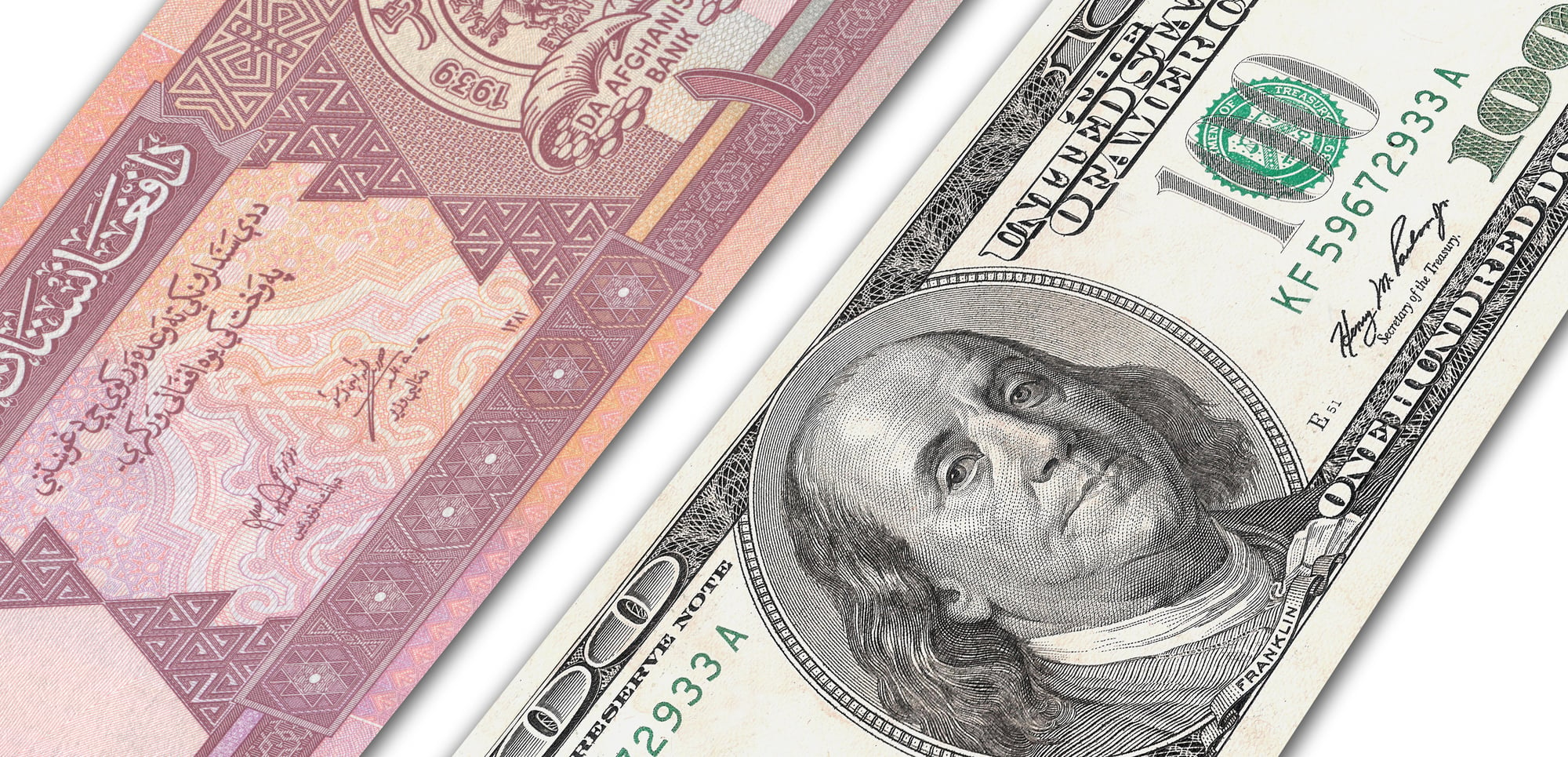
Afghanistan’s afghani became worthless overnight when the Taliban regained power in 2021, but not because of hyperinflation. The freezing of international reserves and banking system collapse made the currency effectively unusable.
Afghans with bank accounts found their money trapped, and the formal economy ground to a halt, forcing millions into dependency on humanitarian aid.
Myanmar Kyat
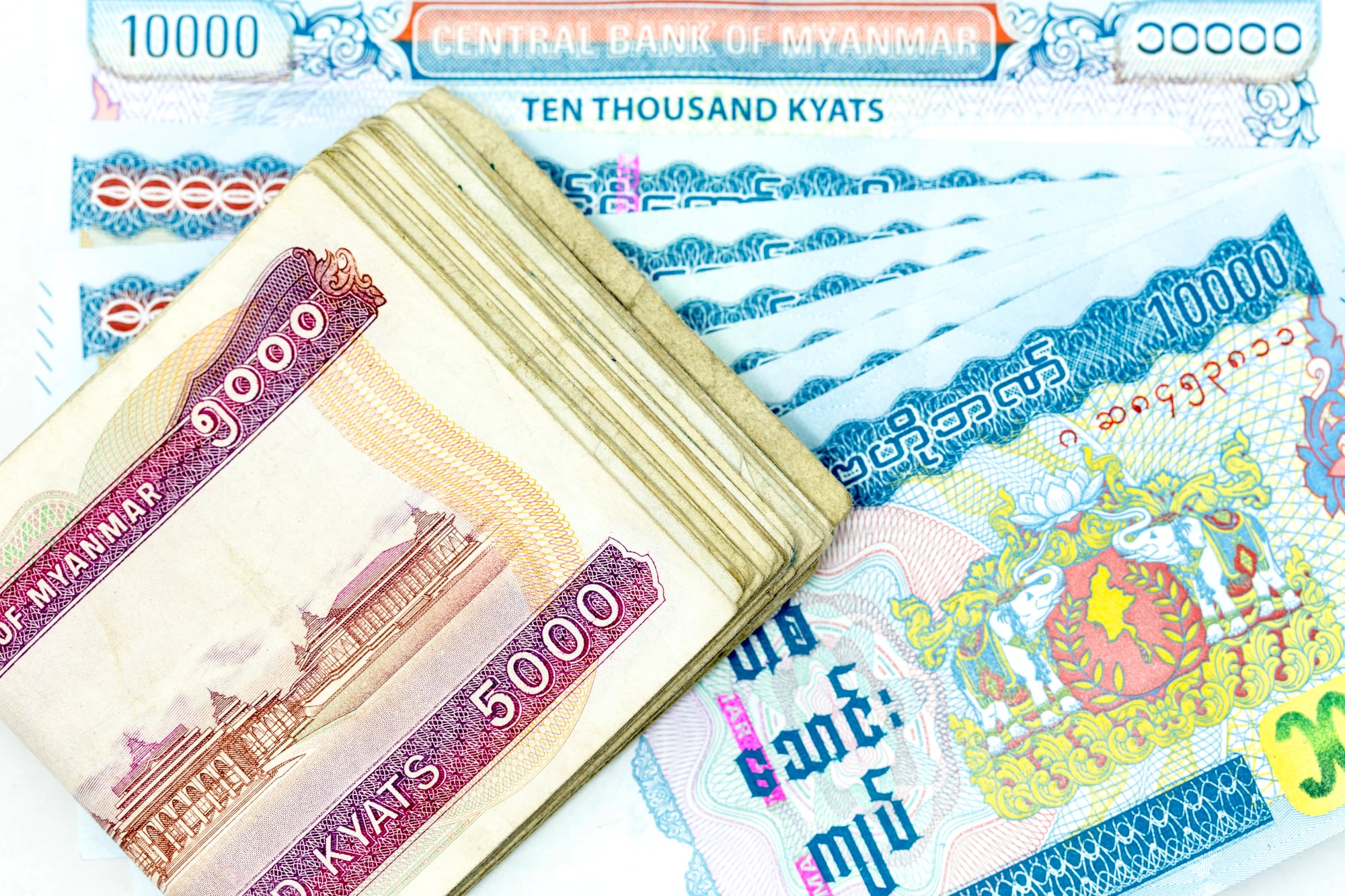
Myanmar’s kyat lost half its value within months of the 2021 military coup as international sanctions and civil unrest destroyed economic confidence. The currency crisis compounded political chaos, making imports unaffordable and forcing businesses to shut down.
The middle class that had emerged during democratic reforms found their savings wiped out by political instability they couldn’t control.
Ethiopian Birr
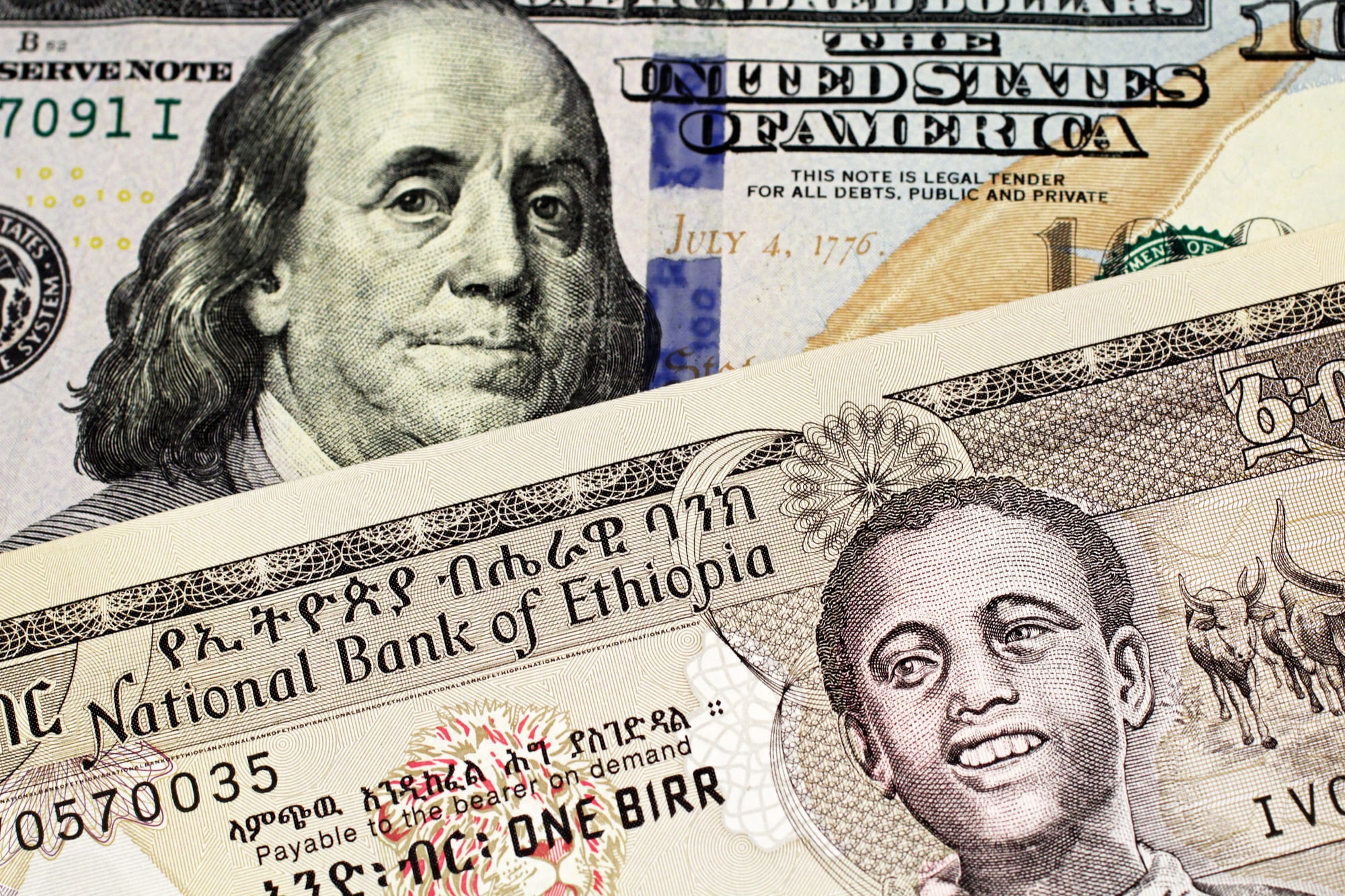
Ethiopia’s birr has been steadily collapsing since 2019, but the acceleration during the Tigray conflict showed how quickly currency crises can spiral. The government’s money printing to fund military operations created inflation that hit basic food prices hardest.
A country already struggling with food security found that even available food became unaffordable for ordinary citizens.
The Pattern Behind The Chaos
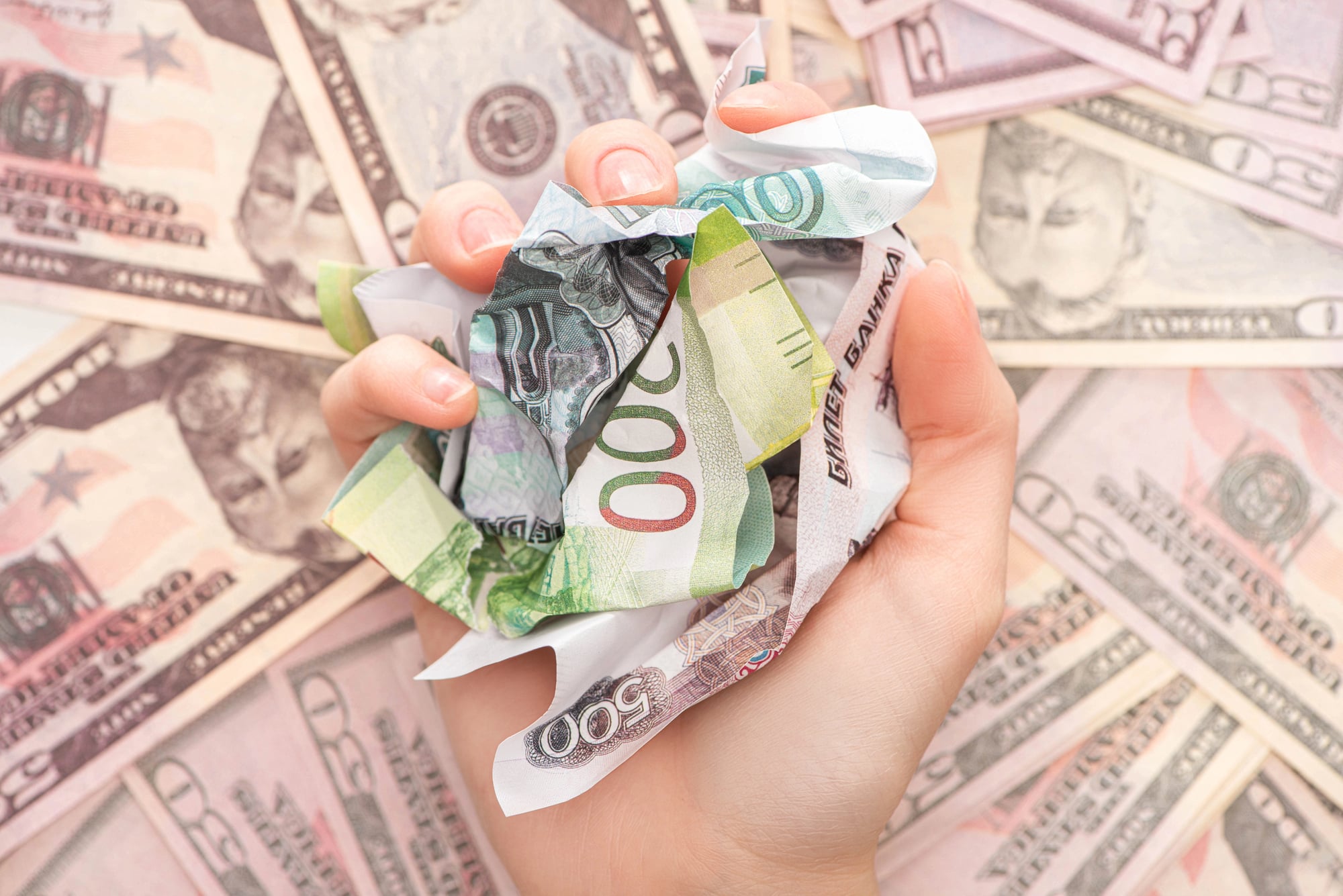
These currency collapses share common threads that weave through different eras and continents. Political instability, excessive money printing, and loss of international confidence create a perfect storm that destroys not just paper money, but the social contracts that hold societies together — families lose their life savings, governments lose their legitimacy, and entire generations learn that the economic security they thought they had was always more fragile than it appeared.
More from Go2Tutors!

- The Romanov Crown Jewels and Their Tragic Fate
- 13 Historical Mysteries That Science Still Can’t Solve
- Famous Hoaxes That Fooled the World for Years
- 15 Child Stars with Tragic Adult Lives
- 16 Famous Jewelry Pieces in History
Like Go2Tutors’s content? Follow us on MSN.



