26 Religious Texts Banned at Different Points in History
Throughout human history, religious texts have been both revered and reviled, often finding themselves at the center of political and theological controversies. Books that shaped entire civilizations have also been consigned to flames by those who feared their message or power.
From ancient scrolls to modern translations, these sacred writings have faced censorship, prohibition, and persecution across cultures and centuries. The reasons for banning religious texts vary widely — sometimes they challenged political authority, other times they represented competing theological views, and occasionally they were seen as threats to social order.
What remains constant is the profound impact these works had on their societies, often becoming more influential precisely because they were forbidden.
The Talmud
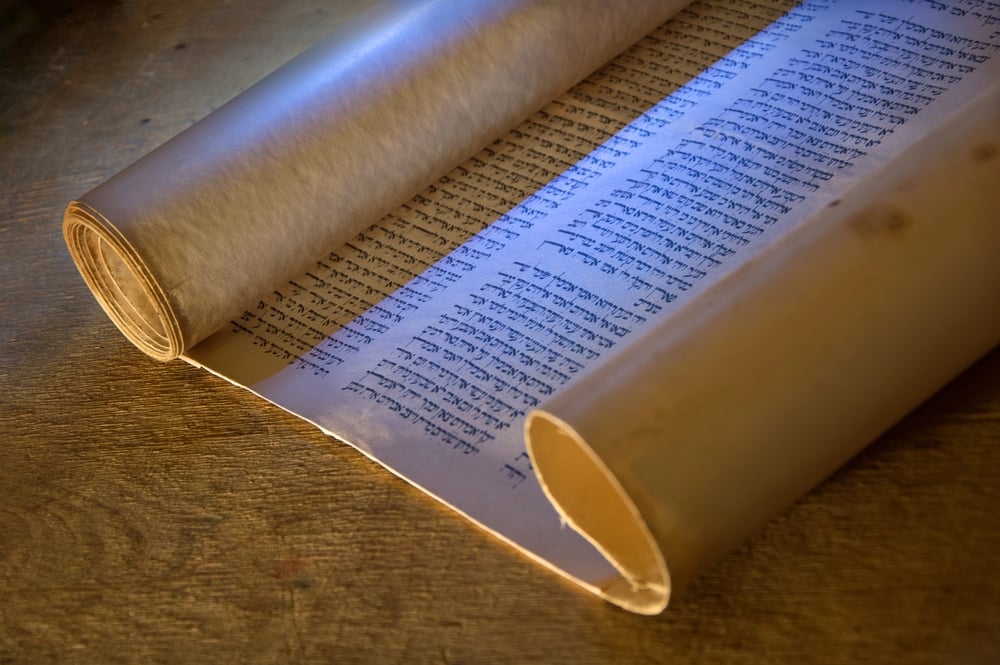
Medieval Europe saw repeated attempts to destroy Jewish learning, with the Talmud bearing the brunt of Christian hostility. In 1242, Pope Gregory IX ordered the burning of thousands of Talmudic manuscripts in Paris after a staged debate declared them heretical.
France wasn’t alone — other European kingdoms followed suit, viewing the rabbinic commentaries as blasphemous to Christian doctrine and a threat to conversion efforts.
Martin Luther’s German Bible
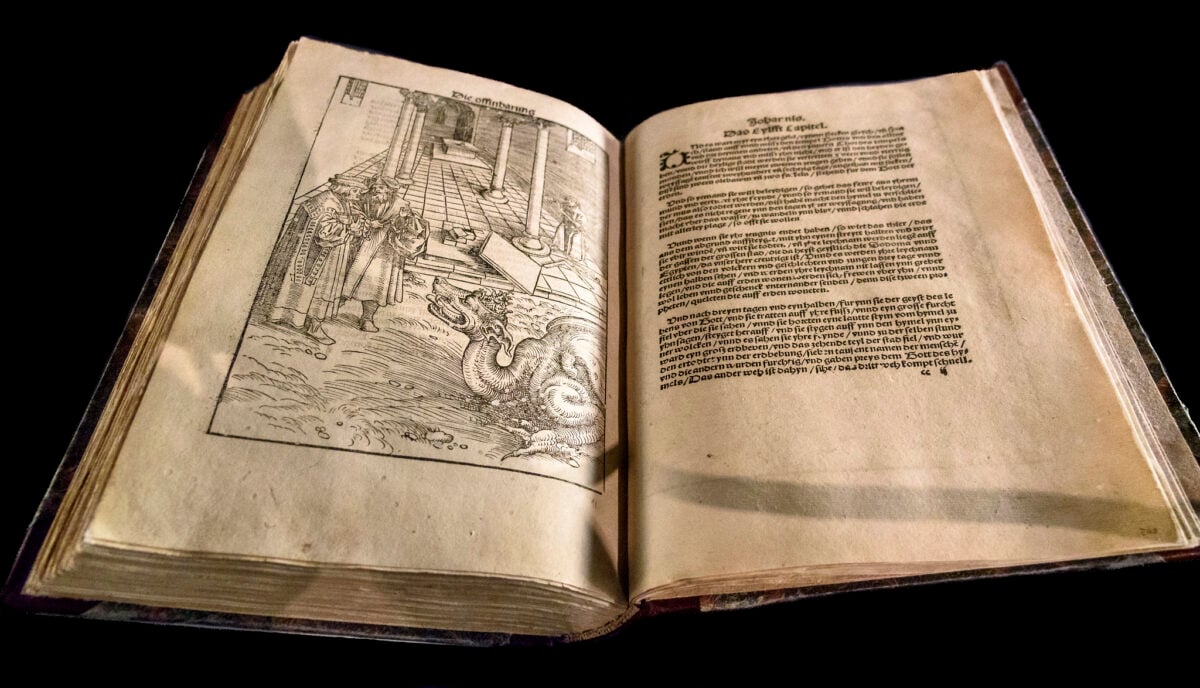
Luther’s translation didn’t just make Scripture accessible to common Germans — it made the Catholic Church’s interpretation optional, which was the whole point (and the whole problem). Catholic authorities banned the work across their territories, recognizing that vernacular Bibles meant vernacular questions about papal authority.
Burning Luther’s Bible became a theological statement, though copies kept appearing faster than authorities could destroy them.
The Quran
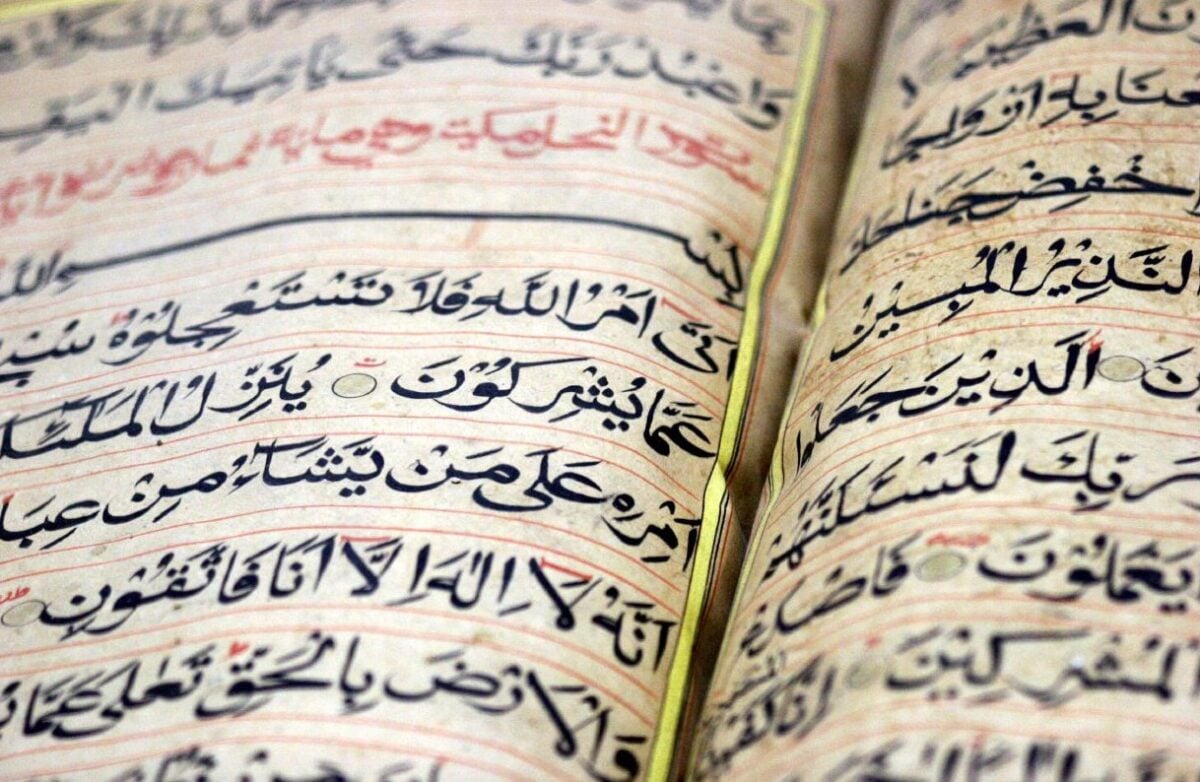
Various Christian kingdoms throughout the Middle Ages prohibited possession of the Quran, viewing it as both a theological threat and a symbol of political resistance. Spain during the Reconquista was particularly aggressive, with authorities conducting house-to-house searches for hidden copies among converted Muslims.
The irony wasn’t lost on anyone: the same book that was being studied by scholars in translation was simultaneously being hunted down by Inquisitors in the streets below.
John Wycliffe’s English Bible
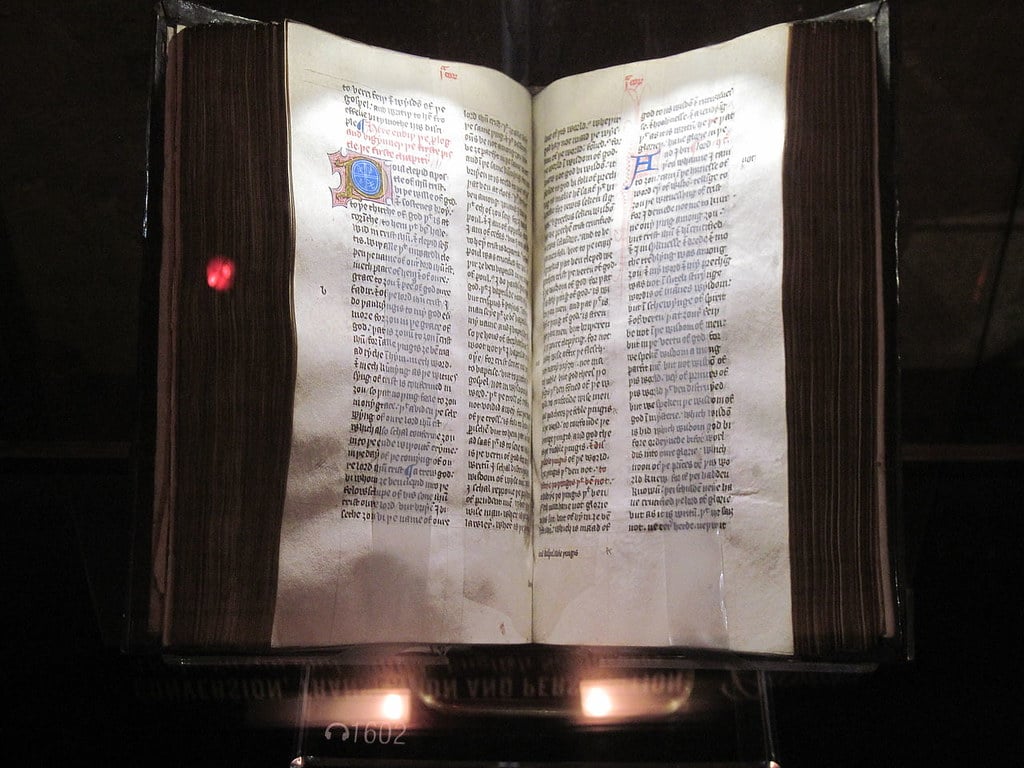
Wycliffe’s radical idea that ordinary people should read Scripture in their own language struck the Catholic hierarchy as dangerous populism disguised as piety. The Church banned his translation in 1408, and authorities went so far as to dig up Wycliffe’s bones in 1428—forty-four years after his death in 1384—to burn them publicly.
Apparently, translating the Bible into English was the kind of offense that warranted posthumous punishment.
The Book of Common Prayer
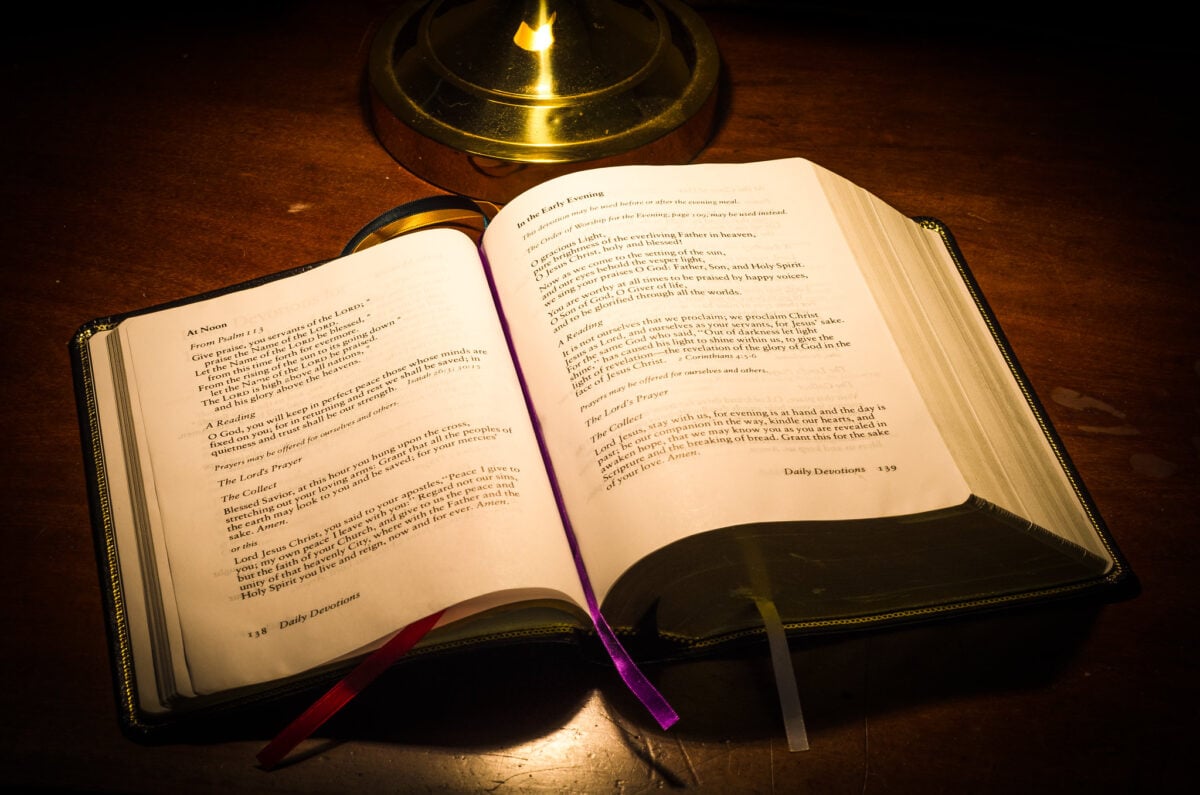
England’s religious identity swung back and forth with each monarch, and the Book of Common Prayer swung with it — celebrated under Protestant rulers, banned under Catholic ones like Mary I (who earned her “Bloody” nickname for good reason). When Catholic authorities prohibited its use, they weren’t just banning a prayer book; they were banning an entire way of being English and Christian.
The book’s return under Elizabeth I felt less like religious reform and more like cultural restoration.
Bhagavad Gita
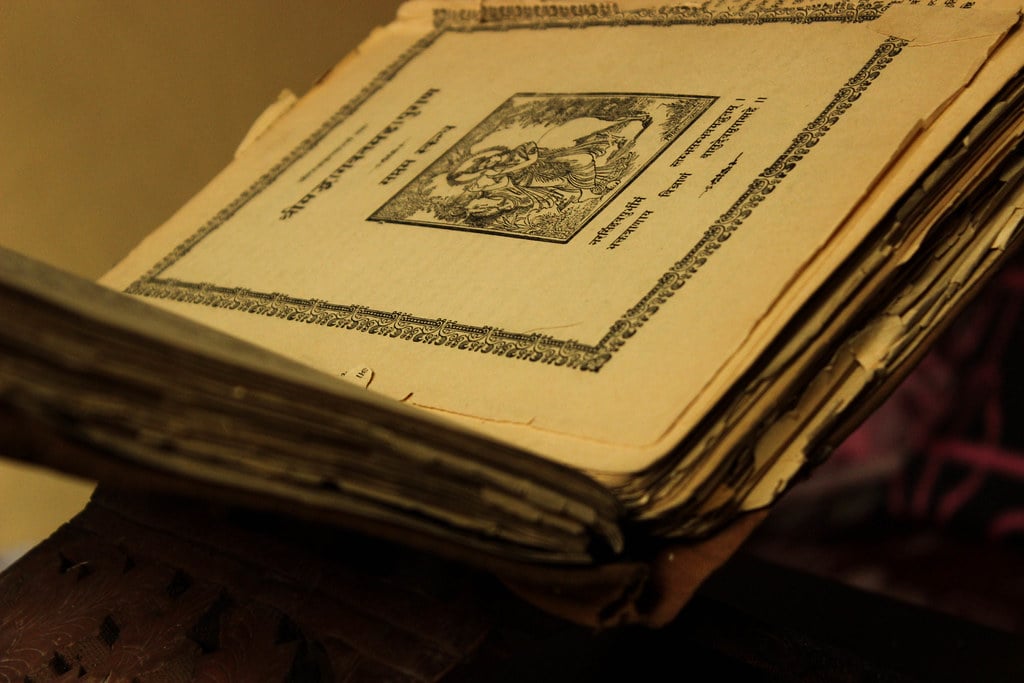
British colonial authorities in India occasionally restricted circulation of the Gita when its teachings about duty and righteous action began inspiring independence movements. The text’s emphasis on performing one’s dharma regardless of consequences made colonial administrators nervous, particularly when Indian intellectuals started applying Krishna’s counsel to their own political situations.
So a conversation between a warrior and a god became, in British eyes, a manual for insurrection.
The Vulgate Bible
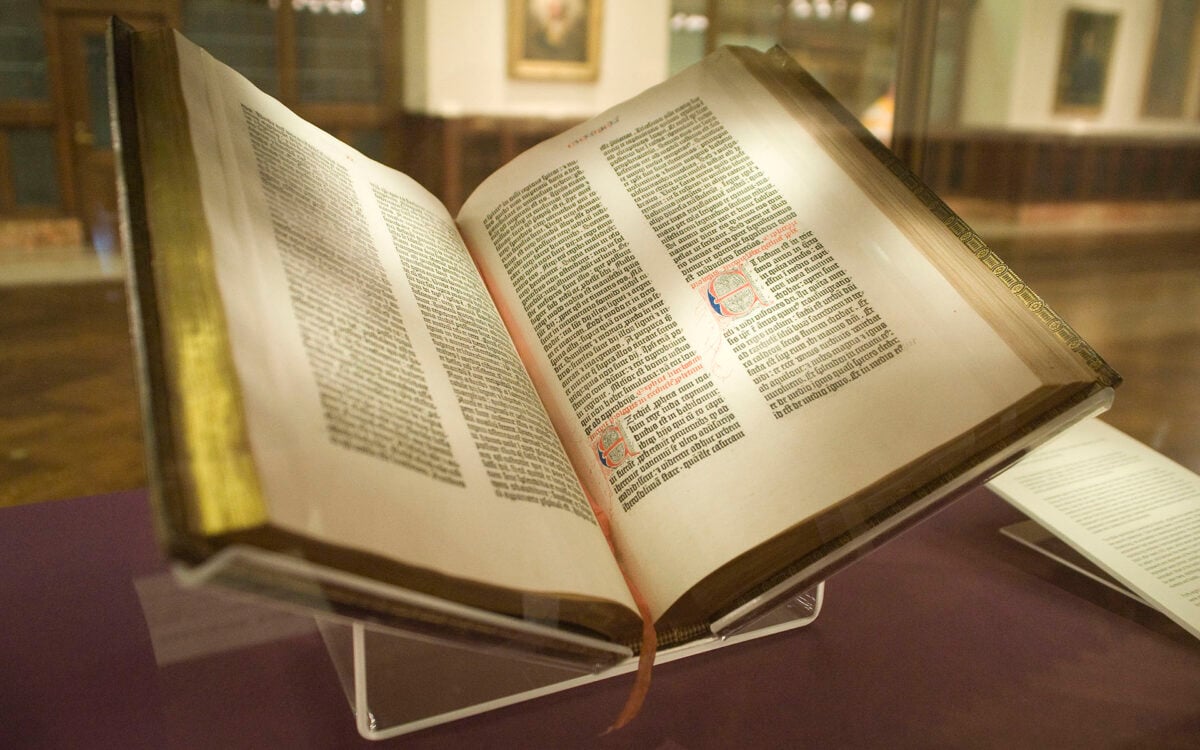
When the Council of Trent declared Jerome’s Latin Vulgate the only acceptable version of Scripture, Protestant territories responded by banning it outright. The same text that had been Christianity’s standard for over a thousand years suddenly became contraband in reformed territories.
The Vulgate’s prohibition marked one of history’s stranger religious ironies: a Bible banned for being too official.
Douay-Rheims Bible
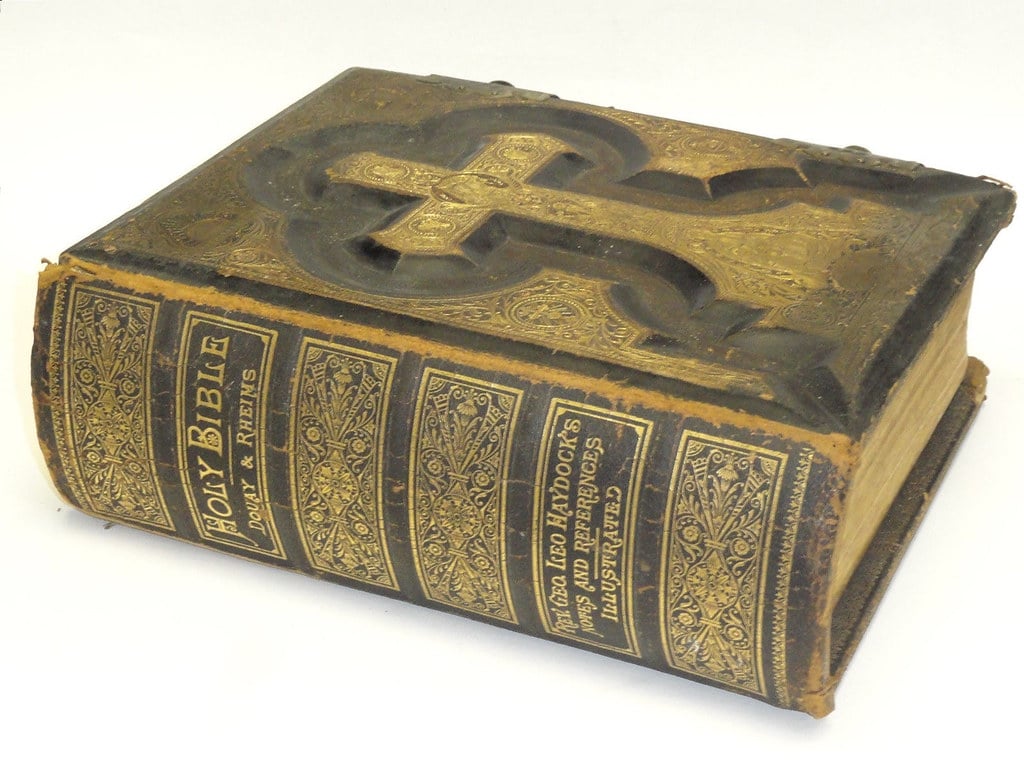
Protestant England treated this Catholic English translation like smuggled goods, banning its importation and possession under various anti-Catholic laws. The translation itself was solid scholarship, but that hardly mattered when owning it could mark someone as a potential traitor to the Crown.
English Catholics found themselves in the peculiar position of hiding English Bibles from English authorities — a linguistic persecution that cut particularly deep.
The Institutes of the Christian Religion
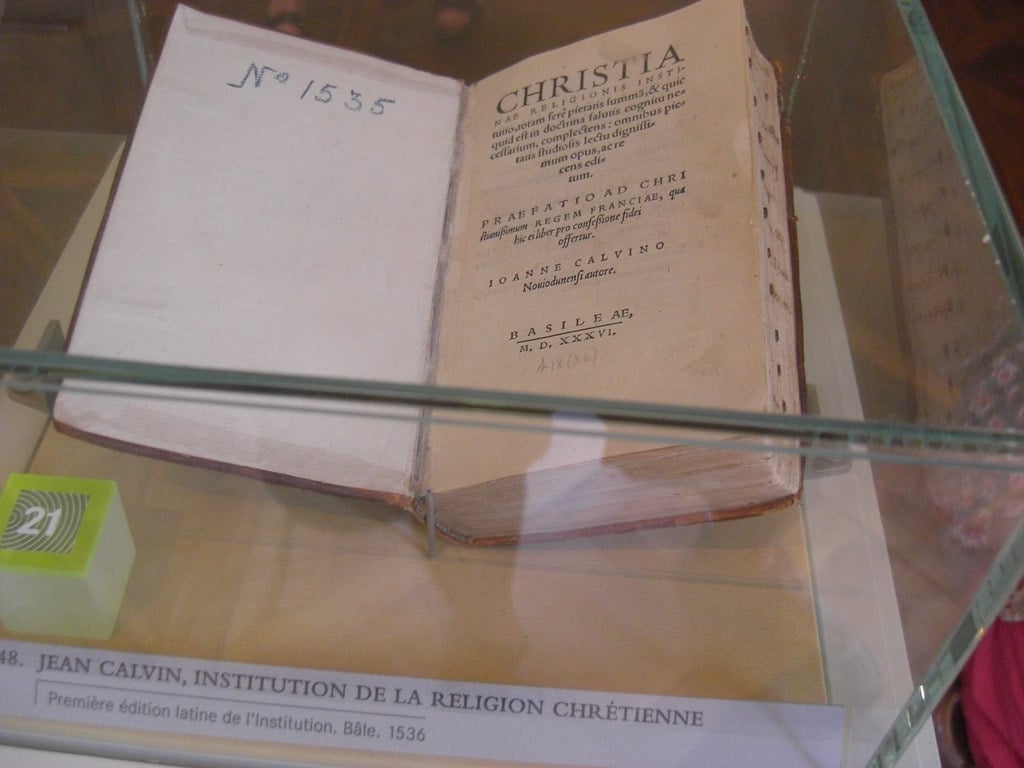
Calvin’s systematic theology became reformed Protestantism’s intellectual backbone, which made it an obvious target for Catholic prohibition. The book appeared on the Index Librorum Prohibitorum and faced bans across Catholic Europe, though its influence continued spreading through underground networks.
Catholic authorities weren’t wrong to be concerned: Calvin’s logic was rigorous enough to convert theologians and clear enough to convince laypeople.
Various Anabaptist Writings
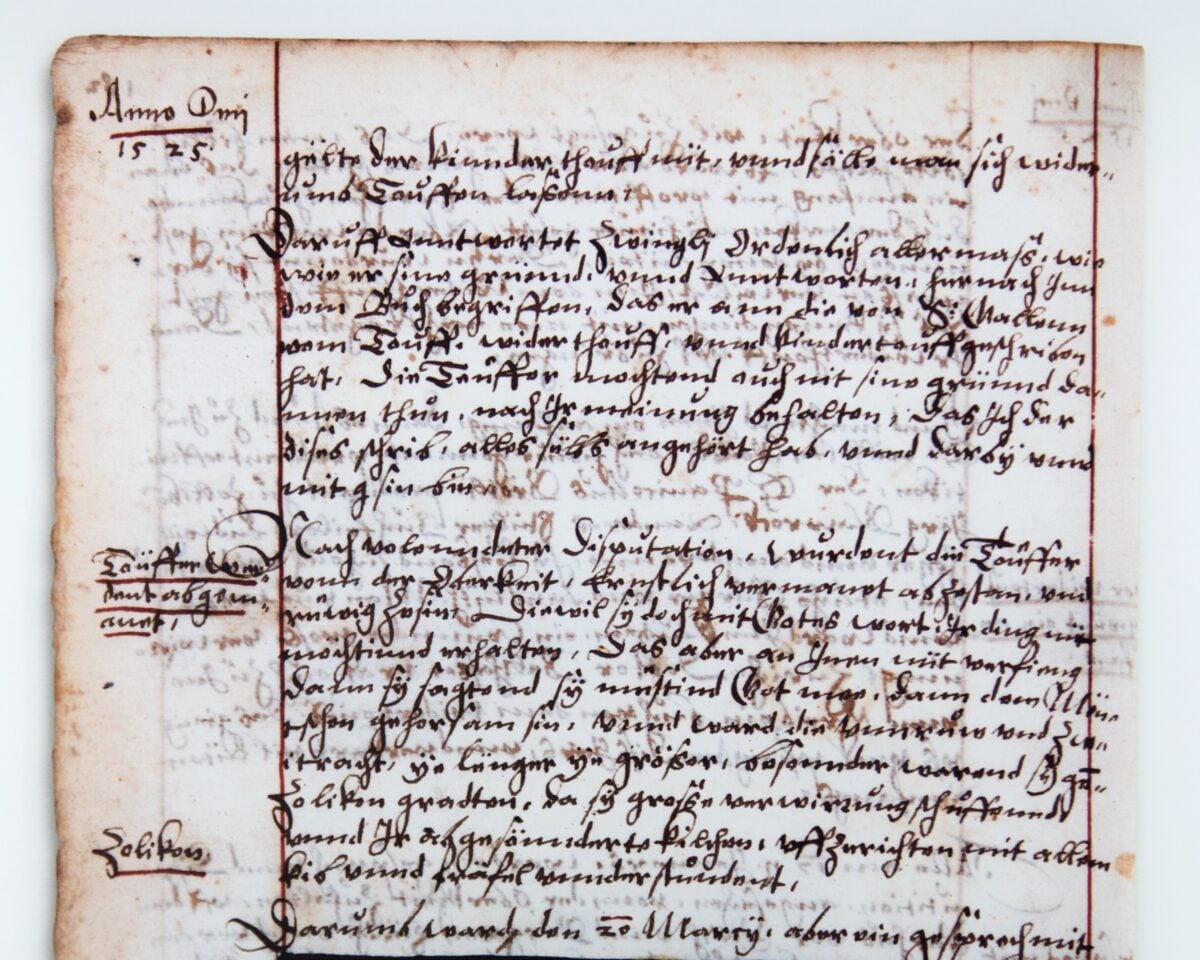
The radical Protestant movement produced dozens of texts that mainstream reformers and Catholics could agree on one thing: they needed to disappear. Anabaptist writings on adult baptism, pacifism, and separation of church and state threatened everyone’s established order.
Both Lutheran and Catholic territories hunted down these books with equal enthusiasm, proving that theological enemies could find common ground when faced with truly radical ideas.
Hindu Puranas
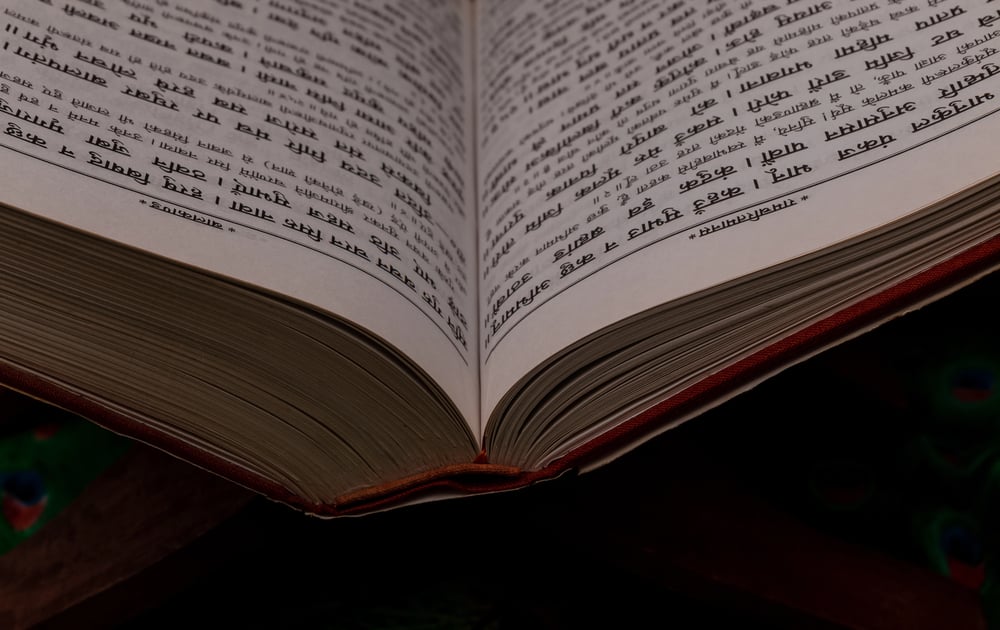
British colonial censors occasionally restricted certain Puranas when their stories of resistance to unjust rulers started resonating a little too clearly with contemporary politics. These ancient texts, filled with tales of gods overthrowing tyrants and dharma triumphing over adharma, began sounding less like mythology and more like instruction manuals.
Colonial administrators discovered that banning religious stories only made their political applications more obvious.
Buddhist Sutras in Japan
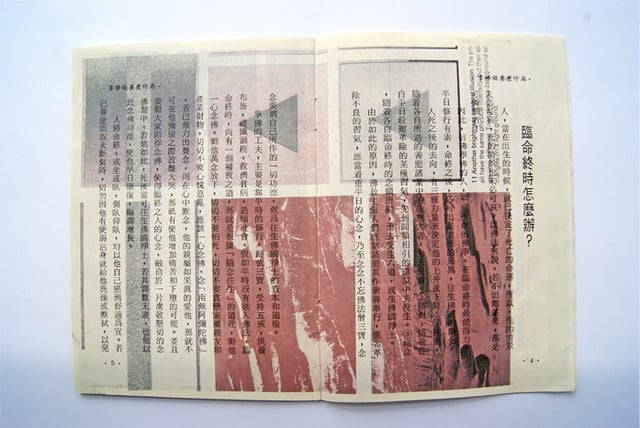
During Japan’s isolationist period, authorities banned foreign Buddhist texts that might carry Christian influences or Western ideas, viewing them as potential vehicles for foreign contamination. Even texts from Buddhist traditions Japan had practiced for centuries became suspect if they arrived through new channels.
The paranoia reached absurd levels: ancient wisdom traditions treated as Trojan horses for Western influence.
The Book of Mormon
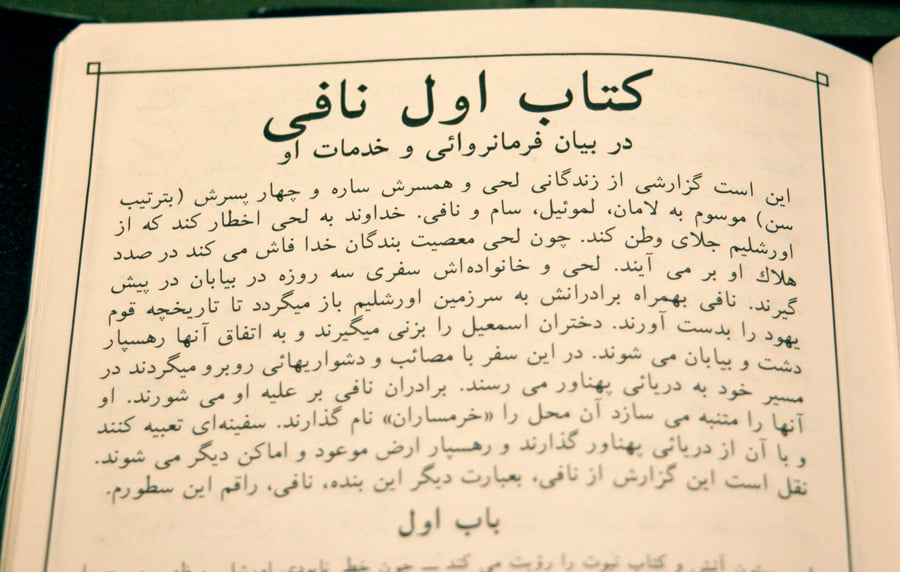
Various states and municipalities banned the Book of Mormon during periods of anti-Mormon persecution, viewing it as seditious literature rather than religious scripture. The text’s claims about American history and its challenge to Protestant orthodoxy made it dangerous in ways that went beyond theology.
Burning Mormon books became a regular feature of anti-Mormon violence, as if destroying the text could somehow undo the movement it inspired.
Jehovah’s Witness Publications
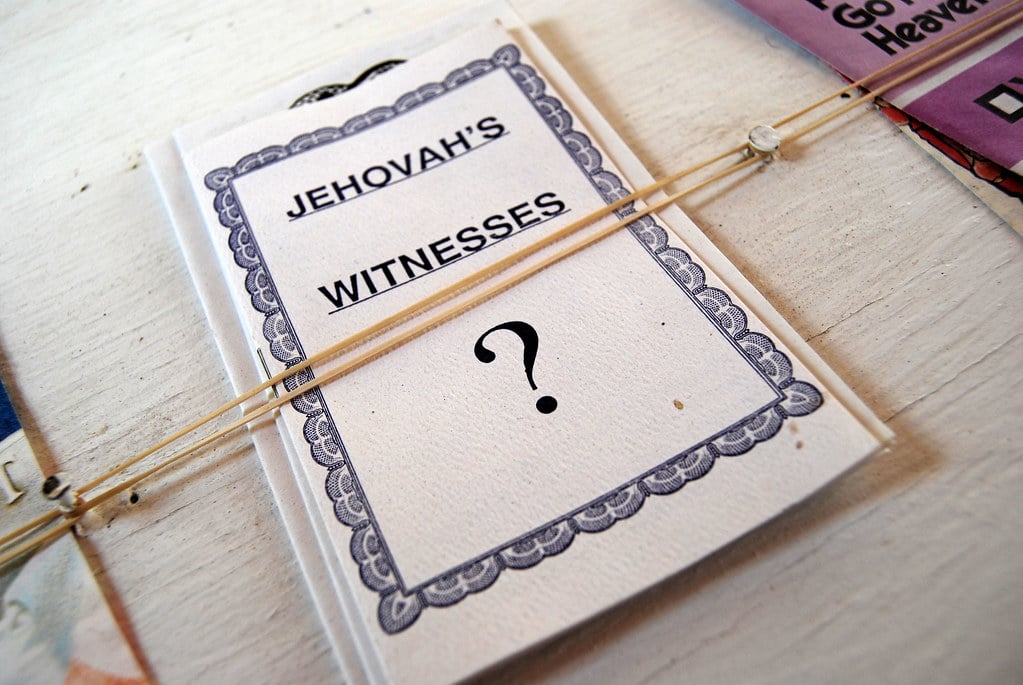
Multiple governments banned Watchtower publications and other Jehovah’s Witness literature, often during wartime when the group’s pacifist stance and refusal to salute flags made them seem unpatriotic. The Soviet Union prohibited their materials as Western religious propaganda, while Western nations sometimes banned them as seditious.
The same books that proclaimed political neutrality somehow managed to anger political authorities everywhere.
Sikh Religious Texts
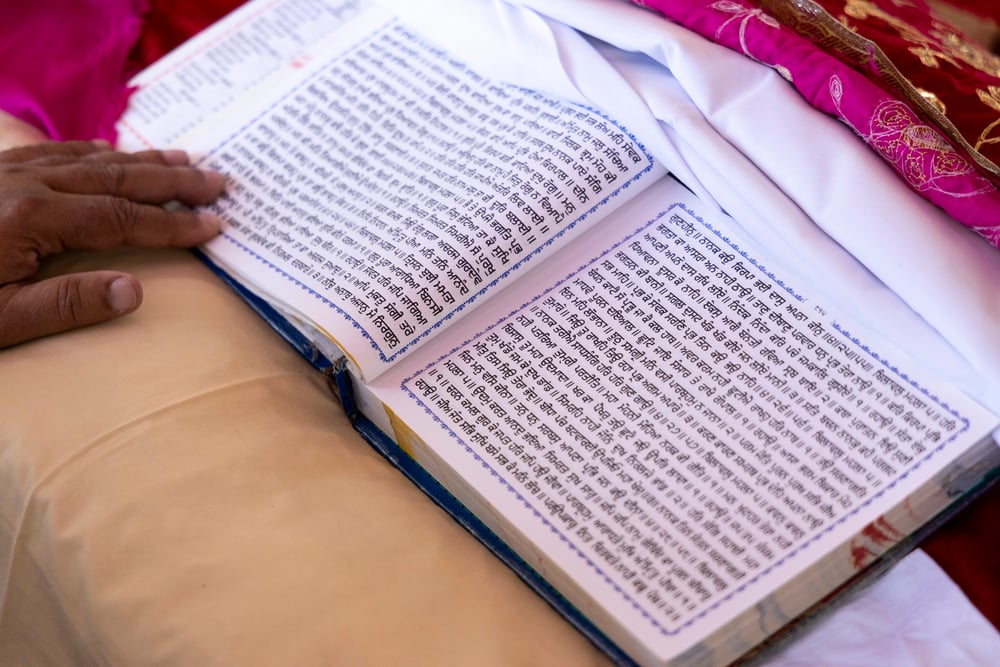
British authorities in India occasionally restricted Sikh religious writings when they promoted concepts of righteous resistance that colonial administrators found uncomfortably applicable to their own rule. The Guru Granth Sahib’s teachings about standing against injustice and protecting the oppressed carried implications that transcended their original historical context.
Colonial censors learned that religious texts about fighting tyranny have a way of making contemporary tyrants nervous.
Coptic Christian Texts
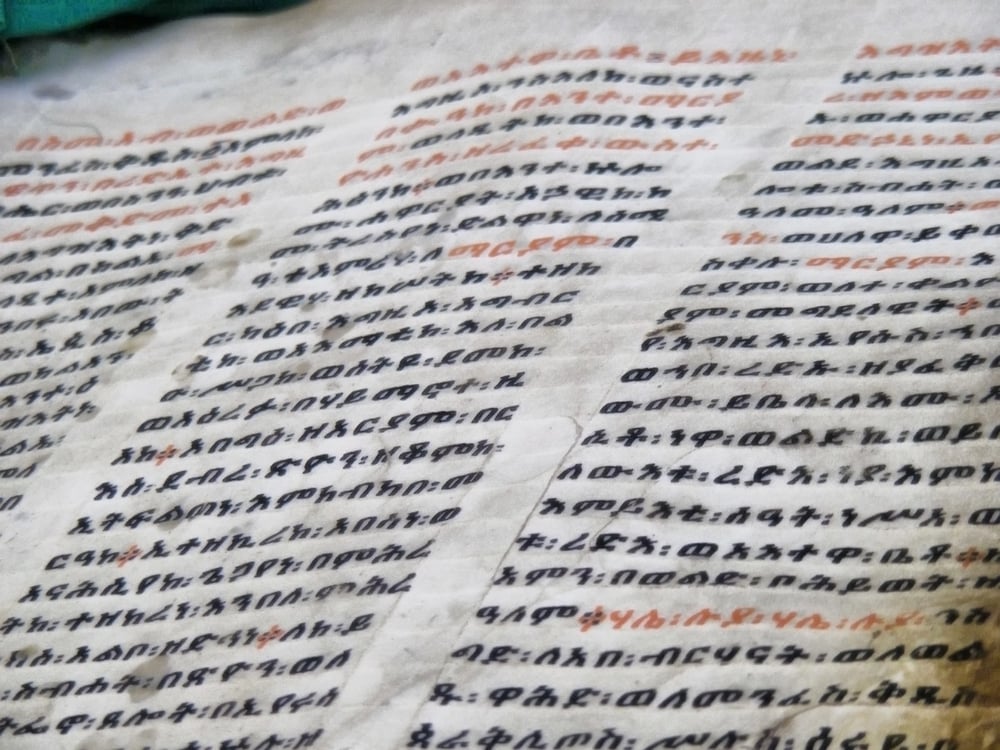
Roman authorities in Egypt banned various Coptic Christian writings during periods of religious persecution, viewing them as threats to imperial religious policy and social order. These texts, written in the common language of Egyptian Christians, made theological ideas accessible to ordinary people in ways that Latin texts could not.
The empire discovered that Christianity became much harder to control once it started speaking Egyptian.
Various Mystic Texts
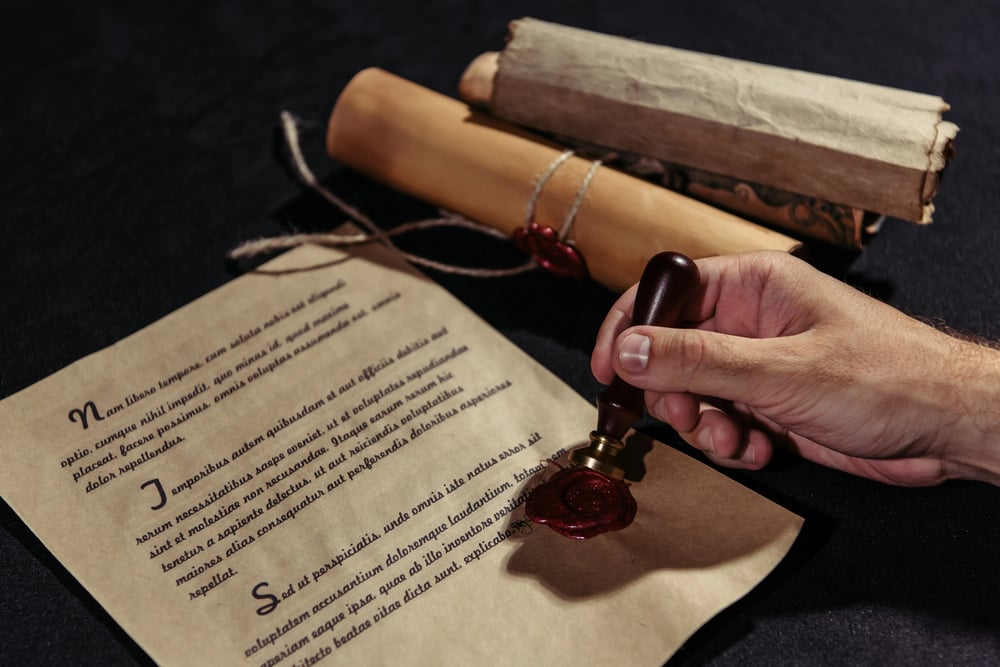
Medieval Catholic authorities banned numerous mystical writings that claimed direct spiritual experience, viewing them as threats to clerical authority and orthodox theology. Books describing personal encounters with the divine suggested that formal religious hierarchy might be optional, which was exactly the kind of suggestion the Church hierarchy wanted to discourage.
Mystics learned that claiming to speak directly with God was fine in theory but dangerous in practice.
Zoroastrian Texts
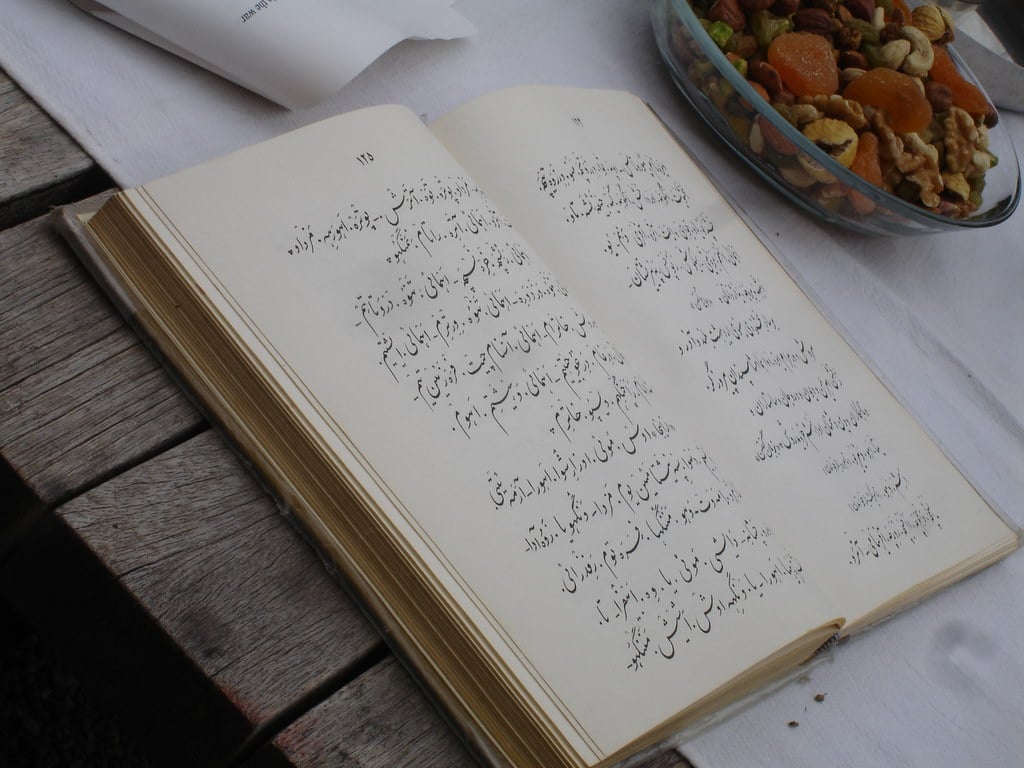
Islamic authorities in Persia occasionally prohibited certain Zoroastrian religious writings, viewing them as remnants of the old religion that might inspire resistance to Islamic rule. These ancient texts, with their emphasis on light conquering darkness and truth defeating lies, carried symbolic weight that transcended their literal religious meaning.
Former state religions, it turned out, had a way of becoming inadvertent symbols of cultural independence.
Ethiopian Orthodox Texts
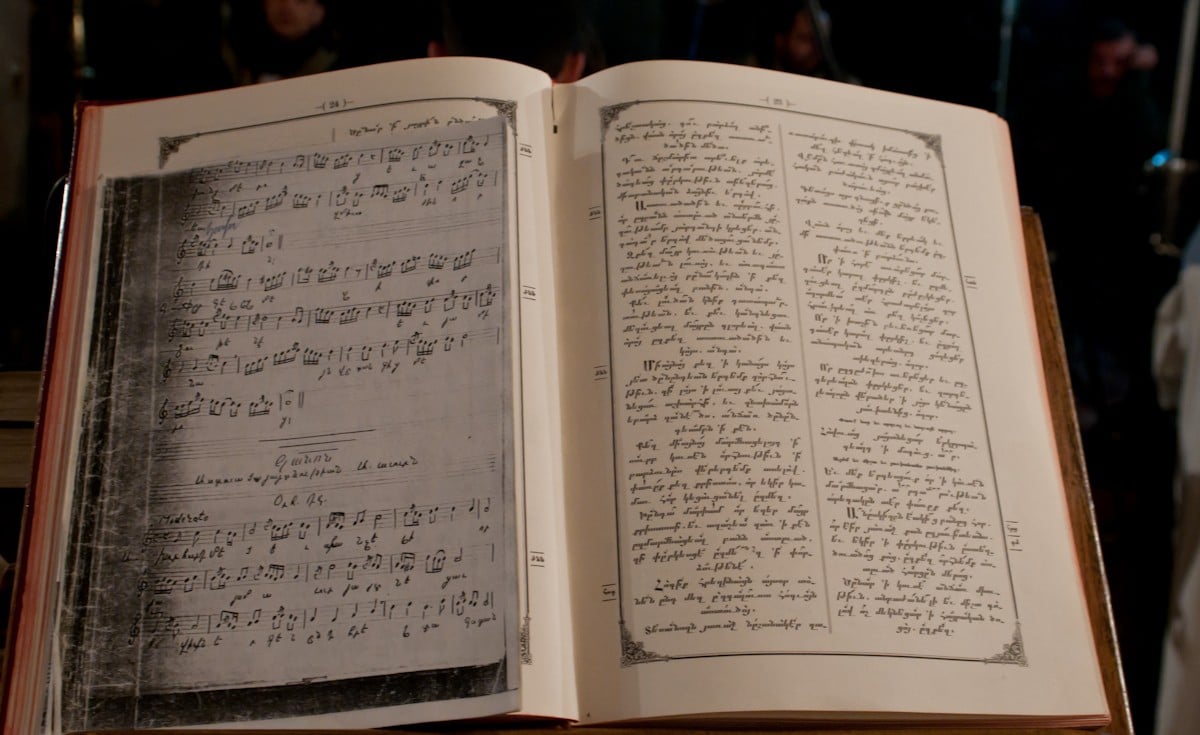
Italian colonial authorities in Ethiopia banned various Ethiopian Orthodox religious texts, viewing them as symbols of national resistance and cultural independence. These texts, written in Ge’ez and deeply tied to Ethiopian identity, represented more than religious doctrine — they represented an entire civilization that refused to disappear.
Colonial authorities learned that banning a people’s religious books was tantamount to banning their sense of themselves.
Hutterite Writings
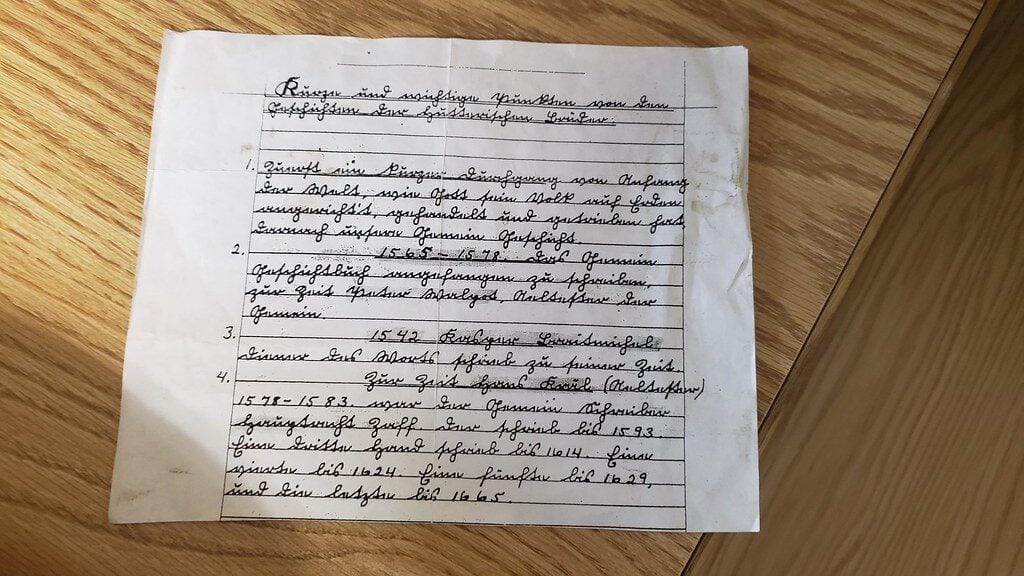
Various European authorities banned Hutterite religious texts that promoted communal living and pacifist principles, viewing them as threats to established social and economic order. These books described alternative ways of organizing society that made existing power structures seem arbitrary rather than inevitable.
Authorities discovered that religious communities practicing radical economic equality had a way of making conventional inequality look less divinely ordained.
Waldensian Texts
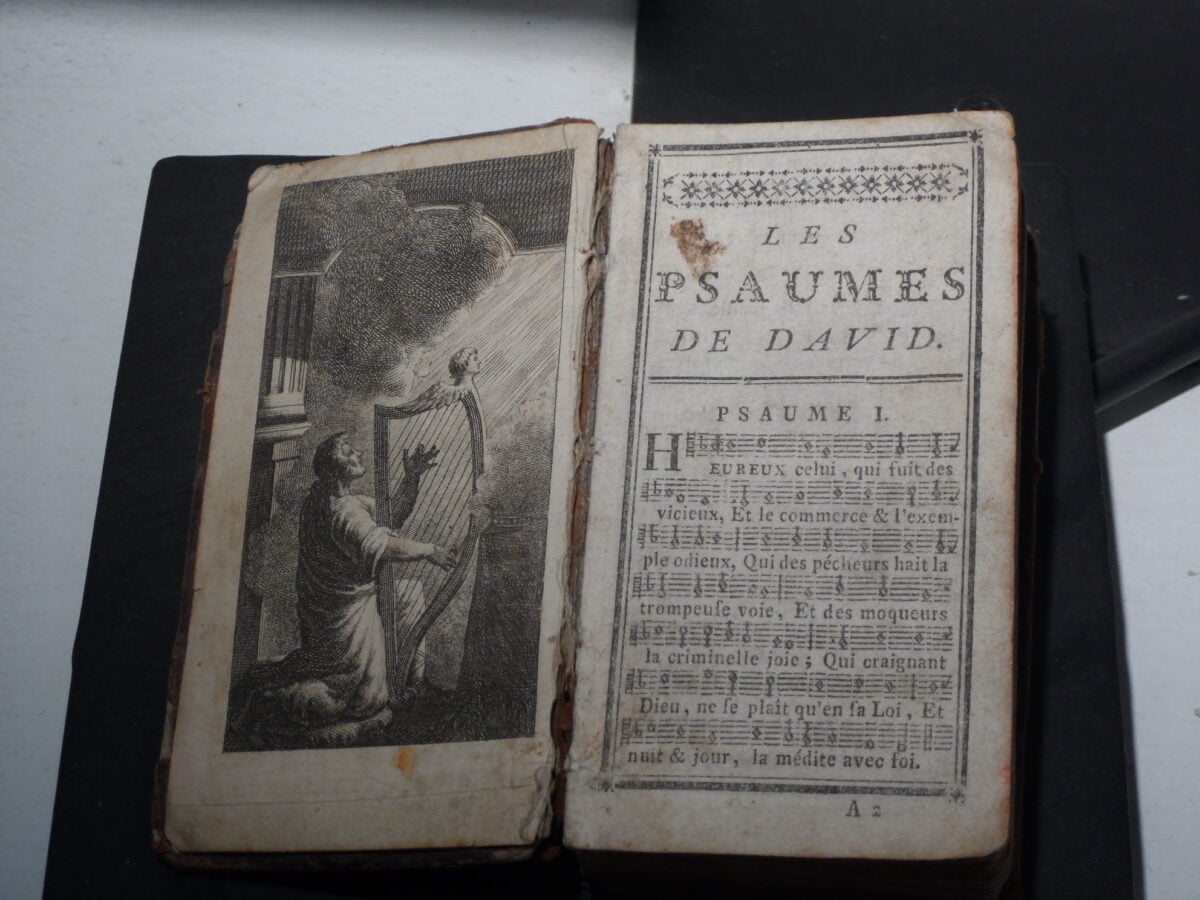
Catholic authorities banned Waldensian religious writings for centuries, viewing this medieval movement’s emphasis on lay preaching and vernacular scripture as dangerous precedents. These texts, circulated secretly through Alpine valleys, preserved ideas about religious authority that the Catholic Church had hoped to suppress permanently.
The Waldensians proved that banned books could survive for centuries in the right hiding places, waiting for more favorable times.
Various Cathar Writings
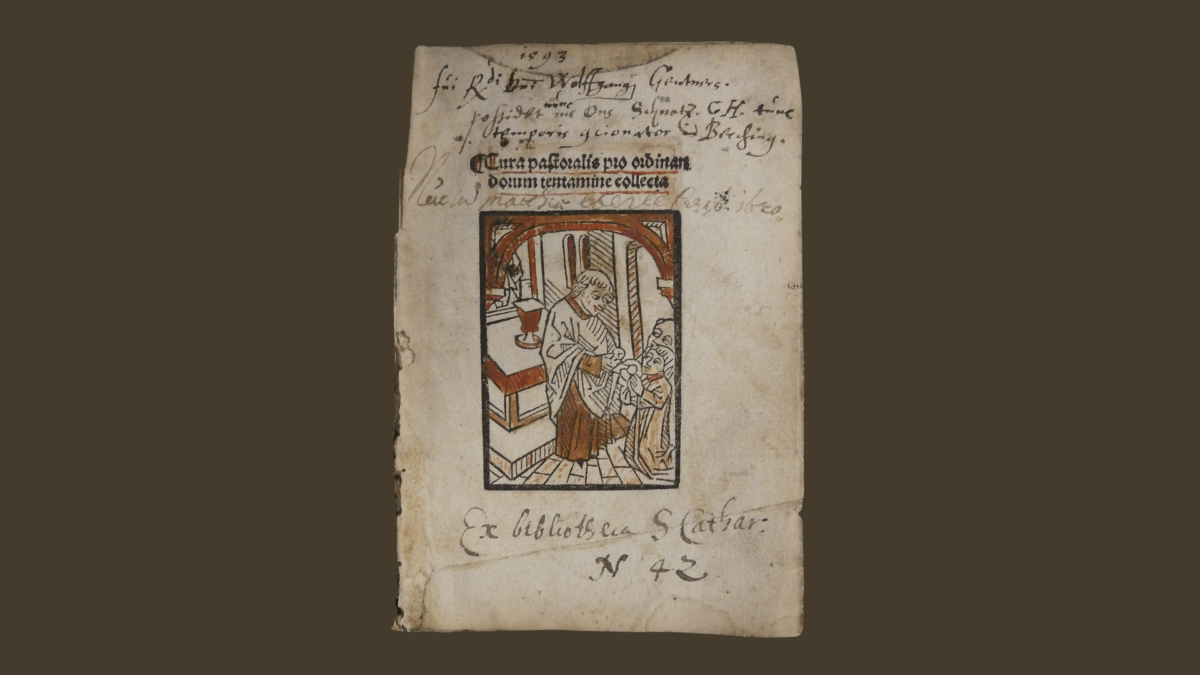
The Catholic Church’s crusade against the Cathars included systematic destruction of their religious literature, viewing these texts as heretical threats to orthodox Christianity. Cathar books, with their dualistic theology and criticism of Church corruption, represented a complete alternative to Catholic Christianity.
The authorities’ success in destroying Cathar literature was so complete that modern scholars struggle to understand what Cathars actually believed — a chilling reminder of what thoroughgoing censorship can achieve.
Baháʼí Writings
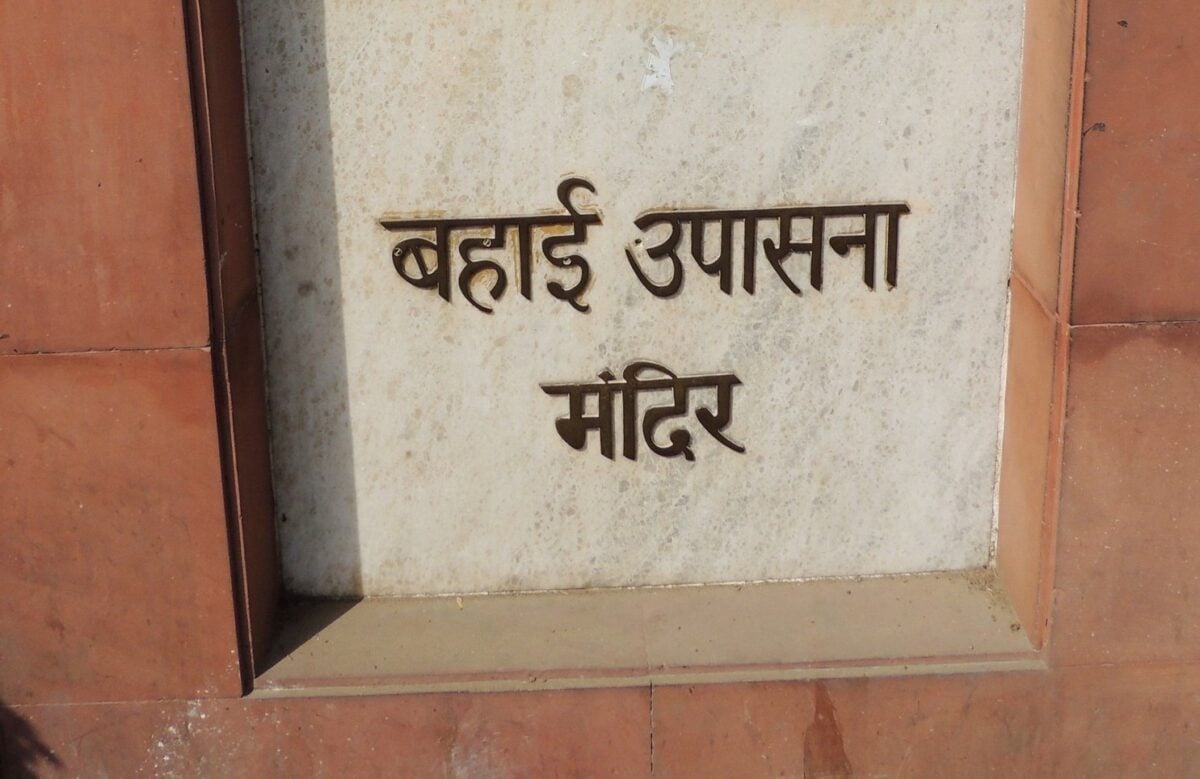
Various Middle Eastern governments banned Baháʼí religious texts, viewing them as threats to Islamic orthodoxy and established religious authority. These books, promoting religious unity and progressive social principles, challenged traditional religious boundaries in ways that made conservative authorities deeply uncomfortable.
The Baháʼí faith discovered that preaching the unity of all religions was exactly the kind of message that made separate religious establishments nervous.
Mennonite Confessions
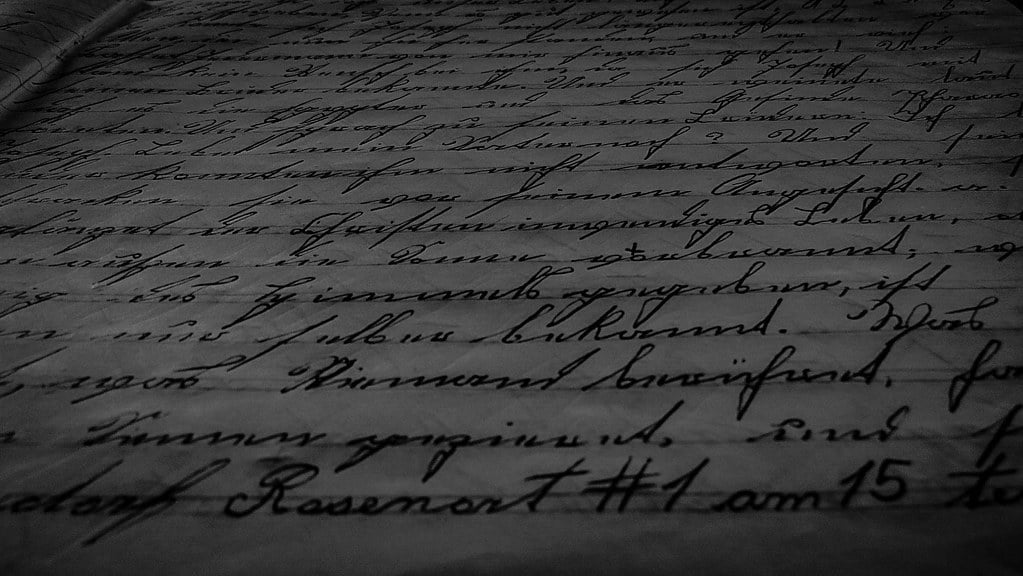
European authorities banned various Mennonite religious confessions and catechisms, viewing their pacifist principles and separation of church and state as threats to established order. These texts, promoting nonviolence and religious liberty, seemed innocuous until rulers realized their implications for military service and political authority.
Mennonites learned that advocating peace could be treated as an act of war against the state.
Various Gnostic Gospels
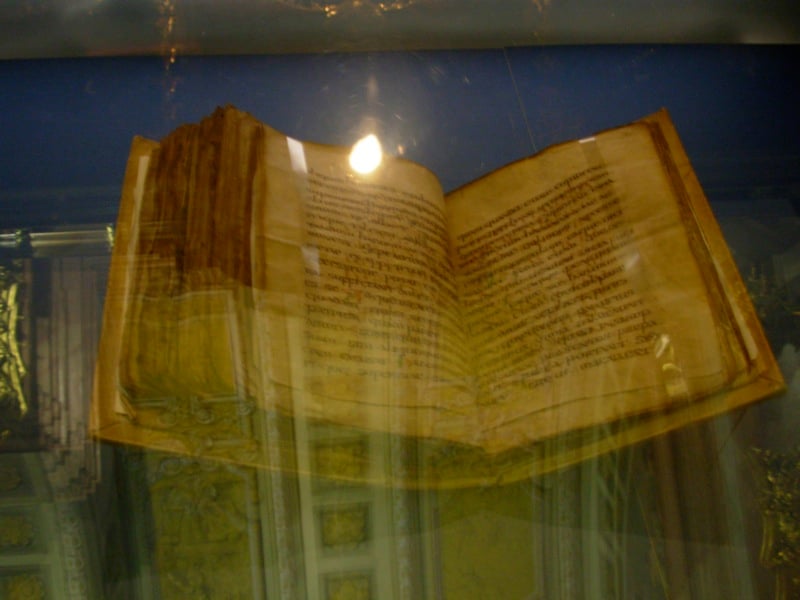
Early Christian authorities banned numerous Gnostic gospels and texts, viewing them as heretical alternatives to orthodox Christianity that threatened Church unity and doctrinal authority. These books, buried in Egyptian deserts and forgotten for centuries, preserved alternative versions of Christian origins that challenged official Church history.
The early Church’s success in suppressing Gnostic literature was so complete that their rediscovery in modern times felt like archaeological resurrection.
Tibetan Buddhist Texts
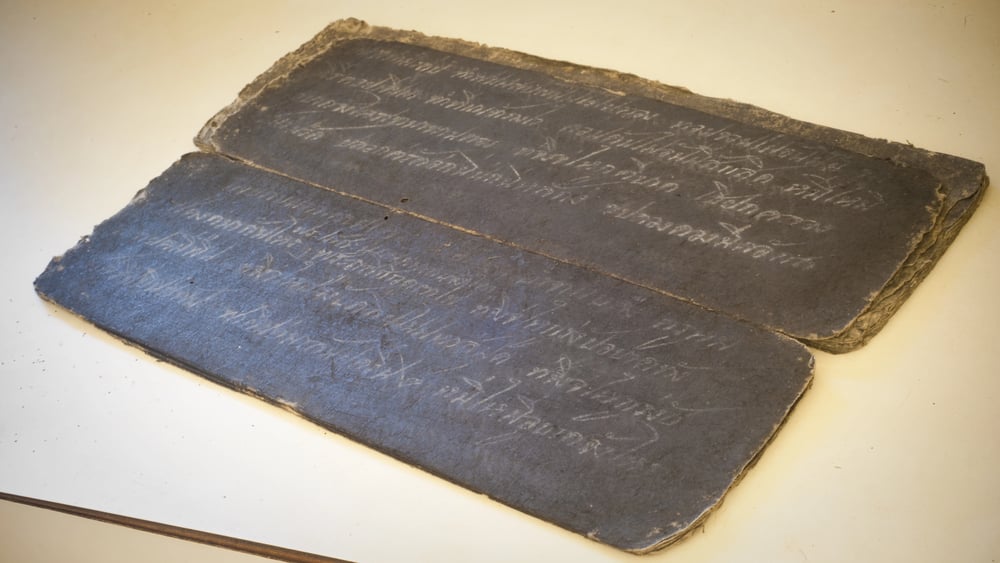
Chinese authorities banned various Tibetan Buddhist texts following their occupation of Tibet, viewing them as symbols of Tibetan nationalism and resistance to Chinese rule. These books, carrying both religious wisdom and cultural identity, represented a civilization that refused to disappear despite political conquest.
The Chinese government learned that destroying a people’s religious literature was easier than destroying their determination to preserve it.
The Thread That Connects Them All
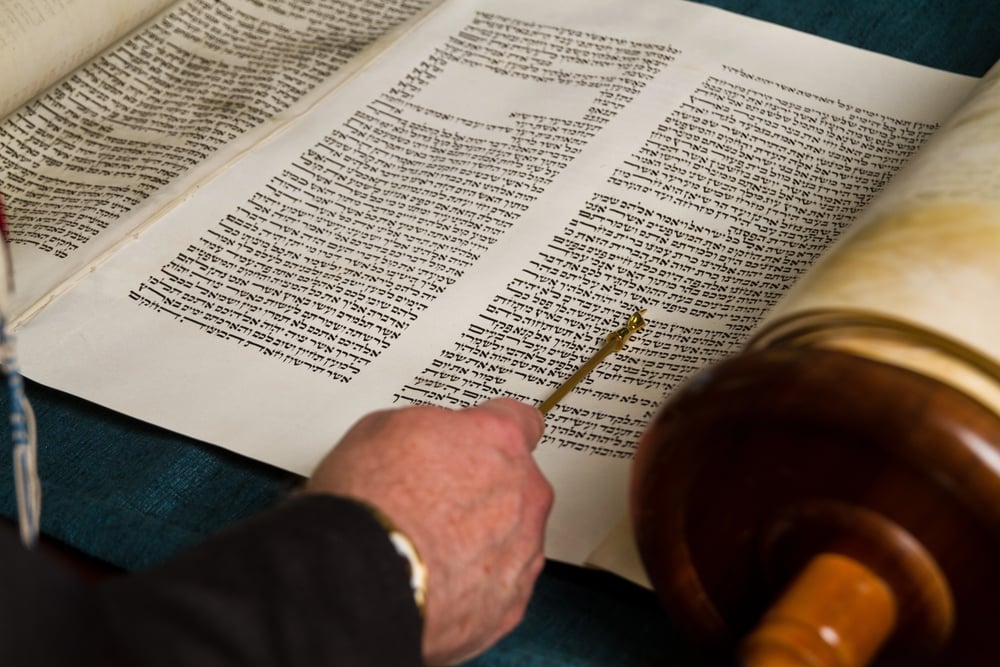
Religious texts get banned for the same reason they get cherished — they change how people think about power, authority, and their place in the world. Whether challenging political rulers, religious hierarchies, or social conventions, these books shared one dangerous quality: they made readers question assumptions that authorities preferred to keep unquestioned. The irony remains that prohibition often preserved and promoted the very ideas it sought to destroy, ensuring that banned books became more influential than their authors ever imagined possible.
More from Go2Tutors!

- The Romanov Crown Jewels and Their Tragic Fate
- 13 Historical Mysteries That Science Still Can’t Solve
- Famous Hoaxes That Fooled the World for Years
- 15 Child Stars with Tragic Adult Lives
- 16 Famous Jewelry Pieces in History
Like Go2Tutors’s content? Follow us on MSN.