How Banned Languages Were Smuggled Across Borders To Survive
When governments decide a language must disappear, something remarkable happens. People don’t simply stop speaking—they get creative.
Throughout history, communities have risked everything to preserve their mother tongues, turning ordinary objects into vessels of resistance and transforming everyday activities into acts of defiance. These stories of linguistic survival reveal the extraordinary lengths humans will go to protect what makes them who they are.
Welsh

The Welsh language survived centuries of suppression through an underground network that would make any spy envious. When English authorities banned Welsh in schools during the 19th century, parents created secret Sunday schools in remote farmhouses and mountain caves.
Children learned to read Welsh using smuggled religious texts hidden inside English book covers, and traveling ministers carried contraband dictionaries sewn into their coat linings.
Irish Gaelic

Hedge schools became Ireland’s answer to English-only education policies (operating illegally in ditches, behind stone walls, anywhere authorities wouldn’t look).
Teachers moved from village to village like literary nomads, carrying nothing but slates and an unshakeable commitment to keeping Irish alive. So effective were these mobile classrooms that entire generations learned to read and write in a language their government insisted didn’t exist—which is saying something about the power of collective stubbornness.
Catalan

Under Franco’s dictatorship, Catalan transformed into a language of whispers and shadows. Families developed elaborate codes for public spaces—switching to Spanish mid-sentence when strangers approached, resuming Catalan conversations through glances and gestures.
Books crossed the French border disguised as cookbooks, their pages carefully rebound with innocent covers, while underground printing presses operated in monastery basements and abandoned wine cellars.
Kurdish

Kurdish survived through the ancient art of oral tradition turned into modern resistance. When written Kurdish was banned across multiple countries, storytellers became living libraries, memorizing thousands of folktales, poems, and historical accounts.
These human archives crossed borders as migrant workers and refugees, carrying entire literary traditions in their minds, ready to plant them wherever they found safe ground.
Breton

Breton speakers in France perfected the art of linguistic camouflage during the 20th century. Children invented playground games that taught grammar through seemingly innocent songs, while adults held “French” cultural meetings that were actually Breton language lessons in disguise.
The language hitchhiked across regions hidden in folk music and traditional recipes—cultural artifacts too beloved for authorities to examine too closely.
Basque

The Basque language developed one of history’s most sophisticated underground education networks. During Spain’s Franco era, families created rotating schools in private homes, with children carrying their lessons in lunch boxes and sewing kits.
Priests conducted secret masses in Euskera, disguising religious services as family gatherings, while smugglers carried Basque books across the Pyrenees alongside more traditional contraband.
Tibetan

Tibetan language preservation became an act of quiet rebellion against Chinese assimilation policies. Nomadic herders transformed their seasonal migrations into mobile schools, teaching children traditional scripts while moving across vast landscapes that were impossible for authorities to monitor completely.
Buddhist monks memorized banned texts and carried them to exile communities in India, where ancient manuscripts were meticulously reconstructed from memory.
Scottish Gaelic

Highland communities in Scotland turned their geographic isolation into a protective barrier for Gaelic. When English education policies tried to eliminate the language, remote islands and mountain villages became linguistic time capsules.
Fishing boats carried Gaelic books between communities, while seasonal workers brought songs and stories to the mainland, creating a network of cultural exchange that operated just below official notice.
Sorbian

The Sorbian language in eastern Germany survived through careful cultural camouflage during various periods of suppression. Communities organized “German” festivals that featured Sorbian music and dance, while children learned their ancestral language through games that looked like innocent play to outside observers.
Church services became masterpieces of linguistic code-switching—officially German but peppered with enough Sorbian to keep the language alive in worship.
Cornish

Cornwall’s ancient language experienced one of history’s most remarkable resurrections through archaeological linguistics. When Cornish died out as a spoken language in the 18th century, scholars smuggled it back to life centuries later using surviving manuscripts, place names, and fragments preserved in English documents.
This linguistic resurrection required smuggling knowledge across time rather than borders—reconstructing pronunciation and grammar from historical clues scattered across centuries.
Occitan
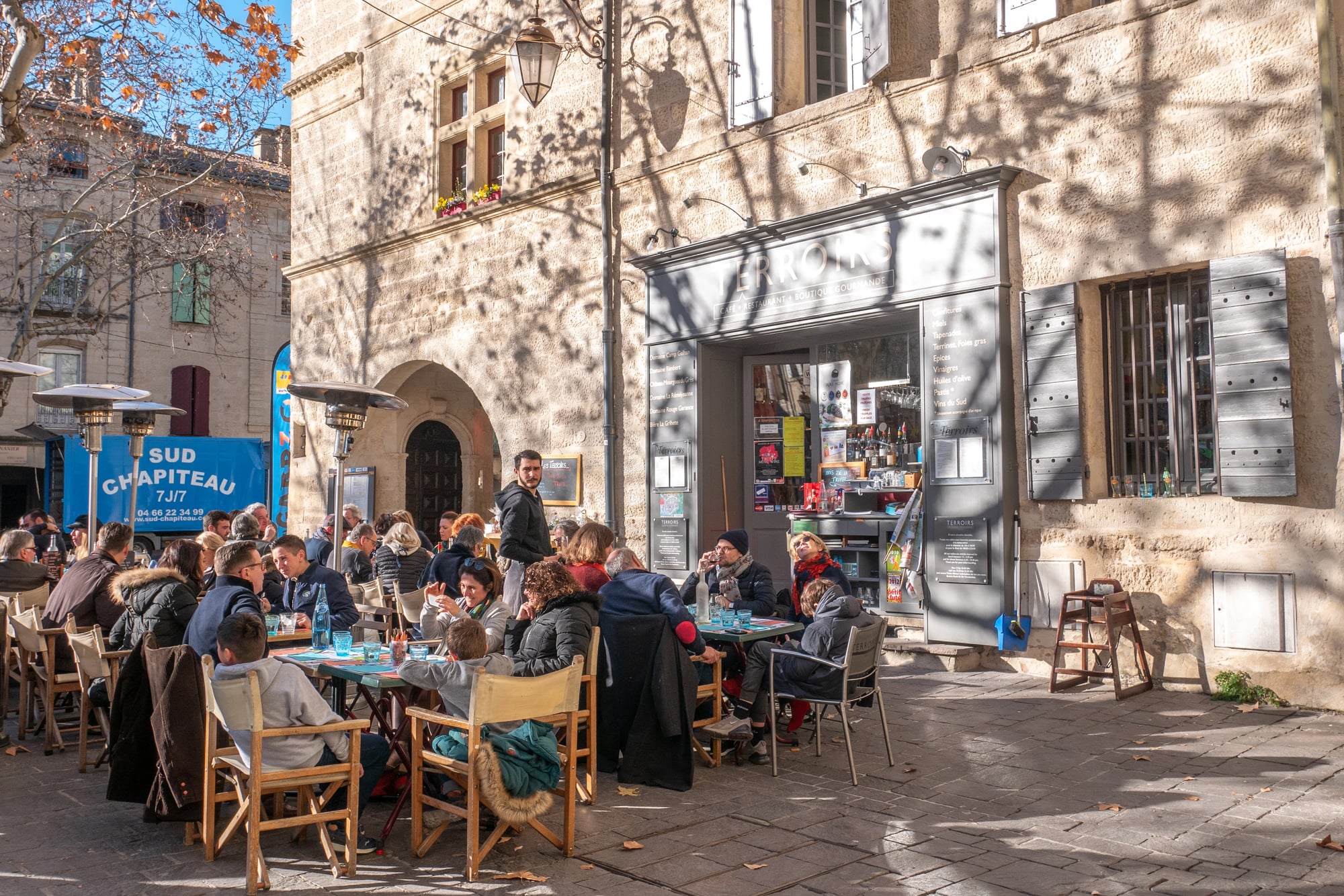
Southern France’s Occitan survived official suppression through the troubadour tradition adapted for modern resistance. Musicians carried banned poetry across regional borders, disguising political verses as love songs and historical ballads as entertainment.
Literary societies operated as cultural clubs, meeting in cafes and private homes to share manuscripts that moved through networks of sympathetic bookshops and traveling performers.
Aromanian

The Aromanian language of the Balkans developed a unique survival strategy based on commercial networks. Merchants and traders carried the language across national boundaries throughout the Ottoman Empire and beyond, creating a diaspora community connected by business relationships rather than geography.
Commercial correspondence became a vehicle for literary expression, with business letters containing hidden poetry and cultural news encoded in trade discussions.
Rusyn

Rusyn communities scattered across Central Europe maintained their language through transnational family networks that treated borders as temporary inconveniences. Seasonal workers carried letters, books, and oral traditions between villages separated by national boundaries, while religious communities provided safe houses for cultural preservation.
The language survived in church basements and family kitchens, passed down through recipes and lullabies that carried linguistic DNA across generations.
Frisian
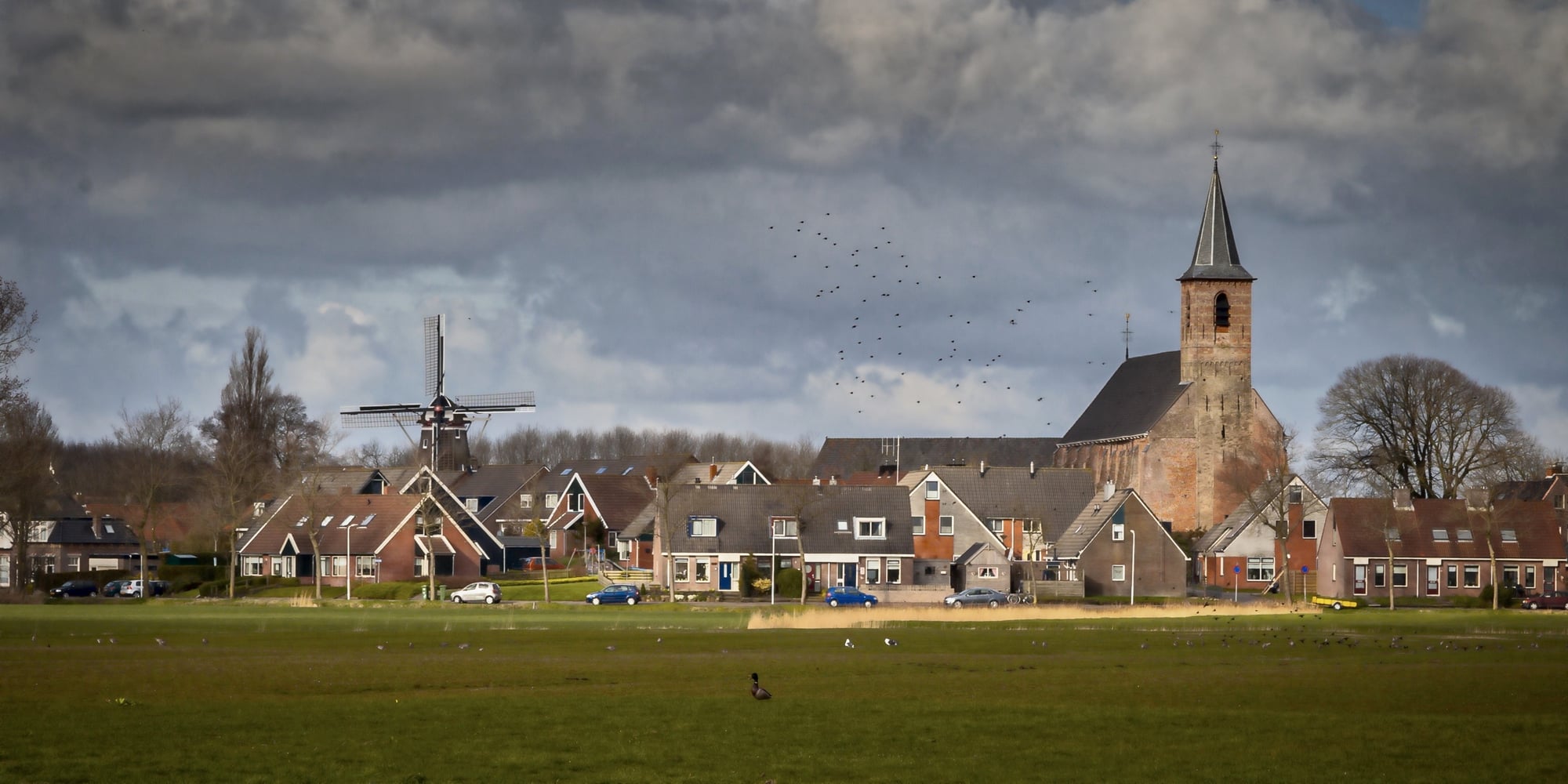
Frisian speakers in the Netherlands and Germany created ingenious systems of cultural preservation during periods of official discouragement. Dairy farmers used their trade routes to distribute banned literature, hiding Frisian books in milk cans and butter churns during transport.
Seasonal fishing crews became floating libraries, carrying manuscripts between coastal communities while maintaining the facade of purely commercial voyages.
The Threads That Bind

Languages, it turns out, are remarkably stubborn creatures—they refuse to die quietly, even when governments demand silence. These stories share common threads: the transformation of ordinary people into cultural smugglers, the creative repurposing of everyday activities as acts of preservation, and the persistent human refusal to let identity be legislated out of existence.
The languages that survived did so not because of official protection, but because communities decided that some things are worth the risk of carrying across any border, no matter how dangerous the crossing might be.
More from Go2Tutors!

- The Romanov Crown Jewels and Their Tragic Fate
- 13 Historical Mysteries That Science Still Can’t Solve
- Famous Hoaxes That Fooled the World for Years
- 15 Child Stars with Tragic Adult Lives
- 16 Famous Jewelry Pieces in History
Like Go2Tutors’s content? Follow us on MSN.