Most Influential Television Shows of the 70s
Television evolved from basic entertainment into something much more potent in the 1970s. Shows began to push boundaries, address real issues, and reflect the cultural upheaval occurring outside of American living rooms. Even though three broadcast networks controlled the airways during this decade, they managed to create programming that was bold, revolutionary, and frequently uncomfortable in the best possible way.
Television evolved into both a catalyst for change and a mirror for society’s problems. The decade produced shows that not only entertained but also generated discussions around dinner tables across the country, from dramas that didn’t back down from controversy to sitcoms that made you think while you laughed. 13 television programs that shaped and impacted the 1970s are listed below.
All In The Family
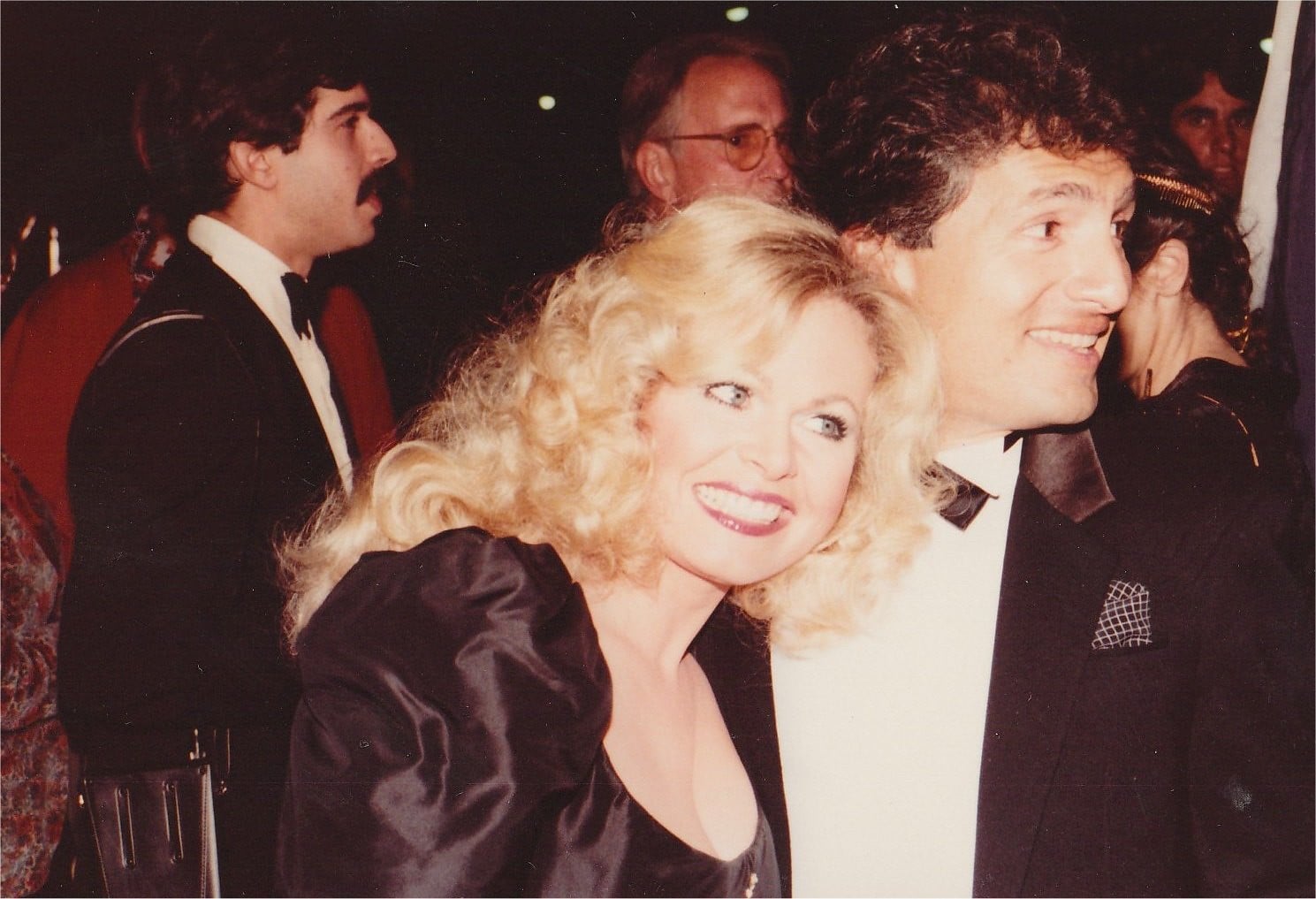
Norman Lear’s groundbreaking sitcom brought reality crashing into prime-time television like nothing before it. The show premiered on January 12, 1971, and centered on Archie Bunker, a working-class bigot played brilliantly by Carroll O’Connor, whose outdated views clashed constantly with his liberal son-in-law Mike and the changing world around him.
What made it revolutionary was its willingness to tackle subjects that were previously off-limits on television, from racism and sexism to homosexuality and menopause, all while remaining genuinely funny. The show ranked number one from 1971 to 1975, with over 50 million people tuning in each week, and it won six Emmy Awards while spawning successful spinoffs like Maude, The Jeffersons, and Archie Bunker’s Place, essentially creating Norman Lear’s 1970s television empire.
MAS*H

Premiering in 1972, this series followed the staff of a mobile army surgical hospital during the Korean War but clearly commented on the ongoing Vietnam conflict. The show masterfully blended humor with heartbreak, often switching tones within the same episode in ways that felt jarring yet authentic.
Alan Alda’s Hawkeye Pierce became the face of the anti-war sentiment that defined the era, using dark humor as a coping mechanism while performing life-saving surgery. The series finale ‘Goodbye, Farewell and Amen’ in 1983 drew about 105 million U.S. viewers, making it the highest-rated scripted broadcast in American history and proving just how deeply the show had burrowed into American culture.
Like Go2Tutors’s content? Follow us on MSN.
The Mary Tyler Moore Show

Mary Richards was television’s first unapologetically single, career-focused woman who wasn’t waiting around for a man to complete her life. Running from 1970 to 1977, the show followed Mary as she navigated the sexist world of television news production in Minneapolis, surrounded by a cast of eccentric characters who felt like real people rather than sitcom caricatures.
It arrived at a moment when women’s liberation was gaining ground and housewives were the norm on TV, making Mary’s independence feel genuinely radical. The show won 29 Emmy Awards and spawned successful spinoffs like Rhoda and Lou Grant, establishing the MTM Enterprises production style and shared universe concept that would influence countless shows to follow, and its 1977 finale remains one of the most beloved endings in television history.
Sesame Street
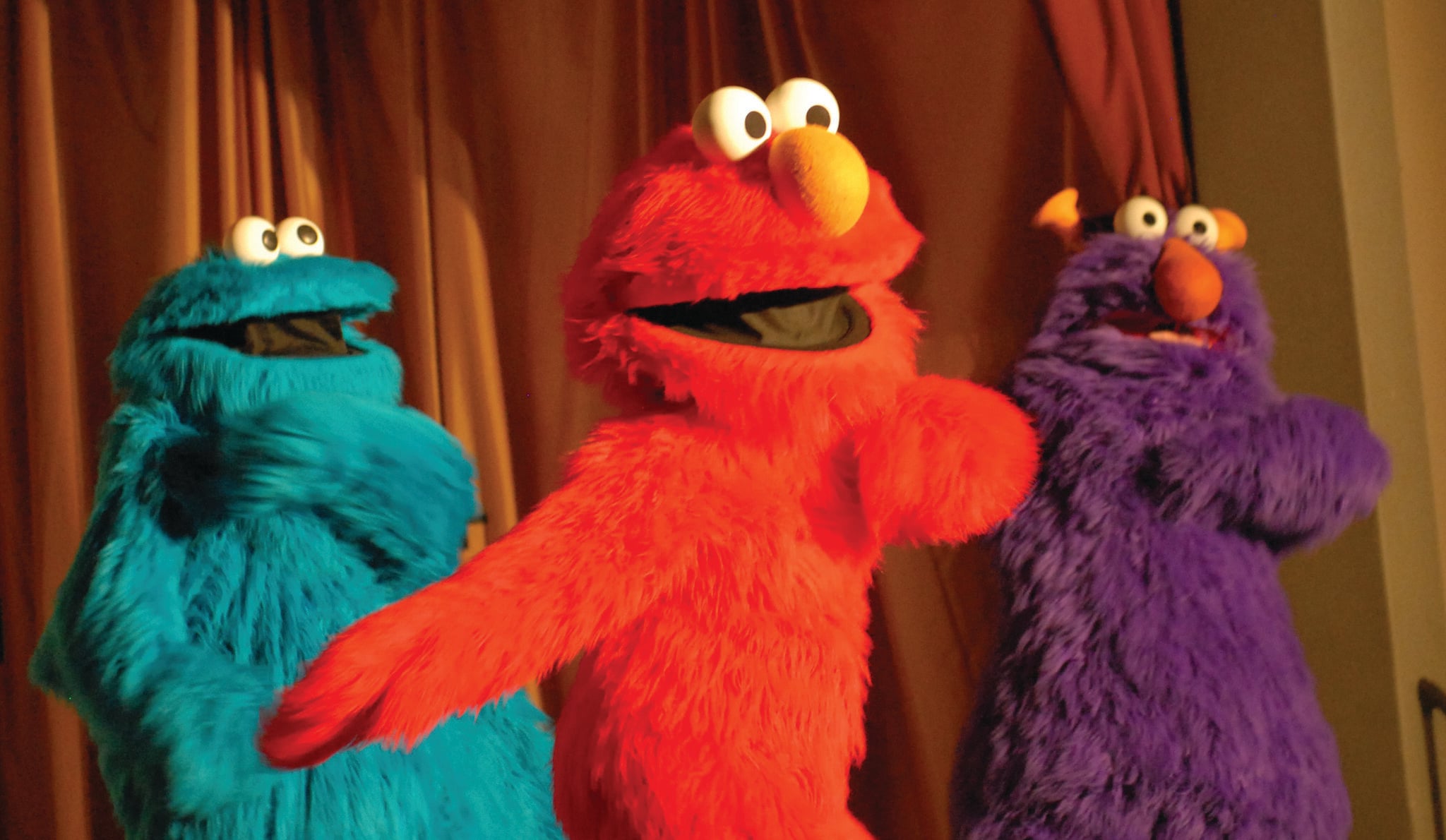
Joan Ganz Cooney revolutionized children’s programming by proving that television could be genuinely educational while remaining wildly entertaining. The show used 30-second commercial-style segments to teach preschoolers letters, numbers, and life skills, specifically targeting disadvantaged children who lacked access to quality early education.
Educational Testing Service studies beginning in 1970 confirmed measurable literacy and numeracy gains among viewers. By 1973, nine million American children were watching every week, and by 1979, Sesame Street aired in over 80 countries, becoming the most widely viewed educational program in the world.
The show’s multicultural cast and urban setting broke new ground by showing a functioning, diverse community where everyone belonged, and it had become an American institution with genuinely global reach.
Saturday Night Live
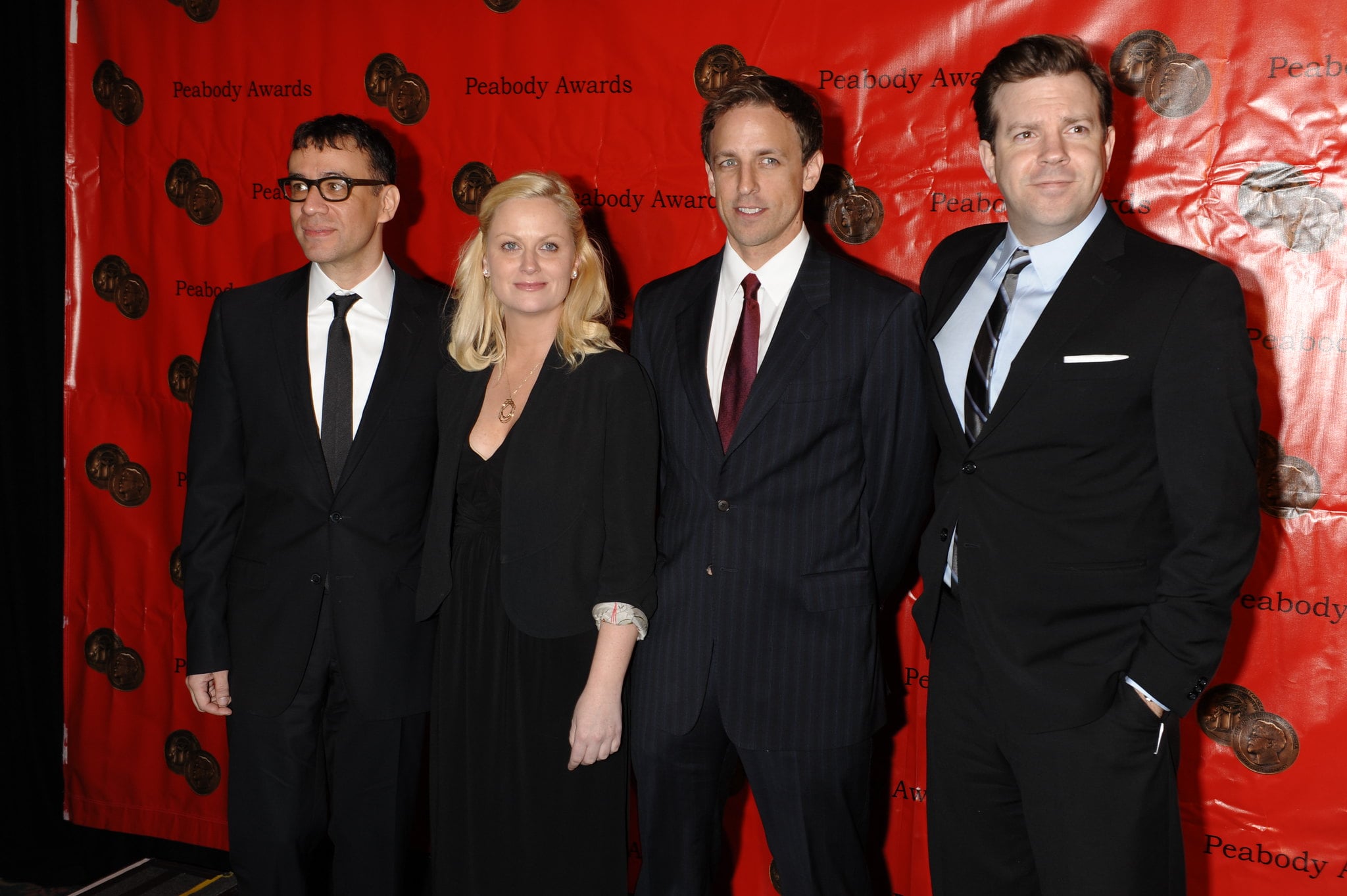
When SNL debuted on October 11, 1975, with George Carlin as host, it immediately captured the zeitgeist with anti-establishment humor that felt dangerous and electric. The show made stars out of the Not Ready for Prime Time Players, including Chevy Chase, John Belushi, and Bill Murray, showcasing an absurdist, sharp-edged comedy that network television had rarely seen.
Its live format and willingness to satirize politicians, celebrities, and cultural sacred cows put television in the hands of the television generation for the first time. The show set a precedent for modern sketch troupes like Key & Peele and Inside Amy Schumer, and four decades later continues using the same basic formula, proving that what felt revolutionary in 1975 actually created a template for comedy that still works today.
Like Go2Tutors’s content? Follow us on MSN.
The Carol Burnett Show

Carol Burnett and her ensemble cast turned sketch comedy into an art form with this variety show that aired from 1967 to 1978 on CBS. The show featured hilarious skits, celebrity guest stars, and musical numbers that showcased Burnett’s incredible versatility as a performer alongside Tim Conway, Harvey Korman, and Vicki Lawrence.
What set it apart was the genuine chemistry between cast members and their willingness to break character and laugh at their own mistakes, making viewers feel like they were in on the joke. The show earned 25 Emmy Awards and created cultural hallmarks like the ‘Went with the Wind!’ parody and the audience question-and-answer segment, proving that variety programming could be both sophisticated and accessible while influencing generations of sketch comedy that followed.
Happy Days
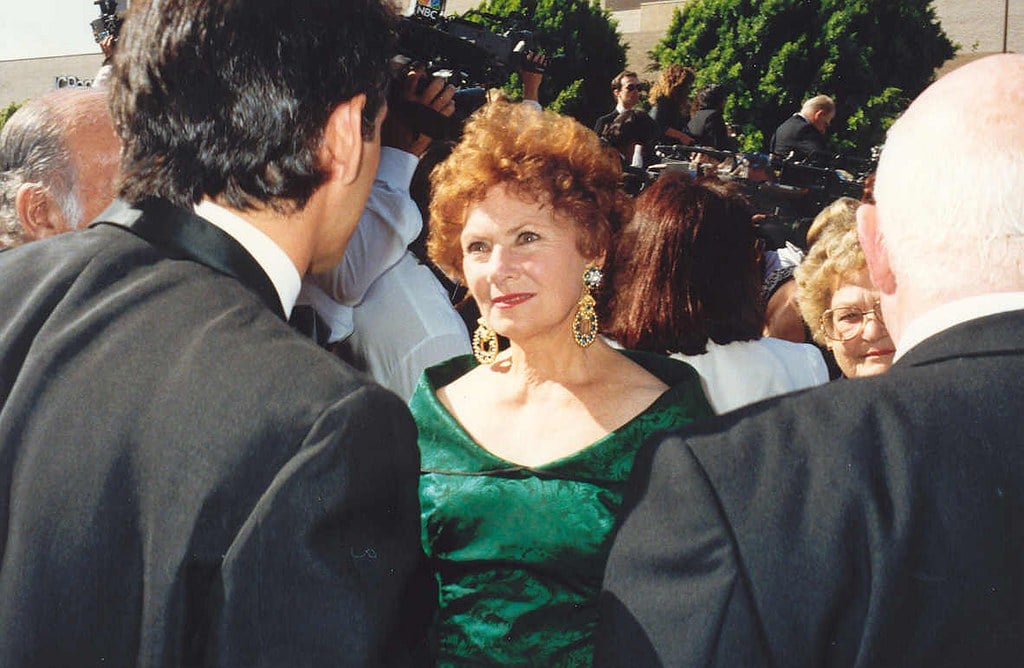
This nostalgic look at 1950s Milwaukee premiered on January 15, 1974, just as America desperately needed an escape from Watergate, Vietnam, and economic malaise. The show centered on the Cunningham family and their friends, including the leather-jacket-wearing Fonzie who quickly became a pop culture phenomenon.
Henry Winkler’s portrayal of the ultra-cool mechanic turned Fonzie into an icon, with catchphrases like ‘Ayyyy!’ becoming part of the national vocabulary by Season 3. The show tapped into America’s longing for simpler times when problems could be solved in 30 minutes and everyone gathered at the local diner, and its success spawned hit spinoffs like Laverne & Shirley and Mork & Mindy, creating a cultural ripple effect that dominated the decade.
The Jeffersons

This spinoff from All in the Family ran from 1975 to 1985 and followed George and Louise Jefferson as they moved from Queens to a deluxe apartment in Manhattan, literally moving on up in the world. Sherman Hemsley’s portrayal of the brash, successful dry-cleaning entrepreneur George Jefferson showed Black economic success on television in ways that felt groundbreaking.
The show was the first sitcom to feature an interracial married couple as regular supporting characters through Tom and Helen Willis, tackling interracial relationships, class differences, and racial tensions with humor and heart while never shying away from uncomfortable conversations. Running for 11 seasons, it became one of the longest-running sitcoms with a predominantly Black cast, paving the way for more diverse representation on television.
Like Go2Tutors’s content? Follow us on MSN.
Dallas
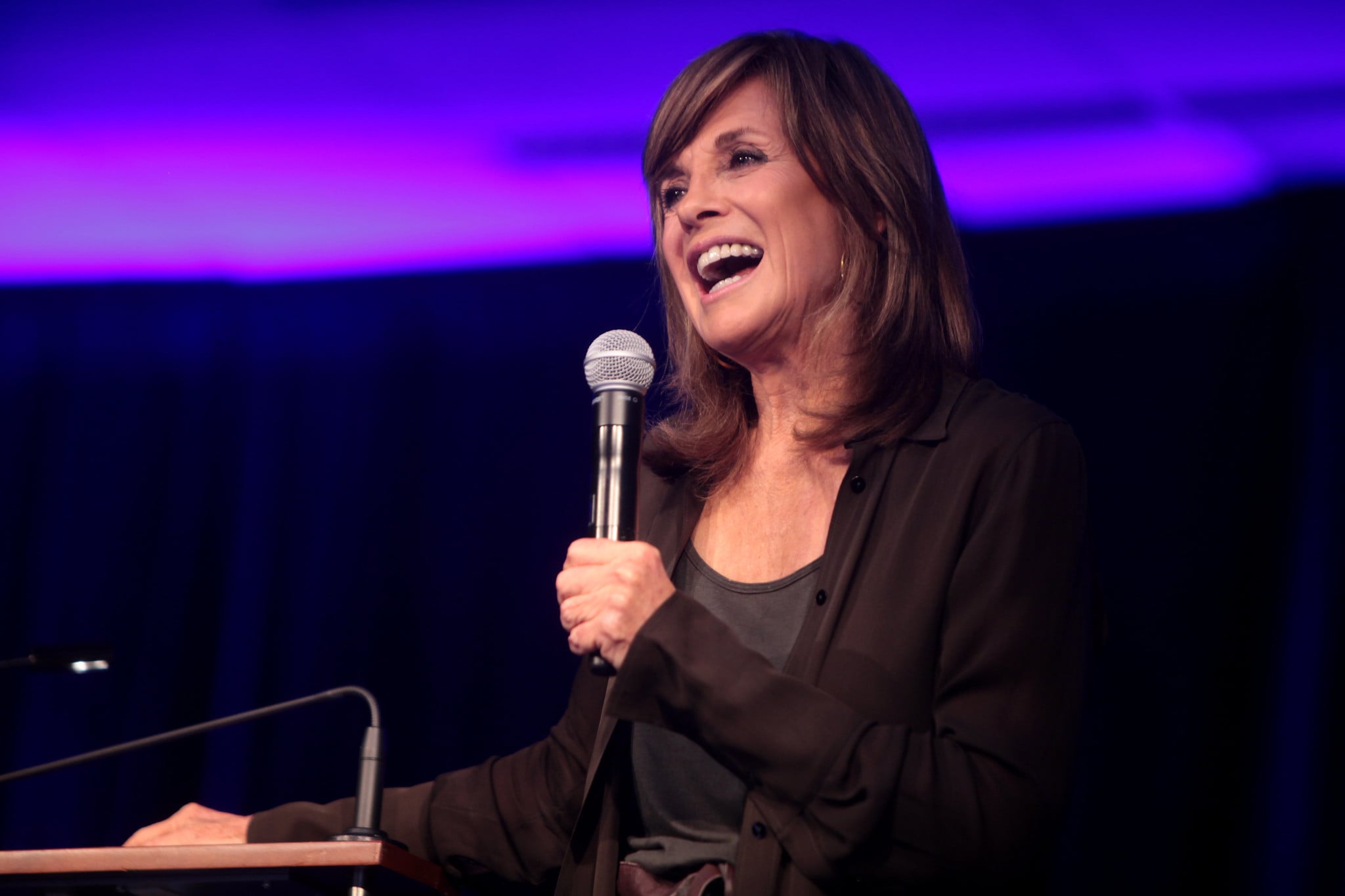
This prime-time soap opera about the wealthy Ewing family of Texas changed television by proving that serialized drama could dominate evening ratings. The show turned J.R. Ewing’s scheming and manipulation into must-see TV, and when someone shot him in the March 21, 1980 season finale, the resulting cliffhanger became a national obsession.
The question ‘Who shot J.R.?’ dominated water cooler conversations for months, and when the mystery was finally revealed on November 21, 1980, it drew over 90 million U.S. viewers, making it the second most-watched broadcast at the time. The show pioneered marketing techniques for serialized television and proved that audiences would commit to long-form storytelling that stretched across entire seasons.
The Muppet Show

Jim Henson’s creation premiered in 1976 and was impossible to categorize, blending elements of variety shows, sketch comedy, and children’s programming into something entirely unique. After U.S. networks initially passed on the concept, it was filmed in the UK and became an international sensation.
The show featured beloved characters like Kermit the Frog and Miss Piggy performing alongside celebrity guests ranging from Elton John to Steve Martin. Its non-stop wordplay, visual gags, and surprisingly sophisticated humor appealed to both children and adults in ways that felt revolutionary, and the show won four Primetime Emmy Awards while making Jim Henson a household name and creating characters so enduring that they remain cultural touchstones nearly 50 years later.
Columbo

Peter Falk’s rumpled detective in the wrinkled raincoat premiered as part of NBC’s Mystery Movie series in 1971 and revolutionized the police procedural by showing viewers the crime at the beginning of each episode. The mystery wasn’t who committed the murder but how Columbo would catch them, turning the traditional whodunit formula on its head.
Falk’s portrayal of the seemingly absent-minded detective who always had one more question became iconic and earned him four Emmy Awards, while the show ran intermittently through 1978 before being revived in later decades. The show’s inverted mystery format influenced countless crime dramas that followed, and in the 2020s, shows like Poker Face have explicitly borrowed from Columbo’s structure, proving that what worked in the 1970s still resonates with modern audiences.
Like Go2Tutors’s content? Follow us on MSN.
Sanford And Son
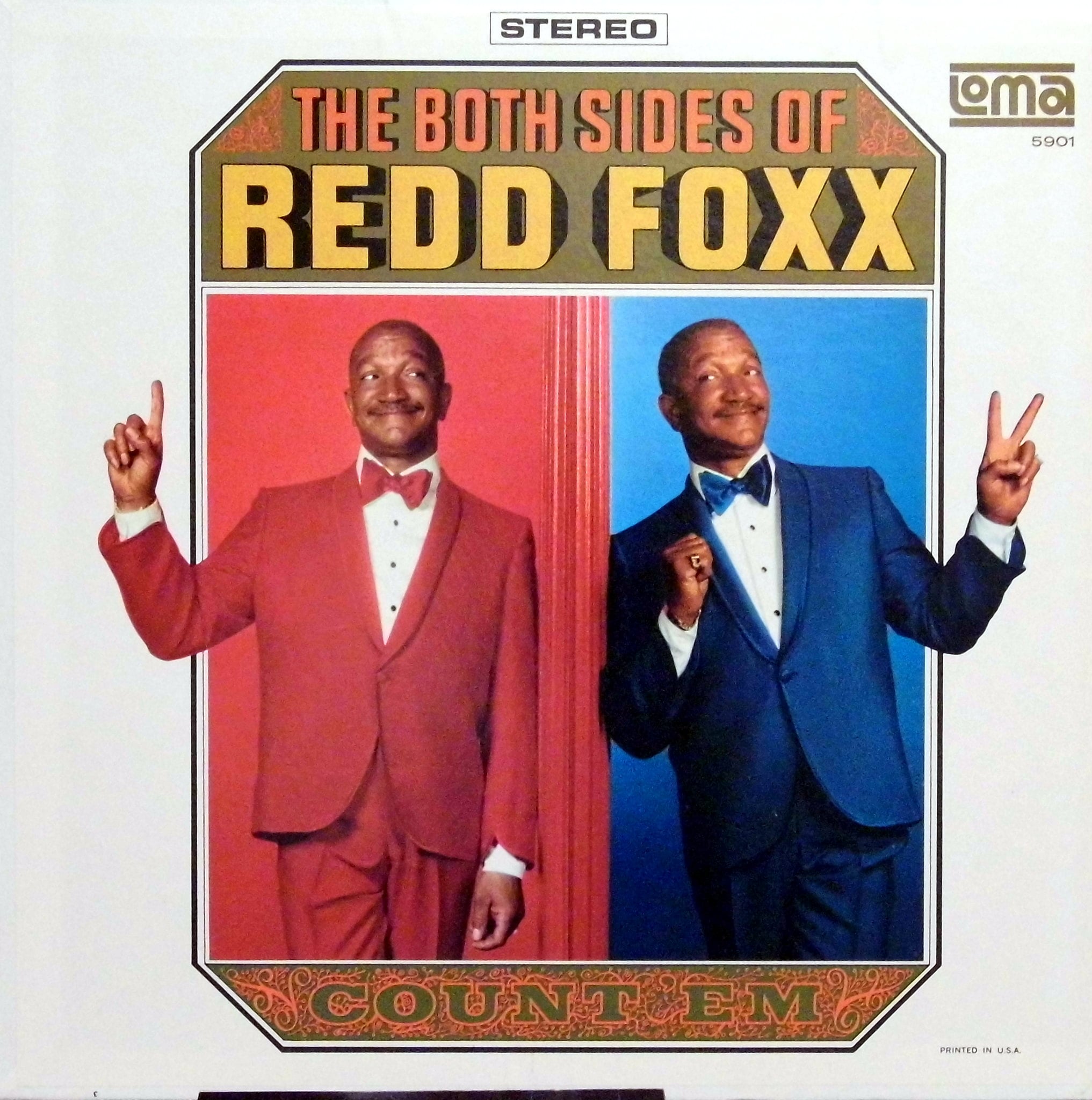
Redd Foxx starred as Fred Sanford, a cantankerous junk dealer in Los Angeles whose explosive relationship with his son Lamont provided both comedy and social commentary. Running from 1972 to 1977, this American adaptation of the British sitcom Steptoe and Son presented Black family life and economic struggles in ways that felt authentic rather than stereotypical, addressing poverty, generational gaps, and race relations through humor.
Fred’s fake heart attacks and colorful insults became catchphrases, but underneath the laughs was a show about working-class dignity and family bonds. Its success helped NBC move away from rural sitcoms toward urban, socially aware comedies, proving that predominantly Black sitcoms could achieve mainstream success and paving the way for more diverse programming throughout the decade.
Monday Night Football

Howard Cosell, Frank Gifford, and Don Meredith brought professional football into prime time when the show debuted on September 21, 1970, and changed sports broadcasting forever. The show regularly drew 30 to 50 million viewers and made football a weekly ritual that transcended sports, becoming a cultural event that families and friends gathered around.
Cosell’s distinctive commentary style and willingness to address controversial topics made the broadcasts feel like more than just games, and the production values set new standards for sports television. It proved that sports could compete with scripted programming in prime time, anchor an entire evening for a major network, and established a format that continues dominating Monday nights decades later.
When Television Grew Up

Television transitioned from being merely entertainment to a true cultural force in the 1970s. Nearly 90% of American homes had access to television by the end of the decade, and the top programs had irrevocably changed audience expectations, representation, and storytelling.
This decade’s shows demonstrated that the medium could address challenging topics, challenge social norms, and produce common experiences that united the nation despite polarizing times. Many of these shows are still more relevant and watchable than programming from much more recent decades, even though only three networks competed for viewers.
The quality of the programming reached heights that continue to influence what we watch today.
Like Go2Tutors’s content? Follow us on MSN.
More from Go2Tutors!

- 16 Historical Figures Who Were Nothing Like You Think
- 12 Things Sold in the 80s That Are Now Illegal
- 15 VHS Tapes That Could Be Worth Thousands
- 17 Historical “What Ifs” That Would Have Changed Everything
- 18 TV Shows That Vanished Without a Finale
Like Go2Tutors’s content? Follow us on MSN.