27 NBA Draft Picks That Became the Biggest Busts in History
The NBA Draft represents hope in its purest form. Every June, teams gather to select the future stars who will transform their franchises, fill arenas, and deliver championships.
Front offices spend months analyzing college tape, measuring wingspans, and projecting how raw talent might translate to professional basketball. Yet for all the scouting reports and workout sessions, the draft remains beautifully unpredictable — and sometimes heartbreakingly wrong.
History is littered with players who arrived with tremendous fanfare only to disappear into obscurity. These aren’t just role players who failed to live up to modest expectations.
These are the lottery picks, the franchise cornerstones, the players who were supposed to change everything but instead became cautionary tales. Some battled injuries that derailed promising careers before they truly began.
Others simply couldn’t adapt their games to the professional level, discovering that college dominance meant little against NBA athleticism and coaching schemes.
Anthony Bennett
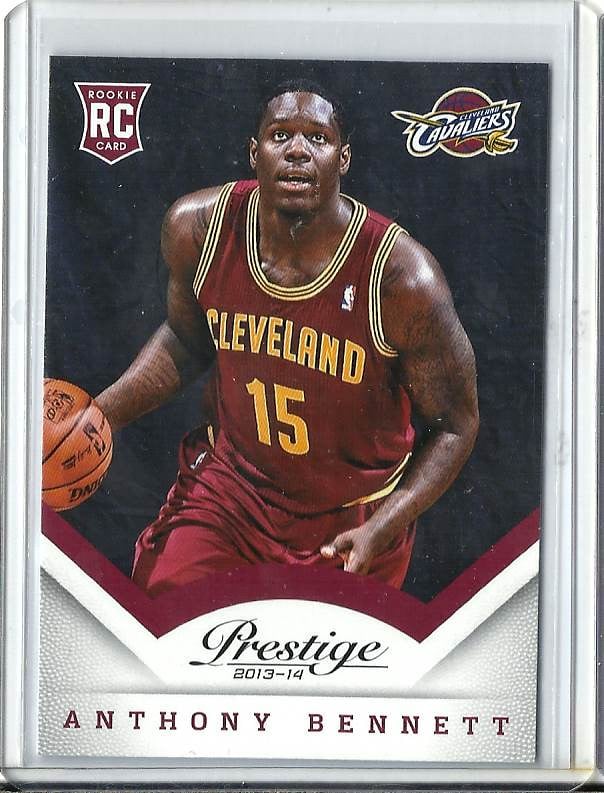
The 2013 NBA Draft will forever be remembered for one stunning decision: the Cleveland Cavaliers selecting Anthony Bennett with the first overall pick. Bennett wasn’t even projected to go in the top five by most draft experts, making his selection the most shocking number one pick in modern draft history.
His rookie season was a disaster from the start — he shot 16.9% from three-point range and averaged just 4.2 points per game while struggling with weight issues and confidence problems that seemed to compound with each poor performance.
Greg Oden
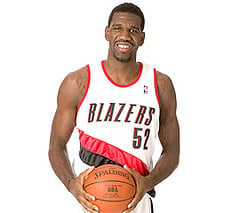
Injuries can be cruel, but they’re especially devastating when they rob the basketball world of generational talent. Greg Oden possessed everything scouts dream about: seven-foot height, incredible athleticism, and the kind of defensive instincts that could anchor a championship team.
The Portland Trail Blazers chose him over Kevin Durant in 2007, and while that decision looks terrible in hindsight, it made perfect sense at the time (Oden had dominated Durant in their college matchup). Knee problems limited him to just 82 games across his entire NBA career, transforming what should have been a Hall of Fame trajectory into one of sports’ most tragic what-if stories.
Darko Milicic
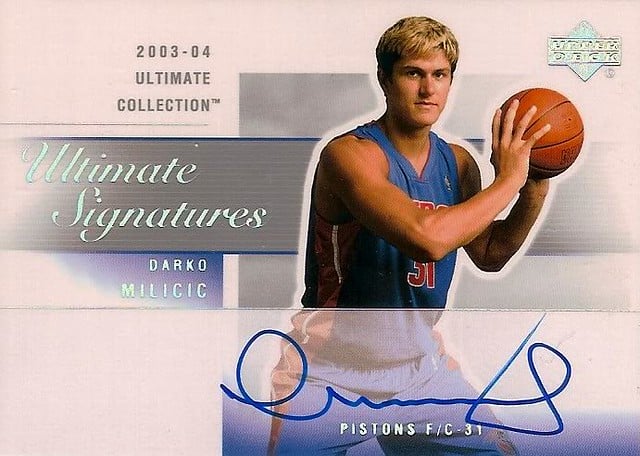
Detroit had won 50 games and reached the Eastern Conference Finals when they decided to draft a largely unknown Serbian teenager with the second pick in 2003. Darko Milicic arrived with impressive size and skill for a 7-footer, but he was nowhere near ready for NBA competition — and unfortunately for Detroit, they drafted him ahead of Carmelo Anthony, Chris Bosh, and Dwyane Wade.
The Pistons won a championship in 2004, but Milicic barely contributed, playing garbage time minutes while watching future All-Stars excel on other teams. He never developed the toughness or basketball IQ needed for NBA success.
Kwame Brown
Michael Jordan’s talent evaluation during his executive years was questionable at best, and nowhere was this more apparent than his insistence on drafting Kwame Brown first overall in 2001. Brown became the first high school player ever selected with the top pick, but his hands were inconsistent, his post moves were limited, and he seemed overwhelmed by the pressure of living up to Jordan’s expectations.
So Brown spent most of his career as a backup center, bouncing between teams while Jordan’s harsh criticism — calling him a “flawed person” publicly — followed him throughout his disappointing tenure in Washington.
Adam Morrison
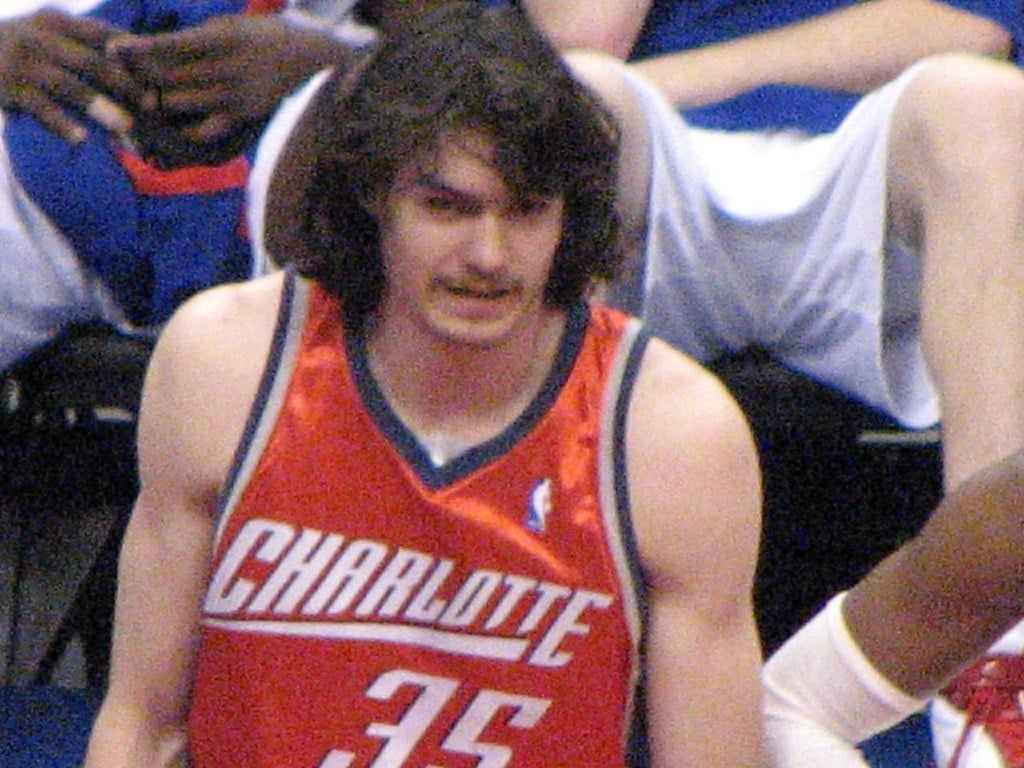
College basketball’s national player of the year in 2006, Adam Morrison looked unstoppable at Gonzaga with his deadly shooting stroke and competitive fire (the tears after their tournament loss became iconic). The Charlotte Bobcats made him the third overall pick, expecting his scoring ability to translate immediately to professional basketball.
But Morrison’s lack of athleticism and defensive limitations were exposed quickly — NBA wings were faster, stronger, and more versatile than anything he’d faced in college, and his shooting percentage plummeted against elite competition.
Hasheem Thabeet
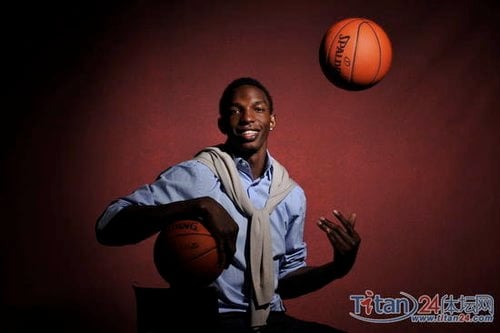
Sometimes a player’s physical measurements become more important than their actual basketball ability, and Hasheem Thabeet represents the extreme end of that mistake. At 7’3″ with a massive wingspan, Thabeet dominated the paint at UConn through sheer size rather than skill or basketball instincts.
The Memphis Grizzlies selected him second overall in 2009, hoping his presence would anchor their defense, but Thabeet lacked the coordination and feel for the game needed to succeed professionally (his college career was built on athleticism advantages that disappeared against NBA competition). He averaged 2.2 points and 2.7 rebounds per game across four forgettable seasons.
Michael Olowokandi
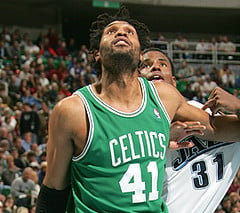
The 1998 NBA Draft was considered weak at the top, but that doesn’t excuse the Los Angeles Clippers selecting Michael Olowokandi first overall when they could have had Vince Carter, Dirk Nowitzki, or Paul Pierce. Olowokandi had started playing basketball relatively late in life, and while his 7’1″ frame and athletic ability impressed scouts, his basketball fundamentals were severely underdeveloped.
And his post moves remained awkward throughout his career, his hands were unreliable, and he never developed the motor or competitive drive needed to maximize his physical gifts — even in a weak draft class, multiple future All-Stars were available when the Clippers made their selection.
Shawn Bradley
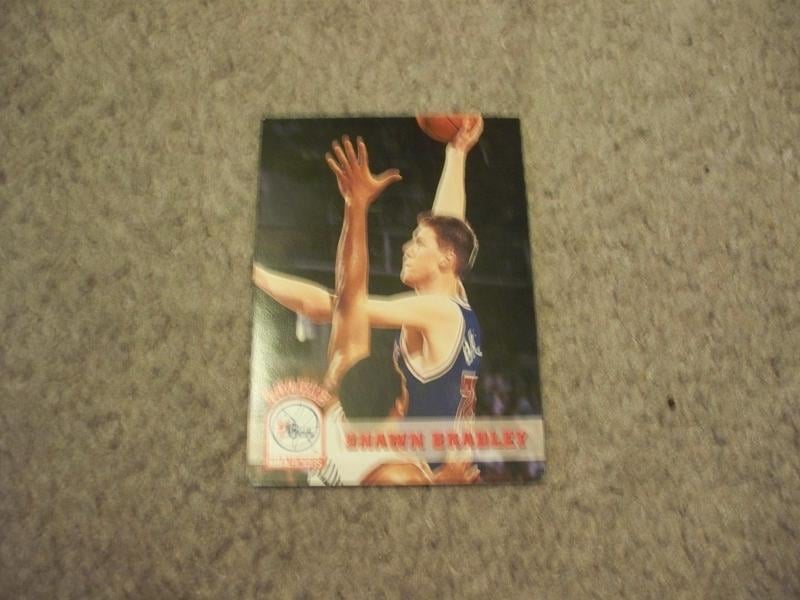
Basketball fans of a certain age remember Shawn Bradley primarily as the 7’6″ center who appeared in opposing players’ highlight reels, getting dunked on by seemingly every athletic wing and guard in the league. The Philadelphia 76ers made him the second pick in 1993, attracted by his shot-blocking ability and the novelty of his extreme height.
But Bradley was too thin to handle NBA post players physically, too slow to defend pick-and-rolls, and too limited offensively to create his own scoring opportunities. His career became a cautionary tale about prioritizing size over basketball ability.
Joe Alexander
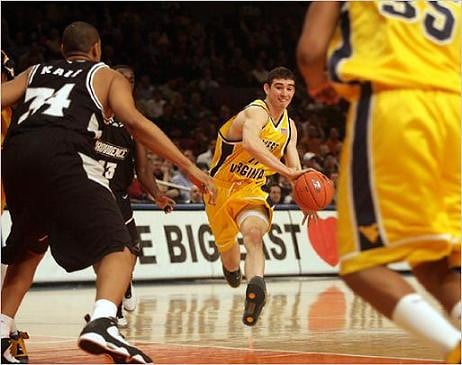
The 2008 draft featured several players who would become stars later in their careers, but the Milwaukee Bucks used the eighth pick on Joe Alexander, a raw athletic forward from West Virginia. Alexander had impressed scouts with his leaping ability and defensive potential during workouts, but his basketball skills were nowhere near NBA-ready — his shooting was inconsistent, his handling was limited, and his basketball IQ lagged far behind his physical tools.
So the Bucks essentially drafted a project player in the lottery, hoping to develop him into a contributor, but Alexander never figured out how to translate his athleticism into productive basketball. He played just 67 games across two seasons before washing out of the league entirely.
Jonny Flynn
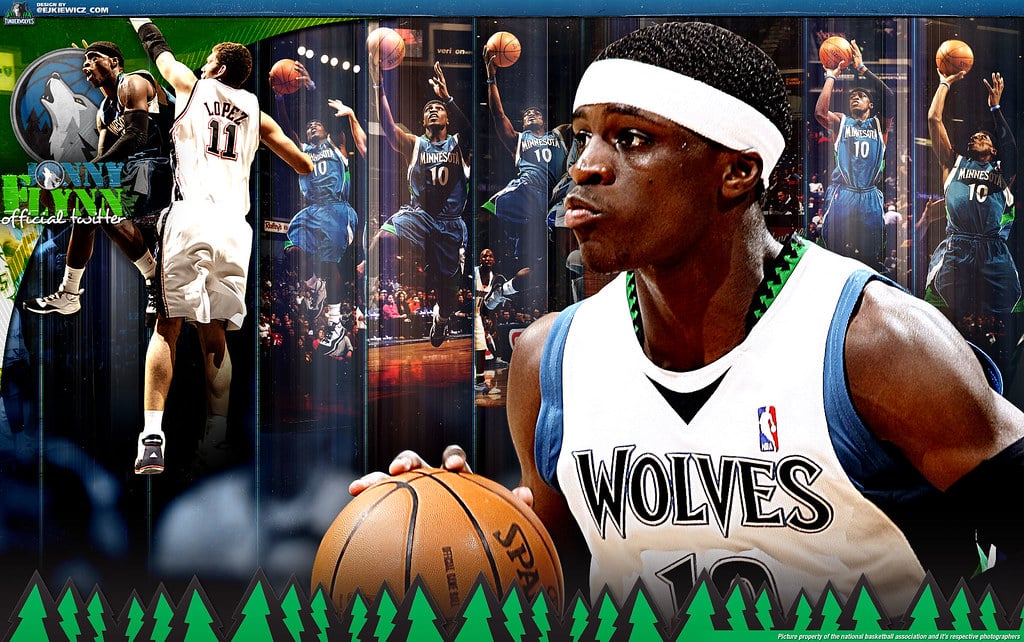
Point guard was a position of need for the Minnesota Timberwolves in 2009, but instead of taking Stephen Curry with the sixth pick, they selected Jonny Flynn from Syracuse. Flynn had been a dynamic college player with excellent speed and court vision, but he was undersized for an NBA point guard and lacked the shooting range to compensate for his physical limitations.
The decision looks even worse considering Minnesota traded down and selected Ricky Rubio later in the same draft — they chose two point guards while passing on the player who would become the greatest shooter in basketball history (Curry went one pick later to Golden State).
Thomas Robinson
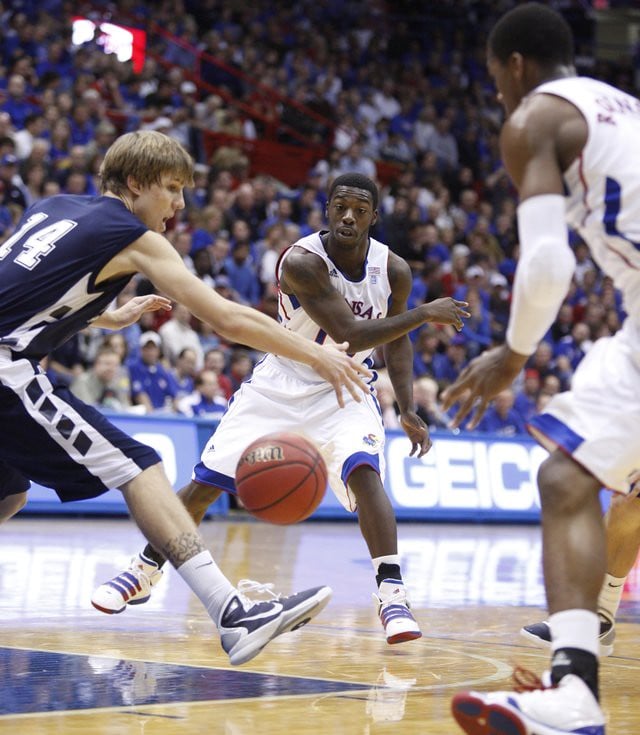
Kansas reached the national championship game in 2012 behind Thomas Robinson’s dominant play in the paint, but they lost to Kentucky. The Sacramento Kings made him the fifth overall pick based on his rebounding ability and high-motor approach to the game.
Robinson was relentless on the boards and showed flashes of offensive potential, but he was caught between positions in the NBA — too small to play center consistently, not skilled enough to play power forward against more versatile opponents. His lack of a reliable jump shot limited his offensive contributions, and despite his hustle and effort, he never developed into the impact player Sacramento expected when they drafted him in the lottery.
Jan Vesely
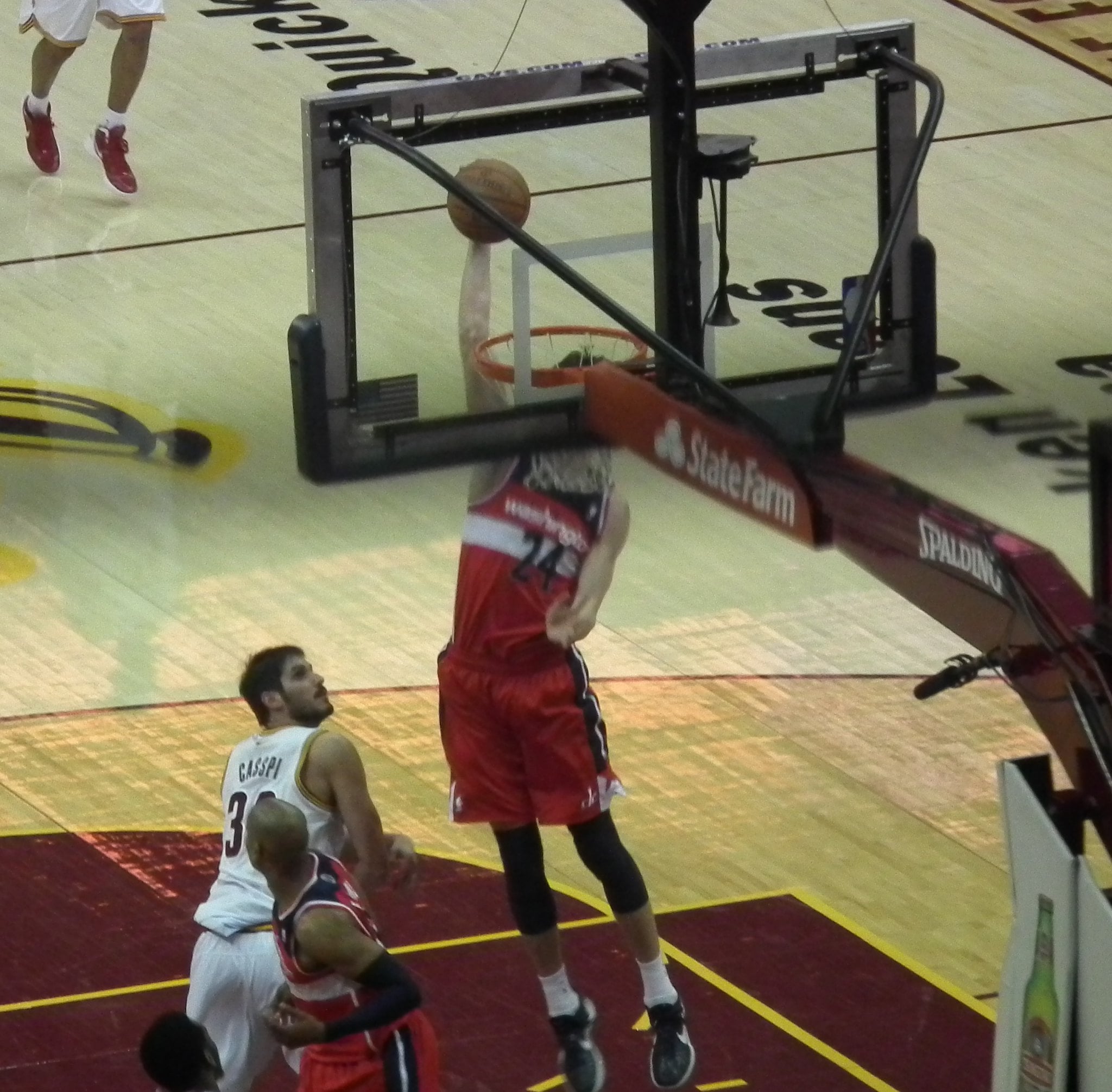
International prospects can be difficult to evaluate, but the Washington Wizards were confident enough in Jan Vesely’s potential to select him sixth overall in 2011. Vesely had shown versatility and athleticism playing professionally in Europe, but his shooting stroke was inconsistent and his decision-making suffered against NBA-level competition.
But the pace and physicality of American basketball seemed to overwhelm him — he looked lost on both ends of the floor, shooting poorly and making mental mistakes that suggested he wasn’t ready for the NBA’s demands. After two disappointing seasons, he returned to Europe where his career flourished, proving that sometimes the fit matters more than the talent.
Wesley Johnson
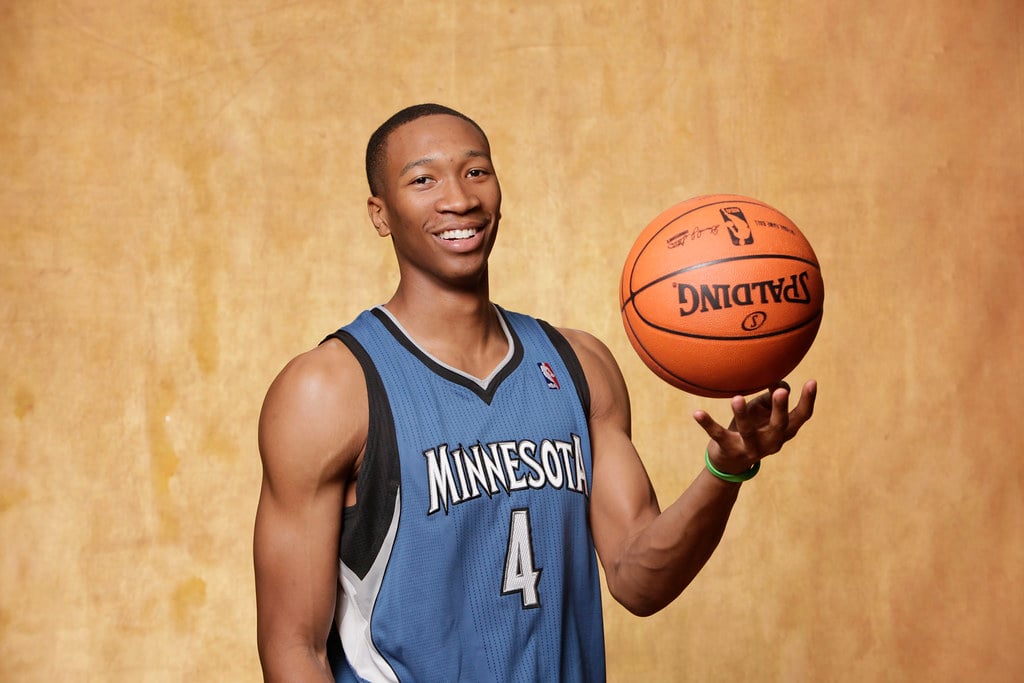
Syracuse’s zone defense helped mask some of Wesley Johnson’s defensive limitations in college, but his size and athleticism at the forward position made him an attractive prospect for NBA teams looking for versatility. The Minnesota Timberwolves selected him fourth overall in 2010, expecting his length and shooting ability to translate into a quality starter.
Johnson’s shooting percentage was decent, but he never developed the consistent three-point range or defensive impact that would justify his high draft position — he became a solid role player rather than the star Minnesota needed, and his inability to create offense limited his ceiling throughout his career.
Derrick Williams
Arizona’s Derrick Williams was one of the most explosive college players in recent memory, combining power and athleticism in ways that suggested he could dominate at the professional level. The Minnesota Timberwolves made him the second pick in 2011, but Williams struggled to find his position in the NBA — he wasn’t quite big enough to play power forward consistently, not skilled enough to play small forward against more versatile opponents.
His three-point shooting never developed reliably, and his defensive effort was inconsistent, preventing him from becoming the impact player his college production suggested he could be. Williams bounced around the league for several years as a bench player, never approaching the expectations that came with being selected so high.
Jimmer Fredette
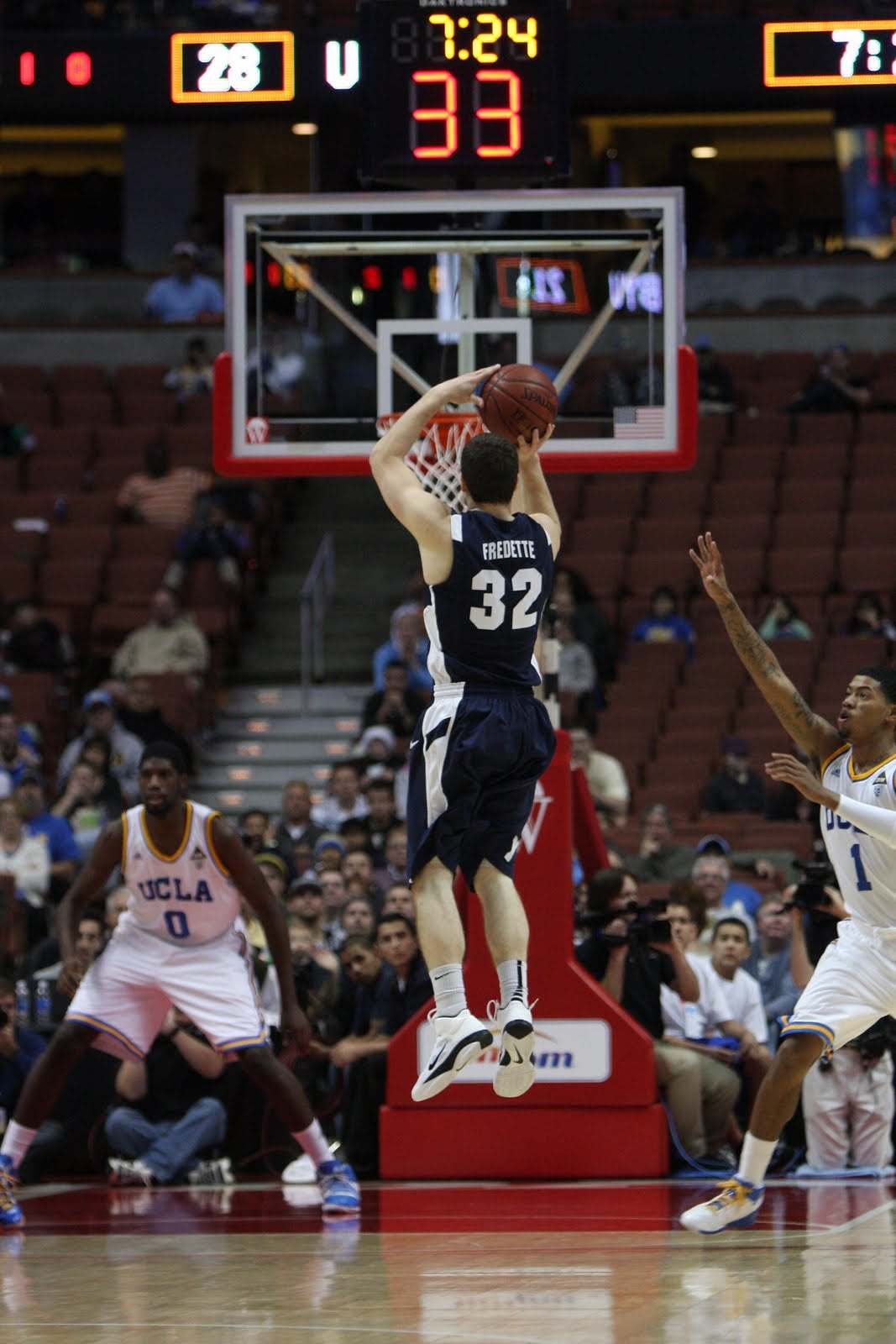
Few college players have ever been as electrifying as Jimmer Fredette during his senior season at BYU, where his long-range shooting and scoring ability made him a national sensation. The Sacramento Kings selected him tenth overall in 2011, believing his shooting touch would translate perfectly to the NBA’s three-point friendly style of play.
But Fredette’s defensive limitations were exposed immediately — he was too slow to guard NBA point guards, too small to handle shooting guards, and his decision-making under pressure wasn’t sharp enough for consistent playing time. And his shooting percentage dropped significantly against professional competition, as NBA defenders were quicker to close out and more physical in their contests than anything he’d faced in college.
Trey Burke
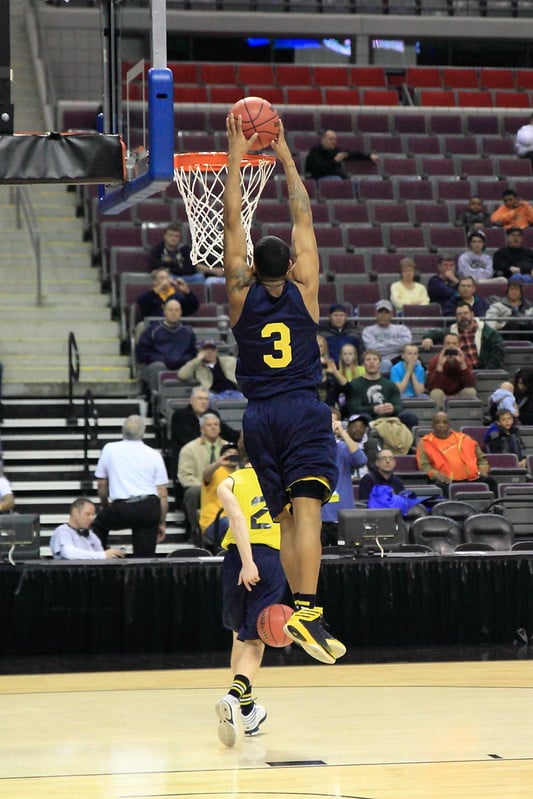
The 2013 NCAA Tournament’s Most Outstanding Player, Trey Burke led Michigan to the championship game with his clutch shooting and leadership ability. The Utah Jazz traded up to select him ninth overall, convinced that his college success would translate to professional basketball.
Burke showed flashes of his college brilliance during his rookie season, but he was undersized for an NBA point guard and struggled to finish at the rim against bigger, more athletic defenders. So his three-point shooting was inconsistent, his defense was a liability, and he never developed the court vision needed to become a quality NBA starter — despite his college achievements, the professional game exposed his physical limitations too severely for him to succeed at a high level.
Marquis Teague
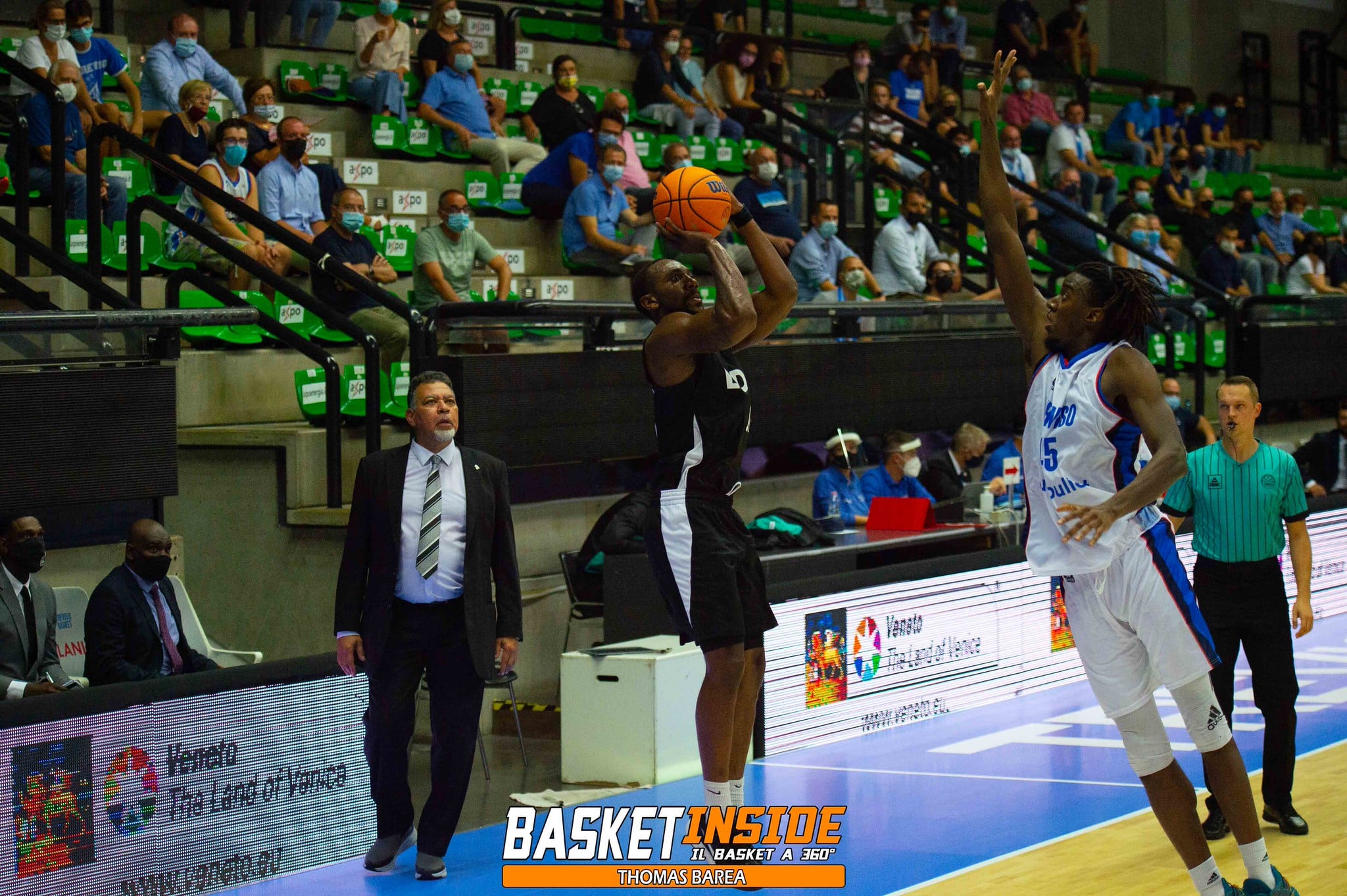
Sometimes a player’s family connections influence draft decisions more than they should, and Marquis Teague benefited from being Jeff Teague’s younger brother when the Chicago Bulls selected him 29th overall in 2012. Teague had shown potential at Kentucky, but his decision-making was questionable and his shooting needed significant improvement before he could contribute at the NBA level.
The Bulls hoped to develop him as a backup point guard, but Teague’s turnover rate was too high and his defensive effort too inconsistent for regular playing time (even late in the first round, teams expect more immediate contributions than Teague could provide). He appeared in just 35 games across two seasons before leaving the league.
Georgios Printezis
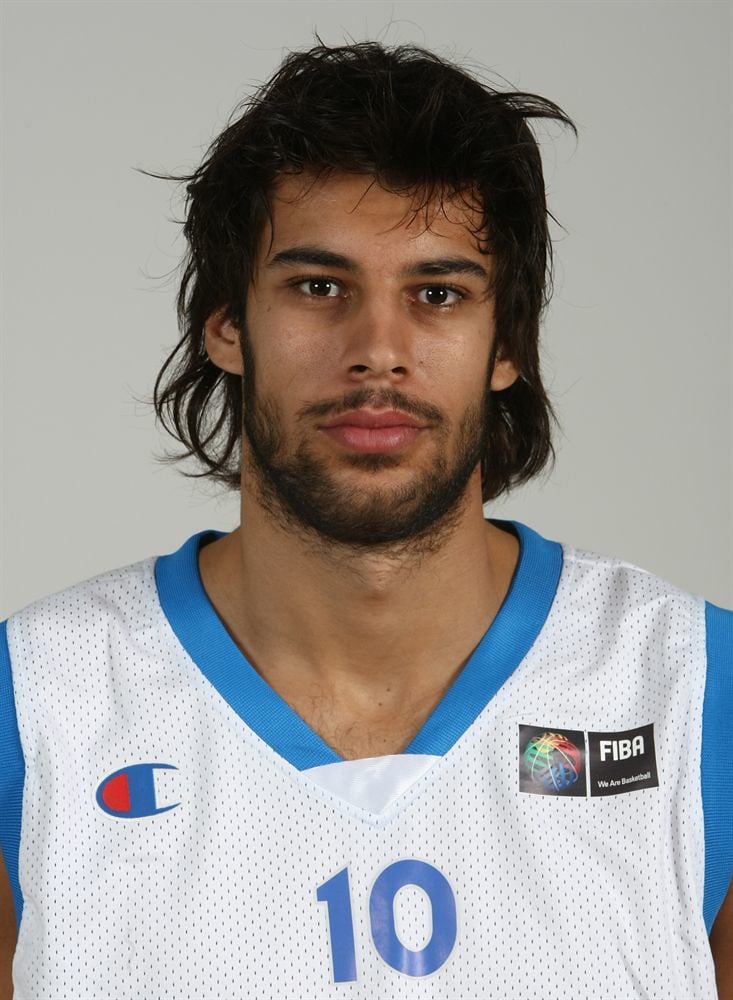
International draft picks always carry additional risk, and Georgios Printezis never even made it to the NBA after the San Antonio Spurs selected him 58th overall in 2007. While late second-round picks aren’t expected to become stars, Printezis was considered one of the better European prospects available and the Spurs typically excel at finding overseas talent.
But contract negotiations fell through, and Printezis chose to remain in Europe rather than come to San Antonio — he went on to have a successful career playing professionally overseas, but NBA fans never got to see whether his skills would have translated to American basketball. The Spurs wasted a draft pick on a player who never intended to join their organization.
Renaldo Balkman
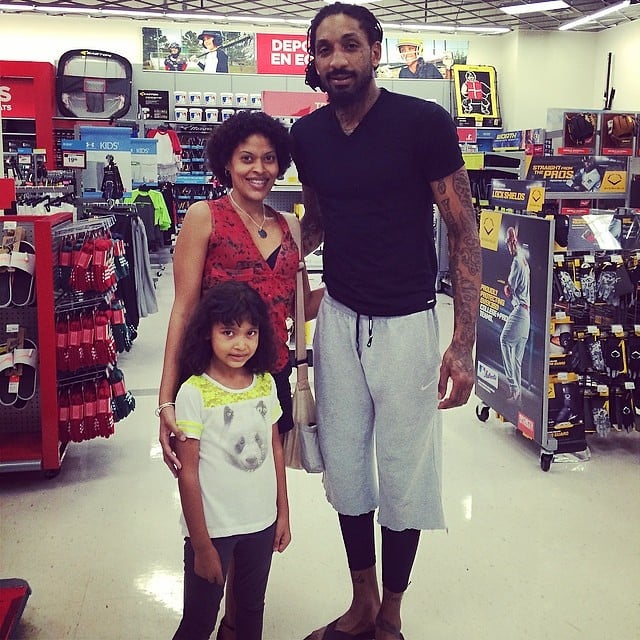
The New York Knicks selected Renaldo Balkman 20th overall in 2006, attracted by his defensive potential and athletic ability at South Carolina. Balkman was considered raw but promising, with the kind of length and energy that suggested he could develop into a quality role player with proper coaching and development time.
And his basketball instincts were limited, his offensive skills were virtually nonexistent, and his decision-making on both ends of the floor prevented him from ever becoming a reliable contributor — the Knicks essentially drafted an athlete rather than a basketball player, hoping they could teach him the game at the professional level. After struggling for three seasons, Balkman found more success playing internationally.
Yi Jianlian
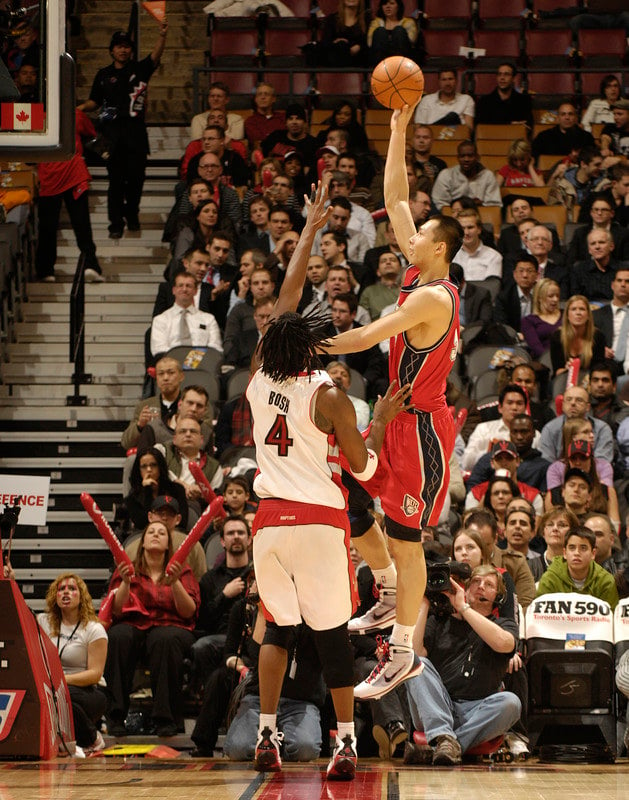
The Milwaukee Bucks made Yi Jianlian the sixth overall pick in 2007, hoping to tap into the Chinese basketball market while adding a versatile big man to their roster. Yi had shown impressive skills playing professionally in China, including the ability to shoot from three-point range and handle the orb for a player his size.
But the pace and physicality of NBA basketball seemed to overwhelm him consistently — he struggled to rebound against more aggressive opponents, his defense was inconsistent, and his shooting percentage dropped significantly against professional competition. So Yi never adapted to the American style of play, spending five seasons bouncing between teams before returning to China where his career flourished.
Hilton Armstrong
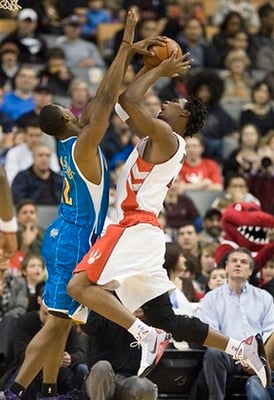
Shot-blocking ability can be seductive for NBA teams, and Hilton Armstrong’s defensive potential convinced the New Orleans Hornets to select him 12th overall in 2006. Armstrong had anchored UConn’s defense during their successful run, but his offensive limitations were severe — he had no reliable post moves, his free-throw shooting was poor, and his hands were inconsistent when catching passes in traffic.
His shot-blocking translated somewhat to the NBA level, but he was too limited offensively to justify significant playing time, and his rebounding numbers were disappointing for a player his size (the modern NBA requires more versatility from big men than Armstrong could provide). He spent most of his career as a deep bench player.
Ndudi Ebi
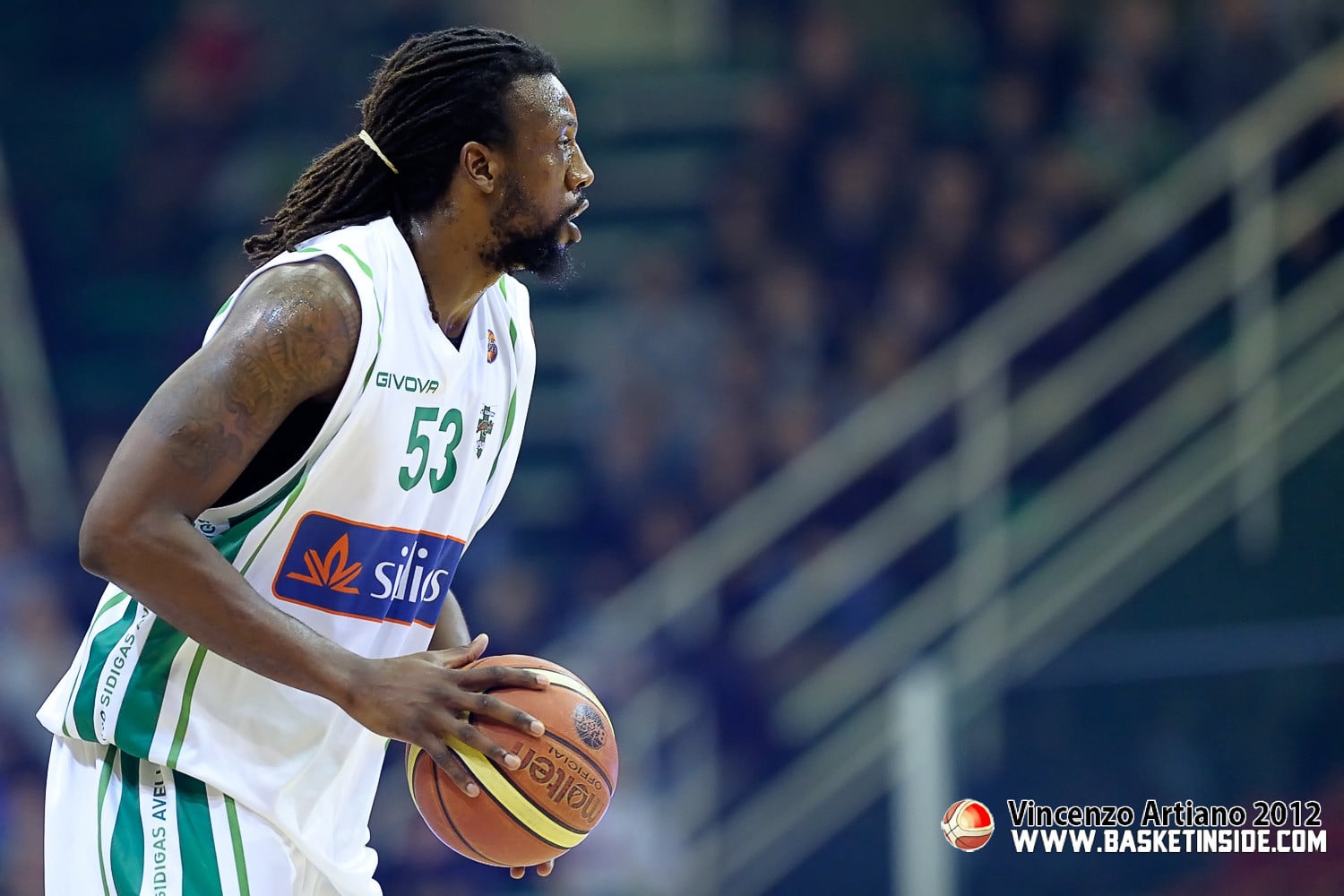
High school prospects always carry additional risk, and Ndudi Ebi was particularly raw when the Minnesota Timberwolves selected him 26th overall in 2003. Ebi had impressive physical tools and showed flashes of potential during his prep career, but he needed significant development time before he could contribute at the NBA level.
The Timberwolves were competing for a championship and couldn’t afford to wait for Ebi’s development — his basketball skills were too limited, his decision-making too poor, and his understanding of NBA systems too lacking for him to earn playing time on a veteran team. And after two seasons of minimal contributions, he was out of the league entirely, becoming another example of a team drafting potential over proven ability.
Shaun Livingston
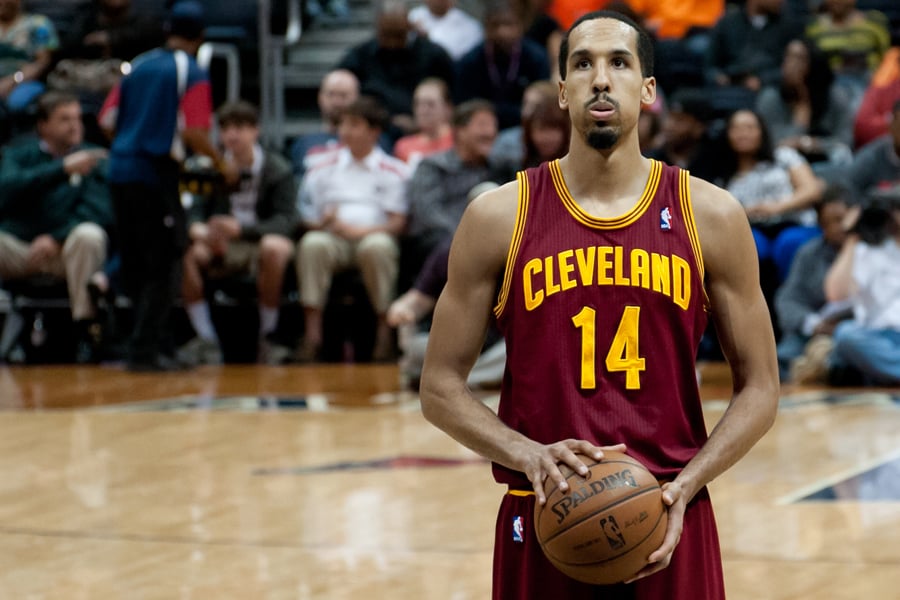
Injuries derailed what could have been a promising career for Shaun Livingston, who the Los Angeles Clippers selected fourth overall in 2004 straight out of high school. Livingston showed excellent court vision and handling ability for a 6’7″ point guard, but a devastating knee injury in 2007 nearly ended his career entirely.
The injury was so severe that doctors initially worried about amputation, and Livingston missed nearly two full seasons during his recovery process (his rehabilitation required multiple surgeries and years of physical therapy). While he eventually returned and had a productive career as a role player, the injury prevented him from ever reaching the All-Star potential he’d shown early in his career.
Robert Swift
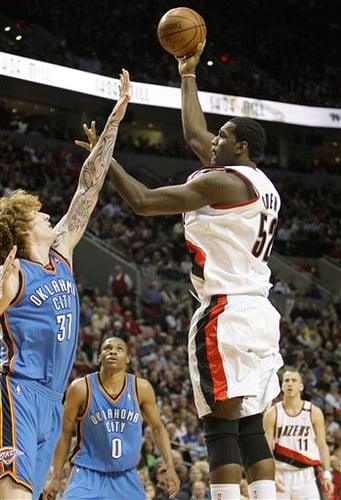
The Seattle SuperSonics took a significant risk by selecting Robert Swift 12th overall in 2004, making him one of the youngest players ever drafted when he came straight from high school. Swift had impressive size at 7’1″ and showed potential as a shooter for his position, but he was nowhere near ready for NBA competition physically or mentally.
His body needed years of development, his basketball skills were limited, and he struggled with the adjustment to professional life at such a young age (the Sonics essentially drafted a project player in the lottery, hoping to develop him over several seasons). Swift appeared in just 97 games across five injury-plagued seasons before personal problems ended his career prematurely.
Eddie Griffin
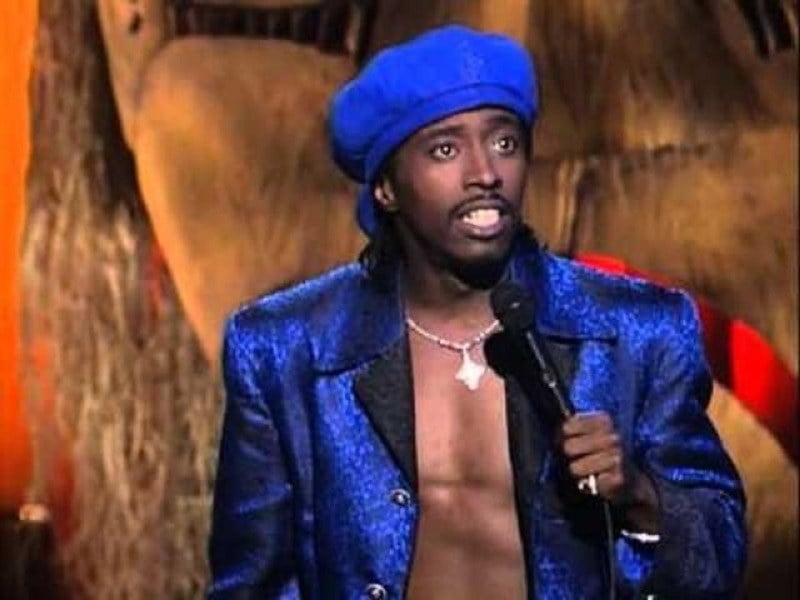
Talent alone isn’t enough to succeed in the NBA, and Eddie Griffin’s personal struggles overshadowed his considerable basketball ability throughout his career. The New Jersey Nets selected him seventh overall in 2001, and Griffin showed flashes of brilliance with his shot-blocking and three-point shooting ability — an unusual combination for a power forward at that time.
But Griffin battled addiction issues and legal problems that prevented him from focusing on basketball, and his inconsistent effort and decision-making frustrated coaches and teammates throughout his career. So his talent was undeniable, but his inability to stay healthy and focused limited his impact, and his career was tragically cut short when he died in a car accident in 2007.
Nikoloz Tskitishvili
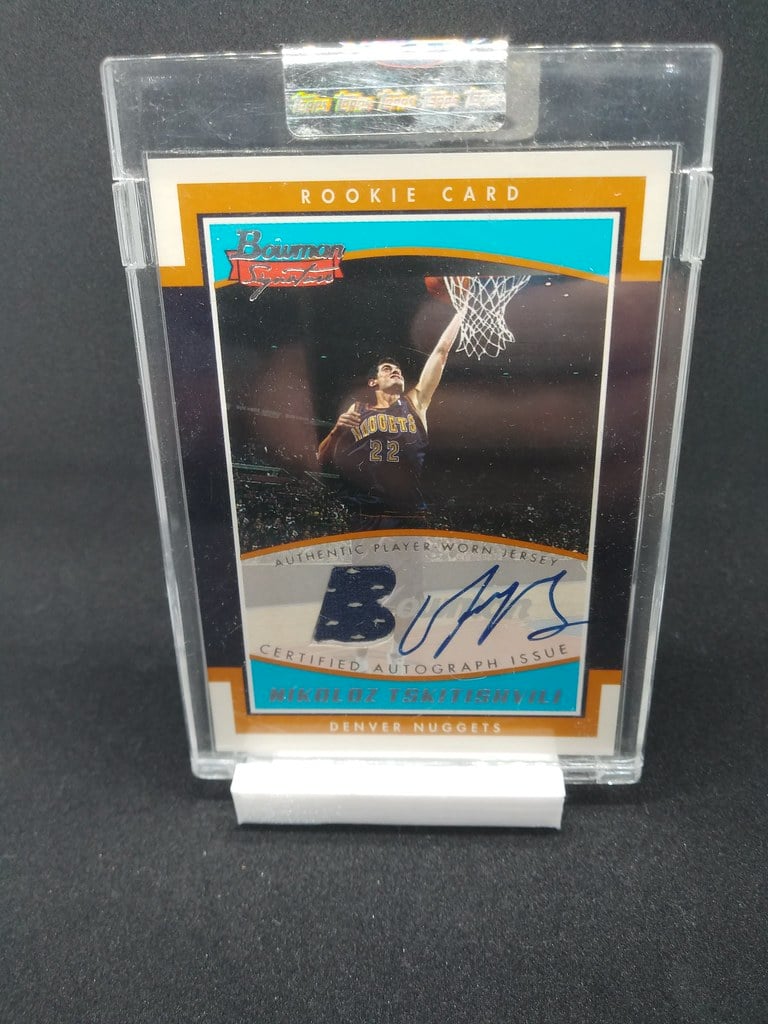
International prospects were becoming increasingly popular in the early 2000s, but the Denver Nuggets made a significant mistake by selecting Nikoloz Tskitishvili fifth overall in 2002. Tskitishvili had shown promise playing professionally in Europe, but he was too thin to handle NBA post players and too slow to defend smaller opponents effectively.
His shooting touch was inconsistent, his rebounding was poor for his size, and he seemed overwhelmed by the physicality and pace of American basketball — the Nuggets essentially wasted a lottery pick on a player who wasn’t ready for NBA competition. And despite multiple opportunities with different teams, Tskitishvili never developed into even a rotation player, averaging just 2.9 points per game across four disappointing seasons.
More from Go2Tutors!

- The Romanov Crown Jewels and Their Tragic Fate
- 13 Historical Mysteries That Science Still Can’t Solve
- Famous Hoaxes That Fooled the World for Years
- 15 Child Stars with Tragic Adult Lives
- 16 Famous Jewelry Pieces in History
Like Go2Tutors’s content? Follow us on MSN.