25 Candy Bars That Were Everywhere and Then Just Vanished
There’s a particular kind of grief that doesn’t have a name — the kind you feel standing in a gas station candy aisle, reaching for something that isn’t there anymore. Not a person, not a place, just a chocolate bar you used to buy for 50 cents after school.
And yet the absence lands harder than it should, because what you’re really reaching for is a Tuesday in 1994, and no amount of whatever they replaced it with is going to get you there. These are the candy bars that lived in every checkout lane, every movie theater concession stand, every Halloween pillowcase — and then quietly stopped existing.
Some were killed by mergers. Some lost the sales battle.
Some just got discontinued without so much as a press release. All of them are missed.
Reggie! Bar
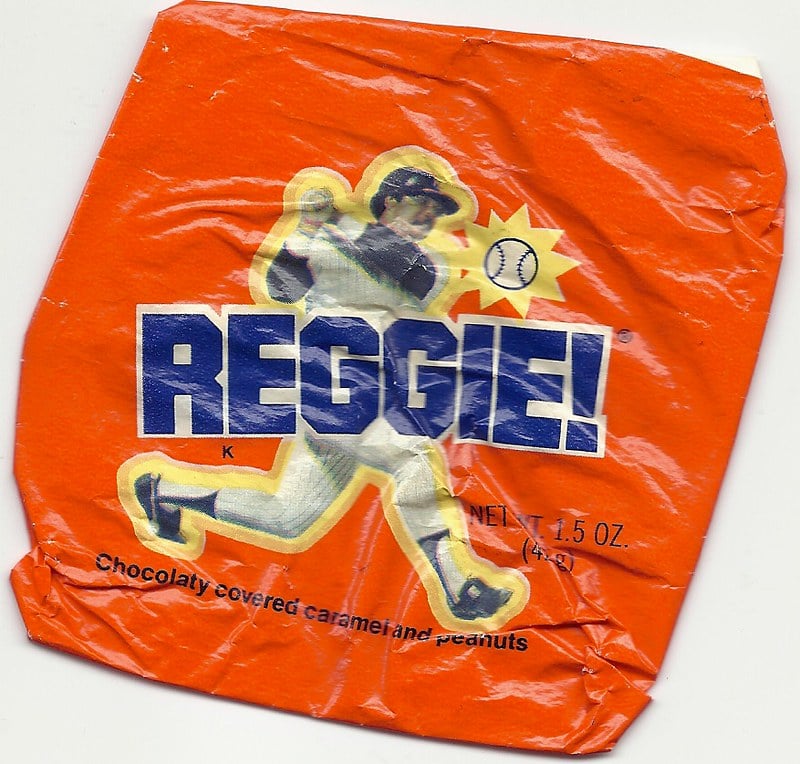
It came, it conquered, and then it disappeared like it was never there. Named after Reggie Jackson after his legendary 1977 World Series performance, the Reggie! Bar — peanuts, caramel, and chocolate — had a shelf life that didn’t match its swagger.
Gone by the early ’80s, briefly revived, then gone again for good.
Summit Bar
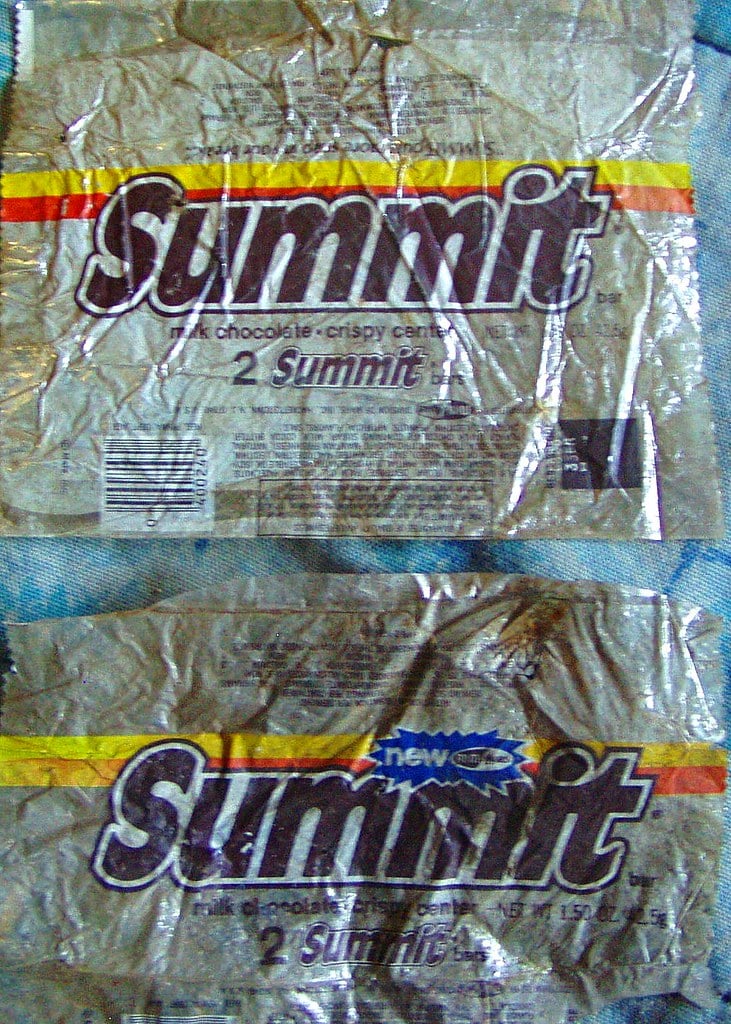
The Summit Bar was the kind of candy that felt like a status symbol in a lunch box — layers of peanut butter, caramel, and chocolate stacked with almost architectural intention, the sort of bar that made other kids lean over and ask what that was. Mars made it through the late ’70s and ’80s, and it had a loyal following that simply wasn’t loyal enough to keep the production lines running.
So it vanished, and now it exists mostly as a punchline in candy nostalgia forums.
Choco’Lite
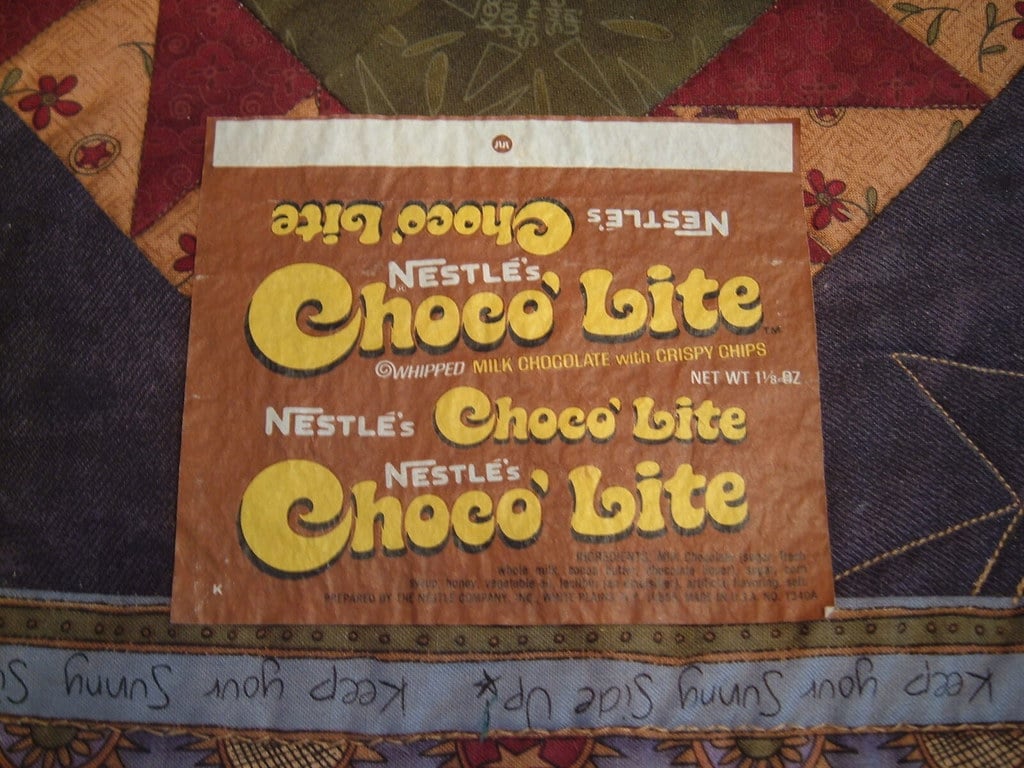
Choco’Lite was a Nestlé bar with a puffed, aerated chocolate interior — lighter than a standard bar, which felt like a loophole, like getting away with something. It sat alongside 100 Grand and Butterfinger on the rack, and for a while it held its own.
But aerated chocolate is a harder sell than it sounds, and Choco’Lite eventually lost the argument.
Marathon Bar
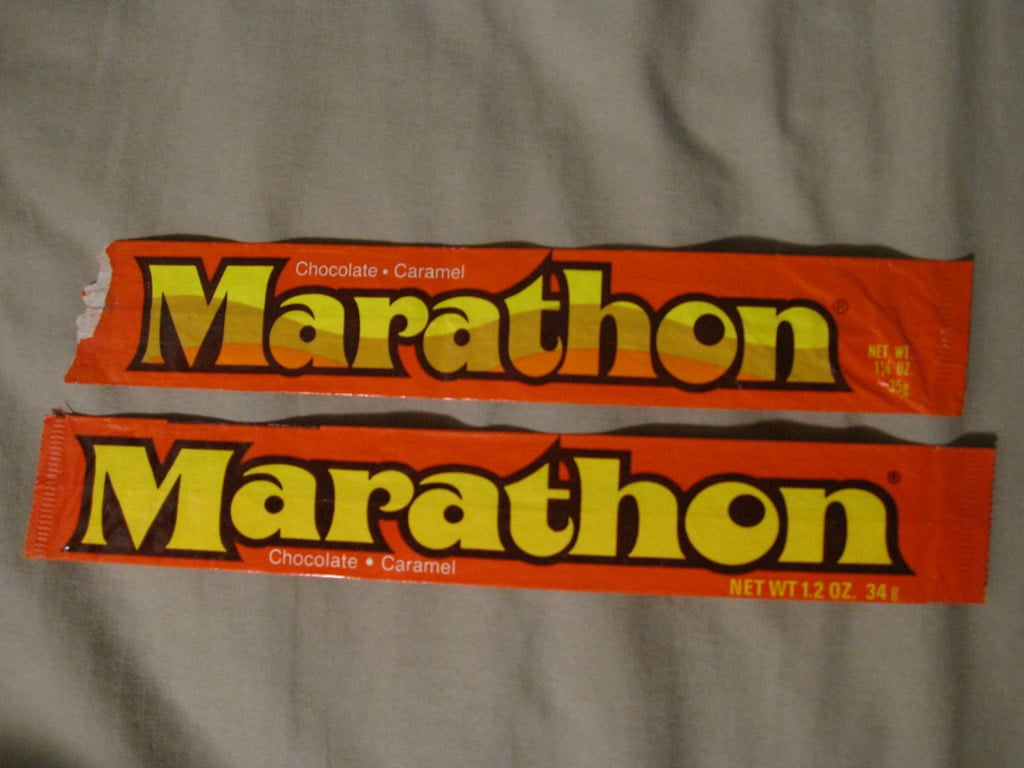
The Marathon Bar was a genuinely original idea: eight inches of braided caramel covered in chocolate, which made it one of the longest candy bars ever sold in the United States. It was the bar you could pace yourself through, the one that rewarded patience in a candy aisle full of things gone in two bites.
Mars discontinued it in 1981, which is the kind of corporate decision that still gets relitigated in comment sections four decades later.
Powerhouse Bar
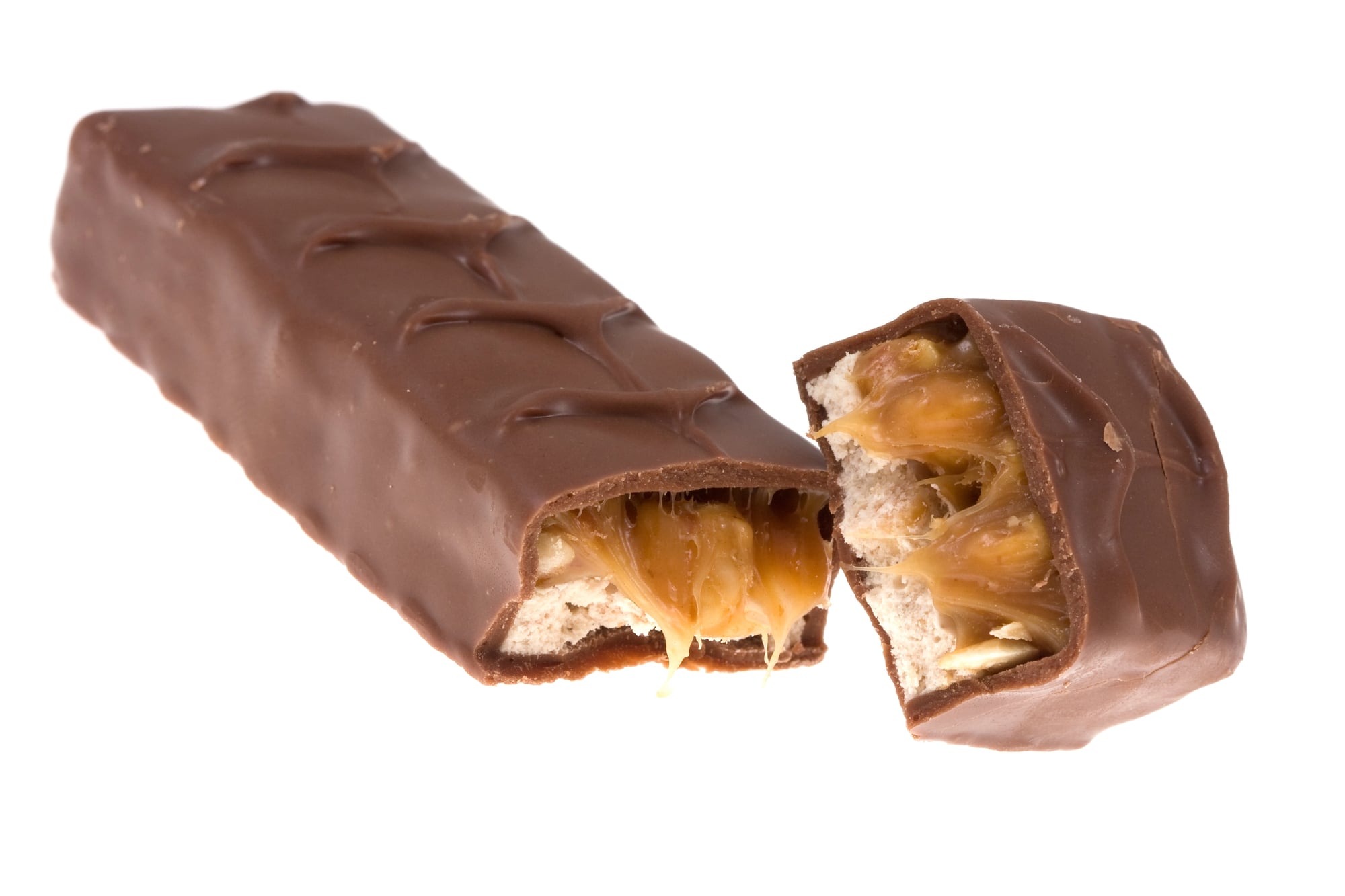
Powerhouse is one of those candy bars that feels like it belongs to a slightly parallel version of American history — popular enough in its time (Peter Paul made it from the 1920s all the way into the ’80s) that plenty of people have vivid memories of it, but obscure enough now that younger generations look at you sideways when you bring it up. It had peanuts, caramel, and chocolate, which was hardly a revolutionary formula, but something in the execution was right.
Cadbury eventually absorbed it after buying Peter Paul, and it quietly disappeared from shelves not long after.
Caravelle
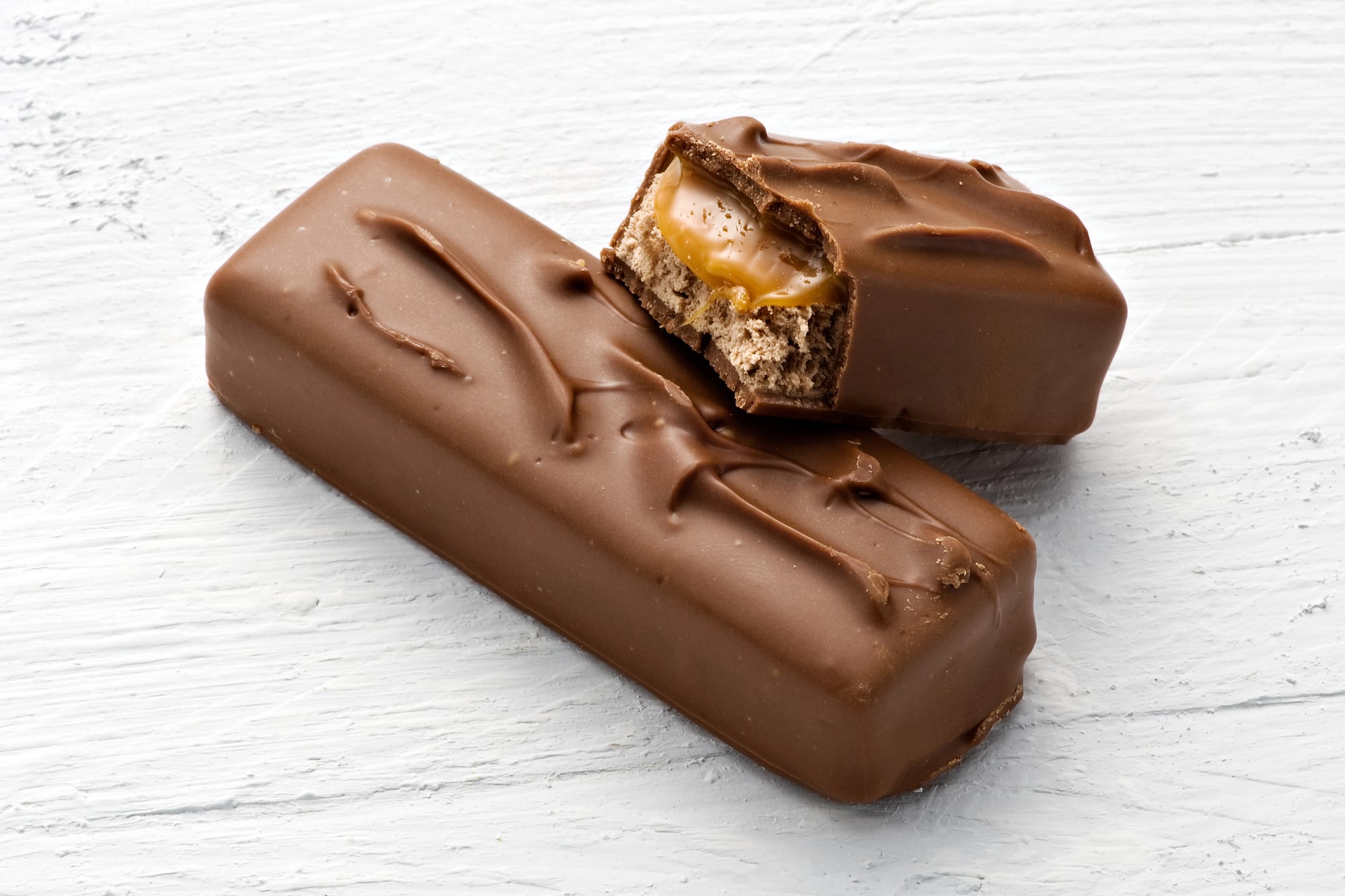
Caravelle had layers — wafer, caramel, chocolate — and a name that sounded European and slightly aspirational, like it was trying to be more than a gas station impulse buy. Peter Paul made it, and for a stretch it was genuinely popular.
But it got folded into the same Cadbury acquisition that ended Powerhouse, and that was that.
PDQ Bar
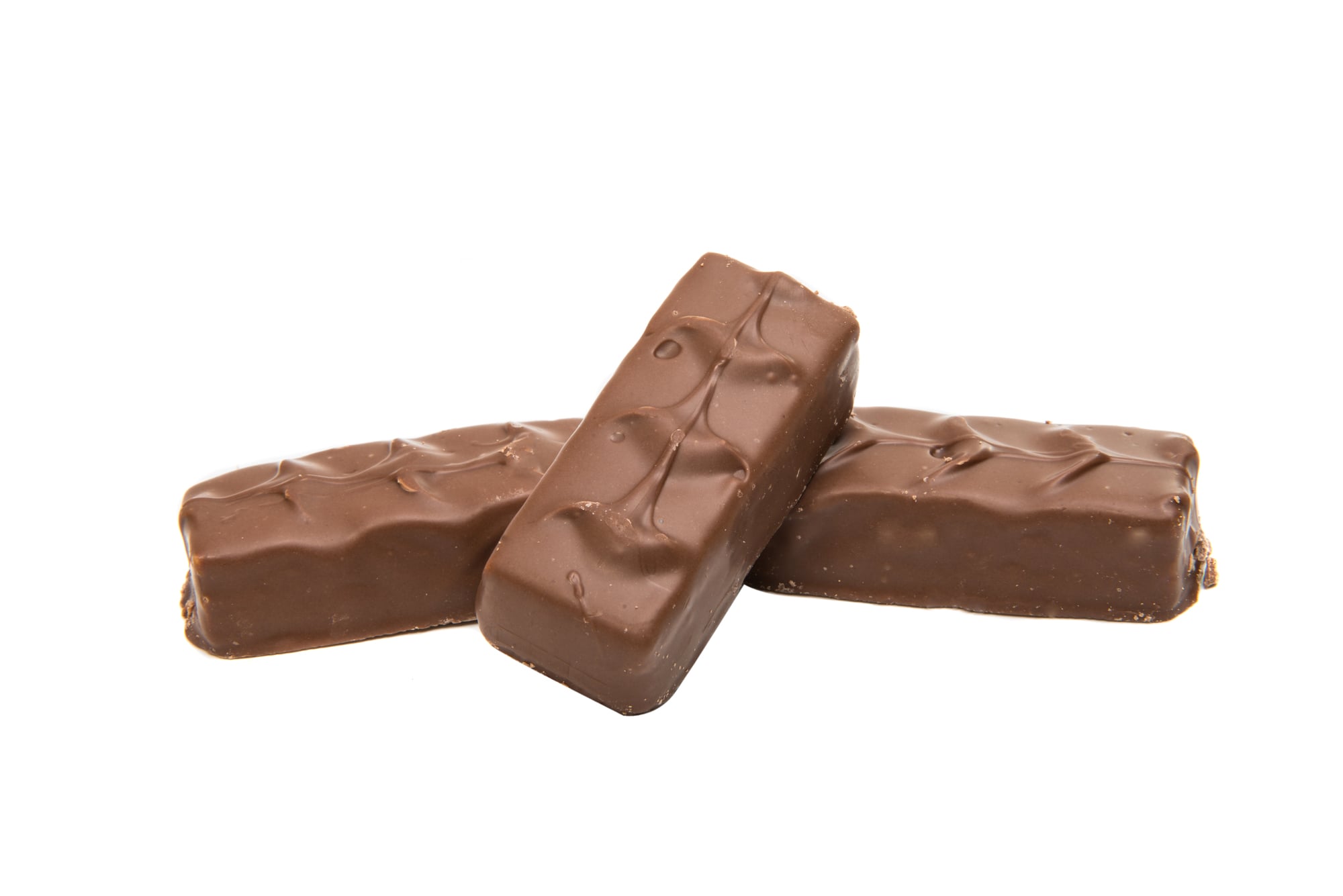
PDQ sat in a niche between candy bar and chocolate novelty, with a chocolate coating over a peanut butter base — simple, unpretentious, the kind of bar that didn’t try to be anything other than what it was. It existed during the golden years of American candy diversity, when manufacturers were willing to keep a dozen slightly overlapping products on shelves simultaneously.
That era ended, and PDQ went with it.
Whatchamacallit’s Predecessor — Spice
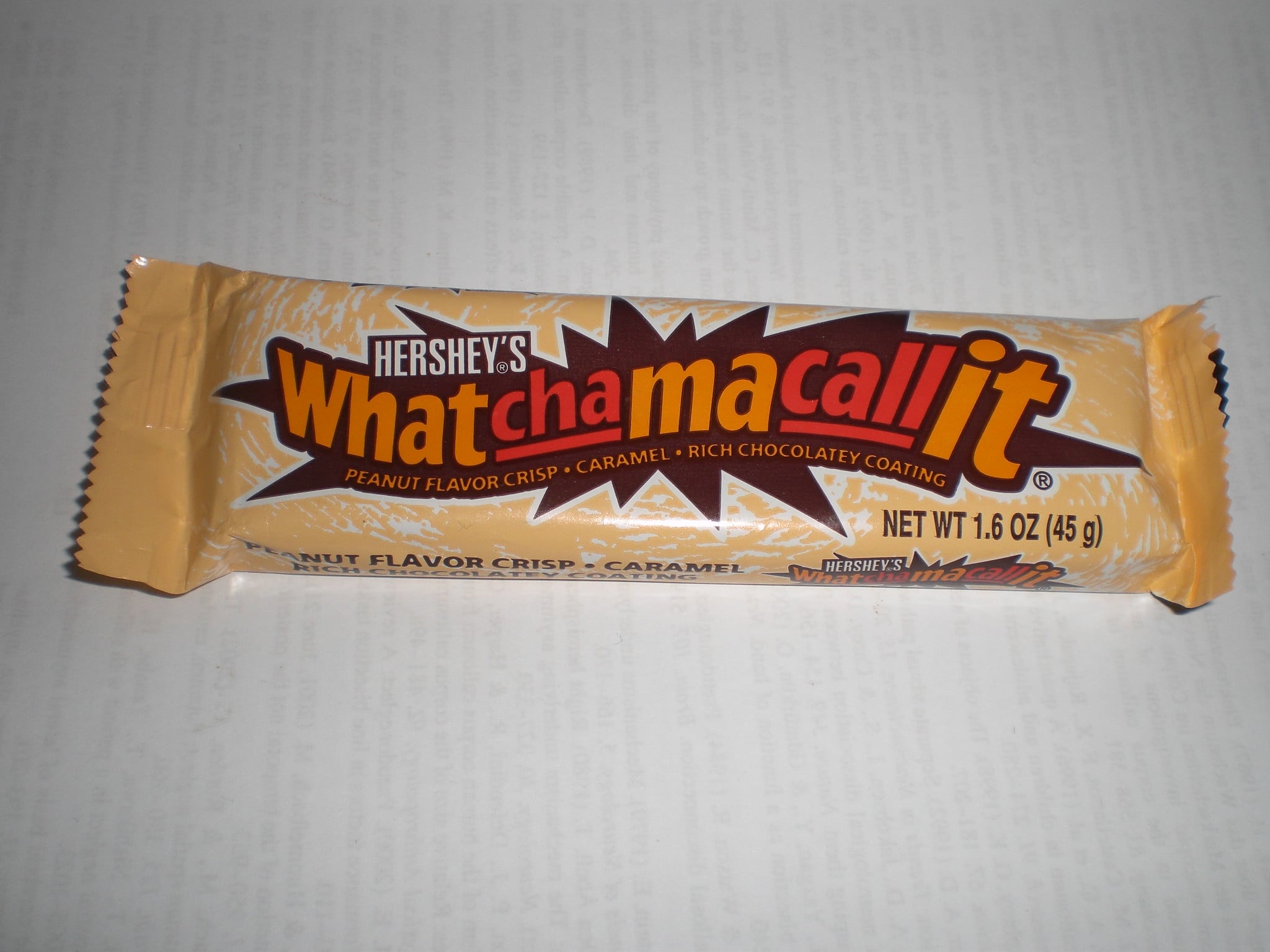
Before the Whatchamacallit was a fixture, Hershey experimented with a bar called Spice that played in similar flavor territory and arrived to far less fanfare. Candy archaeology is tricky business — records are incomplete, packaging is scarce, and most of what survives is the memory of people who ate one once and never forgot it.
The Spice bar is a good example of how many candy bar concepts came and went before one version of the idea finally stuck.
Oomph! Bar
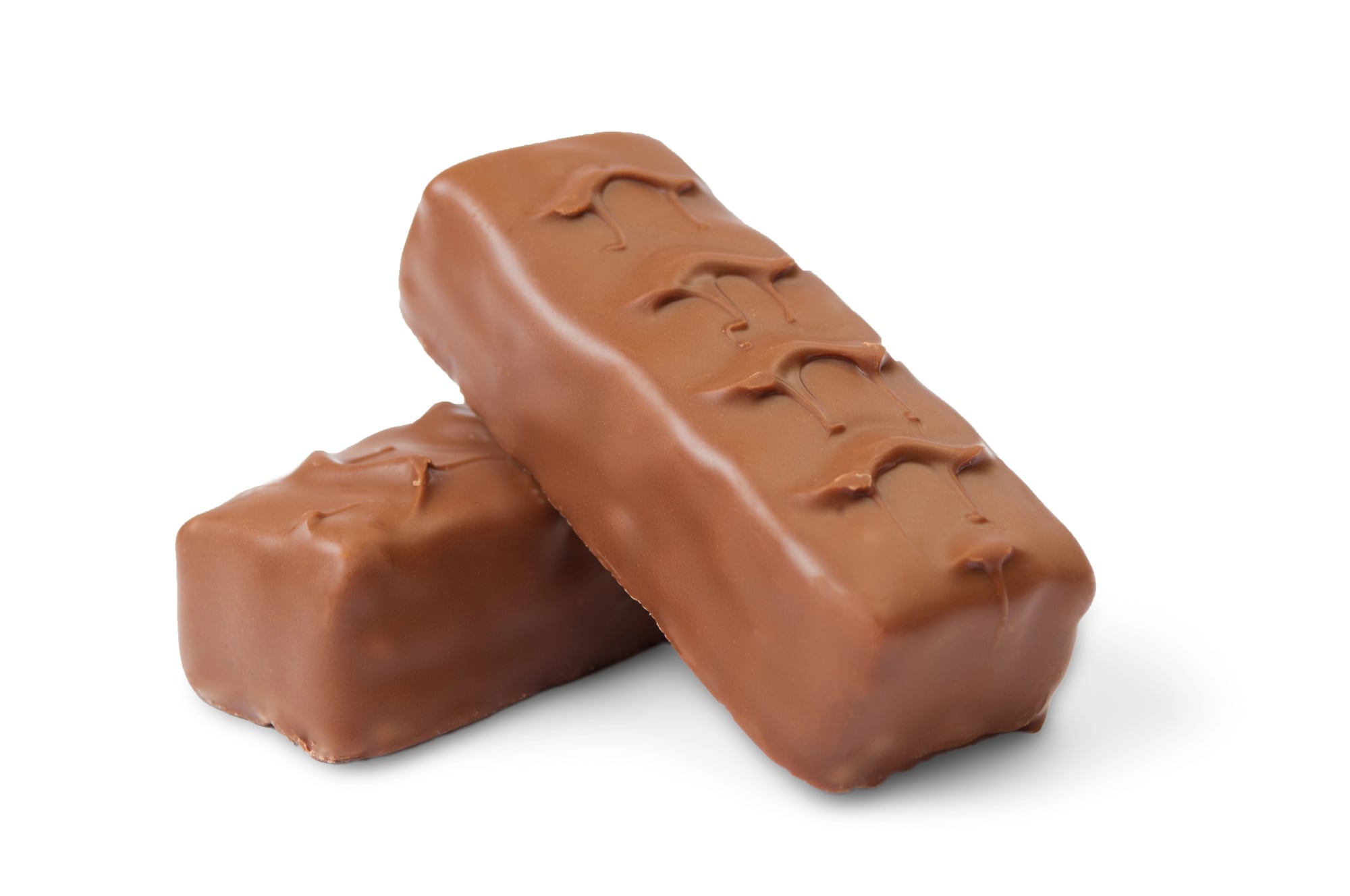
Oomph! was a Nestlé product — crunchy, chocolatey, brief. It had the kind of name that was meant to communicate texture and impact, and for a while it did.
And yet the bar never broke out of its regional strongholds into something national and lasting, which is the quiet fate of maybe a dozen candy bars from that era.
Zero Bar
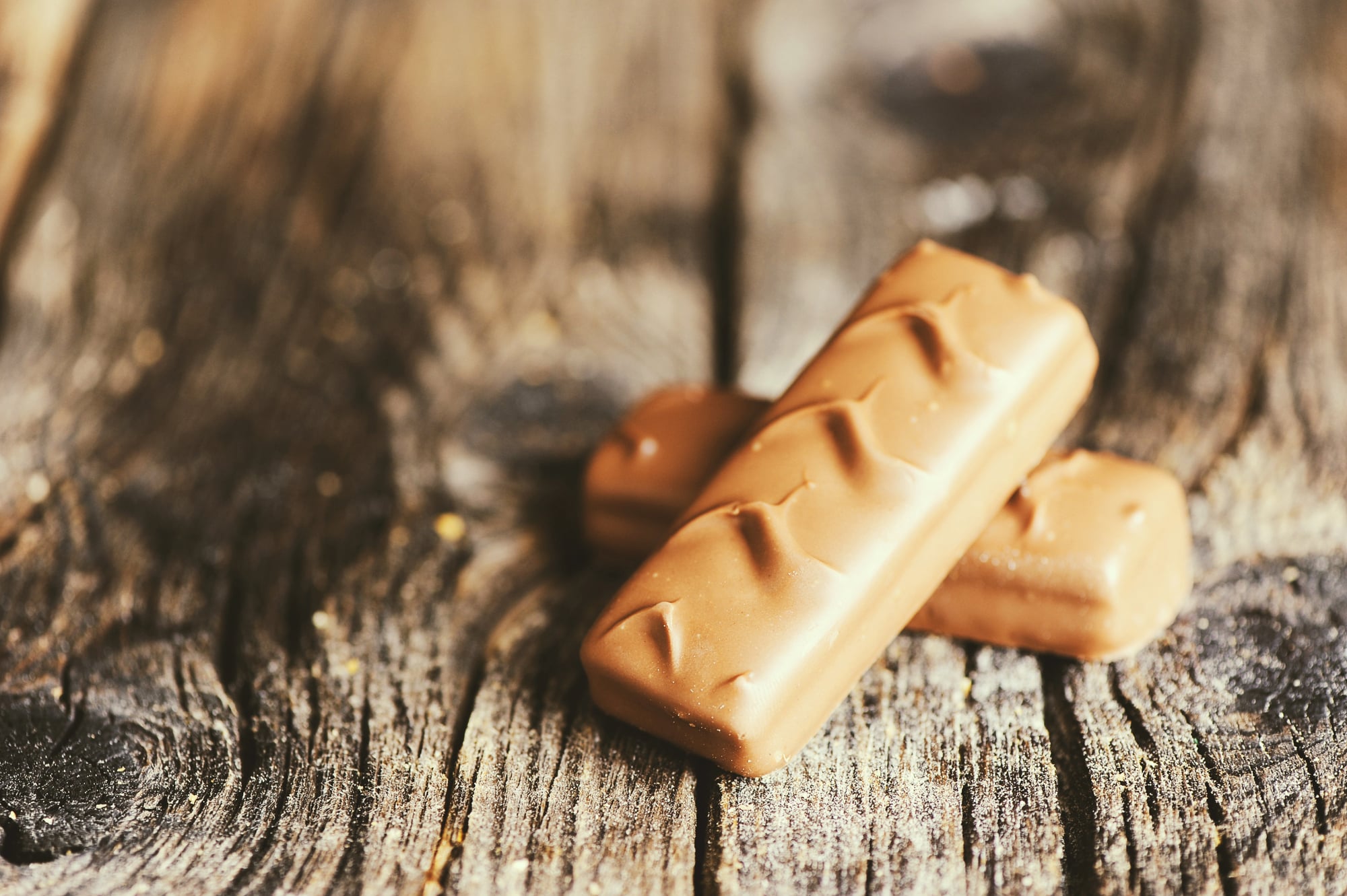
The Zero Bar technically still exists in limited distribution, but calling it “available” in 2024 is generous — it’s the candy bar equivalent of a band that never broke up but hasn’t released anything since 2003. White fudge over caramel, peanut and almond nougat, with that distinctive pale exterior that made it look like something from another planet.
For decades it was everywhere; now finding one feels like a small archaeological victory.
Chunky
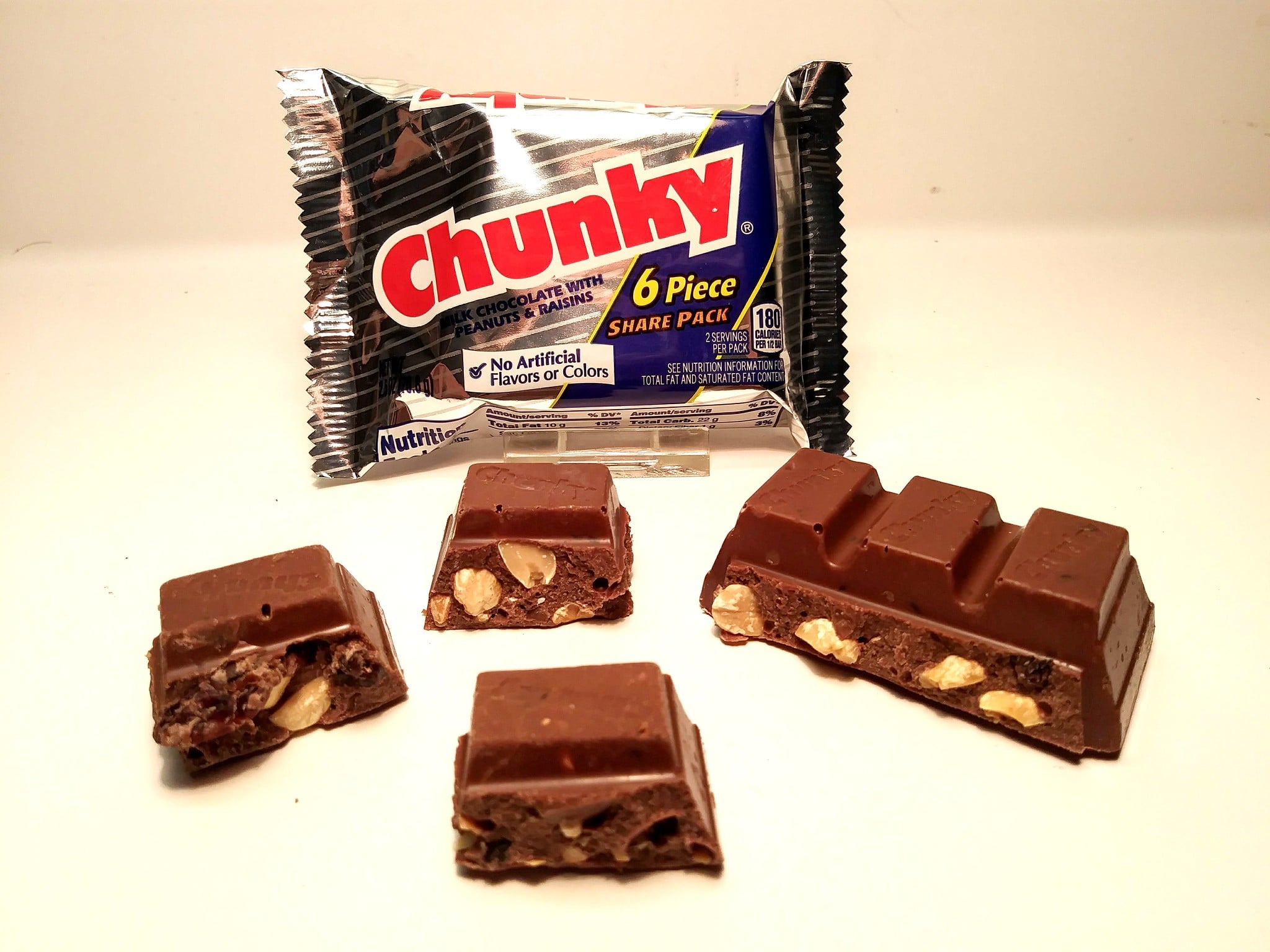
Chunky is another candy bar that technically survives in scattered form but has retreated so far from mainstream shelves that it might as well be gone. The squat, trapezoid-shaped block of chocolate with raisins and peanuts — a shape that was genuinely distinctive in a sea of rectangular bars — doesn’t fit neatly into how modern snack culture works.
It doesn’t have a story to tell about itself. It’s just a dense, old-fashioned block of chocolate, and the market has largely moved past that.
Seven Up Bar
Not the soda — a Pearson’s candy bar with seven individual compartments, each filled with a different flavored fondant: coconut, fudge, buttercream, maple, cherry, caramel, and mint. It was a candy bar that functioned almost like a sampler, the kind of thing that made you eat it more slowly than everything else because you wanted to work through the flavors one at a time.
Discontinued in the early ’80s, and genuinely irreplaceable.
Elmer’s Gold Brick
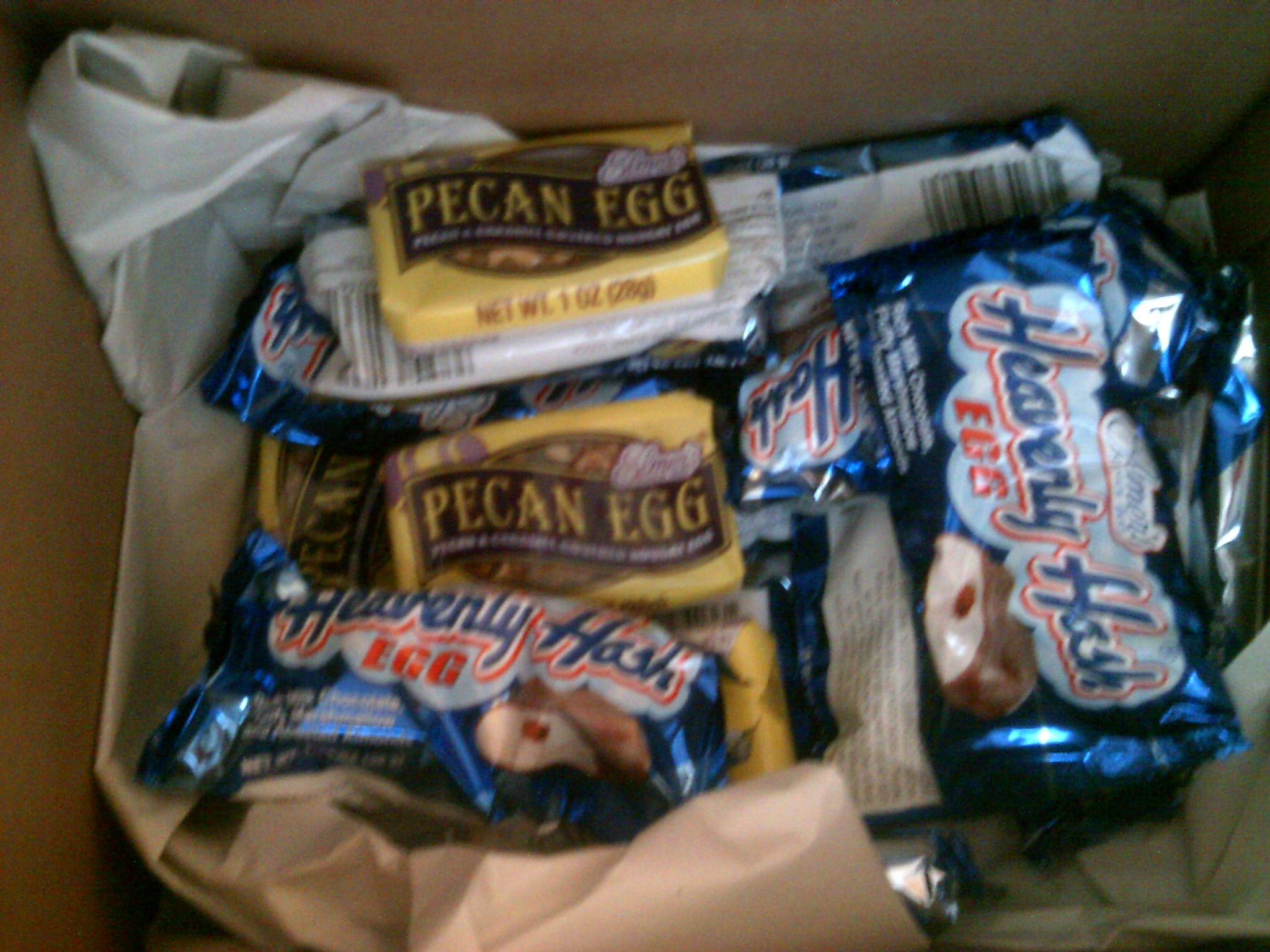
Elmer Candy out of New Orleans made the Gold Brick — a thick, pecan-studded chocolate confection that was more candy box than candy bar, wrapped in gold foil and given as gifts as much as it was bought on impulse. It occupied a space between fine chocolate and mass-market sugar, which made it hard to categorize.
That ambiguity probably contributed to its decline more than anything else did.
Nestlé Quik Bar
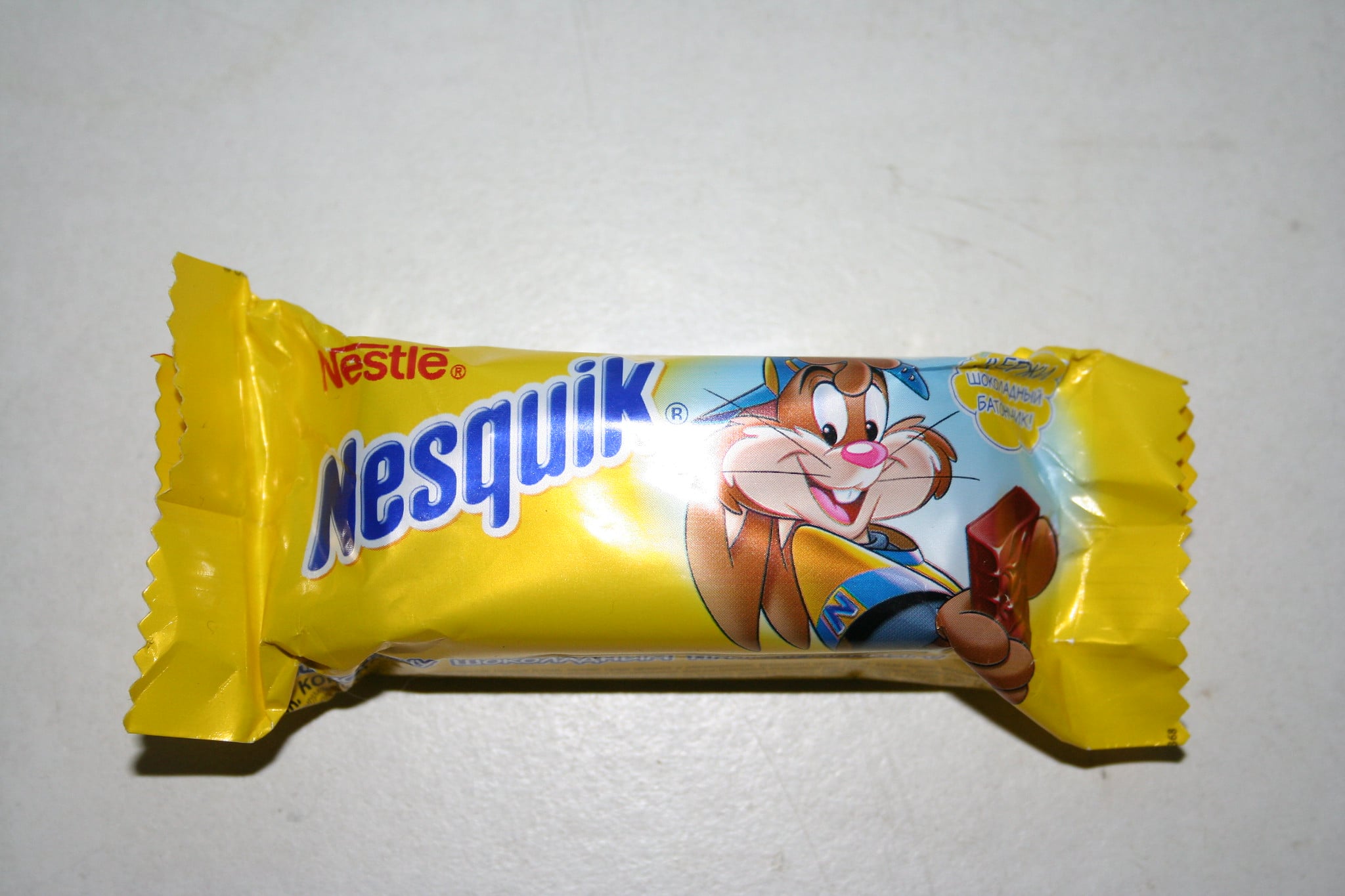
There was a brief, slightly surreal period when Nestlé turned its famous chocolate milk powder into a candy bar — the same flavor profile, theoretically, just in solid form. It showed up in the ’80s, rode the brand recognition hard, and didn’t last.
The bar tasted fine, but it was always chasing a memory of the drink rather than being its own thing, which is a losing position for a candy bar to be in.
PB Max
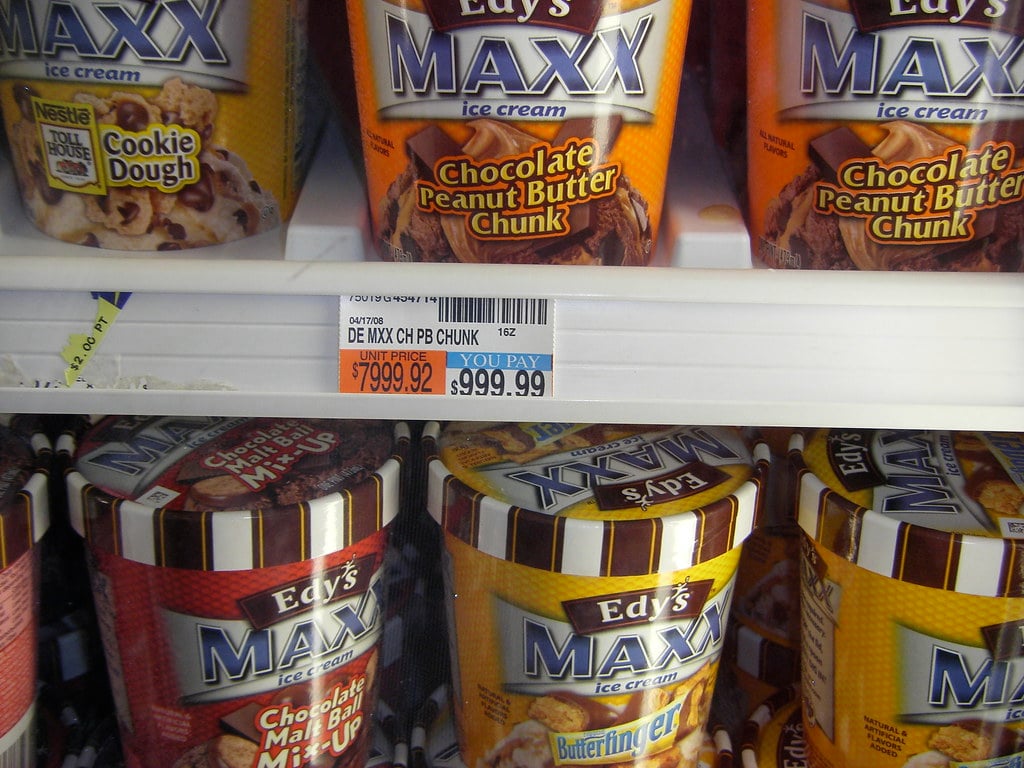
PB Max was a square chocolate bar from Mars built around a thick cookie base and generous peanut butter layer — and by most accounts, it sold extremely well. Mars discontinued it anyway in the early 1990s, with reports suggesting the Mars family personally disliked peanut butter, which is the most gloriously petty reason to kill a successful product ever documented in candy history.
It sold roughly $50 million a year at its peak. Gone anyway.
Neilson Crispy Crunch
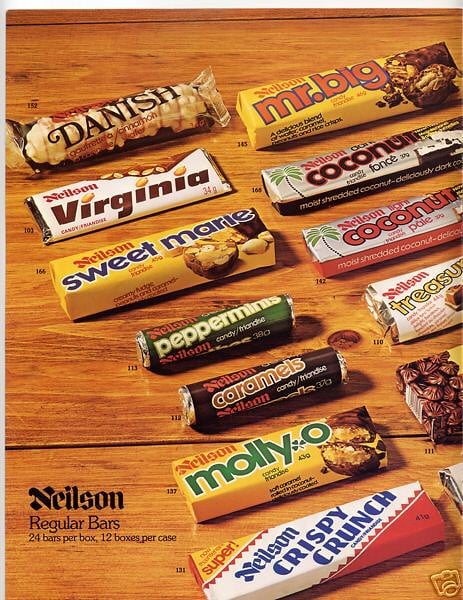
Crispy Crunch is familiar to Canadians but largely unknown below the border — a peanut butter toffee bar covered in chocolate that deserves a much wider audience than it ever found in the United States. It crossed into American border states occasionally, caught a following, and then retreated back.
For anyone who encountered one, it’s the candy bar they spend the rest of their lives recommending to people who look confused by the recommendation.
Hershey’s Swoops
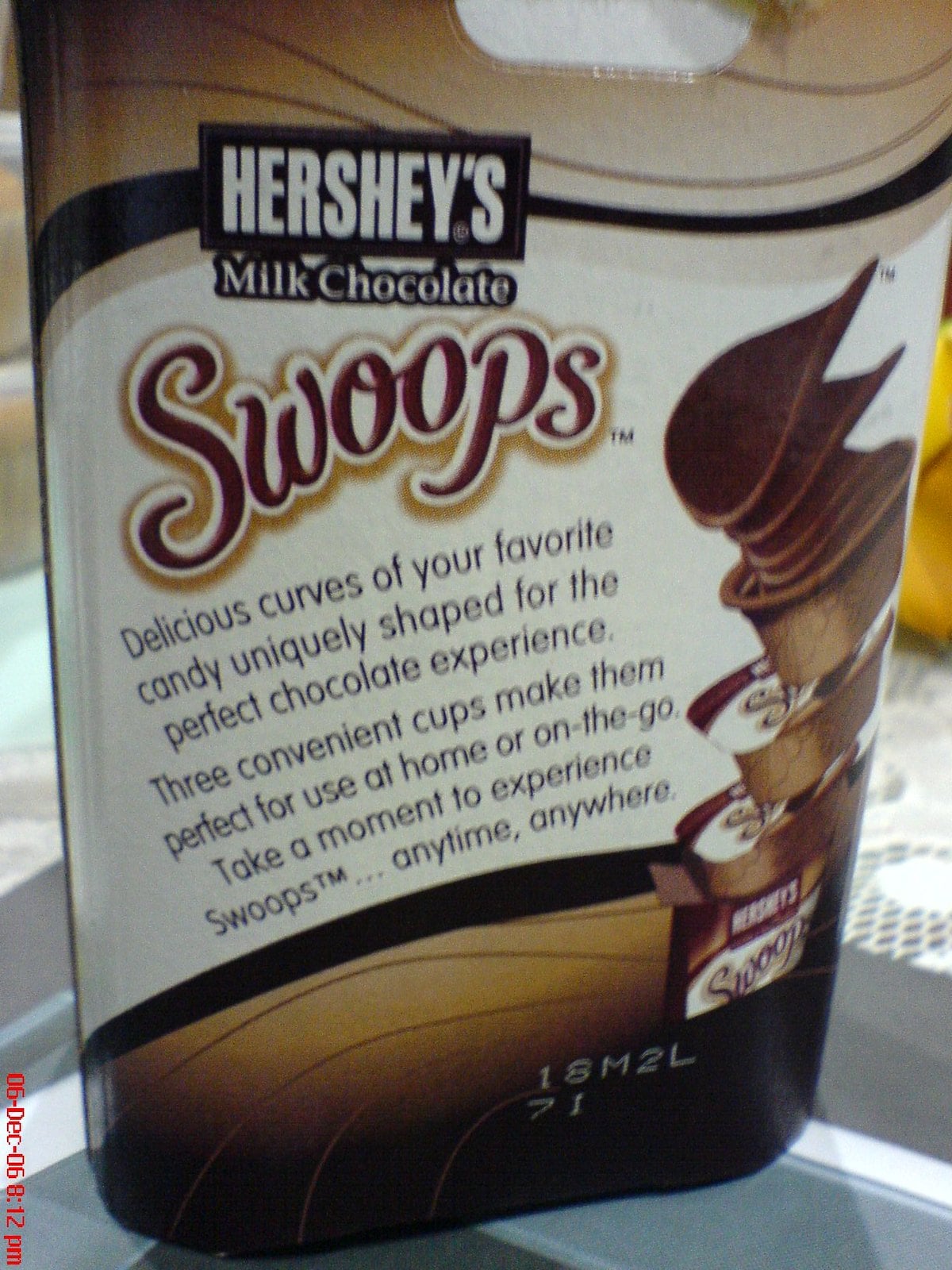
Swoops were a Hershey experiment from the early 2000s — chocolate shaped like a Pringle, sold in a canister, meant to bridge the gap between candy and snack. The concept was strange enough to generate attention and familiar enough to generate sales, at least briefly.
But the form factor was slightly too gimmicky to sustain itself, and the line was discontinued around 2006.
Brach’s Star Brites Chocolate Mints

Brach’s had a chocolate mint bar that sat quietly in checkout lanes for years — not glamorous, not heavily marketed, just reliable. It was the kind of candy bar that older relatives kept in a dish on the coffee table and that you ate three of before realizing you’d eaten three of them.
When it disappeared, nobody made a fuss. That’s exactly why it’s worth mentioning.
Pearson’s Nut Roll
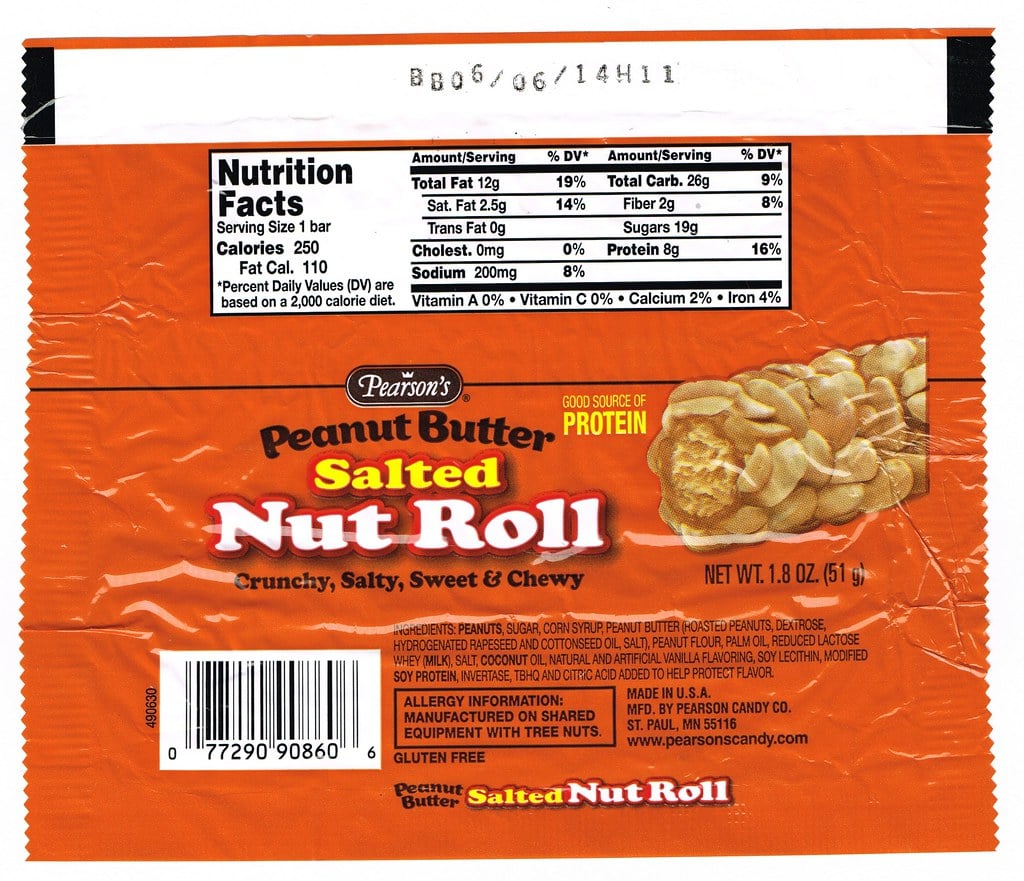
Pearson’s Nut Roll technically persists as a niche regional product, but the wide national distribution it once enjoyed — when you could find it in any gas station from Minneapolis to Miami — is long gone. Peanuts over vanilla nougat covered in chocolate, utterly unpretentious, and one of the few candy bars that actually improved slightly as it aged to room temperature.
It never got the respect it deserved, which is saying something given how low the bar for candy bar respect already is.
Oh Henry!
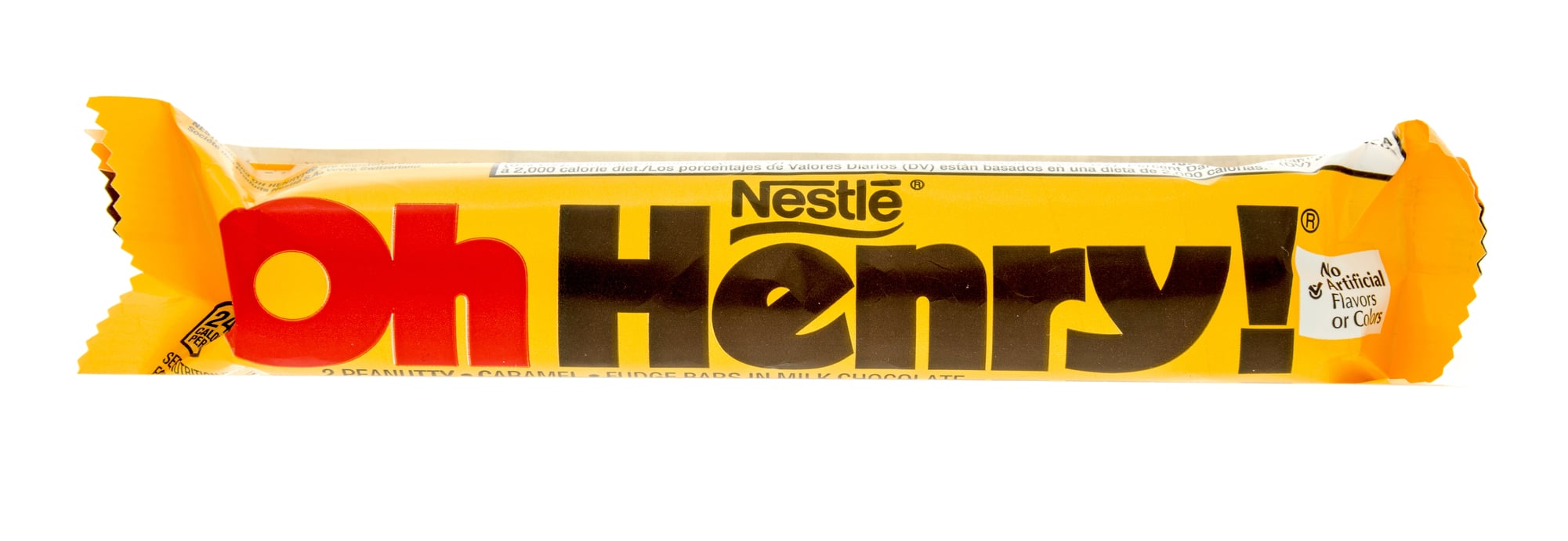
Oh Henry! still exists in Canada, where Hershey sells it with some consistency, but in the United States it has effectively vanished from regular rotation. The bar — peanuts, caramel, fudge, chocolate — was a genuine American classic from 1920 onward, the kind of thing that appeared in old movies and older grocery store ads.
Its disappearance from American shelves happened gradually enough that most people didn’t notice until it was already gone.
Hershey’s S’mores Bar

Hershey’s made a dedicated S’mores candy bar — graham cracker pieces, marshmallow, and chocolate — in a form that should have been permanent given how relentlessly S’mores appear in American food marketing. It came and went in limited runs, never committing to full distribution, which is the candy bar equivalent of showing up to a party and spending the whole night near the exit.
Great concept, indifferent execution, brief shelf life.
Cadbury Caramello
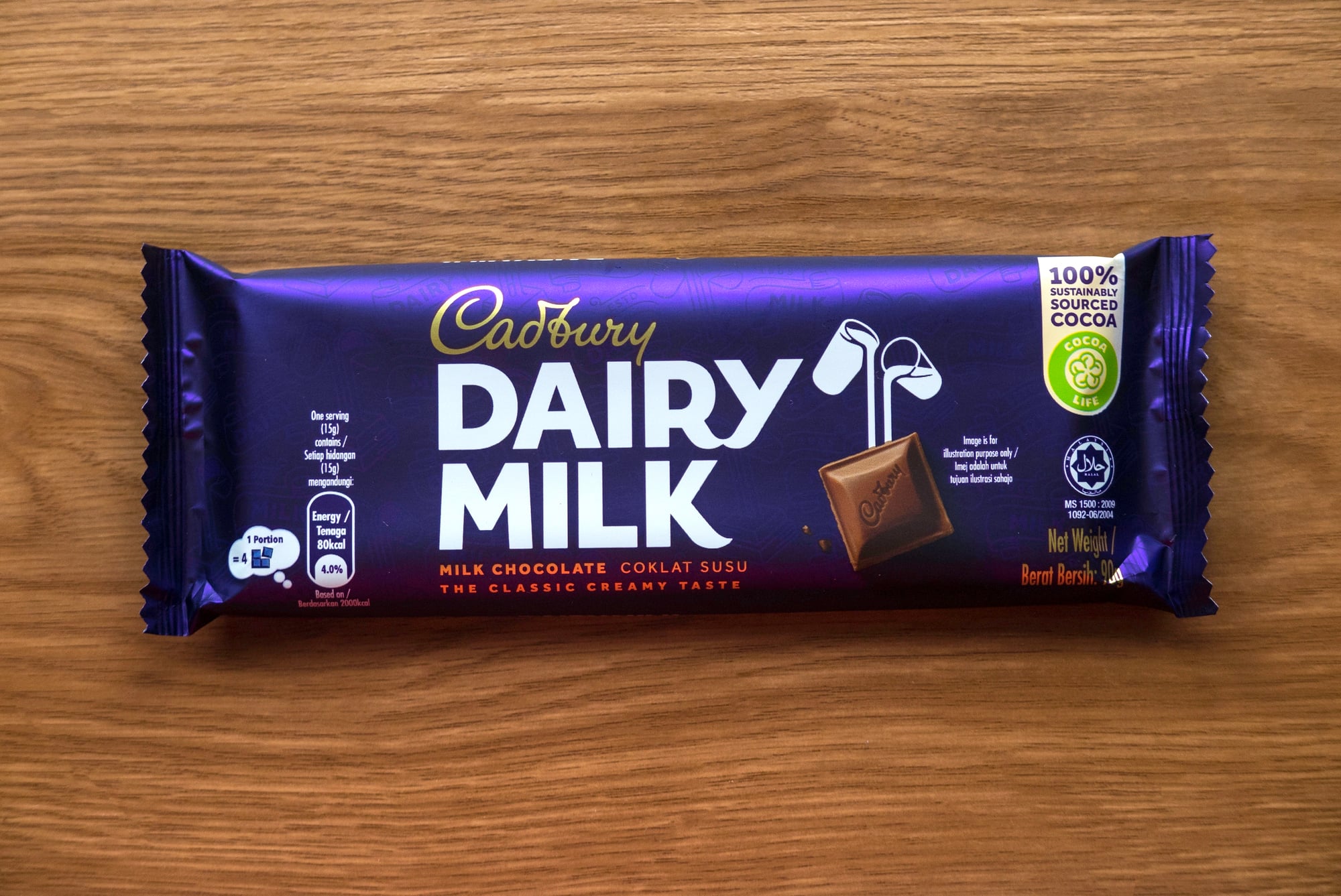
Caramello still shows up occasionally in seasonal or specialty contexts, but its days as a reliable everyday candy bar are over. The chocolate shell with flowing caramel inside was a technically sound concept — simple, well-executed, hard to improve upon — and for decades it sat comfortably in the mainstream candy aisle.
Its retreat to occasional appearances feels like watching a reliable old diner get turned into something seasonal and precious.
Hollywood Bar
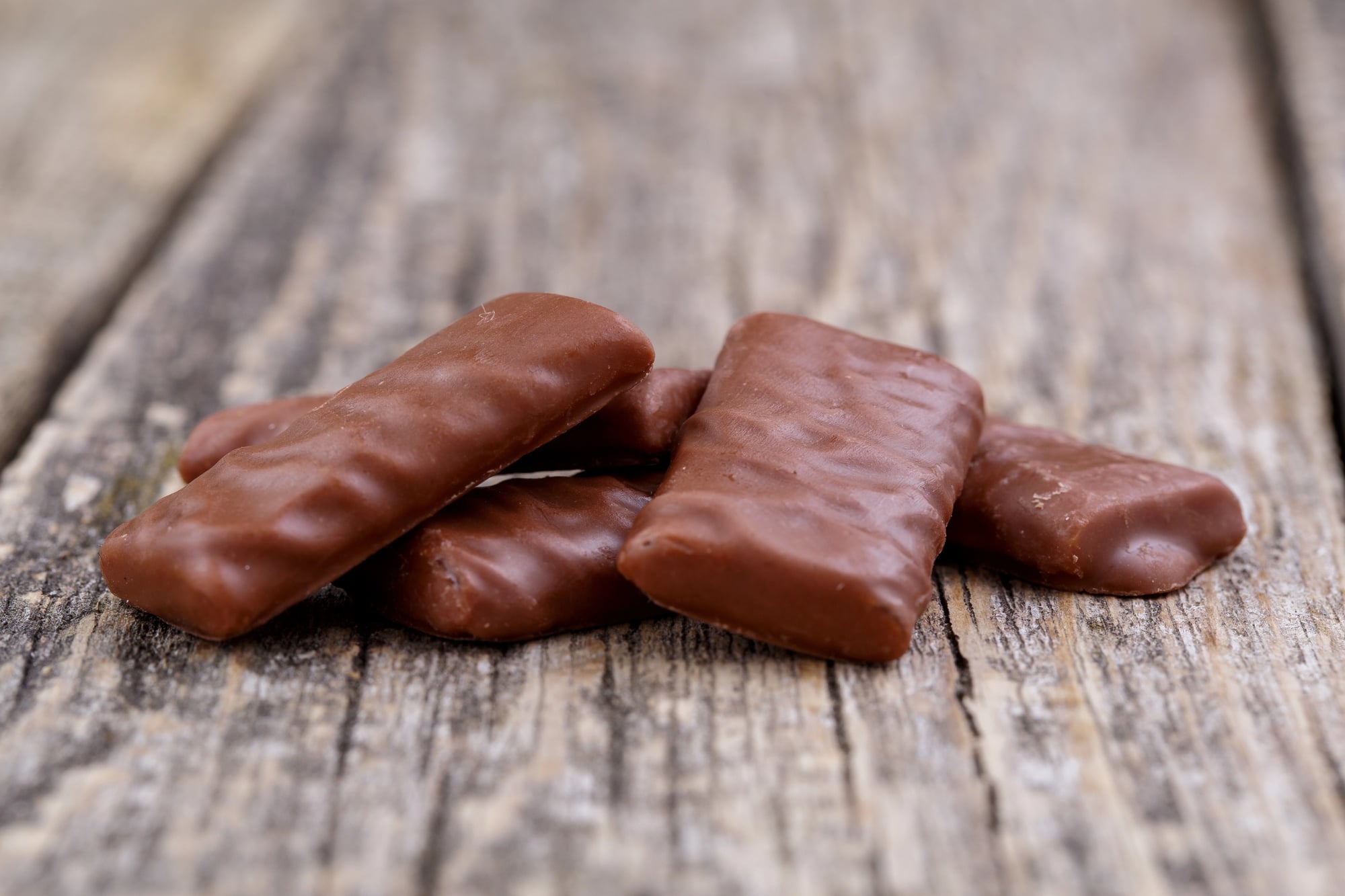
The Hollywood Bar — a French import that found some American presence through the mid-20th century, crispy wafer and caramel covered in chocolate — had the kind of name that suggested it was going somewhere. It didn’t, at least not in the American market, where it was never more than a curio.
But the people who found it tended to become briefly evangelical about it, which is the candied world’s highest compliment.
Nestlé Alpine White

Alpine White was Nestlé’s white chocolate bar with almond slivers, sold through the 1980s and into the early ’90s — elegant packaging, a slightly grown-up flavor profile, the kind of candy bar that felt like it belonged in an airport gift shop rather than a 7-Eleven. It had a dedicated following among white chocolate loyalists, a group whose preferences have historically been underserved by the American candy market.
Discontinued anyway.
Hershey’s Cookies ‘n’ Mint
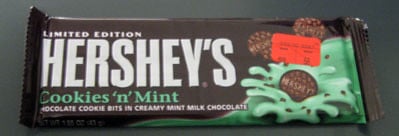
Hershey’s ran a Cookies ‘n’ Mint bar — dark mint chocolate with cookie pieces — that was, to be direct about it, one of the better things Hershey put on shelves in the 1990s. It wasn’t a reinvention of anything; it was just a well-proportioned combination of flavors that worked.
And then it stopped being made, for reasons Hershey never fully explained, because candy companies rarely do.
The Ones That Got Away
There’s a pattern running through all of these: they disappeared not because they were bad, but because the business around them changed — mergers, reformulations, shifting shelf space priorities, and the relentless march toward a candy aisle with fewer, safer, better-marketed options. What gets lost in that process isn’t just the bar itself but the specific experience of eating it — the texture of that particular nougat, the way a certain caramel pulled, the paper wrapper with the font from a decade that no longer exists.
You can’t replicate any of that, and whatever gets put in its place isn’t really a replacement. It’s just what’s available now.
More from Go2Tutors!

- The Romanov Crown Jewels and Their Tragic Fate
- 13 Historical Mysteries That Science Still Can’t Solve
- Famous Hoaxes That Fooled the World for Years
- 15 Child Stars with Tragic Adult Lives
- 16 Famous Jewelry Pieces in History
Like Go2Tutors’s content? Follow us on MSN.