Countries That Completely Changed Their Names and Why
There’s something quietly radical about a country deciding its own name no longer fits. Not a rebrand in the marketing sense — something deeper than that.
A name change at the national level is usually the final punctuation on a long sentence of political upheaval, colonial erasure, or a population’s collective insistence on being seen differently. Some of these changes happened overnight following a revolution.
Others took decades of negotiation, international lobbying, and genuine grief over what the old name represented. All of them tell a story that the new name alone can’t fully hold.
Burkina Faso
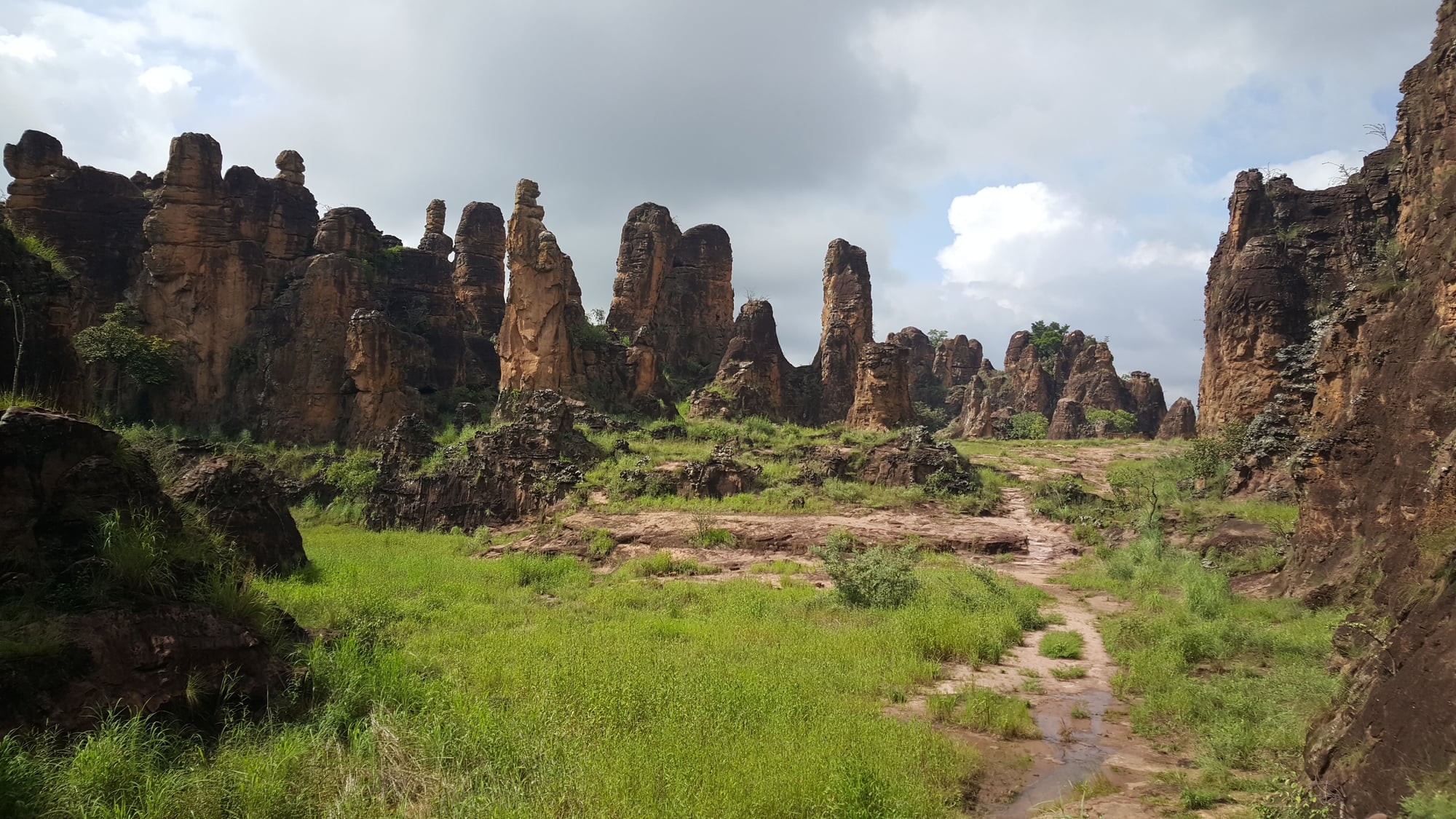
Upper Volta was always a colonial name — efficient, cartographic, indifferent to the people it labeled. When Thomas Sankara’s revolutionary government renamed the country Burkina Faso in 1984, the new name pulled from two different local languages: “Burkina” from Mooré, meaning people of integrity, and “Faso” from Dioula, meaning fatherland.
The citizens were renamed too — from Voltaïques to Burkinabè. It was a deliberate act of self-definition, and it landed like one.
Zimbabwe
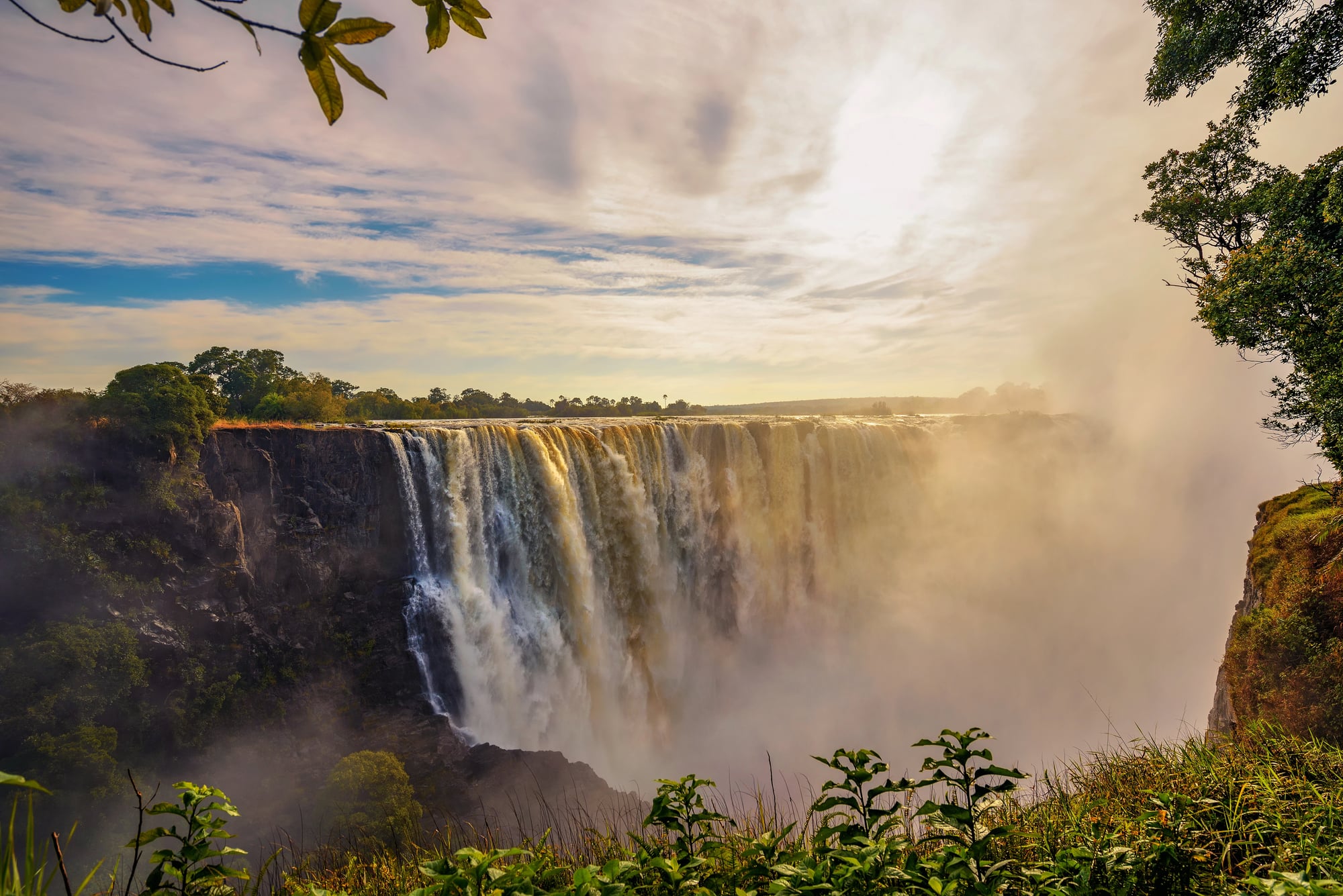
Rhodesia was named after Cecil Rhodes, which tells you everything you need to know about who that name was serving. When the country gained independence in 1980, it became Zimbabwe — drawn from “dzimba dza mabwe,” a Shona phrase meaning “houses of stone,” referencing the ancient Great Zimbabwe ruins.
The ruins had been there for centuries before colonizers arrived and tried to claim they were built by someone else. The name restoration was, in its quiet way, an act of archaeology.
Sri Lanka
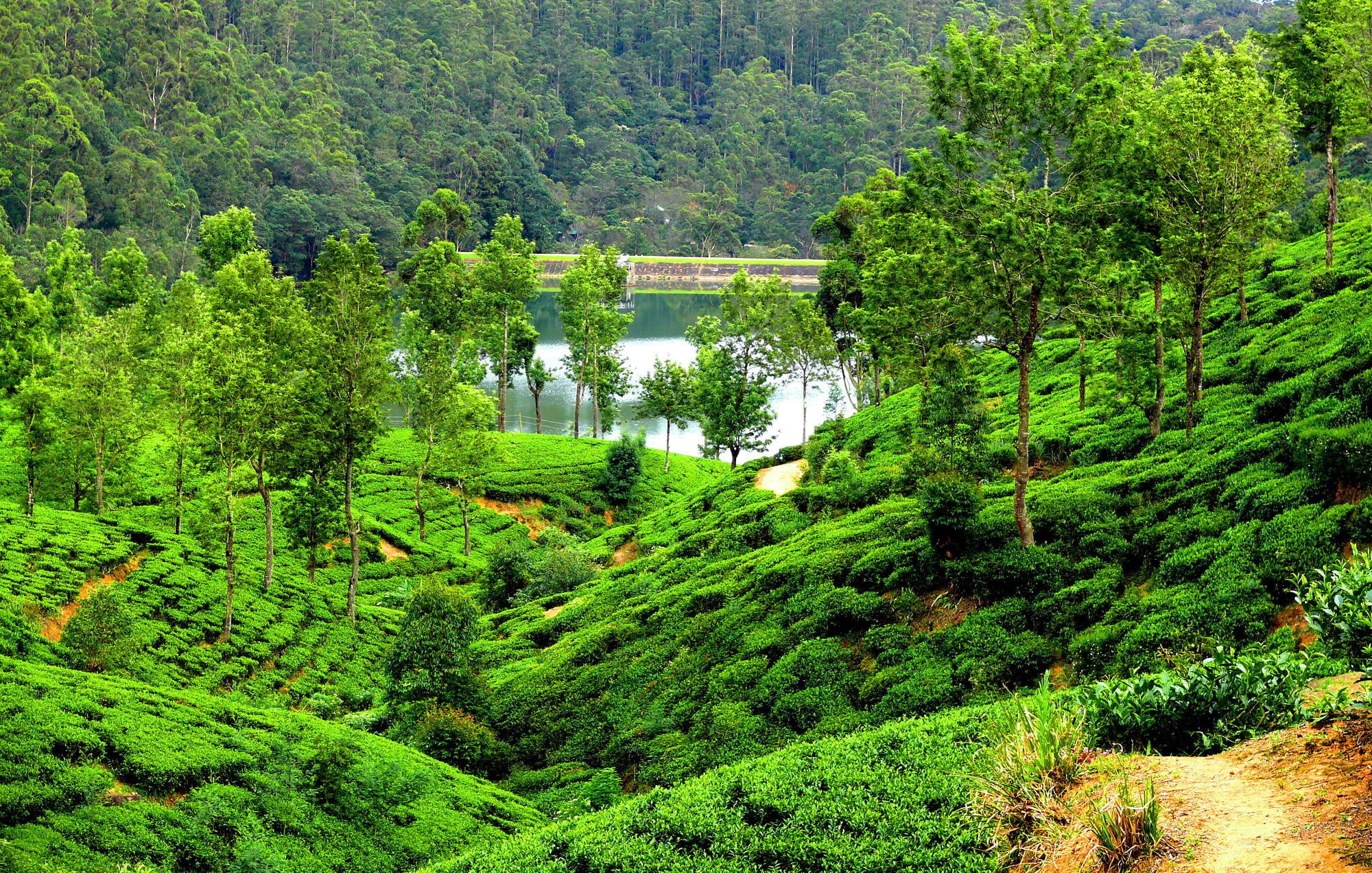
Ceylon persisted well past independence — the country shed British rule in 1948 but kept the colonial name for another quarter century, and the reasons for that delay are as complicated as the politics were. In 1972, the newly formed republic officially became Sri Lanka, a name rooted in Sanskrit meaning “resplendent island” — and the shift wasn’t just semantic, it was constitutional, marking the formal break from dominion status under the British Crown.
So the name change and the republic declaration arrived together, bundled into the same moment of reinvention. Even so, Ceylon didn’t disappear — it still clings to the tea, the cinnamon, and the postal nostalgia of another era.
Belize
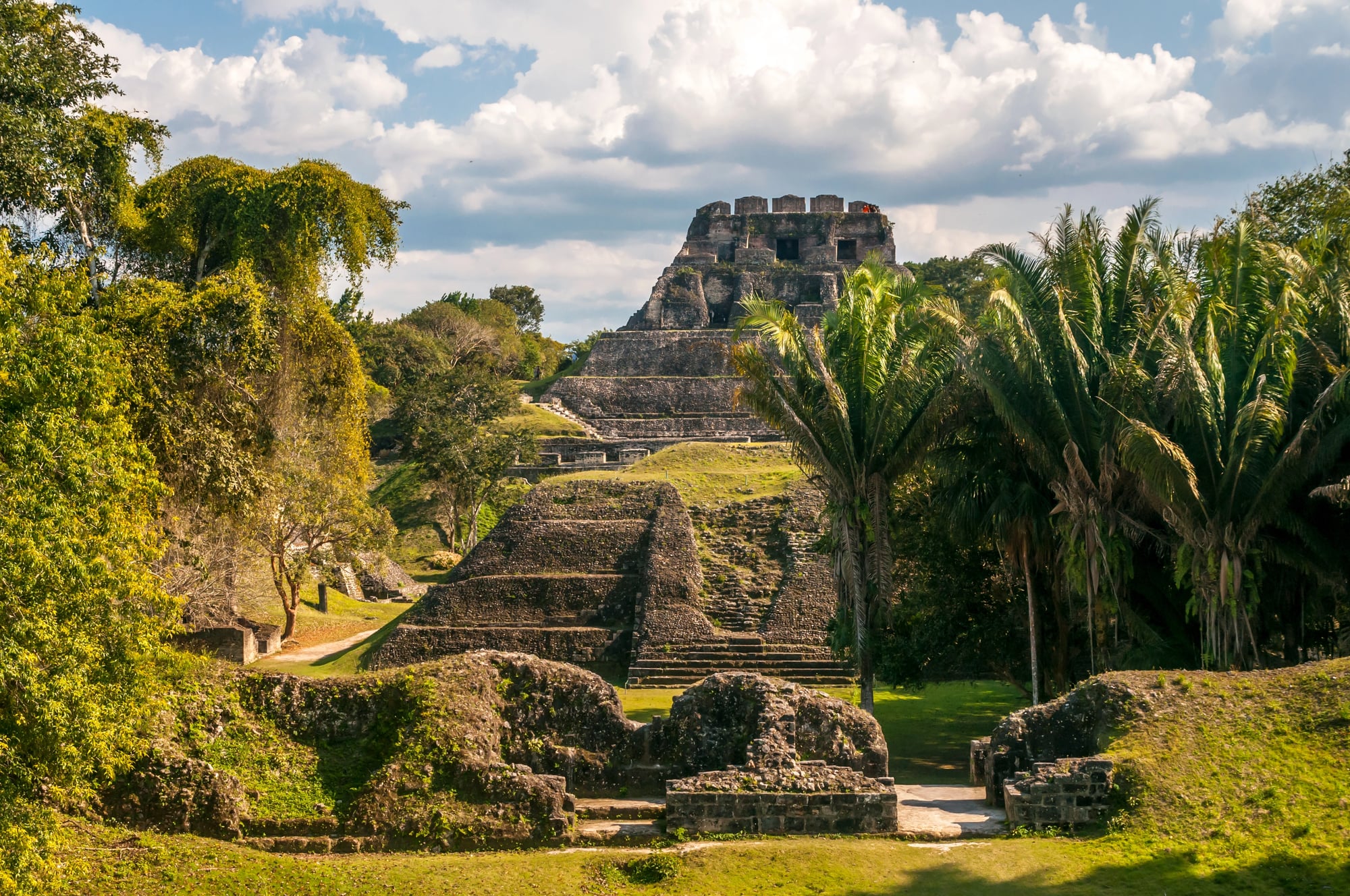
British Honduras is a name that carries its own explanation inside it — British, Honduras, neither of which has anything particular to do with the people who lived there. The country officially became Belize in 1973, eight years before full independence in 1981, borrowing the name from the Belize River, which itself traces back to possible Maya origins.
The name change preceded independence by enough time that it felt less like a final gesture and more like an opening statement.
Benin
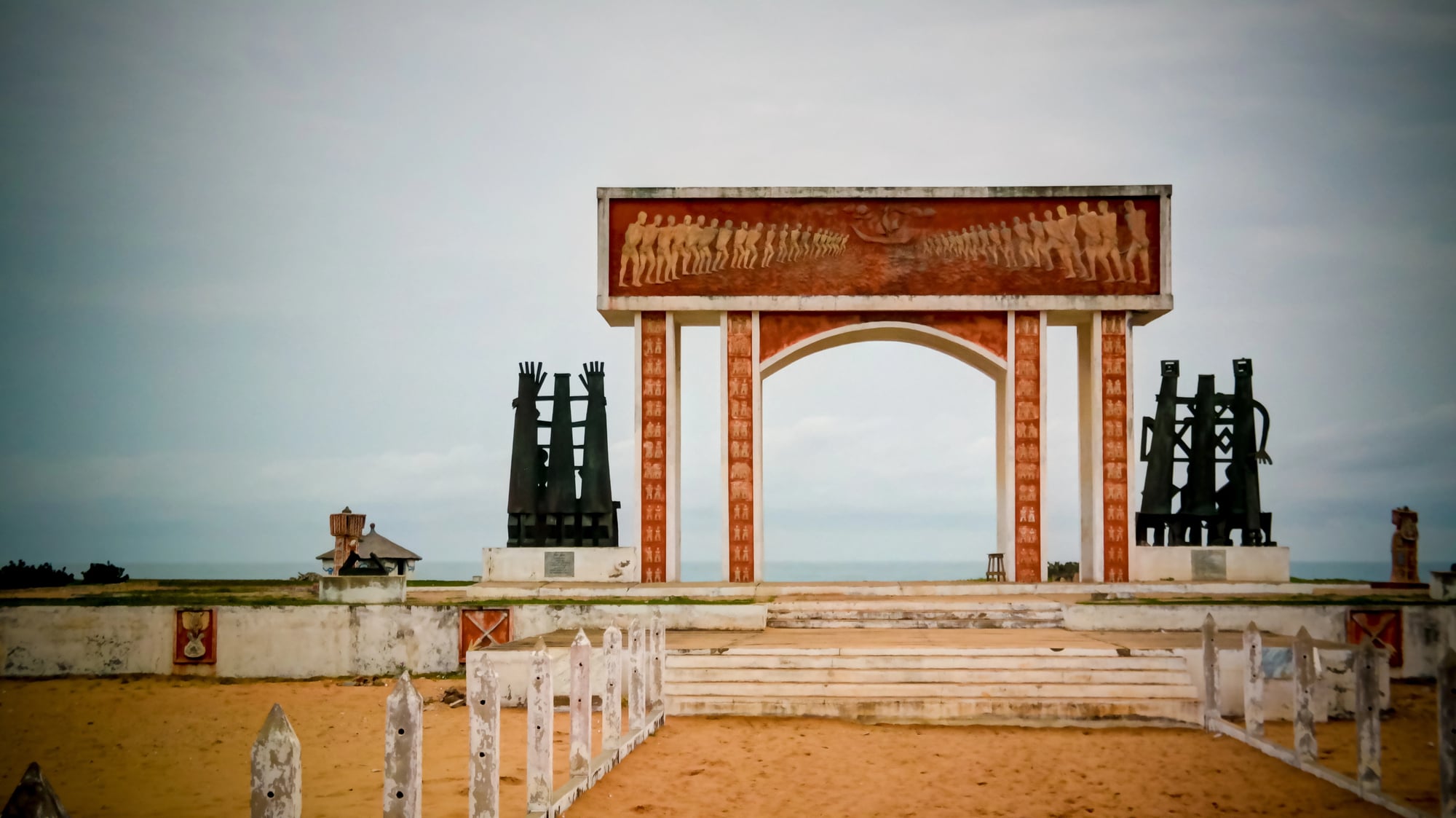
The Kingdom of Dahomey was one of the most powerful West African states of the 17th and 18th centuries, which makes the decision to abandon that name in 1975 genuinely complicated. The military government under Mathieu Kérékou chose “Benin” — after the Bight of Benin, the coastal waters that border the country — as a neutral name that wouldn’t favor any single ethnic group or historical identity.
A name chosen precisely for its lack of resonance is its own kind of political statement. It sidesteps the past rather than honoring it.
Cambodia
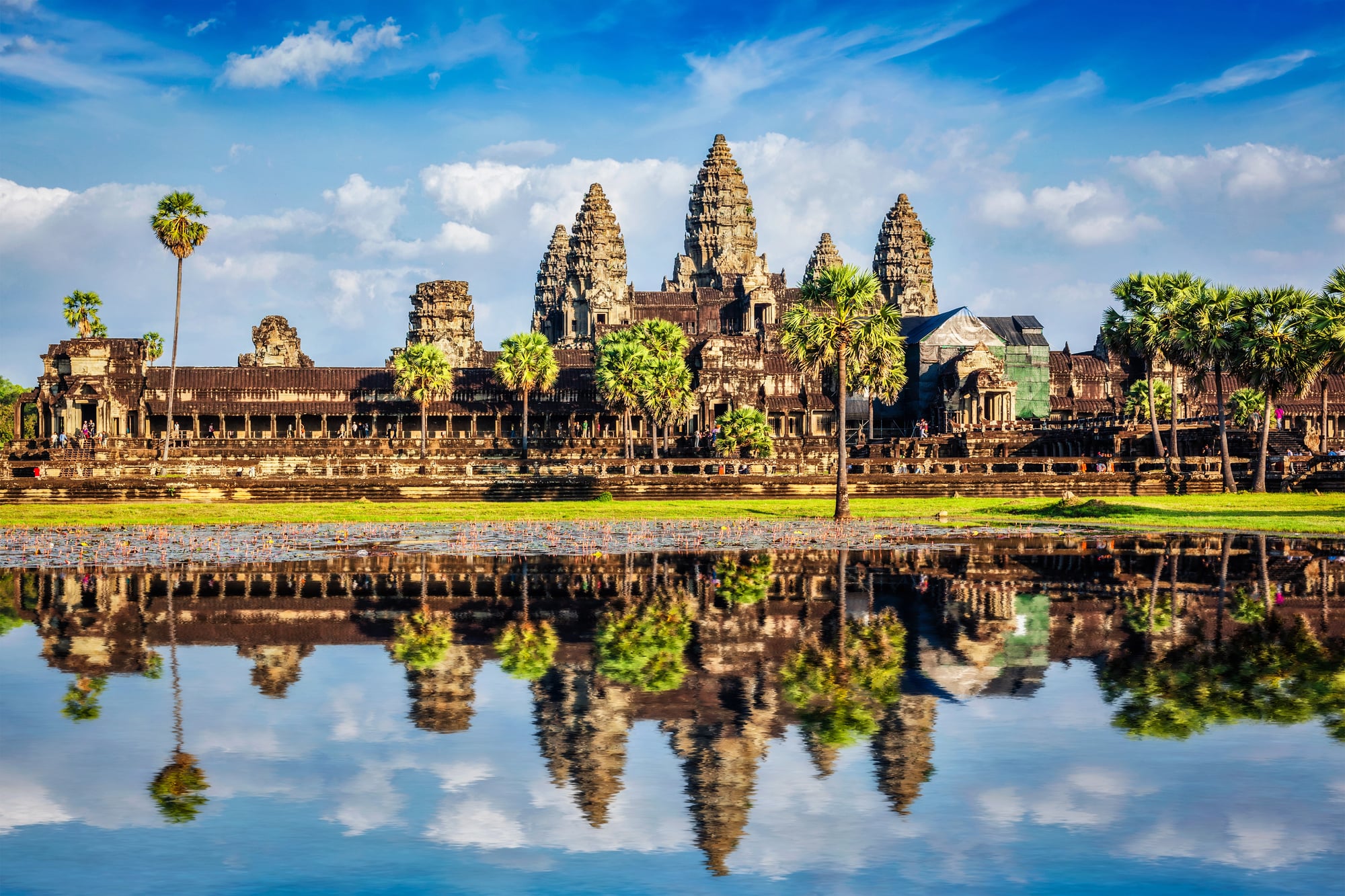
Kampuchea and Cambodia are, linguistically, the same word — both derived from “Kambuja,” the Sanskrit name for the ancient Khmer kingdom. But “Kampuchea” became inseparable from the Khmer Rouge era and the horror of 1975 to 1979, which is exactly why the country restored “Cambodia” as the internationally recognized name after the regime fell.
Names accumulate the weight of what happened under them. By 1989, the name Kampuchea was something the country visibly needed to set down.
Iran
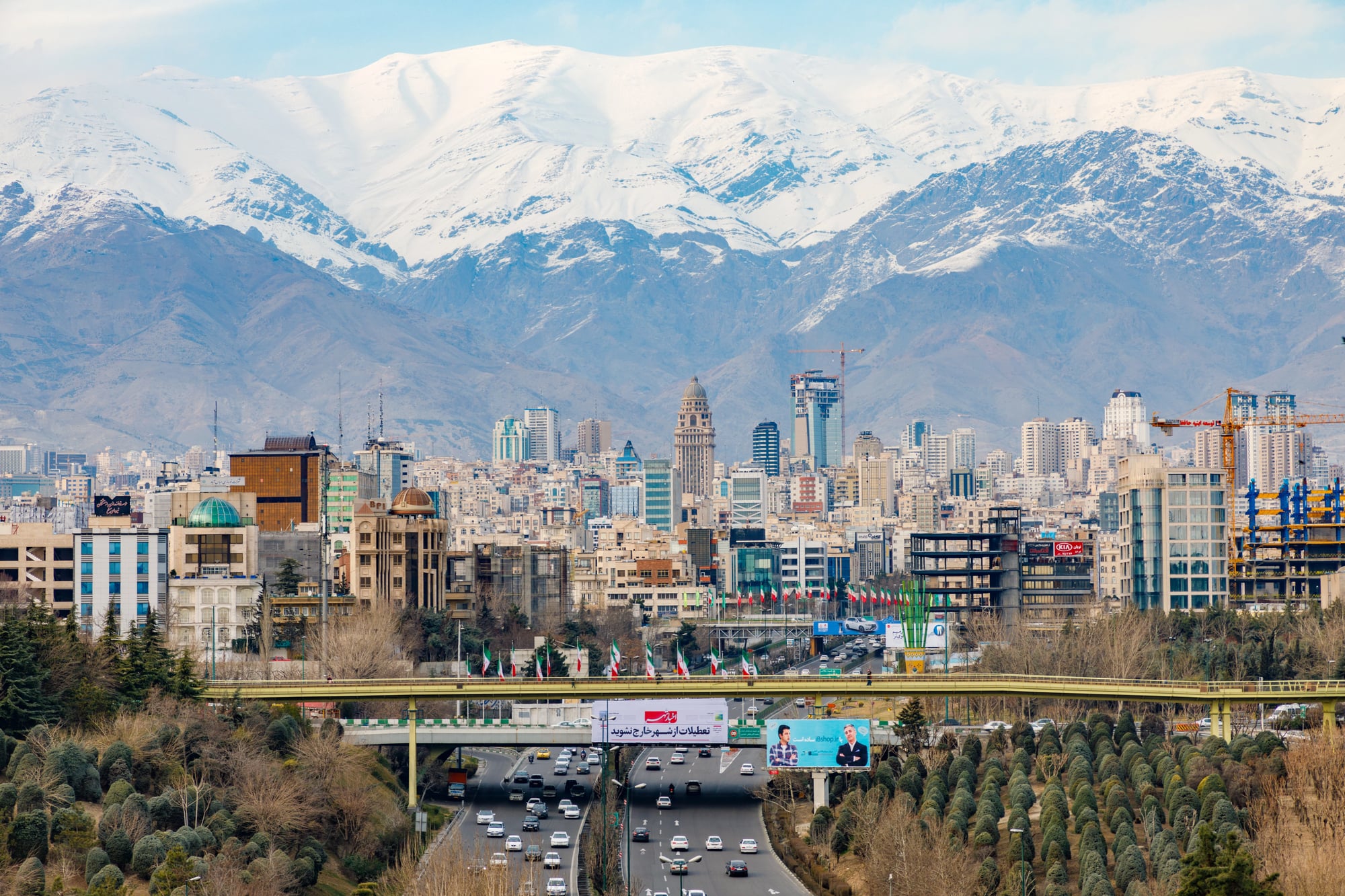
Persia was the name the outside world used — it came from “Pars,” a southwestern province, and for centuries it served as shorthand for an entire civilization. The Iranians largely called their own country “Iran” all along, meaning “land of the Aryans” in Old Persian.
In 1935, Shah Reza Pahlavi formally requested that foreign governments use “Iran” in diplomatic correspondence — not a revolution, just a correction. Turns out the country had been introducing itself one way while the world wrote down something else entirely.
Eswatini
Swaziland became Eswatini in 2018, which makes it one of the most recent name changes on this list — and one of the most straightforwardly explained. King Mswati III announced the change on the country’s 50th independence anniversary, noting that “Swaziland” confused foreigners into thinking the country was related to Switzerland.
Eswatini means “land of the Swazis” in the siSwati language, which is the kind of name a country probably should have had from the beginning. To be fair, the Switzerland confusion is hard to argue with.
Mozambique
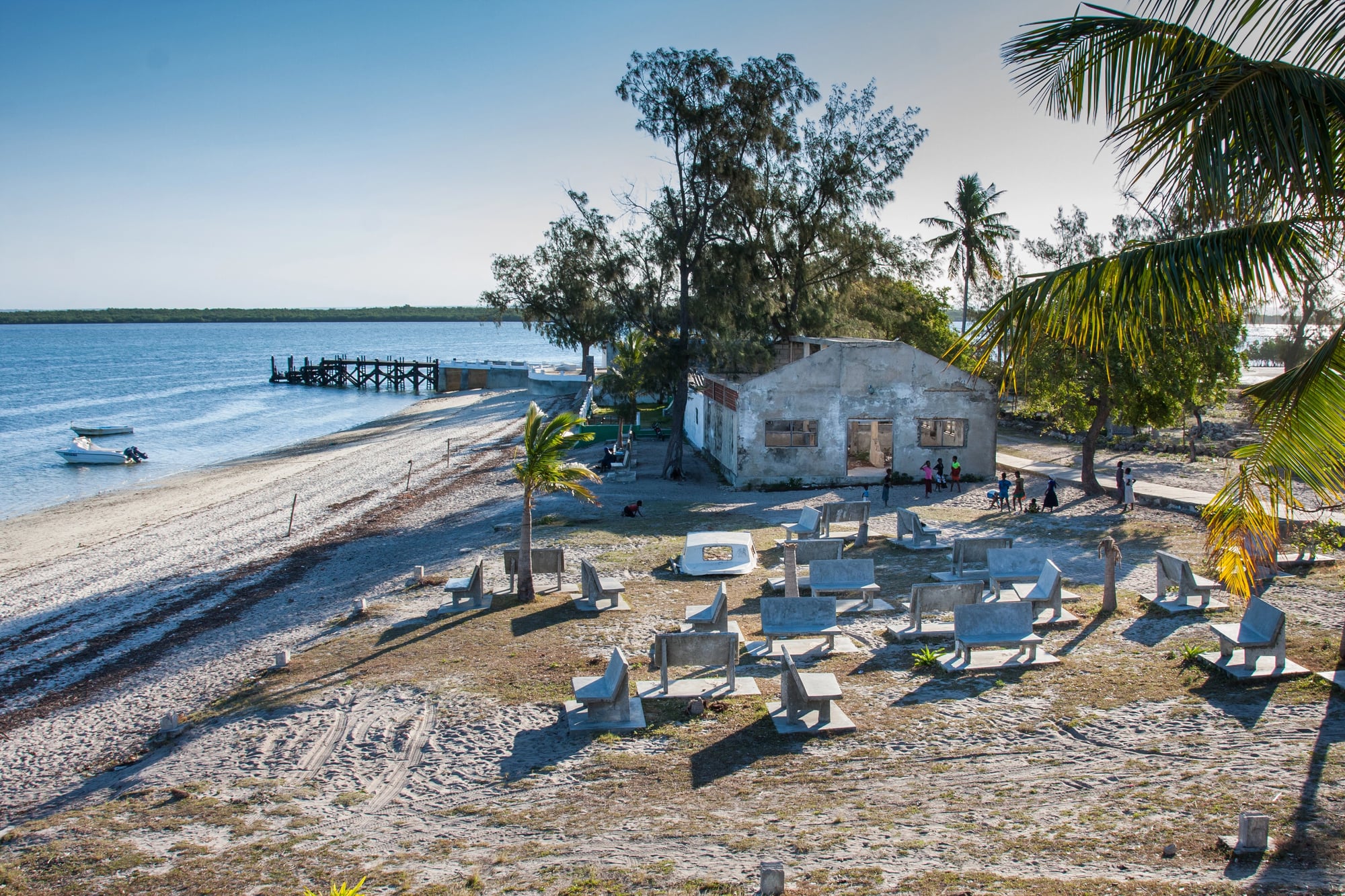
Mozambique kept its colonial-era name after independence in 1975, which puts it in a different category from most countries on this list — except that’s not entirely the full picture. The name itself predates sustained Portuguese colonization, likely originating with a local Swahili sultan named Mussa Bin Bique (or similar variants), which the Portuguese then transcribed and applied to the entire territory.
So the name is colonial in form but not entirely in origin — it’s more like a borrowed word worn smooth over centuries, carrying a pre-colonial trace inside a colonial frame.
North Macedonia
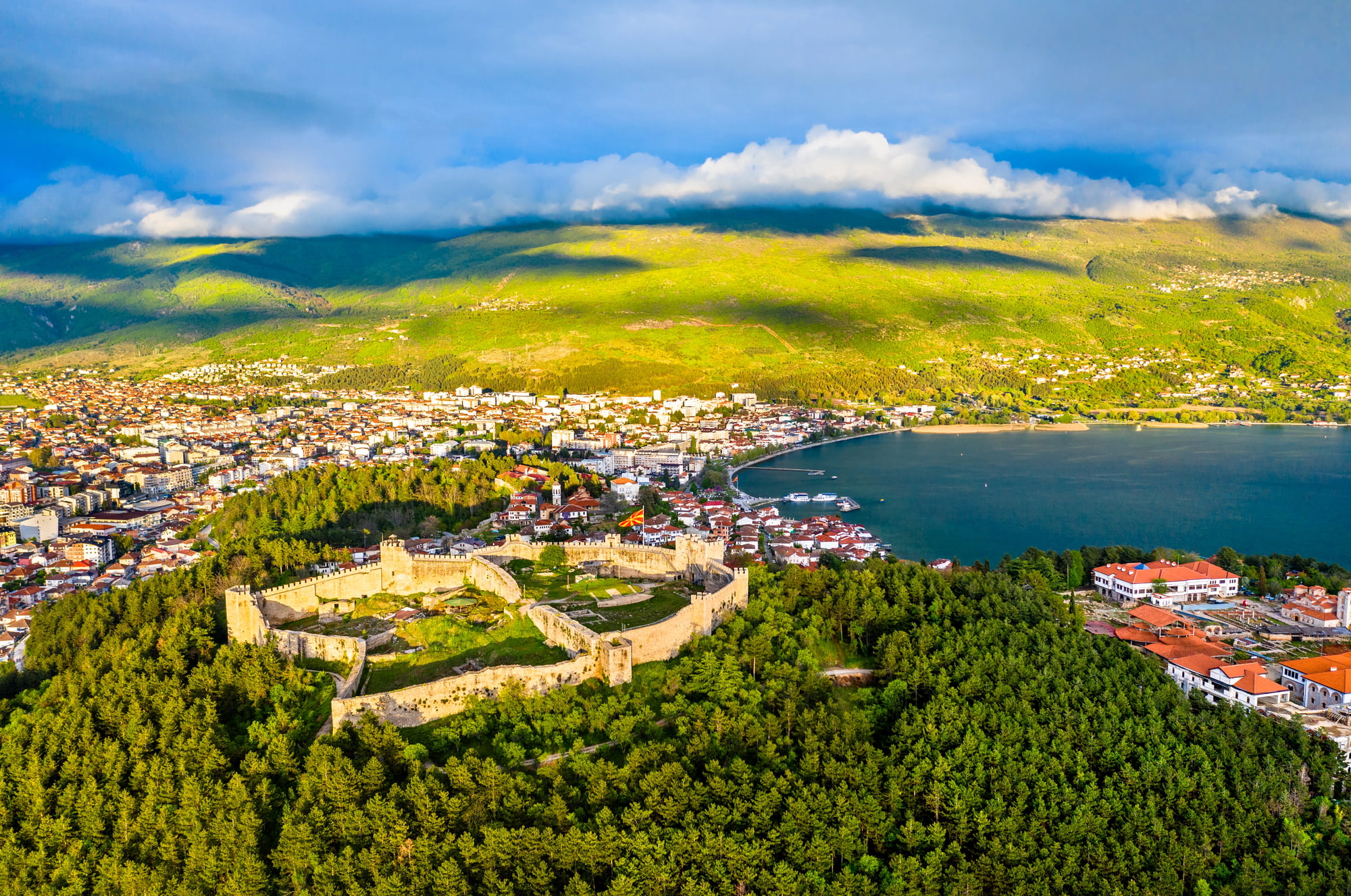
The Former Yugoslav Republic of Macedonia — often shortened to FYROM in diplomatic shorthand — is perhaps the most awkward official name any country has ever been asked to use. Greece objected strenuously to the name “Macedonia” because of its own northern province of the same name and the historical claim it implied, and the dispute dragged on for nearly three decades.
In 2019, the Prespa Agreement resolved it: the country became the Republic of North Macedonia. A name settled by treaty is a peculiar thing — less discovered than negotiated into existence.
Thailand
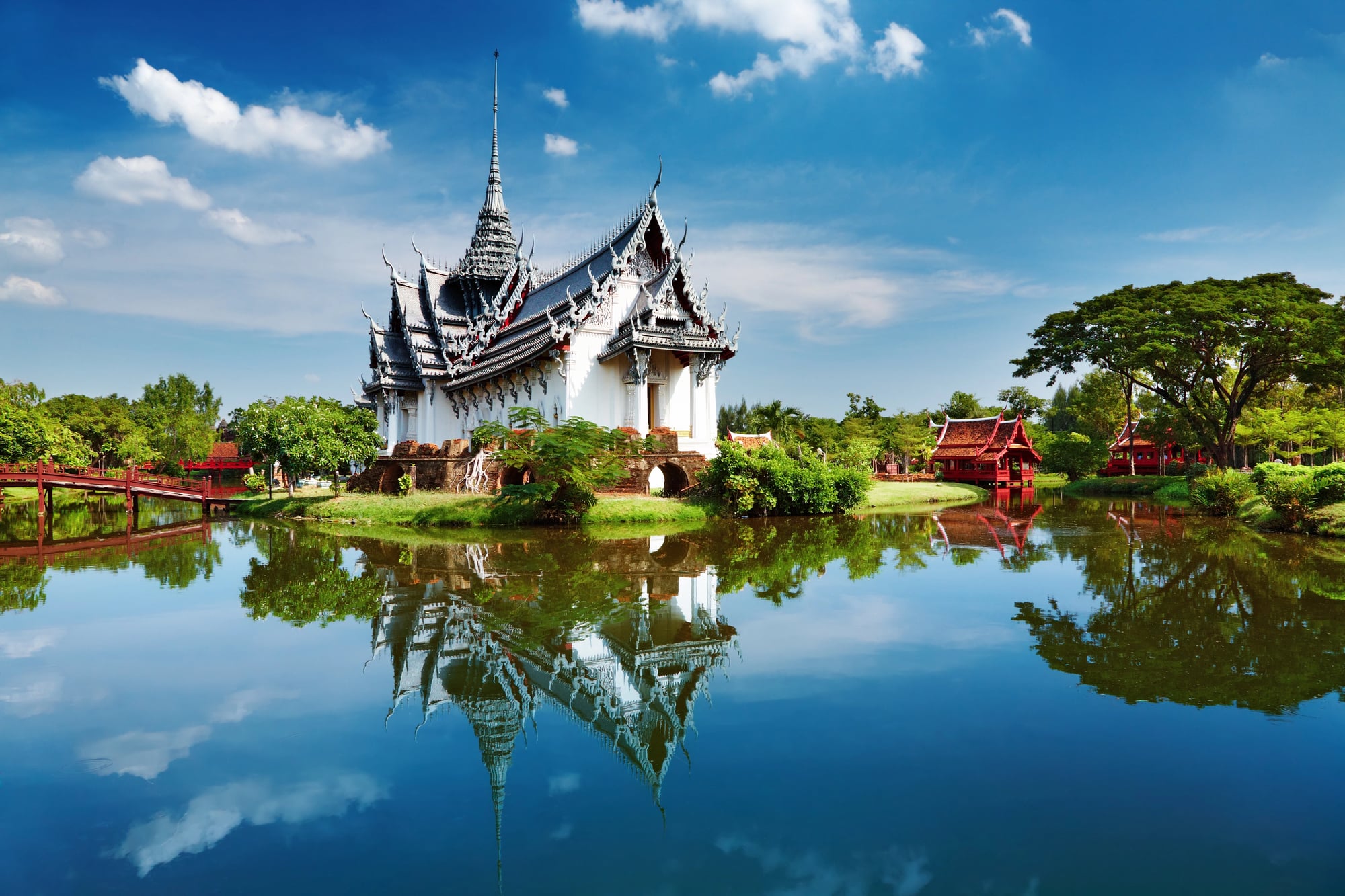
Siam is a name that carries a certain cinematic weight — it shows up in musicals, novels, and colonial-era maps with a frequency that “Thailand” simply doesn’t match. The country officially changed its name in 1939 under Prime Minister Plaek Phibunsongkhram, partly as an expression of Thai nationalism and partly to reflect that “Thai” — meaning “free” in the Thai language — better captured who the people understood themselves to be.
The name Siam had foreign origins, possibly derived from Sanskrit or Mon, and had always felt slightly external. Thailand was, at its core, a name the people chose for themselves.
Cabo Verde
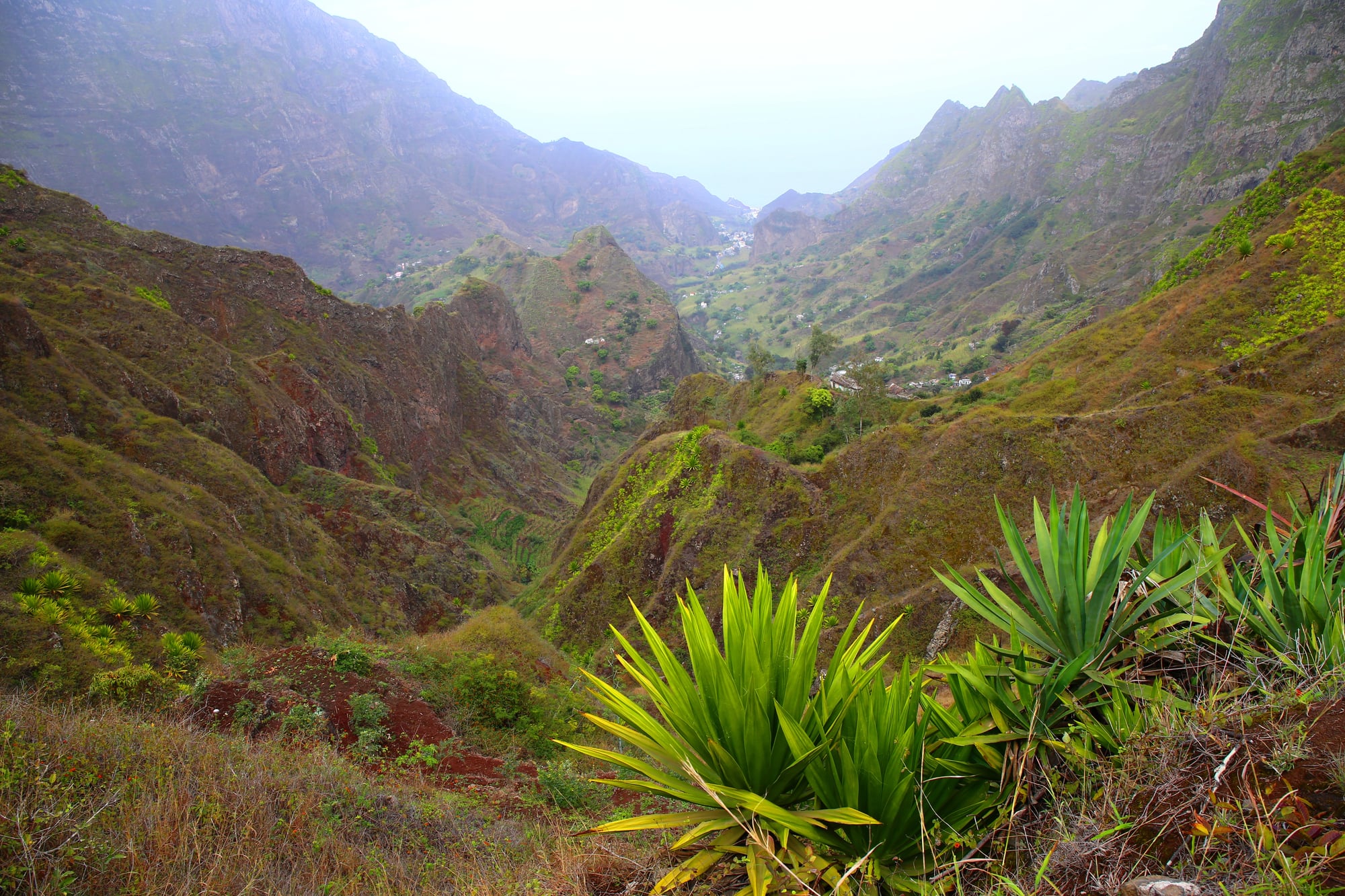
Cape Verde, the Atlantic island nation off the coast of West Africa, officially requested that the international community use “Cabo Verde” — the Portuguese form of the name — starting in 2013. It wasn’t a dramatic overhaul so much as a correction of an anglicization that had no particular justification beyond habit.
The Portuguese name means “green cape,” referencing the Cap-Vert peninsula on the Senegalese coast. Small change, long overdue, and the kind of thing that makes you realize how casually other languages get translated into English without anyone asking.
Türkiye
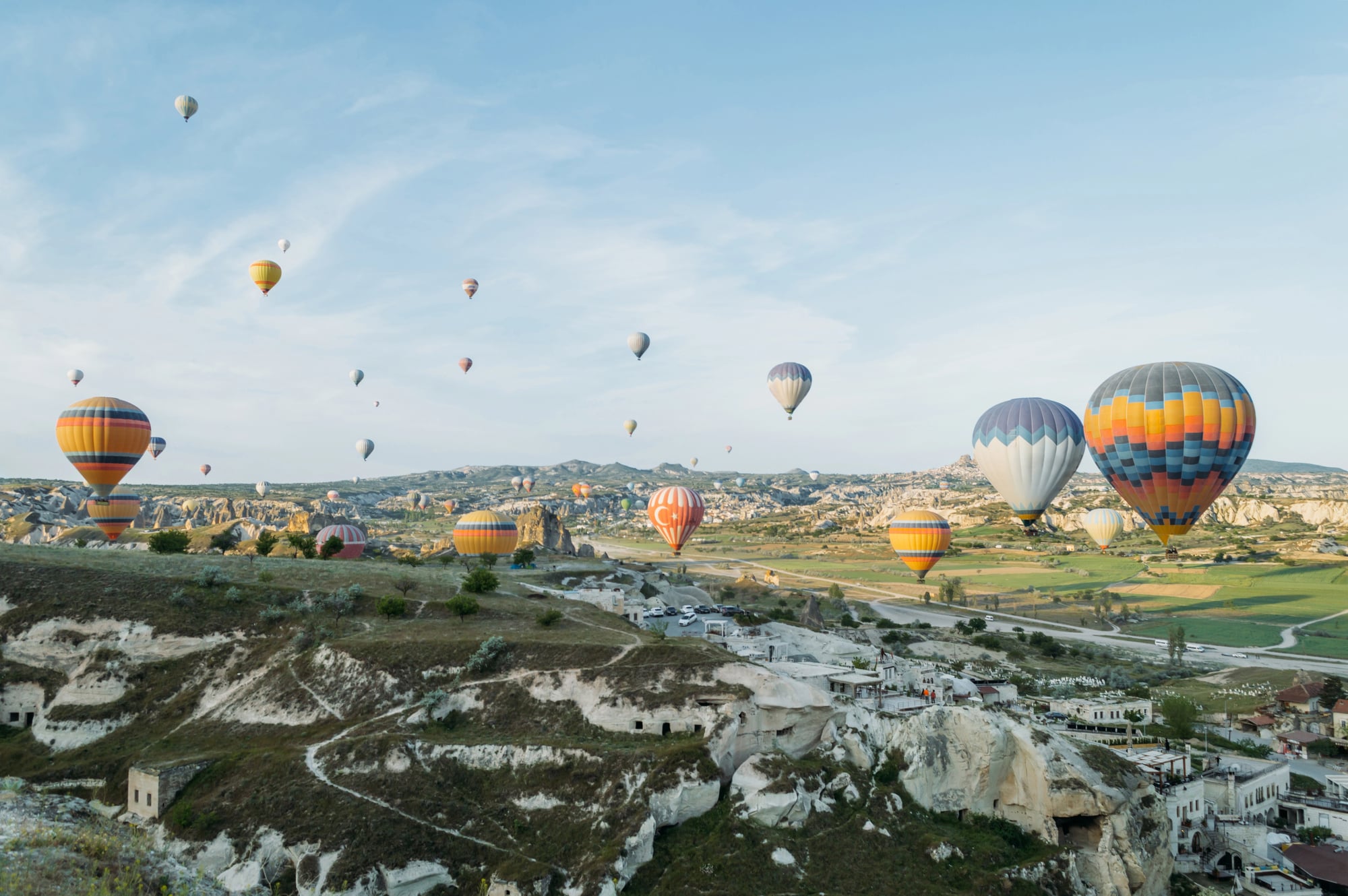
Turkey spent decades tolerating the fact that its country’s name in English was identical to a large bird associated primarily with Thanksgiving. In 2022, the Turkish government formally requested that international organizations use “Türkiye” rather than “Turkey,” and the United Nations complied.
President Erdoğan framed it as a matter of national identity — “Türkiye” better represents the culture and values of the Turkish people. Whatever the political motivations, the argument that a country shouldn’t share its name with a holiday centerpiece is not a difficult one to make.
Myanmar
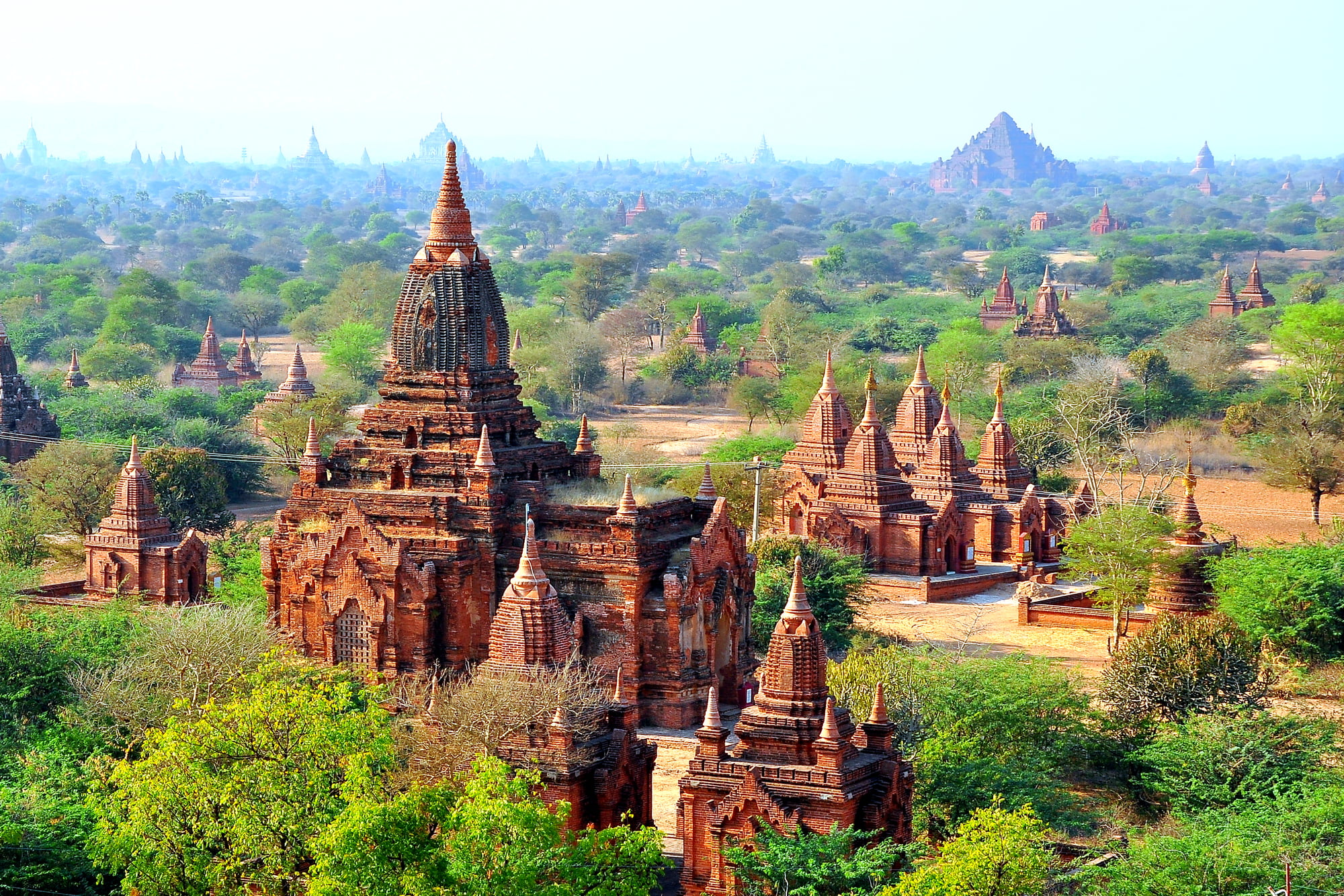
Burma became Myanmar in 1989 under the military junta — and that political context is the reason the name change remained contested for decades. “Myanmar” is derived from the formal literary name for the country, while “Burma” comes from the spoken colloquial form; linguistically, both refer to the same thing.
The United States and the United Kingdom refused to use “Myanmar” for years, viewing recognition of the new name as implicit recognition of the junta’s legitimacy. Language as political resistance, wielded in both directions.
Czechia
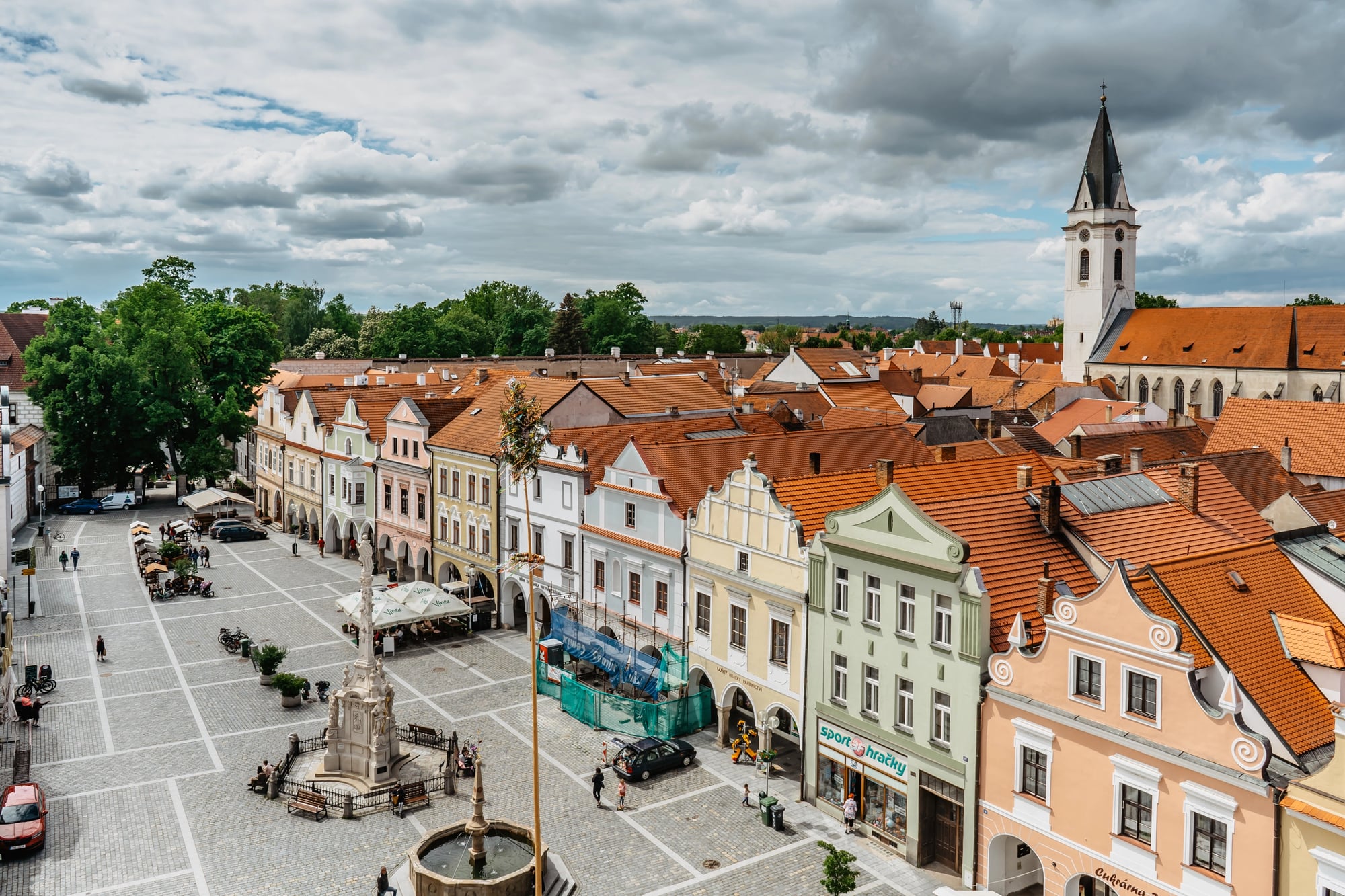
The Czech Republic is the official long-form name — but Czechia is the short form that the country formally registered with the United Nations in 2016, hoping the rest of the world would start using it. Short country names matter for things like sports jerseys, casual conversation, and the kind of shorthand that sticks.
Czechia hasn’t fully displaced “Czech Republic” in common English usage yet, which suggests that registering a short name and actually getting the world to adopt it are two very different problems. Some names earn their way in slowly.
The Name Beneath the Name
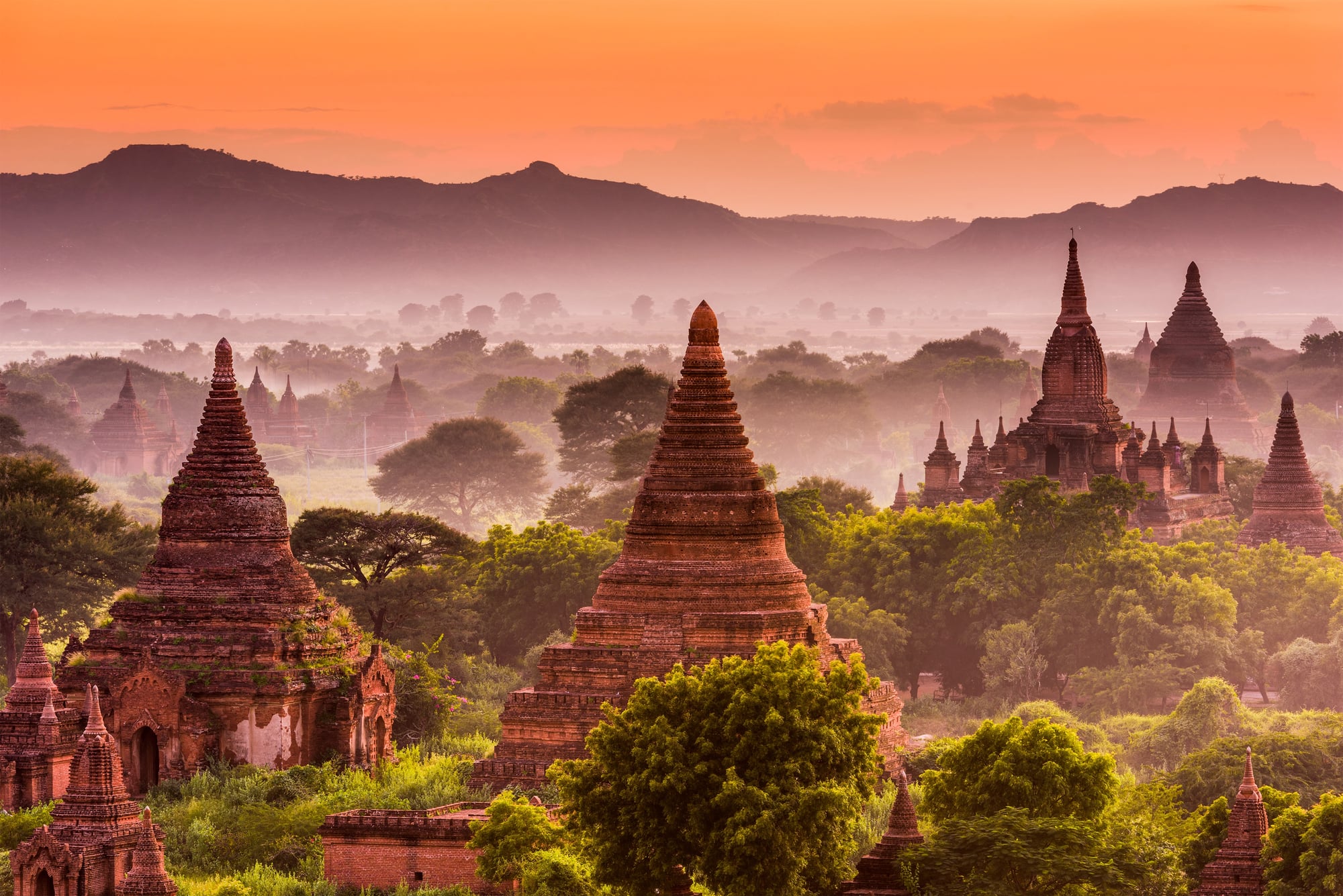
What these changes share isn’t just politics — it’s the stubborn human need to be called something that belongs to you. A name given by a colonial administrator, a foreign cartographer, or an occupying power is a name that was never really yours to begin with, and living inside it long enough doesn’t make it fit better.
Some of these countries waited generations. Some moved fast, while the moment was still charged with possibility.
But all of them arrived at the same basic conclusion: that what a place is called shapes, in ways both practical and profound, what it’s allowed to become.
More from Go2Tutors!

- The Romanov Crown Jewels and Their Tragic Fate
- 13 Historical Mysteries That Science Still Can’t Solve
- Famous Hoaxes That Fooled the World for Years
- 15 Child Stars with Tragic Adult Lives
- 16 Famous Jewelry Pieces in History
Like Go2Tutors’s content? Follow us on MSN.