Photos Of Animals That Mastered Camouflage
For ages, nature played its own version of hide-and-seek – some animals mastered disappearing. On jungle ground or deep sea floor, a few evolved to match where they live so perfectly that experts walk right past.
Hidden isn’t always quiet. Sometimes it moves without making a sound. Hard to spot doesn’t mean rare – it means clever. What looks like stone might breathe slow. The best disguise? Acting like nothing at all.
Picture these creatures, as if someone brushed them right onto the landscape. Some seem born from splashes of color meant just for hiding.
Others wear patterns so sharp they vanish before your eyes. Look closely. A lizard might be stone one moment, then move.
Beetles mimic bark with cracks and grime built into their shells. One frog wears a mosaic only found on wet rocks near waterfalls.
Even motion sometimes freezes when survival depends on stillness. Each detail fits where it should never belong – yet does.
Leaf-Tailed Gecko

This tiny lizard from Madagascar mimics a dried leaf clinging to wood. Along its outline, rough textures blend into earthy tones.
Vein-shaped markings trace across its surface. Often, it angles itself just like debris would fall.
Researchers watching closely admit they can’t tell the difference. Up near, the trick still works perfectly.
Few creatures disguise themselves so completely.
Stick Insect
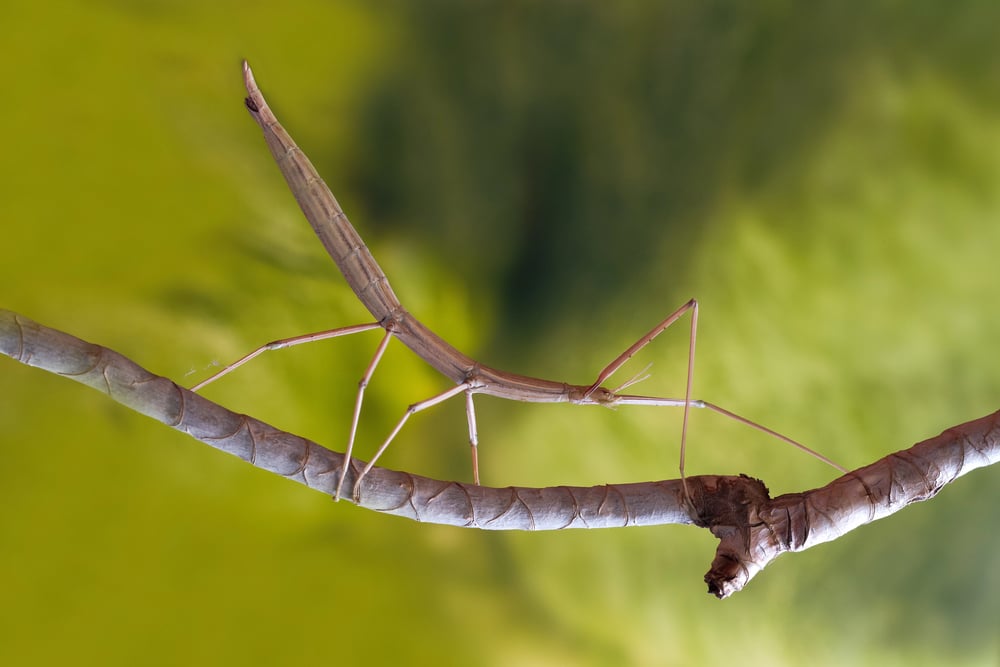
Wind rustles through trees, making the stick insect rock slowly as if part of the forest. Not only does it mimic wood in color but even copies how twigs bounce in breezes.
With patterns on their wings, some appear covered in moss or old tree skin. Over three thousand kinds exist today, each shaped by quiet changes across time.
Arctic Fox
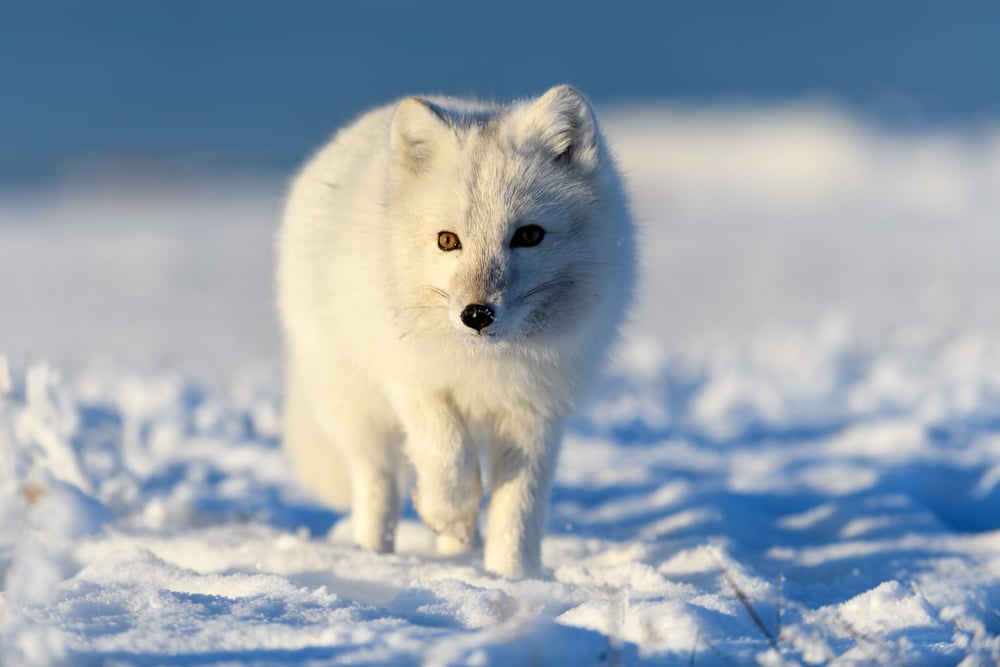
White covers the Arctic fox when winter arrives, hiding it in snowy terrain. When warmth returns, fur becomes brownish or gray, fitting rocky ground and open tundra.
Daylight drives this shift, not chance – daily light exposure sets the change in motion. Not many creatures adjust their look between seasons like this animal does.
Stonefish
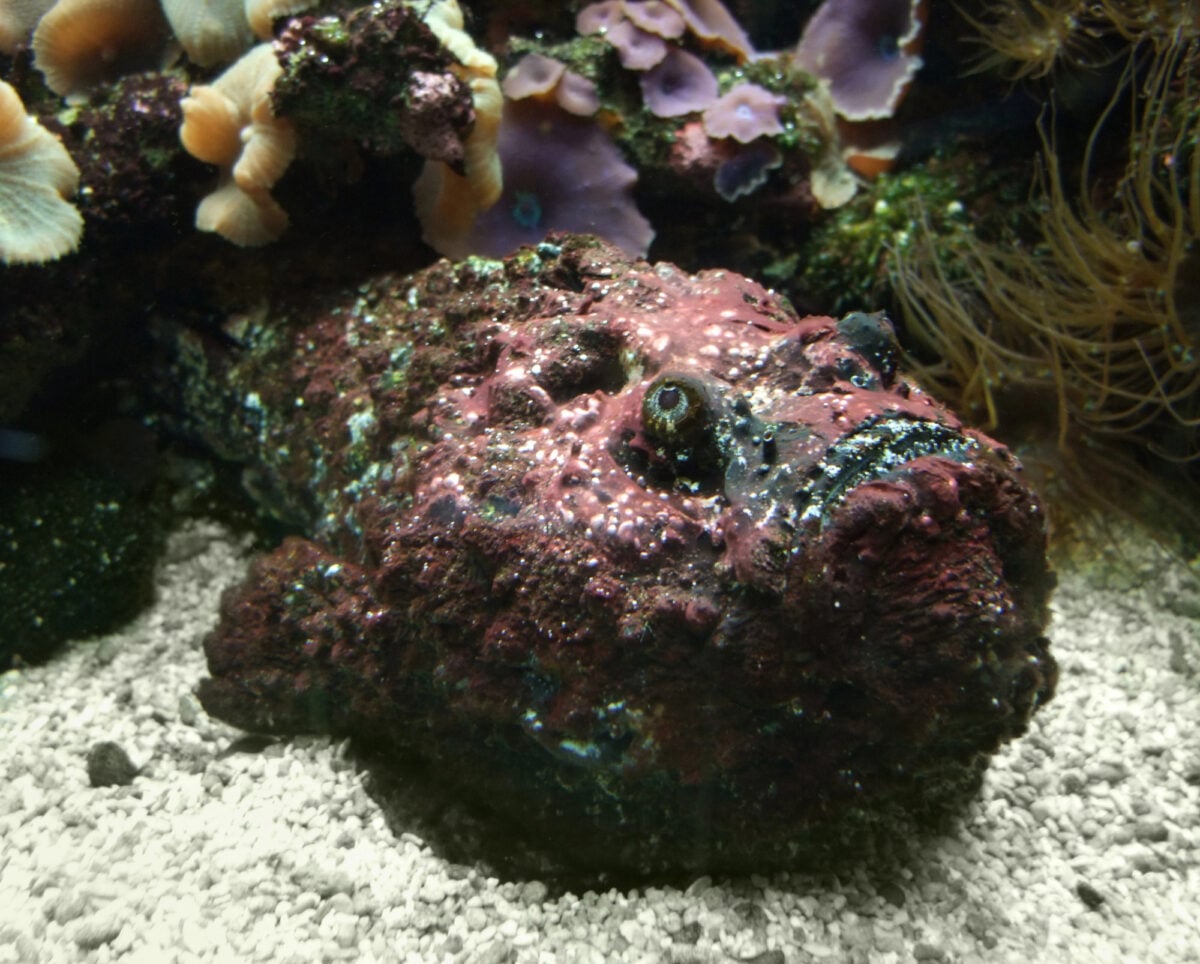
Lying still, the stonefish blends into the seafloor so well it could fool any passing crab. Not moving much, it waits – its rough skin mimicking mossy stones makes dinner come close without suspicion.
Predators pass by, ignoring what they think is just another lump of reef debris. Even humans misstep; some divers have pressed down before realizing something sharp was alive.
Stillness becomes its weapon, also its shield, shaped by time under salt water.
Katydid

A single twist of nature shows up in the katydid’s disguise. Wings shaped like foliage slip into view among actual leaves, colored just right.
Texture plays its part too – veins traced lightly across the surface, tiny nicks scattered as if something had nibbled there. Birds pass close by without noticing anything off.
Such small touches reveal evolution working with exact care.
Mimic Octopus

Not blending but copying – that sets the mimic apart. Shifting color and form, it becomes a flatfish when needed, turns into something spiky like a lionfish, or slithers convincingly as a sea snake if danger nears.
Most creatures do not perform such instant transformations; few match this ability across nature. Found first in Indonesian waters during 1998, scientists continue uncovering new behaviors even now.
Tawny Frogmouth
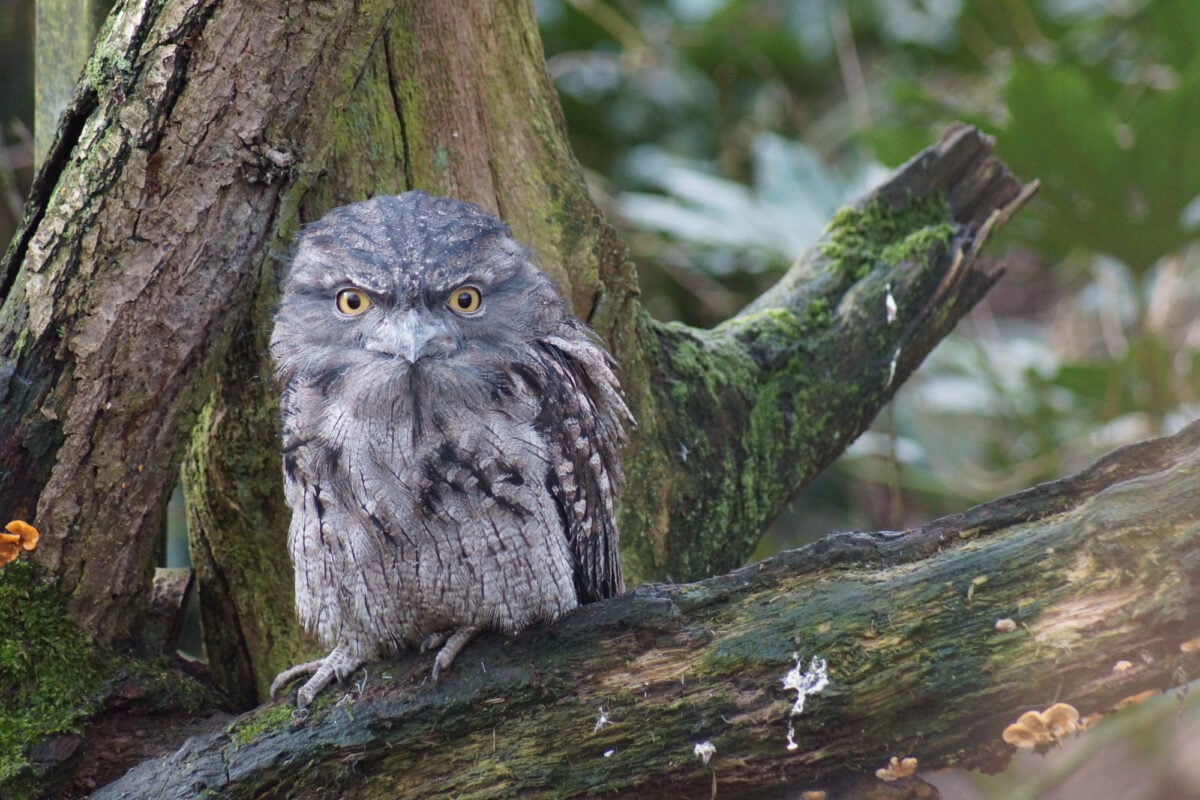
Stillness saves it when trouble comes near. Though many think it’s an owl, this creature shares deeper ties with nightjars instead.
Up straight it perches, eyes shut tight, frozen on bark like part of the tree itself. Branches host its quiet act – feathers painted in mottled greys and browns blur into splintered wood.
Pretending to be nothing moves keeps it alive.
Satanic Leaf-Tailed Gecko

It turns out another gecko exists apart from the leaf-tailed kind – one far bolder in appearance. This creature lives nowhere but Madagascar, where its tail mimics a decaying leaf, twisted and mottled with dark spots, jagged at the rim.
Along its flanks run fringes of skin, letting it lie flush on tree trunks, erasing any hint of outline. When its eyes snap open, they glow red, breaking the illusion – that flash gives rise to the ‘satanic’ label.
Cuttlefish
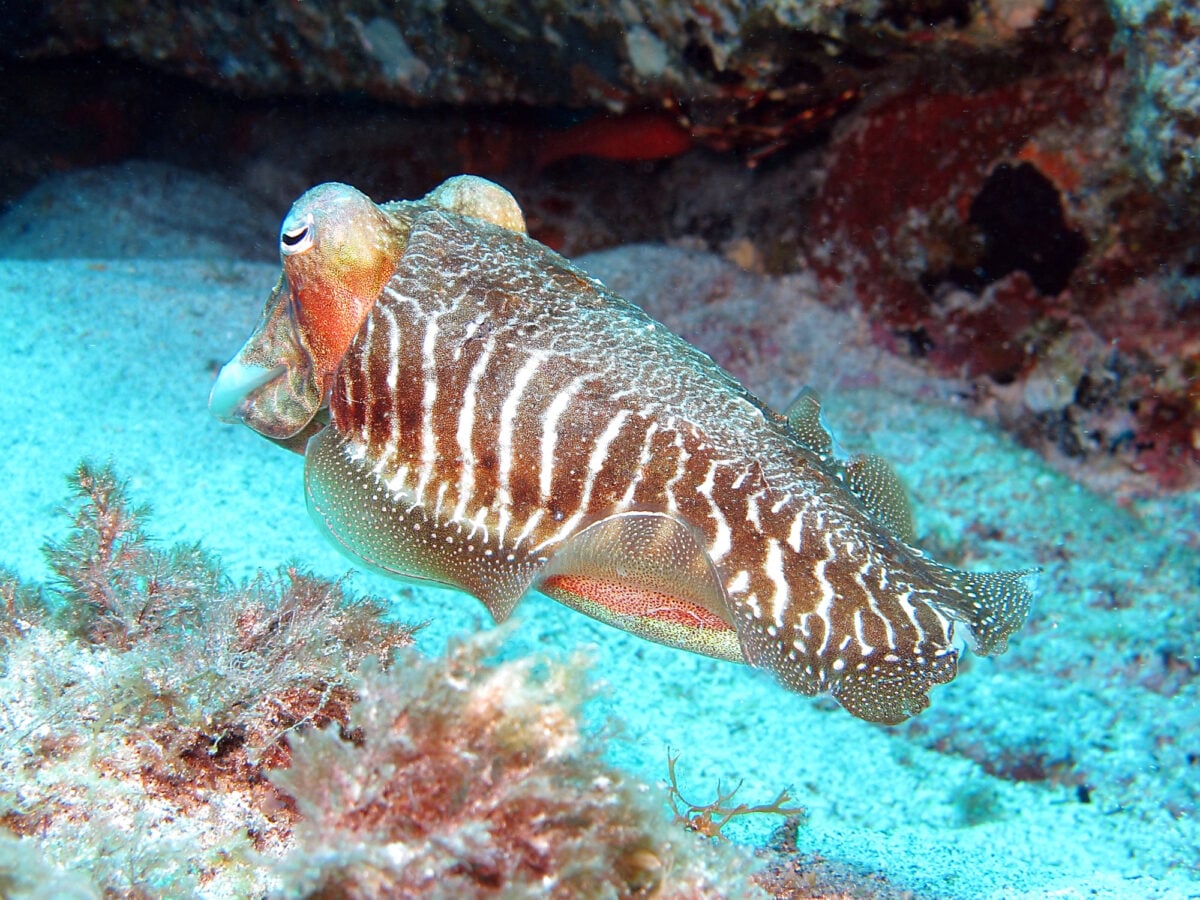
In less than a second, the skin of a cuttlefish shifts in both hue and surface feel. Tiny units filled with dye, known as chromatophores, stretch or shrink without delay to form new designs.
What stands out is their inability to see colors, despite mimicking them with extreme precision. Instead of relying on sight like we do, these creatures may interpret color through polarized light – something beyond our current grasp.
Snowy Owl

The snowy owl’s white plumage blends perfectly into the Arctic tundra where it lives and hunts. Unlike most owls that stay hidden in trees during the day, the snowy owl is active during daylight hours and depends on its coloring to stay hidden in the open.
Young snowy owls have darker, spotted feathers that help them hide in rocky terrain before they are fully grown. Against a background of snow and pale sky, a still snowy owl is almost impossible to spot.
Uroplatus Phantasticus
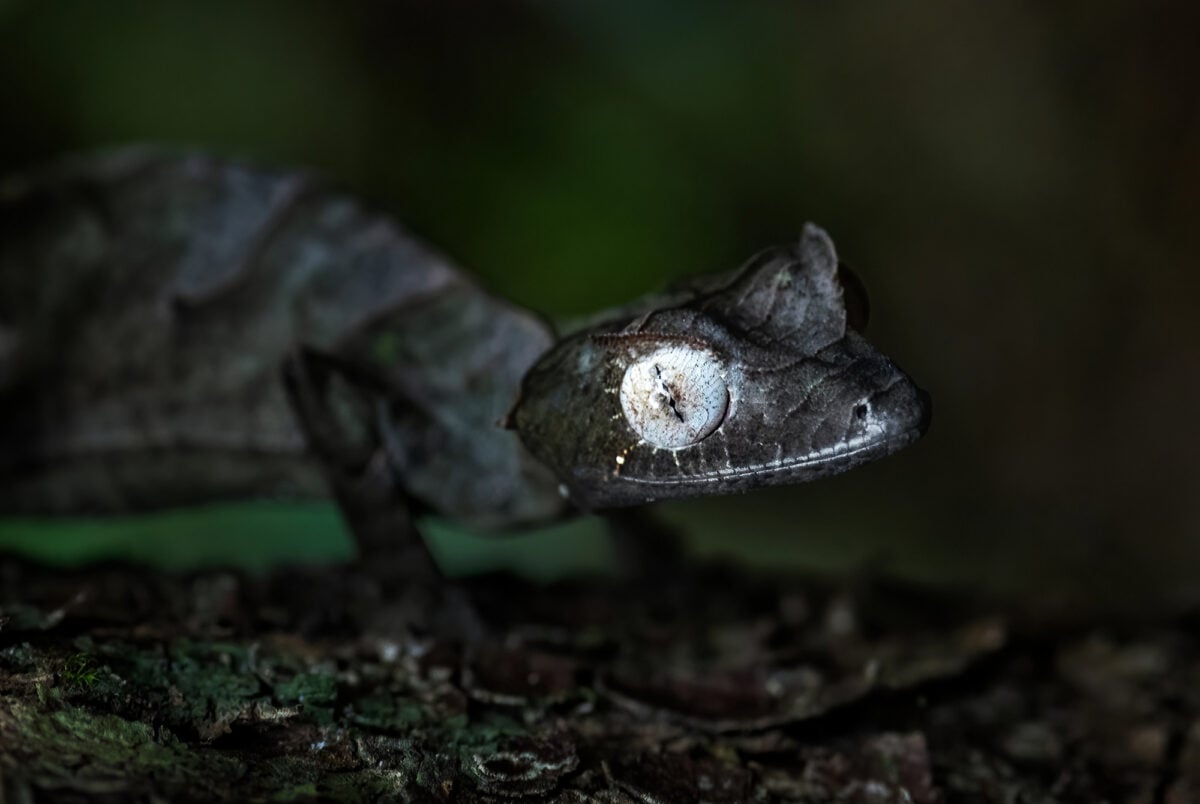
This is the scientific name for the satanic leaf-tailed gecko’s close cousin, and it brings a slightly different style to the same trick. Its body color ranges from purple to orange to brown depending on its environment, and it can adjust these shades over time.
The tail mimics a dried leaf so precisely that even the ‘stem’ part appears as a small curled extension at the tip. It is one of those creatures that makes you question whether you are looking at an animal or just a pile of old leaves.
Flounder

The flounder is a flat fish that lies on the seabed and matches the sand, gravel, or pebbles beneath it almost perfectly. It can adjust its color and even its skin pattern within seconds of landing on a new surface.
Researchers have tested flounders by placing them on checkerboard patterns, and the fish attempted to reproduce the pattern on its own skin. It is not a perfect match, but the effort alone shows how advanced this ability actually is.
Walking Leaf Insect

The walking leaf insect looks so much like a real leaf that other insects sometimes try to eat it. Its body is flat, green, and has edges that look irregular and chewed, just like a real plant leaf.
Female walking leaf insects are particularly convincing because their bodies are wider and more leaf-shaped than the males. Found mostly in South and Southeast Asia, this insect is a firm favorite among wildlife photographers who love a good ‘spot-the-animal’ challenge.
Horned Frog

The South American horned frog, also called the Pacman frog, buries itself in leaf litter and waits. Its brown and green mottled skin looks like the forest floor, and it stays completely still for hours at a time.
It does not chase prey; it just waits until something small walks close enough and then lunges. The camouflage is less about running away and more about being the hidden predator that no one sees coming.
Decorator Crab

The decorator crab takes camouflage into its own hands, literally. It picks up pieces of sponge, algae, and other small marine organisms and attaches them to its shell using tiny hooks on its body.
As it moves to different environments, it redecorates itself to match. It is the only animal known to actively build and update its own disguise like a craftsperson adjusting a costume for a new stage.
Still Hiding In Plain Sight

These animals have been perfecting their techniques long before cameras existed to catch them. The photographs that surface online showing hidden creatures on tree bark, ocean floors, and jungle undergrowth are not edited or staged; the animals really are that hard to find.
What makes these images so striking is the reminder that the natural world is full of things happening just out of sight. The next time something looks like a rock, a leaf, or a broken branch, it might be worth taking a second look.
More from Go2Tutors!

- The Romanov Crown Jewels and Their Tragic Fate
- 13 Historical Mysteries That Science Still Can’t Solve
- Famous Hoaxes That Fooled the World for Years
- 15 Child Stars with Tragic Adult Lives
- 16 Famous Jewelry Pieces in History
Like Go2Tutors’s content? Follow us on MSN.



