Fascinating Facts About Television Ads from the 80s
Television ads in the 1980s really grabbed people’s attention in a way that felt fresh and exciting. Bright colors, catchy tunes, and clever ideas all worked together to make ads that were hard to forget.
They didn’t just sell things — they became part of the culture and everyday conversations. This decade changed the way commercials spoke to viewers, making TV time more fun and memorable.
Before getting into the details, it’s worth noticing how many of those ideas still shape ads today. The 80s set a foundation for creativity and connection in advertising.
Let’s see what made those ads stand out so much.
The jingles everyone could hum

Jingles were at the heart of 80s commercials. Marketers knew that if people could easily sing a tune, they’d keep the product in mind longer.
Many brands turned simple slogans into catchy songs that viewers still remember today. Kids hummed these tunes during playtime, and adults found themselves repeating them without thinking.
Those melodies became part of daily life and conversations. The ability of a jingle to make a product unforgettable was truly powerful.
Commercials became mini-movies
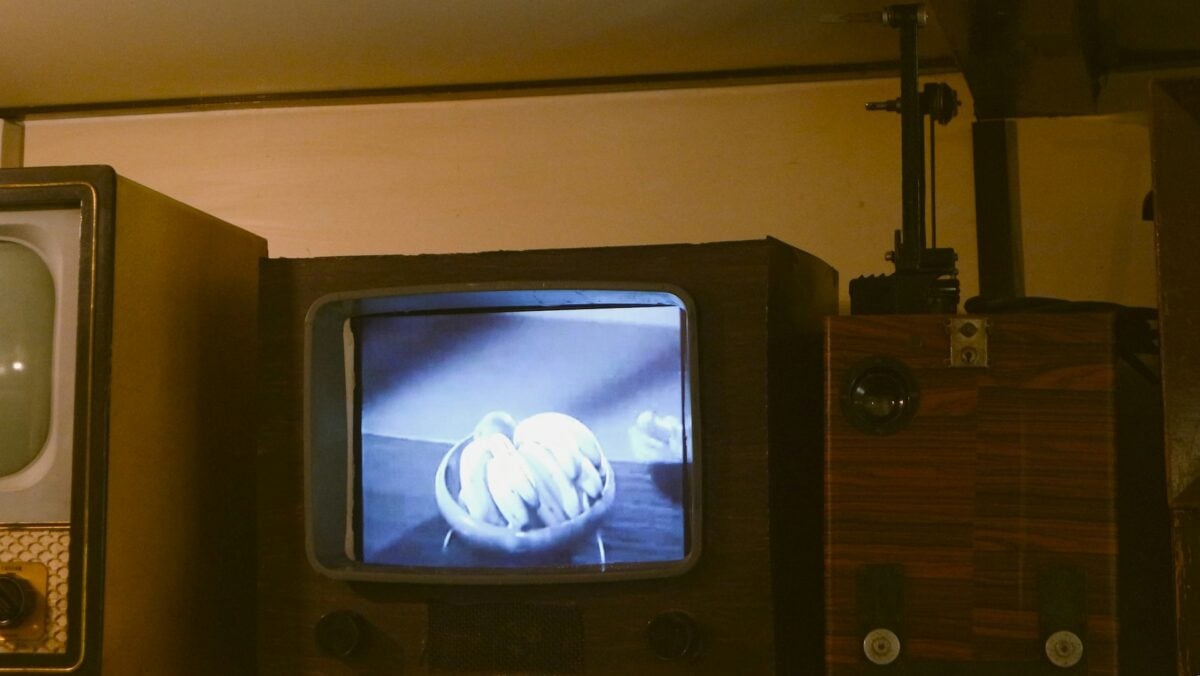
In the 80s, ads started to look and feel like short films. Directors used stories and dramatic shots to create memorable scenes.
Some famous film directors even worked on commercials. These ads aimed to leave a lasting impression, not just sell something quickly.
That made watching commercials feel more like part of the show than a break. It was a fresh way to keep viewers interested.
Like Go2Tutors’s content? Follow us on MSN.
Toys ruled Saturday mornings

Saturday mornings were all about cartoons and toy ads. Toy companies chose these times to talk directly to kids.
Action figures, dolls, and games flew off the shelves thanks to flashy commercials. Parents often found themselves rushing to get the newest toy.
These ads helped shape what kids wanted to play with for years. They made Saturday mornings feel extra special.
Celebrities sold everything

Famous people appeared in many 80s ads. Athletes, actors, and singers helped promote products from shoes to drinks.
People trusted their favorite stars, so companies used this trust to boost sales. Having a well-known face made a product instantly popular.
This helped celebrity endorsements become a common marketing tool. Stars added a sense of cool and trust to brands.
Technology changed how ads looked
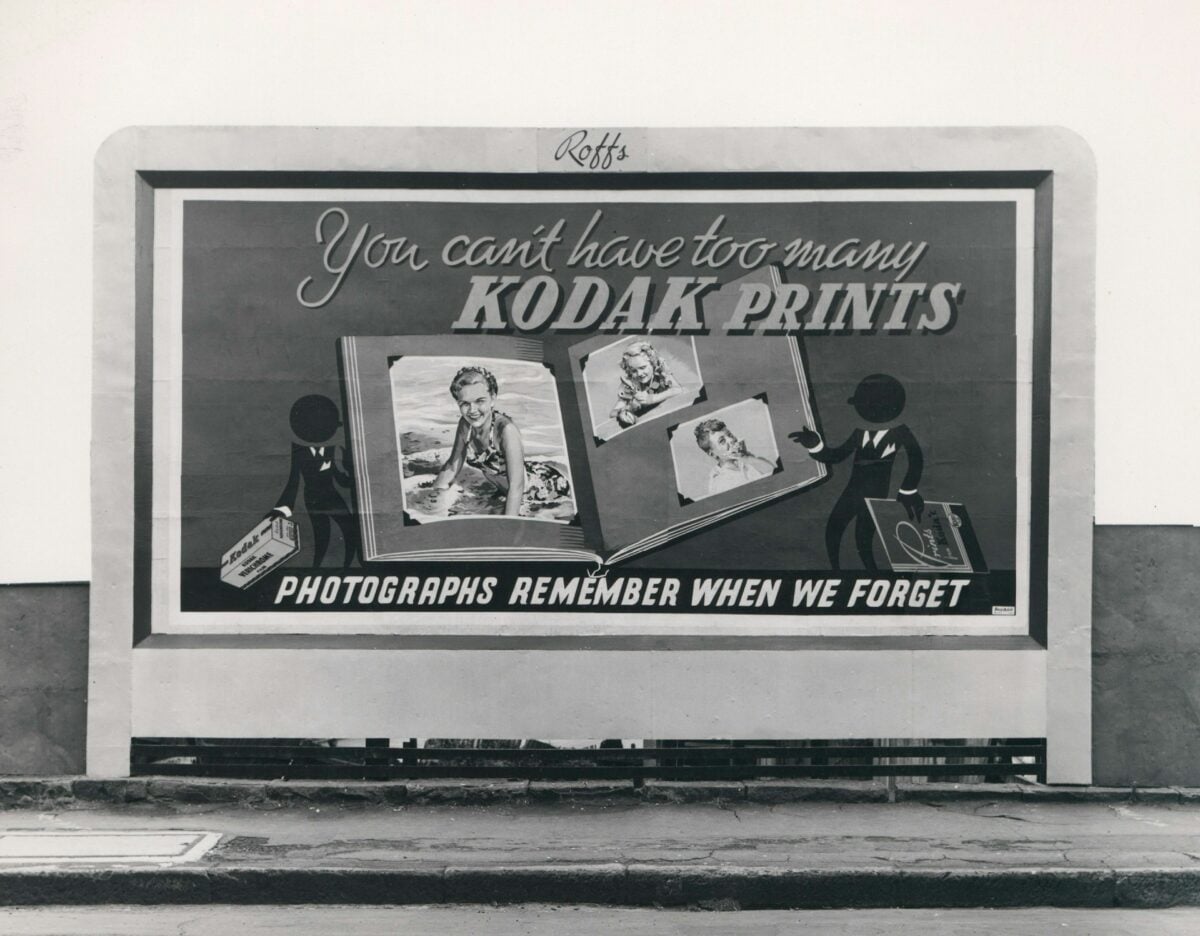
New technology allowed commercials to look sharper and more modern. Special effects and early computer graphics gave ads a polished feel.
Even simple products appeared futuristic. This new style grabbed attention and made ads more exciting to watch.
It also paved the way for today’s high-tech advertising. Visual tricks became a powerful way to stand out.
Like Go2Tutors’s content? Follow us on MSN.
The birth of “just do it” culture
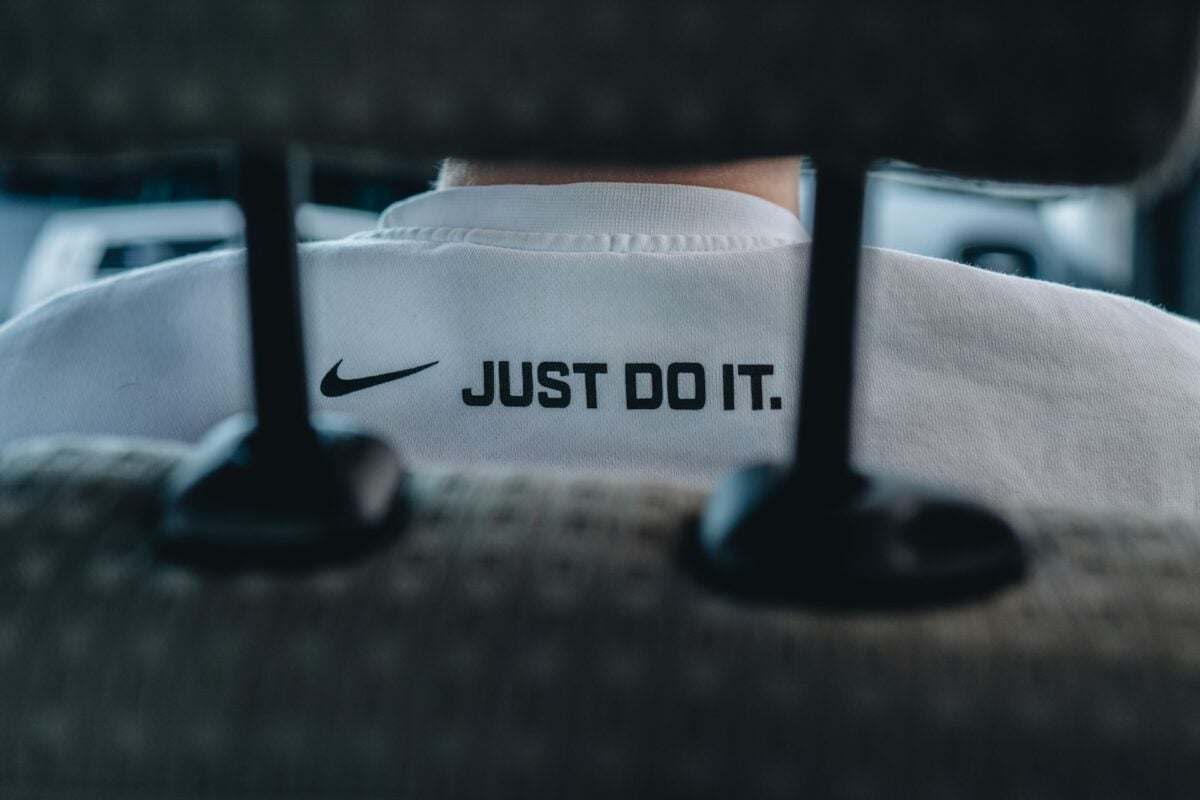
During the 80s, bold and motivating slogans became popular, encouraging people to take action.
These short but powerful phrases defined the spirit of that era. They went beyond simply selling products and instead inspired a mindset.
Many of these slogans remain influential in advertising today. Brands used them to create deep emotional bonds with their audience.
This confident, straightforward approach made the message clear and memorable.
Local ads had their own charm
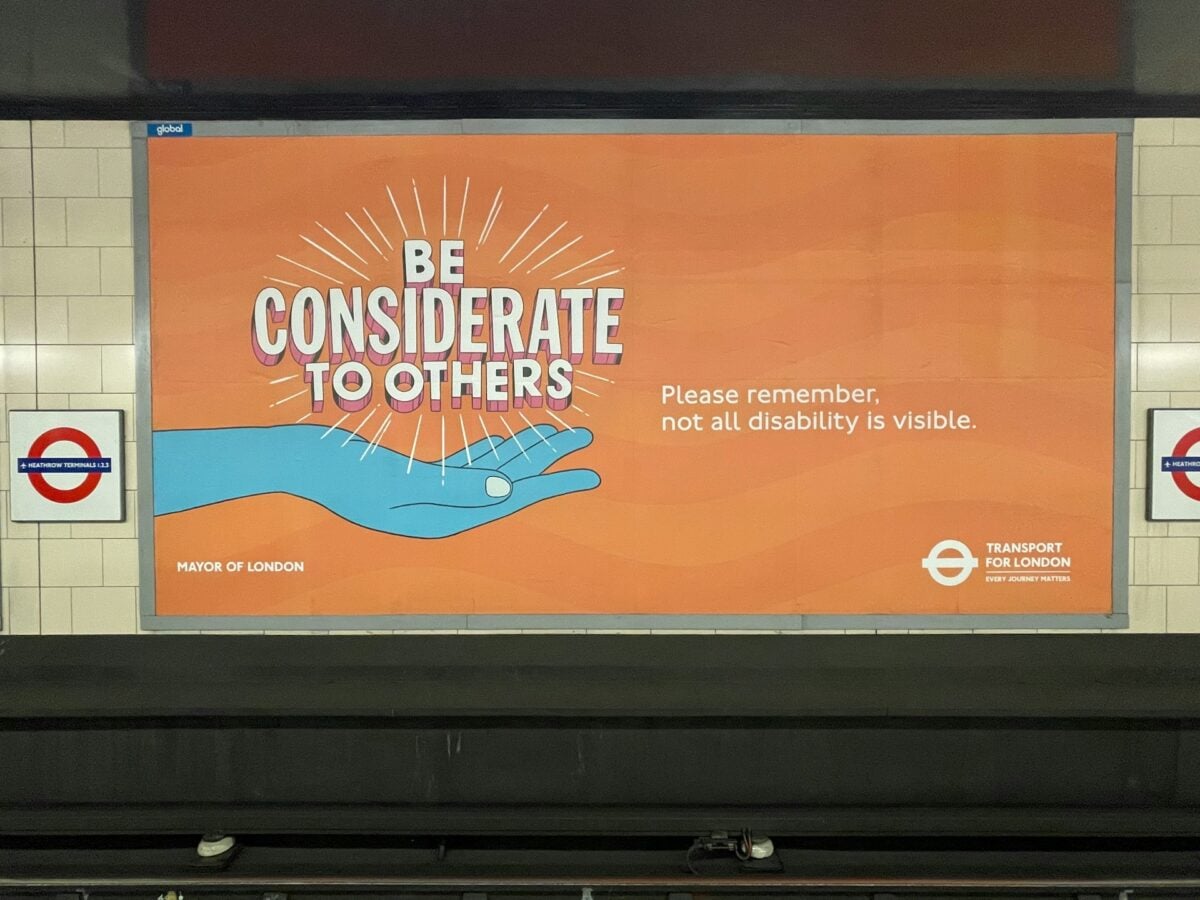
Not all ads were big and flashy. Local businesses created simple, homemade commercials for their neighborhoods.
These ads were often funny or awkward but felt honest and real. Viewers enjoyed their down-to-earth style.
These ads helped build trust in local communities. They showed that advertising didn’t have to be perfect to work.
Fast food got creative

Fast food chains worked hard to get noticed. They used mascots, catchy slogans, and playful campaigns.
Some ads even sparked friendly rivalries between chains on TV. This made the commercials entertaining and memorable.
These ads helped fast food become a big part of popular culture. They made customers excited about trying new menu items.
Like Go2Tutors’s content? Follow us on MSN.
Music videos inspired ad styles
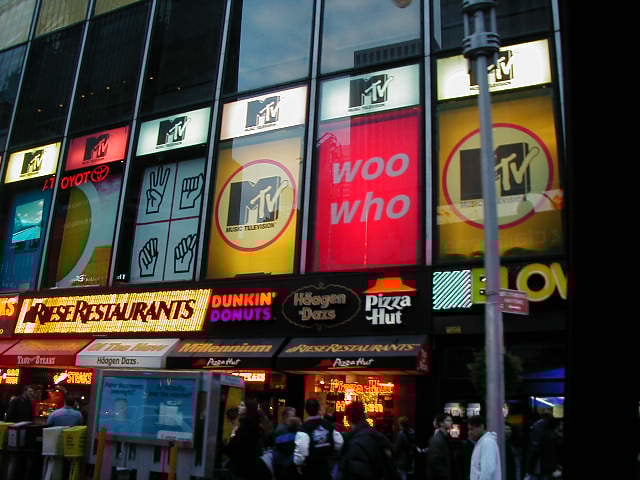
MTV and music videos changed the way ads were made. Commercials borrowed quick cuts, bright colors, and a music-driven style.
This made ads flashier and more fun to watch. The mix of pop culture and advertising brought fresh energy to commercials.
It kept viewers’ eyes glued to the screen. This connection helped ads feel like part of the entertainment.
Kids’ ads faced new rules

By the middle of the decade, people started worrying about ads aimed at children. New rules limited what advertisers could show or say to kids.
Companies had to be more careful and honest in their messages. This helped protect young viewers from being pushed too hard.
It was a positive change that made kids’ ads safer and fairer.
Big companies experimented with humor

Funny commercials became very popular in the 80s. Humor helped brands seem friendly and easier to remember.
A good joke or silly scene made people smile and connect with the product. Many of those ads are still talked about today.
Using humor became a clever way to leave a lasting impression.
Like Go2Tutors’s content? Follow us on MSN.
Commercials made slogans cool again

Short, catchy slogans became important in advertising. Brands found simple phrases were easier for people to remember than long descriptions.
These lines became part of everyday speech, making ads stick in viewers’ minds. Slogans turned into cultural catchphrases.
They helped brands stay in conversation long after the ad ended.
Holiday ads turned emotional

Holiday commercials shifted toward feelings rather than just products. They showed families, warmth, and traditions to connect with viewers’ hearts.
These ads became some of the most remembered and loved commercials. They helped brands build emotional ties beyond just selling.
People looked forward to these stories each year.
Animated mascots took over

Cartoon characters became popular spokespeople for brands. Mascots were fun and easy to remember for kids and adults.
Many mascots introduced in the 80s are still used by companies today. They added a friendly, playful face to brands.
This helped ads stand out and build trust.
Like Go2Tutors’s content? Follow us on MSN.
Ads began reflecting everyday life
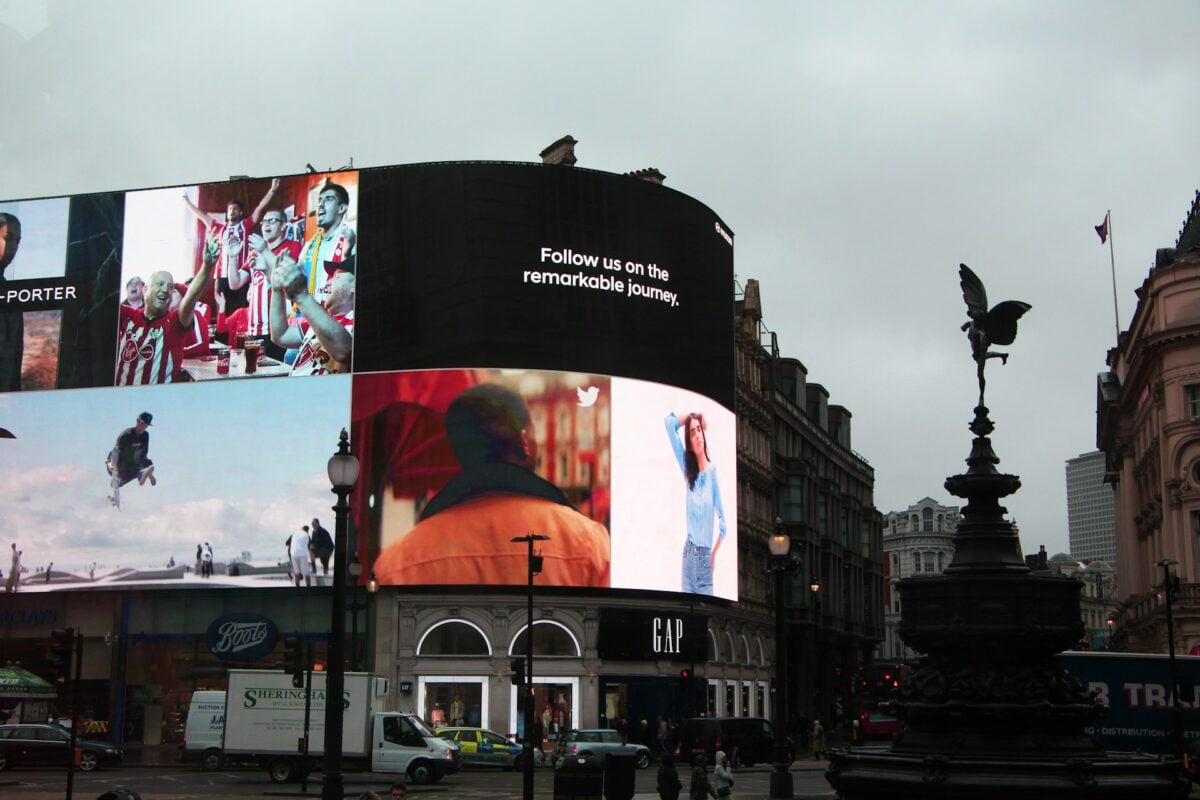
Some commercials started showing real people and simple situations. This made ads feel more relatable and trustworthy.
Instead of only glamor or fantasy, they showed things viewers could identify with. This approach helped brands connect on a personal level.
It made products feel useful and within reach.
Commercial breaks became events
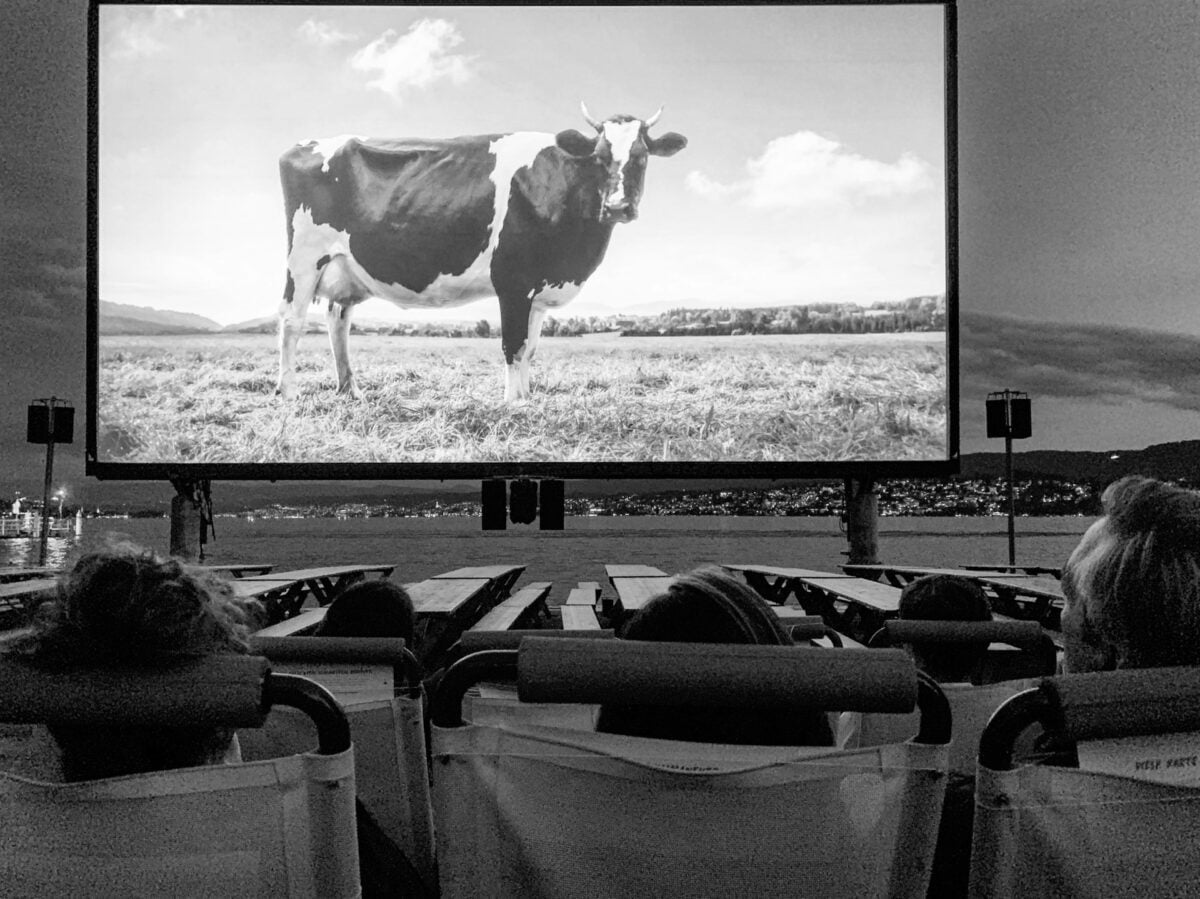
With fewer channels, commercial breaks became moments people actually noticed. Viewers watched new ads and discussed them with friends and family.
This made watching TV a shared social experience. Commercials became part of the entertainment, not just interruptions.
Ads gained a new importance during these breaks.
The rise of international campaigns

In the 80s, global advertising grew rapidly. Brands began to broadcast a similar message across the world, adapting it to local cultures.
It brought the same experience in different countries and languages. It was the beginning of global marketing.
Companies knew how to balance global reach and local relevance.
Like Go2Tutors’s content? Follow us on MSN.
Vintage ads still inspire today
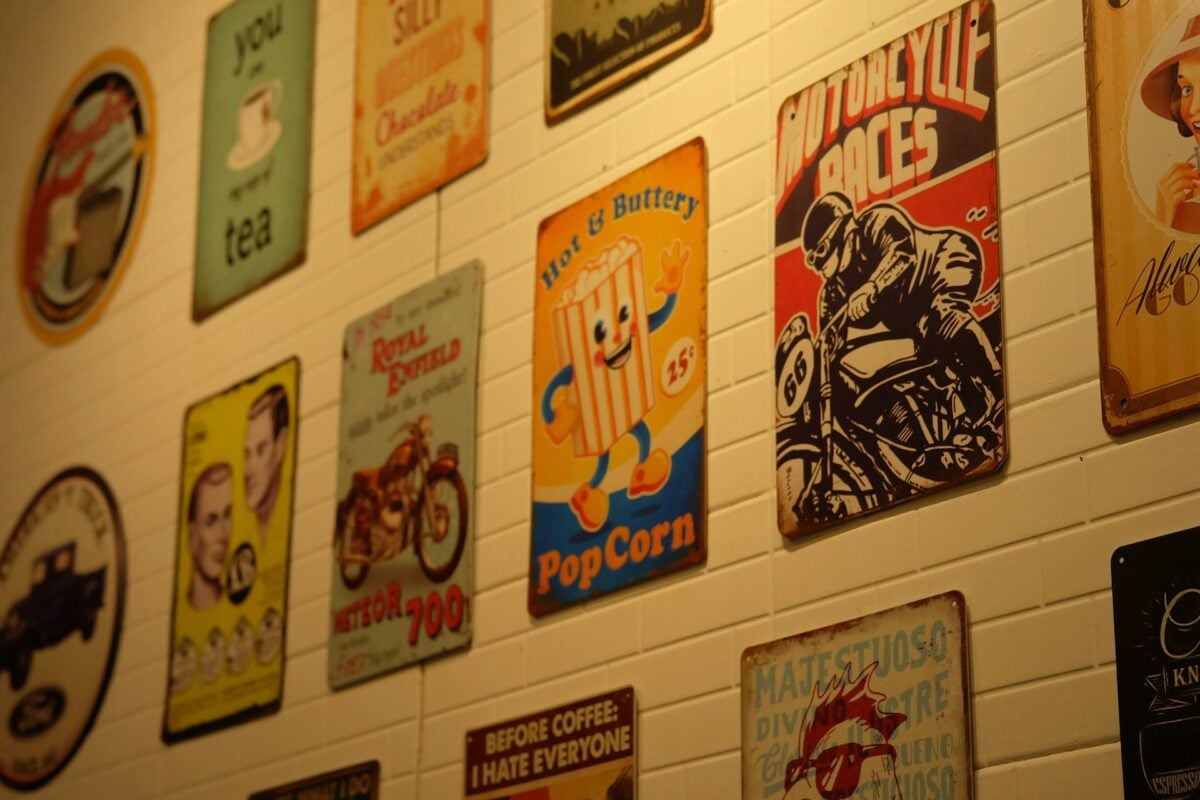
Many 80s adverts are analyzed for their style and creativity. Contemporary marketers look back to see what succeeded.
The straightforward, simple, and emotive style still resonates with audiences today. Tips and tricks picked up from those adverts inform advertising today.
The 80s are a rich source of ideas.
How the 80s shaped the ads we see today
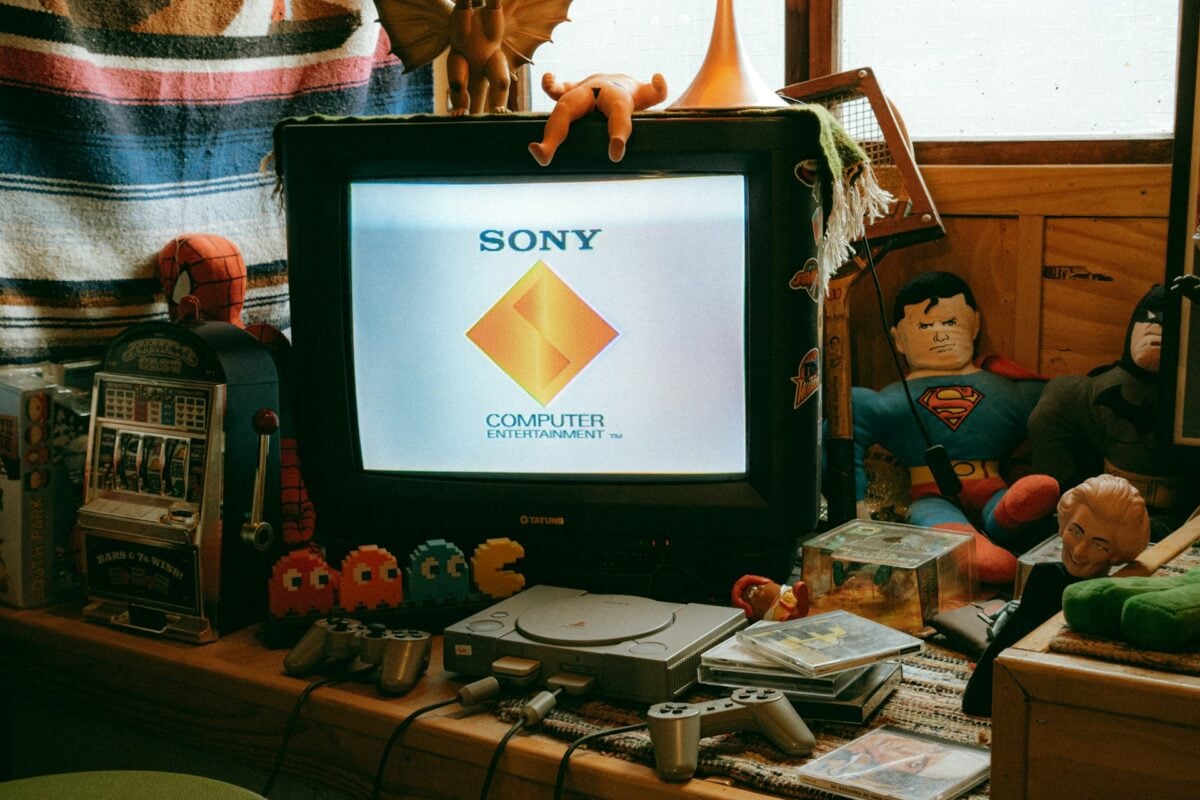
Looking back at 80s television commercials shows us how much they changed the way products were promoted. The commercials combined humor, sentiment, and smart concepts to grab people’s attention in alternative methods.
They brought people together through narratives, music, and characters that everyone could identify with. The heritage of the commercials can still be seen in contemporary commercials.
It all started in the 80s, bringing about alternative forms of linking brands and people, which has been a lasting influence.
More from Go2Tutors!

- 16 Historical Figures Who Were Nothing Like You Think
- 12 Things Sold in the 80s That Are Now Illegal
- 15 VHS Tapes That Could Be Worth Thousands
- 17 Historical “What Ifs” That Would Have Changed Everything
- 18 TV Shows That Vanished Without a Finale
Like Go2Tutors’s content? Follow us on MSN.