24 Toys From the ’80s That Were Immediately Banned After Launch
There’s a particular kind of chaos that defined the toy industry in the 1980s. Manufacturers were moving fast, regulations were thin, and the philosophy guiding product safety often seemed to be something like “we’ll figure it out when someone complains.”
Parents trusted the packaging. Kids trusted the commercials.
And the Consumer Product Safety Commission spent the better part of a decade playing cleanup crew for an industry that had gotten genuinely out of hand. Some of these toys were dangerous in obvious ways — sharp edges, small parts, projectiles with a documented tendency to put out an eye.
Others were subtly toxic, chemically unstable, or just spectacularly ill-conceived. A few were pulled so fast that most people alive at the time never even knew they existed.
Looking back at what actually made it to shelves — sometimes briefly, sometimes for an alarming stretch before anyone intervened — tells you something real about that decade: it was not, as it turns out, the safest time to be a child with a toy budget.
Lawn Darts (Jarts)
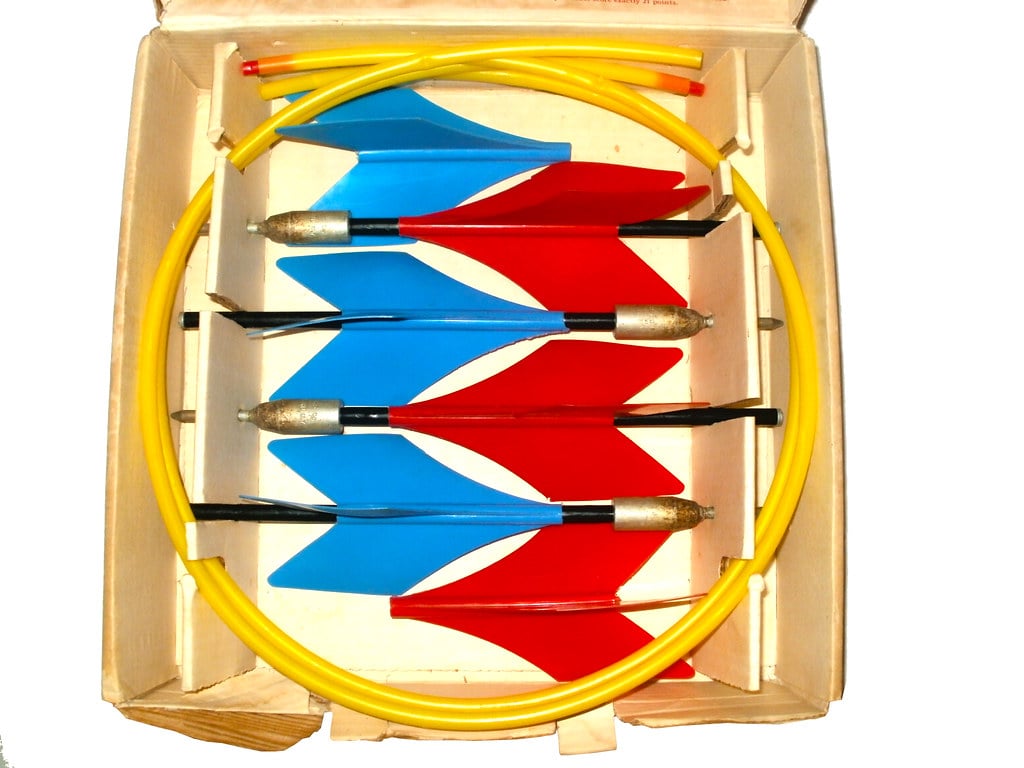
Lawn Darts were essentially weighted metal spikes designed to be thrown through the air. They were banned in the United States in 1989 after the death of seven-year-old Michelle Snow, whose father David Snow became the central advocate for the ban.
Three children had died and thousands were injured before the Consumer Product Safety Commission acted.
Sky Dancers
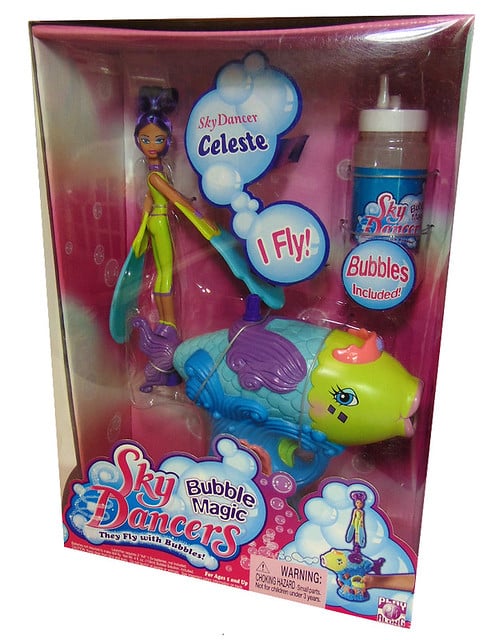
Sky Dancers launched off a pull-string base and spun into the air with hard plastic wings moving at speed. The CPSC received more than 150 reports of injuries, including broken ribs, a chipped tooth, facial lacerations, and one incident involving a mild concussion.
Galoob recalled approximately 8.9 million units in 2000, though the toy had been raising concerns almost since its mid-’90s revival of the original ’80s concept.
Snacktime Cabbage Patch Kids
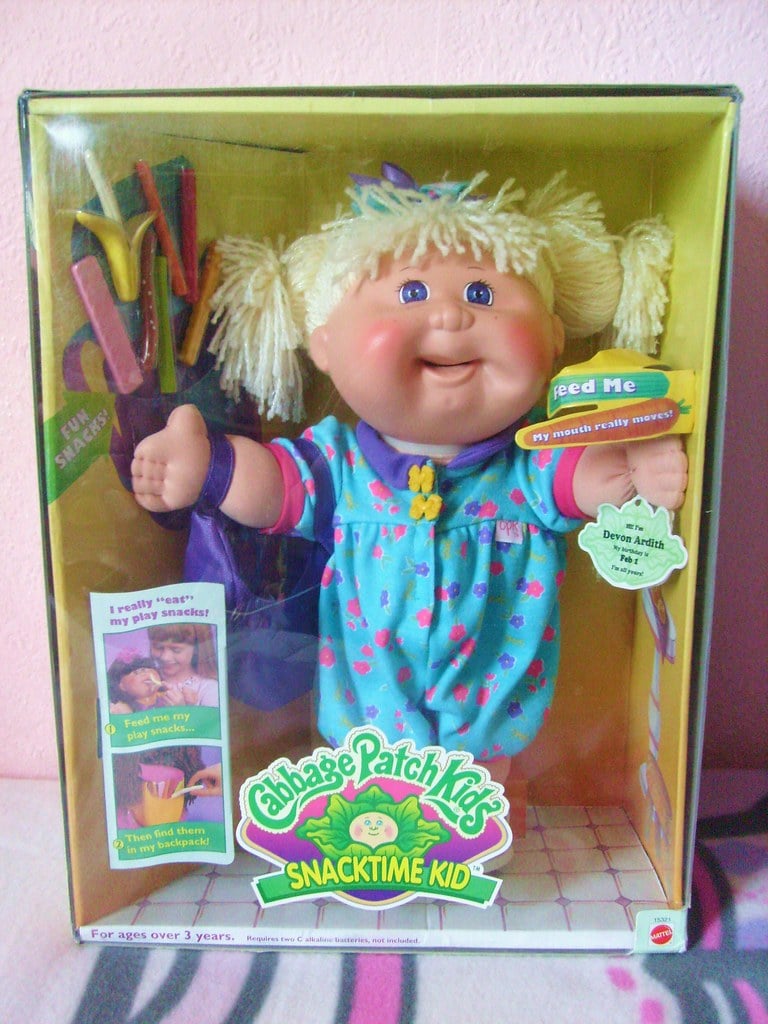
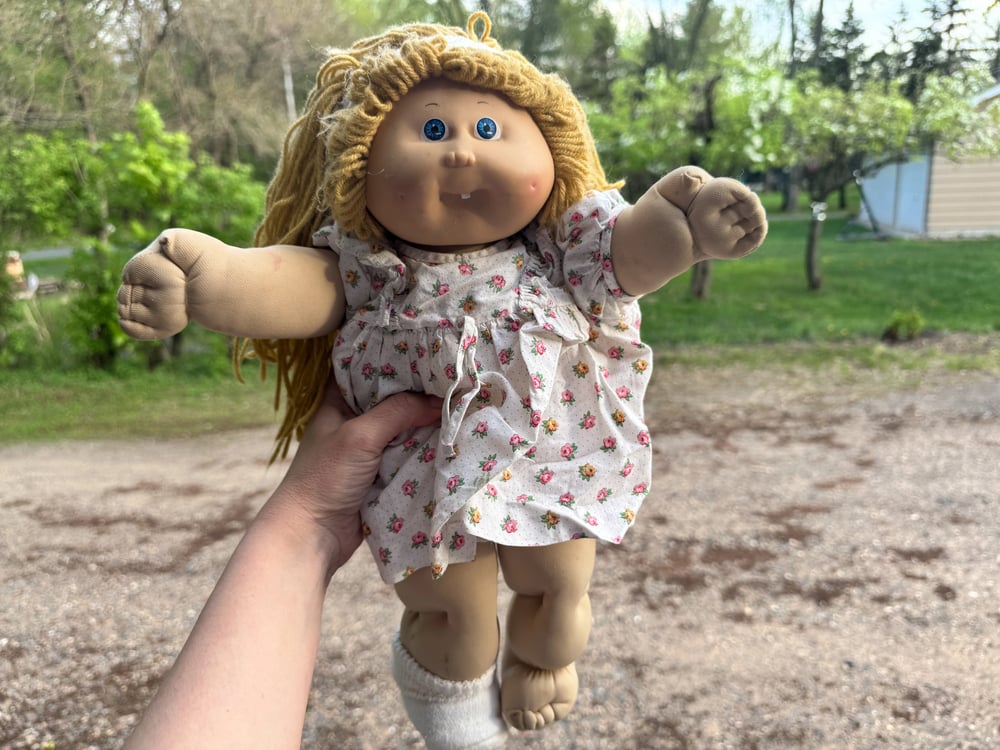
The motorized mouth on this version of the iconic doll was designed to “eat” plastic food — but it had no reverse mechanism and no way to distinguish plastic carrots from small fingers or strands of hair. Mattel pulled the product in 1997 after dozens of reports of hair and fingers getting caught in the mechanism.
To be fair, a doll with an unstoppable chewing mouth is a concept that probably should have raised flags before it reached production.
Magnetix
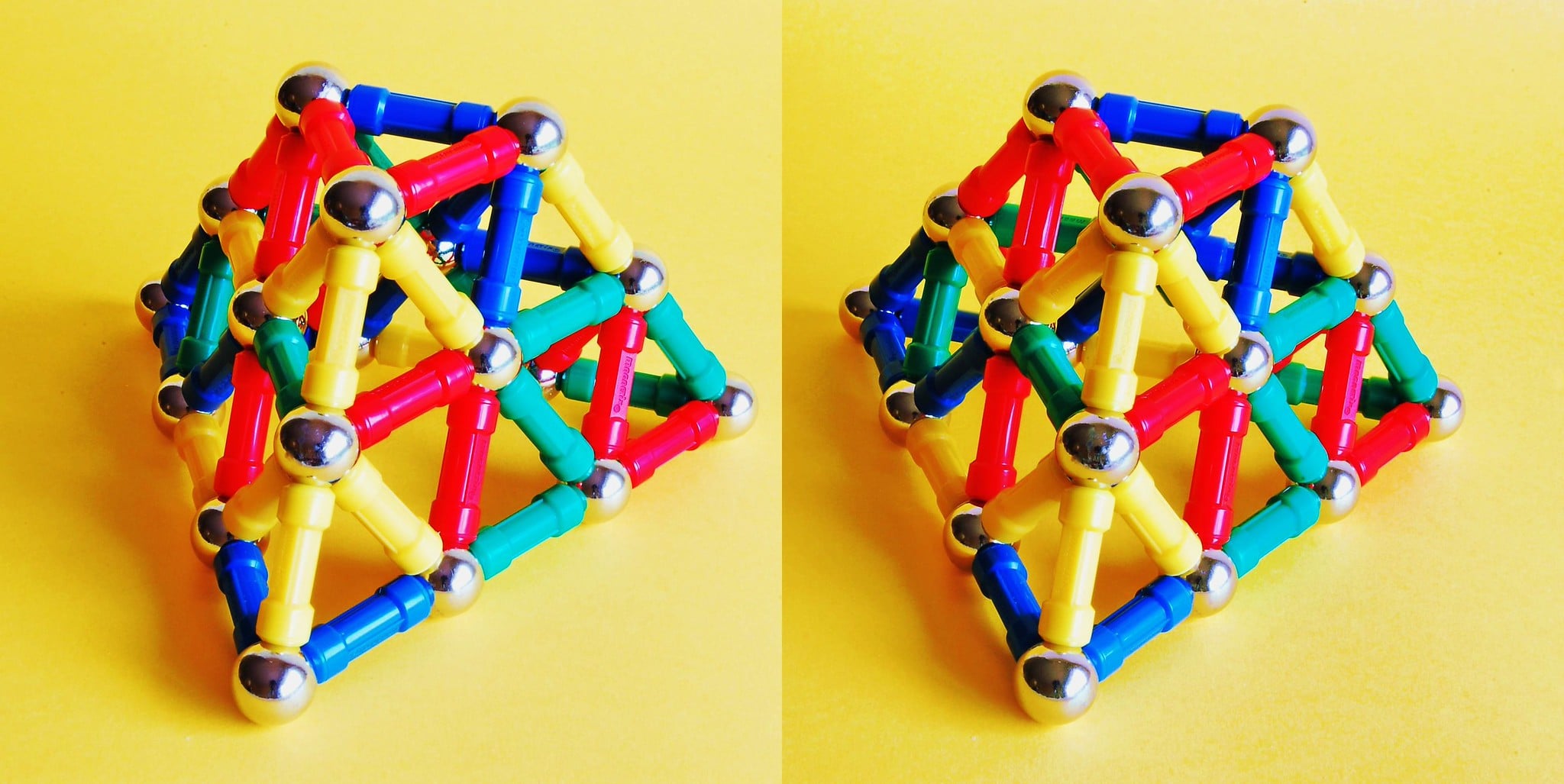
Magnetix building sets combined small, powerful magnets with steel rods in ways that seemed harmless until a child swallowed multiple pieces. When two or more magnets were ingested separately, they attracted each other across intestinal walls and caused perforations requiring emergency surgery.
One child died. The CPSC issued a recall of 4 million sets in 2006.
Battlestar Galactica Colonial Viper
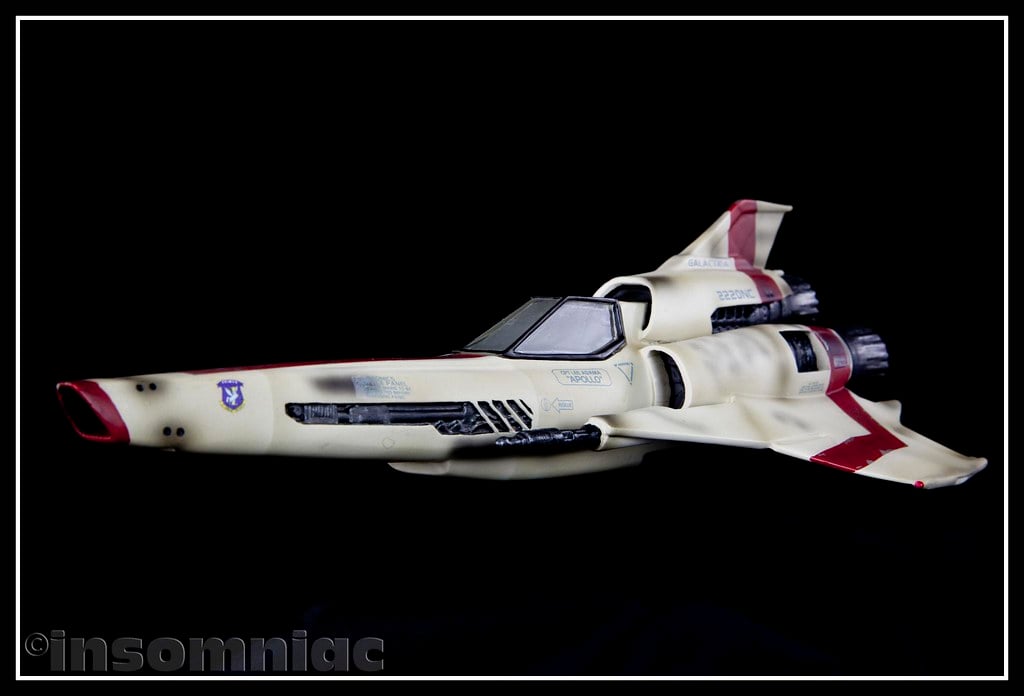
The Colonial Viper toy launched its small plastic pilot figure from the cockpit using a spring-loaded mechanism — and the pilot was precisely the right size to lodge in a child’s airway. A four-year-old died after aspirating the projectile in 1978, leading Kenner to recall the toy.
It became one of the earlier high-profile cases that forced the industry to start rethinking what “small parts” actually meant.
Belt Buckle Derringer Cap Gun
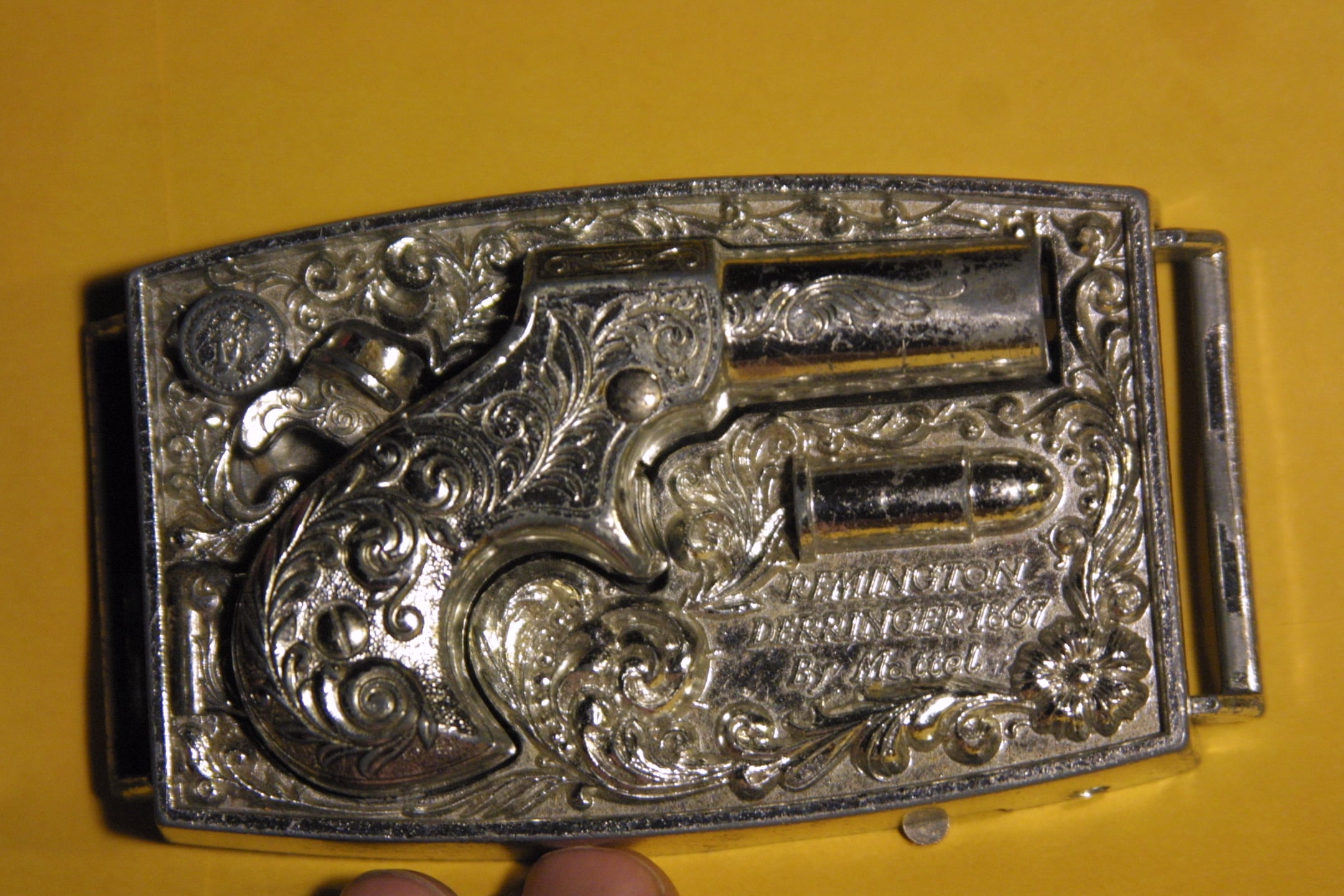
This one was designed to look exactly like a real firearm — a small derringer built into a wearable belt buckle — and it worked well enough to alarm law enforcement. The problem wasn’t just the obvious confusion it caused; the toy was reportedly used in at least one actual robbery attempt.
When a toy accessory is indistinguishable from a weapon and functional enough to be used as one, the recall paperwork tends to write itself.
Splash-Off Water Rockets
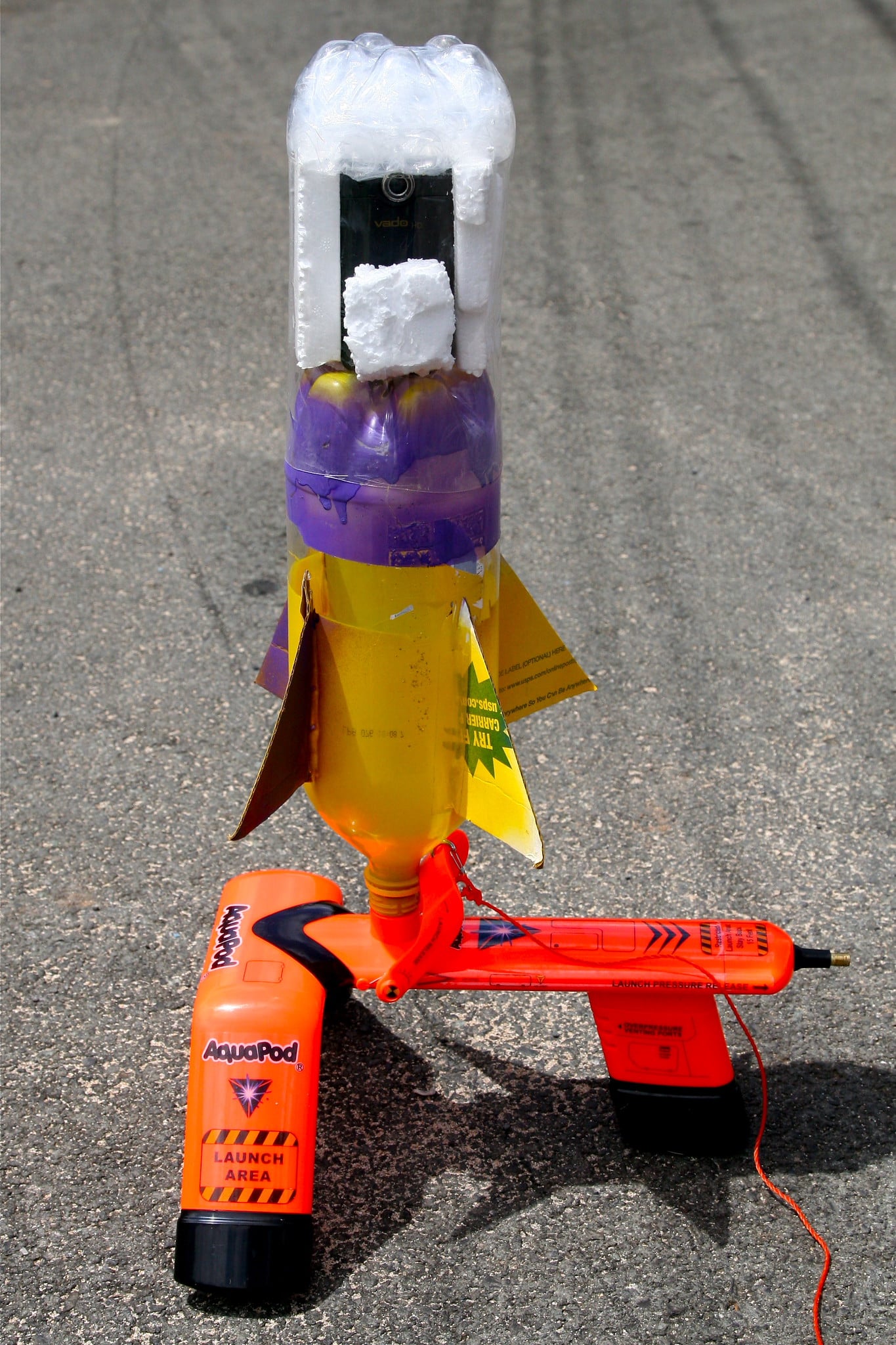
Splash-Off Water Rockets used pressurized water to launch plastic rockets — and the pressurization mechanism had a documented tendency to fail in ways that sent pieces of the launcher at high velocity. The CPSC issued a recall in 1999 covering more than 900,000 units after receiving reports of facial injuries, including an incident involving a fractured eye socket.
It’s the kind of product where the word “pressurized” in the instructions should have been the first warning sign.
Yo-Yo Waterballs
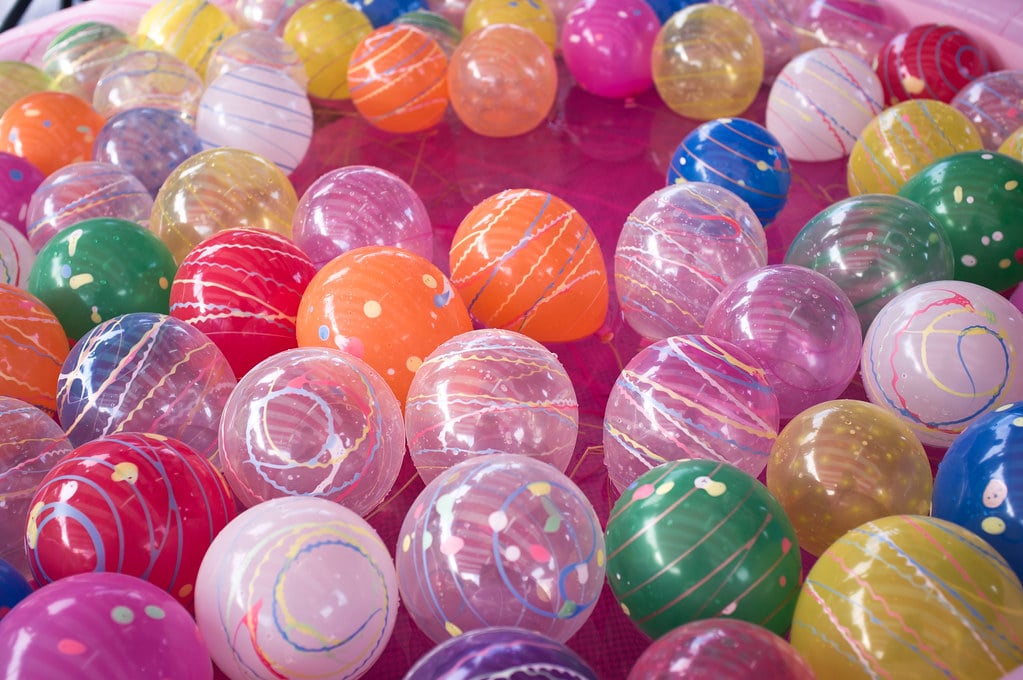
Yo-Yo Waterballs — those stretchy gel-filled orbs on elastic strings that were everywhere in the late ’90s — were banned across several U.S. states and eventually pulled nationally after the elastic cord proved capable of wrapping tightly around a child’s neck or fingers. Several children required medical treatment for partial amputations of fingers where circulation had been cut off.
The elastic was strong enough to cause real vascular damage, which made the toy considerably less fun than the commercials suggested.
Creepy Crawlers
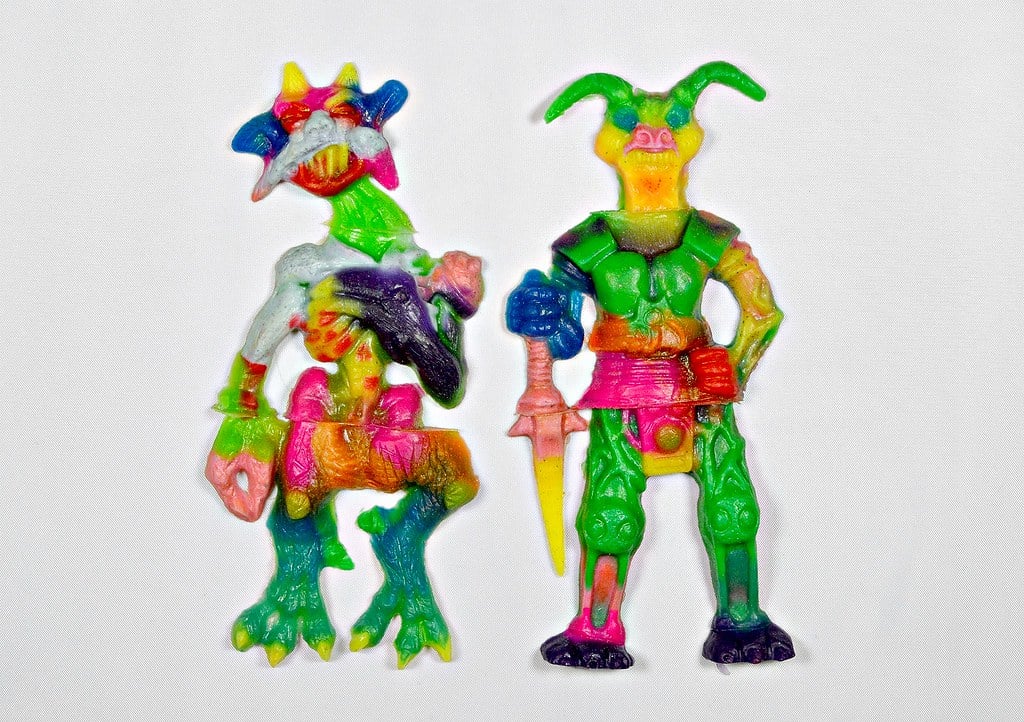
The original Mattel Thingmaker — which used open-faced metal molds heated to 300-plus degrees to bake liquid Plastigoop into rubber insects — was already a burns-in-waiting product when it launched in 1964. The 1980s revival cleaned up some of the design but retained the basic premise of children managing a small cooking appliance with no protective housing around the heating element.
Multiple burn injuries were reported before updated safety standards forced significant redesigns.
Fisher-Price Power Wheels (Early Models)
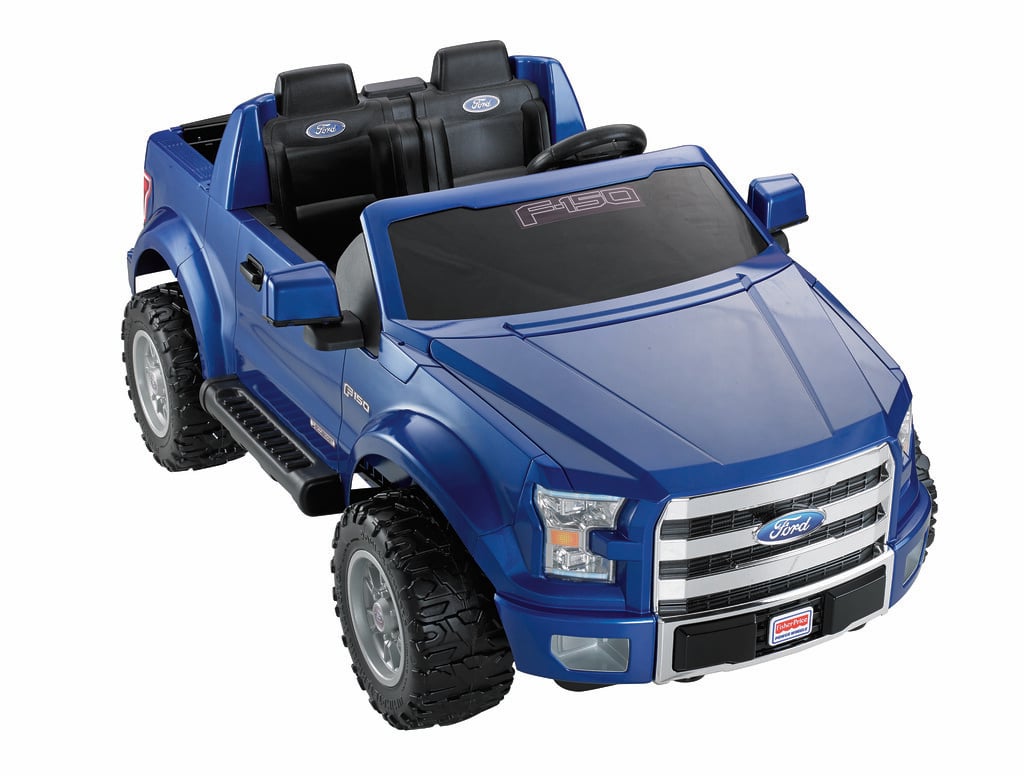
Early Power Wheels models had wiring and battery systems prone to overheating — and in some cases, catching fire. Between 1992 and 1998, Fisher-Price received reports of more than 150 fires and a number of burn injuries linked to faulty wiring in the battery compartment.
A recall covering approximately 10 million units followed. The product returned with redesigned wiring, though the sheer scale of the original recall remains one of the largest in toy industry history.
Sniper Paintball Guns (Early Consumer Models)
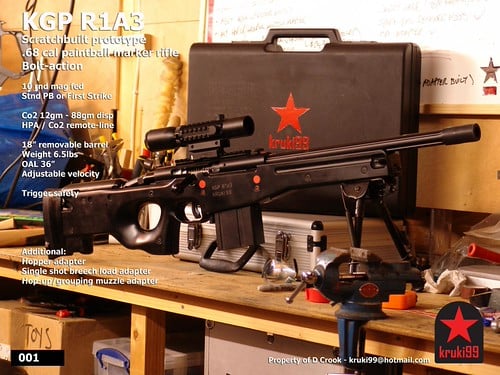
Early consumer-grade paintball equipment sold in the mid-’80s operated at pressures that could cause serious injury without proper protective equipment — and the protective equipment was rarely included in the box. Eye injuries were the primary concern, and several states moved to regulate or restrict their sale to minors before federal attention reached the category.
The toys occupied a strange regulatory gray zone: dangerous enough to injure, not quite dangerous enough to prompt a swift national response.
Atomic Energy Lab
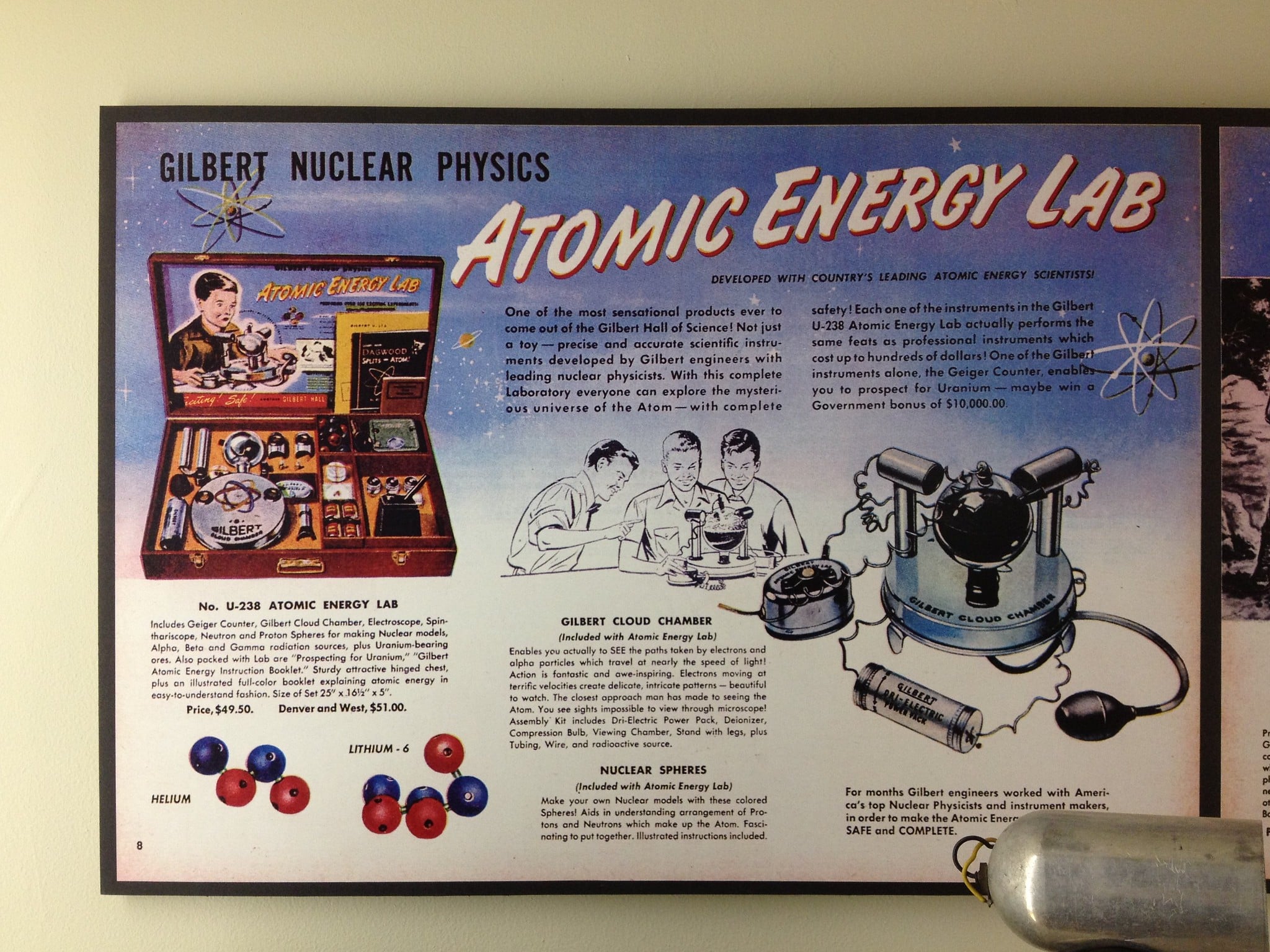
The Gilbert U-238 Atomic Energy Lab from 1950 — which contained actual radioactive materials including samples of uranium ore — had a brief existence on the market before the obvious implications caught up with it. Gilbert marketed it as genuinely educational, and to be fair, it was: it taught children what radiation actually looked like on a Geiger counter, using real sources.
It was discontinued after one year, in 1951, and has since become something of a collector’s artifact representing a very specific variety of mid-century optimism about atomic science.
Splash Off Water Rockets II
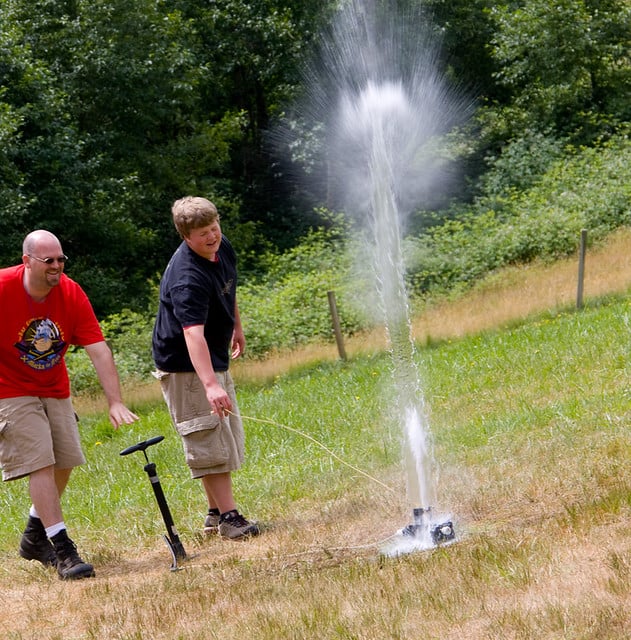
Wham-O’s line of pressurized water launchers went through several iterations in the ’80s and ’90s, with multiple recall actions across different product generations. The consistent problem was that the pressurization mechanism used bicycle pump-style inflation, and when the launch chamber failed — which it did, at statistically concerning rates — the shrapnel traveled fast enough to cause lacerations and eye injuries at close range.
Some versions remained on shelves for extended periods between recall announcements, which tells you something about the pace of enforcement at the time.
Hannah Montana Pop Star Card Game
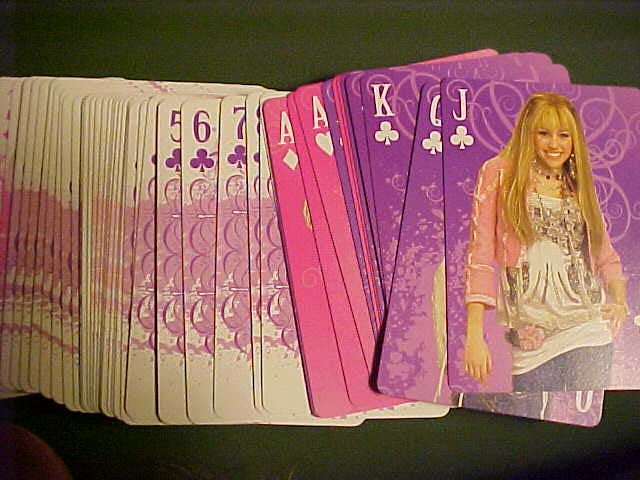
A Hannah Montana-branded card game recalled in 2007 was found to contain lead paint on several of the card components — part of a broader wave of recalls during that period involving Chinese-manufactured toys with lead-contaminated coatings. The cards were being handled repeatedly by children who, predictably, also touched their mouths.
The recall covered tens of thousands of units and arrived during a period when lead paint recalls were, somehow, becoming routine news.
Yo-Yo Orb Variations
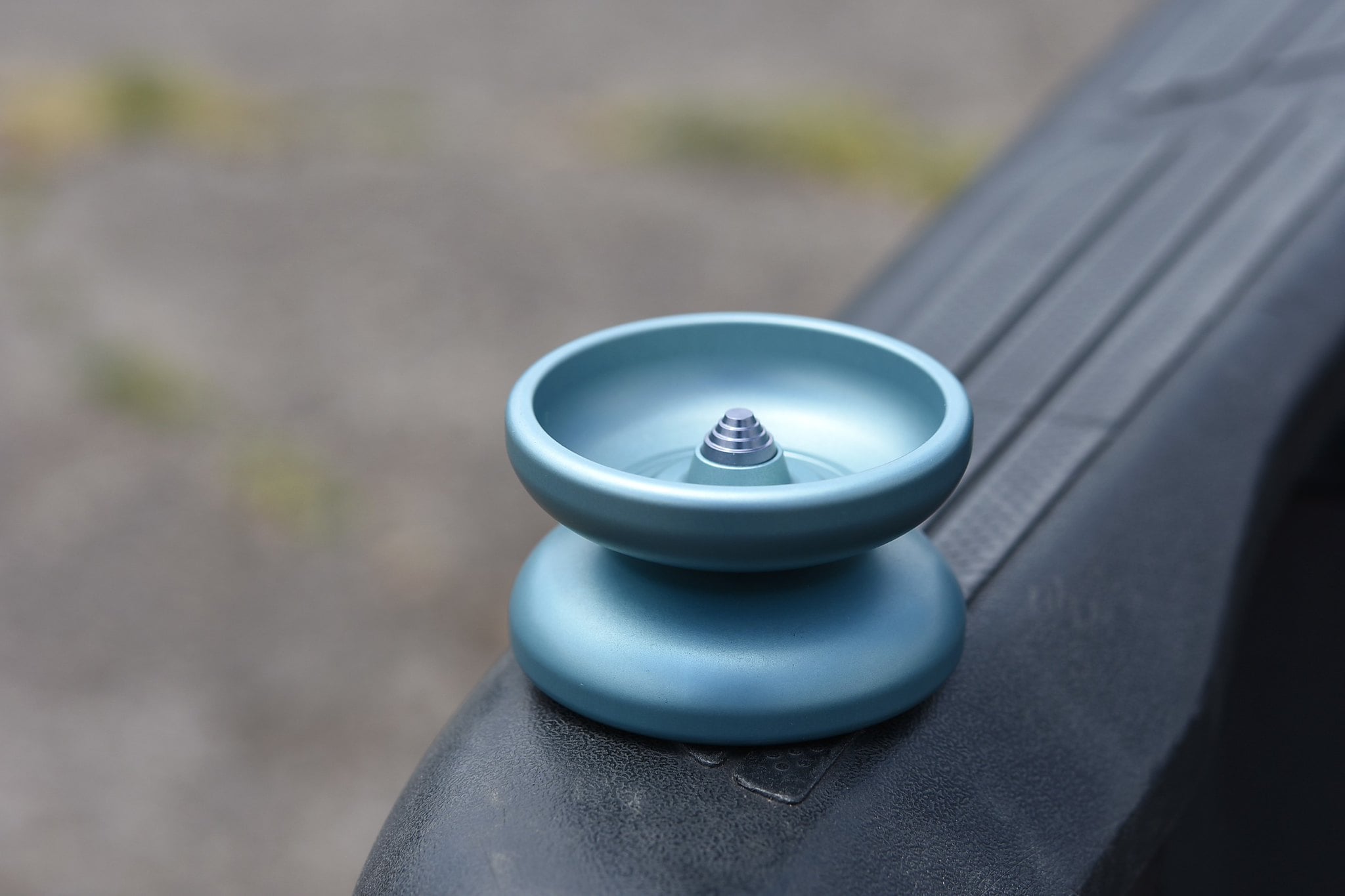
Beyond the original strangulation concerns, certain yo-yo orb variations sold in the early 2000s were found to contain lead in the gel filling — making them hazardous on two separate fronts simultaneously. It’s a rare product that manages to be dangerous both in its intended use and in its basic material composition, but this one managed it.
Several variations were pulled from dollar stores and discount retailers in 2007 and 2008.
Barbie and Tanner Pet Play Set
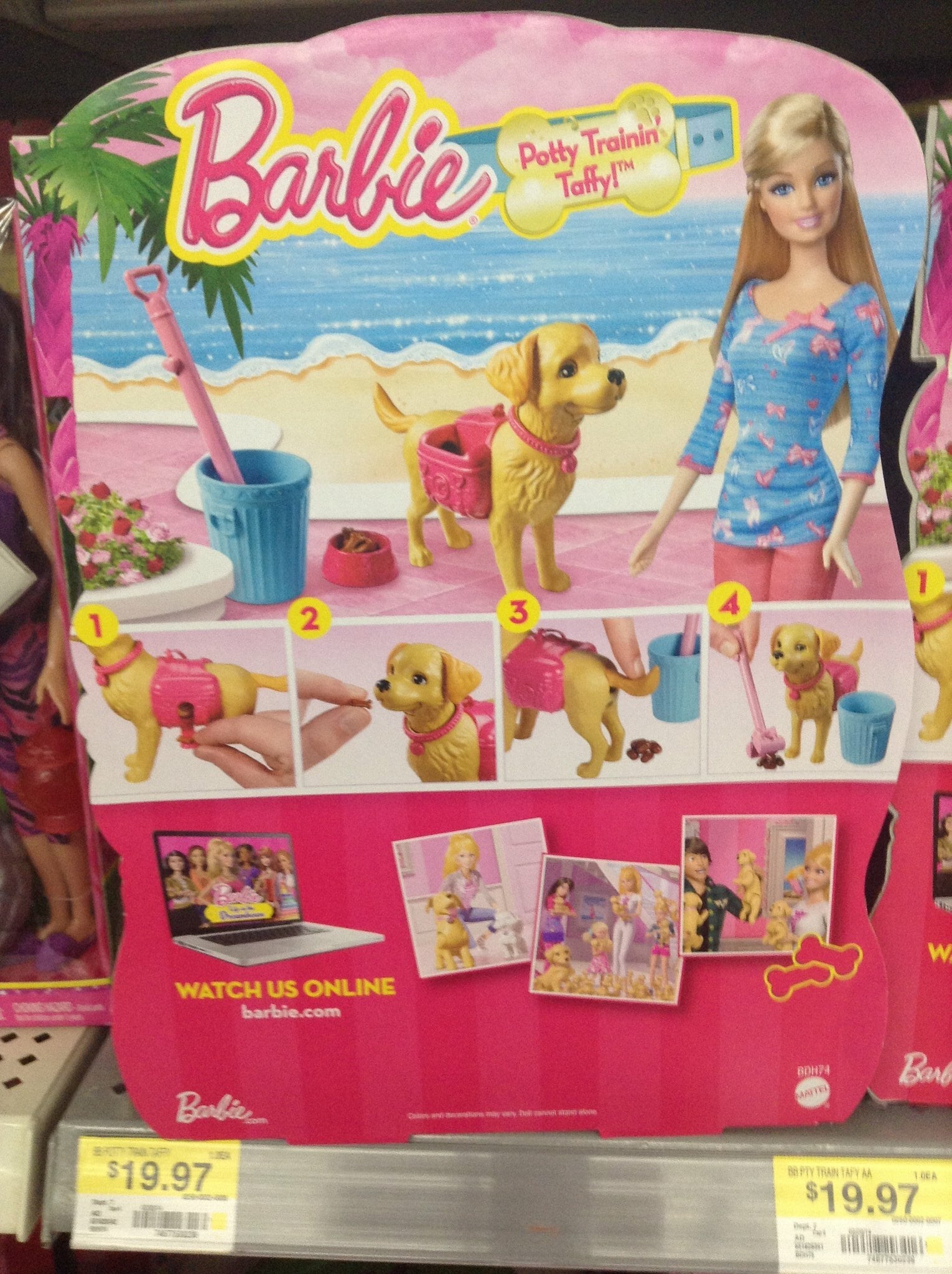
Mattel’s Barbie and Tanner set — which included a small dog figure and magnetic “waste” pieces that the dog could “pass” for Barbie to clean up — was recalled in 2007 after the small magnetic components were found to be a swallowing hazard. The individual magnets, when separated from the set, were strong enough to cause intestinal damage if more than one was swallowed.
The set was discontinued entirely rather than redesigned.
Rollerblade Barbie
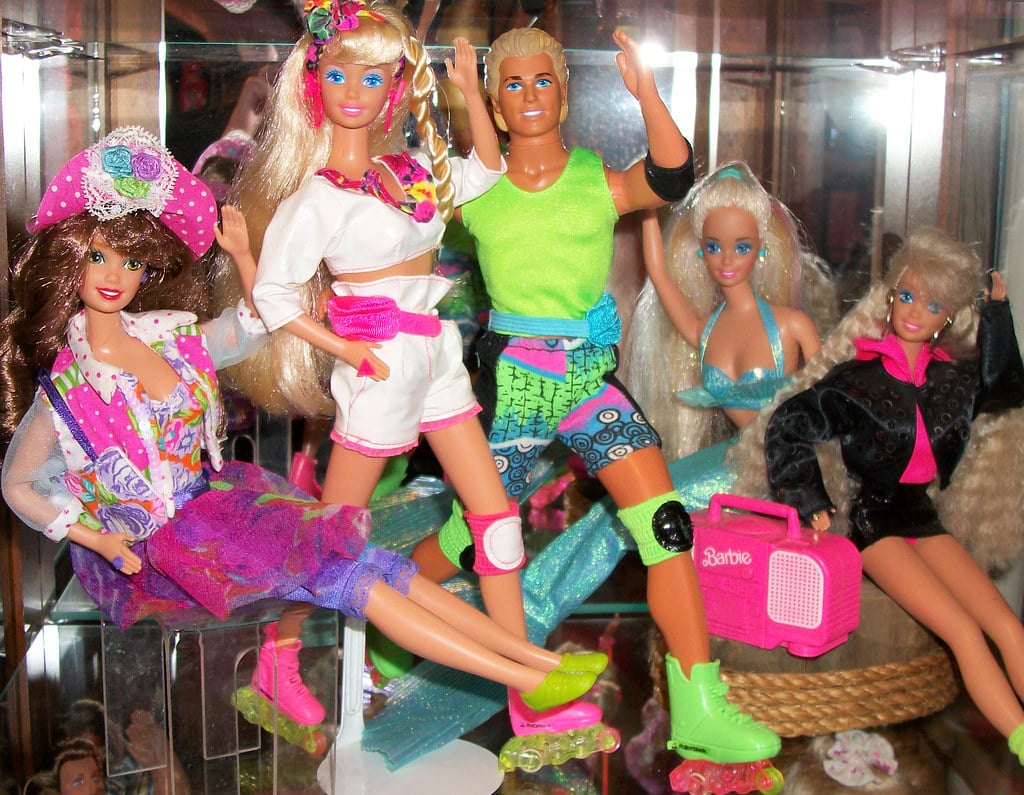
Rollerblade Barbie came with small sparking wheel attachments that generated actual sparks as she rolled. The sparks themselves weren’t the primary concern — it was the proximity to flammable materials, including hair and the polyester fabrics that constituted a significant portion of a child’s immediate environment in 1991.
Mattel issued a voluntary recall of the sparking accessories after reported incidents of minor burns and singed hair, which in retrospect sounds exactly like the outcome any reasonable observer would have predicted.
Slap Bracelets
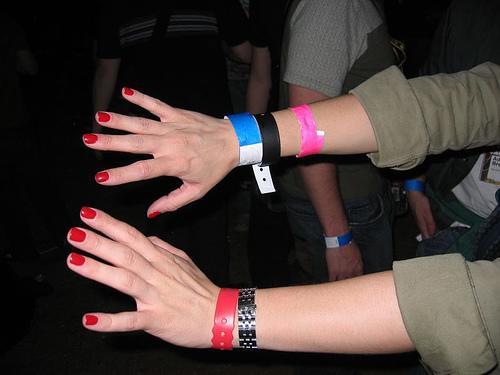
Slap bracelets — those spring-steel strips covered in fabric that curled around a wrist when slapped against it — were banned by several school districts and eventually pulled from many retailers after the fabric covering wore through and exposed the sharp metal edge underneath. Children were sustaining lacerations from worn-out versions, and the product had a built-in expiration problem: the more it was used, the more dangerous it became.
A toy designed to be slapped repeatedly against human skin, it turns out, degrades under those conditions.
Cabbage Patch Snacktime Kids (Revised Entry: Hair-Eating Mechanism)
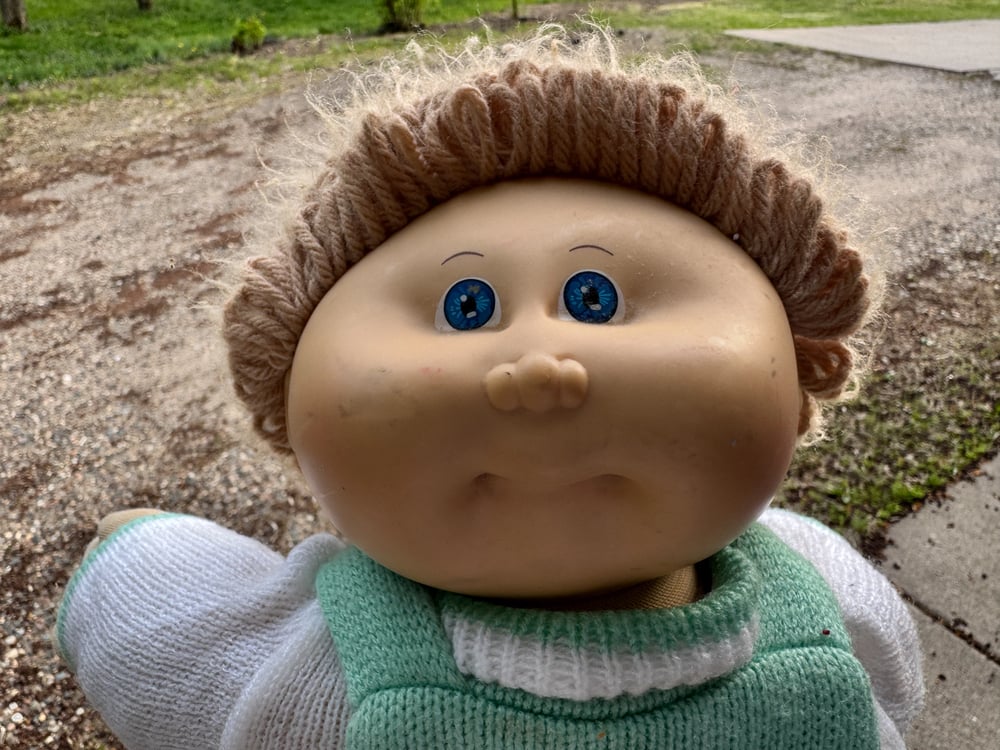
The specific hazard that defined this recall — a motorized mouth with no reverse gear — was the kind of design flaw that suggests the prototype testing phase was either skipped or conducted exclusively by people without children. Mattel received 35 complaints of hair and finger entrapment within the first few months of the holiday season.
The CPSC declined to mandate a formal recall but Mattel pulled the product voluntarily in January 1997, offering a full refund.
Pulsar: The Ultimate Man of Adventure
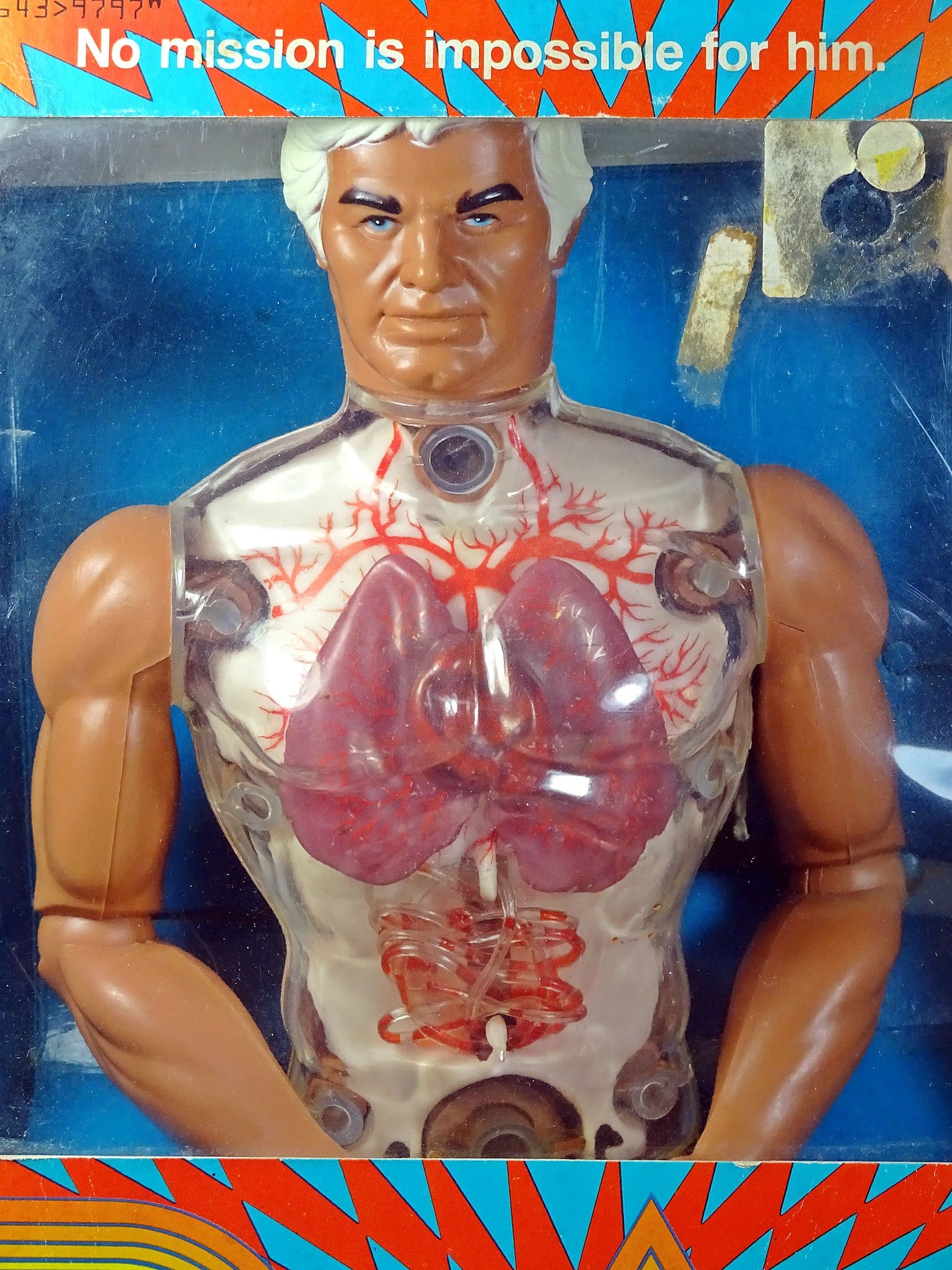
Mattel’s Pulsar action figure featured a clear chest cavity with visible “living” organs — a mechanical heart and lungs that moved when you pressed his stomach. The issue wasn’t the mechanics; it was the removable organ components, which were sized precisely in the range that regulators were beginning to identify as aspiration hazards.
The figure was discontinued in 1978, though it circulated through discount and closeout channels well into the early ’80s before the small-parts concern effectively ended its retail presence.
Sky Dancers (Original 1990s Production Run)
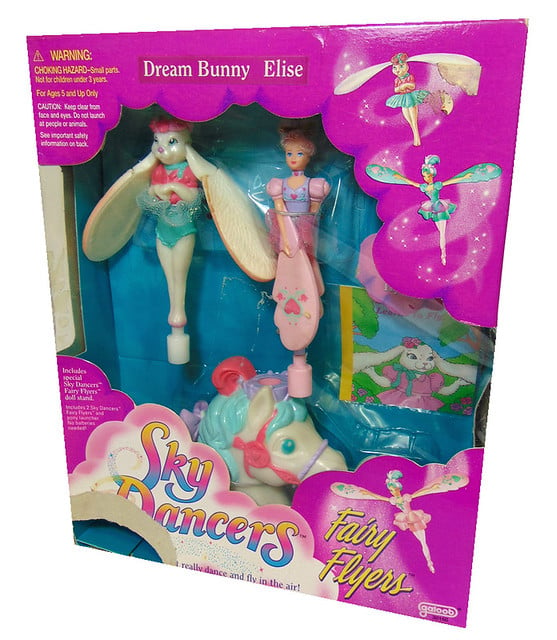
The original Sky Dancers production run — separate from later re-releases — is worth considering on its own terms, because the injury profile was strikingly consistent: the hard plastic wings, spinning at high speed, struck children in the face and eyes with enough force to cause genuine trauma. The CPSC recall in 2000 documented eye injuries, facial lacerations, and broken teeth.
And the toy had been sold in enormous volumes for years before the recall arrived, which meant a very large number of units were already in homes where they continued to be used.
When Safety Wasn’t Part of the Design Brief
Looking back at these products, what’s striking isn’t just that they were dangerous — it’s how many of them were dangerous in ways that were entirely foreseeable. Pressurized chambers fail.
Small magnets get swallowed. Sharp metal edges emerge through worn fabric.
A motorized mouth with no reverse gear will eventually catch something it shouldn’t. The regulations that exist today around toy safety are, in large part, a direct inheritance of these specific failures — each product on this list contributed something to the safety standards that now govern what can and can’t be sold to children.
That’s an uncomfortable kind of progress, but it’s progress all the same.
More from Go2Tutors!

- The Romanov Crown Jewels and Their Tragic Fate
- 13 Historical Mysteries That Science Still Can’t Solve
- Famous Hoaxes That Fooled the World for Years
- 15 Child Stars with Tragic Adult Lives
- 16 Famous Jewelry Pieces in History
Like Go2Tutors’s content? Follow us on MSN.