Everyday Products That Were Invented Completely by Accident
There’s something quietly humbling about the fact that some of the most useful things in daily life exist because someone spilled something, forgot a step, or made what looked like an embarrassing mistake. The best inventions don’t always come from years of deliberate research and careful planning — sometimes they come from a ruined batch, a distracted moment, or a laboratory mishap that nobody expected to amount to anything.
The products below didn’t arrive through brilliance alone. They arrived through luck, and the good sense to notice when luck had done something interesting.
Microwave Oven
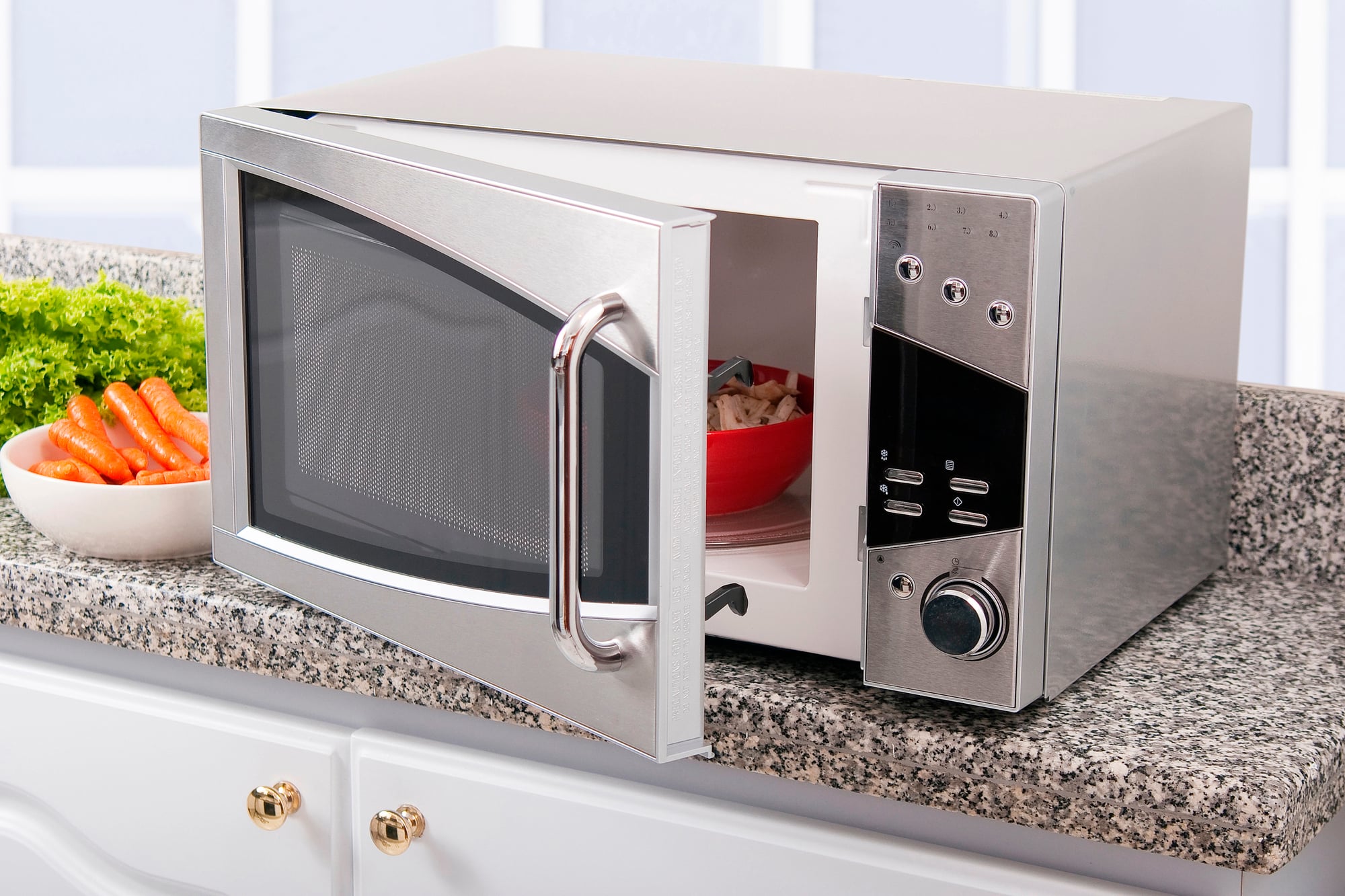
Radar engineer Percy Spencer was testing magnetron tubes for Raytheon in 1945 when he noticed the chocolate bar in his pocket had melted — not from body heat, but from the microwave radiation the equipment was emitting. He didn’t dismiss it.
Spencer deliberately placed popcorn kernels near the magnetron next, and when those popped, he understood what he was looking at: a cooking method nobody had thought to try. The first commercial microwave oven, released in 1947, stood nearly 6 feet tall and weighed over 700 pounds, which is either impressive or alarming depending on how you feel about kitchen appliances.
Post-It Notes

Spencer Silver spent years being quietly ignored. He’d developed a low-tack, reusable adhesive at 3M in 1968, but nobody could figure out what to do with glue that didn’t stick very well — which, to be fair, is a reasonable objection.
It wasn’t until 1974, when his colleague Art Fry got frustrated with bookmarks falling out of his hymnal during choir practice, that Silver’s adhesive finally found its purpose. The rest is office supply history.
Chocolate Chip Cookies
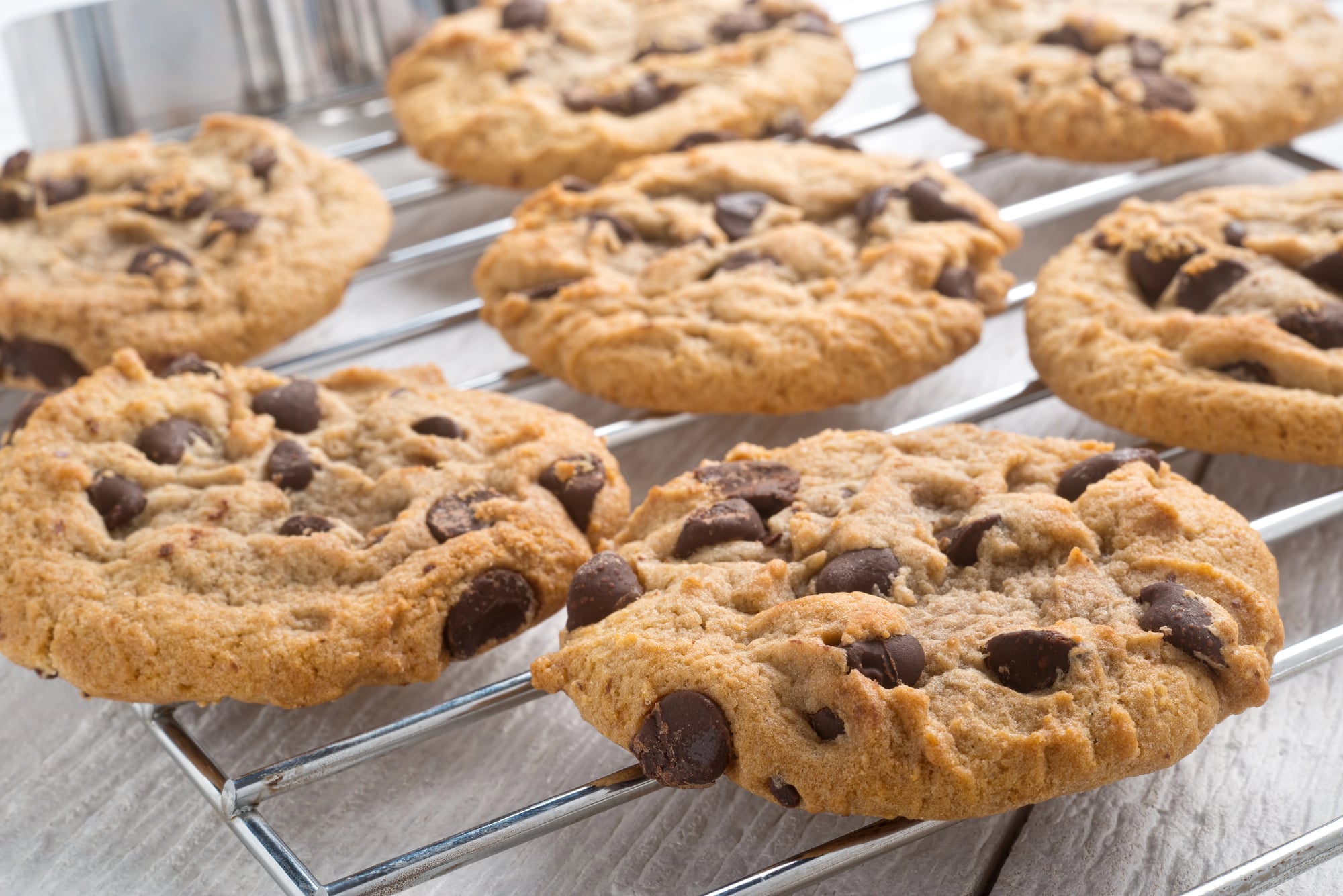
Ruth Wakefield’s chocolate chunk cookies feel like something that arrived fully formed from a warm, domestic world where everything turns out right — but they were actually born from a substitution gone sideways. She was making butter drop cookies at her Toll House Inn in Massachusetts in 1938, ran out of baker’s chocolate, and broke a Nestlé semi-sweet chocolate bar into pieces expecting them to melt through the dough.
They didn’t. And the thing that didn’t melt became one of the most replicated baked goods in American history.
Penicillin
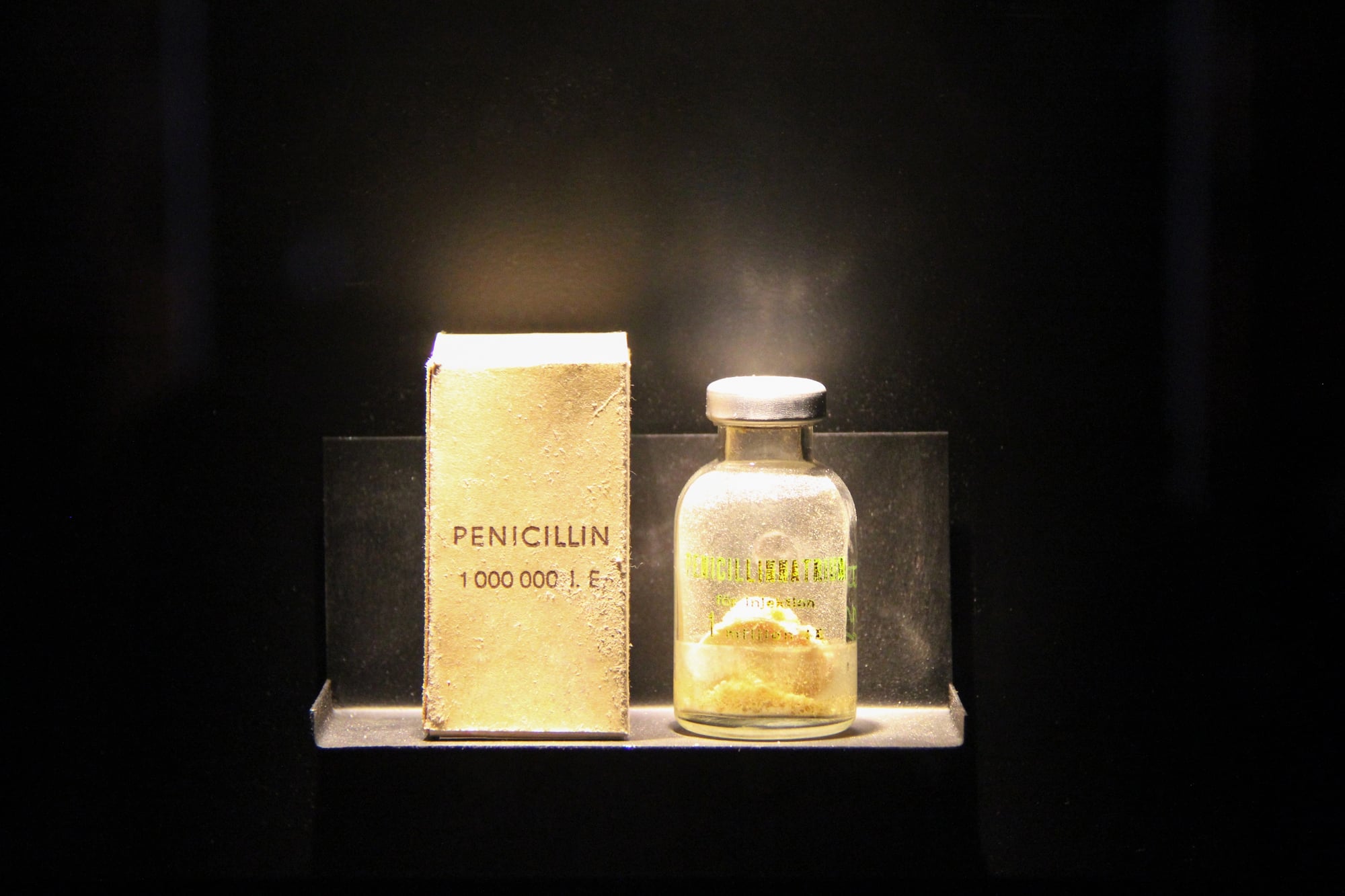
Alexander Fleming was not, by his own admission, a tidy person in the laboratory. When he returned from vacation in September 1928 and found that a mold had contaminated one of his petri dishes, most scientists would have tossed it — Fleming noticed that the mold, Penicillium notatum, had killed the surrounding bacteria.
That’s it. That’s the whole story.
A messy desk and a ruined experiment changed modern medicine permanently.
Safety Glass
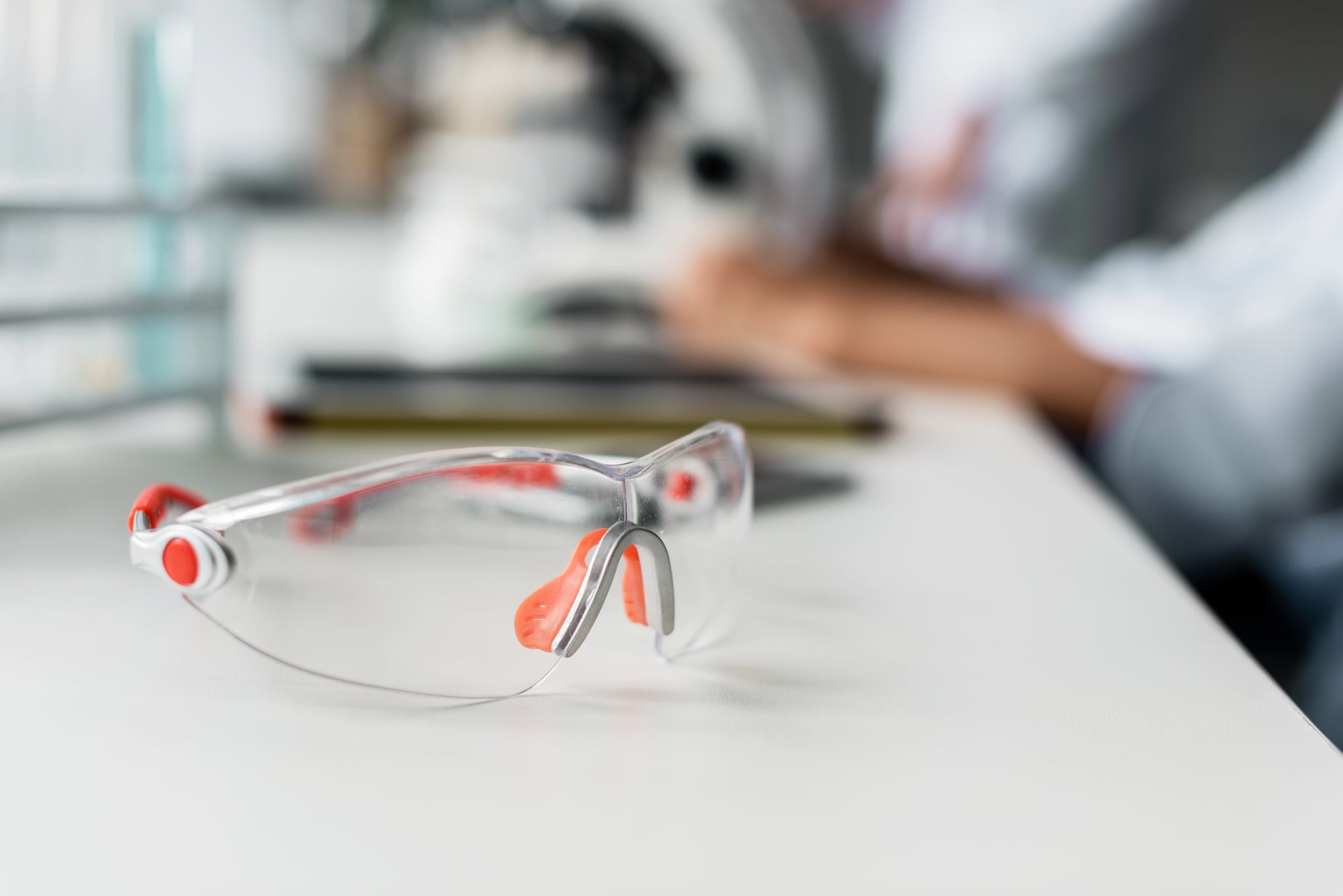
Édouard Bénédictus dropped a glass flask in his Paris laboratory in 1903, and when it shattered, it kept its shape — cracked, broken, but still held together. He traced it back to a cellulose nitrate solution that had coated the inside of the flask and dried out, binding the fragments.
Bénédictus, who had an inventor’s instinct for the practical rather than the theoretical, filed a patent for laminated safety glass not long after — and that same principle now sits between you and the road every time you drive.
Teflon
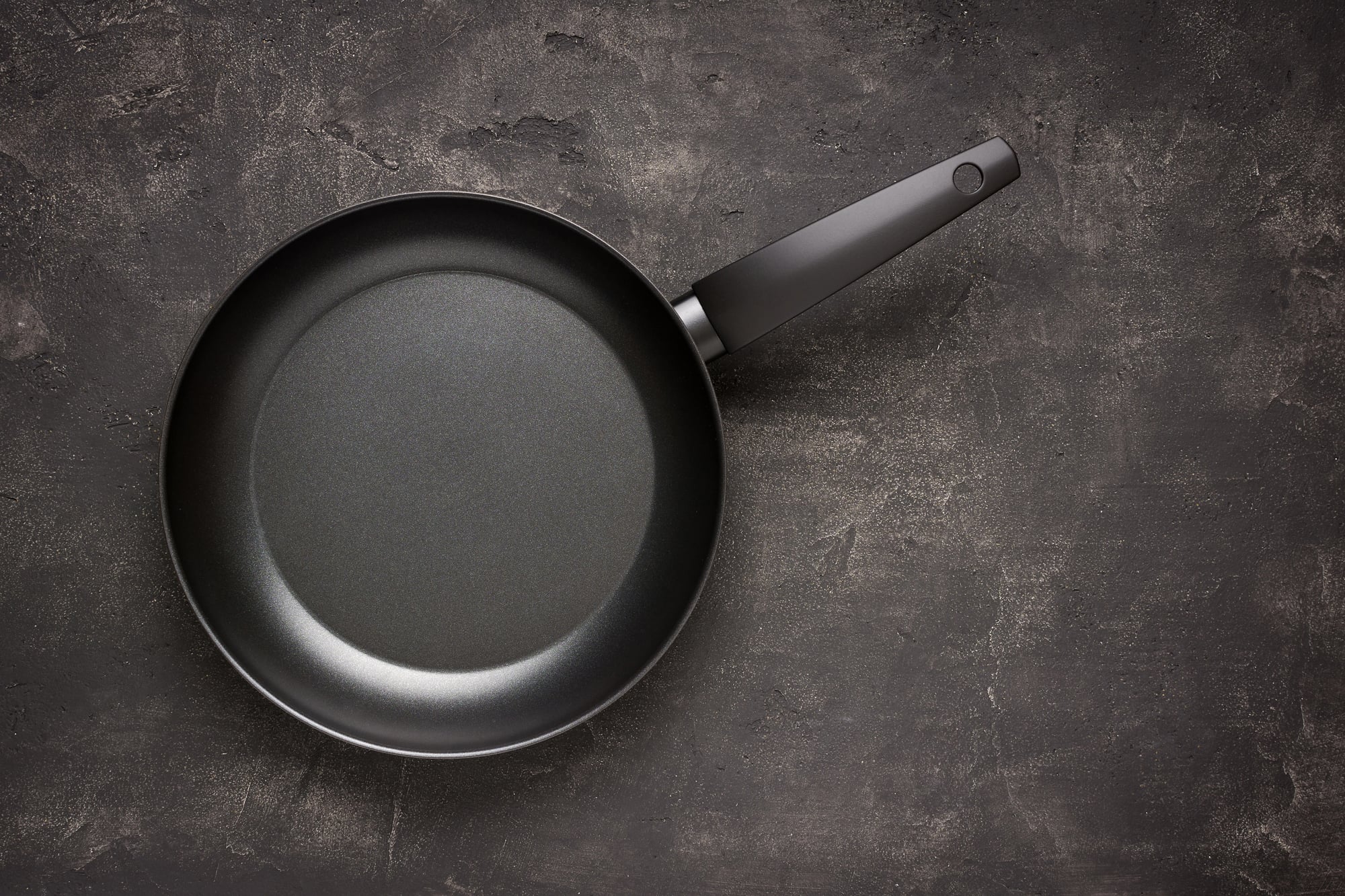
Roy Plunkett wasn’t looking for a nonstick coating. He was working at DuPont in 1938, experimenting with refrigerant compounds, when a tank of tetrafluoroethylene gas stopped flowing before it should have — the gas had polymerized inside the cylinder into a waxy white solid with an almost supernatural resistance to heat, friction, and chemical reaction.
Plunkett investigated rather than discarding it. The material was eventually called polytetrafluoroethylene, which is why everyone just calls it Teflon.
Velcro
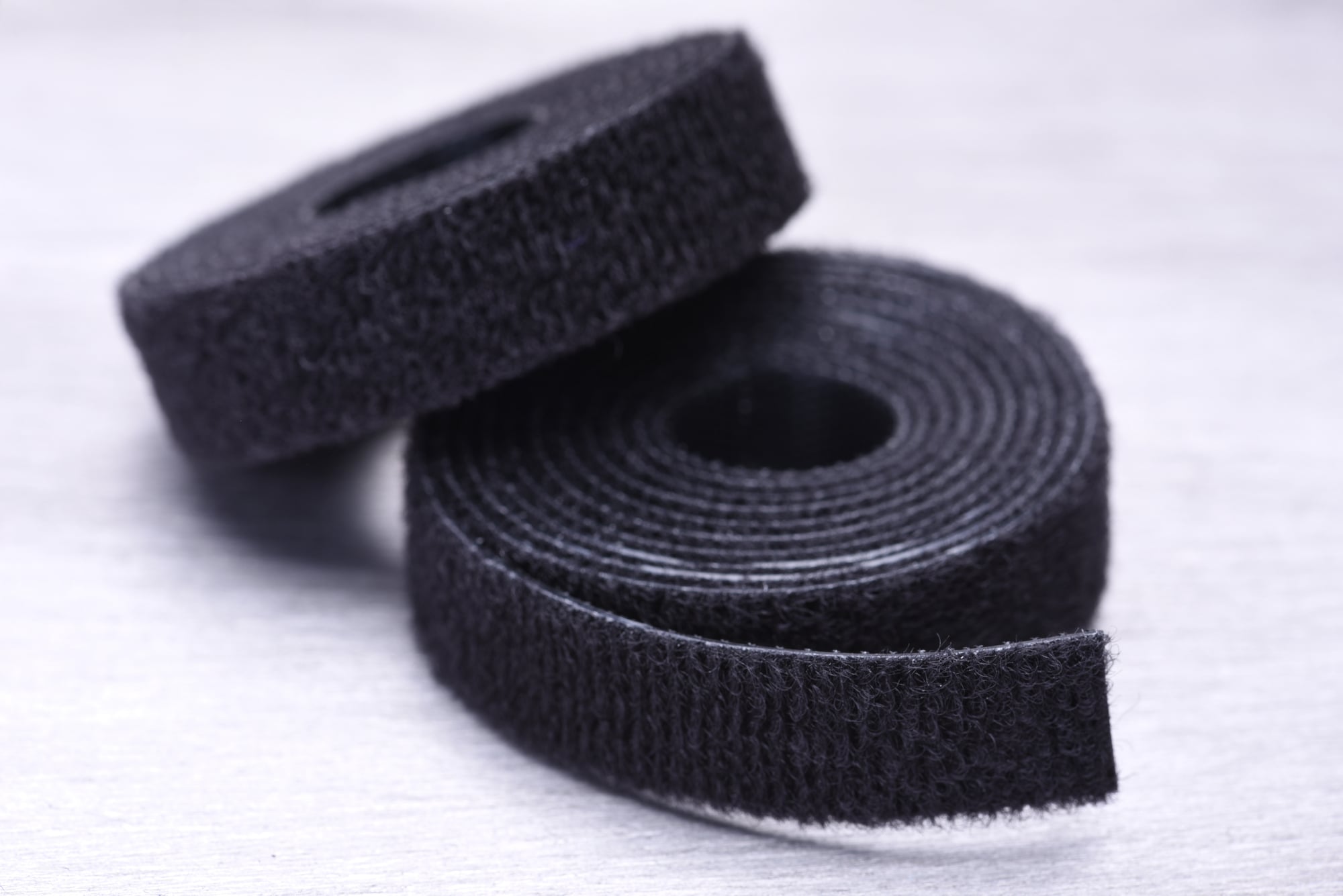
George de Mestral came back from a walk in the Swiss Alps in 1941 and found his jacket and his dog covered in burrs — the hooked seed pods of the burdock plant, which had attached themselves to anything with a looped or fibrous surface. Most people pull the burrs off and forget about them.
De Mestral looked at one under a microscope, understood exactly why it stuck, and spent the next several years engineering a two-sided fastener that mimicked the relationship between hook and loop. He called it Velcro.
NASA found it enormously useful.
Synthetic Dye
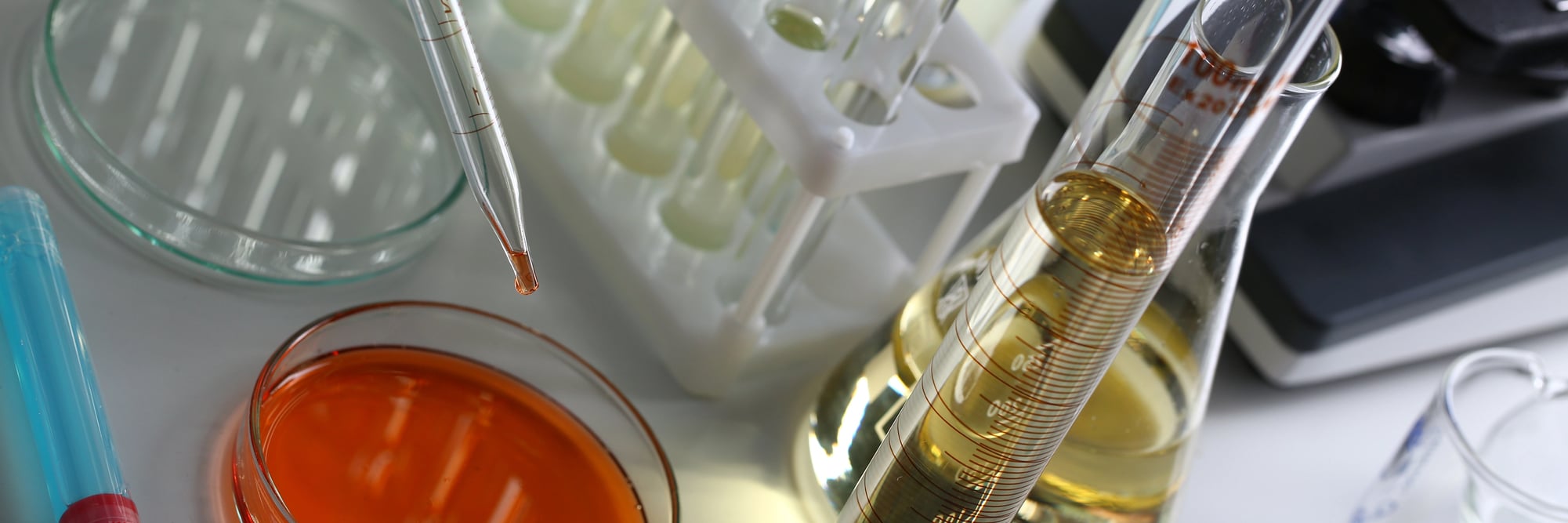
William Perkin was 18 years old and trying to synthesize quinine — a malaria treatment — in a makeshift lab in his London home in 1856, when he produced a dark, unremarkable sludge instead. He tried cleaning the flask with alcohol, and the sludge dissolved into a vivid, stable purple.
Perkin had accidentally created the first synthetic dye, which he called mauveine, and the color — known as mauve — swept across Victorian fashion with a speed that suggested the world had been waiting for it without knowing. The synthetic dye industry grew from that one ruined chemistry experiment.
Pacemaker
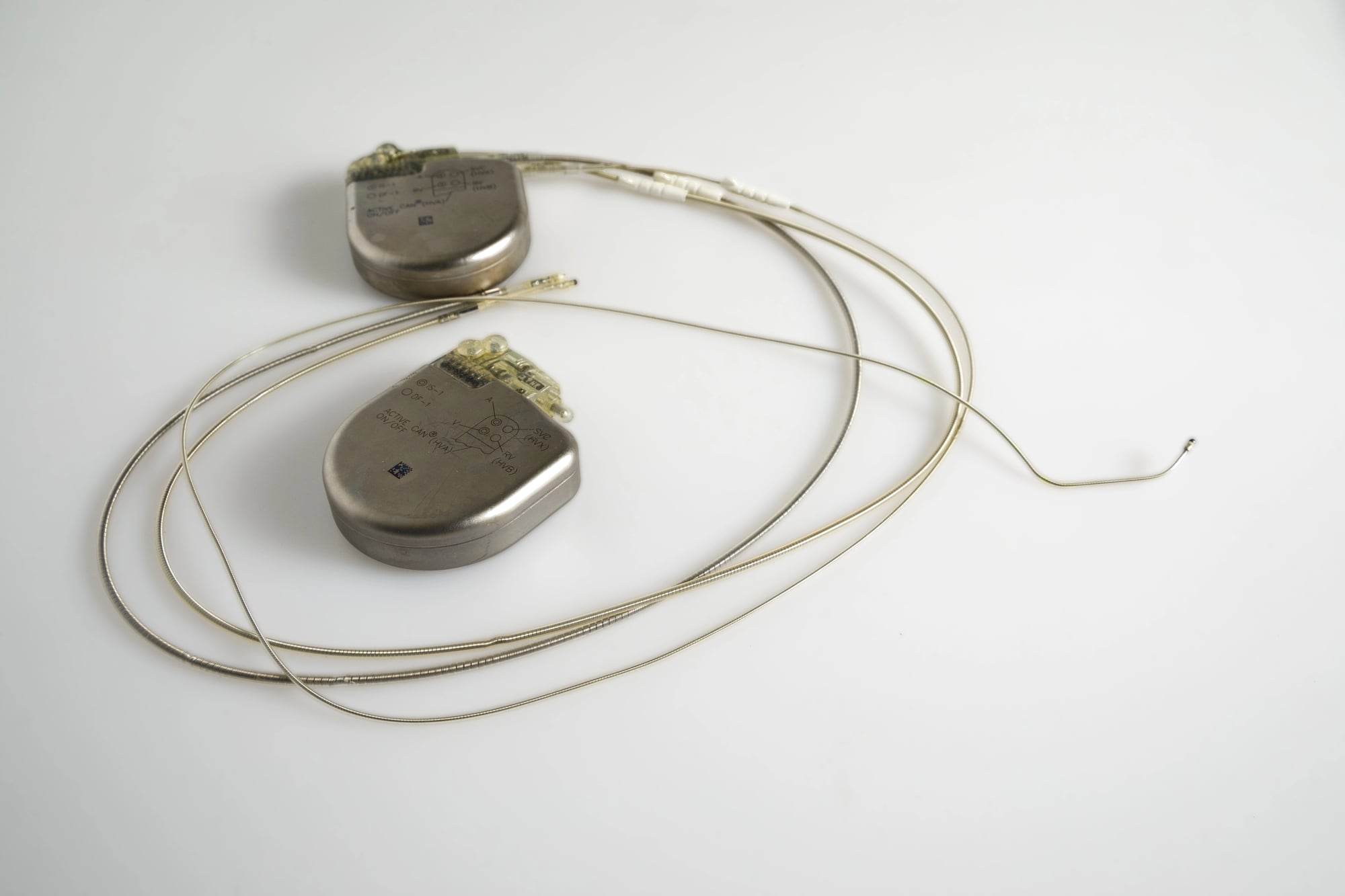
Wilson Greatbatch reached into a box in 1956 while building a heart rhythm recording device and grabbed the wrong resistor — the one he installed was 1,000 times larger than the one he needed. The circuit he assembled pulsed at roughly the same rate as a human heartbeat.
Greatbatch recognized what that meant, spent two years refining the device, and the implantable pacemaker was approved for human use in 1960. Grabbing the wrong part is usually a problem.
This time, it extended millions of lives.
Vulcanized Rubber
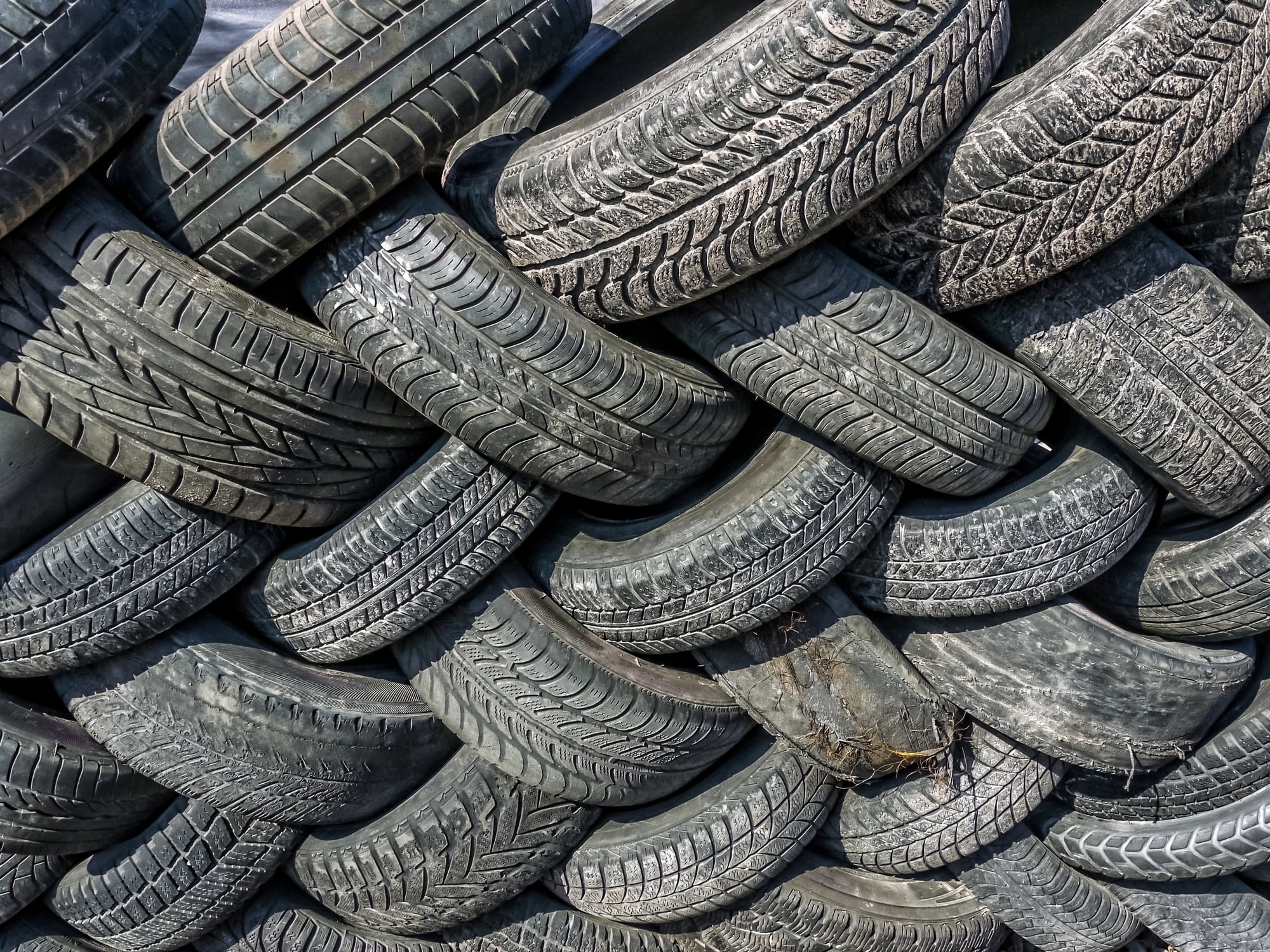
Natural rubber was a mess — it melted in summer heat and cracked in winter cold, which made it frustratingly useless for almost everything. Charles Goodyear had been obsessing over the problem for years when, in 1839, he accidentally dropped a mixture of rubber and sulfur onto a hot stove.
What came back up was tough, elastic, and stable across temperature ranges that would have destroyed the original material. Whether the accident was as clean and singular as legend makes it is debatable, but the result wasn’t: vulcanized rubber built the modern industrial world.
Stainless Steel

Harry Brearley was trying to solve a gun barrel erosion problem for a Sheffield munitions company in 1913, testing steel alloys with varying chromium content. He discarded a batch that didn’t meet his requirements, and months later noticed it still hadn’t rusted — while the other test pieces around it had corroded completely.
The alloy that had failed as a gun metal turned out to be exactly what cutlery, surgical tools, kitchen surfaces, and a thousand other applications had been waiting for. Brearley called it rustless steel before the name stainless steel stuck.
Super Glue
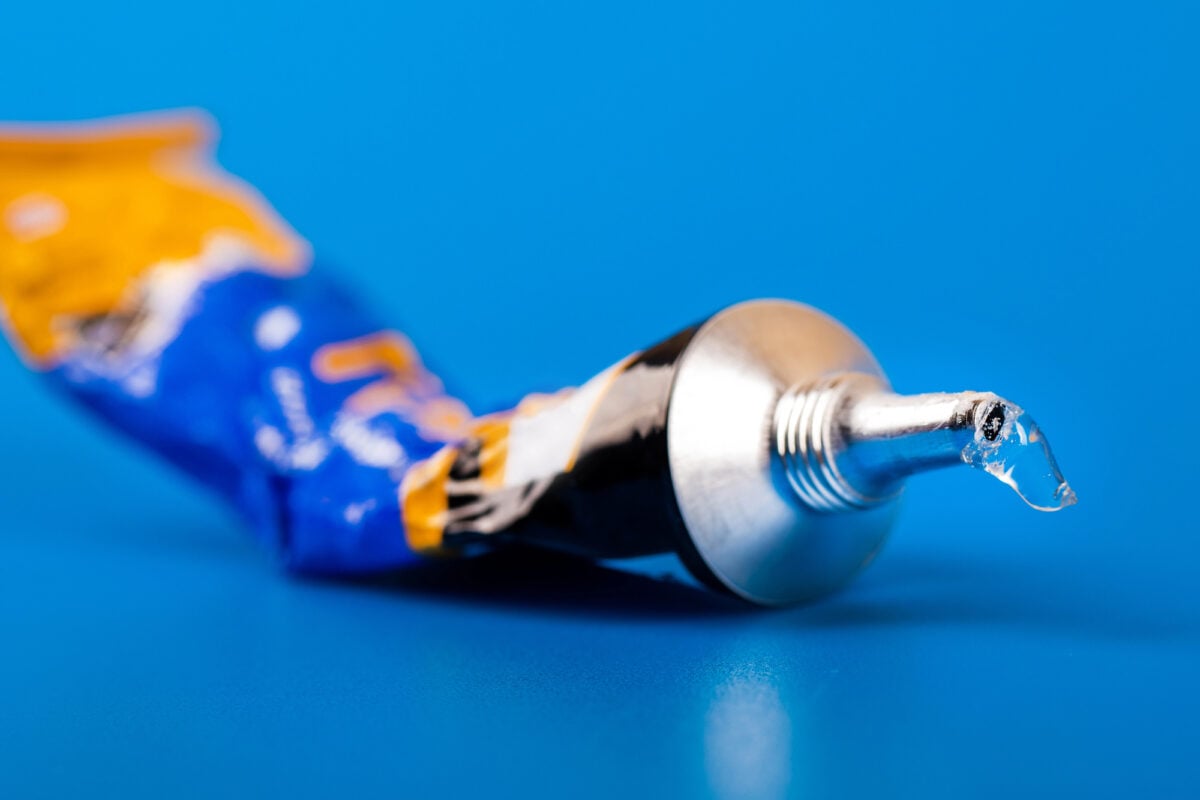
Harry Coover was working on clear plastic gun sights for Allied forces in 1942 when he created a compound — cyanoacrylate — that ruined the experiment by sticking to everything it touched. He set it aside as a failure.
Nine years later, while working on heat-resistant coatings at Eastman Kodak, Coover encountered cyanoacrylate again, finally recognized what he actually had, and brought it to market in 1958 under the name Eastman 910. The product that kept wrecking his work was the most useful thing he’d ever made.
Saccharin
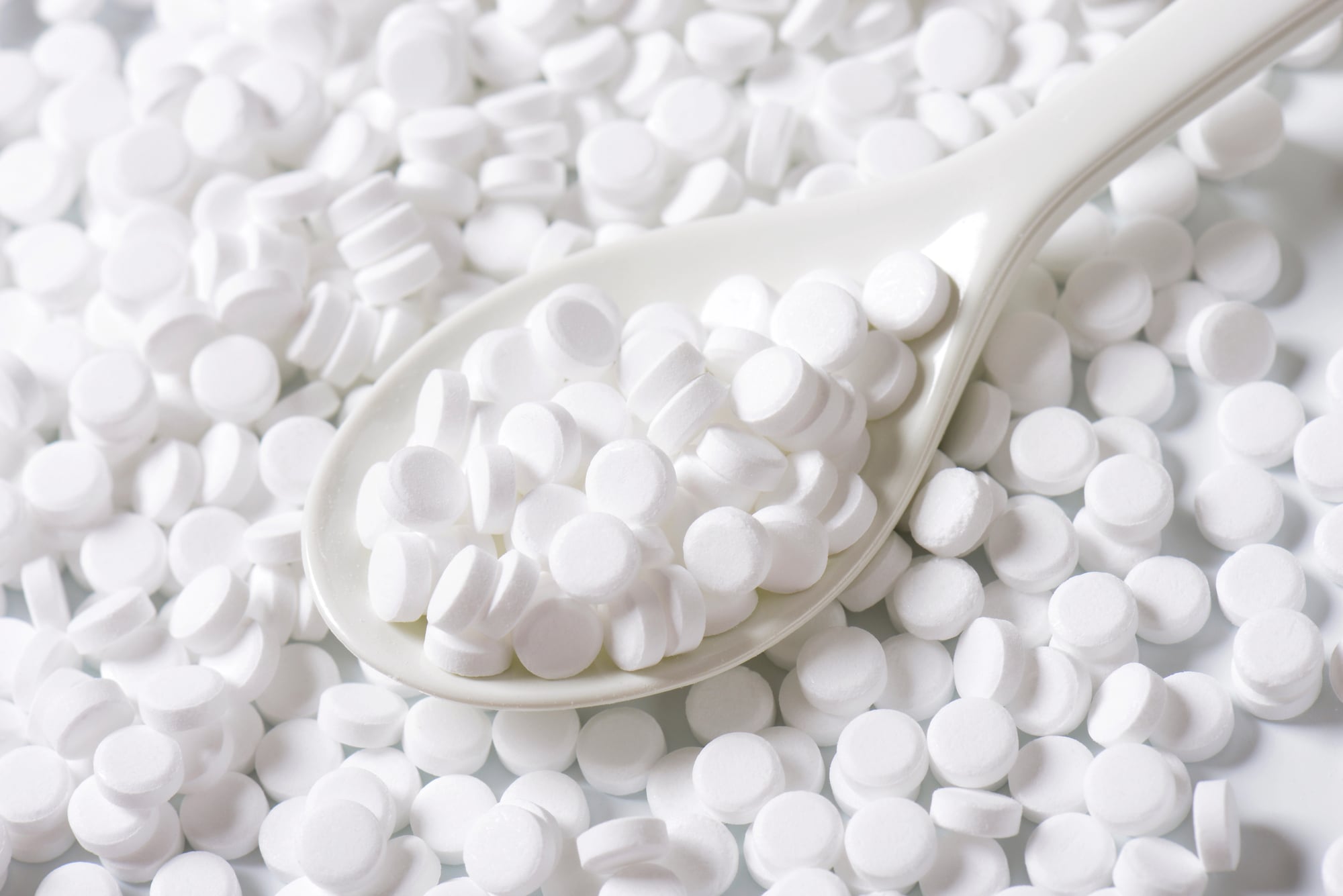
Constantin Fahlberg forgot to wash his hands before dinner. He’d been working in Ira Remsen’s lab at Johns Hopkins in 1879, synthesizing coal tar derivatives — unrelated to food chemistry entirely — and when he sat down to eat that evening, he noticed his bread tasted unusually sweet.
He traced the sweetness back to a compound, benzoic sulfimide, that had transferred from his hands to his food. Saccharin became the first artificial sweetener, and the substance that launched an entire industry came from a man who skipped hand-washing.
Corn Flakes

The Kellogg brothers — John Harvey and Will Keith — left a batch of cooked wheat sitting out too long at the Battle Creek Sanitarium in Michigan in 1894, and when they ran it through rollers anyway, it came out in flakes rather than the flat sheets they expected. They served it to patients, switched from wheat to corn, and Will eventually mass-produced the result as a breakfast cereal.
John was reportedly furious about the commercialization, which adds a certain texture to the story of a product now worth billions.
Silly Putty
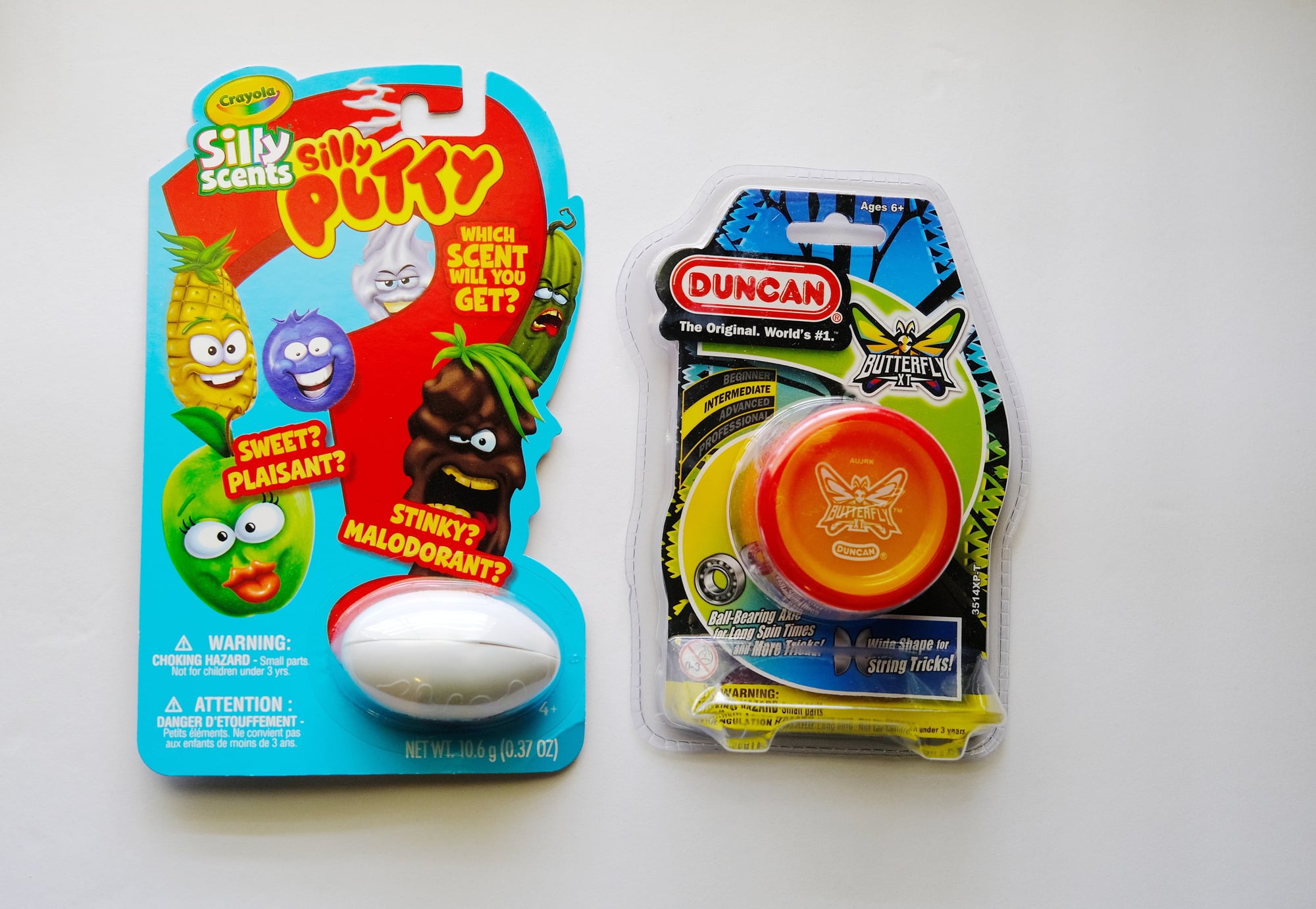
James Wright was working for General Electric in 1943, trying to create a synthetic rubber substitute during wartime material shortages, when he combined boric acid with silicone oil and produced a gooey substance that bounced, stretched, and could lift ink off newspaper pages. It had almost no practical applications — Wright and his colleagues couldn’t find a single use for it for years.
A toy store owner named Ruth Fallgatter eventually packaged it in plastic eggs in 1950, and children have been quietly grateful for Wright’s failed rubber experiment ever since.
Play-Doh
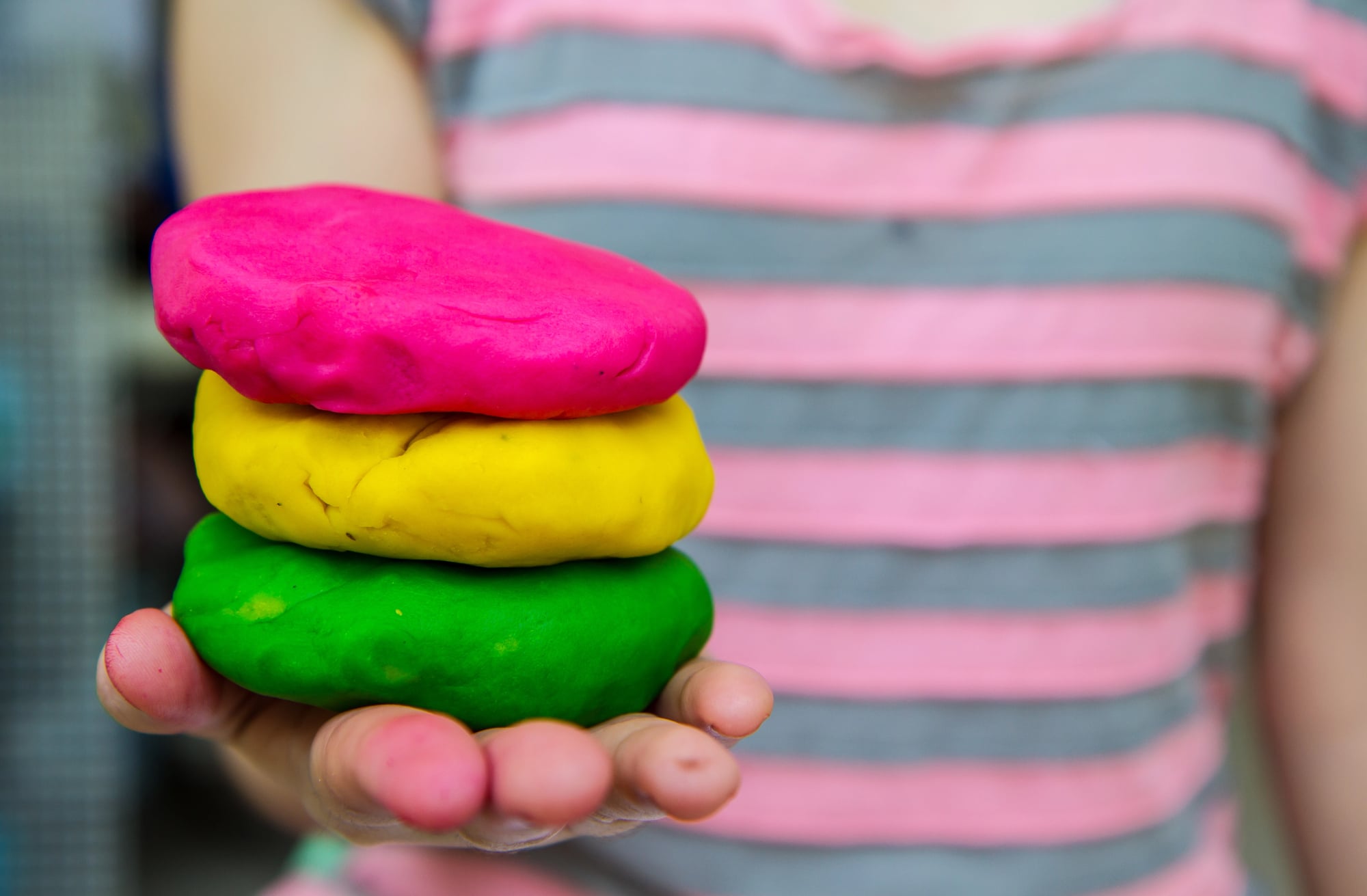
Play-Doh started as a wallpaper cleaning compound — a non-toxic putty made from water, salt, and flour, designed to lift coal residue off walls in an era when homes were heated with coal. When cleaner heating methods made the product largely obsolete in the early 1950s, nursery school teacher Kay Zufall noticed it was pliable, non-toxic, and exactly what children needed for modeling in classrooms.
She convinced her brother-in-law, who owned the company, to remarket it as a children’s modeling compound. The wallpaper cleaner nobody needed became one of the best-selling children’s toys in history.
Potato Chips
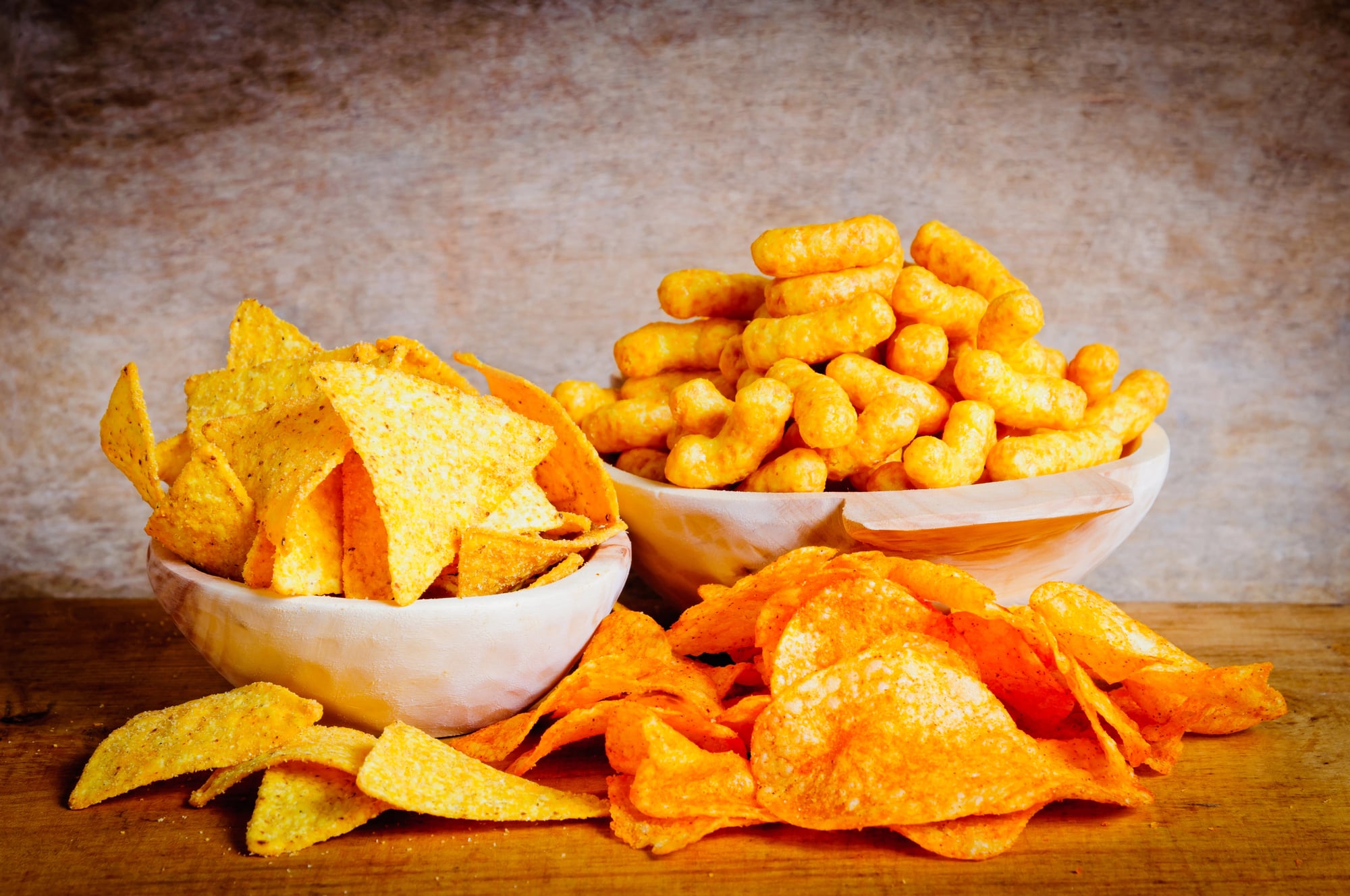
George Crum was a chef at Moon’s Lake House in Saratoga Springs, New York, in 1853, and by most accounts he was not a man who absorbed criticism gracefully. A diner — some accounts name Cornelius Vanderbilt, though that’s disputed — kept sending his fried potatoes back, complaining they were too thick.
Crum sliced them paper-thin, fried them until they were crispy, and salted them heavily, expecting the customer to find them impossible to eat. The customer loved them.
The chip that was meant to be an insult became one of the most consumed snack foods on earth.
The Slinky
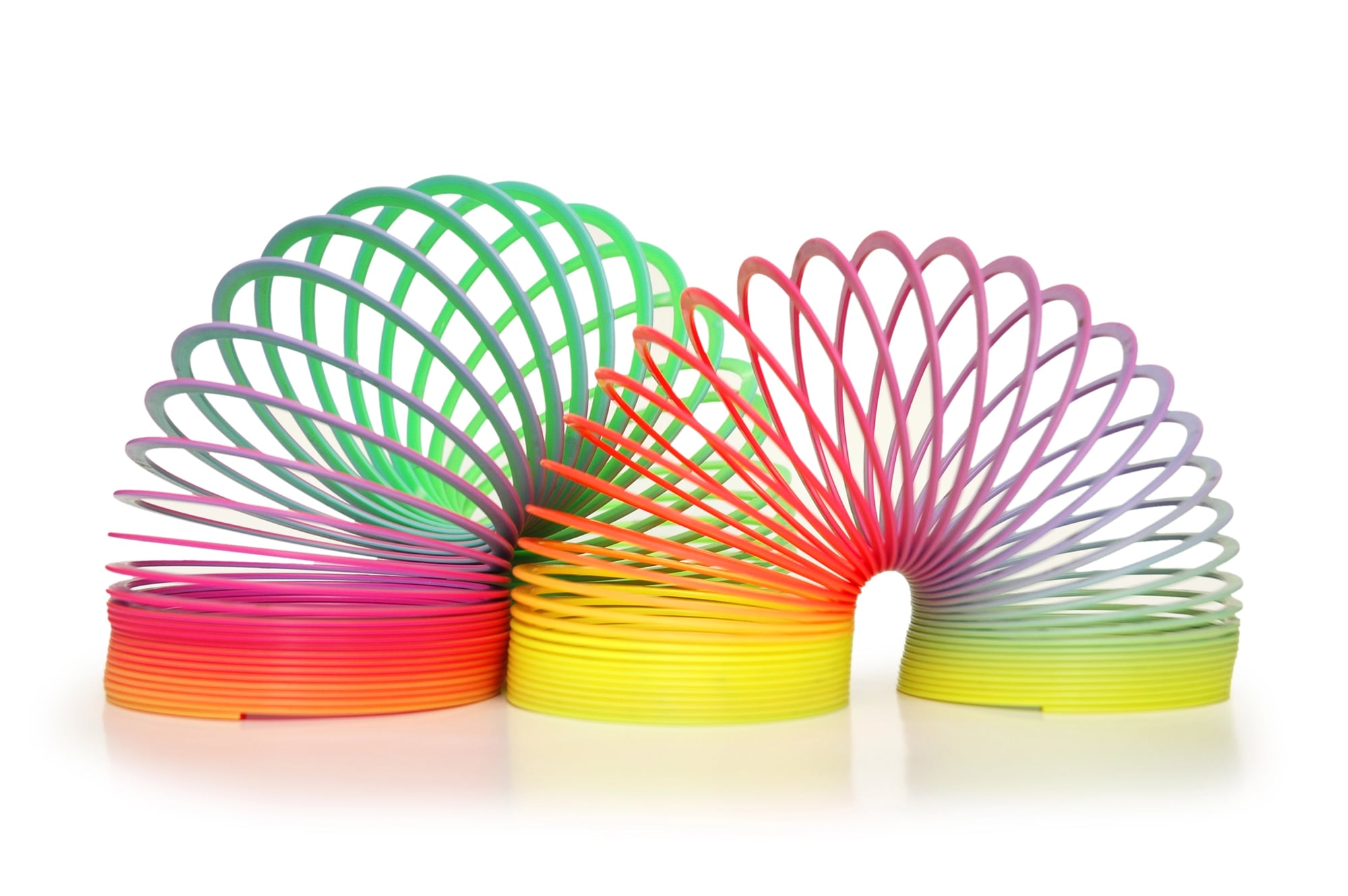
Richard James was a naval engineer in 1943, testing tension springs for use on ships as a way to stabilize equipment on rough seas, when one of the springs fell off a shelf and walked — end over end — across the floor rather than just dropping. He brought it home to his wife Betty, who found it in a children’s toy catalog dictionary under the word slinky, meaning graceful and sinuous.
They borrowed $500, manufactured 400 units, and sold all of them in 90 minutes at a Gimbels department store in Philadelphia. The spring that failed as naval equipment became one of the best-known toys ever made.
Brandy

Brandy is essentially wine that a practical-minded Dutch shipmaster accidentally made useful. Merchants in the 16th century concentrated wine by boiling off water to reduce the volume for shipping — planning to add water back when it reached its destination.
At some point, someone discovered that wine aged in wooden barrels during the long voyage transformed into something richer and more interesting than reconstituted wine could ever be. Nobody sat down to invent brandy, exactly — they just stopped correcting what the barrels were doing.
The Implantable Lens
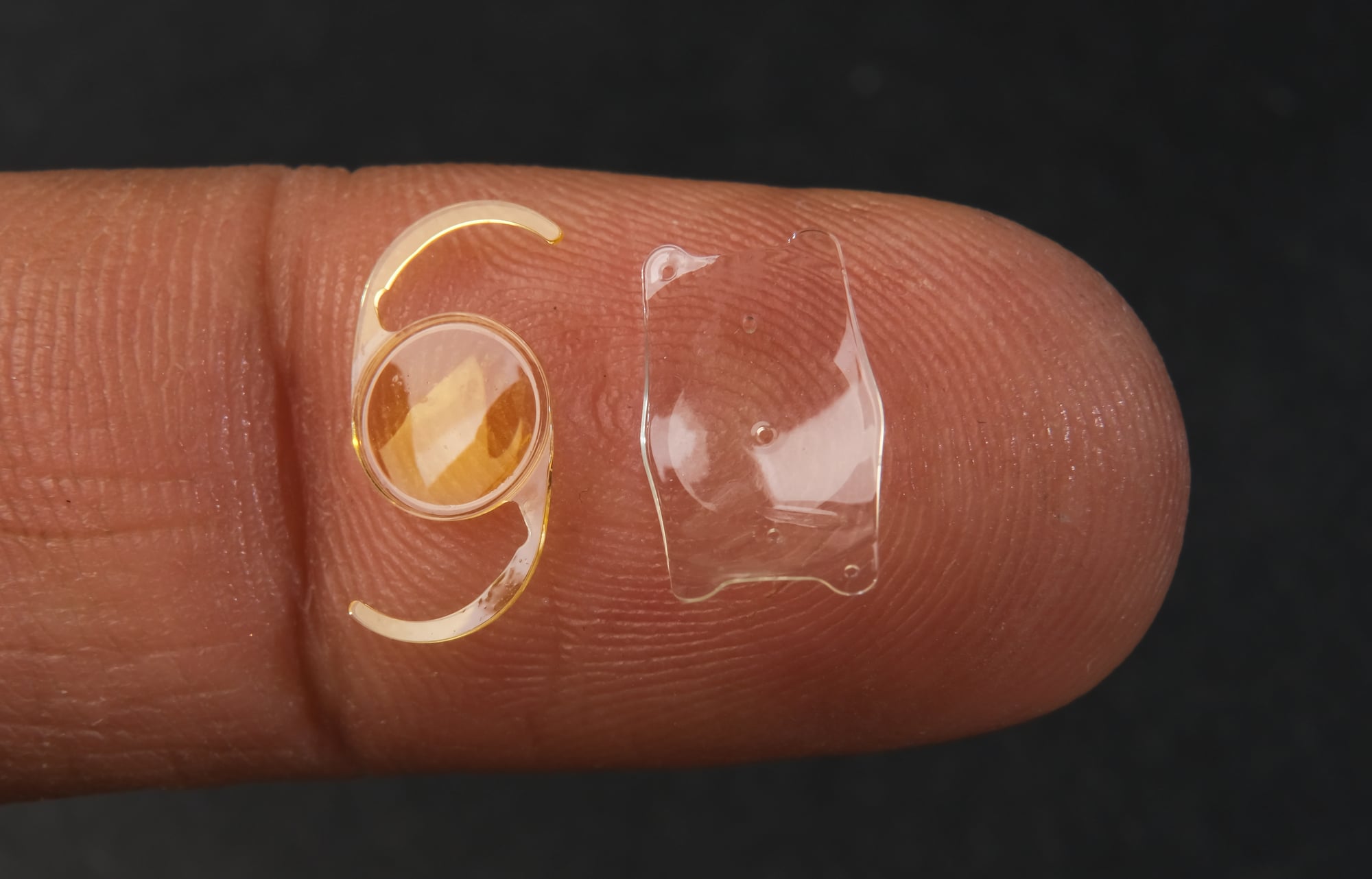
Harold Ridley noticed something in 1940 that other surgeons had overlooked: Royal Air Force pilots who suffered cockpit canopy fragments in their eyes didn’t reject the acrylic plastic — their eyes simply tolerated it, indifferently, over time. The material was Perspex, and its biocompatibility was entirely accidental.
Ridley spent a decade working out how to use that observation to create an implantable intraocular lens for cataract patients — and the operation he pioneered is now one of the most common surgical procedures in the world.
What Accidents Built

There’s a pattern buried in every story above, and it’s not genius — it’s curiosity. The moment that separates the person who changed something from the person who didn’t is usually the moment someone stopped and asked why.
Why did the flask not shatter? Why does this goo bounce?
Why is the bread sweet? The accident was never the invention.
The willingness to take the accident seriously — that was the invention. So next time something goes wrong in a way you didn’t expect, it’s worth at least a second look.
More from Go2Tutors!

- The Romanov Crown Jewels and Their Tragic Fate
- 13 Historical Mysteries That Science Still Can’t Solve
- Famous Hoaxes That Fooled the World for Years
- 15 Child Stars with Tragic Adult Lives
- 16 Famous Jewelry Pieces in History
Like Go2Tutors’s content? Follow us on MSN.